❌

Reading view

Rusia toma nota de disposición de Kiev a debatir tema territorial

Moscú, 30 oct (Prensa Latina) Moscú está al tanto de las declaraciones del mandatario ucraniano, Vladimir Zelenski, sobre su disposición a abordar la cuestión territorial para resolver la crisis, dijo hoy el asesor del Kremlin, Yuri Ushakov.

The post Rusia toma nota de disposición de Kiev a debatir tema territorial first appeared on Noticias Prensa Latina.

  •  

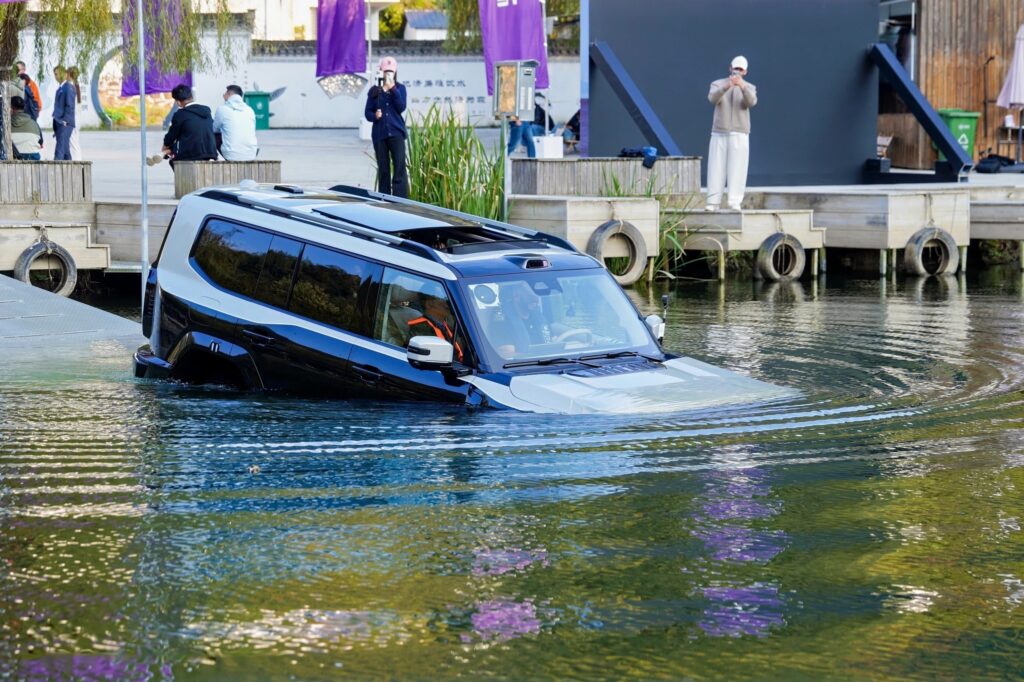
Jetour G700 Ark Edition prova capacidade anfíbia em testes reais na China

O Jetour G700 Ark Edition, SUV híbrido plug-in, concluiu com sucesso um teste de navegação na água, comprovando suas capacidades anfíbias em condições reais. A demonstração foi realizada na base especializada da Série G da marca, na China, durante o Jetour Global Technology Experience Day 2026.

A iniciativa reforça os avanços da Jetour no desenvolvimento de tecnologias para todo tipo de terreno, ampliando as possibilidades de uso de veículos de produção em série em ambientes terrestres e aquáticos.

A demonstração também destacou a GAIA Ark Tech, solução da Série G da Jetour desenvolvida para ampliar a mobilidade em terrenos desafiadores e na água. Voltada a operações de resgate, exploração ao ar livre e atividades em locais de difícil acesso, ela busca oferecer maior versatilidade em condições adversas.

 Ao integrar recursos para a condução off-road e a navegação aquática, a GAIA Ark Tech amplia as possibilidades de uso dos veículos acima dos limites da mobilidade terrestre convencional.

Para garantir o deslocamento controlado na água, a GAIA Ark Tech reúne um conjunto de soluções que inclui sistema abrangente de vedação, controle inteligente de estabilidade durante a navegação e sistema de travessia aquática de 800 V, integrado ao extensor de autonomia anfíbio CEM-O.

Ao ativar o modo de navegação, o sistema de propulsão direciona a energia para o mecanismo específico de deslocamento aquático, permitindo que o veículo avance e mantenha o controle direcional.

 Aliados à proteção com classificação IP68 dos componentes essenciais, esses recursos ampliam as capacidades do veículo para além da transposição convencional de trechos alagados, possibilitando uma experiência de navegação controlada na água.

Após a experiência, um representante da imprensa europeia destacou o desempenho do modelo: “Ao contrário dos veículos conceito que costumam ser apresentados, o G700 Ark Edition é um verdadeiro modelo anfíbio de produção em série.

 Seu desempenho estável na água, a maturidade de seus sistemas e a capacidade de oferecer uma experiência completa de condução, preservando plenamente suas capacidades off-road em terra, superaram as expectativas e demonstram a expertise tecnológica que a Jetour vem desenvolvendo no campo da mobilidade em diferentes ambientes.”

A Série G da Jetour segue avançando no desenvolvimento de tecnologias para todo tipo de terreno, combinando engenharia aplicada e validação em condições reais. Os testes realizados aproximam o desenvolvimento tecnológico da experiência do usuário e demonstram as aplicações práticas da GAIA Ark Tech em situações reais.

A Jetour segue investindo no desenvolvimento de soluções de mobilidade para todo tipo de terreno, com foco em diferentes necessidades de deslocamento e aplicações especializadas. A iniciativa reforça o compromisso da marca em ampliar as possibilidades de mobilidade e oferecer tecnologias confiáveis a usuários em todo o mundo.

G700 no Brasil

A Jetour prepara o lançamento do G700 no país ainda este ano. O SUV terá motorização híbrida plug-in (PHEV) e deverá ocupar o topo da gama, como o maior e mais potente modelo da fabricante no mercado nacional.

The post Jetour G700 Ark Edition prova capacidade anfíbia em testes reais na China appeared first on Diário da Manhã - O Jornal do leitor Inteligente.

  •  

Fabricante da Budweiser atinge previsões de lucro, mas custos aumentam

A Anheuser-Busch InBev atendeu às previsões de lucro para o terceiro trimestre nesta quinta-feira (29), mesmo com ​o aumento dos custos prejudicando seus ganhos; a ​maior cervejaria do mundo é a mais recente empresa do setor de bens de consumo a sinalizar crescentes pressões de custos nas últimas semanas.

As empresas de bens de consumo têm intensificado seus alertas sobre os custos à medida que a guerra no Irã e seu impacto na economia global se prolongam, com cervejarias como a AB InBev — a maior do mundo em volume ⁠global — sendo afetadas pelo aumento dos ​custos de energia, diesel, alumínio e outros insumos.

A fabricante da Stella Artois e ​da Budweiser informou que seu lucro operacional orgânico no trimestre cresceu 3,9%, com receitas superando ⁠as expectativas, embora os custos das commodities tenham ⁠compensado o crescimento da receita em alguns países.

A AB InBev destacou o ​aumento ‌dos custos das matérias-primas, distribuição e transporte em mercados-chave como os Estados Unidos, a Europa ⁠e a África do Sul, onde os investimentos em vendas e marketing também corroeram os lucros.

A empresa informou que sua margem operacional recuou 34 pontos-base, para 36,1%, enquanto seu custo de vendas atingiu ‌US$ 7,21 ⁠bilhões — o maior valor ‌desde 2023.

Suas ações, que subiram cerca de 30% neste ano, caíram 2,7% no início do pregão.

A P&G , referência no setor de bens de consumo, afirmou na semana passada que os custos mais ⁠elevados causariam um impacto ainda maior no lucro ⁠anual.

A fabricante de tabaco Philip Morris International também afirmou que os conflitos globais estavam pesando sobre seus lucros. A ‌Coca-Cola também alertou para a aceleração das pressões de custo.

Os preços do diesel dispararam para níveis recordes devido à guerra no Irã, elevando os custos de frete e transporte em todos os setores.

O conflito também encareceu a energia e pressionou o abastecimento de alumínio, cujos preços ‌já estavam elevados para compradores norte-americanos como a AB InBev devido às tarifas do presidente Donald Trump.

A AB InBev informou que também registrou outra queda acentuada de 16,8% nas ⁠vendas na China no trimestre, prejudicando o crescimento geral na maior parte de sua área de atuação e os volumes recordes em 15 mercados.

A empresa ficou atrás dos concorrentes no mercado chinês ​de cerveja, que está em declínio, onde sua expansão geográfica e maior presença em locais como ​boates a deixaram mais exposta às intempéries e à tendência de consumo em casa.

“Os pontos positivos continuaram indo bem e os pontos negativos continuaram enfrentando dificuldades”, disse James Edwardes Jones, analista da RBC Capital Markets, sobre o desempenho da AB ‌InBev.

  •  

Ambev tem lucro líquido ajustado de R$ 4,4 bilhões no 3º tri

A Ambev teve lucro líquido de R$ 4,37 ​bilhões no terceiro trimestre, de R$ 4,86 ​bilhões um ano antes, refletindo a ausência de efeitos tributários não recorrentes registrados em 2025, além de impactos relacionados ao desinvestimento em Barbados, divulgou a cervejaria nesta quinta-feira.

Em termos ajustados, o lucro líquido cresceu mais de 14% para R$ 4,4 bilhões. Estimativas de analistas compiladas pela LSEG apontavam ⁠resultado positivo de R$ 3,9 ​bilhões.

O balanço da dona de marcas como Budweiser e Skol ​mostrou também expansão orgânica de 8,9% no Ebitda ajustado, para R$7,27 ⁠bilhões.

A margem cresceu 0,4 ponto ⁠percentual nessa métrica, enquanto a receita líquida orgânica consolidada cresceu ​7,6% ‌em relação ao mesmo período do ano passado, com aumento de ⁠6,8% da receita líquida por hectolitro (ROL/hl).

No Brasil, a Ambev destacou que o segmento Premium segue como um dos principais motores de crescimento.

“Sustentado por um ‌portfólio ⁠cada vez mais ‌forte e chegando em diferentes ocasiões de consumo, o segmento apresentou crescimento de 19% em volume no trimestre, contribuindo para a consolidação da liderança ⁠da companhia na categoria”, afirmou a ⁠cervejaria em documento com os números do resultado.

O portfólio “Wellness”, que reúne cervejas sem glúten, ‌com menos calorias e com baixo ou zero teor alcoólico, apurou um salto de 157% em volume no trimestre, segundo a Ambev, impulsionado por marcas como Michelob Ultra (+478%) e Stella Pure Gold (+195%). O Zero ‌Álcool cresceu 43% no trimestre.

Para 2026, a Ambev reiterou sua previsão de aumento anual entre 4,5% e 7,5% no custo dos produtos vendidos ⁠por hectolitro (CPV/hl) em cerveja.

O grupo destacou que já realizou o hedge de exposição ao real/dólar para todo o ano de 2027.

O conselho de administração ​da Ambev também aprovou um programa de recompra de até 190 milhões ​de ações com o objetivo principal de cancelamento das referidas ações. O programa se encerrará até 28 de abril de 2028.

Com vetos da tributária, exportação de cigarros e bebidas será taxada

  •  

Russia may use the Oleshky truce to rebuild its forces, ISW warns, as evacuees face a route through Russia and Belarus

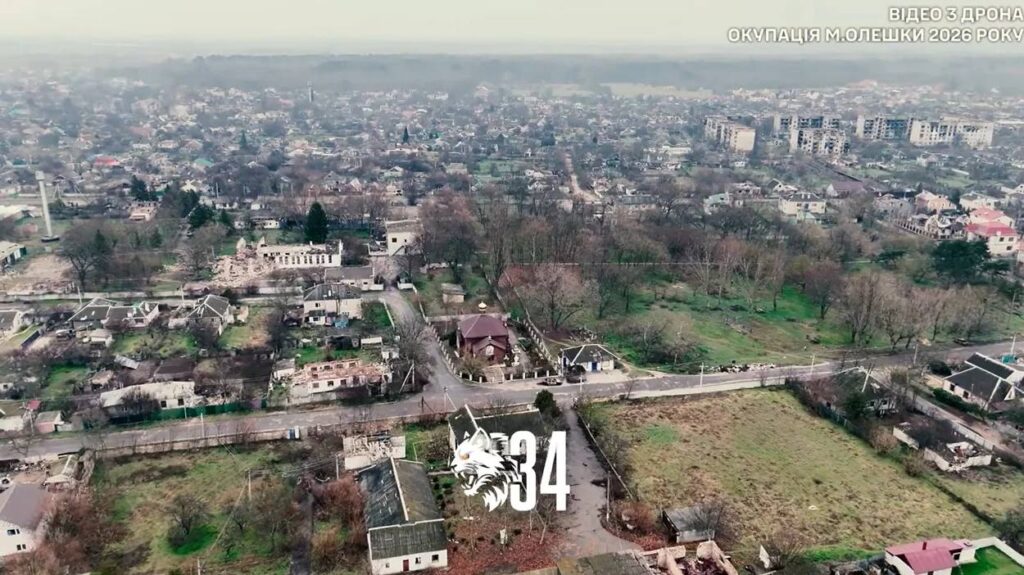
Aerial view of Russian-occupied Oleshky, in Ukraine's Kherson Oblast. Photo via ArmyInform

Oleshky residents who choose Ukraine are to be taken through Russia and flown to Belarus, and the ceasefire agreement does not say how they will get from there to Ukrainian-held territory, the Institute for the Study of War (ISW) noted on 28 October. ISW also warned that Russia may use the truce to rebuild its forces in Kherson Oblast.

Oleshky, a town across the Dnipro from Kherson, has been occupied by Russia since February 2022, and about 2,000 people remain there, short of food and medicine. A US-brokered truce took hold on 27 October so aid can go in and residents can leave. The mission will show whether Russia lets those who choose Ukraine actually get home.

Anapa, Homiel, and then?

Pages of the agreement, signed on 23 October by Ukraine’s human rights commissioner Dmytro Lubinets and his Russian counterpart Yana Lantratova, were published by Fox News. They send the Ukrainian delegation and residents who want to go to Ukraine from Oleshky to the airport in Russia’s Anapa. From there, a Russian Defense Ministry military transport plane is to fly them to Homiel in Belarus, with the flight expected on 31 October.

Map of the Oleshky evacuees’ planned route set out in the ceasefire agreement, via Anapa in Russia to Homiel in Belarus, and a possible onward route through Poland to Ukraine, October 2026
Map of the Oleshky evacuees’ planned route set out in the ceasefire agreement, via Anapa in Russia to Homiel in Belarus, and a possible onward route through Poland to Ukraine, October 2026. Map: EP/Datawrapper

The delegation includes Lubinets, two of his staff, and two Ukrainian journalists, accompanied by a representative of the Russian ombudsman’s office and of the group coordinating the mission. Russia’s Dnepr Grouping of Forces, which holds the left bank of the Dnipro, provides the escort. ISW pointed out that the pages do not explain how evacuees travel on from Belarus, and that it remains unclear whether Russia will give residents “a legitimate and duress-free choice” to return to Ukraine.

Oleshky, Kherson Oblast, has been under Russian occupation since 2022, following Russia’s capture of the city during the initial phase of its full-scale invasion of Ukraine.
Explore further

Ceasefire planned for occupied Oleshky as residents face starvation and blocked escape routes, White House announces

A route through Russia may also mean so-called filtration. People leaving occupied Mariupol in 2022 had to pass Russian screening, and many who hoped to reach Ukrainian-controlled territory were taken to Russia instead, Human Rights Watch documented. In Washington, the Congressional Ukraine Caucus welcomed the ceasefire but raised alarm over reports that Russia was keeping Oleshky residents from evacuating to Ukrainian-controlled territory, RFE/RL reported.

Map showing Kherson across the Dnipro from Russian-occupied Oleshky, with the front line as of 28 October 2026
Kherson lies just across the Dnipro from Russian-occupied Oleshky, yet residents who choose Ukraine are to be routed through Russia and Belarus. Russia has forcibly deported Ukrainians from occupied areas throughout the war, and it is unclear how many evacuees will eventually reach Ukrainian-controlled territory. Map: EP. Front line: DeepStateMap, 28 October 2026. Imagery: Google

On 29 October, the Ukrainian delegation led by Lubinets arrived in Belarus, and the two delegations held their first in-person meeting at Homiel airport, Belarus’s state agency BelTA reported. Belarus has also joined the operation, BelTA said. Lubinets confirmed the same day that he had set off for Oleshky with the delegation to deliver aid and work on making sure people can leave safely.

A page of the Oleshky ceasefire agreement setting out the evacuees’ route via Anapa and Homiel (Gomel)
A page of the Oleshky ceasefire agreement setting out the evacuees’ route via Anapa and Homiel, signed on 23 October 2026. Photo: provided to Fox News Digital

Aid due on 30 October

The truce has held for 54 hours without violations, Lubinets said on 29 October. Routes are being demined, and an aid cargo is to reach Oleshky on 30 October, he added. The truce is set to last until 22:59 on 1 November. Across the river, the Kherson Oblast administration recorded no shelling and no civilian casualties over the past day.

A municipal worker trims a flowerbed on Kherson’s central square, with the damaged Kherson Oblast administration building behind him
A municipal worker trims a flowerbed on Kherson’s central square during the ceasefire, 28 October 2026. Behind him is the Kherson Oblast administration building, wrecked by repeated Russian strikes, including guided bombs in June 2025. Photo: Dmytro Lubinets/Telegram

Lantratova wrote that aid had been sent, saying residents need “food, fuel, medicine, hygiene products,” and that they would be able to leave wherever they wanted to go. Kremlin spokesman Dmitry Peskov said Russia expected residents to get aid within a day or two and those who wished to leave to be able to do so, Ukrainska Pravda reported.

US First Lady Melania Trump, who brokered the truce, announced that four Newsmax journalists will work in Oleshky alongside the Russian and Ukrainian humanitarian teams. Her post quoted Putin’s envoy Kirill Dmitriev, who wrote that Russia “welcomes” the Newsmax journalists, rather than any Ukrainian official:

DOCUMENTING OLESHKY
Four American journalists from Newsmax will be on the ground in Oleshky, embedded with Russian and Ukrainian humanitarian leaders.

Serving as neutral observers, they will independently record and permanently document this historic humanitarian mission. https://t.co/orfhcC8URs

— First Lady Melania Trump (@FLOTUS) October 28, 2026

A pause Russia may use

On the truce’s first day, Russian Defense Minister Andrei Belousov inspected the Dnepr Grouping and met its commander, Colonel General Mikhail Teplinsky. The ministry said they discussed drone units. Ukrainian serviceman and analyst Volodymyr Molchanov told Radio NV that intelligence shows Russia rapidly reinforcing its forces in Oleshky, bringing in what Ukrainian drones had kept out.

Russian forces may use the limited ceasefire to reconstitute in Kherson Oblast, ISW assessed.

  •  

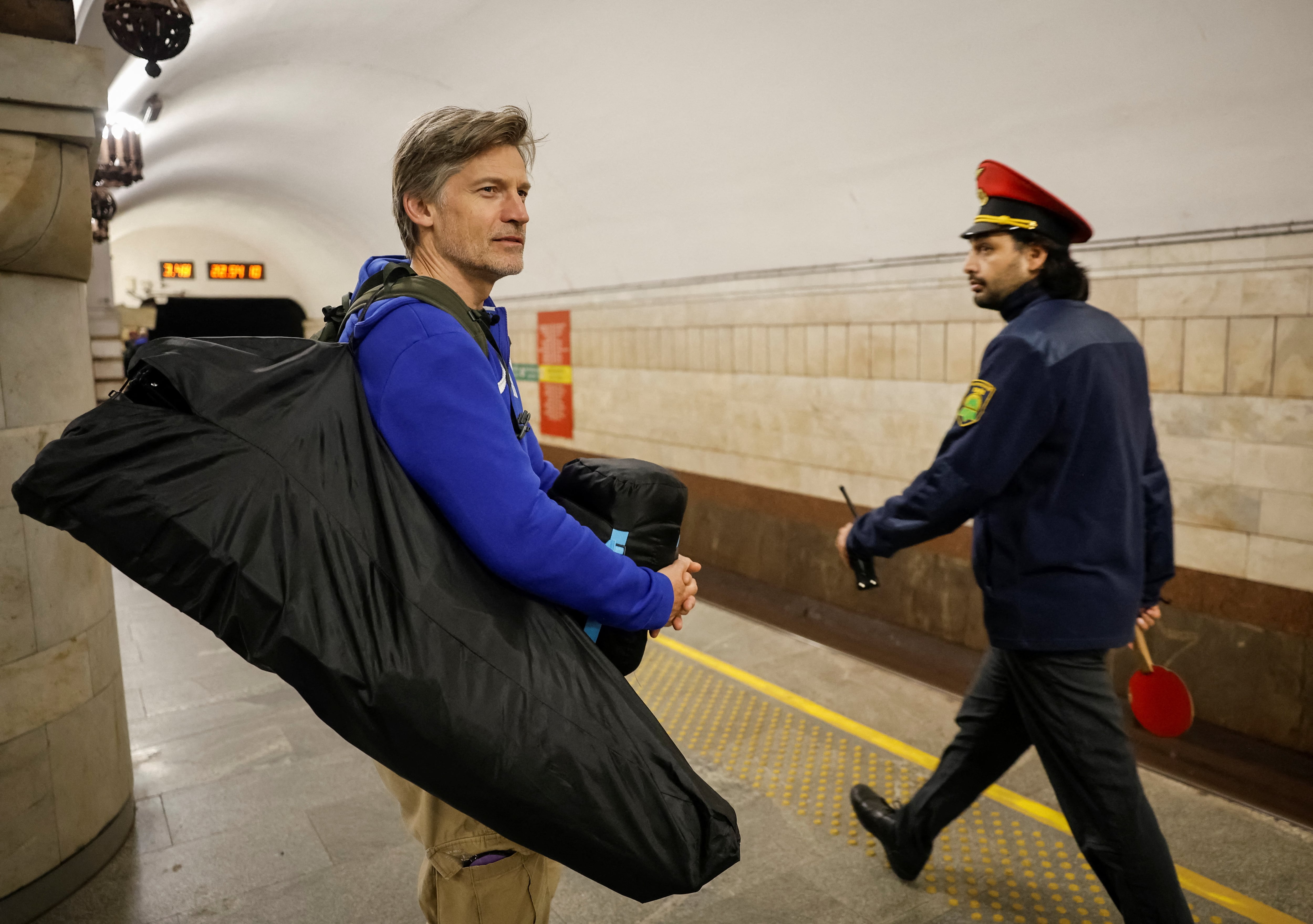
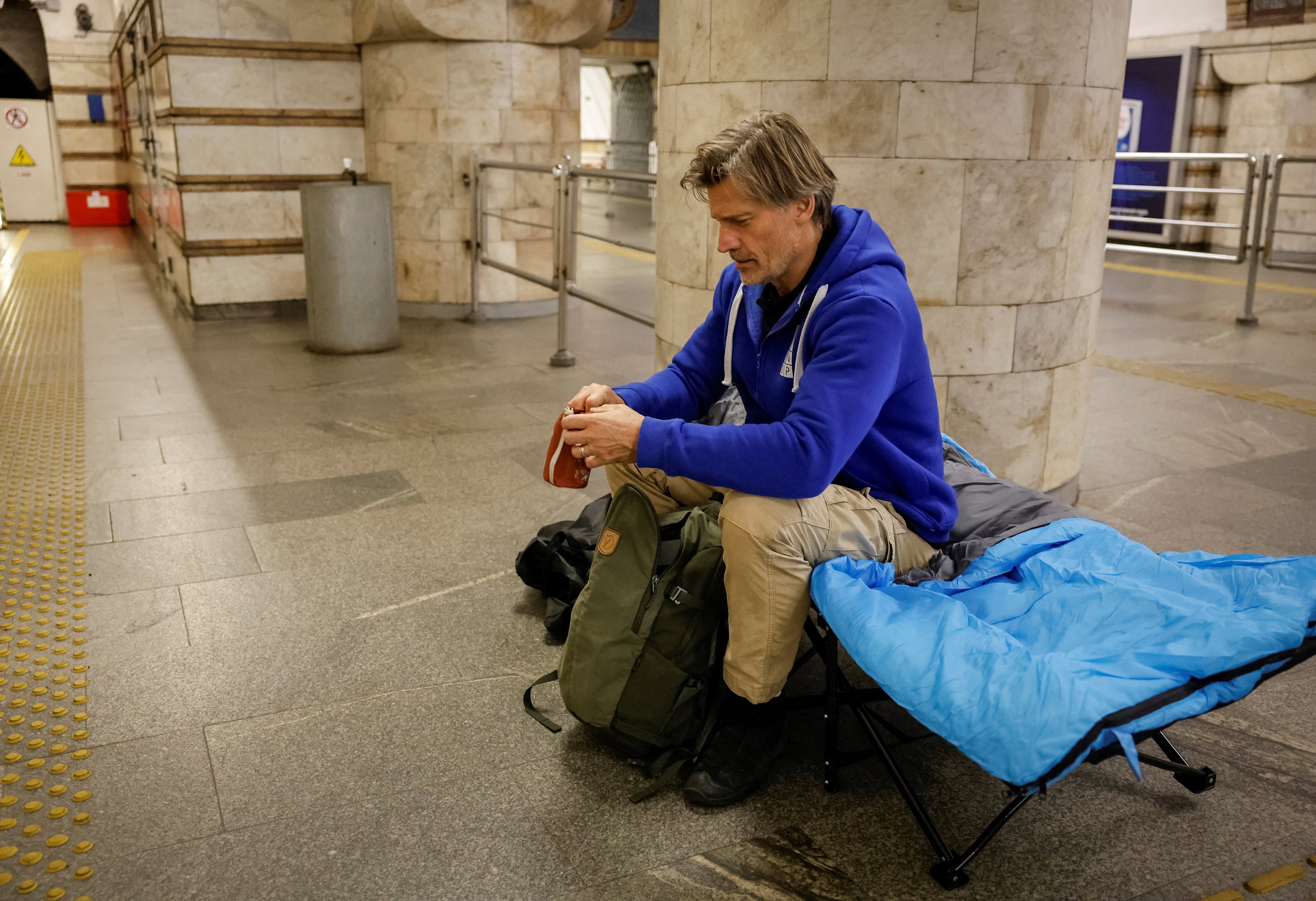
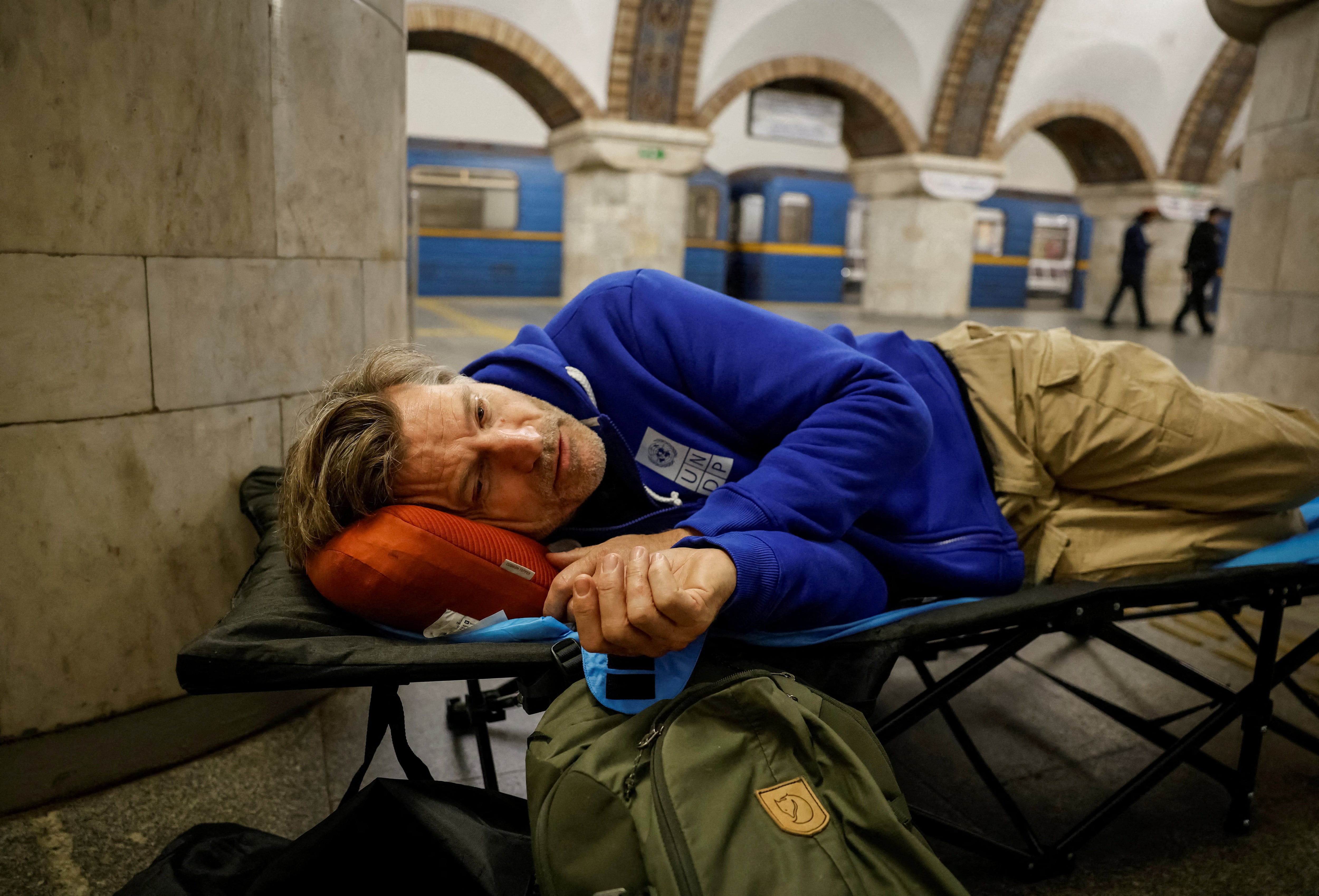
Nikolaj Coster-Waldau, Jaime Lannister en ‘Juego de tronos’, se refugia en una estación de metro de Kiev de los bombardeos rusos

© Stringer (REUTERS)

El actor Nikolaj Coster-Waldau, quien alcanzó la fama mundial por interpretar a Jaime Lannister en la serie 'Juego de tronos', ha sido fotografiado este miércoles 28 de octubre en la ciudad de Kiev. En las imágenes difundidas por la agencia de noticias Reuters, se ve al intérprete en el metro de la capital ucrania con una bolsa de gran tamaño en el hombro y esperando para coger un tren que le lleve a uno de los refugios subterráneos que hay por la ciudad para resguardarse de los bombardeos rusos.

© Stringer (REUTERS)

No se conocen los motivos que han llevado al actor de 'Juego de tronos' a Kiev, pero la información difundida revela que, como tantos otros ciudadanos, estaba buscando un refugio ante el inminente peligro de un ataque con misiles rusos a la ciudad. El intérprete danés se convirtió en embajador de buena voluntad de Naciones Unidas en 2016, en pleno auge de la serie de HBO. Unos 'stories' publicados en su cuenta de Insatgram este jueves, dan a entender que la visita tiene que ver con su trabajo como embajador de la ONU. "
Pasé una noche en el metro de Kiev. Fue una noche bastante dura. Yo puedo vivir esta experiencia una vez y contarlo, pero para miles de ucranianos es una necesidad para mantenerse a salvo durante los bombardeos. Debemos seguir ayudando a la población civil y defender las normas en las que todos estamos de acuerdo", ha escrito sobre una imagen en la que menciona a la UNDP.

© Stringer (REUTERS)

Desde su nombramiento como embajador de buena voluntad del programa de Naciones Unidas para el Desarrollo (PNUD), Coster-Waldau ha dedicado su tiempo a sensibilizar sobre el cambio climático y a apoyar la igualdad de género. También ha puesto en valor la importancia de una institución como la ONU. "Se construyó sobre las ruinas de la II Guerra Mundial para unir a las naciones, para decir: 'No luchemos, hablemos y usemos la diplomacia'. ¿Es perfecta la ONU? No. ¿Necesita reformas? Sin duda", afirmó el pasado mes de marzo en una entrevista con 'EuroNews'.

© Stringer (REUTERS)

El pasado mes de febrero, la Casa de Ucrania en Dinamarca anunció la participación del actor en una cita organizada por el Instituto Cultural Danés. Tal y como informaron en su momento, él y otros intérpretes daneses se encargarían de leer en danés algunas de las lecturas más importantes de autores ucranios. "A través de la literatura ucraniana, plasmada en danés, esta literatura trasciende fronteras y es apreciada por la sociedad con el inmenso apoyo a Ucrania", explicó la organización.

© Stringer (REUTERS)

En las imágenes difundidas este jueves 29 de octubre, se puede ver al actor en un refugio del metro de Kiev sentado en una cama plegable, junto a un saco de dormir y sus pertenencias personales. En otro de los 'stories' que ha publicado este jueves, comparte un pantallazo de su móvil, en el que muestra que durante la noche que pasó en en el metro le llegaron tres alertas rojas por un ataque aéreo sobre la ciudad. "Es terrible que estemos conmemorando cuatro años [de guerra]. Es importantísimo apoyar a Ucrania y su derecho a la autodeterminación. Ha sido fantástico conocer a tantos colegas ucranios”, afirmó en una entrevista publicada en marzo.

© Stringer (REUTERS)

Coster-Waldau estrenará en los próximos meses tres proyectos que ya se han confirmado pero para los que todavía no hay fecha: el corto 'Autopilot', la película 'The Last Mrs. Parrish' —que protagonizará junto a Jennifer Lopez— y el largometraje 'Cons'.

© Stringer (REUTERS)

En una de las imágenes, el actor se hace un selfi con una ciudadana ucrania durante el trayecto hasta el refugio. La tranquilidad con la que aparece en las fotos podría querer mostrar la situación que atraviesan cada día los ucranios ante los constantes bombardeos rusos.
  •  

Profissionais e estudantes refletiram sobre os desafios do setor vitivinícola

VTM

Subordinada ao tema “O Rumo do Vinho em Portugal”, a iniciativa foi organizada pela Associação Nacional de Estudantes de Enologia e Viticultura (ANEEV), em conjunto com a Direção da Licenciatura em Enologia da UTAD, reunindo representantes de várias regiões vitivinícolas do país, profissionais, docentes e estudantes.

Num contexto marcado pelas dificuldades enfrentadas pela atividade vitivinícola, nomeadamente as alterações climáticas e a necessidade de atrair novas gerações, o encontro procurou consciencializar os estudantes para a importância do setor e para as perspetivas de futuro nesta área.

Em declarações à VTM, Filipe Oliveira, presidente da ANEEV, destacou a importância de envolver os jovens na valorização do vinho português e de incentivar a sua entrada no mercado de trabalho, afirmando que “o setor primário é o mais importante”.

Artigo exclusivo PREMIUM

Tenha acesso ilimitado a todos os conteúdos do site e à edição semanal em formato digital.

ou compre apenas este artigo:

Comprar este artigo — 1,00€
Se já é PREMIUM, Aceda à sua conta em Entrar

The post Profissionais e estudantes refletiram sobre os desafios do setor vitivinícola appeared first on A Voz de Trás-os-Montes.

  •  

Trump Explores Lifting Sanctions on Russia’s Flagship Investment Fund

The move would be the latest U.S. concession to Moscow as President Trump pursues economic incentives he hopes will secure an end to war in Ukraine.

© Ramil Sitdikov/Reuters

Steve Witkoff and Jared Kushner, President Trump’s envoys, with Kirill Dmitriev, the head of the Russian Direct Investment Fund, in Moscow last month.
  •  

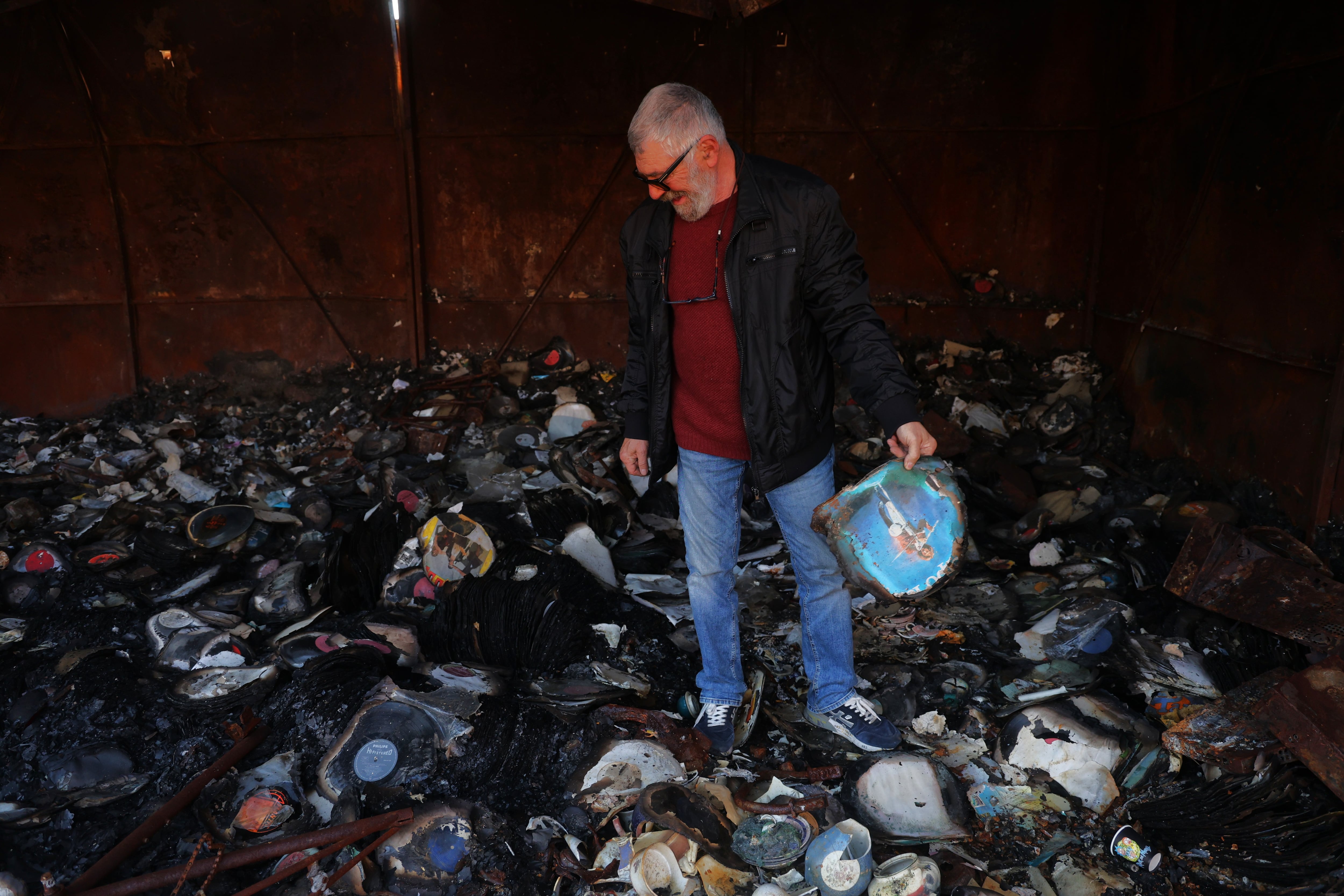
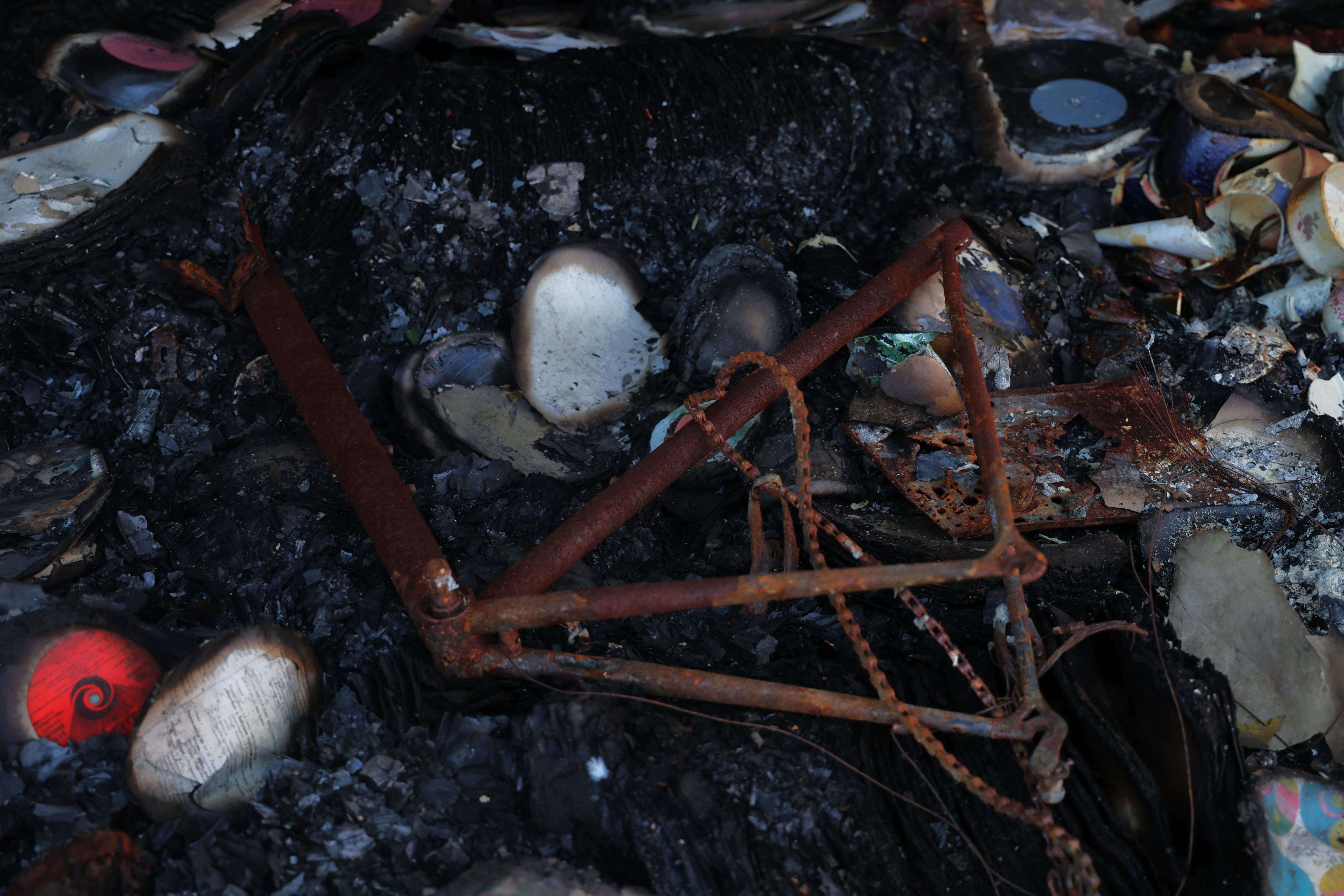
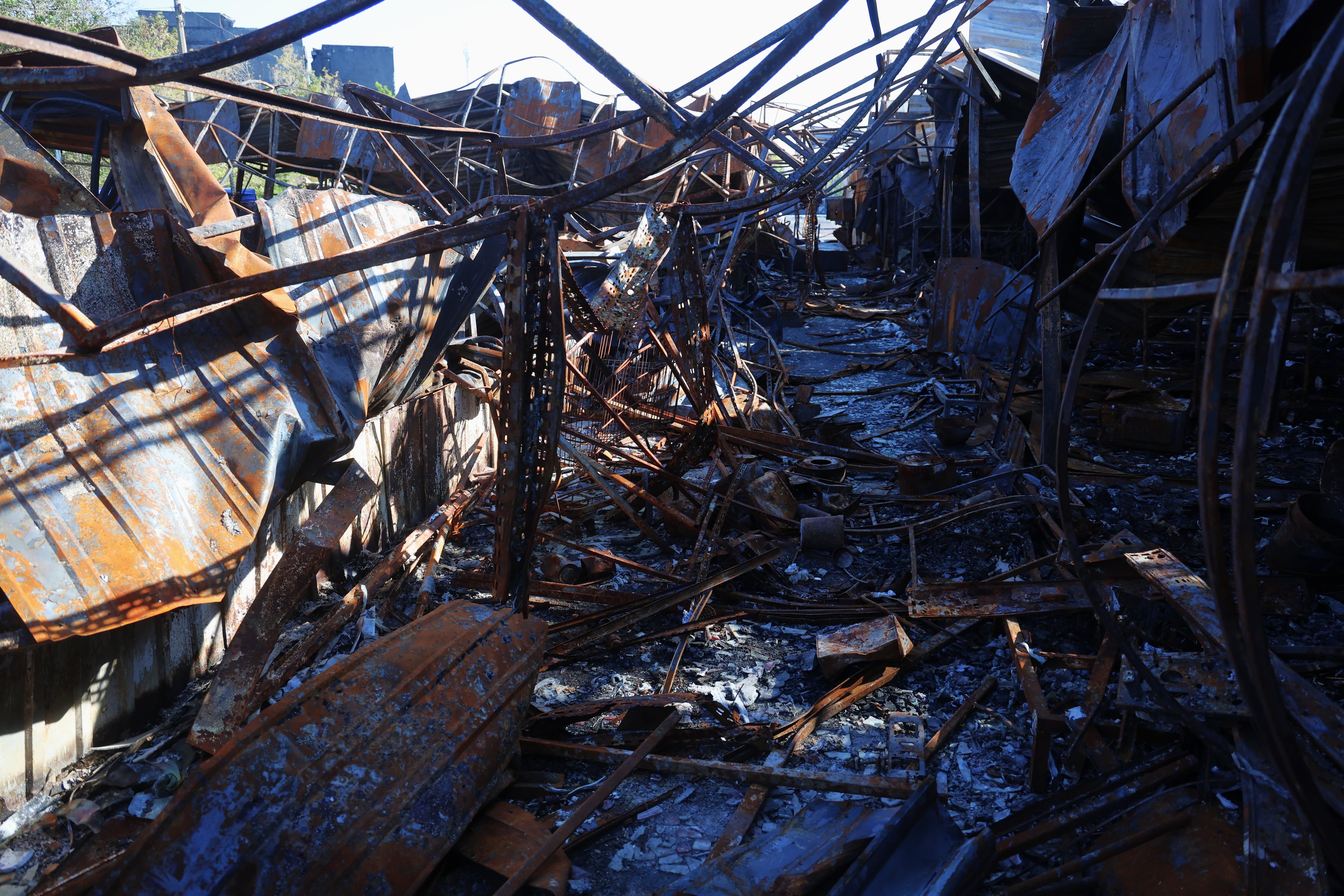
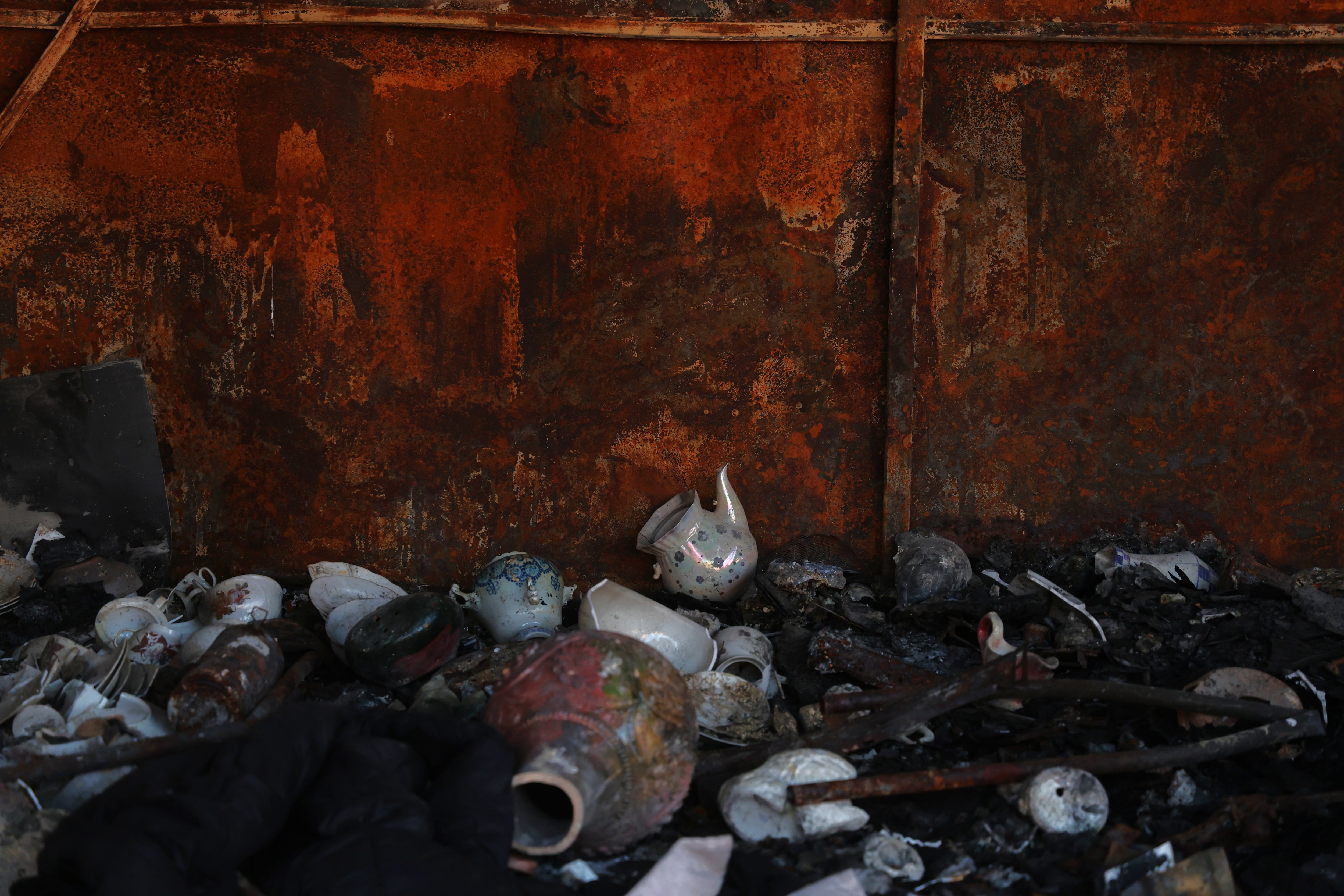
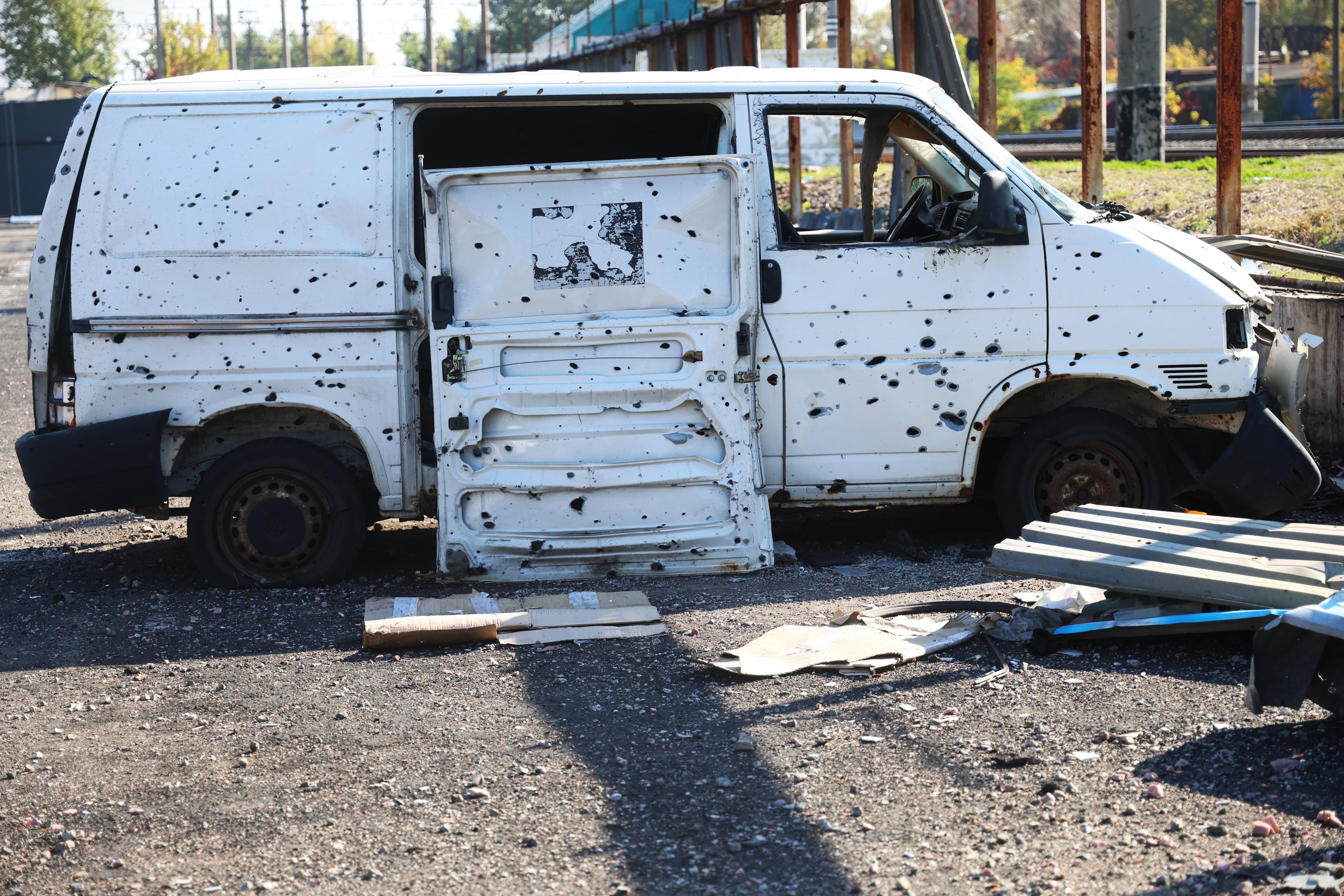
Russian bombs bury songs and the memory of Kyiv when ‘the dance floor was packed’

Vadym Glynarskyy, among his 25,000 vinyl records, destroyed in a Russian attack in Kyiv, October 11.

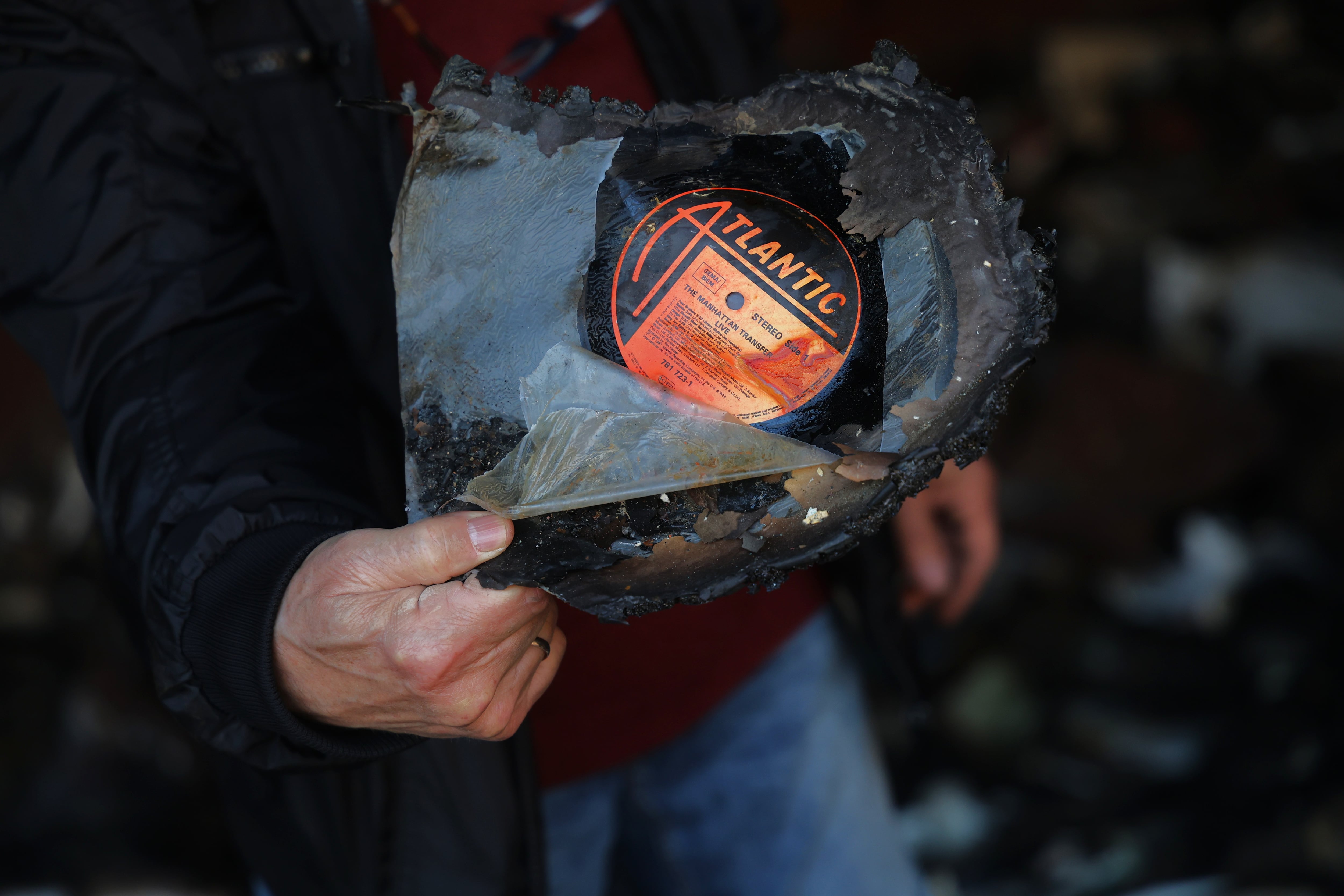
“Look, this one was by Manhattan Transfer.” Vadym Glynarskyy, 73, throws onto the scorched ground the remains of one of the 25,000 vinyl records from his collection that he estimates were ruined in a Russian bombing of the popular Pochaina market in Kyiv. “War is a disaster,” he laments as he surveys the desolate scene of dozens of businesses gutted by fire, including his own. He points out charred metal objects that only he can identify: a speaker, a mixing console, a turntable, an amplifier… even the frame of a bicycle he says was ridden in the 1978 Tour de France and had been given to one of his sons as a gift. In his assessment, the trader adds several thousand CDs and hundreds of cassette tapes that were also lost.

Seguir leyendo

Vadym Glynarskyy with a Manhattan Transfer album he salvaged from the remains of his collection.Remnants of a bicycle that Vadym Glynarskyy claims was used to race in the Tour de France in 1978 and was a gift given to his son.A view of one section of the Pochaina market after a Russian bombing raid.Porcelain shards at a stall in the Pochiana flea market, which was attacked by the Russians three times this summer.A van pockmarked by shrapnel from the shock wave following a missile strike on the Pochaina market in Kyiv.
  •  

Alcaraz é direto sobre Zverev top 1 do mundo: “Estou muito feliz por ele”

Carlos Alcaraz afirmou que Alexander Zverev fez por merecer a posição de número 1 do mundo no ranking da ATP. O tenista espanhol, em entrevista durante o ATP de Viena, analisou a fase do alemão e destacou a consistência e os atributos físicos como diferenciais.

“Ele merece totalmente”, declarou Alcaraz.

“O tênis não se resume a entrar em quadra e jogar bem. Não basta ser o melhor em uma única partida: o que realmente importa é a consistência que você mantém ao longo da temporada. Alguns jogadores se destacam pelo estilo ou pelo nível de jogo, enquanto outros se sobressaem por seus atributos físicos. No caso do Sascha, acho que ele tem os dois.”

Alcaraz sublinhou que a capacidade física de Zverev é um fator crucial para ele se manter no topo e disputar títulos continuamente. Essa constância, segundo o espanhol, foi justamente o que o levou a ser premiado com a liderança no ranking mundial.

“Ele possui um nível extraordinário de tênis e atributos físicos que lhe permitem competir o ano todo, chegar às finais semana após semana, evitar lesões graves e manter a consistência sem demonstrar muito desgaste”, pontuou Alcaraz.

“É por isso que acho que ele é mais do que merecedor do primeiro lugar e teve uma temporada extraordinária. Estou muito feliz por ele, porque sei o quanto ele trabalhou duro para alcançar esse objetivo. É um prêmio muito merecido.”

Apesar das declarações de Alcaraz, Alexander Zverev ainda não é o top 1 do mundo. Ele alcançará a posição ao final da próxima semana e já tem sua liderança garantida até o encerramento da temporada, independentemente dos resultados futuros.

Confronto em Viena?

Os dois tenistas, Alcaraz e Zverev, estão competindo no ATP de Viena e podem se encontrar em uma eventual final. Ambos entram em quadra nesta terça-feira (27) para seus respectivos jogos. O espanhol enfrentará o russo Karen Khachanov, enquanto o alemão terá como adversário o também espanhol Martin Landaluce.

Zverev exalta liderança do ranking até o fim de 26: “Sonho realizado”

Esse texto foi gerado por inteligência artificial com base no conteúdo produzido pela Itatiaia. Todas as informações são apuradas e checadas por jornalistas. O texto final também passa pela revisão da equipe de jornalismo da CNN Brasil.

  •  

Kiev, pioggia di missili e droni russi sulla capitale: colpiti un campus universitario e la metro – VIDEO

Ucraina, nuovo attacco russo su Kiev: devastazione nei pressi dell’università e danni alle infrastrutture della metropolitana

Una nuova ondata di attacchi russi con missili e droni ha colpito Kiev, provocando almeno un morto e 14 feriti, secondo il bilancio comunicato dal sindaco Vitali Klitschko. I bombardamenti hanno danneggiato un campus universitario, alcuni dormitori, edifici residenziali e strutture sanitarie. Colpito anche il Ponte Sud sul fiume Dnipro, con danni alle infrastrutture della metropolitana e conseguente sospensione del traffico. Le immagini mostrano le conseguenze degli attacchi, tra vetri infranti, veicoli danneggiati e detriti, mentre i soccorritori intervengono nelle aree colpite. Video LaPresse.

LEGGI TUTTE LE NOTIZIE DELLA SEZIONE ESTERI

L'articolo Kiev, pioggia di missili e droni russi sulla capitale: colpiti un campus universitario e la metro – VIDEO proviene da Affaritaliani.it.

  •  

Kazakhstan prepares a list for Moscow, Kenya appeals to Kyiv: three governments try to get citizens out of Russia’s war

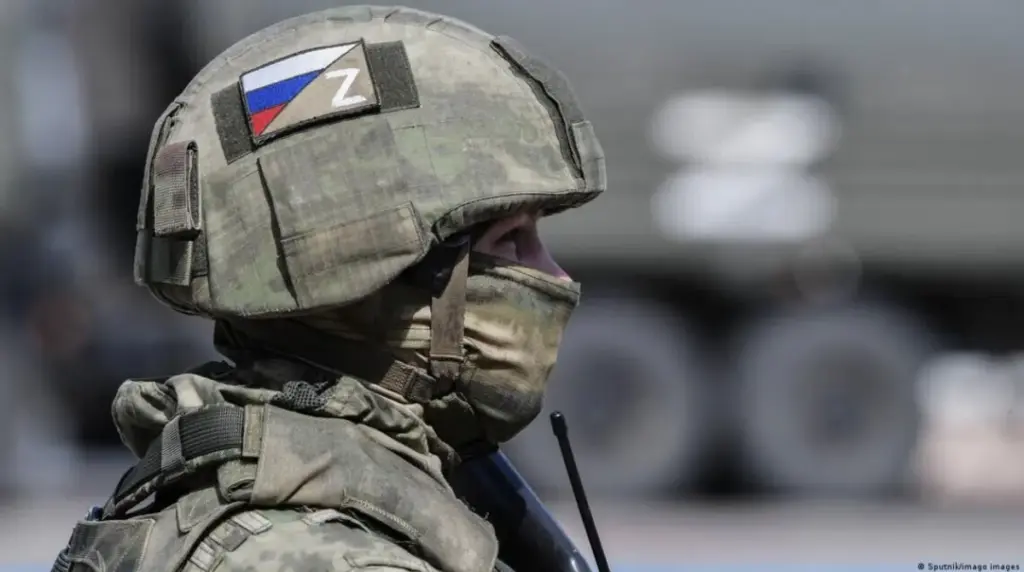
Russian soldier in camouflage wearing a helmet marked with the Russian flag and “Z” symbol.

Kazakhstan, Kyrgyzstan, and Kenya are seeking the return of citizens drawn into Russia’s war, Ukraine’s Foreign Intelligence Service (SZRU) said on 25 October. According to relatives and officials the agency cites, many of the men had gone to Russia for work, only to be tricked or forced into its army.

Russia fills its ranks partly with foreigners. In April, Ukraine’s military intelligence (HUR) said the Russian Defense Ministry plans to enlist at least 18,500 of them in 2026. Foreign recruits let the Kremlin put off hard choices about another mobilization at home, the Atlantic Council argued in May. Home governments have pushed back before, among them Ghana in August. The new statements show the limit of that pushback. Once a man is serving in Russia’s army, his government has to ask Russia to let him go.

Kyrgyz minister: contracts are forced in enlistment offices and jails

Kyrgyz Foreign Minister Jeenbek Kulubaev addressed the problem at a parliamentary committee on 13 October, answering lawmakers’ questions. He said Kyrgyz citizens in Russia are forced to sign contracts at military enlistment offices or in pretrial detention centers. If warned in time, diplomats try to stop the men from reaching the front.

Kazakhstan is compiling a list for Moscow

Kazakhstan is negotiating with Russia over citizens in the combat zone. Its Foreign Ministry said on 7 October that it was checking each hotline request. Once the checks are complete, the ministry said, it will send the compiled list to the Russian side.

SZRU separately cited unnamed relatives of one Kazakh worker. After he complained about working conditions, they said, he and other men were taken to an enlistment office and forced to sign contracts.

Kenya wants five men held by Ukraine treated as possible trafficking victims

Prime Cabinet Secretary Musalia Mudavadi, who also handles foreign affairs, gave lawmakers a count on 8 October. “The Ministry has records of 354 Kenyan nationals involved in the Russian-Ukraine crisis,” he told them. Families who petitioned Parliament dispute that number and put their own count at 841, Kenya’s The Star reported.

extends russian-oil waiver second time — one bessent had told allies wouldn't make · post kenyan mercenary clinton mogesa 29 eliminated ukraine while fighting russia 3b0f96ae -7509-4691-ac12-dbd809d8c68d has extended its
Explore further

Kenya says Russia agreed to stop recruiting its citizens – families of the missing are still waiting

Ukraine holds five Kenyans captured while fighting for Russia, and Nairobi has already appealed to Kyiv over them. The government told Parliament it wants them treated as people who may have been trafficked abroad.

For Kenyans still serving in Russia’s army, the way out runs through Russian officers. Moscow informed Nairobi that unit commanders will consider requests to end military contracts case by case, the same government response said.

  •  

Plane parts for Russia’s air force, rubber for its industry—Voronezh’s factories came under drone attack

plane parts russia’s air force rubber its industry—voronezh’s factories came under drone attack · post fire smoke area vaso aircraft plant voronezh after russia 26 2026 ukraine news ukrainian reports

Drones attacked the VASO aircraft plant in Russia's Voronezh overnight on 26 October, Ukrainian Telegram channel Supernova+ reported. The plant builds Il-96 airliners and parts for Russia's military transport planes. A synthetic-rubber plant was also reportedly hit and fires broke out across Voronezh, while another rubber plant in Tolyatti, farther east, reportedly came under attack again.

Ukraine keeps hitting the plants behind Russia's weapons, from Voronezh's missile chips to Urals titanium for warplanes. Each supplier knocked out of rhythm slows how fast Russia replaces the hardware it loses and keeps using against Ukraine.

What the Voronezh plant builds

Supernova+ described VASO as part of Ilyushin, which belongs to Russia's state-owned United Aircraft Corporation (UAC). The channel published a photo of fire and smoke at the site. The plant lies about 190 km from the Ukrainian border.

VASO makes pylons, engine nacelles, and flap rails for the Il-76MD-90A, a modernized military transport plane, and sends them to Ulyanovsk, UAC's press service said in 2024. "We have reached the production pace of Il-76MD-90A aircraft kits that our Ulyanovsk colleagues need," Igor Butyrin, who runs the plant's Il-76 program, stated at the time. In 2016, the plant built an Il-96-300 that UAC handed over to the Rossiya special flight detachment of Russia's presidential property office.

Map of Ukrainian drone strikes on Voronezh and Tolyatti with distances from Ukraine, Russia, 26 October 2026
Map of Ukrainian drone strikes on Voronezh and Tolyatti with distances from Ukraine, Russia, 26 October 2026. Map: EP/Datawrapper

A rubber plant and a bridge on the list too

Supernova+ also named Voronezhsintezkauchuk, a plant of Russian petrochemical group Sibur that makes synthetic rubbers. The channel later reported a hit on the plant's industrial zone and claimed an attack on the city's Northern Bridge. Ukrainian Telegram channel Exilenova+ published footage of a drone arriving, reportedly at the rubber plant.

The moment the UAV arrived this morning, reportedly at the Voronezhsintezkauchuk factory. pic.twitter.com/2PXyQ5P7sb

— Exilenova+ (@Exilenova_plus) October 26, 2026

Voronezh Oblast Governor Aleksandr Gusev declared a missile alert at 04:47 Kyiv time, but no source has named a missile type. Kyiv has not commented. Ukraine's Air Force, which launches Storm Shadow cruise missiles, and its Navy, which fires Neptunes, have posted nothing on Voronezh.

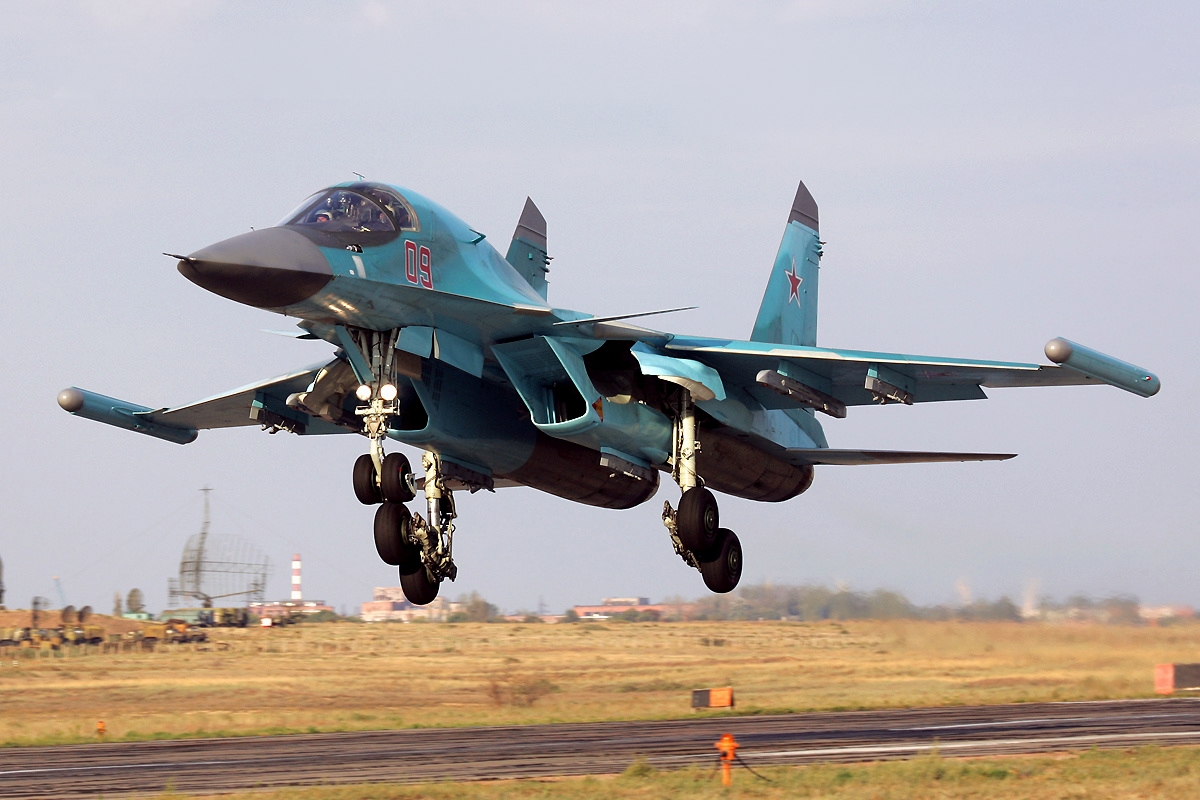
Earlier this month, Ukraine's Navy said it hit six Su-34 bombers in Voronezh Oblast with Neptunes. Storm Shadows reportedly struck an electronics plant in Oryol on 23 October and a battery plant in Yelets two days later.

Fires across the city

Gusev claimed air defenses downed 113 drones over the region, more than 70 of them over the city. He listed fires at several industrial enterprises, which he said caused no serious consequences, plus a business center, an apartment block, and a school stadium. Russian Telegram channel Astra published video of a drone hitting the Galereya Chizhova business center. Exilenova+ footage showed cars burning below apartment blocks.

Voronezh pic.twitter.com/I3WbnGLZhO

— Exilenova+ (@Exilenova_plus) October 26, 2026

Damage in residential districts may have come from downed drones or from Russian air-defense missiles falling back on the city. During a 23 October attack on Gorodets, in Nizhny Novgorod Oblast, Exilenova+ claimed a Pantsir air-defense missile hit a house.

russia's secret aviation report fighter jet clipped its own shelter gate 500 kg bomb fell takeoff helicopter came home printer-paper-sized hole nine engine failures three weeks · post russian su-34
Explore further

Russia still parks its best bombers in the open. Ukraine has spent a year knocking out the air defenses that were supposed to protect them

Gusev also claimed two men were killed and 17 people injured, many of them on a train struck by drone debris. Russian Railways said five passengers were hurt at Somovo station and traffic on the line stopped. Russia's Defense Ministry claimed its air defenses downed 290 drones over 15 regions and the Moscow area.

Tolyatti's rubber plant reportedly attacked again

Locals reported an attack on the Tolyattikauchuk chemical plant in Tolyatti, Samara Oblast, Exilenova+ said. The city lies about 890 km from the front line. Ukraine's General Staff confirmed a strike on the same plant on 24 October. Its synthetic rubbers go into solid fuel for Russia's tactical and ballistic missiles, among other uses.

Until Kyiv comments or satellite imagery shows the site, the damage at VASO stays unconfirmed, and so does any delay to Russia's Il-76 parts line.

  •  

Ukraine, at an impasse: Besieged by Putin and abandoned by Trump

A woman in front of a building split in two by a Russian bombardment in Kramatorsk.

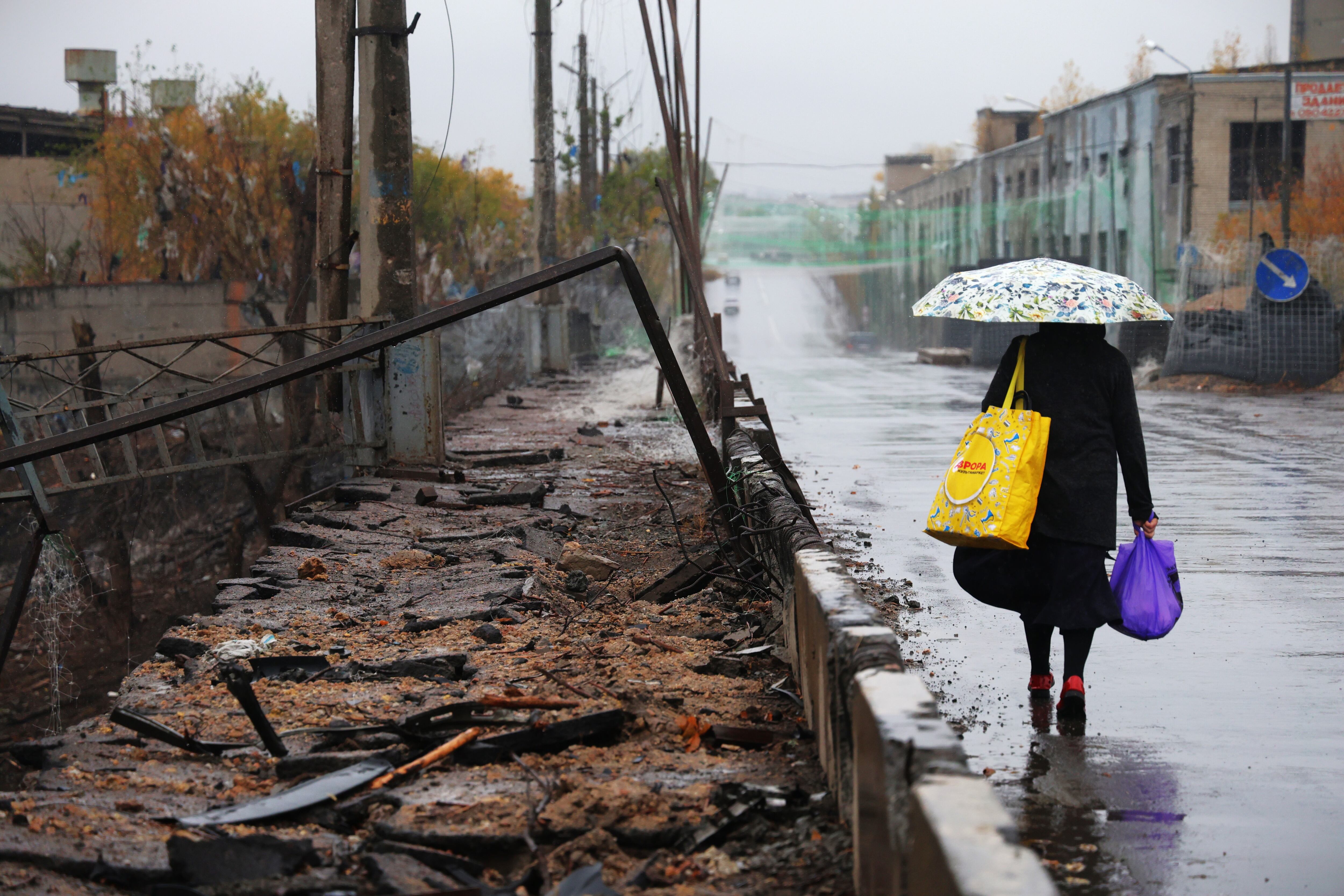
Dawn breaks under rainfall in Kramatorsk, a Ukrainian stronghold under Russian threat on the eastern front. What makes it harder for drones to fly becomes an opportunity for Russian infantry to try to gain ground. These are, in any case, small skirmishes. EL PAÍS reports this from a military command post in Kramatorsk based on images captured by drones on October 15. The front line shows hardly any change and the war is stuck in a complex tangle as the fifth anniversary of the full-scale invasion approaches. Kyiv has also recently suffered serious setbacks: at home, with attacks across around 20 of its regions, and internationally, the blow represented by the United States’ overt alignment with Russia.

Seguir leyendo

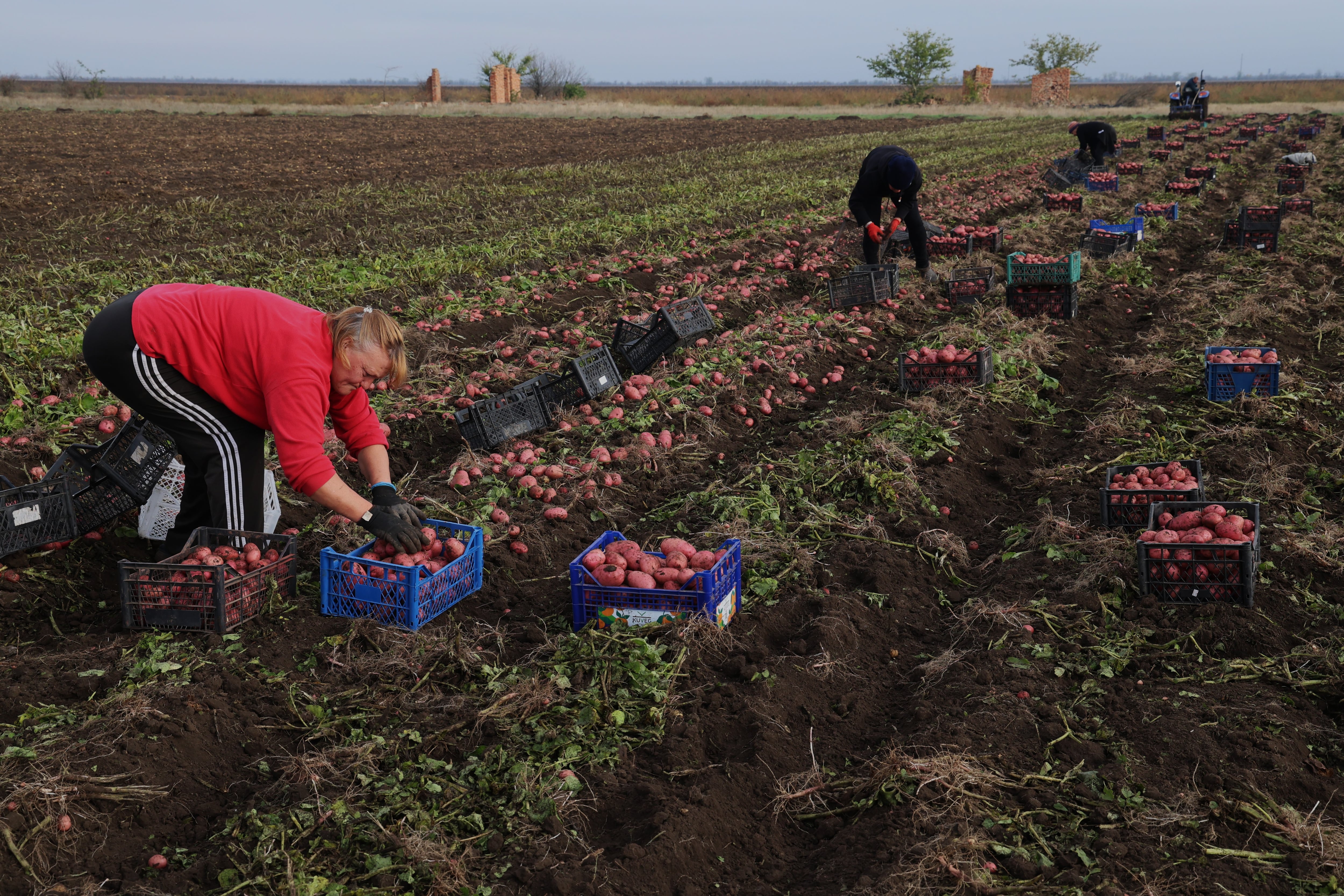
Ukrainian soldiers in Kramatorsk, October 18. A building in Kramatorsk that was hit by a Russian strike last week.A group of women harvesting potatoes in a village in the southern region of Kherson, October 17.A woman on a street in Kramatorsk, a city under constant Russian bombardment.A vehicle on a road with anti-drone protection between the eastern regions of Donetsk and Kharkiv.
  •  

Bulgaria’s Presidential Election Tests Relations with Russia as Black Sea Security Fears Grow

Bulgarians vote on 25 October in a presidential election shaped by Russia’s war in Ukraine, attacks on Black Sea shipping and economic pressures. The contest between incumbent Iliana Yotova and reformist challenger Andrei Gyurov will also test the political authority of Prime Minister Rumen Radev.

Bulgaria will elect a president on Sunday, 25 October, in a contest that has become a test of the country’s relationship with Russia, its commitments to NATO and the European Union, and its response to deteriorating security in the Black Sea.

The Central Election Commission has registered 27 presidential and vice-presidential candidate pairs, although the contest is dominated by incumbent President Iliana Yotova and former caretaker prime minister Andrei Gyurov.

An opinion poll conducted by Market Links between 13 and 19 October placed Yotova ahead with 47.3 per cent support, compared with 30.6 per cent for Gyurov. However, low anticipated turnout makes a second round on 1 November highly likely.

Although Bulgaria’s presidency is primarily ceremonial, the office carries constitutional authority over defence, legislation and government formation. The election also comes six months after former President Rumen Radev secured a parliamentary majority and became prime minister, substantially changing the country’s political landscape.

A presidency shaped by political realignment

Yotova, 62, became Bulgaria’s first female president in January 2026 after Radev resigned to enter parliamentary politics. Previously his vice-president, she is now seeking a five-year mandate of her own.

Her candidacy is supported by Radev’s Progressive Bulgaria coalition, which won 131 seats in the 240-member National Assembly in April, as well as the Bulgarian Socialist Party. Her running mate is Kiril Valchev, director-general of the Bulgarian News Agency.

Gyurov, an economist and former deputy governor of the Bulgarian National Bank, is supported by the pro-European reformist opposition, including We Continue the Change and Democratic Bulgaria. His vice-presidential candidate is Georgi Kandev, a former senior Interior Ministry official.

A third significant contender is Kostadin Kostadinov, leader of the nationalist Revival party, whose political platform includes opposition to Western military assistance for Ukraine and closer relations with Moscow. His running mate is European Parliament member Petar Volgin.

The election follows years of political instability, during which Bulgaria held eight parliamentary elections between 2021 and April 2026. Radev’s parliamentary victory ended a prolonged period of fragmented governments, but it has also raised questions about the concentration of political influence.

A Yotova victory would place both the presidency and the parliamentary majority within the same political camp. A Gyurov victory would instead create an institutional counterweight to Radev’s government.

Russia and Bulgaria’s foreign policy divisions

Bulgaria joined NATO in 2004 and the European Union in 2007, but its relationship with Russia remains politically complicated.

Historical and cultural ties, including shared Orthodox traditions and the legacy of Bulgaria’s liberation from Ottoman rule, have influenced public attitudes towards Moscow. During the Cold War, Bulgaria was among the Soviet Union’s closest allies, and Russian influence continued after the collapse of communism, particularly through energy, business and political networks.

Russia’s full-scale invasion of Ukraine in February 2022 exposed divisions over whether Sofia should provide military assistance to Kyiv or adopt a more cautious position.

Since returning to power as prime minister in May, Radev has advocated maintaining Bulgaria’s European commitments while seeking improved relations with Moscow. His government has halted military deliveries to Ukraine and taken a more restrictive approach to further sanctions against Russia.

Yotova has similarly emphasised negotiations as the means of ending the war and warned against further militarisation of the Black Sea. Her position appeals to voters concerned that escalating confrontation could expose Bulgaria to additional security and economic risks.

Gyurov represents a more explicitly Euro-Atlantic political orientation, arguing for stronger Western alignment and institutional reform.

The contest therefore concerns not whether Bulgaria will formally leave its existing alliances, which would require decisions far beyond presidential authority, but how actively it participates in their policies towards Russia.

Black Sea attacks bring the war closer

The security debate has intensified following a series of drone attacks against merchant vessels operating near Bulgarian and Romanian waters in October.

According to a maritime threat assessment published by Ambrey, three commercial ships were struck on 5–6 October within the exclusive economic zones of the two NATO members. Two sank, marking a substantial escalation in the geographic exposure of commercial shipping.

Ambrey assessed that Russian forces were highly likely responsible and that the vessels had been targeted because of their connections to Ukrainian grain exports.

The attacks have raised concerns about navigation, maritime insurance, food exports and the potential for further incidents involving NATO member states.

Bulgaria’s position on the western Black Sea coast gives these developments particular significance. Its ports, maritime infrastructure and commercial shipping depend on maintaining secure access to international sea routes.

As EU Today previously reported, the expansion of Russian attacks into areas close to NATO territory creates difficult questions for coastal governments seeking to protect commercial interests without becoming direct participants in the conflict.

For Bulgarian voters, maritime security is no longer simply an aspect of the war taking place elsewhere. It has become a question of national security, economic vulnerability and the government’s capacity to respond.

Energy prices and economic concerns

The campaign has also been influenced by inflation and higher energy costs, particularly among lower-income households and residents of rural areas.

Bulgaria’s historical dependence on Russian energy has long complicated its foreign-policy choices. Although the country has pursued diversification, fluctuations in international energy markets continue to affect domestic prices and industrial competitiveness.

Economic concerns have acquired an additional dimension following Bulgaria’s adoption of the euro on 1 January 2026, making it the euro area’s 21st member.

The transition represents a significant stage in Bulgaria’s economic integration with the European Union, but it has occurred during a period of price pressures and uncertainty over household purchasing power.

The presidency does not determine energy policy or monetary decisions. Nevertheless, candidates’ positions on Russia, European integration and economic security form part of the wider political debate.

Why a second round is likely

Under Article 93 of Bulgaria’s Constitution, a candidate must receive more than half the valid votes, with turnout exceeding 50 per cent of eligible voters, to win in the first round.

Neither requirement is expected to be easily satisfied. Turnout in the first round of the 2021 presidential election was approximately 38.6 per cent, reflecting the broader problem of electoral participation after repeated national votes.

If no candidate meets the constitutional requirements on Sunday, the two leading candidates will contest a runoff on 1 November.

Yotova enters the election with a substantial polling advantage, but Gyurov could benefit from opposition voters consolidating around his candidacy in the second round.

The result will determine more than the occupant of the presidential office. It will indicate whether Radev’s parliamentary dominance can be extended to the presidency, or whether voters prefer a political counterweight at a time when Bulgaria faces growing pressure to define its position between Moscow and its Western allies.

  •  

Russia’s Doppelgänger operation used fake Ukrainian channels to spread disinformation. Hacked files show who ran it

russia’s doppelgänger operation used fake ukrainian channels spread disinformation leaked files show ran · post sergei kiriyenko first deputy chief staff russian presidential administration kremlin video conference regional heads 8
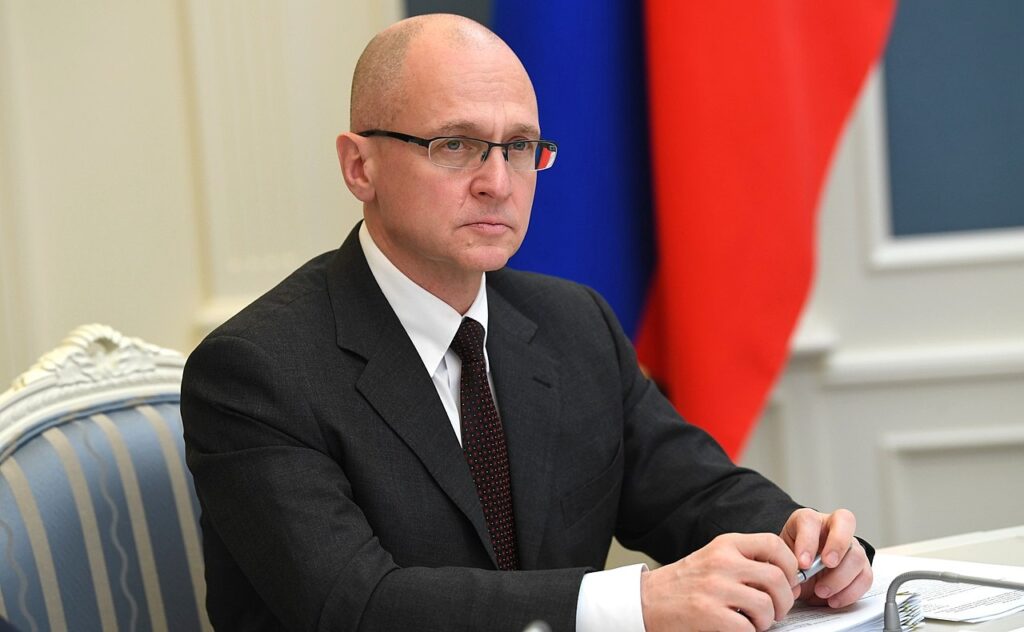
Sergei Kiriyenko, first deputy chief of staff of the Russian Presidential Administration, set the goals for the Ukraine strand of the operation, launched in early 2023 under the codename "Uganda." Alexander Kharichev, now head of the Kremlin's Directorate for Monitoring and Analysis of Social Processes, oversaw it, according to hacked correspondence published by The Insider on 21 October.
Doppelgänger disguises Russian narratives as local news through cloned media sites, fake accounts, paid ads, and fabricated videos. The FBI named Kiriyenko among its orchestrators in 2024, and its contractor, the Social Design Agency (SDA), run by Ilya Gambashidze, is still expanding, now targeting AI chatbots. The new files go inside the Ukraine campaign and show the operation reporting even exposed fakes to the Kremlin as achievements.

Telegram channels posing as Ukrainian

An internal briefing on narratives says the project ran its Telegram channels on the principles of agent work and psychological operations, the Russian version of the investigation shows. Early on, the team decided to disguise all its outlets as Ukrainian and to run its campaigns without direct Russian propaganda. Every channel carried Ukrainian news to look unconnected to Russia. Dropping pro-Ukrainian themes, the briefing warned, would eventually expose the client and wreck the whole plan.

Collage by Euromaidan Press
Explore further

Russia-linked bot networks kept their weekly rhythm after drone strikes on three Yandex data centers—disinformation monitor LetsData

Four goals and a can of stew

Kiriyenko set four goals: discredit Ukraine's military and political leadership, split its elites, demoralize its army, and disorganize its population. The SDA prepared the project's pitch and carried out the work.

Political strategist Alexander Asafov proposed fakes of his own: in May 2023, that soldiers were bribing commanders to avoid the front, and in January 2024, that Ukraine was pulling air defenses back to Kyiv to protect the authorities.

After an Il-76 military transport crashed in Belgorod Oblast on 24 January 2024, Moscow claimed it had been carrying Ukrainian prisoners of war. Kharichev's subordinate Yevgeny Kazakov, chairing a meeting in his place, proposed sending a fake to the widows of Ukrainian soldiers: "They died for an expensive Il-76—the Russians have few of those." The idea was dropped.

The same meeting produced another fake, and three days later the team launched it: that recruitment centers had sent widows a can of stewed meat with a little flag as compensation. The same producers also oversaw letters falsely attributed to Deputy Defense Minister Nataliia Kalmykova, the Russian version says.

Debunks filed as results

The SDA collected coverage of its work in a folder for the Kremlin. It filed the "Zelensky's yacht" story, which JD Vance, then a US senator and now US Vice President, echoed, together with its debunk. The report also included a TikTok campaign about former Defense Minister Oleksii Reznikov's family that the BBC had already exposed.

The Insider concludes that the team has had more failures than successes. The US sanctioned Gambashidze and the SDA in March 2024, and the UK followed in October.

  •  

Talking with China, say what you’re told you can’t say

For years, the idea of speaking forthrightly to China would evoke an admonition from the US State Department and most of the American policymaking class: “We can’t do that. They won’t like it.” They’d often add, “China has red lines, don’t you know?” There are things you are told you just can’t say – questioning […]

The post Talking with China, say what you’re told you can’t say appeared first on Asia Times.

  •  

Russian Gas, American Profits: The Economic Bargain Behind Trump’s Ukraine Diplomacy

The Trump administration’s reported proposal to restore Russian gas supplies to Europe through Ukraine marks a reversal of Washington’s longstanding energy policy. Behind the promise of an economic incentive for peace lies a more consequential question: whether Europe is being asked to restore the very dependence on Moscow that it has spent four years dismantling.

The administration of US President Donald Trump is considering the restoration of Russian natural gas supplies to Europe, including through Ukraine’s pipeline network, as part of a proposed settlement to end Russia’s war against Ukraine. The initiative would offer Moscow renewed energy revenues while potentially opening opportunities for American investors to participate in the trade.

According to a New York Times investigation published on 17 October, presidential envoys Steve Witkoff and Jared Kushner have raised the proposal with Ukrainian and European officials, including President Volodymyr Zelenskyy. The White House has confirmed that economic incentives for Russia and Ukraine form part of its peace diplomacy, although no agreement on renewed gas transit has been announced.

The proposal would require Ukraine to reopen a transit route that ceased operating for Russian exports in January 2025, while European governments would be expected to resume purchases they have spent years reducing. American negotiators reportedly regard the prospect of renewed commercial revenues as an incentive for President Vladimir Putin to reach a settlement.

There is, however, a considerable difference between offering Russia a commercial opportunity after a verified peace agreement and restoring a source of revenue and political influence before Moscow has demonstrated any willingness to abandon its territorial objectives.

From opposition to Russian gas to facilitating its return

The reported initiative represents a reversal of Trump’s earlier position on European energy security.

During his first presidency, Trump repeatedly warned Germany that its dependence on Russian energy exposed it to political pressure from Moscow. Speaking at the United Nations General Assembly in September 2018, he accused Berlin of becoming dangerously dependent on Russian supplies. Members of the German delegation visibly smiled at his remarks.

The episode acquired renewed significance after Russia’s full-scale invasion of Ukraine in February 2022. Germany had developed an extensive commercial relationship with Gazprom, while the Nord Stream pipelines were intended to facilitate Russian gas deliveries directly to Germany, bypassing traditional transit countries, including Ukraine.

Trump maintained his opposition to those energy relationships well into his second presidency. As EU Today reported in September 2025, he told European governments that continuing to purchase Russian energy amounted to financing the war against themselves.

Washington is now reportedly considering precisely the commercial relationship that Trump previously identified as a strategic danger.

The change cannot be explained solely by the objective of ending the war. It also coincides with discussions about a substantially different economic arrangement, in which American commercial interests could participate in infrastructure and transactions previously dominated by Russia and European energy companies.

American investors and the economics of peace

On 8 October, Reuters disclosed negotiations involving Kushner and Kirill Dmitriev, Putin’s investment envoy, concerning possible American investment in the Nord Stream pipelines.

The discussions included the prospect of US investors profiting from renewed Russian gas deliveries to Europe. Separate negotiations have involved assets belonging to the Russian energy company Lukoil.

The White House has denied that Nord Stream was a subject of recent discussions and has said any agreements must benefit American taxpayers and companies. There is no established evidence that Witkoff, Kushner or members of Trump’s family would personally profit from the proposed gas arrangements.

Nevertheless, the possibility of American participation changes the commercial equation. Russian gas returning to Europe through infrastructure involving US investors would no longer be exclusively a Russian-European business relationship.

That distinction matters financially, but it does not necessarily resolve the underlying security problem. American ownership of transit infrastructure would not eliminate Moscow’s ability to influence production, supply volumes or export decisions.

The European Union has already confronted the consequences of allowing an energy relationship to become a source of geopolitical leverage. Introducing American intermediaries would not, by itself, remove that vulnerability.

Europe’s legal and political obstacles

The proposal also conflicts with legislation already adopted by the European Union.

In January 2026, the Council formally approved a regulation phasing out Russian natural gas imports. The restrictions began taking effect in March, with the remaining long-term LNG imports scheduled to end in January 2027 and pipeline imports in autumn 2027.

Consequently, restoring substantial Russian supplies would require changes to existing EU policy or the use of legally available exceptions. Neither Washington nor Moscow can make that decision on Europe’s behalf.

Germany has already opposed the reported American initiative. Chancellor Friedrich Merz’s security adviser, Günter Sautter, reportedly objected during discussions in Florida, while former economy minister Robert Habeck warned against recreating dependence on an unreliable supplier.

The economic attraction remains understandable. European industry faces substantial energy costs, and cheaper pipeline gas could offer relief to some consumers and manufacturers. Yet commercial prices do not account for the wider costs associated with supply disruption, strategic exposure and the potential use of energy exports as political leverage.

Europe’s decision to reduce Russian gas imports was therefore not simply a change of supplier. It was a response to the security implications of its previous energy model.

The consequences for European politics

The initiative also intersects with divisions inside European politics, particularly in Germany.

Alternative for Germany (AfD) has repeatedly advocated restoring Russian energy imports, arguing that sanctions and expensive replacement supplies have damaged German industry. Sahra Wagenknecht’s left-wing BSW has advanced similar arguments concerning energy prices and relations with Moscow.

The overlap extends beyond energy policy. On 14 October, AfD and BSW representatives supported a motion in Saxony-Anhalt calling for an end to military assistance for Ukraine.

A US-backed proposal to restore Russian gas could give these parties an additional argument against the federal government’s existing approach. They would be able to point to Washington’s own negotiations when questioning the economic and strategic rationale for maintaining restrictions on Russian energy.

This does not establish that the Trump administration’s gas initiative is intended to strengthen particular European political movements. It does demonstrate how the same policy could serve several objectives simultaneously: commercial rapprochement with Russia, a negotiating incentive for Moscow and a change in the European debate over sanctions.

A peace incentive that could restore Russian leverage

The central uncertainty concerns the relationship between renewed revenues and Russian military objectives.

Washington’s argument assumes that the prospect of substantial future gas income could persuade Putin to accept a settlement. Yet negotiations over commercial cooperation have so far produced no demonstrated change in Moscow’s fundamental territorial demands.

Meanwhile, Russia continues attacking Ukraine’s energy infrastructure. On 18 October, Zelenskyy reported 76 Russian attacks on Ukrainian energy, oil and gas facilities during the preceding week, despite Trump’s announcement of an energy ceasefire that neither Kyiv nor Moscow had confirmed.

There is also an unresolved contradiction in Washington’s wider sanctions policy. Having previously demanded that Europe stop financing Russia through energy purchases, Trump has recently suspended additional American sanctions against Moscow while his representatives explore new economic arrangements.

For Ukraine, renewed transit could restore revenue lost when the previous gas agreement expired. For Russia, however, the potential benefits extend beyond immediate export earnings. Access to European markets would restore commercial relationships and a degree of political influence that Moscow lost after the invasion.

The distinction is fundamental. A peace settlement that permits carefully regulated economic cooperation after Russian withdrawal and enforceable security guarantees would be different from an agreement that restores Moscow’s commercial advantages in anticipation of concessions that have not yet been secured.

The question for European governments is therefore not merely whether Russian gas could once again become cheaper than alternative supplies. It is whether restoring that trade would leave Europe better protected against another confrontation with Moscow, or recreate the vulnerabilities that became apparent in 2022.

Washington’s proposed economic bargain cannot answer that question on Europe’s behalf.

  •  
❌