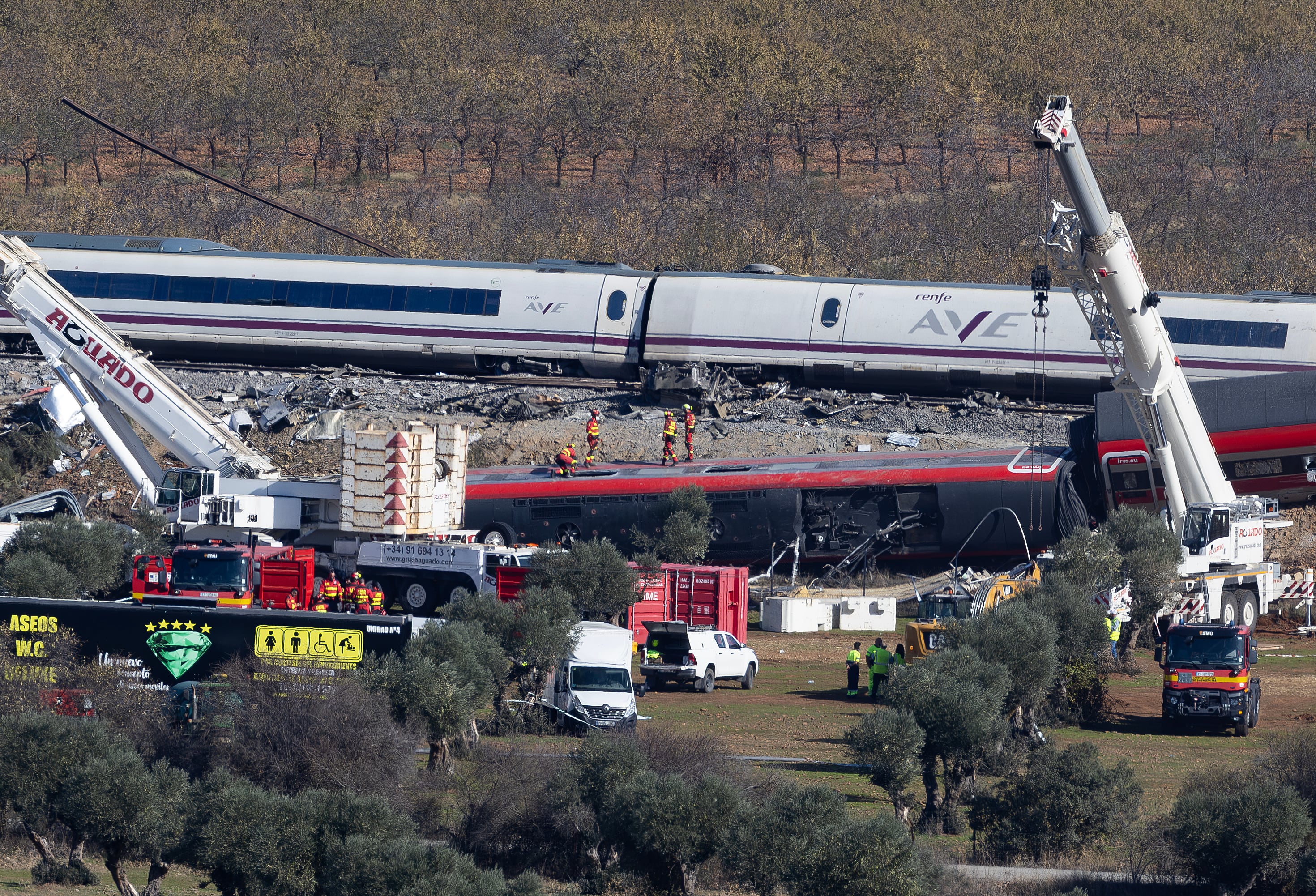
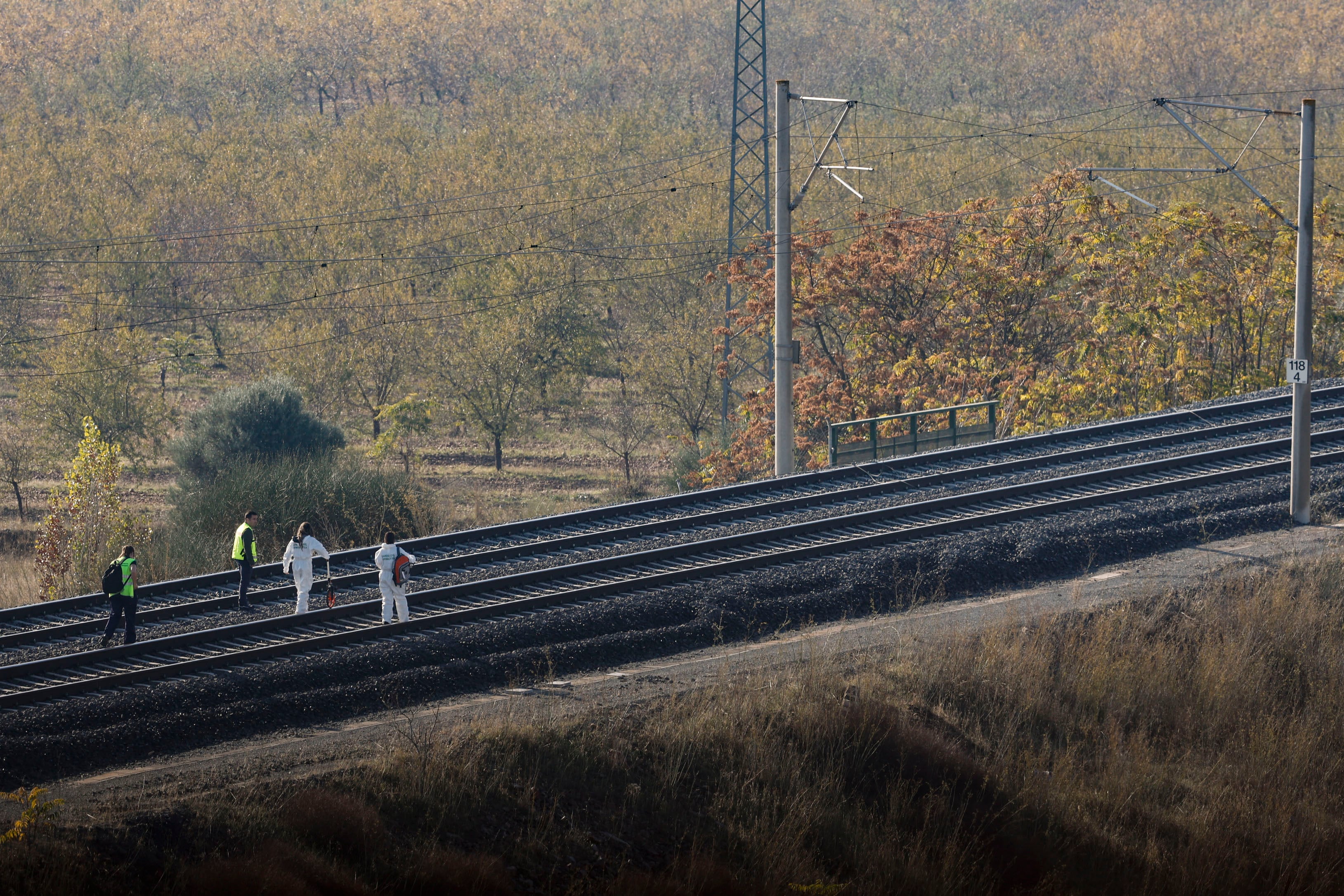
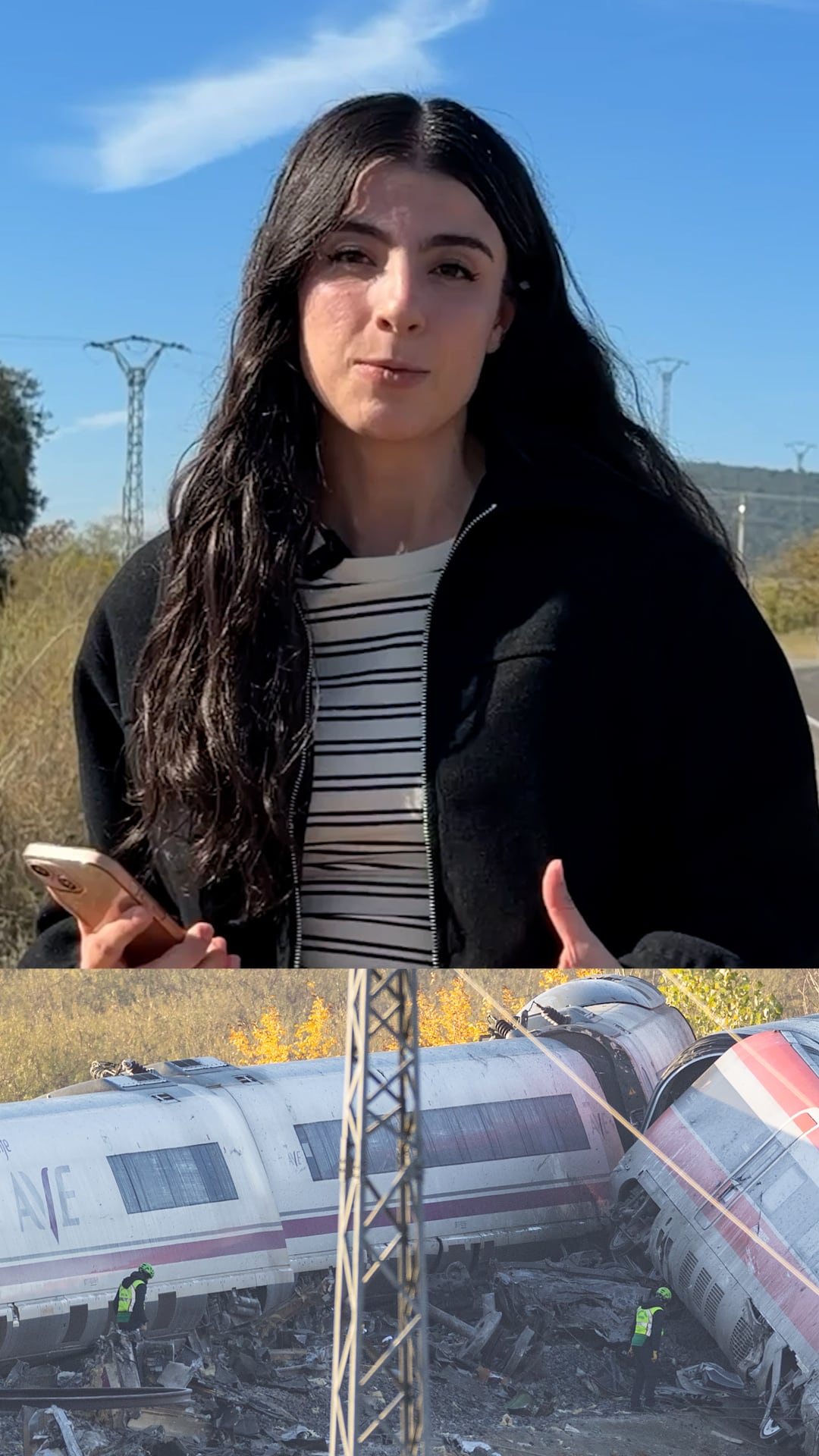
El tren AVE que chocó este miércoles contra un Iryo parado en las vías de alta velocidad en Urda (Toledo) impactó cuando circulaba a una velocidad de entre 160 a 200 kilómetros por hora, según estima la Autoridad Independiente para la Investigación Técnica de Accidentes (AITAT), que analiza desde un punto de vista técnico los hechos. El dato aparece recogido en una nota difundida un día después del grave accidente que ha causado la muerte a 69 personas, balance aún provisional.
La investigación sobre el accidente ferroviario de Urda (Toledo) que el pasado miércoles les costó la vida a, al menos, 69 personas está aún en una fase muy inicial. Aunque los indicios apuntan a un supuesto error humano ―recalcado por el ministro de Transportes, Óscar Puente, en su primera comparecencia a la prensa horas después del siniestro―, la Guardia Civil aún considera que quedan numerosos interrogantes por despejar para determinar qué ocurrió y por qué. Entre ellos, las circunstancias en que se produjo, precisamente, ese fallo “inverosímil”, como lo tildó Puente, que llevó a un operario del Centro de Regulación y Control (CRC) de Adif en Madrid-Puerta de Atocha a autorizar al tren AVE de Renfe continuar la marcha “con normalidad” pese a que había otro convoy parado en la misma vía unos kilómetros más adelante y contra el que terminó chocando.
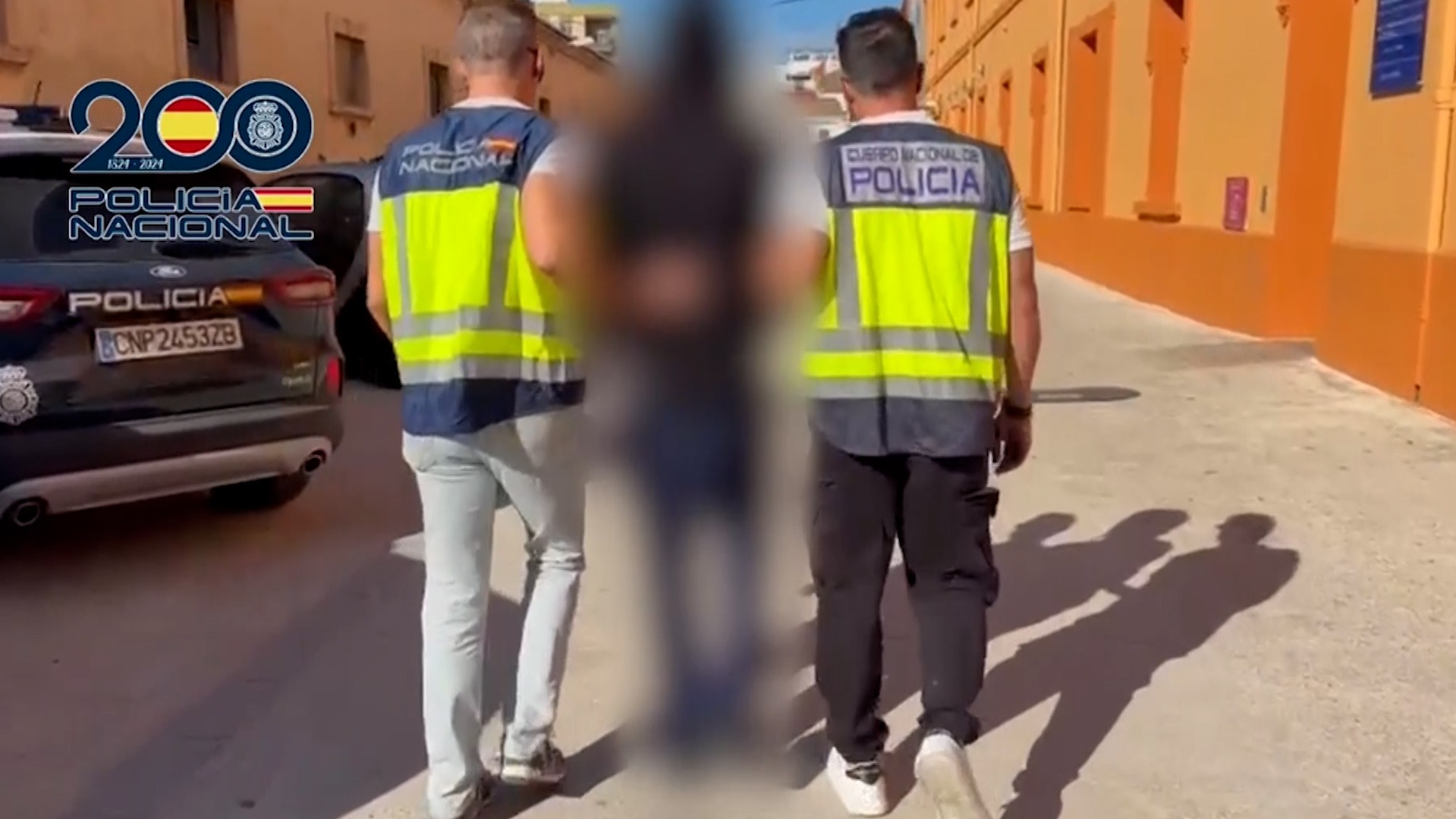
El menor de 17 años detenido el pasado miércoles por incitar a realizar saqueos este sábado en la ciudad de Valencia tenía varios grupos en dos aplicaciones de mensajería a través de las redes sociales, uno de ellos con hasta 400 seguidores, según informa la Policía Nacional en un comunicado.
El fallecido es José Manuel Chacón, sevillano destinado en la Unidad Técnica de Policía Judicial en Madrid que viajaba a la capital andaluza para realizar diversos trámites personales Leer
El fallecido es José Manuel Chacón, sevillano destinado en la Unidad Técnica de Policía Judicial en Madrid que viajaba a la capital andaluza para realizar diversos trámites personales
La Benemérita, en un operativo del que forma parte la UCO, interroga tanto al "operario" señalado por el ministro Óscar Puente como a todos los miembros de su turno en el Centro de Regulación de la Circulación de Alta Velocidad de Adif Leer
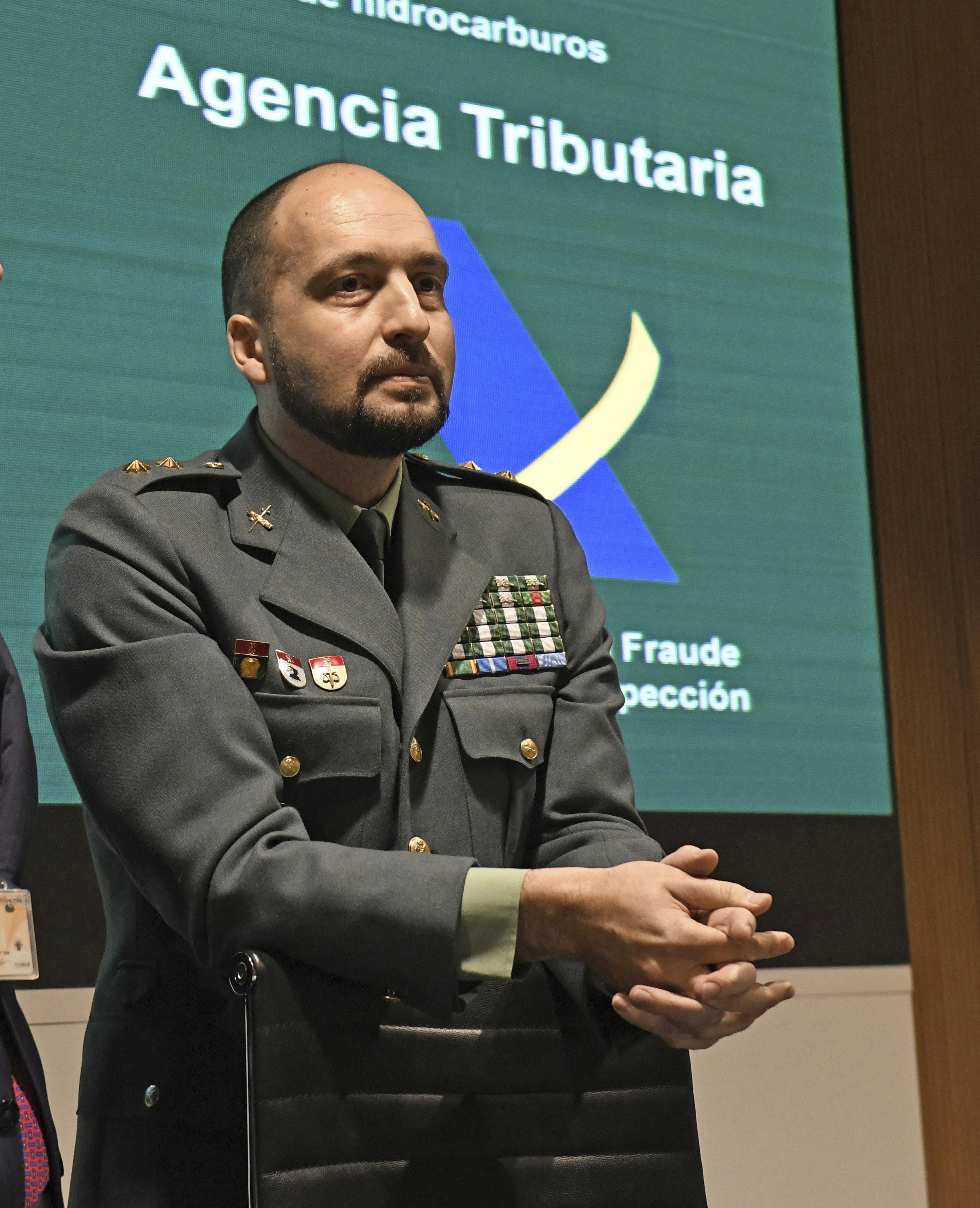
La Benemérita, en un operativo del que forma parte la UCO, interroga tanto al "operario" señalado por el ministro Óscar Puente como a todos los miembros de su turno en el Centro de Regulación de la Circulación de Alta Velocidad de Adif
Representantes de nueve sindicatos y asociaciones profesionales mantienen una protesta pacífica e indefinida tras la decisión del ministerio de interrumpir el diálogo por la convocatoria de elecciones generales Leer
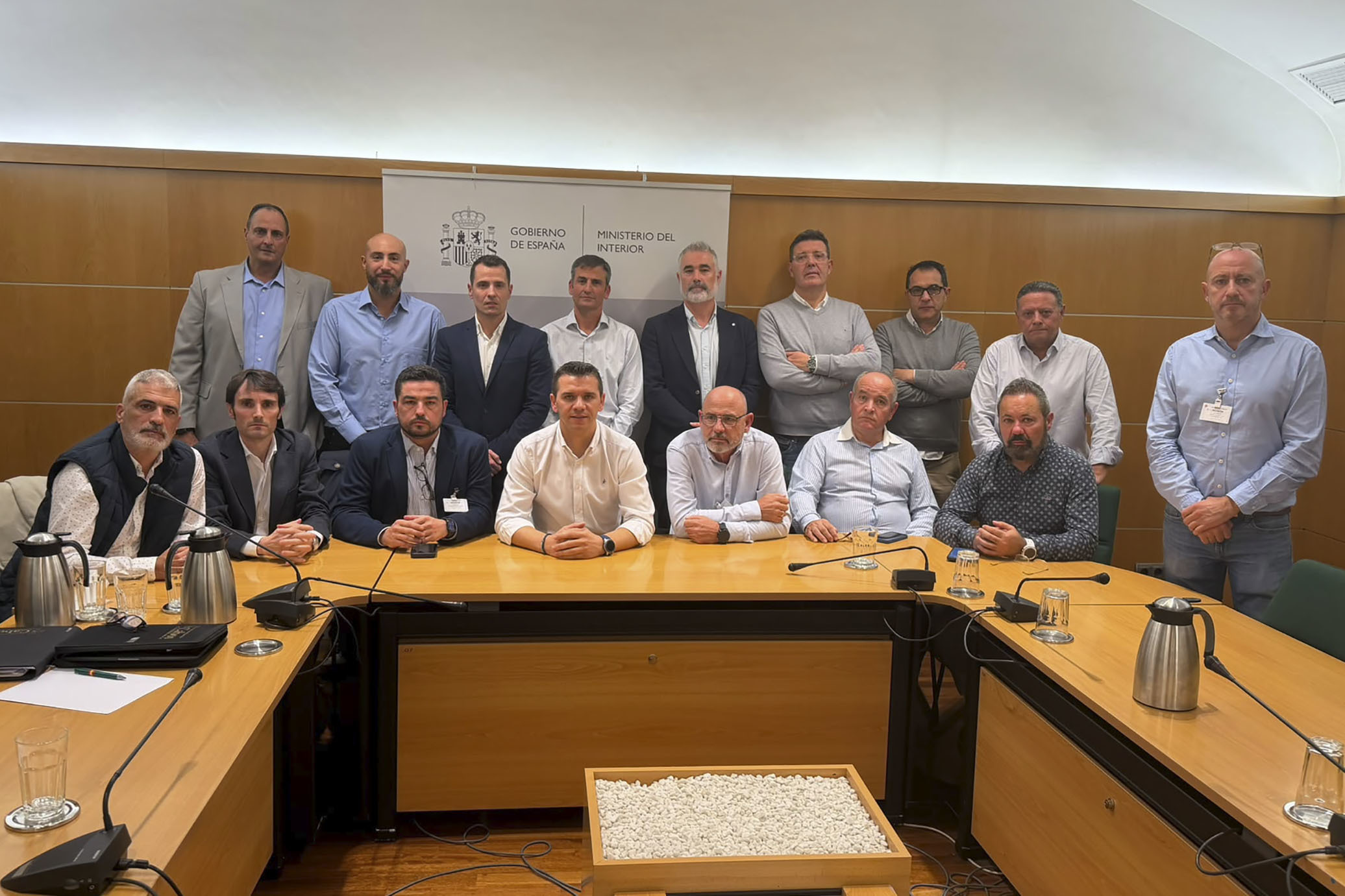
Representantes de nueve sindicatos y asociaciones profesionales mantienen una protesta pacífica e indefinida tras la decisión del ministerio de interrumpir el diálogo por la convocatoria de elecciones generales
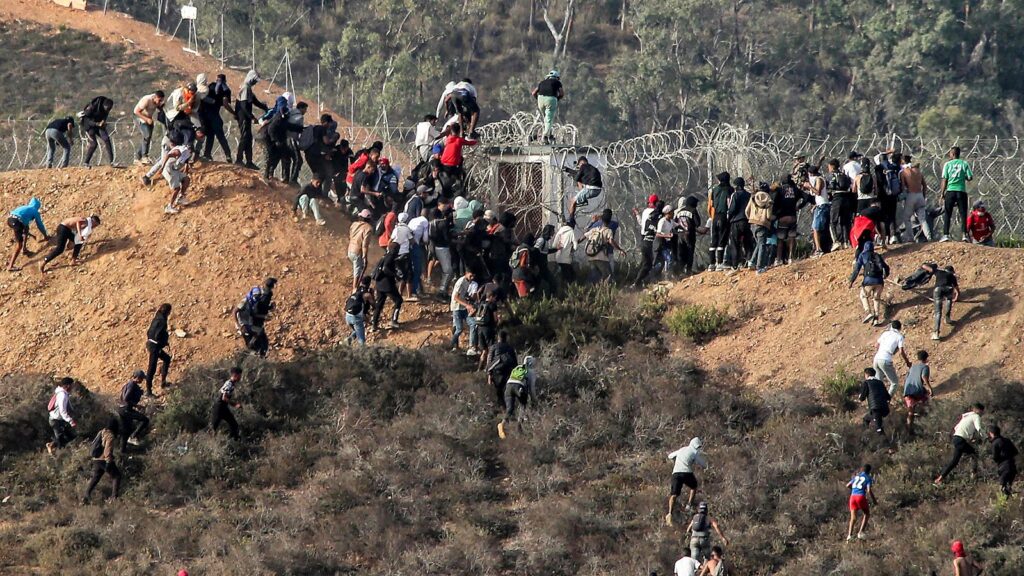
On Monday, two high-ranking officers from the Spanish security forces testified before the judge investigating the mass entry of migrants into Ceuta, stating that Moroccan agents stood idly by during the events of July 30 and 31, and that some actively facilitated the passage of people into the Spanish city. According to legal sources cited by EFE, more than 72,000 people entered from Morocco over those two days.
A lieutenant colonel of the Guardia Civil—who serves as head of operations for the Ceuta Command—and a chief inspector of the National Police in the autonomous city provided testimony to the magistrate overseeing the case regarding the migration crisis. Both linked the actions of the Moroccan authorities to the mass influx of migrants.
The National Police chief inspector asserted that Moroccan agents facilitated the crossing into Ceuta. He described uniformed personnel—dressed in gray and khaki—as well as individuals in plainclothes, gesturing for the migrants to move forward. He also claimed to have seen people directing a very long line from Morocco toward Spain.
For his part, the Guardia Civil lieutenant colonel maintained that Moroccan military personnel stood by with their arms at their sides during the influx. He noted that while they took an active stance toward sub-Saharan migrants attempting to cross, they remained passive when it came to their own compatriots.
The Guardia Civil officer recounted that other agents allegedly directed people from the beach toward the breakwater that separates Ceuta from Morocco. He indicated that the Moroccan military steered migrants into the water, forcing Spanish security personnel to pull individuals from the sea to save their lives.
MASS MIGRATION: Insane footage shows thousands of migrants entering Spain from Morocco pic.twitter.com/WHDbDEmPML
Furthermore, he claimed to have seen Moroccan vessels picking up people during the influx and subsequently dropping them off on the beach. He explained that these were small craft, as larger vessels could not approach the coast.
On the night before the mass entry, the lieutenant colonel stated that he had spotted six Moroccan vessels: two patrol boats, two interceptors, and two smaller craft. The officer noted that it was striking that, on a day with fog, there were six Moroccan Navy vessels in the area.
He also stated that he had received no warning regarding a mass entry planned for July 30. He pointed out that prior coordination meetings were not held for that purpose, and that it was never communicated to him that there was a planned influx for Throne Day—a national holiday in Morocco.
A National Police inspector explained that, overall, the arrival of migrants had increased three- to fourfold compared to previous years. However, he noted that in the days leading up to the events, the increase had been exponential.
The investigation seeks to clarify the circumstances surrounding the mass entry of migrants into Ceuta—one of the most significant border crises between Spain and Morocco in recent years.

 Login