Israeli Prime Minister Benjamin Netanyahu’s Likud party complained on Wednesday that this week's tumultuous election was “stolen by Arab parties that support terrorism and the elimination of the Jewish state.”
La sospecha apunta al envío de fondos desde Qatar y otros dos países para alentar el voto árabe, mientras Eisenkot acusa a Netanyahu de querer deslegitimar los comicios Leer
La sospecha apunta al envío de fondos desde Qatar y otros dos países para alentar el voto árabe, mientras Eisenkot acusa a Netanyahu de querer deslegitimar los comicios
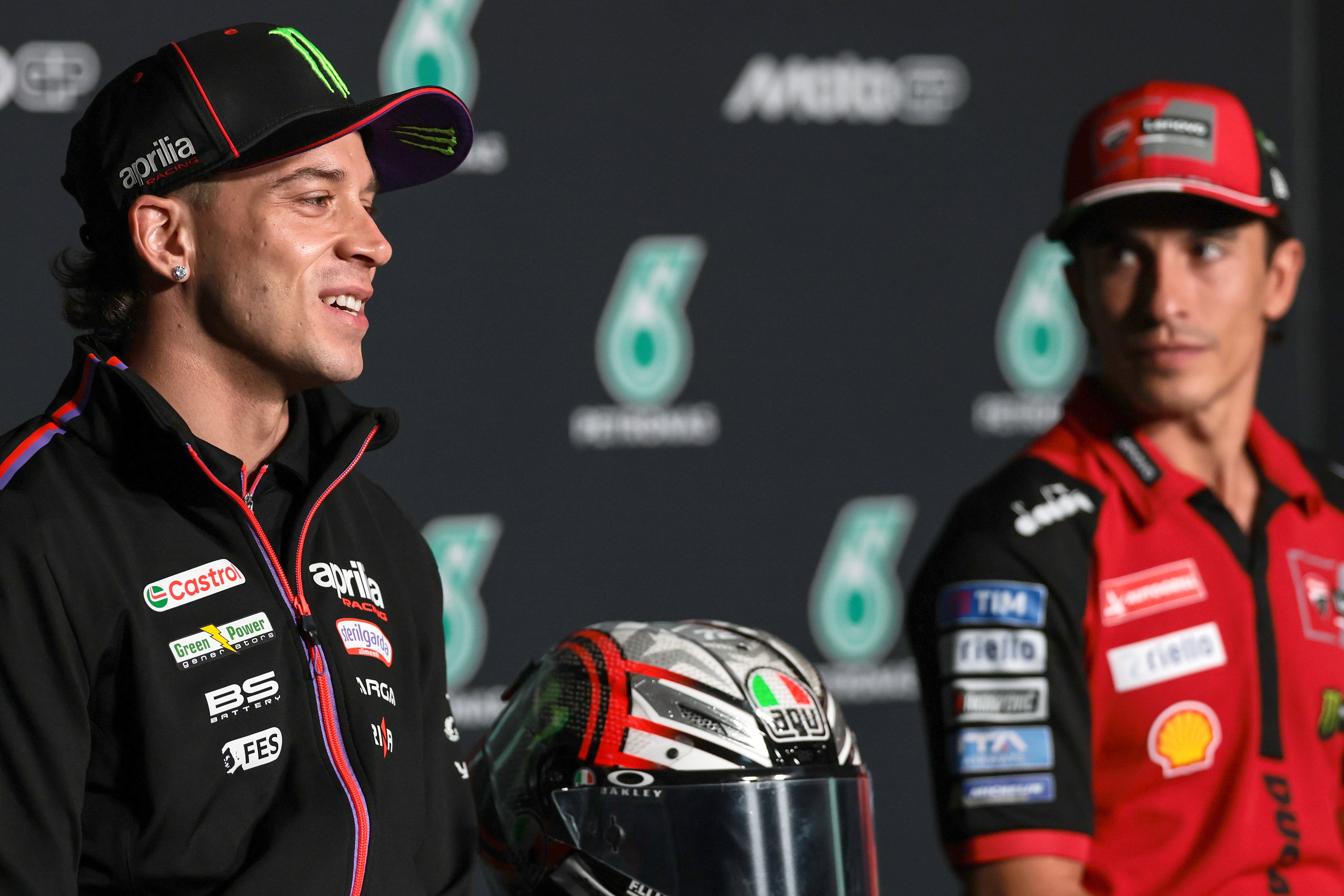
Ni los propietarios estadounidenses ni organizadores españoles del Mundial de MotoGP sienten necesidad de pronunciarse sobre la inminente disputa del GP de Qatar, aplazado desde el mes de abril debido a la guerra entre Estados Unidos e Irán que sigue haciéndose notar en todos los países del Golfo Pérsico. Para los responsables mundialistas, la cita del próximo 8 de noviembre nunca ha estado en peligro, al menos de puertas hacia fuera. Y eso a pesar de que la inmensa mayoría de gobiernos del mundo recomiendan a sus ciudadanos no viajar a la zona salvo en casos de necesidad extraordinaria.
Security agency said to provide Sohlberg with info on possible Qatari campaign to sway Arab vote; Likud decries 'stolen' election, Eisenkot warns against delay in swearing in Knesset
QatarEnergy agreed to purchase US liquefied natural gas from Woodside Energy Group Ltd. for two decades, saying it’s now the top buyer of the American fuel as it diversifies from the Middle East.
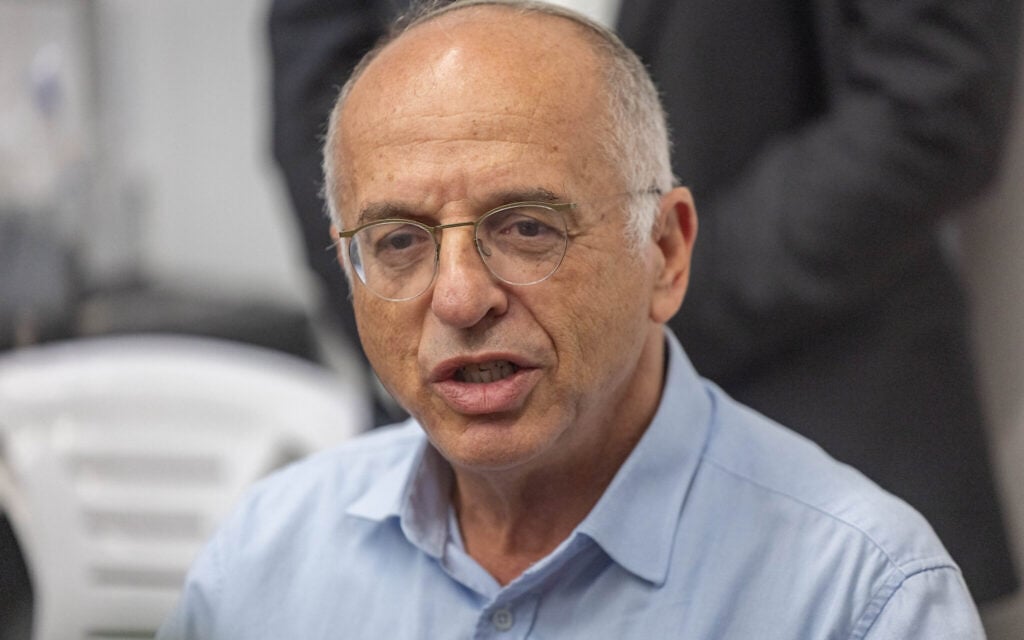
Meno di due giorni dopo la chiusura dei seggi, in Israele è il momento delle trattative e dei veleni. In un contesto ricco di incognite e di insidie. Ieri, a scrutini avanzati, il premier Benjamin Netanyahu e le forze di estrema destra avevano lanciato accuse di brogli elettorali contro i partiti arabi, vera rivelazione di queste legislative. Oggi il presidente della Commissione elettorale centrale, il giudice della Corte Suprema Noam Sohlberg, ha chiesto al capo dello Shin Bet, David Zini, di indagare su presunte interferenze straniere e corruzione elettorale.
“Sono stato informato di gravi sospetti riguardanti un’influenza indebita sulle elezioni, esercitata attraverso finanziamenti provenienti da entità straniere che agiscono contro gli interessi di Israele“, ha affermato Sohlberg, sottolineando di “non poter confermare la fondatezza di tali sospetti”. Tuttavia, ha aggiunto, “ritengo che, trattandosi di entità straniere, vi sia l’obbligo di condurre un’indagine approfondita“. I risultati dell’indagine devono essere presentati entro una settimana, ha chiesto il capo della Cec allo Shin Bet.
Secondo il quotidiano Yedioth Ahronoth, lo Shin Bet ha avviato un’indagine con il sospetto di un coinvolgimento del Qatar. Secondo i sospetti, il Qatar avrebbe trasferito “somme di denaro molto ingenti” per influenzare i risultati delle elezioni che si sono svolte martedì.
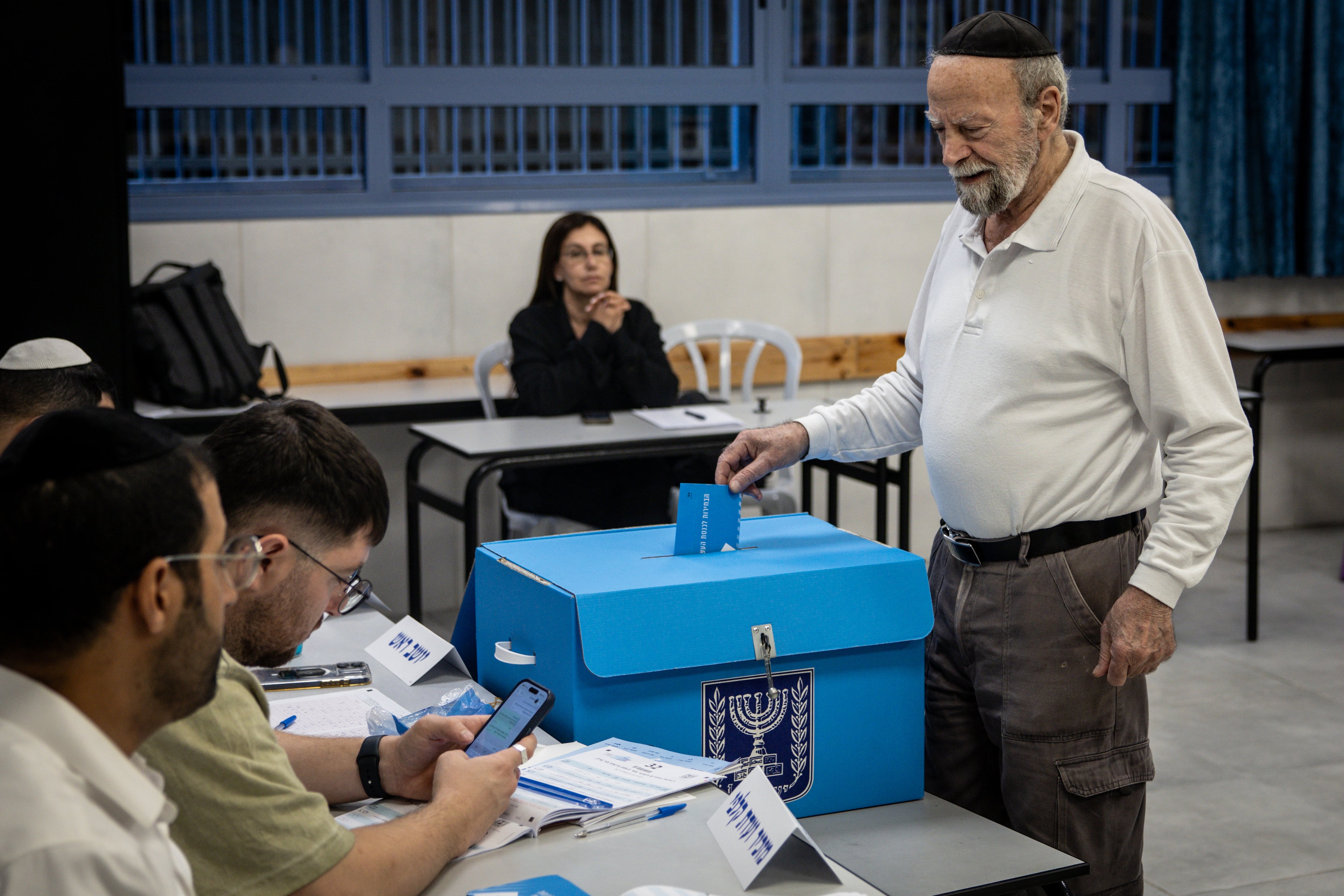
Il quadro uscito dal voto del 27 ottobre per rinnovare la Knesset è uno stallo in cui nessuna coalizione detiene i 61 seggi per governare, con il blocco di Benjamin Netanyahu in vantaggio (53 seggi) su quello dell’opposizione guidato da GadiEisenkot (fermo a 48). Ma il dato più rilevante è il boom delle liste arabe, che questa volta hanno abbandonato il tradizionale boicottaggio e mobilitato gli elettori nella speranza di archiviare il governo Netanyahu. Uno strategia che li ha portati a raddoppiare i seggi, conquistandone 19. Il loro appoggio consentirebbe quindi al blocco anti-Bibi di formare un esecutivo.
Questa opzione, sebbene difficile da percorrere a causa delle resistenze di alcuni esponenti della coalizione, lascerebbe fuori dai giochi l’attuale premier. Ed è per questo che l’estrema destra, con il Likud in testa, già ieri ha scatenato tutta la potenza di fuoco della sua macchina politica. Netanyahu ha parlato di un “governo pericoloso” qualora fossero state coinvolte le forze arabe. Mentre il suo partito ha accusato di “brogli” ed elezioni rubate da chi “sostiene il terrorismo”.
I media israeliani riferiscono che il Likud ha trasmesso alla Commissione elettorale centrale del materiale che, secondo il partito, comprenderebbe “registrazioni dirette di persone appartenenti alla comunità araba che avrebbero ammesso di aver corrotto elettori mediante buoni carburante e denaro contante”. Il dito viene puntato anche in questo caso su presunti finanziamenti arrivati da Turchia e Qatar. “Si tratta si tratta di un attacco alla democrazia volto a portare alla presa di controllo della Knesset da parte di potenze straniere, all’islamizzazione di Israele e al rovesciamento del governo di destra, al fine di provocare la ritirata e la sconfitta dell’Idf su tutti i fronti, in primis l’Iran” sostiene il partito guidato da Netanyahu che ha già soprannominato la vicenda Ra’amgate (dal nome del partito Ra’am).
”In Israele, la parte sconfitta costruisce una calunnia razzista e incita le forze di sicurezza a usare la forza per ribaltare il verdetto popolare” ha replicato su X Sami Abou Shahadeh, leader di Balad, uno dei partiti arabi che formano la Lista Unita. ”Non dobbiamo permettere all’estrema destra di rubare le elezioni o di trascinare il Paese verso una nuova tornata elettorale basandosi su accuse inventate e deliranti”, ha aggiunto in merito alle contestazioni del Likud sulla presunta corruzione elettorale.
Nel frattempo, sono stati arrestati4 sospettati nell’ambito dell’inchiesta sul presunto pagamento di denaro in cambio di voti a favore del partito Ra’am, dopo i tre arresti avvenuti il 27 ottobre.
Una fonte della sicurezza interna ha specificato alla tv pubblica israeliana Kan che l’indagine per presunta corruzione elettorale era stata avviata prima delle elezioni: “Si tratta di un’indagine aperta nelle ultime due settimane sulla base di informazioni di intelligence attendibili. Sappiamo che c’è qualcosa che non va e stiamo indagando seriamente per fare piena luce sulla questione. Nei prossimi giorni la situazione si chiarirà” ha dichiarato all’emittente.
Il leader del Blocco del cambiamento, Eisenkot, ha detto di essere “in contatto con le autorità competenti” e di ricevere “aggiornamenti in merito ai sospetti di interferenze straniere nelle elezioni”. Allo stesso tempo ha messo in guardia dalla strumentalizzazione politica. “Non si deve permettere a esponenti politici di sfruttare questa situazione per influenzare la data dell’insediamento della 26ma Knesset, il Parlamento israeliano”. Sulla stessa linea il presidente israeliano Isaac Herzog che ha chiesto di “non infangare un’intera comunità che ha cercato di esercitare il proprio diritto di voto e di prendere parte attiva alla democrazia”.
Intanto, sul fronte del conteggio dei voti c’è ancora una variabile da considerare, anche se nelle previsioni non dovrebbe essere determinante: le cosiddette “doppie buste“, con le preferenze di militari, detenuti, diplomatici in servizio all’estero e ad elettori impossibilitati a votare nel seggio. Sono stimate tra le 430mila e 480mila e finora ne sono state scrutinate meno di 30mila. Tra queste schede il partito del premier è in testa, seguito dal movimento Yashar di Eisenkot. Secondo la Commissione elettorale lo spoglio dei voti potrebbe essere terminato entro questo pomeriggio.
Noam Sohlberg, el juez del Tribunal Supremo que preside el Comité Central Electoral, ha pedido este jueves a los servicios secretos en Israel y los territorios palestinos ocupados, Shin Bet, investigar “graves sospechas” de injerencia extranjera en las elecciones legislativas celebradas el martes. No menciona países concretos, pero la sospecha —sobre la que no se han difundido pruebas— es de financiación catarí en apoyo de un partido árabe, Ra’am. El anuncio ha dado gasolina a Benjamín Netanyahu que, con el escrutinio completado, pierde la mayoría de Gobierno. La ha utilizado para sembrar dudas sobre el resultado y deslegitimar un posible pacto entre las formaciones judías y árabes de oposición que lo desbancaría del poder. Tras escuchar de primera mano la información en que se basa, los líderes de la oposición sospechan de una nueva estratagema del primer ministro. Apenas han pasado 48 horas desde la jornada electoral y ya se habla de una nueva convocatoria.
Mediators from Qatar reportedly presented Iran with a draft proposal to end its conflict with America and Israel on Sunday, but an Iranian official quickly dismissed the Qatari plan as “unacceptable.”
Mediadores exigem que o Irão permita a inspeção a instalações nucleares e a renúncia às reservas de urânio enriquecido. Telavive e Washington têm preparado eventuais ataques, mas Trump está relutante.
Las gestiones diplomáticas están marcadas por indicios por parte del Gobierno israelí liderado por Benjamín Netanyahu y de la Administración Trump de perpetrar una nueva agresión contra la República Islámica
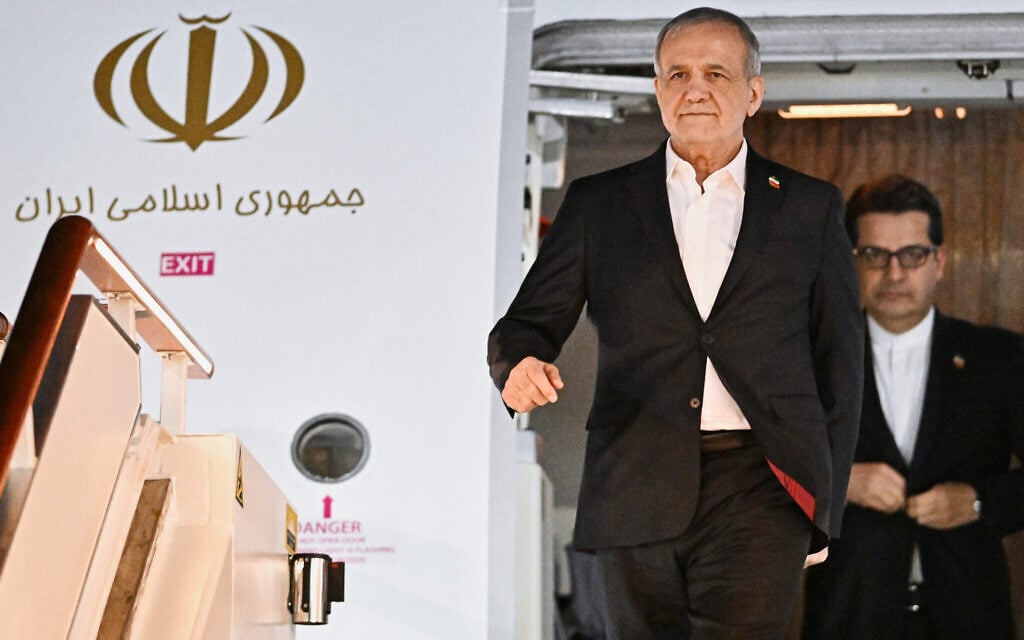
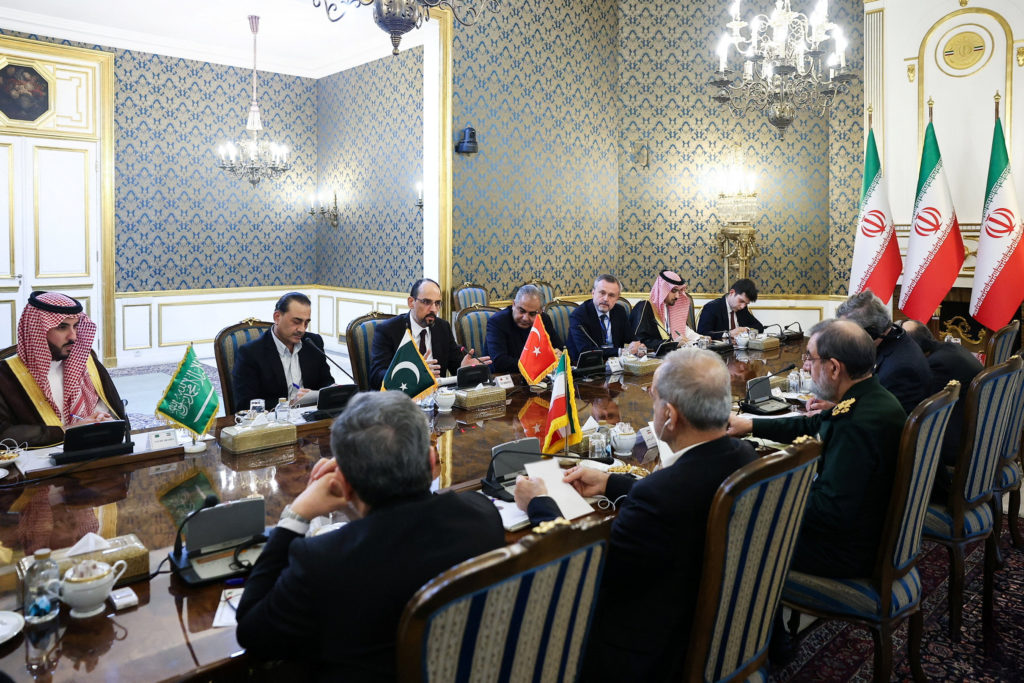
On Monday, the Mecca Joint Defense Agreement did something a defense treaty is not usually built to do. Its members went to Tehran to talk. Saudi Defense Minister Prince Khalid bin Salman, Pakistan’s Field Marshal Asim Munir and Turkey’s intelligence chief Ibrahim Kalın met President Masoud Pezeshkian and Supreme National Security Council Secretary Mohsen Rezaei. […]
Qatari mediators presented Iran with a new draft deal on Sunday to end the war with the US and Israel, and Tehran is expected to send a response to the draft by the end of the week, an official briefed on the negotiations said on Wednesday.
The new draft being considered by Iran sets a seven-day timeline addressing both Tehran’s and Washington’s concerns, laying out daily confidence-building steps that each side must take, the official said.
The timeline could begin early next week and several countries would act as guarantors of the deal, the official added.
Qatar, along with Pakistan, has led mediation to end the war that the US and Israel launched in February. The conflict has disrupted global shipping and oil supplies and spilled over across other parts of the Middle East.
There were concerns ahead of Sunday’s meeting in Tehran that Israeli Prime Minister Benjamin Netanyahu, fighting for another term in a general election, could resume attacks on the Islamic Republic this week, the official briefed on the negotiations said.
On Friday, US President Donald Trump repeated threats to strike Iran again, while Iranian security officials told Reuters Tehran had drawn up detailed plans to attack Gulf undersea cables if the US and Israel resumed attacks.
Earlier mediation efforts helped produce an interim peace agreement in June, but the deal quickly unravelled.
In recent weeks Yemen’s Iran-aligned Houthis have launched repeated attacks against Saudi Arabia, the world’s largest crude exporter
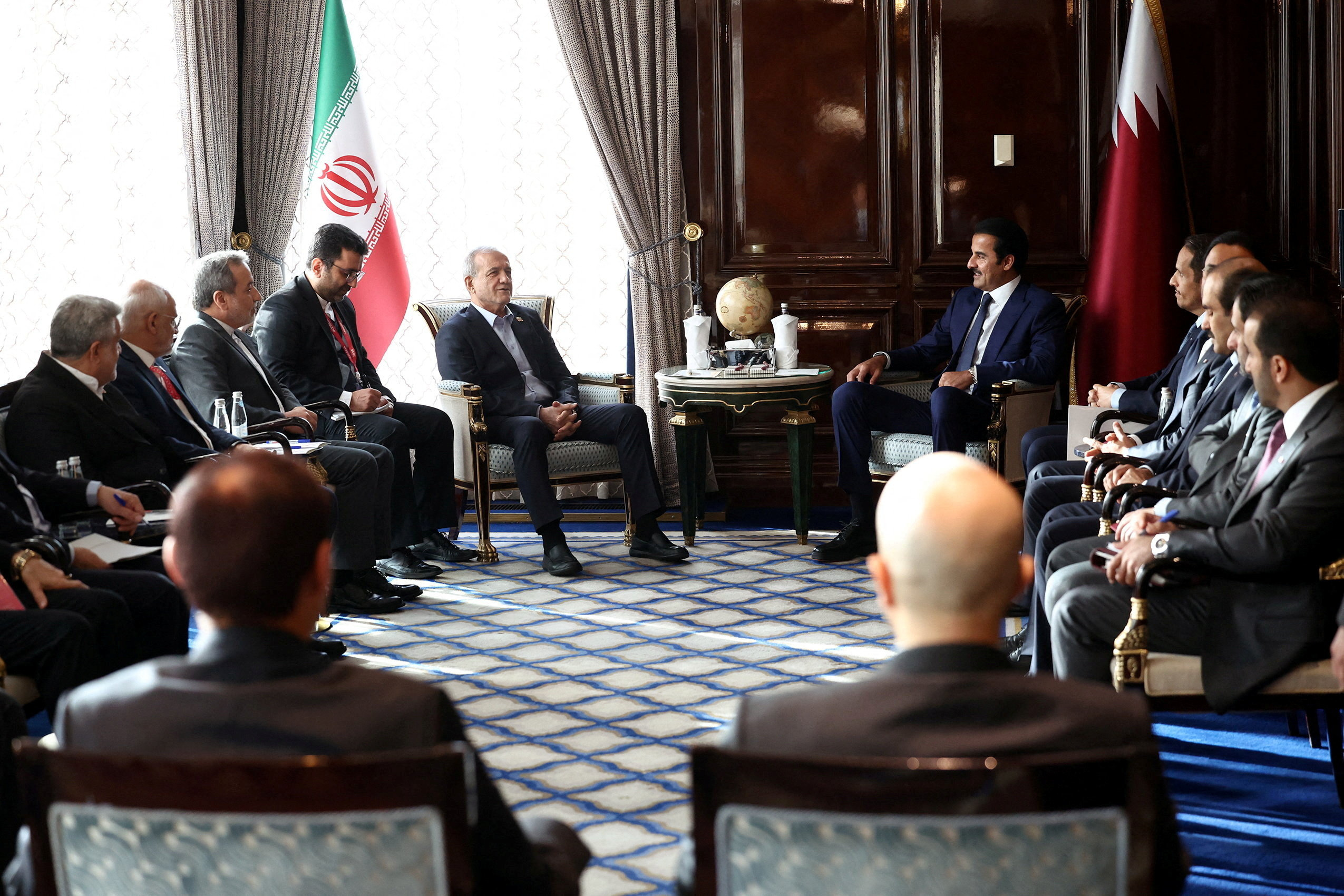
Iranian President Masoud Pezeshkian met with Qatar Emir Sheikh Tamim bin Hamad al-Thani in Moscow on Tuesday, Iran’s PressTV has reported. The meeting, which took place on the sidelines of the 8th Gas Exporting Countries Forum (GECF) summit, marked the second day in a row of high-level engagement between Iran and a Gulf Arab state, […]
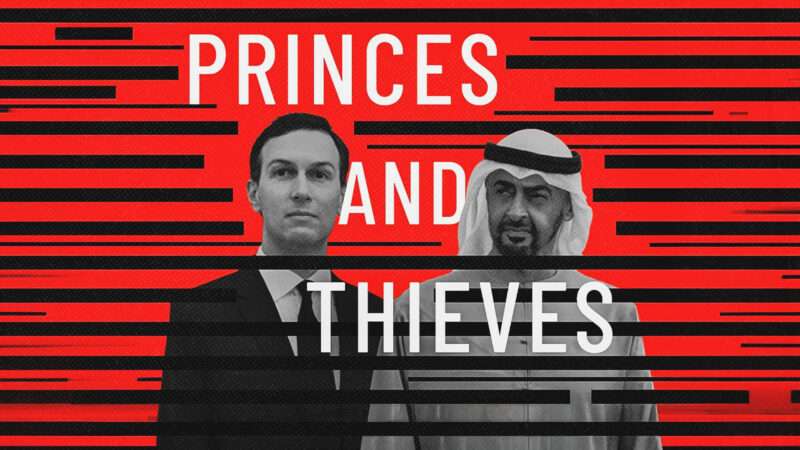
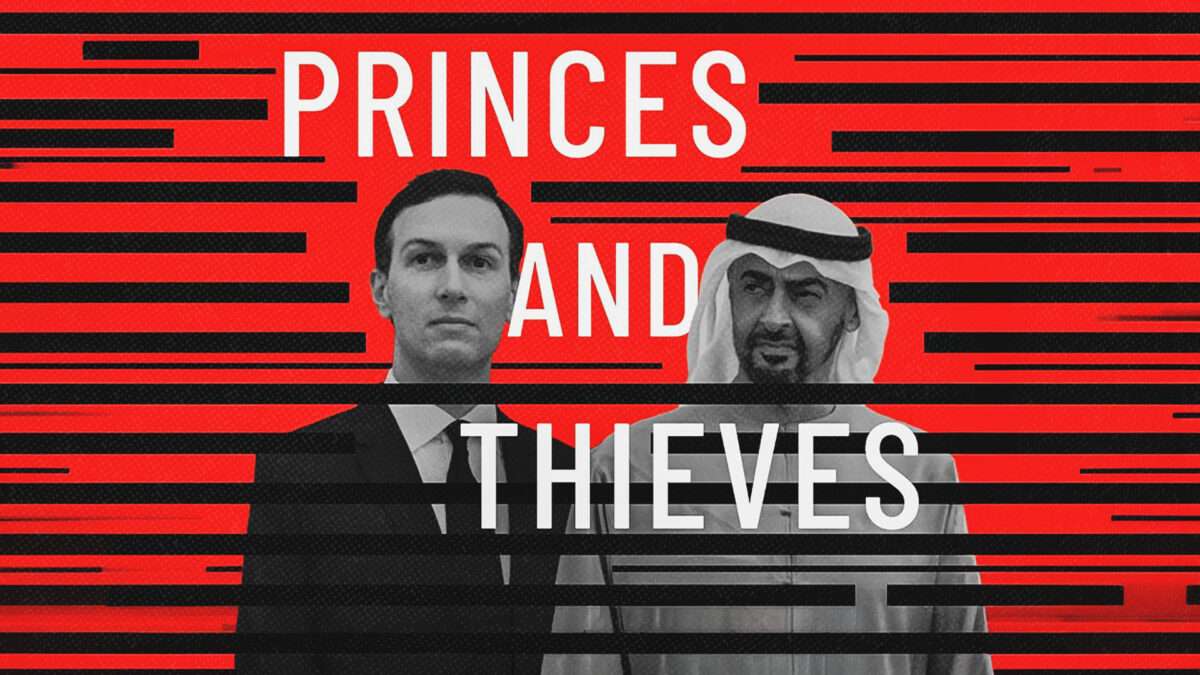
Princes and Thieves, a new book by investigative journalist Matthew Cole, may open a rabbit hole into financial connections between Middle Eastern dictators and President Donald Trump's family. Cole accuses Emirati monarch Mohamed bin Zayed (MBZ) of sending billions of dollars to various mercenaries and political operators, including Jared Kushner, son-in-law to President Donald Trump. Cole's reporting combines well-documented connections with secondhand accounts from anonymous sources.
On Thursday, Vanity Fairpublished an excerpt from the book, reporting that Dutch military intelligence hacked into Kushner's phone in 2018 and discovered hundreds of millions of dollars in bank transfers connected to MBZ. Also on Thursday, Kushner published a letter from his lawyers to Cole categorically denying the "incredible and false" allegations in the book. "Mr. Kushner never accessed foreign accounts and always followed all rules and regulations and only pursued goals that were in the best interest of the United States as directed by the President of the United States," they wrote.
Cole had originally written on his blog that the book was scheduled for release on October 27, but the publication date was pushed forward over the weekend.
The book purports to tie Kushner to a vast web of Emirati influence operations around the world. In Cole's telling, which matches other journalists' accounts, MBZ wants to reshape the Middle East and eastern Africa into an alliance of U.S.-backed dictatorships, where "tolerance" is enforced through high-tech surveillance and "democracy" is a synonym for terrorism. MBZ's use of mercenaries in pursuit of these goals is well-documented. So is Kushner's personal affinity with the Emirati monarch and his business ties with the Arab monarchies.
Soon after Trump won the 2016 election, MBZ held a widely reported meeting with Kushner. According to the book—and according to much of that earlier reporting—the monarch complained about the Obama administration's failure to back Arab regimes against popular revolutions, its decision to end the Iraq War, and its diplomacy with Iran.
Going much further than past reporting, Cole now claims Kushner was personally involved in MBZ's mercenary operations. MBZ and Saudi Crown Prince Mohammad bin Salman put a collective $2 billion into Emirati and Israeli bank accounts which were managed (but not technically owned) by Kushner, according to Cole's sources. Those same sources claim that parts of this secret "slush fund" went to Libyan warlord Khalifa Haftar, American military contractor Erik Prince, and Cuban hitman Felipe Vidal.
Haftar, a former CIA asset, became a general in Libya's 2011 revolution and then attempted to overthrow the new government with Emirati backing in 2014. Despite a 2020 ceasefire, his forces continue to control much of Libya. Prince, founder of the military contractor formerly known as Blackwater, moved to the UAE and helped build a secret army of Colombian mercenaries. He sued Cole for defamation after Cole reported on Prince's role in helping Haftar, but a judge threw out the case. Cole's sources claimed that Vidal, a self-described "hit man," helped the United Arab Emirates (UAE) fake an Iranian attack on oil tankers in May 2019, meant to provoke Trump into war.
Kushner's lawyers have denied any relationship with any of those three men, apart from a single meeting with Prince after the 2016 election. (According to Cole, both Vidal and Prince refused to comment for the book.) The position of the U.S. government is that the May 2019 incident was a genuine Iranian attack, not an Emirati false flag.
After the Vanity Fair article was published last week, Israeli negotiator Gershon Baskin pointed out in The Jerusalem Post that the Central Bank of Israel "does not offer private banking services to individuals," which would make it impossible for Kushner's money to be deposited in the Central Bank of Israel, as Cole claimed. The book addresses that argument, claiming that the money was deposited "in what would appear to be a government account," with Kushner and Israeli Prime Minister Benjamin Netanyahu jointly authorizing transactions.
The Abraham Accords, which include an alliance between Israel and the UAE, have often been touted as a way for the U.S. to "spend less time and less resources in the Middle East," in the words of Vice President J.D. Vance. But Cole argues that the UAE actually used its alliance to entangle American interests in a future conflict. The book states that Kushner set up "a rainy-day defense fund" for war with Iran, using Emirati money deposited in a separate Central Bank of Israel account.
Cole also claims to have evidence that Kushner was on the take from the UAE's regional frenemy Qatar. In 2017, the UAE and Saudi Arabia issued an ultimatum for Qatar to rein in its foreign policy and blockaded the small nation. The Intercept later reported that Kushner's father had sought a Qatari bailout for the family real estate business just before the crisis, and the Qatari-linked company Brookfield ended up providing the needed investment in August 2018, leading to a congressional investigation into the deal.
Democrats are still digging for information on Kushner's business ties to Qatar, but three sources told Cole that the Qatari royal family authorized and paid for the Brookfield deal. The Qatari government "asked the White House how to resolve the blockade. And the Kushners kept saying, 'We have this great property that needs investment.' Eventually, the Qataris realized the only way to settle the blockade was to buy the building," a former U.S. intelligence officer said.
Kushner's lawyers write that they have "no evidence that Qatar impacted the investment decision. Any suggestion of his involvement in the transaction or any allegation of quid pro quo with the Qatari government is false and defamatory."
Other parts of the book are better-documented. Cole obtained a draft of Prince's autobiography, text messages from one of Prince's colleagues, and emails from Emirati government adviser George Nader, who was convicted of fraudulently funneling money into Hillary Clinton's 2016 presidential campaign. If nothing else, the book is a comprehensive account of the UAE's unofficial empire and its American ties. But the most explosive claims about Kushner's involvement in those activities rest on anonymous sources, making it a matter of Cole's word against Kushner's.
"I considered the responses from Kushner's attorneys carefully and consulted multiple sources about them. During the five years I have spent working on this book, I have tried to keep an open mind, and I am confident that my reporting is accurate. Kushner's lawyers' responses did not change that conclusion," Cole writes in the book's epilogue.
Netanyahu, who was reportedly asked to rein in ministers criticizing Qatar, said to be refusing further police questioning in Qatargate affair; Urich was reportedly paid NIS 1.9 million in 2024 for Qatar influence campaign
Il RallyDakar, una delle garefuoristrada più dure e note al mondo, il prossimo anno non si terrà in Arabia Saudita, a causa di quelli che gli organizzatori definiscono “recenti sviluppi nella regione”. Il rally, inizialmente previsto per gennaio, si svolgerà ora “in unaltroterritorio” – che verrà annunciato in seguito – per poi fare ritorno in ArabiaSaudita nel 2028, come dichiarato dagli organizzatori, Amaury Sport Organisation e Saudi Motorsport Company. Si tratta dell’ultimo di una serie di eventisportivi che quest’anno sono stati trasferiti altrove, lontano dall’Arabia Saudita, a causa del conflitto che coinvolge l’Iran e dei sanguinosiattacchi dei ribelliHouthi dello Yemen, sostenuti da Teheran.
L’ArabiaSaudita ospita la Dakar dal 2020. Secondo alcune indiscrezioni, si starebbe valutando il trasferimento in Marocco, con partenza dalla Spagna. Qualora ciò avvenisse, sarebbe la prima volta che la Dakar si tiene in Africa dal 2007. La competizione nacque originariamente come un percorso da Parigi a Dakar, capitale del Senegal; nel 2008 fu annullata all’ultimo momento per motivi di sicurezza nel NordAfrica. Da allora, si è svolta prima in Sud America e successivamente in ArabiaSaudita. Negli ultimi mesi diversi appuntamenti motoristici previsti in MedioOriente sono stati rinviati o cancellati sempre per le tensioni che hanno interessato la regione, tra cui il WEC, che ha scelto di rinunciare al Gran Premio in Qatar rimodulando la fase conclusiva del calendario.
Formula 1 e MotoGp, al momento, hanno confermato i propri appuntamenti nella regione: per quanto riguarda la MotoGp, il gran premio del Qatar è ancora regolarmente programmato per l’8 novembre, mentre in Formula 1 gli ultimi due appuntamentiprevisti sono quelli sempre in Qatar il 29 novembre e quello di AbuDhabi del 6 dicembre. Più delicata è la posizione dell’Arabia Saudita, soprattutto dopo i recentiattacchirivendicati dagli Houthi contro diverseinfrastrutture del Paese, tra cui anche l’aeroporto a Riyadh. Una situazione che ha portato anche il tennis a rivedere i propri programmi, con il SixKingsSlam – inizialmente previsto per il 21-24 ottobre – che è stato rinviato a finedicembre in attesa di ulteriori sviluppi.

 Login