❌

Reading view

Corrupt foreign officials should face EU visa-bans and asset-freezes, MEPs and Estonia say

Activists and MEPs want notoriously corrupt foreign officials to face EU visa-bans and asset-freezes, in a proposal backed by Estonia.

People guilty of “serious corruption” including “bribery, misappropriation of public funds, and the laundering of their proceeds” should be added to an existing EU list of global human rights abusers, said 71 MEPs in a letter to EU leaders dated 21 October.

The human rights blacklist includes Russian judges who tormented dissidents, Taliban virtue-enforcers, African warlords, and extremist Israeli settlers among the 151 individuals and 34 entities it names.

But the fact the EU did not have “corruption” as a criterion for inclusion, unlike similar legislation in Western allies Australia, Canada, the US, and UK, left a loophole, the MEPs warned.

“This allows corrupt foreign officials already sanctioned by other Western partners to continue to benefit from EU institutions and its financial systems,” they said.

The anti-corruption bolt-on would have a moral and a strategic value, said Polish rightwing MEP and former interior minister Mariusz Kamiński, who co-signed the letter.

This article continues, but the full version is available only to EUobserver.com subscribers. Visit account.euobserver.com/membership

  •  

Egypt media crackdown draws ‘lame’ response from EU Commission

The European Commission will not help journalists facing jail in Egypt even though its multi-billion-euro EU-Egypt deal signed in 2024 is conditional on human rights.

On Thursday (29 October), it read out a prepared statement, noting the importance of independent media outlets and that its agreement with Egypt includes a commitment to universal values of democracy, rule of law and human rights.

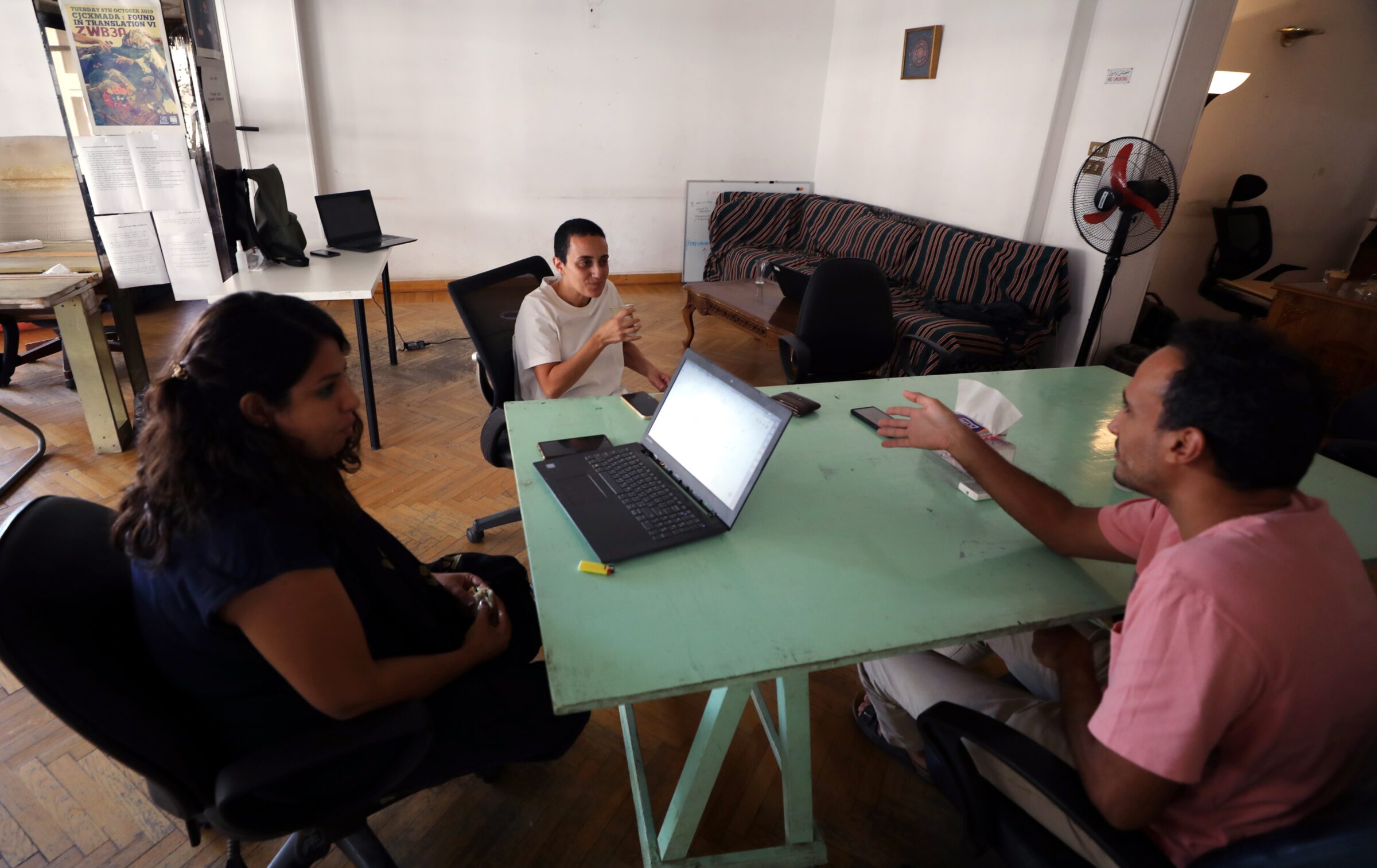
The statement was read after Cairo cracked down on Lina Attalah, chief editor of the independent media outlet Mada Masr.

The journalist was convicted on Wednesday by a court in Cairo for operating a website without a licence even though she had made multiple attempts over the years to obtain such a licence.

Her latest application for a licence has been pending without response since 2023 and her site has been blocked in Egypt since 2017.

She was fined some €48,000 and ordered to shut down the outlet, highlighting a pattern of abuse against journalists and civil society throughout Egypt, a country deemed an essential partner for the EU in its efforts to curb migration.

As of early October, Egypt has imprisoned 25 journalists.

In response, the commission at a press briefing re-read its short statement on the importance of independent media in Egypt.

Asked if this also means it would press Egypt to drop its case against Lina Attalah, a commission spokesperson said he would not “go further than what we have already put out there”.

Pressed if the crackdown against her is a demonstration of the values cited in its €7.4bn agreement with Egypt, he deferred to another spokesperson before walking off the stage. No other comment was made on the matter.

The response has drawn criticism from rights defenders.

“We don’t need the EU to tell us that Egypt jails journalists. We need to know what it’s going to do about it,” said Claudio Francavilla of Human Rights Watch.

He said the EU has been funnelling billions to Egypt, conditioned on “concrete and credible steps” on human rights.

The exact wording of the agreement, which is published here, says that assistance to Egypt requires it “to make concrete and credible steps” towards respecting effective democracy, the rule of law, and guarantees respect for human rights.

“Egyptian authorities don’t seem to have read the memo. Lame statements like this one are hardly a reminder,” Francavilla said of the commission’s reaction.

This article continues, but the full version is available only to EUobserver.com subscribers. Visit account.euobserver.com/membership

  •  

Campaigners take EU Commission to ombudsman over methane delay, saying it ‘undermines the rule of law’

The London-based Environmental Investigation Agency (EIA) has filed a complaint with the European Ombudsman, accusing the EU Commission of maladministration over its handling of the bloc’s methane rules.

The complaint, filed on Thursday (29 October), targets two recent commission decisions. 

The first is for a July recommendation that member states hold off on fining importers that are in breach of the rules until 2030. 

The second is a proposal made earlier this month to delay the import rules by a year over supply worries — a decision that was made following heavy pressure from oil and gas companies, the White House and eventually by the summer, a majority of member states. 

But the EIA argues that neither decision is backed up by evidence that the rules actually threaten Europe’s energy supply or push up prices.

By delaying a law already adopted in 2024, the group says, the commission is “undermining integrity of both the legislative process and the EU rule of law.”

“Rather than ensuring that the EU Methane Regulation is implemented as agreed, the commission has responded to pressure from the fossil-fuel industry by weakening enforcement and proposing further delays, without providing credible evidence to justify these decisions,” said Jack Corscadden, senior climate campaigner at EIA.

This article continues, but the full version is available only to EUobserver.com subscribers. Visit account.euobserver.com/membership

  •  

EU Divided Over New Membership Safeguards as Montenegro Becomes Test Case for Enlargement

Brussels is considering unprecedented restrictions on the rights of future EU members, including the possible suspension of voting rights for serious breaches of European values. France and the Netherlands favour stronger safeguards, while Italy and Austria warn that excessive conditions could undermine enlargement.

European Union governments have begun negotiations over proposals that would allow Brussels to impose additional restrictions on future member states, exposing divisions over how to prevent democratic backsliding without discouraging countries seeking accession.

The discussions, held among EU ambassadors on 28 October, concern draft safeguards proposed by the European Commission for inclusion in future accession treaties.

Montenegro, currently the most advanced candidate in the Western Balkans, is expected to become the first country subject to the proposed arrangements.

The measures would potentially allow the EU to suspend certain membership rights, including voting rights, during a transitional period lasting up to 15 years after accession.

However, the negotiations have revealed disagreement not only over the duration of the safeguards but also over the powers that should be granted to the Commission and the legal thresholds for intervention.

The controversy raises a broader question about the nature of EU membership: whether countries that have completed accession negotiations should immediately enjoy the same institutional rights as existing members.

France and the Netherlands seek stronger guarantees

According to Euronews’ reporting on the ambassadors’ discussions, France and the Netherlands have pressed for stronger guarantees that newly admitted states will continue respecting the rule of law and other EU obligations.

Their position reflects concern that the Union’s existing procedures have proved difficult to enforce against governments accused of undermining judicial independence or democratic institutions.

Article 7 of the Treaty on European Union already provides for sanctions, including suspension of certain membership rights, where a serious breach of European values is established.

However, the procedure involves demanding political and voting requirements.

The Commission’s proposed safeguards are intended to provide an additional instrument specifically applicable to newly admitted members.

They would operate during a defined period after accession and could be activated in response to serious breaches of EU values or the principle of sincere cooperation.

For governments supporting the proposal, the objective is to ensure that reforms undertaken during accession negotiations remain effective after membership has been secured.

Italy and Austria warn against excessive restrictions

Not all member states share this approach.

Italy and Austria, among countries supporting faster integration of the Western Balkans, have warned against imposing conditions that could make EU membership appear provisional or unequal.

Their concern is that candidate countries may face an increasingly complicated accession process even after meeting the formal requirements.

The credibility of EU enlargement depends partly on the proposition that successful reforms will eventually lead to full membership.

If new members are subjected to extensive additional restrictions, political leaders in candidate countries could find it more difficult to justify the domestic compromises required by accession negotiations.

The debate is particularly sensitive in the Western Balkans, where prolonged delays have already generated frustration over the pace of integration.

The challenge for Brussels is to strengthen safeguards without creating a permanent distinction between established and newly admitted members.

A proposed 15-year period

The Commission’s draft institutional safeguard would remain available for 15 years following accession.

This period is intended to permit intervention if a new member reverses reforms after joining the Union.

Yet ambassadors have questioned whether such an extended period can reasonably be described as temporary.

The proposed decision-making mechanism has also attracted criticism.

Under the draft, the Commission could propose restrictive measures that would take effect unless a qualified majority of member states rejected or amended them within two weeks.

This would reverse the usual political dynamic by requiring governments to assemble a blocking majority rather than actively secure support for sanctions.

The proposal could therefore make intervention easier than under the existing Article 7 mechanism.

Critics are concerned that the arrangement would give the Commission excessive influence over the institutional rights of newly admitted countries.

Supporters argue that a more effective enforcement mechanism is necessary precisely because existing procedures have proved difficult to use.

Monitoring could begin before accession

The proposed safeguards are not confined to the period following membership.

The Commission also wants stronger monitoring between the signing of an accession treaty and the date on which a country formally joins.

This period can last several years, during which a candidate government may change and reform commitments may weaken.

Under the draft arrangements, monitoring could include regular assessments, reviews involving existing member states and formal warnings.

As a last resort, accession could be postponed if there were clear evidence that a candidate would not meet the required conditions.

The voting procedure for such a postponement remains unresolved.

These provisions would add another stage of oversight to an accession process that already requires extensive negotiations and the implementation of EU legislation.

Montenegro faces a new uncertainty

Montenegro began accession negotiations in June 2012.

According to the European Commission’s enlargement records, all 33 screened negotiating chapters have been opened and 16 provisionally closed.

Its progress has made the country a leading candidate for the next round of enlargement.

However, its accession treaty may now become the vehicle through which the EU establishes a new framework for future entrants.

The implications extend beyond Montenegro.

Albania, Moldova and Ukraine are also pursuing accession, although they are at different stages of the process.

Any safeguards introduced for Montenegro could influence the terms eventually offered to those countries.

Enlargement becomes a test of EU governance

The Commission’s proposals reflect a wider debate over whether the EU’s institutions can function effectively with substantially more members.

New entrants would participate in decisions concerning the budget, sanctions, foreign policy and the internal market.

Their admission could also affect areas where unanimity remains necessary, potentially increasing the risk of institutional deadlock.

The European Parliament’s research service has identified the proposed safeguards as part of a broader programme addressing decision-making and governance ahead of enlargement.

Negotiations over the draft clauses will continue at the technical level, with ambassadors expected to revisit the matter in November.

The central disagreement remains unresolved.

The EU wants future members to maintain democratic and legal standards, but it must also decide whether those guarantees can be enforced without creating a separate class of membership.

Montenegro’s accession negotiations will provide the first practical test of that approach.

  •  

Secrecy Tracker: Media groups urge von der Leyen to tackle EU secrecy as watchdog probes Gaza documents

Dear readers,

We are back with a new issue of the Secrecy Tracker – your regular update on what the EU institutions prefer to keep under wraps. 

I am Alexander Fanta, a journalist with Follow the Money, who has struggled for years to gain access to EU documents. I wrote this newsletter with the help of EUobserver’s Nikolaj Nielsen and Pascal Hansens from Investigate Europe.

This newsletter is a collaboration between EUobserver, Follow the Money and Investigate Europe. 

Media outlets, journalist associations and press freedom organisations have penned an open letter to European Commission president Ursula von der Leyen to voice their frustration about the recent deterioration in the EU’s freedom of information.

The letter, which was co-signed by the publishers of this newsletter – Follow the Money, EUobserver and Investigate Europe – urges the commission to end the silent crisis that has hampered journalists finding the documents they need to scrutinise matters of public importance – such as how the member states (mis-)spent billions of euros in post-Covid recovery funds, or how the commission hides its arms research cooperation with Israel.

The signatories of the letter include press lobby groups such as the International Federation of Journalists, but also some of the weightiest voices in investigative journalism – the International Consortium of Investigative Journalism and the Organised Crime and Corruption Reporting Project.

The letter asks the commission to address the excessive redactions and long delays journalists face when asking for documents under the EU’s freedom of information law, Regulation 1049/2001, as well as the Commission’s failure to keep crucial documents – think von der Leyen’s texts with Pfizer chief Albert Bourla. 

Moreover, the commission should reverse a controversial change to its internal rules of procedure in 2024 which made access requests more difficult by limiting the definition of what is considered “a document”, and putting entire areas of the commission’s work – such as enforcement of its Big Tech laws – out of bounds from access requests.

The leading figure behind the letter, the Committee to Protect Journalists’ Tom Gibson, has asked von der Leyen’s cabinet for a meeting to discuss these issues, and seek improvements.

“The European Commission purports to uphold press freedom in Europe as well as through its external policy”, Gibson said. “Yet, in Brussels, we see that the European Commission is seeking to actually put obstacles in the way of creating an enabling environment for journalists who report on the institutions – in order, seemingly, to maintain an ability to control the official narrative.”

“This has to change otherwise the European Commission can be accused of double standards”, according to Gibson.

EUobserver’s Gaza complaint

Last week, the European Ombudswoman, an administrative watchdog, launched a probe into EUobserver’s complaint against the European Commission. The Brussels-executive had refused to release 17 documents it has on how the EU spent money on bricks-and-mortar projects in Gaza.

We had first asked in February as part of an investigation that sought to get an idea to what extent the Israelis destroyed EU-funded infrastructure in the Strip. We were stonewalled, amid arguments there is no overriding public interest even though tens of thousands of people have been killed, triggering massive Europe-wide protests and flotillas. Our appeal went unanswered.

Now EU ombudswoman Teresa Anjinho is demanding, as a first step, a commission response to our appeal by November 4 latest. If the commission still fails to deliver, she will review the documents herself.

Aarhus Convention vs data-centre secrecy

The secrecy surrounding data centres’ environmental footprint is coming under increasing scrutiny. In April, Investigate Europe broke the news, and reported in this newsletter, that a provision in a delegated act to the energy efficiency directive, which keeps key information of data centres environmental impact secret, likely violates transparency obligations under the Aarhus convention.

Now, Lighthouse Reports has published a story that they are formally challenging the law. Frustrated by facing repeated refusals from more than a dozen EU member states and the European Commission to access data on energy consumption by data centres across Europe, collected under the Energy Efficiency Directive (EED).

Lighthouse Reports decided last September to turn to the Aarhus Convention – a binding treaty aims to protect access to environmental information and is often used as a last resort solution – and its compliance committee to seek disclosure. Lighthouse Reports may face a long wait for a ruling though, as the process can take years.

When EU’s top court challenges transparency watchdog’s authority

The Court of Justice of the European Union (CJUE) has challenged the European Ombudsman’s authority to investigate its refusal to disclose past financial declarations of interests of its judges and advocates general, according to a decision published today by the EU’s transparency watchdog.

The dispute began after Investigate Europe reporters, while investigating judges’ currently declared financial interests, discovered that older declarations were no longer publicly available. The Court initially refused, arguing that those documents were judicial and not administrative ones, and therefore fell outside the rules on public access to documents.

Following our complaint to the ombudswoman and its subsequent decision to open an inquiry, the court eventually agreed to release the requested former declarations, but only upon request. So Teresa Anjinho closed the case, as she considered that the court remedied the problematic situation.

The ombudswoman firmly rejected the court’s interpretation: handling public access requests is an administrative activity, regardless of the nature of the documents concerned. She also called for greater clarity on how the court distinguished between judicial and administrative documents. 

So a small victory for transparency, but a broader question remains: should the EU’s top court have such discretion over which of its own internal documents face public scrutiny? 

How to get access across Europe

A new guide promises to give journalists (and anyone else) an easy introduction into making freedom of information requests in 39 European countries and with the EU.

The first-of-its-kind compendium, curated and co-written by yours truly with the help of 45 journalists, academics and FOI advocates from around the continent and published by Arena for Journalism, answers practical questions such as “how can I appeal” and provides contacts who can help in each country. 

Find the guide – free to use and share – under this link.

  •  

AfD Data Leak Exposes Questions Over Alice Weidel’s Campaign Funding and Party’s Internal Divisions

More than 420,000 leaked emails have reopened a controversy over illegal donations to Germany’s Alternative for Germany party, while newly examined correspondence reveals previously undisclosed disagreements within its leadership. The revelations could also influence the continuing debate over the party’s constitutional status.

Germany’s Alternative for Germany (AfD) is facing renewed scrutiny after hackers published a substantial archive of internal correspondence, exposing details of party finances, political strategy and disputes among senior officials.

The material, released on 19 October 2026, comprises approximately 421,000 emails and nearly 50,000 accompanying documents, amounting to some 281 gigabytes of data. The files cover more than a decade of party activity, including correspondence involving co-leader Alice Weidel, former chairman Alexander Gauland and other senior figures.

The AfD confirmed that its hosting provider had suffered a cyberattack in September. According to the party, the attackers obtained information from a limited number of email accounts, many of which had not been actively used for several years.

The identity of those responsible remains unknown.

The documents are being examined by several investigative teams, including ZDF, Der Spiegel and Austria’s Der Standard, with technical assistance from the Organised Crime and Corruption Reporting Project (OCCRP).

The Swiss donations controversy returns

The most consequential findings so far concern Weidel’s knowledge of illegal campaign donations received during Germany’s 2017 federal election.

At the time, approximately €132,000 was transferred through Swiss companies into accounts belonging to the AfD’s Bodensee district organisation. The payments were designated for Weidel’s election campaign, particularly its social media activities.

When the transactions became public in 2018, Weidel maintained that she had not known about the money until September 2017 and described the donations as unsolicited.

However, correspondence examined by German investigators and journalists raises questions about that account.

In an email dated 10 July 2017, attributed to Weidel, she told her district treasurer that campaign donations had been promised and requested that the party’s bank account be checked twice weekly.

She also asked to receive confirmation of incoming payments so that campaign expenditure could be planned.

Four days later, the first payment arrived from Switzerland.

Further correspondence indicates that Weidel arranged a separate campaign account and obtained authority to direct expenditure from donations earmarked for her election activities.

The latest investigation, published on 26 October, provides additional details about the account’s management and how the party handled the ensuing controversy.

The leaked correspondence also reportedly includes invoices relating to the purchase of approximately 25,000 Facebook followers for Weidel’s campaign. The extent to which those accounts were automated, and their influence on voters, has not been established.

The AfD was previously ordered to pay approximately €396,000 for accepting the unlawful donations. Criminal proceedings involving Weidel and other district officials were discontinued in September 2021 because prosecutors found insufficient evidence of criminal wrongdoing.

Weidel’s spokesman has rejected suggestions that she misrepresented events. He maintains that she had discussed possible contributions with several potential supporters but had neither anticipated specific amounts nor expected the payments from the Swiss companies concerned.

The new material does not establish that Weidel knew the identity of the ultimate donor or participated in concealing the source of the funds.

Emails reveal divisions over the party’s radical wing

Another development concerns Weidel’s earlier relationship with Björn Höcke, the influential leader of the AfD’s Thuringia organisation.

According to correspondence examined by WELT, Weidel expressed serious reservations between 2015 and 2017 about the influence of nationalist and extremist elements within the party.

She warned colleagues that associations with the anti-Islam Pegida movement and the far-right National Democratic Party risked alienating mainstream conservative voters, particularly in western Germany.

Her private concerns contrast with her subsequent accommodation of Höcke’s influence within the AfD.

The correspondence provides evidence of the internal disagreements that accompanied the party’s transformation from an initially Eurosceptic political movement into one centred increasingly on immigration, national identity and opposition to Germany’s established parties.

The revelations are particularly relevant because Weidel now promotes proposals for substantial changes to Germany’s relationship with the European Union.

As EU Today previously reported, she has advocated withdrawing Germany from the euro and the Schengen passport-free travel area.

Could the material influence an AfD ban?

The leak arrives amid continuing legal and political arguments over whether the AfD threatens Germany’s constitutional democratic order.

In May 2025, the Federal Office for the Protection of the Constitution classified the party as a confirmed right-wing extremist organisation. However, a Cologne court issued an injunction in February 2026, preventing that classification from taking effect pending a final judicial decision.

The court acknowledged evidence of anti-constitutional tendencies within the AfD but found that the material presented was insufficient at that stage to establish that they characterised the party as a whole.

The leaked emails could potentially become relevant to future assessments.

Germany’s Interior Ministry has confirmed that domestic intelligence authorities can, in principle, consider available information when evaluating possible threats to the constitutional order.

Nevertheless, whether unlawfully obtained correspondence could be admitted as evidence, and what weight it would carry, would require separate legal examination.

A party ban can be imposed only by the Federal Constitutional Court. The present disclosures do not themselves establish the legal conditions necessary for such a decision.

Questions over authenticity and data protection

The scale of the archive introduces further complications.

The material reportedly contains bank statements, membership records, personal correspondence and other confidential information involving thousands of individuals.

Journalists have verified portions of the correspondence by comparing messages with independently retained originals. Handelsblatt’s examination, for example, identified previously exchanged emails whose contents matched records held by its own reporters.

However, verification of individual communications does not establish the authenticity of every document in the archive. Fabricated messages have also circulated online.

In an official statement on 21 October, the AfD described the breach as criminal data theft and said it would not authenticate individual documents for journalists.

The party has also reported the incident to the authorities.

For Germany’s political institutions, the affair now presents several distinct questions: whether historical campaign finance arrangements were accurately disclosed, what the correspondence reveals about the party’s internal decision-making, and whether any of the documents provide evidence relevant to ongoing constitutional scrutiny.

Those questions remain open as investigators and journalists continue examining the archive.

  •  

Brazil’s Lula survives Bolsonaro scare, safeguarding EU democratic ally on climate and trade

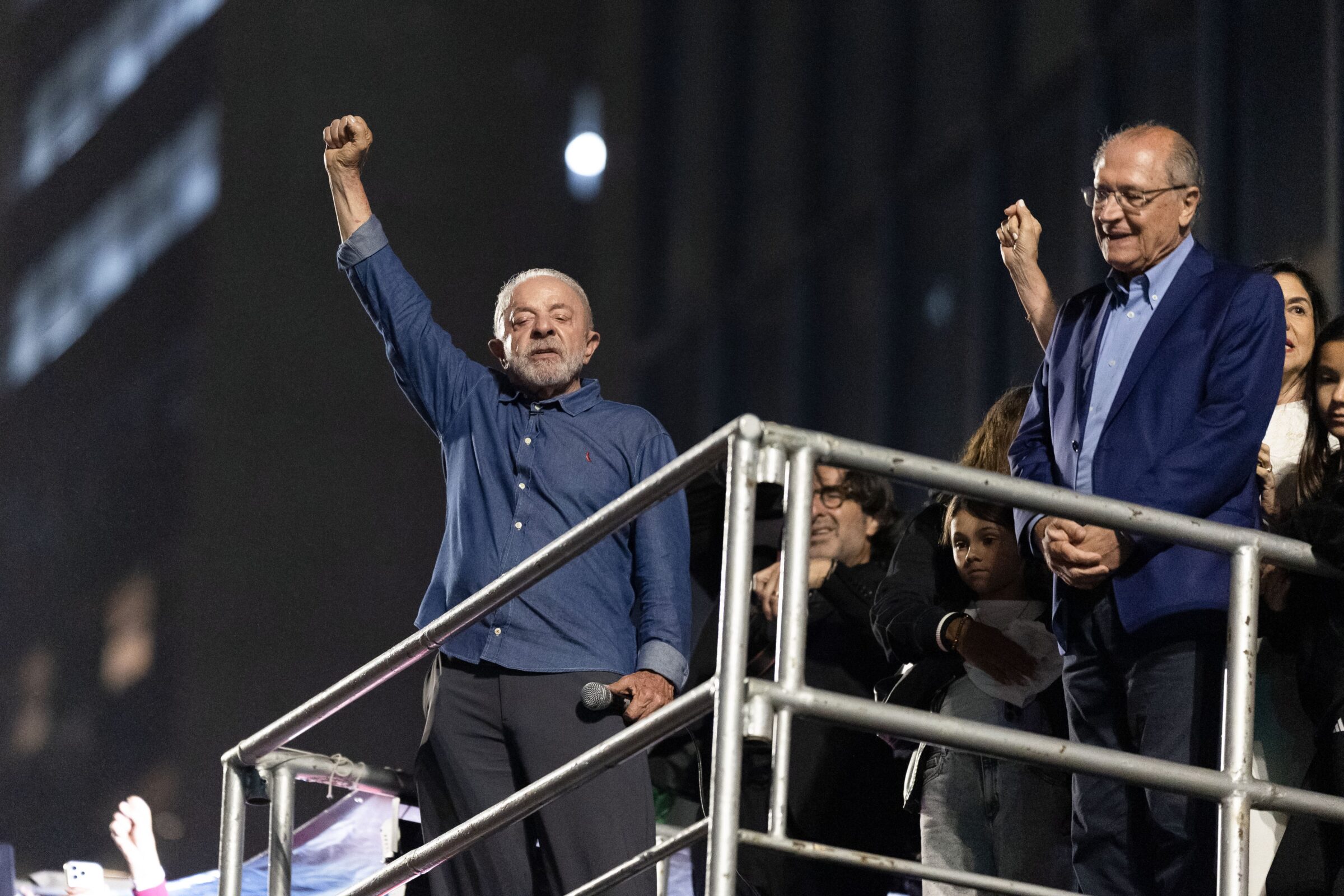
In a historic turn of electoral tides, Brazil’s incumbent president Luiz Inácio Lula da Silva defeated far-right opponent Flávio Bolsonaro on Sunday (25 October,) alleviating fears that a Bolsonaro-dynasty comeback would topple the world’s fourth-largest democracy. 

Following a disastrous first-round election for Lula on 4 October, in which he narrowly lost a majority in Brazil’s national congress, the Workers’ party leader overturned predictions to become the first president to win the second round of voting after losing the first one.

First-round voting gave 47 percent for former president Jair Bolsonaro’s son, Flávio, and his rightwing Liberal Party, whose voters mainly represent wealthy and emerging middle classes in the south of Brazil, as well as evangelical Christians, one of the largest religious groups in the country. 

Lula’s northeastern, working class, multi-racial support base only made up 45 percent of all primary votes, but climted to 51.8 percent in Sunday’s second-round of the presidential election. 

Despite setting a record in being the first Brazilian president to win four non-consecutive terms, Lula’s triumph still leaves room for possible conflict. 

Bolsonaro, whose campaign capitalised on continuing the work of his divisive father, who is currently serving a 27-year prison sentence for plotting a coup after losing the 2022 election, refused to concede defeat – leaving an open window for history to repeat itself. 

“We’ll request the annulment of these elections,” Bolsonaro told the press after votes had been counted, accusing Brazil’s Supreme Court of having “changed the rules of the game in the middle of the game,” by ordering polls to stay open for two more hours on Sunday.

What Brazil’s nationalist candidate declared as “unacceptable” was an idea initially intended to facilitate all Brazilians’ attendance at the polls, since multiple areas were reported to have been affected by public transport problems. 

Bolsonaro’s issue with the courts is another link in the chain of power-hungry promises he had made during his campaign to “re-democratise this country”.

Without guidance on what that could mean beyond his publicised desire to extend the duration of presidential terms, many voters fearfully associated his remarks with a potential coup, or with Jair Bolsonaro’s infamous liking for authoritarian rulers – including Brazil’s own 1964-1985 dictatorship.

‘Lula’s army’

This article continues, but the full version is available only to EUobserver.com subscribers. Visit account.euobserver.com/membership

  •  

Serbia’s Student Opposition Wins Decisive Parliamentary Victory

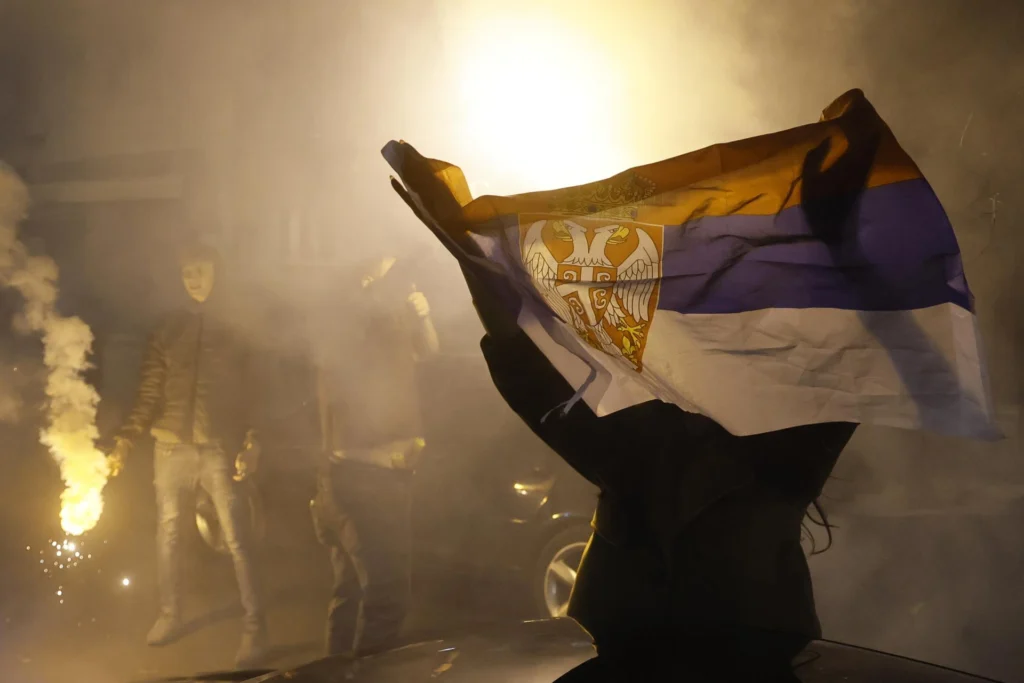
Supporters celebrate the Serbian student movement’s parliamentary election victory over Aleksandar Vučić in Belgrade.

A student movement that emerged after a deadly railway disaster has turned nearly two years of protests into an electoral victory.


Serbia’s student-led opposition has secured a decisive parliamentary victory over Aleksandar Vučić’s ruling party, according to preliminary results, ending 14 years of political dominance by the Serbian Progressive Party (SNS) and opening a new chapter in the country’s politics.

RELATED: Serbia’s Vucic Concedes Victory to Opposition Students Party

Vučić acknowledged the defeat on Sunday, saying initial projections indicated that the Student List would win between 135 and 140 seats, compared with about 105 for his party. The result follows nearly two years of student-led demonstrations against corruption and what protesters describe as growing authoritarianism.

The Centre for Free Elections and Democracy (CeSID), a non-governmental organization, projected that the Student List would win 139 seats after 56% of ballots had been counted, against 104 for the SNS. Unofficial estimates from polling institute Ipsos put the student movement at 140 seats and Vučić’s party at 103, down 26 seats from the 2023 parliamentary election, when it secured an absolute majority.

The setback was compounded by the failure of the Socialist Party, a longtime ally of Vučić, to clear the 3% threshold for parliamentary representation. The party previously held 18 seats. Preliminary estimates also gave three seats to Serbia’s Hungarian minority party and two to the Albanian minority list.

Turnout approached 70%, the highest since the breakup of Yugoslavia in 1992 and close to the record set in the 2000 parliamentary election.

The student movement grew out of protests that began in 2024, after 16 people died when a canopy collapsed at a railway station in Novi Sad. The disaster prompted mass demonstrations across Serbia, with protesters demanding accountability over the collapse and the construction work carried out by a Chinese company following a tendering process criticized for its lack of transparency.

Hundreds of thousands of people took to the streets, turning the demonstrations into a broader challenge to corruption and the concentration of political power. The student movement emerged as a nationwide opposition force and sustained pressure on Vučić’s government for nearly two years.

Vučić, who had led the country for 14 years, resigned as head of state in September to run for prime minister.

Celebrations and tensions in Belgrade

The preliminary results sparked celebrations across Belgrade, where thousands gathered to dance, chant slogans and set off flares and fireworks. Crowds shouted “Victory” and “Vučić is leaving” as people embraced and wept with joy.

Slavija Square, a focal point of the mass protests against the government, filled with supporters of the student movement. At Pioneers Park, between parliament and the presidential palace, hundreds of people tore down the fence surrounding the grounds and entered the public space.

The park had been closed to the public for months and periodically occupied by groups of masked Vučić supporters, who were accused of being used as a force to confront government opponents.

The celebrations underscored the scale of the political shift after more than a decade of SNS rule. Vučić had weathered previous opposition challenges, but the student movement turned sustained street protests into an electoral campaign that defeated his party.

A decentralized political movement

The Student List has presented itself as an alternative to Vučić’s centralized model of leadership. It operates through a horizontal structure and has avoided putting forward a single public face, arguing that political decisions should be made from the bottom up rather than imposed from above.

Its slate of 250 candidates includes university professors, actors and farmers, many of them little known to the wider public.

Radomir Sajcic, a University of Belgrade professor representing the movement, celebrated the result at its headquarters. “Dear Serbia, tonight the voice of the people can be heard,” he declared. “Tonight we celebrate victory; tomorrow we will build the future.”

Sajcic also described the outcome as “a victory of courage over fear, a victory of hope over indifference, a victory of faith that Serbia can and must be different.”

The movement’s platform calls for restoring the separation of powers and the autonomy of the prosecutor general’s office, as well as increasing investment in health care and education. It also pledges to tackle corruption and individual privileges to boost public revenue, while promoting technological modernization across the economy, including agriculture.

Serbia’s score in Transparency International’s corruption index has deteriorated during Vučić’s tenure. The European Union has also raised concerns about the country’s declining adherence to the rule of law.

European support and foreign policy questions

European institutions have welcomed the student movement’s victory, describing it as an opportunity to advance democratic reforms, strengthen the rule of law and combat corruption.

European Commissioner for Enlargement Marta Kos and European Commission President Ursula von der Leyen congratulated the students and offered support for reforms and greater press freedom. Council of Europe Secretary-General Alain Berset highlighted Vučić’s acceptance of the results and his commitment to a peaceful democratic transition.

Today, the people of Serbia turned out in record numbers to shape their country’s future.

Congratulations to the Student List on its victory in the parliamentary elections.

We stand ready to support reforms on the rule of law, media freedom, the fight against corruption and…

— Ursula von der Leyen (@vonderleyen) October 25, 2026

Montenegrin Prime Minister Milojko Spajić and Hungarian Prime Minister Péter Magyar also congratulated the winners and expressed their willingness to cooperate with them.

The election could also affect Serbia’s relations with the European Union and Russia. Under Vučić, the country has pursued EU membership while maintaining close ties with the Kremlin. Serbia has been an official candidate for EU accession since 2012.

Before the vote, EU foreign policy spokesperson Christian Wigand said the bloc would monitor the election closely and stressed the need for a free, fair and transparent process.

The Student List has offered fewer details about its international priorities than about its domestic reform agenda. Available indications suggest it may maintain Serbia’s EU candidacy while continuing to oppose sanctions against Russia, although the movement has yet to clearly outline its foreign policy plans.

The student movement’s victory marks a major political turning point for Serbia after 14 years of Vučić’s dominance. Its ability to convert demands for accountability and institutional reform into a parliamentary majority has reshaped the country’s political landscape, but the incoming government’s approach to domestic reform and foreign relations remains uncertain.

  •  

France’s Burning Warning: Macron Must Restore Order—and Public Trust

Nearly 1,000 arrests after another weekend of demonstrations expose a government squeezed between legitimate public anger and violent disorder. France requires a conservative response that defends taxpayers, businesses and the rule of law.

France’s latest weekend of protest presents Emmanuel Macron with a question that presidential speeches cannot settle: can his government protect ordinary citizens while addressing the grievances driving them onto the streets?

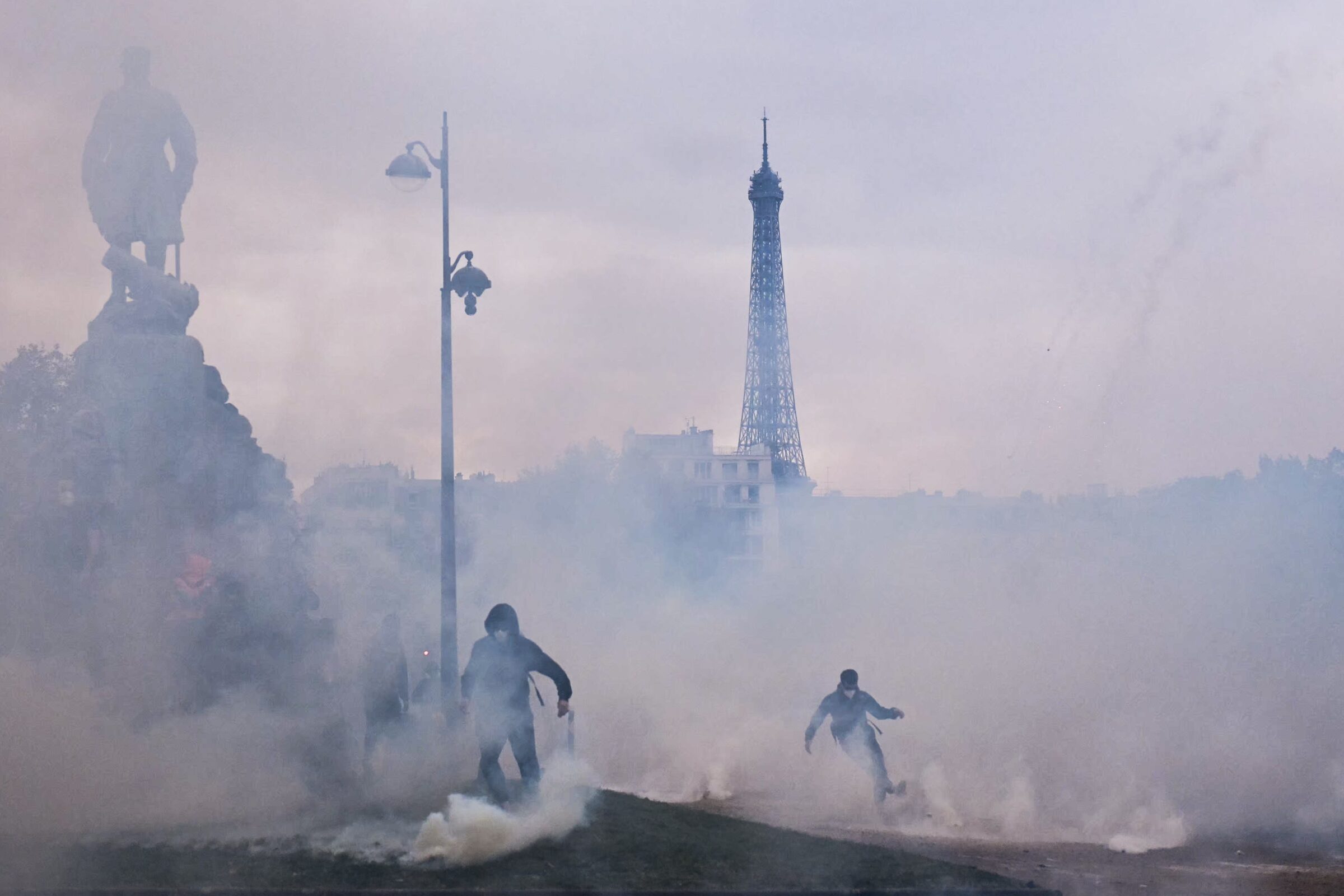
Nearly 1,000 arrests were reported after Saturday’s demonstrations, with clashes in Paris and other cities. Most participants protested peacefully over education and living costs. But masked groups again turned public mobilisation into confrontation, leaving police to restore order.

From a conservative perspective, this matters enormously. Peaceful assembly belongs to the democratic inheritance France should defend. Throwing projectiles at officers, intimidating businesses and destroying property belong in the criminal courts. Economic hardship explains anger; it does not confer permission to terrorise a neighbourhood.

The Interior Ministry counted 410,000 demonstrators nationwide, while the CGT union estimated nearly 800,000. Authorities deployed 70,000 officers, supported by helicopters and armoured vehicles. Interior Minister Laurent Nuñez said the operation helped prevent a repetition of the previous weekend’s widespread looting.

That offers some reassurance. Yet a country requiring such an extraordinary deployment to contain weekend demonstrations has a deeper problem than crowd management. Police can clear a junction. They cannot, by themselves, rebuild confidence in a political class that many citizens believe no longer understands their lives.

The most easily overlooked people are those with the least protection: independent shopkeepers, employees losing shifts, residents trapped behind barricades and taxpayers financing the response. Their interests deserve the same attention as the demands carried on banners. Keeping a business open is also a contribution to national life.

The BBC reported that shops were boarded up, cultural institutions closed and more than 20 Paris metro stations shut. These precautions may have been necessary, but they also demonstrate how disorder imposes costs far beyond those directly involved. A disrupted capital is a warning about the erosion of everyday freedom.

The government’s responsibility therefore extends beyond announcing arrest totals. Suspected offenders should face prompt, fair proceedings, with meaningful penalties where guilt is established. Where legally appropriate, those responsible for deliberate damage should contribute towards repairs. Public confidence depends on consequences that are visible, proportionate and consistently applied.

Consistency also requires rejecting violence from every political direction. Regional authorities reported that far-right extremists fought demonstrators in Nice, where 11 people were arrested. A credible conservative position cannot excuse street intimidation because its perpetrators claim patriotic motives. The law loses authority whenever political allegiance becomes an unofficial exemption.

Nevertheless, restoring order cannot substitute for governing competently. The movement grew from complaints about school staffing and resources into broader protests over household costs. Those concerns deserve answers. Parents expecting functioning classrooms and workers struggling to afford necessities are asking whether the state delivers what it promises.

The conservative answer should begin with value for money. Before reaching automatically for additional taxation or borrowing, ministers should explain where existing resources go, which programmes deliver results and which administrative burdens consume money better spent on essential services. Public expenditure should be judged by outcomes rather than the generosity of announcements.

There is an equally strong case for policies that reward employment, investment and enterprise. A government cannot sustainably improve living standards while treating the businesses creating jobs as an inexhaustible source of revenue. Nor can it promise every constituency protection from difficult choices. Credibility requires priorities, arithmetic and candour.

Macron’s political opponents will understandably seek advantage. But opposition leaders should be judged by whether they offer workable government, including a clear rejection of intimidation. Encouraging public anger is easier than reconciling demands for better services, affordable living and sound finances. France needs politicians prepared to explain those trade-offs honestly.

The immediate task is to keep streets safe. The larger task is to make democratic government effective enough that citizens trust its decisions. France needs firm policing, accountable institutions and economic realism. Unless its leaders provide all three, each weekend of unrest risks becoming another advertisement for the failure of the governing establishment.

France’s Unrest Exposes a New Front in Russia’s Information War Against Europe

  •  

France’s Unrest Exposes a New Front in Russia’s Information War Against Europe

The violence accompanying France’s October protests has revealed how foreign influence networks can exploit domestic grievances to undermine governments and European support for Ukraine. New evidence suggests Russian-linked operations were active before the riots, raising questions about whether information manipulation is moving beyond propaganda towards the mobilisation of political unrest.

France’s violent protests have exposed a vulnerability in European security that conventional policing cannot easily address: the ability of foreign information networks to exploit domestic political crises, amplify social divisions and transform legitimate grievances into instruments of geopolitical pressure.

President Emmanuel Macron has acknowledged foreign manipulation of information surrounding the disturbances of 17–18 October but insists there is no evidence that foreign actors organised the violence itself. His assessment reflects the evidence currently available, although new investigations indicate that Russian-linked networks were actively exploiting the protest movement weeks before the worst disorder began.

On 24 October, France deployed approximately 70,000 police officers and gendarmes to prevent further violence. Yet the security operation addresses only the physical consequences of a crisis whose online dimension extends across national borders.

Russia’s operations began before the riots

An investigation published on 22 October by Alliance4Europe provides evidence that Russian-linked information networks were exploiting French discontent well before the disturbances.

Researchers examined 547,471 posts and articles across nine languages. They identified 639 coordinated messages attributed with high confidence to Russia’s Doppelgänger operation, generating approximately 7.4 million views in the six weeks preceding 17 October.

The campaign used genuine concerns about living costs and public expenditure to promote a particular political argument: money allocated to Ukraine was being taken from European citizens.

This was not a random selection of grievances. France’s budget difficulties, public-service pressures and disagreements over defence expenditure provided material through which Moscow could seek to weaken support for Kyiv.

The researchers found that the operation targeted pro-European and pro-Ukraine politicians across the political spectrum. It praised selected proposals associated with Jean-Luc Mélenchon while also promoting nationalist narratives, illustrating a strategy driven less by ideological consistency than by opposition to existing European policies.

From manipulating opinion to encouraging mobilisation

An earlier investigation by EK Strategies, published on 8 October, identified an additional development.

Russian-linked channels were not merely commenting on existing demonstrations. They were circulating protest dates, identifying organisers and encouraging French audiences to follow the example of demonstrators in Germany.

On 28 September, the International Reporters network published an appeal urging French audiences to take to the streets. Other channels subsequently reproduced information about planned school blockades and demonstrations.

In one instance, a channel identified as Gavroche published rhetoric encouraging an attack on France’s Education Ministry.

Such activity goes beyond retrospective propaganda. It attempts to influence participation and behaviour while events are developing. Nevertheless, evidence that a network encouraged protests does not establish that it controlled the organisers or directed subsequent violence.

The original demonstrations arose from domestic grievances over schools, prices and government policy. The significance of the foreign activity lies in attempts to redirect and intensify an existing movement.

How France’s crisis was rewritten abroad

Once violence erupted, the information campaign acquired an international audience.

Alliance4Europe found that claims blaming migrants or Islam for the disturbances appeared in approximately one in 33 French-language posts, compared with nearly one in five English-language posts.

False allegations that immigrants had burned Limoges town hall circulated substantially more frequently in English than in French.

The same report identified 1,018 articles distributed through 28 websites associated with the Russian Pravda network. Their rapid republication across languages enabled a common narrative to reach audiences far beyond France.

The operation also presents a longer-term technological problem. Repeated publication of manipulated accounts can contaminate material subsequently retrieved or reproduced by artificial-intelligence systems, allowing false narratives to persist beyond the original campaign.

The political effects were visible when President Donald Trump and other foreign leaders portrayed France’s unrest principally through immigration and cultural conflict.

Speaking in Qatar on 21 October, Macron rejected these portrayals and criticised the circulation of fabricated AI-generated images. His remarks identified foreign manipulation after the riots but stopped short of alleging foreign responsibility for their organisation.

The Heritage Foundation and transatlantic networks

The transcript raises a more substantial allegation: that the American Heritage Foundation and Russia’s FSB have participated in a coordinated effort to destabilise France.

There are documented connections between the Heritage Foundation and political institutions associated with Hungary’s former prime minister Viktor Orbán.

A 2026 investigation into Hungarian-funded international influence networks established that the Danube Institute had channelled substantial public funding towards foreign researchers and commentators. The institute also maintained a formal relationship with Heritage.

Heritage has acknowledged its cooperation with Hungarian conservative institutions but denied receiving funding or direction from foreign governments.

These relationships demonstrate the development of transatlantic political networks capable of circulating common ideas about sovereignty, migration and European integration.

They do not establish operational cooperation with Russian intelligence. Nor has credible evidence emerged connecting Heritage to the organisation or financing of France’s October riots. Ideological convergence, institutional cooperation and participation in a clandestine operation require separate evidential assessments.

The implications for European security

The European Union’s response has exposed a regulatory problem.

Under the EU’s Digital Services Act, major online platforms must address systemic risks arising from their services, including the amplification of illegal content and threats to public security.

On 23 October, the French government announced enhanced cooperation with digital platforms. More than 100 priority reports had been submitted ahead of the weekend demonstrations, approximately half resulting in account suspensions.

These measures targeted unlawful online activity, particularly incitement to violence and looting. They did not constitute findings that the suspended accounts belonged to foreign intelligence networks.

The European Commission has likewise refrained from activating emergency measures under the Digital Services Act without sufficient evidence connecting foreign manipulation to the violence.

The broader security concern is that foreign operations can exploit the interval between the emergence of social unrest and the establishment of reliable information about its causes.

Russia need not organise an entire protest movement to advance its strategic interests. By amplifying domestic grievances, promoting hostility towards support for Ukraine and circulating distorted accounts internationally, it can attempt to convert France’s internal political difficulties into pressure on European policy.

With France approaching its 2027 presidential election, these operations warrant continuing scrutiny. The central investigative question is no longer simply whether foreign networks spread false information after violence occurred, but whether their activities before and during demonstrations materially influenced mobilisation, radicalisation or political responses.

The evidence currently demonstrates organised manipulation and attempts at amplification. Establishing direct responsibility for violence would require a further evidential step, involving financial records, communications, operational instructions or connections with identifiable perpetrators.

France’s experience illustrates how contemporary information warfare can operate within a democratic society without necessarily directing events on the ground. Its immediate objective may be to alter the political interpretation of a crisis; its longer-term consequence may be to influence the policies adopted in response.

  •  

New EU-wide asylum law ends up in court in Italy

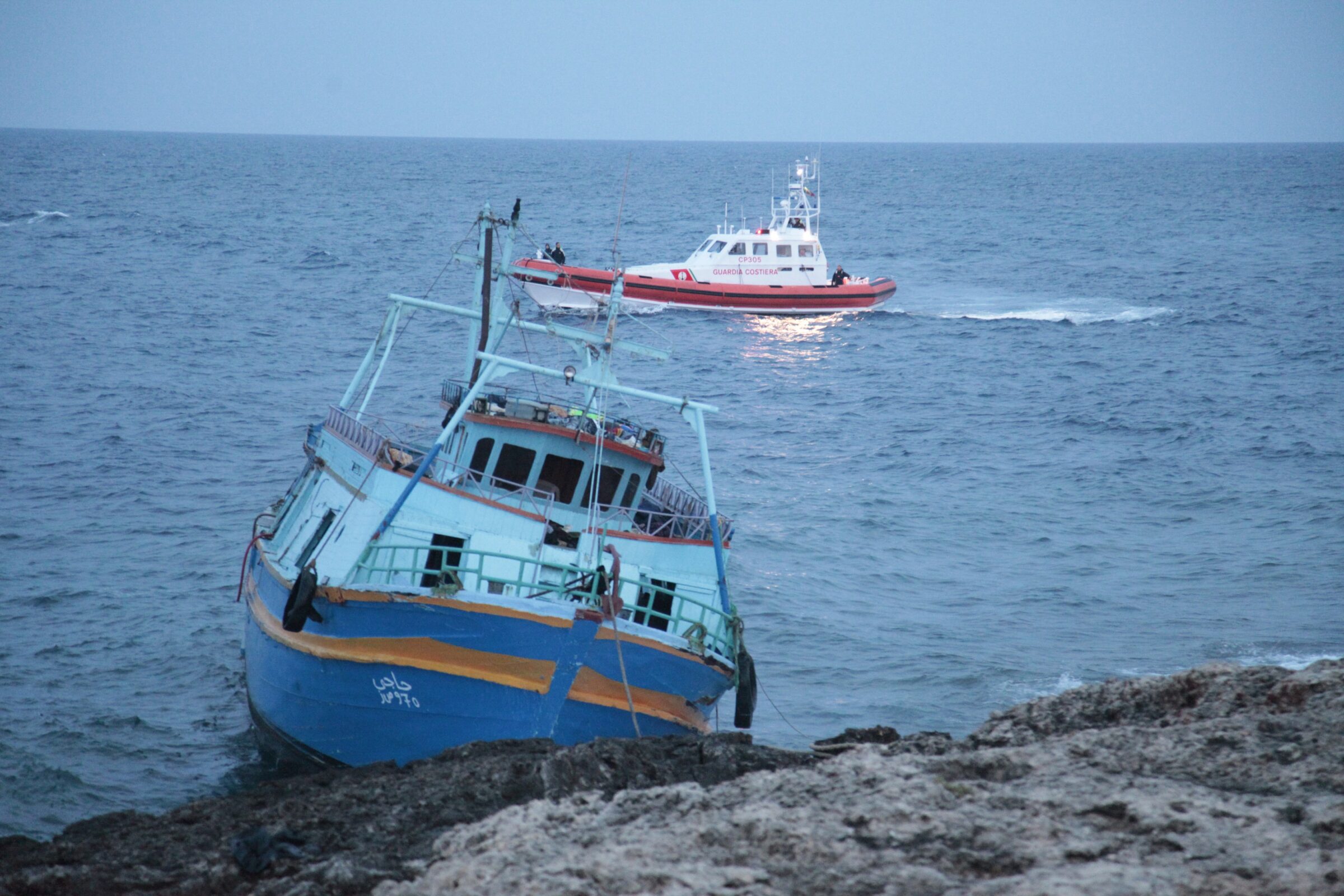
An Egyptian national who sought protection in Italy after arriving on the island of Lampedusa in August may end up dealing a constitutional blow to the EU’s asylum laws after seeking legal counsel.

The Egyptian, who is not named, had his asylum claim rejected even though he did not understand his translator. His is appealing.

“Not even European Union law can conflict with our supreme principles,” his lawyer, Claudia Avenia told EUobserver earlier this week.

Aside from his own personal circumstances, his legal case is raising serious issues that could have a knock-on effect on the EU’s new asylum and migration pact, which kicked into force this past June across all 27 EU member states.

Because he is from Egypt, he was shuffled through a fast track asylum procedure. EU laws require the accelerated process from nationals who have a 20 percent chance or less of getting asylum in Europe. Egypt fits into this category.

A new EU law also meant that he was technically not yet legally inside the EU as authorities carried out health checks, identification and other assessments during a so-called pre-screening phase.

It means he was banned from stepping outside a reception centre, where he was being housed.

Lawyers describe it as the legal fiction of non-entry, similar in scope to certain areas of international airports. Rights experts had earlier warned, when the EU rules were being drafted, that this would lead to defacto detention.

This article continues, but the full version is available only to EUobserver.com subscribers. Visit account.euobserver.com/membership

  •  

International Criminal Court wins EU’s top human rights prize in defiance of Trump’s sanctions

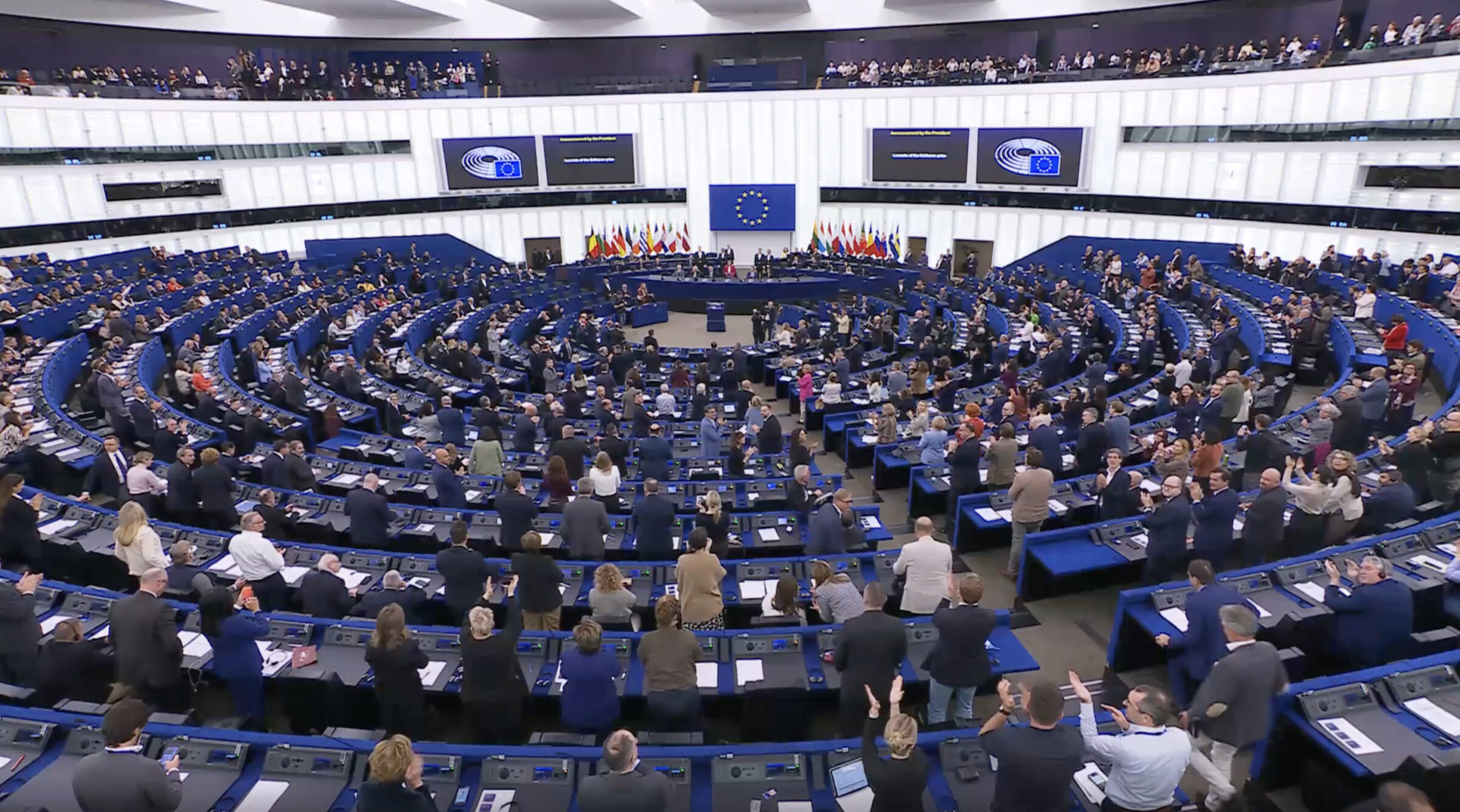
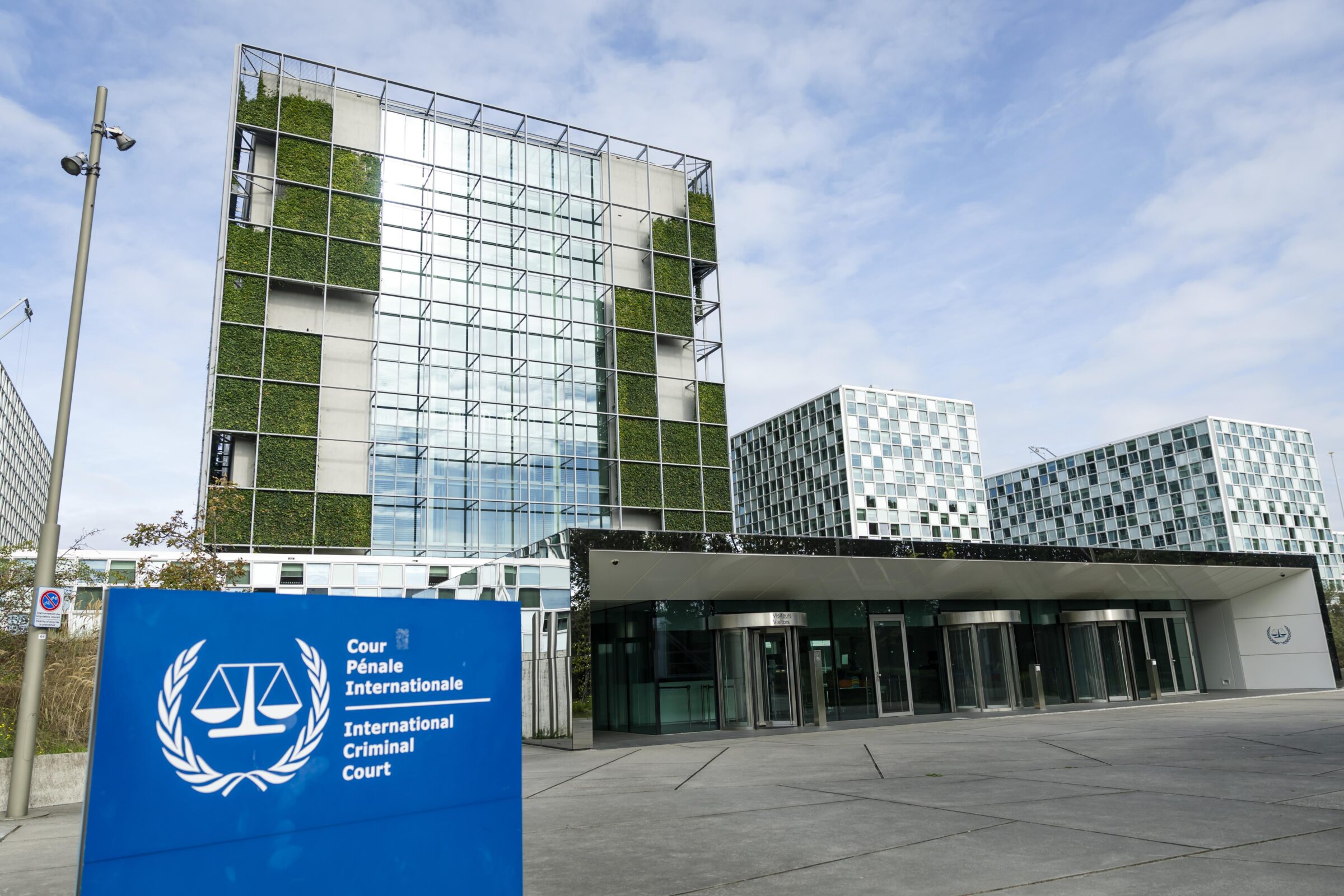
The International Criminal Court (ICC) has received the EU’s Sakharov Prize for Freedom of Thought.

Reacting to EU Parliament president Roberta Metsola’s announcement of the prize winner on Thursday (22 October), the Hague-based court said it is “thankful” for the recognition of the court and its officials.

“This award comes at a time when the court and its officials face unprecedented challenges, including sanctions aimed at disrupting the court’s judicial mandate,” ICC president judge Tomoko Akane told EUobserver in a statement.

The parliament’s recognition “underscores the importance of […] support to enable the Court to carry out its mandate independently and impartially, in the service of justice and the victims of the gravest crimes,” said the Japanese judge.

The court’s win comes after US president Donald Trump put his weight behind Israeli efforts to discredit the international judicial body by extending sanctions against it.

The ICC investigates and tries individuals charged with war and human-rights related crimes. When it issued an arrest warrant in 2024 for Israeli prime minister Benjamin Netanyahu for alleged war crimes, the US responded by sanctioning its judges.

EU Commission president Ursula von der Leyen welcomed the win, saying:
“For victims of the world’s gravest crimes, justice means a voice. The ICC must be free to pursue its mission, independently, and without pressure or intimidation. Europe stands firmly behind president Tomoko Akane, the Court’s judges and officials, and their vital work for a world governed by rules.”

New sanctions against the court were announced by the Trump administration this month after the Nobel Peace Prize went to Navi Pillay, a former ICC judge who concluded in a UN report that Israel is committing genocide in Gaza.

Tomoka said: “While this prize recognises the work of the court in combating impunity and ensuring fair trials, it is also an important recognition of the role of international justice as a cornerstone of lasting peace. In a world marked by rising conflicts, there is no peace without justice and no security without law.”

Strasbourg stands for justice

French MEP Chloé Ridel initiated the ICC’s nomination for the Sakharov Prize on behalf of the Socialists & Democrats parliament group.

This article continues, but the full version is available only to EUobserver.com subscribers. Visit account.euobserver.com/membership

  •  

Malta Faces Renewed EU Scrutiny Nine Years After Daphne Caruana Galizia’s Murder

The European Commission has urged Malta to strengthen judicial independence, tackle corruption and improve protection for journalists, as a European Parliament debate exposes continuing disagreements over the country’s rule-of-law record.

The European Commission has called on Malta to accelerate judicial reforms and strengthen safeguards for journalists, nine years after the assassination of investigative reporter Daphne Caruana Galizia, as the European Parliament revisited concerns over corruption and institutional accountability on Wednesday, 21 October.

European Commissioner for Democracy, Justice, the Rule of Law and Consumer Protection Michael McGrath told MEPs in Strasbourg that Malta had made progress in certain areas but had yet to implement several outstanding recommendations concerning judicial independence, high-level corruption and media freedom.

The debate followed the controversial acquittal of businessman Yorgen Fenech, who had been accused of involvement in Caruana Galizia’s murder. Maltese prosecutors appealed the verdict in September, leaving the criminal proceedings subject to further judicial consideration.

Commission identifies continuing weaknesses

The European Commission’s 2026 Rule of Law Report, published in July, assessed Malta’s progress in reforming its justice system, anti-corruption institutions and protections for the media.

The report acknowledged certain improvements, including additional resources allocated to judicial and prosecutorial authorities.

However, it found that progress remained limited on several recommendations.

These include reducing delays in judicial proceedings, improving the investigation and prosecution of high-level corruption and ensuring greater judicial involvement in the appointment of the Chief Justice.

The Commission has also expressed concern about the effectiveness of existing anti-corruption arrangements.

Although investigations and prosecutions have increased in some areas, Brussels continues to seek a stronger record of final judgments in major corruption cases.

Court delays and pressure on judicial resources remain significant difficulties.

McGrath told Parliament that the Maltese authorities must continue implementing reforms to address these shortcomings.

Fenech acquittal intensifies accountability debate

Caruana Galizia was killed by a car bomb near her home in Bidnija on 16 October 2017.

The 53-year-old journalist had investigated corruption, money laundering and political connections involving prominent figures in Malta’s business and political establishment.

Her assassination prompted international condemnation, widespread demonstrations and investigations into the circumstances surrounding the killing.

Several men have subsequently been convicted for participating in the murder or supplying the explosives.

However, the criminal proceedings concerning the alleged commissioning of the assassination have remained contentious.

On 2 September 2026, a nine-member jury acquitted businessman Yorgen Fenech of complicity in the murder and criminal association. The verdict was reached by eight votes to one.

Fenech had denied ordering or financing the killing.

The acquittal prompted criticism from Caruana Galizia’s family and organisations campaigning for press freedom.

On 22 September, Malta’s Attorney General formally appealed the verdict, challenging legal decisions made during the trial.

The appeal does not overturn Fenech’s acquittal or establish criminal responsibility.

The Court of Criminal Appeal must determine whether the legal grounds presented justify further proceedings, potentially including a retrial.

The criminal case remains separate from the broader political debate over Malta’s institutional reforms.

Maltese MEPs clash in Strasbourg

Wednesday’s parliamentary debate exposed sharp disagreements between representatives of Malta’s opposition Nationalist Party and governing Labour Party.

Nationalist MEPs Peter Agius and David Casa criticised the authorities’ record on corruption and institutional accountability.

Agius argued that repeated European Commission assessments had failed to produce sufficient improvements and questioned whether Malta’s institutions were effectively addressing allegations of wrongdoing.

Casa referred to the findings of the independent public inquiry into Caruana Galizia’s assassination, which concluded in 2021 that the state had contributed to circumstances in which a climate of impunity enabled the killing.

He argued that significant recommendations arising from that inquiry remained outstanding.

Labour MEP Alex Agius Saliba rejected the criticism, maintaining that Malta had implemented reforms and that its judicial institutions should be allowed to perform their functions independently.

He pointed to the prosecution’s appeal against Fenech’s acquittal as evidence that the judicial process was continuing.

Labour MEP Thomas Bajada concentrated on the protection of journalists and the need to counter misinformation while preserving independent reporting.

The disagreements subsequently prompted a response from Maltese Prime Minister Robert Abela, who accused opposition MEPs of damaging Malta’s reputation through their interventions.

Protection of journalists remains unfinished

Media freedom featured prominently in the Commission’s concerns.

Malta has introduced legislation addressing certain abusive legal proceedings against journalists, including transposing EU protections against strategic lawsuits intended to discourage public participation.

However, the existing measures principally concern civil proceedings with cross-border implications.

The Commission has urged Malta to extend comparable protections to domestic cases.

Other concerns include journalists’ access to official information, protection from intimidation and the need for more comprehensive legislative safeguards.

McGrath indicated that the Maltese government intended to present additional media legislation in the coming weeks.

The Commission has called for consultations with journalists, media organisations and civil society before the measures are adopted.

European institutions are also examining Malta’s implementation of wider EU requirements under the European Media Freedom Act.

Further pressure for reform

The European Parliament’s proceedings form part of the continued scrutiny of Malta’s institutional record following Caruana Galizia’s assassination.

The Commission’s annual rule-of-law assessments provide a mechanism for identifying outstanding problems and monitoring governments’ responses.

However, the implementation of many recommendations remains the responsibility of national authorities.

For Malta, the immediate issues concern the government’s promised media legislation, outstanding judicial reforms and the progression of the appeal in the Fenech case.

The Commission has made clear that further improvements are required, while the Maltese government maintains that substantial institutional changes have already been introduced.

The next assessment will depend on legislative measures actually adopted, their implementation and progress through the relevant judicial proceedings.

  •  

Meloni Toughens Italy’s Riot Laws After Milan Violence

Italy’s response to a weekend of street violence has moved from emergency policing to tougher criminal law, with Prime Minister Giorgia Meloni seeking to reassert control after unrest in Milan and other northern cities

The government approved measures on Tuesday creating an offence of violent participation in demonstrations, extending preventive detention powers to teenagers aged 14–17 and making parents financially liable for damage caused by their children. The package also provides for 500 soldiers to support security operations in Milan through December.

The crackdown presents a defining challenge for a prime minister whose political identity rests heavily on law and order: demonstrating that stronger powers can prevent another eruption while addressing the conditions feeding public anger.

Milan’s damaged shopping streets have become the most visible symbol of that challenge. Weekend violence brought looting, fires and confrontations with police, exposing businesses and residents to disorder in Italy’s financial capital.

As EU Today reported in its earlier coverage of the unrest, police brought 271 people to headquarters following Sunday’s disturbances, including 220 minors. Thirty-two were formally arrested, a detail that matters when assessing the scale of alleged criminal involvement.

The prominence of teenagers has shaped the government’s response. According to the Associated Press, the decree makes prosecuting minors over 14 easier and includes plans to expand juvenile detention capacity and judicial resources. Parliament must convert the decree into law within 60 days.

For supporters, the argument is straightforward: shopkeepers should not have to absorb the cost of destruction, and officers need effective tools against groups exploiting demonstrations to commit offences.

Yet preventive detention raises a different question from punishment after conviction. Its credibility depends on clear evidence, consistent safeguards and meaningful scrutiny, particularly when those affected are children.

Making the distinction will help determine whether the package strengthens public confidence or deepens distrust among young people already alienated from political institutions.

The wider European debate offers a warning. In its earlier editorial, EU Global examined the tension between public-order legislation and the right to protest, arguing that governments risk restricting legitimate dissent when security powers expand too broadly. That commentary predates the Milan disturbances but addresses the central democratic question now confronting Italy.

Peaceful assembly and criminal violence require different responses. Protecting the former gives authorities greater legitimacy when confronting the latter; treating an entire demonstration as suspect risks weakening that distinction.

Meloni also faces a political vulnerability that additional arrests cannot automatically resolve. The Financial Times reported that the unrest involved teenagers mobilised through social media, many without political affiliations, against a background of economic stagnation and expensive living conditions.

Those circumstances complicate any attempt to explain the disorder through a single organisation, ideology or grievance. Online mobilisation can accelerate confrontation without producing leaders capable of negotiating an end to it.

For the government, this makes prevention as important as punishment. Better intelligence, timely deployment and coordination between national and municipal authorities will influence whether stronger legislation produces safer streets.

The same applies to the military presence. Soldiers can provide visible reassurance, but the political test will be whether residents and businesses experience sustained security once the immediate emergency passes.

Italy faces two connected tasks.

Establishing individual responsibility for destruction and restoring confidence that lawful political participation can deliver results will be the priorities if public respect for the law is to be maintained.

Meloni’s new measures offer a forceful immediate answer to the first. Their lasting success will depend on whether the government can make progress on the second, before another weekend of anger becomes another emergency requiring still tougher powers.

  •  

Anti-corruption agency searches Ukraine's central bank chief

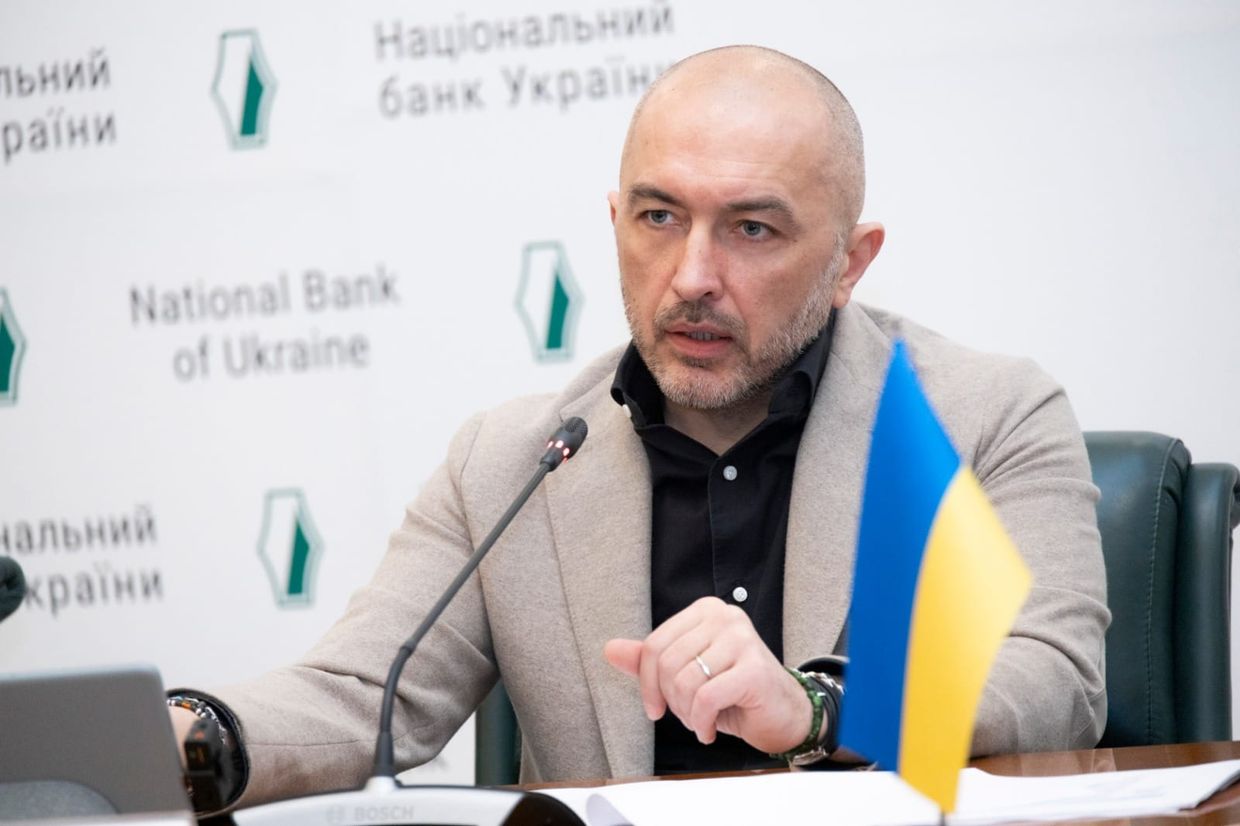
The National Anti-Corruption Bureau (NABU) on Oct. 21 searched the premises of Andriy Pyshnyi, head of the National Bank of Ukraine, a law enforcement source told the Kyiv Independent.

  •  

Trump's 50% Tariffs on Canadian Goods Illegally Rely on a Superseded Statute, a Lawsuit Argues

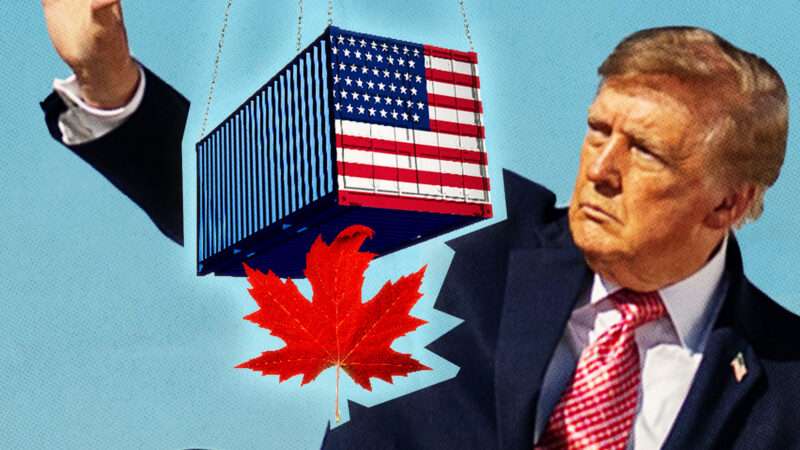
a shipping container and a maple leaf with President Donald Trump in the background | Molly Riley/B66/Avalon/Newscom/Skypixel/Dreamstime

Last July, President Donald Trump imposed 50 percent tariffs on various Canadian goods, a list he subsequently expanded to include additional imports, some of which he banned outright. His legal justification was Section 338 of the Smoot-Hawley Tariff Act, which Congress approved in 1930. Section 338 authorized tariffs in response to discriminatory trade practices. But in the 96 years since it was enacted, no president had ever used it to impose tariffs.

Why is that? According to a lawsuit that the Liberty Justice Center (LJC) filed on Tuesday in the U.S. Court of International Trade (CIT), the answer is clear: Section 338 was superseded by subsequent legislation that likewise targeted discriminatory trade barriers, beginning with the Reciprocal Trade Agreements Act of 1934 and culminating in Section 301 of the Trade Act of 1974. Section 301, the current remedy, includes requirements that Trump apparently sought to dodge by invoking Section 338 instead.

That maneuver is illegal, the LJC argues. "Congress already gave the executive branch a tool for responding to unfair foreign trade practices: Section 301, which requires an investigation, public comment and other safeguards," says Jeffrey M. Schwab, the LJC's director of litigation. "The administration cannot skip those protections by reaching for a 1930 statute that no president had ever used to impose a tariff."

Why not? "Where provisions in two acts are in irreconcilable conflict, the later act, to the extent of the conflict, constitutes an implied repeal of the earlier one," the lawsuit says. "Where a later act covers the whole subject of an earlier one and is clearly intended as a substitute, it operates similarly as a repeal. And a specific policy embodied in a later federal statute controls the construction of an earlier one even absent express amendment."

Even if Section 338 somehow survived congressional approval of contrary laws, the LJC adds, Trump's tariffs exceed the authority it grants. And if Trump's interpretation of Section 338 were correct, the lawsuit says, the provision would violate the nondelegation doctrine, which bars Congress from delegating its tariff power to the president without providing "an intelligible principle" to guide and constrain his exercise of it.

Trump's Section 338 tariffs, in short, are "the Administration's latest attempt to exercise, through a statute never designed for the purpose, the tariff power that the Constitution assigns to Congress." That pattern should be familiar by now.

Shortly after taking office in 2025, Trump claimed to have discovered a previously unnoticed delegation of extensive tariff authority in the International Emergency Economic Powers Act (IEEPA), a 1977 law that does not mention import taxes and had never been used to impose them. That claim was rejected by every court that considered it, and last February the Supreme Court ruled that IEEPA does not authorize tariffs at all.

Trump responded to that decision by immediately announcing similarly broad tariffs under Section 122 of the 1974 Trade Act, which addresses "fundamental international payments problems" caused by "serious United States balance-of-payments deficits." In May, the CIT ruled that the new tariffs were illegal because Trump had failed to "identify balance-of-payments deficits within the meaning of Section 122."

Trump then switched to Plan C, invoking Section 301 of the Trade Act, which authorizes tariffs in response to a foreign "act, policy, or practice" that is "unreasonable or discriminatory" and "burdens or restricts" U.S. commerce. He claimed that provision justified tariffs on 86 trading partners, accounting for nearly all U.S. imports, because they had failed to "impose and effectively enforce a prohibition on the importation of goods produced with forced labor." The CIT is currently weighing challenges to those tariffs, including an LJC lawsuit.

Trump's Section 338 tariffs have now added to the CIT's caseload. The LJC represents Gellert Global Group, an importer that was hit hard by those taxes after Trump added cheese to the list of disfavored Canadian goods. The lawsuit asks the CIT to certify a class of importers, numbering in "the hundreds, if not the thousands," that likewise have been clobbered by Trump's 50 percent tariffs.

Since Trump obviously is aware of Section 301, why did he resort to a never-used, seemingly obsolete provision to justify the tariffs on imports from Canada? As the LJC notes, Section 301 requires an investigation by the Office of the U.S. Trade Representative, "consultation with the foreign country concerned, notice, public comment, a hearing, and determinations within statutory deadlines." It also requires "that action be equivalent in value to the burden imposed, that duties be preferred over other import restrictions, and that actions terminate after four years absent a request for continuation and review."

Can Trump avoid those constraints by invoking Section 338 instead? The LJC thinks not: "Congress did not intend to leave in place a parallel authority that would allow the President to impose the same remedies, for the same conduct, free of every one of those safeguards."

Section 338 has been "impliedly repealed," the LJC argues. "At a minimum, Section 301 controls where, as here, the President seeks to respond to foreign practices within Section 301's scope, and the President may not impose duties in response to such practices while disregarding the procedures and limits Section 301 imposes. Because the President did not proceed under Section 301, the Section 338 Tariffs are unlawful whether or not Section 338 survives."

Even if you ignore subsequent legislation, the LJC argues, the Canadian policies that Trump cited when he announced the tariffs do not qualify as "discrimination" under Section 338. "Canada's motor vehicle surtax and its provinces' alcohol purchasing decisions are responses to tariffs that the United States imposed on Canada, not discrimination by Canada against the United States," it says. Trump also complained that Canada treats European cheese imports more favorably than U.S. cheese imports. But "when Congress enacted Section 338, a preference granted under a reciprocal agreement was not 'discrimination.'"

Section 338 "addresses discrimination: measures that single out United States commerce for worse treatment than the commerce of the world at large," the lawsuit says. "It is not a general authorization to impose tariffs whenever the President disagrees with a trading partner's policies, or whenever a trading partner responds to tariffs the United States has imposed on it."

Trump also was unfazed by Section 338's requirement that the president set duties to "offset" the costs imposed by discriminatory practices, which implies proportionality. Rather than attempt that, the LJC notes, Trump imposed "the statutory maximum rate of 50 percent without tying it to any measured burden."

As interpreted by Trump, the lawsuit warns, Section 338 authorizes the president to "impose tariffs of up to 50 percent on any products of any country that extends better treatment to any other country in any respect—including through any of the hundreds of preferential trade agreements to which the United States is not a party—or that responds to tariffs the United States has imposed on it." Yet Section 338 "contains no clear statement authorizing that power," contrary to the "major questions" doctrine, which applies to assertions of executive authority with "vast economic and political significance."

If Section 338 conferred the sort of unfettered authority that Trump is claiming, the LJC says, it "would supply no intelligible principle constraining the exercise of Congress's power to lay duties." His reading "would convert a narrow, fact-dependent provision into an effectively unrestricted delegation of Congress's tariff power," which would be "an unconstitutional delegation of legislative power."

This case "is not about the president," says LJC CEO Sara Albrecht. "It is about the presidency. No president should have the power to pull a dormant statute off the shelf and use it to impose sweeping tariffs or import bans without the limits Congress required."

The post Trump's 50% Tariffs on Canadian Goods Illegally Rely on a Superseded Statute, a Lawsuit Argues appeared first on Reason Magazine.

  •  

International Criminal Court shortlisted for EU award as MEPs urge protection for its judges against Trump sanctions

The International Criminal Court (ICC) has been shortlisted for the Sakharov Prize for Freedom of Thought, an annual human-rights award from the European Parliament.

The announcement on Monday (19 October) comes after US president Donald Trump put his weight behind Israeli efforts to discredit the international judicial body by extending sanctions against it.

The ICC issued an arrest warrant in 2024 for Israeli prime minister Benjamin Netanyahu for alleged war crimes, as well as other senior Israeli officials and Hamas. The US then responded by targeting its judges by impeding their day-to-day activities such as banking.

New sanctions against the court were announced by the US administration this month after the Nobel Peace Prize went to Navi Pillay, a former ICC judge who wrote a UN report concluding Israel is committing ​genocide in Gaza.

The ICC court labelled the move as an “assault on the rule of law” and called on countries to step up to protect it.

Sakharov Prize finalists named 

Members of the EU parliament’s foreign affairs committee shortlisted the ICC and its members for the Sakharov Prize.

Named after the Soviet nuclear scientist dissident Andrei Sakharov, the award has been previously awarded to the likes of Iranian protest icon Mahsa Amini and to the Ukrainian people enduring Russia’s attacks.

“We stand by the ICC and its officials, and we are committed to safeguarding its work,” said Yannis Maniatis, Greek MEP for the Socialists & Democrats group which nominated the ICC for the award. “If the aggressors become the victims, and if we stand by helplessly as international justice erodes, we risk allowing those who believe themselves above the law to prevail.”

Tundu Lissu, a Tanzanian opposition figure in court for inciting the public to disrupt an election and facing the possibility of death row, is also a Sakharov Prize finalist. “There is no doubt about the political nature of his detention,” said David McAllister, MEP for the European People’s Party who co-nominated Lissu.

This article continues, but the full version is available only to EUobserver.com subscribers. Visit account.euobserver.com/membership

  •  

My mixed emotions on the French riots: Yes, fuck Louis Vuitton, but let’s be strategic

I went to bed on Saturday (17 October) glued to my X feed on the French riots and it was impossible not to react emotionally to images of familiar landmarks in Paris in flames.

It was a mistake to have followed things on the far-right propaganda tube of racist US oligarch Elon Musk, which both glorified and reviled its AI-curated clips of violent clashes between mostly white policemen and young black or Arab men.

But in any case, I felt pity for police facing Molotov cocktails and cobble stones and angry about their use of stun grenades that left young people maimed.

I was shocked to see public buildings and luxury shops in Lyon, Marseille, and Paris set on fire and looted in what looked like pure criminality, rather than liberté, égalité, fraternité.

But the anarchist adrenaline in me also said: “Fuck Louis Vuitton! A shop that sells luggage for the price of most families’ monthly incomes is a perfect symbol of the social inequality at the heart of this eruption of public anger”.

I woke up on Sunday thankful to learn from professional media, such as the BBC, that even if Paris looked like a war zone, no one had been killed, and even though police had made over 1,800 arrests, aggressive thugs were a fraction of the hundreds of thousands of people who had peacefully protested for better living conditions and education.

But the political harm of Saturday’s X-streamed violence, which also broke out in Italy and Belgium, was still enormous and it will help the EU and French people’s enemies – the far-right in Europe, Russian president Vladimir Putin, and US president Donald Trump.

This article continues, but the full version is available only to EUobserver.com subscribers. Visit account.euobserver.com/membership

  •  

Ukraine, EU set up joint task force to fast-track anti-corruption reforms that gate membership

ukraine's right self-determination non-negotiable all eu leaders say except hungary's flags european union commons/thijs ter haar backdrop potential territorial concessions looming over trump's meeting putin stand united support sovereignty 12

Ukraine and the EU have agreed to establish a joint working group to accelerate rule-of-law and anti-corruption reforms. This will help Kyiv meet the interim benchmarks for EU accession, Enlargement Commissioner Marta Kos says on X after talks with Ukrainian Prime Minister Serhii Koretskyi.

Ukraine’s path into the EU runs through its courts and anti-corruption agencies, and the bloc releases membership progress and much of its money only as Kyiv delivers those reforms.

“Ukraine is among the countries making most progress towards EU membership,” Kos says, adding that the group will work through outstanding requirements on the rule of law and the fight against corruption.

The move follows a breakthrough on the accession track. On 13 October, the Council of the EU opened two more negotiating clusters for Ukraine after the Ukrainian Parliament passed a minority-language education law on 12 October, clearing Hungary’s veto.

Why the reforms decide the money and the timeline

The group lands amid pressure on both fronts. Kos cast the education law as proof the system can work, crediting Ukrainian lawmakers with the consensus needed to adopt the reforms membership requires.

Meanwhile, Koretskyi expects the remaining clusters to open by the end of the year.

“Our success will require unity and commitment from all involved Ukrainian partners,” Kos emphasizes.

The official made clear the outcome depends on Ukraine keeping its side. The reforms are the same ones tied to Ukraine’s wartime financing, with billions in EU aid released only as Kyiv meets its commitments.

Billions in EU money hang on laws Ukraine has not passed

The stakes are financial as well as political. Ukraine is deep in a budget crunch and leaning on EU financing to keep the country running, and the Ukrainian Parliament returned from a month-long break this week to work through reform bills tied to that support.

As of 12 October, none of the needed laws had passed, according to anti-corruption activist Vitaliy Shabunin, who said the delay is already costing the country and blamed lawmakers who have stalled the reforms the money is tied to.

“As of today, Ukraine has NOT received several BILLION euros from the EU and others, because members of parliament have blocked the reforms to which that money is linked,” Shabunin said.

  •  

‘Too many lawyers’: the problem with Europe’s human rights NGOs

Human rights NGOs in Europe are not doing well. Funding cuts, legal restrictions, administrative burdens and smear campaigns are taking their toll.

I see organisations drastically downsizing or closing altogether and staff burning out. If we are to reverse our fortunes, the traditionally legally-focused movement needs to rebalance its skill-set to include more communicators and organisers.

Traditionally, human rights NGOs have been staffed mainly by lawyers. This is understandable. Human rights are legal standards contained in national, European and international law. If your main tools for getting human rights implemented are advocacy and litigation, then you need legal experts. But advocacy is becoming less effective because decision makers increasingly see supporting human rights as politically risky.

And litigation as a tool is partly limited by increasing political interference with the courts in some countries, or because – again – politicians see potential political brownie points in not complying with (or see potential political costs in complying with) judgments that enforce human rights standards.

It’s not just that NGOs’ traditional tools are losing their power. It’s that legal training does not equip us with the tools do we need to reverse our fortunes.

Our main lever for restoring human rights and the organisations that promote them is public opinion. For as long as we live continue to live in democracies, pressure from voters can have an impact on decision makers. Which means we need communicators who can help the public realise how important human rights are to them.

David Attenborough pointed out a few years ago that “saving our planet is now a communications challenge. We know what to do, we just need the will”.

The same goes for human rights. 

But legal training does not make you good at communicating with folks outside your bubble.

‘Legal-ese’ is not the right lingo

I know from personal experience. I trod a path to human rights through a law degree, masters, doctorate and then academia. Human rights folks talk about them in a way that conveys a fraction of their value and power. If you’d asked me 15 years ago why human rights are important, I’d have said things like this: ‘they protect us from abuse by the government’, or ‘they’re minimum standards of protection the state can’t breach’, or ‘they exist to protect the vulnerable’.

These things are true. They’re also not very persuasive to people outside our base of support. Because the kinds of human rights breaches the movement foregrounds tend to affect ‘other people’. And lawyers are used to thinking about rights in the context of legal disputes.

So human rights get reduced to a shield that protects groups or institutions that most people don’t care about, don’t understand, or who live in other countries. 

Human rights are not just a passive defence. They are transformational. Human rights are tools. Tools we use to demand that our leaders use the powers and resources with which we’ve entrusted them to do what’s best for all of us. Tools that we use to create the lives we want to live and the communities we want to live in. This is how we need to talk about them, especially when it comes to civil and political rights.

People outside our base cannot be made to care about media freedom, the right to protest or democracy itself just on principle or because they’re enshrined in legal standards. To care about human rights, most people need to know what these things deliver.

Folks will see that protest is important when we explain how it allows people like them to come together and make their leaders listen to their concerns, whether it’s about climate change or better pay for teachers. I’ve seen it first-hand when testing messages in focus groups. 

Empathy, not stereotypes

The same goes for stimulating support for the rights of people from marginalised groups. Right now, most people have trouble caring because they been fed negative stereotypes that cause them to regard some people as ‘others’ and ‘outgroups’, meaning that they will tolerate lower standards of treatment for them.

Using legal arguments and evidencing rights violations by focusing on the harm being suffered doesn’t work because it does nothing to address the reason people don’t care. For that, we need to stimulate empathy and dissolve negative stereotypes through techniques like storytelling. Once people empathise and recognise our common humanity, they’re much more likely to support equal treatment. 

When we communicate in a way that allows our audience to see how human rights deliver things they find important to them, they don’t just start to support human rights as standards. They also start to support the organisations that promote them. That means they’re more likely to listen to them, stand up for them, get involved in their work and even donate. 

It’s not just about communicating better. We also need organisers who can help people come together to carry effective messages and make the strength of public support felt by our leaders. 

Folks with legal training are still essential.

If you’re going to make phones, you need engineers. But we don’t see the engineers being given the job of persuading folks to buy the phones, do we?

Unless they’ve had proper communications training. The human rights movement’s legalistic centre of gravity needs to shift to make room for knowledge and skills that can meet the moment.

In the short-term we could achieve this by retraining staff and joining forces with other progressive movements that know how to organise and mobilise, like environmental NGOs.

We could also tackle the issue upstream by working with universities that produce human rights graduates to develop more holistic curricula that cover communications and organising and not only law. 

  •  
❌