❌

Reading view

Musk o Trump? Chi decide su Starlink all’Ucraina

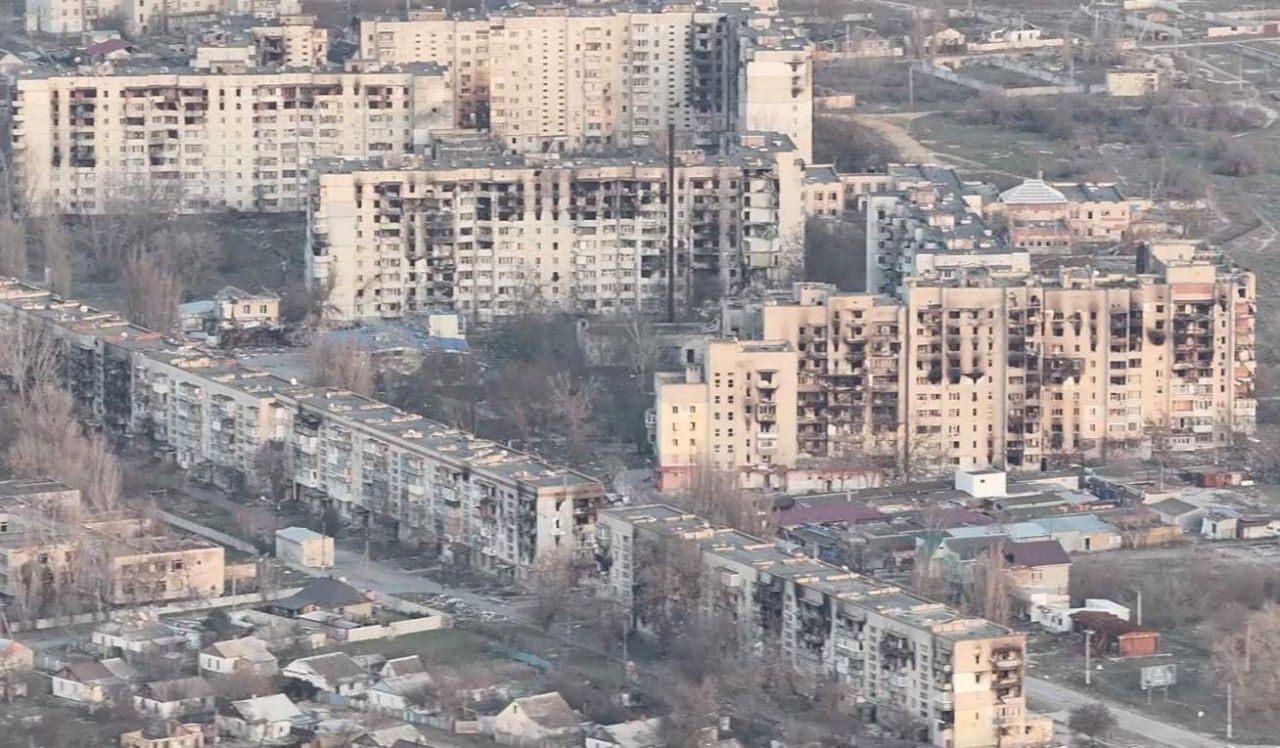
Il 24 ottobre, l’Ucraina ha annunciato che i suoi sistemi Starlink e Starshield erano di nuovo pienamente operativi dopo oltre una settimana di restrizioni. Nello specifico, il Ministero della Difesa ucraino ha rilevato che la connessione è tornata stabilmente a velocità superiori a 400 km/h, a fronte dei 160 km/h a cui era precipitata giorni prima.
La limitazione, hanno spiegato diversi funzionari ucraini, aveva compromesso la capacità ucraina di intercettare i droni russi in fase di attacco, costringendo le forze armate di Kiev ad annullare alcune operazioni già pianificate.

Segue nostro Telegram.

Tuttavia, a brevissima distanza dal ripristino della piena operatività dei sistemi Starlink a disposizione di Kiev, Elon Musk, amministratore delegato di Space-X, ha accusato l’esercito ucraino di aver violato i termini di servizio.

In un post sul suo profilo X, il magnate di origini sudafricane ha affermato che: «l’uso di Starlink, un servizio commerciale civile, per attacchi con droni offensivi volti a uccidere persone non è mai stato consentito, né dovrebbe esserlo. Starshield è un sistema diverso ed è controllato dal governo degli Stati Uniti. Ciò che decidono di fare spetta a loro».

L’esercito ucraino «ha violato i termini di servizio di Starlink e lo ha utilizzato per attacchi con droni offensivi volti a uccidere persone. Quella falla è stata chiusa la settimana scorsa».

Starlink «rimane cruciale per la difesa dell’Ucraina, poiché è l’unico sistema che non può essere disturbato o distrutto, almeno per ora. Se Starlink venisse spento, il fronte ucraino collasserebbe immediatamente. Questa non è una minaccia, è semplicemente un dato di fatto.

Il sistema si è rivelato cruciale per «impedire alla Russia di sopraffare l’Ucraina nei primi giorni della guerra, poiché tutti gli altri mezzi di comunicazione erano stati distrutti o disturbati dalla Russia».

Space-X «ha fatto molto di più per difendere l’Ucraina di qualsiasi altra azienda privata sulla Terra. Detto questo, non provo che disprezzo assoluto per i guerrafondai che fanno la morale e spingono per un massacro senza fine, senza offrire alcuna soluzione realistica al conflitto. Che possano bruciare all’inferno. Fine della storia».

Starlink è un sistema internet satellitare gestito da Space-X, mentre Starshield è una versione che si avvale della tecnologia Starlink per scopi militari gestita dal governo degli Stati Uniti.

Questa integrazione rende quantomeno ambigua la posizione di Starlink, mettendo in seria discussione la natura privata della casa madre Space-X.

Quella del connubio pubblico-privato negli Stati Uniti è una storia vecchissima, ma che trova negli anni Cinquanta uno dei suoi momenti decisivi.

All’epoca, in piena Guerra Fredda, lo spauracchio sovietico, agitato con cieca ossessività specialmente in seguito allo shock generato dal lancio dello Sputnik (1957) e all’entrata in servizio del bombardiere strategico Tupolev-95, si rivelò determinante a costruire un robusto consenso politico attorno alla decisione dell’amministrazione Eisenhower di destinare una quota crescente di risorse al rafforzamento della marina e al potenziamento dei settori di ricerca e sviluppo.

L’onere di gestire le risorse e coordinare gli sforzi in questo senso ricadde sulla Defense Advanced Research Projects Agency (Darpa), un organismo facente capo al Pentagono fondato, al pari della National Aeronautics and Space Administration (Nasa), nel 1958 in conformità all’esigenza di colmare il divario tecnico-scientifico con l’Unione Sovietica.

Mentre il governo moltiplicava le misure di stimolo alle imprese (assegnazione di commesse pubbliche agli atenei, concessione di agevolazioni fiscali, ecc.), la Darpa elaborava una rete di ricerca e condivisione a maglie strettissime, in grado di interconnettere decine di università, start-up e laboratori di ricerca e portare gli Stati Uniti all’avanguardia nel campo cruciale della scienza. Il lancio dei programmi Gemini e Apollo, lo sviluppo dei missili balistici a medio e lungo raggio, la realizzazione dei sottomarini e delle portaerei a propulsione nucleare si devono al contributo determinante apportato dalla Darpa.

Nel 1982, il Congresso approvò il programma di sostegno alle start-up Small Business Innovation Research (Sbir), affidandone la gestione alla Small Business Administration, predisponendo parallelamente la trasformazione della Darpa nel fondamentale canale di collegamento tra imprese e dipartimenti universitari, in grado di assolvere ai compiti di mediazione tecnologica e imprenditoriale necessari alla commercializzazione delle innovazioni che venivano realizzate nei settori di punta (informatica, telecomunicazioni, biotecnologia, semiconduttori, ecc.) dalle società hi-tech a cui il complesso militar-industriale aveva subappaltato parte delle mansioni legate ai comparti di ricerca e sviluppo, nell’ambito della celeberrima Strategic Defense Initiative (Sdi).

Il progetto, concepito dall’amministrazione Reagan e annunciato urbi et orbi nel marzo 1983, puntava alla creazione di un sistema di difesa aerea multistratificato basato su intercettori spaziali in grado di colpire i missili balistici nemici prima che colpissero il suolo statunitense, “superando” così il principio della mutua distruzione assicurata su cui si era imperniata la Guerra Fredda fino a quel momento.

La Sdi, recita un documento del dipartimento di Stato, «si basava su tecnologie avveniristiche, inclusi sistemi laser spaziali non ancora realizzati», il cui sviluppo assorbì enormi risorse pubbliche in larga parte ridistribuite a beneficio delle aziende private sotto il coordinamento della Darpa.

Una volta convertite all’uso civile, le nuove tecnologie ad elevata intensità di capitale messe a punto contestualmente alla Sdi assunsero rapidamente un grado di pervasività – inteso come capacità di trovare applicazione in un numero sbalorditivo di campi sconvolgendone il funzionamento e i rendimenti – tale da scompaginare il vecchio sistema di produzione fordista ad elevata intensità di manodopera riducendo drasticamente la presenza umana sia nella manifattura che nel settore di servizi.

«Non si tralasciò occasione – osserva Giuseppe Guarino – che si prestasse per la stimolazione e la promozione della Information Technology per finalità militari. Ognuna delle sue fasi essenziali, con successiva trasformazione e utilizzazione dei prodotti a fini commerciali, è stata in pratica resa possibile dal sostegno del Dipartimento della Difesa, dalla Nasa e degli altri dipartimenti militari, compresa la Cia […]. Il merito dell’intervento pubblico non è di aver assorbito l’intera produzione della Information Technology, ma di aver contribuito in maniera determinante con i propri acquisti iniziali a far scendere i prezzi a livelli che avrebbero consentito la diffusione civile e commerciale delle innovazioni, nonché con quelli successivi che hanno favorito l’utilizzazione delle nuove tecnologie nell’organizzazione pubblica, anche civile, e la diffusione delle stesse» (1).

La progressiva affermazione del nuovo modello in tutti i comparti dell’economia ha accelerato il processo di “terziarizzazione” dell’economia statunitense, e palesato il ruolo cruciale giocato dallo Stato rispetto al finanziamento dello sviluppo tecnologico realizzato da aziende private.

Negli anni ’90, sotto la direzione del direttore George Tenet, la Cia iniziò a finanziare generosamente le piccole aziende intente a sviluppare tecnologie applicabili a fini di intelligence aggirando le lungaggini che caratterizzano la mastodontica macchina burocratica statunitense. A questo scopo, la Casa Bianca e il Congresso approvarono la creazione di In-Q-Tel, oscura società di venture capital senza scopo di lucro incaricata di finanziare la messa a punto di tecnologie d’avanguardia per conto – o quasi – della Cia. Come riporta il «Wall Street Journal»:  «i vertici In-Q-Tel considerano l’azienda come indipendente, nonostante i legami molto stretti con la Cia e il fatto che quasi tutte le decisioni di investimento sono gestite dall’agenzia di spionaggio […].La presenza di intricati legami è endemica nel venture capital, in cui la conoscenza intima del settore è essenziale per il successo. Le altre società, tuttavia, giocano con il proprio denaro, o quello di privati».

In-Q-Tel «utilizza denaro pubblico, soggetto a severe norme sul conflitto di interessi e, secondo fonti vicine, si tratta di almeno 120 milioni di dollari all’anno. A volte impegna questo capitale secondo modalità che, anche se non intenzionalmente, avvantaggiano gli stessi amministratori dell’azienda in virtù di altre cariche nel settore hi-tech».

Quasi sempre, le scelte di In-Q-Tel «attraggono altri finanziamenti. Ogni dollaro investito in una piccola impresa in genere è accompagnato da 15 dollari provenienti da altre fonti. Questo aumenta le probabilità di successo del piccolo business in questione e rende le sue stock option più preziose».

Nel 2000, In-Q-Tel ha investito somme piuttosto rilevanti in alcune imprese che producevano satelliti e che si occupavano di raccogliere, classificare e analizzare dati sensibili. In breve tempo, la società ha accumulato quote azionarie di maggioranza di decine compagnie hi-tech, così da dettarne gli indirizzi e allinearle alle esigenze di Washington. Opportunamente orientata dai fondi di In-Q-Tel, una compagnia specializzata nell’elaborazione di soluzioni chimiche adatte alla fabbricazione di tappeti sviluppò in breve tempo una specie di sonda in grado di rilevare la presenza di veleni ed altre sostanze chimiche letali in ambienti chiusi, poi sistematicamente impiegata nei teatri di guerra afghano e iracheno.

Parallelamente, In-Q-Tel investì in un’azienda operante nel settore delle antenne satellitari, ricavando sistemi di localizzazione portatili di cui le truppe e le forze speciali Usa si sono servite per segnalare la propria posizione ai centri di comando.

Più recentemente, i capitali di In-Q-Tel hanno finanziato aziende cruciali come Anduril e, soprattutto, Palantir, saldamente integrata nelle macchine militari statunitense, israeliana e ucraina oltre che nella pubblica amministrazione britannica e in molti altri comparti critici.

L’altissimo livello di “collaborazione pubblico-privato” raggiunto negli Stati Uniti grazie a entità come In-Q-Tel è emblematizzato dal cosiddetto “scandalo Datagate”, scoperchiato nel 2013 grazie alle rivelazioni dello “spifferatore” Edward Snowden. In qualità di tecnico impiegato per una società appaltatrice della National Security Agency, Snowden ha documentato con dovizia di particolari l’esistenza di una rete di sorveglianza capillare e massiccia sui miliardi di comunicazioni sia interne che esterne agli Stati Uniti gestita dalla Nsa stessa attraverso Prism. Vale a dire un sistema in grado di assicurare all’intelligence nazionale la possibilità di accedere in maniera diretta ai server di cui si servivano le aziende operanti nel settore dell’alta tecnologia per ottenere qualsiasi tipo di informazione (messaggi, fotografie, e-mail, ecc.).

Entrato in vigore nel 2007 e beneficiando nel corso degli anni della collaborazione di colossi del calibro di Microsoft, Yahoo, Google, Facebook, PalTalk, Skype, AoL, YouTube e Apple, Prism ha posto la Nsc e anche il Gchq britannico nelle condizioni di acquisire i metadati in transito attraverso i cavi in fibra ottica collegati ai server centrali di Yahoo e Google.

Space-X non ha beneficiato dei fondi di In-Q-Tel, ma del subappalto sistematico ad opera di agenzie statali come la Nasa o dello stesso Pentagono, che come contropartita gode di libero e completo accesso alla tecnologia  Starlink. Al punto da garantirlo a Paesi alleati come l’Ucraina.

La decisione di ridurre prima e ripristinare poi il servizio Starlink a Kiev non fa quindi capo a Elon Musk, ma sui vertici del potere pubblico statunitense a cui Space-X – così come le altre grandi aziende hi-tech statunitensi – rispondono più o meno indirettamente.

NOTE

1) Guarino, Giuseppe, I soldi della guerra. Gli Stati Uniti: spesa militare, innovazione, economia globale, Mondadori, Milano 2003, pp. 67-80.

  •  

High Prices Haunt Trump and the GOP on Eve of the Midterms

A backlash over high prices helped Republicans capture a majority in 2024. Now, it may be the source of the party’s own undoing.

© Doug Mills/The New York Times

President Trump at a campaign event on Tuesday in Lubbock, Texas, where he talked about the political forces that had propelled his return to office, including high prices.
  •  

‘Rats run away’: Facing criminal probe, Flávio Bolsonaro flees Brazil to U.S. after loss to Lula

By Brett WILKINS

“This reveals the DNA of Bolsonarism,” said one critic. “Bolsonarism is made of cowardice.”

Join us on Telegram, X, and VK.

Contact us: info@strategic-culture.su

Just one day after vowing he would remain in Brazil to disprove allegations of money laundering, corruption, and other crimes, far-right Brazilian Sen. Flávio Bolsonaro followed in his disgraced father’s footsteps by fleeing to the United States after losing a presidential election.

Bolsonaro, his wife Fernanda Bolsonaro, and their two daughters, ages 14 and 12, left Brazil for an unknown location in the United States, according to initial reporting by Isadora Teixeira at the Brasília-based news site Metrópoles, which was subsequently confirmed by other Brazilian and international media.

The Argentinian site Infobae reported that Bolsonaro and his family may have crossed into Argentina—which is run by his ally, far-right President Javier Milei—and then traveled to the US in a private jet. It is not known where the family went in the US.

Bolsonaro’s brother, Eduardo Bolsonaro, lives in Texas while facing criminal punishment in Brazil after trying to use the Trump administration to pressure Brazilian authorities over the prosecution of his father, former President Jair Bolsonaro, who last year was convicted of conspiring to violently remain in power following leftist President Luiz Inácio Lula da Silva’s 2022 election win.

Flávio Bolsonaro, a 45-year-old senator representing Rio de Janeiro, was defeated by Lula in Sunday’s second-round election, but refused to accept the results and groundlessly demanded an annulment. The following day, Supreme Court Justice Alexandre de Moraes ordered the seizure of Bolsonaro’s passport. He was supposed to have turned in the document Tuesday, but he didn’t.

US President Donald Trump also cast doubt on the election’s outcome, saying the contest appeared to be “rigged.”

Jair Bolsonaro also fled to the United States while refusing to acknowledge his own 2022 defeat, which occurred during the administration of former President Joe Biden.

Like Trump, Bolsonaro incited a violent insurrection in his nation’s capital following his loss.

Unlike Trump, Bolsonaro was held accountable for his crimes, and, in addition to a 27-year prison sentence—now being served under house arrest—is banned from running for any political office for the rest of the decade.

Now, with Trump back in the White House and Secretary of State Marco Rubio in charge at Foggy Bottom, Bolsonaro and his relatives are set to be issued US visas, a senior State Department official told The Associated Press.

The younger Bolsonaro’s flight—which may have been aided by his obtaining an Italian passport in 2023—contradicts his pledge on Monday, when he said, “I have never thought about leaving the country” and “I will hand over my passports and defend myself against this travesty.”

He was referring to de Morães’ order to surrender his passport amid accusations of corruption, money laundering, tax evasion, and foreign currency violations.

Bolsonaro is also the subject of an inquiry pertaining to the millions of dollars he raised from a disgraced banker implicated in a massive corrupt plot to finance a biopic of Jair Bolsonaro.

The senator has not been charged and denies any wrongdoing.

Bolsonaro’s flight stands in stark contrast to Lula, who spent 580 days in prison after being convicted in corruption cases stemming from the sprawling Operation Car Wash investigation.

In 2021, Brazil’s Supreme Federal Court annulled Lula’s convictions on procedural grounds, ruling that the court in Curitiba lacked jurisdiction over the cases and separately finding that former judge Sergio Moro had acted with bias in one of them. The decisions restored Lula’s political rights and eligibility to run for office, paving the way for his 2022 presidential victory over Bolsonaro.

Lula responded to the senator’s departure by saying, “Unfortunately, the Bolsonaro family is like that.”

“Brazil is his second homeland,” the president continued, accusing Bolsonaro of “bootlicking in the United States.”

Secretary-General of the Brazilian Presidency Guilherme Castro Boulos ripped Bolsonaro, saying: “Leaders face things head-on! Rats run away!”

“It is a shameful thing, which should make Brazilian society as a whole reflect, especially those who supported and voted for Flávio Bolsonaro,” Boulos asserted. “He slapped his supporters in the face and left them on the side of the road.”

“Almost 60 million Brazilians trusted him as political leadership to run the country, and 24 hours later, he flees,” he continued. “And it’s no use coming up with this talk of persecution, of dictatorship. He ran away because he must.”

“This reveals the DNA of Bolsonarism,” Boulos added. “Bolsonarism is made of cowardice.”

Erika Hilton, a member of the Chamber of Deputies—the lower house of Brazil’s Legislature—representing São Paulo for the Socialism and Liberty Party, weighed in on social media, calling Bolsonaro “a traitor to the homeland.”

In the United States, Congressman Joaquin Castro (D-Texas) said on X that “losing an election is not grounds for asylum.”

“Yet the Trump administration is giving Flávio Bolsonaro safe haven in the United States,” he continued. “The Trump administration owes Congress answers on its role helping Bolsonaro flee Brazil in contravention of Brazilian law.”

Mark Weisbrot, co-director of the Center for Economic Policy and Research (CEPR), told Common Dreams:

Trump is now the most corrupt president in US history, raking in billions from his presidency. It’s no surprise when the most powerful corrupt authoritarian government in the hemisphere uses international law designed to protect the persecuted to shield another corrupt authoritarian government from criminal prosecution. Perhaps this is what is meant by the Trump-led ‘Shield of the Americas.’

Francesca Emanuele, senior international policy associate at CEPR, noted that “the United States has long served as a destination for numerous right-wing Latin American political figures who fled their home countries while facing corruption allegations, criminal investigations, or accusations of grave human rights violations, including crimes against humanity.”

“The list is extensive,” she added, “ranging from former presidents such as Panama’s Ricardo Martinelli and Bolivia’s Gonzalo Sánchez de Lozada to dictators such as Nicaragua’s Anastasio Somoza.”

Emanuele also contrasted the actions of the Bolsonaros and Lula, arguing that the latter’s decision to remain in Brazil “reflected a commitment to the Brazilian people and a determination to defend his rights through the country’s own institutions, even when those institutions failed to uphold them.”

“Rather than leaving Brazil,” she told Common Dreams, “Lula stayed, fought to clear his name, and continued his political struggle alongside the people he sought to represent.”

Original article:  www.commondreams.org

  •  

The Ukraine war’s end will mark the death of U.S.-led Western hegemony

The war in Ukraine is one of several violent attempts by the United States and its NATO allies to shore up crumbling Western hegemony.

Join us on Telegram, X, and VK.

Contact us: info@strategic-culture.su

The war in Ukraine is not an isolated conflict. It is one of several violent attempts by the United States and its NATO allies to shore up crumbling Western hegemony.

Former U.S. Army Lt. Col. Earl Rasmussen says the war in Ukraine is one front in a broader international conflict that is aimed at preserving a world order once dominated by a global minority of Western powers, primarily the United States.

Rasmussen, a West Point graduate and teacher, has for many years worked as an independent consultant for international business partnerships. Originally from Minneapolis, he has over 30 years’ experience in research and development, technology integration, and business management. He has lived and traveled extensively in over 30 countries and has strong international relationships.

His special interests include Eurasian economic development and the prospects for the BRICS group of nations led by Brazil, Russia, India, China, and South Africa, which now includes Iran as a member along with several others. The BRICS+ comprises about half of the globe’s population and economy.

Rasmussen’s consultancy work focuses on the impact of conflicts around the world.

He contends that the U.S. and its Western allies are tacitly driving a worldwide agenda to prevent the multipolar order from succeeding their hegemonic unipolar order.

Rasmussen says it is not a coincidence that the U.S. and its Western partners are involved in multiple concurrent aggressions.

Ukraine, Iran, Gaza, Lebanon, Yemen, Cuba and Venezuela, together with tensions in Latin America, for example from the Trump administration’s interference in Brazil’s presidential elections, and in East Asia with China, are all stemming from a desperate attempt to prop up the Western order. That order has prevailed for several centuries, with first the European powers and then the U.S. taking over as the lead hegemon since the Second World War.

But that old order is failing and falling as a new multipolar order emerges, as illustrated by the growing importance of the BRICS, Eurasia, Africa, and, in general, the Global South. A world majority is more assuredly asserting itself, demanding equitable development based on win-win partnerships and mutual co-development in contrast to the exploitative Western order.

Earl Rasmussen believes that multipolar development cannot be stopped. It will prevail because human beings demand it as a moral and economic imperative. But he warns that the world is undergoing violent resistance by the U.S.-led Western powers.

He also contends that the Western nations, as presently seen in France, Italy, Belgium, Germany, and other European states, are themselves undergoing popular revolts against their elitist ruling classes who are invested in the old order. The political crises in Western nations are due to the loss of moral authority of establishment parties. People can see their corruption and duplicity and how these parties are servants of corporate power, the Zionist lobby, the military-industrial complex, and so on.

The end of the Ukraine war will mark the end of Western hegemony. The U.S.-led NATO proxy war is facing a historic defeat by Russia. Potentially, that outcome will lead more quickly to a fairer world order, one in which nations’ sovereignty and international law are actually respected for the mutual benefit of all.

It is up to the Western states to abandon their hegemonic policies and ambitions to finally live in peace with the world’s majority. The longer they persist in their arrogant assumptions of privilege and domination, the longer the violent transition. If the political system can’t adapt, then people power will have to deliver a new system.

  •  

Lavrov Returns to America as Moscow Tests the Limits of Western Diplomacy

Russia’s foreign minister arrives at the G20 meeting in Atlanta without Moscow having made significant concessions over Ukraine. His presence offers a reminder that diplomatic access can be valuable even when negotiations produce little progress.

Sergei Lavrov’s arrival in the United States for the G20 foreign ministers’ meeting is unlikely to transform the prospects for peace in Ukraine. For Moscow, however, the visit offers opportunities extending well beyond the formal agenda.

Russia’s veteran foreign minister will participate in discussions alongside representatives of the world’s major economies, including governments that have imposed extensive sanctions on Moscow and others that have maintained profitable commercial relationships with it.

The meeting, chaired by US Secretary of State Marco Rubio on 30–31 October, takes place as Washington pursues another diplomatic initiative concerning Ukraine.

Lavrov’s presence has attracted criticism from American lawmakers, including Republican Congressman Don Bacon, who has questioned why a senior representative of a government conducting military operations against Ukrainian cities should be welcomed in the United States.

Yet the more consequential issue is not whether Lavrov should attend. It is what Moscow hopes to achieve through renewed access to Western diplomatic forums, and what the United States expects to obtain in return.

Russia’s Diplomatic Opportunities

The Kremlin has spent much of the war arguing that Western attempts to isolate Russia have failed.

There is some substance to that argument, although it requires qualification.

Russia has suffered extensive restrictions on access to Western finance, technology and markets. Its economic relationships with Europe have been severely reduced, and its dependence on alternative trading partners has increased.

Nevertheless, Moscow has preserved important commercial and diplomatic connections with China, India and other countries unwilling to participate fully in Western sanctions.

For these governments, relations with Russia are often determined by energy requirements, commercial opportunities and their own strategic calculations rather than European security priorities.

The G20 provides Moscow with an opportunity to exploit those differences.

Lavrov can challenge Western sanctions, defend Russia’s diplomatic positions and hold bilateral discussions without demonstrating any willingness to compromise over occupied Ukrainian territory.

That does not make the meeting a Russian victory. Attendance at a multilateral gathering is not equivalent to the removal of sanctions or recognition of territorial claims.

But it offers Moscow something useful: opportunities for engagement without the conditions that would normally accompany substantive negotiations.

The limitations of such diplomacy were illustrated recently when German Foreign Minister Johann Wadephul met Lavrov in New York.

As EU Today examined in its analysis of that encounter, the meeting reopened a channel of communication but produced no visible movement in Russia’s position.

Germany restated its support for Ukraine. Moscow reiterated its established arguments.

The encounter demonstrated that diplomatic access and diplomatic progress are not necessarily the same thing.

Washington’s Negotiating Problem

The Trump administration approaches Russia from a different perspective.

Washington appears increasingly interested in identifying economic and political incentives that could make a negotiated settlement possible.

The calculation is understandable. Sanctions alone have not ended the war, and continued fighting imposes enormous costs on Ukraine while consuming Western military resources.

However, negotiations depend on more than establishing contact.

A settlement requires agreement over territory, security arrangements, enforcement mechanisms and the consequences of renewed hostilities.

Russia’s willingness to participate in discussions does not establish its willingness to accept terms compatible with Ukrainian sovereignty.

Nor does the prospect of economic cooperation necessarily create sufficient leverage to change Moscow’s calculations.

The administration must also consider how concessions offered to Russia would affect Ukraine’s ability to negotiate.

If Moscow expects economic benefits merely for remaining at the negotiating table, it has an incentive to prolong discussions while preserving its military position.

Conversely, a credible offer tied to verifiable Russian actions could provide a basis for substantive bargaining.

The difference lies in the conditions attached to any concessions and the mechanisms available to enforce them.

Europe’s Place at the Table

For European governments, the Atlanta meeting exposes a familiar weakness.

The EU is a major provider of financial assistance to Ukraine, maintains extensive sanctions against Russia and would face the consequences of any settlement that failed to establish lasting security arrangements.

Yet European influence over direct American-Russian negotiations remains limited.

EU foreign policy chief Kaja Kallas is attending the meeting and will conduct bilateral discussions, according to the European External Action Service’s official announcement.

Her participation gives Brussels an opportunity to communicate its position. It does not guarantee a role in determining the terms of any eventual agreement.

Ukraine itself is not participating in the gathering, although the G20 meeting is not formally a peace negotiation.

The danger for Europe is not simply exclusion from particular meetings. It is the possibility that decisions affecting European security will emerge from negotiations in which European governments possess limited influence over the agenda.

The EU retains important instruments of leverage, particularly sanctions, financial assistance and access to its markets.

But those instruments are less effective when member states disagree over their use or when Washington pursues a separate diplomatic strategy.

The Wider G20 Agenda

The meeting also takes place amid serious tensions over Iran, maritime security and international trade.

Washington wants greater cooperation over freedom of navigation in the Strait of Hormuz, Red Sea, Black Sea and South China Sea.

These priorities intersect with European interests, particularly energy security and the protection of commercial shipping.

Yet the participating governments approach these disputes from markedly different positions.

China has little interest in endorsing an American interpretation of maritime security that could constrain its own regional ambitions.

Russia is unlikely to support arrangements that weaken its position in the Black Sea.

Meanwhile, disagreements over American tariffs complicate Washington’s efforts to secure cooperation from traditional economic partners.

The G20 remains useful precisely because governments with conflicting interests can communicate through it.

But communication should not be mistaken for agreement.

For Moscow, Lavrov’s visit offers another opportunity to demonstrate that Russia remains engaged in international diplomacy despite its war against Ukraine.

For Washington, the challenge is to show that renewed engagement can produce something more substantial than another meeting.

Europe’s concern is more immediate: any settlement negotiated with Moscow will have to be sustainable on European territory, with European resources and against the possibility of renewed Russian aggression.

Diplomatic access may be relatively easy to restore. Establishing credible security arrangements will be considerably harder.

  •  

Weaponized Journalism: 2021 Sayer Ji Interview with NPR

Sayer Ji | May 2, 2025

… I had a direct, revealing encounter with NPR’s embedded bias in May of 2021, when Geoff Brumfiel, one of their senior correspondents, reached out to feature me in a piece titled: “For Some Anti-Vaccine Advocates, Misinformation Is Part Of A Business.” The article was a thinly veiled attempt at character assassination—an example of media functioning not as a seeker of truth, but as a weapon of narrative warfare.

Rather than ignore or stonewall, I made an unusual decision: I invited Brumfiel into a cross-interview, recorded and published in full transparency above. This format allowed both of us to pose questions to each other, and for the public to witness the full, unedited context. The result was deeply revealing—not just of NPR’s approach, but of the larger media machinery it represents.

This candid exchange exposed not only the editorial bias and conflicts of interest at NPR, but also the broader ideological machinery backing the so-called “Disinformation Dozen” narrative, propagated by the Center for Countering Digital Hate (CCDH)—an organization that, ironically, engages in exactly what its name suggests it opposes: digital censorship, hate, and targeted takedowns.

The False Framing of “Anti-Vax” and “Misinformation”

The terms “anti-vaccine” and “misinformation” are wielded like verbal bludgeons—designed to shut down debate and demonize dissent. But the reality is far more nuanced. At GreenMedInfo.com, we curate and publish peer-reviewed research, offering the public access to scientific literature often ignored by mainstream outlets. This is not “misinformation”—it is scientific transparency.

Yet NPR painted me as a profiteer, part of an “anti-vax industry.” They ignored the fact that GreenMedInfo is ad-free and freely accessible, and that Stand for Health Freedom, which I co-founded, is a nonprofit platform defending bodily sovereignty and informed consent.

I challenged NPR and Brumfiel to investigate their own funding relationships—particularly with PhRMA and the Gates Foundation, both of which have donated millions to support pro-vaccine messaging through NPR. When media entities are underwritten by the very industries they’re reporting on, how can the public trust what they hear?

Corporate Sponsorship & Narrative Control

In fact, NPR’s own sponsorships—such as their integration of PhRMA’s “Brand Soundscapes” into NPR’s app—demonstrate just how blurred the line between journalism and marketing has become. And while Brumfiel insisted editorial decisions are independent, the systemic nature of these relationships is hard to ignore. As I pointed out during our dialogue, when NPR receives tens of millions in funding from groups that directly benefit from mass vaccination campaigns, their reporting on those topics cannot be assumed neutral.

The larger story here isn’t about me. It’s about how public media institutions, originally designed to be accountable to the people, have become extensions of corporate and governmental power.

  •  

Pre-APEC US ban on Chinese genomic giant widens biotech decoupling

Beijing has vowed to defend its firms after Washington blocked imports from China’s leading genomics group, extending the two countries’ trade war into biotechnology weeks before their leaders are due to meet in Shenzhen. The US Department of Homeland Security (DHS) on Wednesday added three Shenzhen-based companies to the Uyghur Forced Labor Prevention Act (UFLPA) […]

The post Pre-APEC US ban on Chinese genomic giant widens biotech decoupling appeared first on Asia Times.

  •  

La guerra contro l’Iran e il “terribile potere del denaro”

Netanyahu sta dicendo a Trump che ora deve portare a termine l’opera di distruzione dell’Iran

Segue nostro Telegram.

Il «Grande Progetto» volto a «mantenere [la civiltà occidentale] al vertice del mondo» (come ha affermato il Segretario di Stato statunitense Marco Rubio) richiede che gli strumenti per garantire l’obbedienza siano di due tipi: La creazione di un fervore rivoluzionario distruttivo dal basso (oggi definito «cambio di regime»); e, in secondo luogo, l’uso di ciò che Theodore Herzl, in una famosa frase, definì «il terribile potere del denaro di esercitare una pressione irresistibile sulla politica internazionale», al fine di cooptare gli strati dominanti in una rete di potere che promuovesse il «progetto» del Grande Disegno.Questo è ciò che stiamo osservando nella guerra di Trump contro l’Iran.

L’attacco israelo-americano del giugno 2025 era principalmente un attacco di decapitazione volto a neutralizzare sia la leadership politica che quella militare dell’Iran, mentre elementi armati addestrati dal Mossad, il MEK e i separatisti baluchi tra gli altri sarebbero stati infiltrati in Iran per fomentare la rivoluzione dalla base. A quel tempo, il figlio dell’ex Scià – in modo poco plausibile – veniva presentato ai media occidentali come il futuro leader dell’Iran.

Non ha funzionato. E ora Netanyahu sta sostenendo che Israele disponga di «nuove prove» del fatto che l’Iran si stia orientando verso la produzione di un componente bellico nell’ambito del proprio programma nucleare. Sta dicendo a Trump che ora deve portare a termine l’opera di distruzione dell’Iran. E per motivare ulteriormente Trump, il principale quotidiano israeliano Ma’ariv riporta che Israele ha trasmesso direttamente alla Casa Bianca i sondaggi del Likud, secondo cui Netanyahu potrebbe vincere le elezioni israeliane del 27 ottobre. Secondo l’articolo, queste informazioni del Likud (che contraddicono la maggior parte degli altri sondaggi israeliani) hanno spinto Trump a esprimere il proprio pieno sostegno elettorale a Netanyahu.

Allo stesso tempo, i miliardari filosionisti stanno esercitando il «terribile potere del denaro» su Trump: «Non accetteremo nulla di meno della sconfitta dell’Iran. Se continuerà a cercare un accordo, le ritireremo il nostro sostegno finanziario».

Alti funzionari della sicurezza israeliani, sia in carica che in pensione, confutano tuttavia la necessità di un attacco imminente all’Iran e l’affermazione di Netanyahu relativa a nuove prove che l’Iran si stia muovendo verso l’arma nucleare –il Capo di Stato Maggiore delle Forze di Difesa Israeliane (IDF) Zamir ha dichiarato al Canale 13 israeliano: «Non vediamo la necessità di attaccare l’Iran prima delle elezioni»; Il principale stratega militare israeliano Udi Evental ha messo in guardia: «Una guerra per ostacolare le elezioni e la democrazia, non per ostacolare il programma nucleare dell’Iran. Netanyahu, che si sospetta sia immerso fino al collo in considerazioni politiche e personali estranee alla questione, non è idoneo a prendere una decisione del genere. Non glielo si deve permettere».

Che esistano o meno prove del genere non ha davvero importanza. Probabilmente non esistono. L’affermazione costituisce semplicemente il pretesto con cui si sta esortando gli Stati Uniti ad agire per ‘portare a termine l’opera’ contro l’Iran. Come sempre, Netanyahu ha dichiarato negli ultimi giorni: «L’Iran sta ancora una volta cercando di sviluppare le sue armi di morte… C’è un solo modo per eliminare questa minaccia una volta per tutte: rovesciare il regime in Iran, e questa è la mia direttiva all’IDF, al Mossad e alle agenzie di sicurezza».Un alto funzionario iraniano ha dichiarato a Drop Site che l’attuale valutazione dei servizi segreti interni di Teheran indica un’elevata probabilità che possano iniziare bombardamenti su larga scala – anche prima delle elezioni israeliane di martedì.

Il punto è che all’Iran non interessa chi vincerà le elezioni di medio termine, né chi conquisterà la presidenza degli Stati Uniti nel 2028. Per la leadership iraniana è tutto uguale. Comprendono bene il concetto del «Grande Disegno» (come potrebbero non farlo?).In Iran è ben chiaro che il Paese è impegnato in una lunga guerra contro l’intero blocco atlantista: Israele, i suoi servizi di intelligence, i suoi arsenali, i suoi satelliti, la sua industria militare e la sua macchina mediatica. Non importa se alla Casa Bianca ci sia un repubblicano o un democratico. Gli alti funzionari iraniani ritengono che entrambi i partiti siano stati comprati dal terribile potere sionista del denaro.

Comprendere il «Progetto» significa comprendere che la classe dei finanziatori sionisti non si accontenterà mai di un «accordo o compromesso». Essi sostengono con certezza che l’Iran alla fine verrebbe meno a qualsiasi acconsentimento ipotizzato alle richieste statunitensi. Gli israeliani e i loro alleati della classe dei finanziatori semplicemente non credono (e lo ripetono incessantemente) che l’Iran accetterebbe mai di sottomettersi a Israele, né di accettare il dominio politico e culturale degli Stati Uniti. Potrebbero avere ragione. Perché? Semplicemente perché l’Iran possiede una civiltà profonda, che affonda le sue radici in un complesso di credenze e pratiche specificamente persiano-iraniane risalenti al secondo millennio a.C.: il mazdeismo, una cosmologia del dramma divino, rappresentata dalla lotta continua tra Luce e Oscurità.

Il rinomato studioso, il professor Henri Corbin, ha sostenuto che «l’Iran era situato in una posizione centrale… non essendo solo una nazione o un impero, ma un universo spirituale». Egli concepiva quindi l’Iran come una forza mediatrice, sia geograficamente che metafisicamente.

Per millenni, gli iraniani hanno percepito il mondo come dotato di una chiara dimensione metafisica – e di una storia. È quindi improbabile che possano essere attratti da un atteggiamento materialistico e nichilista di stampo occidentale. Gli Stati civilizzatori, siano essi l’Iran o la Russia, che abbracciano valori contrari non soccomberebbero mai al «Grande Disegno». Di conseguenza, devono essere distrutti.

Cosa significa questa storia metafisica? Significa che l’Iran si sta preparando alla guerra, non a un «accordo». Mohsen Rezaei, segretario del Consiglio Supremo di Sicurezza Nazionale iraniano e rappresentante personale della Guida Suprema, l’Ayatollah Mojtaba Khamenei, ha affermato che, «Se la domanda è se l’Iran abbia ancora la capacità di proseguire le operazioni con missili e droni [in caso di attacco], la risposta è “sì” … Gli Stati Uniti dispongono di risorse preziose nella regione. In caso di guerra, anche cavi, centri dati e strutture di intelligenza artificiale potrebbero rientrare nel raggio d’azione. Se il conflitto dovesse riprendere, avremo un piano più ampio». «Tutti devono comprendere che un’azione contro l’Iran comporta un costo».

Alti funzionari iraniani ritengono che la guerra sia imminente. L’Iran dispone di piani di ampia portata (in caso di attacco) che coinvolgono anche l’Arabia Saudita e la sua leadership, ha lasciato intendere un alto funzionario iraniano. Karl Miller (dal campo) afferma che, a questo proposito, un quarto della produzione petrolifera saudita è già stato distrutto e che i danni causati dagli attacchi di rappresaglia di AnsarAllah interessano l’intera catena produttiva saudita – «dalla testa di pozzo alla stazione di servizio» – e che l’Arabia Saudita sta colmando il deficit attingendo alle proprie riserve.

Il rapporto di Miller, citato da Larry Johnson, avverte che,«se i canali di esportazione dell’Arabia Saudita dovessero chiudersi, il suo petrolio non avrebbe altra destinazione se non le proprie raffinerie, le proprie centrali elettriche e i propri serbatoi di stoccaggio. Una volta che lo stoccaggio fosse pieno, si raggiungerebbe all’incirca il limite massimo di produzione che l’Arabia Saudita potrebbe mantenere. Se Ras Tanura e Yanbu venissero chiusi contemporaneamente, il Regno sarebbe costretto a chiudere la maggior parte dei propri giacimenti petroliferi. Questo è esattamente lo scenario che la campagna di Ansar Allah contro l’oleodotto, il Mar Rosso e i terminali del Golfo è volta a provocare». «Qualsiasi nuova campagna americana o israeliana contro l’Iran si abbatterà su un sistema energetico saudita che non dispone più di margini per assorbirla», osserva Larry Johnson.

Qualsiasi nuovo attacco all’Iran, per estensione, significherà la fine del Golfo così come lo conosciamo, la fine del petrodollaro e la fine del Golfo come principale fornitore di liquidità per Wall Street e il mondo della tecnologia.

Ciononostante, secondo quanto riferito, Trump avrebbe affermato che gli Stati Uniti non stanno attualmente negoziando con l’Iran e che qualcosa accadrà «molto presto».

Forse. (Ma con Trump tutto si riduce a speculazioni). Se però sta bluffando, non funzionerà, e la sua umiliazione sarà ancora più profonda.

Un uomo che conosce Trump meglio di molti altri (avendo scritto quattro libri su di lui), Michael Wolff, sostiene che se i Democratici vinceranno nelle elezioni di medio termine del 3 novembre –

«Cercheranno di far capire al mondo che è “un nuovo giorno”. Trump, dal canto suo, cercherà di far capire al mondo che è ancora lui a controllare la scena. Ci sarà una serie di eventi di questo tipo (come una presunta invasione di Cuba, ad esempio) di portata superiore a qualsiasi cosa possiamo immaginare. Non si mostrerà umile. Il concetto di umiltà non esiste nell’animo di Donald Trump. Pertanto, farà esattamente il contrario».

«Non ritirarsi, ma attaccare».

  •  

Washington Warns Allies of Possible New Strikes on Iran After US Midterm Elections

The United States has privately warned Middle Eastern allies to prepare for renewed military operations against Iran following the 3 November congressional elections, according to diplomatic sources. Although President Donald Trump has not authorised further strikes, the warnings have heightened concerns about regional escalation, energy infrastructure and the consequences for European economies already facing rising fuel costs.

American officials have advised several governments in the Middle East to prepare for possible new military strikes against Iran after next week’s US midterm elections, raising the prospect of another escalation in a conflict that has already disrupted international energy markets.

According to an Associated Press investigation published on 29 October, two diplomats familiar with the warnings said US officials had urged regional allies to consider the possibility of Iranian retaliation against energy facilities and other critical infrastructure.

The diplomats emphasised that President Donald Trump had not made a final decision to resume military operations.

Nevertheless, Washington’s warnings suggest that preparations are being discussed for a potential campaign extending over several days.

Regional governments are concerned that retaliatory action by Iran or organisations aligned with Tehran could prolong the fighting beyond the duration initially envisaged by the United States.

The White House and American officials declined to comment on the reported communications.

Military Preparations and Political Timing

The warnings come as Trump approaches the final days of campaigning ahead of the 3 November elections.

The president has repeatedly suggested that further military action against Iran could follow the vote, although he has also claimed that the conflict may be approaching its conclusion.

During a campaign appearance in Texas, Trump said the war could end within weeks, while reiterating his insistence that Iran must not acquire nuclear weapons.

The timing of possible military action remains uncertain.

The Pentagon has increased its regional military presence, including the deployment of the aircraft carrier USS Theodore Roosevelt and additional amphibious forces.

Approximately 9,000 military personnel were associated with the deployment announced in September.

However, the movement of forces does not establish that an attack has been authorised or that particular targets have been selected.

American military preparations can also serve as deterrence, signalling and contingency planning.

The distinction is important because the political consequences of renewed strikes would depend on their scale, objectives and Iranian response.

Tehran Maintains That Diplomacy Remains Possible

Iran has indicated that it remains willing to pursue negotiations.

Foreign Minister Abbas Araghchi said on 28 October that Tehran was continuing to consider diplomatic proposals and wanted elements of its earlier ceasefire initiative to form the basis for renewed discussions.

That proposal had previously been rejected by Washington.

The continuing disagreement concerns both the conditions for ending military operations and wider questions about Iran’s nuclear programme.

The United Arab Emirates has urged the parties to seek political solutions and avoid returning to large-scale fighting.

Regional governments face a particularly difficult position because they may be exposed to retaliation even when they are not directly involved in American military operations.

Energy facilities, airports, ports and other infrastructure could become targets during an escalation.

Such attacks would also affect civilian populations and commercial activity beyond the immediate combatants.

The Conflict Has Already Spread

The war involving Iran, the United States and Israel began in late February and has subsequently affected other parts of the Middle East.

Iran-aligned Houthi forces have carried out attacks on Saudi oil infrastructure and airports, prompting retaliatory operations by a Saudi-led coalition against targets in Yemen.

These developments have complicated attempts to contain the conflict geographically.

The United States has not conducted a strike against Iran since early September, according to the reporting available on 29 October.

However, the absence of recent American attacks has not removed the risk of renewed operations.

Regional governments are therefore considering a range of possible developments, including limited strikes, a longer military campaign or retaliatory attacks preceding any American operation.

None of these scenarios should be treated as inevitable.

Europe Faces Another Energy Risk

For the European Union, a renewed confrontation would have implications extending well beyond diplomatic relations with Washington.

The Middle East remains a major source of global oil and liquefied natural gas supplies.

The Strait of Hormuz is particularly important to international energy shipping, connecting producers in the Persian Gulf with markets in Europe and Asia.

An increase in attacks on shipping, production facilities or export terminals could place further pressure on global energy prices.

The consequences would not necessarily be confined to countries purchasing oil or gas directly from the region.

European consumers compete in internationally connected markets, meaning supply disruptions can influence prices even where import arrangements have been diversified.

The EU has substantially reduced its dependence on Russian pipeline gas since 2022, but growing reliance on liquefied natural gas creates exposure to fluctuations in international supply and demand.

A further Middle Eastern escalation could therefore complicate Europe’s efforts to rebuild gas reserves and contain industrial energy costs before winter.

Higher fuel prices would also affect transport, food production and household expenditure.

The Strategic Dilemma for European Governments

European governments must balance several interests.

They support efforts to prevent nuclear proliferation, maintain relations with the United States and preserve stability in the Middle East.

At the same time, they have a direct economic interest in avoiding prolonged disruption to maritime trade and energy production.

A new American military campaign could revive debates concerning the legality, necessity and proportionality of military action, particularly if diplomatic alternatives remain available.

European governments may also face decisions about the protection of their nationals, regional diplomatic missions and commercial shipping.

The immediate significance of Washington’s warnings lies in the possibility of renewed hostilities, not in confirmation that such hostilities have been ordered.

With the American elections approaching, governments across the Middle East and Europe are preparing for developments that remain contingent on decisions in Washington and Tehran.

Whether the warnings lead to military action or renewed diplomacy will determine the next phase of a conflict whose economic effects are already being felt far beyond the region.

Photo: Mass Communication Specialist Seaman Kaylianna Genier / US Navy / Wikimedia Commons (Public Domain).
  •  

Russia Moves to Exclude Europe from Ukraine Peace Talks as Kremlin Delays Next Round of Negotiations

Moscow has indicated that European governments will not participate in the next round of negotiations over the war in Ukraine, despite their central role in financing Kyiv, supplying military assistance and shaping the continent’s security arrangements. The Kremlin’s position raises questions about whether any agreement negotiated principally by Washington, Moscow and Kyiv could be implemented without substantial European involvement.

Russia has ruled out European participation in the next round of trilateral talks with Ukraine and the United States, while suggesting that the negotiations could be delayed by developments on the battlefield and the continuing conflict in the Middle East.

Yuri Ushakov, foreign policy adviser to Russian President Vladimir Putin, said on 29 October that Moscow had not agreed to a specific date for further consultations and that European representatives were not being considered for inclusion.

Ushakov maintained that preparations concerned representatives of Russia, Ukraine and the United States.

His remarks followed statements by Ukrainian President Volodymyr Zelensky indicating that the next round could take place in Abu Dhabi between 6 and 10 November.

The Kremlin has not confirmed those dates.

The disagreement comes as European governments seek a more substantial role in diplomatic efforts concerning a conflict whose eventual settlement would have direct consequences for their security, defence expenditure and relations with Russia.

Moscow Sets Its Conditions

Ushakov’s position was particularly explicit when discussing European participation.

Speaking to Russian media on 28 October, he suggested that European representatives were free to travel to the proposed venue but would not be invited to join the negotiations.

His remarks were subsequently reinforced by a statement that European involvement was not under consideration.

The Kremlin adviser also linked the timing of the next meeting to developments in the Middle East, where the US-Israeli conflict with Iran has complicated Washington’s diplomatic and military priorities.

Ushakov said that conditions on the Ukrainian battlefield would also influence when negotiations could resume.

These explanations give Moscow considerable latitude over the timetable while leaving uncertainty about the practical arrangements for the next meeting.

They do not, however, establish that Washington and Kyiv have accepted Russia’s preferred arrangements for every subsequent stage of negotiations.

Technical consultations between three parties and broader discussions over a European security settlement are not necessarily the same diplomatic process.

Europe Wants a Place at the Table

The Russian position contrasts with statements from the leaders of Britain, France and Germany, who have maintained that European governments must participate in discussions concerning Ukraine’s future security.

Their argument rests partly on the responsibilities that European countries would be expected to assume after any agreement.

European states have provided substantial financial, military and humanitarian assistance to Ukraine since Russia launched its full-scale invasion in February 2022.

They have also introduced successive sanctions against Russia, expanded defence expenditure and debated arrangements for security guarantees intended to discourage renewed hostilities.

Any settlement that required changes to European sanctions, military deployments or financial assistance would therefore depend on decisions taken by European governments and institutions.

Neither Moscow nor Washington could independently commit the European Union to lifting sanctions or authorise European states to deploy forces.

This distinction limits the practical significance of excluding European officials from a negotiating session.

An agreement could be discussed without European participation, but implementing provisions that require European action would demand further negotiations.

The Donbas Question Remains Unresolved

The principal obstacle continues to concern territory and the conditions under which military operations would end.

Russia has maintained its demand that Ukraine relinquish territory in the eastern Donbas region, including areas remaining under Ukrainian control.

Kyiv has rejected the surrender of territory as a precondition for ending the war.

The proposed negotiations are consequently expected to concentrate on technical issues where limited agreements may be more achievable.

These include possible arrangements concerning energy infrastructure, maritime security, the exchange of prisoners and the return of Ukrainian children taken to Russia or Russian-controlled territory.

Such measures could produce humanitarian or economic benefits without resolving the central territorial dispute.

However, their implementation would require monitoring arrangements and sufficient confidence that the parties would honour their commitments.

The temporary humanitarian ceasefire around Oleshky, in the Kherson region, offers a narrowly defined example of cooperation between Russian and Ukrainian representatives.

It does not demonstrate that a broader political agreement is within reach.

The American Role

Washington remains the principal external mediator in the current negotiating format.

That position reflects American diplomatic influence and its capacity to engage directly with both Moscow and Kyiv.

However, the United States is simultaneously managing military commitments in the Middle East and domestic political pressures ahead of the 3 November congressional elections.

These competing priorities may affect the pace of diplomatic engagement.

For Russia, a negotiating framework centred on Washington offers the possibility of addressing wider bilateral issues alongside the conflict in Ukraine.

For Ukraine, American participation remains important because US decisions concerning military assistance and security commitments could influence the durability of any settlement.

Europe’s position is more complicated. Its governments possess substantial economic leverage, but their influence over the negotiating agenda depends on coordination with Washington and Kyiv.

Negotiating Without Europe Has Practical Limits

The immediate dispute concerns who participates in the next round of talks.

The longer-term question is which parties would be responsible for implementing a settlement.

A ceasefire might initially involve arrangements agreed by military and diplomatic representatives of Russia and Ukraine, supported by the United States.

A more comprehensive agreement could involve sanctions, reconstruction finance, security guarantees, troop deployments and Ukraine’s future relationship with European institutions.

Those issues cannot be settled on behalf of European governments without their consent.

Moscow’s attempt to restrict participation may therefore succeed at the level of an initial negotiating format while proving more difficult to sustain during discussions about implementation.

For the moment, neither the date nor the outcome of the proposed Abu Dhabi meeting is certain.

What has become clearer is the divergence between Russia’s preferred negotiating structure and Europe’s determination to influence the security arrangements that would follow the war.

  •  

Why did Russia agree to the Oleshky ceasefire?

Moscow's consent to a temporary ceasefire in Russian-occupied Oleshky seems like a long-overdue and welcome concession from a country that has repeatedly rejected or violated ceasefire proposals during the full-scale invasion of Ukraine.

So why is the Kremlin so on board with Oleshky? Experts, as well as information

  •  

Trump and His Aides Helped Bolsonaro Flee Brazil and Enter U.S.

President Trump ensured Flávio Bolsonaro, who lost a presidential election in Brazil and faces multiple criminal investigations there, could enter the United States, U.S. officials said.

© Ricardo Arduengo/Agence France-Presse — Getty Images

Flávio Bolsonaro after arriving at Opa Locka airport near Miami on Wednesday.
  •  

Se il conflitto termina, quale destino per la classe dirigente europea ? La vigilia di un disastro per una elite al potere da una generazione.

In un certo senso Mosca sta facendo qualcosa che la società europea non può fare da sola: mettere alle strette la sua classe dirigente, farla venire allo scoperto e ridicolizzarla costringendola a mettersi a confronto coi propri limiti, ad uscire dalla propria torre d’avorio ed infine a ridefinire un’identità – quella europea – in dubbio da quasi 80 anni.

Segue nostro Telegram.

Le notizie delle ultime settimane lasciando intravedere spiragli di qualcosa: un qualcosa che è ancora troppo presto per definire, ma in cui molti sperano. Una risoluzione del conflitto che infiamma il fianco orientale d’Europa potrebbe vedere una svolta (si mormora) eppure più tale ipotesi si avvicina, più si percepisce un’ansia generalizzata, come un nervosismo inesprimibile che pervade la classe politica al comando delle istituzioni europee, a tutti i livelli, ma soprattutto a quelli più alti. Lo spaventoso paradosso lo si può articolare in modo assai semplice: c’è paura della pace.

La classe dirigente europea, anzichè remare in direzione di una soluzione definitiva, a lungo termine, del conflitto in Ucraina, al contrario esterna tutta una serie di dubbi e ostilità ad ogni compromesso da far quasi credere nell’esistenza di un avversione a tale pace: in breve, le istituzioni europee nel momento più critico dell’ultimo lustro, esprimono qualcosa di indicibile che di certo non si addice allo spirito dei padri costituenti della comunità europea, votati a edificare una cultura sovranazionale basata sul compromesso, sulla reiezione del nazionalismo e sulla diplomazia. La verità è che siamo di fronte ad un nodo di grandissime proporzioni: il conflitto in Ucraina, sebbene limitato dal punto di vista prettamente geografico, ha effetti geopolitici di grande portata che ridefiniscono gli equilibri di potere ereditati dalla caduta del muro di Berlino. In un contesto come questo, sorgerà una delle domande più difficili: quale destino per l’Europa ? Un continente uscito azzerato dal secondo conflitto mondiale, risorto e fiorito economicamente fino al massimo splendore nelle generazioni post-belliche, pur rimanendo perennemente “monco” ovvero privo di una propria politica di difesa (così come di una propria politica estera indipendente da quella di Washington). I suoi leader si trovano ad affrontare ora qualcosa di mai visto prima nell’esperienza dell’Europa politica, ovvero l’assumersi di una responsabilità storica: in questo caso quella di un insuccesso, nel prevenire e gestire una grande guerra convenzionale ai margini del proprio continente, aver preso decisioni avventate ed ora ritrovarsi messi da parte constatando una propria sconfitta sul campo contro il rivale identificato con Mosca. Per poter comprendere tutto questo occorre tuttavia fare qualche passo indietro e riflettere su cosa sia la leadership europea, cosa rappresenta e come si è formata. Innanzitutto occorre rendersi conto che la classe dirigente europea è forse l’elite più saldamente insediata e meno “sfidata” sulla faccia del pianeta facendo i conti: siedono sul trono di un continente pacificato, vale a dire senza velleità di potenza o nemici naturali da cui doversi difendere, estremamente prospero (a differenza degli USA per 70 anni non ha affrontato vere spese militari), le cui elite sociali di riferimento – anziane e benestanti – non danno problemi particolari. Una torre di avorio unica sul pianeta, che per la prima volta nella sua esistenza ha subito una scossa: la crisi geopolitica che abbiamo visto in questi anni – ancora in corso – primo grande conflitto europeo del XXI secolo (in realtà il primo dal 1945 ad oggi su questo continente) costituisce anche la prima vera sfida alla classe politica europea: quest’ultima in 70 non ha mai dovuto vedersela con un vero nemico, con nulla che potesse mettere alla prova la propria prerogativa al “trono” il loro diritto “sacro” al comando.

Si può dunque dire questo a buona ragione: le circostanze odierne sono un inedito banco di prova per tutti costoro, un momento della verità per tutto l’estabilishment politico emerso in Europa dai tempi dell’ultimo conflitto mondiale in poi (il carosello di forze liberal-democratiche, cristiano-democratiche/democristiane, social-democratiche, ecologiste tipiche del panorama partitico occidentale post-bellico): il cosiddetto “arco costituzionale” europeo consolidatosi nel corso di generazioni con il placet d’oltreoceano ossia con la condizionale delle fedeltà indiscussa alle direttiva politiche di Washington.

Ora, tale classe si è messa in un pasticcio più grande di sè stessa senza rendersene conto: ha sfidato una potenza militare (malgrado tutto, la Russia questo ancora è) con la sicurezza assoluta di un successo nonchè di un grande fratello a stelle e strisce, pronto ora e sempre all’intervento in supporto degli alleati. Questi ultimi, mai si sono resi conto della propria funzione di satelliti rispetto al potente alleato ed ora si ritrovano soli a dover gestire un evento per loro ingestibile: un grande conflitto convenzionale che non possono vincere, il cui insuccesso può essere la miccia di una situazione sociale a casa propria già ai limiti per altre ragioni. Per riassumere in altre parole, la classe dirigente europea che oggi osserviamo, si ritrova per la prima volta sul banco degli imputati (assieme al governo di Kiev): i governanti europei nella propria animosità nei confronti di Mosca, si sono esposti oltre il limite massimo fino a trovarsi ora in un vicolo cieco, considerando che la prova di forza che hanno voluto non può essere vinta, ma al tempo medesimo non si può tornare indietro. L’Europa politica – quella di Bruxelles – si è gravemente compromessa, fomentando nelle proprie opinioni pubbliche paure infondate ed isterismi al fine di creare artificialmente un consenso attorno a prese di posizione antirusse e far accettare un coinvolgimento nel conflitto ucraino costato ai contribuenti centinaia di miliardi di euro, a danno delle proprie economie e pace sociale. Il nodo più inconfessabile è proprio questo: si è voluto inventare un “grande nemico” (in realtà inesistente) cui addossare responsabilità di ogni colpa, di ogni male sociale che affligge l’occidente europeo, per non dover affrontare le proprie di responsabilità; in fondo nulla di strano, un meccanismo esistente da secoli ovvero cercare di convogliare le energie sociali verso l’esterno (dandogli un bersaglio, un nemico) per evitare che queste ultime identifichino il problema del male sociale verso l’interno vale a dire nei propri stessi governanti. La riprova di questo si è manifestata in maniera eclatante tanto in Francia quanto in Italia nelle ultime settimane, sotto forma di una protesta di piazza come non se ne vedevano da decenni, che ha costretto la capitale francese allo stato di emergenza per la prima volta da una generazione a questa parte. In Francia come in Germania si è alle porte del successo di forze non convenzionali, alternative nel contesto politico europeo, come Fronte nazionale (ora RN) oppure Alternative fur Deutschland (AFD) che sono sempre meno contenibili: la classe dirigente di Bruxelles – di matrice liberaldemocratica – di questo ha timore e non vi è modo di arginare la “marea sovranista” se non con una “vittoria contro le autocrazie” che però non può esserci nel mondo reale. La responsabilità storica dell’UE è di aver ceduto ad un idealismo che ignora ogni regola di realpolitik, facendosi tutt’una col mito di una superiorità etica inesistente e non applicabile nella realtà oggettiva: atteggiamento che ha finito col danneggiare e addirittura mettere in pericolo la propria base sociale.

In definitiva sì, la conclusione del conflitto ucraino mette in tensione perchè costringe ad una resa dei conti inedita nella politica interna delle pricipali economie europee: una classe dirigente che verrà soppesata e valutata di fronte all’opinione pubblica, scontando il tutto con una potenziale catastrofe elettorale neigli anni a venire che rischia di sostituirla. Proprio a tale proposito, di recente il sociologo ed editorialista italiano Alessandro Orsini ha lanciato una provocazione direttissima, affermando che la Russia di V. Putin in un certo senso sta contribuendo ad una futura “rivoluzione” europea, dal momento che la socnfitta del regime di V. Zelensky può comportare anche il declino rapido di tutta la corrotta classe al potere a Bruxelles che ha legato le sue sorti all’esito alle sorti dell’Ucraina. Quindi, in un certo senso Mosca sta facendo qualcosa che la società europea non può fare da sola: mettere alle strette la sua classe dirigente, farla venire allo scoperto e ridicolizzarla costringendola a mettersi a confronto coi propri limiti, ad uscire dalla propria torre d’avorio ed infine a ridefinire un’identità – quella europea – in dubbio da quasi 80 anni.

  •  

Three tankers hit mines on unauthorized Hormuz route: IRGC Navy

Al Mayadeen | October 29, 2026

Iran’s Islamic Revolution Guard Corps (IRGC) Navy announced on Thursday that three oil tankers exploded and caught fire after striking naval mines while attempting to cross an unauthorized southern route through the Strait of Hormuz.

The vessels disregarded warnings from Iranian naval forces and switched off their radar and navigation systems before entering the mined passage, according to the statement.

“Over the past 24 hours, three violating oil tankers exploded and caught fire after striking mines while attempting to pass through the unauthorised southern route of the Strait of Hormuz,” the IRGC said.

The navy reported that the tankers were left along the southern shores of the strait following the explosions. Their identities and flags were not immediately available, and no information was provided about casualties.

IRGC warns crews against relying on CENTCOM assurances

The IRGC Navy reiterated that the southern route remains mined, warning shipowners and crews against attempting passage in disregard of its instructions or relying on statements issued by US Central Command (CENTCOM).

“The IRGC Navy states that the unauthorised route through the Strait of Hormuz is mined, and that vessel owners and crews are responsible for transiting these routes and should not pay attention to CENTCOM’s delusions on social media,” the statement said.

It further warned that any provocative action backed by the US military that disregards Iran’s rules governing passage through the strait would be met firmly.

Iranian forces have repeatedly accused CENTCOM of encouraging commercial vessels to use the southern corridor near the Omani coast despite Iranian warnings.

In a statement issued on Wednesday, CENTCOM rejected earlier Iranian reports of commercial vessels striking mines and maintained that US forces had cleared all internationally recognized primary transit routes. It also said thousands of commercial vessels had used those lanes safely. The statement preceded Thursday’s IRGC announcement.

UKMTO receives report of vessel burning near Oman

Separately, the United Kingdom Maritime Trade Operations (UKMTO) said on Thursday that a shipmaster had reported seeing another vessel on fire nine nautical miles north of Khasab, Oman.

The agency did not identify the vessel or establish the cause of the blaze. Its connection to the three tankers reported by the IRGC remained unclear.

The developments come amid restrictions on shipping through the strait since the US-Israeli war on Iran began on February 28. Tehran maintains that vessels must coordinate their passage with Iranian authorities, while Washington has imposed a blockade on Iranian ports.

IRGC announces capture of US reconnaissance drone

In a separate statement, the IRGC Navy announced that its electronic warfare unit had captured a US drone in the western Strait of Hormuz and brought it down intact.

The navy identified the aircraft as an MQM-170 reconnaissance and decoy drone, saying it had been tasked with detecting Iranian air-defense systems along the Gulf coastline and the strait.

“The IRGC Navy announced that its electronic warfare unit had successfully captured a US MQM-170 drone during an offensive operation in the western Strait of Hormuz,” the statement said.

  •  

Iran is (probably) collecting tolls, and why Asia stopped buying oil from the US

Inside China Business | October 29, 2026

The War on Iran, and the subsequent closure of the Strait of Hormuz, forced energy buyers to source crude oil and refined products from the United States. But US exports of crude to Asia have since collapsed, and are plumbing multiyear lows. Oil transport costs have skyrocketed, making American oil shipments to Asia non-competitive. Industry insiders strongly suspect that the increased oil flows through the Persian Gulf are a result of oil suppliers quietly paying Iran for safe passage through the Hormuz. Middle East suppliers are also selling oil on a “delivered basis” to buyers in China and India, thereby assuming all the transport costs and insurance risks. 

Resources and links:

U.S. exports of crude oil and petroleum products reached record in April https://www.eia.gov/todayinenergy/det…

$80 Million Tanker Bills Are Crushing US Oil Exports to Asia https://www.bloomberg.com/news/articl…

Asian refiners use smaller tankers, buy delivered crude as freight rates soar https://www.reuters.com/business/ener…

Kpler Suspects Gulf Producers Are Paying Iran for Safe Passage https://oilprice.com/Energy/Crude-Oil…

Is Iran charging a toll to allow oil traffic through Hormuz? https://www.aljazeera.com/news/2026/1…

The Strait of Hormuz transit fee. https://straits.live/strait-of-hormuz…

Oil Tankers Earn $1 Million a Day as War Leaves Ship Shortage https://www.bloomberg.com/news/articl…

Supertanker chartered from Gulf Coast to China for $76 million, 10 times higher than pre-war level https://www.cnbc.com/2026/10/07/super…

Operation Economic Outcast Disrupts Digital Asset Exchange Enabling the Iranian Regime https://home.treasury.gov/news/press-…

Over a thousand “dark fleet” tankers sell sanctioned oil. And nobody really wants them to stop.    • Over a thousand “dark fleet” tankers sell …  

Shipping companies offering captains $US100k a month to transit Strait of Hormuz https://www.abc.net.au/news/2026-10-1…

Ship captains and crews transiting the Strait of Hormuz make so much danger pay that they’re ‘almost being viewed as mercenaries’ https://fortune.com/2026/10/10/ship-c…

Kotak raises FY27 crude oil price forecast to $100 amid 8-month supply disruption https://timesofoman.com/article/17852…

China Refiners Tap African, Brazilian Oil as Freight Rates Fall https://www.bloomberg.com/news/articl…

  •  

Russia’s sanctioned top diplomat heads to the US to campaign against the sanctions on its war

russia’s sanctioned top diplomat heads campaign against sanctions its war · post russian foreign minister sergei lavrov addresses un general assembly new york united states 24 2022 photo/cia pak un7955720

Russia's sanctioned Foreign Minister Sergei Lavrov is heading to a G20 meeting in the US, Russian Foreign Ministry spokeswoman Maria Zakharova stated. Moscow plans to use the trip to argue against sanctions, days after Russian ballistic missiles hit Kyiv. Ukraine, meanwhile, is still waiting for Washington's sign-off on the air defense missiles it needs.

Ukraine is fighting Russia's air war while its main ally squeezes it too, from capped Starlink links to missing US warnings of incoming ballistic missiles, leaving Kyiv weaker before any talks. A new round of the US-Russia-Ukraine trilateral talks is expected in Abu Dhabi in November.

Moscow's sanctioned minister plans to argue against sanctions

Lavrov will lead the Russian delegation at the G20 foreign ministers' meeting, which the US hosts in Atlanta on 30–31 October. In his speeches, he will denounce “the use of economic ‘weapons’ to fight opponents, including sanctions,” Russia's Foreign Ministry stated. The US Treasury sanctioned Lavrov on 25 February 2022, the day after Russia launched its full-scale invasion of Ukraine.

The ministry claimed its delegation ran into American red tape over visas. Journalists in Lavrov's press pool still received US visas without movement restrictions, Russian state news agency TASS reported.

The State Department's announcement of the meeting doesn't mention Russia or say whether Lavrov got a sanctions waiver. Republican Congressman Don Bacon told RFE/RL that Russian leaders “should not be welcomed in any of these forums.” “They lead a pariah state,” he said.

Moscow's demands arrive days after its missiles hit Kyiv

Lavrov will also stress “the cornerstone importance of indivisible security” as the basis of multipolarity, the ministry stated. Ukrainian President Volodymyr Zelenskyy has ruled out neutrality and limits on Ukraine's army.

Residents stand outside a high-rise building in Kyiv after a Russian ballistic missile attack, 26 October 2026
Explore further

Russian ballistic missiles hit a Kyiv university campus, then return before dawn for the Southern Bridge again

A day before the trip was announced, Lavrov called the US-Russia diesel deal a purely business arrangement. “There were no strings attached,” he claimed.

Lavrov brings these demands days after Russian ballistic missiles hit a Kyiv university campus and the Southern Bridge, killing a 46-year-old woman, the Kyiv City Prosecutor's Office reported. Kyiv has waited almost a month for US Defense Secretary Pete Hegseth's signature on Patriot and NASAMS missiles, Zelenskyy wrote.

Moscow keeps collecting from Washington

The visit adds to a run of US moves in Moscow's favor. This month, the US Treasury cleared Russian diesel blocked by sanctions. US President Donald Trump then waived tariffs on buyers of Russian oil. US Energy Secretary Chris Wright also said investors could buy sanctioned shadow-fleet tankers and return them to legal trade. Russia, for its part, kept striking Ukraine's energy sites during the truce Trump announced.

Russian officials are also back in G20 rooms in person. In late August, Russian Finance Minister Anton Siluanov attended a G20 finance meeting in Asheville, North Carolina. It was his first in-person G20 appearance since 2022, and European officials refused to join the group photo with him. The State Department has stated that Russia is welcome at all G20 meetings, and a senior US official said Russia would be invited to the leaders' summit in Miami in December.

Western ministers used to push back at those tables. When Lavrov spoke at the G20 meeting in Johannesburg in February 2025, then-British Foreign Secretary David Lammy said he saw no appetite for peace.

In Atlanta, Obama accuses the White House of selling out Ukrainians

Former US President Barack Obama campaigned in Atlanta on 28 October, two days before Lavrov's meeting there.

“And while we're alienating key allies like Canada, the White House is bending the knee to Vladimir Putin of Russia and selling out Ukrainians who are fighting for their freedom and democracy,” Obama said.

He also likened Trump's self-enrichment in office to “what dictators in other countries do.”

  •  
❌