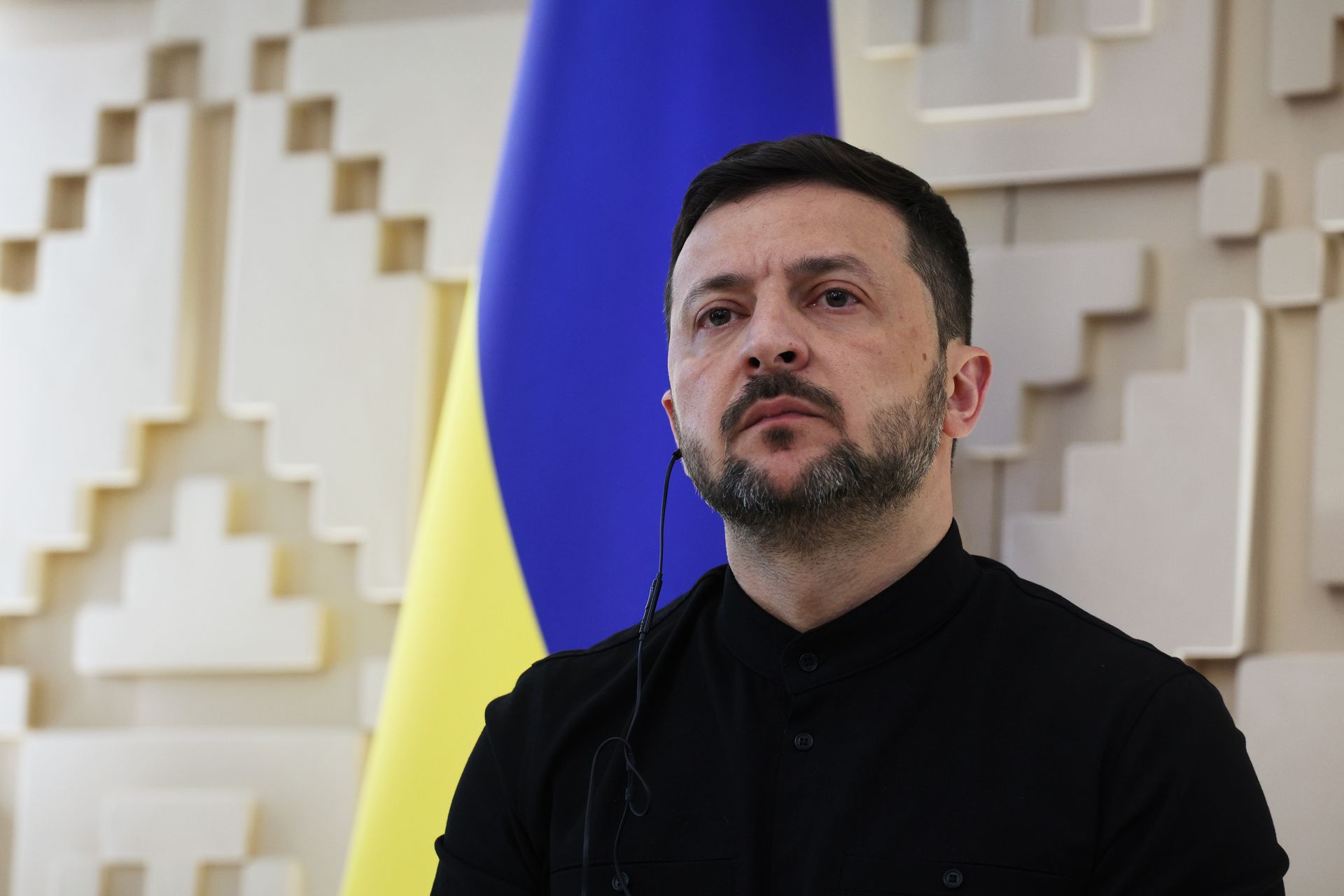
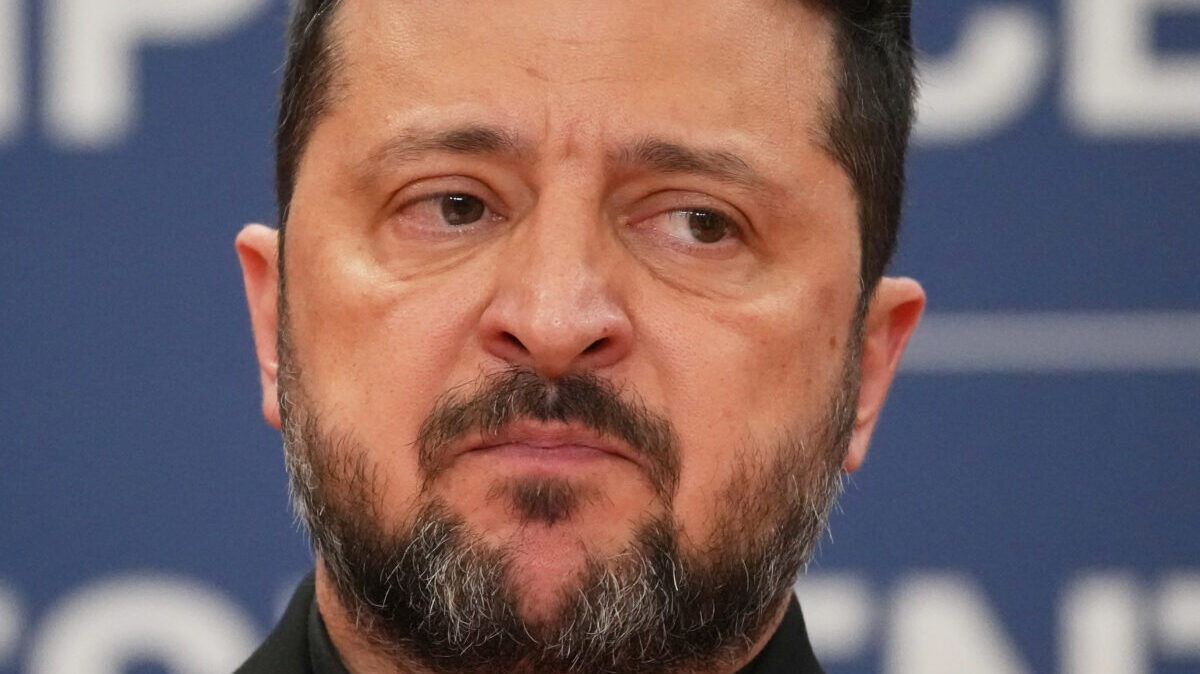
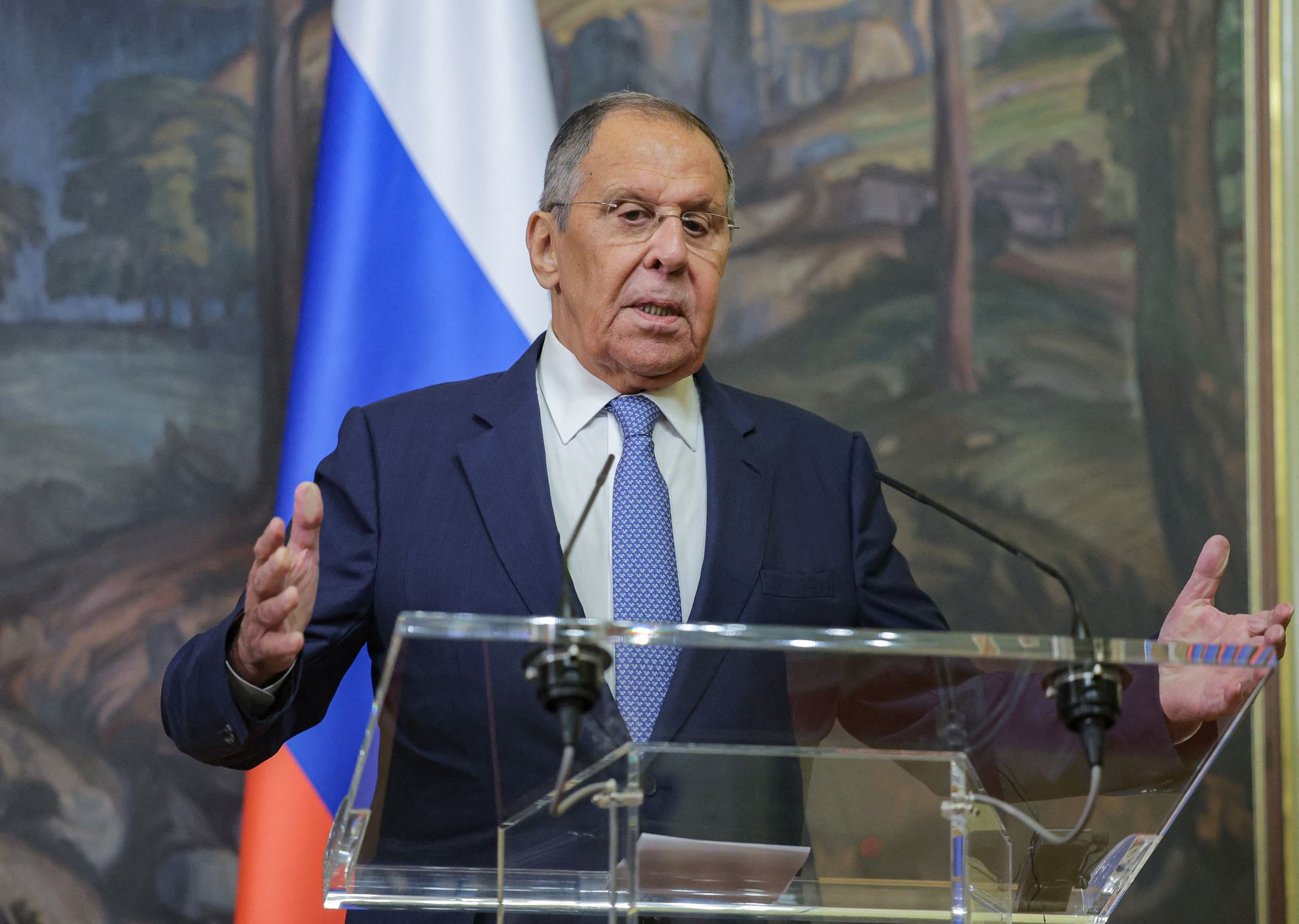
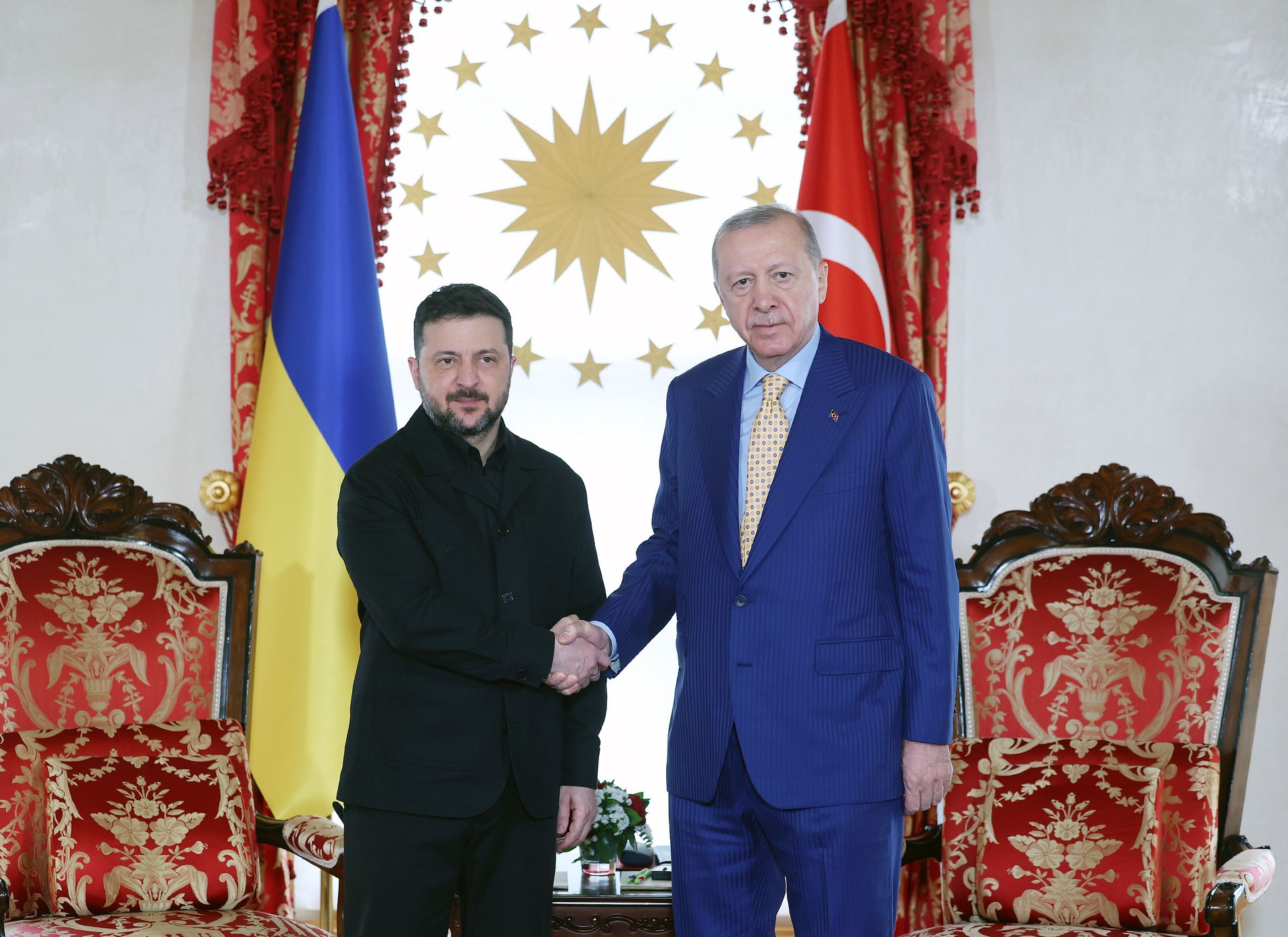
Zelensky arrives in Istanbul for 'important talks' with Turkey's Erdogan


Proseguono gli attacchi della Russia sull’Ucraina oggi, sabato 31 ottobre 2026. Tre persone sono rimaste ferite e dieci edifici residenziali sono stati danneggiati in un raid con droni su Kharkiv. Lo ha riferito dal suo canale Telegram il sindaco Ihor Terekhov, scrive l’agenzia Ukrinform.
Intanto il presidente ucraino Volodymyr Zelensky ha commentato su X l’approvazione da parte degli Usa della vendita di 500 missili intercettori Patriot Pac-3, per un valore stimato di 2,1 miliardi di dollari. “Una decisione forte da parte del dipartimento di Stato americano”, ma le consegne dei missili Patriot all’Ucraina “potrebbero iniziare solo tra qualche anno”, mentre Kiev ne ha bisogno immediatamente per contrastare gli attacchi russi, ha ha dichiarato Zelensky . “Chiediamo ai nostri partner americani di trovare una soluzione per il periodo in cui esiste un pericolo reale e una reale necessità di utilizzare gli intercettori Pac-3“, ha sottolineato Zelensky, ricordando che “in questo momento i russi attaccano le nostre infrastrutture energetiche ogni singolo giorno”.
Secondo il presidente ucraino, Stati Uniti e alleati europei dispongono già di scorte sufficienti di missili Patriot per soddisfare le necessità immediate di Kiev, che potrebbero essere successivamente reintegrate attraverso i contratti già finanziati dall’Ucraina e dai suoi partner. Una soluzione che Zelensky ha definito “l’approccio giusto” e “assolutamente fattibile”.
Il dipartimento di Stato americano ha annunciato ieri il via libera alla vendita, sottolineando che rafforzerà le capacità di difesa aerea e antimissile ucraine, senza tuttavia indicare una tempistica per le consegne. Secondo fonti informate citate dal Guardian, i missili, che devono ancora essere prodotti, potrebbero arrivare soltanto nei primi anni del prossimo decennio. Kiev starebbe quindi sollecitando il Pentagono ad anticipare le forniture, attingendo agli arsenali statunitensi per poi reintegrare le scorte con i nuovi missili.
Il cancelliere tedesco Friedrich Merz ha nel frattempo invitato i membri della Coalizione dei Volenterosi a una riunione a Berlino a novembre per coordinare un ulteriore sostegno all’Ucraina. Lo scrive Ukrinform. Il cancelliere tedesco ha fatto l’annuncio a Seul, facendo il punto sulle sue visite a Singapore, in Giappone e in Corea del Sud.
“Ho avuto colloqui in tutti e tre i paesi per discutere di un ulteriore sostegno all’Ucraina. La natura e le forme concrete di questo sostegno variano da Paese a Paese. Ma ovunque c’è stata una chiara espressione di volontà di aiutare e, soprattutto, di fare tutto il possibile per porre fine a questa guerra. Considero questo sostegno anche nell’ambito della Coalizione dei Volenterosi, i cui membri ho invitato a Berlino tra una settimana. Non allenteremo i nostri sforzi a sostegno dell’Ucraina“, ha dichiarato Merz.
L'articolo Ucraina, l’allarme di Zelensky: “Consegne tra anni, i Patriot Usa ci servono subito” proviene da Affaritaliani.it.


© POOL/AFP via Getty Images
The planned resumption of trilateral negotiations between Ukraine, Russia and the United States in Abu Dhabi in early November is already being presented in several Western capitals as evidence that diplomacy has regained its momentum, but a return to the negotiating table should not be confused with genuine progress toward


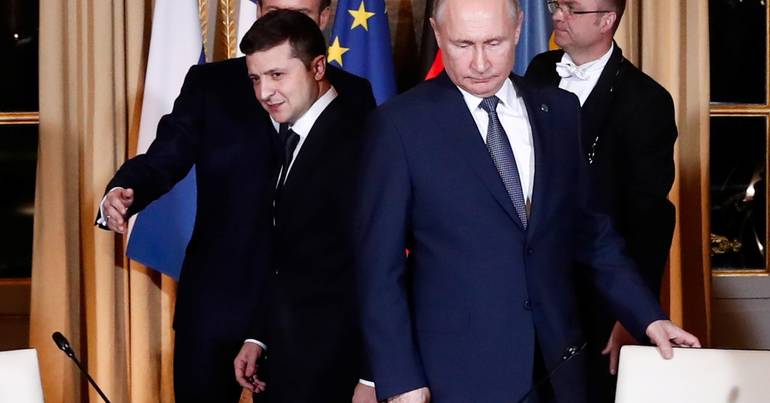
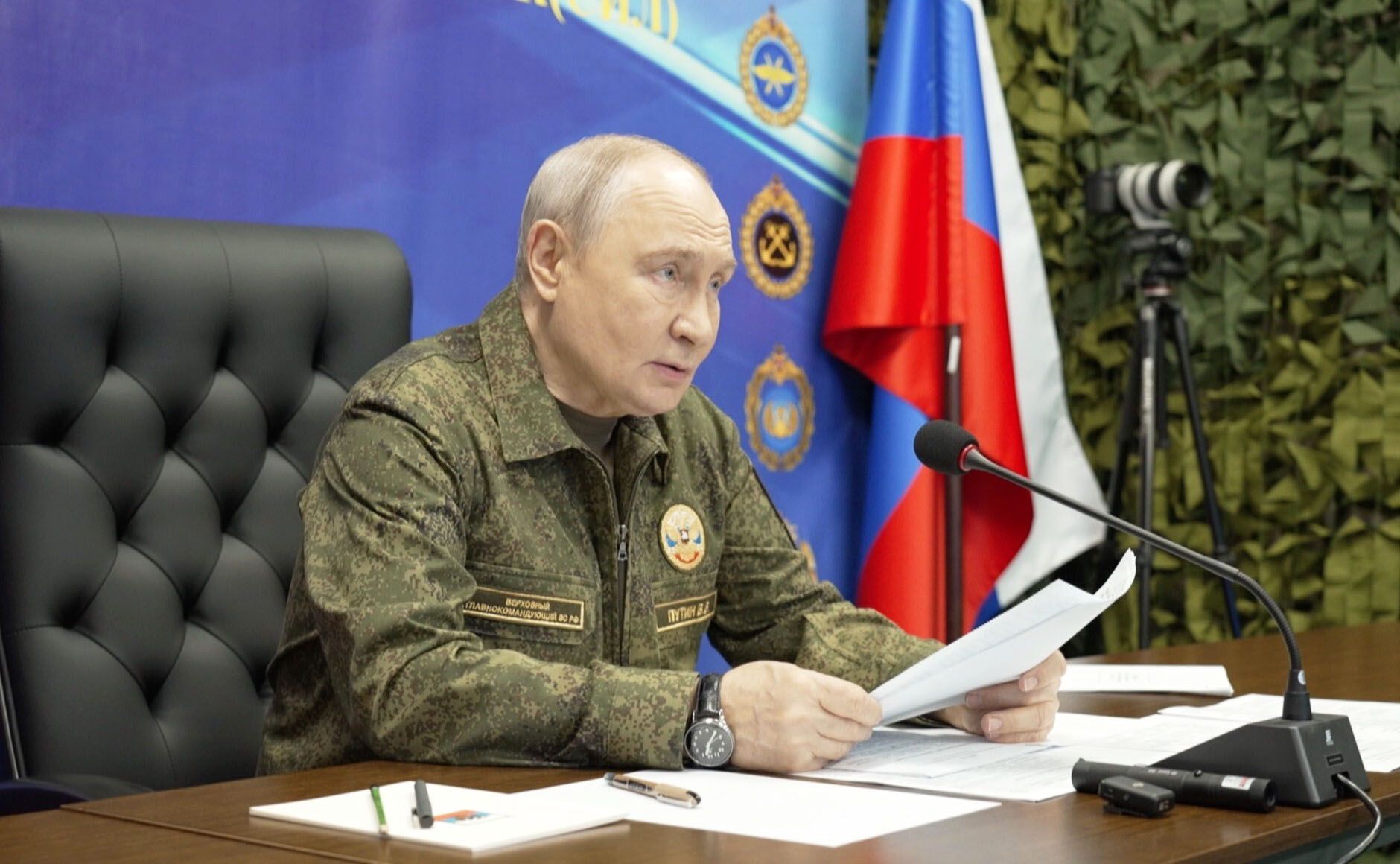
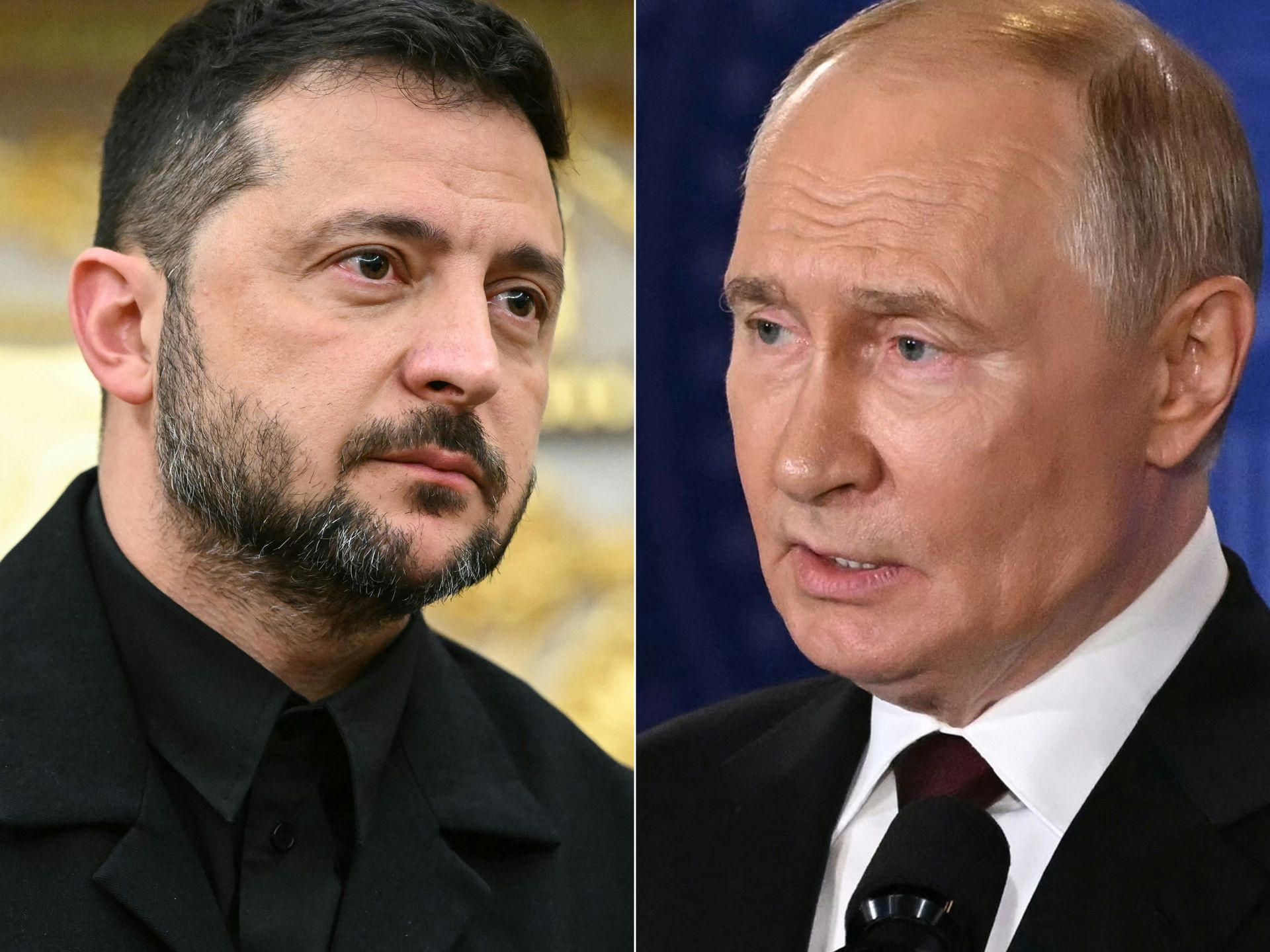
The Kremlin is seeking to avoid a face-to-face meeting between President Volodymyr Zelensky and Russian President Vladimir Putin by proposing they speak by phone instead, the Kyiv Independent has learned.
The apparent move comes as Kyiv insists the two leaders should meet in person to address the most pressing issues

par Francesca DE VILLASMUNDO
Le président ukrainien Volodymyr Zelensky a fermement mis en garde les dirigeants européens contre toute tentation de lever ou d’alléger les restrictions visant Moscou.
La côte du président ukrainien Volodymyr Zelensky est en chute libre aux États-Unis
Lors du sommet européen tenu à Bruxelles les 15 et 16 octobre 2026 et dans un entretien vidéo de ce même mois octobre, le président ukrainien Volodymyr Zelensky, dont la côte aux États-Unis est en chute libre, a mis fermement mis en garde les dirigeants européens, ses derniers alliés sur la surface de la terre. Alliés de plus en plus esseulés et eux aussi dans la ligne de mire de Donald Trump, qui peut leur couper les vivres énergétiques comme bon lui semble en raison de leur obstacle à la paix en Ukraine. Car, après s’être coupés du gaz et pétrole russes, à peu près 50% de leurs ressources énergétiques, les Européens se sont tournés vers le géant américain, dont ils dépendent maintenant pour une trop large part.
Sentant le vent tourné contre lui, Zelensky a donc menacé les Européens, si ceux-ci venaient à lever les sanctions contre la Russie, sans tenir compte qu’il dépend cependant grandement d’eux pour le financement de son pays ruiné et les armes.
Menaces de Zelensky contre les Européens s’ils suivaient les traces des États-Unis : «Nous réagirions définitivement»
Ainsi, ce dernier a-t-il déclaré lors de ce sommet et dans cet entretien vidéo :
«Pour l’instant, je ne vois aucun grand pays européen sérieux — et je le dis sérieusement pour tous les pays — dont l’économie européenne soit au point mort. Les pays à forte économie ont une plus grande influence aux États-Unis. C’est pourquoi je ne vois aucune demande immédiate de leur part concernant la levée des sanctions et le rétablissement des alliances énergétiques avec la Fédération de Russie. Je ne le vois pas car nous réagirions. Je réagirais».
«Nous réagirions définitivement», a-t-il lancé avec gravité à l’adresse de l’Europe si une telle décision venait à être prise.
En résumé, le président déchu affirme qu’à l’heure actuelle, aucun pays européen majeur et sérieux ne lèvera les sanctions contre la Russie ni ne rétablira les partenariats énergétiques avec Moscou. Cependant cette hypothèse doit tout de même être discutée dans les couloirs feutrés des chancelleries, et entre Washington et l’Union européenne, pour qu’il se permette de lancer des menaces, vagues et donc potentiellement dangereuses, envers les Européens dont qu’il dépend cependant grandement pour le financement de son pays ruiné et les armes. Mais l’impudence est le fait des ingrats et des corrompus, ce qu’est décidemment le président ukrainien…
source : Médias-Presse-Info
Publié à l’origine par Réseau International
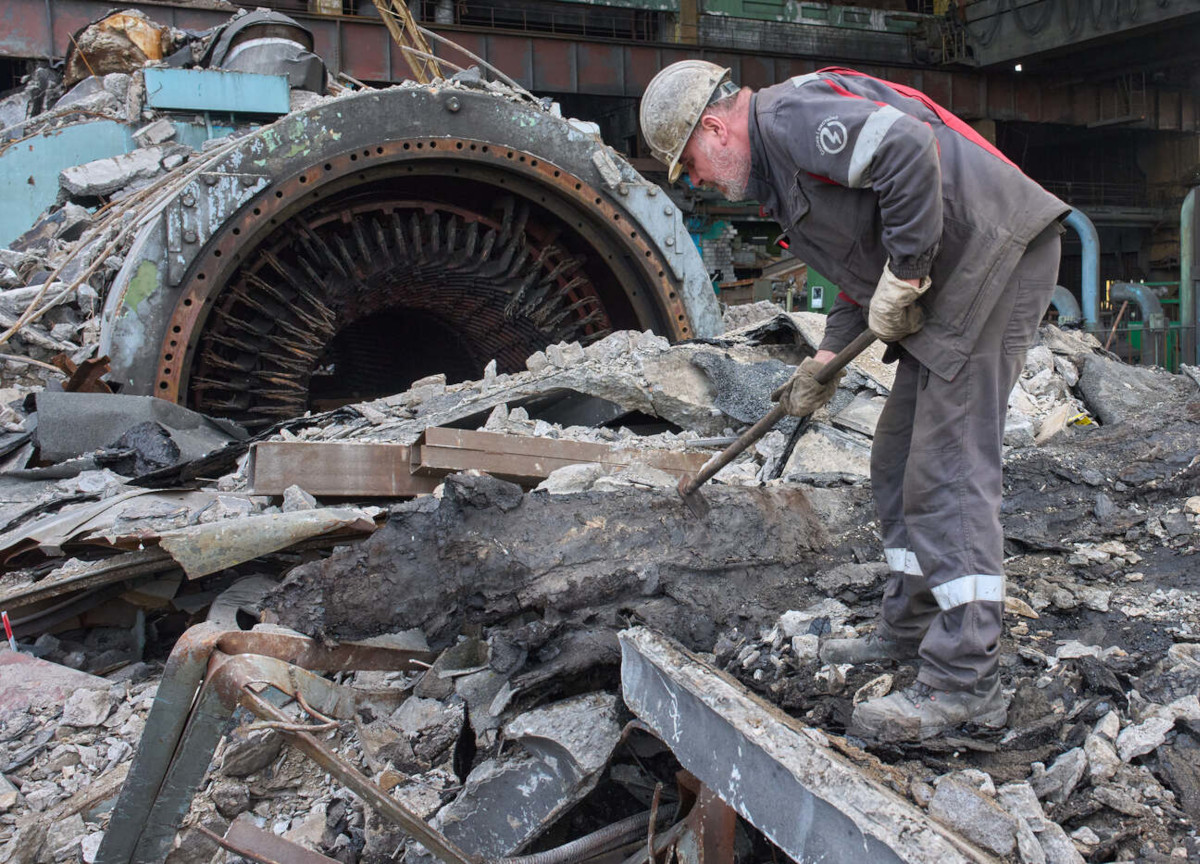
Una persona è morta a Kiev e circa 350.000 sono rimaste senza elettricità nella regione di Dnipro in seguito a una nuova ondata di attacchi russi nella notte. Lo riferisce il Kyiv Independent, citando le autorità ucraine. La capitale è stata colpita da alcuni missili balistici che hanno provocato incendi e danni a diversi edifici. Secondo il sindaco Vitali Klitschko, nel distretto di Darnytskyi sono stati colpiti alcuni magazzini, mentre nel vicino quartiere di Dniprovskyi i detriti dei missili sono caduti nei pressi di edifici residenziali, danneggiando un negozio, diverse automobili e le finestre delle abitazioni.
Nella regione di Dnipro, gli attacchi contro le infrastrutture energetiche hanno lasciato senza corrente circa 350.000 persone, secondo il governatore regionale Oleksandr Ganzha. Le squadre di emergenza sono al lavoro per ripristinare le forniture. I nuovi bombardamenti arrivano dopo una giornata particolarmente sanguinosa, durante la quale un attacco russo contro una stazione ferroviaria di Dnipro ha provocato almeno 14 morti e altrettanti feriti. Mosca ha intensificato nelle ultime settimane i raid contro la rete energetica ucraina, prendendo di mira centrali elettriche e infrastrutture del gas in vista dell’inverno.
L’Ucraina ha sospeso informalmente gli attacchi contro le raffinerie petrolifere russe dopo settimane di pressioni da parte del presidente americano Donald Trump. Lo riferisce il Wall Street Journal, citando fonti a conoscenza delle operazioni militari. La pausa, iniziata a metà ottobre, dovrebbe proseguire almeno fino alle elezioni di metà mandato negli Stati Uniti di inizio novembre e potrebbe estendersi anche nelle settimane successive. Secondo il quotidiano, Trump avrebbe chiesto ripetutamente a Kiev di interrompere i bombardamenti contro le infrastrutture petrolifere russe, ritenendoli responsabili dell’aumento dei prezzi dei carburanti.
La richiesta sarebbe stata ribadita dall’inviato americano Jared Kushner durante un incontro con Volodymyr Zelensky il 20 ottobre a Oslo, proponendo una sospensione di 30 giorni come gesto di riconoscenza per gli sforzi diplomatici di Washington. Il presidente ucraino ha tuttavia precisato che non esiste alcun ordine formale di fermare gli attacchi e che le forze armate restano libere di riprenderli. La decisione arriva in un momento di forte tensione tra Washington e Kiev, aggravata dalle recenti limitazioni al servizio satellitare Starlink utilizzato dall’esercito ucraino. Secondo il Wsj, anche alcuni alleati europei avrebbero consigliato a Zelensky di sospendere temporaneamente i raid per evitare ulteriori tensioni con Trump. La Russia, intanto, continua a colpire le infrastrutture energetiche e le città ucraine.
La delegazione russa guidata dal ministro degli Esteri Sergey Lavrov è arrivata ad Atlanta, negli Stati Uniti, per partecipare alla riunione dei capi delle diplomazie del G20, in programma oggi e domani. Lo riferisce l’agenzia Tass, precisando che l’aereo governativo è atterrato nella capitale dello stato della Georgia dopo un viaggio da Mosca durato 20 ore e 10 minuti, con uno scalo intermedio. La riunione, ospitata dal segretario di Stato americano Marco Rubio, rappresenta uno dei principali appuntamenti preparatori del vertice dei leader del G20, previsto il 14 e 15 dicembre a Doral, vicino a Miami. Non è ancora stata presa alcuna decisione sull’eventuale partecipazione del presidente russo Vladimir Putin, secondo quanto riferito nei giorni scorsi dal portavoce del Cremlino, Dmitry Peskov.
L'articolo Ucraina, i russi bombardano Kiev e Dnipro: ennesima strage. Incendi e danni: in 350mila senza luce proviene da Affaritaliani.it.

Russia has ruled out European participation in the next round of trilateral talks with Ukraine and the United States, while suggesting that the negotiations could be delayed by developments on the battlefield and the continuing conflict in the Middle East.
Yuri Ushakov, foreign policy adviser to Russian President Vladimir Putin, said on 29 October that Moscow had not agreed to a specific date for further consultations and that European representatives were not being considered for inclusion.
Ushakov maintained that preparations concerned representatives of Russia, Ukraine and the United States.
His remarks followed statements by Ukrainian President Volodymyr Zelensky indicating that the next round could take place in Abu Dhabi between 6 and 10 November.
The Kremlin has not confirmed those dates.
The disagreement comes as European governments seek a more substantial role in diplomatic efforts concerning a conflict whose eventual settlement would have direct consequences for their security, defence expenditure and relations with Russia.
Ushakov’s position was particularly explicit when discussing European participation.
Speaking to Russian media on 28 October, he suggested that European representatives were free to travel to the proposed venue but would not be invited to join the negotiations.
His remarks were subsequently reinforced by a statement that European involvement was not under consideration.
The Kremlin adviser also linked the timing of the next meeting to developments in the Middle East, where the US-Israeli conflict with Iran has complicated Washington’s diplomatic and military priorities.
Ushakov said that conditions on the Ukrainian battlefield would also influence when negotiations could resume.
These explanations give Moscow considerable latitude over the timetable while leaving uncertainty about the practical arrangements for the next meeting.
They do not, however, establish that Washington and Kyiv have accepted Russia’s preferred arrangements for every subsequent stage of negotiations.
Technical consultations between three parties and broader discussions over a European security settlement are not necessarily the same diplomatic process.
The Russian position contrasts with statements from the leaders of Britain, France and Germany, who have maintained that European governments must participate in discussions concerning Ukraine’s future security.
Their argument rests partly on the responsibilities that European countries would be expected to assume after any agreement.
European states have provided substantial financial, military and humanitarian assistance to Ukraine since Russia launched its full-scale invasion in February 2022.
They have also introduced successive sanctions against Russia, expanded defence expenditure and debated arrangements for security guarantees intended to discourage renewed hostilities.
Any settlement that required changes to European sanctions, military deployments or financial assistance would therefore depend on decisions taken by European governments and institutions.
Neither Moscow nor Washington could independently commit the European Union to lifting sanctions or authorise European states to deploy forces.
This distinction limits the practical significance of excluding European officials from a negotiating session.
An agreement could be discussed without European participation, but implementing provisions that require European action would demand further negotiations.
The principal obstacle continues to concern territory and the conditions under which military operations would end.
Russia has maintained its demand that Ukraine relinquish territory in the eastern Donbas region, including areas remaining under Ukrainian control.
Kyiv has rejected the surrender of territory as a precondition for ending the war.
The proposed negotiations are consequently expected to concentrate on technical issues where limited agreements may be more achievable.
These include possible arrangements concerning energy infrastructure, maritime security, the exchange of prisoners and the return of Ukrainian children taken to Russia or Russian-controlled territory.
Such measures could produce humanitarian or economic benefits without resolving the central territorial dispute.
However, their implementation would require monitoring arrangements and sufficient confidence that the parties would honour their commitments.
The temporary humanitarian ceasefire around Oleshky, in the Kherson region, offers a narrowly defined example of cooperation between Russian and Ukrainian representatives.
It does not demonstrate that a broader political agreement is within reach.
Washington remains the principal external mediator in the current negotiating format.
That position reflects American diplomatic influence and its capacity to engage directly with both Moscow and Kyiv.
However, the United States is simultaneously managing military commitments in the Middle East and domestic political pressures ahead of the 3 November congressional elections.
These competing priorities may affect the pace of diplomatic engagement.
For Russia, a negotiating framework centred on Washington offers the possibility of addressing wider bilateral issues alongside the conflict in Ukraine.
For Ukraine, American participation remains important because US decisions concerning military assistance and security commitments could influence the durability of any settlement.
Europe’s position is more complicated. Its governments possess substantial economic leverage, but their influence over the negotiating agenda depends on coordination with Washington and Kyiv.
The immediate dispute concerns who participates in the next round of talks.
The longer-term question is which parties would be responsible for implementing a settlement.
A ceasefire might initially involve arrangements agreed by military and diplomatic representatives of Russia and Ukraine, supported by the United States.
A more comprehensive agreement could involve sanctions, reconstruction finance, security guarantees, troop deployments and Ukraine’s future relationship with European institutions.
Those issues cannot be settled on behalf of European governments without their consent.
Moscow’s attempt to restrict participation may therefore succeed at the level of an initial negotiating format while proving more difficult to sustain during discussions about implementation.
For the moment, neither the date nor the outcome of the proposed Abu Dhabi meeting is certain.
What has become clearer is the divergence between Russia’s preferred negotiating structure and Europe’s determination to influence the security arrangements that would follow the war.

At least 14 people were killed when a Russian drone struck the main railway station in Dnipro on 29 October, hitting a platform where passengers were waiting beside two trains.
The attack took place at approximately 11am local time, according to Ukrainian officials, and struck an area occupied by a commuter train and a scheduled passenger service.
Ukraine’s state railway operator, Ukrzaliznytsia, said the drone hit the platform where train No. 866, operating between Dnipro and Zaporizhzhia, was standing.
The number of fatalities was subsequently confirmed by Oleksandr Hanzha, head of the Dnipropetrovsk regional military administration.
Fourteen people were also reported injured, including an 11-year-old boy. Six of the wounded were in serious condition, with medical personnel treating multiple shrapnel injuries.
The attack occurred despite an elevated warning of aerial danger.
Ukrzaliznytsia reported that passengers remained on the platform when the drone struck, raising questions about the practical difficulties of evacuating busy railway stations during air-raid alerts.
According to Ukraine’s Air Force, Russian forces launched four jet-powered attack drones towards Dnipropetrovsk region.
Three were intercepted by Ukrainian air defences, while the fourth struck the railway platform.
The use of jet-powered unmanned aircraft is significant because these systems present different interception challenges from the slower propeller-driven drones frequently used in Russian attacks.
Their speed can reduce the time available for detection, identification and engagement, particularly when an attack is directed towards an urban area with substantial civilian activity.
The circumstances of the Dnipro strike nevertheless require further investigation, including the precise drone model, its flight path and the conditions under which the aircraft penetrated Ukrainian defences.
The railway operator’s account indicates that the platform was crowded when the attack occurred.
Dnipro Mayor Borys Filatov described the incident as a tragedy and emphasised that the victims were ordinary civilians using public transport.
Emergency services, police and medical teams were deployed to the station, where rescuers treated the injured and recovered the bodies of those killed.
Ukraine’s railway network has retained considerable importance throughout Russia’s full-scale invasion, which began in February 2022.
With civilian air transport severely restricted, trains provide a principal means of travelling between cities and moving people away from areas exposed to military operations.
Rail services also support the movement of humanitarian supplies, commercial goods and essential equipment.
Dnipro is especially important because of its position in central-eastern Ukraine and its transport connections with areas nearer the front line.
The route towards Zaporizhzhia serves a population that has experienced repeated attacks and displacement during the war.
Disruption to railway services therefore affects more than transport schedules. It can interfere with access to employment, medical treatment, family networks and evacuation routes.
Railway infrastructure may also have military logistical functions, but this does not remove the legal protections afforded to civilians and civilian objects under international humanitarian law.
The law requires parties to distinguish between military objectives and civilians, and prohibits indiscriminate attacks.
Whether a particular strike constitutes a violation depends on evidence concerning the target, intended military advantage, precautions taken and foreseeable civilian harm.
Ukrainian authorities have characterised the Dnipro attack as an assault on civilians. Russia had not provided a substantiated explanation for the specific strike in the reporting available on Thursday.
The attack formed part of a wider series of Russian strikes against Ukrainian cities on 29 October.
In Chernihiv, two teenage girls were killed in an attack on a central street, while an additional strike in Kremenchuk killed three people at a residential building.
The incidents brought the reported death toll from these attacks to at least 19.
They occurred as a temporary localised ceasefire around Russian-occupied Oleshky, in Kherson region, continued to permit preparations for humanitarian assistance.
The contrast illustrates the limited geographical scope of the Oleshky arrangement.
Although the ceasefire offers an opportunity to deliver supplies to civilians trapped by the fighting, it does not represent a general cessation of hostilities.
President Volodymyr Zelensky condemned the Dnipro attack and urged Ukraine’s international partners to maintain pressure on Moscow.
He argued that easing sanctions while Russian forces continued striking civilian areas would undermine efforts to secure a reduction in hostilities.
The attack also adds urgency to Ukraine’s continuing requests for air-defence assistance, particularly systems and interceptors capable of addressing multiple categories of aerial threat.
European governments face difficult decisions about supplying additional equipment while maintaining sufficient stocks for their own security requirements.
For Ukraine, the immediate priority remains the treatment of the injured, investigation of the strike and restoration of safe railway operations.
For its international partners, the incident raises a question extending beyond Dnipro: how to protect the civilian infrastructure upon which daily life depends while Russia retains the capacity to launch repeated aerial attacks across the country.
On Wednesday’s broadcast of the Fox Business Network’s “Varney & Co.,” former Trump Deputy National Security Adviser KT McFarland said that she believes that Ukrainian President Volodymyr Zelensky is ready to make a deal, but “The tough part will be,
The post McFarland: ‘Zelensky’s Ready to Make a Deal,’ ‘Tough’ to Get Putin to Make One appeared first on Breitbart.

© Agence France-Presse, via Ukrainian Emergency Service
Le forze armate russe hanno attaccato con droni la banchina della stazione ferroviaria di Dnipro, sulla quale si trovava il treno Dnipro-Zaporizhzhya. Almeno “13 persone sono state uccise nell’attacco russo a Dnipro. Almeno cinque i feriti”, ha reso noto il capo dell’amministrazione militare regionale di Dnipropetrovsk, Oleksandr Ganzha. L’attacco è l’ultima di una serie di raid russi nella regione, dove, nelle ultime settimane, attacchi condotti con droni e aerei da guerra hanno danneggiato edifici residenziali e infrastrutture critiche. La città di Dnipro è stata più volte presa di mira nel corso del conflitto: l’ultima il 25 ottobre, quando le autorità avevano riferito della morte di quattro persone.
“Un orribile attacco russo ha colpito la stazione ferroviaria di Dnipro – ha scritto su X Volodymyr Zelensky -. I russi hanno lanciato un’incursione con droni contro un binario dove si trovavano un treno per pendolari e un treno passeggeri. Purtroppo, al momento, si contano 13 vittime accertate”. “Quanti attacchi terroristici ha sferrato la Russia contro il nostro popolo da quando le sanzioni contro alcuni oligarchi russi e il settore energetico russo sono state revocate, anziché portare a una de-escalation?”, domanda il presidente ucraino riferendosi a Alisher Usmanov e Mikhail Fridman, rimossi dall’Unione europea dalla lista dei miliardari il 22 settembre. Secondo Zelensky “è giunto il momento di adottare nuove e più severe misure sanzionatorie da parte dell’Ue, degli Stati Uniti e del G7”.
(Foto di DSNS Ukrayiny, l’autorità governativa responsabile per la protezione civile)
L'articolo Ucraina, droni russi contro una banchina del treno a Dnipro: “Almeno 13 morti” proviene da Il Fatto Quotidiano.
“La Russia vuole negoziare qualcosa di nuovo. Non so bene a cosa si riferiscano; si parla di una sorta di architettura di sicurezza in Europa“, scrive il presidente ucraino Volodymyr Zelensky su Telegram. “Come si può negoziare un’architettura di sicurezza in Europa senza l’Europa? Cosa intendono negoziare? E con chi? Con la Cina? Interessante“.
Gli europei non sono stati né invitati né consultati in vista dei colloqui a tre tra Russia, Ucraina e Usa previsti a metà novembre. Lo ha dichiarato all’agenzia Vesti il consigliere diplomatico del Cremlino, Yuri Ushakov. “Gli europei potrebbero presentarsi se comprano i biglietti ma nessuno li invitera’ al tavolo negoziale“, ha affermato Ushakov, secondo il quale il tema della loro partecipazione non è stato “nemmeno sollevato” durante l’ultima conversazione tra i presidenti di Usa e Russia, Donald Trump e Vladimir Putin.
La Russia conferma che i colloqui a tre con Usa e Ucraina si svolgeranno a metà novembre ma specifica che non è ancora stata fissata una data, laddove Kiev aveva indicato il 10 novembre come possibile giorno dell’incontro. “Non abbiamo ancora fissato la data. Abbiamo detto che si terrà a metà novembre, dopo il 10 novembre, ma non abbiamo ancora indicato la data esatta”, ha dichiarato il consigliere del Cremlino, Yuri Ushakov in un’intervista all’agenzia di stampa Vesti. La data dell’incontro sarà annunciata “presto”, ha aggiunto Ushakov, secondo il quale il 10 novembre è stato discusso come uno dei probabili giorni del summit ma non è stato confermato.
L'articolo Ucraina, Zelensky: “La Russia vuole negoziare un’architettura di sicurezza in Europa ma senza l’Europa. Ecco come” proviene da Affaritaliani.it.

Key developments on Oct. 28: