❌

Reading view

Questioning Your Doctor Is Now Considered A Psychological Problem (Seriously)

By Dr. Roger McFillin | Radically Genuine | October 31, 2026

I want to give you a warning before we go any further.

If you have ever questioned your doctor, pushed back on a prescription, or asked to slow down on a vaccine, the medical establishment now has a framework for you. And it isn’t “careful,” or “informed,” or “engaged.”

Your resistance will be seen as a psychological problem to be managed.

I’m not exaggerating. Let me show you.

On October 19th, Medscape, one of the most widely read publications among physicians in this country, ran a piece called “Why Your Patient Trusts Unsupported Claims but Not You.” It’s part of a series titled Healing a Broken Trust.

Read it carefully, and notice who is never asked to change.

It opens with a survey. More than a thousand physicians with 99.9 percent of them admitting they encountered patients influenced by “misinformation” in the past year.

What’s the definition of “misinformation?” Anything that disagrees with their standard of care. Quite bold for the same group that brought you the every increasing vaccine schedule for children, Covid Vaccinations, Acetaminophen, Statins, SSRI’s, a low fat diet, Opioids for pain and others as “evidence based medicine”.

Sit with that number. Essentially every doctor surveyed believes the problem in the exam room is what the patient has been reading.

Then it borrows a research term: “selective skepticism.” The idea is that you dismiss evidence from experts while uncritically swallowing pseudoscience. Isn’t that the pot calling the kettle black?

That’s how your questions are being categorized.

And the solution? It isn’t “let’s re-examine our evidence.” It isn’t “let’s ask why trust collapsed.” The solution is a persuasion technique. They call it inoculation. The doctor warns you ahead of time that you may see posts online saying a medication is about pharmaceutical profits, so that when you run into that idea, you’ve already been primed to dismiss it.

Think about what that means. The answer to your question has been scripted before you ever ask it. Your doubt is treated like a pathogen, and the doctor administers a dose of messaging to build immunity against it.

Now, in fairness, the article talks about listening more and seeing the patient as a whole person. Good. But listening as a technique to move you toward a predetermined conclusion isn’t listening. As a psychologist, I’d call that compliance work.

I’ve spent my entire career inside this system. Psychiatric hospitals, juvenile justice, community mental health, private practice. And I’ve studied how high-control groups operate.

Here’s what they do.

Doubt is reframed as a defect in the person doubting.

Outside information is labeled dangerous before you’ve even seen it.

Members are pre-warned about what critics will say, so they reject it on contact.

And the authority is self-referencing. It’s true because the institution says it’s true.

Now hold that list up against what I just read you. I’m not saying your doctor is a cult leader. Most physicians are sincere people working inside a system they were trained never to question. That’s exactly what makes it so powerful. The people enforcing the belief system are the ones most captured by it.

Here’s the question that article never asks. Has this system earned the trust it’s demanding?

Look around. We are living through a chronic disease epidemic. Autoimmune disease, allergies, obesity, diabetes, anxiety, depression, kids on prescriptions before they can drive. Never in history has a population been more medicated, more screened, more vaccinated, and more chronically ill at the same time.

That’s not a healthcare system it is a sick care system. It is extraordinarily good at managing illness for life and remarkably uninterested in why people got sick in the first place.

And it didn’t happen by accident. In 1910, the Flexner Report, commissioned by the Carnegie Foundation and followed by enormous Rockefeller philanthropy, remade American medical education. Many schools closed and traditions of healing were pushed to the margins. What survived was a paradigm: the body as a machine, disease as a chemical problem, and a pharmaceutical answer for every symptom.

We are living inside that paradigm more than a century later. And when people start to notice it isn’t working, the response isn’t humility. It’s a communication strategy.

In Case You Have Not Been Following

Now let me bring this close to home, here in Pennsylvania.

At Children’s Hospital of Philadelphia, there’s a program called “Close Your Eyes, We’ll Immunize.” Since 2023, children who are already going under sedation or anesthesia for another procedure are offered flu shots while they’re unconscious. Last season, over two thousand doses. And they’re exploring adding RSV and COVID shots, plus catch-up vaccines for kids who are “behind.”

I want to be clear here: parents consent. But think about when that consent is being requested. In pre-op. Your child is scared, about to be put under. You’re anxious, you trust the people in scrubs, and someone asks if you’d like to “take care of” the flu shot while they’re at it. That is the most vulnerable moment a parent has. That isn’t a calm, informed decision. In fact, they are having you put your digital name on a screen scrolling past words you would never have the time to read.

And it isn’t just Philadelphia. Children’s Hospital Colorado has vaccinated more than 18,000 kids under deep sedation or general anesthesia.

Here’s what should concern you clinically. A 2007 review in Pediatric Anaesthesia suggested spacing vaccines and anesthesia apart by days, specifically so a vaccine reaction isn’t mistaken for a surgical complication. So if your child spikes a fever after the procedure, what caused it? The anesthetic? The antibiotic? The surgery? The shot? Nobody will be able to tell you.

And look at the name of the program. It celebrates the fact that the child isn’t awake.

Dark.

So here’s what I want you to take from this.

Questioning is not a disorder. It’s the foundation of informed consent. A system confident in its evidence welcomes questions. A system that needs to “inoculate” you against questions is telling you something about itself.

Ask for the evidence. Ask what the risks are. Ask what happens if you wait. Ask who benefits. And if your questions are treated as a psychological problem, that tells you everything you need to know about whether that relationship deserves your trust.

You are not a compliance metric. Your children are not a vaccination rate.

  •  

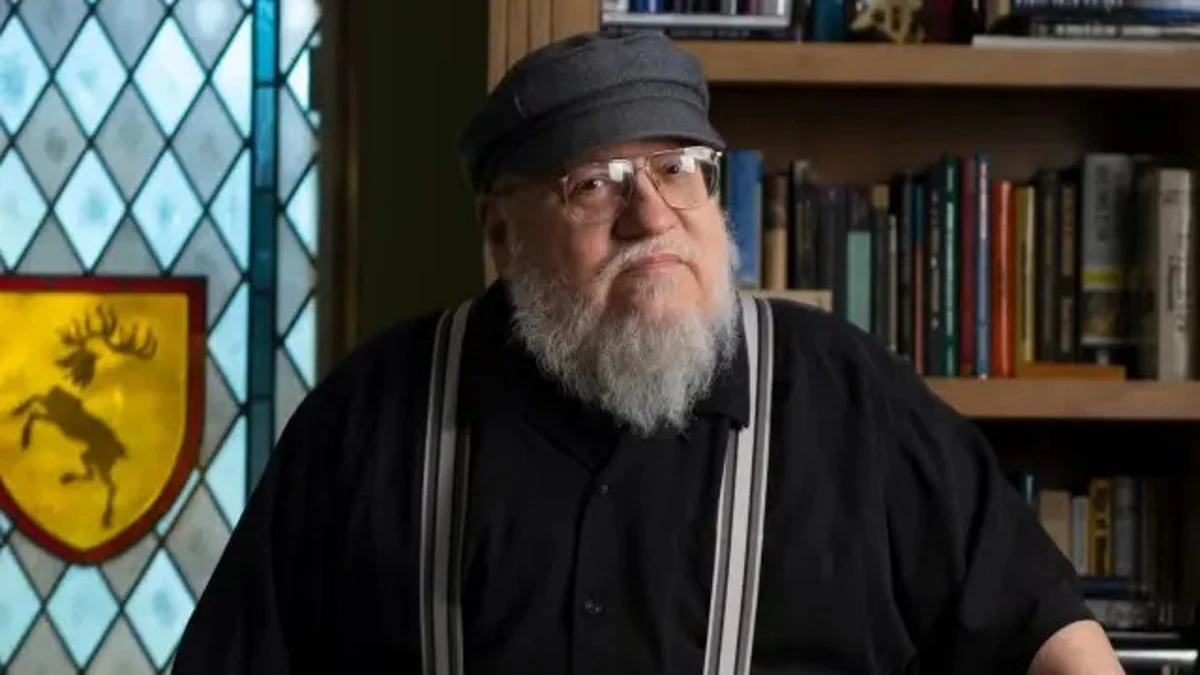
Amazon contará en exclusiva con la próxima película de George R. R. Martin

Amazon MGM ha conseguido hacerse con parte de los derechos de distribución de una de las adaptaciones cinematográficas de videojuegos más ambiciosas de los próximos años. La compañía habría adquirido los derechos internacionales de streaming en modalidad pay-1 para varios territorios de la película de Elden Ring, el exitoso videojuego de FromSoftware cuya mitología contó con la colaboración de George R. R. Martin, autor de ‘Canción de hielo y fuego’.

Según informa Deadline, el acuerdo se ha cerrado antes de la presentación del proyecto en el American Film Market y podría alcanzar un valor de decenas de millones de dólares. La operación supone un importante avance comercial para la producción, que tendrá un presupuesto estimado de entre 175 y 200 millones de dólares. De confirmarse esas cifras, se convertiría en la película más cara que A24 ha llevado al mercado.

Además, circulan informaciones sobre una posible campaña promocional conjunta con Twitch, la plataforma de retransmisiones de videojuegos propiedad de Amazon. La iniciativa encajaría con una adaptación basada en una obra que ha superado los 30 millones de copias vendidas en todo el mundo.

Alex Garland dirige la adaptación de ‘Elden Ring’

La película estará escrita y dirigida por Alex Garland, cineasta conocido por trabajos como ‘Ex Machina’ y ‘Annihilation’. El proyecto se encuentra actualmente en fase de posproducción y cuenta con Kit Connor entre sus protagonistas, acompañado por intérpretes como Ben Whishaw, Cailee Spaeny, Tom Burke, Havana Rose Liu, Sonoya Mizuno, Jonathan Pryce, Ruby Cruz y Nick Offerman.

Por ahora, los detalles de la trama permanecen bajo secreto. La historia original de ‘Elden Ring’ transcurre en las Tierras Intermedias, un mundo gobernado por la reina Márika la Eterna, cuyo Anillo de Elden ha sido destruido. Sus descendientes, semidioses que se apoderan de los fragmentos del anillo, desencadenan una guerra conocida como la Devastación.

En este escenario, los Sinluz reciben la oportunidad de regresar a las Tierras Intermedias para reclamar el poder del Anillo de Elden y aspirar a convertirse en el Señor del Círculo. Ahora, está por ver cómo la adaptación trasladará al cine un universo de fantasía oscura conocido por su mitología compleja repleta de criaturas.

© Difoosion

«Un lector vive mil vidas antes de morir. Aquel que nunca lee vive solo una», George R.R. Martin
  •  

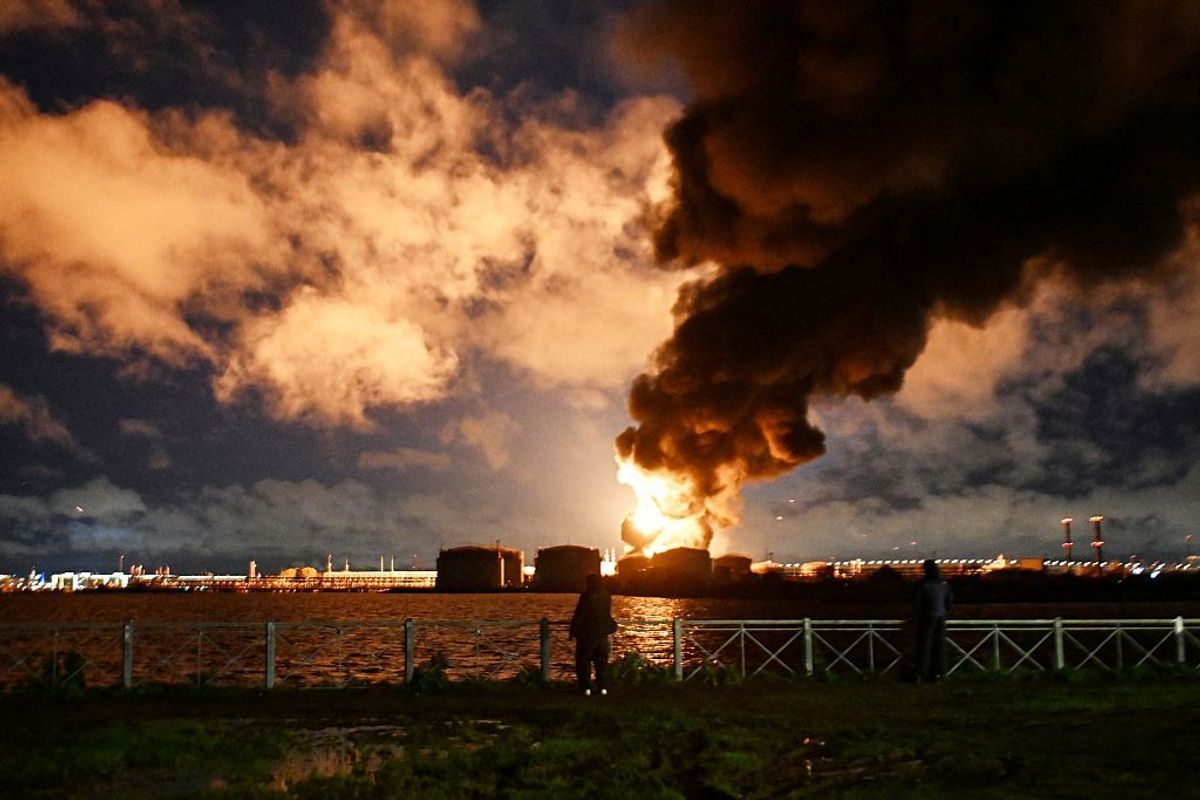
Ukraine never agreed to pause strikes on Russian refineries, sources confirm

Ukraine's campaign targeting Russian oil refineries is ongoing, Ukrainian officials told the Kyiv Independent, rejecting reports that Kyiv had agreed to suspend the strikes.

The Wall Street Journal reported on Oct. 29, citing people familiar with the operations, that Ukraine had agreed to a "pause" in

  •  

50 anos de autárquicas. “As pessoas corriam riscos efetivos por entrar num partido em zonas hostis”


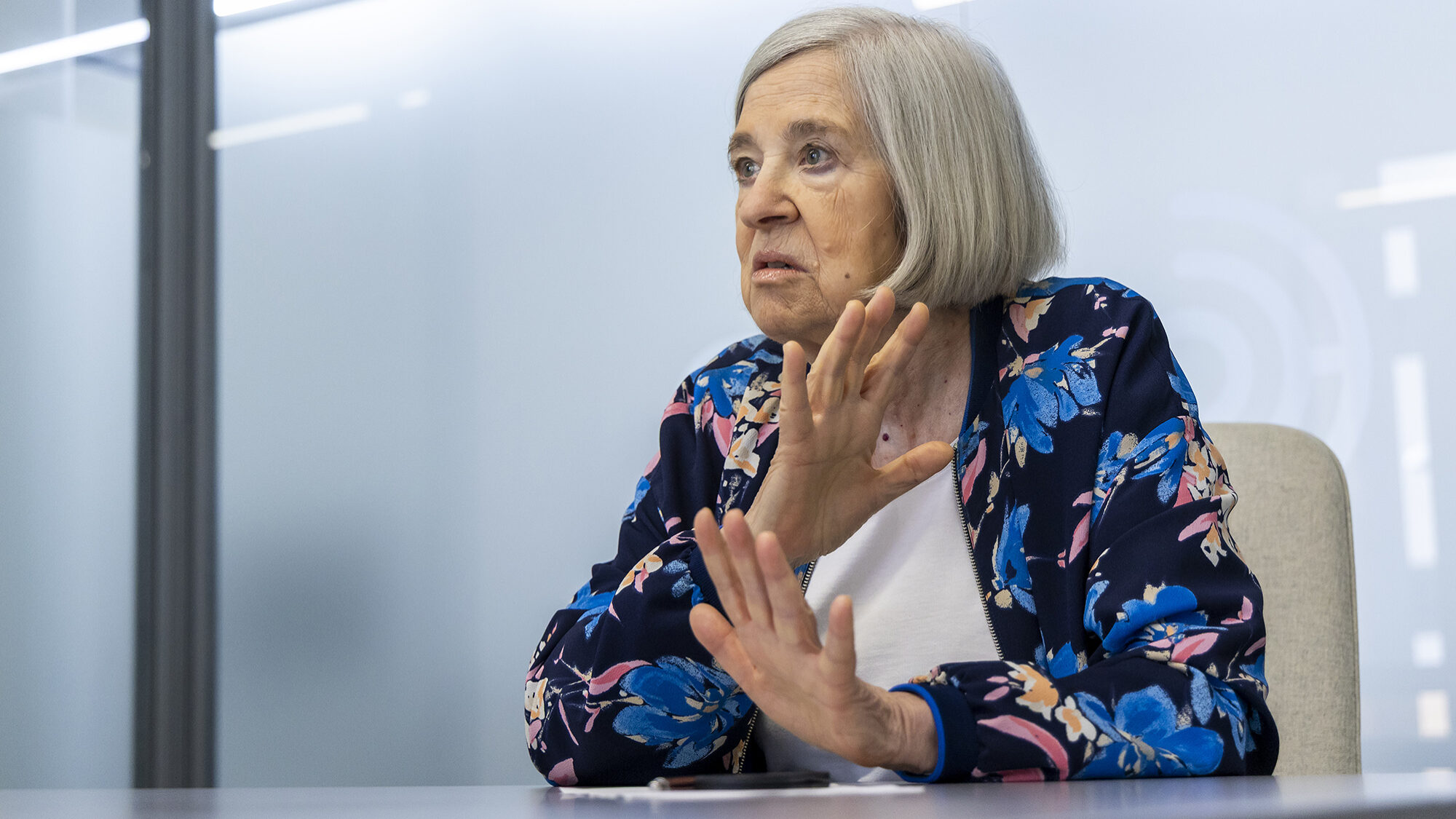
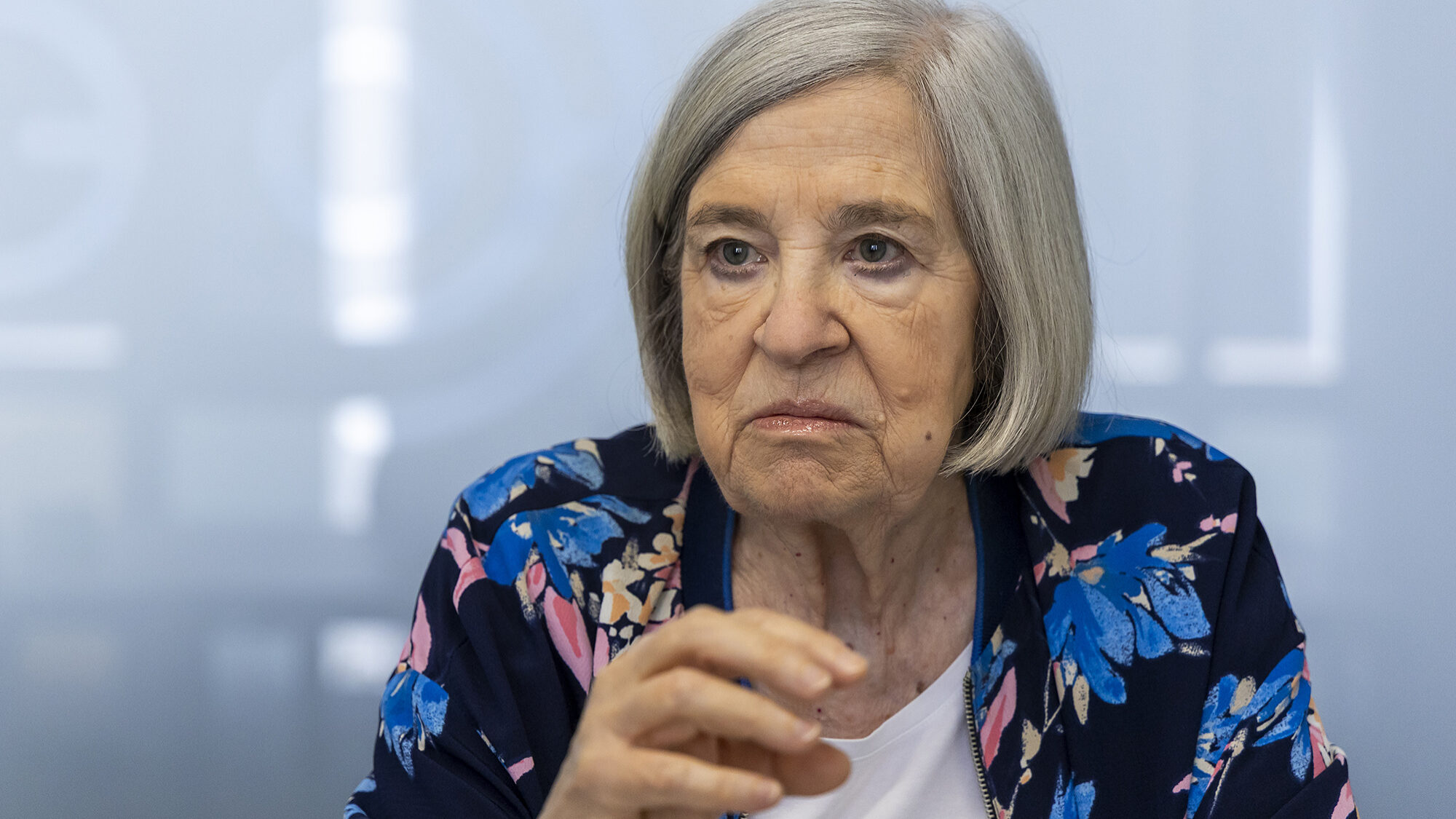
"O poder local era como se fosse uma romaria", relembra a candidata do PPD/PSD em Lisboa nas primeiras autárquicas do período democrático. "Ir votar era uma festa", diz Helena Roseta em entrevista ao ECO, considerando que o destaque dado na imprensa internacional às eleições para o poder local neste canto da Europa refletia a curiosidade sobre a sustentabilidade do processo democrático iniciado menos de dois anos antes.

Esses atentados são graves, muito graves durante o PREC, continuaram a existir já depois da democracia estar consolidada e instalada, mas são coisas mais pontuais. Ir votar em 75 e em 76…

Este artigo é exclusivo para assinantes

Assine o ECO Premium e continue a ler esta e todas as notícias exclusivas, sem limites.

Assinar ECO Premium e continuar a ler

Já é assinante? Iniciar sessão

Ver todos os planos
  •  

“O poder local foi a nossa grande malha de segurança” democrática


Helena Roseta esteve no grupo de 250 deputados que criaram a Constituição da República Portuguesa, andou pelo país a explicar o sentido e função do seu PPD/PSD quando este foi criado (só décadas depois trocaria este pelo PS, de que foi militante), e aceitou ser candidata em 1976 na principal autarquia do país, Lisboa. Já neste século fundou um movimento de cidadãos para a capital.

A eleição para o poder local, considera a arquiteta em entrevista ao ECO, "foi uma escola de democracia, uma escola de cidadania, por isso é que digo que o poder local foi…

Este artigo é exclusivo para assinantes

Assine o ECO Premium e continue a ler esta e todas as notícias exclusivas, sem limites.

Assinar ECO Premium e continuar a ler

Já é assinante? Iniciar sessão

Ver todos os planos
  •  

Helena Roseta, o “Canal História” da habitação, conta-nos como foi o princípio da Democracia e do poder local


Nasceu em 1947 e aos 29 anos o PPD (depois PSD) deu-lhe a missão de candidata a presidente da Câmara de Lisboa nas primeiras autárquicas em tempo de Democracia. Arquiteta, estava na política para fazer. Perdeu em 1976 a eleição na capital à qual só se candidatou por saber que iria perder, mas em 1982 tornou-se presidente da Câmara de Cascais, quando os esgotos desaguavam na praia e o Casino do Estoril dava como contrapartida à terra um hotel para seu benefício do próprio negócio do jogo, e não da população, conta-nos:

"Não havia um emissário, a parte dos esgotos estava muito mal e as praias estavam constantemente poluídas. Portanto, atirei mesmo para cima, disse ‘vai acabar a concessão do jogo no Casino, isto só se resolve se o Casino pagar o esgoto. Se querem ter turismo, têm que ter praias limpas’. Foi uma luta durante todo o mandato.”

Pelo meio, esteve na Assembleia da República entre os 250 que desenharam a Constituição da República Portuguesa, foi socorrer Marcelo Rebelo de Sousa quando este andou a fugir à turba por telhados em Beja no tempo do PREC, viu o Diário de Notícias de Saramago instigar o cerco à Assembleia da República, e mais tarde, em 1986, abandonou o seu PPD/PSD para apoiar Mário Soares a Belém.

Rebobinando a cassete do tempo (terminologia natural entre os quem viveram na era pré-digital), Helena Roseta fala ao ECO/Local Online numa grande entrevista que publicamos em três partes.

Numa, explica como aceitou fazer parte da Assembleia Constituinte (eleita a 25 de abril de 1975 com o propósito único de fazer a Constituição da República Portuguesa, não tendo qualquer poder executivo), para “participar na discussão sobre a parte da habitação”. “É um capítulo importante porque foi também a primeira vez que foram consagrados alguns direitos fundamentais, entre eles o direito à habitação, que nunca tinha tido dignidade constitucional em Portugal.”

A arquiteta e ex-autarca fala também da génese da democracia em Portugal e de como foi possível em tão curto espaço de tempo fazer-se uma Constituição e organizar eleições, as quais estiveram em risco de ser canceladas pelos militares até praticamente ao dia eleitoral.

“Por um bambúrrio de vontade política daquele grupo que tinha poder naquela altura, que eram os militares, e de expectativa imensa do povo português, isto tinha que correr bem, e correu mesmo bem. Houve eleições, a maioria deu poder a partidos que não representavam propriamente a fação que tinha maioria dentro das Forças Armadas, e aí começa o período do Verão Quente de 75. Relembra ainda Helena Roseta:

"O Grupo dos Moderados insiste na necessidade das eleições, os militares mais à esquerda diziam ‘não pode haver, não temos condições, não vamos conseguir, o povo não está informado’. Isto eram os argumentos. A noite termina com o Costa Gomes a dizer ‘haverá eleições’. É uma frase de destaque nos jornais do dia seguinte. Isto está tudo esquecido, foi uma luta muito grande, não só para deitar abaixo o regime, para conseguir fazer o recenseamento, mas depois ter a garantia… não havia garantia nenhuma que ia haver eleições.”

Leia aqui a primeira parte da entrevista

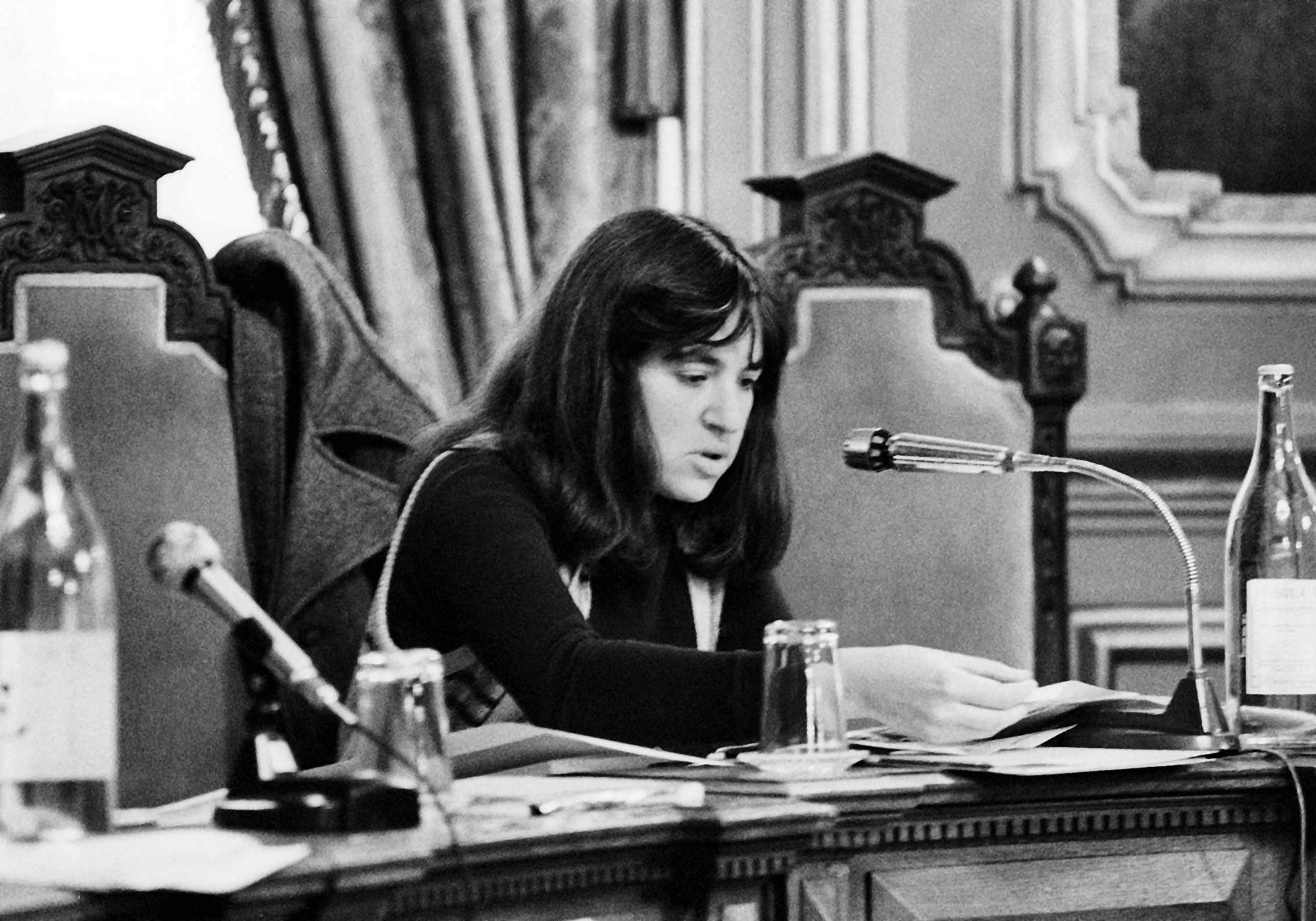
Helena Roseta preside à reunião da Assembleia Municipal de Lisboa a 31 de Outubro de 1977. A jovem arquiteta, que se sabia derrotada à partida nas eleições de 12 de dezembro de 1976, teve uma vida ativa ligada ao poder autárquico por mais de quatro décadasMANUEL MOURA / LUSA

Noutra parte da entrevista, a arquiteta leva-nos a viajar até 1975 e 1976, quando se iniciou e concluiu o processo das primeiras eleições autárquicas em tempo democrático, com um “milagre” no recenseamento de seis milhões de portugueses “porta a porta”, muitos analfabetos a quem se cuidou de explicar a correspondência entre o partido e os símbolos (as setinhas, a mãozinha e a foice e o martelo, e como não confundir com outras setas e outros utensílios operários) e a quase normalidade dos ataques terroristas que sucediam em simultâneo com a campanha para as autárquicas de 1976. A essas precederam as regionais, outro ponto de tensão:

"No PREC houve riscos, sobretudo nos Açores, de declararem a independência e se passarem para os Estados Unidos ou outra coisa qualquer. Havia movimentos armados, a FLA, nos Açores e na Madeira a FLAMA, havia movimentos armados que tiveram alguma expressão, e tinham bastante apoio popular.”

Uma viagem no tempo até à formação da “malha de segurança” que, diz-nos Helena Roseta, é o poder local, para o qual a data de 12 de dezembro de 1976 significa o início do percurso democrático. “A grande aventura para as eleições das autarquias há 50 anos era arranjar gente para constituir listas não só para os 300 e tal municípios”, explica a ex-autarca.

Leia aqui a segunda parte da entrevista

A candidata independente, Helena Roseta, chega de bicicleta para exercer o seu direito de voto em Lisboa, 15 de Julho de 2007.TIAGO PETINGA/LUSA

Num terceiro momento da entrevista, quisemos saber que ambiente social se vivia, e que é bem patente neste episódio protagonizado pelo secretário-geral do PSD após Marcelo Rebelo de Sousa ser perseguido em Beja: “o Emídio Guerreiro era um aventureiro, um romântico, tinha andado numa data de coisas complicadas, e, quando soube disso, ficou furioso e então queria ser largado de pára-quedas na Praça de Touros de Beja, para fazer uma afirmação de força“.

Falámos ainda de como, após o primeiro ato eleitoral autárquico, o poder local partiu para a maturidade, numa época em que os autocolantes ainda não tinham a concorrência da internet e quando estava quase tudo por fazer, designadamente a Associação Nacional de Municípios Portugueses (ANMP), que a veterana da política autárquica portuguesa ajudou a fundar, e a associação de Assembleias Municipais (ANAM), o parlamento das Câmaras, de que também foi cofundadora e a que presidiu em Lisboa, antes de ser presidente da Câmara de Cascais, onde só ela e o porteiro chegavam diariamente de bicicleta.

Leia aqui a terceira parte da entrevista

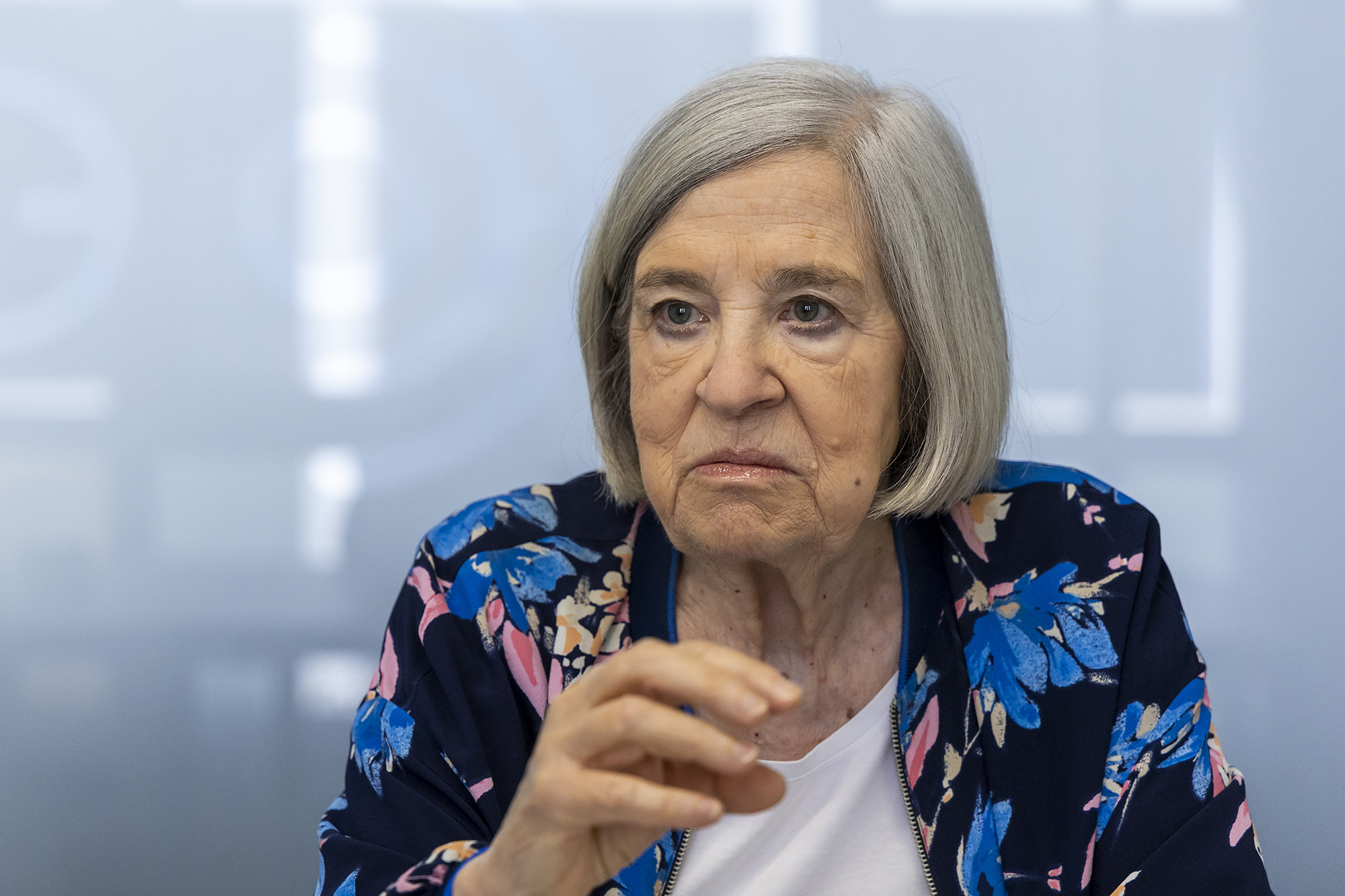
Helena Roseta, arquiteta e antiga autarca, em entrevista ao ECO/Local OnlineHugo Amaral/ECO
  •  

U.S. Authorizes Sale of 500 Patriot Missiles to Ukraine in $2.1 Billion Deal

Germany, Canada and Norway will finance the purchase as Zelensky urges Washington to speed up deliveries.

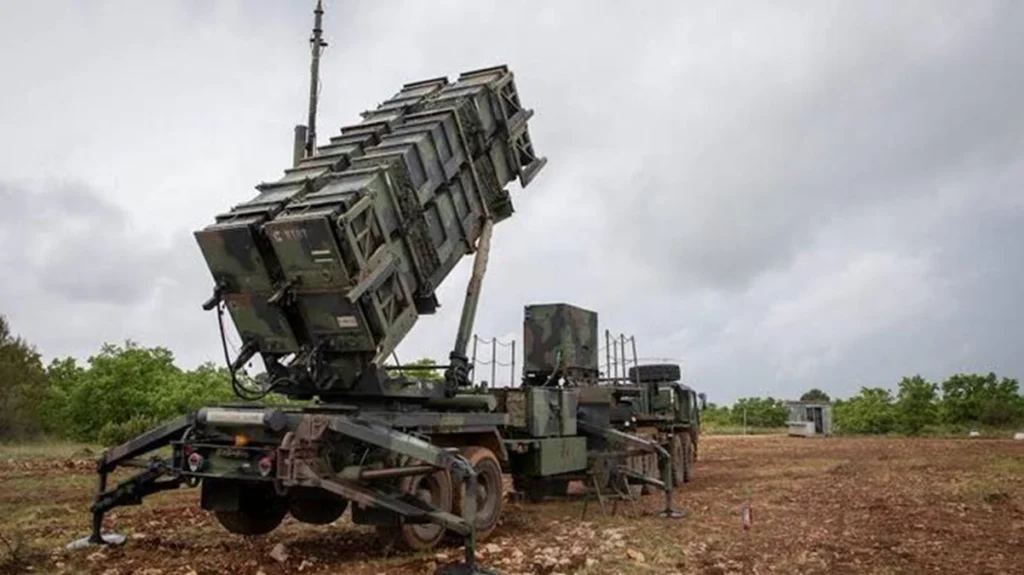
On Friday, the U.S. Department of State authorized the sale to Ukraine of 500 Patriot PAC-3 missiles for air defense batteries. The deal is estimated to cost US$2.1 billion and will not be financed by the United States but by Germany, Canada and Norway.

RELATED:

Ukraine Evacuates Residents from Frontline Town of Oleshky

The announcement comes amid growing tensions between Washington and Kiev over the U.S. decision to ease some sanctions against Russia.

In a social media post, Ukrainian President Volodymyr Zelensky thanked the United States for the decision but expressed dissatisfaction with how long it would take to implement.

“Five hundred PAC-3 interceptors are a substantial number, and very soon – this winter – they COULD make for a highly effective defense package. However, it has been stipulated that deliveries may begin ONLY IN A FEW YEARS,” he said.

“We are asking our American partners to find a solution for the time when there is a real danger and a real need to use PAC-3 interceptors,” Zelensky added, justifying his insistence by pointing to the problems his country could face during the winter as Russian troops continue to advance.

🇺🇦 Zelensky is complaining that Ukraine won’t receive 500 Patriot interceptor missiles for several years

The State Department previously approved the sale of these weapons to Kiev. But delivery dates haven’t even been estimated. They depend on whether the Pentagon has enough in… pic.twitter.com/kzLyQvW1f3

— dana (@dana916) October 31, 2026

“The U.S., our European partners, and other partners around the world have sufficient stocks of PAC-3 interceptors in their warehouses. Providing them to Ukraine right now – in the winter of 2026–2027 – and replenishing our partners’ arsenals LATER, in THE FOLLOWING YEARS, through this production already contracted and paid for by Ukraine and our partners would be the right approach. And it is entirely feasible,” the Ukrainian president said, making his desperation evident.

“We are grateful to President Trump. Importantly, we recently discussed PAC-3 interceptors with Secretary of State Marco Rubio. Ukraine is grateful to the U.S. State Department and the U.S. Administration overall for granting this authorization. But we are asking for decisions that can guarantee the protection of lives not the day after tomorrow or sometime later, but at the very moment the threat is there – when Russia is killing and destroying. I thank everyone who stands with Ukraine!” he concluded.

The U.S. arms sale was announced during the G20 foreign ministers’ meeting, which is being held in Atlanta under the chairmanship of U.S. Secretary of State Marco Rubio. Russian Foreign Minister Sergey Lavrov also attended the meeting. Ukraine, which is not a G20 member but has participated in previous editions of the forum, was not invited.

According to the State Department, the missiles, manufactured by U.S. company Lockheed Martin, will help improve “Ukraine’s ability to meet current and future threats by strengthening its integrated air and missile defense capabilities.”

teleSUR/ JF

Source: EFE

  •  

US Embassy warns of credible 'mass casualty' threat at popular Moscow tourist attraction

The U.S. Embassy in Moscow issued a security alert Saturday warning people of a potential "mass casualty event" at the Tsaritsyno Museum Reserve in Moscow.

"The U.S. Embassy in Moscow is aware of a credible threat of a mass casualty event TODAY October 31, at the Tsaritsyno Museum Reserve in Moscow at Dolskaya Ulitsa 1, Moscow, Russia 11569. The U.S. government is coordinating with appropriate Russian authorities on a response," the embassy wrote in a statement.

The alert warned people to avoid the Tsaritsyno Museum area and to "stay alert, and avoid crowds."

Founded in 1775 as a summer home for Russia's Catherine II, the Tsaritsyno Museum is now a popular tourist attraction in Russia's capital.

INSIDE MELANIA TRUMP'S SECRET DIPLOMATIC ROLE IN THE RUSSIA-UKRAINE CEASEFIRE DEAL

The museum itself attracted more than two million visitors in 2022, Moscow's deputy mayor Natalya Sergunina said in 2023. The surrounding grounds, enjoyed by Moscow's local citizens for physical activity and dog walking, see even more foot traffic, according to The Art Newspaper.

The U.S. Embassy's alert also included a warning to people in the Moscow area to keep cell phones and other batteries charged, stay aware of surroundings, and to review a personal security plan.

The alert was issued as tensions in the ongoing war between Russia and Ukraine continue to escalate.

TRUMP ANNOUNCES IMMEDIATE ENERGY CEASEFIRE BETWEEN RUSSIA AND UKRAINE

On Friday, Ukraine struck an oil refinery in southern Russia, ending a two-week pause on energy infrastructure attacks brokered by President Donald Trump between the warring nations.

The previous day, Russian drone and missile strikes in Ukraine killed at least 27 civilians, according to the Wall Street Journal.

Fox News Digital contacted the U.S. Embassy in Moscow for further information.

CLICK HERE TO DOWNLOAD THE FOX NEWS APP

This is a developing story. Please check back for updates.

  •  

Doctors in Ukraine Try Treating Infections Like Biological Warfare Attacks

As many as 40 percent of injured soldiers face severe infections that can lead to amputations and death. One initiative is trying to fix that.

© Johanna-Maria Fritz for The New York Times

Hailie Uren, a clinical pharmacologist, measured a patient’s blood pressure in Dnipro, Ukraine, last month.
  •  

US forces in Europe are bracing for 'Ukraine's worst day.' AI could help them fight an overwhelming flood of missiles and drones.

Multiple High Mobility Artillery Rocket Systems fire in a forest terrain with an overcast sky in the background.
US officials believe future battlefields could produce large amounts of data from sensors and networks, overwhelming human operators.

Master Sgt. John Healy/Multi-Domain Command - Europe

  • US forces in Europe could face thousands of targets and incoming threats in a future conflict.
  • Officials say AI could help troops analyze targets faster than humans can alone.
  • AI could recommend responses while leaving final decisions to soldiers.

US Army soldiers in Europe are readying for large-scale combat and the kind of overwhelming missile and drone attacks Ukraine is facing, where the massive number of threats can make it difficult for humans to keep up, and are looking to software for solutions.

Concern that the speed and scale of future warfare could be too great for humans to handle without help is growing; however, Army officials have said artificial intelligence can help soldiers process large amounts of data from sensors and networks to deliver potential responses in a fight.

At the Association of the United States Army convention in Washington, DC, last month, service leaders and soldiers spoke about using AI to process battlefield data and help troops make decisions without removing humans from the process.

"I think it's important to use super intelligence… for things that humans aren't necessarily good at, and that's speed and scale," Brig. Gen. Steven Carpenter, head of Multi-Domain Command Europe, told Business Insider, "but I also know we shouldn't take humans completely out of the loop."

Earlier this year, Carpenter told reporters that US forces in Europe needed to be prepared to process more than 1,500 potential targets a day while also defending against as many as 1,200 incoming missiles and drones.

That volume of targets and threats could overwhelm human analysts, but AI could help them keep up.

In a conflict, soldiers could use AI to analyze battlefield data and targets based on a commander's objectives and other parameters. The system could then assess available military capabilities and recommend responses, from conventional weapons strikes to electronic warfare or cyber operations.

The entire process is intended to move quickly, but officials say speed isn't the only benefit. AI can also remember or recognize patterns that humans might forget or not even notice in the first place. And all of that information provides commanders with options.

A US Army soldier points in an area of grassy terrain with a Dronebuster.
AI and autonomy are quickly being integrated across uncrewed systems, command and control processes, and other technologies.

US Army photo by Sgt. Collin Mackall

"So again, the human is making the decision, the final call, looking at everything that you need to do in order to prosecute a valid target within the Law of Armed Conflict," Carpenter said.

He said the intent "isn't to replace those analysts," but rather to ultimately help "unburden them so that they're focusing on the really tough targets," such as a dual-use facility or other potential targets that need more analysis.

Carpenter said that the estimates for targets and threats reflect "what we think Ukraine's worst day is," underscoring the scale of attacks US forces could face in a future conflict. Russia's war against Ukraine has involved frequent, heavy drone and missile bombardments. These strike packages are complex, consisting of ballistic and cruise missiles, as well as one-way attack drones, more and more of which are equipped with jet engines that make them faster and harder to kill.

Earlier this year, a joint US Army and NATO exercise in Europe saw troops use a homegrown AI system to consume and sort data. The AI was in beta-testing; Army officials said they aimed to test it on a larger scale at a future exercise.

The integration of AI across the military is moving fast, spanning from autonomous features in drones, weapons, and targeting to agentic processes for sorting through data and referencing information. Beyond the battlefield, US personnel are using new tools to change institutional processes and workflows.

The Army is also incorporating AI into its Next Generation Command and Control, the service's new warfighting system. NGC2 uses AI and machine learning to provide commanders and soldiers with real-time data on targeting, capabilities, ammunition levels, maintenance needs, intelligence feeds, and simulated enemy attacks.

Read the original article on Business Insider

  •  

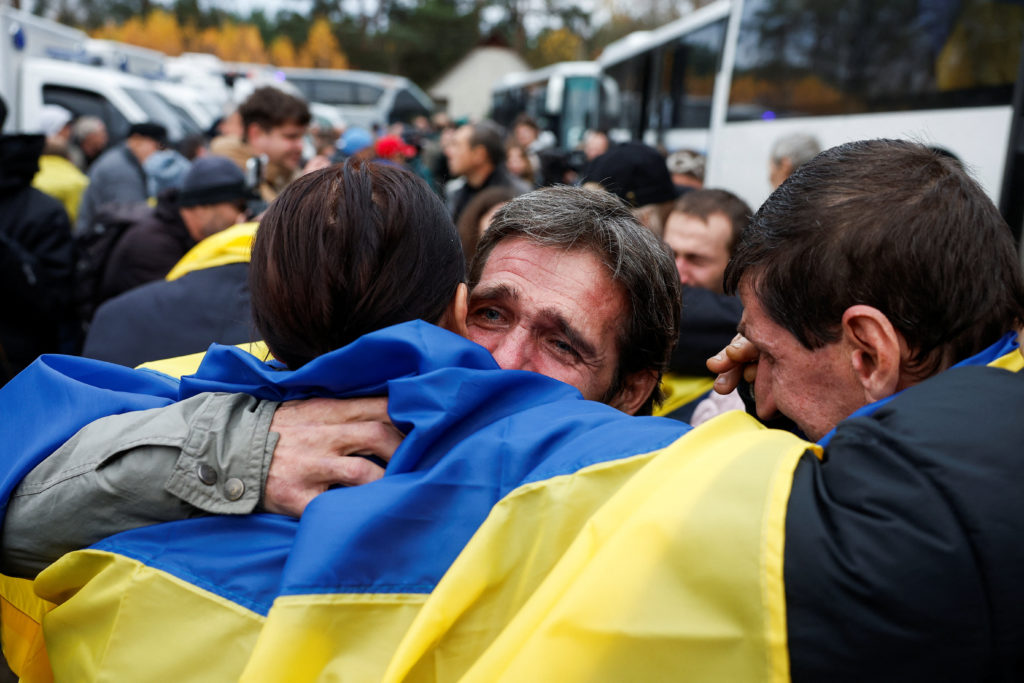
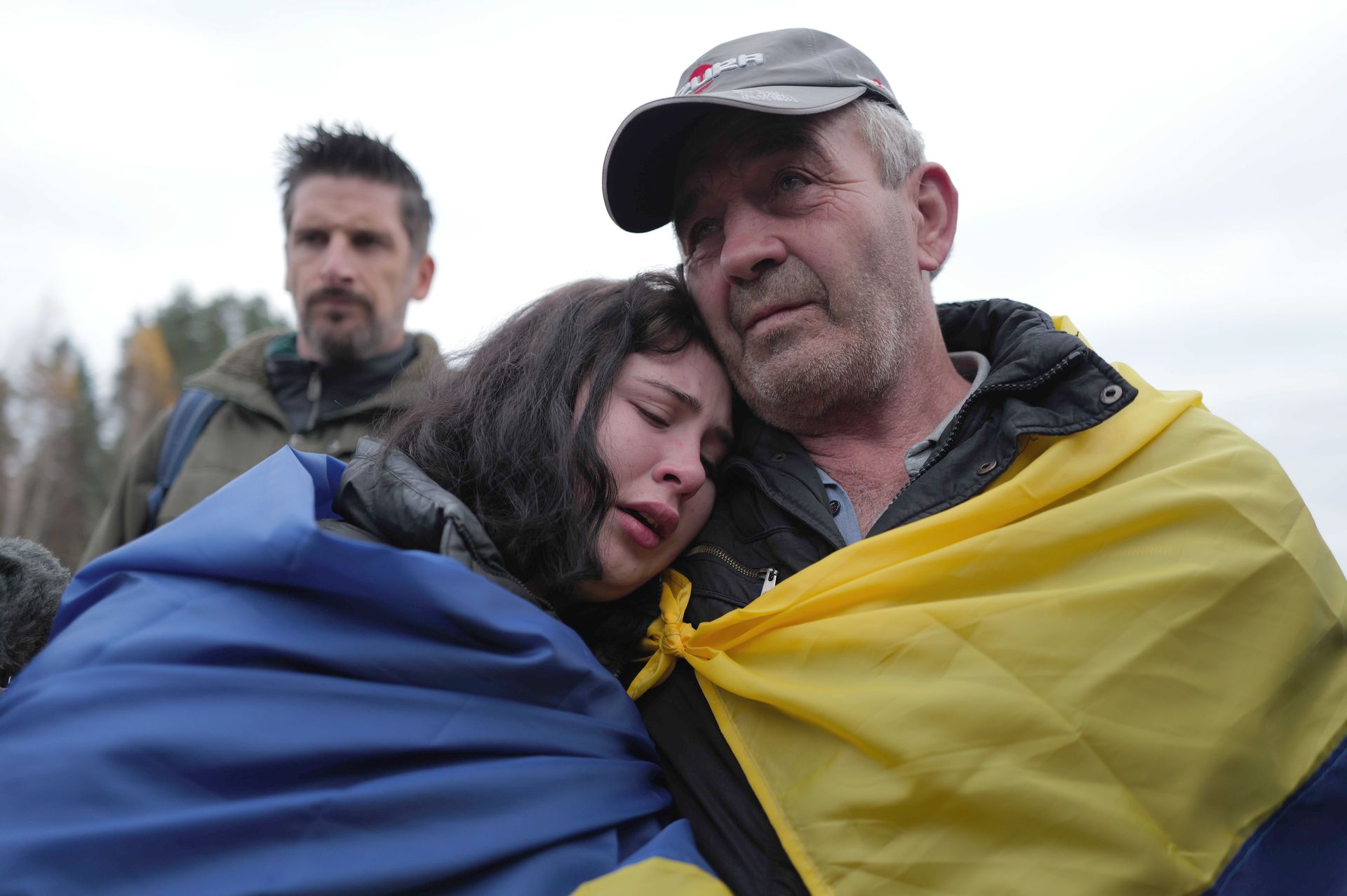
Oleshky residents reach Ukrainian-controlled territory after escaping Russian occupation

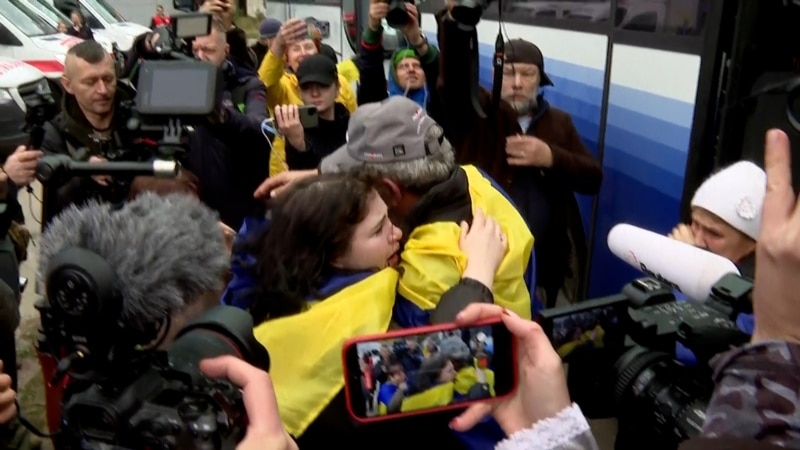
CHERNIHIV OBLAST — Evacuees from the Russian-occupied city of Oleshky have reached Ukrainian-controlled territory on Oct. 31 after an arduous 19-hour journey.

The city's residents, who had been trapped in a worsening humanitarian crisis for months on end, arrived to an emotional reception at the border crossing with

  •  

The US Army is watching how Ukraine innovates and adapts. A commander says it's crucial.

A man in camouflage and a black balaclava stands in a sunny field with a large grey drone over his shoulder
Ukraine's fight has made the world aware of the drone threat.

Diego Fedele/Getty Images

  • Russia's war in Ukraine continues to show that battlefield innovation and adaptation are key.
  • A US Army commander said that Ukraine's adaptations and drone tactics are important lessons.
  • US military officials have said that there are other takeaways as well.

The war in Ukraine continues to demonstrate for other militaries the importance of rapid adaptation and innovation, a US Army commander said.

Lessons from Russia's war against Ukraine have ranged from drone warfare and autonomous systems to air defenses. While US officials have said that not everything from Ukraine is applicable, certain tactics and the rapid pace of change in battlefield technology are not going ignored.

At the Association of the United States Army conference in Washington, DC, earlier this month, service leaders and soldiers spoke about how the Army is learning from the conflict.

Brig. Gen. Steven Carpenter, head of Multi-Domain Command Europe, told Business Insider that the war in Ukraine has "shown us that he or she that adapts, wins," pointing out that "the battlefield we've seen in Ukraine is not the same battlefield that we saw in February 2022."

Russia has ramped up production within its defense industry, while Ukraine, he said, has been "innovating so rapidly, and they're learning from the changing environment on the battlefield, and they're rapidly changing how they produce weapon systems and their capabilities based on what they're seeing on the battlefield."

A Ukrainian soldier holds a remote control for a drone.
Both Russia and Ukraine have continuously adapted their tactics and systems throughout the war.

Alex Nikitenko/Global Images Ukraine via Getty Images

Ukraine's defense has, in part, depended on amassing substantial quantities of adaptable uncrewed systems for combat across air, land, and sea, while its homegrown drone industry continually uses battlefield feedback to update systems. The US military is paying attention. It's also taken lessons from the way Ukrainian soldiers 3D print parts for drones and build the systems based on specific mission sets or countermeasures.

More recently, autonomous drone capabilities have been getting attention. Ukraine is increasingly using AI to help ground robots and drones navigate supply routes and reach targets. An uncrewed ground vehicle recently completed almost an entire 12-mile supply run on its own. The unit called it a first under combat conditions.

The US military is likewise expanding its use of autonomy for tasks such as navigation and data processing.

Multi-Domain Command Europe has created an AI system that helps soldiers process significant amounts of data from sensors and networks. Officials say that it could be valuable for supporting decision-making by human analysts.

At AUSA, other Army officials said that air defense fights in Ukraine have also provided useful lessons for the US. Russian forces have hunted MIM-104 Patriot surface-to-air missile system batteries and other air defenses while also trying to overwhelm them with complex barrages of one-way attack drones and missiles.

Lt. Gen. John Raffery, the head of Army Space and Missile Defense Command, told reporters that air defenders have been "probably the most aggressive community in the Army for learning lessons from Ukraine," with an emphasis on concealment, survivability, protecting assets, and mobility.

At the same time, the Army and broader US military have said that not every observation out of Ukraine is always relevant. Officials have pointed out that Ukraine's drone innovation was born out of necessity, specifically a lack of critical capabilities, and will not replace the advanced American weapons, aircraft, and naval power.

Read the original article on Business Insider

  •  

Food Lines, War Dead: The Way They Live Now In A Frigid Siberian Town

The scene outside Tura's main food store looked like something from the Soviet era: With the mercury at -15 C, residents lined up for hours to pay high prices for staples short supply. The shortages stemmed from geography and negligence, but Russia’s war on Ukraine has taken its toll on the town.

  •  

Gaza, dramma tra gli sfollati: morte due bimbe palestinesi in un incendio

Incendio in una tenda a Khan Younis, morte due bimbe palestinesi: dramma tra gli sfollati

Un rogo scoppiato durante la notte all’interno di una tenda di sfollati ad al-Mawasi, nei pressi di Khan Younis, è costato la vita a due bambine palestinesi. A renderlo noto sono i media locali su indicazione del personale medico dell’ospedale Nasser, dove le due piccole, Habiba Zannoun e Aysal Abu Shaiban, si sono spente questa mattina per le gravissime ustioni riportate.

Sebbene la dinamica esatta dell’incendio resti ancora da accertare, gli operatori sul posto riconducono la tragedia all’estrema fragilità e al degrado in cui versano le tendopoli della Striscia di Gaza.

L'articolo Gaza, dramma tra gli sfollati: morte due bimbe palestinesi in un incendio proviene da Affaritaliani.it.

  •  

Separated for Nearly a Century: Ossip Zadkine’s Sculptures Reunited in Antwerp

A major exhibition opening at the Royal Museum of Fine Arts Antwerp brings together works by the twentieth-century sculptor Ossip Zadkine, including figures from a composition separated almost a century ago. The exhibition also examines Belgium’s largely overlooked contribution to the artist’s international career.

A group of sculptures separated for 98 years has been reunited in Antwerp as part of a major exhibition exploring the career of Ossip Zadkine, one of the most influential figures in twentieth-century European sculpture.

The exhibition, Ossip Zadkine and Belgium, opens on 31st October at the Royal Museum of Fine Arts Antwerp (KMSKA) and runs until 18 April 2027.

Its centrepiece is The Friends of Job, a wooden sculptural composition created in 1913 and inspired by the biblical story of Job.

One of the figures, Elihu, was sold separately in 1928. The exhibition brings it back together with the remaining figures for the first time in almost a century.

The reunion is part of a broader exhibition containing 130 works, including sculptures, drawings, paintings and archival material, assembled from collections in Belgium, France and elsewhere.

Beyond the rediscovery of an early composition, the museum is seeking to reassess Zadkine’s artistic development and the contribution of Belgian collectors, galleries and fellow artists to his international reputation.

The Belgian Origins of an International Career

Zadkine was born in 1888 in Vitebsk, then part of the Russian Empire and now in Belarus.

He developed an early interest in sculpture and subsequently spent time in Britain, where he learned woodcarving techniques from his uncle.

He later moved to Paris, becoming associated with the artistic circles that transformed European painting and sculpture during the early twentieth century.

Among his contemporaries were Amedeo Modigliani, Pablo Picasso and Marc Chagall.

Although Paris became the principal centre of his artistic career, Belgium played an important role in establishing his reputation.

In 1920, Zadkine held an exhibition in Antwerp at the invitation of the Brussels-based Galerie Sélection.

His work attracted attention from Belgian collectors and critics, providing opportunities that helped him develop his distinctive approach to sculpture.

He subsequently exhibited alongside Flemish Expressionists, including Constant Permeke, Gustave De Smet and Frits Van den Berghe.

His first major retrospective took place in Brussels in 1933, at the Palais des Beaux-Arts, now known as BOZAR.

Reflecting on his early career, Zadkine acknowledged the importance of this support, writing: “Les Belges étaient mes premiers amateurs” — the Belgians were his first admirers.

The exhibition examines how this network of collectors, gallery owners and artists influenced his development and helped establish connections between Belgian artistic circles and the wider European avant-garde.

Sculpture Between Cubism and Expressionism

Zadkine’s work developed through several artistic movements, incorporating elements of Cubism while retaining an emphasis on human expression and emotion.

His sculptures frequently combine angular forms with figures that appear fragmented, elongated or dramatically distorted.

Working in wood, stone and other materials, he explored the relationship between the physical structure of sculpture and the emotional experience of its subject.

His early preference for direct carving, in which an artist works directly into the material rather than reproducing a preliminary model, remained an important part of his technique.

The composition The Friends of Job belongs to this formative period.

Its reunion provides an opportunity to consider how Zadkine approached the human figure before developing the more expressive sculptural language associated with his mature work.

The exhibition also presents works by contemporaries including Chagall, Modigliani and Jacques Lipchitz, placing Zadkine within the international artistic environment in which he worked.

The Role of Valentine Prax

An important part of the exhibition concerns Zadkine’s wife, the painter Valentine Prax, whom he married in 1920.

Prax was an artist in her own right and played a significant role in managing the financial and organisational aspects of their careers.

Her work was also exhibited in Belgium, and the Antwerp exhibition includes examples of her artistic production alongside that of her husband.

During the Second World War, Zadkine, who was Jewish, left occupied Europe for the United States.

Prax remained in France, helping protect his works during the conflict.

The exhibition examines their artistic relationship and the contribution of Prax to the preservation and development of Zadkine’s career.

It also places their experience within the wider history of European artists whose lives and work were disrupted by war and exile.

A Lasting Connection with Antwerp

Zadkine’s relationship with Belgium continued after the Second World War.

An Antwerp shipowner connected with the Compagnie Maritime Belge helped transport his works back to Europe from New York.

The sculptor subsequently participated in Antwerp’s first Middelheim sculpture biennial.

He also contributed to discussions about establishing a permanent outdoor sculpture collection in the city.

Together with British sculptor Henry Moore, Zadkine became associated with the development of what would become the Middelheim Museum.

His work consequently forms part of Antwerp’s broader history as a centre for modern and contemporary sculpture.

The KMSKA itself holds nine works by Zadkine, including The Misery of Job, which the artist donated to the museum.

Reconstructing a European Artistic Network

The exhibition has been organised in collaboration with the Musée Zadkine in Paris.

Of the 130 works assembled, 20 come from the KMSKA’s collection, 50 from the Paris museum and another 60 from other museums and private collections.

The accompanying archival material provides evidence of the relationships that connected artists, collectors and galleries across national borders.

For the museum, the exhibition represents an opportunity to reconstruct a chapter of European art history that has received comparatively limited attention.

Zadkine’s international reputation is closely associated with Paris, but his early success depended in significant part on support from Antwerp and Brussels.

The reunion of The Friends of Job gives this historical reassessment a particular focus.

Almost a century after its component figures were separated, the composition can once again be considered as a group, while the wider exhibition places its creator within the artistic networks that shaped modern European sculpture.

Ossip Zadkine and Belgium runs at the Royal Museum of Fine Arts Antwerp from 31st October 2026 until 18th April 2027. See KMSKA exhibition details.

Main Image: Emmy Andriesse for Anefo – http://hdl.handle.net/1887.1/item:1663055

  •  
❌