❌

Reading view

Portugal: da atratividade à competitividade

O EY Portugal Attractiveness Survey 2026 revela que o país captou 186 projetos de investimento direto estrangeiro (IDE) em 2025, uma redução de 5% face ao ano anterior, ainda assim inferior à quebra de 7% registada na média europeia. Portugal manteve, assim, a 9.ª posição entre os principais destinos europeus de investimento estrangeiro.

Num contexto em que vários mercados perderam capacidade de atração, este resultado confirma a relevância de Portugal no panorama europeu. Mas os números contam apenas parte da história.

Um dos sinais mais encorajadores do estudo é o crescimento dos projetos de expansão, que passaram de 26% para 37% do total. Quando empresas já instaladas decidem reforçar operações, estão a validar fatores que nem sempre aparecem nos rankings: talento, estabilidade e capacidade de crescimento. Trata-se de um sinal particularmente relevante, porque representa investimento adicional de quem conhece a realidade portuguesa por experiência própria.

O estudo mostra ainda que as atividades intensivas em conhecimento continuam a desempenhar um papel central na atração de investimento. Os setores de software e serviços de tecnologias de informação, em conjunto com os serviços empresariais e profissionais, representaram 44% dos projetos captados. Paralelamente, 66% das empresas tecnológicas inquiridas afirmam ter intenção de estabelecer ou expandir operações em Portugal durante o próximo ano.

Mas talvez a principal mensagem do estudo não diga respeito ao presente, mas ao futuro. Quando questionados sobre as prioridades para os próximos cinco anos, os investidores apontam áreas como inteligência artificial, cloud, centros de dados e infraestruturas digitais como motores da próxima vaga de investimento.

Portugal reúne várias condições para beneficiar desta transformação. Dispõe de talento qualificado, capacidade de atrair profissionais internacionais e uma disponibilidade crescente de energia renovável, identificada por 30% dos investidores como uma das principais vantagens competitivas do país.

Contudo, os resultados também mostram que atratividade não garante competitividade. Persistem desafios ligados ao acesso a capital, rapidez dos processos de licenciamento, disponibilidade de competências especializadas e competitividade energética. O setor da energia ilustra bem este paradoxo: sendo um dos maiores ativos do país, continua a ser apontado como uma área onde subsistem obstáculos à competitividade.

A questão já não é saber se Portugal consegue atrair investimento. Os dados demonstram que continua a consegui-lo. O verdadeiro desafio passa por transformar essa atratividade em ganhos sustentados de competitividade, produtividade e criação de valor.

Os países que liderarão a próxima década não serão necessariamente os mais atrativos. Serão os que conseguem executar mais rapidamente, acelerar projetos estratégicos e criar condições para que as empresas cresçam e escalem a partir dos seus territórios.

Portugal conquistou uma posição relevante no mapa europeu do investimento. O passo seguinte é mais exigente: transformar a confiança dos investidores numa vantagem competitiva duradoura. Porque, no longo prazo, não basta ser atrativo. É necessário converter esse potencial em crescimento económico sustentado, inovação e prosperidade.


  •  

Crítica de 'Colisión', el thriller español de Netflix: qué gusto cuando las películas te sorprenden

De esas películas a las que es mejor enfrentarse sin saber nada de ellas, Colisión no es una historia más sobre un atraco a un banco, aunque ahí estén cuatro enmascarados robando una caja fuerte en plena crisis económica de 2013.

El contexto socioeconómico tampoco es lo más importante, aunque sirva de excusa para comprender los ideales, objetivos, impulsos, peleas y traiciones que llevan a los protagonistas a arriesgar sus vidas por lograr hacerse con el botín.

Arriesgarlas en el sentido más literal, pues es un accidente de coche huyendo del lugar del crimen el que desemboca en una trama que desconcierta con sus giros en un principio, pero que, una vez comprendida la verdadera naturaleza de la película, se convierte en un ejercicio creativo que su director, Daniel Sánchez Arévalo, ha sabido trasladar perfectamente a la pantalla, haciendo de ella un thriller que desconcierta (en el buen sentido), engancha y entretiene.

Que sus protagonistas sean Laia Costa, Karra Elejalde, Luis Zahera, Tamar Novas y Álvaro Cervantes, a los que también se unen Lluís Homar y Adriana Ozores, es la guinda de un pastel que no esperábamos disfrutar tanto.

  •  

BTS no Brasil: relembre os shows que marcaram a trajetória do grupo no país

O BTS retorna ao Brasil nesta semana para três apresentações da turnê “Arirang” no Morumbis, em São Paulo. Os shows acontecem nos dias 28, 30 e 31 de outubro, com ingressos esgotados desde abril.

Os shows reforçam a forte conexão construída entre o grupo sul-coreano e o público brasileiro ao longo de mais de uma década. Entre apresentações históricas, recordes de público e encontros memoráveis com os fãs, o país se tornou uma das paradas mais especiais da trajetória do septeto.

Muito antes de reunir dezenas de milhares de fãs em estádios, o BTS já encontrava no Brasil uma de suas bases de apoio mais fiéis fora da Coreia do Sul. De shows para públicos menores a apresentações históricas para os fãs, o grupo protagonizou momentos marcantes no país ao longo de sua trajetória.

Relembre as passagens dos artistas por terras brasileiras.

Apresentações marcantes do BTS no Brasil

BTS
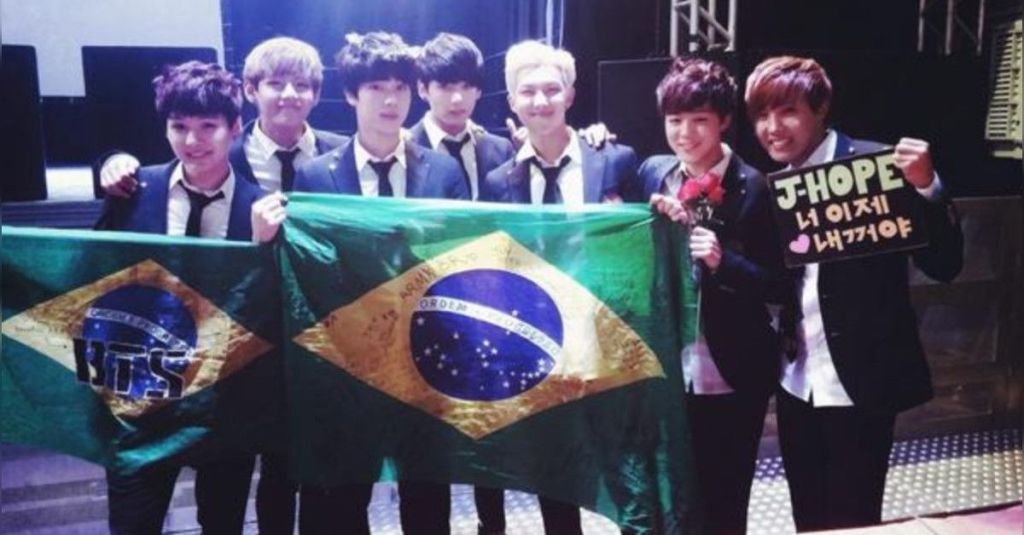
BTS em São Paulo com sua primeira apresentação em 2014. • Reprodução / X

2015 – “Live Trilogy Episode II: The Red Bullet“

Em 31 de julho de 2015, o BTS realizou sua primeira apresentação no Brasil com a turnê “Live Trilogy Episode II: The Red Bullet“, no Espaço Unimed, em São Paulo. Ainda longe dos estádios lotados que viriam anos depois, o grupo encontrou uma base de fãs apaixonada que acompanhava de perto seus primeiros passos no cenário internacional.

A apresentação marcou o início da relação entre o grupo e o público brasileiro. A energia dos fãs e a interação dos integrantes no palco transformaram o show em um momento especial, que abriu caminho para reencontros cada vez maiores no país.

BTS
BTS se apresentou em São Paulo no ano de 2017 • Reprodução / X

2017 – “The Wings Tour”

Dois anos depois, o BTS retornou ao Brasil com a turnê “The Wings Tour“, em março de 2017. A apresentação aconteceu no Citibank Hall, em São Paulo, diante de uma plateia maior do que a encontrada na visita anterior, refletindo o rápido crescimento da popularidade do grupo dentro e fora da Coreia do Sul. Naquele período, os artistas começavam a ganhar cada vez mais destaque no cenário internacional e ampliavam sua base de fãs ao redor do mundo.

O setlist reuniu faixas marcantes da carreira do septeto, incluindo “Not Today“, “Am I Wrong“, “Baepsae (Silver Spoon)” e “Save Me“, além de outras músicas que levaram o público ao delírio e transformaram a apresentação em um dos momentos mais lembrados pelos fãs brasileiros.

BTS
BTS se apresentando em São Paulo no ano de 2019. • BIGHIT ENTERTAINMENT/DIVULGAÇÃO

2019 – “Love Yourself: Speak Yourself”

O reencontro aconteceu em 2019, quando o BTS trouxe ao Brasil a turnê mundial “Love Yourself: Speak Yourself“. As duas apresentações realizadas no Allianz Parque, em São Paulo, reuniram dezenas de milhares de fãs e entraram para a história como alguns dos maiores shows de k-pop já realizados no país. Os ingressos se esgotaram rapidamente, evidenciando a força do grupo e a dedicação do fã brasileiro.

Além dos palcos, os integrantes também demonstraram carinho pelo Brasil em diversas ocasiões. Ao longo dos anos, compartilharam mensagens para os fãs brasileiros, reagiram a conteúdos produzidos pelo público local e citaram o país em entrevistas e transmissões ao vivo. Essas interações ajudaram a fortalecer ainda mais a conexão entre o BTS e os admiradores brasileiros, mesmo nos períodos em que o grupo esteve longe dos palcos do país.

Saiba mais sobre a turnê “Arirang”

Com ingressos esgotados para as três apresentações no Morumbis, os fãs devem ficar atentos aos horários de abertura dos portões, formas de acesso ao estádio e orientações de segurança divulgadas pela organização. Confira abaixo as principais informações para quem vai acompanhar o BTS em São Paulo.

  • Abertura dos portões: 16h
  • Horário de início do show: 20h
  • Local: Estádio do Morumbis (Praça Roberto Gomes Pedrosa, 1 – Morumbi, São Paulo – SP)
  • Classificação etária: 16 anos (menores de 5 a 15 anos entram apenas acompanhados dos pais ou responsáveis legais)
  • Transporte público: Estação São Paulo–Morumbi, Linha 4-Amarela

A Live Nation, empresa responsável pela organização dos três shows do BTS no estádio do Morumbis, vai barrar a entrada de pessoas sem ingresso ao redor do local. A ação será realizada com a Polícia Militar e os demais órgãos de segurança pública de São Paulo.

Além da Polícia Militar, também participam da ação a Prefeitura do Município de São Paulo, a CET (Companhia de Engenharia de Tráfego) e a AME Morumbi (Associação de Moradores Locais).

A recomendação para quem vai aos shows é utilizar o metrô, especialmente a Linha 4 – Amarela do metrô. A Estação São Paulo-Morumbi será o principal ponto de acesso ao local do show e, por isso, foram designadas orientações devido a interdições e alterações no trânsito previstas para as ruas mais próximas ao estádio, o que pode dificultar a chegada de carros particulares e serviços de transporte por aplicativo.

A estação amarela operará com atendimento estendido no retorno dos fãs após o show, conforme alinhamento entre os centros de controle das concessionárias responsáveis pelo sistema metroviário da capital.

*Sob supervisão de Nathalie Ayres, da CNN Brasil

Relembre o que cada integrante do BTS fez durante pausa de 4 anos

  •  

Padova, l’antenna telefonica vince contro l’oratorio vincolato con gli affreschi del Mille. La Sovrintendenza: “Forte impatto, ma basta verniciarla di azzurro”

L’antenna telefonica sconfigge l’antico campanile. E l’oratorio con gli affreschi precedenti perfino a Giotto. “Di continuo spuntano piccoli campanili romanici”. Così lo scrittore trevigiano Giovanni Comisso ha descritto la sua pianura veneta. Quel susseguirsi di campanili, appuntiti nel paesaggio dolce e piatto. In fondo è uno dei segreti del Veneto e dell’Italia: i grandi tesori delle città e quelli più discreti quasi dimenticati, disseminati ovunque. Ma oggi, ecco cosa ci racconta questa storia, all’antico patrimonio sembriamo preferire le antenne telefoniche. Parliamo dell’antico oratorio di San Michele Arcangelo a Pozzoveggiani (nella frazione di Salboro che è ancora comune di Padova). I volontari dell’associazione SalboroIncontra, che ogni settimana dedicano il loro tempo a tenere aperto e vivo l’oratorio, raccontano con passione del tempietto romano che era nato proprio qui. E dell’oratorio dove decine e decine di generazioni di padovani hanno pregato da quando l’edificio fu costruito nel V-VI secolo in epoca longobarda (fu ampliato nel XII secolo). Ma soprattutto raccontano dei due cicli di affreschi precedenti perfino al maestro Giotto. Il primo, che risale circa all’anno 1000, raffigura gli apostoli tra gli archi di un colonnato. Il secondo, un piccolo anonimo capolavoro, ritrae un Cristo Pantocratore. Nel registro inferiore una teoria di apostoli con san Prosdocimo e, nella fascia inferiore, un torneo di due cavalieri con intorno un bestiario medievale.

Oggi, però, il campanile, che per secoli è stato un punto di riferimento per viandanti e fedeli, è sovrastato da un’antenna telefonica azzurrina. Tutto comincia, come racconta l’ex sindaco di Padova, Ivo Rossi, quando una società telefonica presenta la domanda per installare un enorme ripetitore proprio accanto all’oratorio. Il Comune, come poi è stato dichiarato in giudizio, sostiene “che l’oratorio non risulta nemmeno classificato tra i beni di interesse culturale”. Come se soltanto ciò che è tutelato dalle norme meritasse di essere protetto. Ma non sarebbe nemmeno così, come riferisce qualcuno: il Ministero della Cultura – Commissione Regionale per il patrimonio culturale infatti ha accertato “la sussistenza dell’interesse culturale nell’immobile” per il quale l’oratorio doveva essere sottoposto a disposizioni di tutela. Ma intanto arriva la prima sorpresa: il comune di Padova dà il via libera al ripetitore. Tocca, come spesso succede in Italia, alle associazioni e ai comitati degli abitanti, provare a difendere quel patrimonio che le istituzioni sembrano non curare. Viene così presentato un ricorso amministrativo. Alla fine il Consiglio di Stato dà ragione ai comitati: “Con una sentenza del giugno 2026”, ricorda Rossi, “viene annullata l’autorizzazione, rendendo l’antenna priva di titolo”.

Anche il Comune, tardivamente, si accorge del guaio. Qualcuno storce il naso e ammette l’errore. Peccato che l’impianto sia già stato realizzato. Ma la parabola del campanile non è ancora finita. Nei giorni scorsi ecco arrivare la decisione della Sovrintendenza. Piuttosto sorprendente: si “riconosce… l’effettivo impatto percettivo determinato dalla realizzazione dell’opera”. Un’espressione burocratica per dire che l’antenna non ci sta proprio bene, accanto all’oratorio millenario. Dunque l’impianto dovrà essere rimosso? No, arriva la soluzione, per così dire, all’italiana. Dipingere il palo. Si può procedere, scrive la Sovrintendenza, alla “colorazione dell’impianto in tutto il suo spiccato fuori terra […] sulla scorta di idonee campionature da produrre in opera. La cromìa dovrà essere individuata nella gamma dell’azzurro e del grigio ceruleo, in modo da ridurre la complessiva percettibilità del palo rispetto allo sfondo in essere”. Vincono i cellulari, per farla breve. Anche se l’assessore alla Cultura di Padova, Andrea Colasio, cerca di correre ai ripari: “La prima autorizzazione, a nostro avviso, è arrivata in assenza di vincolo. Oggi il vincolo c’è”. Quindi? “Ho chiesto la rimozione dell’antenna o, almeno, il suo spostamento centocinquanta metri più in là”.

E pensare che non era la prima volta che l’oratorio di San Michele veniva minacciato. Nel 1866 il Veneto era stato infatti annesso al Regno d’Italia. Appena un anno dopo, con una legge del 15 agosto 1867, insieme con altri abbattimenti e acquisizioni al demanio, era stata prevista la demolizione dell’oratorio di San Michele. Ma il combattivo parroco di Salboro, don Giovanni Rizzo, si era ribellato alla decisione del Regno e aveva scritto addirittura al sindaco di Padova, Andrea Meneghini. A quei tempi, però, la decisione del primo cittadino era stata diversa da oggi: con una nota del 7 agosto 1869, il Comune annunciò che la “Direzione Compartimentale del demanio e Tasse di Venezia ha dichiarato l’oratorio di San Michele in Pozzoveggiani debba ritenersi immune dalla devoluzione al Demanio”. L’oratorio era salvo. Un’altra epoca. Allora, verrebbe da dire, il nostro patrimonio artistico era più curato di oggi. Proprio Rossi ricorda la storia da molti dimenticata della Cappella degli Scrovegni; proprio quella con il ciclo di Giotto che è diventata il simbolo della città e uno dei più noti tesori artistici italiani (ogni anno attira oltre 320mila visitatori). Un secolo fa abbiamo rischiato di perderla e di venderla all’Inghilterra. Era il 1880 quando i proprietari della Cappella, la potente famiglia Gradenigo-Baglioni, decise di venderla agli inglesi che avrebbero trasferito probabilmente i dipinti a Londra. “Per fortuna – conclude Rossi – la città poteva allora contare su un assessore di rara sensibilità e determinazione, quell’Antonio Tolomei che sarebbe diventato sindaco nel 1881, il quale si oppose alla vendita e aprì un durissimo contenzioso con i conti Gradenigo-Baglioni. Il Comune di Padova alla fine acquistò la cappella e la lasciò alla città”.

L'articolo Padova, l’antenna telefonica vince contro l’oratorio vincolato con gli affreschi del Mille. La Sovrintendenza: “Forte impatto, ma basta verniciarla di azzurro” proviene da Il Fatto Quotidiano.

  •  

Dançarinos do BTS dançam funk brasileiro e fazem Passinho do Jamal

Os dançarinos profissionais do BTS gravaram vídeos curtindo momentos no Brasil e chamaram atenção dos fãs do grupo sul-coreano dançando funk na segunda-feira (26). Eles já estão em solo brasileiro para os shows que acontecem em São Paulo, no Morumbis.

Em um dos vídeos compartilhados nas redes sociais, a equipe aparece reproduzindo coreografias conhecidas do gênero e até arriscando os passos do famoso Passinho do Jamal, que se tornou um fenômeno entre os brasileiros. Essa interação do grupo conquistou rapidamente os fãs, que celebram o momento e destacam a abertura da equipe em conhecer referências culturais do local.


Assista ao vídeo abaixo

A interação repercutiu especialmente entre os admiradores brasileiros do BTS, que viram a brincadeira uma demonstração do carinho e do interesse pela cultura do país. Os registros também renderam bastante comentários divertidos nas redes sociais, com muitos fãs sugerindo que os integrantes também experimentassem alguns dos passos de funk.

os dançarinos dos meninos estão em puro êxtase aqui no brasil e eu AMO essa empolgação deles https://t.co/12YWdDTjyx

— vicc ⚢ :folding_hand_fan:não vai ver o BTS (@runwithvicc) October 26, 2026

Saiba mais sobre os shows em SP

O grupo sul-coreano BTS vem ao Brasil para três apresentações da turnê “Arirang” no estádio do Morumbis, em São Paulo. As apresentações acontecem nos dias 28, 30 e 31 de outubro. Os ingressos estão esgotados desde abril.

Segundo informações divulgadas pela Ticketmaster, considerando que a média é de quase dois ingressos por pessoa, a demanda ultrapassou 3,7 milhões de ingressos, o que equivale a mais de 48 estádios do Morumbis completamente lotados.

*Sob supervisão de Flávio Ismerim, da CNN Brasil

Relembre o que cada integrante do BTS fez durante pausa de 4 anos


  •  

BTS em SP: Saiba a melhor forma de chegar ao MorumBIS

A passagem do grupo de K-Pop BTS por São Paulo com a “Arirang World Tour” deve mobilizar milhares de fãs pela capital paulista nos dias 28, 30 e 31 de outubro.

Com uma estimativa de público em cerca de 90 mil pessoas por apresentação no Estádio MorumBIS, a recomendação para quem vai aos shows é utilizar o transporte sobre trilhos, especialmente a Linha 4 – Amarela do metrô.

A Estação São Paulo-Morumbi será o principal ponto de acesso ao local do show e, por isso, foram designadas orientações devido a interdições e alterações no trânsito previstas para as ruas mais próximas ao estádio, incluindo a Avenida Jorge João Saad, o que pode dificultar a chegada de carros particulares e serviços de transporte por aplicativo.

A estação amarela operará com atendimento estendido no retorno dos fãs após o show, conforme alinhamento entre os centros de controle das concessionárias responsáveis pelo sistema metroviário da capital.

MorumBIS: Horários, acessos e orientações

Antes de seguir para o show, vale conferir as principais informações sobre entrada, transporte e funcionamento do evento.

  • Local: Estádio MorumBIS – Praça Roberto Gomes Pedrosa, n.º 1, Bairro: Morumbi (Jardim Leonor)
  • Principal acesso: desembarque na Estação São Paulo-Morumbi, da Linha 4-Amarela.
  • Datas: 28, 30 e 31 de outubro (quarta-feira, sexta-feira e sábado).
  • Horário previsto para o início dos shows: 20h (abertura dos portões às 16h).

A concessionária orienta os fãs a comprarem seus bilhetes de ida e volta com antecedência para evitar filas nas estações, como também chegar cedo ao metrô, como forma de antecipar o embarque, ajudando a reduzir aglomerações e facilitando o acesso ao estádio.

Nas estações de integração, como Luz, República e Pinheiros, o público deve seguir as sinalizações e orientações dos agentes de atendimento. Além disso, a empresa reforça a importância de manter bolsas, mochilas e celulares protegidos durante todo o trajeto, redobrando a atenção nas plataformas, escadas rolantes e áreas de embarque e desembarque.

Shows impulsionam turismo em São Paulo

A passagem do grupo BTS pela capital paulista deve movimentar pontos ligados à cultura sul-coreana, em bairros como Bom Retiro e Liberdade, que reunem uma grande variedade de restaurantes, cafeterias, mercados e lojas especializadas, tornando-se opções de passeio para quem deseja aproveitar a viagem para além dos shows.

Com esses eventos, a expectativa é que gere reflexos importantes para o turismo e a economia local, com turistas movimentando mais R$ 75 milhões na cidade, principalmente nos setores de hotelaria, gastronomia, transporte e comércio.

*Sob supervisão de Gabriela Maraccini, da CNN Brasil

De Bruno Mars a BTS: confira álbuns musicais que lançam em 2026

  •  

Once upon a time in Miami: The heartland of Latin American counter-revolution

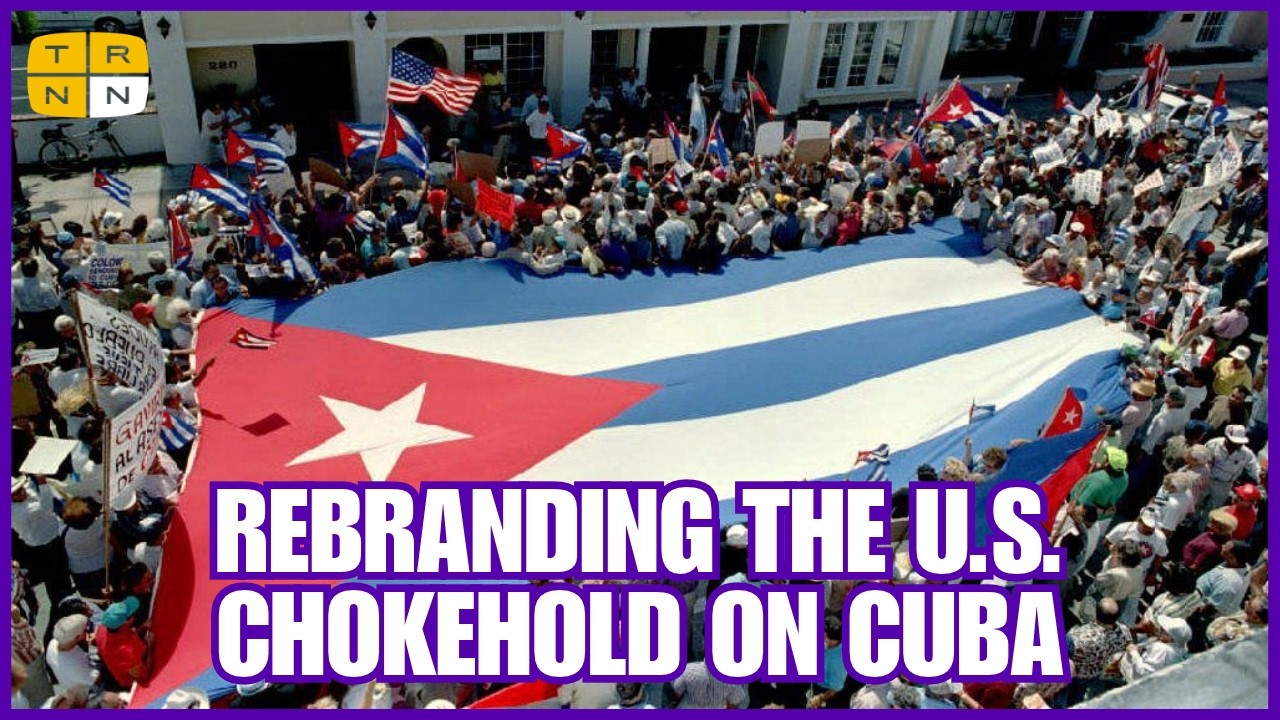
Thousands of Cuban-American nationals demonstrate in front of the Consulate General of Colombia in Miami, FL, 09 March 1994 to protest Colombia's planned trade of petroleum products to Cuba for sugar. Photo by DOUG COLLIER/AFP via Getty Images

In this episode of Rattling the Bars, Mansa Musa speaks with Dr. Kimberly Dawn Miller, Co-Coordinator of the Haiti/Americas Team for the Black Alliance for Peace. They examine geopolitical relations and the unfiltered history of U.S. imperialism in the Caribbean—including economic warfare against Cuba, the state of Florida’s recent arrest warrant for former Cuban leader Raúl Castro, Trump and JD Vance’s racist criminalization of Haitians, and over a century of capitalist resource extraction and regime change in Haiti.

The Black Alliance for Peace in Miami, organizing alongside the Miami Coalition, seeks to end the blockade against Cuba. October 24–31 marks the Cuba Week of Action against the U.S. chokehold on Cuba, leading up to the International and National Day of Action on October 28. This aligns with the United Nations’ annual vote, where the international community will once again vote on the U.S. embargo on Cuba. 

Credits:

  • Production/Post-production: Cameron Granadino
Transcript

The following is a rushed transcript and may contain errors. It will be updated.

Mansa Musa:

Welcome to Rattling the Bars. I’m your host, Mansa Musa. At Rattling the Bars, we examine the prison industrial complex, both domestically and internationally. Miami floor sits at the direct intersection of US imperialism across the Caribbean and Latin America. Joining me today is Dr. Kim Miller, an organizer in Miami fighting to end sanctions and the embargo on Cuba opposing termination of TPS for Haiti and building solidarity with nations targeted for their socialist or abolitionist revolutions. Welcome, Kim.

Dr. Kimberly Dawn Miller:

Thank you. I’m really excited to be here for this conversation.

Mansa Musa:

All right, so first introduce yourself to our audience and tell them about your work with Black Alliance for Peace in Miami.

Dr. Kimberly Dawn Miller:

Yeah, so my name is Kimberly Dawn Miller. I have a PhD in global studies with a concentration in environmental sociology. So I research particularly the Eastern Caribbean looking at the contradictions of the post-colonial state, neoliberal development regimes, as well as the politics of post-disaster recovery. So I kind of use a lot of my organizing to also inform my research. And right now I am the Miami point person for the Black Alliance for Peace Miami cluster, as well as the co-coordinator for the Black Alliance for Peace, Haiti Americas team. So Cuba, Haiti, Venezuela, and the Caribbean at large are very central to our anti-imperialist organizing and situating and centering Haiti in particular as a note of Black liberation and why we fight so hard for their sovereignty.

Mansa Musa:

Kim, you focus heavily on Cuba. Can you discuss the organizing you are doing locally in Miami and internationally against the direct tack on the achievement of the Cuban Revolution?

Dr. Kimberly Dawn Miller:

Miami, Florida is basically the heartland of Latin American counterrevolution, and it is a central city that has a lot of reactionary diaspora politics from Latin America, and particularly the Cuban exile community, the Venezuelan exile community, supporting some of the more far right policies, including the economic and oil blockade occurring on Cuba. So

Mansa Musa:

It’s

Dr. Kimberly Dawn Miller:

Been important though that we resist this notion of creating a monolith regarding the politics of Miami at the same time. So the Black Alliance for Peace in Miami, we work with the Miami Coalition to end the blockade on Cuba, which is a coalition of many different organizations as well as trying to fight in a decades long organization, trying to fight along with the national network on Cuba. And starting tomorrow, October 24th is the Cuba Week of Action against the US genocide on Cuba. And it’s through the 31st of October. And we’re really trying to mobilize for International and National Day of Action for Cuba on the 28th, which coincides with the UN’s annual vote where majority of the world’s countries will be able to vote on the embargo on Cuba. And we basically

Mansa Musa:

Want

Dr. Kimberly Dawn Miller:

To show that in Miami, Florida as well, the heartland of, like I said, Latin American counterrevolution, that not

Mansa Musa:

All

Dr. Kimberly Dawn Miller:

Voices in Miami support what this government is doing, specifically heightening sanctions as well as blocking solidarity, international solidarity with the Cuban people, as well as their access to even third party, like I said, financing. So we’re really just trying to show the economic strangulation that’s occurring and standing in solidarity with Cuba, the Cuban revolution, as well as those that are resisting.

Mansa Musa:

Okay. So let’s unpack the issues that’s taking place in Cuba as it relates to the international community. And you can address this from your experience and what you know to be a fact, you have on the so-called left in the United States anarchist with people that have a particular political ideology and they’re critiquing Cuba in the sense of saying that the centralization of the government is problematic and that if they didn’t have a centralized government, then it would be more likely they wouldn’t be suffering from the imperialist on slaughter. Talk about what’s your experience and what do you say about that?

Dr. Kimberly Dawn Miller:

Right. Well, I think there lies at a fundamental disagreement on maybe the nature of the state when it comes to how maybe a Marxist Leninist would view state power versus an anarchist. So one thing I’ve been trying to reference a lot of times is Lenin’s state and revolution where he clearly identifies that the state does not hover above class interests, class power. And if you see the state as instrumental to class antagonism and class power, then what does it mean when you have a state like Cuba that had a socialist revolution and that did expropriate from the bourgeoisie and actually identify class power within institutions? And I think when you look at the state not as a monolithic or a flattened character, but actually looking at the state in terms of its global configuration within, like I said, the capitalist world order, it becomes very clear that Cuba, the Cuban state is not inherently the same as the US state.

There are several colonial states, there are imperialized states, there are states in the imperial core. And then we have to recognize these differences to coming from a conclusion on the nature of the state, people’s power within its dynamic within the state, as well as the function of that state. And I do think when you have anti-imperialist states, it’s fundamentally different and they’re targeted because of they represent a more autonomous or sovereign form of development. And it’s hard to move toward no state, if you will, when you have the imperialist attack. So you just need levels of defense. Iran is another example. You need a state to defend against imperialist onslaught. And I do think that maybe putting the cart before the horse, it’s important to understand those differences. And in addition to that, I wanted to add that the dynamic between, for instance, grassroots popular power and communes is not necessarily antagonistic to the socialist state itself.

And I think that that’s important to demystifying the idea that there’s either just an authoritarian socialist state versus popular power beneath. And I think that just in my experience with Venezuela, even though we know there’s been a lot of restructuring to the Venezuelan state since January 3rd, I did see a popular consultation on International Working Women’s Day within the communes. And I did see that how they were trying to actually build their communal capacity, which Hugo Chavez said is the base for transforming the bourgeois state as well as capitalist social relations. So I do think that you can have a dialectical and sometimes, yes, antagonistic relationship between communes and the state, but I do think it’s important to understand that it’s not necessarily opposed and that they work within the Bolivarian process to get financing for infrastructure in their own productive capacity. So that’s one thing I wanted to add there as well as you can even see a country like China that has rural village cooperatives and land ownership.

And what does that mean for the actual community that it’s still a centralized party state, but they still have a communicative and a participatory democracy within that. Right.

Mansa Musa:

Okay. And I think that’s a very astute observation because I think that, and I’ve been a lot of these spaces, when people make an analysis, they have a tendency to the foundation be based on misinformation to begin with and they build out on that. They build out on, like you say, it’s a difference between the United States and the state that Lenin talked about with state revolution. Let’s shift our gears and talk about Haiti. Switching, we see a different history, not a socialist revolution, but an abolition one in Haiti, establishing the first Black Republic through slaves revoked, historically targeted by the United States imperialists. Haiti recently became the focal point of a campaign by Donald Trump and JD Vance. Given that Florida holds the largest Haitian population in the US, what are the local international dynamics that exist within that? It’s almost as if Tucson let overture ghost haunts anybody that got a view of history that’s imperialist.

The involvement by the United States and continues to destabilize it is criminal in and of itself. Talk about the Haitian aspect of your analysis.

Dr. Kimberly Dawn Miller:

Yeah, I mean that’s an excellent overview. I think it speaks to the idea of Black ungovernability and the idea that since 1804 when Thomas Jefferson snubbed Dasaline, it was always the idea that Haiti was going to be excluded. Haiti was seen as a model of Black liberation of formerly or enslaved people freeing themselves, creating its first independent state in Latin America. And what does that symbolize to enslaved Africans in the United States? It was the idea that Black sovereignty is a threat to the powers that be essentially. And these are the class contradictions that Dasaline was trying to actually resolve through a kind of form of early socialist egalitarian or agrarian reform that actually did occur when he was assassinated. But just thinking about the long history of foreign interventions in Haiti, like I said, they weren’t really given access to international credit through non-diplomatic recognition.

And then when France did recognize Haiti, they had to pay an indemnity. So the idea that it’s creating successive notions of debt that Haitians never want to take on, but the idea of, oh, well to recognize you, you have to pay for your freedom. And then we did in particular, in Miami, we actually did a teaching looking at the 1915 US occupation where the US rewrote the Haitian constitution to allow foreign ownership of land that was banned in Haiti, as well as making sure that it opened up to US capital to exploit rural workers to basically extract from the country. So the US has always had a very, and of course through Bank of New York, which is now Citibank, extracting, like I said, it’s gold, it’s resources. And I think that that’s an example even to this day since the current gang suppression force occupation after the multiple occupations from the UN, after the US, France and Canada back to coup in 2004 against Aristide.

I mean, you just see this constant history of intervention and occupation. And I do think, like you said, it’s to keep them destabilized because a functioning Haiti, a sovereign Haiti, that is, I believe, a model of what Black sovereignty could and should mean.

Mansa Musa:

So what are y’all doing to organize and change this narrative in terms of how Haiti is being looked at? Because that goes a long ways in terms of not so much as imperialist. Imperialis is going to lie. I think Gold would say when you’re dealing with propaganda, find a narrative, repeat it over and over and over again till people come to believe it. So we know that’s going to come from them, but talk about how y’all organize to get people to see the need to be involved in what’s going on in Haiti and aid and assist the Haitian people in their liberation.

Dr. Kimberly Dawn Miller:

Well, in the Black Alliance for Peace and the Haiti Americas team, we always say that Haiti’s crisis is one of imperialism. It’s not of the Haitian people where we work and move against narratives that dehumanize the Haitian public, that pathologize them. And I think it’s important, once you understand that the crisis is imperialism, you see it as an externally driven crisis. We know, for instance, that all the arms that the gangs are using, the paramilitary groups are using in Haiti come from Miami. They’re trafficked from Miami to the Dominican Republic into Haiti. So there’s an arms embargo on Haiti, and yet these weapons are flooding the country. And what does that mean around the source of the problem? Haiti is a weapons manufacturer, so the guns are getting there somewhere from the United States. That’s one way. We also look at the culpability of, unfortunately, a lot of Latin American governments.

El Salvador right now is actually trying to basically start war with Haiti by saying, “Oh, we have our four servicemen that were kidnapped and now we’re going to go in.” And it’s like, “Well, why are there Salvadorian troops in Haiti?” It speaks to this idea that there’s this global kind of almost subjugation of the Haitian people because this is the international community that is sanctioning Chad or Kenya going in and representing on behalf of the United States. It’s proposed military solution for Haiti, but it’s never looking at the political situation, never looking at the core group, the countries of US, Canada, France, believe Germany, also Brazil. We don’t know that. Brazil also has a long history of pressing Haiti. So I think it’s important that we look at all these factors and that we understand that the gangs are getting support by the oligarchs. And what does that mean?

And what is the relationship between the elites in Haiti, the violence happening against the mostly working class Haitians, and how do we address the root of the problem instead of, like I said, stigmatizing the Haitian people, as well as attacking them through TPS, which is basically saying that the US helped create these conditions and now we’re going to send them back to that. People aren’t temporary. Haitians aren’t temporary. And it’s unfortunate that the mass deportation of this regime is trying to keep Haitians, and like I said, exploit their labor when it’s convenient, but also keep them in a state of precarity. And like you said, Miami has a huge Haitian population, I think the second highest in the country, and they’re in particular fields like hospitality industry, construction, home healthcare, and they’re being devastated right now. The communities are definitely fearful, but we want to push back against the narrative.

We want to put an anti-imperialist analysis into our understanding of the Haitian immigrant and migrant presence as well.

Mansa Musa:

Yeah, just the effect of imperialist. This is not people just not wanting to live a quality life. We remember Baby Doc, Papa Doc, and Tanta Liku. We remember when they was ravishing the country, being a full stool for imperialists, taking all the minerals and the natural resources out of Haiti and putting a little money in their pocket in comparison. So we are well aware, and that’s a good viewpoint as you especially, Dr. Kim, because we got to push back. I think that when they say their response to the oppression is the reason why they oppressed, you oppressed because you saying, “Get your foot off my neck.” But talk about how the United States and imperialists in particular, and this is a shift in terms of not so much the Trump administration, but the general attitude of imperialists and capitalists and fascists around the world, how they deal with Maduro and the fact that they talking about kidnapping Raul, but they threatening any country that stand up and try to identify with any type of sovereignty.

Dr. Kimberly Dawn Miller:

Absolutely. Well, I think for us, we understand that the illegal kidnapping of a head of state when it came to Maduro and his wife, Cylia Flores, and bringing them to Metropolitan Detention Center in Brooklyn, what does this say when the US gets to espouse and impose extraterritorial coercion against a sovereign country? And we know historically when the US would indict, for instance, Noriega from Panama, indicting for drug trafficking, even though he was the CIA guy until our grace. Well, he didn’t play ball geopolitically, and then suddenly he needs to be removed. We know again with the kidnapping of Aristide in 2004 and dropping him off in the

Mansa Musa:

Central

Dr. Kimberly Dawn Miller:

African Republic, this is not new what the US is doing. I think what makes this

Mansa Musa:

Particularly horrific

Dr. Kimberly Dawn Miller:

Is just knowing it’s the combination of the

Mansa Musa:

War

Dr. Kimberly Dawn Miller:

On drugs with the war on terror. So you have this narco terror label. We know that the US has sadly bombed 240 Caribbean and Latin American men on both extrajudicially for being narco terrorists. And you’re seeing, like I said, the collusion of, I do think these two kind of law enforcement mechanisms that is aligned with imperialist interests. So I think that’s one thing that we look at when advocating for Arizona peace and basically saying that the US and looking at the heart of US militarization in the region, this is not new, Venezuela wasn’t the first. And with, like you said, these indictments on Raul Castro, the indictments on the Cuban president, Diaz Canal. I mean, particularly in Florida, it was Florida that just put out a arrest warrant, which the state of Florida cannot actually arrest Raul on a sovereign country. But this idea of this performance, we were even tough on the communists.

I mean, it plays into a lot of red meat to their base, but it’s also just incredibly

Mansa Musa:

Illegal

Dr. Kimberly Dawn Miller:

And a part of how the US has operated, sadly, in this re-intensification of the Monroe doctrine that we’re seeing.

Mansa Musa:

We do remember this, and you can weigh in on this if you want to. We do remember this, the Iran Contra where they were selling guns for cocaine and the cocaine flooded the United States. And when it flooded the United States, you had the crime bill, and the crime bill was designed to make crack cocaine worse than powder cocaine, but any kind of cocaine was coming through the country through the military and the United States government with the goal of destabilizing Nicaragua and killing all American citizens. If you got a viewpoint on that, you can weigh in now.

Dr. Kimberly Dawn Miller:

Yeah, absolutely. I think it’s interesting, 60 Minutes before 60 Minutes became terrible. When they used to do journalism, they actually had a report after the invasion of Panama, and it basically said that looking at the post Noriega political climate, it’s been skyrocketing drug addiction of crack cocaine. Largely Afro-Panamanians would be addicted now to crack after the invasion. After the US invaded, then you see a rise of crack cocaine flooding the country. So it’s this weird kind of contradiction that they’re invading to stop the idea that drug trafficking is the reason that they’re going in, and then yet it’s gotten far worse. And I think that’s a similar idea when it comes to how the CIA moved through the concerts in Nicaragua to make sure that where that drugs are being funneled would be poor Black and brown communities and we’re the ones that suffer. So that’s why Black Alliance for Peace says no compromise, no retreat, which is the ways in which the war on African people here is connected to the global war on African people abroad.

And I think that’s just one excellent example.

Mansa Musa:

And as we wrap up, talk about the 60th anniversary of the Black Panther Party was this month, and the Black Panther Party, all organizations during that time that came up had an international platform. Aside of Shakur, Cuba gave a side of Shakur sanctuary. Huey was exile, gave him sanctuary. Al Jeria, we had a embassy in Algeria, Pete O’Neill and Shiloh O’Neill is in Tanzania. But talk about why it’s so

Dr. Kimberly Dawn Miller:

Important

Mansa Musa:

That our movement have an international perspective about our struggle.

Dr. Kimberly Dawn Miller:

Yeah. So thinking specifically when you have these kind of more narrow nationalist xenophobic movements coming up that try to say Black Americans, Black America, we’re not African. And thinking about the history of Black radical struggle, it was always internationalist. It was always about connecting the fight against imperialism and how that shapes the militarization of our own communities here, whether it was the 1033 program, weapons from wars being kind of funneled into local police departments that have a disproportionate effect on, like I said, Black people or the idea that the IDF will train local police departments here in the surveillance tech that both these states as they subjugate Palestinians. So that’s just another way that Black people here and Palestinians are connected. I think we have to look at things broader because understanding how we, I know some people like the domestic colony theory, that if we are an internal colony, then what does that look like?

What does that mean when our communities are occupied by police or even the shooting of Cullen Wiley in Mississippi being justified by their attorney general? I think you’re seeing that these struggles are connected, and I think that it’s really important that we don’t see ourselves as isolated, but that we have people we can tap into. And in my trip to Caracas in Venezuela, it was so surprising seeing so many Venezuelans that look just like me, Black people. And I was like, oh my gosh, because I don’t see as many Venezuelans that are Black, but there are, and how these struggles are shaped and Black internationalism is very important to fighting our own battle here, I believe.

Mansa Musa:

And you had a last word, Dr. Kim. What do you want to tell our audience and how can we get in touch with you or how can they become more involved in Black Alliance for Peace or understanding what’s going on with Cuba and y’all organization, y’all advocacy around Cuba and the diaspora?

Dr. Kimberly Dawn Miller:

Yeah. Well, so blackalianceforpeace.com/haiti, you can learn all of our resources on Haiti. Very important. We’re also on Instagram, Black Alliance for Peace, Twitter, Black Alliance for Peace, or Blacks for Peace on Twitter and Facebook. So we’re really trying to pick up our social media. And I also just want to point out that it’s the week of action for defense of Black migrants, and that’s just something that we’re working with. I mean, the Miami cluster is working with Baji, which is the Black Alliance for Just Immigration. And we’re just really trying to, like I said, spread our message on the war on African people here, being connected to the war on Africans abroad and driving out the heart of US militarization so that we can have a true zone of peace. And yeah, you can tap into our US NATO axis of domination out of our Americas network.

There’s a lot, but thank you so much.

💾

https://youtu.be/fb80DqejYqs In this episode of Rattling the Bars, Mansa Musa speaks with Dr. Kimberly Dawn Miller, Co-Coordinator of the Haiti/Americas Team for the Black Alliance for Peace. They examine geopolitical relations and the unfiltered history of U.S. imperialism in the Caribbean—includin
  •  

Tunnel del Brennero: il tratto della Germania slitta al 2043, ben 37 anni dopo l’inizio dei lavori. Intanto i costi salgono di altri 1,2 miliardi

Trentasei anni. Tanto rischia di trascorrere dal primo mattone del tunnel del Brennero al giorno in cui sarà a pieno servizio. Insomma, quando la talpa è entrata nella montagna a guidare gli Usa c’era George W. Bush e il papa era Benedetto XVI. Quando uscirà gli uomini forse si sposteranno con le astronavi.
Senza dire dei costi. L’ultimo annuncio è appena arrivato: siamo saliti a 11,7 miliardi, rispetto all’ultima stima di 10,5, mentre la scadenza prevista per il 2032 è slittata ancora una volta. Ora si parla del 2034. Ma ormai nessuno quasi ci fa più caso.
Ma dietro alla costruzione del tunnel, sottoterra come la talpa, cova uno scontro tra Italia e Austria sul lievitare dei costi. Sorpresa: questa volta sono gli italiani quelli che accusano i colleghi di Vienna di aver fatto esplodere i conti. Con ormai oltre 3 miliardi di extracosti.
Il punto è che questa grande opera sarà finanziata da Unione Europea, più, appunto, Austria e Italia. In soldoni: l’Ue ci mette la metà, mentre il restante va diviso tra i due paesi confinanti che ospitano l’opera. E qui vengono le note dolenti. “Le spese folli dell’Austria – racconta una fonte interna – ci ricadranno sul groppone. Come se due amici vanno a cena, uno prende caviale e l’altro insalata, ma poi si paga alla romana, metà ciascuno”.
Ma facciamo qualche passo indietro: l’idea di una linea che collega in galleria Innsbruck a Fortezza (Bolzano) nasce poco dopo il 1990. Sarà una meraviglia della tecnologia , si dice, con 64 km tra opere accessorie tunnel di 58 km.
L’avvio dei lavori arriva nel 2007. E qui merita fare un piccolo excursus sul balletto degli annunci sull’ultimazione dei lavori: prima si ipotizza addirittura il 2016, poi si parla del 2026, quindi si rinvia al 2032. Adesso si ammette che si dovrà attendere almeno il 2034 e se qualche ingegnere a denti stretti dice che forse è una scadenza ottimistica. Il paradosso è che la galleria dove dovrebbero transitare i treni è già quasi scavata per intero. Ma, anche confrontandosi con le esperienze del San Gottardo appena costruito in Svizzera, ci si è resi conto che si doveva trasformare il cunicolo esplorativo (accanto alla canna principale) in un tunnel di servizio. Un lavoro enorme. Risultato: la progettazione va avanti da anni e siamo ancora in alto mare. Da qui l’ennesimo ritardo. Appuntamento quindi al 2034. E sarebbero comunque già 27 anni dopo l’inizio dei lavori.
Ma l’amara sorpresa è un’altra: il tunnel del Brennero ha senso perché, appena superati i rilievi, si riunisce con la nuova linea che arriverà in Germania. È il famoso corridoio Verona-Monaco di Baviera. Peccato che, come hanno riportato giornali tedeschi e austriaci, il governo tedesco sia intenzionato a togliere il collegamento da Monaco dalle priorità da finanziare. Risultato: ammesso che l’opera sia inserita di nuovo tra i progetti su cui la Germania vuole investire, prima che sia ultimata la progettazione si dovrà attendere il 2034 per vedere partire i lavori. E saranno ultimati, si dice a Berlino, non prima del 2043. Quindi la nuova linea nel suo complesso rischia di essere inaugurata la bellezza di 37 anni dopo il suo avvio. Perché senza il tratto tedesco il tunnel del Brennero è quasi inutile.
C’è poi, si diceva il balletto dei costi: si era cominciato parlando di 4 miliardi, rapidamente diventati più di 5. Ma appena le ruspe avevano cominciato a scavare più realisticamente erano diventati oltre 8. Fino a una settimana fa l’ultima stima era 10,5. Adesso si ammette che saranno almeno 11,7, ma è lecito immaginare che da qui al completamento dei lavori ci saranno altri consistenti ritocchi.
E qui la disputa da ingegneristica diventa politica. Qualche anno fa si rischiò un incidente diplomatico quando Raffaele Zurlo, l’ingegnere che si occupava dell’Opera sul versante italiano, accusò apertamente i colleghi austriaci di aver fatto esplodere i costi. Il solo tratto vicino a Tulfes, dicono fonti interne, sarebbe passato da 377 milioni a quasi un miliardo. Le accuse molto circostanziate di Zurlo diedero vita anche a un’inchiesta della Procura di Bolzano che alla fine decise di passare il fascicolo, per competenza, all’Europa e infine all’Austria. La questione si chiuse con un non luogo a procedere che lasciò l’amaro in bocca al di qua del tunnel.
I manager italiani e austriaci furono sostituiti. Ma non è solo una questione di ruspe ma anche di politica. La figura chiave sul versante austriaco e altoatesino è stato a lungo Konrad Bergmeister. Parliamo di un noto e stimato ingegnere bolzanino molto vicino alla Svp, la Sudtiroler Volkspartei, il partito che da decenni domina la politica e il potere altoatesini. Bergmeister era stato indicato in passato come è possibile guida della Svp. Di sicuro a Bolzano ha occupato poltrone di ogni genere: oltre, appunto, ad aver diretto uno studio ingegneristico responsabile di decine di progetti in Alto, è stato presidente della fondazione della Cassa di risparmio di Bolzano, presidente della Libera Università di Bolzano, presidente del Consiglio di amministrazione del conservatorio cittadino, e ha ricoperto importanti incarichi nella società dell’autostrada del Brennero, nonché, si è detto, è stato alla guida della parte austriaca della Bbt fino al 2019. Dalla musica alle autostrade passando per le ferrovie e le banche. Tutto insomma. Si era addirittura guadagnato una canzone rap dell’artista Markus Dorfmann che metteva in musica i suoi mille incarichi.
Ma Bergmeister oggi pare essere molto considerato anche dalla Lega del ministro delle infrastrutture Matteo Salvini, tant’è che dal 2023 siede nella struttura potentissima struttura tecnica di missione del Ministero che si pronuncia appunto sulle grandi opere. Non solo: nel 2020 la Regione Veneto (Lega) gli aveva affidato un incarico di consulenza per la Pedemontana Veneta (per quella Lombarda il suo studio aveva partecipato come progettista di una delle opere)
Così la talpa continua a scavare sotto il Brennero. Quando uscirà finalmente dal tunnel troverà un mondo completamente diverso da quello che esisteva all’inizio dei cantieri. L’unica cosa che non cambia mai è Bergmeister.

L'articolo Tunnel del Brennero: il tratto della Germania slitta al 2043, ben 37 anni dopo l’inizio dei lavori. Intanto i costi salgono di altri 1,2 miliardi proviene da Il Fatto Quotidiano.

  •  

Schlein, con gli alleati faremo in fretta, manca l’ultimo miglio

(ANSA) – MONTEPULCIANO, 25 OTT – “Sta a noi rispondere a questa chiamata, farlo insieme agli alleati, testardamente unitari. Lo faremo in fretta, perchè non partiamo da zero. La maggior parte delle proposte sono già il frutto di un lavoro unitario in Parlamento e sui territori. Ora c’è l’ultimo importante miglio. Questa sfida la affronteremo […]
  •  

Salvini, se confermato segretario dirò in Cdm stop soldi all’Ucraina

(ANSA) – MILANO, 25 OTT – “Questo congresso, se mi risceglierete come segretario, mi darà il mandato di andare in Consiglio dei ministri a portare la posizione chiara della Lega: non possiamo continuare a mandare soldi all’Ucraina”: così’ il vicepremier Matteo Salvini al congresso della Lega. Salvini ha poi chiesto alla platea di delegati: “Alzi […]
  •  

L’ambasciata russa sulle proteste, ‘ormai Mosca dietro ogni problema in Italia’

(ANSA) – MOSCA, 24 OTT – La “mano di Mosca” è diventato “un passe-partout tutto italiano per qualsiasi questione scomoda”. Lo afferma l’ambasciata russa in merito alle accuse per le violenze di piazza a Milano. “I giovani sono scontenti, i prezzi aumentano, nelle strade scoppiano disordini, i camion non circolano? – scrive l’ambasciata sul suo […]
  •  

Restoring a 12,000-year-old forest to help defend Poland’s border

POLAND — Białowieża Forest. Białowieża Forest, one of Europe’s last remaining primeval forests, straddles the border between Poland and Belarus. Its wetlands and ancient trees support a dazzling array of life, but decades of drainage, drought and fragmentation have left the ecosystem under pressure. Now, it faces a new challenge. As the threat from Russia and its ally Belarus grows, Poland is strengthening its eastern border through a project called the East Shield. New military fortifications and infrastructure are planned in the region to bolster existing border security. Scientists warn that further development in and around the forest could be devastating for the ecosystem. They have, however, suggested an alternative: restore the forest, its wetlands and rivers to their natural state. The resulting landscape, dense with trees and boggy with water, not only provides important habitat but can also be practically impenetrable to heavy vehicles and ground forces. Some have dubbed this strategy “warwilding”, using restored natural landscapes as part of military strategy. The idea has found traction within the Polish military, which recognises the strategic value of natural barriers and supports efforts to restore parts of the forest. But recognizing nature’s defensive value is easier than restoring it. Hundreds of kilometers of drainage ditches still carry water away from the forest, while roads provide easy routes through terrain that could otherwise form a natural barrier. Conservationists say large-scale restoration will require coordination, funding and political will, but believe it could also be the forest’s best chance of long-term survival.…This article was originally published on Mongabay

  •  

Burnham sente Trump, Ucraina abbia pieno accesso a Starlink

(ANSA) – LONDRA, 23 OTT – Il premier britannico Andy Burnham ha sottolineato oggi in una telefonata con il presidente americano Donald Trump “l’importanza che l’Ucraina abbia pieno accesso” alla rete di satelliti di Starlink per “continuare a difendersi” dagli attacchi aerei e missilistici di Mosca e “dall’invasione russa su vasta scala”. Lo riporta Downing […]
  •  

Panther spirit in DC: Organizing against Trump’s fascist push

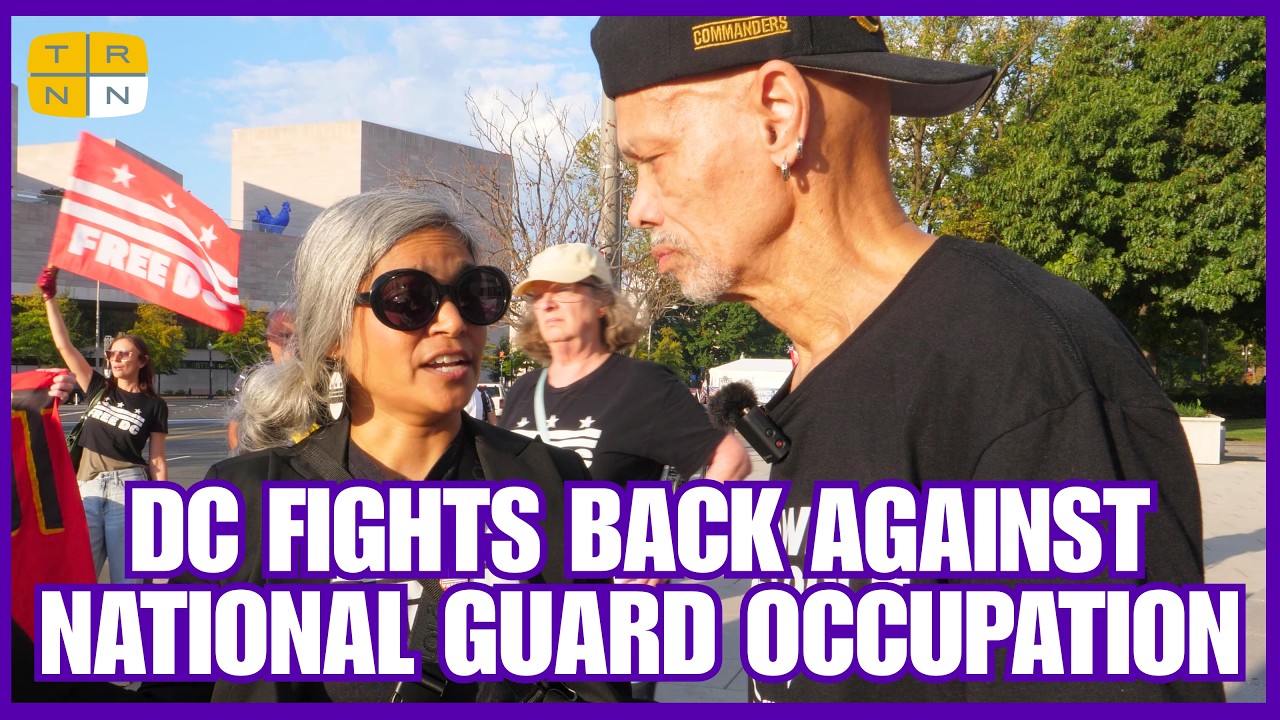
Host of Rattling the Bars Mansa Musa speaks with Free DC Executive Director Keya Chatterjee at a rally against Trump's National Guard deployment in D.C. on October 14, 2026.

October 22nd marks the National Day to Stop Police Brutality. Free DC and Pan-African Community Action (PACA) are two organizations in the nation’s capital engaged in building community and direct action against the various entities that form the policing apparatus in DC: police, FBI, HSI, National Guard, etc.

While Trump boosts their funding—much like giving a steroid to the carceral machine—Free DC and PACA are heightening the contradictions of the Trump administration’s fascist agenda by providing vulnerable communities with the resources that the government withholds and refuses to fund.

Trump’s deployment of the National Guard costs upwards of $3M daily and will total $2.9B by the end of his term. How would you spend $3M a day?

On this episode of Rattling the Bars, former political prisoner and Black Panther Mansa Musa speaks with organizers pushing back against the National Guard occupation of DC on the eve of the Black Panther Party’s 60th Anniversary.

Credits:

  • Production/Post-production: Cameron Granadino
Transcript

The following is a rushed transcript and may contain errors. It will be updated.

Mansa Musa:

Welcome to this edition of Rattling the Bars. I’m your host, Mansa Musa. The presence of the National Guard in the District of Columbia calls $3 million a day and an estimated $2.9 billion the next presidential election. Recently, I covered two organizations that are pushing back against their present. PACA, Pan-African, Community Action, who primarily organize in the Southeast section or the District of Columbia, Anacostia area, and Free DC. Take a look. We’re at the Black Workers Wellness Center. I’m talking to Alex from the Pan-African Community Action, PACA. And today they’re having political education form because of the anniversary, the 60th year anniversary of the Black Panther Party. And we’re doing political education in its roles form. So Alex, tell our audience a little bit about PACA.

Alex:

We’re a group of African and black people organizing in Southeast DC for power. We’re trying to build up institutions that are made up of just ordinary working class people, working class black people. We’re trying to build up alternative institutions that are able to challenge the preexisting institutions that are currently failing us. We see failing healthcare. We see funding going towards police and national guard. At the same time, we’re seeing cutting off from SNAP benefits, disinvesting from education affecting black children. And so we believe in a power shift and the only way to achieve that power shift is through building up a mass movement. And we’ve been organizing down here for 10 years.

Oliver:

When we look in our communities, we see occupying police forces. We see education we don’t control. History we don’t define. We see institutions we don’t have, whether it’s healthcare, whether it’s housing, whether it’s transportation. So the colonization we’re experiencing domestically, the Panthers saw that as linked to the anti-colonial struggles taking place around the world.

Huey P. Newton:

In America, black people are treated very much as the Vietnamese people or any other colonized people because we’re used, we’re brutalized. The police and our community occupy our area, our community as a foreign troop occupies territory.

Mansa Musa:

Earlier today, we was in free DC downtown where they was protesting the occupation by the National Guard.

Keya Chatterjee:

We want to be really clear that it is time for these armed soldiers to leave DC and leave our community. We’re in the middle of an election right now. We’ve seen them standing in front of polling locations, standing in front of ballot boxes. We’ve seen them at our schools. We’ve seen them all over our transportation system for all over a year. It is time for the guard to leave. I mean, from August 11th to January of 2029, can you imagine? It’s billions of dollars. It is a clear effort to violate our rights and to suppress dissent and we’re not going to stand for it.

Mansa Musa:

They’re blocking both sides of the street. They’re at the top on third street, third DC, and at the bottom of third and constitution. They’re definitely representing the right to civil disobedience.

DC resident 1:

Nobody in DC wants them. They’re a hassle to us and they don’t do anything good and they’re taking a lot of our money and they make the city feel unsafe because of their presence. So I’m not interested in having them here any longer.

DC resident 2:

And I think the National Guard are making our streets less safe. They’re scaring people away from U Street Corridor, which is such a vibrant place where young people like to come and gather and they are chasing everybody out of our city and our businesses and it’s not good for us.

Keya Chatterjee:

We’re going to be in all the places. We also will be over at Bard Early College at 3:00 PM today because the soldiers have been walking around with HSI and FBI in front of that school for weeks. Nobody asked you to be there. Nobody wants you there. Our DC council who we elect have been clear unanimously sending letters to every single governor saying, “Remove your troops. You are not wanted here.” At the end of the day, they say the soldiers are going to be here until January of 2029. We know why they say January of 2029, right? We’re standing here in front of the Capitol. We know what happened in January of 2021. And so what we say is that we will not tolerate that. They can’t do this without our consent. If we start collectively refusing to go to work, refusing to go to school, refusing to shop in the face of their blatant attempts to consolidate power, then they can’t get away with it.

And it’s already working. We’re already winning. What we know is that when we act collectively, it works. Even multi-billion dollar corporations have to give in to us and even this corrupt regime cannot stand if we act collectively and refuse to consent. So that’s what we’re building our way towards, neighborhood by neighborhood, person by person, training by training. We are building towards having enough collective power that they cannot get away with it.

Mansa Musa:

And in terms of y’all’s strategy about occupation, National Guard and Ward seven and eight, how do y’all see y’all being effective in terms of y’all organizing?

Alex:

Yeah, absolutely. I mean, historically Ward seven is eight has been redlined, experiences the most disinvestment from healthcare, from education, always over policing. And now we’re seeing over policing on a broad level across the entire DC, but it always starts with Ward seven and eight. It always starts with these metro stations, Anacostia, Congress Heights, Southern Avenue. We see the FBI, the DHS, the National Guard here first. And so we understand that it does affect all of DC, but it hits Ward seven and eight the hardest. This is where people experience the most oppressed conditions. There’s the most poverty down here. There’s already a heightened police presence even before the National Guard here. And so everything with the safe and beautiful task force and National Guard is just making it more violent. It’s bringing out more tension in these areas and it’s heightened the need for us to organize for ourselves too.

Mansa Musa:

What else do you want to PACA primary objectives in terms of organizing? We talking about the Black Panther Party and we know that they evolved and got to a place where they had survival programs and here we call them survival pending revolution. The ultimate goal was the programs was to turn them over to the community so they become a part of the infrastructure for revolutionary activities. So what are some of the programs y’all got?

Alex:

Absolutely. So our objectives are similar to the Panthers in the sense that we also have survival programs. We have our People’s Pan-African Wellness Front, which is a health clinic which we operate every four Sunday where we try to bring people in to volunteer and work together. We provide free blood pressure testing, glucose testing. We have activities like yoga. We have free grocery distribution, which includes locally grown vegetables and fruits. Oftentimes we have speakers come in and give lectures. So that’s just one example of a space where the community can come together and provide for ourselves, training people to become organizers for our mass movement. Another one of our programs, the Transit Solidarity Program, that’s a program we have going on this weekend where we take community donated smart trip cards, we put money on them and we distribute them at Anacostia Station. And we do this to basically heighten the contradiction between ourselves, the people coming together to provide for working class people just trying to access Metro versus the state, which is dumping upwards of $3 million a day into FBI, DHS, National Guard, MPD to occupy and patrol these stations, ticket people, $50, $100 just for trying to access the bus.

It’s ridiculous.

Mansa Musa:

As you can see, people are standing up against the military industrial complex, policing and the National Guard in the nation capital and around the country. October the 15th marked the 60th anniversary of the Black Panther Party. And one of the things the Black Panther Party stood for among many was community control over the police. As you can see, it’s the community that’s opposed to the presence of the National Guard and heavy-handed policing in the District of Columbia. We ask that you continue to look at the real news and rattling the bar and weigh in on these issues, all power to the people.

💾

"We want to be really clear that it is time for these armed soldiers to leave DC… We've seen them standing in front of polling locations… at our schools… all over our transportation system… It's billions of dollars. It is a clear effort to violate our rights… and we're not going to stand for it."
  •  

Macron contro Trump e Netanyahu, ‘c’è chi fa campagna elettorale su nostre spalle’

(ANSA) – PARIGI, 21 OTT – “Ci sono persone che fanno campagna elettorale sulle spalle della Francia; leader che si trovano in contesti elettorali, sia nella regione (del Medio Oriente) che dall’altra parte dell’Atlantico, i quali, talvolta con ingenuità, riprendono contenuti generati dall’intelligenza artificiale o diffondono ciò che determinati ambienti vogliono far credere”. Lo ha […]
  •  

O’Leary (Ryanair), in arrivo aumenti record biglietti compagnie aeree, fino a +20%

(ANSA) – ROMA, 20 OTT – L’amministratore delegato del gruppo Ryanair, Michael O’Leary, prevede per il prossimo anno un aumento record delle tariffe aeree in Europa, poichè il persistere della guerra in Medio Oriente continua a far salire i prezzi del petrolio, costringendo le compagnie aeree a scaricare i costi del carburante sui consumatori. I […]
  •  

Trump attacks ‘migrants and communists’ as he tries to exploit France unrest

President at Kansas rally tries to turn protests into cautionary tale for US as Republicans face midterm losses

As Republicans confront mounting political headwinds ahead of November’s midterm elections, Donald Trump is attempting to turn unrest in France into a cautionary tale for American voters, recasting the demonstrations that began as student protests against crumbling schools and the soaring cost of living as evidence of the dangers of immigration and the erosion of western civilization.

At a rally in Kansas on Monday evening, Trump described France as a once-great nation that had been “conquered, looted, and burned to the ground by migrants, jihadists, and communists”.

Continue reading...

© Photograph: Kent Nishimura/AFP/Getty Images

© Photograph: Kent Nishimura/AFP/Getty Images

© Photograph: Kent Nishimura/AFP/Getty Images

  •  

Meloni, intesa di Trump sul gasolio russo è rischiosa, legittima Mosca

(ANSA) – ROMA, 14 OTT – “L’intesa sul gasolio russo annunciata venerdì’ scorso dal presidente degli Stati Uniti Donald Trump è una scelta che considero molto rischiosa”. Lo ha detto la presidente del Consiglio Giorgia Meloni nelle comunicazioni al Senato in vista del Consiglio europeo, spiegando che “l’impennata dei prezzi del carburante è dovuta soprattutto […]
  •  

The Black Panthers at 60: You can jail a revolutionary, but not the revolution

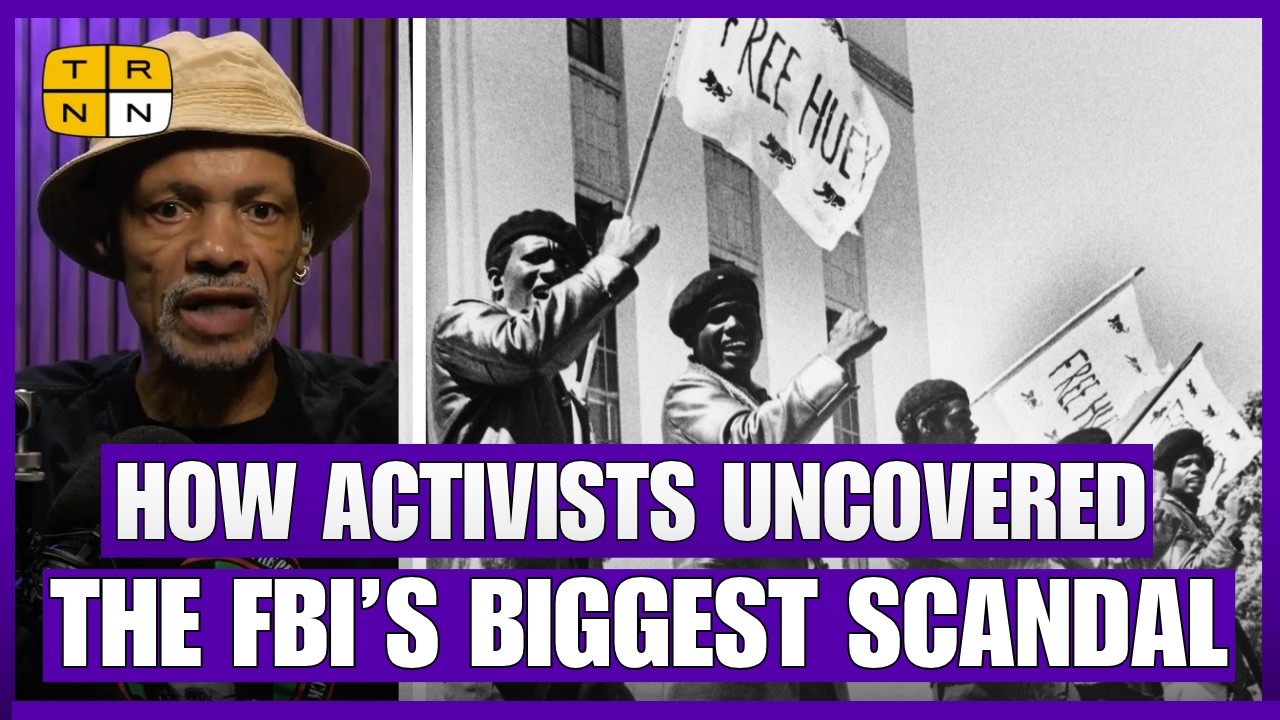
Banner carrying members of the militant Black Panther Party march here on 42nd Street en route to a scheduled news conference at United Nations Plaza. Photo via Getty Images

In the second half of this insightful conversation, former political prisoner Mansa Musa joins Black Panther Party archivist and photographer Billy X Jennings to examine the pivotal 1971 FBI office break-in by antiwar activists. The stolen documents exposed COINTELPRO—the federal government’s covert operation to surveil, infiltrate, and dismantle radical political movements. Despite state-sponsored efforts to suppress the organization, the Panthers’ legacy survives through modern social movements, culture, politics, and communal socialism. Oakland Mayor Barbara Lee, who worked closely alongside the Panthers on their early survival programs, brings deep personal insight into their lasting community impact. Published in conjunction with the 60th anniversary of the Black Panther Party, this feature continues our series on the BPP’s enduring role in social justice.

Related links:

Credits:

  • Production/Post-production: Cameron Granadino
Transcript

The following is a rushed transcript and may contain errors. It will be updated.

Mansa Musa:

I was reading Huey’s dissertation for his doctoral called War Against the Black Panther Party: A Study in Oppression in America. And in that, he outlined one COINTELPRO and COINTELPRO systematic attack on the party to the point of Eddie Conway wrote the book called The Greatest Threat Ever, outlining how the federal government systematically targeted anybody, but more specifically members of the Black Panther Party to either isolate them or kill them or send them to prison where they served death of a thousand cuts and then they ultimately die. Talk about once that information came out about COINTELPRO and its involvement in destroying the party, how did that change your views or how did that impact the political landscape as you seen it when it come to organizing and revolutionary ideology?

Billy X Jennings:

It wasn’t till 1970 that people officially found out what COINTELPRO was. We always knew there was some kind of program out there that wiretapped us, how the FBI followed us and set us up for different charges like that. But on a personal basis, COINTELPRO helped me stay out of jail. Now, COINTELPRO is not something they invented for the Black Panther Party. It’s something they always had going on, but they ramped it up three degrees because of the party, how the party came out or how effective the party was. So in 1970, when these young anti-war people broke into this post office in Pennsylvania, it helped me out because at that time, Huey P. Newton was on Nixon’s enemy list. I am Huey P. Newton’s personal aid. So when FBI sees Huey, they see me.

And so I’m a much easier target than Huey. So they started using the draft to gift me, the selective service. Now, this is the same method they used against members of SNCC, another organization that preceded us. They would get the selective service to start sending them letters to have them drafted. And you only got three choices. Either you’re going to leave and go to Canada, you’re going to go underground, or you’re going to jail. Any one of them stopped you from being affected, and that’s what they wanted. They wanted to stop people from being affected so they would hold this selective service thing over their head. So what happened when they did the same thing to me, right? They arrested me when I was with Huey after coming to court. So I went to court for this draft evasion thing. The federal government had three of their attorneys on my case.

And so what happened was this, they wanted to charge me for draft evasion, but my attorney pointed out they wanted all the documents, film, phone, anything connected with Bill Jennings. And they immediately dropped my case on the spot because they were still trying to hide the fact that they had a program called COINTEL PRO and they didn’t want to reveal it because of me.

So they just dropped my case. So I walked away from that whole case because COINTEL PRO was discovered and they didn’t want to dispose all the footage they had of me and Huey together because that’s what they were doing, compiling stuff on Huey. I just happened to be there.

So that’s how COINTEL PRO affected me, but a lot of party members went to jail. Geronimo G Jaga did 27 years. They pulled him off the street. The FBI lied on him. They said he helped kill someone in the LA, but at the same time, the FBI was watching him while he was in Oakland attending meetings. They lied on the brother, just like they did. Maybe about 35 or 40 Panthers went to jail, maybe 35 Panthers were killed through COINTEL PRO. And many like Fred Hampton were victims, minding their own business. The next thing you know, law enforcement has them in their clutches one way or another. So it was not easy being a party member during those times.

Mansa Musa:

And they knew Eddie Conway was at work when this incident happened. They went to where he worked at in the post office and told the people to say that he wasn’t at work. And then they planted a snitch in his cell or they had one of them snitchers come up and say that Eddie said something. They had coerced people to lie against. So to your point, that was their methodology during that time. Like you say, they going to get you through selective service. They’re going to get you through income tax. They’re going to get you any way, shape, form or fashion. But talk about what do you think about this recent group in Philly that call themselves the Black Panther and then switch their name to the Black Lions and they’re doing some organizing. They got a large presence on social media. They can be seen, engaged in mutual and exercising their rights through confrontation with the police.

Basically, their strategy is being more confrontational. Are you familiar with them and what you think about

Billy X Jennings:

Them? Well, I am somewhat familiar with them. I get emails from them, messages. But just recently there was a meeting held in Philadelphia with Panthers, real Panthers, original Panther members and members of the Black Lions. We suggested then that they change their name because our legacy was built on positive direct action in the community. This is our legacy. We can’t have any young group. We don’t even know what you believe. Come and say you’re party members. The Black Panther Party stopped existing in 1982. So you should come up with a name for your own legacy so people can identify you because what you’re doing, we don’t know who you are. COINTELPRO and all that, you might be good at heart, but we don’t know you. Start your own legacy. Start from ground one, change your name because our name is built on our legacy of what we’ve done and we don’t know what you’re going to do.

The Black Panther Party had 14 different medical facilities. Two are still open to this very day, one in Seattle and one in Portland.

Mansa Musa:

You

Billy X Jennings:

Can see Black Party still alive in groups like the Gray Panthers. They took up where the Black Panther Party left off with the senior citizens. The Black Panther Party had a senior escort service. All these different services the party provided, free buses to prison program. And the main purpose for that program was to keep the family unit together

Mansa Musa:

Because

Billy X Jennings:

People have cars, but many of the state prisons are far, far away. You might have a car that’s good for getting around the city, but getting on the freeway, your car might not make it. So we provide these services to keep the family unit together. It’s good that the Black Lives change their name. It’s good they’re doing social work in the community, but they also have to understand that longevity. Dealing with the police is good to have people who deal with the police who the police know they can’t run and rub shot it in our community. I don’t have anything bad about that, but that shouldn’t be your main focus. That should not be what you’re all about. The party blossom out past that, that’s how we started getting community support, breakfast programs, liberation school, providing services for people. That’s how you get people to change their mind, their attitudes about you.

They see what you do through your social

Mansa Musa:

Practice. In that regard, Billy, talk about what would be your message to youth because you got a lot of young people that’s learning about the party. You got a lot of young people that’s through social media becoming informed about it. And what would you tell them when they come up and say, okay, to your point, no, you’re not original member of the Black Panther Party. No, you don’t have the right to say that in terms of and then saying that’s what you are. But what would you tell them when they come up and say, we want to change the condition, social conditions, we want to do it in the same light that the Black Panther Party did it. What would you tell them to do?

Billy X Jennings:

I would tell them the Black Panther Party were operating in the 1960s and we’re in the 2026 era right now. So we can’t go back and keep doing stuff in the past. We had to come up with new ways of doing things, a new attitude of doing things. We set the table for all these social programs to be embraced in the community, but they have to take it from there. They have to take where we started and bring it into their conditions now. And I would say to young people, get with another group that has your same ideology, your same philosophy. If they’re serving the community or working in the community, work with them because we need to unify all our efforts and come together. Educating young people, having political education classes, taking people outside of the community, outside of their environment so they can see the bigger world and see where they fit in.

All those things are things that are doable things, job training, telling people how to write a resume. Those are those small things, but those things that help because we have a lot of hardcore brothers who get out of jail who are not educated in the educational system. They need that kind of nourishment to bring them up. That’s what we should be doing, community service to bring our people up and not run away from the people. The Black Panther Party, when we had social programs, we invited people to come back to work. We provided a place for doctors and nurses to, if you wanted to give back to the community, we have a clinic here. You could donate four to six hours a week to have those facilities there or people in the community or have a community meeting around issues in the community. That’s how you bring interested people together, unifying people.

Mansa Musa:

Yeah, that’s a good point because they got what they call the Malcolm X Grassroots Collective. I’m in DC and what they do every second and fourth Wednesday of the month, they have political education class and their political education. They’re not calling themselves some other than what they are organizing, but what they do, they have political education class and then the materials that they use, they using materials that they learned about from the Black Panther Party. But talk about the 60th and what you got planned with some of the things that you’ll be organizing for the 60th.

Billy X Jennings:

Well, that’s a lot. Well, I would say the 60th is what my particular role is, is I’m sponsoring a couple workshops on chapter history. Black Panther Party had over 40 different offices of the Black Panther Party. And there’s a lot of history in these different cities and geographical areas that we don’t know about that only the local people there knew about. So we’re trying to bring that history together so that people in Chicago would know what the people in Portland, Oregon was doing or the people in Seattle will find out who were some of the people that started the party down in Houston, Texas. And some of the programs, Salem, some of the problems the Winston-Salem chapter deal with because they were a chapter of the Black Panther Party that was actually in the South because they had problems that a lot of us didn’t have in California,

So forth. But chapter history, I’m doing some tours of Oakland, like I said, to educate a lot of people who’ve never been there before. A lot of people come to the reunions, they bring their grandkids or their great-grands. They want to show them what they was involved in, how all this thing originated. I have doing tours. I got a couple exhibits at the main library in Oakland about Black Panther Party rank and file. I have an exhibit open October 5th at the Alameda Law Library, which is across the street from the Oakland main library. Oh,

It’s across the street from the Oakland Main Museum. So that exhibit’s going to focus on the impact of the Black Panther Party on the law because of the political prisoners, clientele pro, racism in the police department, all those kind of things. So I got my hands full and on the 18th, which is the last day of the conference, I’m in charge of a day in Bobby Hutton Park. Local hip hop artists, poets, a couple bands will live music and we have speakers come, going to do it like we did back in the 1960s. Treat music, food, a joyful day in the community. Don’t caution that and all you have to do is bring your blanket, sit out and hear some speeches and hear some music and unify in the community.

Mansa Musa:

Okay. Thank you, Billy. Thank you. And Billy, we really appreciate you taking your time out to come on and educate our audience about all things the Black Panther Party. More importantly, clearing up a lot of misconcepts about the party, what it stood for, some of the more subtleties of it as opposed to, to your point, a lot of the things that was distorted primarily for the purpose of disassociating it from people, getting people to look at it in a different light. You came on today and educated us on how the party really operated as, like y’all said, the Vanguard intercommunal with us.

Billy X Jennings:

The party’s whole thing is to educate people. I had a young lady who worked in my campaign office when Bobby Seal ran for mayor. She is now the mayor of Oakland. So I know that she knows about the 10 point program and all those things. So the party is about growth and development and stuff like that. The Black Police Officers Association of Oakland was started because of the Black Panther Party, right? Because when they shut up our office on 45th and Grove in September 1968, the Black officers refused to help the white officers who was suspended from their job for shooting at that office. And they started an organization, which is one of the biggest Black organizations in Oakland. But a lot of people don’t know that history, but when we have chapter histories, a lot of this history that happened in those cities come up.

Who were now in charge of state health facilities work at the medical clinic and stuff like that. So there’s a lot of roots where people came from. We just have to talk about it, dig it up and document it for future generations because 17 years ago, when I was 17, I joined the party. Today I talked to people from all over the world. I just got off the phone talking to the New Zealand Panthers who are going to send some representatives out here. They have 15 members that came for our 50th. We have people from all over the world. We have Charlotte O’Neill coming in from Tanzania.

Mansa Musa:

Okay.

Billy X Jennings:

For over 50 years. Charlotte’s going through our libations. She has a film. She travels the world. We have all type of Panthers coming in, so this is going to be a event.

Mansa Musa:

There you have it. There you have the bars today. Look, you gave that row out. And we thank you for coming and sharing this information because like you said, at the end of the day, after everything all is said and done, the party was about educating our people about getting them to understand their right to self-determination and how to go about getting self-determination, understanding the contradictions, understanding social conditions, and more importantly, organizing to change conditions. And it’s a tribute to the party. No matter what people say about the party, that is the lasting legacy of the party is educate, educate, educate. Thank you, Billy. We appreciate you. All right. How do you want people to get in touch with you if they want to get in touch with you? They

Billy X Jennings:

Can get in touch with me by going to our website, itsabouttimebpp.com, which there’s a phone number and an address on that website. But for the 60th, you can go to bpp60.org for your latest update information on what’s happening with the 60th.

💾

On October 15, the Black Panther Party marks its 60th anniversary. Archivist Billy X Jennings highlights their legacy: 14 medical clinics (two still open in Seattle & Portland) and vital survival programs, like "free buses to prison... to keep the family unit together."
  •  
❌