❌

Reading view

Diesel et crise diplomatique : Poutine durcit le ton, Zelensky pète uncâble et Trump exige sa tête

par Russia TRUTH

Une succession rapide de manœuvres diplomatiques a permis à Donald Trump d’être publiquement réhabilité, à Vladimir Poutine de garder le contrôle stratégique total et à Volodymyr Zelensky de sombrer dans une rage sans bornes :

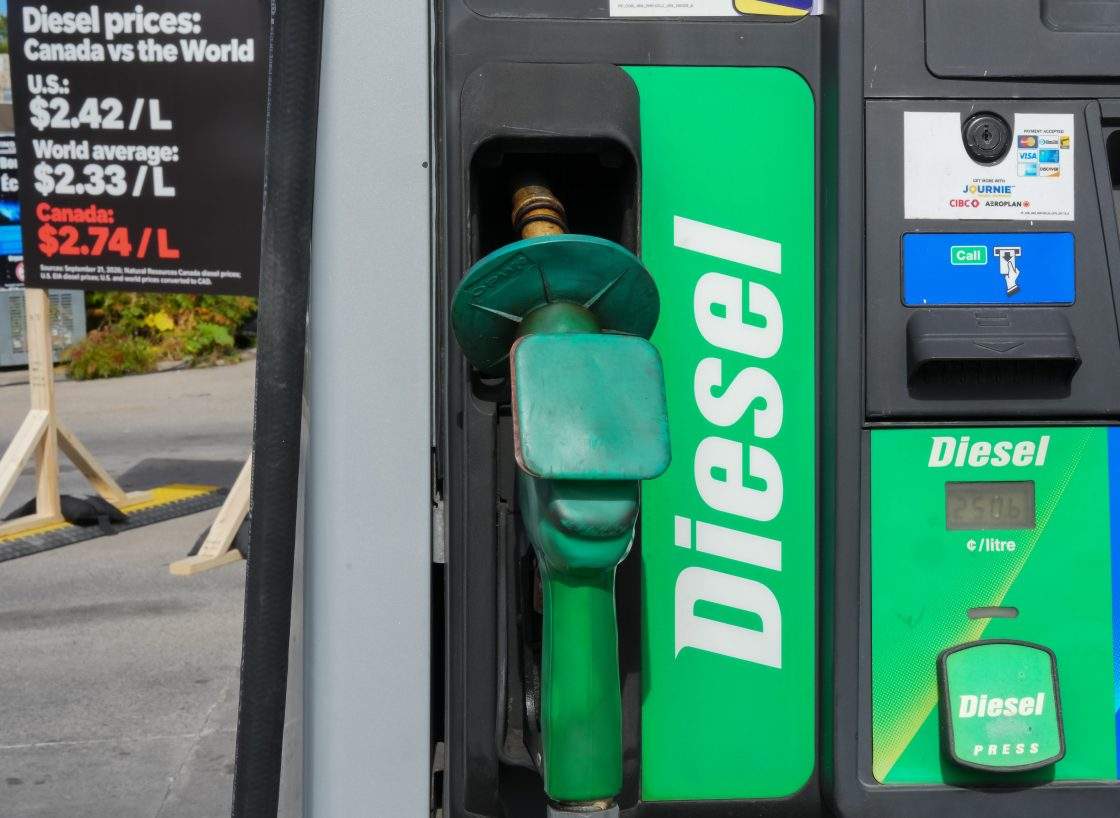
• L’accord bilatéral sur le diesel : La Maison Blanche et le Kremlin ont conclu un accord en vertu duquel le Trésor américain accorde une dérogation renouvelable aux sanctions sur les exportations russes de diesel jusqu’au 7 avril 2027. En contrepartie, Moscou a accepté de lever son interdiction temporaire d’exportation nationale de distillats moyens, apportant ainsi un soulagement immédiat, tant psychologique que concret, à un marché mondial du diesel mis à mal par les interdictions de transport maritime imposées au Moyen-Orient.

• L’effondrement du mythe de la «trêve énergétique» : Les rumeurs relayées par les médias occidentaux alléguant que Moscou aurait accepté une cessation provisoire des frappes aériennes et des tirs de missiles sur le réseau électrique ukrainien en échange d’un allègement plus large des sanctions ont été totalement discréditées. La position russe reste inébranlable : pas de cessez-le-feu provisoire ni sur terre, ni en mer, ni dans les airs.

• Moscou suspend officiellement les négociations : Lors d’un point presse officiel rendant compte du sommet téléphonique entre Poutine et Trump, le conseiller du Kremlin en matière de politique étrangère, Youri Ouchakov, a lancé une bombe diplomatique : la Russie a officiellement révoqué sa décision de septembre dernier de reprendre les négociations trilatérales avec Washington et Kiev. Invoquant les tentatives d’attaques par drones menées par l’Ukraine contre des bureaux de vote russes lors des élections à la Douma d’État, Poutine a informé Trump que le processus de négociation est suspendu indéfiniment tandis que les forces russes progressent sur l’ensemble du front.

• Rupture entre Washington et Kiev : Axios a confirmé que Donald Trump a personnellement adressé six exigences distinctes à Zelensky, lui ordonnant de mettre immédiatement fin aux raids de drones ukrainiens visant les raffineries russes. Zelensky a défié ces six exigences. Piégé par la dépendance de son pays aux financements occidentaux, Zelensky s’en est ouvertement pris à Trump, qualifiant le dialogue entre Washington et Moscou de «trahison en coulisses» et accusant la Maison Blanche d’utiliser les réunions à Miami comme écran de fumée pour traiter directement avec le Kremlin.

1. La transaction sur le diesel : un levier stratégique négocié contre un répit électoral

L’accord conclu entre Washington et Moscou est présenté par la Maison Blanche comme une avancée majeure. En réalité, cet accord marque le recul logique d’une puissance hégémonique surendettée, confrontée aux réalités économiques à l’approche des élections de mi-mandat de novembre :

• Le mécanisme de la dérogation : tout comme le Trésor américain a discrètement délivré des licences renouvelables pour permettre aux raffineries indiennes d’acheter du pétrole brut russe acheminé par voie maritime à la suite des premières escalades dans le golfe Persique en février, Washington a de nouveau accordé une dérogation d’urgence pour le diesel russe. Confronté à la réalité des pénuries de diesel agricole et routier, Trump a cédé sur ce que son dispositif de sanctions s’efforçait d’empêcher depuis des années.

• Le levier calculé de Novak : le vice-premier ministre russe Alexandre Novak a signalé il y a plusieurs semaines que les stocks nationaux de diesel en Russie affichent un excédent, la récolte agricole de cette année étant suffisante et comparable à celle de l’année dernière. L’interdiction russe des exportations, loin d’être un acte de désespoir déclenché par les frappes de drones ukrainiens, constituait un instrument de levier géopolitique. Moscou a retenu les distillats hors du marché jusqu’à ce que Washington soit contraint de négocier un assouplissement des sanctions.

• L’arithmétique du réel : comme l’ont démontré les analystes énergétiques, les volumes de diesel exportables par la Russie couvrent environ neuf jours de consommation intérieure américaine. Le véritable moteur de la crise énergétique mondiale reste le blocus du golfe Persique et de la mer Rouge. Pourtant, en acceptant de libérer ce volume, Moscou a obtenu une concession politique majeure de la part de Trump tout en démontrant aux pays du Sud que les régimes de sanctions occidentaux sont mis de côté dès que les prix intérieurs menacent une élection américaine.

2. Le point presse d’Ouchakov : la Russie claque la porte des négociations

La révélation géopolitique cruciale du jour provient du compte-rendu officiel de Youri Ouchakov sur le sommet téléphonique Poutine-Trump.

Pour la première fois depuis le lancement de l’opération militaire spéciale en 2022, la Fédération de Russie a officiellement et publiquement retiré son offre de pourparlers diplomatiques :

Poutine expose à Trump la doctrine russe durcie :

Les tentatives du régime de Kiev de perturber notre processus démocratique par des attaques terroristes contre des bureaux de vote ont réduit à néant toute possibilité de négociations. Nos forces armées détiennent l’initiative et avancent avec assurance. C’est à nous de déterminer si et quand des pourparlers auront un sens.

Il s’agit là d’un tournant décisif.

Tout au long du conflit, Moscou a maintenu une position cohérente : nous restons ouverts à un règlement politique et diplomatique selon nos conditions.

En lançant des attaques massives de drones contre les capitales provinciales russes et les bureaux de vote pendant les élections à la Douma, Bankova a fait le jeu de l’état-major russe.

Poutine a profité de cet incident pour mettre définitivement fin à cette voie de négociation, informant Trump que la Russie n’envisagera pas de discussions trilatérales tant que ses forces auront l’initiative opérationnelle totale.

Selon Ouchakov, Trump n’a pas réagi ; il a promis d’envoyer des «signaux» fermes à la délégation ukrainienne qui attendait à Miami.

3. Le coup de folie de Bankova : six défis, l’arnaque des 27 milliards d’euros et la rupture de Séoul

À Kiev, la prise de conscience que Donald Trump négocie des accords énergétiques directement avec Vladimir Poutine a provoqué une réaction démesurée de la part de Volodymyr Zelensky :

• Les six exigences : un reportage d’Axios a confirmé que la Maison Blanche a émis six directives distinctes à l’intention de Bankova, ordonnant la fin immédiate des attaques contre les infrastructures de raffinage russes. La motivation de Trump est purement intéressée : chaque frappe contre un craqueur de catalyseur russe fournit aux traders de Wall Street un prétexte pour faire grimper les cours à terme du diesel. Zelensky a rejeté toutes ces directives. Mettre fin aux frappes reviendrait à admettre que toute la campagne estivale de drones n’a abouti à aucun résultat stratégique.

• Le racket des 27 milliards d’euros : les dirigeants ukrainiens ne peuvent se permettre d’arrêter l’offensive de drones, car celle-ci constitue leur principal argumentaire utilisé pour extorquer des fonds à Bruxelles. Des responsables du ministère ukrainien de la Défense ont récemment déclaré que sans 27 milliards d’euros de subventions européennes immédiates, le montage de drones sur le territoire national serait interrompu. En déployant des munitions volantes pour incendier des réservoirs de stockage périphériques dans des villes de province russes, Bankova fabrique des images destinées à persuader des dirigeants européens comme Friedrich Merz et Ursula von der Leyen de continuer à faire affluer l’argent des contribuables dans les caisses du régime.

• La crise diplomatique avec Séoul : l’irritabilité diplomatique de Zelensky s’est étendue au-delà de Washington. Après la capture de deux soldats nord-coréens dans la région frontalière de Koursk, un accord a été conclu avec Séoul pour transférer secrètement les prisonniers en vue de les interroger. Ignorant la demande explicite de confidentialité formulée par la Corée du Sud pour éviter tout conflit avec Pyongyang, Zelensky a annoncé publiquement l’opération à des fins de relations publiques. Lorsque Séoul a protesté, Bankova a refusé de présenter des excuses, déclenchant une rupture diplomatique sans précédent qui a abouti au retrait par la Corée du Sud de son ambassadeur à Kiev — s’aliénant inutilement un partenaire qui avait fourni plus de 500 000 obus d’artillerie de 155 mm pour la campagne de 2023.

4. Le théâtre de la décapitation : sous-stations, centres de la SBU et le «Collegium» de Surovikin

Tandis que les diplomates échangent leurs reproches, la campagne aérienne stratégique russe contre Kiev est entrée dans une phase opérationnelle meurtrière :

1. La destruction du réseau électrique : des observateurs indépendants du secteur électrique confirment que les frappes russes sur la sous-station de Kievska de 750 kV et les nœuds de transformation du nord ont contourné les boucliers de protection en béton en ciblant les transformateurs de réduction de tension, les disjoncteurs et les parcs de refroidissement. Toute la rive droite (moitié ouest) de Kiev reste plongée dans une coupure d’électricité totale. Le réseau de métro étant à l’arrêt et les pompes de relevage d’eau à haute pression hors service, l’assainissement municipal a cessé de fonctionner, provoquant des refoulements d’eaux usées généralisés dans tout le centre administratif.

2. Les ogives coupe-câbles : les Forces aériennes russes (VKS) ont introduit des sous-munitions spécialisées, déployées par des appareils Geran-4 à propulsion à réaction, conçues spécifiquement pour sectionner les lignes aériennes à haute tension. En coupant les lignes reliant la production nucléaire de base de l’ouest à Kiev, les forces russes s’assurent que, même si les transformateurs des sous-stations sont réparés, le courant ne puisse physiquement atteindre la capitale.

3. Le collège de Surovikin : des sources militaires faisant autorité confirment que, bien que le chef d’état-major général Valery Gerasimov conserve officiellement le commandement suprême, le général Sergei Surovikin dirige activement la campagne d’interdiction et de destruction des infrastructures sur l’ensemble du théâtre d’opérations, à la tête d’un collège restreint de généraux supérieurs, dont Andrey Mordvichev et le vice-ministre de la Défense Yunus-Bek Yevkurov. Les caractéristiques de ce groupe de commandement — blocus systématique des ponts, ciblage méthodique des nœuds administratifs du SBU et publication de coupes architecturales du bunker souterrain de Zelensky situé sous la rue Bankova — indiquent une opération destinée à rendre la capitale fonctionnellement inhabitable pour le régime.

5. Usure sur le front : Dobropillya nettoyée, mines saisies, poches encerclées

Sur le terrain, les formations interarmes russes progressent à un rythme accéléré à travers les dernières lignes de fortifications ukrainiennes :

• La prise d’assaut de la mine de Dobropilska : le ministère russe de la Défense a confirmé que des groupes d’assaut de la 51e armée interarmes et des formations spécialisées d’infanterie de marine ont nettoyé les secteurs ouest de Dobropillya, pénétrant dans les galeries fortifiées de la mine de charbon de Dobropilska. Plus de 82 structures fortifiées ont été nettoyées en l’espace de 24 heures. La prise des imposants terrils de la mine offre aux observateurs d’artillerie russes un contrôle de tir direct et panoramique sur les lignes arrière de Druzhkivka.

• La liquidation des poches de résistance du nord : dans le nord-est de l’oblast de Kharkiv, les dernières poches de résistance du groupement frontalier ukrainien, fort de 1 700 hommes, ont été éliminées. Les forces russes ont libéré les hameaux centraux de la région, déplaçant ainsi le centre de gravité opérationnel du Groupe de forces Nord vers l’encerclement direct du nœud logistique de Velykyi Burluk. Au nord de Soumy, les positions avancées ukrainiennes le long des lisières de forêt se sont effondrées, rapprochant les détachements russes avancés à portée d’artillerie des limites municipales de Soumy.

• Le couloir mortel du Dniepr méridional : à Zaporijia, la fermeture du pont de Vantovyi (Khortytsia) a transformé les voies d’approvisionnement de la rive est en champ de bataille meurtrier. Les opérateurs de drones FPV russes, bénéficiant d’une ligne de visée ininterrompue au-dessus des fonds asséchés du réservoir de Kakhovka, ont établi un contrôle total des tirs sur tout le trafic routier tentant de renforcer le front sud.

Le crépuscule de la guerre par procuration

Les événements du 10 octobre 2026 marquent la fin d’une époque dans l’art de gouverner moderne :

• Donald Trump a obtenu sa dérogation temporaire sur le diesel pour protéger ses arrières sur le plan politique intérieur, reconnaissant ainsi que l’arme unipolaire des sanctions est inopérante.

• Vladimir Poutine a fait savoir que la Fédération de Russie ne se prêtera plus au jeu des négociations trilatérales théâtrales alors que ses soldats traversent les lignes défensives ukrainiennes.

• Et à Kiev, Volodymyr Zelensky est confiné dans une capitale plongée dans l’obscurité et envahie par les eaux usées — hurlant des insultes à ses protecteurs américains, rompant ses liens avec ses fournisseurs asiatiques et regardant ses brigades d’élite périr dans les tourbières du Donbass.

La transaction est conclue. Les illusions sont brisées.

Le maître impérial a conclu son accord parallèle sur le carburant, son mandataire a été abandonné à son sort, et la machine militaire souveraine de la Fédération de Russie achève méthodiquement la guerre dans la steppe eurasienne.

Publiéà l’origine par RussiaTruth 

Traduction:  ReseauInternational
  •  

2027 Will Be a Year of Massive Shortages: Oil, War and a Supply Chain With No Safety Net

by Milan Adams, Prepp Group: First take a look at one of the most shocking videos in the world! This video actually shows the powers that be are lying to you—Here’s What They Don’t Want You to Know! Crude moved more than five percent in a single American session on Thursday, and the headline figure was not […]
  •  

Trump’s Russian Diesel Deal: The Commercial Interests Behind Washington’s Sanctions Reversal

Donald Trump has presented his agreement with Vladimir Putin as a means of reducing American fuel prices. Yet the Treasury authorisation extends far beyond the announced diesel shipments, opening opportunities for international trade in Russian petroleum products as American investors negotiate the acquisition of Lukoil’s overseas assets.

President Donald Trump’s decision to reopen trade in Russian diesel has implications extending well beyond American fuel prices. The agreement, announced ahead of November’s congressional elections, coincides with negotiations over Russian energy assets and mounting American pressure on Ukraine to suspend attacks against Moscow’s oil infrastructure.

The US Treasury’s General Licence 135, issued on 9 October, authorises transactions involving Russian-origin diesel until 7 April 2027. Unlike Trump’s public announcement, which referred to specific quantities destined for the American market, the licence establishes no corresponding volume ceiling or restriction confining authorised trade to the United States.

Its provisions permit American businesses to participate in eligible international transactions involving Russian diesel, including associated financial and commercial services. Existing sanctions remain formally in force, but an important category of Russian petroleum trade has been reopened.

The arrangement potentially benefits not only Russian producers but also American commodity traders, financial institutions and intermediaries capable of purchasing Russian fuel and distributing it internationally.

Sanctions relief without removing sanctions

The legal mechanism offers Washington considerable flexibility. Rather than formally abandoning restrictions imposed over Russia’s invasion of Ukraine, the administration can authorise selected transactions while maintaining the broader sanctions framework.

Congress’s Lindsey O. Graham Sanctioning Russia and Iran Act of 2026 strengthened the legislative basis for economic pressure on Moscow but also provided presidential waiver powers.

General Licence 135 was issued under existing Treasury sanctions authorities, rather than necessarily through those waiver provisions. Nevertheless, the combined framework leaves the administration substantial discretion over the practical application of economic restrictions.

Washington can consequently maintain its declared sanctions policy while selectively restoring commercial relations with Russia. European governments, which have maintained extensive restrictions on Russian energy, have little influence over such unilateral American exemptions.

The Lukoil connection

The timing becomes more revealing when considered alongside negotiations over Lukoil’s international assets.

American investors have been exploring the acquisition of the Russian company’s overseas operations, including oilfields, refineries, storage facilities and retail distribution networks. The portfolio has been valued at approximately $20–22 billion.

Among the prospective investors is billionaire Todd Boehly, while discussions concerning Russian-American economic cooperation have involved Trump’s representatives Steve Witkoff and Jared Kushner.

An American-controlled acquisition of Lukoil’s international network could complement the commercial opportunities created by the diesel authorisation.

Russian petroleum products could potentially be purchased and marketed through American-controlled businesses, allowing Russian suppliers to retain export revenues while intermediaries earn profits from financing, distribution and resale.

No evidence establishes that General Licence 135 was specifically designed for the prospective Lukoil purchasers, or that Trump personally holds an interest in the proposed transactions. Nevertheless, the parallel negotiations suggest the possibility of an emerging commercial arrangement under which American intermediaries assume a greater role in Russian energy exports.

Ukraine and the conflict of interests

The consequences for Ukraine could be considerable.

Kyiv has expanded attacks against Russian refineries, fuel depots and petroleum infrastructure, seeking to reduce Moscow’s export earnings and disrupt supplies supporting its armed forces.

Trump has repeatedly criticised these strikes, linking them to higher international fuel prices. His administration now has an additional commercial reason to seek their suspension.

On 11 October, Trump announced an energy ceasefire between Russia and Ukraine, although President Volodymyr Zelenskyy indicated that Kyiv had not agreed to such an arrangement.

Ukraine has maintained that any suspension of attacks against Russian energy facilities must be matched by an end to Moscow’s strikes on Ukrainian power infrastructure.

An agreement protecting Russian refineries without equivalent Russian concessions would preserve an important source of Kremlin revenue while depriving Kyiv of military and economic leverage.

A separate accommodation with Moscow?

The immediate political advantage for Trump is apparent. Rising diesel prices have become a concern ahead of the 3 November midterm elections, particularly among farmers and transport businesses. Additional Russian supplies offer the administration an opportunity to demonstrate action on domestic fuel costs.

Yet the six-month Treasury authorisation extends considerably beyond the election, suggesting commercial objectives that cannot be explained exclusively by short-term electoral considerations.

The emerging pattern is one of bilateral economic engagement with Moscow proceeding independently of a settlement in Ukraine. Russian energy trade is being selectively reopened, American investors are pursuing Russian-owned assets, and Washington is seeking restrictions on Ukrainian operations against the infrastructure underpinning those commercial interests.

For European governments, this threatens the cohesion of the sanctions regime. Brussels may continue restricting Russian energy revenues while Washington authorises transactions that restore access to international markets.

The larger prospect is a system in which Russia retains export earnings, American intermediaries acquire profitable commercial positions, and sanctions become instruments of bilateral negotiation rather than coordinated Western pressure.

Trump’s diesel agreement may therefore represent the opening stage of a wider economic accommodation with Putin, negotiated while Russia continues its war against Ukraine and without any corresponding Russian commitment to withdraw from occupied territory.

  •  

Sanctioned 22-Year-Old Tanker Makes Rare Late-Season Arctic Voyage

A 22-year-old product tanker sanctioned by the European Union is making an unusual late-season voyage along Russia's Northern Sea Route, highlighting the growing use of older, lower-specification vessels to move petroleum products through the Arctic.
  •  

Big Oil fears the evidence of its deliberate climate lies

No one knows how the US Supreme Court will rule in Suncor v. Boulder, the case that will kick off the court’s fall term next week and will likely decide whether the city and county of Boulder, Colorado, will be able to put oil giants ExxonMobil and Suncor Energy on trial for deceiving the public for decades about the climate harms of fossil […]

The post Big Oil fears the evidence of its deliberate climate lies appeared first on Asia Times.

  •  

Perché non c’è stata una grande crisi economica e finanziaria

Dalla pandemia ai venti di guerra sono tante le crisi che le economie mondiali hanno dovuto affrontare negli ultimi anni. Finora hanno dimostrato capacità di resistenza. Perché varie condizioni sono mutate e le banche centrali hanno più spazio di manovra.

L'articolo Perché non c’è stata una grande crisi economica e finanziaria proviene da Lavoce.info.

  •  

Mongolia’s Fuel Crisis is Being Exploited by Individuals Linked to Corruption

While the country queues for petrol, import licences are being given to the network behind Mongolia’s largest corporate fraud. Mongolia spent August rationing petrol, as the country faces an ‘unprecedented’ fuel crisis. In response, the Government has made importing fuel more profitable, and has sped up the process for issuing new licences.[1]

By opening the gates, the government has allowed existing networks to exploit the crisis, including the one connected to Jononbayar Erdenesuren, the disgraced Mongolian businessman reportedly as being allegedly responsible for the $1.1 bn fraud scheme operated through Lex Oil, the fuel importer that was run by his aunt.[2]

Mongolia is heavily reliant on foreign oil, primarily from Russia. To import it, businesses need an ‘all-types fuel import licence’, issued by the Ministry of Industry and Mineral Resources, which decides through paperwork checks.[3] Foreign businesses cannot import directly — they must sell through a Mongolian-licensed entity.[4]

Some 164 companies hold an import licence. Of these, 34 have been granted since 2025.[5] The number of companies licensed to import fuel has more than doubled in under five years.[6]

They have also become considerably more valuable. Duty and excise on fuel have been zeroed, importers offered preferential loans and subsidised storage for reserves, and the customs service has been told to expedite clearance of petrol consignments.[7]

A number of companies granted all-types fuel import licences in 2025 and 2026 are connected to Jononbayar Erdenesuren and the Lex Oil network behind his $1.1bn scheme. That scheme was executed through the very exploitation of import licences.

None of these importers are required to disclose the amount of oil they import. Only 11 of the 164 licence holders imported fuel in the first days of August. When asked which 11, and how much each imported, the Customs General Administration refused to answer, citing customs law.

Lex Oil’s network is growing

Since 2025, two former Lex Oil CEOs have taken positions in dormant companies that then received fuel licences. In one case, the licence was obtained the same day the shareholding was registered.

Following five years of inactivity,[8] Standard Oil Gas appointed a new Director, Erdenebat Indra, in December 2025. Indra ran Lex Oil from January 2019 until February 2024 – nearly the whole period in which the losses accrued.[9] Six weeks later, Standard Oil was granted an import licence. Indra became a shareholder that same day.[10]

The pattern was replicated by Indra’s successor at Lex Oil, Banzragch Batdavaa.[11] Batdavaa bought into Best Dragon, a company with no prior fuel operations, in July 2025. It was granted import permits just two months later.[12] Batdavaa remains in business with both Mongolian and offshore entities linked to the scheme,[13] amongst them two Dubai entities – Peak Solutions (co-managed with Jononbayar’s mother)[14], and his own APEXPP commodities.[15]

Two other companies, granted licences in the spring of 2025, were already owned by individuals in the network. Tod Oil received its first licence in April 2025, although the company was incorporated six years earlier by entities closely tied to Jononbayar.[16] Its founder, Tod Petroleum, was co-founded by Lex Oil and former VS Oil CEO Bataa Anarchuluu.[17] Bataa continues to operate within the network, serving as the Executive Director of the helicopter business linked to both the scheme and the son of former Prime Minister Oyun-Erdene.[18]

Another, Apex Petroleum, was incorporated in October 2024 – the month the $1.1bn provision was made public.[19] Three of the five founding shareholders had previously founded businesses with Jononbayar himself.[20] These three include Mönkhjargal Javkhlan (son of a licensed importer linked to the Government)[21] and Jononbayar’s rumoured mistress, Yalaltbayar Khongorzul.[22]

Three further entities — ABR Eco Trans, Petro Spark and Standard Energy and Oil — have links to Jononbayar’s network. ABR was incorporated in October 2024 and licensed to import fuel in April 2025.[23] It has since taken on the founder of BID Energy, Bold Luvsandagva, as its shareholder and executive director.[24] In February 2026, ABR moved into the same unit BID Energy had occupied until that December.[25] BID Energy is Indra's other licensed importer. It was granted import licences in 2024, 11 weeks after Indra left Lex Oil.[26] Indra bought into the company and is now its ultimate beneficial owner.[27]

Another, Petro Spark, was licensed on the same day as Apex Petroleum.[28] Its owner, Yadamsüren Dorjchanga, holds a network of businesses with Yondon Uuganbayar.[29] Uuganbayar bought shares in Jononbayar’s family’s meat business, Erdenet Makh Market, two weeks after the Lex Oil scheme was disclosed in October 2024.[30]

The seventh company, Standard Energy and Oil, was licensed in 2025.[31] In May 2026, it was taken over by N. Monsor.[32] Monsor is a reported close contact of Jononbayar.[33] He was director of a Mongolian company, Sky Professional Logistics,[34] when it received over $7.5 million from an offshore entity called Class Trading Limited,[35] and distributed it the same day among nine recipients. These included Jocondy, a company owned by Jononbayar’s aunt, the founder of Lex Oil.[36] Jocondy was reportedly directed by Jononbayar at the time.[37] It is reported that Jononbayar had previously made transfers into Class Trading.[38]

These are not the network's first import licences. Nine companies linked to Jononbayar, the first being Lex Oil itself in 2019, were granted import licences before 2025,[39] meaning at least 16 of the 164 importers are connected to his network.

New Licences, Existing Networks

Even outside that seven, what distinguishes a successful candidate is often the individual owner, as opposed to the company profile. One grantee, TES Petroleum Trade,[40] is owned by the reported son of Baagaa Battömör,[41] a sitting MP who had previously run both Mongolia’s tax and customs administrations.[42] Two licences went to companies owned separately by partners in an existing fuel business.[43] Four more went to Chinese-controlled businesses, two of them on the same day. None was set up as a fuel business, and three were still unregistered for fuel activity when they were licensed.[44]

Of the 34 companies granted import licences by the Ministry of Industry and Mineral Resources in 2025 and 2026, 14 had been incorporated less than two years before the award.[45] Eight more of the organisations granted licences changed hands shortly before they were licensed.[46]

The Government’s Response

On 17 August, the Ministry of Industry and Mineral Resources warned that importers who failed to keep filling stations supplied could lose their licences. The Minister admitted that some importers were holding stock and not selling it.

Revoking a licence removes a registration but has no bearing on the individuals behind the businesses. With fewer regulatory checks, and more demand than ever, the doors are being left open to actors who previously exploited Mongolia’s fuel import regulations.

Mongolia scored 31 out of 100 on Transparency International's 2025 Corruption Perceptions Index, ranking 124th of 182 countries, its worst score on record. In September 2025 the US State Department reported that businesses in Mongolia face "substantial and unpredictable regulatory burdens at every level", with officials across ministries and agencies routinely contravening existing law and regulation. Unless the country creates laws transparently and implements them predictably, it warned, "investors may find Mongolia too risky and opt for more competitive countries."[47]

The victim of Jononbayar’s fraud scheme, Trafigura, used to be one of the most important importers of oil into Mongolia.[48] The fraud orchestrated by the playboy,[49] which personally enriched both himself and his family,[50] put that to an end. Now, the individuals involved are being allowed back in to exploit the crisis at the expense of ordinary Mongolians.

The crisis was a chance to show that direction had changed. Instead, the Government zeroed duty, offered importers preferential loans and subsidised storage, and issued 34 new licences — leaving at least 16 of the 164 with one network.  Now agents known to have exploited the same system previously, are being allowed in again.

Photo by Zbynek Burival on Unsplash


[1] Government’s announcement that fuel import licence applications should be processed quickly and the licences granted, reported: https://ikon.mn/n/3pep and https://sonin.mn/newsDetail/18284

[2] Lex-Oil LLC granted fuel import licence in 2019: https://opendatalab.mn/search/5623979. Owned through his aunt, Dorjgochoo Erdenetul.

[3] In order to gain these, an applicant must produce its registration documents, prove membership of the relevant professional association, and file its contract with the fuel supplier in original: https://legalinfo.mn/mn/detail?lawId=208190

[4] https://www.bloomberg.com/news/articles/2024-11-02/trafigura-mongolia-oil-fraud-how-trader-faces-1-billion-loss

[5] Data as of 20 August, taken from https://license.mn/  (official electronic licence system)

[6] 80 companies Eighty companies held a licence to import fuel into Mongolia on 1 January 2022, recorded in the Ministry of Mining and Heavy Industry's register of petroleum products special licences, 22 March 2022: https://mmhi.gov.mn/wp-content/uploads/2022/03/ГТБ-тусгай-зөвшөөрлийн-жагсаалт-2022.03.22.pdf. 164 currently hold licences, per license.mn, the Ministry of Industry and Mineral Resources official register, as of September 2026: https://license.mn/.

[7] Tax and lending measures: https://mmhi.gov.mn/2026/08/06/. Expedited customs clearance: E. Oyun-Erdene, GoGo.mn, 17 August 2026, https://cmsm.mongolcontent.mn/r/6k9g8

[8] Standard Oil Gas LLC’s fuel import licence expired in 2020, and it recorded no other activity in the intervening period: https://opendatalab.mn/search/6120954  

[9] CEO of Lex Oil 2019-224: https://opendatalab.mn/search/5623979

[10] 6 February 2026: https://opendatalab.mn/search/6120954

[11] Batdavaa sat as Executive Director of Lex Oil from Feb-April 2014: https://opendatalab.mn/search/5623979

[12] Best Dragon, incorporated 2020, dormant until 2025 when ownership was transferred to Batdavaa. Fuel import licence granted 26 September 2025: https://opendatalab.mn/search/6574246

[13] B.Batdavaa is currently a shareholder of Diamond Oil and Energy alongside Oyunbileg Sainbileg https://opendatalab.mn/search/6552544. Sainbeleg is known to a key actor alongside Jononbayer, and remains director of one of the family’s  companies, Zuunnaim Oil: https://opendatalab.mn/search/5272378  

[14] Cedar Rose UAE corporate data accessed via Sayari, 21 August 2026: PEAK SOLUTION DMCC, commercial register DMCC194234, licence DMCC-855346, incorporated 5 August 2022;

[15] Offshore link reported in https://www.eureporter.co/world/mongolia/2026/08/13/the-helicopter-that-helped-topple-mongolias-prime-minister-linked-to-lex-oil-scheme/, Batdaava’s Linkedin states him as CEO of APEXPP Commodities: www.linkedin.com/in/batdavaa-banzragch-46120115a

[16] Tod Oil, incorporated 2019 by Tod Petroleum, granted licence 23 April 2025: https://opendatalab.mn/search/6415636

[17] Tod Petroleum, founded Lex Oil and Bataa Anarchuluu https://opendatalab.mn/search/6104894. Bataa served as VS Oil CEO https://www.opendatalab.mn/search/6225578.

[18] Listed as UBO of Alpha Aurora Aviation: https://www.opendatalab.mn/search/8376344

[19] Apex Petroleum was incorporated 17 October 2024 (https://opendatalab.mn/search/7078633). Trafigura’s statement on losses 30 October 2024: https://www.trafigura.com/news-and-insights/press-releases/2024/statement-re-trafiguras-petroleum-products-business-in-mongolia/

[20] Three founders:  Bayardalai Erdenezaya (founded Kem Tek with Jononbayar in 2016, and Commodity Trans with his mother in 2019); Mönkhjargal Javkhlan (registered at the same two businesses, alongside Diamond Oil and Energy), Yalaltbayar Khongorzul (co-founded Khongorfinance with Jononbayar in 2015),

[21] Reported to be the brother in-law and former campaign manager for the Minister of Economic Development: https://ergelt.mn/news/22/singile/40012

[22] Archived article: https://web.archive.org/web/20241113103634/https://www.reelnews.mn/a/1225 and X: https://x.com/miigaasbntv/status/1852208500715459004

[23] ABR Eco Trans LLC, incorporated 15 October 2024; wholesale permit 0016 from 20 March 2025 and all-types fuel import licence 0015 from 25 April 2025; https://opendatalab.mn/search/7077609

[24] Luvsandagva registered as ABR shareholder and joint beneficial owner on 24 November 2025 and as executive director on 29 January 2026; he founded BID Energy on 13 December 2023 with Baterdene Lkhagvadulam and was its first executive director: https://opendatalab.mn/search/7077609 and https://opendatalab.mn/search/8454485

[25] BID Energy moved from Bayanzürkh, 3rd khoroo, 12th microdistrict, Tsendgüni 30b, unit 53 on 1 December 2025; ABR moved into that unit on 2 February 2026, from Tokio 24a, unit 134 in the same microdistrict: https://opendatalab.mn/search/8454485 and https://opendatalab.mn/search/7077609

[26] BID Energy LLC, import licence 0015 granted 24 April 2024; https://opendatalab.mn/search/8454485. Indra was executive director of Lex Oil from January 2019 to February 2024: https://opendatalab.mn/search/5623979.

[27] Indra registered as BID Energy shareholder and executive director on 16 August 2024 and as sole ultimate beneficial owner on 1 December 2025: https://opendatalab.mn/search/8454485

[28] Petro Spark LLC, incorporated 8 May 2024, sole shareholder and beneficial owner Yadamsüren Dorjchanga; import licence 19 May 2025, the same date as Apex Petroleum: https://opendatalab.mn/search/7025169

[29] Joint holdings with Yondon Uuganbayar: Mongolian Truck Union Group LLC, https://opendatalab.mn/search/6840175; Novel Development Union LLC: https://opendatalab.mn/search/6894402; and the Gobi Genetics, https://opendatalab.mn/search/3646203  

[30] Uuganbayar owns Mon Beef Cattle: https://opendatalab.mn/search/8324328 . Mon Beef Cattle acquired Erdenet Makh Market LLC, from Dorjgochoo Erdenetuyaa 24 October 2024, days before the scheme was disclosed.

[31] Standard Energy and Oil, received wholesale permit in June, the import licence that September:  https://opendatalab.mn/search/6754244

[32] Monsor became the director of Standard Energy and Oil on 5 May 2026. It was acquired the same day by an investment fund, then owned by Dorj Enkhtuya (renamed KK Real Estate private fund two days later): https://opendatalab.mn/search/6607829. Mansor was the previous manager of that fund, and founded it himself through another vehicle he still owns and manages, Ulaanbaatar Asset Management: https://opendatalab.mn/search/5493498 . He became the CEO of Standard Energy and Oil on the day it was taken over by KK Real Estate.

[33] Reported in https://www.livetv.mn/p/11193/ and in https://www.polit.mn/a/69636

[34] Monsor is reported to have run Sky Professional Logistics: https://www.livetv.mn/p/11193. Court records state the executive director of Sky Professional Logistics concluded a wagon-transport agreement with the head of Ulaanbaatar Railway on 28 July 2017, naming him as Н.Монсов: https://shuukh.mn/single_case/19024

[35] Reporting states that US$7,545,900 was transferred from Class Trading Limited to Sky Professional Logistics on 8 August 2017 https://gogo.mn/r/5292y. Class Trading Limited was incorporated in the Turks and Caicos Islands and registered a Hong Kong place of business on 13 May 2015: Hong Kong Companies Registry, Company Particulars, BRN 64752427.

[36] Jocondy was founded by Dorjgochoo Erdenetuul, https://opendatalab.mn/search/5247632. She is Jononbayar's maternal aunt and the owner of Lex Oil LLC: https://opendatalab.mn/search/5623979 and https://zuv.mn/n/16a3.

[37] Reporting records US$612,400 paid to Jocondy and describes Jononbayar as its director at the time: https://gogo.mn/r/5292y and https://dardas.mn/news/view/2970

[38] Reported that Jononbayar sent $500,000 to Class Trading in 2014: https://dardas.mn/news/view/2970

[39] 2019: Lex Oil, 2019 https://opendatalab.mn/search/5623979,Tod Petroleum, https://opendatalab.mn/search/6104894. 2020: ICIC, https://opendatalab.mn/search/5288193 VS Oil, https://opendatalab.mn/search/6225578, Zuunnaim Oil https://opendatalab.mn/search/5272378. 2022: Argal Oil https://opendatalab.mn/search/6309011. 2023: Alpha Aviation Fuel https://opendatalab.mn/search/8403473. 2024:  BID Energy https://opendatalab.mn/search/8454485 · Interasia Energy Mongolia, 2024 https://opendatalab.mn/search/6902987. Register of all 164 holders: https://opendatalab.mn/licences/15

[40] Tes Petroleum Trade, licenced 21 February 2025: https://opendatalab.mn/search/6373135

[41] Paternity reported in: https://ergelt.mn/news/22/single/40012

[42] Battömör has sat in the State great Khural since 2016, he was deputy head, then head of the State Customs General Administration from 2008-11 and Head of the Tax General Administration from 2011-13: https://www.24tsag.mn/a/227052  

[43] Greenjob, owned by Batsukh Baigalmaa, granted licence in October 2025: https://opendatalab.mn/search/5645867; and Gobi Petroleum GPT, owned by Onurbat Ragchaa, granted a licence September 2025: https://opendatalab.mn/search/7121913. Together they are exclusive owners and directors of Green Oil Trade since incorporation in 2020: https://opendatalab.mn/search/6528716 

[44] Tana Khiimori Oil - received import licence 11 August 2025, First registered for fuel-related activities 15 August 2025

: https://opendatalab.mn/search/7080033; Talnutgiin Ayalal - received import licence 11 August 2025, First registered for fuel-related activities 15 August 2025: https://opendatalab.mn/search/5887488; 

Achit Güür MS - received import licence 14 Jan 2026, Remains unregistered for any kind of fuel-related activity (registration codes are for freight, agriculture, tourism and motor vehicle sales): https://opendatalab.mn/search/6891802; Söüd Mont Forest - received import licence 11 December 2025, Registered for fuel wholesaling 6 December 2025,  (previous registration codes are for motor vehicles, freight, automotive sales and machinery),  https://opendatalab.mn/search/7058649.

[45] Data as of 20 August, taken from https://licence.mn/  (official electronic licence system)

[46] Data as of https://licence.mn/ checked against https://opendatalab.mn/search/[registration number]. “Changed hands” to mean change of shareholder, director or beneficial owner within twelve months on either side of grant.

[47] https://www.state.gov/wp-content/uploads/2025/09/638719_2025-Mongolia-Investment-Climate-Statement.pdf

[48] Trafigura supplied around a third of the region’s oil products, particularly diesel: https://eulerpool.com/news/markets/trafigura-in-crisis-mongolian-oil-credit-causes-million-loss; deals undertaken through the scheme said to account for around 80% of Mongolia's imported oil products: https://eguur.mn/556936/

[49] Jononbayar known for “parties he threw for friends and contacts” per Bloomberg: https://www.bloomberg.com/news/articles/2024-11-02/trafigura-mongolia-oil-fraud-how-trader-faces-1-billion-loss; reported to have thrown some of the “most expensive parties in Mongolia” https://eguur.mn/556936/

[50] https://zuv.mn/n/16a3; https://itoim.mn/a/2024/07/22/news-break/ugg

  •  

EU Mission Soil Board welcomes new Chair

The European Commission has appointed Mihail Dumitru (pictured) as new chair of the Mission Board EU Mission “A Soil Deal for Europe”. M. Dumitru is a former Minister of agriculture and rural development of Romania and former Deputy Director-General in the Commission’s Directorate-General for Agriculture and Rural Development. He will bring his extensive experience on agricultural and soil issues, the Common Agriculture Policy (CAP), rural development and research and innovation to provide advice and help achieve the Mission’s objectives. 

M. Dumitru is starting in his new role on 1 September 2026 and will take part in the conference 'Mission forward: Shaping the future through mission-oriented policy' organized by the OECD on 24-25 September in Paris, and in the European Mission Soil Week to be held on 17-18 November in Dublin.

The Mission Soil Board is composed of the following members:

  • Mihail Dumitru - Chair
  • Adrian Ferrero Fernandez, Economistas de la Innovación Slne, Biome Makers Inc, Spain
  • Anna Krzywoszynska, University of Twente, Netherlands 
  • Diego Marazza, Università di Bologna, Italy
  • Endre Dobos, University of Miskolc, Hungary
  • Gabriele Broll, University of Osnabrueck, Germany     
  • Harry Vereecken, Forschungszentrum Jülich GmbH, Germany        
  • Iustina Boajă, National Institute for Research and Development in Environmental Protection, Geological Institute of Romania
  • Mateusz Ciasnocha, Ciasnocha Family Farms, European Carbon Farmers, Poland
  • Muriel Mambrini Doudet, Institut de recherche pour le développement, France
  • Paloma Melgarejo, Ministerio de Agricultura, Pesca y Alimentación, Spain
  • Pandi Zdruli, CIHEAM Mediterranean Agronomic Institute of Bari, Italy
  • Teresa Pinto-Correia, University of Evora, Portugal

Background

The role of the Mission Soil Board is to provide strategic advice for the Mission Soil implementation and to promote its activities.

More information

EU Mission: A Soil Deal for Europe

  •  

Oil prices surge as US-Iran strikes heighten supply fears

NEW YORK: Oil prices climbed in early trading Wednesday, building on the previous session’s sharp gains, as overnight military exchanges between the United States and Iran escalated tensions in the Middle East and revived fears of supply disruptions through a critical global shipping chokepoint. Brent crude futures rose $1.03, or 1.1%, to $95.68 a barrel ... Read more

The post Oil prices surge as US-Iran strikes heighten supply fears appeared first on BOL News.

  •  

Pakistan to sign long-delayed refinery deals unlocking more than $6 billion in planned upgrades

ISLAMABAD: Pakistan is set to sign long-delayed agreements with five oil refineries, unlocking more than $6 billion in planned upgrades to modernize aging plants and cut reliance on fuel imports, officials said. But industry warnings that changes to the financial framework could derail the projects overshadowed the announcement. The agreements with Pak-Arab Refinery Ltd., Pakistan ... Read more

The post Pakistan to sign long-delayed refinery deals unlocking more than $6 billion in planned upgrades appeared first on BOL News.

  •  

Oil prices jump more than 2% after US and Iran trade strikes

Oil prices rose more than 2% Monday after the United States attacked an Iranian island in the Strait of Hormuz and drew retaliation from Tehran, as the six-month-old conflict between the two countries showed no signs of easing. Brent crude futures climbed $2.21, or 2.51%, to $90.31 a barrel as of 0436 GMT. U.S. West ... Read more

The post Oil prices jump more than 2% after US and Iran trade strikes appeared first on BOL News.

  •  

Worm Munch Matters

“Sound is a tangible way of connecting to aspects of nature that are hidden from humans. The deep ocean, the dark night, and now the dense earth beneath our feet,” writes Ella Browning. And you can hear underground for yourself in the fascinating recordings she includes in her essay on earthworm “munching.” In this emerging field of soil ecoacoustics, researchers—including Browning—are finding links between ecosystem recovery and the character of underground soundscapes. Healthy soil literally sounds different. This piece will change how you view the ground beneath your feet.

A core principle of ecoacoustics is that complexly noisy natural places are healthier natural places. This means that it’s not just the volume of noise, but the diversity of sound that indicates habitat health. The dawn chorus in an intact Bornean tropical forest is magical in its complexity, especially if you’re lucky to experience it mixed in with the whoops of a troop of gibbons swinging through overhead, as I was during a visit in 2019.

In contrast, cities are generally not ecologically healthy and, while they are incredibly noisy places, they are filled with the harsh, more monotonous sounds of car engines and other machines, and often little biotic sound. Soundscapes dominated by anthropogenic sounds have been linked to poor mental health in people, whereas the opposite has been found for natural sounds like birdsong or forest soundscapes.

  •  
❌