❌

Reading view

O que deve saber sobre o corte no IRS em novembro – DECO PROteste

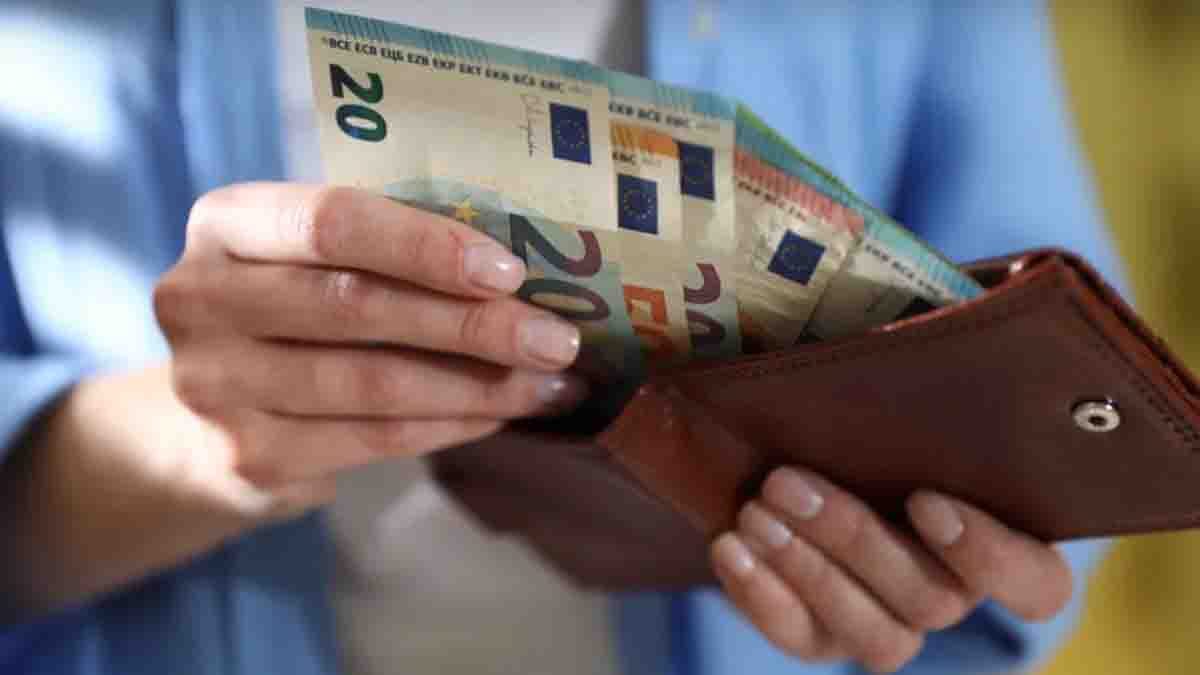
Os salários e pensões de novembro vão ser melhorados devido ao corte do IRS, conforme foi anunciado pelo Governo, mas os contribuintes devem aproveitar para guardar alguma folga extra para o acerto de contas com o Fisco, em 2027. É o que aconselha a porta-voz da DECO PROteste numa entrevista da jornalista Beatriz Vasconcelos para o Notícias ao Minuto.

Trocando por miúdos, a “DECO PROteste aconselha os consumidores a não confundirem este reforço pontual do rendimento disponível com um acréscimo definitivo do rendimento. Quem receber mais em novembro deverá ponderar reservar parte desse valor, sobretudo se costuma contar com o reembolso do IRS para fazer face a despesas futuras.”

Por outro lado, importa salientar que é igualmente importante analisar os recibos de vencimento ou de pensão, confirmar a aplicação das retenções, continuar a pedir faturas com NIF, acompanhar e validar as despesas no e-Fatura, e atualizar o agregado familiar até ao final do mês de fevereiro, se tiver havido alguma alteração, para assegurar o aproveitamento de todas as deduções legalmente previstas”, disse Magda Canas, porta-voz da DECO PROteste, ao Notícias ao Minuto.

“Não obstante a aproximação das retenções ao verdadeiro imposto a pagar sejam genericamente positivas, é possível que mais contribuintes tenham de pagar IRS em 2027.
O resultado dependerá dos rendimentos anuais, da situação pessoal e familiar, das deduções aplicáveis e do total de imposto retido ao longo do ano”, como explicou a representante da instituição.

De acordo com a explicação veiculada pela DECO PROteste, o Governo coloca mais dinheiro no bolso das famílias portuguesas em novembro, uma vez que a retenção do IRS na fonte vai ter um corte de 50% em novembro para refletir a descida intercalar do imposto aprovada no Parlamento, voltando a aplicar-se as taxas atuais em dezembro.

A DECO PROteste considera que “esta medida vai representar um alívio imediato para os orçamentos familiares, ao permitir que trabalhadores e pensionistas disponham de mais rendimento líquido num mês em que muitas famílias recebem também o subsídio de Natal”, salientou Magda Canas ao Notícias ao Minuto.

Porém, lembrou que “receber mais dinheiro em novembro não significa necessariamente ter uma redução do IRS”, sendo que as “contas finais serão apresentadas mais tarde, aquando da apresentação do IRS, em 2027”.
A responsável recordou também que a “retenção na fonte é um adiantamento do imposto e não o imposto definitivo”.

“A redução anunciada pelo Governo pretende antecipar os efeitos da descida das taxas de IRS aprovada para os rendimentos de 2026, com efeitos retroativos a 1 de janeiro. Em novembro, a retenção será reduzida para metade do valor habitualmente apurado, nos casos abrangidos pela medida. Mas em dezembro já não haverá extras”, sublinhou Magda Canas.

É oportuno lembrar que o Ministério das Finanças explicou, em comunicado, que “após a aprovação no parlamento da nova redução do IRS, com efeitos desde 01 de janeiro de 2026, o Governo decidiu reduzir em 50% as retenções na fonte aplicáveis aos rendimentos do trabalho e às pensões pagas durante o mês de novembro, incluindo o subsídio de natal devido nesse mês”.

O alívio procura traduzir, com efeitos retroativos ao início deste ano, o desagravamento das taxas de IRS nos primeiros seis escalões de rendimento.

Quando, em 2027, o fisco calcular o IRS sobre os rendimentos de 2026, em vez de usar como referência as taxas que estão atualmente em vigor, irá ter em consideração as taxas que vigorarão em 31 de dezembro de 2026, com a redução entre 0,3 e 0,5 pontos percentuais decidida pelo executivo até ao 6.º degrau do escalonamento.

  •  

Zelenskyy Says Ukraine Offered to Halt Strikes on Russian Refineries in Exchange for US Missile Defences

Ukraine was prepared to suspend attacks on Russian oil refineries if Washington supplied anti-ballistic missile systems to protect its energy infrastructure, President Volodymyr Zelenskyy has revealed. The proposed compromise was not accepted, despite American pressure on Kyiv to halt its strikes.

Ukrainian President Volodymyr Zelenskyy has disclosed that Kyiv offered to suspend attacks on Russian oil refineries in exchange for temporary American anti-ballistic missile protection for Ukraine’s energy infrastructure. Washington did not provide the requested systems, leaving Ukraine exposed to continued Russian missile strikes while the United States sought to restrict Ukrainian operations against Russia’s oil industry.

Speaking at a press conference in Brussels on Friday, 16 October, Zelenskyy said the proposal had been presented to Washington as a compromise following President Donald Trump’s agreement with Vladimir Putin on Russian diesel supplies and restrictions on attacks against energy facilities.

The Ukrainian president confirmed that Kyiv had not been consulted before Washington reached its understanding with Moscow. He described the diesel agreement as a surprise and objected to arrangements determining Ukraine’s military actions without its participation. Any agreement concerning Ukrainian strikes on Russian territory, he argued, required consultation with the Ukrainian government.

Nevertheless, Zelenskyy said Ukraine had been willing to accommodate American demands, even under an arrangement that did not require Russia to suspend its own attacks. Instead of insisting on reciprocal restrictions, Kyiv proposed receiving sufficient anti-ballistic missile systems to protect its electricity network for the duration of the requested suspension.

The proposal reflected Ukraine’s immediate security requirements. Russia has repeatedly targeted power stations, substations and other critical infrastructure, while Ukrainian forces have attacked Russian refineries to disrupt fuel production and reduce revenues available to Moscow. Halting the Ukrainian campaign without additional defensive capabilities would have left Kyiv surrendering one means of economic pressure while remaining vulnerable to Russian bombardment.

Zelenskyy said he had asked Washington for a limited number of systems, rather than a substantial new military commitment. The proposed deployment would have lasted only as long as the United States required Ukraine to refrain from attacking Russian refineries. However, according to the president, no such assistance was provided.

US diesel agreement deepens dispute

The disagreement follows the diesel arrangement announced by Trump on 9 October, under which Russia agreed to resume substantial petroleum product exports to American and international markets. Washington also authorised certain transactions involving Russian diesel, easing restrictions previously intended to reduce Moscow’s energy revenues.

The agreement created a direct conflict between American energy policy and Ukraine’s strategy of targeting Russian refining capacity. Washington wants additional diesel supplies to ease pressure on fuel markets, while Kyiv regards attacks on oil infrastructure as a means of weakening Russia’s ability to sustain its invasion.

That disagreement intensified after Ukraine resumed attacks on Russian refineries, including a strike against a facility in the Ryazan region. Trump criticised the operations, accusing Kyiv of contributing to higher global oil prices. Zelenskyy, meanwhile, argued that increased Russian diesel revenues would provide Moscow with additional resources to finance its military campaign.

The Ukrainian president’s proposal also exposed the limitations of the temporary energy ceasefire promoted by Washington. Russia continued attacks against Ukrainian civilian infrastructure, including electricity facilities, despite the American initiative. Kyiv’s proposed compromise would have addressed the resulting imbalance by providing defensive protection rather than relying on Russian restraint.

Russian strikes underline Ukraine’s defensive requirements

The urgency of Ukraine’s request was illustrated by renewed Russian attacks during Zelenskyy’s visit to Brussels. According to the Ukrainian presidency, strikes on 15 October damaged energy infrastructure in several regions, leaving almost 15,000 people without electricity in Volyn and disrupting supplies in parts of Kyiv and the surrounding region.

Ukraine continues to face shortages of the interceptors required to defend against ballistic missiles. Zelenskyy has identified anti-ballistic capabilities as an immediate priority, particularly as Russia intensifies attacks ahead of winter. During talks with NATO Secretary General Mark Rutte, he stressed the need for additional missile interceptors and other air defence equipment.

The president also raised these requirements during Friday’s meeting with European Commission President Ursula von der Leyen and European Council President António Costa. Discussions covered air defence, protection of energy infrastructure and financial assistance needed to sustain Ukraine’s resistance to Russian aggression.

European leaders support Kyiv’s position

Zelenskyy said European leaders had supported Ukraine’s position in the dispute with Washington. His remarks came as the EU reaffirmed its intention to maintain economic pressure on Moscow despite the Trump administration’s decision to facilitate Russian diesel exports.

As EU Today reported earlier on Friday, von der Leyen and Costa rejected any relaxation of European sanctions while Russia continues its war. The Commission is preparing a further sanctions package, maintaining a policy intended to restrict Moscow’s ability to finance its military operations.

The contrasting American and European positions have become increasingly significant for Kyiv. Washington is seeking to stabilise fuel markets through arrangements with Moscow, while European governments remain committed to reducing Russian energy revenues and strengthening Ukraine’s military and economic resilience.

For Zelenskyy, the unresolved question is whether Ukraine can be expected to limit attacks on Russian oil infrastructure while receiving neither reciprocal guarantees from Moscow nor additional protection against Russian ballistic missiles. His account of the unsuccessful American negotiations indicates that Kyiv was prepared to compromise, but only if its immediate defensive needs were addressed.

  •  

Belgian Police Search Properties Linked to Tshisekedi Circle in Congo Mining Money-Laundering Inquiry

Belgian investigators have searched properties associated with relatives and associates of Congolese President Félix Tshisekedi in an inquiry into alleged laundering of mining revenues, bringing renewed scrutiny to financial links between the two countries.

Belgian police have conducted searches at several properties in Brussels and its surrounding areas as part of an investigation into allegations that money diverted from the Democratic Republic of Congo’s mining sector was laundered through Belgium.

The searches, carried out on 15th October, reportedly involved homes associated with relatives and individuals close to Congolese President Félix Tshisekedi. Belgian prosecutors confirmed that searches had taken place but did not publicly identify those concerned, while the Congolese presidency declined to comment.

The investigation follows a complaint lodged in Belgium in 2025 by civil society organisations from Katanga, the mineral-rich region of south-eastern Congo. Their lawyers, Bernard Maingain and Hervé Diakese, allege that mining revenues which should have benefited Congolese communities were instead diverted and channelled through financial arrangements involving individuals with connections to Belgium.

The allegations have not been established in court. The searches form part of an investigation, and their execution does not establish criminal responsibility on the part of the individuals or organisations whose premises were examined.

Mining revenues under scrutiny

Congo is one of the world’s most important suppliers of copper and cobalt, minerals essential to electric vehicles, batteries, electronics and other advanced industrial products. Its mineral resources also occupy an increasingly important position in the European Union’s effort to diversify strategic supply chains.

Yet the financial arrangements surrounding mineral extraction have repeatedly generated controversy over public accountability, the distribution of revenues and the relationship between political authorities and commercial interests.

The Belgian inquiry concerns an especially sensitive question: whether funds originating from Congo’s mining economy were transferred into the European financial system under circumstances that could constitute money laundering.

According to the details of the investigation published on Thursday, the original complainants maintain that money linked to mining operations was diverted from its intended beneficiaries and used to benefit people connected to the Congolese leadership.

The proceedings are particularly significant because Belgian courts can investigate alleged laundering through Belgian financial structures even when the suspected underlying misconduct occurred abroad, subject to the applicable jurisdictional requirements.

Investigators will need to establish the origin of the funds, the route they allegedly followed and whether those involved knew or should have known that the money represented proceeds of criminal activity.

Belgium’s relationship with Congo

The investigation also has a diplomatic dimension. Belgium ruled Congo until independence in 1960, and the countries retain extensive commercial, political and personal connections.

Brussels remains an important centre for Congolese political and business networks, making Belgium a potentially relevant jurisdiction when investigators examine suspected financial movements connected to the country.

At European level, the inquiry comes as the EU attempts to strengthen relationships with mineral-producing countries while reducing its dependence on concentrated supply chains.

The European Commission’s cooperation programme with the Democratic Republic of Congo specifically identifies responsible sourcing, transparency, due diligence and action against illegal trafficking in raw materials as areas for cooperation.

These commitments have practical consequences for European businesses seeking greater access to copper and cobalt. Investment and supply arrangements depend not only on access to mineral deposits but also on the reliability of commercial records, ownership structures and the institutions responsible for supervising mining revenues.

A money-laundering investigation involving politically connected individuals therefore raises questions extending beyond Congo’s internal affairs.

Implications for European financial supervision

Belgium has recently joined other EU member states in adopting additional measures intended to recover criminal assets and strengthen cross-border cooperation against illicit financial activity.

As EU Today reported on 14th October, European governments have endorsed new international arrangements designed to improve their ability to trace and recover assets associated with serious crime.

The Congo investigation concerns an existing criminal inquiry rather than the application of those newly agreed arrangements. Nevertheless, both developments illustrate the importance of financial intelligence, access to ownership records and cooperation between prosecutors when suspected proceeds move across jurisdictions.

For investigators, the central task will be tracing the alleged flow of money and determining whether financial transactions in Belgium conceal proceeds unlawfully obtained elsewhere.

For Congo, the proceedings arrive during a period of serious domestic instability, including renewed armed confrontation in the east of the country and growing political uncertainty surrounding its leadership.

Former president Joseph Kabila’s involvement in a new opposition alliance has intensified that confrontation, complicating Tshisekedi’s political position as his administration faces continuing security and economic pressures.

The Belgian authorities have not announced any findings establishing that President Tshisekedi personally participated in wrongdoing. The next important developments will be whether investigators identify specific transactions, bring charges or expand the inquiry to additional individuals or corporate structures.

Main Image: Kremlin, https://commons.wikimedia.org/w/index.php?curid=84821955

  •  

British food and drink exports to EU collapse by more than a third since Brexit

NFU analysis of official data shows falls in exports to UK’s largest trading partner since 2019 include 70% for sugar and 74% for egg products

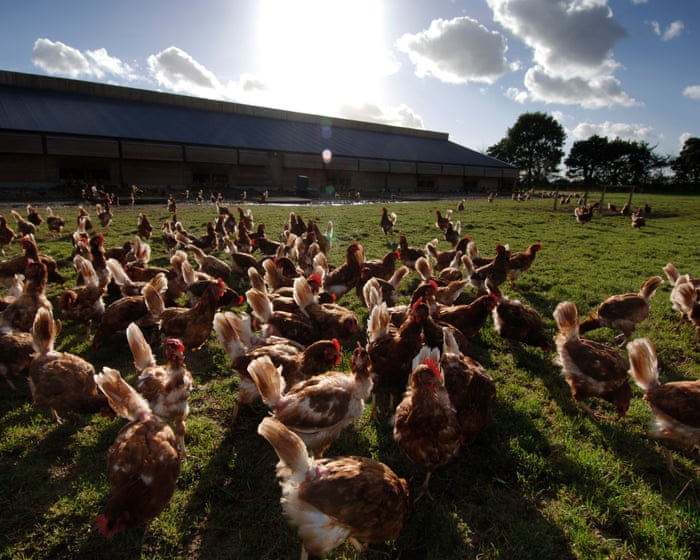
Exports of British food and drink to the EU have collapsed by more than a third since Brexit with eggs, chicken and potato producers badly hit, new figures show.

Analysis by the National Farmers’ Union (NFU) of HMRC data shows a sharp fall in exports in the year to July compared with the same period in 2019, with sugar dropping the most, down 70%.

Continue reading...

© Photograph: David Levene/The Guardian

© Photograph: David Levene/The Guardian

© Photograph: David Levene/The Guardian

  •  

Nord Stream Trial Opens in Germany as Defence Challenges War Crimes Charges Against Ukrainian Officer

A former Ukrainian special forces officer has gone on trial in Hamburg over the 2022 Nord Stream explosions, with his lawyers arguing that Russian energy infrastructure used to finance aggression cannot automatically enjoy protection as a civilian installation.

The first criminal trial arising from the destruction of the Nord Stream gas pipelines has opened in Hamburg, confronting German judges with allegations against a former Ukrainian military officer and a dispute over whether Russian energy infrastructure constituted a legitimate wartime target.

Serhii Kuznietsov, 50, is accused of organising an operation that destroyed three of the four Nord Stream pipeline strands in the Baltic Sea in September 2022. German prosecutors have charged him with offences involving explosives, damage to infrastructure and participation in a war crime.

At the opening hearing on 14 October, Kuznietsov’s lawyers sought to have the proceedings dismissed, challenging both the evidence against their client and the prosecution’s classification of the pipelines as protected civilian infrastructure.

According to the account of the opening proceedings, the defence argued that the installations served Russia’s strategic interests and had been used to exert economic and political pressure on European countries.

Kuznietsov denies involvement in the explosions. His lawyers maintain that the prosecution has not established that he participated in, let alone directed, the operation.

German prosecutors allege Ukrainian involvement

The explosions occurred on 26 September 2022, approximately seven months after Russia launched its full-scale invasion of Ukraine.

Underwater detonations near the Danish island of Bornholm ruptured sections of Nord Stream 1 and Nord Stream 2, releasing large quantities of natural gas into the Baltic Sea.

German investigators allege that a group of Ukrainians used a rented sailing yacht, the Andromeda, to transport divers, explosives and equipment to the pipelines.

According to the prosecution, the operation involved military-grade explosive devices and was organised with the knowledge or direction of Ukrainian state authorities.

These allegations remain to be tested in court. Ukrainian officials have denied state involvement, and no German judicial finding has established responsibility on the part of Kyiv’s political or military leadership.

The defendant was arrested in Italy in August 2025 and subsequently extradited to Germany following lengthy legal proceedings.

As EU Today reported following the Italian Supreme Court’s ruling, Kuznietsov’s defence had challenged the legality of his transfer and questioned the evidence underpinning the German investigation.

His appearance in Hamburg now moves the case from extradition disputes to direct examination of the prosecution’s allegations.

Can a gas pipeline be a military target?

The central legal controversy concerns whether the Nord Stream infrastructure was entitled to protection as a civilian installation during an international armed conflict.

Under international humanitarian law, civilian objects are generally protected against attack unless their nature, location, purpose or use makes an effective contribution to military action and their destruction offers a definite military advantage.

Kuznietsov’s defence argues that Nord Stream had served Russian strategic interests by generating energy revenue and providing Moscow with leverage over European governments.

Defence lawyer Nicola Canestrini has described the pipelines as an instrument of Russian economic coercion rather than infrastructure serving an exclusively civilian purpose.

German prosecutors reject the proposition that those circumstances automatically justified their destruction. They maintain that the operation involved attacks against civilian infrastructure and therefore constituted a war crime.

The legal assessment is more complicated than determining who owned the pipelines.

Financial benefits to a belligerent state do not necessarily make every commercial installation a military objective. Equally, civilian ownership or use does not automatically exclude infrastructure from becoming a military target if the conditions established under the laws of armed conflict are satisfied.

The operational circumstances in September 2022 could become important. Nord Stream 1 had already ceased delivering gas, while Nord Stream 2 had never received German certification to begin commercial operations.

The court will therefore have to consider both the pipelines’ strategic significance and their actual contribution to Russia’s military operations at the time of the explosions.

Defence raises questions about state secrecy

Kuznietsov’s lawyers have also argued that his military status restricts his ability to discuss information that could be covered by Ukrainian state secrecy obligations.

According to the opening-day court reporting, the defence contends that these restrictions undermine his ability to challenge the prosecution’s case.

The proceedings also raise questions concerning the legality of his extradition from Italy and the precise offences for which his transfer was authorised.

These are separate from the underlying question of responsibility for the explosions. A procedural objection could affect the conduct of the trial without resolving the factual allegations.

Berlin faces an uncomfortable political dispute

The case has implications for relations between Germany and Ukraine, although criminal responsibility must be determined independently of diplomatic considerations.

Germany remains a major supplier of military and financial assistance to Kyiv. At the same time, German prosecutors are pursuing allegations that Ukrainian personnel damaged infrastructure in which German companies had invested heavily.

The pipelines themselves remain politically contentious. As EU Today previously examined, the owner of Nord Stream 2 has separately challenged the EU’s plans to eliminate Russian gas imports, demonstrating that the commercial and legal consequences of Europe’s former energy relationship with Moscow remain unresolved.

The Hamburg trial will not determine the legality of Russia’s invasion, nor will it establish Ukrainian government responsibility merely because a former officer stands accused.

It will examine the evidence against Kuznietsov and the circumstances in which the destruction of infrastructure connected to an aggressor state can constitute a criminal offence.

Further hearings are scheduled, with the evidentiary proceedings expected to begin on 27 October. The outcome will depend on whether prosecutors can establish the defendant’s alleged role and overcome the legal challenges raised by his defence.

  •  

Corte de 50% na retenção de IRS de novembro… – as várias simulações avançadas pela Lusa

O preconizado corte de 50% na retenção de IRS em novembro, fará com que um salário de 1.000 euros fique sujeito a 34 euros de IRS para o conjunto do vencimento e subsídio de natal, em vez de 70 euros, segundo veicula o Notícias ao Minuto com base na publicação de hoje em Diário da República (DR).

O montante final a reter em novembro para refletir a descida intercalar do IRS em 2026, por despacho do Governo publicado hoje em DR, estabelece que, nesse mês, as entidades pagadoras de salários e pensões, em vez de cobrarem a percentagem habitual de IRS, só retêm metade desse valor.

Como o corte se aplica quer ao vencimento mensal quer ao subsídio de natal, que é sujeito a retenção de forma separada, a quantia de IRS a entregar ao Estado em novembro relativamente ao conjunto das duas remunerações – salário e subsídio – será semelhante àquela que em condições normais se aplicaria apenas ao salário mensal. As diferenças decorrem de arredondamentos a que as regras da retenção obedecem.

Saliente-se que o NM divulga os cálculos realizados pela Lusa os quais permitem visualizar esses efeitos em diferentes níveis de rendimento, como poderá observar adiante.

Confira as diferentes simulações dos salários

No caso de um trabalhador solteiro sem filhos que ganhe 1.000 euros brutos por mês, a retenção na fonte atual é de 35 euros.
Em novembro, com o corte de 50%, a retenção sobre o salário baixa para 17 euros – não para 17,50 euros, uma vez que o Código do IRS prevê que “a importância apurada mediante aplicação das taxas de retenção é arredondada para a unidade de euros inferior”.

Como o subsídio de natal é idêntico ao vencimento mensal, a retenção a fazer de forma autónoma sobre essa componente remuneratória também será de 17 euros.
Dessa forma, o valor global a reter de IRS nesse mês será de 34 euros. Sem o ajustamento agora fixado pelo Governo, seriam retidos 70 euros, 35 relativos ao salário e outros 35 ao subsídio.

A simulação é igual para um trabalhador casado com alguém que também aufere rendimentos.
Ou seja, num vencimento de 1.200 euros brutos por mês, a retenção mensal, atualmente nos 96 euros, baixa em novembro para 48 euros. Sobre o subsídio, a retenção será igualmente de 48 euros, colocando o total do IRS a entregar nos 96 euros.

Num vencimento bruto de 1.500 euros, a retenção passa de 168 euros para 84 euros, aplicando-se um valor idêntico ao subsídio.

Já para um rendimento mensal bruto de 2.000 euros, a retenção reduz-se dos atuais 301 euros para 150 euros, a que se soma uma cobrança igual sobre o subsídio de natal.

Para um trabalhador que recebe 3.000 euros brutos mensais, a entrega de IRS de novembro, em vez de 663 euros, recua para 331 euros, aos quais acrescem outros 331 euros sobre o subsídio de natal.

E num salário bruto de 5.000 euros por mês, a retenção mensal baixa de 1.452 euros para 726 euros, cobrando-se o mesmo sobre o subsídio.

Os cálculos são semelhantes para trabalhadores solteiros com filhos, com a diferença de que o valor de IRS a entregar é menor consoante o número de dependentes.

E acerca das pensões?

Numa pensão de 1.000 euros brutos mensais, de um reformado casado com alguém que também aufere rendimentos, o IRS a reter em novembro sobre a pensão será de 10 euros, em vez dos 20 habituais, sendo o pensionista chamado ainda a entregar 10 euros relativos à retenção do subsídio de natal.

Um pensionista com uma reforma de 1.500 euros, em vez de entregar 151 euros, fará uma retenção de IRS em novembro de 75 euros, a que acrescem 75 euros sobre o subsídio de natal.

Numa pensão de 1.800 euros, o valor a reter em novembro, em vez de 223 euros, será de 111 euros, acrescendo outros 111 sobre o subsídio de natal.

Um pensionista que receba 3.000 euros brutos, e que atualmente retém 678 euros por mês, irá entregar 339 euros em novembro, mais 339 sobre o subsídio de natal.

É de referir que tanto os salários como as pensões até aos 920 euros não fazem retenção na fonte, porque se encontram isentos de IRS por via do mínimo de existência, que exclui de tributação os rendimentos mais baixos.

A redução da cobrança de IRS em 50% só se aplica em novembro, para refletir nesse mês a descida das taxas gerais do 1.º ao 6.º escalão de rendimento.
Em dezembro, voltam a aplicar-se as taxas normais fixadas desde o início do ano, ou seja, sem a redução de 50%.

  •  

EU Targets Heart of Russia’s War Machine With Unprecedented Sanctions Against 1,569 Firms and Executives

The European Union has adopted an unprecedented package of sanctions against Russia’s military-industrial complex, blacklisting 1,569 companies and individuals involved in supplying weapons for Moscow’s war against Ukraine.

The Council measures announced on 12 October target 826 companies and 743 executives. Unlike earlier sanctions targeting political figures, the latest listings reach deeper into the industrial supply chains needed to manufacture missiles, drones, aircraft and ammunition.

Ballistic missile supply chains

EU foreign policy chief Kaja Kallas said more than half the new listings concerned ballistic missile production. The Council identified electronics manufacturers, semiconductor suppliers, radar specialists, navigation equipment firms and producers of explosives.

These businesses occupy positions in production networks that enable Russia to sustain the manufacture of weapons despite restrictions on its access to Western technologies. The Council announcement estimates their combined annual turnover at at least €20 billion and employment at more than 250,000.

The move follows intensive Russian missile and drone strikes against Ukrainian cities and energy installations. European governments increasingly seek to undermine Moscow’s operational capacity by identifying businesses that procure or manufacture components for its armed forces.

Enforcement beyond EU borders

Listed firms face asset freezes, while EU businesses and citizens cannot make funds or economic resources available to them. The named executives also face travel restrictions. Suppliers and financial institutions will need to check commercial transactions for links to sanctioned entities.

The actual impact on Russian output remains uncertain. Businesses with few assets in Europe may experience limited immediate disruption. Moscow has developed alternative procurement channels through third countries, some involving intermediaries that acquire electronics or equipment originally manufactured elsewhere.

Sanctions effectiveness therefore depends on customs intelligence, financial due diligence, international cooperation and the willingness of commercial partners to stop dealing with listed companies. Targeting managers individually is also intended to raise the personal costs of directing Russia’s military production.

A test for Europe’s economic pressure

Precision navigation systems, sophisticated electronics and specialised manufacturing technology remain difficult to substitute rapidly. Nevertheless, listing a supplier cannot by itself prevent components from moving through indirect trading routes.

The sanctions coincide with renewed discussion of a possible halt to attacks on energy infrastructure. Brussels is signalling that negotiations about the war’s conduct need not entail relief from restrictions on Russia’s defence economy.

Whether the measures reduce missile production will depend on changes in procurement and output over the coming months. Their immediate significance is the EU’s decision to extend restrictions beyond the most visible weapons producers into the broader industrial networks sustaining Russia’s war.

  •  

Beyrouth, les sens de la fête

JPEG - 23.4 kio

Elle est souvent présentée, voire encensée, dans de nombreux médias occidentaux comme le « lieu de la fête au Proche-Orient » (1), ce qui attesterait sa « résilience », terme en vogue qui horripile de nombreux Libanais de la capitale, sinon du pays tout entier. L'exception beyrouthine tiendrait, selon la géographe Marie Bonte, dans son « offre festive mais aussi dans la capacité des habitants à faire la fête, quelle que soit la conjoncture ». Après avoir retracé l'émergence de la vie nocturne au « temps des cabarets » (1920-1960) et son adaptation durant la guerre civile (1975-1990), elle montre comment, à partir des années 2000, « des bars et les boîtes de nuit se concentrent dans des îlots denses de monde, de bruit et de lumière, donnant à la ville des allures d'archipel ». Ces îlots sont traversés par des dynamiques politiques où se mêlent concurrence économique, reconstitution de hiérarchies entre les professions, formes de distinction sociale diverses selon les lieux fréquentés ou encore « appropriation d'une mémoire politique de gauche » via les choix musicaux et un usage des lieux dépassant le cadre de la fête. Certes, il peut s'agir aussi d'une échappatoire face à l'incertitude du lendemain.

JPEG - 24.4 kio
JPEG - 32.1 kio

C'est ce mélange qui innerve le roman graphique, plus exactement le récit autobiographique imagé Rue de Phénicie, de Lamia Ziadé (2), après Ô nuit, ô mes yeux (2015), Ma très grande mélancolie arabe (2017) et Mon port de Beyrouth (2021), tous parus chez POL. L'autrice vit depuis longtemps à Paris, où elle poursuit son interrogation et sa célébration d'une identité singulière, et de sa ville natale, avec une liberté stimulante, une fantaisie fantastique — au long d'une déambulation nocturne à travers Beyrouth ainsi qu'à travers sa propre histoire, inextricablement liée à son « obsession, l'histoire moderne du Liban et du Proche-Orient ». Durant ses longs séjours à Beyrouth consacrés à l'écriture et à des expositions après une « vie de noctambule délurée » à Paris, la fête lui apparaît comme une forme de résistance dans une ville qui ne veut pas s'éteindre, au propre comme au figuré. À la fermeture du Paradise, le dernier bar ouvert de la nuit, elle se lance à la recherche d'une boîte fantasmée — la Boîte de Pandore —, ce qui lui sert de prétexte pour déambuler dans l'histoire politique du pays et de la région à travers des lieux hautement symboliques, comme le Musée national, ou des cimetières. Mais Lamia Ziadé n'est pas dupe de la dimension illusoire de sa quête.

JPEG - 53.7 kio

Deux autres déclinaisons ajoutent leurs variations à cette évocation obsédante. Dans le deuxième volume de la bande dessinée Le Génie de Beyrouth (3), qui revient sur le siège en 1982 de Beyrouth-Ouest — fief de l'Organisation de libération de la Palestine (OLP) et de ses soutiens libanais — par l'armée israélienne, les rues sont plongées dans l'obscurité et, pour le journaliste qui écrit à la lueur de la bougie, la ville semble « coincée dans son dernier carré, (…) obligée de faire face », elle ne peut plus se réfugier dans la nuit. Mais elle a des ressources insoupçonnées.

Quant à la narratrice du premier roman, proche de l'autobiographie, de la Franco-Libanaise Manal Salamé, si elle déclare préférer la ville de jour (4), car, « le jour, elle ne sait pas mentir », elle ne se refuse pas à parcourir la nuit et ses faux-semblants, ceux que, de retour au Liban après dix-sept ans d'absence, elle retrouve lors d'une longue soirée alcoolisée. À Beyrouth, on n'éteint pas les lumières.

Voir en ligne : /2026/10/APPELT/70087

(1) Marie Bonte, Nuits de Beyrouth. Géographie de la fête dans une ville post-conflit, ENS Éditions, Lyon, 2023.

(2) Lamia Ziadé, Rue de Phénicie, POL, Paris, 2025, 392 pages, 34 euros.

(3) Sélim Nassib et Léna Merhej, Le Génie de Beyrouth. La fille tombée du ciel (tome 2), Dargaud, Paris, 2026, 112 pages, 23 euros.

(4) Manal Salamé, Habibi Beyrouth, Éditions La Tribu, Paris, 2026, 309 pages, 21 euros.

  •  
❌