❌

Reading view

Dalle piazze alle minacce esterne. La tempesta perfetta sull’Europa raccontata dall’amb. Mattiolo

Dalla Francia all’Italia, fermo restando che il diritto di manifestare è assolutamente sacrosanto nelle democrazie liberali, la dimensione di queste manifestazioni ormai coinvolge studenti, famiglie, lavoratori dei settori più diversi colpiti dal caro energia, dalla globalizzazione e da tutta una serie di fattori: sono il sintomo di un disagio sociale che nell’Europa esiste perché l’Europa non vive più una crescita economica. Vede attaccate le fondamenta, ovvero la sua capacità manifatturiera, la sua capacità di innovazione tecnologica, e la sua competitività è messa a rischio. Tutto questo degenera in forme di violenza che sembrano avere l’unico scopo di destabilizzare le democrazie occidentali che noi rappresentiamo. È legittimo quindi interrogarsi su chi stia soffiando sul fuoco. Lo dice a Formiche.net l’ambasciatore Luigi Mattiolo, presidente italiano di Villa Vigoni, Centro italo-tedesco per il dialogo europeo, già Primo Consigliere alla Rappresentanza Permanente d’Italia presso l’Onu, ambasciatore a Tel Aviv, ad Ankara, a Berlino oltre che Consigliere Diplomatico del governo del Presidente del Consiglio italiano Mario Draghi.

Caro energia, black bloc, non solo a Parigi, ma purtroppo anche a Milano, ed elezioni alle porte in mezza Europa: è la tempesta perfetta? E come potrà difendersi l’Unione europea?

Innanzitutto concordo con questa definizione di tempesta perfetta, perché effettivamente siamo in una fase in cui ci sono tre fattori esogeni che colpiscono in pieno l’Europa. Il primo, ovviamente, è l’atteggiamento dell’attuale amministrazione americana con riguardo alla difesa euro-atlantica e agli evidenti tentativi di trovare un accordo sull’Ucraina con la Russia, sulla testa dell’Ucraina e sulla testa dell’Europa. Il secondo è la minaccia russa sia che sia ibrida, sia che sia inafferrabile, o anche retorica, ma comunque è sicuramente una minaccia, ed è sicuramente un fattore profondo di destabilizzazione in Europa, visto che ha portato un conflitto che non intende interrompere, evidentemente, nel cuore del continente. Il terzo è la Cina che comunque continua ad agire abbastanza spudoratamente sulle catene di valore di materiali critici e mette in difficoltà profonda l’industria e la capacità manifatturiera europea, con una esportazione direi massiccia se non selvaggia e di beni di consumo a prezzi assolutamente stracciati.

Su tutto questo poi impatta la crisi ucraina…

L’intervento di Zelensky al Consiglio europeo è stato particolarmente preoccupante, non solo perché ha coinciso con una fase in cui l’Ucraina è colpita al cuore nelle sue infrastrutture energetiche e nei suoi obiettivi, che ormai di militare non hanno nulla, ma sono semplicemente legati all’evidente disegno di scoraggiare e demoralizzare e terrorizzare la popolazione civile. Bensì c’è un’Ucraina che lamenta un appoggio strategico americano a dir poco a intermittenza, malgrado i 90 miliardi stanziati l’anno scorso dall’Unione Europea, che ormai, è bene ricordarlo, è l’unica che si fa carico dei costi della difesa ucraina in questa fase. Per cui Zelensky ha denunciato un buco l’anno prossimo di 30-35 miliardi: al momento non si vede dove l’Unione europea potrebbe andare a prendere quel denaro, a meno di non mettere mano alle riserve valutarie russe.

Con quali inconvenienti?

Si aprirebbe un autentico vaso di Pandora e personalmente capisco le perplessità del Belgio che, attraverso il meccanismo di Euroclear, finisce per essere quello giuridicamente responsabile in prima battuta della gestione e della protezione di quelle riserve. Ci sarebbe inoltre un discorso di credibilità dell’Europa come rifugio e detentore di riserve valutarie di qualunque Paese al mondo: ciò potrebbe avere delle ripercussioni gravissime e sarebbe per certi versi senza precedenti. In passato le riserve valutarie di un Paese sono state utilizzate molto spesso, ma si trattava di Paesi sconfitti, dopo un accordo di pace inevitabilmente penalizzante nei loro confronti. Ma non è questo ancora lo scenario, come sappiamo. E in più poi mi ha anche colpito questa annotazione che non voglio chiamare minaccia, perché non lo è, ma diciamo una pesante annotazione di Zelensky che ha detto chiaramente che in caso di sconfitta l’Unione europea dovrebbe far fronte a un’ondata migratoria di profughi. Francamente non penso che sarebbe altrimenti, perché dopo quattro anni di guerra e di martirio non so quanto i cittadini ucraini siano così pronti a cadere sotto il giogo della Russia vincitrice: quindi è chiaro che questo fenomeno andrebbe affrontato.

Come arriva l’Europa?

Nello scorso Consiglio europeo non sono stati fatti grossi passi avanti. Ha affrontato innanzitutto una situazione polarizzata, basta guardare alle violenze che hanno caratterizzato purtroppo le manifestazioni. Dalla Francia all’Italia, fermo restando che il diritto di manifestare è assolutamente sacrosanto nelle democrazie liberali, la dimensione di queste manifestazioni ormai coinvolge studenti, famiglie, lavoratori dei settori più diversi colpiti dal caro energia, dalla globalizzazione e da tutta una serie di fattori: sono il sintomo di un disagio sociale che nell’Europa esiste perché l’Europa non vive più una crescita economica. Vede attaccate le fondamenta, ovvero la sua capacità manifatturiera, la sua capacità di innovazione tecnologica, e la sua competitività è messa a rischio. Tutto questo degenera in forme di violenza che sembrano avere l’unico scopo di destabilizzare le democrazie occidentali che noi rappresentiamo. È legittimo quindi interrogarsi su chi stia soffiando sul fuoco. Ma non è tutto.

Ovvero?

Se non si risolverà il terzo fattore di crisi, il bilancio dei prossimi sette anni, sarà credo sempre peggio. A seconda di quanto si troverà un compromesso tra questi grandi Paesi, potrebbe essere ancor più difficile trovare un compromesso, fare delle rinunce, “vendere” alle proprie opinioni pubbliche l’accordo trovato. Se ci fossero dei cambi di coalizione di governo in grandi Paesi europei come Francia e Spagna potrebbero trovarsi al potere delle forze politiche che viceversa hanno tutto l’interesse a mortificare ulteriormente il bilancio comunitario, mettendo assolutamente a repentaglio tutti quelli che sono gli obiettivi di cui parliamo da anni, come l’innovazione, la transizione e la difesa e quant’altro.

Ritiene che proprio in un momento simile, caratterizzato dalle policrisi, così come le ha definite l’altro giorno la Presidente del Consiglio, ci sia l’opportunità per l’Ue di crescere, magari sanando le proprie deficienze. E in che modo visto che si trova con le spalle al muro?

Questa volta sì, l’Ue è proprio messa con le spalle al muro. Ma essere messi con le spalle al muro può significare soccombere oppure tirarsi fuori dall’angolo e quindi fare scelte che solo fino a un momento prima sembravano impensabili. Come? Penso al caro energia, che pesa di più ed è quello che è alla base del disagio sociale che, al di là delle violenze terribili e delle strumentalizzazioni nelle piazze, è un dato di fatto. Io mi auguro, leggendo le conclusioni del Consiglio europeo, che si prenda di petto la questione calmierando i prezzi, tornando su quello che è un cavallo di battaglia dell’Italia da molti anni cioè il disaccoppiamento del prezzo dell’energia elettrica dal prezzo del gas. Perché in questa fase il primo kilowatt di energia elettrica prodotto con le rinnovabili, nel nostro caso con l’idroelettrico, con l’eolico e soprattutto con il solare, lo paghiamo al prezzo dell’ultimo kilowatt prodotto con il gas: nelle conclusioni del Consiglio europeo si insiste perché la Commissione proponga delle soluzioni su questo fronte. In realtà non è che la Commissione le soluzioni non ce le abbia, è che manca la volontà politica di tutti gli Stati membri perché non tutti sono nelle medesime condizioni. Alcuni hanno una quota di rinnovabili molto maggiore della nostra e quindi non hanno poi questo grande interesse al disaccoppiamento, ma è arrivato il momento di studiare dei meccanismi comuni: uno potrebbe essere quello di restituire al bilanci nazionali gli extraprofitti fatti sui primi kilowatt, visto che sono stati venduti tutti al prezzo dell’ultimo kilowatt. Però è necessario anche lavorare sulla domanda, cioè fare una domanda aggregata fra Stati membri, come l’Unione europea è stata capace di fare nel caso dei vaccini per la pandemia che rimangono un esempio unico, devo dire finora anche non ripetuto, ma sicuramente replicabile sul fronte dell’energia. Infine non va dimenticata la capacità di accumulo.

Come procedere?

Attraverso batterie dieci o venti volte superiori a quelle che esistono sul continente europeo, saremmo finalmente in grado di immagazzinare l’energia elettrica prodotta da fonti rinnovabili in surplus e utilizzarla banalmente nelle fasce orarie in cui viceversa produciamo energia elettrica con il gas.

  •  

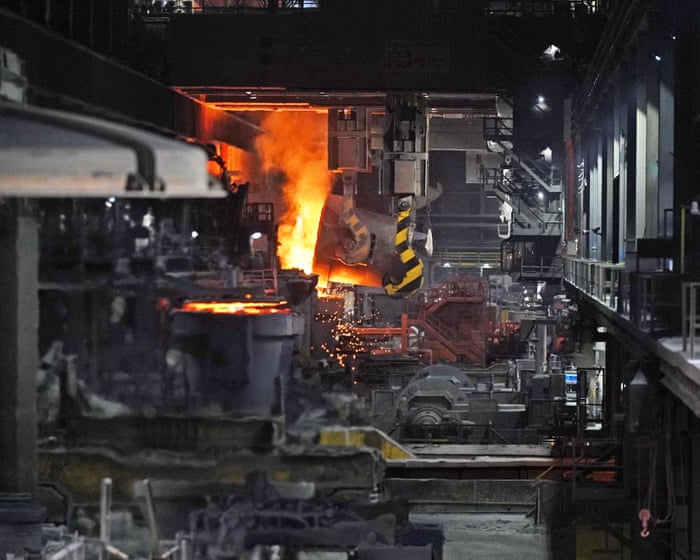
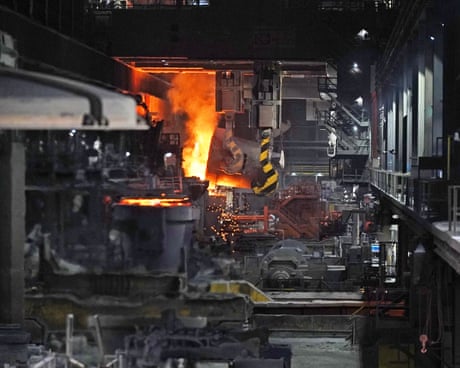
Electricity costs put UK steelmakers in worst position in three years against EU rivals

Premium paid over French counterparts has risen to almost £30 a megawatt hour, analysis by lobby group finds

British steelmakers have been pushed further behind European rivals on electricity costs after the US-Israeli war on Iran caused a surge in global gas prices.

The premium paid by the British industry over its French counterpart has risen to almost £30 a megawatt hour (MWh), its highest level in three years, according to analysis by the lobby group UK Steel.

Continue reading...

© Photograph: Ian Forsyth/Getty Images

© Photograph: Ian Forsyth/Getty Images

© Photograph: Ian Forsyth/Getty Images

  •  

Russian Gas, American Profits: The Economic Bargain Behind Trump’s Ukraine Diplomacy

The Trump administration’s reported proposal to restore Russian gas supplies to Europe through Ukraine marks a reversal of Washington’s longstanding energy policy. Behind the promise of an economic incentive for peace lies a more consequential question: whether Europe is being asked to restore the very dependence on Moscow that it has spent four years dismantling.

The administration of US President Donald Trump is considering the restoration of Russian natural gas supplies to Europe, including through Ukraine’s pipeline network, as part of a proposed settlement to end Russia’s war against Ukraine. The initiative would offer Moscow renewed energy revenues while potentially opening opportunities for American investors to participate in the trade.

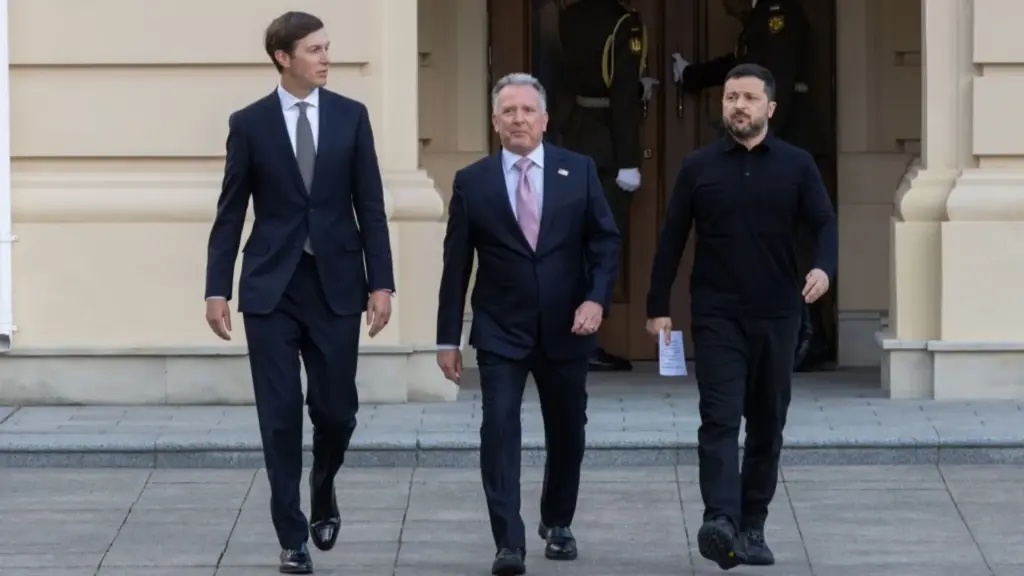
According to a New York Times investigation published on 17 October, presidential envoys Steve Witkoff and Jared Kushner have raised the proposal with Ukrainian and European officials, including President Volodymyr Zelenskyy. The White House has confirmed that economic incentives for Russia and Ukraine form part of its peace diplomacy, although no agreement on renewed gas transit has been announced.

The proposal would require Ukraine to reopen a transit route that ceased operating for Russian exports in January 2025, while European governments would be expected to resume purchases they have spent years reducing. American negotiators reportedly regard the prospect of renewed commercial revenues as an incentive for President Vladimir Putin to reach a settlement.

There is, however, a considerable difference between offering Russia a commercial opportunity after a verified peace agreement and restoring a source of revenue and political influence before Moscow has demonstrated any willingness to abandon its territorial objectives.

From opposition to Russian gas to facilitating its return

The reported initiative represents a reversal of Trump’s earlier position on European energy security.

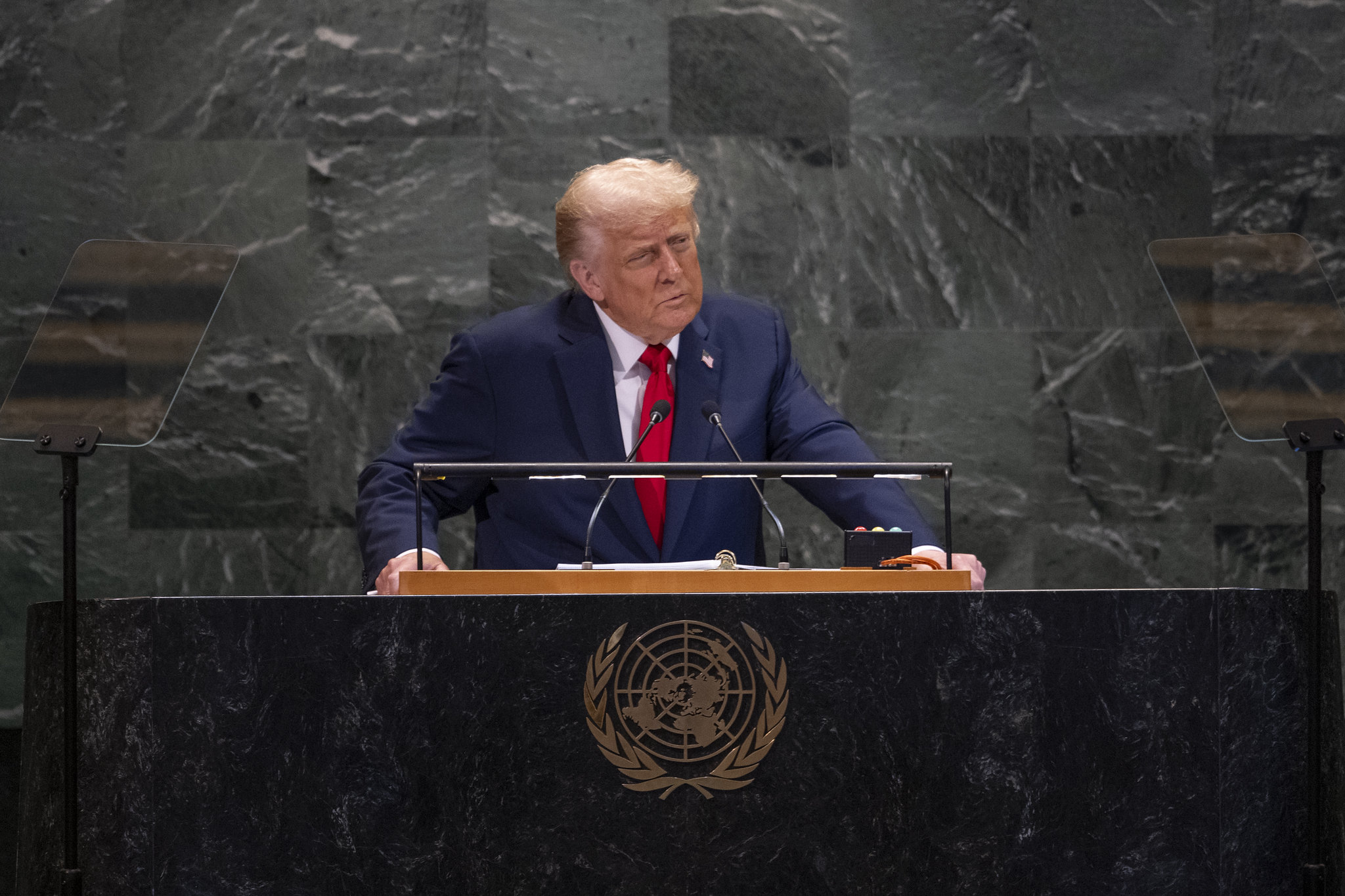
During his first presidency, Trump repeatedly warned Germany that its dependence on Russian energy exposed it to political pressure from Moscow. Speaking at the United Nations General Assembly in September 2018, he accused Berlin of becoming dangerously dependent on Russian supplies. Members of the German delegation visibly smiled at his remarks.

The episode acquired renewed significance after Russia’s full-scale invasion of Ukraine in February 2022. Germany had developed an extensive commercial relationship with Gazprom, while the Nord Stream pipelines were intended to facilitate Russian gas deliveries directly to Germany, bypassing traditional transit countries, including Ukraine.

Trump maintained his opposition to those energy relationships well into his second presidency. As EU Today reported in September 2025, he told European governments that continuing to purchase Russian energy amounted to financing the war against themselves.

Washington is now reportedly considering precisely the commercial relationship that Trump previously identified as a strategic danger.

The change cannot be explained solely by the objective of ending the war. It also coincides with discussions about a substantially different economic arrangement, in which American commercial interests could participate in infrastructure and transactions previously dominated by Russia and European energy companies.

American investors and the economics of peace

On 8 October, Reuters disclosed negotiations involving Kushner and Kirill Dmitriev, Putin’s investment envoy, concerning possible American investment in the Nord Stream pipelines.

The discussions included the prospect of US investors profiting from renewed Russian gas deliveries to Europe. Separate negotiations have involved assets belonging to the Russian energy company Lukoil.

The White House has denied that Nord Stream was a subject of recent discussions and has said any agreements must benefit American taxpayers and companies. There is no established evidence that Witkoff, Kushner or members of Trump’s family would personally profit from the proposed gas arrangements.

Nevertheless, the possibility of American participation changes the commercial equation. Russian gas returning to Europe through infrastructure involving US investors would no longer be exclusively a Russian-European business relationship.

That distinction matters financially, but it does not necessarily resolve the underlying security problem. American ownership of transit infrastructure would not eliminate Moscow’s ability to influence production, supply volumes or export decisions.

The European Union has already confronted the consequences of allowing an energy relationship to become a source of geopolitical leverage. Introducing American intermediaries would not, by itself, remove that vulnerability.

Europe’s legal and political obstacles

The proposal also conflicts with legislation already adopted by the European Union.

In January 2026, the Council formally approved a regulation phasing out Russian natural gas imports. The restrictions began taking effect in March, with the remaining long-term LNG imports scheduled to end in January 2027 and pipeline imports in autumn 2027.

Consequently, restoring substantial Russian supplies would require changes to existing EU policy or the use of legally available exceptions. Neither Washington nor Moscow can make that decision on Europe’s behalf.

Germany has already opposed the reported American initiative. Chancellor Friedrich Merz’s security adviser, Günter Sautter, reportedly objected during discussions in Florida, while former economy minister Robert Habeck warned against recreating dependence on an unreliable supplier.

The economic attraction remains understandable. European industry faces substantial energy costs, and cheaper pipeline gas could offer relief to some consumers and manufacturers. Yet commercial prices do not account for the wider costs associated with supply disruption, strategic exposure and the potential use of energy exports as political leverage.

Europe’s decision to reduce Russian gas imports was therefore not simply a change of supplier. It was a response to the security implications of its previous energy model.

The consequences for European politics

The initiative also intersects with divisions inside European politics, particularly in Germany.

Alternative for Germany (AfD) has repeatedly advocated restoring Russian energy imports, arguing that sanctions and expensive replacement supplies have damaged German industry. Sahra Wagenknecht’s left-wing BSW has advanced similar arguments concerning energy prices and relations with Moscow.

The overlap extends beyond energy policy. On 14 October, AfD and BSW representatives supported a motion in Saxony-Anhalt calling for an end to military assistance for Ukraine.

A US-backed proposal to restore Russian gas could give these parties an additional argument against the federal government’s existing approach. They would be able to point to Washington’s own negotiations when questioning the economic and strategic rationale for maintaining restrictions on Russian energy.

This does not establish that the Trump administration’s gas initiative is intended to strengthen particular European political movements. It does demonstrate how the same policy could serve several objectives simultaneously: commercial rapprochement with Russia, a negotiating incentive for Moscow and a change in the European debate over sanctions.

A peace incentive that could restore Russian leverage

The central uncertainty concerns the relationship between renewed revenues and Russian military objectives.

Washington’s argument assumes that the prospect of substantial future gas income could persuade Putin to accept a settlement. Yet negotiations over commercial cooperation have so far produced no demonstrated change in Moscow’s fundamental territorial demands.

Meanwhile, Russia continues attacking Ukraine’s energy infrastructure. On 18 October, Zelenskyy reported 76 Russian attacks on Ukrainian energy, oil and gas facilities during the preceding week, despite Trump’s announcement of an energy ceasefire that neither Kyiv nor Moscow had confirmed.

There is also an unresolved contradiction in Washington’s wider sanctions policy. Having previously demanded that Europe stop financing Russia through energy purchases, Trump has recently suspended additional American sanctions against Moscow while his representatives explore new economic arrangements.

For Ukraine, renewed transit could restore revenue lost when the previous gas agreement expired. For Russia, however, the potential benefits extend beyond immediate export earnings. Access to European markets would restore commercial relationships and a degree of political influence that Moscow lost after the invasion.

The distinction is fundamental. A peace settlement that permits carefully regulated economic cooperation after Russian withdrawal and enforceable security guarantees would be different from an agreement that restores Moscow’s commercial advantages in anticipation of concessions that have not yet been secured.

The question for European governments is therefore not merely whether Russian gas could once again become cheaper than alternative supplies. It is whether restoring that trade would leave Europe better protected against another confrontation with Moscow, or recreate the vulnerabilities that became apparent in 2022.

Washington’s proposed economic bargain cannot answer that question on Europe’s behalf.

  •  

A month before the diesel waiver, Trump’s envoys had already pitched Kyiv on Russian gas, NYT says

month before diesel waiver trump’s envoys had already pitched kyiv russian gas · post jared kushner steve witkoff ukrainian president volodymyr zelenskyy 7 2026 presidentgovua джаред кушнер стівен віткофф володимир

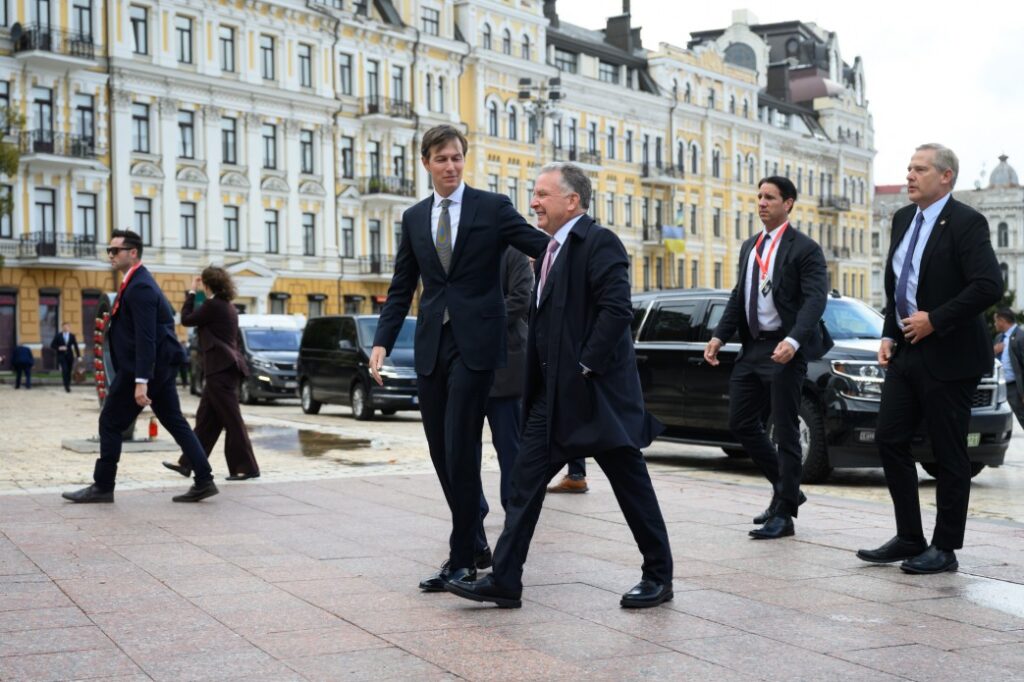
During their visit to Kyiv in September, US President Donald Trump’s envoys urged Ukrainian President Volodymyr Zelenskyy to consider restarting the pipelines that once carried Russian gas to Europe, The New York Times reported on 17 October. They presented it as part of a peace deal with Russia. In the weeks that followed, they pressed the idea with European officials, while Washington freed Russian diesel and spared Russia’s oil buyers from new US penalties.

Energy sales fund Russia’s war, and Ukraine’s halt of transit in January 2025 left TurkStream as Gazprom’s only pipeline route into the EU. Meanwhile, Russia has kept bombing Ukraine’s grid through the energy truce Washington declared on 11 October.

The pitch in Kyiv

Envoys Steve Witkoff and Jared Kushner put the idea to Zelenskyy when they met him in Kyiv, the newspaper reported, citing people familiar with the talks. Trump officials argued that transit fees, which Ukraine gave up at about $1 billion a year, would benefit Kyiv, and that European voters would eventually want cheaper energy. Russia’s share of EU gas imports had fallen from 45% in 2021 to 13% last year.

The envoys presented renewed Russian gas sales as one of the economic incentives in a wider settlement covering Russia’s relationship with NATO, security guarantees for Ukraine, and territorial control. Some European and Ukrainian officials suspected Washington would seek a cut of the profits. The White House denied that the Nord Stream pipeline had been a subject of recent discussions. Kremlin spokesman Dmitry Peskov claimed that resuming energy cooperation is in Russia’s interest and, right now, even more in Europe’s.

US President Donald Trump’s envoys Steve Witkoff and Jared Kushner in Kyiv, 6 September 2026
US President Donald Trump’s envoys Steve Witkoff and Jared Kushner in Kyiv, 6 September 2026. Photo: President's Office of Ukraine

Germany pushes back

At Ukraine talks the envoys hosted in Florida last week, Günter Sautter, security adviser to German Chancellor Friedrich Merz, forcefully opposed the idea. German lawmakers have called a return to Russian deliveries a disaster for European security, even treason, as the far-right AfD courts Gazprom to bring the gas back. Former Economy Minister Robert Habeck, who steered Germany off Russian gas after 2022, said Trump “seems to have more sympathies with Vladimir Putin than he has with the Ukrainians.”

The White House, seen from Lafayette Square. File photo, June 2024.
Explore further

Congress gave Trump 30 days to hit Russia’s oil buyers with 100% tariffs. He waives them two days before deadline, citing US interests. Moscow calls it historic

One concession after another

Rather than pressure Putin or strengthen Ukraine, the administration has spent much of its peace effort on economic incentives for Russia, the newspaper wrote. The US Treasury cleared imports of Russian diesel on 9 October. On 16 October, Trump waived the penalties on Russia’s oil buyers that Congress had passed in the Graham Act. Washington is also weighing relief for sanctioned shadow fleet tankers. And the White House ordered limits on the military satellite service Ukraine’s forces rely on, Reuters reported.

Putin’s economic envoy Kirill Dmitriev claimed the ice had broken and more joint initiatives would follow, including data centers powered by Russian nuclear energy. The talks also cover the sale of Lukoil’s foreign assets to a group that includes the US government, the newspaper reported earlier this month. Zelenskyy, who had heard the pitch in Kyiv, alluded to it in a Financial Times interview this week.

“The question will be when will the next deal be? Maybe it will be gas. Definitely it will be gas,” he said.

Reopening the pipelines could hand Moscow back significant revenue and strengthen its sway over Europe’s energy market, Liga noted. Each new concession lowers the price Russia pays for continuing the war.

  •  

Preparing for the End of Oil: A Reply to Tilak Doshi

Peak oil is real and we must prepare for its exhaustion now as it'll be too late once the price is spiking, says Richard Lyon as he responds to Tilak Doshi's review of his book The Energy Trap.

The post Preparing for the End of Oil: A Reply to Tilak Doshi appeared first on The Daily Sceptic.

  •  

Listen: Should we be worried about Europe’s level of gas reserves?

Production: By Europod, in co-production with Sphera Network.

EUobserver is proud to have an editorial partnership with Europod to co-publish the podcast series “Briefed” hosted by Léa Marchal. The podcast is available on all major platforms.

Find the full transcript below: 

European gas storage levels are unusually low for this time of year, reaching their lowest autumn level since 2011.

With Russian gas imports set to end in 2027, could Europe face a tougher challenge in the months ahead? 

First, how do Europe’s gas reserves work? EU countries fill underground gas storage sites during spring and summer, when demand is lower, and draw on these stocks during the winter, when heating pushes consumption up.

Since 2022, the EU has required member states to ensure their gas storage facilities reach 90 percent of capacity by a deadline between 1 October and 1 December. That helps secure supplies ahead of winter.

But this year, stocks are well below that target, at just over 70 percent in early October. They still have time to rise before the deadline, but the situation is attracting attention.

Does that mean Europeans are at risk of running out of gas this winter? According to the European Commission, no. It acknowledges that storage levels are low compared with previous years, but says the EU’s gas system should still be flexible enough to meet demand this winter.

That said, a colder or longer winter than expected, or disruptions to supplies in other parts of the world, could put additional pressure on the market. Especially at a time when the EU is preparing to phase out Russian gas imports in 2027.

The EU has adopted a gradual ban, with transitional arrangements for existing long-term contracts.

Russian liquefied natural gas, or LNG, is due to be phased out completely from January 2027 only. Russian gas delivered by pipeline will follow later, with the deadline set for the end of September 2027.

And Russian gas still accounted for around 12 percent of EU gas demand through May 2026. Imports even increased in the first months of this year compared with the same period in 2025, amid disruptions to energy flows linked to the war in the Middle East.

So, from January, Europe will lose one source of supply.  Which means Europe should try and reduce its gas consumption.

But it’s easier said than done, particularly as winter approaches. Heating needs depend heavily on temperatures, and households cannot simply stop heating their homes.

Still, Europe has shown in the past that consumption can fall significantly. After Russia’s full-scale invasion of Ukraine in 2022, the European Commission called on member states to reduce their gas demand by 15 percent. 

And they succeeded: their gas demand fell of around 18 percent, compared with the previous five-year average. A few months ago, following the escalation of the war in the Middle East, the Jacques Delors Institute recommended reviving efforts to reduce gas demand.

That being said, the reduction achieved in 2022 was partly helped by a mild winter and greater use of alternative energy sources, including coal and nuclear power.

Those options may help again, but they come with limitations. Much will depend on the weather and how long the winter lasts.

Which doesn’t mean Europe should not call for lowering the demand and accelerate the deployment of renewable energy.

  •  

Wie realistisch ist Ungarns neues Vorhaben, bis 2027 auf russisches Gas zu verzichten?

Europa hat bekanntlich zu wenig Gas und dürfte im nächsten Winter ein Energieproblem bekommen. Trotzdem will die EU-Kommission 2027 komplett auf russisches Gas verzichten. Ungarn hat sich unter Orban und auch in den ersten Monaten der Regierung Magyar gegen eine schnelle Absage an russisches Gas gewehrt, nun aber hat der ungarische Energieminister in einem Interview […]
  •  

Carbon Brief’s Con Trick

Carbon Brief claims that wind and solar power saved the UK from gas imports worth £5.9bn during the Hormuz crisis. Not mentioned, says Paul Homewood, is that the wind and solar power cost more.

The post Carbon Brief’s Con Trick appeared first on The Daily Sceptic.

  •  

Escudo das Américas: iniciativa de Trump e de 14 países inclui cartel que não existe

No primeiro dia da Assembleia Geral da ONU, o governo de Donald Trump publicou um comunicado conjunto com 14 países da América Latina – Argentina, Bolívia, Chile, Colômbia, Costa Rica, República Dominicana, Equador, El Salvador, Guiana, Honduras, Panamá, Paraguai, Peru e Trinidad e Tobago – anunciando ações conjuntas para combater organizações que os EUA designaram como terroristas. Entre elas estão as brasileiras PCC e CV. 

Pouco antes, no seu discurso na ONU, Trump afirmara que os cartéis de drogas “são o Estado Islâmico do hemisfério” e seus membros “devem ser executados, exilados ou detidos como inimigos combatentes”.

Um nome, entretanto, chama atenção: o Cartel de Los Soles está listado entre as 24 organizações “narcoterroristas” que devem ser combatidas. 

Acontece que o Cartel de Los Soles não existe. O nome é uma gíria que os venezuelanos usam para se referir à corrupção por parte de militares – algo como “petralhas” ou “bolsominions”. 

Como a Agência Pública revelou em uma reportagem no início do ano, a narrativa sobre a existência do Cartel de Los Soles foi criada pelo Departamento de Justiça no primeiro governo de Donald Trump, para embasar o indiciamento criminal de Nicolás Maduro e mais 14 membros do governo venezuelano. A acusação afirmava que Maduro “ajudou a gerir e, por fim, a liderar o Cartel de los Soles à medida que ganhava poder na Venezuela” e que “enquanto a maioria das organizações de tráfico de drogas na América do Sul e Central procurou recuar da importação de narcóticos para os Estados Unidos (…) o Cartel de los Soles, sob a liderança de Maduro Moros e outros, priorizou o uso da cocaína como uma arma contra os Estados Unidos, ao importar o máximo de cocaína possível”.

Depois, em novembro de 2025, a pretensa organização foi designada pelo Departamento de Estado como uma Organização Terrorista Estrangeira. Foi essa designação que deu uma capa de legalidade para a invasão militar da Venezuela. 

Mas nem mesmo o Departamento de Justiça tem segurança sobre as acusações de que o Cartel existe. Enquanto no primeiro documento de indiciamento contra Maduro, de 2020, ele é acusado de “chefiar o cartel de Los Soles” e a suposta organização é mencionada 32 vezes, no indiciamento final, emitido depois da captura de Maduro, o Cartel é citado apenas duas vezes, e descrita como um “sistema de patronagem administrado por aqueles no topo” – e não mais como uma organização de tráfico de drogas.

Por que isso importa?

  • O sequestro do então presidente da Venezuela Nicolás Maduro foi justificado pelos Estados Unidos em função de sua suposta atuação no tráfico de drogas.
  • A ação norte-americana se baseou em determinações de grupos criminosos venezuelanos como terroristas pelos próprios Estados Unidos. De forma semelhante com o que ocorreu com o PCC e o CV em junho deste ano.

Existem definições técnicas na Convenção contra o Crime Organizado Transnacional da ONU que determinam o que é uma organização criminosa internacional: um corpo organizado com uma estrutura e hierarquia, divisão de tarefas e continuidade temporal; autonomia em relação ao Estado; e comprovação da sua existência por investigações policiais. O Cartel de Los Soles não se enquadra em nenhum destes aspectos. 

A adoção ampla de uma organização que não existe pelos 14 países que fazem parte do Escudo das Américas demonstra a supremacia do governo norte-americano nas ações do grupo. 

Presidente dos Estados Unidos Donald Trump
Trump afirmou em discurso que os cartéis de drogas “são o Estado Islâmico do hemisfério” e seus membros “devem ser executados, exilados ou detidos como inimigos combatentes”

O que promete a aliança do Escudo das Américas  

Os 14 países que fazem parte do Escudo das Américas, iniciativa lançada em março deste ano, são todos governados por aliados de Trump na direita continental. Ontem, em comunicado conjunto, eles prometeram impor, “congelamento de ativos; restrições de imigração e de visto para membros, associados e apoiadores dessas organizações; e a responsabilização criminal de indivíduos que, conscientemente, forneçam apoio material — incluindo apoio logístico — a tais organizações”. 

México e Brasil, os dois maiores e mais ricos países do continente, não fazem parte do Escudo. Ambos sofrem pressões políticas dos EUA para enfraquecer seus governos, com orientação à esquerda. 

O grupo também prometeu pedir à OEA (Organização dos Estados Americanos) uma resolução que “promova e facilite a ação coletiva contra organizações narcoterroristas no âmbito do Tratado do Rio”. Assinado em 1947, o Tratado do Rio estabelece que um ataque armado contra qualquer país americano é considerado um ataque contra todos. A ideia seria militarizar de vez o combate ao narcotráfico sob a liderança dos EUA, como uma “Otan” latinoamericana.   

Para Fulton Armstrong, ex-diretor para temas interamericanos do Conselho de Segurança Nacional dos EUA, este tipo de iniciativa “não funciona” e pode aumentar tensões continentais.

“À medida que fica claro que designar criminosos como terroristas e atacá-los como alvos militares não funciona, é natural que os países procurem atores externos – incluindo seus vizinhos – para botar a culpa. O exemplo clássico foi a Colômbia, que produz e trafica quantidades recordes, mas transferiu a culpa para a Venezuela. Os Estados Unidos, que consomem as drogas que passam pela América Central e pelo México, culpam esses países pelo problema. A maior parte dos narcóticos que passam pelo Brasil tradicionalmente tem como destino a Europa, mas Washington se reservou o direito de acusar o Brasil de não ser bom parceiro e de resistir às políticas dos EUA. A designação de terrorista politiza a questão e aumenta as tensões entre os vizinhos”, diz. 

Para Fulton, a militarização da Guerra às Drogas não funcionou bem no passado. “Gastamos 16 bilhões de dólares no Plano Colômbia, e a produção de cocaína continua batendo recordes. A estratégia, além disso, aumenta a violência que afeta toda a sociedade, como vimos no México e em toda a América Central. Chamar os criminosos de ‘terroristas’ é politicamente conveniente, mas operacionalmente desastroso”. 

O governo brasileiro resiste à designação de organizações como CV e PCC como terroristas, pois considera que isso permite ações de interferência dos EUA contra o sistema financeiro brasileiro e também ações militares. Em alerta enviado na semana passada, a Agência Brasileira de Inteligência (Abin) avaliou que o risco de interferência norte-americana contra o Brasil atingiu nível “crítico” justamente pela designação do PCC e CV como terroristas.

Depois de sanções contra pessoas e empresas brasileiras em julho por vínculos ao PCC, a Abin disse que isso “representa mudança de fase na escalada de sanções e interferência estadunidense”. Segundo a Abin, a interferência externa dos EUA sobre o Brasil ocorre de modo “gradual, combinado e adaptativo” que passa pelo enquadramento legal e pela construção de narrativa sobre atuação transnacional dos criminosos e sua vinculação com o sistema financeiro norte-americano.

Os EUA, com isso, “ampliam o potencial de efeitos extraterritoriais sobre bancos, fintechs, empresas, prestadores de serviços e cadeias produtivas brasileiras”, diz a Abin.

  •  

Vilamoura recebe congresso dedicado à Menopausa

A Câmara Municipal de Loulé e a Comunidade Menos Pausas promovem o I Congresso Menos Pausas, um encontro dedicado à saúde da mulher e ao bem-estar, com o propósito de criar um espaço de partilha de conhecimento, experiências e inspiração. O evento decorre no dia 24 de outubro, no Hotel Tivoli, na Marina de Vilamoura.

O Congresso será inteiramente dedicado à menopausa e às diferentes dimensões associadas a esta importante fase da vida da mulher, contando com a participação ativa de profissionais de saúde, médicas de diferentes especialidades, psicólogas e especialistas em envelhecimento consciente, que irão abordar o tema de forma rigorosa, esclarecedora e fundamentada, partilhando conhecimento, experiência e ferramentas com todos os participantes.

Para além da componente científica e informativa, o Congresso incluirá também momentos de yoga, meditação e dança, proporcionando experiências de relaxamento, movimento e bem-estar, numa perspetiva integrada da saúde física, emocional e mental, aliada aos princípios do envelhecimento consciente.

Será, assim, um espaço de conhecimento, partilha e inspiração, onde a ciência se cruza com o bem-estar e com diferentes formas de cuidar de si, valorizando a mulher, as suas escolhas e o seu percurso ao longo da vida.

A participação é gratuita, mas sujeita a inscrição obrigatória.

As mudanças hormonais, a sexualidade e a alimentação nesta fase da vida da mulher, a saúde em geral ou as diferenças culturais na forma como a menopausa é vista entre os países Portugal/Espanha são alguns dos temas abordados pelas especialistas convidadas.

O evento será moderado pela fundadora da Comunidade Menos Pausas, Maria Alfaro.

Os interessados poderão inscrever-se aqui: https://forms.gle/SFgvtf61fSMatDrz9

  •  

Putin im O-Ton über die politischen Tendenzen in Deutschland und der EU

Der russische Präsident Putin wurde beim BRICS-Gipfel von einem russische Journalisten nach dem Wahlergebnis in Sachsen-Anhalt gefragt. Er hat sich zwar, wie er es immer tut, geweigert, das Wahlergebnis oder die Innenpolitik eines anderen Landes zu kommentieren, aber er hat eine generelle Einschätzung der wirtschaftlichen und politischen Entwicklungen in Deutschland und der EU generell abgegeben. […]
  •  

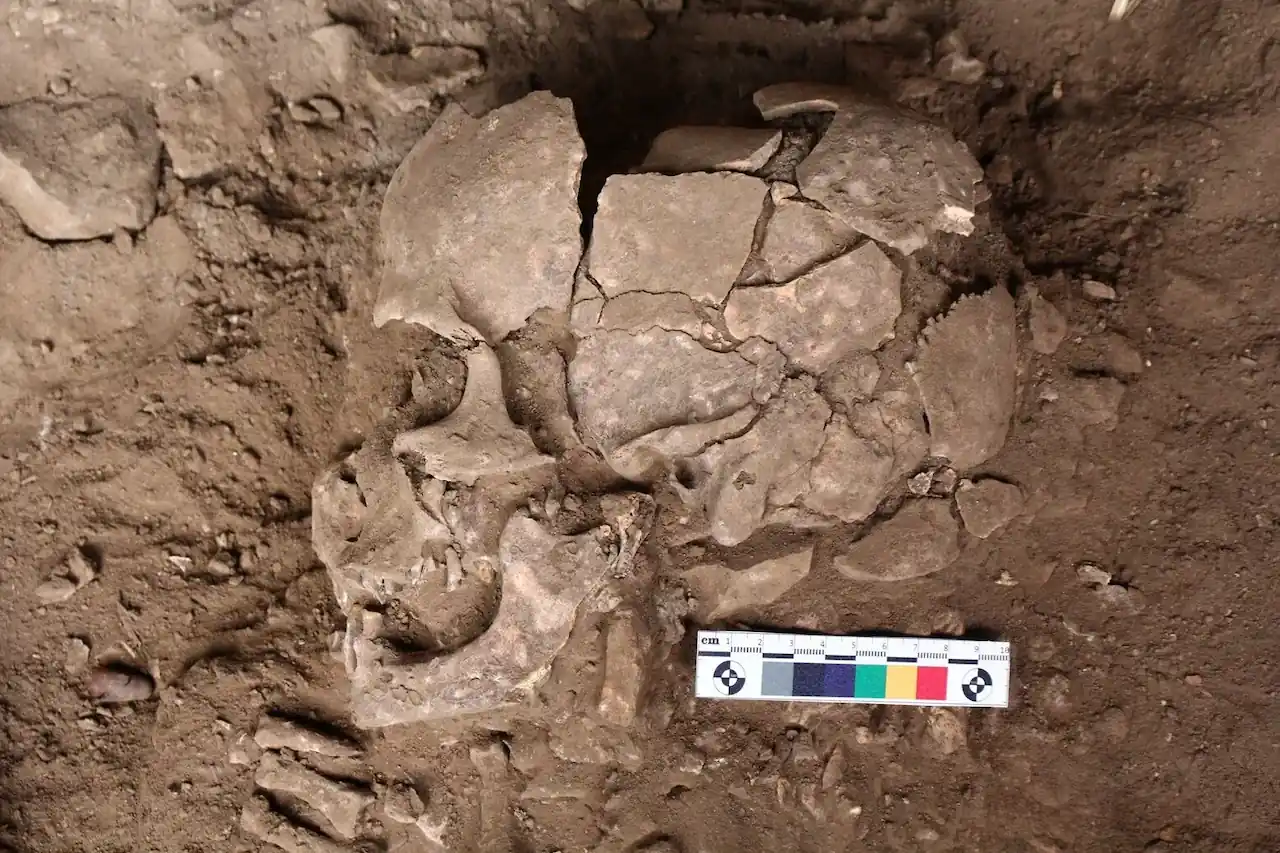
Antes de la cerveza y mucho antes de la agricultura: así se drogaban los cazadores de la Edad de Hielo

Dos esqueletos hallados en la isla indonesia de Sulawesi tenían algo raro en la boca. No eran caries, ni el desgaste habitual de una dieta dura. Eran unos surcos profundos y redondeados en los dientes, un patrón que ningún arqueólogo había visto antes y que nadie sabía explicar. La respuesta, publicada en la revista Science […]

  •  

Was man in deutschen Medien alles nicht über Trumps Öldeal mit Venezuela erfährt

Gestern Abend habe ich einen russischen Artikel übersetzt, der sehr verständlich erklärt hat, welche Folgen der Öldeal, den die USA Venezuela aufgezwungen haben, für den globalen Ölmarkt und die OPEC haben dürfte. Wer sich mit dem Thema beschäftigt hat und nun die deutschen Medienberichte darüber liest, der merkt mal wieder, wie die Medien die Menschen […]
  •  

Pakistan floats fresh LNG tender after rejecting costly single bid

KARACHI: Pakistan LNG Limited has issued a fresh tender on Wednesday to procure a spot LNG cargo for delivery between September 8 and 12, after rejecting the sole bid received for an earlier delivery window as too expensive. The state-owned buyer turned down an offer from BP Singapore at $26.969 per million British thermal units ... Read more

The post Pakistan floats fresh LNG tender after rejecting costly single bid appeared first on BOL News.

  •  

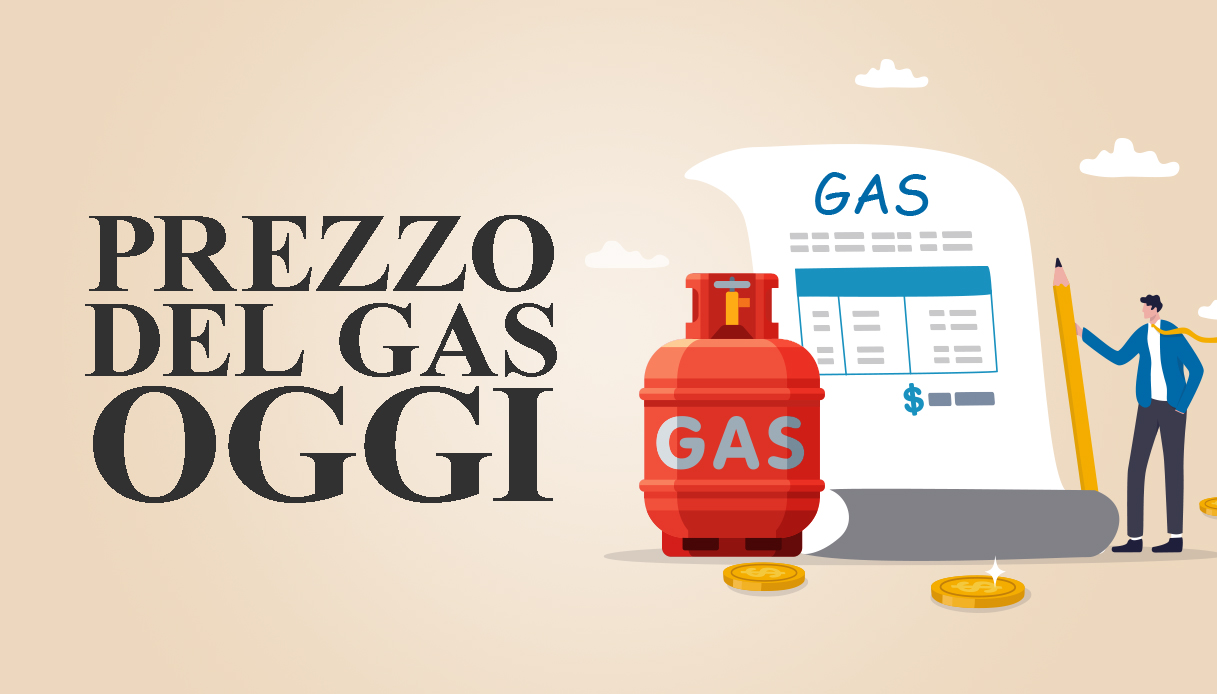
Prezzo gas oggi PSV: quanto vale oggi il gas all’ingrosso

Al 30 Ottobre 2026, l’ultimo dato disponibile per il PSV è quello del 29 Ottobre: 105,43 euro/MWh, pari a circa 1,127 euro/Smc. Il dato è un prezzo all’ingrosso e non coincide direttamente con il prezzo finale in bolletta, che comprende anche componenti di vendita, trasporto, oneri e imposte.

Il PSV mostra una netta tendenza al rialzo nel periodo osservato: dal valore di 75,01 euro/MWh del 1 Ottobre è salito a 105,43 euro/MWh il 29 Ottobre, con un incremento complessivo di circa il 40,6%. La crescita si è intensificata negli ultimi giorni: il 29 Ottobre il prezzo ha guadagnato il 5,66% sul giorno precedente, dopo gli aumenti registrati il 27 e il 28 Ottobre. La serie presenta comunque alcune oscillazioni giornaliere.

Andamento giornaliero del PSV
Giorno Valore medio nel giorno (euro/Smc) Variazione percentuale
29/10/2026 1,127 +5,66%
28/10/2026 1,067 +0,48%
27/10/2026 1,062 +3,10%
26/10/2026 1,029 +4,20%
25/10/2026 0,988 +0,42%
24/10/2026 0,984 -0,70%
23/10/2026 0,991 +1,27%
22/10/2026 0,978 +0,41%
21/10/2026 0,975 -2,09%
20/10/2026 0,995 +2,04%
19/10/2026 0,976 +2,41%
18/10/2026 0,953 -0,07%
17/10/2026 0,953 +1,31%
16/10/2026 0,941 -0,45%
15/10/2026 0,945 -0,62%
14/10/2026 0,951 +2,89%
13/10/2026 0,924 +1,59%
12/10/2026 0,910 +3,92%
11/10/2026 0,876 -0,51%
10/10/2026 0,880 -0,02%
09/10/2026 0,880 +1,52%
08/10/2026 0,867 +1,83%
07/10/2026 0,851 +2,63%
06/10/2026 0,830 +0,06%
05/10/2026 0,829 +5,05%
04/10/2026 0,789 -0,03%
03/10/2026 0,789 -2,65%
02/10/2026 0,811 +1,13%
01/10/2026 0,802 n.d.

Il PSV, acronimo di Punto di scambio virtuale, è il principale mercato all’ingrosso del gas naturale in Italia. È il punto virtuale della rete nazionale in cui gli operatori scambiano e bilanciano il gas. Il suo prezzo costituisce un riferimento importante per le forniture italiane e per alcune offerte indicizzate, ma il costo effettivo per il cliente finale dipende anche dalle altre voci della bolletta.

Andamento del Future TTF del gas

Il TTF, o Title Transfer Facility, è il mercato virtuale del gas naturale nei Paesi Bassi e rappresenta uno dei principali riferimenti europei per le quotazioni all’ingrosso. I valori riportati di seguito sono convertiti da euro/MWh a euro/Smc usando il coefficiente 0,01069.

Nel periodo disponibile il TTF è passato da 69,74 euro/MWh il 30 Settembre a 101,455 euro/MWh il 29 Ottobre, pari a circa 0,745 e 1,084 euro/Smc rispettivamente. Dopo una fase di oscillazioni tra fine Settembre e la prima parte di Ottobre, la serie ha evidenziato un aumento pronunciato. Negli ultimi giorni il prezzo è salito rapidamente, pur con un arretramento il 26 Ottobre, seguito da nuovi rialzi. La variazione giornaliera del 29 Ottobre è stata del 4,74%.

Andamento del TTF negli ultimi 60 giorni
Giorno Valore medio nel giorno (euro/Smc) Variazione percentuale
29/10/2026 1,084 +4,74%
28/10/2026 1,035 -0,15%
27/10/2026 1,037 -0,54%
26/10/2026 1,043 +4,25%
25/10/2026 1,000 +0,20%
24/10/2026 0,998 +2,92%
23/10/2026 0,970 +2,76%
22/10/2026 0,944 +0,01%
21/10/2026 0,944 -0,78%
20/10/2026 0,951 -0,83%
19/10/2026 0,959 +1,86%
18/10/2026 0,941 +0,10%
17/10/2026 0,940 +1,50%
16/10/2026 0,926 +0,28%
15/10/2026 0,924 -1,01%
14/10/2026 0,934 +3,68%
13/10/2026 0,900 +1,19%
12/10/2026 0,890 +3,61%
11/10/2026 0,859 +0,11%
10/10/2026 0,858 +1,45%
09/10/2026 0,846 +1,76%
08/10/2026 0,831 +2,04%
07/10/2026 0,815 +2,84%
06/10/2026 0,792 -1,25%
05/10/2026 0,802 +1,38%
04/10/2026 0,791 -0,02%
03/10/2026 0,791 -0,08%
02/10/2026 0,792 +2,20%
01/10/2026 0,775 +3,96%
30/09/2026 0,745 -4,53%
29/09/2026 0,781 -1,64%
28/09/2026 0,794 +3,27%
27/09/2026 0,769 +0,09%
26/09/2026 0,768 -4,38%
25/09/2026 0,803 +2,33%
24/09/2026 0,785 +0,57%
23/09/2026 0,781 -2,36%
22/09/2026 0,799 -5,07%
21/09/2026 0,842 -0,24%
20/09/2026 0,844 +0,04%
19/09/2026 0,844 +1,96%
18/09/2026 0,828 -2,69%
17/09/2026 0,850 -1,79%
16/09/2026 0,866 -3,34%
15/09/2026 0,896 +0,93%
14/09/2026 0,887 +2,74%
13/09/2026 0,864 +0,11%
12/09/2026 0,863 -1,95%
11/09/2026 0,880 +3,44%
10/09/2026 0,850 +4,47%
09/09/2026 0,815 +3,66%
08/09/2026 0,786 -2,02%
07/09/2026 0,802 +4,74%
06/09/2026 0,766 +0,15%
05/09/2026 0,764 -0,27%
04/09/2026 0,767 -2,07%
03/09/2026 0,783 +1,81%
02/09/2026 0,769 +3,13%
01/09/2026 0,746 +2,90%
31/08/2026 0,725 n.d.

  •  

Gas in forte rialzo e ai massimi degli ultimi 30 giorni: PSV a 105,43 €/MWh, tutela a 0,843182 €/Smc il 30 Ottobre 2026

Quanto costa oggi un metro cubo di gas? Il prezzo all’ingrosso è in forte aumento: il PSV del 29 Ottobre 2026 ha raggiunto 105,43 €/MWh, il valore più alto degli ultimi 30 giorni. Per la bolletta, però, questo dato non coincide direttamente con il costo di uno Smc: incidono anche il contratto scelto e le altre componenti tariffarie.

Nel mercato tutelato, il prezzo della sola materia prima gas disponibile per oggi, 30 Ottobre 2026, è quello fissato da ARERA per Settembre 2026: 0,843182 €/Smc. Il dato più recente è aumentato del 22,8% rispetto ad Agosto 2026. A questo importo si aggiungono trasporto, oneri e imposte, che variano in base alle condizioni applicabili. Nel mercato libero, invece, la materia gas è stabilita dal singolo fornitore.

Prezzo della materia prima in €/Smc
Tutelato: prezzo definito mensilmente da ARERA.
Libero: varia da fornitore a fornitore; può essere legato al PSV oppure bloccato per 12 o 24 mesi.

Il costo del gas per i clienti del servizio di tutela della vulnerabilità

L’ultimo prezzo ARERA disponibile per la materia prima del servizio di tutela della vulnerabilità è 0,843182 €/Smc, riferito a Settembre 2026. È un valore mensile, non una quotazione aggiornata ogni giorno: alla data del 30 Ottobre 2026 non è indicato un prezzo ARERA per Ottobre. Il rincaro del 22,8% rispetto al mese precedente segnala un aumento della componente di approvvigionamento.

Il PSV, invece, è un riferimento del mercato all’ingrosso e può cambiare quotidianamente. Il 29 Ottobre 2026 ha segnato 105,43 €/MWh, in aumento del 5,7% rispetto al giorno precedente e dell’8,8% rispetto alla media degli ultimi sette giorni. Il confronto tra €/MWh e €/Smc richiede una conversione e non rappresenta, da solo, il prezzo finale in bolletta.

Il costo del gas nel mercato libero

Nel mercato libero il prezzo della materia prima può essere fisso, e restare invariato per il periodo previsto dal contratto, spesso 12 o 24 mesi, oppure indicizzato, seguendo un parametro come il PSV secondo le condizioni dell’offerta. In quest’ultimo caso, un rialzo del mercato all’ingrosso può riflettersi sul prezzo applicato, con modalità e tempi stabiliti dal contratto.

Le offerte cambiano da un operatore all’altro e possono includere sconti, bonus o servizi aggiuntivi. Per confrontarle è utile controllare il prezzo della materia gas, gli eventuali corrispettivi fissi, la durata delle condizioni economiche e le regole di aggiornamento.

Come si compone il prezzo in bolletta

La bolletta comprende la materia prima, il trasporto e la gestione del contatore, gli oneri di sistema e le imposte. Queste voci concorrono alla spesa complessiva, quindi il prezzo della materia gas non coincide con il totale pagato per ogni Smc.

Nel servizio di tutela della vulnerabilità le componenti sono regolate secondo le disposizioni applicabili. Nel mercato libero trasporto, oneri e imposte restano regolati, mentre il prezzo della materia gas è definito dal fornitore in base all’offerta sottoscritta.

Quanto spenderai in bolletta

La tabella seguente mostra una simulazione della sola componente materia prima, usando il prezzo ARERA disponibile di 0,843182 €/Smc. Per rendere confrontabili i nuclei familiari, si ipotizzano consumi annui indicativi di 700 Smc per due persone, 1.000 Smc per tre persone e 1.400 Smc per quattro persone. I consumi reali possono variare sensibilmente in base a riscaldamento, acqua calda, zona climatica e abitudini.

Nucleo familiare Consumo annuo ipotizzato Tutelato: materia prima Mercato libero: esempio indicativo
2 persone 700 Smc 590,23 € Variabile in base all’offerta
3 persone 1.000 Smc 843,18 € Variabile in base all’offerta
4 persone 1.400 Smc 1.180,45 € Variabile in base all’offerta

Gli importi del tutelato sono calcolati moltiplicando i consumi ipotizzati per il prezzo della materia prima e non comprendono trasporto, oneri di sistema, imposte né eventuali quote fisse. Nel mercato libero la spesa dipende dal prezzo e dalle altre condizioni dell’offerta attiva: i valori non sono quindi direttamente ricavabili dal PSV e vanno verificati nel contratto e nella bolletta.

  •  
❌