❌

Reading view

Bulgária mobiliza caças após ataques com drones no mar Negro

Quatro navios atacados em duas semanas perto da costa búlgara, três afundados. Sofia coordena resposta com EUA, Turquia e Roménia para garantir a navegação.

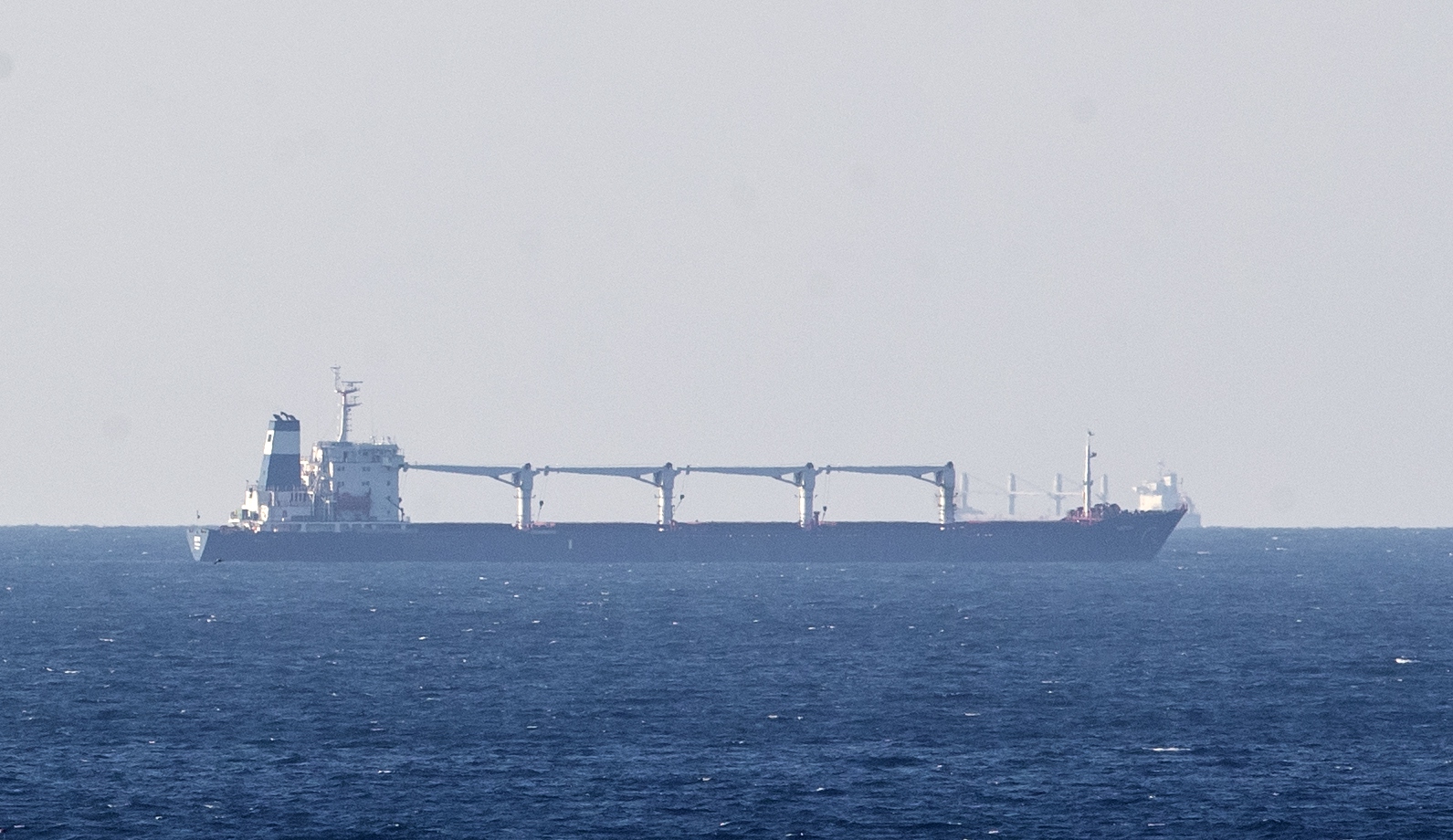
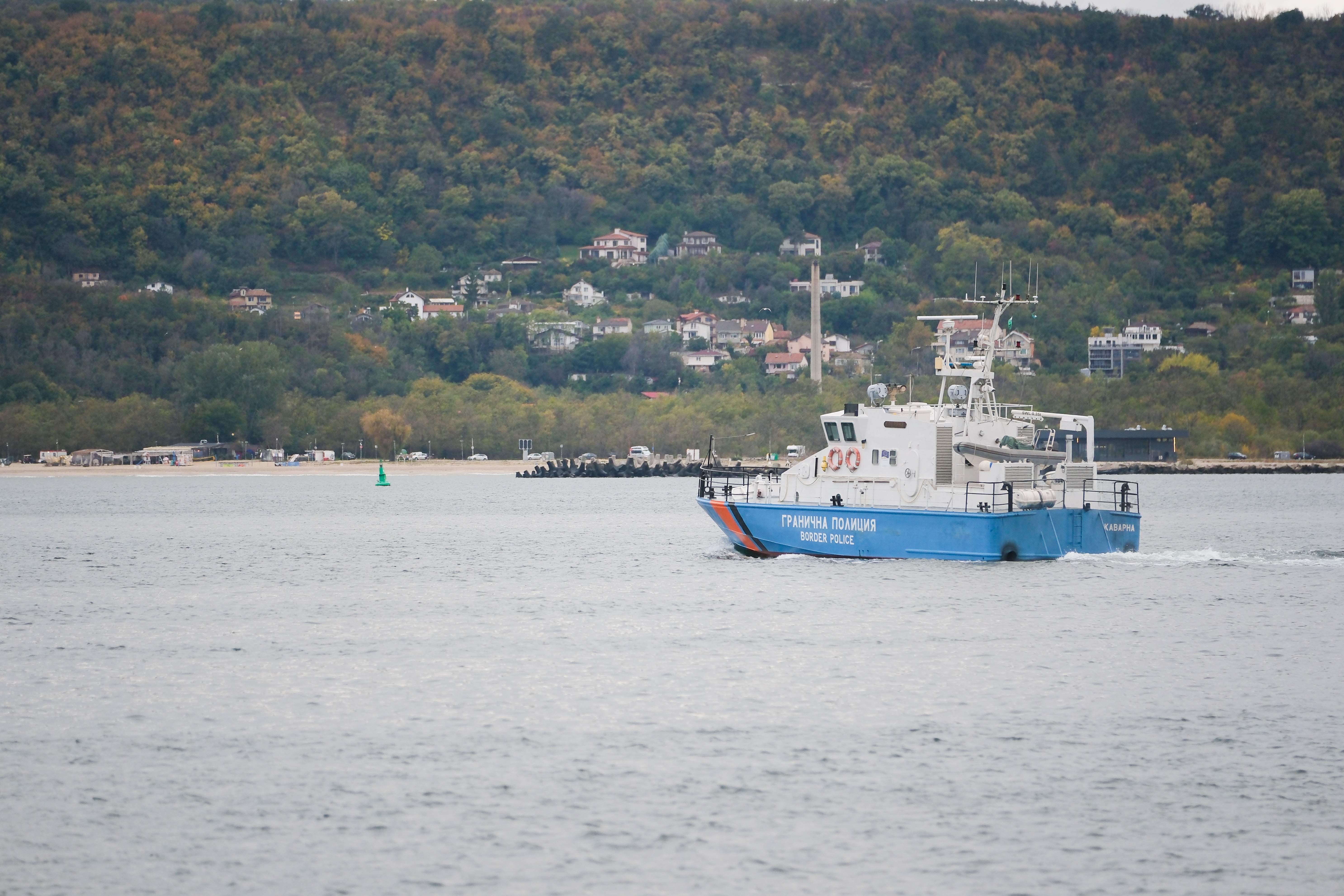
© VASSIL DONEV/EPA

"Caças F-16, MiG-29, Su-25 e L-39 estão a patrulhar e monitorizar o espaço aéreo sobre as águas territoriais para aumentar o conhecimento da situação"
  •  

NATO Deploys Planes, Drones, and Radar Systems to the Black Sea

On Tuesday, Bulgarian Prime Minister Rumen Radev disclosed that a US Navy P-8A Poseidon maritime patrol and reconnaissance aircraft, tasked to NATO, had begun patrols over the Black Sea. Bulgaria, which joined NATO in 2004, the EU in 2007 and the “Eurozone” this year, requested NATO assistance following escalating drone attacks on merchant ships in […]
  •  

Nato increases Black Sea deployment amid escalating deadly Russian attacks

Mounting anxiety as Russia’s war on Ukraine reaches Nato’s borders with targeting of vessels transporting agricultural cargo

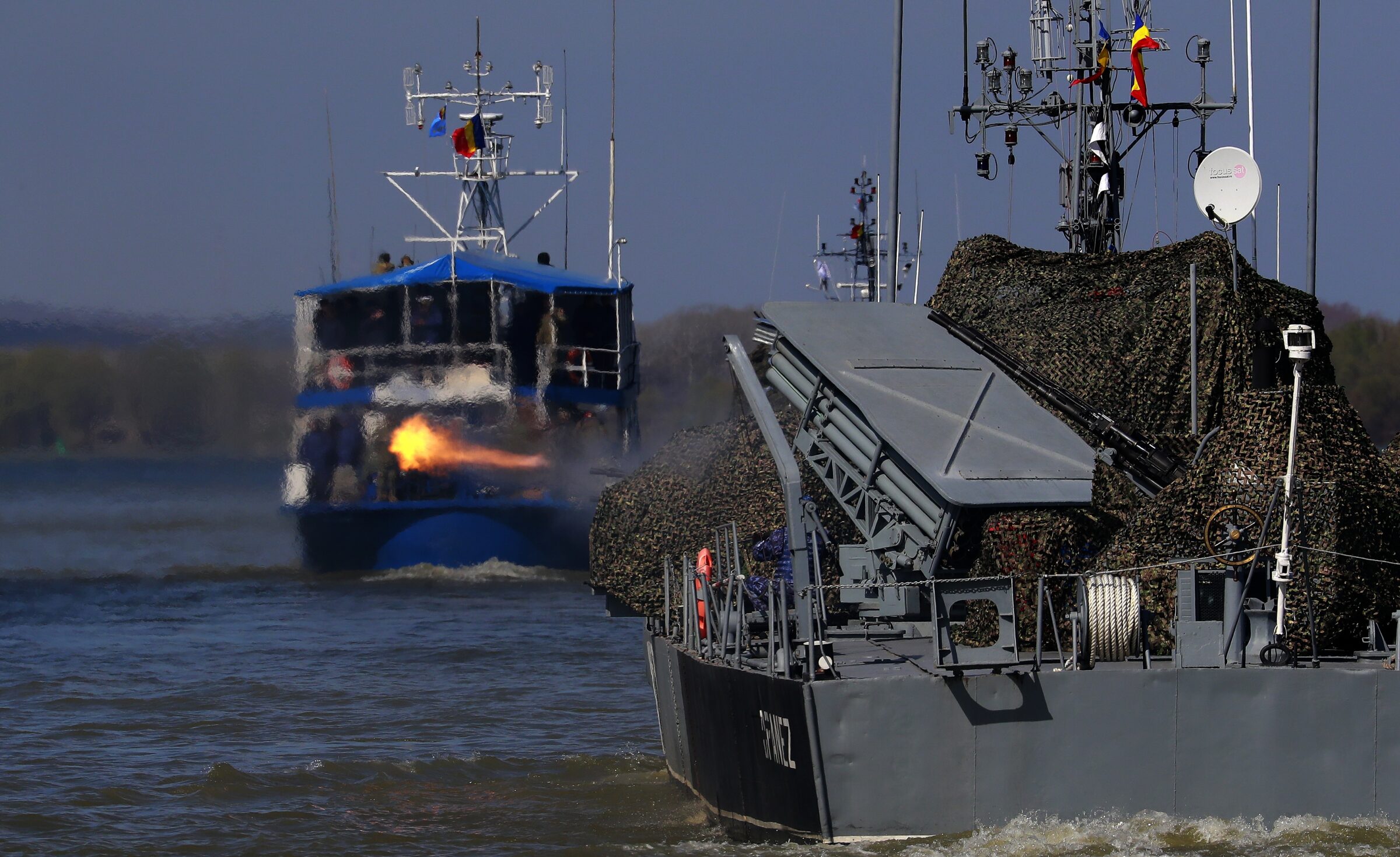
Nato is deploying additional military assets to the Black Sea amid the recent deadly escalation of Russian attacks on merchant shipping, as five more vessels were attacked on Tuesday.

Russia’s military said it ⁠struck ​three cargo vessels in Ukraine’s ⁠port of Reni and two ⁠other cargo vessels en ​route ‌to ‌Odesa.

Continue reading...

© Photograph: MAPN/Romanian Defence Ministry/AFP/Getty Images

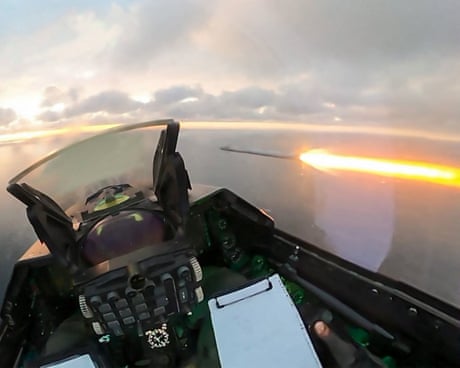
© Photograph: MAPN/Romanian Defence Ministry/AFP/Getty Images

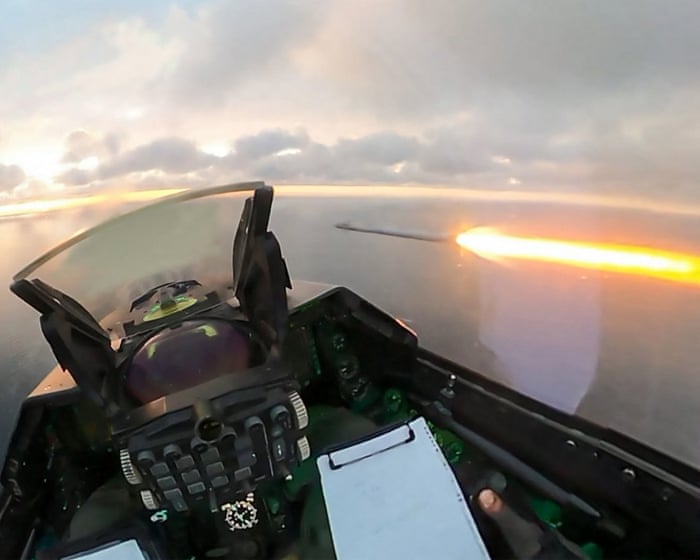
© Photograph: MAPN/Romanian Defence Ministry/AFP/Getty Images

  •  

EU unlikely to send Black Sea naval mission to repel Russian drone attacks on Ukrainian grain ships, despite Kallas’ support

The EU’s top diplomat has backed the idea of a Black Sea naval mission to protect grain ships from Russian drones – but this would require a much bigger effort than Europe’s existing Red Sea operation, while air-policing might be more effective.

“The EU should send a mission to the Black Sea,” said EU foreign affairs chief Kaja Kallas in the European Parliament in Strasbourg on Tuesday (20 October).

“To protect merchant shipping, not to escalate, not to scare anyone, but to make sure that we will supply safely fuel, merchandise at normal prices, anything we need. This is how it should be,” she said.

Some “six attacks in 10 days by suspected Russian drones marks a dangerous and unacceptable escalation,” in the region, Kallas added, with “rescuers
still searching for seven sailors missing after the drone attack on two tankers near Romania’s Black Sea coast”.

The Russian attacks were costing Ukraine €60m a day in lost exports of grain and fertiliser, Kallas also said.

And Russia had changed its tactics to start targeting people instead of cargo, said Sidharth Kaushal, from the Royal United Services Institute (RUSI) defence think-tank in London.

“Before, they targeted ports, not civilians, or vessels at sea. They realised that threat to life is a much more effective deterrent to commercial shipping than threat to cargo,” he told EUobserver.

This article continues, but the full version is available only to EUobserver.com subscribers. Visit account.euobserver.com/membership

  •  

Two Germans charged in absentia over Bulgaria’s Starlink fire, one of three recent attacks on satellite links Ukraine relies on against Russia

two germans charged absentia over bulgaria’s starlink fire latest attack satellite links ukraine relies against russia · post sofia city court reviews prosecution’s request european arrest warrants german nationals wanted

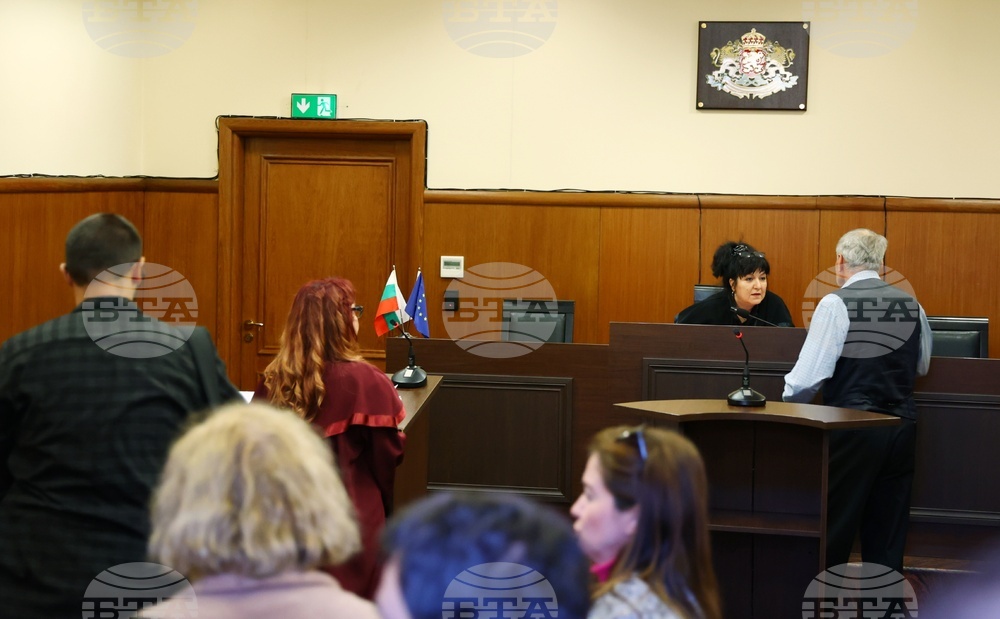
A Sofia court has cleared European arrest warrants for two 19-year-old Germans charged with setting fire to Starlink antennas south of the Bulgarian capital, a court spokeswoman told dpa. Prosecutors named the pair in court, but both had already left Bulgaria. The case adds Bulgaria to a run of attacks on Starlink sites in Europe, which Poland and Lithuania have linked to Russia.

While Russia presses its assault along the front and strikes Ukraine’s cities, Starlink keeps Ukraine’s drone units and front-line troops connected, and Poland pays about $50 million a year for its terminals. The network’s ground links in Europe are now a target in their own right, and ISW has linked the Polish fire to a wider Russian pattern of sabotage. Each attack on a ground station hits a network whose speed caps already disrupted Ukraine’s drone missions this month.

Two names, a few hours in Bulgaria

Prosecutors identified the suspects as Zeka Islam and Tirpan Beytullah, Bulgaria’s state news agency BTA reported, noting the names may be misspelled. Their whereabouts are unknown, according to German authorities cited by the agency. They were charged in absentia on 14 October and face three to 12 years in prison if convicted.

According to the indictment, the two crossed from Serbia at the Kalotina checkpoint at 17:37 on 9 October and told border officers they were tourists. At about 22:25, wearing gloves and masks, they allegedly set fire to antennas at the Plana teleport, a satellite ground station near the village of Plana. They drove back into Serbia through the same checkpoint at 23:55.

Three antennas burned completely, two were partly damaged, and three more were affected, prosecutors say. The pair traveled in a Volkswagen with German plates, and a national warrant followed two days after the charges, ZDF reported.

kyiv asking musk let strike inside russia its best line gone · post elon 2026 world economic forum / ciaran mccrickard wef ukraine news ukrainian reports
Explore further

Musk pushed Trump to slow Starlink in Ukraine, weakening air defenses as Russian drones attacked cities – The Telegraph

The court-appointed lawyers argued that investigators had pinned down the vehicle, not the men in it. The court rejected those objections, finding reasonable grounds to suspect the pair. The lawyers said they would appeal. The ruling can be challenged within three days.

A Starlink antenna
A Starlink antenna. Illustrative photo: Christoph Soeder/dpa

An opposition MP made the fire public three days later

The fire became public only on 12 October, when opposition MP Ivaylo Mirchev of Democratic Bulgaria posted about it on Facebook. He said 11 antennas had been set on fire, more than prosecutors later counted.

In parliament two days later, Prime Minister Rumen Radev asked the head of the State Agency for National Security (DANS) not to reveal details, saying disclosure could harm the investigation. DANS head Plamen Tonchev told lawmakers he believes the fire was sabotage and that more such attacks cannot be ruled out, dpa reported.

The White House, seen from Lafayette Square. File photo, June 2024.
Explore further

White House ordered limits on Ukraine’s military satellite service — Reuters. Who made the decision remains unclear

After the ruling, Mirchev wrote that Radev personally owes the public an explanation of what has been achieved, BTA reported.

Bulgaria’s case joins attacks Poland and Lithuania tie to Russia

Bulgaria has not said who might be behind the fire. Authorities in Poland and Lithuania have linked similar recent arsons on Starlink equipment to Russia.

In September, fire hit a Starlink ground station south of Warsaw, and Germany later detained two suspects. On 18 October, Lithuania’s prime minister said intruders had tried to burn a company’s Starlink antennas used by Ukraine, calling it part of Russia’s hybrid war. Moscow claims such accusations are baseless, Reuters reported.

  •  

Poland, Bulgaria, now Lithuania: Russia’s suspected arson campaign reaches a third Starlink site serving Ukraine

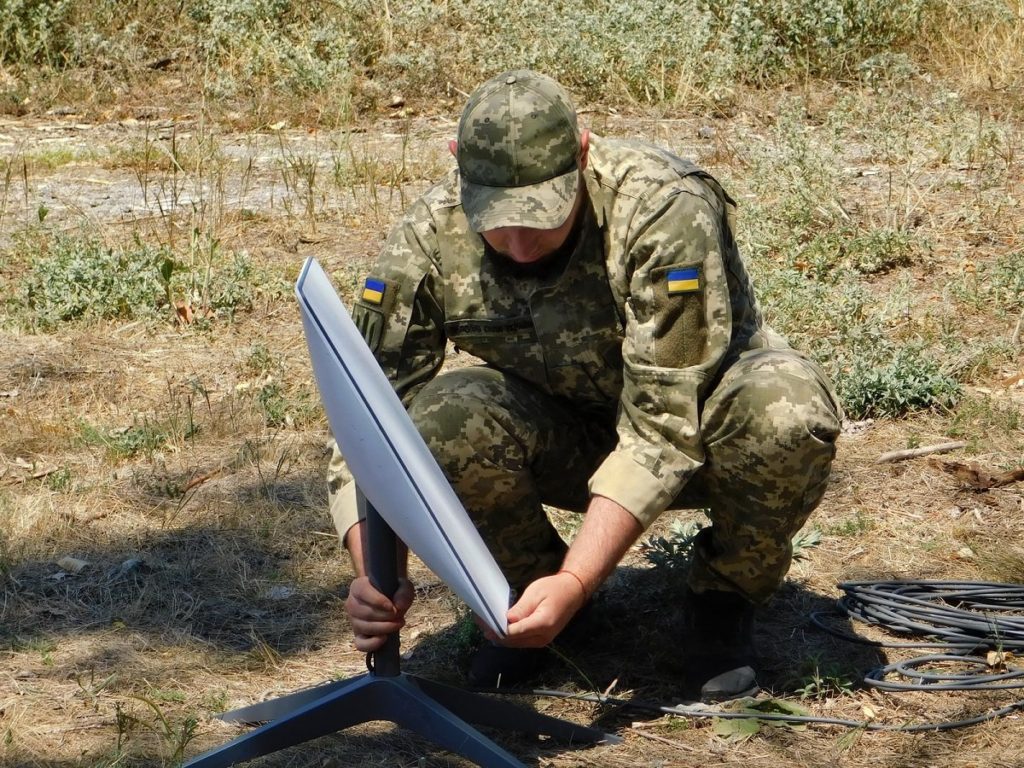
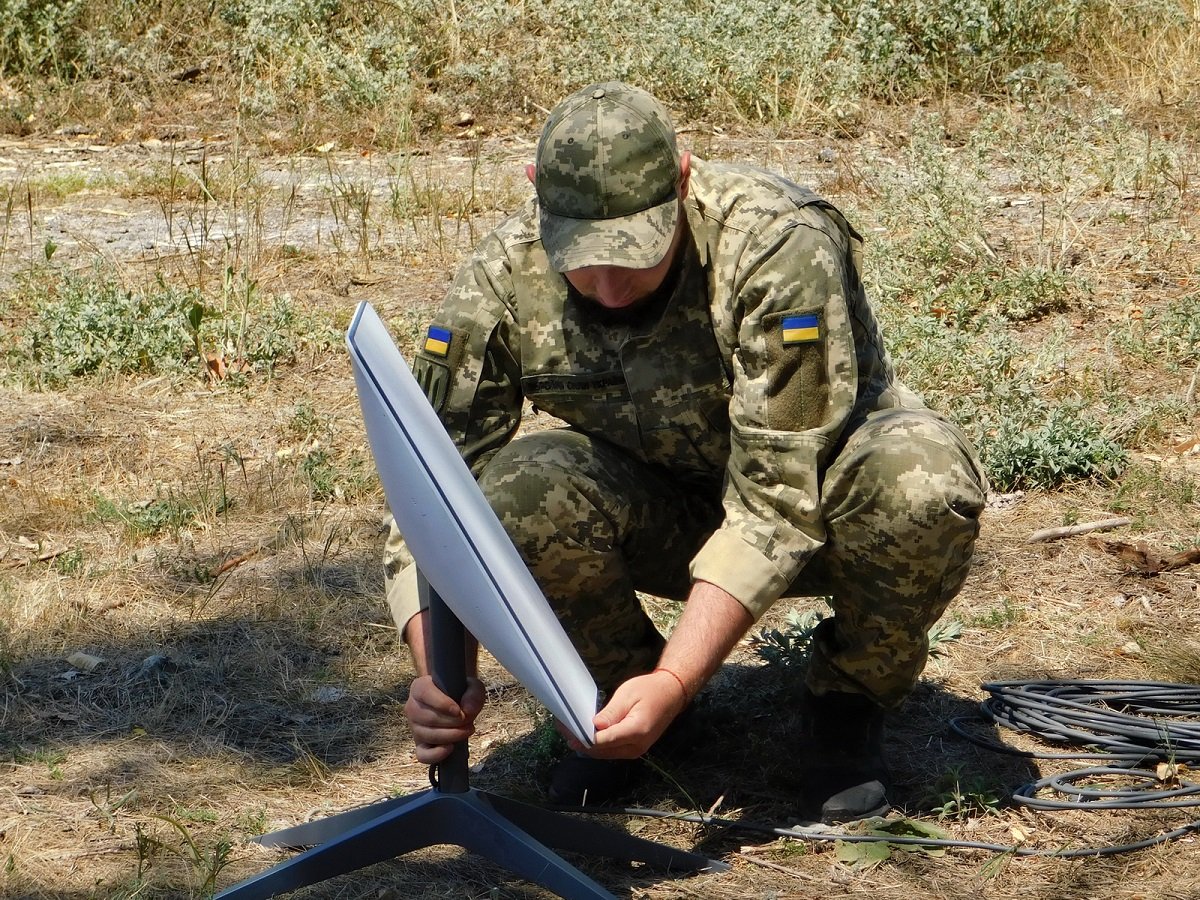
poland bulgaria now lithuania russia’s suspected arson campaign reaches third starlink site serving ukraine · post ukrainian soldier installs terminal news reports

Someone tried to set fire overnight to a Lithuanian company that stores Starlink communication equipment, but tipped-off guards foiled the attempt, Lithuanian Prime Minister Mindaugas Sinkevičius said. He linked the attack to Russia’s hybrid war against Europe. It is the third suspected sabotage of Starlink infrastructure in Europe in under a month.

Russia keeps attacking Ukraine at the front and from the air while running a sabotage campaign behind the lines in Europe, which ISW has linked into one pattern. Starlink keeps Ukraine’s drone units and front-line troops connected, and Poland pays for much of that service.

Fuel canisters and a control unit

The attack came just after midnight, the prime minister wrote. Security services had warned the company about possible attacks, security was stepped up, and the attempt failed.

The company provides connectivity through nine Starlink satellite antennas used by Ukraine, Sinkevičius told Lithuanian public radio LRT. At almost 2 a.m., intruders tried to burn the antennas and their control unit, leaving behind incendiary liquid in canisters of 3 to 10 liters.

“It is obvious that this is part of Russia’s hybrid war with elements of sabotage,” he said, adding that the client was likely “the Russian side.”

He said he believes the people involved, and how many there were, are known, but gave no details, citing the investigation.

Police Commissioner General Arūnas Paulauskas said no suspects had been detained, any damage was minimal, and the company kept working. A pretrial investigation is under way.

poland bulgaria now lithuania russia’s suspected arson campaign reaches third starlink site serving ukraine · post ukrainian soldier installs terminal news reports
Explore further

New Starlink restrictions disrupt Ukrainian drone missions. Kyiv adviser says move is tied to “political situation”

A drone the same morning

Hours later, an object that apparently entered from Poland crossed northern Lithuania, and NATO jets failed to identify it, Defense Minister Robertas Kaunas said. Possible fragments were found in the Pasvalys district near the Latvian border. Latvia’s military said the object may have blown itself up on a course toward Latvia.

Sinkevičius said the sabotage version had to be checked for the drone too. He called the National Security Commission for Monday, 19 October, to examine both incidents and consider giving services more powers to neutralize drones.

The third Starlink site

In September, a fire destroyed the distribution panel at a Starlink ground station in Wola Krobowska, Poland. Germany detained two Turkish nationals on 12 October, and Warsaw blamed Russian intelligence. In Bulgaria, masked intruders burned 11 of 17 Starlink antennas near Sofia.

  •  

Bulgária pede caças e antidrones à NATO para o mar Negro

Os ataques no mar Negro intensificam-se "de dia para dia". O ministro da Defesa búlgaro quer meios aéreos, mísseis terra-ar e patrulhas. Resposta da NATO ainda incerta.

© VASSIL DONEV/EPA

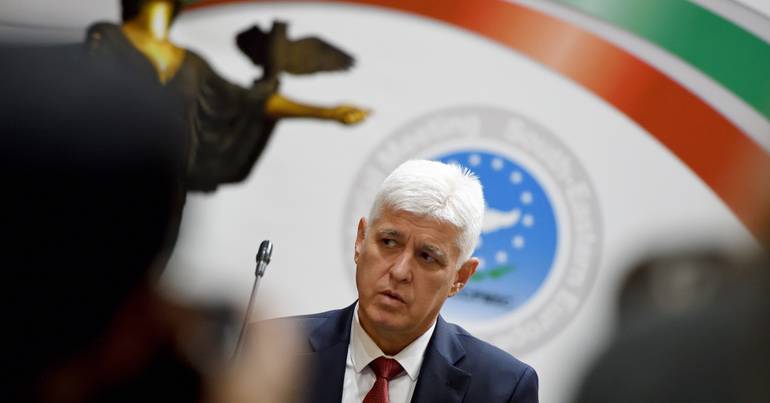
"A falta de uma identificação definitiva sobre quem realiza os ataques não pode servir de justificação para a inação ou a falta de preparação", declarou Stoyanov
  •  

Two tankers burn off Romania’s Sulina as Bulgaria says it lacks proof Russia is behind the Black Sea ship attacks

two tankers burn off romania’s sulina bulgaria says lacks proof russia behind black sea ship attacks · post burned superstructure tanker wine trader seen rescue helicopter 15 2026 romanian interior

Two tankers caught fire within about 12 hours off Sulina, Romania’s port at the mouth of the Danube, Romanian authorities reported. The crew of one said a drone hit it inside Romania’s territorial waters, while Bucharest says it is still checking whether drones were involved. Bulgaria, where drones sank ships in its economic zone this month, says it lacks proof that Russia launched them.

For months, Russia has struck civilian ships on the sea route that carries most of Ukraine’s farm exports, while its drones have repeatedly crossed into Moldova and Romania during attacks on Ukraine. As long as Bucharest and Sofia wait for drone wreckage before naming anyone, Russia, the party Bulgaria’s own prime minister says the logic points to, pays no price for extending its war on Ukraine’s trade routes into NATO members’ waters.

Seven sailors missing after the second fire

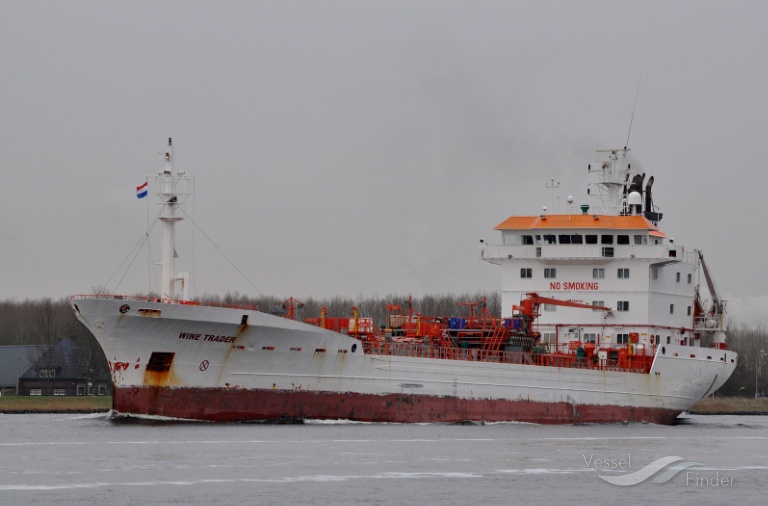
The San Marino-flagged chemical tanker Wine Trader reported a fire in its superstructure around 07:00 on 15 October while anchored in Romanian territorial waters about 13 nautical miles southeast of Sulina, Romania’s Naval Authority said. By midday, five of its 12 crew had been recovered and seven were still missing.

The chemical tanker Wine Trader
The chemical tanker Wine Trader. Photo: VesselFinder

Hours earlier, at 01:34, a drone entered Romanian airspace over the country’s waters southeast of Sulina for about a minute before vanishing from radar, the Defense Ministry said. Authorities have not named a cause for the fire, though unnamed sources

  •  

Russia’s Black Sea Attacks Threaten Global Food Supplies and Force Bulgaria to Confront Moscow

Drone strikes against merchant vessels off Bulgaria have brought Russia’s war into waters bordering NATO and the European Union. With grain exports threatened, shipping costs rising and Sofia seeking allied protection, Moscow’s campaign against maritime trade risks becoming another instrument of economic and political pressure.

Russia’s expanding campaign against commercial shipping in the Black Sea is creating a security crisis that extends far beyond Ukraine. The latest drone attacks off Bulgaria’s coast have left 11 sailors missing, forced Sofia to seek assistance from NATO and the European Union, and raised concerns that Moscow is attempting to disrupt one of the world’s principal agricultural export routes.

On 13th October, the Guinea-Bissau-flagged HS Dignity sank after being struck by drones approximately 17 nautical miles east of the Bulgarian village of Krapets. Another vessel, the Ukrainian-owned, Maltese-flagged Chelsea 3, was attacked near Byala. All 15 crew members were rescued, although five sustained minor injuries. The incidents followed earlier attacks in Bulgaria’s exclusive economic zone on 6th October, when the ALFA WATAN sank and the grain-carrying ABLE was damaged.

The significance lies not simply in the destruction of merchant vessels but in the geographical expansion of the threat. Commercial routes previously regarded as comparatively safer alternatives to Ukraine’s exposed ports are now becoming operationally dangerous. Bulgaria and Romania, both NATO and EU members, face disruption to trade, maritime insurance and port operations as the conflict spreads across the western Black Sea.

Russia’s Campaign Against Maritime Trade

The latest attacks follow months of Russian strikes against Ukrainian ports, export terminals and civilian shipping. As EU Today previously reported, repeated attacks on Odesa have already reduced Ukraine’s grain-export capacity, while alternative routes through the Danube and neighbouring European countries cannot fully replace its major Black Sea terminals.

The extension of attacks towards Bulgaria changes the economic calculation. Ships carrying agricultural products, those approaching Danube ports and vessels operating between Black Sea countries now face greater uncertainty, regardless of whether they enter Ukrainian territorial waters.

Maritime security company Ambrey assessed the earlier October attacks as highly likely to have been conducted by Russian forces. Its assessment identified vessels associated with Ukrainian grain trade as the principal targets, rather than suggesting that every commercial ship was being attacked indiscriminately.

This distinction is important, but it offers little reassurance to international shipping companies. A campaign directed against Ukrainian trade can disrupt the wider maritime economy when insurers, shipowners and exporters cannot establish which routes remain safe.

The economic consequences are already becoming apparent. Shipowners must consider higher insurance premiums, additional security measures and the possibility of losing vessels and crews. Traders may redirect cargoes or withdraw from routes whose commercial returns no longer justify the risks.

Radev Confronts the Consequences of Moscow’s War

The attacks have also placed Bulgarian Prime Minister Rumen Radev in an increasingly difficult political position.

Radev has advocated renewed diplomatic engagement with Moscow and questioned the emphasis placed on military assistance to Ukraine. He has rejected accusations of being pro-Russian, presenting his approach as a pragmatic alternative to prolonged confrontation.

Yet the attacks have demonstrated the limitations of maintaining political distance from a war whose economic and security consequences are reaching Bulgarian waters.

After summoning Russian Ambassador Eleonora Mitrofanova on 13th October, Radev acknowledged that Bulgaria possessed no conclusive evidence establishing responsibility for the latest strikes. Nevertheless, he argued that their consequences benefited Russia and questioned why Ukraine would attack its own commercial vessels.

According to the Bulgarian News Agency’s account of the meeting, the prime minister also warned that higher insurance costs and shipping companies’ reluctance to serve Bulgarian ports were already damaging the national economy.

This is the fundamental change confronting Sofia. The conflict is no longer solely a question of Bulgaria’s position towards Ukraine or its diplomatic relationship with Russia. It is affecting the country’s commercial interests, energy supplies and responsibilities as a NATO member.

Radev’s response does not necessarily indicate a wholesale reversal of his previous political position. It demonstrates that the practical obligations of government can leave considerably less room for accommodation with Moscow than the arguments advanced from outside direct responsibility for national security.

Food Security Becomes Another Instrument of Pressure

The broader consequences may be felt most severely outside Europe.

Ukraine remains an important supplier of wheat, maize and vegetable oils to international markets, including countries in Africa, Asia and the Middle East. Interruptions to these exports affect more than Ukraine’s agricultural revenues. They can increase transport costs, delay deliveries and reduce the availability of competitively priced food in import-dependent countries.

Speaking at the Warsaw Security Forum on 12th October, President Volodymyr Zelenskyy warned of a possible agricultural crisis, arguing that Russian interference with Black Sea shipping could leave countries in Africa, Asia and the Middle East facing serious supply difficulties within months.

The warning reflects a mechanism already familiar from the earlier stages of Russia’s invasion. Following Moscow’s withdrawal from the UN-brokered grain agreement in July 2023, Ukrainian agricultural exporters faced renewed attacks on port infrastructure and substantial uncertainty over maritime access.

The danger is not necessarily an immediate worldwide shortage of grain. Wheat prices remained relatively steady following the 13th October incidents. Rather, sustained disruption could progressively reduce available export capacity, increase costs and place vulnerable importing countries under greater pressure.

For Moscow, such disruption could serve several purposes simultaneously: weakening Ukraine’s economy, raising the costs of international support for Kyiv and creating additional pressures on governments concerned about food inflation and social stability.

Europe’s Black Sea Security Strategy Faces a Practical Test

The immediate challenge for Brussels and NATO is how to protect commercial navigation without allowing the conflict to expand into a direct military confrontation.

Bulgaria has requested stronger air and maritime surveillance and is seeking closer coordination with Romania and Turkey. Defence Minister Dimitar Stoyanov said on 14th October that Sofia expected to join a NATO counter-drone initiative by the end of the month.

The EU has already developed a framework for addressing precisely such threats. Its Black Sea strategy, announced in May 2025, proposed a maritime security hub integrating surveillance, intelligence-sharing, infrastructure protection and regional cooperation.

The attacks now expose the difference between developing a security framework and providing effective protection to merchant vessels. Better intelligence can identify threats, but preventing further sinkings requires detection systems, coordinated responses and sufficient defensive capabilities.

Turkey’s involvement is particularly important because of its control over the Bosphorus and Dardanelles and its established role in Black Sea maritime security. Any workable regional arrangement must therefore extend beyond cooperation between Bulgaria and Romania.

The incidents occurred outside Bulgaria’s 12-nautical-mile territorial sea, meaning they do not automatically constitute an armed attack on NATO territory under Article 5. Nevertheless, repeated strikes within the economic zones of alliance members pose a substantial challenge to maritime security.

Russia’s campaign against Ukrainian exports is increasingly imposing costs on neighbouring European states and international trading partners. The question facing the EU is whether it can secure the commercial routes on which both Ukraine’s economy and the food supplies of millions beyond Europe depend.

  •  

Black Sea Shipping Hit With Escalating Attacks

Drone attacks on commercial shipping in the Black Sea on Tuesday sank one ship and damaged another. The cargo ship Dignity, a Guinea-Bissau-flagged vessel, was sunk. The Ukrainian-operated coastal freighter Chelsea, a Malta-flagged vessel, was disabled. Both ships were attacked approximately 20 miles off the coast of Bulgaria. Officials in Bulgaria, which joined NATO in […]
  •  

Black Sea becomes new front in Russia-Ukraine wars on grain exports, with no alternative EU route to get shipments out

The Black Sea has become a new frontline between Russia and Ukraine, as the two agricultural powers join battle to halt each other’s exports.

On Tuesday (13 October), the Ukrainian-owned Chelsea 3, sailing under a Maltese flag, was struck by three drones only 30km off Bulgaria.

According to Bulgarian prime minister Rumen Radev, two ships were hit by drones, one of which sank.

The recent incidents underline the vulnerability of commercial shipping in a region where Russia and Ukraine depend on maritime routes for their international trade.

And on the coast, Bulgaria’s position is particularly sensitive, as a Nato member bordering the Black Sea.

EU Commission president Ursula von der Leyen condemned the attacks on social media, calling them an “escalation” of the Russian war in Ukraine.

Nato general secretary Mark Rutte also reiterated the alliance’s commitment to regional security. “Nato would continue working closely with its Black Sea allies and had strengthened its posture along the eastern flank,” he said.

Shipping route under pressure

For Ukraine, access to the Black Sea is essential to exporting grain, sunflower oil, metals and other goods.

Before Russia’s full-scale invasion, Ukrainian Black Sea ports handled exports worth more than $40bn (€35.74bn).

Russian attacks on port infrastructure and shipping have severely undermined this trade, while the threat of further strikes raises the cost and risk of operating in the region.

Severe problems with Ukrainian agricultural exports became apparent as early as August, when the country managed to export only 20 percent of the grain it had shipped during the same period the previous year.

“With grain, it is more difficult,” Ukrainian agriculture minister Taras Vysotsky said.

He added that Ukraine’s domestic market was not suffering for now. Although buckwheat could become scarce, the main challenge for Kyiv now is to be able to export the supplies before they perish.

And alternative routes offer only partial relief.

Ukraine has increasingly relied on Danube ports, including Izmail and Reni, with cargo moving towards Romania’s Constanța port before being transferred to larger vessels for international markets.

But this corridor is under growing pressure from low water levels on the Danube, congested terminals and also drone attacks.

Waiting times for vessels seeking access to the river have exceeded two weeks.

This article continues, but the full version is available only to EUobserver.com subscribers. Visit account.euobserver.com/membership

  •  

Shipowners are already avoiding Bulgarian ports

A week after two cargo ships were struck by drones off the Bulgarian coast, the attack was repeated even closer to our territorial waters with a similar outcome: one vessel was sunk, and another was abandoned by its crew, resulting in injuries and likely numerous fatalities. This is already having tangible consequences for Bulgaria. “Attacks […]

  •  

Drone strikes on Black Sea cargo ships point to wider European arc of Russia hybrid threats

The Alfa Watan, a ship sailing under the flag of Togo, and the Able, a vessel flying the flag of Palau, were targeted by naval and aerial drones on Tuesday (6 October) morning in the Black Sea near the Bulgarian coast.

The Alfa Watan sank, and rescuers at the scene found only an overturned boat, life jackets, and fragments of the ship’s equipment, according to Bulgarian prime minister Rumen Radev.

The 18-member crew of the Able caught fire, but was successfully evacuated to the port of Varna.

“This is an unacceptable attack in Bulgaria’s exclusive economic zone,” Radev said after an emergency government meeting on Tuesday.

Bulgaria had discussed the drone attack inside the EU and Nato, he added.

It came after a drone also sank a Turkish-owned grain ship, the Royad Mammadov, killing two sailors, on Monday.

But even though Ukraine’s president Volodymyr Zelensky was quick to blame Russia, the perpetrators have not been formally identified yet, in a grey-zone conflict in which deniability is a tactic.

Russia and Ukraine have been escalating attacks on ships for several months in an effort to disrupt each other’s export economies.

And Moscow’s attacks have largely halted Ukraine’s maritime exports of agricultural products, while Kyiv’s attacks have forced Russia to seek alternative routes for exports.

“The situation in the Black Sea is increasingly concerning,” said EU Commission’s president Ursula von der Leyen on X on Tuesday.

Ukraine has “proposed concrete steps to de-escalate the situation”, also said Zelensky.

But for all his good will, the attacks were just part of a broader deterioration in Europe’s security environment, covering also Nato’s eastern and southern borders.

‘Shadow war’

For Czech president Peter Pavel, speaking to Czech daily Deník N on 22 September, the most imminent danger came from a false-flag attack in Estonia or Latvia, to test Nato’s resolve.

This article continues, but the full version is available only to EUobserver.com subscribers. Visit account.euobserver.com/membership

  •  

A 32,000-Square-Foot Roman Mansion Just Surfaced in Bulgaria — and No One’s Sure Whose It Was

Inside a Roman legionary fortress, almost nobody had a private bathroom. Soldiers washed in communal baths built for the whole unit. In practice, only one person could usually justify baths of any real size for himself: the legate, the general in command of the legion. That’s the context archaeologist Piotr Dyczek gives for a striking […]

  •  

Hallan en Bulgaria la posible mansión del general que vigilaba a una legión romana en nombre del emperador

En una fortaleza legionaria romana casi nadie tenía baño propio. Había termas para toda la legión y, en la práctica, solo el legado, el jefe supremo del cuerpo, podía permitirse unas privadas de cierto tamaño. Lo explica el arqueólogo Piotr Dyczek, y viene a cuento porque su equipo acaba de sacar a la luz en […]

  •  

One foot out: Understanding Bulgaria’s geopolitical shift under Radev

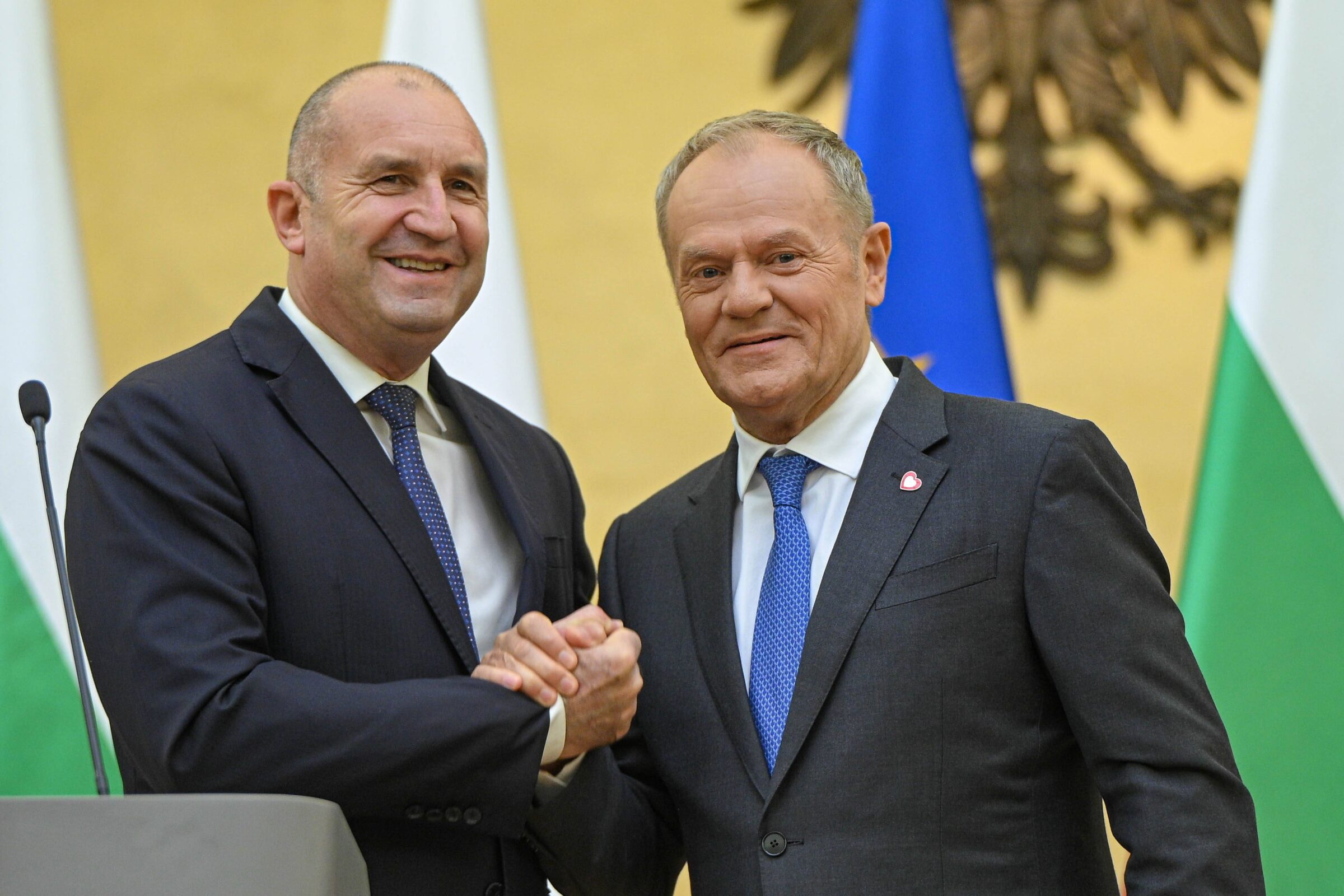
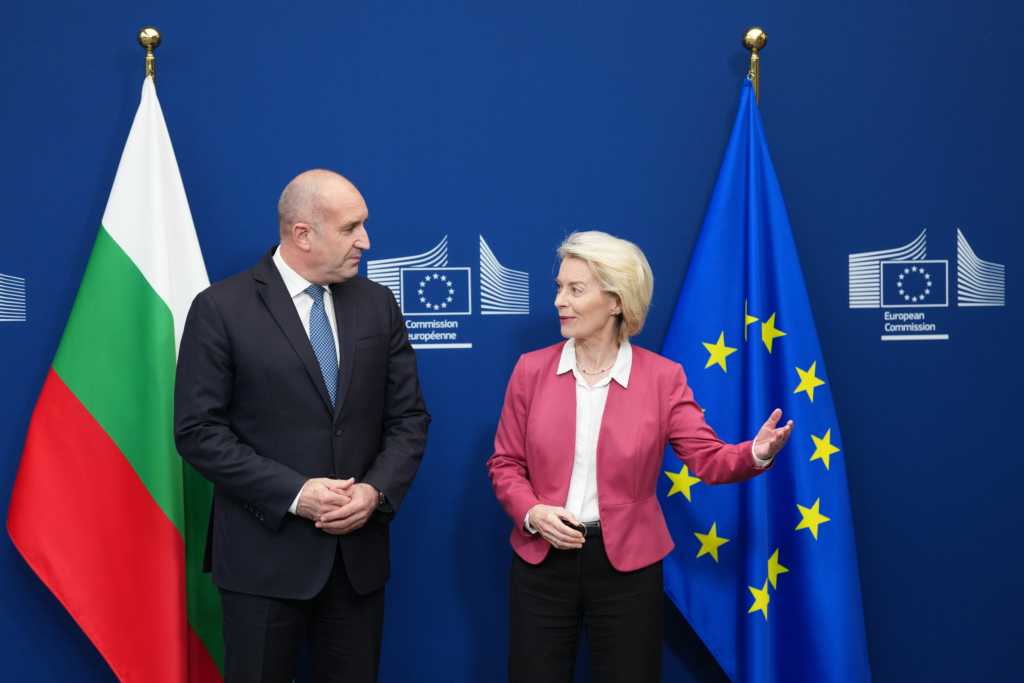
Ein Foto zeigt eine Frau in rosa Jacke, die einen Mann im dunklen Anzug begrüßt vor blauer Wand mit EU- und Landesfahne.
Cover image: picture alliance / AP Photo/Virginia Mayo | Virginia Mayo

Problem

Bulgaria has agreed to host up to eight American refuelling tankers at its Bezmer military base to support US operations in the Middle East. The announcement came just days after prime minister Rumen Radev withdrew his country from the European coalition of the willing (CoW) for Ukraine, arguing that military support would only prolong the war and that Bulgaria lacks the resources to contribute.

Radev has put the final decision on Bezmer to a vote in Bulgaria’s parliament, allowing him to spread the political responsibility and limit direct ownership of the move. Now the prime minister can maintain his rather clumsy position: by rejecting military support for Ukraine (despite previous parliament votes) and justifying logistical support for American military operations elsewhere, he hopes to preserve US security guarantees without dedicating Bulgaria to Europe’s developing security architecture.

These decisions expose a growing inconsistency in Bulgaria’s strategic posture. Sofia is distancing itself from European efforts to strengthen Ukraine and is planning for its own defence, while simultaneously supporting Washington’s military operation in the Middle East. Rather than aligning with the broadly pro-European consensus and anti-American sentiments in Bulgarian society, Radev is attempting to balance competing security frameworks without sufficiently considering European security interests.

This ambiguity also presents a broader challenge for Europe. As the Trump administration continues to conduct foreign policy through bargaining, some European governments appear tempted to pursue bilateral arrangements with Washington rather than invest in European unity. Such behaviour risks weakening collective defence, precisely when strategic coordination is needed.

Solution

European security cannot rely on member states choosing cooperation only when politically convenient. The EU needs to engage more actively with the Bulgarian government and push back on Radev’s form of hedging while political conditions remain favourable, to help strengthen defence cooperation among the EU’s 27 member states.

The EU should also reinforce the political and practical incentives for participation in common defence initiatives, for example through its Multiannual Financial Framework (MFF) and other European defence instruments. At the same time, it needs to reduce opportunities for external powers—particularly China, Russia and the US —to exploit divisions, institutional weaknesses and the strategic ambiguity encouraged by MAGA. Bulgaria’s recent work to delist two Russian oligarchs and a Russian patriarch from the EU’s 21st sanctions package is an example of Russia’s growing leverage over the government in Sofia.

Overall, the EU should treat Bulgaria as an urgent political case rather than a lost cause. This is especially true given that, in 2027, Europe will see several major elections which have the potential to return governments that are more concerned with nationalism than European unity. This, in turn, would constrain the political space in which governments committed to a strong European foreign and security policy can act.

Context

Since taking office in May 2026, Radev has gradually shifted Bulgaria’s foreign policy away from alignment with its European partners. Bulgaria did not join the international agreement to establish the Special Tribunal for the Crime of Aggression against Ukraine, nor did Radev attend May’s B9 summit in Bucharest. Bulgaria’s decision to leave the CoW has attracted strong criticism from pro-European parties and raises broader questions about Bulgaria’s long-term strategic orientation.

The latest move in Bezmer follows the previous deployment of as many as 15 US tanker aircraft at Sofia Airport between February and June, which sparked political controversy. The government ended the deployment, which was linked to arrangements for (unsuccessful) discussions on Bulgaria’s inclusion in the US Visa Waiver Program, on June 30th.

Delays in military modernisation and uncertainty surrounding planned defence-industrial cooperation, including a Rheinmetall partnership, are compounding Sofia’s lack of clarity about whether it intends to become a consistent contributor to Europe’s security architecture. As it stands, Radev appears to be pursuing more transactional, case-by-case relationships with both Europe and the US.

Source

  •  
❌