Reading view
Inside the legal design of America's Russia sanctions U-turn
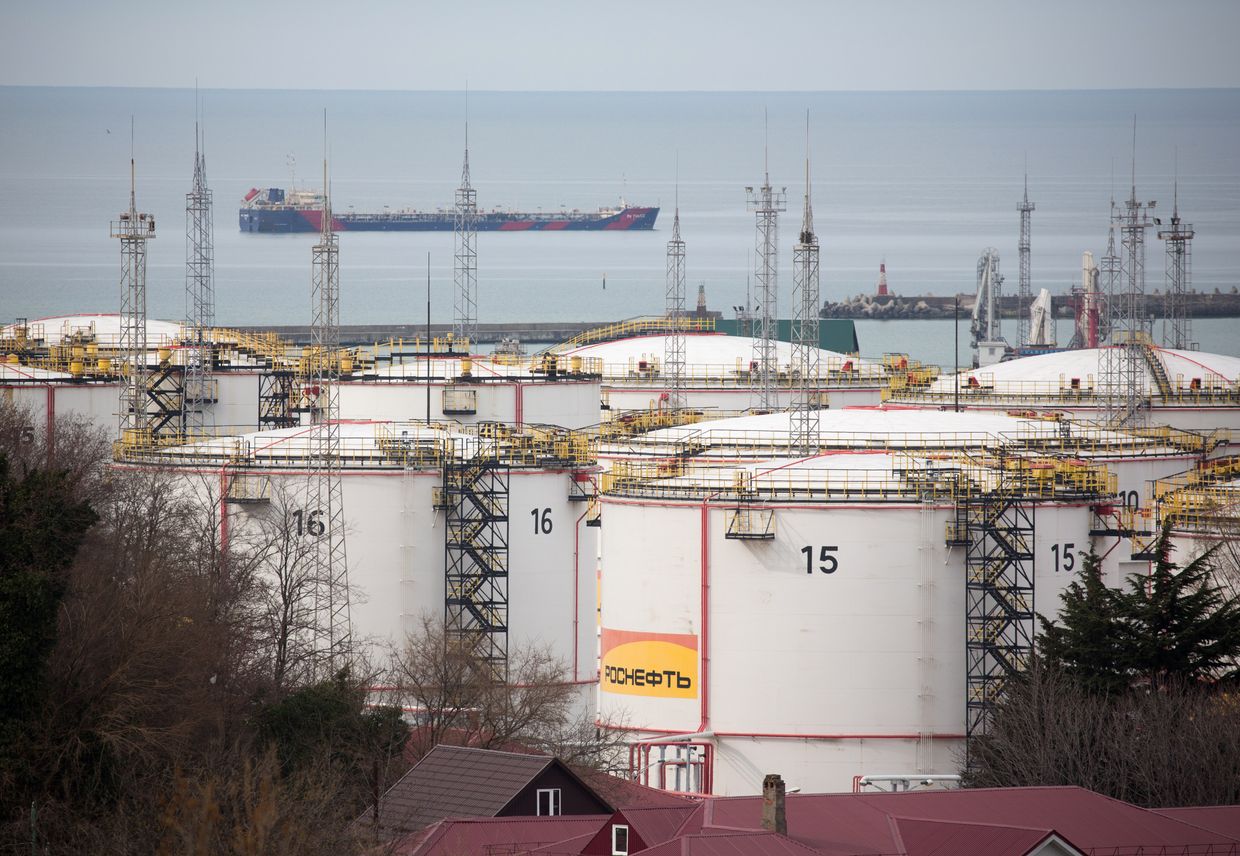
The first Russian diesel tanker under the new deal between Russia and the United States is now heading for New York with a 40,000-metric-ton cargo, enough to cover barely two hours of American demand.
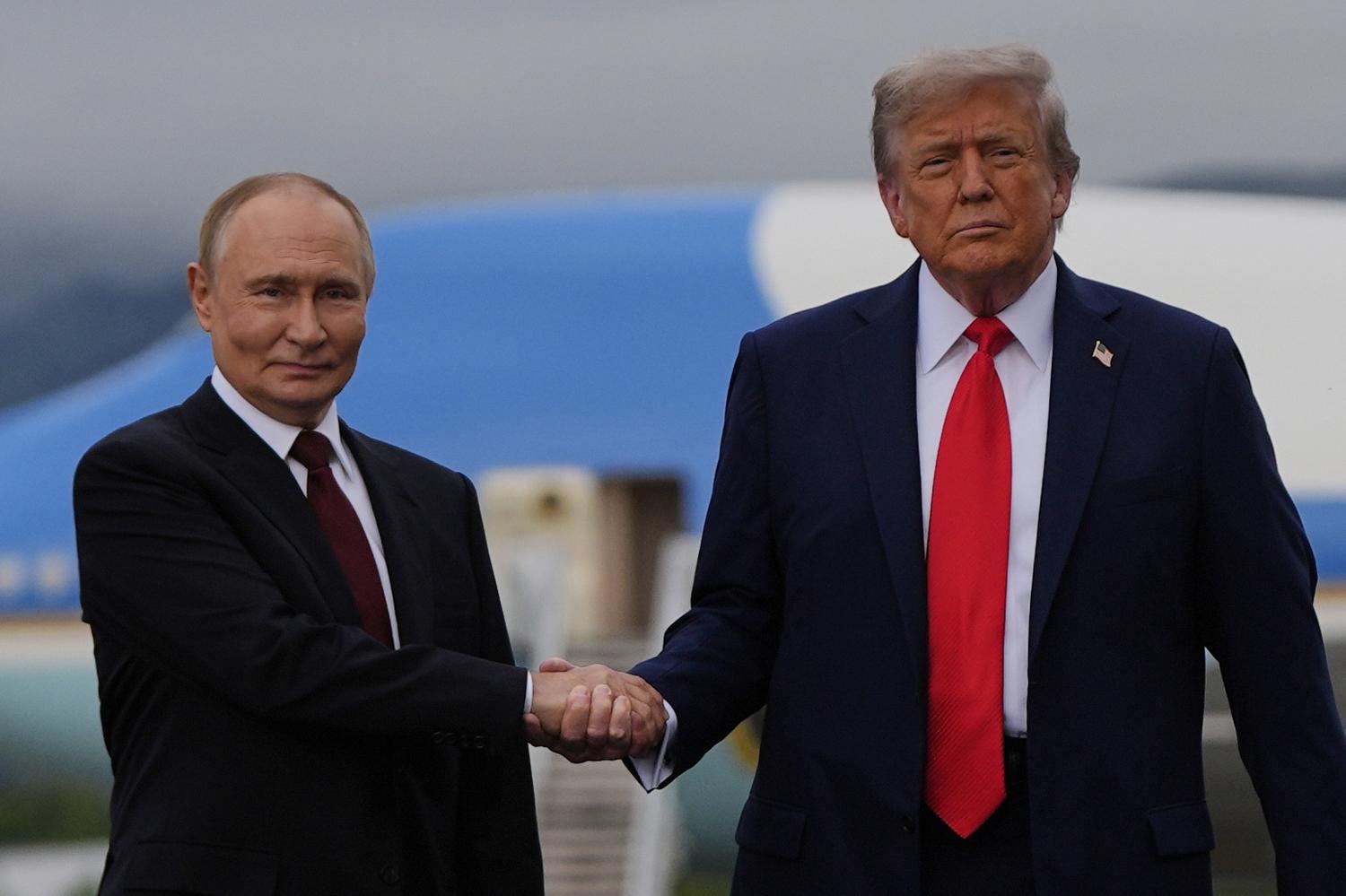
The deal began with a phone call, in which Russian President Vladimir Putin seems to

Abu Dhabi Peace Talks: Why Putin’s Ambitions May Defeat Trump’s Economic Bargain
Washington is offering Moscow sanctions relief, commercial opportunities and a possible return to European energy markets. Yet the Kremlin’s objectives in Ukraine extend far beyond economic interests, raising questions about whether Vladimir Putin has any intention of accepting a settlement that preserves Ukraine as an independent European state.
The Kremlin has announced plans for renewed negotiations between Russia, Ukraine and the United States in Abu Dhabi during the first half of November, reviving a diplomatic process that has repeatedly failed to produce a settlement to Moscow’s war against Ukraine.
Russian presidential spokesman Dmitry Peskov said on Friday, 23 October, that the discussions would concentrate on post-war security arrangements. He also left open the possibility of eventual European participation, although the initial meeting is intended to remain trilateral.
The announcement follows talks in St Petersburg between Vladimir Putin and Donald Trump’s special envoy Steve Witkoff. Yet the emerging American proposals reveal a fundamental problem: Washington appears increasingly prepared to offer Russia substantial economic incentives, while Moscow has provided little indication that its political objectives in Ukraine have changed.
The economic bargain taking shape
According to details reported on 23 October, citing The Economist, the American proposals involve Ukraine abandoning its ambition to join NATO in exchange for investment, security arrangements and the prospect of European Union membership.
Russia would receive sanctions relief, renewed commercial relations with American companies and potentially the restoration of natural gas exports to Europe. A demilitarised zone in Donbas is also reportedly under consideration.
The commercial dimension extends beyond theoretical proposals.
American and Russian representatives have discussed investment in the Nord Stream pipeline system and possible arrangements involving Lukoil’s international assets. The negotiations surrounding Russian energy infrastructure suggest that Washington regards commercial cooperation as a potential instrument for securing Moscow’s agreement.
There is no established evidence that Witkoff, Jared Kushner or members of Trump’s family would personally benefit from these arrangements. Nevertheless, the involvement of investors in strategically important Russian assets raises questions about whether economic agreements might advance independently of a settlement acceptable to Ukraine.
The Trump administration has already demonstrated its willingness to relax economic pressure. On 16 October, the president waived major provisions of the Graham sanctions legislation, which he had signed into law only four weeks earlier.
As EU Today previously examined, the decision suspended measures designed to increase the economic costs of Russia’s continuing aggression. Washington justified the waiver on the grounds that sanctions could interfere with negotiations.
Why Putin’s objectives are not primarily economic
The central weakness in a settlement built around commercial incentives is the assumption that Putin’s territorial and political demands can ultimately be exchanged for economic advantages.
Russia’s objectives have never been confined to Donetsk, Luhansk or access to Western markets.
In his July 2021 essay on the historical unity of Russians and Ukrainians, Putin advanced a conception of the two nations as belonging to a single historical and cultural space. His interpretation, examined by the Centre for Eastern Studies, challenged the legitimacy of Ukraine’s development outside Moscow’s political influence.
These ideas preceded the full-scale invasion of February 2022. They also followed Russia’s annexation of Crimea in 2014 and its intervention in eastern Ukraine.
Putin’s demands therefore concern more than military geography. They involve the extent to which Ukraine can exercise independent political authority, determine its international alliances and integrate with Western institutions.
Even a settlement granting Moscow substantial territory could leave this larger objective unresolved.
An independent Ukraine, increasingly integrated into the European economy and protected by Western security commitments, would remain outside Russia’s political control. For a Kremlin leadership that has repeatedly questioned Ukraine’s separate historical identity, such an outcome would represent a limitation on its wider ambitions.
Putin reinforced this position on 22 October when he again described Ukrainian territory in Donbas as historically Russian.
The advantages of negotiations without compromise
This creates an apparent contradiction. Why would Moscow return to negotiations if its broader objectives remain incompatible with the proposed settlement?
One explanation is that participation itself offers Russia strategic advantages.
Negotiations can preserve diplomatic engagement with Washington, complicate attempts to introduce additional sanctions and maintain American pressure on Kyiv to accept territorial concessions.
They also provide opportunities to negotiate economic arrangements before fundamental security questions have been resolved.
For Putin, the political timetable in Washington is relevant. Trump’s presidency is constitutionally limited to January 2029. Moscow can seek to exploit the present administration’s interest in a diplomatic agreement while continuing military operations.
None of this establishes that Putin has definitively rejected compromise. However, the Kremlin’s willingness to attend negotiations is not equivalent to a willingness to abandon its demands.
Russia continues attacking Ukrainian cities and energy infrastructure. As EU Today reported on 22 October, Russian forces launched 21 ballistic missiles against Kyiv shortly after Witkoff’s discussions with Putin.
The simultaneous pursuit of diplomatic engagement and military pressure allows Moscow to negotiate while attempting to alter conditions on the battlefield.
Europe cannot be treated as an economic bargaining chip
The proposed return of Russian gas exposes another contradiction in Washington’s approach.
The European Union has already adopted binding legislation to phase out Russian gas imports, with full restrictions taking effect during 2027.
The European Commission reiterated on 19 October that it had no plans to reverse its position. Reopening Nord Stream would also face sanctions, infrastructure and political obstacles, particularly in Germany.
Consequently, Washington cannot independently promise Moscow renewed access to European energy markets.
Nor can it guarantee Ukraine’s accession to the EU. Membership requires agreement among the existing member states, completion of accession negotiations and ratification of the relevant treaty.
A settlement negotiated primarily between Washington and Moscow would therefore depend on European decisions over which neither government has unilateral authority.
This helps explain the significance of Peskov’s remarks about possible European participation. Moscow needs European cooperation to secure meaningful sanctions relief and access to markets, even while seeking to negotiate Europe’s security arrangements principally with Washington.
The unresolved question
Trump’s approach rests on the proposition that economic incentives can make a settlement more attractive to Moscow than continued warfare.
Putin’s position presents a different calculation. The Russian president must weigh the benefits of restored commercial relations against the political implications of recognising Ukraine’s durable independence and Western orientation.
Those objectives may prove incompatible.
A settlement that restores Russian energy revenues without credible guarantees against renewed aggression could reduce Moscow’s economic constraints while leaving the causes of the war unresolved.
The decisive test in Abu Dhabi will therefore not be whether negotiators can agree on investment, pipelines or sanctions relief. It will be whether Russia is prepared to accept a Ukrainian state whose sovereignty, political direction and future European integration remain beyond Moscow’s control.
Until that question is answered, renewed negotiations may offer Washington the prospect of a diplomatic achievement while allowing the Kremlin to pursue objectives it has not publicly abandoned.
Oil prices hit highest point since May

First tanker with Russian diesel under Trump deal heads to US, Reuters reports

Rosneft admits losses from Ukraine's refinery strikes becoming unsustainable, Bloomberg reports

AI stocks weigh on markets Thursday as oil rises to highest price since May

AI stocks weigh on markets Thursday as oil rises to highest price since May

Caro vita e rincari, i costi reali delle guerre sulle famiglie italiane
In questi giorni il caro vita turba i sonni del mondo politico e sindacale, compresi quanti finora hanno ignorato i diffusi rincari dell’energia e dei beni di prima necessità, riducendo l’emergenza a mera polemica politica.
Tuttavia, anche le poche mobilitazioni in corso dimenticano che la causa primaria dell’inflazione è proprio l’economia di guerra: l’escalation militare ha fatto ripartire la corsa dei prezzi, con conseguenze particolarmente pesanti per le economie europee, dipendenti dal greggio in transito nel Golfo Persico.
Un tempo le forniture principali arrivavano dalla Russia a costi decisamente inferiori a quelli attuali. Affermare che l’economia di guerra sia la causa principale dell’inflazione e del rallentamento economico europeo significa semplicemente prendere atto della realtà.
I dati parlano chiaro: tra marzo e agosto la UE ha sostenuto 54 miliardi di dollari di costi aggiuntivi netti solo per le importazioni di gas e petrolio. Questo dato basterebbe da solo ad aprire un dibattito serio sulle conseguenze economiche dei conflitti.
A confermare il quadro è l’Ufficio Studi della CGIA di Mestre: a fine anno gli italiani pagheranno 29 miliardi di euro in più tra rincari di elettricità, gas e carburanti. Solo in Italia il costo dell’energia elettrica è balzato del 51,2%. Rincari dovuti all’instabilità delle catene di approvvigionamento, alle speculazioni finanziarie e all’aumento delle spese militari, che sottraggono risorse essenziali al welfare.
Di fronte a questo scenario, la risposta del Governo appare timida e priva di coraggio. Mentre sostiene le spese per il riarmo, prova a calmierare con fondi pubblici le bollette degli italiani (che stimano una spesa aggiuntiva media di 153 euro all’anno per l’elettricità e 477 euro per il gas). Parallelamente, i rincari a doppia cifra colpiscono anche i beni alimentari di largo consumo: la dimostrazione che non si tratta di un incidente di percorso, ma di un effetto strutturale dell’economia di guerra.
In questo contesto, le manifestazioni di piazza rischiano di rivelarsi inefficaci, sia per la scarsa adesione sia per la debolezza delle motivazioni. Manca una riflessione complessiva sul sistema economico e sui meccanismi che spingono verso il basso i salari (a partire dai criteri di calcolo dell’IPCA). I bonus non sono la soluzione, bensì il sintomo del progressivo smantellamento del welfare pubblico.
È urgente iniziare a parlare apertamente di “economia di guerra”: un modello di produzione che alimenta la corsa alle risorse, dirotta i fondi pubblici verso la difesa e giustifica la sottrazione di risorse ai servizi essenziali. In caso contrario, continueremo a inseguire singoli provvedimenti tampone senza mai affrontare la vera radice del problema.
Articolo originale: lantidiplomatico.it
Cuba, catastrofe sociale e umanitaria
Gli errori compiuti negli ultimi decenni dal Partito Comunista di Cuba e il criminale e pluridecennale embargo statunitense, rinvigorito e rafforzato negli ultimi mesi da Marco Rubio a nome dell’amministrazione statunitense stanno portando Cuba verso la catastrofe sociale e umanitaria.
Oggi Cuba è intanto un’isola spopolata. Di dodici milioni di cubani, almeno un milione e mezzo se ne erano già andati prima del 2020 e due milioni e mezzo hanno abbandonato l’isola tra il 2021 e il 2026, massimamente attraverso il Nicaragua, nazione che dalla primavera del corrente anno ha interrotto l’accesso senza visto per i cubani. Oggi nell’isola son dunque rimaste solo otto milioni di persone.
Ad andarsene sono stati principalmente i giovani, tra i venti e quarant’anni, per altro altamente qualificati in ragione dell’istruzione gratuita, possibile fino all’università grazie al socialismo. Una dipartita che compromette di fatto il futuro dell’isola a prescindere dagli sviluppi futuri, avendo questa situazione determinato la perdita di almeno una generazione. I più maligni oppositori dicono che questi giovani “abbiano votato con i piedi”, ovvero abbiano espresso la loro lontananza dal sistema socialista andandosene, certamente la drammatica aggressione economica statunitense ha avuto negli anni un peso rilevante nel convincerli a cercare altrove maggior fortuna.
Tuttavia oggi a Cuba i problemi si moltiplicano, anche perché le rimesse da parte dei parenti all’estero sono azzerate o quasi. Soprattutto perché in molti casi hanno smesso di arrivare, bloccate dal terrorismo bancario esercitato con brutale coercizione dal Tesoro statunitense contro tutte le banche di qualsiasi nazione, per cercare di strangolare più ancora che l’economia dell’isola già al collasso, i cubani stessi, secondariamente perché se non si hanno cinquanta dollari per comprarsi una gallina, si devono spendere tre dollari per acquistare un uovo. Con uno stipendio medio di dodici dollari un medico o un professore dovrebbe vivere con un uovo a settimana e nulla più, una pensionata o un pensionato con tre uova al mese. Lo storico sistema della “livreta”, che garantiva almeno riso e fagioli neri per tutti, è totalmente collassato e le mense per i bisognosi recentemente istituite dal governo sopperiscono al dramma alimentare solo parzialmente e nelle situazioni più estreme, in particolare per gli anziani indigenti.
Di più, nell’isola non c’è mai stata povertà. Probabilmente una vita a volte difficile, ma sempre dignitosa. Oggi non è più così, la stretta economica ha imposto una violenta povertà che si sta trasformando in miseria, la quale a sua volta porta alla creazione informale di bande, principalmente di disperati, dedite al saccheggio, per la prima volta dal 1959, inizio della Rivoluzione, Cuba sta diventando un luogo incapace di garantire quella sicurezza che è sempre stata un vanto, una certezza e un orgoglio per i cubani.
La stretta sul petrolio e sul carburante ha conseguenze devastanti. Da gennaio il blocco marittimo statunitense intorno all’isola e la fine del sostegno petrolifero venezuelano hanno assestato un colpo distruttivo e incalcolabile, il cui danno, prima ancora che economico, è umanitario.
Non solo è del tutto impossibile la raccolta dell’immondizia, venendo ora bruciata a sera negli angoli delle strade, dopo che alcuni anziani vi hanno rovistato alla ricerca di un poco probabile companatico, ma neppure i vigili del fuoco o le forze dell’ordine hanno più benzina, meno che mai i trattori in campagna, le macchine estrattive nel settore minerario, le ambulanze nelle città. Si va in ospedale con il carretto trainato dal cavallo, ammesso che ci sia il cavallo, se si sta in campagna solo il medico locale può intervenire, ovviamente come può e con gli strumenti che ha.
Peggiore la situazione negli ospedali, la mancanza di medicine, l’assenza di elettricità, visto che le centrali elettriche regionali a diesel oggi sono tutte e del tutto ferme, la mancanza di carburante per i generatori di emergenza interni alle strutture sanitarie, hanno spento le sale operatorie e non solo, con il tramonto tutti i reparti non possono che passare nella modalità del riposo in attesa dell’alba successiva. Si opera come prima dell’avvento dell’elettricità agli albori del Novecento, con la volontà, l’intelligenza medico – scientifica e l’abnegazione del personale medico e sanitario cubano, che è e resta tra i più preparati e generosi del mondo, come migliaia di missioni di solidarietà in ogni angolo della terra hanno sempre dimostrato. Tuttavia questo non impedisce che persone di tutte le età, dai bambini agli anziani, muoiano per assenza di cure e di medicamenti.
Si moltiplicano le notizie di personale medico e infermieristico il quale, straziato da questa silenziosa carneficina imposta dal violento ed estremo embargo di questi ultimi mesi, decide di abbandonare il lavoro tra le lacrime per una comprensibile crisi psicologica ed emotiva dovuta all’impotenza e all’impossibilità di assolvere al lavoro sanitario. Un dramma nel dramma, del tutto comprensibile, ma non meno straziante.
I blocchi contro le compagnie aeree, l’assenza di cherosene per ripartire una volta atterrati all’Avana, la possibilità incerta di trovare forse un ciclo – taxi per raggiungere il centro della capitale, pagandolo non meno di cinquanta dollari, che è diventato il prezzo al mercato nero di un litro di benzina per le automobili, di fatto del tutto scomparse dalle strade, più ancora che negli anni del “Periodo especial” negli anni ‘90 del XX secolo, quando almeno ambulanze, automobili della polizia, camion della raccolta dei rifiuti ancora circolavano, hanno azzerato il turismo, stroncando tutte le sue ricadute economiche, a partire dal rum e dai sigari, portando alla definitiva cancellazione di Cuba dalle mete dei viaggi organizzati, prima provenienti da ogni parte del globo terracqueo.
Le campagne, già di loro poco produttive, finiti i fertilizzanti e i pesticidi, fermi i trattori, sono del tutto incapaci di soddisfare il fabbisogno alimentare della popolazione. L’autosufficienza e i tre raccolti annui, mirabilmente e mirabolantemente promessi dagli infuocati discorsi di Fidel Castro nei primi anni della Rivoluzione non solo non si sono mai realizzati, ma con la fine dell’Unione Sovietica e l’apertura al turismo, con l’opportunità in quel tempo di reperire alimentari a prezzi contenuti sul mercato globale e globalizzato, hanno portato allora a non valutare a pieno la necessità di implementare, modernizzare, rafforzare il settore primario, che resta sempre e comunque decisivo per ogni nazione. La produzione è del tutto deficitaria, da qualche mese affidata alla buona volontà di chi lavora la terra, sostenendosi adesso con un vecchio aratro di legno e un mulo o un asino, quando va bene e se c’è, a tirarlo.
Gli zuccherifici sono fermi, così si è tornati a raccogliere la canna da zucchero con il machete e la molitura si realizza con i macchinari se si trova un po’ di benzina e soprattutto i pezzi di ricambio di fatto irreperibili, un’altra disgrazia che comporta continui guasti, all’occorrenza si provvede con i muli che girano le antiche macine di pietra, se son rimaste nei cortili delle aziende. Come se non bastasse il criminale embargo, ecco che i disastri naturali hanno dato il loro nefasto contributo al disfacimento dell’agricoltura cubana, i violenti uragani che hanno devastato l’isola in questi ultimi anni hanno colpito decine di migliaia di ettari di colture, massimamente di canna da zucchero, uccidendo anche decine di migliaia di animali da allevamento. Metà degli zuccherifici per cronica obsolescenza sono stati chiusi con l’avvento del nuovo secolo, molti contadini e operai del settore, qualificati e specializzati grazie all’eccellenza dell’istruzione agraria cubana, hanno abbandonato l’isola trovando facilmente lavoro in tutte le nazioni ispanofone del continente americano.
Il devastante disastro di tutta questa situazione ha di fatto compromesso totalmente la produzione zuccheriera. Nell’anno 1989, l’ultimo del campo socialista e del COMECON, i cubani hanno prodotto otto milioni di tonnellate di zucchero grezzo, mai raggiunte prima e mai più eguagliate dopo quella data, anche perché allora gli zuccherifici funzionanti erano oltre un centinaio e oggi una decina. Ancora nel 2019, anno pre – covid, la produzione ha toccato un milione di tonnellate. Nel 2025, a fronte di una programmazione statale di un quarto di milione di tonnellate, l’isola è riuscita a raccogliere e produrre solo 150mila tonnellate di zucchero, il dato più basso dell’ultimo secolo e mezzo, ovvero a partire dal 1875. Per l’anno in corso 2026 sono difficili le stime, ma vi è la certezza di un evidente calo, con il rischio di un clamoroso e drammatico dimezzamento della produzione del 2025.
Tutta l’attività estrattiva è quasi ferma, se si può forse ancora arare un campo con un zappa, diventa difficile nel 2026 immaginare di scendere in miniera con un piccone. I macchinari di perforazione, estrazione e trasporto in superficie senza carburante restano all’aria aperta a prendere ruggine.
Le ricchezze minerarie non sono poche: nichel in provincia di Holguín, cobalto con riserve tra le più rilevanti a livello globale, cromo nella provincia di Camagüey e destinato all’industria metallurgica e alla produzione di acciaio inossidabile anch’esse del tutto bloccate mancando l’energia per far funzionare le fabbriche, zinco e piombo destinati a una implementazione estrattiva mai avvenuta per gli evidenti motivi di embargo e scarsità di manodopera, che anche in questo caso spesso ha lasciato l’isola.
A fronte di tutto questo l’attaccamento del popolo cubano alle sue istituzioni è ammirevole, al pari dell’amicizia e della solidarietà di nazioni come la Russia e la Cina, quest’ultima capace in questi difficili circostanze di intraprendere una fenomenale campagna di implementazione della capacità di raccolta dell’energia solare attraverso i pannelli fotovoltaici.
Tuttavia la situazione è drammatica e resta difficile elucubrare ipotesi politiche per il futuro, rendendo possibile paventare scenari di ogni sorta.
Resta la tragedia di un un popolo incolpevole, martirizzato dall’imperialismo statunitense per evidente e irriducibile odio politico.

Trivellazioni nel Mare del Nord. L’Ue sorride ma per Burnham iniziano i guai
Il Partito Laburista ha approvato nuove trivellazioni nel Mare del Nord. Cosa cambia per Londra e per l’Ue? In primis dal lato interno Burnham affronta una rivolta politica sul clima dopo l’approvazione della misura osteggiata da sinistra e ambientalisti, ma dal punto di vista internazionale di fatto è un’occasione interessante (anche se da mettere in cantiere ben prima delle attuali crisi).
Il neo premier non si è discostato dalla traccia imboccata dai due ministri degli Esteri, Fahnbulleh e dal suo predecessore, Ed Miliband. Infatti all’inizio dell’anno, Burnham ha lasciato intendere di condividere le posizioni del presidente americano Donald Trump che premeva non poco per esplorare in quelle zone, promettendo di adottare un “approccio pragmatico” nella decisione finale. Certo dovrà adesso salvaguardare la “sua” opinione pubblica, per questa ragione si lavora su come permettere agli organismi di regolamentazione di valutare le emissioni di carbonio generate dalla combustione del petrolio e del gas estratti dai due giacimenti.
Risale a due mesi fa la richiesta avanzata da Shell ed Equinor per ottenere l’autorizzazione ambientale. Pochi giorni fa il premier rivolgendosi alla Camera dei Comuni, ha affermato: “Adotterò un approccio pragmatico in merito a petrolio e gas; comunicheremo le nostre decisioni a breve”. Ma secondo un sondaggio condotto da Savanta per l’organizzazione ambientalista E3G, un terzo degli elettori Labour sarebbe meno propenso a votare per loro se dessero il via libera a ulteriori trivellazioni petrolifere nel Mare del Nord.
Per cui se nel nord-est della Scozia, area in cui ha sede gran parte del settore industriale, il Labour crescerebbe, altrove perderebbe: è il motivo vero della prudenza dell’inquilino di Downing street, che solo tre mesi fa prometteva bollette accessibili, crescita industriale e un clima pulito. Di contro il Partito Conservatore, all’opposizione e convinto sostenitore del progetto, ha affermato che, se approvato, il giacimento di Jackdaw potrebbe iniziare a riscaldare 1,4 milioni di case nel Regno Unito già quest’inverno.
Che significa aprire il Mare del Nord? Rosebank è il più grande giacimento di petrolio e gas non ancora sfruttato nel Regno Unito: situato a circa 80 miglia a nord-ovest delle Shetland, conoscerà il suo destino entro fine anno. Ha una capacità produttiva stimata tra i 300 e i 500 milioni di barili di petrolio entro circa 25 anni. Invece il giacimento di Jackdaw che si trova a circa 240 chilometri a est di Aberdeen potrebbe essere collegato alla rete britannica in pochissimo tempo.
A tal proposito il presidente degli Stati Uniti ha scritto il proprio pensiero su Truth Social: “Gli abitanti di Aberdeen, in Scozia, stanno ballando per le strade perché il nuovo Primo Ministro, Andy Burnham, ha dichiarato che aprirà completamente i preziosi giacimenti petroliferi del Mare del Nord!”. Lo scorso agosto BP ha messo in vendita la sua attività petrolifera nel Mare del Nord, dopo 60 anni di produzione nella regione. La vendita potrebbe potenzialmente fruttare a BP due miliardi di sterline.
The secret terms of Trump’s Venezuelan oil deal

In late August, President Donald Trump announced what he called the “biggest oil deal in world history.” Since then, the full text of the accord — which grants the U.S. sweeping access to Venezuela’s oil reserves — has been one of the most sought-after secrets in Washington, DC. ProPublica has reviewed a copy of the […]
The post The secret terms of Trump’s Venezuelan oil deal appeared first on Asia Times.
Is time running out for Mohammed bin Salman?

In “The Muqaddimah”, the 14th-century historian Ibn Khaldun wrote that “great dynasties often decline after three generations because they fail to produce capable successors.” Under Crown Prince Mohammed bin Salman, Saudi Arabia now asks this question precisely: Has he weakened the very dynasty he was meant to strengthen and secure? The kingdom is under mounting […]
The post Is time running out for Mohammed bin Salman? appeared first on Asia Times.
Russia resumes diesel exports to Türkiye, Brazil, after Trump lifts sanctions on fuel supplies, boosting Moscow’s war revenue – Reuters

Russian diesel shipments are returning to Türkiye and Brazil after Moscow lifted its export ban and the US temporarily suspended sanctions on Russian fuel supplies, Reuters reported on 20 October, citing shipping data from Kpler and LSEG.
The resumption of exports gives Russia another source of revenue to support its war against Ukraine, allowing Moscow to profit from fuel sales despite the domestic shortages that prompted its export ban. The US sanctions relief is helping Russia restore access to international buyers while its full-scale invasion continues.
According to Reuters, at least two tankers carrying Russian diesel have departed the Baltic port of Primorsk for Türkiye and Brazil in recent days. Each vessel is carrying around 300,000 barrels, according to Kpler data cited by Reuters. Morocco has also resumed importing Russian diesel since the export ban was lifted.
Russia ended its self-imposed diesel export ban on 9 October after reaching a deal with US President Donald Trump to resume fuel supplies to global markets. Moscow had introduced the ban to address domestic shortages triggered by Ukrainian drone attacks on Russian oil refineries.
Those supply problems have not been resolved, but the US temporarily lifted sanctions on Russian fuel supplies as part of the deal, allowing Moscow to prioritize export opportunities despite domestic shortages. EU and UK embargoes on Russian fuel imports remain in force.
Russian diesel exports remain below last year's levels
Russian diesel exports averaged around 345,000 barrels per day in 2026 so far, down 41% from the previous year, according to shipping data cited by Reuters. Exports had already fallen during the summer before Moscow imposed its ban.
Türkiye accounted for around 34% of Russian diesel loadings this year, followed by Brazil at 24% and Morocco at 10%, Kpler data showed.
Trump said Russia would initially export 300,000 metric tons of diesel, followed by 500,000 tons in November and 1 million tons afterward. Russian Deputy Prime Minister Alexander Novak said Moscow could raise exports to as much as 3.5 million metric tons per month by the end of the year.
US seeks to ease diesel prices
The deal comes as Trump seeks to present a picture of bringing down diesel prices ahead of the US midterm elections on 3 November. Fuel prices have risen amid disruptions to global energy supplies caused by Trump's war with Iran, which has shaken oil markets and raised concerns about supply routes.
Trump has blamed Ukraine's attacks on Russian oil infrastructure for driving up energy prices, despite the broader market disruption caused by his war with Iran. The Russian diesel deal offers a way to increase global fuel supplies, but also allows Moscow to earn revenue from exports while its war against Ukraine continues.
However, the volumes from Russia initially outlined by Trump would cover only a small share of the global supply shortfall.
Trump says Russia agreed to supply millions of tons of diesel to US and global markets as he blames Ukraine for fuel price hikes driven by Iran war
Read also
-
Denmark puts a $112.6 million state guarantee behind the maker of Ukraine’s Flamingo missiles
-
Russia replaces its missiles as fast as it fires them, Ukrainian intelligence says. Its drone order this year tops 100,000
-
Poland paused a military aid package over Lviv’s vote honoring WWII nationalists, Ukrainian source says. Polish ministry denies it
New Studies Published on Health Benefits of Coconut Oil: Help for Crohn’s Disease, Neuropsychiatric Disorders, Skin Lotion for Preterm Neonates


by Brian Shilhavy
Health Impact News
Coconut oil’s health benefits are so numerous, that it should be the #1 dietary oil in everyone’s kitchen. The U.S. Government continues to demonize it through their USDA dietary recommendations simply because it is a saturated fat, and the FDA doesn’t like it either because it potentially takes away market share from many patented drugs.
One of the best places to find information on the benefits of coconut oil to contradict the negative propaganda from the U.S. Government, is in their very own database on their National Library of Medicine’s website, listing peer-reviewed journal articles published on the health benefits of coconut oil.
We maintain a list of these peer-reviewed journal articles on CoconutOil.com.
Here are a few new journal articles just published in 2026, showing how coconut oil helps with Crohn’s disease, neuropsychiatric disorders, and as a skin moisturizer for preterm neonates.
Early coconut oil exposure suppresses chronic experimental Crohn’s disease via myristic acid and enhanced regulatory T cells
Nature Communications. 14 September, 2026
Abstract
Public health advisory guidelines caution against the consumption of saturated fats, especially coconut oil (CO), yet CO is widely consumed in regions with low inflammatory bowel disease prevalence (IBD) and is often perceived as beneficial by IBD patients.
CO is rich in medium-chain saturated fatty acids, notably lauric acid (C12:0) and myristic acid (C14:0) which are negligible in mammalian tissues without dietary intake.
Because IBD is linked to saturated fats consumption, here we tested and unexpectedly found that CO and its saturated fatty acids are beneficial suppressing intestinal inflammation in SAMP1/YitFc mice, a chronic IBD model of Crohn’s disease-like ileitis.
In young mice, the early exposure to a high-dose CO-based diet prevented ileitis in 63.64% of animals (95%CI = 30.79-to-89.07%). Importantly, comparable protection was observed at lower doses amenable for human translation.
Although CO did not reverse established disease in adult mice, when combined with steroids, it prolonged the period of steroid-induced remission illustrating its therapeutic benefits in IBD.
Disease prevention was associated with myristic acid and correlated with anti-inflammatory microbiota shifts and enhanced regulatory T-cell responses, without adverse effects.
Findings challenge current dietary advisories against CO and support reevaluation of CO and myristic acid as anti-inflammatory dietary adjuvants for the prevention and management of established IBD.
Read the full article here.
Timing-dependent neuroprotective effects of Virgin coconut oil against chronic restraint stress-induced neurobehavioral and hippocampal dysfunction: GC-MS profiling and in vivo evaluation
Frontiers in Nutrition. October 2, 2026
Abstract
Background: Chronic stress, often exacerbated by improper lifestyle, long-term physical confinement, and emotional distress, these are the major contributor to neuropsychiatric disorders, mostly through hippocampal dysfunction. Though synthetic drugs offer symptomatic relief, their side effects prompt a growing interest in natural plant-derived nutraceuticals.
Virgin coconut oil (VCO), rich in medium-chain fatty acids, polyphenols, and antioxidants, has demonstrated preliminary neuroprotective activity; however, its pharmacological basis in hippocampal dysfunction induced by chronic restraint stress (CRS) remains inadequately characterized.
Herein, we investigated the neuroprotective activity of VCO by administering it in a time-staggered manner (Pre-Treatment, Co-treatment, and Post-Treatment) and assessed its effects through physiological, behavioral, antioxidant, and histopathological analyses. Our secondary objective was to profile the phytoconstituents of VCO using Gas Chromatography-Mass Spectrometry (GC-MS).
Methods: Adult male Wistar rats were randomized into six groups (n = 6): Control, CRS, VCO-alone, Pre-VCO, Co-VCO, and Post-VCO. VCO was administered in a time-staggered manner to delineate its prophylactic, adjuvant, and therapeutic potential. Animals underwent physiological, behavioral (Sucrose Preference Test, Elevated Plus Maze, radial arm maze), biochemical (corticosterone, lipid peroxidation, glutathione, superoxide dismutase, catalase), and histopathological assessments (Nissl staining). Lastly, we performed phytochemical characterization using Gas Chromatography-Mass Spectrometry (GC-MS).
Results: VCO significantly enhanced spatial learning and memory while attenuating anhedonia and anxiety-like behavior. Biochemically, VCO reduced corticosterone and lipid peroxidation levels, restored antioxidant markers, and reinstated hippocampal neuronal morphology, collectively indicating modulation of neurobehavioral activity and restoration of redox homeostasis.
Pre-VCO demonstrated superior neuroprotection, suggesting stronger prophylactic and adjunctive pharmacological activity. GC-MS identified caprylic acid possessing the most abundant chromatographic peak alongside polyphenolic compounds, supporting a plausible mechanistic basis for the neuroprotective effects of VCO.
Conclusion: VCO demonstrates significantly higher neuroprotective efficacy when administered as Pre-treatment in CRS rats. Overall, these findings establish VCO as a dietary functional food with measurable prophylactic and adjunctive neuroprotective efficacy. These may plausibly be due to the major content of the MCFA-like caprylic acid in VCO mitigating oxidative stress and hippocampal neuronal dysfunction.
This study provides GC-MS-based compositional evidence and in vivo functional validation supporting VCO’s translational potential as a dietary strategy to mitigate the chronic stress-associated neuropsychiatric burden in human populations.
The effects of coconut oil and moisturising lotion on skin condition and vital signs in preterm neonates: A randomised controlled trial
Journal of Pediatric Nursing. October 6, 2026
Abstract
Background: Preterm neonates have an immature skin barrier, increasing their susceptibility to moisture loss and impaired skin integrity. However, evidence regarding the most appropriate topical moisturising agent for this population remains limited.
Purpose: This trial aims to investigate the effects of applying coconut oil and a moisturising lotion to the skin of preterm neonates on their skin moisture, skin pH, skin integrity, and vital signs.
Methods: This randomised controlled trial was conducted with 90 preterm neonates with a gestational age of 320/7-376/7 weeks who were admitted to the neonatal intensive care unit between December 2024 and December 2025. The sample consisted of two intervention groups and one control group [Moisturising Lotion (ML) group (n = 30), Coconut Oil (CO) group (n = 30) and Control group (n = 30)]. The data were collected using an Infant Information and Monitoring Form, a skin moisture meter, a skin pH meter and the Neonatal Skin Condition Score (NSCS).
Results: Following the application, skin moisture rates in the abdominal, arm and leg regions significantly rose in the intervention groups compared with the control group (p < .05). A significant rise was found in intra-group skin pH values on the 3rd and 5th days in the ML group and on day 5 in the CO group (p < .05). The NSCS score significantly dropped over time in both intervention groups (p < .001). Effect size analyses indicated a more pronounced improvement in skin condition scores in the CO group (p < .001; η2 = 0.551).
Conclusion: The results of this study indicated that interventions of coconut oil and moisturising lotion may be effective in improving skin moisture and supporting skin integrity in preterm neonates. As coconut oil has a greater effect on the skin integrity of premature infants, using it as a moisturising topical agent is recommended.
Practice implications: Coconut oil and moisturising lotion may be considered low-cost and safe nursing interventions to support skin hydration and skin integrity in preterm neonates.
Read the full study here.
Related:
First Virgin Coconut Oil Imported to the U.S. is Still the BEST – Now You Could Sell it Too!
This article was written by Human Superior Intelligence (HSI)
See Also:
Understand the Times We are Currently Living Through
Who Are “the Jews”, According to the Bible?
The Brain Myth: Your Intellect and Thoughts Originate in Your Heart, Not Your Brain
Second Edition of eBook Released: The Concept of the American Christian Family is a Myth and is NOT Found Anywhere in the Bible – by Brian Shilhavy
FREE eBook! Restoring the Foundation of New Testament Faith in Jesus Christ – by Brian Shilhavy
KABBALAH: The Anti-Christ Religion of Satan that Controls the World Today
Exposing the Christian Zionism Cult
The Bewitching of America with the Evil Eye and the Mark of the Beast
Jesus Christ’s Opposition to the Jewish State: Lessons for Today
Identifying the Luciferian Globalists Implementing the New World Order – Who are the “Jews”?
The Seal and Mark of God is Far More Important than the “Mark of the Beast” – Are You Prepared for What’s Coming?
The Satanic Roots to Modern Medicine – The Image of the Beast?
Medicine: Idolatry in the Twenty First Century – 10-Year-Old Article More Relevant Today than the Day it was Written
Having problems receiving our emails? See:
How to Beat Internet Censorship and Create Your Own Newsfeed
We Are Now on Telegram. Video channels at Bitchute, and Odysee.
If our website is seized and shut down, find us on Telegram, as well as Bitchute and Odysee for further instructions about where to find us.
If you use the TOR Onion browser, here are the links and corresponding URLs to use in the TOR browser to find us on the Dark Web: Health Impact News, Vaccine Impact, Medical Kidnap, Created4Health, CoconutOil.com.
The post New Studies Published on Health Benefits of Coconut Oil: Help for Crohn’s Disease, Neuropsychiatric Disorders, Skin Lotion for Preterm Neonates first appeared on Health Impact News.
Britain’s Oil Refineries Are Too Important to Sacrifice to Net Zero
In just two years Labour has seen the closure of two of Britain's six oil refineries due to green levies. The remaining four are much too important to sacrifice to Net Zero, says Ted Newson.
The post Britain’s Oil Refineries Are Too Important to Sacrifice to Net Zero appeared first on The Daily Sceptic.
Northern Sea Route Transits Surpass 2025 Total as Arctic Shipping Gains Momentum
Il Mezzogiorno in strada con le ultime gocce di carburante
Dalle strade del Sud arriva una domanda che riguarda tutto il Paese: chi decide quanto costa produrre in Italia, e chi ne paga il prezzo quando la decisione viene presa altrove.
Una mappa che segue l’energia
A metà ottobre, per un camionista siciliano, tenere il mezzo fermo nel piazzale costa meno che metterlo in strada. Con il gasolio intorno ai 2,40 euro al litro sull’isola, il Comitato autotrasportatori siciliani stima fra 700 e 900 euro di perdita al giorno per ogni camion. Il coordinatore Salvatore Bella l’ha detto senza giri di parole: «Oggi lavorare in perdita con il gasolio a 2,40 al litro non è più possibile». Ne è nato il fermo che va dalla mezzanotte del 16 ottobre al 20, senza cortei: i tir restano nelle aziende, i semirimorchi non vengono ritirati dai porti. In Calabria Fedralog ha fermato i mezzi negli stessi giorni, mentre la sezione trasporti di Confindustria Catania ha deliberato all’unanimità uno stop fino al 22.
Il fermo arriva dopo settimane di mobilitazione. Il 1° ottobre agricoltori e autotrasportatori hanno bloccato lo svincolo di Pizzo sulla A2; il 12 i trattori hanno presidiato le portinerie del polo industriale tra Augusta e Melilli, rallentando il carico delle autobotti, per iniziativa degli stessi produttori e senza sigle sindacali alle spalle. In Puglia i blocchi hanno impedito l’accesso delle autocisterne alla raffineria Eni di Taranto, a ridosso dell’ex Ilva, i cui lavoratori sono in sciopero dal 12 ottobre. Gli olivicoltori sommano al caro carburante il calo del prezzo dell’olio. Il 22 toccherà ai pescatori: giornata di sciopero nazionale e cento pescherecci a chiudere simbolicamente lo Stretto di Messina.
La geografia dei presìdi dice qualcosa che i comunicati non dicono. Raffinerie, porti, svincoli autostradali, lo Stretto: chi protesta va a colpire i nodi da cui passa l’energia, come se sapesse bene dove nasce il problema. E c’è un paradosso evidente. Il Sud ospita Augusta, Priolo, Taranto, cioè una parte rilevante della capacità di raffinazione del Paese, ma i produttori che vivono a pochi chilometri da quegli impianti non riescono più a pagarne il prodotto.
La guerra arriva alla pompa
Queste proteste sono la coda italiana di una crisi aperta lontano. I rincari sono partiti con la guerra in Iran e con le difficoltà di approvvigionamento dal Golfo: già a fine marzo, nel Siracusano, il gasolio agricolo era salito da 0,88 a 1,45 euro al litro. A settembre la media nazionale del gasolio superava i 2,16 euro, 35 centesimi più di febbraio; il 12 ottobre il self costava in media 2,252 euro. La crisi di Hormuz, che finora abbiamo letto soprattutto come stress test per le petromonarchie e per i flussi finanziari del Golfo, ha anche una trasmissione verso il basso. Lungo la catena, ogni anello scarica il costo su quello successivo, finché arriva a chi non ha nessuno a valle: il piccolo autotrasportatore che non può ritoccare le tariffe, l’agricoltore che vende a prezzi fissati dalla grande distribuzione.
Le isole pagano due volte. Al carburante si sommano i noli marittimi, appesantiti dalle nuove regole ambientali sul trasporto navale, e i ritardi del Sea Modal Shift, l’ex Marebonus che dovrebbe compensare il costo del passaggio via mare da e per la Sicilia e la cui prima annualità non è stata pagata entro giugno. Le risposte arrivate finora agiscono sul prezzo alla pompa (tagli temporanei delle accise, il tetto annunciato da Eni sulla propria rete dal 28 settembre) e quasi mai sulla struttura dei costi. Per un trattore che brucia 300 euro di gasolio a mattina, uno sconto di 15 centesimi non cambia i conti.
Letta con gli strumenti dell’analisi dei sistemi-mondo, la vicenda ha una forma riconoscibile: gli shock esterni attraversano il centro e si depositano sulla periferia, che ha meno margini per assorbirli. Il Mezzogiorno funziona da periferia interna dell’Europa. Importa energia a prezzi di mercato globale, esporta prodotti agricoli in competizione con importazioni soggette a standard diversi, dipende da una logistica strada-mare che nessun incentivo pagato in ritardo riesce a rendere sostenibile. Su questo si innestano fragilità di lungo periodo come il credito difficile, lo spopolamento e l’arretramento dei servizi, che l’autonomia differenziata rischia di accentuare.
La copertura nazionale ha registrato i blocchi come cronaca del traffico più che come fatto politico. È una scelta che pesa: una protesta trattata come disagio stradale non obbliga nessuno a rispondere sul merito. Eppure il merito è chiaro. Un Paese che importa gli effetti delle guerre altrui senza strumenti propri per governare il costo dell’energia finisce per trasferirli sui territori e sulle categorie più deboli.
Per le prossime settimane gli indicatori da seguire sono pochi e osservabili: un intervento specifico sul gasolio agricolo e da autotrazione, il pagamento del Sea Modal Shift, l’eventuale proroga dei fermi oltre il 20 e il 22, la saldatura con lo sciopero dei pescatori. In assenza di misure, gli stessi promotori siciliani hanno già prospettato di proseguire. Se accadrà, sarà difficile continuare a chiamarla una vertenza di categoria.
Dalle strade del Sud arriva una domanda che riguarda tutto il Paese: chi decide quanto costa produrre in Italia, e chi ne paga il prezzo quando la decisione viene presa altrove.
Trump Shelves Russia Sanctions Weeks After Signing Them Into Law
President Donald Trump has waived sweeping sanctions and tariffs targeting Russia’s energy revenues, invoking national interest provisions in legislation passed only last month. The decision follows his controversial diesel agreement with Vladimir Putin and threatens to deepen divisions with Congress and European allies over economic pressure on Moscow.
President Donald Trump has suspended the implementation of sweeping American sanctions against Russia, using presidential waiver powers to prevent penalties approved by Congress from taking effect just weeks after he signed them into law.
The executive order issued by the White House on Friday, 16 October, suspends tariffs of up to 500 per cent on Russian imports, alongside penalties targeting major purchasers of Russian oil and gas. It also waives numerous financial and commercial restrictions intended to reduce Moscow’s ability to finance its war against Ukraine.
The decision comes two days before the 18 October deadline for implementing key provisions of the Lindsey O. Graham Sanctioning Russia and Iran Act of 2026, which Trump signed on 18 September. The legislation was named after the late Republican senator Lindsey Graham, who had championed tougher economic measures against Russia.
Sanctions established but immediately suspended
The presidential order formally establishes the tariff increases required by the legislation while simultaneously suspending their application.
Under the law, Russian imports into the United States would face additional duties of 500 per cent. A separate provision would impose 100 per cent tariffs on goods imported from the five largest purchasers of Russian crude oil and natural gas if those countries knowingly made new purchases from 18 October, subject to specified conditions and exemptions.
Another provision targets countries identified as leading facilitators of Russian oil sanctions evasion, potentially exposing their exports to similar American penalties.
Trump invoked Section 115 of the legislation, which permits the president to waive sanctions and tariffs after certifying to Congress that doing so serves the national interests of the United States.
The order confirms that the certification and an accompanying explanatory report have been submitted to Congress. However, the publicly released document provides no detailed justification for suspending the measures.
The waivers will remain in effect until the president or designated senior officials decide that further action is appropriate. Existing sanctions imposed under earlier executive orders are explicitly preserved, meaning the decision does not remove all American restrictions against Russia.
Nevertheless, the order prevents the new legislation’s principal economic penalties from operating at a time when Congress had sought to intensify pressure on Moscow.
Diesel agreement shapes Washington’s decision
The suspension follows Trump’s agreement with Putin to facilitate renewed Russian diesel exports, announced on 9 October as part of an effort to reduce international fuel prices.
As EU Today previously reported, the agreement envisages an immediate release of more than 300,000 tonnes of Russian diesel, followed by additional shipments in November and subsequent months. Washington also authorised certain transactions involving Russian diesel until April 2027.
The arrangement has raised questions about the relationship between the administration’s energy policy and sanctions intended to constrain Russia’s war economy.
Diesel prices have become an increasingly important domestic political issue ahead of the American congressional elections on 3 November. The war involving Iran and disruptions to international energy supplies have contributed to exceptionally high fuel costs, creating additional pressure on the administration.
The White House hopes additional Russian supplies will relieve pressure on international markets. However, energy analysts have questioned whether the quantities involved will materially affect American prices, particularly before the elections.
The latest waiver also removes the immediate threat of punitive tariffs against major Russian energy customers, including China and India, which had objected to the proposed measures.
Congressional opposition and European concerns
The decision is likely to intensify opposition within Congress, where the sanctions legislation attracted substantial bipartisan support.
Earlier this week, 12 senators, including six Republicans, called on Trump to reverse his diesel agreement, arguing that allowing Russian fuel back onto international markets would provide Moscow with additional revenue for its military operations.
Democratic Senator Richard Blumenthal, who helped develop the sanctions legislation, criticised the diesel arrangement as contrary to Congress’s intention to strengthen economic pressure on Russia.
The decision also exposes a widening divergence between Washington and Brussels.
At the European Council meeting on Friday, European Commission President Ursula von der Leyen and European Council President António Costa reaffirmed that EU sanctions against Russia would remain in place until Moscow ended its war against Ukraine.
Costa declared that the present circumstances required increased pressure on Moscow rather than a relaxation of existing restrictions. The European Union is also preparing a 22nd sanctions package while considering additional financial support for Kyiv.
For Ukraine, the decision means that Russia will continue to benefit from energy exports and the international trade that helps finance its war. Instead of tightening restrictions on these revenues, Washington has suspended measures specifically intended to cut them.
The timing is particularly significant. While Trump is pressing Kyiv to halt attacks on Russian oil refineries and other energy facilities, Moscow continues its strikes against Ukrainian cities and civilian infrastructure. Zelenskyy has argued that Ukraine cannot be expected to stop targeting Russia’s energy sector while Russian attacks on Ukrainian infrastructure continue.
Although Trump can reinstate the sanctions, his decision removes the immediate threat of additional penalties against Russia and its principal energy customers. It also places Washington increasingly at odds with its European allies. Brussels remains committed to maintaining and expanding sanctions against Moscow, while the White House is now giving priority to reducing American fuel prices, even if that means easing economic pressure on Russia.
Fuelling Moscow’s war machine? U.S. and Europe are buying record levels of Russian energy exports
The war in Ukraine has always been about fomenting a proxy war to defeat Russia.
Join us on Telegram
, X
, and VK
.
Contact us: info@strategic-culture.su
The contradictions are absurd but instructive of the criminal proxy war that the U.S. and European powers have perpetrated against Russia under the guise of “defending Ukraine”.
Western sanctions on Russia – the most heavily sanctioned nation on Earth – were meant to supposedly punish Moscow for its alleged unprovoked aggression against Ukraine.
The United States recently signed into law a “sanctions bill from hell” in honor of the late war hawk Senator Lindsey Graham, aimed at crushing the Russian economy, principally by shutting down its energy exports.
Likewise, the European Union has implemented more than 20 rounds of sanctions imposed on Russia over the past four years, again purportedly to block Russian exports of oil and gas. The EU has vowed to terminate all Russian energy imports by the end of this year.
The official rationale out of Washington and European capitals is to exact retribution on Russia for its alleged invasion and violation of Ukraine’s sovereignty. Western embargoes on Russia’s economy were immediately announced after Moscow launched its Special Military Operation in February 2022. (The real background to the SMO – unreported by Western media – was the NATO-backed coup in Kiev in 2014, and the arming of NeoNazis to conduct a proxy war against Russia.)
The U.S. and European Union, as well as Britain of course, presented the attempted economic blockade of Russia as a demonstration of the West enforcing international law and supporting Ukraine. The latter is portrayed in Western media as a fair maiden of democracy assailed by a drooling Russian tyrant.
In a nutshell, the sanctions are sold to the Western public as a plausible way of neutralizing “Russia’s war machine.” If Moscow’s oil and gas exports could be cut off, then, the dubious logic goes, Russia would not be able to continue its war effort in Ukraine.
However, laughably, the supposedly noble Western rationale is in tatters this week after the U.S. Treasury lifted sanctions off Russian diesel exports for the next six months in order to boost global oil supplies and curb soaring energy prices.
Another shattering blow to the facade of Western “principles” was the disclosure by Russia’s energy minister, Alexander Novak, that the European Union has continued to buy Russian energy exports at nearly pre-war levels. (Cue Western media silence on that!)
Since 2022, the EU has bought a total of $320 billion worth of Russian hydrocarbons. To put the expenditure in perspective, that far exceeds what the European governments have donated to Ukraine, some $226 bn, according to EU data.
How’s that for a contradiction? The European governments are throwing hundreds of billions of taxpayers’ money at Ukraine supposedly to defend itself against Russia, yet these same governments are giving Russia much, much more by buying its energy resources. In other words, to use their own rhetoric, Brussels and other European capitals are “fuelling the Russian war machine.”
As for the United States, it is equally duplicitous. The Americans blew up the Nord Stream pipeline in 2022 so that Europe would not be at the mercy of Russian oil dependency. Washington also imposed sanctions on Russian energy while increasing its more expensive gas exports to Europe. Yet last Friday, October 9, President Donald Trump announced, to the dismay and alarm of the Europeans and Ukraine, that he had made a deal with Vladimir Putin to release 3.5 million tonnes of Russian diesel onto the world market to ease pressure on crippling pump prices.
Whatever happened to American laws against “trading with the enemy”?
Of course, Trump is desperate for relief over record-high fuel prices as a result of his criminal aggression against Iran and Iran’s closure of the Persian Gulf oil route in retaliation. With the mid-term Congressional elections only three weeks away, Trump is seeking to assuage angry American consumers and spare his Republican Party from an electoral drubbing that will tarnish his presidency.
Out of sheer expedience, Trump wants Russian diesel exports to save his political neck. Some observers may question whether Moscow should oblige Trump considering that Washington is arming the NeoNazi Kiev regime with missiles and intelligence. Perhaps the Kremlin is calculating that Trump could finally pull off a peace deal in Ukraine.
Another smart move by Moscow, perhaps, is that the diesel deal with Trump has managed to unleash a storm of recriminations from Europe and Ukraine, which is severely undermining the transatlantic axis. Is this political judo by Putin?
The European NATO partners and the Kiev puppet president Vladimir Zelensky reacted with unprecedented insults and defiance of Trump. They accused the American leader of treachery and of siding with Russia. Within Washington, Trump has also been lambasted for “betrayal”.
Trump and his aides hit back furiously, dismissing the Europeans as “hypocrites” over their own record purchases of Russian energy exports. Trump even called for Zelensky to be replaced by someone who he can work with.
For his part, Zelensky doubled down with truculence, badmouthing Trump for being “weak” and accusing him of putting Ukrainian lives at risk. He refused to stop Ukrainian air strikes on Russia’s oil refineries, as requested by the White House. And the little money-grabbing, narco-Führer also attempted blackmail by suggesting to Trump that he would halt air attacks on Russian energy infrastructure “if” the Pentagon supplied more Patriot missiles.
Trump’s anger has exploded over Zelensky and his European patrons. He sees their obstruction of his diesel deal with Russia as not only hypocritical but a political attack on his presidency ahead of the crucial November polls.
The debacle is a rich farce. American and European posturing is seen for what it is, without any principle or genuine motives. It is a plague on all their houses.
Both the U.S. and its European partners are buying Russian energy like never before to sustain their struggling economies. The sanctions they imposed on Russia never had anything to do with “upholding international law” or “defending Ukraine”.
Using their own disingenuous logic, the NATO nations are fuelling the Russian war machine with their continuing business-as-usual purchase of Russia’s oil and gas.
That contradiction, in turn, exposes the fraud of the war in Ukraine. It was never about defending democratic Ukraine – a corrupt NeoNazi dictatorship – or European security from Russian “threat”.
The whole murderous episode has always been about fomenting a proxy war to defeat Russia. That covert policy is a gargantuan crime of aggression that has cost millions of lives and bankrupted Western societies. What’s more, it is an utterly failed policy which Western governments are covering up to avoid accountability. The destruction and deception go hand in hand.
What is all the more damning is that this travesty could have been easily exposed years ago if the Western news media had actually reported on facts instead of being the propaganda service they so evidently are to enable criminal aggression by their imperialist masters.