Undercover reporters ordered 500 drone mesh modems from a Chinese firm, which billed them to Russia’s Alabuga drone plant, investigation by The Insider found. The outlet estimates the firm makes about half the high-power mesh modems that let Russia steer its drones deep into Ukraine. The firm’s director also named US company AMD as the source of a key chip, and AMD says it has not sold to the firm.
Geran drones and Banderol drone-missiles have become Russia’s main weapons against Ukraine’s energy grid. Russia began this winter’s strike campaign against that grid in late September, ISW assessed. Ukrainians’ survival this winter depends largely on how fast the West halts mesh modem sales to Russia, the outlet argued.
What a mesh modem does
A mesh modem links drones into one radio network. Each unit relays data for the others, so if one drone is shot down, traffic reroutes through the rest. Information keeps flowing even if nearly 80% of the drones are downed, Ukrainian defense adviser Serhii “Flash” Beskrestnov said in November 2025.
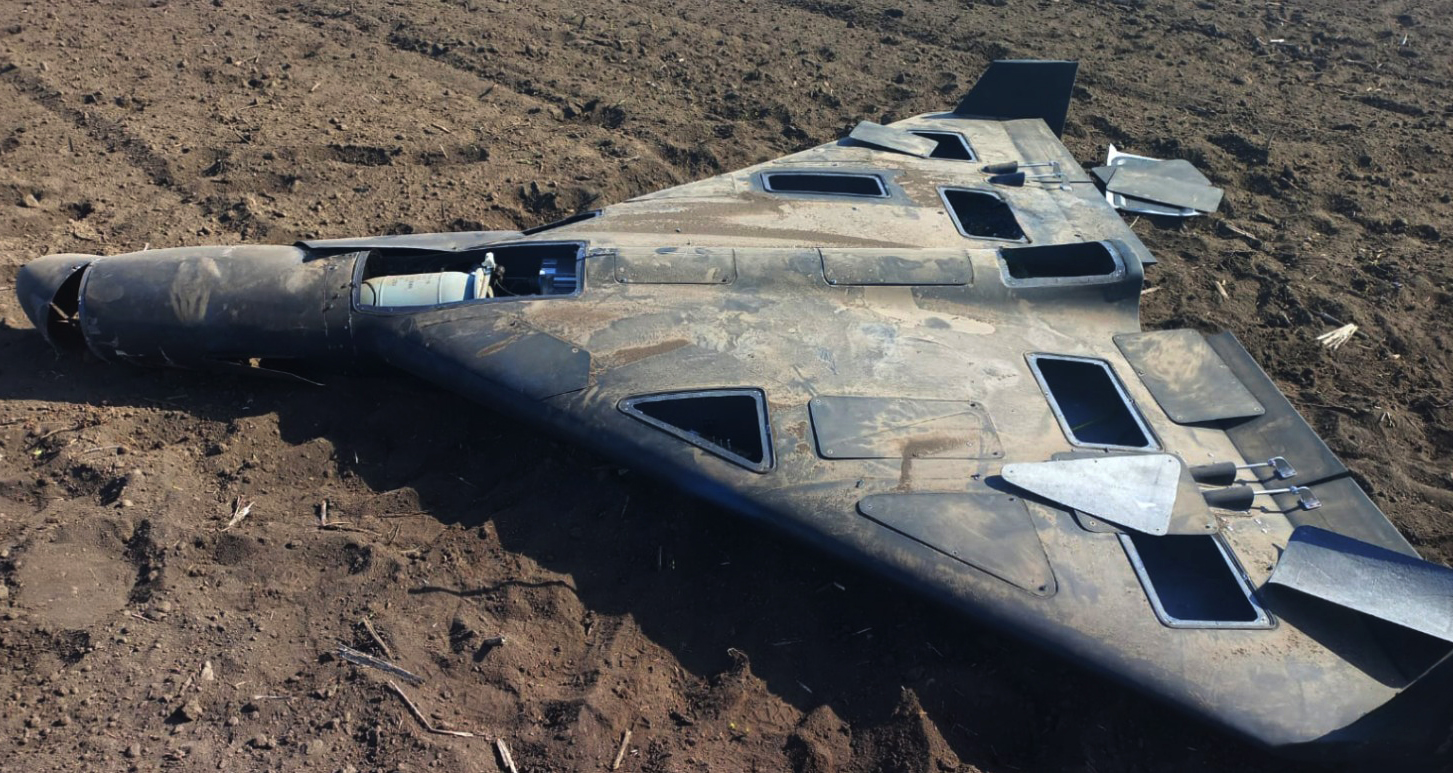
Range is the other half of the threat. One XK F-359 holds a line-of-sight link over 100–300 km, The Insider says. In theory, a couple of relay drones could keep a whole attack on Kyiv connected. Operators can then send new commands in flight and steer around air defenses. Russia’s Gerbera drones, first built as cheap decoys, increasingly carry these modems.
Explore further
Russia’s jam-resistant drones run on a Chinese modem no one has sanctioned
A modem from an upgraded Gerbera
To trace the part, The Insider’s correspondent in Ukraine examined an unmarked mesh modem from an upgraded Gerbera with a vertical tail fin, a version that appeared this summer. The outlet identified it as Xingkai’s XK F-359, the part Ukrainian intelligence and earlier reporting, Euromaidan Press included, had logged as the XK-F358. The Insider calls that label a misidentification.
Next, The Insider and the Nordsint investigative project contacted Xingkai on WeChat, posing as a Russian military supplier based in Alabuga. A company employee who introduced himself as “Jack Jiang” confirmed the firm is the model’s sole maker. The Insider identified him as Jiang Qin, Xingkai’s director and owner.
500 modems, three banks
The reporters then ordered 500 units for delivery to Alabuga, home to the plant that makes most of Russia’s long-range drones. Jiang invoiced 19.5 million yuan, which The Insider put at about $2.87 million. He offered two ways to pay: dollars to Xingkai’s DBS Bank account in Hong Kong, or yuan to his personal Ping An Bank account.
Explore further
America has sided with Russia against Ukraine. Europe should stop pretending and build a coalition against Russia, China, and even the US
In the chat, the reporters said outright that the end user was a military production facility. Jiang raised no objection, The Insider reported.
Later, after the reporters asked to update the address, Xingkai sent a revised invoice with “Alabuga” spelled in Latin letters. This time, it routed payment to a China Merchants Bank account in the name of a former Xingkai manager. She left a management post at the company in 2025, according to Tesari corporate records cited by The Insider. None of the three banks answered The Insider’s requests for comment.
Jiang also claimed the modem’s programmable chip is made by AMD. Asked for an AMD license, he refused, saying Xingkai buys the chips through a middleman. AMD told The Insider that Xingkai “is not an AMD customer or authorized partner,” and said it had sold the company nothing. AMD added that it bars exports of its products to Russia that violate US export controls and sanctions.
The City Council voted 40 to 7 to ban the carriages from Central Park starting in 2028. But the carriage drivers vowed to fight their loss of livelihood in court.
Russia's state-backed payment firm A7 took in at least 283 tons of cash rubles, worth more than $14 billion, between November 2024 and July 2025, and turned much of it into payments to China that hide where the money came from, the International Consortium of Investigative Journalists (ICIJ) and Russian investigative outlet Proekt reported on 21 October, citing leaked internal records.
Cut off from Western banks over its war against Ukraine, Russia now moves money the way drug gangs launder theirs: cash goes in, and clean-looking wire transfers come out abroad. The overlap is literal.
Last year, UK investigators found that a network laundering British drug gangs' cash had bought a Kyrgyz bank that was handling payments for Promsvyazbank, Russia's state defense bank. That same bank co-owns A7, which "is also likely to facilitate cash-based money laundering," anti-money-laundering expert George Voloshin told ICIJ. On 1 October, the US Treasury named A7 a "significant transnational criminal organization." Most of the market cash pays Chinese suppliers, and China supplies about 90% of the high-priority Western-restricted items Russia imports for its weapons. Drone makers working for the Russian army are among A7's clients, Proekt found in April.
From market stalls to a defense bank vault
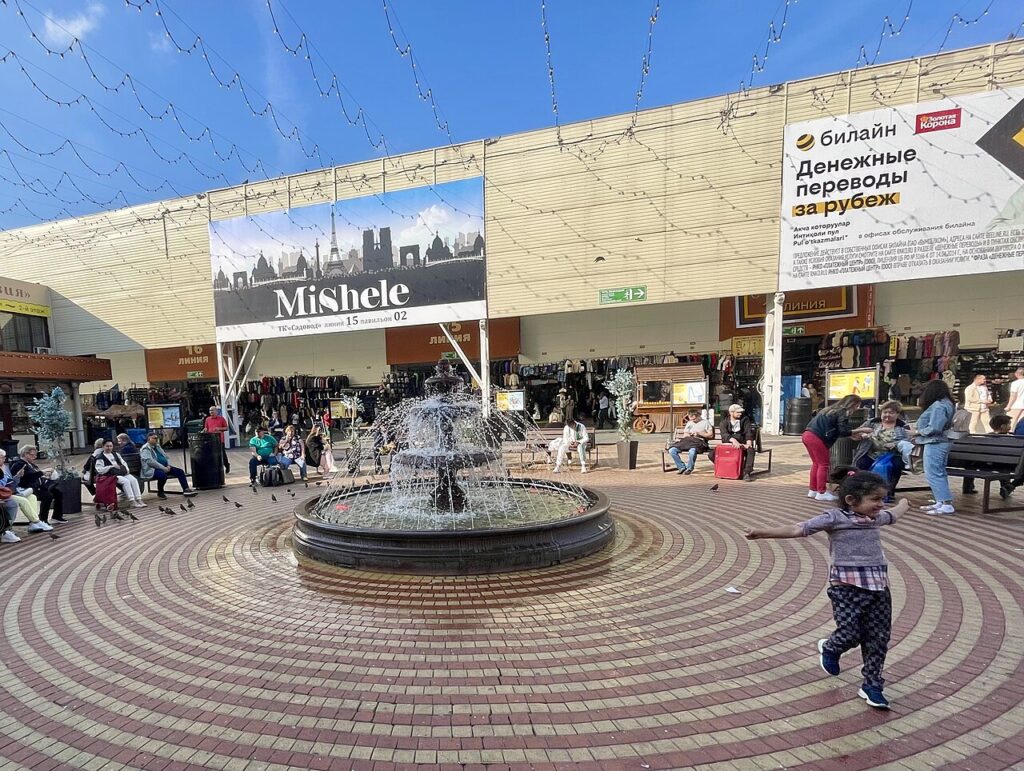
Much of the cash came from Moscow's giant Sadovod market, where broker teams known as "departments" collect bags of rubles from traders, the records show. Vans take the numbered bags to an A7 office, where about 50 cashiers count the money before it is trucked to Promsvyazbank. The bank vaults it and credits A7. At its peak, A7 handled at least 58 tons of cash a month.
Russia's central bank has flagged the problem itself. Money of unknown origin comes "primarily" from Moscow's wholesale and retail markets and from illegal crypto exchanges, a senior Central Bank official said in September, as quoted by ICIJ.
Sadovod market in Moscow, where broker teams later collected cash for the A7 payment firm, Russia, 19 September 2023. Photo: Nikita Andreev/Wikimedia Commons
Clean money for Chinese factories
A7 then orders shell companies outside Russia to pay its clients' suppliers, mostly Chinese exporters. The money moves through Kyrgyzstan, largely via the state-owned Trading Company of the Kyrgyz Republic, and the wire transfers carry no trace of cash or of Russia. The records list accounts at ICBC, Bank of China, Agricultural Bank of China, and China Construction Bank. One $287,000 transfer went through Standard Chartered's Hong Kong branch with "Sadovod" recorded as the client.
Chinese banks began refusing Russia-linked payments in December 2023 under the threat of US secondary sanctions. Stripping the funds of their origin makes them easier for Chinese banks to accept, illicit-finance expert Zachary Tvarozna told ICIJ. "The only company that sees everything is A7 itself," Voloshin said.
A7, Promsvyazbank, the Chinese banks, and Kyrgyzstan's economy ministry did not answer ICIJ's questions. A7 has publicly rejected the US accusations, saying it runs "a modern, multi-tiered compliance system."
Explore further
US Treasury cracks down on Russia-China-Kyrgyzstan payment network, expands sanctions
Sanctioned, but still moving
A7 launched in late 2024, co-owned by Promsvyazbank and led by Moldovan oligarch Ilan Shor, a "sanctioned and convicted criminal fraudster," according to the US Treasury. Ukraine sanctioned its network in February, and the UK followed in May. A7 claimed to have moved more than 7.5 trillion rubles, about 13% of Russia's 2025 foreign trade transactions, and its network also helped Iran sell oil and buy weapons, the Treasury said.
Sanctions did hit A7's crypto side. Daily volume of its ruble token A7A5 fell 96% from its peak by June 2026, blockchain analytics firm Elliptic found. The cash channel is harder to touch: Western banks can see where A7's money lands, but not where it starts.
But the headache hasn't deterred him from taking risks on projects that challenge the audience.
"It's not even about Trump anymore. We should be able to explore anything and everything that is uncomfortable," Stan told Business Insider. "We can't become so sensitive to the point where we're actually depriving ourselves of elevated thought about anyone or any matter. Certainly not in the hands of fear."
Stan's latest film, "Fjord," delivers on that promise, telling a subversive, provocative story about a conservative Romanian-Norwegian couple whose parenting methods are called into question after they move to a progressive Norwegian town.
For Stan, the film wasn't just an opportunity to play nuanced, thought-provoking material. As a Romanian-American who fled the country as a boy in the late 1980s, working with Romanian filmmaker Cristian Mungiu ("4 Months, 3 Weeks and 2 Days") was also a long-awaited homecoming.
Sebastian Stan plays a Romanian who moves to Norway in "Fjord."
Neon
Stan immersed himself fully in the role, sporting a shaved head with a massive bald spot and speaking most of his lines in Romanian. He and Renate Reinsve, who plays his wife, were so locked in during production that they would go out to dinner together, still dressed in the clothes they shot their scenes in that day. Stan said the experience brought him closer to his homeland.
"A lot of people go, 'Great, you want to come back to Romania, and you want to do movies, but you didn't grow up here, you don't know what our experience is. You were lucky you got away,' so I was a little apprehensive," Stan told Business Insider about working with Mungiu's Romanian-heavy crew. "But, honestly, on the last day of this movie, they wrapped the Romanian flag around me, and they were so proud to kind of take me back in a way and welcome me home."
For the latest interview in Business Insider's Role Play series, Stan talks about his failed "American Idol" audition, where he thinks Bucky Barnes fits in the current MCU, and realizing how "hypocritical" Hollywood is after playing Trump.
On sleeping on the street to audition for 'American Idol' and losing out on 'The O.C.'
Stan in 2006.
Chance Yeh/Patrick McMullan/Getty Images
Business Insider: What are your recollections of auditioning for "American Idol" back when you were 19?
Sebastian Stan: It was my friend Justin; we both went to Rutgers for the acting program, and he said, "I'm going to New York City to try out for this new show, 'American Idol,'" and he said, "Want to come?" And I was like, "Fuck it, why not."
I remember I had on leather pants; I don't know why I thought that was gonna make a difference. We got there and it was in Times Square, and I see this huge line around the block, and I'm like, "What's going on?" He's like, "No, no, the audition is tomorrow," but it was like 6 p.m., and he tells me we're going to sleep on the street.
So we went to a McDonald's in Times Square, slept barely in this line, and in the morning we got in to these auditions. And what they did was they took five or six of you at a time; they lined you up. I didn't meet any of the judges; it was just some guy. The five of us did 20 seconds of a capella; I think I sang the medley from "Moulin Rouge!," and they were like, "Next." So it didn't work out.
You start building credits, and then you go on this five-year run of playing the obnoxious jerk roles: "The Covenant," "The Education of Charlie Banks," "Rachel Getting Married," "Hot Tub Time Machine." Was there a point when you were worried about getting typecast as the 2000s-era jerk?
My mindset was, get a job. I was just trying to get a foot in the door. And by the way, I was getting close to a lot of other kinds of roles. At the time, there was that movie "Alpha Dog" — I tried out for that and didn't get it.
But in that era were the "American Pie" movies and "Not Another Teen Movie," which Chris Evans did; they were these movies that had the stereotypical jock asshole guy, and people would always take a look at me and go, "That's the guy." And in "Gossip Girl" I played that, too. But I was just trying to get a start. It wasn't who I felt I truly was.
I remember I tried out for "The O.C." and got very close. "Star Trek," didn't get that. "Green Lantern," "John Carter," "The Lone Ranger" — so I was going out for big stuff; I just wasn't getting it.
On why he believes Bucky Barnes needs to stay grounded and the 'education' Marvel gave him
Stan as Bucky Barnes in "Thunderbolts*."
Marvel Studios
Looking back, do you think your career could have went down a different path if being cast as Bucky Barnes didn't hit the way it did?
What's funny is you go to acting school, and you're being taught the craft, but then there's the learning that you do on set — having the experience of being on set with a camera, learning the lenses, what everyone does. So in some ways, Marvel was a real education in moviemaking and acting. It also allowed me to go back over and over and have some consistency in my life, which I didn't have. I grew up in that period. I got more focused. And it freed me.
The role, which I thought was complex, this character is very different now than when we started out. That character had PTSD, had gone through things; there was a lot to play there. So that box was checked.
Looking outside of that, it became: what were the things I could do that were so far away from that? I don't know if I would have pursued those things as aggressively if I didn't have this lane where I was getting to play more of the straight man.
Are there tweaks you've done to the Bucky character over the years that you're surprised fans haven't caught on to yet?
We've tried, and I make an emphasis on we because it's not just me. I have had to adjust to Marvel changing and evolving and becoming a bigger world. The Captain America franchise, when we started, they were very grounded. "Captain America: The Winter Soldier" is kind of a suspense thriller; "Civil War" had more personalities, but at the heart it was serious, so this character, at its core, is a very serious character.
Maybe people would argue differently, but things have gone more into an expansive, integrative place of how does everybody fit in, and I think humor is a big part of making that happen. We have, and I have, tried to adapt to those things. So the question then became, What's funny about this guy? What is there to play? Some of it has been explored, but not entirely.
It's trying different things. At this moment in time, the character adopted this sort of Clint Eastwood, crusty old man humor. Dry —been there, done that, Why are we fucking doing this again — that kind of thing. I don't know if the character will stay there, but it's not a character who can suddenly go big.
On realizing Hollywood is 'hypocritical' after playing Trump and collaborating with great directors
Stan as Donald Trump in "The Apprentice."
Briarcliff Entertainment
Going to acting school is one aspect of building a career, and you mentioned another is learning what it's like working on sets. But yet another is understanding the Hollywood game. What was the biggest thing you learned about Hollywood after playing Donald Trump in "The Apprentice"?
Um [Laughs.] It's quite hypocritical in a lot of ways. Everybody has good intentions, I think, about saying the right things, but they don't always do the right thing. I'm not saying it's gaslighting, but there's something to it, because there's often times you end up asking yourself if you're the one that's crazy.
There are many times — and I'm not saying it was just related to "The Apprentice" or Trump — there are other things even now where I've been in rooms and talking to people who will say things in private that they will never say publicly.
As it pertains to that movie, that was the experience, which was everybody loved the movie that I talked to; everybody wanted to support it, but yet nobody wanted to step up to the plate.
Now here we are today, where the trailer for the Elon Musk documentary is struggling to be shown online, so now this kind of thing is pretty normalized. Can you imagine that happening ten to 20 years ago?
Back in 2018, I spoke to you for "Destroyer." At that time, you hadn't landed lead roles yet. I asked what you were looking for when that happens, and you said, "Down the line I want to be remembered for being part of specific works and visions of directors rather than a group of characters."
It's crazy to hear that quote. Back then, I think that was where I was starting to go because I had come off of "I, Tonya" and I'd learned the value of having a good director and how it influences your work and the performance. Karyn Kusama, who did "Destroyer," was someone I really respected.
And also, before that, you mentioned "Rachel Getting Married" — my whole plan back then was to just get one scene or a little part in a big director's movie. So that was Jonathan Demme. "The Martian," I got to work with Ridley Scott. I took those parts because this is a director's medium.
Since then, I've tried to stick to that, and these performances you've mentioned, to some extent, they've worked because of those collaborations where you need to have the captain of the ship. You need to have those directors who know how to communicate. I've found myself better when I am in trusted hands, when it's someone that I really allow myself to let go with.
Because if you can't trust a director, what happens is you start to be worried about what's happening on the other side of the camera, and you're then not involved in the experience of the role you're playing. I think that shows when that happens.
This interview has been condensed and edited for length and clarity.
A sharp critique of Luke Coffey’s article on the C5+1 format and American ambitions in the region The other day, another opus from the camp of American neocons saw the light of day—an article by Hudson Institute senior fellow Luke Coffey under the loud headline “The US Cannot Afford to Stay on the Sidelines in […]
A passenger’s death in June became the impetus for the City Council to ban the practice, but the bill will likely face a court challenge before being implemented in 2028.
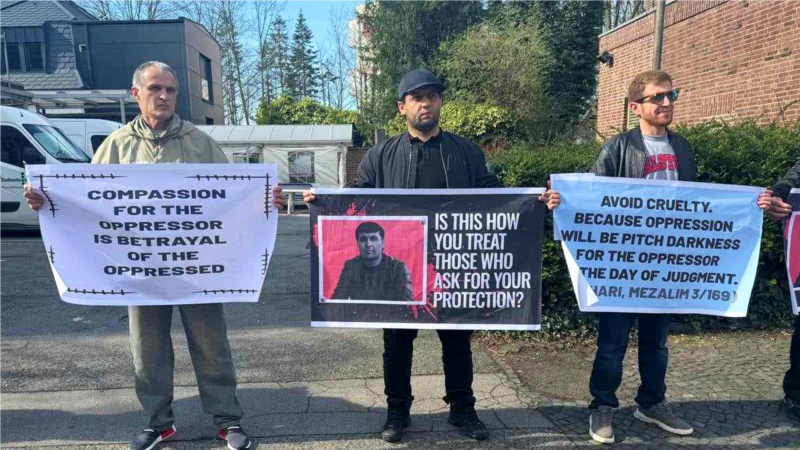
The deportation of several Tajik opposition figures from Germany and other European countries, and their subsequent imprisonment, have heightened fears among Tajik oppositionists in exile. Some say they fear not only being sent home but also losing the Western support they once counted on.
The fact that Trump made a comment that Israel has been “very helpful” to Saudi Arabia reveals a strategic dilemma facing Mohammed bin Salman: either to align himself with Israel and thereby offend the Arab and Muslim worlds, or to embrace regional collective security and accept the prospect of a Middle East in which Washington […]
The Soviet-era Roghun Dam project has endured decades of uncertainty and opposition. Now major funding tranches appear to have the project on track to transform Central Asia's energy landscape -- and displace tens of thousands of Tajik villagers.
Si sta già scatenando il finimondo quando si tratta di indagare su ciò che sta realmente accadendo in relazione agli ultimi, decisamente oscuri, movimenti legati agli Stati Uniti sul territorio e nelle acque pakistane. Dopo una prima analisi su Transition Protocol – che, come ammesso, non ha fornito tutte le risposte necessarie – abbiamo approfondito l’argomento con un’analisi molto più completa, supportata da diverse fonti.
Ciò che stiamo osservando in diversi punti nevralgici della connettività terrestre estremamente delicata tra Iran e Pakistan non è una chiusura totale delle frontiere, bensì un delicato equilibrio su due fronti da parte di Islamabad tra l’enorme morsa finanziaria di Washington e l’ancora di salvezza strategica di Teheran.
Ecco quindi a che punto siamo, integrando i dati verificati con le nostre ultime consultazioni.
Il punto chiave: il fattore scatenante dal punto di vista normativo è stata una misura di sanzioni bancarie, non solo la sicurezza delle frontiere.
Sebbene i funzionari provinciali del Balochistan abbiano pubblicamente attribuito la sospensione di sabato in due nodi chiave, Taftan e Gabd–Rimdan, a motivi di sicurezza, antiterrorismo e lotta al contrabbando, ciò che conta di più è l’esatto meccanismo relativo a un memorandum emanato venerdì scorso dal Ministero del Commercio pakistano.
Tale memorandum ha immediatamente revocato la proroga del 3 ottobre relativa all’esenzione dal Modulo Elettronico di Importazione (EIF) per le merci importate dall’Iran, e ha coinciso con l’ordine impartito da Islamabad di chiudere il valico di frontiera dell’Agenzia Federale di Investigazione (FIA) a Taftan.
L’aspetto fondamentale è che, senza l’esenzione dall’EIF, gli importatori pakistani devono gestire gli acquisti iraniani attraverso i canali bancari ufficiali pakistani – cosa che le sanzioni statunitensi, ovviamente, rendono assolutamente impossibile.
Peyman Sanandaji, presidente della Commissione Trasporti della Camera di Commercio di Teheran, ha confermato ufficialmente che è proprio il rispetto delle sanzioni bancarie (l’abbandono dell’EIF) ad aver bloccato le esportazioni iraniane verso il Pakistan.
Lo shock immediato ai valichi ufficiali è stato notevole: sono a rischio oltre 4.000 tonnellate di importazioni giornaliere di GPL iraniano attraverso Gabd–Rimdan. L’ex presidente della Camera di Commercio di Quetta, Ayoub Miryani, ha riferito che oltre 2.000 container sono bloccati nella sola Gabd–Rimdan, con altre centinaia di autocarri merci in coda a Taftan.
Ma perché sta accadendo proprio ora? A causa della spiacevole coincidenza tra la rata del FMI del 7 ottobre che il Pakistan doveva pagare e l’«Operazione Economic Outcast» del Tesoro imperiale statunitense.
Nell’ambito dell’«Operazione Economic Outcast», Washington ha concesso ai paesi terzi una «scadenza ben definita per interrompere» i collegamenti commerciali con l’Iran, pena l’espulsione dal sistema finanziario statunitense. A ciò hanno fatto seguito le designazioni dell’OFAC del 1° ottobre contro le reti ferroviarie terrestri e industriali iraniane e le azioni dell’8 ottobre contro 17 petroliere della «flotta ombra».
Ma poi, il 7 ottobre – appena nove giorni prima che il Ministero del Commercio revocasse la deroga EIF – Islamabad ha raggiunto un accordo con il FMI sulla quarta revisione della sua Extended Fund Facility per sbloccare 1,21 miliardi di dollari. Ciò richiede ancora l’approvazione del Consiglio esecutivo del FMI.
Naturalmente non esiste alcun documento pubblico che dimostri un ordine diretto da parte degli Stati Uniti o del FMI di chiudere i confini tra Iran e Pakistan. Tuttavia, fonti di Islamabad hanno sottolineato che lasciare in vigore una deroga a tempo indeterminato sugli strumenti bancari in vista del voto del Consiglio del FMI era diventato per il Pakistan un punto di vulnerabilità insostenibile in materia di sanzioni.
Le fonti di Islamabad sostengono con fermezza che la mossa fosse accompagnata da autentiche preoccupazioni in materia di controsabotaggio e silenziosamente coordinata tra Islamabad e Teheran (corsivo mio), affinché la sospensione non compromettesse i rapporti bilaterali.
Il portavoce del Ministero degli Esteri iraniano, Esmaeil Baghaei, ha pubblicamente definito l’interruzione una pausa temporanea dovuta a «problemi tecnici» e a «misure precauzionali».
Da parte loro, fonti ufficiali pakistane hanno insistito sul fatto che i controlli più rigorosi costituiscono una misura congiunta di antiterrorismo che riflette la «reciproca comprensione» con Teheran a seguito di un’impennata degli attacchi nel Sistan-Baluchistan, delle imboscate autostradali e di un attacco marittimo avvenuto l’11 ottobre contro imbarcazioni della Guardia Costiera pakistana al largo di Jiwani – che i funzionari pakistani hanno attribuito ad «attori stranieri» intenti a sabotare la mediazione del Pakistan nell’accordo di pace con l’Iran.
Si torna allo stesso vecchio schema dei salafiti-jihadisti strumentalizzati e manipolati dai soliti sospetti.
L’unica telefonata pubblicamente confermata tra il vice primo ministro Ishaq Dar e il ministro degli Esteri Abbas Araghchi ha avuto luogo domenica 18 ottobre – due giorni dopo il memorandum del 16 ottobre – e i resoconti ufficiali menzionano solo la diplomazia regionale e la riunione dell’OIC a Baghdad.
Pertanto, il coordinamento preventivo a livello di vice primo ministro Dar e ministro degli Esteri Araghchi, così come gli arresti specifici per sabotaggio, fanno parte della nostra stessa cronaca.
Esportazioni asimmetriche di generi alimentari e rotte informali
In sintesi, le merci continuano a attraversare i confini. Islamabad ha deliberatamente lasciato in essere le esportazioni pakistane di prodotti deperibili e alimentari verso l’Iran. Prodotti deperibili essenziali – tra cui pomodori, patate e cipolle – continuano a circolare, insieme ai tradizionali flussi di petrolio e carburante, attraverso il poroso confine lungo 909 km.
La documentazione normativa ne spiega il motivo: otto mesi fa, il Pakistan ha emanato una deroga separata relativa agli strumenti bancari, specificamente per dieci prodotti alimentari esportati via terra verso l’Iran (elencando esplicitamente riso, patate, cipolle, pomodori, carne e frutta), oltre ai prodotti farmaceutici.
La Camera di Commercio di Teheran ha confermato sabato scorso che, mentre le esportazioni iraniane verso il Pakistan sono bloccate dalla norma EIF, le importazioni dal Pakistan verso l’Iran proseguono, e il commercio informale di carburante e il commercio transfrontaliero attraverso il Baluchistan operano già per un valore stimato compreso tra 800 milioni e oltre 1 miliardo di dollari all’anno al di fuori dei canali doganali ufficiali.
Si dovrebbe prestare particolare attenzione ai porti di Gwadar e Karachi, nonché all’architettura complessiva del transito Cina-Iran. Secondo le nostre fonti, il transito di merci provenienti da paesi terzi e quello tra Cina e Iran attraverso il Pakistan rimane protetto.
A livello giuridico, un documento che descrive in dettaglio il transito delle merci attraverso il Pakistan ha stabilito sei corridoi di transito terrestri designati che collegano Gwadar, Karachi e Port Qasim a Gabd e Taftan per le merci provenienti da paesi terzi dirette in Iran, sotto la garanzia di una banca.
Inoltre, una notifica del Federal Board of Revenue dello scorso giugno ha formalmente designato la stazione ferroviaria di Taftan come stazione doganale terrestre, mentre i ministri iraniani e pakistani promuovono il corridoio ferroviario per collegare la Cina all’Iran e all’Europa.
Tuttavia, permangono due vincoli operativi molto complessi.
La modernizzazione della linea ferroviaria Quetta-Taftan è ancora ufficialmente classificata come un progetto di potenziamento; inoltre, la designazione da parte dell’OFAC, avvenuta il 1° ottobre, della Compagnia Ferroviaria della Repubblica Islamica dell’Iran (RAI) era esplicitamente volta a ostacolare il passaggio di Teheran dalle rotte marittime bloccate al trasporto ferroviario.
Per riassumere: ci vuole una maestria eccezionale per affrontare l’Impero della Pirateria. Islamabad ha messo in atto una manovra classica e ben calibrata: revocare visibilmente la deroga formale alle importazioni EIF a Taftan e Gabd–Rimdan per proteggere la sua tranche in sospeso da 1,21 miliardi di dollari del FMI e le banche pakistane dalle sanzioni secondarie del Tesoro statunitense.
E nel contempo ha mantenuto attive con Teheran le esportazioni alimentari pakistane, i canali informali di confine e gli accordi di transito con paesi terzi.
Se ciò rimarrà un breve riassetto amministrativo o si consoliderà in un punto di strozzatura più duraturo sarà deciso da tre indicatori nel corso delle prossime due settimane:
Una notifica modificata relativa all’EIF o al baratto da parte del Ministero del Commercio.
Sdoganamento separato per le merci in transito verso Gwadar/Karachi.
Movimenti documentati di merci lungo il collegamento ferroviario Taftan–Zahedan.
Possa questa lezione rimanere impressa nelle terre rare affinché l’intero Sud del mondo rifletta: non c’è modo di combattere l’Impero senza aggirare il suo controllo sul sistema finanziario internazionale.
Pakistan Tehreek-e-Insaaf (PTI), the main opposition party in the country demanded, on Monday, October 29, the whereabouts of several of its leaders, including the Chief Minister of Khyber Pakhtunkhwa (KP), Sohail Afridi, kept in “preventive detention” by the state.
The PTI has claimed that Afridi, Speaker of the Provincial Assembly Babar Saleem Swati, and at least six other members of the KP provincial assembly were “missing” since the dismissal of the elected government in the province on October 11.
Afridi and other PTI legislatures were arrested on October 11, hours after Pakistan’s federal government imposed a state of emergency and governor’s rule in the province.
Though the Pakistan government has maintained that the concerned leaders are all in preventive detention, it has neither produced them in court, disclosed their location, or allowed anyone to meet them.
The police has, meanwhile, filed fresh cases of violence and arson against Afridi and other PTI leaders, accusing them of being involved in May 2023 protests against the attempted arrest of the party’s leader and former Prime Minister Imran Khan.
Calling the arrest of its leaders an unprecedented and unconstitutional crisis, the PTI has filed several petitions in the courts for their release. On Monday it also demanded an urgent discussion on the matter in the National Assembly.
“The reported detention of elected representatives holding constitutional and parliamentary offices raises serious concerns regarding the functioning of democratic institutions, the representation of the people, and the protection of the rights and privileges of the elected representatives,” the PTI notice for the discussion in the NA says.
Act of political vendetta
The Afridi government in the state was dismissed by the federal government, led by Prime Minister Shehbaz Sherif, on October 11, over allegations of failing to maintain law and order and prevent terrorism.
However, the dismissal is linked to Afridi leading a “long march” of PTI supporters to the capital, Islamabad. The protesters were demanding the release of Khan, who has been incarcerated since August 2023 on various charges, including the misuse of power, corruption, and violence.
The PTI claims all the charges against Khan are fabricated and politically motivated and were part of the plan of the ruling parties and the armed forces to keep him out of national politics.
Afridi’s dismissal and arrest led to popular protests in different parts of KP in the last week and security forces fortifying the provincial capital Peshawar. The PTI has also alleged that its workers and offices have been attacked since the imposition of Governor’s rule.
At least five people were injured when security forces clashed with the protesters in Bara last week. Hundreds of others were arrested from different parts of the province for attempting to protest the dismissal of the only government led by the opposition party.
The PTI has also filed a petition in the Peshawar High Court against the federal government’s move to dismiss the state government in KP, calling it a violation of the popular right to choose their government and other constitutional provisions.
Its leaders reiterated their allegations about the Sharif government, calling it illegitimate and a stooge of the armed forces. They claimed that the KP government was the “only elected” government in the country and its dismissal was part of a political vendetta.
The PTI, along with other groups in the country have repeatedly alleged that the 2024 national elections were rigged to prevent Imran Khan from coming back to power.
A tragic vehicle crash exposed a covert counter-narcotics operation riddled with irregularities. In mid-April, a pickup truck plunged off a mountain road in the Sierra of Chihuahua in Mexico, killing its four occupants. Two of them were officials from the Chihuahua Attorney General’s office, and the others, as was later confirmed, were undercover CIA agents. The case continues to unfold in new chapters, and over the weekend former Chihuahua prosecutor César Jáuregui was arrested, accused of treason for allowing — without authorization from the federal government — armed foreign officials to take part in sensitive security operations on Mexican soil.
Czech Prime Minister Andrej Babiš has rejected calls to reconsider his government’s direction after a crushing Senate election defeat, as the opposition strengthens its position and fresh disputes over Russia, European funding and domestic reforms add to his difficulties.
Czech Prime Minister Andrej Babiš has ruled out changing his government’s policies despite a humiliating defeat in the Senate elections, in which his ANO movement failed to win a single seat. The result has strengthened the parliamentary opposition and intensified questions over the political direction of his coalition, less than a year after it took office.
Speaking after a cabinet meeting on Monday, 19 October, Babiš insisted that the election results would have no effect on the functioning of his government or its alliance with the far-right Freedom and Direct Democracy (SPD) party and the Motorists movement. His administration would continue implementing its programme, including controversial changes to public broadcasting and proposed legislation regulating the financing of non-governmental organisations.
The prime minister’s refusal to reconsider his government’s agenda has drawn criticism from Senate president Miloš Vystrčil, who accused Babiš of transferring responsibility for the defeat to regional party organisations rather than accepting personal accountability.
A defeat with consequences beyond the Senate
The elections, held on 9–10 and 16–17 October, concerned 27 of the Senate’s 81 seats. ANO entered 13 candidates in the second-round contests, but every one of them lost. The party’s representation consequently fell to 14 senators.
Babiš called the outcome “catastrophic”, acknowledging a result that was particularly damaging given ANO’s success in the 2024 Senate elections and its subsequent victory in the October 2025 parliamentary contest.
The opposition Mayors and Independents movement (STAN) emerged as the strongest performer, with ten successful candidates or endorsed contenders. The centre-right Civic Democratic Party (ODS) secured seven seats, maintaining its position at the head of the Senate’s largest parliamentary group alongside TOP 09.
In an interview published on 20 October, Vystrčil said the results demonstrated that Babiš’s personal electoral appeal did not translate into successful Senate campaigns. He also criticised the prime minister’s response to the defeat, describing his attempts to blame regional organisations as an evasion of leadership responsibility.
The vote followed municipal elections in which ANO lost ground in several important urban centres, while SPD also suffered substantial losses.
Opposition leadership becomes the next political contest
STAN leader Vít Rakušan has interpreted the result as evidence that his movement can become ANO’s principal national challenger.
The party’s Senate performance followed a strong showing in municipal elections, including victory in Prague, where its leading candidate Petr Hlaváček is seeking to form the next city administration.
The movement’s growing appeal is supported by recent opinion polling. A Median electoral model published on 17 October, based on September interviews, placed ANO at 29.5 per cent, STAN at 17 per cent and ODS at 12.5 per cent.
Yet STAN’s ambitions face competition from within the opposition. ODS retains substantial institutional influence through the Senate, while the Christian Democrats’ new leader, Jan Grolich, is increasingly discussed as another possible contender for national opposition leadership.
The opposition’s unity is also less straightforward at municipal level. In Ostrava, ANO has negotiated a local governing agreement with Starostové pro Ostravu and the Ostravak movement, illustrating the flexibility of local political alliances.
Russia policy brings fresh controversy
The electoral setback coincides with renewed controversy over the Czech government’s approach to Russia.
On 19 October, Foreign Minister Petr Macinka, leader of the Motorists, defended his decision not to support a Finnish initiative calling for tighter European Union restrictions on entry visas for Russian citizens.
The proposal, promoted by Finnish Foreign Minister Elina Valtonen, sought stronger EU-wide restrictions on non-essential travel by Russian nationals, including tourists, against a background of growing concerns over Russian sabotage and hybrid operations.
Macinka argued that Prague already maintained extensive national restrictions and had previously endorsed a comparable Estonian proposal. He questioned the effectiveness of the Finnish initiative, which attracted limited support from other EU governments.
The disagreement comes as Czech security policy remains under scrutiny. On Tuesday, 20 October, the National Security Council discussed the country’s security outlook, military development plans and changes to NATO’s air and missile defence implementation arrangements.
The issue exposes a continuing area of contention between Babiš’s coalition and opposition parties favouring closer coordination with Ukraine’s European supporters.
Brussels presents another challenge
Meanwhile, Babiš faces unresolved questions concerning his former business conglomerate Agrofert and access to European Union funding.
The European Commission has maintained restrictions on certain EU reimbursements after concluding that the trust arrangement involving Babiš’s business interests does not sufficiently address the potential conflict of interest.
The measures affect particular cohesion-fund expenditure and rural development reimbursements, rather than all EU agricultural payments. Babiš has maintained that the arrangements governing his business interests comply with the law.
The dispute carries particular significance as Prague participates in negotiations over the EU’s next long-term budget, covering 2028–2034.
At the European Council summit on 15–16 October, Babiš argued for protecting national allocations of EU funds, revisiting aspects of the emissions trading system and addressing high industrial energy costs. These negotiations will continue while the Commission’s concerns about his business arrangements remain unresolved.
Government retains power despite opposition gains
The Senate defeat does not threaten Babiš’s parliamentary majority. The lower chamber can override most Senate objections to ordinary legislation, and the governing parties continue to command sufficient support to pursue their programme.
The September Median model projected that ANO, SPD and the Motorists would retain 107 seats in the 200-member Chamber of Deputies, only slightly below their current combined strength.
Nevertheless, the elections have given the opposition a stronger platform for challenging the government over public broadcasting, European relations, defence policy and constitutional legislation, where the Senate possesses more substantial powers.
The immediate political contest is therefore not over the survival of Babiš’s government, but over whether STAN can convert its regional and Senate successes into a credible national alternative before the next parliamentary elections. For Babiš, whose party remains the largest in the country, the more pressing difficulty is its inability to defeat opposition candidates when elections are decided beyond ANO’s established electoral base.
Ya se ha desatado el caos a la hora de investigar qué está ocurriendo exactamente en relación con los últimos movimientos, sin duda turbios y vinculados a EE. UU., en territorio y aguas pakistaníes. Tras una evaluación inicial en Transition Protocol —que, como se reconoció, no proporcionó todas las respuestas necesarias—, profundizamos en un análisis mucho más exhaustivo respaldado por varias fuentes.
Lo que estamos observando en varios puntos clave de la conexión terrestre entre Irán y Pakistán, de extrema sensibilidad, no es un cierre total de la frontera, sino un delicado equilibrio de doble vía por parte de Islamabad entre la tremenda presión financiera de Washington y el salvavidas estratégico de Teherán.
Así que esta es la situación actual, combinando los datos contrastados con nuestras últimas consultas.
El punto clave: el detonante normativo fue una medida de sanciones bancarias, no solo la seguridad fronteriza.
Aunque los responsables provinciales de Baluchistán justificaron públicamente el sábado el cierre de dos puntos clave —Taftan y Gabd–Rimdan— alegando motivos de seguridad, lucha contra el terrorismo y lucha contra el contrabando, lo que más importa es el mecanismo exacto en torno a un memorándum emitido el viernes pasado por el Ministerio de Comercio pakistaní.
Dicho memorándum revocó de inmediato una prórroga, concedida el 3 de octubre, de la exención del Formulario Electrónico de Importación (EIF, en inglés) para mercancías importadas de Irán, y coincidió con la orden de Islamabad de cerrar el puesto de inmigración de la Agencia Federal de Investigación (FIA, en inglés) en Taftan.
Lo fundamental es que, sin la exención del EIF, los importadores pakistaníes deben tramitar las compras iraníes a través de los canales bancarios oficiales de Pakistán —lo que, por supuesto, las sanciones estadounidenses hacen absolutamente imposible.
Peyman Sanandaji, presidente de la Comisión de Transporte de la Cámara de Comercio de Teherán, confirmó oficialmente que ha sido el cumplimiento de las sanciones bancarias (el abandono del EIF) lo que ha paralizado las exportaciones iraníes a Pakistán.
El impacto inmediato en los pasos fronterizos oficiales fue considerable: están en peligro más de 4.000 toneladas de importaciones diarias de GLP iraní a través de Gabd–Rimdan. El expresidente de la Cámara de Comercio de Quetta, Ayoub Miryani, informó de que solo en Gabd–Rimdan hay más de 2.000 contenedores varados, con cientos de camiones de mercancías más atascados en Taftan.
¿Por qué está ocurriendo esto ahora? Debido a la nefasta coincidencia entre el pago del tramo del FMI del 7 de octubre que Pakistán tenía que abonar y la «Operación Economic Outcast» del Tesoro imperial estadounidense.
En el marco de la «Operación Economic Outcast», Washington dio a terceros países un «plazo definido para cerrar» las vías de suministro comerciales relacionadas con Irán o enfrentarse a la expulsión del sistema financiero estadounidense. A esto le siguieron las designaciones de la OFAC del 1 de octubre contra las redes ferroviarias terrestres e industriales de Irán y las medidas del 8 de octubre contra 17 petroleros de la «flota en la sombra».
Pero entonces, el 7 de octubre —solo nueve días antes de que el Ministerio de Comercio revocara la exención del EIF—, Islamabad llegó a un acuerdo con el FMI sobre la cuarta revisión de su Servicio Ampliado del Fondo para desbloquear 1.210 millones de dólares. Esto aún requiere la aprobación del Consejo Ejecutivo del FMI.
Por supuesto, no existe ningún documento público que demuestre una orden directa de EE. UU. o del FMI para cerrar las fronteras entre Irán y Pakistán. Pero fuentes de Islamabad subrayaron que mantener vigente una exención de instrumentos bancarios de duración indefinida antes de la votación del Consejo del FMI se había convertido en una vulnerabilidad insostenible para Pakistán en materia de sanciones.
Las fuentes de Islamabad insisten en que la medida vino acompañada de auténticas preocupaciones por el contrasabotaje y se coordinó discretamente entre Islamabad y Teherán (cursiva mía) para que la pausa no rompiera las relaciones bilaterales.
El portavoz del Ministerio de Asuntos Exteriores iraní, Esmaeil Baghaei, calificó públicamente la interrupción como una pausa temporal debida a «problemas técnicos» y «medidas de precaución».
Las fuentes oficiales pakistaníes, por su parte, insistieron en que el endurecimiento de los controles es una medida conjunta de lucha contra el terrorismo que refleja un «entendimiento mutuo» con Teherán tras un repunte de los atentados en Sistán-Baluchistán; las emboscadas en autopistas; y un ataque marítimo perpetrado el 11 de octubre contra embarcaciones de la Guardia Costera de Pakistán frente a Jiwani —que las autoridades pakistaníes atribuyeron a «actores extranjeros» que pretendían sabotear la mediación de Pakistán en el acuerdo de paz con Irán—.
Vuelta al mismo patrón de siempre: yihadistas salafistas utilizados como arma y manipulados por los sospechosos habituales.
La única llamada telefónica confirmada públicamente entre el viceprimer ministro Ishaq Dar y el ministro de Asuntos Exteriores Abbas Araghchi tuvo lugar el domingo 18 de octubre —dos días después del memorándum del 16 de octubre— y sus comunicados oficiales solo mencionan la diplomacia regional y la reunión de la OCI en Bagdad.
Por lo tanto, la coordinación previa a nivel de los ministros Dar y Araghchi y las detenciones específicas por sabotaje forman parte de nuestra propia información.
Exportaciones asimétricas de alimentos y rutas informales
En resumen, los productos siguen cruzando las fronteras. Islamabad ha permitido deliberadamente que sigan circulando los productos perecederos y las exportaciones alimentarias pakistaníes hacia Irán. Los productos perecederos esenciales —entre ellos, tomates, patatas y cebollas— siguen circulando, junto con los flujos tradicionales de petróleo y combustible, a través de la porosa frontera de 909 km.
El registro normativo explica el motivo: hace ocho meses, Pakistán promulgó una exención bancaria específica para diez productos alimenticios exportados a Irán por vía terrestre (en la que se enumeraban explícitamente el arroz, las patatas, las cebollas, los tomates, la carne y la fruta), además de productos farmacéuticos.
La Cámara de Comercio de Teherán confirmó el pasado sábado que, si bien las exportaciones iraníes a Pakistán se ven paralizadas por la normativa del EIF, las importaciones de Pakistán a Irán continúan, y el comercio informal de combustible y el comercio fronterizo a través de Baluchistán ya alcanzan un volumen estimado de entre 800 millones y más de 1 000 millones de dólares anuales al margen de los controles aduaneros oficiales.
Debe prestarse especial atención a los puertos de Gwadar y Karachi, así como a la arquitectura general de tránsito entre China e Irán. Según nuestras fuentes, el tránsito de terceros países y el tránsito entre China e Irán a través de Pakistán sigue estando protegido.
A nivel jurídico, un documento que detalla el tránsito de mercancías por Pakistán estableció seis corredores de tránsito terrestre designados que unen Gwadar, Karachi y Port Qasim con Gabd y Taftan para la carga de terceros países con destino a Irán bajo una garantía bancaria.
Además, una notificación de la Junta Federal de Ingresos del pasado mes de junio designó formalmente la estación de ferrocarril de Taftan como puesto aduanero terrestre, y los ministros iraníes y pakistaníes han promovido el corredor ferroviario para conectar China con Irán y Europa.
Sin embargo, siguen existiendo dos limitaciones operativas muy complicadas.
La modernización de la línea ferroviaria Quetta-Taftan sigue figurando oficialmente como una mejora prevista; y la designación por parte de la OFAC, el 1 de octubre, de la Compañía Ferroviaria de la República Islámica de Irán (RAI) tenía como objetivo explícito frenar el cambio de Teherán de las rutas marítimas bloqueadas al ferrocarril.
En resumen: se necesita una habilidad extraordinaria para enfrentarse al Imperio de la Piratería.
Islamabad ha llevado a cabo una maniobra clásica y calculada: revocar de forma visible la exención formal de importación del EIF en Taftan y Gabd-Rimdan para proteger su próximo tramo del FMI, de 1.210 millones de dólares, y a los bancos paquistaníes de las sanciones secundarias del Tesoro de EE. UU.
Y todo ello sin dejar de mantener vivas las exportaciones alimentarias paquistaníes, las vías fronterizas informales y los marcos de tránsito de terceros países con Teherán.
Que esto siga siendo un breve reajuste administrativo o se consolide en un cuello de botella más prolongado lo decidirán tres indicadores durante las próximas quince días:
Una notificación modificada del EIF o del trueque por parte del Ministerio de Comercio.
Despacho de aduanas independiente para la carga en tránsito por Gwadar/Karachi.
Movimientos de mercancías documentados a través del enlace ferroviario Taftan-Zahedan.
Que la lección quede grabada en las tierras raras para que todo el Sur Global reflexione: no hay forma de luchar contra el Imperio sin eludir su control del sistema financiero internacional.
Increasing militant attacks along Iran's border with Pakistan by multiple armed groups have stoked fears of further instability in the two countries, both of which already face multifaceted threats of sectarian violence in addition to the broader repercussions of the conflict in the Middle East.
Ukraine holds personal data on each of the nearly 46,000 foreigners it has identified as signing with Russia’s army since 2022, Dmytro Usov, secretary of its prisoner-of-war coordination headquarters, said on 19 October. If the current pace holds, he expects this year’s contracts to reach Moscow’s plan. Meanwhile, a survey of captured foreigners gave a split answer on how many knew they were heading to war.
Usov said 41% of surveyed foreign POWs signed at enlistment offices and recruitment points, which the headquarters reads as a sign of a systematic campaign. He also said the hiring is meant to ease the social and budget burden of Russia’s own losses. Russia has long turned to foreigners to offset shortages in its regular forces. In April, Ukraine’s military intelligence (HUR) said enlistment offices had reportedly been assigned regional quotas.
A count built name by name
Usov, a brigadier general and secretary of Ukraine’s Coordination Headquarters for the Treatment of Prisoners of War, spoke at the international conference Crimea Global. He said Russia’s Defense Ministry has signed 45,959 foreigners from 151 countries. Ukraine’s records include each one’s rank, dog tag, and contract date.
The figure counts everyone who signed, not only those serving now. In April, Usov said his count left out North Korea’s regular troops, that 25–30% more recruits were likely still unidentified, and that at least 5,149 foreign recruits had died, Interfax-Ukraine reported.
This year’s contracts near the plan
Contracts have grown every year: 94 in 2022, 4,067 in 2023, 8,877 in 2024, and 16,085 in 2025. Some names surface late. At the same April event, Interfax-Ukraine reported, Usov had put 2025 at 13,997 and said the headquarters adds newly identified foreigners every month.
For 2026, Russia’s Defense Ministry planned 18,500 foreign contracts. Ukraine knows of 16,168 so far, roughly level with all of 2025. Another 668 contracts still have no year assigned. If the same dynamic holds, Usov said, the ministry will fully meet its plan and may even exceed it.
He named Indonesia, Peru, Chad, and Zimbabwe among the ten countries that drove the growth in recruits, Ukrinform reported. At the same time, he said, Ukraine’s Foreign Ministry and POW agencies have cut recruitment in some countries and stopped it in others.
What captured foreigners told Ukraine
Ukrainian forces have captured citizens of 59 countries since the full-scale invasion began. Uzbeks, Tajiks, Belarusians, and Colombians are among the largest groups.
In the headquarters’ survey of foreign POWs, nearly half said they knew they would fight Ukrainian soldiers and civilians. Another 28% said they didn’t know, 14.8% weren’t sure, and 13.8% said they were deceived. The headquarters ran the survey, and neither report gave a sample size or explained how the shares fit together. Usov said the results showed most knew where they were going. Almost 47% said they signed up for Russian citizenship.
All hell is already breaking loose when it comes to probing what is exactly taking place related to the latest, definitely murky U.S.-linked movements in Pakistani land and sea. After an initial assessment at Transition Protocol – which avowedly did not provide all the necessary answers – we dug deeper into a way more comprehensive examination supported by several sources.
What we are watching across several nodes of extremely sensitive Iran-Pakistan overland connectivity is not a blanket border shutdown; but a surgical, two-track balancing act by Islamabad between Washington’s tremendous financial vise and Tehran’s strategic lifeline.
So here’s where it all stands – compounding the verified record with our latest consultations.
The key point: the regulatory trigger was a banking sanctions move, not just border security.
While provincial officials in Balochistan publicly framed Saturday’s halt at two key nodes, Taftan and Gabd–Rimdan, around security, counterterrorism, and anti-smuggling, what matters most is the exact mechanism around a memorandum issued last Friday by the Pakistani Ministry of Commerce.
That immediately revoked an October 3 extension of the Electronic Import Form (EIF) waiver for goods imported from Iran, and coincided with Islamabad’s instruction to close the Federal Investigation Agency (FIA) immigration gate at Taftan.
What is key is that without the EIF waiver, Pakistani importers must process Iranian purchases through formal Pakistani banking channels – which U.S. sanctions, of course, make absolutely impossible.
Peyman Sanandaji, head of the Transportation Commission at the Tehran Chamber of Commerce, confirmed on the record that it is banking sanctions compliance (ditching the EIF) that halted Iranian exports into Pakistan.
The immediate shock at the formal gates was quite something: more than 4,000 tons of daily Iranian LPG imports through Gabd–Rimdan are at risk. Former Quetta Chamber of Commerce president Ayoub Miryani reported that over 2,000 containers are stranded at Gabd–Rimdan alone, with hundreds more freight trucks backed up at Taftan.
So why is this happening now? Because of the nasty convergence between the October 7 IMF tranche Pakistan had to pay, and the imperial U.S. Treasury “Operation Economic Outcast”.
Under Operation Economic Outcast, Washington gave third countries a “defined timeline to shut down” Iran-related commercial lifelines or face expulsion from the U.S. financial system. That was followed by OFAC’s October 1 designations against Iran’s overland rail and industrial networks and October 8 actions against 17 shadow-fleet tankers.
But then, on October 7 – only nine days before the Ministry of Commerce revoked the EIF waiver – Islamabad reached an agreement with the IMF on the Fourth Review of its Extended Fund Facility to unlock $1.21 billion. That still requires IMF Executive Board approval.
Of course there is no public document showing a direct U.S. or IMF order to close Iran-Pakistan borders. But sources in Islamabad stressed that leaving an open-ended banking-instrument waiver on the books ahead of the IMF Board vote had become an untenable sanctions vulnerability for Pakistan.
Islamabad sources are adamant that the move was paired with genuine counter-sabotage concerns and quietly coordinated between Islamabad and Tehran (italics mine) so the pause would not rupture bilateral ties.
Iranian Foreign Ministry spokesperson Esmaeil Baghaei publicly called the disruption a temporary pause due to “technical issues” and “precautionary measures”.
Pakistani official sources, for their part, insisted that the tightened controls are a joint counterterrorism measure reflecting “mutual understanding” with Tehran after a spike in Sistan-Balochistan attacks; highway ambushes; and an October 11 maritime attack on Pakistan Coast Guard boats off Jiwani – which Pakistani officials attributed to “foreign actors” seeking to sabotage Pakistan’s mediation of the Iran peace deal.
Back to the same old pattern of Salafi-jihadis weaponized and manipulated by the usual suspects.
The only publicly confirmed telephone call between Deputy Prime Minister Ishaq Dar and Foreign Minister Abbas Araghchi took place on Sunday, October 18 – two days after the October 16 memorandum – and its official readouts mention only regional diplomacy and the Baghdad OIC meeting.
So prior coordination at the Dar–Araghchi Foreign Minister level and specific sabotage arrests therefore are part of our own reporting.
Asymmetric food exports and informal routes
In a nutshell, stuff is still moving across borders. Islamabad deliberately left alive Pakistani perishables and food exports to Iran. Essential perishables – including tomatoes, potatoes, and onions – continue to move, alongside traditional oil and fuel flows across the porous 909-km border.
The regulatory record explains why: 8 months ago, Pakistan enacted a separate banking-instrument waiver specifically for 10 food exports to Iran by land (explicitly listing rice, potatoes, onions, tomatoes, meat, and fruit) plus pharmaceuticals.
Tehran’s Chamber of Commerce confirmed this past Saturday that while Iranian exports to Pakistan are stalled by the EIF rule, imports from Pakistan into Iran are continuing, and informal fuel and border trade across Balochistan already operates at an estimated $800 million to over $1 billion annually outside formal customs.
Special attention should be placed on the ports of Gwadar and Karachi, and the overall China–Iran Transit Architecture. Third-country and China-Iran transit through Pakistan, according to our sources, remains protected.
On a legal level, a document detailing Pakistan’s transit of goods established six designated overland transit corridors linking Gwadar, Karachi, and Port Qasim to Gabd and Taftan for third-country cargo bound for Iran under a bank guarantee.
And a Federal Board of Revenue’s notification this past June formally designated Taftan railway station as a Land Customs Station, with Iranian and Pakistani ministers pitching the rail corridor to link China to Iran and Europe.
However, two very complicated operational constraints remain in place.
The Quetta-Taftan rail modernization is still listed officially as a planned upgrade; and OFAC’s October 1 designation of the Islamic Republic of Iran Railway Company (RAI) was explicitly designed to choke Tehran’s shift from blockaded sea lanes to rail.
To sum it all up: it takes supreme skill to face The Empire of Piracy. Islamabad has executed a classic, calibrated maneuver: visibly revoking the formal EIF import waiver at Taftan and Gabd–Rimdan to insulate its pending $1.21 billion IMF tranche and Pakistani banks from U.S. Treasury secondary sanctions.
And all the while keeping Pakistani food exports, informal border valves, and third-country transit frameworks alive with Tehran.
Whether this remains a brief administrative reset or hardens into a longer choke point will be decided by three indicators over the next fortnight:
A modified EIF or barter notification from the Commerce Ministry.
Separate customs clearance for Gwadar/Karachi transit cargo.
Documented freight movements across the Taftan–Zahedan rail link.
May the lesson be imprinted on rare earths for the whole Global South to ponder: there’s no way to fight the Empire without bypassing its control of the international financial system.
Marco Rubio has brought nearly 300 American business representatives to Uzbekistan for a meeting with representatives of the five states of Central Asia. But Daniel N. Rosenblum, a former US ambassador to Uzbekistan and Kazakhstan, cautions that investment faces major obstacles.

 Login