Undercover reporters ordered 500 drone mesh modems from a Chinese firm, which billed them to Russia’s Alabuga drone plant, investigation by The Insider found. The outlet estimates the firm makes about half the high-power mesh modems that let Russia steer its drones deep into Ukraine. The firm’s director also named US company AMD as the source of a key chip, and AMD says it has not sold to the firm.
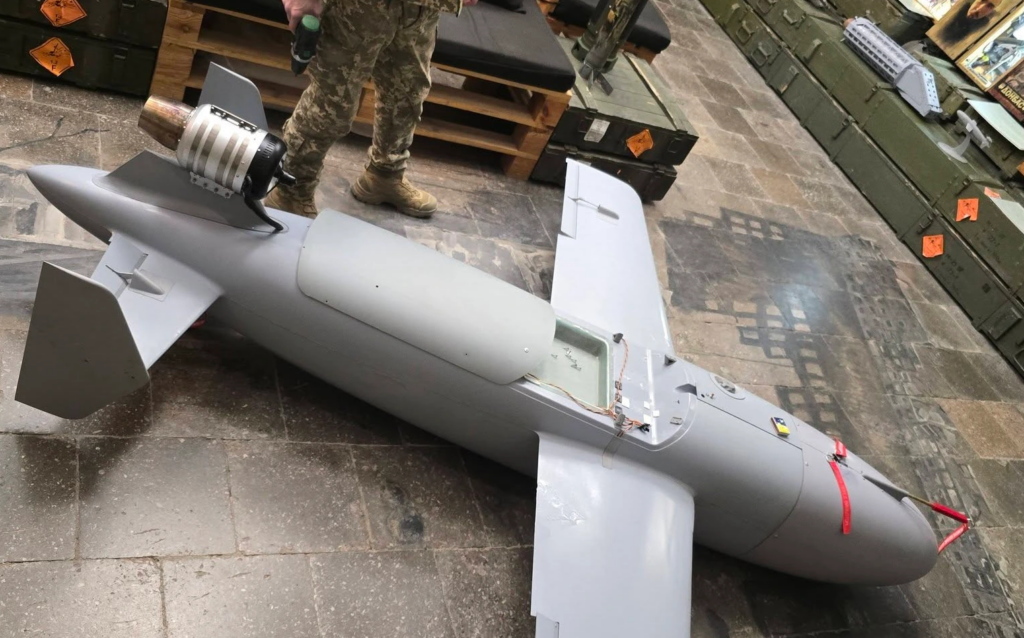
Geran drones and Banderol drone-missiles have become Russia’s main weapons against Ukraine’s energy grid. Russia began this winter’s strike campaign against that grid in late September, ISW assessed. Ukrainians’ survival this winter depends largely on how fast the West halts mesh modem sales to Russia, the outlet argued.
What a mesh modem does
A mesh modem links drones into one radio network. Each unit relays data for the others, so if one drone is shot down, traffic reroutes through the rest. Information keeps flowing even if nearly 80% of the drones are downed, Ukrainian defense adviser Serhii “Flash” Beskrestnov said in November 2025.
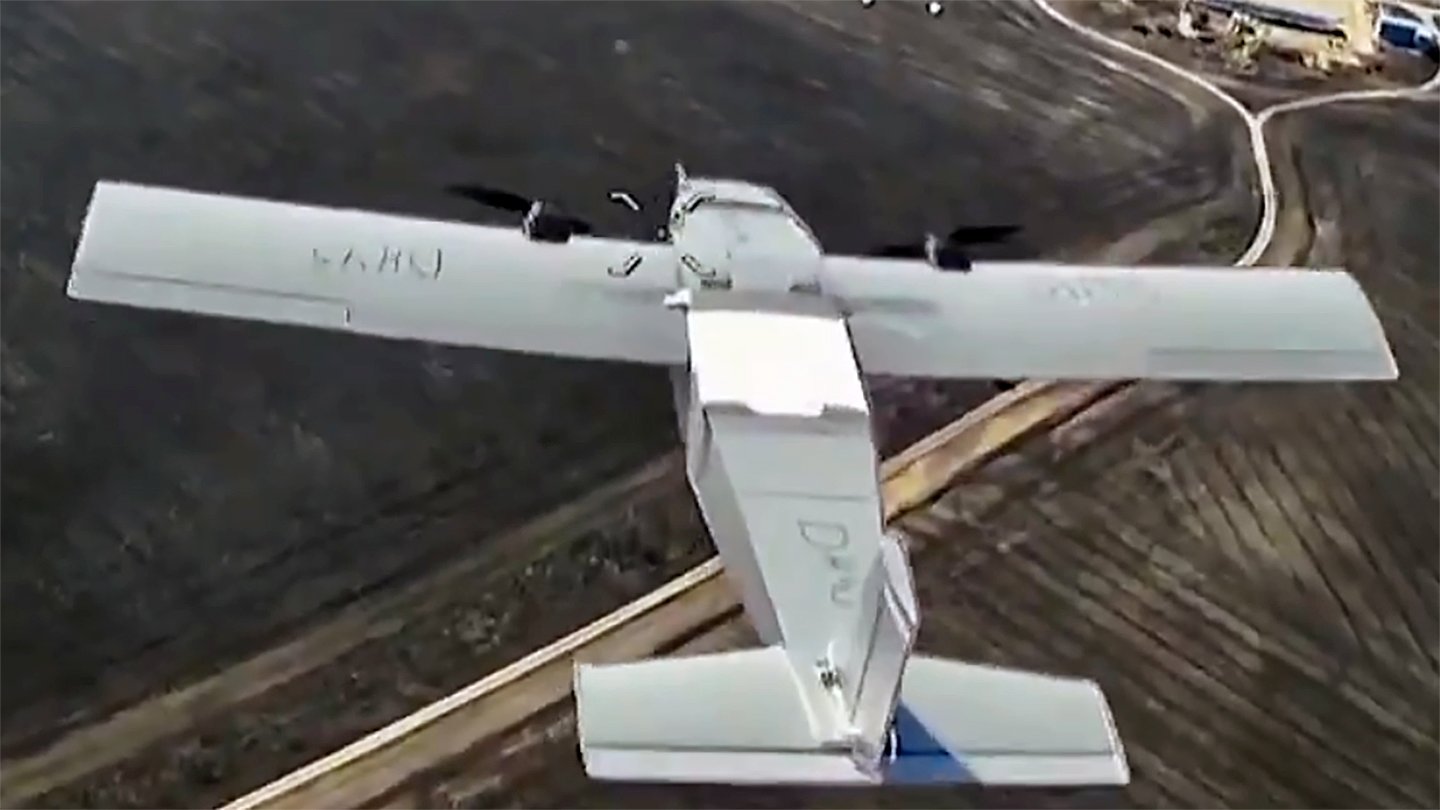
Range is the other half of the threat. One XK F-359 holds a line-of-sight link over 100–300 km, The Insider says. In theory, a couple of relay drones could keep a whole attack on Kyiv connected. Operators can then send new commands in flight and steer around air defenses. Russia’s Gerbera drones, first built as cheap decoys, increasingly carry these modems.
Explore further
Russia’s jam-resistant drones run on a Chinese modem no one has sanctioned
A modem from an upgraded Gerbera
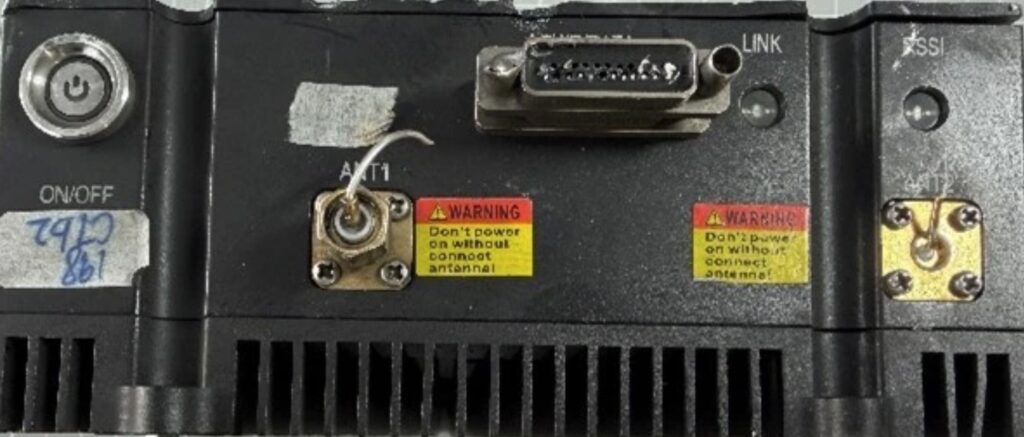
To trace the part, The Insider’s correspondent in Ukraine examined an unmarked mesh modem from an upgraded Gerbera with a vertical tail fin, a version that appeared this summer. The outlet identified it as Xingkai’s XK F-359, the part Ukrainian intelligence and earlier reporting, Euromaidan Press included, had logged as the XK-F358. The Insider calls that label a misidentification.
Next, The Insider and the Nordsint investigative project contacted Xingkai on WeChat, posing as a Russian military supplier based in Alabuga. A company employee who introduced himself as “Jack Jiang” confirmed the firm is the model’s sole maker. The Insider identified him as Jiang Qin, Xingkai’s director and owner.
500 modems, three banks
The reporters then ordered 500 units for delivery to Alabuga, home to the plant that makes most of Russia’s long-range drones. Jiang invoiced 19.5 million yuan, which The Insider put at about $2.87 million. He offered two ways to pay: dollars to Xingkai’s DBS Bank account in Hong Kong, or yuan to his personal Ping An Bank account.
Explore further
America has sided with Russia against Ukraine. Europe should stop pretending and build a coalition against Russia, China, and even the US
In the chat, the reporters said outright that the end user was a military production facility. Jiang raised no objection, The Insider reported.
Later, after the reporters asked to update the address, Xingkai sent a revised invoice with “Alabuga” spelled in Latin letters. This time, it routed payment to a China Merchants Bank account in the name of a former Xingkai manager. She left a management post at the company in 2025, according to Tesari corporate records cited by The Insider. None of the three banks answered The Insider’s requests for comment.
Jiang also claimed the modem’s programmable chip is made by AMD. Asked for an AMD license, he refused, saying Xingkai buys the chips through a middleman. AMD told The Insider that Xingkai “is not an AMD customer or authorized partner,” and said it had sold the company nothing. AMD added that it bars exports of its products to Russia that violate US export controls and sanctions.
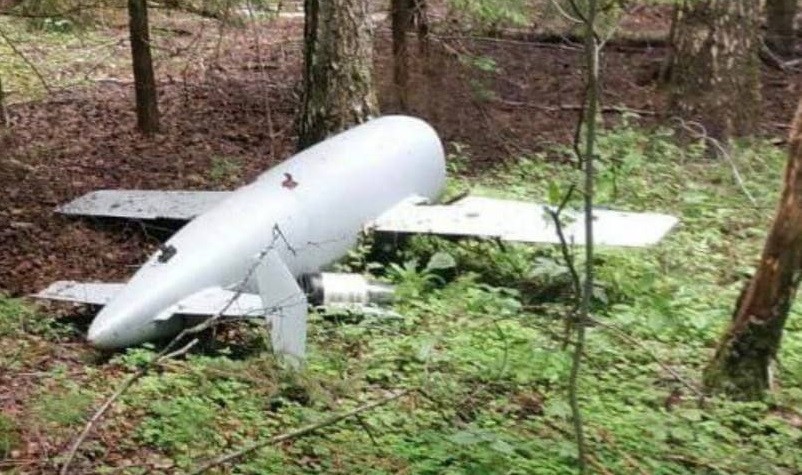
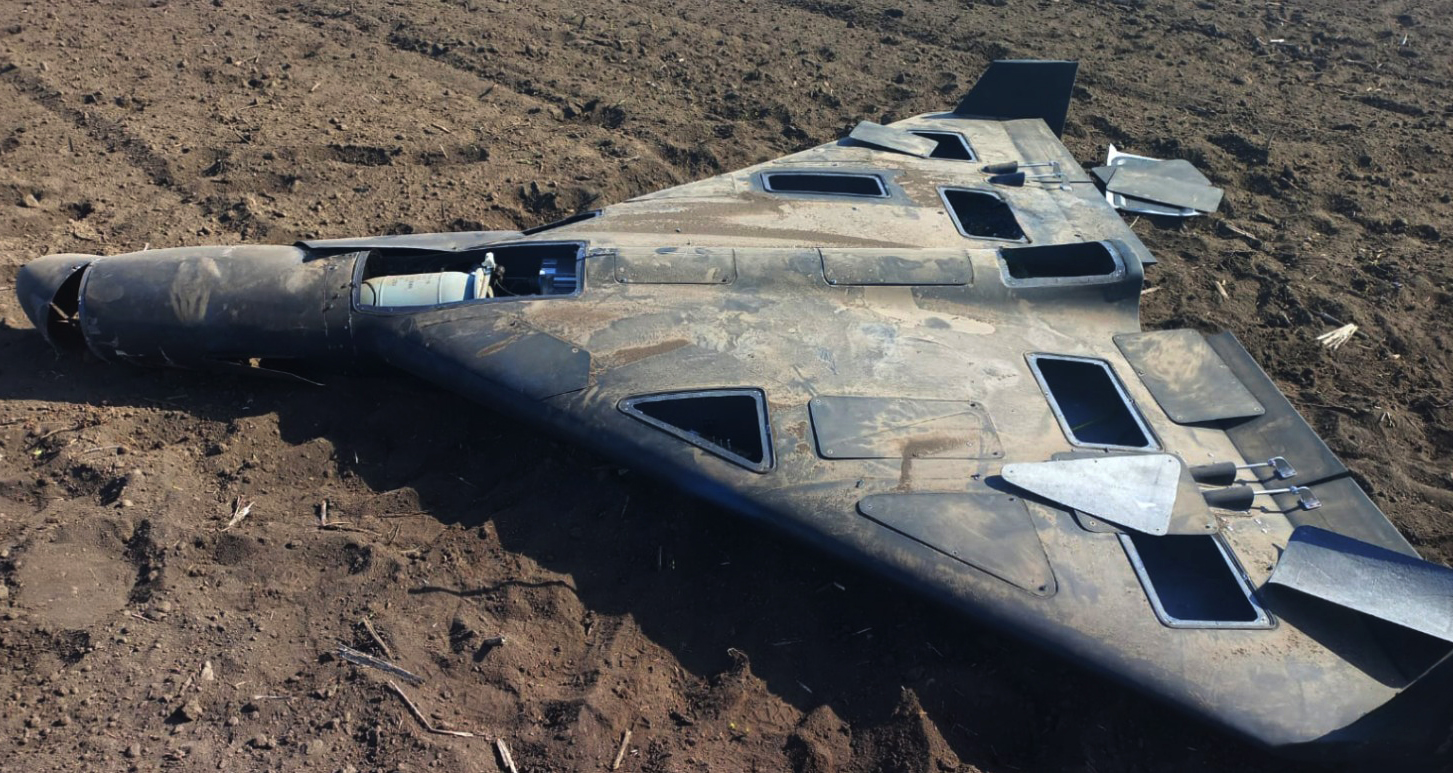
Moldova declared a Russian embassy staff member persona non grata on 23 October after a Russian Geran attack drone violated its airspace and crashed near homes and an energy facility, Moldovan President Maia Sandu said.
The incident highlights how Russia’s attacks on Ukraine are increasingly threatening neighboring Moldova, where Russian drones have repeatedly crossed the border or crashed during strikes. Moldova recorded 39 Russian drone incursions in the first eight months of 2026, compared with 17 in all of 2025, Sandu said in September.
Moldova’s Defense Ministry said its Air Operations Center detected an unauthorized drone flight at 13:59 on 23 October. The drone crossed from the direction of Ukraine’s Vinnytsia Oblast toward Frunzeuca in Moldova’s Camenca district, in the Russian-backed breakaway region of Transnistria.
The drone disappeared from monitoring screens near Pepeni in Sîngerei district at 14:10, briefly reappeared, and then disappeared again near Meșeni in Rezina district, the ministry said.
Sandu condemned the incursion, saying Russia’s war continues to put Moldovan lives at risk. She said the drone had fallen near family homes and an energy facility.
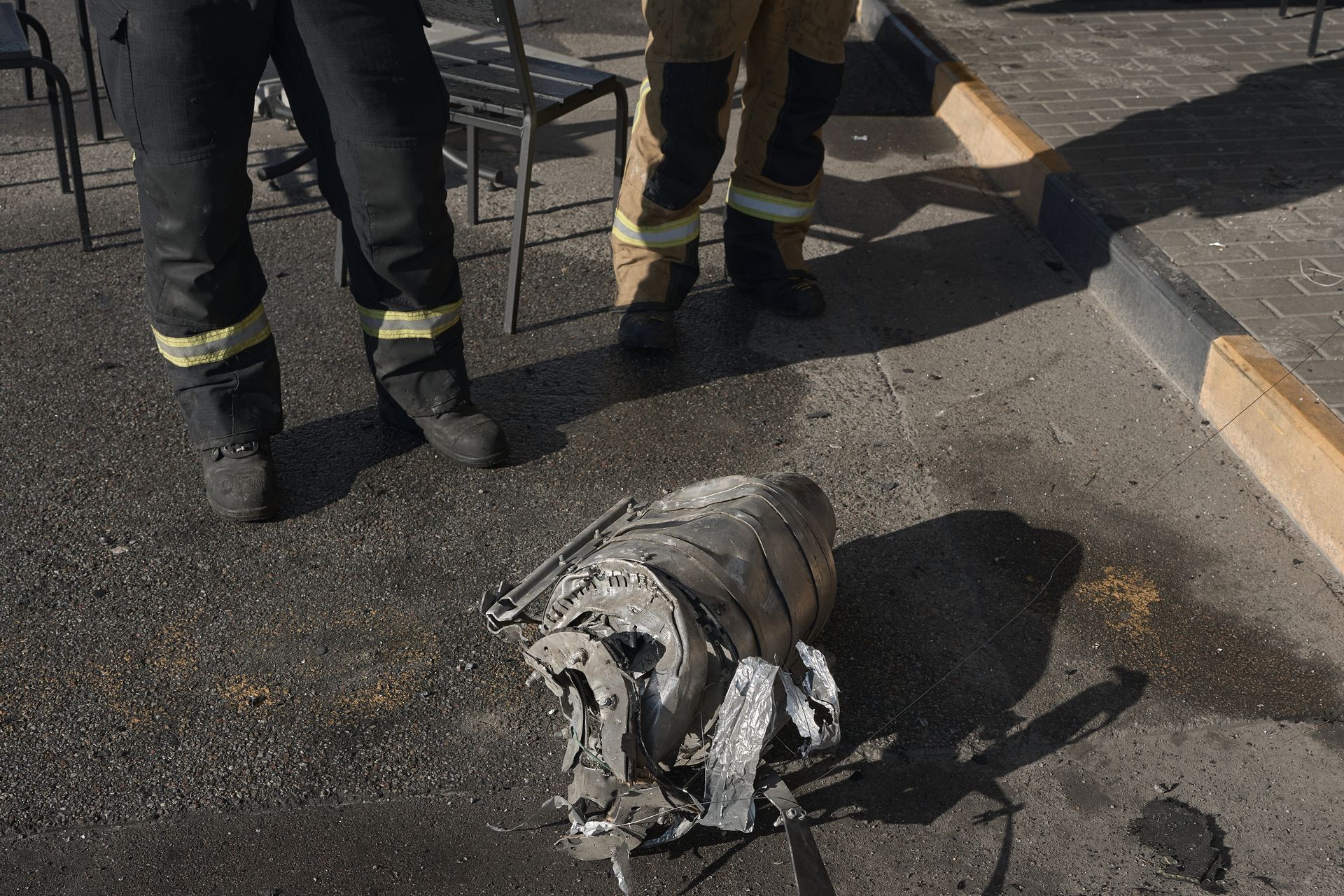
Moldovan police reported finding the crashed drone near the village of Chiștelnița in Telenești district, less than 100 meters from a home. No casualties were reported. Police cordoned off the area and sent explosives specialists to examine the wreckage.
Russia's war keeps putting Moldovan lives at risk. Today, a Russian Geran attack drone violated our airspace and fell near family homes and an energy facility.
We condemn this latest dangerous act. In response, we have declared a Russian embassy staff member persona non grata.
Sandu said Moldova had condemned the incident and declared a Russian embassy staff member persona non grata. She did not identify the staff member or specify when they must leave the country.
The move follows repeated Russian drone incursions. In September, a Russian drone crossing Moldova’s airspace disrupted seven flights, including one involving Ukrainian President Volodymyr Zelenskyy, prompting temporary airspace restrictions.
Earlier in October, three Russian missiles and two drones crossed into Moldovan airspace and exploded on Moldovan territory during Russian attacks on neighboring Ukraine, prompting Chisinau to condemn the violations. Debris fell across several districts, damaging windows at an agricultural facility and sparking fires in fields. Defense Minister Anatolie Nosatîi said the country was seeking stronger air defenses to counter the growing threat.
Explore further
80% of Moldovans say country is unprepared for attack as Russian drones flow into its airspace, but few back NATO membership
Moldova has limited air defense capabilities and has been working with European partners to strengthen them. Sandu has said the country’s existing equipment can mainly protect individual sites, while the government seeks broader coverage and faster warning systems. The EU has provided €120 million for Moldova to purchase a medium-range air defense system.
Moldovan authorities urged residents not to approach or touch the crashed drone or any fragments, and to call emergency services if they find suspicious objects.
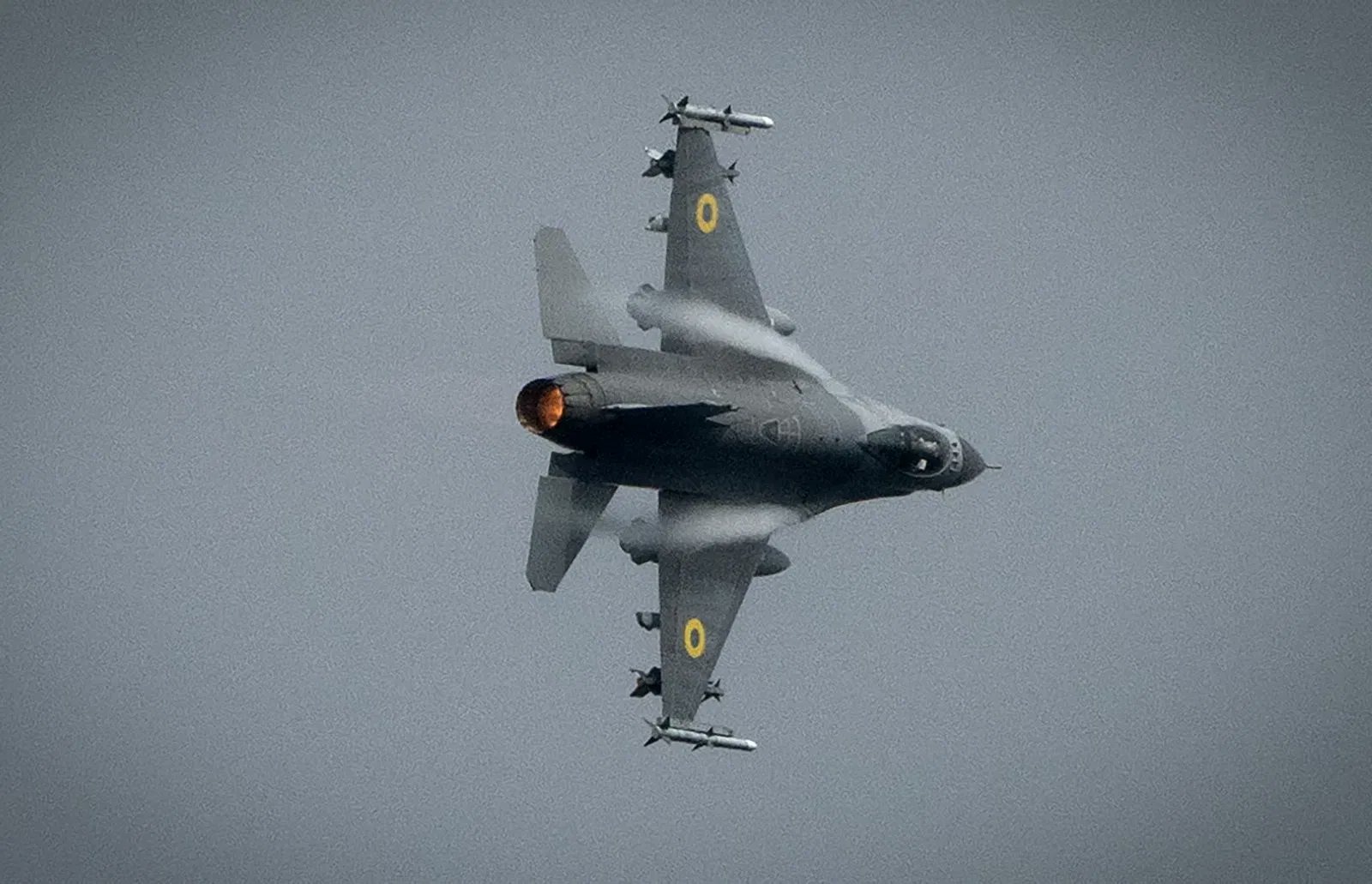
Ukraine has received more than 50,000 rounds of 20-mm ammunition from Denmark for the onboard cannons of its F-16 fighter jets, with Ukrainian pilots already using the rounds to intercept Russian jet-powered Geran attack drones, Ukraine’s Defense Ministry said.
The accelerated delivery addresses a key need in Ukraine’s air defense as Russia increasingly deploys faster jet-powered drones that challenge conventional interceptors. Ukraine has also relied on F-16 cannons when stocks of air-to-air missiles are limited, making ammunition supplies important to keeping the aircraft effective against incoming aerial threats.
Denmark responds to ammunition request
The Defense Ministry thanked Denmark for responding quickly to Ukraine’s request for additional ammunition, saying the delivery directly strengthens the country’s air defenses and helps protect civilians from Russian aerial attacks.
The delivery follows a broader effort by Ukraine’s European partners to replenish F-16 cannon ammunition. On October 2, it was reported that Spain, Belgium, and Poland were also sending 20-mm rounds for Ukrainian F-16s to counter Russia’s jet-powered drones.
Belgium is also expanding its support for Ukraine’s F-16 fleet. On 16 October, Belgian Prime Minister Bart De Wever pledged to deliver 10 F-16s by the end of 2026, up from three previously planned, and discussed supplying additional ammunition, including 20-mm rounds produced by Belgian defense company FN Herstal.
Jet-powered drones pose a growing challenge
Russia’s faster attack drones are harder to intercept than older, propeller-driven Shahed-type models. Their speed gives air defenders less time to respond and makes them more difficult for many interceptor drones and conventional short-range weapons to catch.
Ukraine’s air-to-air missile shortages have also increased the importance of F-16 cannon ammunition. Ukrainian pilots have sometimes relied on their aircraft’s built-in 20-mm cannon when air-to-air missiles are scarce.
Explore further
Ukraine’s F-16s are so short of Western missiles that pilots fall back on jet’s built-in M61A1 Vulcan cannon, which risks killing civilians below
The threat from jet-powered drones is growing. Ukrainian President Volodymyr Zelenskyy said in late September that Ukraine was intercepting about 55% of Russia’s jet-powered drones, compared with more than 90% of older models.
Denmark’s ammunition delivery gives Ukrainian F-16 pilots more rounds to engage these faster targets, as Ukraine works to strengthen its defenses against Russia’s expanding drone campaign.
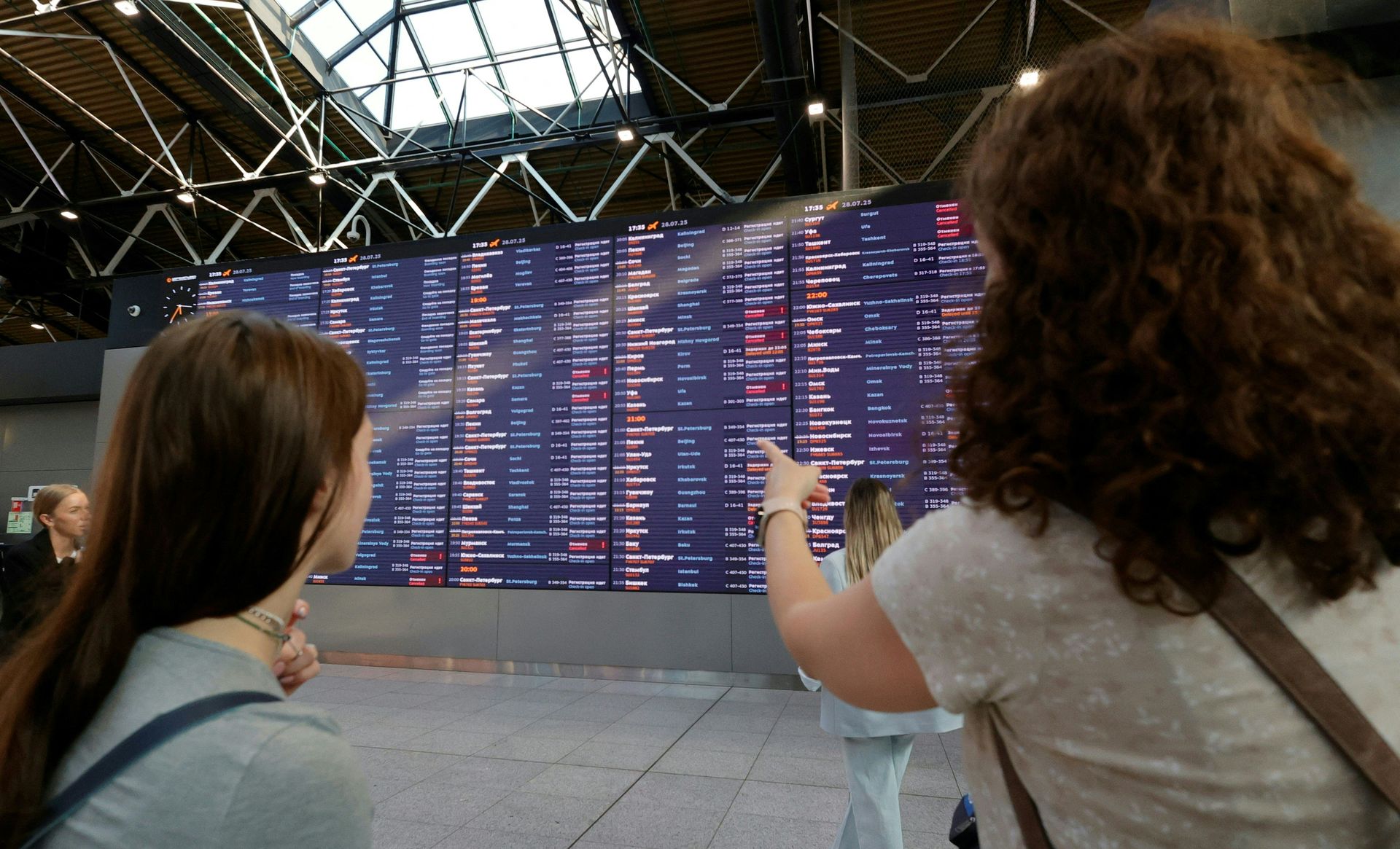
Restrictions were placed on incoming and outgoing flights in Sheremetyevo, Domodedovo, Vnukovo, and Zhukovsky airports, Russian civilian aviation authority Rosaviatsiya reported.
First delivered to Ukraine in 2024, the U.S.-made jets have become a key part of the country's defenses against Russian attacks on its rear areas, particularly jet-powered drones.
ORQA supplies drones to NATO militaries and views working in Ukraine as key to making the standard of drone technology that the alliance needs.
Stefan Wermuth/REUTERS
A major Western drone firm says working in Ukraine is key to getting gear to the standard NATO needs.
ORQA is partnering with Ukraine's industry to co-produce drone systems, including for the NATO market.
Its CEO said Ukraine has battlefield experience and operational excellence that can shape gear for NATO.
A Western company developing drone technology for NATO militaries says that working in Ukraine is the best way to ensure its gear meets the alliance's needs for a future fight.
ORQA, a Croatian company that makes drones and drone technology, including controllers, receivers, goggles, video equipment, and flight simulators, already supplies parts and systems to two dozen NATO allies. But it wants to draw on Ukraine's battlefield experience to improve its products.
Working in Ukraine "creates an opportunity to really channel this sort of operational expertise to shape these products. And then these products can be made to a standard that NATO demands," CEO Srđan Kovačević told Business Insider.
ORQA produces components used by Ukrainian defense tech company General Cherry and is partnering with the firm to jointly make drone systems and spread Ukraine's drone expertise.
The war in Ukraine is the most intense drone war ever fought, and getting feedback from the battlefield provides critical insight into what soldiers need most.
ORQA and General Cherry are working together to produce for both Ukraine and the NATO market.
John Keeble/Getty Images
"If I'm being blunt, there are only a few parts of the world where you can actively shoot down these unmanned aerial threats in a real-world environment," Kovačević told Business Insider.
That same drive has prompted Western defense companies, ranging from small start-ups to major primes, to set up manufacturing facilities, repair hubs, and offices in Ukraine, seeking battlefield feedback to improve their technology faster.
ORQA is also seeking to better understand how Ukraine's defense industry scales, moves quickly, and works in wartime.
Kovačević said that "the West has a tremendous amount to learn from Ukraine," saying that the "operational excellence that Ukrainian defense forces have developed is unparalleled in the Western world."
He said that while the West "has a very deep technology expertise," it lacks "this lived experience of taking that technology and applying it to the operational reality of the 21st-century warfare."
"Now," he said, "it's time to merge the two and emerge better off on both sides of this partnership."
General Cherry is one of Ukraine's biggest drone companies and has announced partnerships with other Western defense tech companies.
Ukraine is fighting the most drone-heavy war ever.
Diego Herrera Carcedo/Anadolu via Getty Images
ORQA and General Cherry intend to manufacture in both countries, supplying NATO and its allies with Ukrainian-developed counter-drone technology while expanding domestic production of drone components in Ukraine.
Kovačević said Ukrainian companies like General Cherry have "immensely valuable lived experience of building and scaling under fire," something that is often "neglected by Western companies," but they can learn.
The significant "volumes that Ukrainian drone companies are able to produce really dwarf anything that's happening in the West right now," he added.
Western leaders are encouraging industrial collaboration, andNATO has launched programs to bring Ukrainian and allied defense companies together.
ORQA isn't alone in looking to Ukraine's extensive battlefield experience to develop better weapons for NATO. Latvia-based Origin Robotics, for example, makes BLAZE interceptor drones purchased by several NATO militaries and BEAK, a drone-launched precision-guided weapon used by Ukrainian forces.
Its CEO, Agris Kipurs, previously told Business Insider that the company takes lessons from its work in Ukraine, "but we adapt those weapons systems specifically to be used in a NATO country. And NATO countries and the armies of NATO countries are our customers. That is the user we build for."
Kovačević said Ukrainian technology can't simply be transplanted into NATO militaries. Ukraine has had to develop weapons at breakneck speed and make do with what's available.
NATO, however, has time to take operational knowledge, contextualize it for alliance forces, and build these products to the necessary standards using Western technology, he said.
Kovačević said the goal of these industrial partnerships is to supply NATO without undermining Ukraine's ability to meet its own wartime needs.
ORQA also aims to boost Ukraine's domestic production of drone components and reduce its reliance on foreign suppliers.
Ukraine is "relying heavily on non-Ukrainian and non-European supply chains," Kovačević said, adding that reducing that dependence is strategically important. ORQA says it manufactures key components in-house and avoids Chinese-made parts to strengthen its supply chain.
US President Donald Trump said Elon Musk had restored Ukraine’s Starshield speeds, but the restrictions remained in place on 23 October, according to Ukrainian officials.
The cap, in place since 14 October, has disrupted interceptor drone missions against jet-powered Shaheds flying above 400 km/h for more than a week. On 16 October, Trump told reporters that, from what he understood, nothing had changed with the service. His latest claim that Musk restored it appears to acknowledge the restriction, even as he denies ordering it.
Ukraine says restrictions remain
“At the moment, there is no confirmation that the restrictions have been lifted,” a Defense Ministry official told LIGA.net on the morning of 23 October. The official said connections continued to drop at above 161 km/h.
Presidential adviser Serhii Beskrestnov wrote on Telegram on 23 October that no lifting had been recorded. He said occasional operation above the limit could result from SpaceX algorithms or usage conditions.
A day earlier, President Volodymyr Zelenskyy said US Secretary of State Marco Rubio had promised to return with information in “48 plus hours,”according to his remarks to reporters in Kyiv. A Ukrainian official separately told The Kyiv Independent that reports of restored speeds were “all false.”
A senior European official told the Associated Press that the cap remained at about 160 km/h and that Ukraine had no clear explanation of who ordered it or why.
Conflicting reports of a lift
Trump said Musk had restored the speeds but declined to clarify whether he had contacted him.
“I guess the bottom line, he put it back,” Trump said.
Meanwhile, AP reported that the Wall Street Journal said Musk had agreed to lift the restrictions. The Ukrainian drone and mapping channel Kartohraf posted on the evening of 22 October that the cap had been lifted. The Economist’s Oliver Carroll said that frontline drone commanders thought it had likely been lifted but were still testing, according to his post on X.
Who ordered the cap?
The order came from inside the White House, according to a Reuters report on 15 October. Days later, the Wall Street Journal reported that Musk ordered the slowdown. Rubio denied White House involvement, and Defense Secretary Pete Hegseth said on 20 October that the US had not ordered the restriction. Meanwhile, Democratic Senator Richard Blumenthal announced an inquiry into how the service was slowed, AP reported.
Ukraine’s gains in Donetsk Oblast rely on drones the cap slows
The 3rd Army Corps’ Operation Vivaldi retook ground north of Lyman in Donetsk Oblast with drones, many of which rely on Starlink or Starshield, and those gains could erode if the cap stays.
At the same time, Radio Svoboda reported that Ukraine needs a limit of at least 450 km/h and that Germany pays for the service under a contract running until April 2027.
Drones attacked a Russian tax-service data center overnight on 23 October, Ukrainian monitoring channel Exilenova+ reported. A chemical plant in the Urals was also attacked, and a fire broke out near a Russian bomber base by late morning. Russian officials admitted injuries and damage but blamed falling debris. Ukraine has not commented.
Ukraine's long-range drones have widened their target list from Russian refineries to the servers and chemicals that keep Russia's state and war industry running.
The tax service's data center in Gorodets
The target in Gorodets, Nizhny Novgorod Oblast, is one of the Federal Tax Service's two key data centers, which work as a geographically distributed pair. It stores and processes state registers, including tax databases, Exilenova+ said. The extent of the damage is unconfirmed. The site lies about 785 km from Ukraine's northern border in a straight line.
The moment of impact at Russia’s Federal Tax Service data center in Gorodets last night. pic.twitter.com/PftC6keRpY
Eyewitness footage shows a blast and fire in the area of the data center, which serves both the tax service and the Finance Ministry, Russian Telegram channel Astra found. The center opened in 2015. Mikhail Mishustin, then head of the tax service and now Russia's prime minister, attended the launch.
Nizhny Novgorod Governor Gleb Nikitin claimed air defenses repelled 19 drones. Falling debris injured three people in the Gorodets district and damaged several homes, an educational facility, and an infrastructure facility, he said, and local schools switched to remote learning. A Pantsir air defense missile hit a house, Exilenova+ claimed, though officials recorded it as a drone hit.
Ukrainian strikes inside Russia on Gorodets, Berezniki, and Voronezh, with distances from Ukraine, 23 October 2026. Map: Euromaidan Press/Datawrapper
This month, drones already hit three Yandex data centers and a VK data center near St. Petersburg.
A chemical plant behind Russia's gunpowder
In Berezniki, Perm Krai, smoke rose over Uralchem's Azot plant as air defenses fired, Astra reported. The regional security ministry announced a drone attack at about 06:00, and authorities closed the airspace within 50 km of the city. Ukraine's long-range Liutyi drones visited Berezniki, Exilenova+ wrote.
Our old friends, the Liutyi drones, paid Berezniki a visit today. Haven’t seen them in a while. pic.twitter.com/NXuhIJ3xpm
The attack on Azot was continuing in the morning, the channel wrote, adding that the plant covers about 140 hectares with some 90 production buildings. It makes ammonia, nitric acid, ammonium and potassium nitrate, and urea. Russian defense plants use its nitric acid to make explosives and gunpowder, including the Perm gunpowder plant, Astra said. Berezniki lies 1,500–1,600 km from Ukraine's border and the war zone.
Smoke rises over Uralchem's Azot chemical plant in Berezniki, Perm Krai, after a drone attack, Russia, 23 October 2026. Photo: Exilenova+/Telegram
Drones attacked Azot before, on 11 September. Earlier this year, Ukraine's Security Service hit Lukoil's refinery in the same region.
Explore further
Phones down, water off, a factory roof broken open: Russian-occupied Luhansk counts the damage after another night of drones
Fire near a Su-34 base in Voronezh
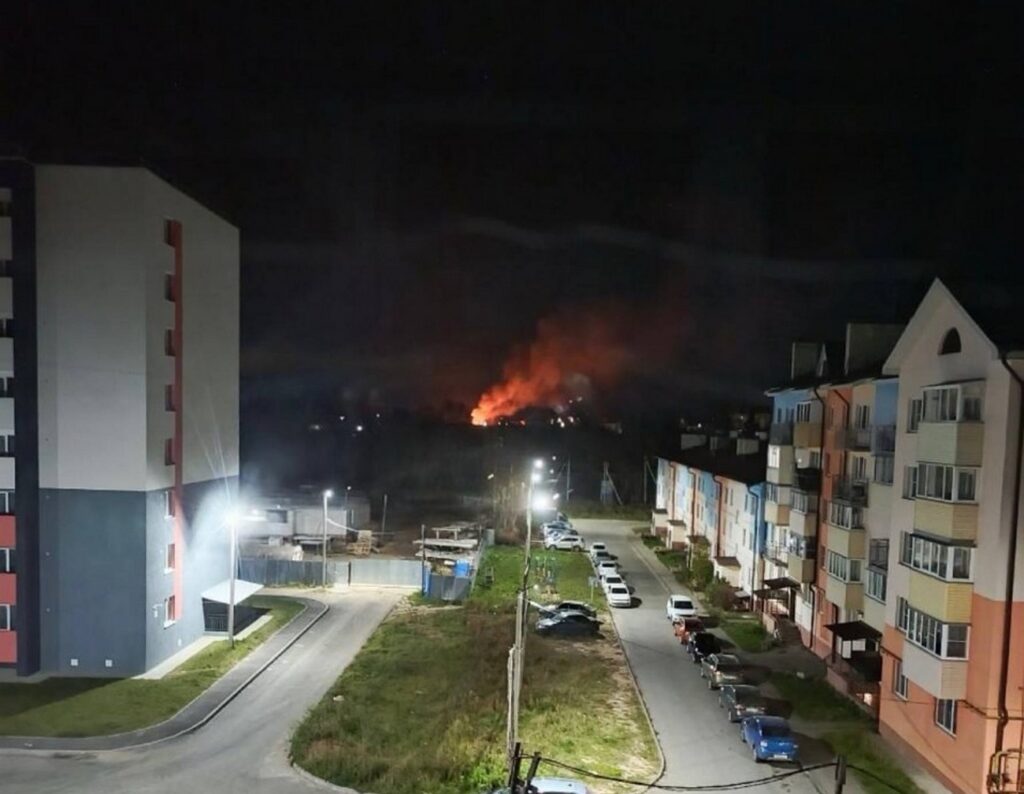
Late in the morning, Voronezh Governor Aleksandr Gusev declared a missile alert, and explosions followed in the city. Gusev later claimed air defenses downed several "jet-powered aerial targets." Debris set dry grass on fire in a suburb and damaged outbuildings and several cars, he said, adding that no one was hurt.
Missile alert in several regions of the Russian Federation.
Eyewitness footage shows fire and smoke near Baltimor military airfield, Astra found. The strike preliminarily hit the grounds of a former military aviation engineering university and a nearby parking area for military aircraft, Exilenova+ said.
Fire and smoke near Baltimor military airfield in Voronezh after a Ukrainian attack, Russia, 23 October 2026. Photo: Astra/Telegram
Baltimor hosts the 47th Guards Bomber Aviation Regiment, whose Su-34s Russia uses to strike Ukraine, Militarnyi reported, saying Ukraine attacked the airfield with missiles. Voronezh lies about 185 km from Ukraine's border. Smoke rose over the base after an attack on 27 May, and a fire broke out near it on 2 September.
Moscow counts drones, Kyiv stays silent
Russia's Defense Ministry claimed it downed 443 drones overnight over 20 Russian regions, including Nizhny Novgorod Oblast and Perm Krai, as well as Russian-occupied Crimea and two seas. Ukraine's General Staff has not reported on the strikes. A night earlier, drones reportedly hit a sanctioned weapons plant near Moscow.
Russia's air defenses now have to cover state servers and Ural chemical plants as well as the airfields its bombers fly from.
The electronic warfare station was hit near the village of Gulevka in Russia's Bryansk Oblast. According to the General Staff, targeting Russian electronic warfare systems improves Ukraine's ability to effectively deploy drones.
Russian tech giant Yandex's data center in Sasovo burned out from the inside, a Ukrainian OSINT analyst wrote on 22 October. On cloud-free satellite images, he saw almost no significant holes in its roof. Ukrainian drones hit the site overnight on 8 October.
Sasovo was the first strike on a data center in Russia. It came two weeks after Russia destroyed data centers in Kyiv. Drones then hit Yandex sites in Vladimir and Kaluga, a Sber data center, and a VK data center near St. Petersburg, which VK acknowledged. In occupied Donbas, monitoring channels reported hits on buildings housing telecom operators.
What the analyst sees
The analyst, who goes by Harbuz, runs the Ukrainian OSINT channel Dnipro Osint. His roof reading comes from the images. His interior claim comes from what he called available information: he wrote that a fire broke out inside and put part of the equipment out of action.
Cloud-free satellite image of the damaged Yandex data center in Sasovo, Ryazan Oblast, posted 22 October 2026. Image: Dnipro Osint
In an earlier post, Harbuz wrote that a third of the data center had burned out. In the new one, he writes that the building burned out from the inside. He does not say whether he revised the earlier figure.
Russian outlet Agentstvo studied Airbus images from 12 October. It found damage on about a third of the building. Unlike Harbuz, though, Agentstvo described a blackened western roof with damage resembling holes.
What Yandex says
On 8 October, Yandex stated that the attack caused a fire and forced it to suspend operations at the site, which hosts tens of thousands of servers, Reuters reported. Yandex Cloud and the Disk and Documents services that run on it ran with major disruptions that morning, Russian outlet The Bell reported.
Later that day, the company stated: "The scale of the damage to the infrastructure is still being assessed. For the moment, we cannot confirm whether it is possible to restore the data centre equipment in Sasovo." Two of Yandex's three supercomputers, used to develop its AI model, are housed there.
The same day, journalists asked Ukrainian President Volodymyr Zelenskyy whether Ukraine was targeting Russian data centers. He did not refer specifically to the Yandex strike, Reuters noted, but said: "We always respond in mirror-like fashion."
In a government office, researchers of drones and electronic warfare gather around a small metal device recovered from a Russian Geran drone. Its purpose — to measure the Earth’s magnetic field for navigation.
"This is the most recent component we found, about a week or two
Russian forces are preparing to resume mechanized assaults in southern Ukraine after a pause of several months and are moving armored vehicles toward areas where they plan to launch offensives, Anastasiia Shevchenko, deputy spokesperson for the Southern Forces Grouping, told Ukrinform on 22 October. The Huliaipole axis remains the hottest in the Southern grouping’s zone, with 10 to 20 combat engagements reported on an average day, she said.
On the Huliaipole axis, one of Russia’s largest force groupings is fighting Ukrainian forces, comprising units from several Russian combined-arms armies, the spokesperson says. Over the past week, as the weather worsened, Russian forces began local assaults there with infantry, motorcycles, and armored vehicles, seeking to break through toward Zaporizhzhia and blockade the city, Ukraine’s 7th Air Assault Corps reported, adding that the area is one of Russia’s key priorities in southern Ukraine. Russia has used fog this way before: last November, Russian troops moved under its cover to avoid detection by Ukrainian drones as they advanced on Huliaipole, the Institute for the Study of War assessed.
Russian forces have abandoned large-scale assaults across a broad front and are attempting to infiltrate Ukrainian positions in small groups. They periodically use motorcycles and quad bikes for assaults, Shevchenko said, adding that these vehicles are fast and maneuverable.
However, Russian forces should not expect to advance unimpeded, the spokesperson noted. Ukrainian units control Russian supply routes and systematically detect and strike Russian personnel and equipment while they are still moving toward their launch positions, she added.
“Specifically, speaking in numbers, since the beginning of October alone, units of the Southern Forces Grouping (Forces) have destroyed more than 3,000 occupiers and 1,300 pieces of weapons and military equipment. Thus, the enemy is suffering significant losses in the operational zone of the Southern Forces Grouping (Forces),” the spokesperson concluded.
Ukrainian drones disrupt Russian logistics
Russian forces had stopped using military vehicles because Ukraine’s unmanned systems forces controlled their logistics, Shevchenko said in comments to Ukrinform on 16 September. Ukrainian drones spotted Russian troops and equipment in time and struck them mostly on their routes of advance, she said.
Ukrainian air strikes destroyed bridges near Polohy in Zaporizhzhia Oblast, complicating Russian supply operations along the Huliaipole axis, Ukraine’s 7th Air Assault Corps reported on 21 September. Russian forces had used these bridges to move personnel, heavy equipment, and ammunition for their offensive toward Orikhiv. Disruptions to logistics have forced Russian units to rely more on motorcycles, which are more vulnerable to Ukrainian strikes, the corps said.
Explore further
Ukraine timed its Huliaipole operation around the weather — and it worked. Here’s why that won’t happen again soon
Russian forces are also expected to use fog and rain as cover for assaults, Mykola Zinko, deputy commander of the unmanned systems battalion of the 5th Assault Brigade, said on 19 October. Russia has brought up reserves, and its heavy equipment will move out under the fog, he said.
Ukraine’s military intelligence (HUR) published a 3D model and parts list of Russia’s new Filin cruise missile on 22 October. The breakdown names the Russian companies behind the missile and the foreign makers of its electronics.
HUR runs its War&Sanctions portal to trace such parts back to their makers. Its stated aim is to “deprive the aggressors of the ability to produce weapons for terror,” the portal says. Meanwhile, Russia is betting on cheap, fast cruise missiles, Serhii Beskrestnov, a freelance adviser to the president on technology, told Radio NV in mid-September. Naming the Banderol, Dan-T, Dan-M, and Gerbera-5, he warned they would soon outrun Ukraine’s jet-powered interceptors, so Ukraine needed its own cheap missiles to shoot them down.
Composite body, ground launch
JSC NPO Molniya, part of Russia’s Tactical Missiles Corporation, builds the Filin, HUR said. The agency called it part of a Russian defense-industry trend toward cheap jet-powered, ground-launched air-attack weapons. Russia began firing it at Ukraine in late summer 2026.
HUR’s data puts the carbon and fiberglass fuselage at 3.5 m, with a 3 m wingspan. Some parts are 3D-printed. Russia claims a top speed of 800 km/h. The range is 600–1,200 km, and the missile flies at ultra-low altitude or up to 6 km. Versions carry 50-kg or 100-kg warheads. A solid-fuel booster fires it from a ground launcher.
A firm tied to a Shahed-type drone
PLAZ LLC makes the onboard equipment, HUR said. The firm also helps produce the Garpiya, a version of Russia’s Shahed-type Geran-2 drone. Filin and Garpiya units share a similar layout and markings. Guidance combines a Chinese-made inertial navigation system with a 16-channel Kometa anti-jamming module from Russia’s VNIIR-Progress.
The electronics resemble those in other Russian missiles and drones but carry a larger share of Chinese parts. Of 81 components, 35 are American and 22 Chinese. The engine, however, is Russian: an R500 turbojet from Reynolds LLC. A similar engine earlier turned up in the S-71K Kover aviation cruise missile and S-71M Monokhrom, HUR said.
For comparison, Ukraine found more than 20 foreign components in a different cheap missile, the Banderol, in May 2025. They included 10 US microchips, and the Banderol flies on a Chinese jet engine.
As of October, Russia has up to 700 ballistic and several thousand cruise missiles in reserve, and its 2026 state order for Geran-type drones and decoys such as the Gerbera exceeded 100,000 units, Ukraine’s military intelligence (HUR) told NV in figures the outlet published on 20 October. The missile stocks are roughly the same as HUR reported to NV in July, the outlet found.
Ukraine enters the heating season facing what it says is a Russian plan to hit 60 infrastructure sites this winter. HUR’s figures suggest Russia has the weapons for it, even after its fall mass strikes. In June, HUR said Russia could fire up to 100 ballistic missiles a month while keeping its stocks steady. Its drone output, meanwhile, is shifting to jets that are harder to shoot down.
Russia produces 110 ballistic missiles a month
Russia can make more than 200 missiles a month, 110 of them ballistic, HUR said. About 115 of its ballistic missiles are Iskander-Ms, with production of up to 65 a month. A modernized Iskander with a projected range of 550 to 700 km is in development.
At the same time, Russia holds up to 400 S-300PM and S-400 air defense missiles adapted to strike ground targets, and makes about 40 a month. Meanwhile, Kinzhal production has been temporarily paused over poor accuracy, and the capacity has gone to conventional ballistic missiles.
Most new Kalibrs go into reserve
Russia plans to make more than 80 Kh-101 cruise missiles a month and is exceeding that, though defects in releasing them from aircraft have sent some batches back to the factories.
Russia has more than 450 Kalibrs and makes about 29 a month. Because Ukrainian air defense downs them effectively, Russia sends most new ones to its strategic reserve and to equip its fleets, HUR said. It also holds more than 600 Oniks anti-ship missiles, upgraded for ground strikes, and more than 120 Zircons.
Explore further
Ukraine recovers Russia’s undamaged Geran-3 jet kamikaze drone carrying camera and live-link equipment (VIDEO)
Russia now assembles 4,000 jet drones a month
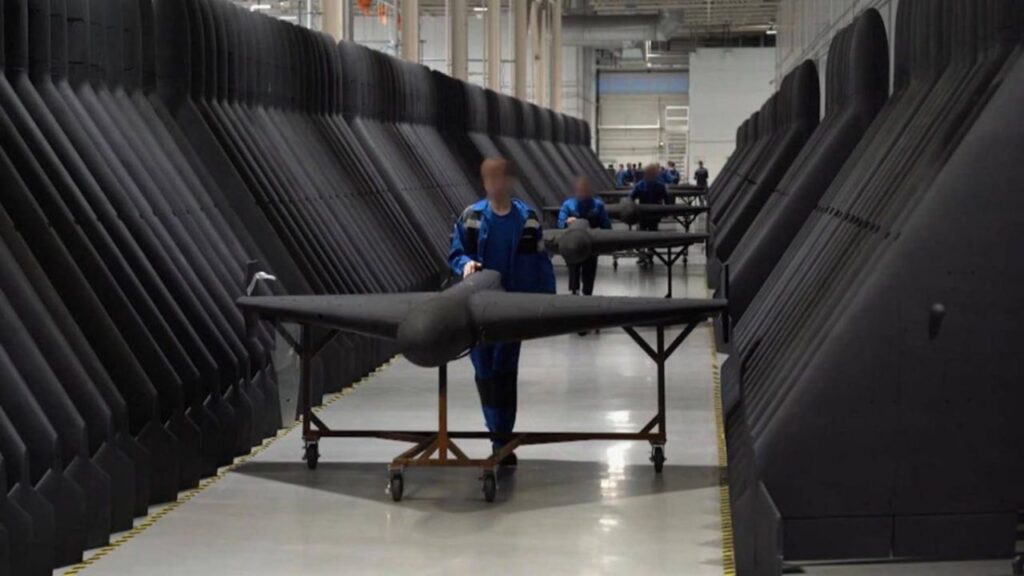
Russia holds a reserve of about 6,200 Gerans and makes about 10,000 drones a month. Its main production hub is the Alabuga special economic zone in Tatarstan.
Since summer, Russia has shifted toward turbojet drones. “The reason is the saturation of Ukraine’s Air Force with mobile fire groups that shoot down low-speed targets en masse,” HUR said. Russia now assembles about 4,000 jet drones a month, mostly Geran-4s and Geran-5s, which fly at 400 to 500 km/h. It also makes about 2,000 cheaper propeller-driven Geran-2s, which HUR said are used to wear down air defense and locate air defense positions.
In a direct confrontation with Russia, European NATO states would likely be even more vulnerable than Ukraine to swarms of Russia’s new jet-powered strike weapons, Fabian Hoffmann of the Norwegian Institute for Defence Studies (NIDS) argued in a 20 October op-ed for the Center for European Policy Analysis (CEPA). He calls them low-cost cruise missiles. Just three days earlier, Romania met what it believes were two of them over the Black Sea.
Romanian F-16 fighter jets shot down two jet-powered Geran-family drones over Romania’s territorial waters on 17 October, the Defense Ministry said. Interim Defense Minister Radu Miruță said they flew at about 450 km/h and were likely Geran-4s, the first of that type Romania had downed.
Faster drones for a faster war
Russia began using the Geran-4 in May in response to effective Ukrainian interceptor drones, Ukraine’s military intelligence (HUR) said, adding that it reaches up to 500 km/h. By June, those interceptors were downing about half of slower Shahed-type drones, defense adviser Serhii Beskrestnov estimated.
Hoffmann traces the shift to the Geran-3, a model Ukraine recovered intact in 2025. In his account, a Chinese JT80 turbojet roughly doubled its speed, from 185 to 350 km/h. However, he puts newer models, including the Geran-4, at 600 km/h or more, above HUR’s figure for that model.
By his estimate, each costs $150,000–$250,000, against about $50,000 for a long-range drone. Still, from Russia’s perspective, he wrote, that buys a significantly higher chance of getting through.
Explore further
Ukraine is testing four new drone interceptors as Russia floods its skies with faster Gerans
Engines are the bottleneck
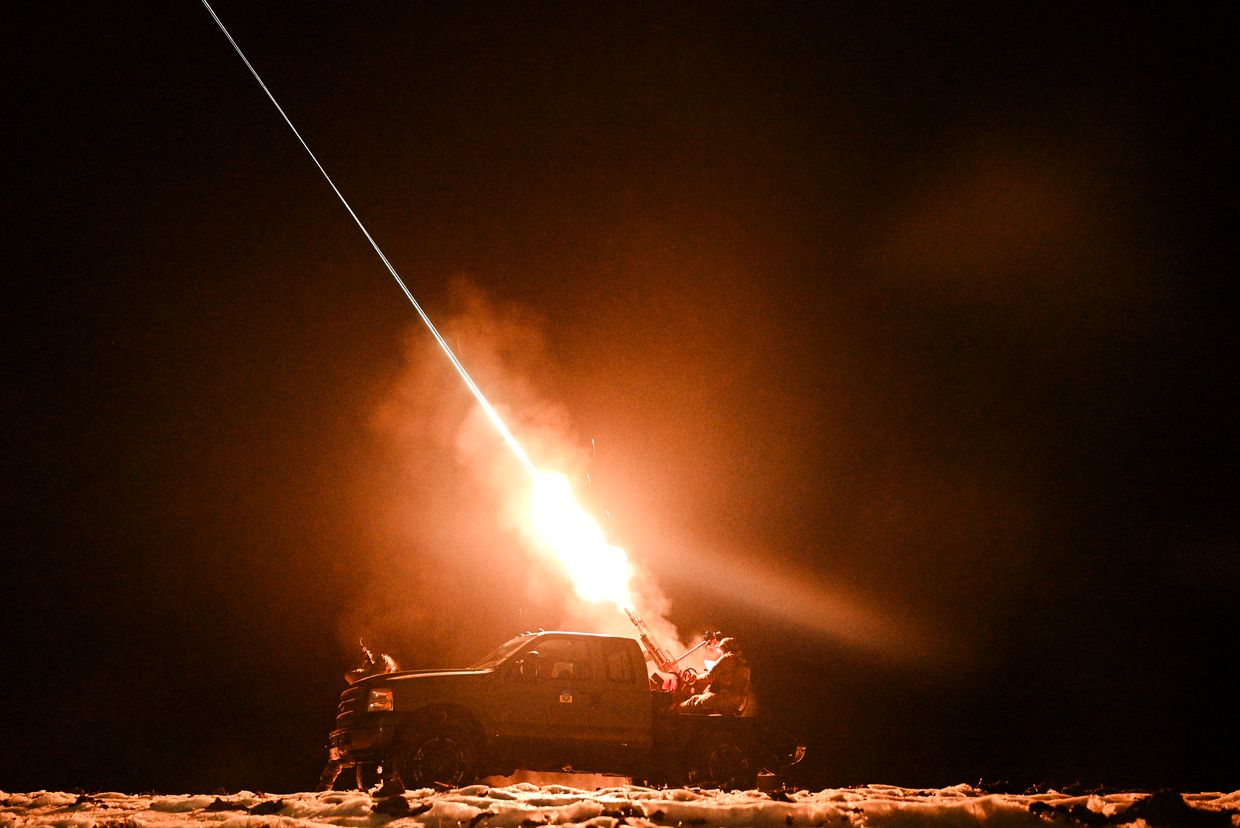
Hoffmann argues defenses must match the threat’s speed, for example with jet-powered interceptor drones. Ukraine already fields some. On 4 October, President Zelenskyy said its Bars interceptors had shown the highest percentage among Ukrainian interceptors, about 30% of targets, according to Militarnyi. One unit destroyed five aerial targets with five Bars interceptors, Defense Minister Yevhenii Khmara later told journalists. He also called aviation one of the most effective tools against jet drones.
Hoffmann’s concern is scale. Jet engines are in short supply, he wrote, because too few European and US suppliers can meet demand. Ukraine’s Defense Industry Council flagged a shortage of such engines for its drones in April. In his view, gun systems and higher-end missile defenses are too scarce or too costly to fill the gap.
By Chris Servello (OpEd) After years of testing and debating how unmanned surface vessels fit into the fleet, the Navy is starting to show what these systems can do. And...
Ukraine continues to struggle with throttling of the speeds at which weapons using the vital satellite communications services provided by the SpaceX Starlink system can operate, and one weapons manufacturer tells us it is rethinking whether to rely on it in the future. As we have previously reported, heavy use of Starlink on both sides of the conflict in Ukraine, including as a means of guiding one-way attackers in the air and at sea, has underscored potential risks of exclusive reliance on Elon Musk’s orbital communications networks in critical tactical tasks.
At issue are complaints by Ukrainian officials that “in various sectors of the front, the equipment ceases to function at speeds of 130–161 kilometers per hour.”
A limit on how fast Starlink terminals on vehicles can travel before the feed is cut off in certain areas impacts a slew of weapons and campaigns, especially strikes on Russian logistics behind enemy lines and in the sea of Asov, as well as the control of defensive interceptor drones critical for taking down Russian long-range one-way attack drones, like the notorious Shahed-136.
The following video shows one such Shahed interception.
Spectacular footage of a Ukrainian interceptor striking a Russian Shahed kamikaze drone, followed by its fall to the ground. pic.twitter.com/8DrJyS22Fn
The limiting of Starlink/Starshield occurred amid deteriorating relations between the Trump administration and Ukrainian President Volodymyr Zelensky. The latest chill between Washington and Kyiv was sparked by the American leader’s claims that Ukraine’s attacks on Russia’s energy infrastructure have reduced the supply of diesel fuel to the U.S. and other nations more than the conflict in the Middle East. Trump was upset Ukraine kept hitting these targets despite his demanding they stop.
Q: Do you think Ukraine should stop attacks on Russian oil refineries? Have you told Zelenskyy that? TRUMP: We've talked about it, we have, and I think they're slowing it down, but they are causing a lot of problems. The lack of refineries is the problem. pic.twitter.com/ffpFnRqFlk
Exacerbating this issue, Trump on Oct. 9 announced via his Truth Social platform that he had made a deal to purchase diesel from Russia, pivoting away from a years-old Western policy that placed massive economic pressure on Moscow.
Trump: "I have just concluded a highly successful discussion with President Vladimir Putin, of Russia, wherein it was agreed that Russia will immediately supply over 300,000 Tons of Diesel Fuel to the American and Global Marketplace, another 500,000 Tons during the month of… pic.twitter.com/zH0I6HA941
Who gave the order to limit the speeds at which Ukrainian weapons using the Starlink/Starshield system operate is unclear.
“The order to limit a satellite system used by Ukraine for battlefield communications and drone operations came from inside the White House,” Reuters reported last week, citing two U.S. officials and a Western official briefed on the matter. “The officials said leaders at the Defense Department received a message that the SpaceX Starshield service for the Ukrainian military needed to be slowed.”
“No such request was ever made by the president,” a U.S. official told us on Monday.
“There has been no change to Department of War policy regarding intelligence sharing or any capabilities we are enabling Europeans to provide to Ukraine,” a senior Pentagon official responded to our questions about whether the Pentagon imposed the limits and, if so, why.
When we pushed for a more specific response to the Starlink/Starshield concerns, the Pentagon declined comment. However, Tuesday afternoon, Defense Secretary Pete Hegseth said the Pentagon did not order any changes and that Ukraine violated Starlink’s terms of services.
We reached out to SpaceX as well, but the company did not immediately respond. Last week, SpaceX’s founder and CEO, Elon Musk, said that “any limits on speed or usage are decided by the US military and ultimately” Trump. Musk had previously refused Ukrainian requests to use Starlink against targets inside Russia.
The prohibition against using Starlink inside Russia has drastically limited Ukraine’s ability to strike dynamic targets like mobile ballistic missile launchers and hunt for drone launch sites. However, Ukraine has not had to rely on Starlink in its campaign against oil infrastructure or other fixed targets deep inside Russia which upset Trump in the first place.
Tuesday morning, Zelensky spoke with U.S. Secretary of State Marco Rubio and again brought up Starlink/Starshield in addition to other major concerns.
“…the situation with Starlink/Starshield… needs to be restored,” Zelensky urged.
I spoke with Marco Rubio @SecRubio, and it was a substantive conversation – focused on the issues that matter. I am grateful for his readiness to help and his clear position. First, ballistic missile interceptors, which are needed to protect lives. Second, early warning of…
— Volodymyr Zelenskyy / Володимир Зеленський (@ZelenskyyUa) October 20, 2026
Rubio denied that any assistance was being withheld from Ukraine. Noting that Starlink “is a private company,” the secretary told reporters that Trump is “frustrated…because he doesn’t like to be blamed for things that aren’t true, including accusations that somehow he had ordered intelligence sharing to be cut off. And that’s not true; he’s said that repeatedly.”
SECRETARY RUBIO: There's nothing being deliberately denied to Ukraine. It's simply a balance between our obligations to other partners, and frankly, our own standards and requirements for our own facilities as well. pic.twitter.com/x9NWbIufBa
This most recent flap isn’t the first time SpaceX and Musk have faced particularly significant criticism over limiting some Ukrainian use of the network. Actions SpaceX took earlier this year to block unregistered Starlink terminals also had major consequences for Russian forces, which were sent scrambling to find alternatives to fill the massive resulting communications gap.
Given the tenuous nature of Ukraine’s ability to use Starlink/Starshield, the Wild Hornets company is reevaluating whether to use the SpaceX system in future endeavors even though, so far, it has experienced few problems with it. Wild Hornets is a major Ukrainian combat drone maker. Among other weapons, it makes the Sting interceptors, designed to defend against Russian Shahed kamikaze drones.
The Starlink/Starshield issue isn’t affecting current operations, a Wild Hornets spokesman told us Tuesday morning. “Our own communications system provides the basic connection to our interceptors,” he said. “Plus, our technology for remote control of the interceptors can use various sources of internet connectivity. True, the military often uses Starlink for this, but in our case, the terminal doesn’t need to be moved at high speeds (it simply provides a connection between the command center and the ground station to which the interceptor is connected—it’s somewhat similar to cell towers).”
Concerns about the reduction in speeds at which Starlink terminals can operate has Wild Hornets thinking about ditching a future project, the spokesman told us.
“But we understand that there are other types of interceptors,” added the spokesman. “For example, some drones carry a terminal on board and need to fly at high speed with it. In such cases, Starlink’s limitations make their operation impossible. From this point of view, it also makes us rethink some of the projects we’re currently working on. For example, launching interceptors from aerial platforms.”
“We’re keeping an eye on the situation,” the spokesman continued. “For our current operations (connections with ground stations), we can use any source of stable internet connectivity. Therefore, various solutions are possible in different locations. However, for these needs, everything is operating normally with Starlink at the moment. As for our plans with new projects, we don’t have a clear decision yet, but we will be testing alternatives.”
The spokesman declined to provide further details about what “alternatives” could look like.
There are a number of ways the lack of Starlink for extended-range drone operations could be mitigated to a degree, but the persistent, reliable, high-bandwidth and compact capability SpaceX provides has no direct alternative at this time. The use of drones that work as line-of-sight relays, which can be daisy chained together electronically with other airborne relays, with a connection spanning dozens or even hundreds of miles to a ground entry point is possible. You can read about this concept here. The use of swarms of balloons to create an active network over a battlespace and using Starlink on those slower moving platforms to relay line-of-sight connections to multiple drones below is another possibility. You can read more about this concept here. But we must stress again, nothing can fully replace Starlink/Starshield and its seamless beyond line-of-sight communications architecture at this time.
“I believe, in any case, depending on a single solution is very risky,” the Wild Hornets spokesman proffered. “Especially if you don’t have full control over it. Especially when it comes to something as critical on the battlefield as communications. That’s exactly why our ecosystem is built around our own communications technology and basically is open to various solutions when it comes to internet connectivity.”
The No. 1 interceptor: STING by Wild Hornets has destroyed over 15,000 Shaheds and Gerberas in one year
Confirmed data shows that STING has topped the interceptor rankings for 12 consecutive months. In September this year, Ukraine’s Defense Forces downed around 1,600 Shaheds,… pic.twitter.com/4v1aeOxPiy
As far as military units are concerned, the commander of the Georgian Legion told us that his forces have been affected by issues with Starlink/Starshield even though the main concerns have been about the speeds at which weapons can travel and still have connectivity. The Georgian Legion is fighting in the heavily contested Kramatorsk region of eastern Ukraine.
“We use Starlink a lot because, in this war, reliable communication is essential,” Mamuka Mamulashvili told us. “It helps us stay connected when everything around us is changing. Of course, we’ve learned not to rely on just one system. There are alternatives, like mobile internet, fiber-optic connections, radio and other satellite systems such as OneWeb. But honestly, none of them can fully replace Starlink in Ukraine right now.”
“The problems were not limited to the speed restriction of approximately 160 km/h,” the Georgian Legion commander pointed out. “Starlink connectivity itself was also intermittent, repeatedly switching on and off. This caused communication disruptions across various drone systems, not just those operating at speeds exceeding 160 km/h. As a result, the impact was broader than the restriction on high-speed interceptor drones. Intermittent connectivity created problems for drone control and communications across multiple systems, affecting their reliability and the ability to carry out missions as intended.”
Drones operated by the Georgian Legion. (Georgian Legion Telegram screencap)
“We had serious communication problems,” Mamulashvili explained. “At one point, our drone operators were struggling to maintain a reliable connection with the drone systems, which disrupted coordination and made it difficult to carry out missions as planned. When you lose the connection between the operator and the drone, you can lose control of the situation in seconds. We managed to adapt, but it definitely affected our work.”
“We have to adapt and find solutions, as we always do,” the commander said. “This war teaches you one thing every day. You can’t depend on a single technology or expect someone else to solve all your problems. You have to be ready for anything and keep moving forward.”
Russian sources, meanwhile, are gloating over the speed limits placed on weapons using Starlink/Starshield, particularly how it is affecting Ukraine’s mid-range drone attacks that have crippled Russian logistics. As we explained in a previous report, Ukrainian units have relied on the SpaceX system to help extend the range of their drones to reach as far as 150 miles into Russian-occupied territory. The SpaceX system is not used to hit targets inside Russia proper.
The following video shows some of these mid-range attacks.
Russian rail logistics are now also the target of Midstrike drones, with lines to Crimea being particularly affected. pic.twitter.com/K1BFd0QVov
“Disabling or slowing down Starlink has significantly reduced the enemy’s ability to launch medium-range drone strikes along the ‘Novorossiya’ highway,” influential Russian milblogger Vladimir Romanov reported. The highway, also known as the R-280, is a key link between cities in occupied southern Ukraine and the occupied Crimean peninsula. The road has been a frequent target of Ukraine’s mid-range strike campaign.
“The success of these strikes depends on the Ukrainian Armed Forces’ access to American satellite communication,” Romanov noted. “For the past six months, the Ukrainian Armed Forces have been attacking civilian transport – trucks, cars, and buses – exclusively through the use of ‘Starshield.’ This means that, for the past six months, American military satellite infrastructure has been used to carry out terrorist acts against Russian civilians, and so on. In other words, the United States is still directly involved in the war with Russia!”
America's gifts to Russia never end, with Russian military bloggers now confirming that Washington's operation to cut Ukraine's Starlink has halted Ukraine's ability to strike Russian logistics routes in Ukraine.
As for how widespread worries among Ukrainian weapons manufacturers are, the Wild Hornets spokesman suggested that his company is not alone. He said he has spoken with other companies relying much more heavily on Starlink/Starshield who have expressed concerns. He pointed to growing interest in the European Eutelsat satellite constellation as an example of companies seeking options, but noted that “of course, creating something like Starlink won’t be easy.”
It will be interesting to see if other Ukrainian weapons companies also consider scrapping plans to rely on Starlink in the future and what architectures will emerge at least as a backstop to it.
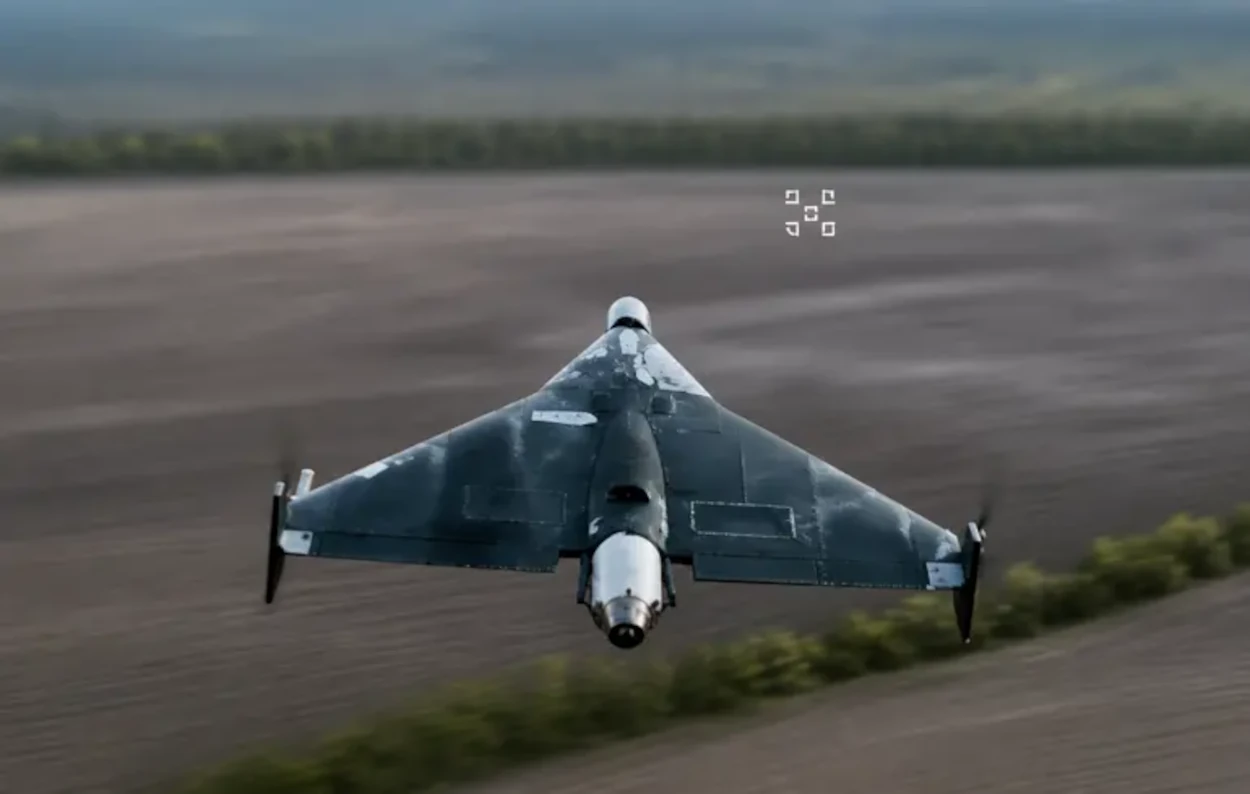
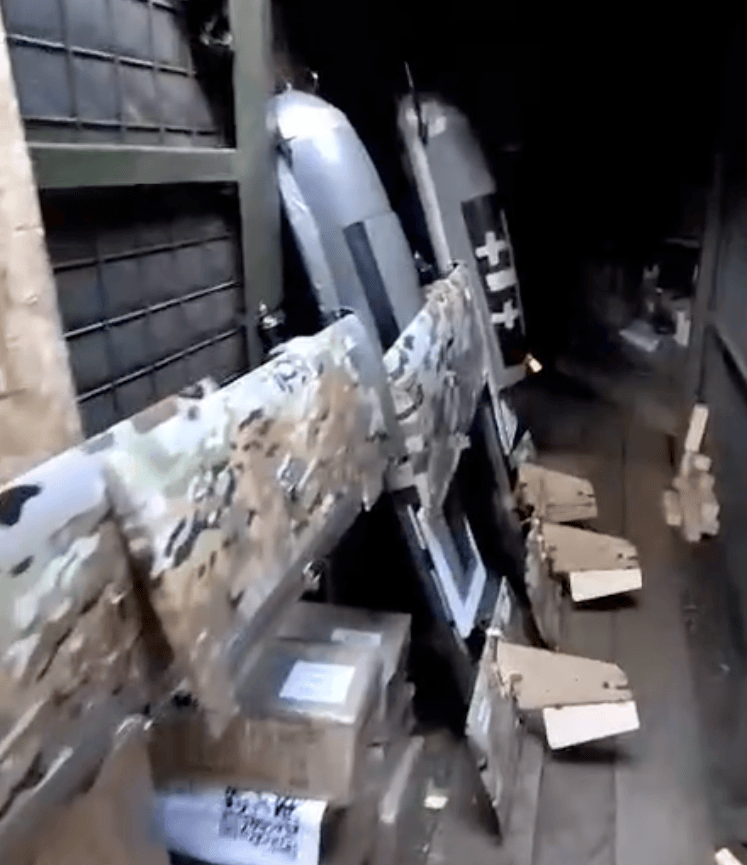
One of Ukraine's best and fastest interceptor drones is an air-to-air version of the Bars one-way attack drone
Bars are some of the best defenses against Russia's fastest Geran-4 and Geran-5 drones
But there may be too few small jet engines to rapidly scale up Bars production
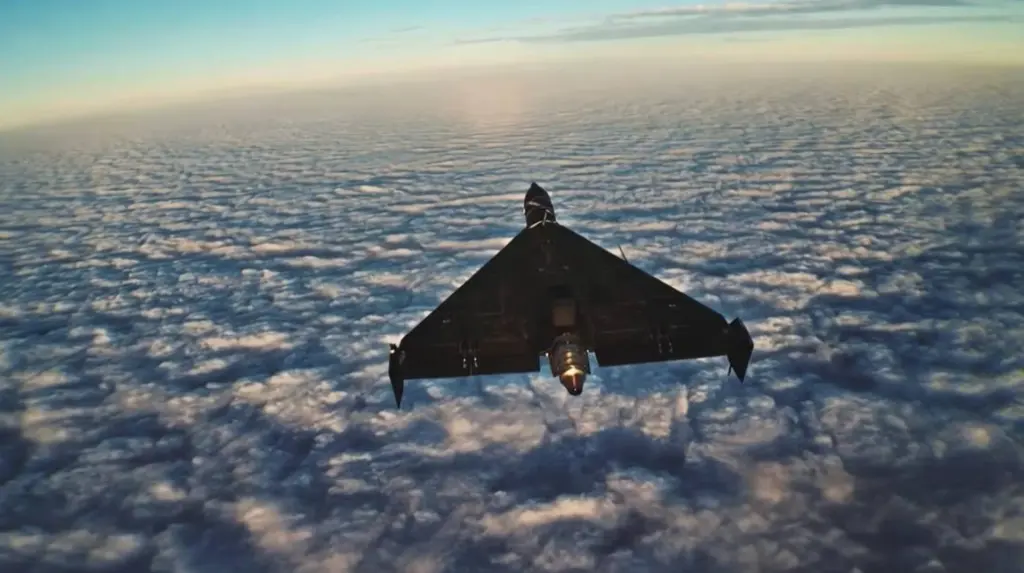
Russia's latest jet-propelled Geran-4 and Geran-5 one-way attack drones fly at 500 km/h or more, nearly three times as fast as an older, propeller-driven Geran-2.
That's too fast for many of Ukraine's air defenses. In particular, the inexpensive interceptor drones that Ukrainian forces deploy by the thousand.
Russia launched more than 2,700 jet Gerans at Ukraine in September, and Ukraine is shooting down only about 55% of them, according to Ukrainian President Volodymyr Zelenskyy. The speed disparity is a big part of the problem.
Ukrainian forces are scrambling for new defenses against the speedy Gerans. Among the best is actually a Ukrainian take on the Geran-4 and Geran-5: a fast, jet-propelled one-way attack drone that the Ukrainians have modified for air-to-air use.
Against jet drones, the air-to-air Bars have a hit rate of around 30%, Zelensky said during a joint press conference with German Chancellor Friedrich Merz in Kyiv on 4 October. "The Bars have shown positive results," Zelensky said. "They currently have the highest percentage. Others are also catching up."
Explore further
Did Ukraine just unleash its first Bars cruise missiles? A 500 km strike deep inside Russia suggests it
In July, Ukraine and Germany agreed to jointly produce Bars, with Germany financing the first phase. Ukraine has reportedly been launching Bars at targets on the ground since at least the summer of 2025. But it was only recently that clear photos and videos of the drones have circulated.
Over the weekend, Ukraine’s 1021st Anti-Aircraft Missile and Artillery Brigade released footage of one jet drone hunting another. Observers identified the interceptor as a Bars and its target as a Geran-5. After launching from an elevated ramp with help from a rocket booster, the drone's operator—seeing what the drone saw through a front-facing infrared camera—steered the drone toward the Russian drone, possibly destroying it.
Exactly how the operator controlled the Bars—whether by satellite or mesh radio or some other command and control system—is unclear. Equally unclear: what kind of warhead a Bars would employ in the air-to-air role. Many smaller interceptor drones lack warheads. Instead, they simply slam directly into their targets, wrecking them in the collision.
Ukraine’s 1021st Anti-Aircraft Missile and Artillery Brigade has released the first footage of the Ukrainian Bars jet-powered drone in its interceptor configuration engaging a Russian Geran-5 drone. https://t.co/FRBKZQR9lFpic.twitter.com/njPJWXsDwo
Bars isn't small. It likely packs an explosive warhead. Potentially one that the operator can remotely trigger when the interceptor passes near its target.
Bars is adaptable. Its maker has reworked it from a 22-kg warhead and a 700-km range to a 60-kg warhead and a stated range of more than 1,000 km, and a heavier variant can carry a 105-kg warhead.
In the air-to-air interceptor role, long range is terribly important but speed is everything. There's an obvious way for the Ukrainians to boost the Bars' speed from its reported 700 km/h top speed to potentially even faster. They could shrink the drone's warhead and its fuel load, making it lighter in order to make it faster.
That may explain how a Bars can chase down a Geran-5 even as the Russians, by one Ukrainian analyst's estimate, try to push the Geran-5 toward 700 km/h or more.
Explore further
Turkey’s Korkut guns now shoot down Russian drones over Ukraine. Almost half of the jet-powered Shaheds still get through
Cost is important, too. Russia churns out Gerans for an estimated $100,000 or so per drone. The cheaper the drone, the more copies the Russians can fling at Ukrainian cities. If it takes three or more interceptor drones to take down each of those 2,700 jet Gerans, Ukraine may need to deploy 8,000 to 10,000 interceptors a month.
Ukraine already builds more than 2,000 Bars a month, its maker says, but mostly in strike versions. How many go to air defense, and how much each costs, isn't public.
The supply of small jet engines could be a constraint. “Engines are a key element; we really import them in large quantities,” Zelensky said in an interview with Financial Times. "There are also domestically produced engines, but there are not enough of them.” A Ukrainian-made engine for Bars passed final tests in September.

 Login














 (@bayraktar_1love)

 (@SergioCentaurus)