❌

Reading view

Droits de l’homme et le cas de la Roumanie : l’Occident qui annule des élections peut-il vraiment donner des leçons de morale ?

En cette année 2026, véritable *annus horribilis* où l’impérialisme a fait arrêter des présidents légitimes comme Maduro au Venezuela et massacré des guides spirituels et religieux tels que Khamenei, l’Occident collectif continue de se poser en juge des « droits de l’homme ». La situation semblerait grotesque si elle n’était tragique. Toutefois, une analyse approfondie révèle toutes les ramifications de l’affaire, lesquelles s’inscrivent pleinement dans la vision colonialiste que l’Occident entretient à l’égard du reste du monde ; ce dernier est perçu comme une simple entité indistincte, vouée à être jugée, traduite en justice et soumise afin d’en extraire de la valeur. Dans cette optique suprémaciste, les peuples ne sauraient nourrir la moindre ambition de souveraineté ni prétendre à une quelconque représentation, car ils ne sont pas considérés comme des peuples capables d’accéder au statut de nations, mais simplement comme des multitudes vouées à la domination.

par Paolo HAMIDOUCHE

Peu importe que l’Occident soit en faillite face au Sud global. L’idéologie suprémaciste qui imprègne la rhétorique colonialiste des droits de l’homme continue d’agir, alimentée par de bonnes intentions. De bonnes intentions seulement, car les actes restent marqués par la violence et l’oppression. Ainsi, lors de la Troisième Commission de la 81e Assemblée générale de l’ONU, l’Occident — emmené par l’empire britannique déchu — a de nouveau attaqué la République populaire de Chine sur la question des « droits de l’homme ». Dans sa réponse, le représentant permanent adjoint de la Chine auprès des Nations unies, Sun Lei, a souligné le deux poids, deux mesures à l’œuvre, d’autant plus que ces normes — que les « maîtres » voudraient voir respectées à l’étranger — ne sont absolument pas appliquées en Occident même. Quelques jours plus tard, la porte-parole du ministère russe des Affaires étrangères, Maria Zakharova, a elle aussi remué le couteau dans la plaie en demandant à l’Élysée des nouvelles du « jardin enchanté » (référence à Josep Borrell) où les droits de l’homme sont suspendus à l’égard de « ses propres enfants » manifestant dans la rue. Enfin, l’Iran n’a évidemment pas manqué de souligner, par la voix de M. Baqaei, le changement de ton brutal opéré en quelques mois sur la question des droits de l’homme selon la zone géographique, avertissant : « Si les droits de l’homme et le droit de manifester sont des principes universels, leur définition ne devrait pas varier en fonction de la situation géographique du manifestant. »

Désormais, même la conception libérale des « droits formels » est remise en question en Europe sous prétexte de « guerre hybride » et de pressions géopolitiques. Il suffit de songer à Macron lui-même, en proie à la paranoïa face aux infiltrations prorusses, lui qui a fait part aux chefs de parti de ses craintes de déstabilisation il y a à peine quelques semaines. En Amérique, en revanche, la situation est peut-être pire encore : avec Maduro, on a agi de manière autoritaire, sans le moindre artifice rhétorique pour tenter de justifier le coup d’État. Et aujourd’hui, dix mois plus tard, on en rajoute.

Le FBI a en effet fait savoir qu’il retenait un nouveau chef d’accusation contre le prisonnier Maduro et son épouse Flores : « complot en vue de commettre des actes de torture ». Les procès politiques — lorsqu’ils ont lieu, contrairement au sort réservé à Khamenei, exterminé avec une partie de sa progéniture — visent la famille pour « complicité » et se fondent, de toute évidence, sur des chefs d’accusation variables. Le caractère personnel de la responsabilité pénale devient aléatoire, tout comme le chef d’accusation est fluctuant, lorsqu’une inculpation politique est engagée par un régime ; ainsi, le « complot en vue de commettre des actes de torture » devient une infraction où l’intention délictueuse et la faute s’étendent à tout l’entourage de l’accusé. Appelons donc les choses par leur nom : il s’agit d’un procès politique, et non judiciaire. Or, l’Occident, qui en cette année 2026 s’est adonné aux procès politiques sommaires, a l’audace de se poser en « maître » — pour ne pas dire en « juge » — et de pointer du doigt la République populaire de Chine pour son mépris de la vie humaine. C’est curieux, ne serait-ce que parce que le respect de la vie humaine exigerait la reconnaissance et le respect de la diversité des formes d’organisation des populations, de l’autodétermination des peuples et de tous ces principes dont l’Occident continue de se moquer au nom de la primauté du modèle de gouvernement libéral-démocrate. Un modèle qui, plus que jamais en 2026, s’avère n’être qu’une forme au sens littéral du terme, c’est-à-dire une simple « apparence extérieure ». En effet, cette démocratie libérale recèle en son sein des failles qui en compromettent désormais la survie même. Prenons pour exemple ce qui se passe en Roumanie où, après la victoire du candidat souverainiste indépendant C. Georgescu, les élections ont été purement et simplement annulées au motif d’une « manipulation des suffrages ». Aucun « juge » des sacro-saints « droits de l’homme » occidentaux n’a trouvé à redire au fait qu’une instance constitutionnelle puisse décréter quel suffrage est « manipulé » et lequel est « intègre ». La Cour européenne des droits de l’homme a même avalisé cette décision en déclarant irrecevable le recours de Georgescu. Par ailleurs, ces « juges » qui aiment discourir sur la situation politique d’autrui n’ont rien vu des conditions liberticides — dignes d’un réfugié — imposées à Julian Assange pour le « crime » de journalisme, avant qu’il ne soit contraint de faire amende honorable et de se retirer de la vie publique. C’est ce qu’a dû faire le président Georgescu en Roumanie, mais cela n’a pas suffi dans son cas. Le délit politique pèse manifestement plus lourd ; rappelons qu’un philosophe soulignait déjà auprès de ses pairs que l’enjeu, aujourd’hui, n’est plus d’interpréter le monde, mais de transformer l’état de choses existant. Pour celui qui s’engage directement en politique, il ne suffit pas de renier ses convictions et de se retirer de la vie publique, car son passé et ses relations continuent d’influer sur le présent.

En effet, la répression visant l’idéologie souverainiste en Roumanie s’est concentrée sur le dirigeant Călin Georgescu, au point de lui valoir diverses inculpations, interpellations et placements en détention provisoire (sic !), mesures qui ne se sont arrêtées ni devant son annonce de retrait de la vie publique ni devant sa personne. Comme je le rappelais précédemment, la caractéristique d’un procès politique est la disparition du principe de responsabilité pénale individuelle, car l’on a affaire à un régime politique qui s’attaque à une idée. Et comme le soulignait curieusement Medgar Evers — militant des droits civiques abattu d’un coup de fusil dans le dos par un suprémaciste dans la cour de sa propre maison, au sein de la patrie des « droits civiques » —, les idées ne s’arrêtent pas avec l’arrestation d’un homme, car « on peut tuer un homme, mais on ne peut pas tuer une idée ». On procède donc directement à l’arrestation et à l’inculpation de l’entourage immédiat, voire de toute personne professant la même idée. Ce n’est pas un hasard si le principal candidat de l’opposition roumaine, George Simion — qui porte l’idéal souverainiste dans ce pays —, a tiré la sonnette d’alarme ces derniers jours, se disant menacé d’arrestation après avoir perdu de manière inattendue le second tour des élections en mai 2025. Tout cela survient alors que C. Georgescu a de nouveau été inculpé et arrêté dans le cadre d’une enquête récente pour une fraude présumée. Alors que la Roumanie est privée de gouvernement depuis maintenant cinq mois — une impasse institutionnelle révélatrice d’une incapacité à gouverner, après l’annulation d’élections qui avaient pourtant conféré une légitimité claire à une formation politique, laquelle a été évincée une fois la victoire acquise —, l’acharnement de la justice roumaine à l’encontre de l’ancien homme politique a suscité des protestations populaires dans tout le pays ainsi qu’au sein de la communauté roumaine à l’étranger, déclenchant un élan de solidarité envers celui que l’on désigne comme « le président en exercice ». En somme, des événements singuliers se produisent au sein d’un Occident qui aime se poser en champion des droits de l’homme et de la démocratie libérale, mais uniquement chez les autres.

Publié à l’origine par Divergence Politique

  •  

Black Sea Security Crisis Deepens as European Parliament Calls for EU Naval Operation

A series of drone attacks on commercial shipping near Romania and Bulgaria has left sailors dead or missing, bringing Russia’s war against Ukraine closer to NATO territory. The European Parliament is calling for an EU naval mission, while Romania has begun shooting down hostile drones and NATO is preparing additional defensive measures.

The European Parliament has called for the possible deployment of an EU naval operation in the Black Sea following a series of deadly attacks on civilian merchant vessels near the Romanian and Bulgarian coasts. The resolution, adopted on 22 October 2026 by 432 votes to 52, with 88 abstentions, reflects mounting concern over the expansion of maritime threats towards NATO’s south-eastern flank.

The parliamentary resolution urges EU member states to consider establishing a naval mission to protect commercial shipping, while calling on NATO to examine a complementary regional initiative, provisionally described as Black Sea Sentry.

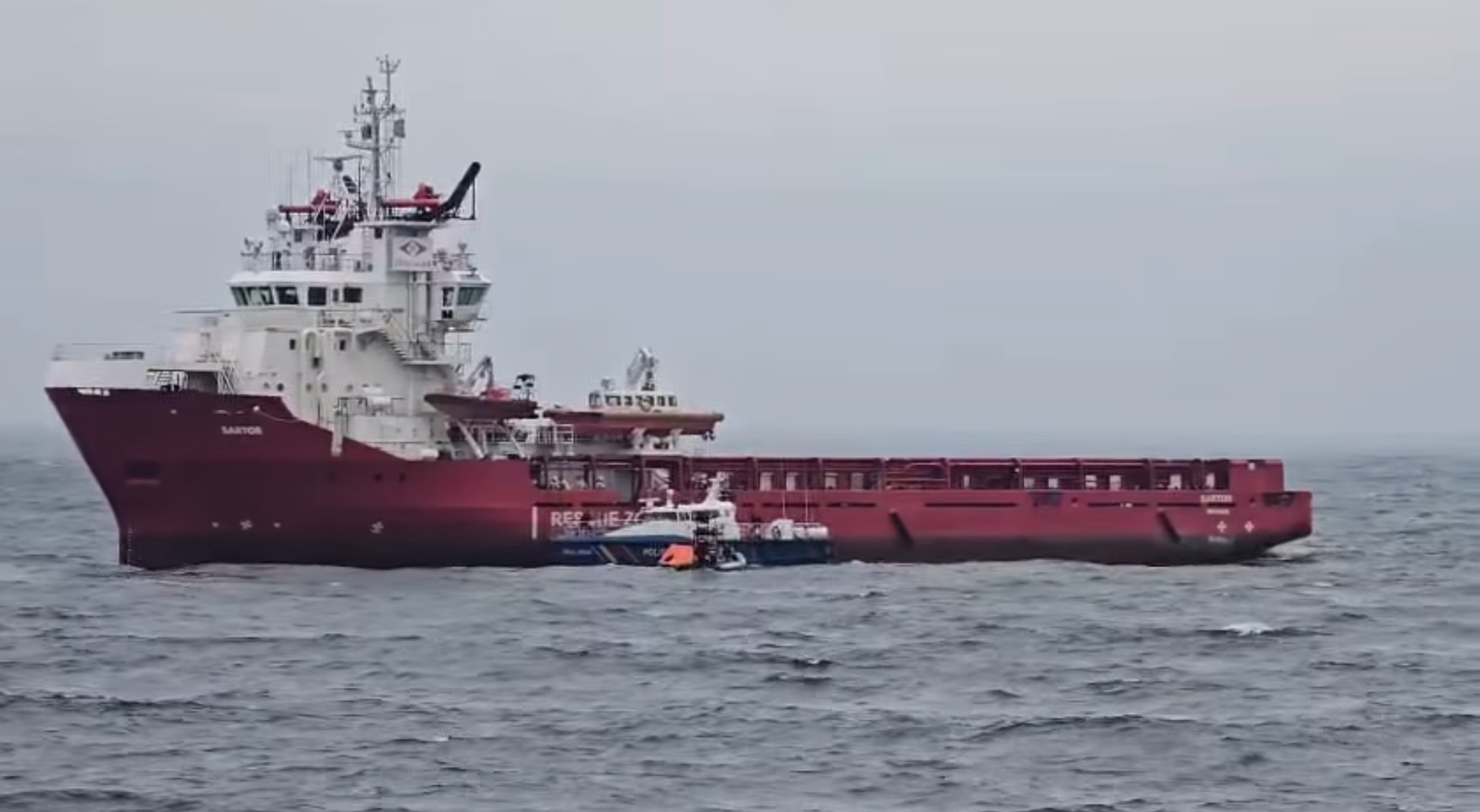
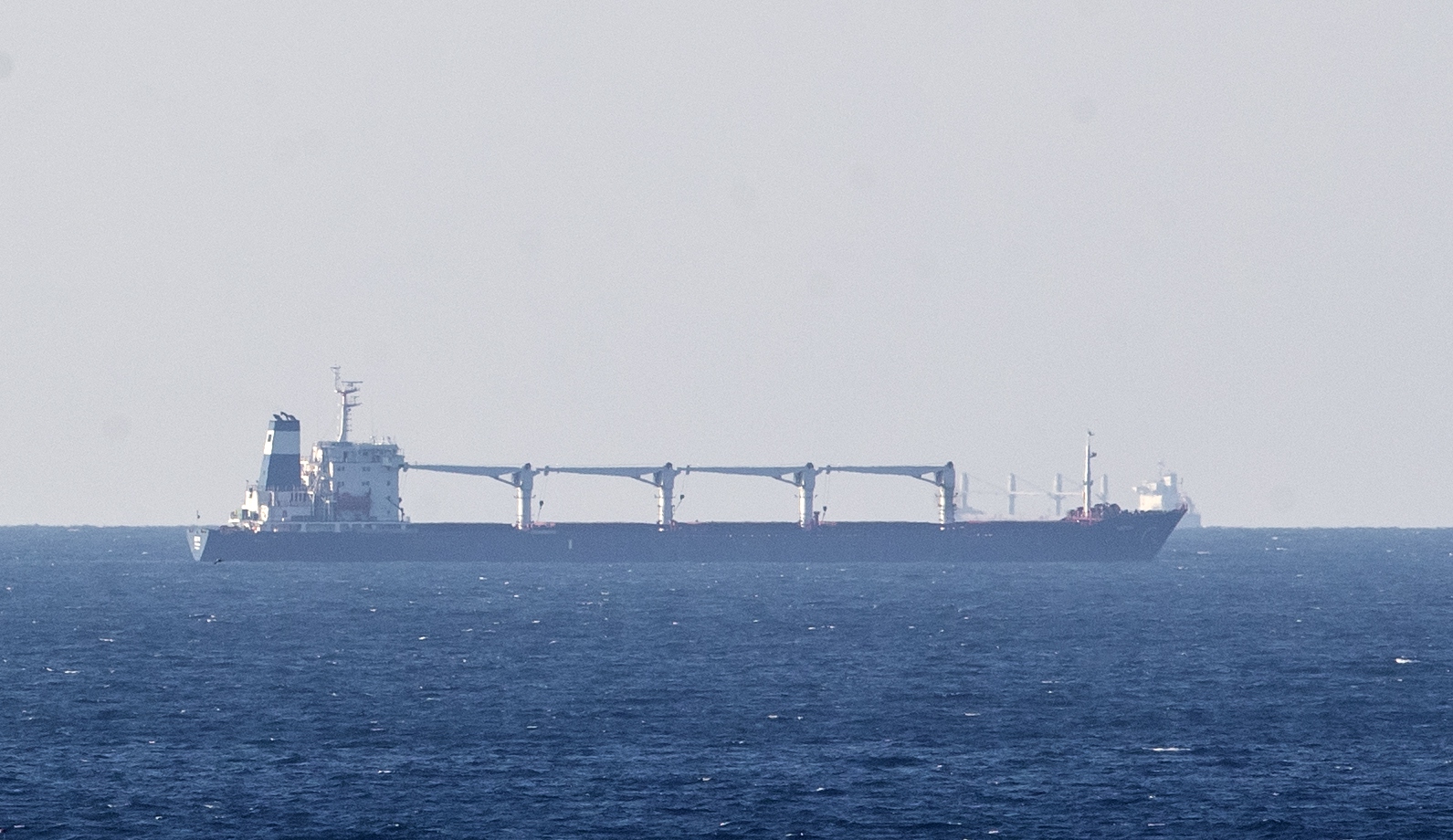
On 23 October, a drone struck the Comoros-flagged cargo vessel Khoryv, approximately 13 nautical miles from Romania’s port of Constanța. The vessel caught fire and sank, leaving one sailor confirmed dead and three missing. Nine crew members were rescued. The ship was carrying 13 Ukrainian and Azerbaijani sailors. According to information attributed to Romanian maritime authorities, difficult weather complicated rescue efforts.

Romanian President Nicușor Dan blamed Russia for the attack, which followed at least seven other strikes on commercial vessels during October. Across the incidents, approximately 30 sailors have been reported dead or missing, although the confirmed death toll is considerably lower.

Civilian Shipping Under Attack

The escalation began on 5 October when the Royad Mammadov, a Turkish-owned grain carrier sailing under the flag of Saint Kitts and Nevis, sank in Romania’s exclusive economic zone. Two sailors died and eleven were rescued. The vessel had departed the Ukrainian Danube port of Izmail carrying corn destined for Ravenna, Italy. Ukrainian President Volodymyr Zelenskyy attributed the sinking to Russian drones, although Romanian authorities did not initially establish responsibility.

The following day, two merchant ships were attacked approximately 70 nautical miles east of the Bulgarian coastal town of Byala. As EU Today reported, the Togo-flagged Alfa Watan sank after sustaining severe damage, while the Palau-flagged Able caught fire. All 18 sailors aboard the latter vessel were rescued, but the crew of the Alfa Watan remained unaccounted for.

The Bulgarian authorities confirmed that both aerial and maritime drones had been involved. Further attacks followed on 13 October, when the HS Dignity sank near Shabla, leaving eleven sailors missing, while the Chelsea-3 was struck near Byala. All 15 crew members of the latter vessel were evacuated.

Two chemical tankers, the Yara J and Wine Trader, were subsequently attacked near the Sulina Canal, a strategically important route connecting the Danube with the Black Sea. The incidents exposed the vulnerability of shipping corridors connecting Ukraine with international markets.

Romania Moves Towards Active Military Defence

Romania has responded by strengthening surveillance and authorising direct military action against drones entering its airspace. On 17 October, two Romanian F-16 fighter aircraft intercepted and destroyed hostile drones over Romanian territorial waters.

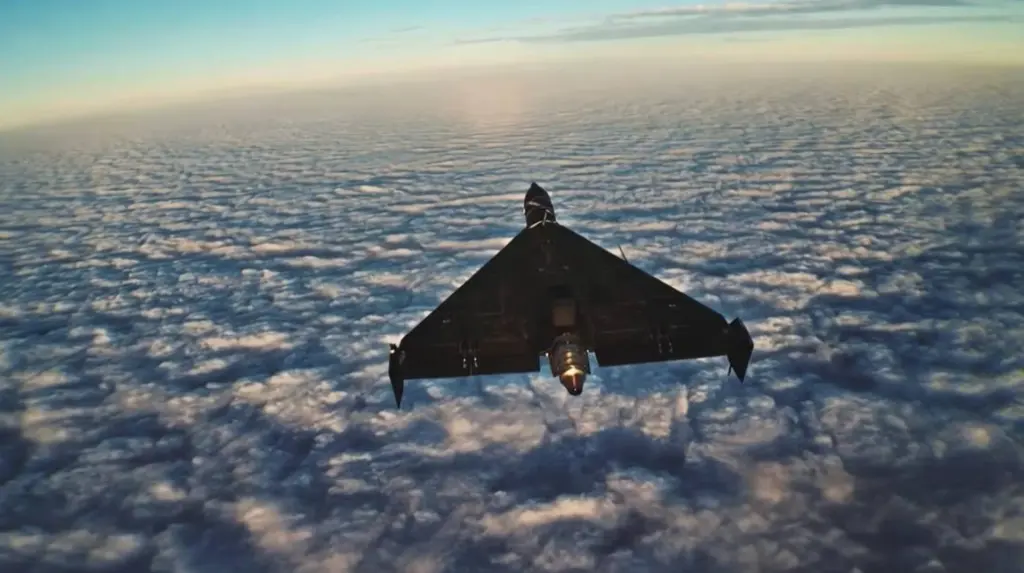
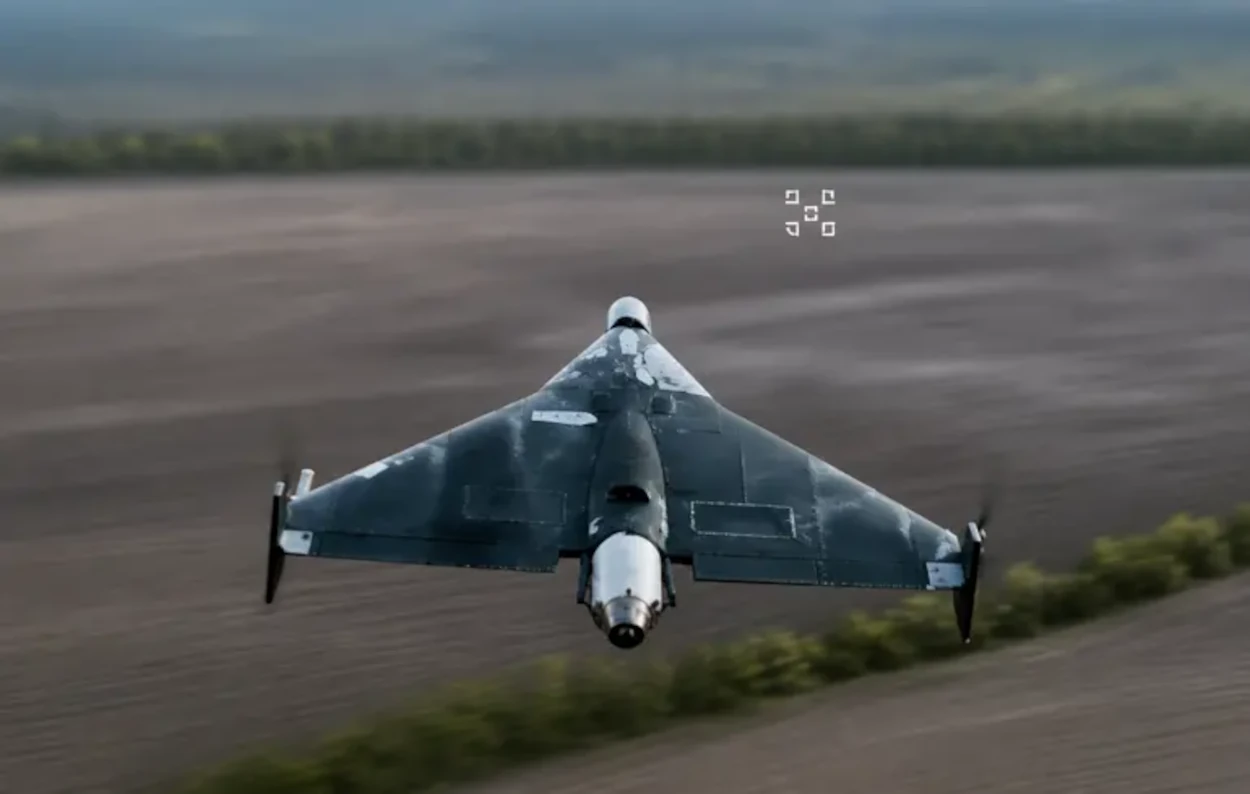
According to the Romanian Ministry of National Defence, the aircraft were scrambled from Borcea Air Base after radar systems detected aerial targets approaching from the direction of Snake Island. The drones, identified as jet-powered Geran-family attack aircraft, entered Romanian airspace before being destroyed southeast and east of Sulina.

The ministry disclosed that, during the preceding week, its radar systems had detected eight separate incidents involving aerial targets near the Romanian border, including four brief incursions into national airspace. On 14 October, Spanish F-18 aircraft operating under NATO air-policing arrangements were scrambled after drones approached Romanian airspace.

Bulgaria’s More Cautious Response

Bulgaria has taken a more reserved position concerning responsibility for the attacks. Although Prime Minister Rumen Radev acknowledged their seriousness, his government maintained that investigations must establish the origin of the drones before definitive conclusions could be drawn. Sofia nevertheless strengthened maritime surveillance, deployed rescue resources and requested assistance from European and NATO partners.

In August, a drone crossed into Bulgarian airspace from Romania and exploded near infrastructure associated with the Trans-Balkan Gas Pipeline. According to the Bulgarian government’s account, the aircraft was not detected by either national radar systems or NATO’s Combined Air Operations Centre in Torrejón, Spain. The European Parliament has now urged Sofia to accelerate participation in NATO’s counter-drone initiatives.

EU Proposes Maritime Security Operation

The European Parliament’s proposals include establishing an EU naval operation, improving early detection of hostile drones, accelerating the development of a Black Sea Maritime Security Hub and providing additional defence funding to Romania and Bulgaria. MEPs have proposed using resources under the EU’s SAFE defence financing instrument to support regional capabilities.

The proposed hub would facilitate intelligence-sharing, maritime surveillance and protection of critical infrastructure. Romania and Bulgaria have requested EU satellite imagery to improve their awareness of maritime threats, while the European Maritime Safety Agency has offered additional support.

At their October summit, EU leaders condemned attacks on civilian shipping and called for safe passage for vessels transporting agricultural products. The European Council’s conclusions addressed Black Sea and Danube shipping routes. However, the parliamentary resolution does not authorise a naval deployment: such an operation would require agreement among EU governments on its mandate, resources and rules of engagement.

NATO Faces an Expanding Security Challenge

NATO has responded by examining additional maritime surveillance and defensive measures, including patrol aircraft, radar systems and unmanned platforms. Romania has proposed stronger regional command arrangements involving NATO’s Black Sea members.

An existing framework provides a basis for cooperation. In July, Romania, Bulgaria and Türkiye agreed to expand the responsibilities of their joint mine countermeasures task group to include protection of critical underwater infrastructure. The agreement announced by Romania’s Defence Ministry extended cooperation beyond detecting and neutralising drifting mines.

Protecting commercial vessels against aerial and maritime drones would require broader capabilities. NATO must also operate within the restrictions of the 1936 Montreux Convention, which regulates passage of warships through the Turkish Straits and limits deployments by non-Black Sea countries. Romania, Bulgaria and Türkiye would therefore play central roles in any sustained maritime security operation.

Black Sea Security and the Risk of Escalation

Ukraine’s maritime export corridors remain essential to agricultural shipments following repeated Russian strikes on ports and logistics infrastructure. Attacks on commercial vessels can increase insurance costs, discourage shipping companies and disrupt trade even when port facilities remain functional.

The sinking of merchant vessels near allied territory, combined with repeated drone incursions into Romanian airspace, increases the possibility of military confrontation arising from an individual incident. The legal and military circumstances differ depending on whether an attack occurs in territorial waters, an exclusive economic zone or international waters.

The European Parliament’s proposal raises questions extending beyond maritime patrols: how civilian shipping can be protected, what military responses are authorised and how responsibility for attacks will be established. The sinking of the Khoryv on 23 October illustrates how the western Black Sea has become an increasingly exposed part of Europe’s security frontier.

  •  

Drone strike sinks cargo ship near Romania, killing Ukrainian sailor. Romanian President blames Russia

The overturned hull of the cargo ship Khoryv after a drone strike in the Black Sea near Romania on 23 October 2026. Screenshot from video: Romanian Ministry of Internal Affairs

A Russian drone strike sank the Comoros-flagged cargo ship Khoryv in the Black Sea near Romania’s port of Constanța on 23 October, killing a Ukrainian sailor and leaving three crew members missing. Nine others were rescued, Digi24 reported.

The sinking comes amid a surge in attacks on commercial shipping near Romania and Bulgaria, threatening civilian crews and routes used to transport Ukrainian agricultural exports. As Russia intensifies strikes on Ukrainian ports and shipping, the Danube corridor and nearby waters have become increasingly important to Ukraine’s maritime trade.

Romanian President Nicușor Dan blamed Russia for the attack, describing it as part of Moscow’s escalation of the war against Ukraine and its attacks on NATO’s eastern flank, Reuters reported. 

Ukraine’s Foreign Ministry confirmed to Radio Svoboda that a Ukrainian citizen was among those killed.

Ukrainian sailor killed, three crew members missing

The Khoryv sent a distress signal at around 10 a.m. local time, about 13 nautical miles (24 kilometers) east of Constanța, just outside Romania’s territorial waters, Digi24 reported. The vessel caught fire, sustained major damage, and capsized, with only a small part of its hull remaining visible above the water.

Romania’s naval authority said 13 crew members were aboard: 10 Ukrainians and three Azerbaijanis. Rescue teams recovered nine sailors alive and one body, while three crew members remained missing, Reuters reported.

Ukraine’s Foreign Ministry said the vessel had been traveling from a Turkish port and confirmed that the Ukrainian Embassy in Romania had received information from Romanian authorities about one Ukrainian sailor’s death. Four Ukrainian survivors, including the captain, were taken to a hospital, while two others did not require medical assistance.

Attacks threaten Black Sea shipping

The sinking comes amid a surge in attacks on commercial vessels off the coasts of Romania and Bulgaria. At least seven cargo ships have been hit over the past two weeks, with around 30 sailors reported dead or missing, according to Reuters.

The vessels targeted in recent incidents were either anchored near or heading toward the Sulina Canal, which connects the Danube River to the Black Sea. The canal has become a key export route for Ukraine, one of the world’s largest exporters of grain and vegetable oils.

Ukraine has increasingly relied on Danube ports and routes through Romanian territorial waters as Russia attacks its own Black Sea ports. Strikes on commercial vessels threaten crews and risk disrupting Ukrainian agricultural exports to international markets.

Russia has intensified attacks on Ukrainian ports and ships traveling to or from Ukraine. Moscow has described its strikes on vessels as retaliation for Ukrainian attacks on Russian or Russia-linked ships.

Bulk carrier "Royad Mammadov" under the flag of Saint Kitts, partially sunk after an attack by Russian sea and air drones on October 5, 2026, 20 nautical miles off the coast of Romania. Photo: Romanian Interior Ministry
Explore further

Russia’s attacks on Black Sea shipping raise risk of global famine, German FM warns

NATO plans stronger Black Sea surveillance

NATO said on 20 October it would send additional maritime patrol aircraft, radar systems, and drones to the Black Sea following the attacks on commercial shipping, according to Reuters. The alliance has not specified which capabilities it will deploy.

Romania, Ukraine, and Bulgaria have called on NATO to do more to protect commercial vessels. The latest sinking adds urgency to those calls as attacks increasingly affect shipping near NATO territory.

The latest incident highlights the growing risks to commercial shipping as Russia’s war against Ukraine increasingly affects maritime traffic beyond Ukraine’s own coastline.

  •  

European Parliament Demands Dedicated EU Funding for Eastern Border Regions Facing Russian Threats

The European Parliament has called for substantial additional funding for the European Union’s eastern border regions, proposing that up to 10 per cent of the budgets of relevant EU financing instruments be earmarked for areas affected by Russia’s war against Ukraine and growing security threats.

The resolution, adopted on Thursday, 22nd October, received 414 votes in favour, 79 against and 90 abstentions.

It seeks greater financial assistance for regions bordering Russia, Belarus, Ukraine and Moldova, as well as territories along the Black Sea, under the EU’s 2028–2034 financial framework.

The proposals include higher EU contributions towards infrastructure projects, additional investment in local economies and targeted assistance for communities experiencing declining investment, population losses and increased security costs.

However, the resolution is not binding legislation and does not itself allocate new funding. Its provisions must be incorporated into future budget agreements and individual EU spending programmes.

Eastern regions face economic and security pressures

Russia’s full-scale invasion of Ukraine has significantly changed economic conditions across the EU’s eastern frontier.

Border restrictions, disrupted trade routes, increased defence activity and uncertainty over regional security have affected investment and commercial activity.

The pressures are particularly apparent in Finland, Estonia, Latvia, Lithuania, Poland, Slovakia, Hungary, Romania and Bulgaria.

According to a European Parliament research briefing published in September, these regions face overlapping challenges involving economic decline, depopulation, inadequate infrastructure and higher expenditure on security.

Some communities previously depended on cross-border trade with Russia or Belarus, much of which has declined sharply following sanctions and restrictions introduced since 2022.

Other regions have experienced increased transport demand linked to Ukrainian refugees, military logistics and the movement of goods towards Ukraine.

The European Commission has recognised that conventional regional development programmes may not adequately address the combination of economic and security pressures.

Parliament proposes dedicated financial allocations

The resolution calls for up to 10 per cent of funding within relevant EU instruments to be earmarked for eligible eastern border regions.

This does not mean that 10 per cent of the entire EU budget would automatically be transferred to those areas.

Instead, Parliament wants targeted allocations within programmes covering regional development, agricultural policy, transport, industrial competitiveness and infrastructure.

MEPs also propose significantly higher EU contributions towards eligible projects.

Under the parliamentary position, certain projects could receive up to 95 per cent EU co-financing, reducing the amount that national or local authorities would have to contribute.

Projects connected with security, resilience or critical infrastructure could potentially receive funding covering 100 per cent of eligible costs.

Additional pre-financing would help local administrations begin projects without having to provide substantial initial expenditure.

The proposals are particularly relevant to municipalities with limited budgets and regions where private investment has declined.

Wider definition includes Moldova and Black Sea regions

Parliament has also proposed broadening the geographical criteria used to identify eligible territories.

The resolution covers regions bordering Russia, Belarus, Ukraine and Moldova, as well as regions with access to the Black Sea.

The proposed framework would use the EU’s NUTS 2 regional statistical classification.

For borders with Russia and Belarus, the parliamentary proposal includes geographical thresholds concerning the length of land or maritime frontiers.

For Romania, the revised approach could extend support to regions connected with Moldova, Ukraine and the Black Sea.

The proposals would also have implications for transport corridors linking Ukraine with the EU, including railways, ports, roads and border-crossing facilities.

Such infrastructure serves both civilian trade and military mobility requirements.

Existing programmes and new investment plans

The Commission has already introduced measures intended to support Europe’s eastern regions.

Its February 2026 strategy identified security, economic growth, connectivity, local industries and demographic resilience as principal areas requiring action.

A proposed investment initiative, EastInvest, is intended to facilitate financing through European and national financial institutions, with the potential to mobilise up to €28 billion by the end of 2027.

This would principally involve lending and investment support, rather than direct grants equivalent to the total facility value.

The Commission has also identified approximately €5.6 billion in cohesion funding redirected towards eastern border regions under the current financial framework.

Those reallocations form part of approximately €34.6 billion redirected towards new priorities across participating member states.

Parliament’s latest demands concern the period after 2027 and would operate separately from these existing arrangements.

Budget negotiations will determine the outcome

The proposal places additional pressure on governments negotiating the EU’s next long-term budget.

Agricultural policy, regional development and industrial investment are already competing for funding alongside increased European defence expenditure.

As EU Today reported in its coverage of the agricultural budget negotiations, member states remain divided over the allocation of resources under the next financial framework.

Eastern border governments are likely to argue that infrastructure and economic development in their territories contribute directly to the EU’s wider security.

Other member states may resist dedicated allocations if these require reductions in existing regional development programmes elsewhere.

Parliament has proposed that additional assistance should not come at the expense of support for other less-developed regions.

The negotiations will determine whether that position is financially achievable.

The next stage will involve discussions over the overall EU budget and the individual programmes through which eastern border assistance could be delivered.

For now, Thursday’s vote establishes Parliament’s demand for a larger and more clearly defined financial commitment to Europe’s eastern frontier, without creating an immediate entitlement to additional EU funding.

Main Image: Denis LOMME: © European Union 2023

  •  

Romania shot down two drones it believes were Russia’s new Geran-4s. Europe isn’t ready for swarms of them, analyst warns

ukraine spent three years learning catch russian drones—so russia made fly faster · post geran-3 jet-powered attack drone wild hornets c1c840787fca380485636007cf683d71 news ukrainian reports

In a direct confrontation with Russia, European NATO states would likely be even more vulnerable than Ukraine to swarms of Russia’s new jet-powered strike weapons, Fabian Hoffmann of the Norwegian Institute for Defence Studies (NIDS) argued in a 20 October op-ed for the Center for European Policy Analysis (CEPA). He calls them low-cost cruise missiles. Just three days earlier, Romania met what it believes were two of them over the Black Sea.

Romanian F-16 fighter jets shot down two jet-powered Geran-family drones over Romania’s territorial waters on 17 October, the Defense Ministry said. Interim Defense Minister Radu Miruță said they flew at about 450 km/h and were likely Geran-4s, the first of that type Romania had downed.

Faster drones for a faster war

Russia began using the Geran-4 in May in response to effective Ukrainian interceptor drones, Ukraine’s military intelligence (HUR) said, adding that it reaches up to 500 km/h. By June, those interceptors were downing about half of slower Shahed-type drones, defense adviser Serhii Beskrestnov estimated.

Hoffmann traces the shift to the Geran-3, a model Ukraine recovered intact in 2025. In his account, a Chinese JT80 turbojet roughly doubled its speed, from 185 to 350 km/h. However, he puts newer models, including the Geran-4, at 600 km/h or more, above HUR’s figure for that model.

By his estimate, each costs $150,000–$250,000, against about $50,000 for a long-range drone. Still, from Russia’s perspective, he wrote, that buys a significantly higher chance of getting through.

money engineering what stands between ukraine russia's fastest drones zelenskyy says · post russia’s new “geran-4 seeker” shahed variant geran-4 news ukrainian reports
Explore further

Ukraine is testing four new drone interceptors as Russia floods its skies with faster Gerans 

Engines are the bottleneck

Hoffmann argues defenses must match the threat’s speed, for example with jet-powered interceptor drones. Ukraine already fields some. On 4 October, President Zelenskyy said its Bars interceptors had shown the highest percentage among Ukrainian interceptors, about 30% of targets, according to Militarnyi. One unit destroyed five aerial targets with five Bars interceptors, Defense Minister Yevhenii Khmara later told journalists. He also called aviation one of the most effective tools against jet drones.

Hoffmann’s concern is scale. Jet engines are in short supply, he wrote, because too few European and US suppliers can meet demand. Ukraine’s Defense Industry Council flagged a shortage of such engines for its drones in April. In his view, gun systems and higher-end missile defenses are too scarce or too costly to fill the gap.

  •  

Romania Ends Six-Month Political Deadlock as New Government Takes Office

Romania has formed a new government after six months of political deadlock, with parliament approving a minority administration led by independent diplomat Luca Niculescu on Tuesday, 20 October. The vote brings an end to repeated failed attempts to establish an executive, although the new prime minister faces considerable uncertainty over his government’s parliamentary support.

Niculescu secured 280 votes in favour and 58 against, comfortably exceeding the 233 required for confirmation. His ministers were sworn in before President Nicuşor Dan at the Cotroceni Palace in Bucharest later that evening, formally ending the prolonged government formation process.

The new administration comprises 18 ministers, including two delegated ministers. The Social Democratic Party (PSD) controls the majority of portfolios, while independent specialists hold several important positions, including finance and foreign affairs.

A government built on temporary parliamentary support

The appointment represents a political success for President Dan, who nominated Niculescu on 5 October following three unsuccessful attempts to assemble a functioning government.

EU Today reported earlier this month on Niculescu’s nomination, which followed the collapse of previous negotiations and growing pressure on Romania’s political institutions.

The new cabinet is heavily dependent on agreements between parties that have frequently disagreed over economic policy and public spending. Although the parliamentary vote demonstrated sufficient support for its installation, the arrangement does not provide the government with a permanent majority.

The National Liberal Party (PNL) and the Democratic Alliance of Hungarians in Romania (UDMR) supported the investiture while remaining outside the administration.

The arrangement gives Niculescu an opportunity to govern, but each major legislative proposal will require continued cooperation between parties with competing priorities.

The Social Democrats, who hold 11 of the ministerial positions, will exercise substantial influence over domestic policy, particularly decisions involving public-sector spending, welfare and taxation.

Budget deficit presents immediate challenge

Romania’s public finances represent the government’s most urgent problem.

The previous administration, led by Ilie Bolojan, collapsed in May following unpopular austerity measures. Political opposition to fiscal consolidation has complicated efforts to stabilise the budget and meet Romania’s commitments under the European Union’s fiscal framework.

Niculescu has indicated that addressing the deficit will be an immediate priority. Finance Minister Alexandru Nazare, appointed as an independent, faces the task of establishing a credible budget programme without provoking another parliamentary crisis.

The choices are politically difficult. Spending reductions risk resistance from public-sector employees and households already affected by higher living costs, while substantial tax increases could place further pressure on businesses and consumption.

Failure to establish a credible fiscal programme would prolong uncertainty over Romania’s borrowing requirements and its ability to comply with European budgetary obligations.

Brussels has a direct interest in the outcome. Romania remains subject to EU fiscal oversight, and the European Commission will assess whether the new administration’s financial plans are consistent with the country’s obligations.

The government’s credibility will depend on whether its parliamentary supporters are prepared to approve the measures that fiscal consolidation requires.

European funds and political credibility

The change of government also comes at a sensitive moment in Romania’s relationship with European institutions.

Romania has faced scrutiny over reforms linked to the EU’s Recovery and Resilience Facility, particularly legislation concerning public integrity and institutional accountability.

EU Today previously examined the European Commission’s assessment of Romania’s integrity legislation and its implications for recovery funding.

Although the EU recovery programme reached its principal implementation deadline in August, outstanding assessments and financial decisions continue to carry consequences for national budgets.

A functioning government is therefore important not only for domestic legislation but also for negotiations with Brussels over fiscal commitments, investment and the wider EU budget.

Romania must also address longer-term weaknesses in public administration, infrastructure financing and the implementation of European legislation.

Political stability remains uncertain

Niculescu takes office against the background of Romania’s unusually turbulent political history since the annulment of the 2024 presidential election amid allegations of Russian interference.

The subsequent institutional disputes damaged confidence in the political system and contributed to the fragmentation of parliamentary support.

Opposition parties, including the nationalist Alliance for the Union of Romanians (AUR), are positioned to challenge the government’s legitimacy and economic measures as the administration begins work.

Romania’s strategic importance extends beyond its domestic political difficulties. As an EU and NATO member bordering Ukraine and Moldova, it plays a substantial role in Black Sea security, military logistics and regional infrastructure.

Prolonged instability in Bucharest has therefore affected a country whose decisions carry consequences for European security and cross-border economic cooperation.

For the new prime minister, the immediate objective is to translate Tuesday’s parliamentary majority into support for legislation. His first serious test will come when the cabinet presents the fiscal measures that its supporters have so far struggled to agree upon.

The parliamentary vote has ended Romania’s government formation crisis. It has not resolved the disagreements that produced it.

  •  

NATO to bolster Black Sea presence with patrol aircraft, drones after attacks on commercial ships

"Allies have or will send additional maritime patrol aircraft, radar systems, explosive exploitation teams, intelligence personnel, drones, and more to the Black Sea," U.S. Army Col. Martin O'Donnell, a NATO military spokesperson, said in a statement.

  •  

Nato increases Black Sea deployment amid escalating deadly Russian attacks

Mounting anxiety as Russia’s war on Ukraine reaches Nato’s borders with targeting of vessels transporting agricultural cargo

Nato is deploying additional military assets to the Black Sea amid the recent deadly escalation of Russian attacks on merchant shipping, as five more vessels were attacked on Tuesday.

Russia’s military said it ⁠struck ​three cargo vessels in Ukraine’s ⁠port of Reni and two ⁠other cargo vessels en ​route ‌to ‌Odesa.

Continue reading...

© Photograph: MAPN/Romanian Defence Ministry/AFP/Getty Images

© Photograph: MAPN/Romanian Defence Ministry/AFP/Getty Images

© Photograph: MAPN/Romanian Defence Ministry/AFP/Getty Images

  •  

EU unlikely to send Black Sea naval mission to repel Russian drone attacks on Ukrainian grain ships, despite Kallas’ support

The EU’s top diplomat has backed the idea of a Black Sea naval mission to protect grain ships from Russian drones – but this would require a much bigger effort than Europe’s existing Red Sea operation, while air-policing might be more effective.

“The EU should send a mission to the Black Sea,” said EU foreign affairs chief Kaja Kallas in the European Parliament in Strasbourg on Tuesday (20 October).

“To protect merchant shipping, not to escalate, not to scare anyone, but to make sure that we will supply safely fuel, merchandise at normal prices, anything we need. This is how it should be,” she said.

Some “six attacks in 10 days by suspected Russian drones marks a dangerous and unacceptable escalation,” in the region, Kallas added, with “rescuers
still searching for seven sailors missing after the drone attack on two tankers near Romania’s Black Sea coast”.

The Russian attacks were costing Ukraine €60m a day in lost exports of grain and fertiliser, Kallas also said.

And Russia had changed its tactics to start targeting people instead of cargo, said Sidharth Kaushal, from the Royal United Services Institute (RUSI) defence think-tank in London.

“Before, they targeted ports, not civilians, or vessels at sea. They realised that threat to life is a much more effective deterrent to commercial shipping than threat to cargo,” he told EUobserver.

This article continues, but the full version is available only to EUobserver.com subscribers. Visit account.euobserver.com/membership

  •  

Romania downs two Russian jet drones near Sulina, days before NATO allies meet on Black Sea security

romania downs two russian jet drones near sulina days before nato allies meet black sea security · post missile fired romanian f-16 during mission shoot down over 17 2026 853877788_1089835267016426_3152631372123116528_n

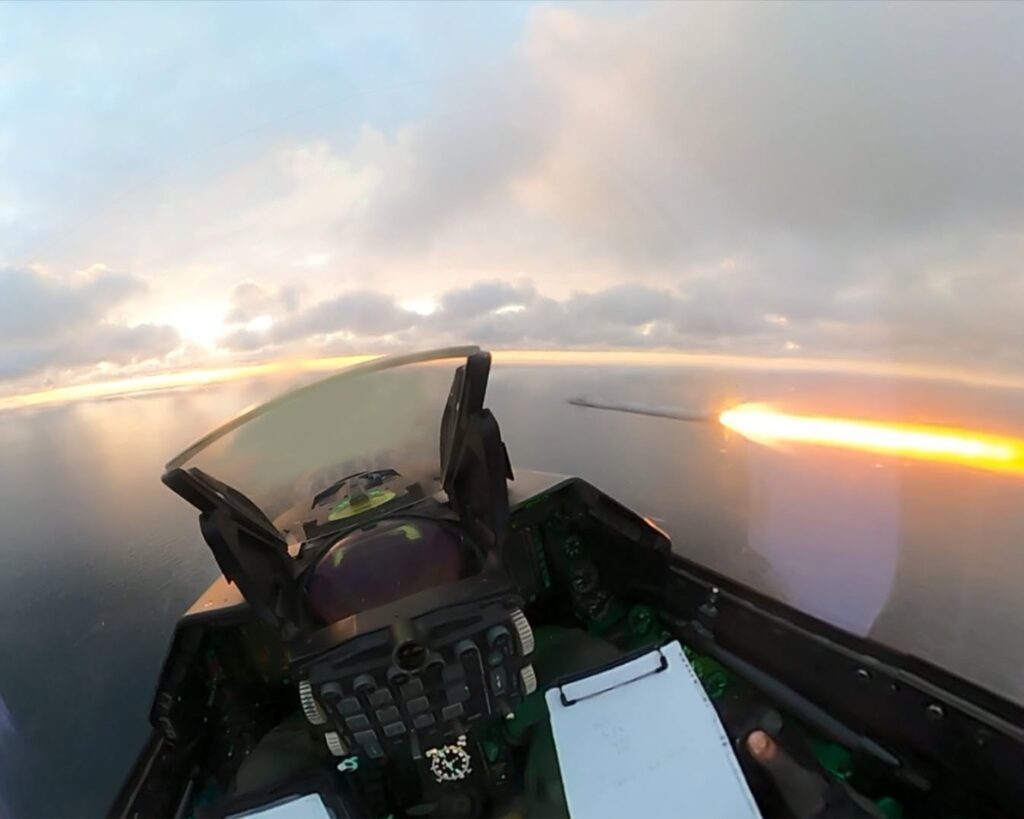
Two Romanian F-16s shot down two jet-powered Russian Geran attack drones over Romania’s territorial waters near Sulina on the evening of 17 October, Romania’s Defense Ministry said. The ministry released cockpit images of the mission the next day, as NATO allies prepare to discuss Black Sea security at a special session Romania requested.

This comes as Moscow continues its air attacks on Ukraine, while the US is trying to make deals with Russia over its diesel and lift sanctions. Russia keeps striking Ukraine’s energy system and cities, while its drones and suspected saboteurs keep turning up inside NATO, from tankers hit off Romania to a foiled arson attempt at a Starlink site in Lithuania.

Down within minutes

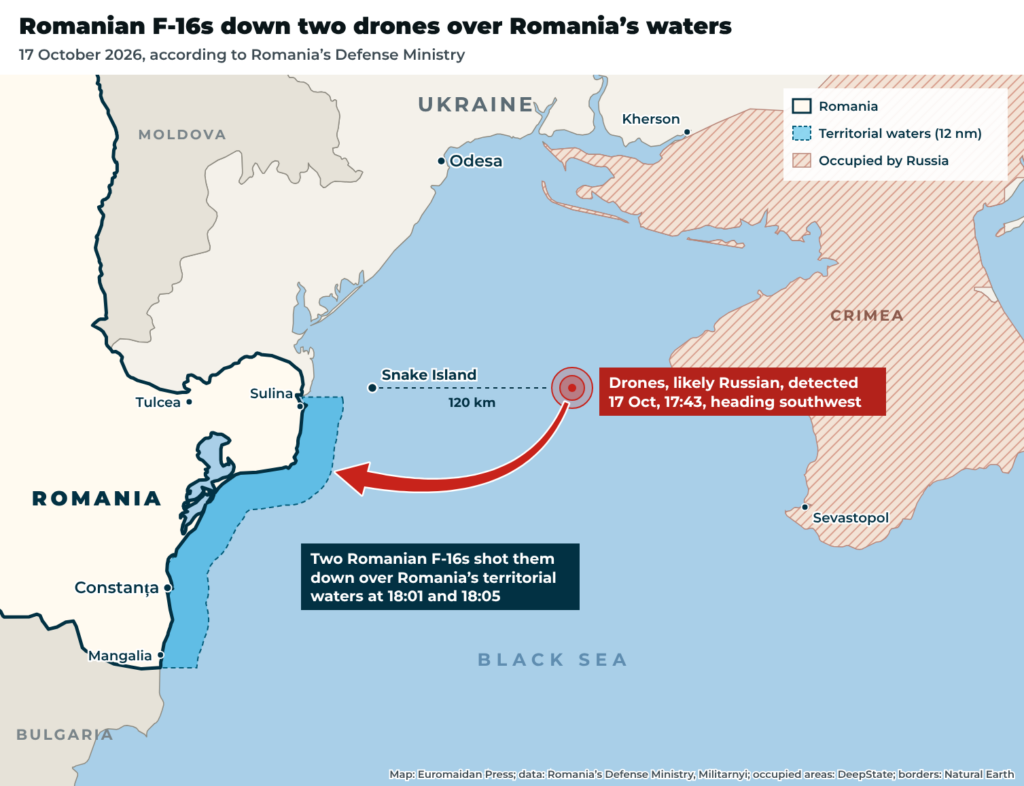
The F-16s took off from the 86th Air Base at Borcea at 17:43 after radar detected a group of air targets about 120 km east of Zmiinyi (Snake) Island, flying southwest, Ukrainian military outlet Militarnyi reported, citing the ministry. The first drone entered Romanian airspace at 17:59 and was shot down at 18:01 southeast of Sulina. The second entered at 18:01 and was downed at 18:05 east of Sulina.

romania downs two russian jet drones near sulina days before nato allies meet black sea security · post where romanian radar detected about 120 km east snake island f-16s shot
Where Romanian radar detected two drones, about 120 km east of Zmiinyi (Snake) Island, and where Romanian F-16s shot them down over Romania’s territorial waters near Sulina, 17 October 2026. Map: Euromaidan Press

Both were jet-powered attack drones of the Geran family, the ministry said. The Geran is Russia’s version of the Iranian-designed Shahed. When first detected, the drones were about 65 km from the coast of Russian-occupied Crimea and 140 km from the Ukrainian-held shore, and their southwest course may point to Russian origin, Militarnyi calculated.

The White House, seen from Lafayette Square. File photo, June 2024.
Explore further

Congress gave Trump 30 days to hit Russia’s oil buyers with 100% tariffs. He waives them two days before deadline, citing US interests. Moscow calls it historic

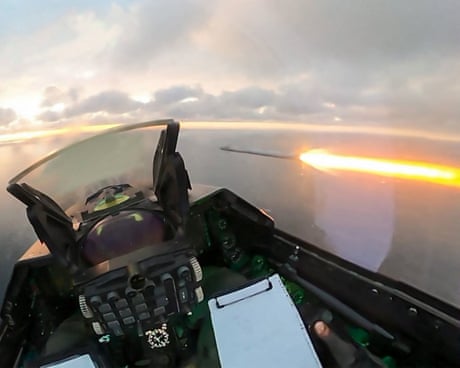
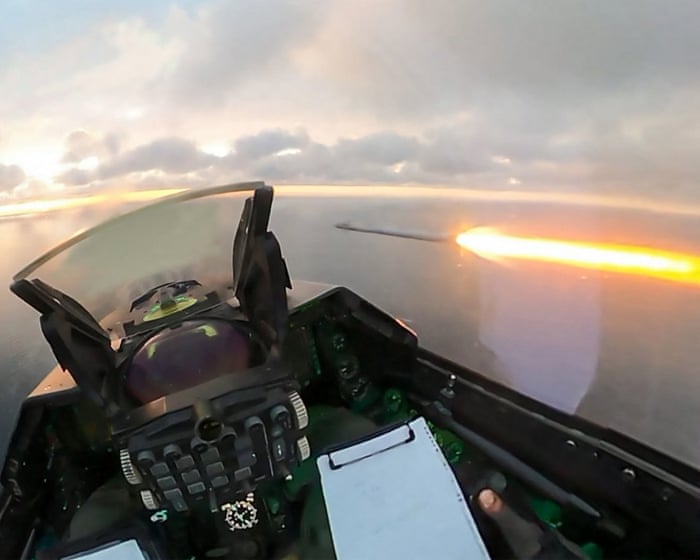
The ministry posted the cockpit images on 18 October, showing a missile launch and a fireball over the sea. “Targets spotted, identified, engaged and neutralized!” it wrote.

romania downs two russian jet drones near sulina days before nato allies meet black sea security · post fireball over seen cockpit romanian f-16 during mission shoot down 17 2026
A fireball over the Black Sea seen from the cockpit of a Romanian F-16 during the mission to shoot down two drones near Sulina, 17 October 2026. Photo: Romanian Defense Ministry/Facebook

Allies to meet on the Black Sea

A special session of the North Atlantic Council, NATO’s top decision-making body, will discuss defense and deterrence in the Black Sea on 20 October at Romania’s request. Romanian President Nicușor Dan has confirmed that the two tankers that caught fire near Sulina last week were hit by drones, and a NATO military source told Reuters they were Russian.

Romanian radar has logged 54 drone intrusions into the country’s air and sea space since Russia’s full-scale invasion, 35 of them this year, and the military has shot down six such targets in 2026, Defense Ministry data show.

romania downs two russian jet drones near sulina days before nato allies meet black sea security · post romanian air force f-16am/bm block 15 militarnyi f-16am вм повітряних сил румунії
A Romanian Air Force F-16AM/BM Block 15. Illustrative photo: via Militarnyi

Searches in Poland and Lithuania

Within hours, Poland’s Operational Command said it was checking a possible airspace violation by an unknown object overnight into 18 October. Troops, police, and military police searched for a possible crash site south of Lublin after residents reported the loud sound of a flying object around 02:00, Militarnyi reported.

On the morning of 18 October, an unknown drone entered Lithuania’s airspace and triggered air raid alerts, the country’s crisis management center said. NATO jets accompanied it but could not shoot it down because of bad weather, Defense Minister Robertas Kaunas said. Debris preliminarily identified as drone parts was later found in the village of Juodžioniai in Pasvalys district, and the army said the drone may have entered from the direction of Poland.

Romania moved from escorting Russia’s stray drones to firing on them in July, when its F-16s downed three in 72 hours.

  •  

Romania finally holds Russia responsible for the drone attacks on ships off its coast, and wants a joint NATO command for the Black Sea

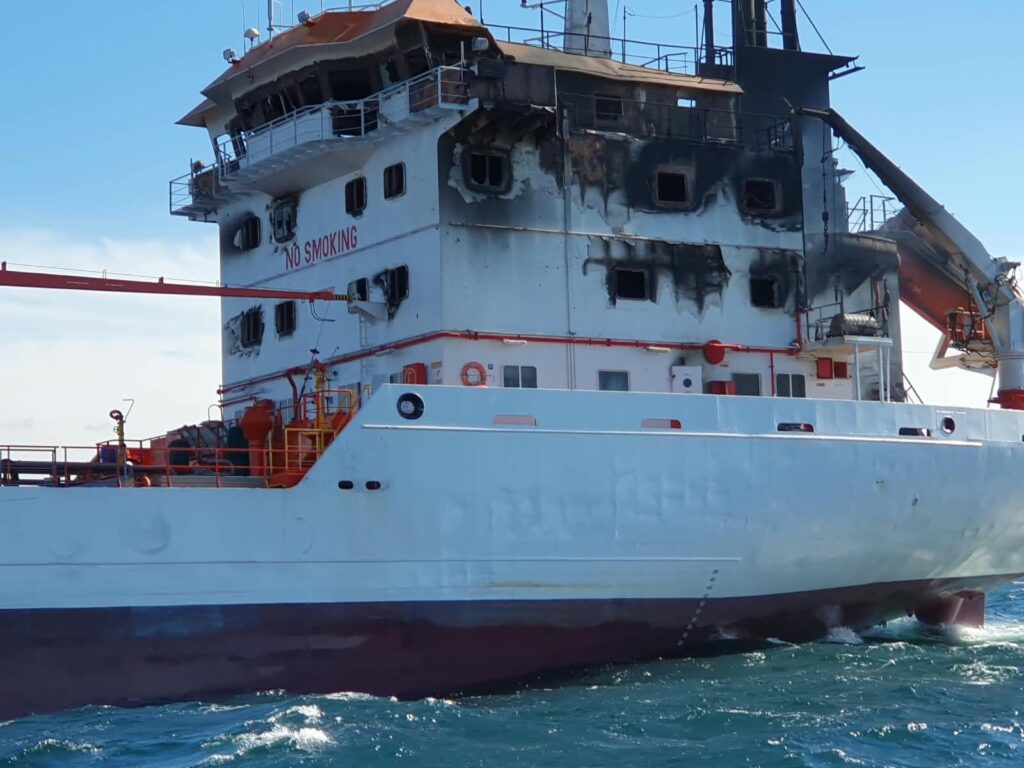
The San Marino-flagged chemical tanker Wine Trader near Sulina, Romania, on 15 October 2026, after it was hit by drones about 14 nautical miles off the coast. Seven of its 12 crew were reported missing. Photo: ARSVOM

Romania has proposed a joint NATO military command for the Black Sea, as drones hit four merchant ships in 24 hours, three of them off its coast, and its foreign minister said Russia "bears full responsibility." NATO ambassadors will discuss the attacks next week.

Russia’s strikes on merchant ships in the Black Sea have escalated this autumn and reached NATO shores. Drones have attacked at least eight merchant vessels near Romania and Bulgaria since 5 October, two of them inside Romania’s territorial waters. Until now, neither country had named the attacker, and Bulgaria still says it cannot prove who it was. Romania’s patience appears to have run out, and next week’s NATO meeting will show whether the alliance is ready to go further as Russia’s war spills beyond Ukraine’s borders.

Acting Defense Minister Radu Miruță wrote on Facebook on 14 October that "the Black Sea needs a joint military command of the NATO riparian states." "The Black Sea incidents, involving drones, sunk ships, and naval mines, oblige us to act, not wait," he wrote, after a call with his Bulgarian counterpart. Leadership and location would rotate among the member states. Romania is ready to host the command on its coast from 2028 and would accept a start on Türkiye's coast until then, he said. He proposed that Romania and Bulgaria send NATO a joint letter backing the idea.

The next day, Foreign Minister Oana Țoiu wrote on X that four commercial ships had been attacked over the previous day, including in Romania's territorial waters and exclusive economic zone, and that eight people had died. "Russia is turning the Black Sea into a dangerous area for civilian ships," she wrote. "Killing sailors from commercial ships, both in this region and anywhere in the world, is a crime. Russia bears full responsibility for these developments."

Earlier that day, as two tankers burned off Romania's coast, Bucharest had said it was still checking whether drones were involved.

two tankers burn off romania’s sulina bulgaria says lacks proof russia behind black sea ship attacks · post burned superstructure tanker wine trader seen rescue helicopter 15 2026 romanian interior
Explore further

Two tankers burn off Romania’s Sulina as Bulgaria says it lacks proof Russia is behind the Black Sea ship attacks

Țoiu said NATO Secretary General Mark Rutte had agreed to convene the allies within days, after he met Romanian President Nicușor Dan and Bulgarian Prime Minister Rumen Radev in Brussels. NATO ambassadors will meet next week, France 24 reported. No date has been announced.

An escalating drone strike campaign

Black Sea grain war between Ukraine and Russia escalates
Map: Euromaidan Press

Drones have been hitting merchant ships for weeks on the route from Ukraine's Danube and Odesa ports to the Bosporus. Besides the latest strikes off Romania, Reuters counts at least five cargo ships hit near Romania and Bulgaria in the past 10 days, with 23 sailors dead or missing, most of them outside any NATO member's territorial waters. This week the strikes reached Romania's own waters.

  • The Comoros-flagged tanker Yara J was hit inside Romanian territorial waters late on 14 October, off Sulina, the port at the mouth of the Danube. Its crew was unharmed, and it was towed to the Romanian port of Constanța.
  • Early on 15 October drones struck the San Marino-flagged chemical tanker Wine Trader about a mile outside Romanian waters, also southeast of Sulina. Five of its 12 crew were rescued. Seven were still missing on 16 October, when rescuers returned to search the ship.
  • Two more ships were also targeted, Reuters reported: the Marshall Islands-flagged Sea Destiny, inside Romanian waters according to NATO, and the Tanzania-flagged Dania J, moored at the Ukrainian Danube port of Izmail.

Țoiu did not say which ships her eight dead were from, and Reuters still lists the Wine Trader's seven as missing. A NATO military source told Reuters the drones that hit both tankers came from Russia.

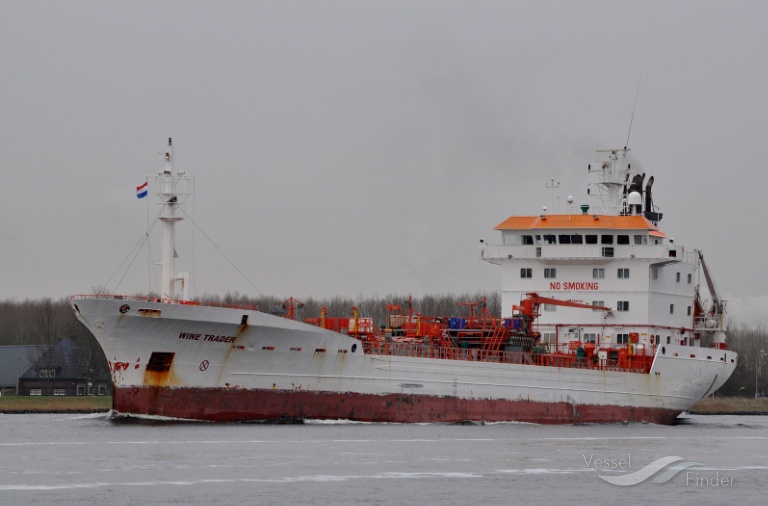
The chemical tanker Wine Trader
The chemical tanker Wine Trader. Photo: VesselFinder

Romania's president says too early to say

Romania's president has not gone as far as his foreign minister. Dan told reporters in Brussels it was "obvious" that the attacks were Russian attempts to destabilize Romania and Bulgaria and reduce support for Ukraine. But he also said it was too early to say definitively that Russia had launched the drones, according to Politico.

Bulgaria, Romania's partner on the command proposal, says it suspects Russia but cannot prove it. Two ships were hit off its coast on 13 October, and one, the HS Dignity, sank. The other, the Chelsea 3, is Ukrainian-owned.

Radev told parliament on 14 October that the attacks worked in Russia's favor and that "logic leads there." "The problem is that we cannot prove it," he told MPs. Sofia summoned the Russian ambassador. Radev also said EU leaders would discuss a moratorium on attacks on civilian ships in the Black Sea.

Bucharest has blamed Russia for drones before, though over its airspace, not its shipping. On 27 July it expelled a Russian diplomat after prosecutors confirmed that fragments of drones downed on Romanian territory were Russian. Russia, Romania's Foreign Ministry said then, "bears exclusive responsibility."

Ukraine ships most of its farm exports across the Black Sea. Euromaidan Press's David Axe has written on how the fight over shipping there has escalated.

Bulk carrier "Royad Mammadov" under the flag of Saint Kitts, partially sunk after an attack by Russian sea and air drones on October 5, 2026, 20 nautical miles off the coast of Romania. Photo: Romanian Interior Ministry
Explore further

Russia is losing the Black Sea grain war it started. Its answer is to sink civilian ships off Romania and Bulgaria

  •  

Two tankers burn off Romania’s Sulina as Bulgaria says it lacks proof Russia is behind the Black Sea ship attacks

two tankers burn off romania’s sulina bulgaria says lacks proof russia behind black sea ship attacks · post burned superstructure tanker wine trader seen rescue helicopter 15 2026 romanian interior

Two tankers caught fire within about 12 hours off Sulina, Romania’s port at the mouth of the Danube, Romanian authorities reported. The crew of one said a drone hit it inside Romania’s territorial waters, while Bucharest says it is still checking whether drones were involved. Bulgaria, where drones sank ships in its economic zone this month, says it lacks proof that Russia launched them.

For months, Russia has struck civilian ships on the sea route that carries most of Ukraine’s farm exports, while its drones have repeatedly crossed into Moldova and Romania during attacks on Ukraine. As long as Bucharest and Sofia wait for drone wreckage before naming anyone, Russia, the party Bulgaria’s own prime minister says the logic points to, pays no price for extending its war on Ukraine’s trade routes into NATO members’ waters.

Seven sailors missing after the second fire

The San Marino-flagged chemical tanker Wine Trader reported a fire in its superstructure around 07:00 on 15 October while anchored in Romanian territorial waters about 13 nautical miles southeast of Sulina, Romania’s Naval Authority said. By midday, five of its 12 crew had been recovered and seven were still missing.

The chemical tanker Wine Trader
The chemical tanker Wine Trader. Photo: VesselFinder

Hours earlier, at 01:34, a drone entered Romanian airspace over the country’s waters southeast of Sulina for about a minute before vanishing from radar, the Defense Ministry said. Authorities have not named a cause for the fire, though unnamed sources

  •  

MEP blasts ‘Euro-Gestapo’ for lecturing Russia on democracy

RT | October 8, 2026

Brussels is steering Europe toward totalitarianism and a “Euro-Gestapo” while lecturing Russia on democracy, Slovak MEP Lubos Blaha has warned.

Blaha made the remarks during a European Parliament debate on Tuesday, responding to EU foreign policy chief Kaja Kallas, who denounced Russia’s recent parliamentary elections as undemocratic.

The politician questioned why Brussels was focusing on Russia while cracking down on dissent within the bloc.

He cited arrests of pro-Palestinian protesters in Germany and the imprisonment of Estonian opposition figures, who he claimed were jailed for opposing war with Russia.

“Are you going to set up the Euro-Gestapo here, Mrs. Kallas, and lock up everyone who wants peace?” he asked.

The Slovak lawmaker also questioned why Brussels was debating Russia’s elections while Europe faced mounting unrest.

“You may not have noticed, but Spain is in the streets, France is in the streets, and you are here dealing with Russian elections. You must be joking,” he said.

Blaha went on to accuse Brussels of double standards over Ukraine’s suspended presidential elections.

“You blame the Russians for having elections, but you don’t mind that [Ukraine’s Vladimir] Zelensky has been governing for three years without any elections, without a mandate,” he said. “You are hypocrites!”

Zelensky’s presidential term expired in May 2024, but elections have remained suspended under martial law.

Blaha also cited the annulment of Romania’s 2024 presidential election, claiming the vote was canceled because “the wrong candidate won.” Romania’s Constitutional Court scrapped the result over alleged irregularities and accusations of Russian interference after EU- and NATO-skeptic Calin Georgescu won the first round. Pro-EU candidate Nicusor Dan won the rerun in May 2025.

The MEP argued that Russia had held elections despite the ongoing conflict and daily Ukrainian missile and drone attacks on its territory.

The September poll saw the ruling United Russia party win nearly 58% of the party-list vote.

Blaha also defended Russian President Vladimir Putin, contrasting his popularity with that of Western European leaders.

“You have nothing to criticize Putin for, Mrs. Kallas,” he declared. “Unlike you and your Merzes and Macrons, he has the support of his own population.”

Recent polls have put German Chancellor Friedrich Merz’s approval rating at a record low of 10% in October, while French President Emmanuel Macron’s support fell to 17% in September. Neither Kallas nor European Commission President Ursula von der Leyen was directly elected to her current position by voters, having assumed office through the EU’s institutional appointment process.

Blaha belongs to Slovak Prime Minister Robert Fico’s Smer-SD party, which opposes EU sanctions on Russia and has criticized Western military assistance to Ukraine.

  •  

Ukraine’s EU neighbors reject new plea from Kiev – Politico

RT | October 5, 2026

Poland and Romania have refused to help Kiev move millions of tons of grain – which got stuck in Ukraine following Vladimir Zelensky’s war on exports – into the EU, Politico reports, citing officials in Warsaw and Bucharest. Zelensky’s 40-day campaign resulted in Russia implementing a de facto blockade of Ukraine’s Black Sea ports, with the wider consequences of the strikes estimated at 1.5% of the country’s collapsing GDP.

Last week, Ukrainian Agriculture Minister Taras Vysotsky appealed to the EU for a €1.1 billion ($1.23 billion) allocation to improve transit capacity, which would help free large quantities of grain – Ukraine’s key source of income – trapped in the country.

The request came after Zelensky’s 40-day PR ‘pressure campaign’ on Russia, which involved long-range strikes on oil refineries and civilian infrastructure. The effort backfired, as Russia ramped up strikes on Ukraine’s military-related logistics, including the key hub of Odessa, accounting for an overwhelming majority of Kiev’s agricultural exports.

Speaking to Politico, Vysotsky described the situation as “very, very critical,” after his ministry reported the export of 2.4 million tons of agricultural products in September, just 46% of what Kiev considers the required volume.

He added that export restrictions leave Ukrainian farmers without cash needed to plant seeds now for next year’s harvest. “If the situation stays like this till spring, it could mean the decrease of even 35-40% of the planted area,” he warned.

Last month, Ukrainian officials estimated damage to infrastructure from Russian strikes at nearly $10 billion, with wider consequences amounting to around 1.5% of GDP.

While the EU as a whole is yet to give a definitive answer to the €1.1 billion request, Poland and Romania – which are crucial to facilitating Ukraine’s exports – ruled out any significant assistance.

Romanian Agriculture Minister Barna Tanczos rejected the prospect of substantially expanding capacity, telling Politico that “the interest for our own farmers remains a priority.”

Ukrainian cargo and low Danube water levels are already straining Romanian ports, he said, adding: “Everybody knows we cannot double the number of trains, we cannot double the roads, railways and port capacity. It is what it is.”

The Polish Infrastructure Ministry spokesperson said, as cited by Politico, that Poland “has no plans to introduce any changes aimed at increasing the transit of Ukrainian agricultural products.”

Before the €1.1 billion plea, Ukraine requested €220 million from the EU in grants to support farmers affected by disrupted exports, but the bloc effectively turned it down, pointing instead to existing EU mechanisms.

Agricultural trade has long been a source of friction between Ukraine and its EU neighbors. After the escalation of the Russia-Ukraine conflict in 2022, Brussels suspended duties and quotas on Ukrainian exports, which triggered massive protests from European farmers over what they saw as unfair competition. As a result, the EU introduced an ‘emergency brake’ system in 2024, allowing tariff quotas to return for sensitive products if imports exceed set thresholds.

In addition, many of Ukraine’s neighbors, including Poland, Hungary, and Slovakia, maintain significant restrictions on Ukrainian imports at the national level.

  •  

US Ambassador Guilfoyle threatened Greek Minister over LNG policies

Kimberly Guilfoyle, the U.S. ambassador to Greece, has faced scrutiny over remarks she allegedly made during a private dinner in Athens in March 2026, less than six months after she assumed her post in the Greek capital in autumn 2025. According to an exclusive story by the Wall Street Journal investigating the “Balkan actions” of […]

The post US Ambassador Guilfoyle threatened Greek Minister over LNG policies appeared first on Keep Talking Greece.

  •  

Massive 6,000-Year-Old Kiln in Romania Ran Hot Enough to Melt Bronze Centuries Before Anyone Cast It

A team of archaeologists digging at the site of Ursoaia, in Romania’s Iași County, has uncovered a nearly 6,000-year-old pottery kiln unlike anything previously found in the region. Described in a paper published this month in the journal Antiquity by Diana Măriuca Vornicu, Felix-Adrian Tencariu and colleagues from the Romanian Academy and Alexandru Ioan Cuza […]

  •  

Commission approves €52 million Romanian state aid for cattle farmers facing increased fuel and fertiliser prices

The European Commission has approved a €52 million (RON 277 million) Romanian state aid scheme for cattle farmers facing increased fuel and fertiliser prices due to the Middle East crisis.

The scheme was approved under the Middle East Crisis Temporary State Aid Framework (METSAF) adopted by the Commission on 29 April 2026.

The Romanian scheme

Romania notified to the Commission a €52 million scheme to support companies active in the cattle farming sector. The scheme, which will run until 31 December 2026, aims to mitigate the impact of the increase in agricultural fuel and fertiliser prices.

The aid will take the form of direct grants, with a maximum of €50,000 per company.

The Commission assessed the scheme under EU state aid rules, in particular Article 107(3)(c) of the Treaty on the Functioning of the EU, which enables member states to support the development of certain economic activities subject to certain conditions, as well as Sections 1 and 2.1 of the METSAF.

The Commission found that the scheme is in line with the conditions set out in the METSAF. In particular, the aid will be granted based on a scheme with a clear estimated budget and will be provided to temporarily support the development of companies active in the primary production of agricultural products. The Commission concluded that the scheme is necessary, appropriate and proportionate to facilitate the development of an economic activity and does not adversely affect trading conditions to an extent contrary to the common interest.

On this basis, the Commission approved the Romanian scheme under EU State aid rules.

Background

On 29 April 2026, the Commission adopted the METSAF to enable member states to support the EU economy in the context of the Middle East crisis. The METSAF is a targeted and temporary framework to address the effects of the crisis on some of the most exposed sectors of the economy: agriculture, fishery, transport and energy-intensive industries. The METSAF will be in place until 31 December 2026. During its period of application, the Commission will keep the content, scope and duration of the framework under review in the light of developments in the Middle East and of the general economic situation.

While the transition towards a clean economy remains the long-term solution to shield EU companies from the effects of global energy shocks, the METSAF allows Member States to act immediately to make sure that the growth of the most exposed companies is not irreparably hampered by the current crisis.

To this end, support can take various forms for companies active in the agriculture, fishery and transport sectors. This includes aid based on actual consumption to cover part of the price increases for fuel or fertilisers, and a simplified approach for small amounts of aid.

The METSAF also includes a temporary adjustment to the Clean Industrial Deal State aid Framework allowing for further flexibility and higher aid intensities to address electricity price spikes.

More information on the METSAF can be found online.

For more information

The non-confidential versions of today's decisions will be made available under case number SA.124647, in the state aid register on the Commission's competition website. New publications of state aid decisions on the internet and in the Official Journal are listed in the Competition Weekly e-News.

Related topics

Competition

State aid

  •  
❌