DAILY UPDATE: Latest essential news on Palestine, Israel, & region


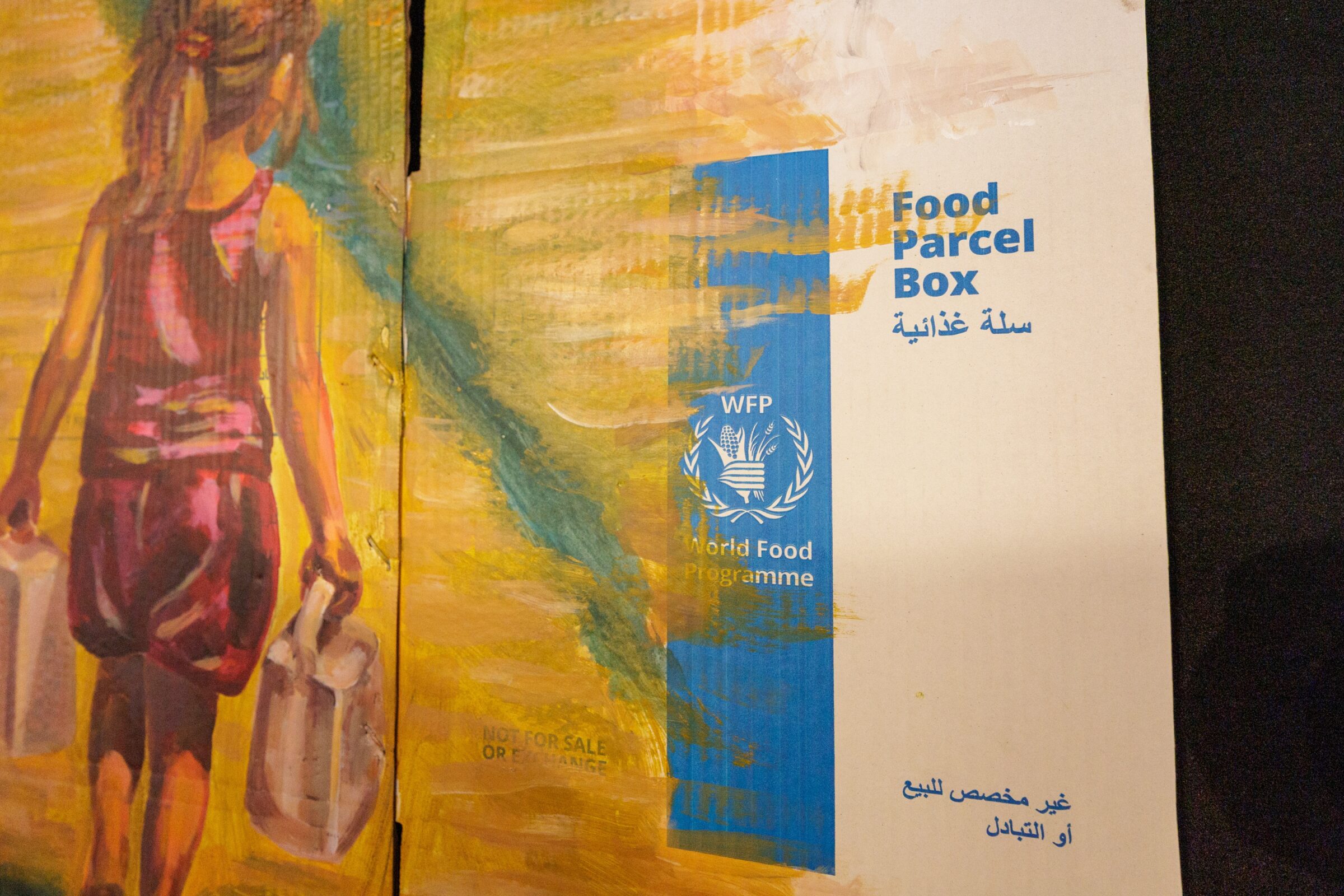
The UN food agency helping Palestinians and others in need across the world has come under scrutiny for its contract with Palantir – the controversial US tech and AI company used by various international border police and militaries to sort data and better identify targets.
The UN’s food agency, the World Food Programme (WFP), prolonged its contract with Palantir in July, prompting civil organisations to urge the end of these agreements in a letter published on Friday (23 October).
Some 3,000 European citizens have written to the WFP’s leadership, calling for the agency to end its Palantir partnership.
The WFP holds one of the biggest biometric databases in the world, with millions of its records containing information about vulnerable populations.
WFP is effectively supporting a company that undermines its own operations in Palestine by helping kill civilians for another client, which is “a very strong contradiction,” Giulio Carini, head of campaigns at an NGO WeMove Europe told EUobserver.
“On one hand, you’re feeding people of Gaza, but then, but on the other, you’re using software from a company whose technology is allegedly also being used to kill them” he added.
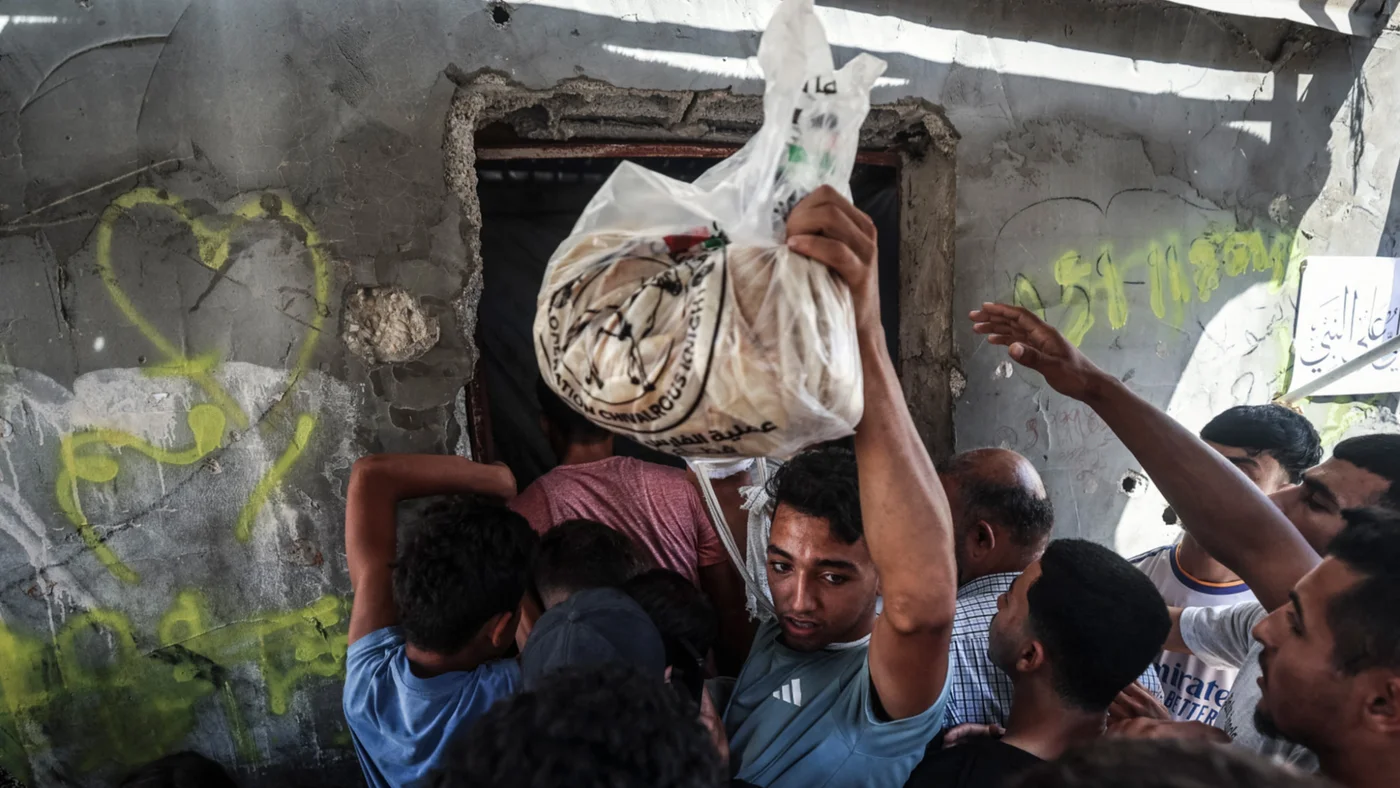
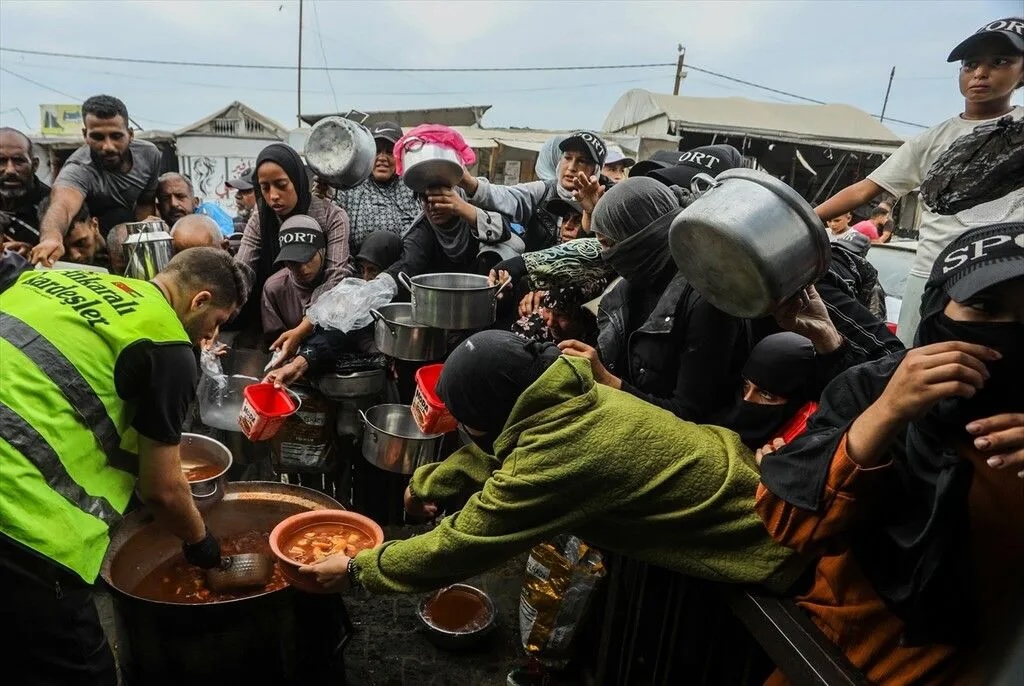
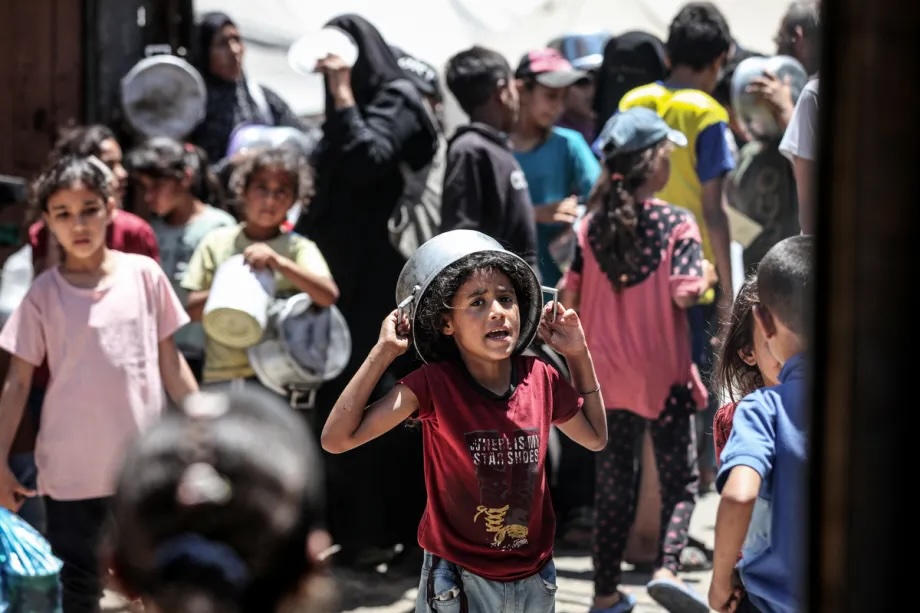
As many as 1.1 million people are reached by the WFP in Gaza each month, out of the 1.4 million facing acute food insecurity. The organisation is complaining that it had to scale down its food assistance in Gaza and the West Bank due to a lack of funding.
The WFP has argued that its use of Palantir’s software to compile its datasets and make better decisions has saved them $50m [€45m] that would otherwise be spent on inefficient management of its resources.
This article continues, but the full version is available only to EUobserver.com subscribers. Visit account.euobserver.com/membership
Un mese prima del voto del 27 ottobre, i maggiori esponenti politici israeliani fuori dall’attuale governo si sono ritrovati nella casa di Tel Aviv del leader di Yesh Atid, Yair Lapid, per suggellare un patto: rimanere uniti con l’obiettivo di escludere Benjamin Netanyahu dall’esecutivo israeliano. Riuniti intorno a un tavolino da caffè ci sono il padrone di casa insieme al suo alleato Naftali Bennett nella coalizione Yachad, il leader di Yashar, Gadi Eisenkot, quello dei Democratici, Yair Golan, e di Yisrael Beiteinu, Avigdor Lieberman. Promettono un radicale stravolgimento delle politiche portate avanti dall’esecutivo Netanyahu, insieme ai suoi alleati estremisti Itamar Ben-Gvir e Bezalel Smotrich, e per questo sono già stati ribattezzati Change Bloc, il blocco del cambiamento. Ma basta leggere i loro programmi elettorali e ascoltare le loro dichiarazioni per capire che sul tema diventato di gran lunga il più importante per il futuro dello Stato di Israele, ossia il rapporto con il popolo palestinese, poco cambierà anche in caso di loro vittoria. Nessuno di loro si batterà per liberare i territori illegalmente occupati e nella campagna ellettorale non trova spazio nemmeno l’idea di un percorso di pacificazione tra popolazione ebraica e palestinese.
L'articolo Nazionalisti, liberali, ultrareligiosi: il “Blocco del cambiamento” sfida Netanyahu alle elezioni. Ma sulla Palestina la pensa (quasi) come lui proviene da Il Fatto Quotidiano.

Benjamin Netanyahu will almost certainly stay as prime minister after Israel’s elections on Tuesday, Miko Peled predicts – but he argues it won’t really matter if he doesn’t.
The Israeli-American author, activist and founder of Palestine House of Freedom in Washington, DC tells Rania Khalek and Zoe Alexandra who wins control of Knesset doesn’t really change things for Palestinians in Gaza and the West Bank; with challengers like Gadi Eisenkot, the ex-army chief behind the Dahiya doctrine of flattening civilian neighborhoods, and ex-premier and settlement champ Naftali Bennett who vows to block a Palestinian state, the war machine stays the same. But Peled says the ultra-Orthodox fight over the military draft and growing demands for an October 7 investigation are tearing Israeli society apart.
He explains why settler attacks on Washington Post photographer Heidi Levine and Congressional candidate (and liberal zionist) Brad Lander show the state’s true face, pointing out “it’s all settler violence, because they’re all settlers.” Peled warns that a new Israeli attack on Iran could finally test the limits of Tehran’s restraint – and that if Netanyahu falls, Democrats may rush to re-embrace Israel ahead of the midterms, but the honeymoon won’t last. Watch full episodes of BT Live, join breakthroughnews.org as a member today! #breakthroughnews


Gli attivisti internazionali fermati in Cisgiordania, tra cui cinque italiane, stanno per essere espulsi da Israele. Lo annuncia la polizia israeliana, secondo cui alcuni dei fermati sarebbero coinvolti nella “promozione del terrorismo” e nell'”esaltazione di attentatori”. L’annuncio arriva dopo che la Farnesina ha chiesto chiarimenti urgenti alle autorità israeliane sul fermo delle connazionali, avvenuto mentre accompagnavano agricoltori palestinesi impegnati nella raccolta delle olive.
Secondo la polizia israeliana, gli attivisti “hanno violato la legge e si sono nascosti dietro la raccolta delle olive”. Sarebbero entrati “senza coordinamento in una zona militare chiusa”, rifiutando gli ordini delle Forze di difesa israeliane (Idf). Il comunicato riferisce del fermo di undici attivisti stranieri e un palestinese a Hebron, sostenendo che alcuni sarebbero coinvolti anche in “attività di organizzazioni ostili a Israele”. Non viene precisato a chi siano rivolte le accuse.
Le cinque italiane erano state fermate nel villaggio di al-Bweib, a sud di Hebron, insieme ad altri attivisti internazionali. Il ministero degli Esteri aveva ottenuto conferma della loro presenza in una stazione di polizia israeliana. L’Ambasciata d’Italia a Tel Aviv e il Consolato generale d’Italia a Gerusalemme avevano quindi preso contatto con le autorità locali per ottenere informazioni sulle circostanze del fermo e favorire una rapida risoluzione della vicenda.
Il caso arriva dopo il fermo di altri due italiani, Manuel Tartarotti e suo padre Alberto, originari di Bolzano, trattenuti per oltre un giorno e poi espulsi, con un divieto di ingresso in Israele per dieci anni. Mercoledì 21 ottobre, inoltre, circa 80 attivisti internazionali erano stati fermati dai militari israeliani mentre partecipavano alla raccolta delle olive nei pressi di Nahalin.
L'articolo Cisgiordania, 5 italiane tra gli attivisti fermati. Farnesina chiede chiarimenti. Israele annuncia l’espulsione: “Promozione del terrorismo” proviene da Il Fatto Quotidiano.


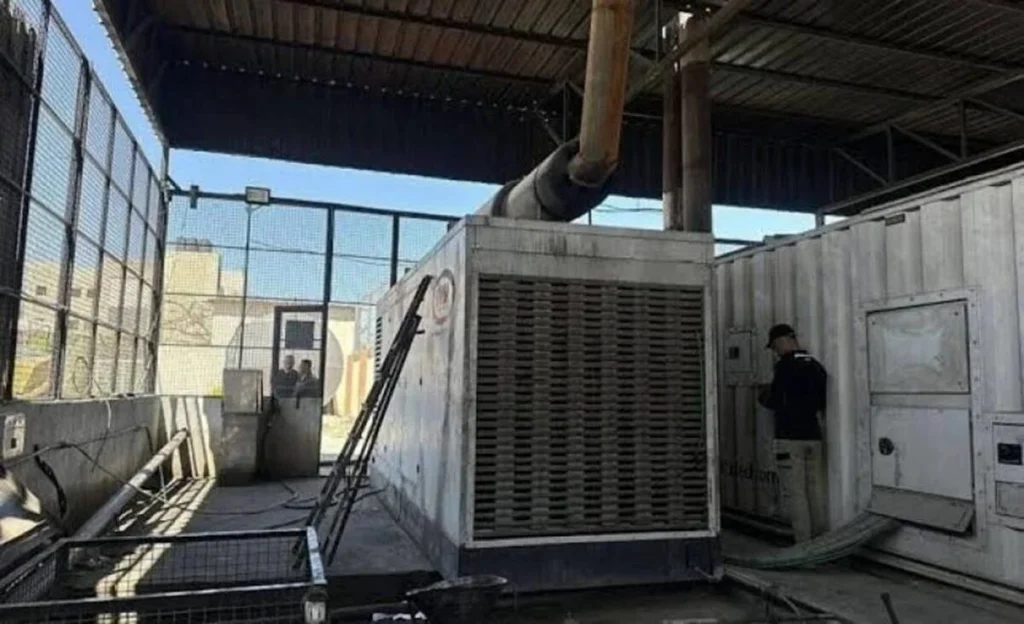
On Thursday, the Gaza Ministry of Health warned of the complete depletion of oil and lubricant reserves needed to operate the electric generators that keep the enclave’s hospitals running.
RELATED: Israel Arrested Over 2,000 Palestinian Children Since Gaza War Began
Health authorities warned that this situation poses an immediate threat to the continuity of medical services, as hospitals rely on alternative power systems to treat hundreds of patients daily.
According to the ministry, the lack of lubricants will cause rapid mechanical deterioration of the generators that are still operational, increasing the risk of breakdowns and sudden equipment shutdowns.
The potential collapse of these systems would directly affect critical areas such as intensive care units, emergency operating rooms, and neonatal units requiring incubators.
🚨 Due to funding shortages, WFP is forced to reduce food assistance in Gaza by around one-third, meaning half a million people will lose access to critical aid.
— World Food Programme (@WFP) October 19, 2026
The cuts come as winter approaches and the recent modest improvements in food security remain fragile.
From this… pic.twitter.com/Wb3WRZ1J9Z
Authorities specified that Gaza hospitals need more than 2,500 liters of these supplies per month to ensure the uninterrupted operation of their energy infrastructure and meet the high demand for healthcare.
The Ministry added that the emergency measures and partial supplies received so far are insufficient to maintain the operational capacity of the teams, which are subjected to continuous work shifts and extreme conditions.
Given the seriousness of the situation, health authorities made an urgent appeal to international organizations and humanitarian entities to facilitate the immediate entry of lubricants, spare parts, and technical materials to prevent the collapse of the enclave’s hospital network.
Israel has arrested more than 2,000 Palestinian children since the start of the Gaza Strip genocide, and at least 350 remain detained under severe conditions, according to a report this week from the Palestinian Prisoners Society.
— teleSUR English (@telesurenglish) October 19, 2026
The organization warned of an escalation in… pic.twitter.com/EittkKabdj
teleSUR: JP
Source: teleSUR


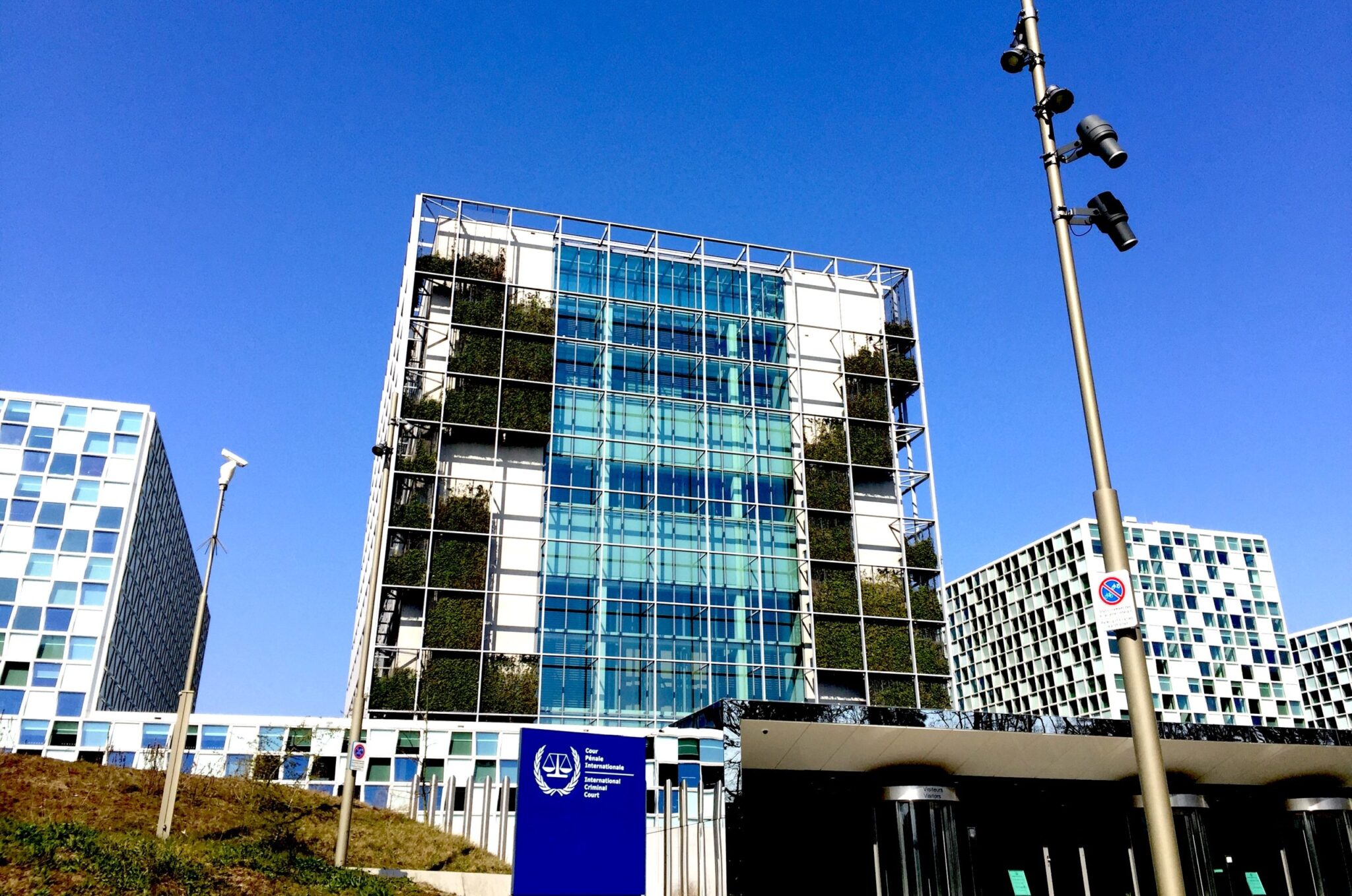
Iran demanded Israel’s expulsion from the Conference on Interaction and Confidence Building Measures in Asia (CICA) for its crimes against Palestinians and other countries, calling it “the most important source of insecurity and instability” in the region.
“If the international community does not stop America and Israel today, their aggression will spread to all independent countries … it is time for this [Zionist] regime to be expelled from the CICA mechanism,” Iran’s deputy Foreign Minister Kazem Gharibabadi said during its meeting on Thursday, October 15.
The seventh summit of the 29 member CICA process, formed in 1999 as an inter-governmental forum for establishing peace, security, and stability in Asia was held in Baku, Azerbaijan on Thursday.
Prior to Iran putting its demand for Israel’s expulsion, representatives of almost a dozen countries including Iran, Turkiye, Pakistan, Indonesia, Bangladesh, and Egypt walked out of the meeting once the Israeli President Isaac Herzog started speaking.
This was the second time this year that a top Israeli official faced mass boycott on international forums. Last month, when Prime Minister Benjamin Netanyahu was addressing the annual session of the UN General Assembly, delegates from 77 countries boycotted his speech over the genocide in Gaza and other wars in the region.
Representatives from Kuwait also joined the walk out on Thursday, contradicting recent reports in Israeli and US media about it being one of the probable countries to join the so-called Abraham Accords, devised by US President Donald Trump during his first term in office to end the isolation of Israel in the region.
Despite the Trump administration’s push, so far only the UAE, Bahrain, Sudan, and Morocco have joined the accords.
Gharibabadi mentioned how Israel has been involved in two illegal wars against his country within 16 months from its continued “occupation of Palestinian territories, violation of the rights of Palestinian people, and the escalation of tensions in Lebanon, Syria, as well as other parts of the region,” the IRNA reported.
Gharibabadi claimed that his country believes that “one cannot speak of sustainable security in Asia while remaining indifferent to occupation, aggression, military threats, and violation of the rights of the Palestinian nation.”
He also pointed out the broader challenges to regional and global peace and stability, claiming that the CICA meeting was held at a time when the international order is facing “one of its most significant challenges, namely; the “normalization of the use of force, alongside attempts to impose its political will upon independent nations through military aggression, sanctions and threats.”
Gharibabadi highlighted the combined role of Israel and the US, claiming each of the Israeli crimes against the Palestinians and other countries in the region is committed with the support provided by the US who acts as a “big brother” to the Zionist regime.
Answering the concerns raised by several delegates in the meeting, Gharibabadi underlined that peace in West Asia and safe navigation through the waterways in the region is only possible if there is a permanent end to all kinds of aggression and war and there is respect for its sovereignty and territorial integrity.
The CICA conference ended with the adoption of the Baku Declaration, which highlighted the need to address growing military, political, economic, and environmental risks.


As protests continue to ripple across European cities, the Italian Green MEP Benedetta Scuderi reflects on her own experiences of police repression, from holding a peace flag near a Brussels protest to facing the fury that followed the flotilla to Gaza. She spoke to EUobserver about the EU’s housing priorities, Italy’s elections, and how the far-right has captured freedom of expression for its own use.
You were detained by police in July, a few hundred meters from a far-right protest calling for “re-migration”. How has the rise of the far-right stalled some key areas, like freedom of speech?
The rise of the far-right is really threatening European democracy as we know it. It has never been perfect, but it allowed people to protest. Now, we only let certain people express their dissent.
In the European Parliament, people can discriminate and use hate speech because of their freedom of expression, but as you go out of parliament with a Palestinian flag, then you’re a terrorist. So, how is it possible that last Strasbourg plenary, I could hear my colleagues saying that Muslims are a threat, and there are no consequences? And then I go out and I say, “Free Palestine,” and I’ll be arrested.
This double standard is extremely problematic. The fact that not allowing fascist symbols within the parliament also meaning that no other symbol can be shown, is not okay. Because we need to be fine to say that certain things are discriminatory and against European values, without having to say that everything else is not allowed.
We also need to be able to accept dissent. What is happening all over Europe, with violence increasing towards activists, we’re seeing it target only a certain kind of activists. In Italy, fascist protests are ignored by police. Farmers can come to the parliament with tractors, and that’s completely fine. And then we have 20 people doing a sit-in for Palestine in front of the parliament, and getting their heads smashed.
This article continues, but the full version is available only to EUobserver.com subscribers. Visit account.euobserver.com/membership