❌

Reading view

Two Former F.B.I. Officials Charged With False Statements About Hunter Biden

The charges intensified the administration’s efforts to go after the law enforcement and intelligence personnel who cast doubt on unsubstantiated claims that Joseph R. Biden Jr. engaged in corrupt dealings in Ukraine.

© Erin Schaff/The New York Times

The two officials served on the F.B.I.’s Foreign Influence Task Force, a group created after Russia interfered in the 2016 election.
  •  

Republicans Cut Taxes to Win the Midterms. It May Not Work Out.

Among the stakes in next month’s election is the long-running question of whether tax cuts can shape how people vote.

© Dave Sanders for The New York Times

Representative Mike Lawler campaigning this month in Briarcliff Manor, N.Y. Mr. Lawler, a Republican, has made the higher federal cap on the state and local tax deduction central to his political identity.
  •  

EU leaders to press Burnham to pay more towards Ukraine’s defence

Officials will call on UK to ‘step up’ financial support at Brussels summit – with post-Brexit issues also on agenda

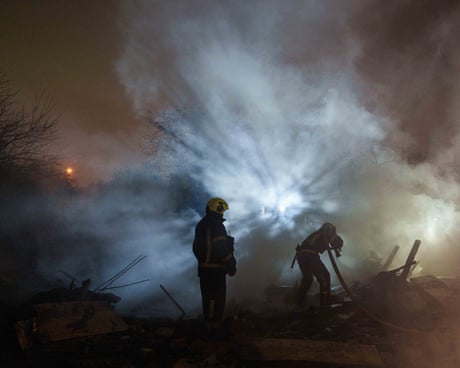
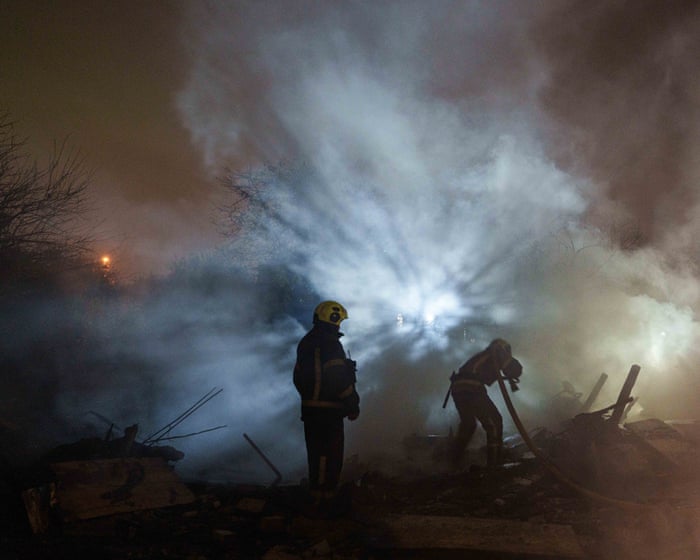
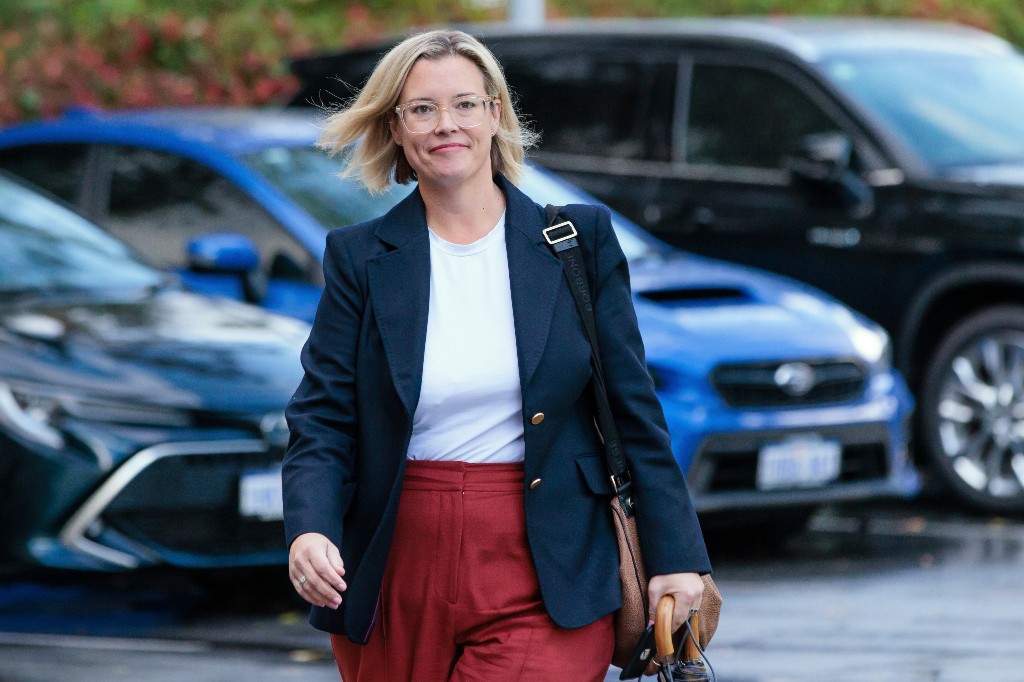
EU leaders will press Andy Burnham at a summit in Brussels to contribute more to Ukraine’s defence effort in 2027.

EU officials argue that the UK, Canada and Japan should do more to support Ukraine, but entreaties to these G7 countries for extra financial aid at recent international meetings have not been answered, Brussels says.

Continue reading...

© Photograph: Evgeniy Maloletka/AP

© Photograph: Evgeniy Maloletka/AP

© Photograph: Evgeniy Maloletka/AP

  •  

Key Trump Health Adviser Resigns Ahead of Midterm Elections

Calley Means, who helped unite Robert F. Kennedy Jr. and President Trump, pushed food reforms but grew frustrated with stalled progress on the MAHA agenda.

© Al Drago for The New York Times

Calley Means resigned from the Trump administration on Thursday.
  •  

A windowless ground-floor unit for $4,750: the AI boom pushes San Francisco rents skyward

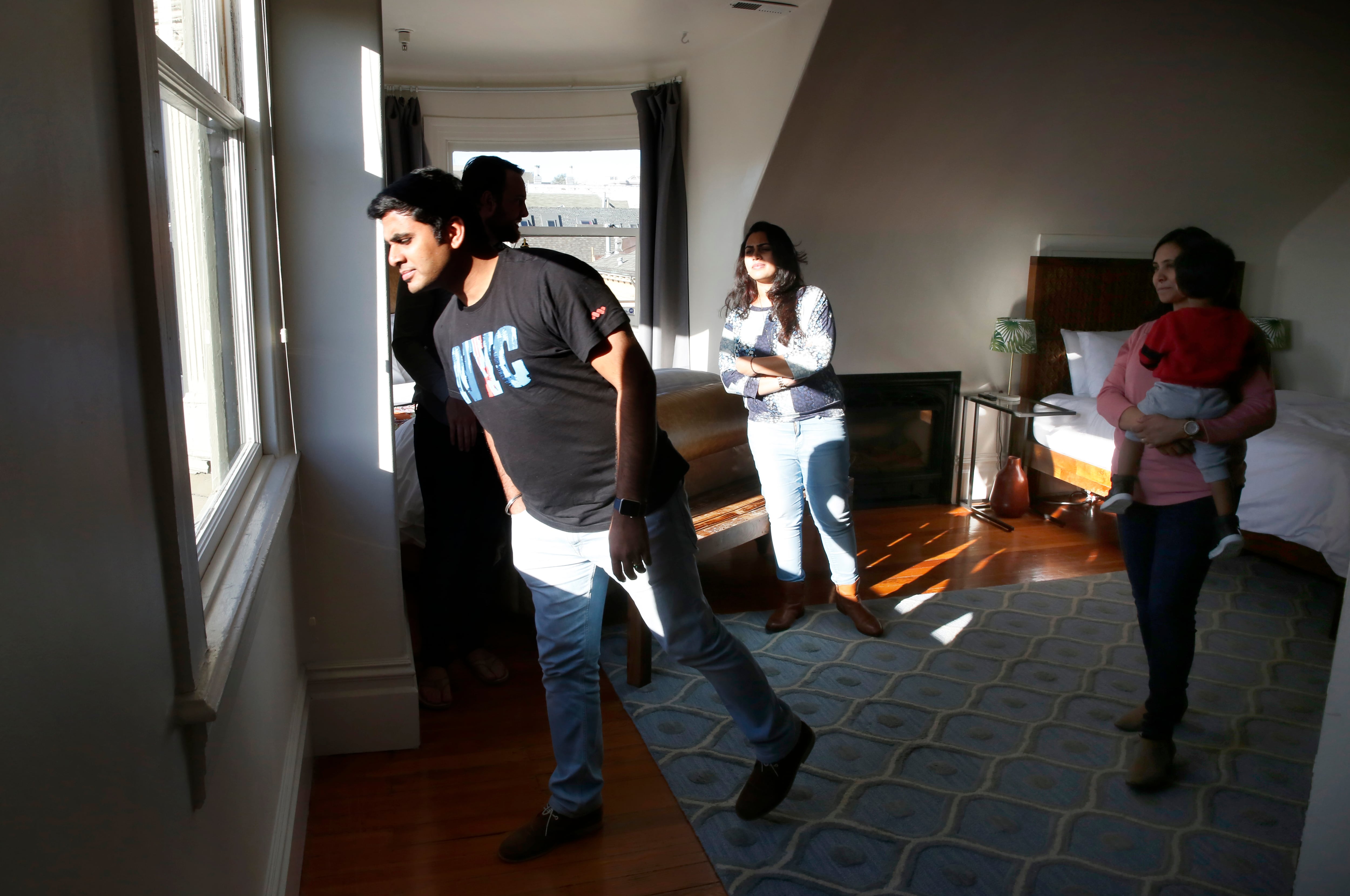
In the heart of the historic working-class and Latino Mission district in San Francisco, the door of a ground-floor unit next to a trendy coffee shop keeps opening. A private shuttle that ferries tech workers to their Silicon Valley headquarters farther south passes by every morning. The 796 sq.ft. (74-square-meter) apartment, recently renovated and furnished, is thoughtfully laid out, from the small open kitchen to the built-in closets. But it gets very little light. Of its two bedrooms, one has no windows. And it costs $4,750 a month.

Seguir leyendo

© Michael Macor (The San Francisco Chronicle via Getty Images)

People at a showing for a rental apartment in San Francisco.
  •  

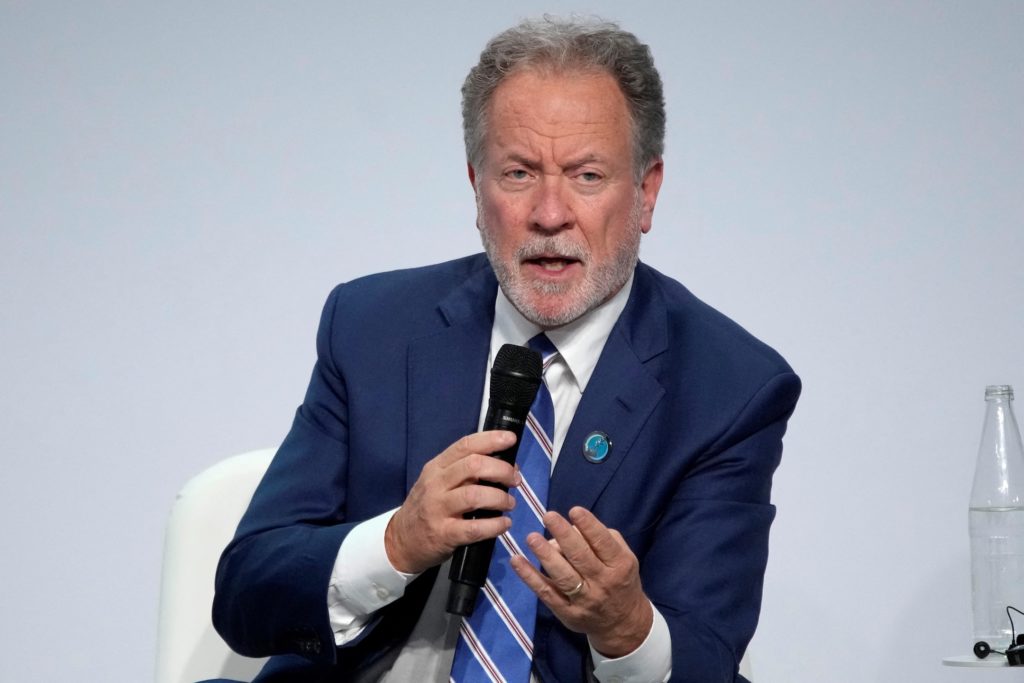
Former GOP governor David Beasley says Trump's 'demeaning' rhetoric pushed him from party

David Beasley spent more than three decades as a Republican, serving as South Carolina's governor before leading Nobel Peace Prize-winning efforts at the U.N. World Food Programme. Recently, he announced that he's walking away from his party as he laments a rise in toxic vitriol emanating from the GOP's standard-bearer. Beasley joined Amna Nawaz to discuss more.

  •  

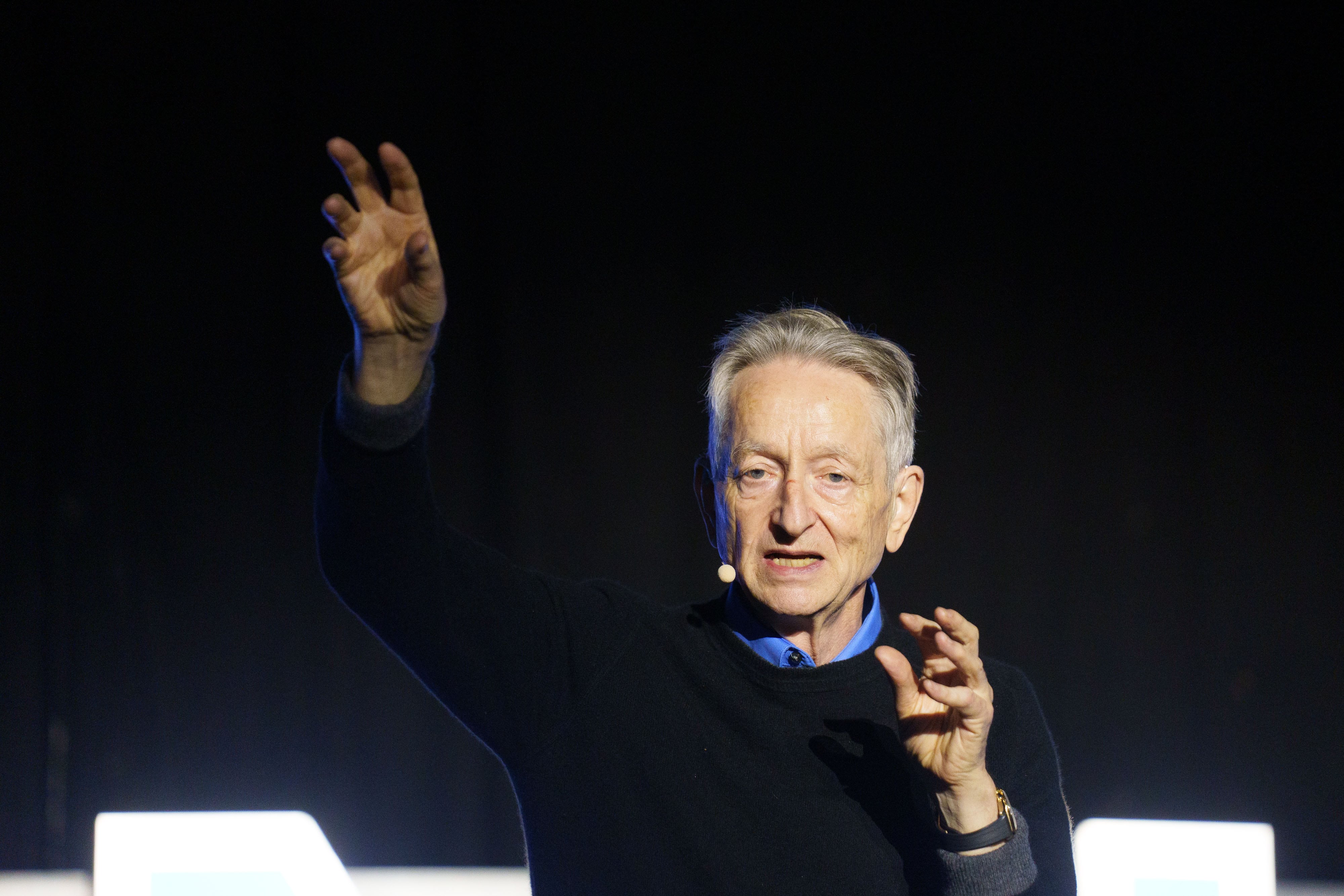
Geoffrey Hinton, the godfather of AI: ‘I’m not a doomer. I think there’s a 1% chance it will destroy us’

Years ago, when people asked Geoffrey Hinton why he worked on artificial intelligence, he would repeat a line from J. Robert Oppenheimer, one of the creators of the atomic bomb: “When you see something that is technically sweet, you go ahead and do it.”

Seguir leyendo

© Ramón de la Rocha (EFE)

Computer scientist and Nobel Prize in Physics laureate Geoffrey Hinton during the Starmus Festival 2026, held this Tuesday in the municipality of Arona in Tenerife.
  •  
  •  

Tech Billionaires and the New Struggle for Political Power

In his book The Nerd Reich, journalist Gil Durán examines how Silicon Valley’s wealthiest investors are extending their influence over American politics, democratic institutions and national sovereignty. His warnings come amid unprecedented political spending by technology billionaires and growing concern over private control of strategic infrastructure.

Elon Musk has contributed more than $276 million since July to Republican political causes ahead of the United States midterm elections on 3 November. Meanwhile, US Secretary of State Marco Rubio has said decisions over Ukraine’s access to SpaceX satellite communications rest with the company rather than the White House. Both developments demonstrate how private technological and financial resources can influence decisions traditionally associated with government.

For journalist Gil Durán, author of The Nerd Reich: Silicon Valley Fascism and the War on Democracy, published by Avid Reader Press in August 2026, the issue extends beyond campaign donations. In a recent interview, he argued that a group of Silicon Valley investors is using its financial influence and control of technology to challenge the authority of elected governments.

“We’re at a decisive stage of that race,” Durán said when asked about the contest between technology and democracy described by venture capitalist Peter Thiel. His argument is that wealth alone no longer satisfies some of the industry’s most influential figures; they also want a direct role in determining how societies are governed.

The ideological origins of billionaire power

Durán places Thiel at the centre of this movement. In a 2009 essay, The Education of a Libertarian, the PayPal co-founder wrote that he no longer believed freedom and democracy were compatible. He argued that technological innovation could allow individuals to escape the constraints of conventional politics.

Thiel subsequently clarified that he was not advocating disenfranchisement. His stated position was that majority rule often frustrated individual liberty. Durán, however, interprets the essay and Thiel’s subsequent political investments as evidence of a sustained interest in diminishing democratic constraints on private power.

The book also examines The Sovereign Individual, a 1997 work by James Dale Davidson and William Rees-Mogg that anticipated how digital currencies and technological change might weaken the power of nation states. Durán sees its influence in later arguments for privately organised alternatives to traditional government.

One example is The Network State, developed by entrepreneur Balaji Srinivasan. It proposes that online communities could acquire territory and eventually obtain diplomatic recognition. Advocates describe a voluntary model of political organisation; Durán regards the prospect of corporate-financed jurisdictions as a challenge to public accountability.

From venture capital to the White House

The relationship between Thiel and Vice-President JD Vance illustrates how venture capital can translate into political influence. Thiel supported Vance’s early investment career and contributed $15 million to a super PAC backing his successful 2022 Senate bid. Durán attributes much of Vance’s political ascent to that support, although voters, party endorsements and Vance’s own campaigning also shaped the result.

Musk’s latest contributions offer a more immediate example. His donations since July include $158 million to the Senate Leadership Fund and more than $76 million to America PAC. Such spending is lawful under the rules governing independent political committees, which cannot coordinate their expenditure with candidates.

Durán contends that similar pressures affect Democrats, arguing that wealthy donors can exercise influence across party lines. His criticism therefore concerns the political system’s dependence on private funding as much as any particular administration.

Technology as an instrument of strategic power

The consequences extend beyond elections. Ukraine’s dependence on satellite communications has exposed how a privately owned service can become essential to military operations. Restrictions affecting Starlink-related services have prompted competing accounts from US officials and SpaceX over responsibility for the decision. Rubio’s latest remarks point towards commercial control, while earlier reporting attributed the decision to Washington.

Artificial intelligence raises comparable questions of ownership and oversight. Durán argues that investors promoting transformative AI may also seek regulatory conditions that protect their substantial financial commitments. His prediction of a possible investment bubble remains a judgement, not an established outcome.

In Europe, the debate has immediate regulatory consequences. The EU’s Digital Services Act requires major online platforms to assess risks to elections and civic debate, while enforcement of important provisions of the AI Act began in August 2026. These measures address the influence of companies whose platforms and systems operate across borders.

Durán’s interpretation of Silicon Valley as a coherent anti-democratic movement remains contested. The entrepreneurs he discusses have differing interests, and their political influence does not itself establish a common plan to dismantle democratic government.

Their influence is nevertheless measurable in campaign finances, government contracts and control over infrastructure essential to national security. None of these forms of power requires holding elected office.

  •  

Labour Cuts £2 Billion From Army Front Line

Labour has cut £2 billion from front-line Army equipment as John Healey tries to fill a defence spending black hole in his first Budget.

The post Labour Cuts £2 Billion From Army Front Line appeared first on The Daily Sceptic.

  •  

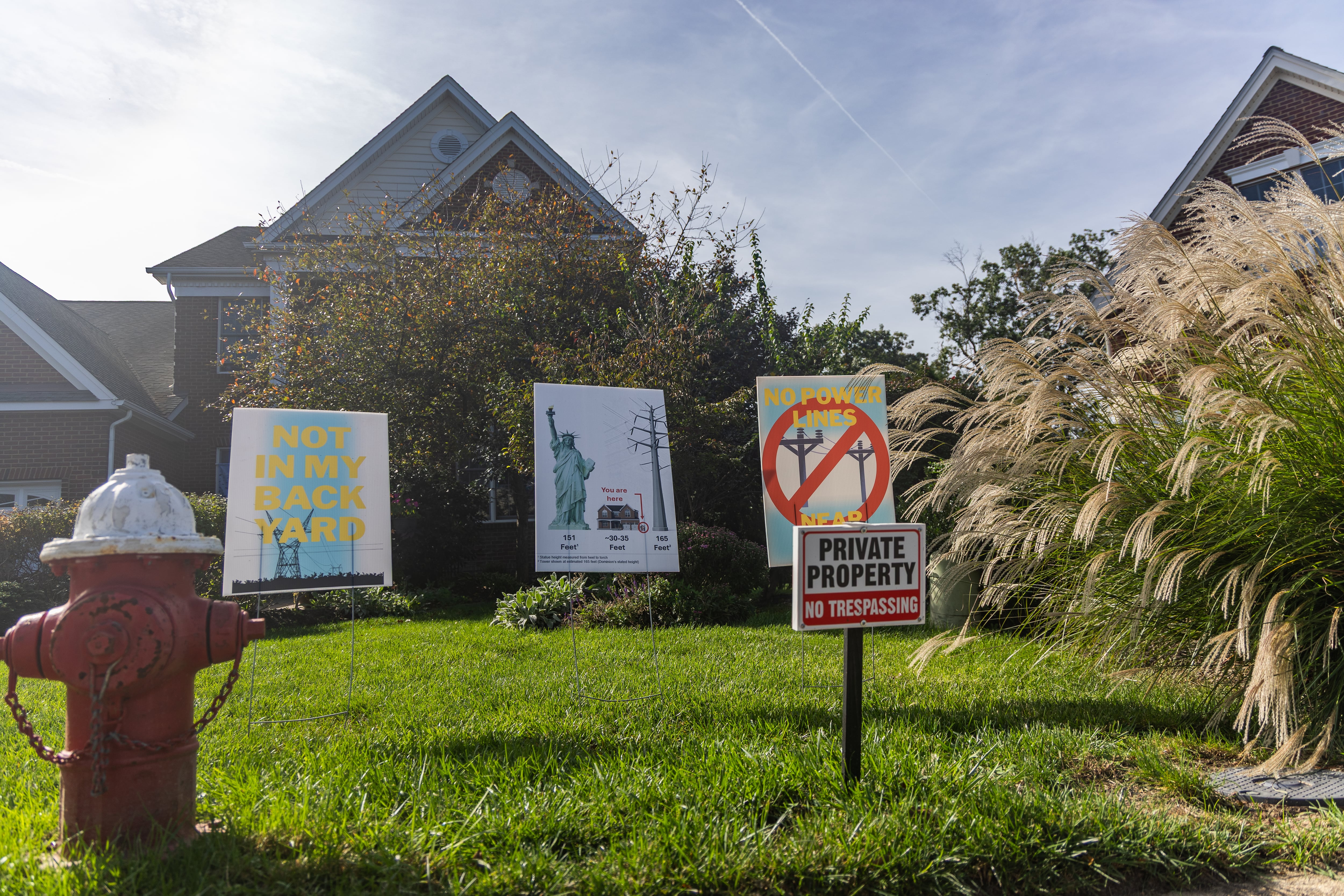
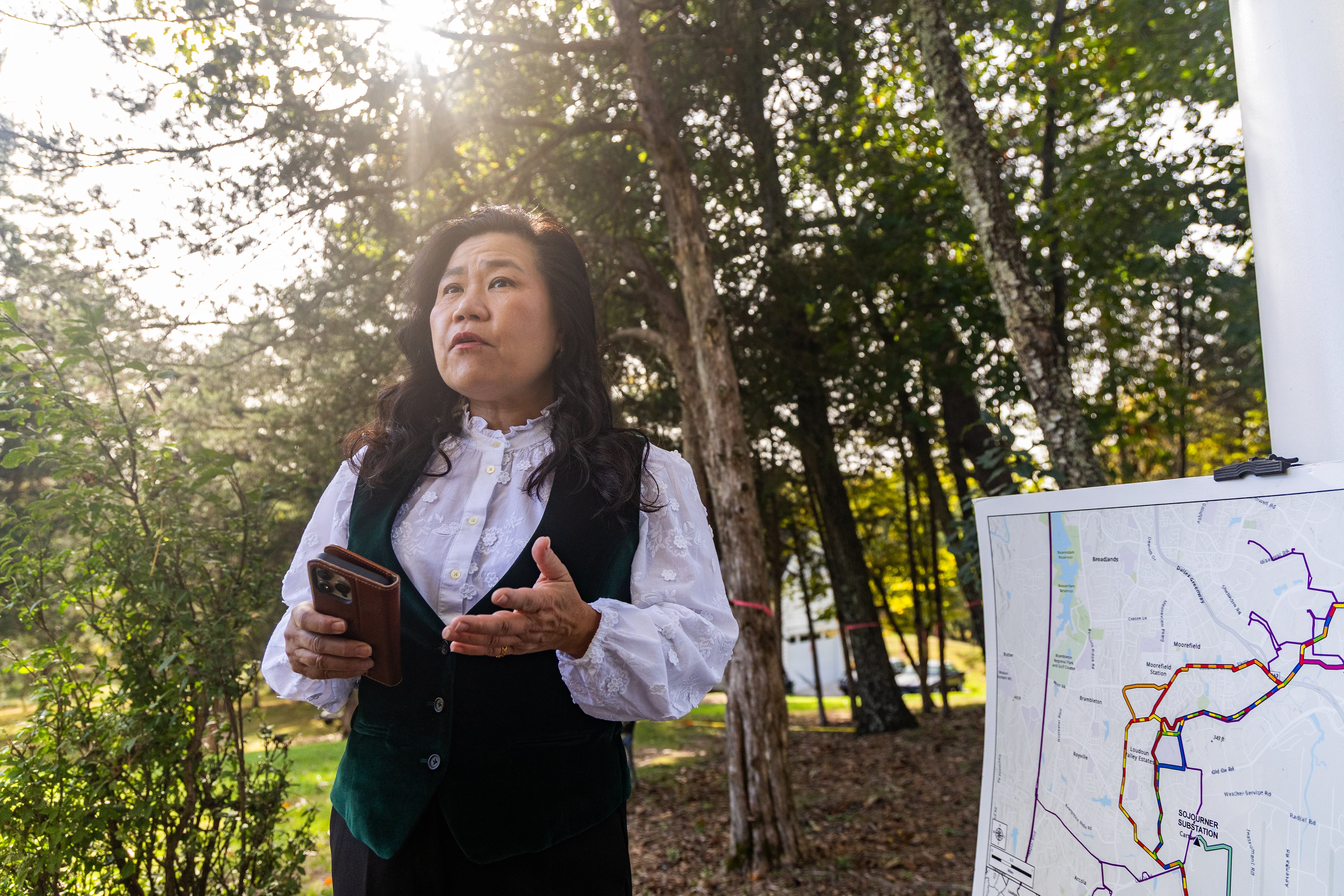
Living with 230 data centers on the doorstep: ‘Nobody warned us what was going to happen’ 

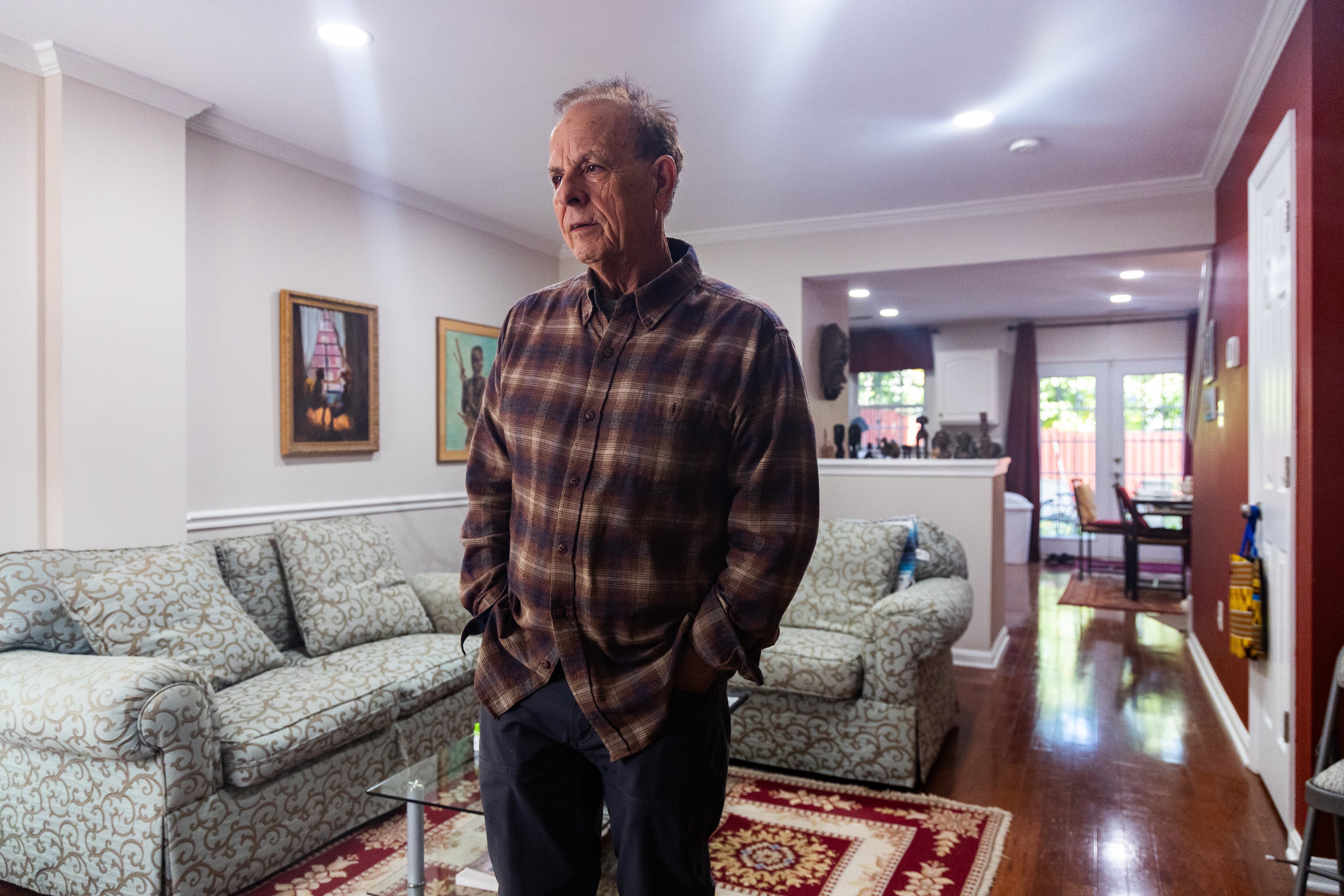
Greg Pirio, a retired historian, at his home in Sterling, Virginia on October 9.

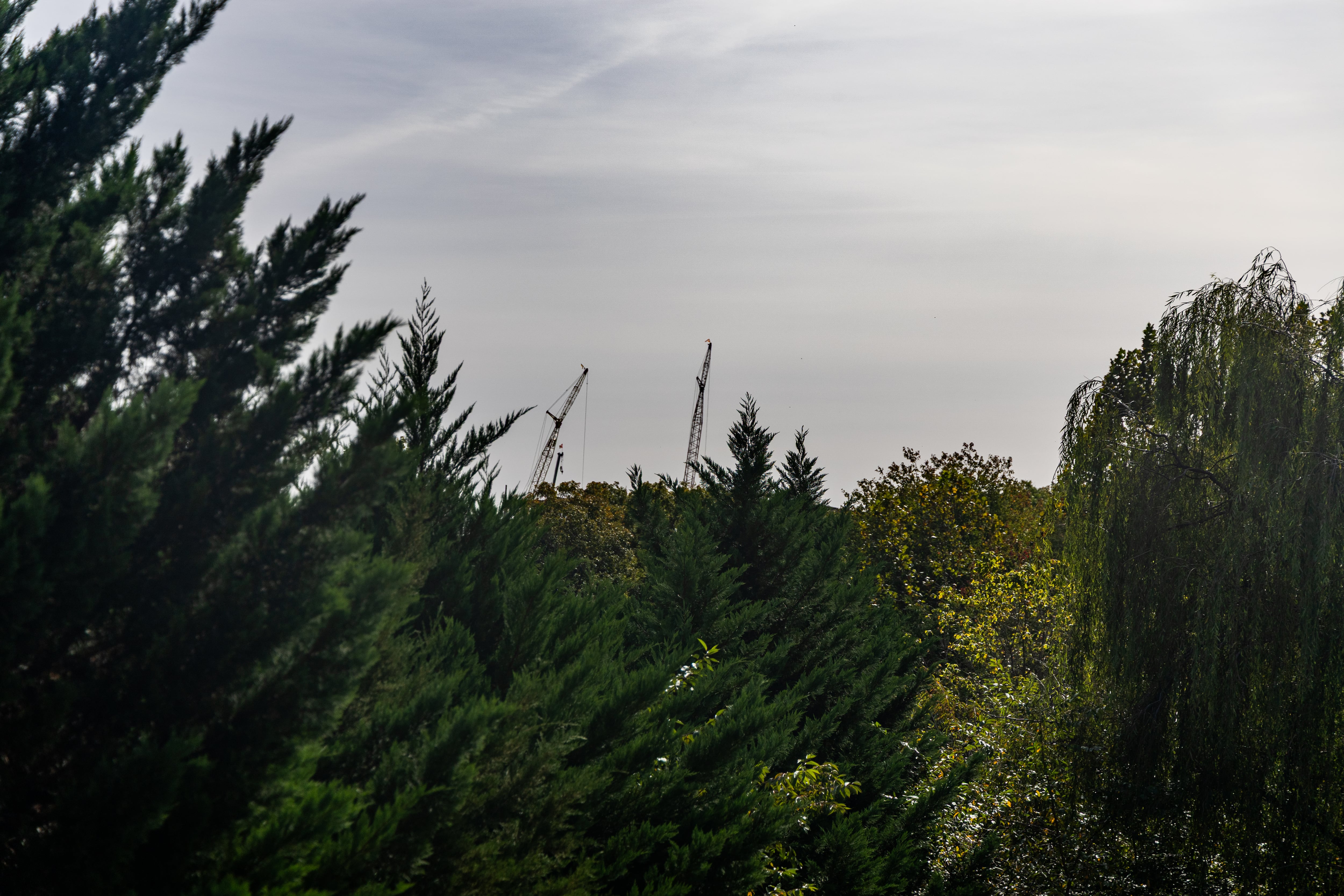
One of the factors that led Greg Pirio to buy his house in Loudoun County, in northern Virginia, 14 years ago, was the nature surrounding it. A historian specializing in Africa, he loved to take long walks with his dog and listen to the birds. Three years ago, a large data center was installed just a hundred meters from his door. Since it began operating a year and a half ago, the birdsong has been replaced by a constant buzzing together with fumes that cause headaches, conjunctivitis and respiratory problems.

Seguir leyendo

The eye protection Greg Pirio uses against the air pollution in the region.Machinery operates near the data center in Virginia.Vicky Hu in Ashburn, Virginia, on October 9. Vicky Hu’s garden protest, Ashburn.Real estate agent Vicky Hu at her home in Virginia on Oct. 9.
  •  

Archaeologists Discover 130-Metre Mining Tunnel Beneath German Forest

Excavations in Germany’s Ruhr region have uncovered evidence of a substantial underground mining operation that predates the area’s industrial expansion. The discovery is providing new clues to the origins of European coal mining.

Archaeologists have identified a previously unknown coal-mining tunnel stretching at least 130 metres beneath woodland near Sprockhövel in western Germany. The remains provide evidence of coordinated underground construction at a time when the Ruhr’s mining industry was still developing, long before the region became synonymous with heavy industry.

The discovery was announced on 15 October by the Westphalia-Lippe Regional Association (LWL), whose archaeologists are working alongside the German Mining Museum in Bochum and GeoPark Ruhrgebiet. The team says its findings shed light on tunnelling techniques used before the eighteenth century, although the newly identified passage has not yet been given a precise scientific date.

At Haßlinghausen, a forest floor conceals old shafts, spoil heaps and depressions left by abandoned mining operations. Researchers did not enter an intact underground gallery. Instead, they identified the location of a collapsed passage by excavating at two former shaft sites and drilling into the surrounding spoil. Subsidence created by the collapse left a recognisable trace above ground.

How Early Miners Organised Underground Work

The evidence suggests a more complex operation than miners simply following exposed seams into the earth. Construction shafts were sunk at intervals along the proposed tunnel. Workers descended through them and excavated separate stretches underground, later joining those sections into a continuous passage.

This method allowed several groups to work simultaneously rather than advancing from a single entrance. It also demanded planning and considerable labour. The filled-in shafts and disturbed soil are still visible in the excavated sections, enabling specialists to reconstruct the miners’ methods even though much of the original tunnel has collapsed.

Till Kasielke of GeoPark Ruhrgebiet explained that the construction shafts were located beside the underground route and then filled after the gallery was completed. Jennifer Garner, an archaeologist at the German Mining Museum, said the excavations would provide material for scientific dating and a better understanding of the effort required to build the structures.

The latest work follows a 2025 investigation of a separate, approximately 70-metre tunnel nearby. That earlier feature reached a coal seam some ten metres below ground. Researchers suspected it might predate the seventeenth century because it appeared to have been overlooked during later mining activity. The newly identified 130-metre passage is a distinct discovery.

The chronology matters because horizontal tunnels changed the possibilities of coal extraction. Early miners could reach seams by digging pits or inclined shafts, but groundwater increasingly obstructed work at depth. Drainage galleries allowed water to escape, making deeper workings more practical and potentially extending the life of individual mining sites.

An Industrial Region’s Earlier History

The Ruhr is usually associated with the vast collieries, factories and transport infrastructure that drove Germany’s expansion in the nineteenth and twentieth centuries. Yet coal was extracted locally during the Middle Ages. The transition from small workings to organised subterranean networks remains poorly documented, partly because written records from the earliest periods are scarce.

The archaeological research programme, which began with related investigations in 2024, is intended to address that gap. The team has excavated soil layers associated with old shafts, and the recovered material may help establish when specific construction techniques were introduced. For now, it would be premature to assign the new passage a medieval date.

At Essen, the UNESCO-listed Zollverein Coal Mine Industrial Complex preserves the architecture and machinery of the Ruhr’s later industrial era. The remains at Sprockhövel represent a different historical record: temporary shafts, collapsed passages and waste deposits left by miners whose operations preceded industrial-scale coal production.

Across Europe, such landscapes have become an important part of cultural heritage. EU Today has previously reported on the preservation of Belgium’s Bois du Cazier colliery, where 262 people died in the 1956 mining disaster. In Sprockhövel, the focus is on a much earlier workforce, whose organisation and technical knowledge must be reconstructed from the ground itself.

Further dating and analysis will determine whether the newly identified tunnel pushes back the known chronology of organised drainage and gallery construction in the Ruhr. The excavations have already established that a substantial underground project once operated beneath a forest whose surface retains remarkably little indication of the work carried out there.

Image credit: LWL-Archäologie für Westfalen / Manuel Zeiler
  •  
❌