❌

Reading view

A West Bank War for Netanyahu’s Election Campaign, Could It Backfire?
By Robert Inlakesh | Palestine Chronicle | October 25, 2026

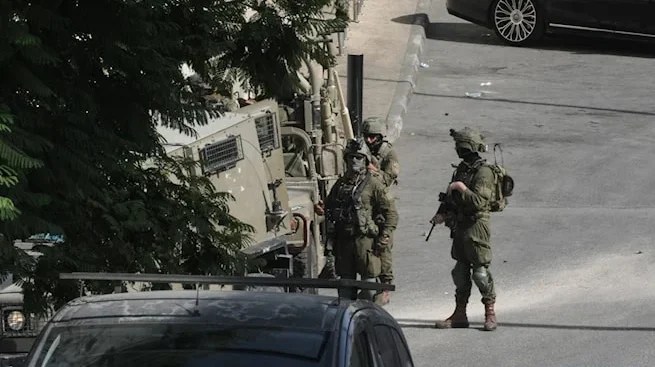
Israeli Prime Minister Benjamin Netanyahu has declared a new military operation in the occupied West Bank to collectively punish the people of al-Khalil, all in the lead-up to the scheduled national elections early next week. Is the Premier playing with fire?

Following years of ever-escalating settler violence and the intensification of Israel’s military occupation across the occupied West Bank, two Palestinian men in their twenties – Hamouda and Firas al-Ja’ba – decided to carry out a resistance operation against an Israeli army guard post.

The two resistance fighters carried out their attack, injuring four Israeli soldiers and killing two, using pistols and a rifle near the Farsh al-Hawa checkpoint in al-Khalil. The Israeli army called in backup, leading to an armed clash in which both of the Palestinians were killed during a 20-minute clash.

From the CCTV footage of the clash, it appears as if the two Palestinians were not professionally trained and acted alone. No Palestinian movement claimed the attack, although it was widely praised. Israel was quick to blame Hamas and then launch a new military campaign targeting the entire city of al-Khalil.

There are a number of reasons that the attack, which, although the most significant carried out in the West Bank in over a year, is not exactly unusual, has been reacted to in the way we see today.

One reason for this enormous overreaction is that Netanyahu is looking for a boost in the polls. He evidently believes that by launching a brutal crackdown in the West Bank, his population will respond positively and he may win some more votes come Tuesday.

This is why the Israeli Prime Minister claimed that the planned campaign against al-Khalil will be an operation “unlike any seen since the Six-Day War”. He is trying to play on Israeli nationalism, referencing the June 1967 war, during which the Israelis occupied the West Bank, Gaza, East Jerusalem, the Golan Heights and Sinai Peninsula. Evidently, this is hyperbole, but it doesn’t mean that the campaign will not be brutal.

Another reason why the attack has been transformed into such a major issue is that it is massively embarrassing to both the Israeli army and Netanyahu personally. Although the two Palestinian fighters do not appear to have had any professional training and did not act on behalf of any resistance group, the Israeli media, military, and government are saying the opposite.

The Israelis are claiming that Hamas was involved; they are also spinning a hero story that by calling in backup they managed to thwart a much larger attack that was planned on Israeli settlers and that what happened was actually a success story of sorts.

This is because the truth exposes the unprofessionalism and cowardice of the Israeli occupation soldiers. Two untrained individuals managed to kill a Staff Sergeant and a Sergeant, injured four others, while all the female soldiers on scene hid from the attackers. In addition to this, it took 20 minutes for them to take care of the threat posed to their forces; they also needed to call in backup despite clearly outnumbering the two gunmen already. Accepting the reality would mean accepting that the army is pretty incompetent, and the Israeli public will believe any narrative that allows them to ignore this truth.

Another element of this is that if you tell the public that the Israeli army managed to thwart a major attack, it shows that under Netanyahu’s leadership, he has learned the lesson from October 7, 2023. The narrative being sold to Israelis is that now the army is acting pre-emptively; it is launching a major campaign to prevent another major attack like the one that happened on October 7. Israelis also simply enjoy watching Palestinians suffer.

However, by launching such a collective punishment campaign, there is a chance that the Israelis could end up getting burned, even if not immediately. West Bank Palestinians have been placed under tremendous pressure; by launching an intensive campaign of this nature, it could end up pushing some people over the edge.

Although the rhetoric surrounding the campaign suggests that the Israeli military is seeking to turn the largest populated city in the occupied West Bank into Gaza, this is unlikely to be what they will do. Instead, they will carry out raids, make life an inconvenience, even more than before, likely killing some innocent people while kidnapping random Palestinians while going through their neighborhoods.

The most intensity will be focused on a few specific neighborhoods that will get the worst treatment. But escalating too hard, too fast, could end up triggering a unifying event, especially due to the Israeli soldiers being psychotic and not even following their own rules. Ultimately, it is because of the checkpoints, killings, torture, and daily harassment that Palestinians carry out resistance attacks like the one we saw this Friday morning.

It is only a matter of time until the pressure being placed upon the people of the West Bank will explode. What makes this predicament starkly different from that of Gaza is that when the situation deteriorates, the Israelis have already entrenched themselves so deeply within that territory that they are extremely exposed.

Netanyahu loves to pledge his intentions to collapse the Palestinian Authority (PA) and annex the West Bank, but this is just posturing for gullible Israeli fanatics who don’t understand how everything works. If the PA does collapse and there is a push to annex the territory officially, then the settlements will be indefensible.

Just as the Israeli public truly believes that they have “the most moral army on earth”, they also believe that they are physically superior too. The former is about as accurate as the latter.

During the Gaza Genocide, the West Bank strategy has been to subdue the Palestinians through brute force and to collaborate with the PA in order to ensure there is no major uprising. It has, until now, worked. However, that strategy of constant torment and increasing pressure also “worked” until October 7, 2023.

People will not live under such horrendous conditions forever; it is only a matter of time before the situation there dramatically changes. Such a shift could occur over something relatively small. When you constantly play with fire, you get burnt.

If the West Bank’s population were to enter a sustained popular uprising, the Israeli military would struggle to subdue it. In the event that other fronts of its regional war were to open, this could be a major strategic catastrophe.


– Robert Inlakesh is a journalist, writer, and documentary filmmaker. He focuses on the Middle East, specializing in Palestine.

  •  

“So Much Worse Than People Realize”: Never-Before-Seen Images Reveal Damage at U.S. Bases as Troops Describe Being Abandoned

Service members, contractors, and military families share photos, videos, and firsthand accounts of the Iran war that they say the Pentagon has kept from the American public

  •  

UK Bell Review Confirms Only Anti-Israel Attitudes Are Rising, Not Antisemitism

British attitudes relating to Jewish people and Israel show two broad trends. Anti-Jewish attitudes are typically less prevalent and have remained more stable, whereas anti-Israel sentiments are more prevalent and have been increasing.

  •  

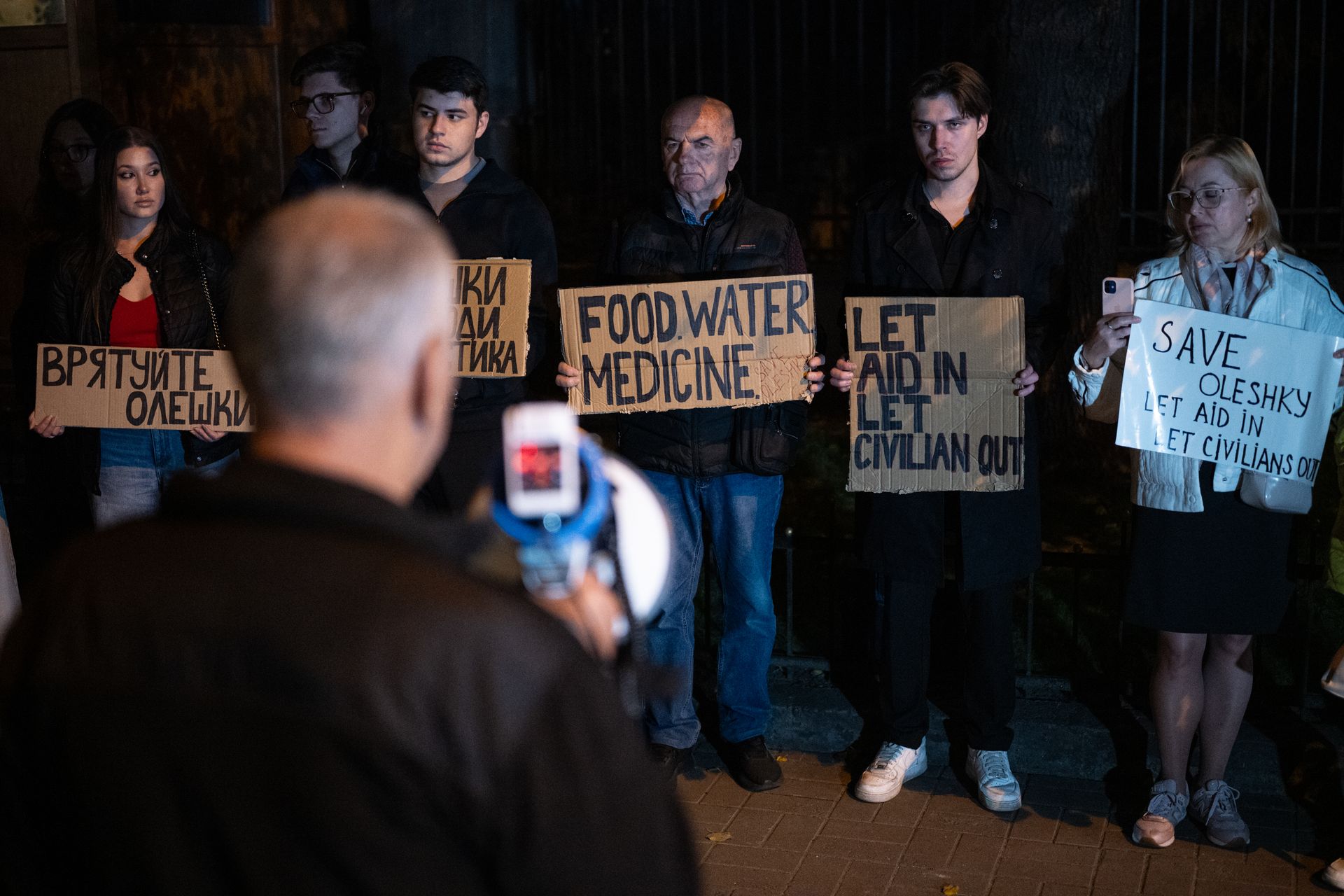
News from occupied Ukraine: Former Oleshky resident warns people 'won't survive this winter'

This weekly update from the Kyiv Independent aims to shed light on the situation facing Ukrainians living under Russian occupation and the ever-tightening control of information imposed by the Kremlin.

Key news as of Oct. 25:

  • Oleshky native warns residents may not survive winter as evacuation hopes rise
  • Russian-occupied Crimea

  •  

Peru’s Youth Protest Government Over Crime And Forest Fires

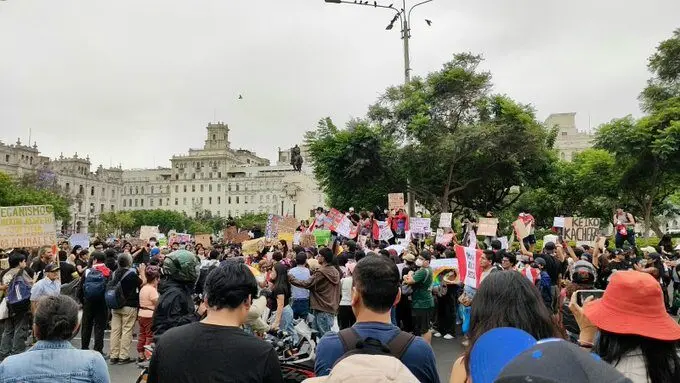
Young protesters march in Lima, Peru, against Keiko Fujimori’s government over extortion, forest fires and police reform.

Students, unions and families of protest victims demand action on extortion, environmental damage, living costs and police reform.


Young people, students, trade unions and human rights groups marched through central Lima on Saturday, demanding that President Keiko Fujimori’s government address rising extortion, deadly forest fires, the cost of living and alleged impunity for state repression.

RELATED: Peru Reached $4.813 Billion in Mining Investment Between January-August

Demonstrators began gathering at 4 p.m. in San Martín Square, a historic rallying point for popular movements in Peru. Participants included students from San Marcos and Catholic universities, human rights organizations, trade unions and members of the self-organized Generation Z movement.

The protests unfolded amid mounting concern over forest fires that have affected 16 regions across the country. Figures from Peru’s National Emergency Operations Center and the National Institute of Civil Defense recorded 479 emergencies, leaving 12 people dead and 708 displaced or otherwise affected.

The fires destroyed 1,299 hectares of crops and more than 13,800 hectares of natural vegetation, while also causing significant damage to local wildlife and livestock.

🚨 #URGENTE | Contra la extorsión y la crisis ambiental: jóvenes y colectivos sociales protestan en el centro de Lima

📲 Más información en https://t.co/cslnEWTq0k pic.twitter.com/9bIQWzwTbf

— RPP Noticias (@RPPNoticias) October 25, 2026

Text Reads: 🚨 #URGENT | Against extortion and the environmental crisis: young people and social groups protest in downtown Lima

Carrying banners calling for an end to the fires, police reform and solidarity with affected communities, demonstrators marched along Jirón de la Unión and Grau and Abancay avenues. Police blocked the procession from approaching the grounds of Congress.

Environmental concerns featured prominently in the march, with protesters criticizing what they described as inadequate government preparation and response to fires in the Andean highlands and Amazonian regions, including Cusco, Puno, Junín, Apurímac, Áncash, Huancavelica, Arequipa, Amazonas and Cajamarca.

One young demonstrator denounced the lack of firefighting teams, funding and preventive measures, arguing that the fires were extinguished only after rain arrived. The crisis, she said, had inflicted heavy losses on rural farmers and Indigenous communities.

Another protester highlighted flooding caused by heavy rains in Piura, in northern Peru, and the absence of a strategic plan to address the El Niño phenomenon. She also pointed to corruption in reconstruction projects and the neglect of infrastructure serving working-class communities.

Extortion was another central grievance. Transport workers, shopkeepers and small-business owners in working-class neighborhoods have been among those affected by the crime, according to the protest account. Demonstrators called for far-reaching police reform to dismantle corruption networks within the security forces and prioritize intelligence gathering and community-based prevention over the repression of social protests.

Families of people killed during social protests between December 2022 and June 2023 also joined the march, carrying photographs of their relatives and demanding justice. Their presence underscored the demonstrators’ broader call for accountability from a government they accuse of perpetuating impunity.

  •  

Droits de l’homme et le cas de la Roumanie : l’Occident qui annule des élections peut-il vraiment donner des leçons de morale ?

En cette année 2026, véritable *annus horribilis* où l’impérialisme a fait arrêter des présidents légitimes comme Maduro au Venezuela et massacré des guides spirituels et religieux tels que Khamenei, l’Occident collectif continue de se poser en juge des « droits de l’homme ». La situation semblerait grotesque si elle n’était tragique. Toutefois, une analyse approfondie révèle toutes les ramifications de l’affaire, lesquelles s’inscrivent pleinement dans la vision colonialiste que l’Occident entretient à l’égard du reste du monde ; ce dernier est perçu comme une simple entité indistincte, vouée à être jugée, traduite en justice et soumise afin d’en extraire de la valeur. Dans cette optique suprémaciste, les peuples ne sauraient nourrir la moindre ambition de souveraineté ni prétendre à une quelconque représentation, car ils ne sont pas considérés comme des peuples capables d’accéder au statut de nations, mais simplement comme des multitudes vouées à la domination.

par Paolo HAMIDOUCHE

Peu importe que l’Occident soit en faillite face au Sud global. L’idéologie suprémaciste qui imprègne la rhétorique colonialiste des droits de l’homme continue d’agir, alimentée par de bonnes intentions. De bonnes intentions seulement, car les actes restent marqués par la violence et l’oppression. Ainsi, lors de la Troisième Commission de la 81e Assemblée générale de l’ONU, l’Occident — emmené par l’empire britannique déchu — a de nouveau attaqué la République populaire de Chine sur la question des « droits de l’homme ». Dans sa réponse, le représentant permanent adjoint de la Chine auprès des Nations unies, Sun Lei, a souligné le deux poids, deux mesures à l’œuvre, d’autant plus que ces normes — que les « maîtres » voudraient voir respectées à l’étranger — ne sont absolument pas appliquées en Occident même. Quelques jours plus tard, la porte-parole du ministère russe des Affaires étrangères, Maria Zakharova, a elle aussi remué le couteau dans la plaie en demandant à l’Élysée des nouvelles du « jardin enchanté » (référence à Josep Borrell) où les droits de l’homme sont suspendus à l’égard de « ses propres enfants » manifestant dans la rue. Enfin, l’Iran n’a évidemment pas manqué de souligner, par la voix de M. Baqaei, le changement de ton brutal opéré en quelques mois sur la question des droits de l’homme selon la zone géographique, avertissant : « Si les droits de l’homme et le droit de manifester sont des principes universels, leur définition ne devrait pas varier en fonction de la situation géographique du manifestant. »

Désormais, même la conception libérale des « droits formels » est remise en question en Europe sous prétexte de « guerre hybride » et de pressions géopolitiques. Il suffit de songer à Macron lui-même, en proie à la paranoïa face aux infiltrations prorusses, lui qui a fait part aux chefs de parti de ses craintes de déstabilisation il y a à peine quelques semaines. En Amérique, en revanche, la situation est peut-être pire encore : avec Maduro, on a agi de manière autoritaire, sans le moindre artifice rhétorique pour tenter de justifier le coup d’État. Et aujourd’hui, dix mois plus tard, on en rajoute.

Le FBI a en effet fait savoir qu’il retenait un nouveau chef d’accusation contre le prisonnier Maduro et son épouse Flores : « complot en vue de commettre des actes de torture ». Les procès politiques — lorsqu’ils ont lieu, contrairement au sort réservé à Khamenei, exterminé avec une partie de sa progéniture — visent la famille pour « complicité » et se fondent, de toute évidence, sur des chefs d’accusation variables. Le caractère personnel de la responsabilité pénale devient aléatoire, tout comme le chef d’accusation est fluctuant, lorsqu’une inculpation politique est engagée par un régime ; ainsi, le « complot en vue de commettre des actes de torture » devient une infraction où l’intention délictueuse et la faute s’étendent à tout l’entourage de l’accusé. Appelons donc les choses par leur nom : il s’agit d’un procès politique, et non judiciaire. Or, l’Occident, qui en cette année 2026 s’est adonné aux procès politiques sommaires, a l’audace de se poser en « maître » — pour ne pas dire en « juge » — et de pointer du doigt la République populaire de Chine pour son mépris de la vie humaine. C’est curieux, ne serait-ce que parce que le respect de la vie humaine exigerait la reconnaissance et le respect de la diversité des formes d’organisation des populations, de l’autodétermination des peuples et de tous ces principes dont l’Occident continue de se moquer au nom de la primauté du modèle de gouvernement libéral-démocrate. Un modèle qui, plus que jamais en 2026, s’avère n’être qu’une forme au sens littéral du terme, c’est-à-dire une simple « apparence extérieure ». En effet, cette démocratie libérale recèle en son sein des failles qui en compromettent désormais la survie même. Prenons pour exemple ce qui se passe en Roumanie où, après la victoire du candidat souverainiste indépendant C. Georgescu, les élections ont été purement et simplement annulées au motif d’une « manipulation des suffrages ». Aucun « juge » des sacro-saints « droits de l’homme » occidentaux n’a trouvé à redire au fait qu’une instance constitutionnelle puisse décréter quel suffrage est « manipulé » et lequel est « intègre ». La Cour européenne des droits de l’homme a même avalisé cette décision en déclarant irrecevable le recours de Georgescu. Par ailleurs, ces « juges » qui aiment discourir sur la situation politique d’autrui n’ont rien vu des conditions liberticides — dignes d’un réfugié — imposées à Julian Assange pour le « crime » de journalisme, avant qu’il ne soit contraint de faire amende honorable et de se retirer de la vie publique. C’est ce qu’a dû faire le président Georgescu en Roumanie, mais cela n’a pas suffi dans son cas. Le délit politique pèse manifestement plus lourd ; rappelons qu’un philosophe soulignait déjà auprès de ses pairs que l’enjeu, aujourd’hui, n’est plus d’interpréter le monde, mais de transformer l’état de choses existant. Pour celui qui s’engage directement en politique, il ne suffit pas de renier ses convictions et de se retirer de la vie publique, car son passé et ses relations continuent d’influer sur le présent.

En effet, la répression visant l’idéologie souverainiste en Roumanie s’est concentrée sur le dirigeant Călin Georgescu, au point de lui valoir diverses inculpations, interpellations et placements en détention provisoire (sic !), mesures qui ne se sont arrêtées ni devant son annonce de retrait de la vie publique ni devant sa personne. Comme je le rappelais précédemment, la caractéristique d’un procès politique est la disparition du principe de responsabilité pénale individuelle, car l’on a affaire à un régime politique qui s’attaque à une idée. Et comme le soulignait curieusement Medgar Evers — militant des droits civiques abattu d’un coup de fusil dans le dos par un suprémaciste dans la cour de sa propre maison, au sein de la patrie des « droits civiques » —, les idées ne s’arrêtent pas avec l’arrestation d’un homme, car « on peut tuer un homme, mais on ne peut pas tuer une idée ». On procède donc directement à l’arrestation et à l’inculpation de l’entourage immédiat, voire de toute personne professant la même idée. Ce n’est pas un hasard si le principal candidat de l’opposition roumaine, George Simion — qui porte l’idéal souverainiste dans ce pays —, a tiré la sonnette d’alarme ces derniers jours, se disant menacé d’arrestation après avoir perdu de manière inattendue le second tour des élections en mai 2025. Tout cela survient alors que C. Georgescu a de nouveau été inculpé et arrêté dans le cadre d’une enquête récente pour une fraude présumée. Alors que la Roumanie est privée de gouvernement depuis maintenant cinq mois — une impasse institutionnelle révélatrice d’une incapacité à gouverner, après l’annulation d’élections qui avaient pourtant conféré une légitimité claire à une formation politique, laquelle a été évincée une fois la victoire acquise —, l’acharnement de la justice roumaine à l’encontre de l’ancien homme politique a suscité des protestations populaires dans tout le pays ainsi qu’au sein de la communauté roumaine à l’étranger, déclenchant un élan de solidarité envers celui que l’on désigne comme « le président en exercice ». En somme, des événements singuliers se produisent au sein d’un Occident qui aime se poser en champion des droits de l’homme et de la démocratie libérale, mais uniquement chez les autres.

Publié à l’origine par Divergence Politique

  •  

At Least 852 Migrants Dead or Missing in Three Months, EU Rights Agency Reports

At least 852 people died or went missing while trying to reach Europe by sea between July and September 2026, according to a new report from the European Union Agency for Fundamental Rights.

The agency’s migration bulletin, published on 22 October, draws on International Organization for Migration data and examines the protection of people travelling through the Mediterranean and along the Atlantic route towards the Canary Islands.

The highest recorded number was on the West Africa–Atlantic route, with 283 deaths or disappearances. The Western Mediterranean accounted for 229, the Eastern Mediterranean for 199 and the Central Mediterranean for 141.

The findings come as the EU implements its Migration and Asylum Pact and governments face continuing scrutiny over rescue operations, border policing and the treatment of children.

The routes behind the figures

The four route totals add up to 852. The overall figure is a minimum because some shipwrecks may go unreported and the identities or number of passengers can be difficult to establish.

The Atlantic crossing to the Canary Islands involves long journeys in small vessels exposed to changing weather and limited rescue coverage. Different Mediterranean routes present their own risks, including departures from North Africa and Turkey.

The agency is careful to distinguish people confirmed dead from those reported missing. Both are included in the latest figures; the data should not be described as a verified count of recovered bodies.

New attention to Ceuta

The bulletin also reviews the mass attempted crossing into the Spanish enclave of Ceuta in July. Spanish government figures cited by the agency put irregular entries from Morocco at more than 72,000 on 30 July.

The event raised questions about reception facilities, safeguarding of children, alleged excessive force and access to protection procedures. Allegations against authorities require examination on their merits and must not be conflated with findings of guilt.

EU Today has reported separately on the Ceuta crisis. The new agency bulletin adds comparative data across migration routes and examines systemic safeguards under EU law.

Monitoring under the migration pact

Independent rights-monitoring structures required under the EU’s new migration framework are still being established in parts of the bloc, the agency says. Their effectiveness will depend on access, independence and whether allegations can be investigated.

The report also addresses restrictions affecting civilian search-and-rescue organisations and uneven support for people displaced from Ukraine.

European governments are simultaneously attempting to reduce irregular crossings, tackle smuggling networks and maintain legal duties to rescue people in distress. These obligations operate together rather than replacing one another.

The new figures provide a measure of the human consequences of dangerous routes, while the recommendations will test how far member states can translate the new framework into effective procedures.

  •  

Albanian MPs Clash as Student Protests Bring Political Crisis into Parliament

Albanian lawmakers clashed in parliament on Thursday after opposition representatives attempted to force a debate on student demonstrations that have continued for ten days in Tirana.

Opposition MPs displayed photographs of students injured during confrontations with police and blocked the parliamentary podium. The assembly continued voting on legislation despite the disruption.

The protests began on 13 October, with demonstrators calling for improvements to universities and student accommodation, more affordable education and stronger employment prospects for graduates.

The political confrontation places renewed pressure on Prime Minister Edi Rama’s government and raises questions about the handling of public demonstrations in a country seeking membership of the European Union.

The developments are detailed in the latest reporting and official material, against the background of EU Today’s earlier coverage.

How the demonstrations developed

The initial protests outside the education ministry turned confrontational, with police deploying crowd-control measures and making arrests. Subsequent demonstrations broadened the dispute from university conditions to the government’s response.

Students have raised demands about accommodation, fees, public investment and the transition from education to employment. Those concerns should be distinguished from the strategies of opposition parties that have subsequently sought parliamentary scrutiny.

The government faces the task of responding to the original educational demands while addressing allegations about police conduct. Claims of excessive force require independent examination rather than assumption.

A parliamentary confrontation

Thursday’s disorder followed the refusal of parliamentary leaders to hold the debate requested by the opposition. Blocking the podium was intended to interrupt proceedings and draw attention to the treatment of protesters.

The governing side proceeded with legislative business, producing a direct confrontation over parliamentary procedure and accountability. Footage and descriptions of the clashes do not in themselves establish criminal liability for those involved.

The disagreement is also a test of the institutions intended to resolve disputes through political debate rather than confrontation.

Albania’s European ambitions

As an EU candidate country, Albania is assessed on reforms covering the rule of law, public administration, judicial independence and fundamental rights. The management of demonstrations and the operation of parliament can therefore become relevant to enlargement scrutiny.

European integration does not dictate a particular response to student fees or education policy. It does, however, require institutions capable of handling public grievances lawfully and transparently.

EU Today has already reported on Albania’s recent anti-government demonstrations. The latest development is the transfer of that conflict into the legislature, together with renewed questions about the handling of student complaints.

The immediate test is whether government and opposition can reopen debate on the protesters’ demands without further disorder, while the authorities account for their response to earlier demonstrations.

  •  

France Restricts Weekend Demonstrations as Protest Violence Sparks Civil Liberties Dispute

Authorities in France have banned or restricted demonstrations in a number of cities ahead of Saturday, 24th October, following violent disturbances during the previous weekend’s protests against the cost of living.

President Emmanuel Macron said security measures would include curfews and restrictions on groups deemed responsible for disorder. Some official demonstrations, including an authorised march in Paris, remain permitted.

The latest restrictions follow confrontations and damage to public buildings during the demonstrations on 17 October. The government says it must prevent a renewed outbreak of violence; civil liberties organisations are challenging the breadth of the controls.

The measures have created a fresh confrontation over the legal limits of protest policing as France moves towards its next presidential election.

The developments are detailed in the latest reporting and official material, against the background of EU Today’s earlier coverage.

Different rules across France

Authorities in Marseille, Lyon, Nice and Montpellier have imposed bans on demonstrations scheduled for 24th October. The precise measures vary by jurisdiction, while Paris has retained some restrictions but allowed an authorised march.

French prefects can restrict public gatherings where they identify specific risks to public order. Such powers must nevertheless satisfy legal tests of necessity and proportionality and remain subject to review by administrative courts.

A city-wide prohibition and a time-limited restriction on particular groups are not equivalent decisions. Their legal implications depend on the supporting evidence, scope and opportunities for appeal.

The government’s security argument

Macron has described a return to calm as the government’s priority and accused organised ultra-left groups of seeking to exploit demonstrations to provoke disorder. Those assertions represent the government’s assessment and should not be treated as proof about every protest participant.

Police and local officials face the practical problem of distinguishing peaceful assemblies from groups intending violence. Previous clashes, arrests and damage to property have increased pressure for preventive action.

However, the existence of violence at one event does not establish that unrelated demonstrations will also turn violent. This is among the central objections raised by rights groups.

Courts and political consequences

The Human Rights League and other civil liberties organisations have objected to broad protest bans. Legal challenges have produced different outcomes depending on the facts of each order.

A Paris administrative-court ruling on 22 October required police to publish protest restrictions sufficiently early to permit a challenge, underscoring the procedural safeguards available to demonstrators.

EU Today has previously reported the scale of France’s October unrest. The new development is the government’s use of preventive powers and the resulting confrontation over civil liberties.

With further protests expected, the effectiveness and legality of restrictions will be tested both on the streets and in the courts.

  •  

Russia has kept the Red Cross away from Ukrainian POWs since 2024. Now about 1,500 captives it never confirmed as prisoners face prosecution

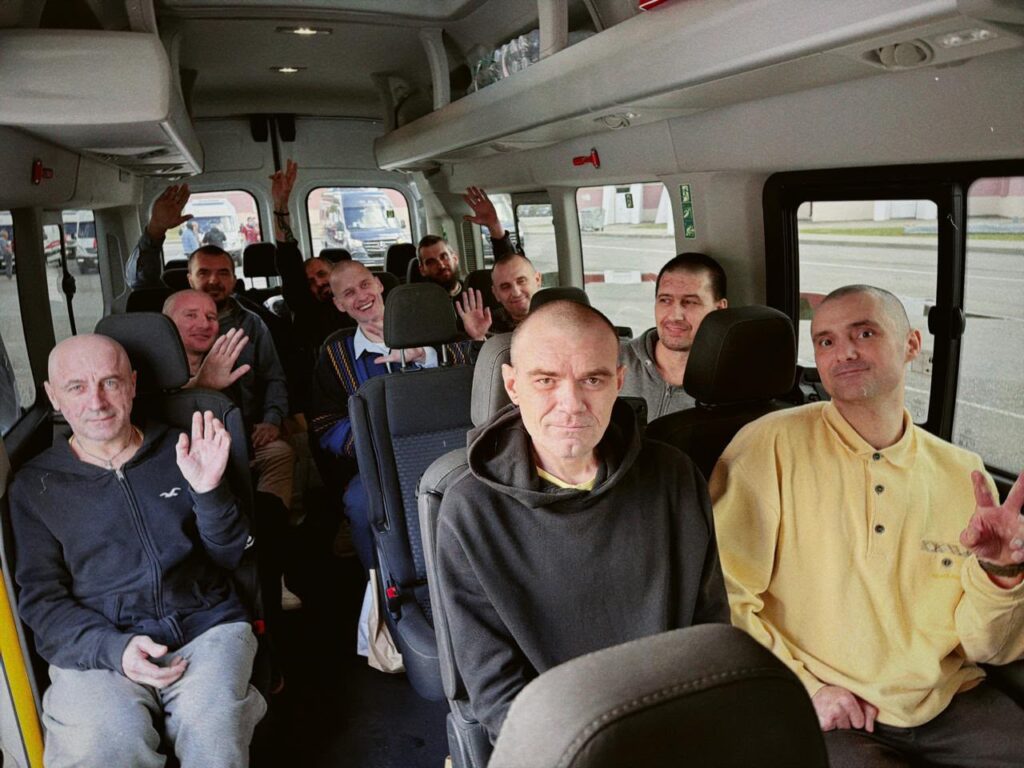
red cross has had access ukrainian pows russia since 2024 around 1500 captives face prosecution without having status confirmed—ukraine’s coordination headquarters · post returned servicemen inside minibus day release 24

About 1,500 Ukrainians held in Russia and occupied Ukraine are facing criminal prosecution even though the International Committee of the Red Cross (ICRC) has never confirmed them as prisoners, Petro Yatsenko, representative of Ukraine's Coordination Headquarters for the Treatment of Prisoners of War, said on 19 October at an event on missing persons at UN headquarters in New York. The event was organized by the permanent missions of Ukraine and Poland to the UN.

Without ICRC confirmation, there is no official record that a person is alive or held, which leaves captives without proper protection, the headquarters said. Amnesty International calls this enforced disappearance, a practice that puts people outside the protection of the law. The ICRC itself has been shut out. Under the Geneva Conventions it is supposed to visit prisoners of war, but on 18 September it told Reuters that Russia has given it no access to Ukrainian POWs since 2024. UN investigators have gathered evidence of systematic torture in the detention centers where they are held. Russia denies torturing or mistreating POWs.

Families lose track of captives as Russia moves them between prisons

Kateryna Nazarii, who coordinates families of the 24th Mechanized Brigade, is the wife of a Ukrainian serviceman held by Russia. The ICRC has not been able to confirm his status as a prisoner of war. Russia does not let the ICRC or other humanitarian organizations into the prisons where Ukrainians are held, and does not hand over complete lists of prisoners, Nazarii said at the event. When families do find out where a relative is held, she said, that person is moved to another prison, and contact is lost again.

Many of those whose captivity Russia has not confirmed are civilians. Among them, Yatsenko said, are about 200 young people born after 2000 and nearly 400 people over 60. None of them has been confirmed through the ICRC, according to the headquarters.

Secrecy and torture in Russian captivity

Most Ukrainian POWs are cut off from the outside world. In a March 2025 report, Amnesty International found that 24 of the 43 families of confirmed POWs it interviewed had received no word at all from their relative. Counting prisoners allowed only one brief call or text at the start of captivity, 72% of those 43 were held incommunicado. The UN monitoring mission found that only 21 of 174 former POWs it interviewed had been able to correspond with their families, Amnesty noted.

Silence is what makes the abuse possible, Amnesty argues. The UN monitoring mission found that 97% of former POWs it interviewed had been tortured or ill-treated, the report notes, and methods include beatings, electric shocks, burns, and sexual violence. A UN commission of inquiry concluded in 2024 that the torture amounted to a "coordinated state policy," the report adds.

A Ukrainian defender who returned from Russian captivity shows the effects of his detention. June 2023
A Ukrainian defender who returned from Russian captivity shows the effects of his detention. June 2023. Photo: libkos/Instagram

When the Red Cross did get in, it saw what Russia chose to show. An OSCE expert mission reported in September 2025 that, according to former prisoners, Russian staff presented only prisoners in relatively good physical condition during ICRC visits and kept the sick and tortured out of sight. The experts also found that Russia blocked visits to some facilities and gave incomplete prisoner lists.

The unconfirmed are not a small group. A quarter of the 3,767 POWs who returned to Ukraine by November 2024 had never been confirmed by Russia as captives, the Coordination Headquarters said, as cited by Amnesty. Hundreds or possibly thousands more may still be held without Russia notifying the ICRC, Amnesty concluded.

Those who come back describe the conditions. Anatolii Zemlianyi, a soldier of the 2nd Assault Brigade released in the May 2025 exchange, told Frontliner that he spent eight months in a hospital in occupied Donetsk with a grenade wound in his leg and got no proper treatment. In captivity, he said, prisoners drank water from puddles.

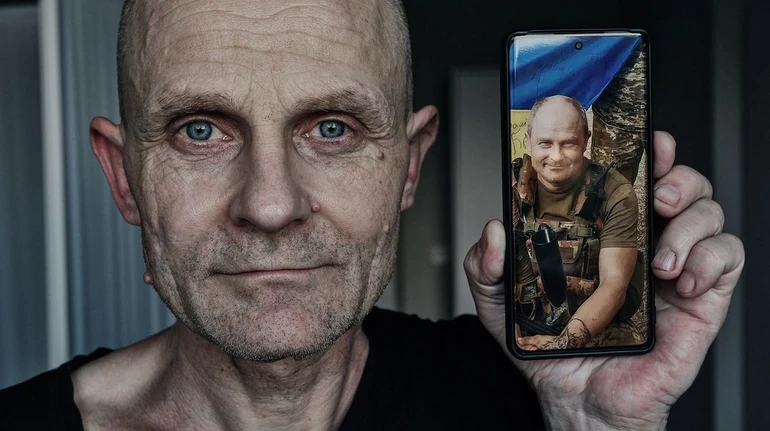
A Ukrainian service member who returned from captivity compares his current appearance with a photo taken before his detention. June 2023
A Ukrainian service member who returned from captivity compares his current appearance with a photo taken before his detention. June 2023. Photo: libkos/Instagram

Russia continues to hold Ukrainian civilians unlawfully

Nobody knows how many Ukrainian civilians Russia holds. "It is not known," the UN human rights office said in a September 2025 report, which cites Ukraine's Prosecutor General's Office as having identified 15,250 civilians detained by Russia between February 2022 and August 2025. Exchanges bring very few of them back: of 5,941 people released from Russian captivity between February 2022 and 14 August 2025, 352 were civilians, Ukraine's human rights commissioner Dmytro Lubinets told The Week.

Under the Fourth Geneva Convention, an occupying power may intern civilians only for imperative reasons of security, and only under a regular procedure with periodic review, the same UN report notes. Russia instead treats detained civilians as criminals, Oleksandr Kononenko, a representative of Ukraine's human rights commissioner, told relatives of civilian hostages in 2023.

"This convention clearly states that civilian hostages should not be detained. They should be released. What is Russia doing? It 'makes all these people criminals' and accuses them of terrorism, opposition to a special military operation, and assistance to the Ukrainian Armed Forces, which is completely absurd from the point of view of an independent state and those people who are patriots of their state," Kononenko said.

Kyiv believes Russia detains civilians partly to trade them. Regular civilian swaps risk signaling to Russia that by detaining more Ukrainians it could get more Russians released, so it may seize more people to replenish its "exchange fund," Lubinets said. Ukraine therefore demands that civilians be released unconditionally. Amnesty sees a second motive. It concluded that Russia has long used arbitrary arrest, torture, and enforced disappearance to intimidate civilians in areas it controls.

  •  

Heidi Levine recounts how Palestinian youths helped save her in settler attack

Without the protective gear, “I probably would have been dead,” Levine said, pointing out that Palestinians do not have such protection, and more than 20 had been killed by settlers this year.

  •  

Trump’s Intensifying Sabotage of the ICC, for Israel’s Sake

The battle to save the global court and its capacity to enforce accountability for the most heinous crimes is one struggle with many fronts, writes Marjorie Cohn.

  •  

Scientology Volunteers Bring Human Rights Education to Madrid Streets Amid Housing Debate

KINGNEWSWIRE // PRESS RELEASE // Volunteers from the Church of Scientology, Youth for Human Rights and Fundación MEJORA distribute educational materials on the Universal Declaration of Human Rights as Spain’s capital faces renewed debate over housing, civic participation and fundamental freedoms. MADRID, Spain — 19 October 2026 — Volunteers associated with the Church of Scientology […]

  •  

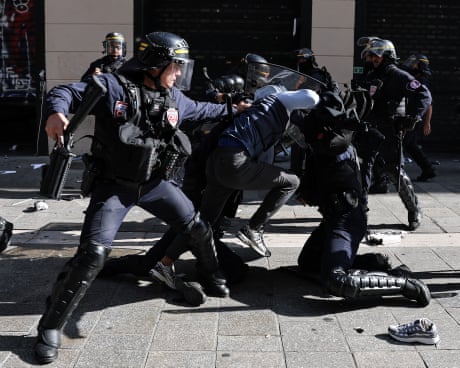
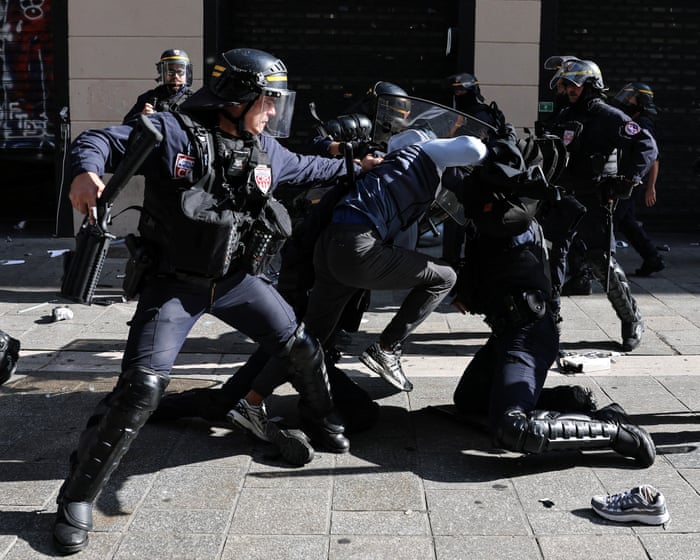
Why are French police so violent? Their job is to protect the state, not the people

Officers are instruments of state whose job is to repress, rather than manage, public dissent

Familiar images of teargas clouds drifting across Paris squares, police baton charges against masked protesters and terrified teenagers floored – and worse – by stun grenades have once again focused the world’s attention on France’s policing methods.

While most of its western European neighbours generally favour police tactics that prioritise crowd containment and de-escalation, France has long responded to social movements that take to the streets with, at times, shocking physical force.

Continue reading...

© Photograph: Thibaud Moritz/AFP/Getty Images

© Photograph: Thibaud Moritz/AFP/Getty Images

© Photograph: Thibaud Moritz/AFP/Getty Images

  •  

Israel-Backed Palestinian Militias Terrorize Displaced Families in Gaza

Over the past year, attacks by Israel-backed Palestinian militias have become increasingly frequent in Gaza, particularly targeting Palestinians living close to the ever expanding “yellow line.”

💾

💾

💾

  •  

FBI subpoenas pro-Palestine activists over Israeli weapons plant disruption

Two activists have been ordered by DOJ to testify in mysterious grand jury proceedings regarding their involvement in efforts to deface an Israeli weapons manufacturing facility in New Hampshire, after feds had sought in an earlier trial to obtain sentences of 37 years for them.

  •  

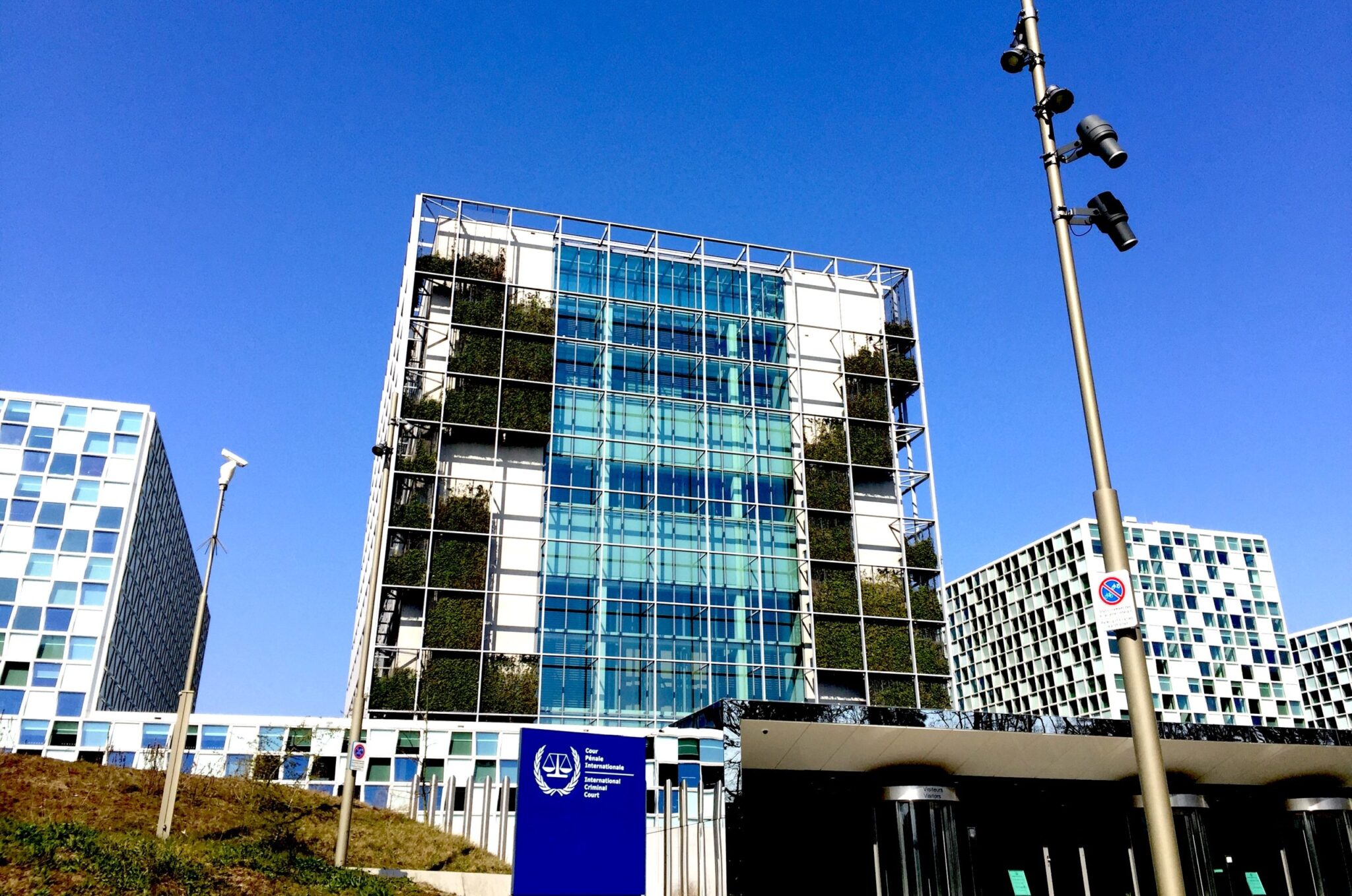
International Criminal Court shortlisted for EU award as MEPs urge protection for its judges against Trump sanctions

The International Criminal Court (ICC) has been shortlisted for the Sakharov Prize for Freedom of Thought, an annual human-rights award from the European Parliament.

The announcement on Monday (19 October) comes after US president Donald Trump put his weight behind Israeli efforts to discredit the international judicial body by extending sanctions against it.

The ICC issued an arrest warrant in 2024 for Israeli prime minister Benjamin Netanyahu for alleged war crimes, as well as other senior Israeli officials and Hamas. The US then responded by targeting its judges by impeding their day-to-day activities such as banking.

New sanctions against the court were announced by the US administration this month after the Nobel Peace Prize went to Navi Pillay, a former ICC judge who wrote a UN report concluding Israel is committing ​genocide in Gaza.

The ICC court labelled the move as an “assault on the rule of law” and called on countries to step up to protect it.

Sakharov Prize finalists named 

Members of the EU parliament’s foreign affairs committee shortlisted the ICC and its members for the Sakharov Prize.

Named after the Soviet nuclear scientist dissident Andrei Sakharov, the award has been previously awarded to the likes of Iranian protest icon Mahsa Amini and to the Ukrainian people enduring Russia’s attacks.

“We stand by the ICC and its officials, and we are committed to safeguarding its work,” said Yannis Maniatis, Greek MEP for the Socialists & Democrats group which nominated the ICC for the award. “If the aggressors become the victims, and if we stand by helplessly as international justice erodes, we risk allowing those who believe themselves above the law to prevail.”

Tundu Lissu, a Tanzanian opposition figure in court for inciting the public to disrupt an election and facing the possibility of death row, is also a Sakharov Prize finalist. “There is no doubt about the political nature of his detention,” said David McAllister, MEP for the European People’s Party who co-nominated Lissu.

This article continues, but the full version is available only to EUobserver.com subscribers. Visit account.euobserver.com/membership

  •  

Israel keeps Palestinian journalist Bushra al-Tawil in isolation for 46 days

Israel continues to imprison her without charge or trial. Her lawyers have not been able to visit her. Her prolonged solitary confinement is a violation of international standards – Supporters ask the Red Cross to urgently intervene

  •  

EU Ministers Agree New Homelessness Measures as Housing Costs Continue to Rise

European Union ministers have adopted a new recommendation calling for stronger measures to prevent homelessness and housing exclusion, as governments face increasing pressure over housing shortages and the cost of accommodation.

The recommendation was approved at a meeting of employment and social affairs ministers in Luxembourg on Monday, 19 October, and forms part of the European Commission’s wider efforts to address Europe’s housing crisis.

It proposes measures ranging from early intervention for households facing eviction to increased investment in affordable housing, improved access to social services and more coordinated support for people without permanent accommodation.

However, the recommendation is not legally binding. Member States will retain responsibility for deciding which measures to introduce, how they should be financed and the extent to which existing national housing policies should be changed.

More than one million people affected

According to the Council’s announcement, more than one million people are estimated to experience homelessness across the European Union.

The problem extends beyond people sleeping on streets or using emergency shelters.

The term housing exclusion also encompasses households living in inadequate accommodation, people facing imminent eviction and those unable to secure stable housing because of financial or personal circumstances.

The Council identifies poverty, unemployment, domestic violence, disability, poor health and insufficient affordable housing among the factors contributing to the problem.

Housing costs have also risen considerably faster than incomes in several European countries.

Between 2013 and 2024, nominal house prices increased by more than 60 per cent across the EU. In some Member States, average increases exceeded 220 per cent during the same period.

These developments have placed additional pressure on households with lower incomes, particularly in cities where rental accommodation is increasingly expensive and social housing is limited.

The shortage affects not only unemployed people but also individuals in paid employment whose earnings are insufficient to cover market rents.

Prevention before eviction

A central element of the new recommendation is the introduction or strengthening of national strategies intended to prevent homelessness before people lose their accommodation.

The Council encourages Member States to establish early-warning mechanisms capable of identifying households experiencing serious financial or housing difficulties.

Proposed interventions include debt counselling, emergency rental assistance, mediation between landlords and tenants, and appropriate safeguards against forced eviction.

The emphasis on prevention reflects the potentially substantial social and financial consequences of losing stable accommodation.

Once a person becomes homeless, obtaining employment, maintaining healthcare arrangements and securing permanent accommodation can become considerably more difficult.

The Council also calls for particular attention to children, young people leaving care and people facing domestic abuse.

Member States are encouraged to ensure that children have access to adequate housing and that young people leaving institutional or foster care are not placed at risk of homelessness because appropriate support arrangements are unavailable.

Greater emphasis on permanent housing

The recommendation promotes a housing-led approach, under which securing suitable and stable accommodation becomes a central element of the response to homelessness.

This differs from policies relying primarily on emergency shelters or temporary accommodation, although such facilities remain necessary for people facing immediate housing difficulties.

Housing-led programmes can include permanent accommodation accompanied by individual support services, depending on the person’s circumstances.

The Council also proposes simplifying access to social and healthcare services through integrated arrangements that allow people to obtain assistance without repeatedly approaching different public authorities.

One suggested model involves providing access to relevant services through a single contact point, with support from social workers, healthcare professionals and other organisations.

However, access to permanent housing ultimately depends on the availability of suitable properties.

The recommendation therefore calls for increased public and private investment in affordable and social housing, renovation of existing accommodation and support for non-profit housing models.

Questions over implementation and funding

The non-binding character of the recommendation remains one of its principal limitations.

European institutions can coordinate policies, provide guidance and support investment, but national governments and local authorities retain substantial responsibility for housing provision and social welfare arrangements.

The recommendation does not automatically establish a new EU housing entitlement or provide dedicated funding to every Member State.

Its effectiveness will depend on whether governments introduce measures capable of increasing housing supply and reducing the number of people entering homelessness.

The European Federation of National Organisations Working with the Homeless, known as FEANTSA, previously welcomed the Commission’s proposal while identifying shortcomings.

In its assessment of the original proposal, the organisation argued that EU policy should place greater emphasis on permanently ending homelessness rather than primarily managing housing exclusion.

It also questioned the adequacy of funding arrangements and the proposed five-year interval for national progress reporting.

Five-year assessment planned

Under the adopted recommendation, Member States are encouraged to provide the European Commission with information on the effectiveness of their national strategies every five years.

The Commission is expected to evaluate national progress and report to the Council five years after the recommendation’s adoption.

The policy follows the European Affordable Housing Plan, presented in December 2025, and the EU’s Anti-Poverty Strategy, introduced in May 2026.

Together, these initiatives seek to expand the Union’s role in coordinating housing policy without transferring national housing responsibilities to Brussels.

The first indication of whether the recommendation will produce measurable results will come from national decisions on social housing investment, eviction prevention and access to permanent accommodation. Without changes to those practical arrangements, the Council’s commitments will remain principally a framework for voluntary cooperation.

  •  
❌