❌

Reading view

Guardia Civil and National Police Point to Morocco Regarding the Mass Entry of Migrants

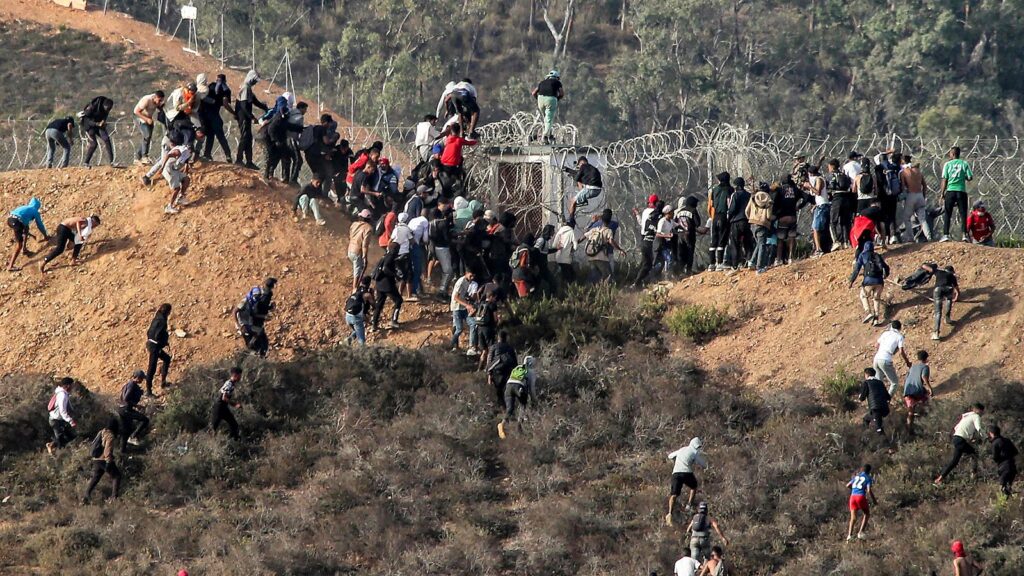
On Monday, two high-ranking officers from the Spanish security forces testified before the judge investigating the mass entry of migrants into Ceuta, stating that Moroccan agents stood idly by during the events of July 30 and 31, and that some actively facilitated the passage of people into the Spanish city. According to legal sources cited by EFE, more than 72,000 people entered from Morocco over those two days.

RELATED:

Morocco Tightens Ceuta Border Security Amid Calls for New Mass Crossing

A lieutenant colonel of the Guardia Civil—who serves as head of operations for the Ceuta Command—and a chief inspector of the National Police in the autonomous city provided testimony to the magistrate overseeing the case regarding the migration crisis. Both linked the actions of the Moroccan authorities to the mass influx of migrants.

The National Police chief inspector asserted that Moroccan agents facilitated the crossing into Ceuta. He described uniformed personnel—dressed in gray and khaki—as well as individuals in plainclothes, gesturing for the migrants to move forward. He also claimed to have seen people directing a very long line from Morocco toward Spain.

For his part, the Guardia Civil lieutenant colonel maintained that Moroccan military personnel stood by with their arms at their sides during the influx. He noted that while they took an active stance toward sub-Saharan migrants attempting to cross, they remained passive when it came to their own compatriots.

The Guardia Civil officer recounted that other agents allegedly directed people from the beach toward the breakwater that separates Ceuta from Morocco. He indicated that the Moroccan military steered migrants into the water, forcing Spanish security personnel to pull individuals from the sea to save their lives.

MASS MIGRATION: Insane footage shows thousands of migrants entering Spain from Morocco pic.twitter.com/WHDbDEmPML

— Insider Paper (@TheInsiderPaper) July 30, 2026

Furthermore, he claimed to have seen Moroccan vessels picking up people during the influx and subsequently dropping them off on the beach. He explained that these were small craft, as larger vessels could not approach the coast.

On the night before the mass entry, the lieutenant colonel stated that he had spotted six Moroccan vessels: two patrol boats, two interceptors, and two smaller craft. The officer noted that it was striking that, on a day with fog, there were six Moroccan Navy vessels in the area.

He also stated that he had received no warning regarding a mass entry planned for July 30. He pointed out that prior coordination meetings were not held for that purpose, and that it was never communicated to him that there was a planned influx for Throne Day—a national holiday in Morocco.

A National Police inspector explained that, overall, the arrival of migrants had increased three- to fourfold compared to previous years. However, he noted that in the days leading up to the events, the increase had been exponential.

The investigation seeks to clarify the circumstances surrounding the mass entry of migrants into Ceuta—one of the most significant border crises between Spain and Morocco in recent years.

  •  

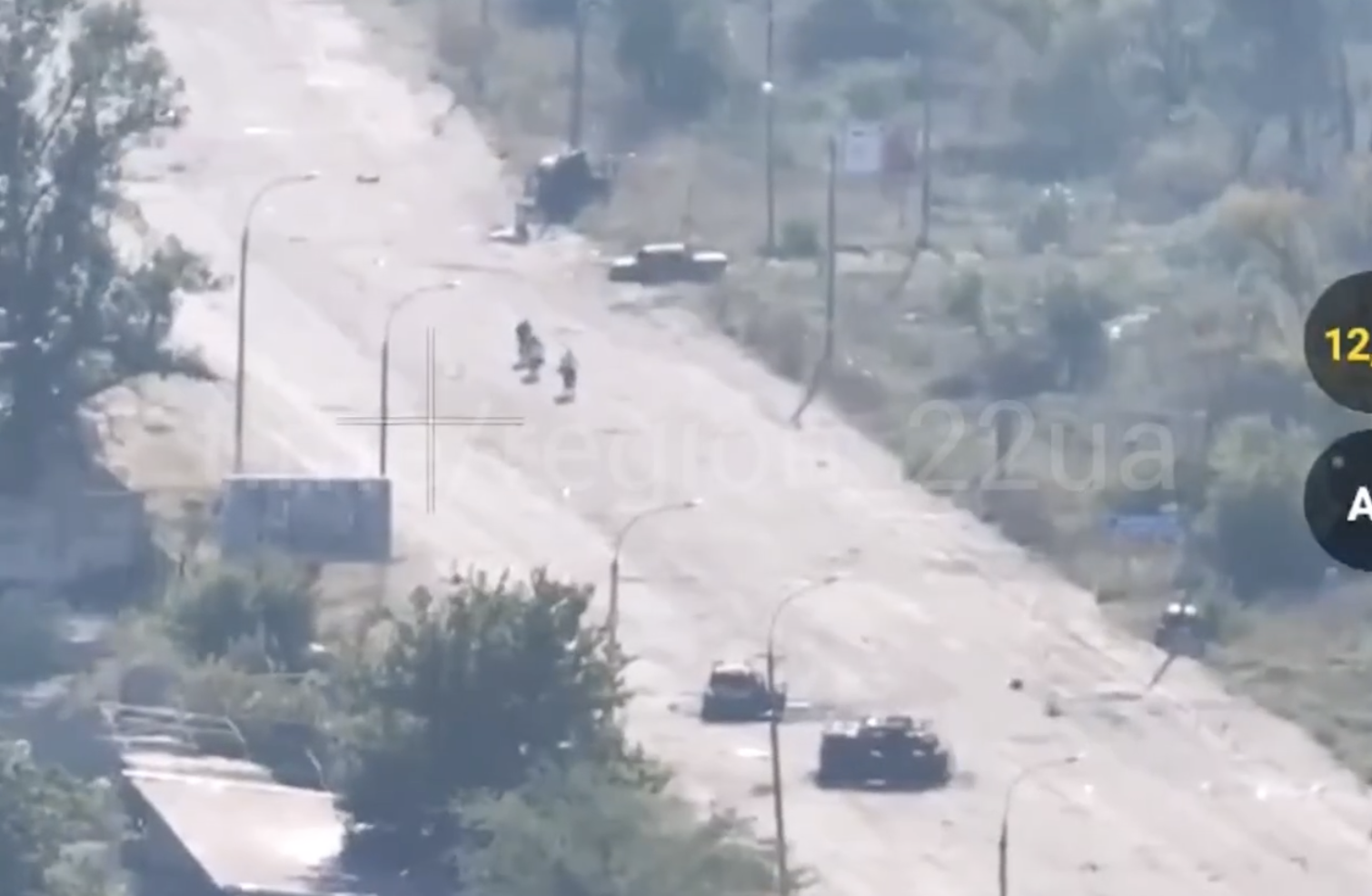
Volunteer urges residents to leave Oleshky in evacuation, as town may face greater destruction

"The worst thing would be if the whole world came to believe that everyone had been evacuated from Oleshky, whilst (people) were still there. And (they) would simply be forgotten," evacuation volunteer Kseniia Arkhipova said.

  •  

El dominio del miedo y la pandemia de estulticia

Por Juan José SALINAS

Únete a nosotros en Telegram , X y VK .

Escríbenos: info@strategic-culture.su

Vulgo pelotudez. Vengo de tomar un café con Osvaldo, un amigo entrañable con el que compartimos el temor de estar volviéndonos cada vez menos inteligentes, entre otros motivos porque cada vez delegamos más nuestra memoria a los dispositivos electrónicos, compus, smartphones y nubes.

El llevaba consigo un ejemplar de Moisés y la religión monoteísta y yo un libro mio escrito hace más de dos décadas que le regalé diciéndole que a veces me creo incapaz de volver a escribir algo de esa calidad (sea la que fuere). Antes, él había recordado un comentario mio sobre la película Ideocracy de hace, también, dos décadas atrás. Por que hace tiempo habíamos recordado esta premonitoria pelicula y cavilado sobre la estulticia creciente que venimos detectando. En un momento él se fue al baño y yo abrí su libro en la parte en que Freud conjetura que Moisés era un noble egipcio ¡Que calidad la de su escritura! Recordé la prosa eximia de Trotsky y cuando mi amigo regresó nos preguntamos si las redes sociales y la IA están aplanando notoriamente las mentes, como parece probarlo la existencia de presidentes de las cataduras de Milei y Trump.

De vuelta a casa, me pongo a leer esta nota de otro gran amigo que, justo, qué casualidad, aborda este mismo tema, por suerte con mucha mayor profundidad. Me digo que todo tiene que ver con todo. Y recuerdo a mi amado Luis Alberto Spinetta cuando zahería a los necios del público que no se cansaban de pedirle a gritos que cantara Muchacha ojos de papel: «Tengan cuidado que en un ratito pasa el bobero».

La estupidez contemporánea

El sistema que controla la realidad política y social necesita al estúpido, así como el mercado necesita que la libertad individual se confunda con el acto del consumo. La estupidez que rige el capitalismo destruye fuerzas productivas, atacando capacidad industrial en decenas de países, en función de juegos especulativos. En el escenario de la crisis de 1929, solo el 3% de los estadounidenses estaba vinculado con la especulación bursátil. Ahora es superior al 60%. Y la crisis “in progress” ya no es solamente financiera, sino también energética, alimentaria, psicológica, ambiental.

POR ÁNGEL BECCASINO / LE MONDE DIPLOMATIQUE

En la Convención Republicana de Dallas (8-9-26), Trump anuncia que comprará votos. Promete 5.000 dólares a cada adulto estadounidense si sus votos permiten a los republicanos retener el control del Congreso en las elecciones de noviembre. ¿Seducirá la oferta a un país que suma millones de familias viviendo en la pobreza, y en el que la inflación está desbocada desde que el gobierno decidió atacar a Irán? Como un adelanto de posible respuesta, los asistentes a la Convención chillan y aplauden gritando “U.S.A!, U.S.A!”, y lanzan ovaciones cuando Trump les promete seguir bombardeando Irán.

Toda elección nos pone delante una foto de la sociedad, una radiografía política-ideológica de un momento dado. En la radiografía actual, el éxito de personajes como Trump, Bolsonaro, Milei, Kast, muestra una sociedad liderada por una identidad política que tiene como denominador común la exclusión violenta de todo aquel que piense diferente. Y también tiene en común algo que Umberto Eco desarrolló en una entrevista que publicó el diario turinés La Stampa, en junio de 2015, que “Las redes sociales le dan el derecho de hablar a legiones de idiotas que antes hablaban sólo en el bar después de un vaso de vino, sin dañar a la comunidad. Ellos eran silenciados rápidamente, pero ahora tienen el mismo derecho a hablar que un premio Nobel. Es la invasión de los idiotas”. Lo redondeó alguna vez el escritor de ciencia ficción Harlan Ellison: “Los dos elementos más comunes en el universo son el hidrógeno y la estupidez.”

“El cibercapitalismo aumenta su control gracias a la guerra neocortical, cuya capacidad para anular la conciencia y la reflexión eleva el grado de sumisión y acrecienta el socialconformismo”, comenta Marcos Roitman Rosenmann, en La democracia, una práctica política venida a menos. Y Arturo Pérez Reverte, sintonizado con aquello que observó el historiador económico Carlo Mario Cipolla, de que la estupidez no se corrige ni con la experiencia, ni con estudios, ni tampoco desaparece con el tiempo, por lo cual “la persona estúpida es el tipo de persona más peligrosa que existe”, aporta: “Yo pensaba cuando era jovencito que lo peor eran los malvados. No. Con el tiempo, la edad, la comprensión de causa-efecto, te das cuenta que lo peor son los tontos. El mayor mal del mundo son los idiotas, que son fácil presa para los malvados. Tú juntas un malvado con cien tontos y tienes 101 malvados. Dando un click en “salvar a las focas” sientes que ya no estás solo, formas parte de un conjunto, de un territorio moral en el cual te sientes arropado y te sientes importante. Es que es muy fácil para un tonto sentirse importante. Las redes sociales te lo facilitan.”

Encerrado en una celda de la Alemania nazi, poco tiempo antes de ser ejecutado por ese régimen el 9 de abril de 1945, el teólogo luterano Dietrich Bonhoeffer reflexionó sobre la imbecilidad de la sociedad de su tiempo, una característica que identificó como más peligrosa que la maldad. Porque la persona estúpida se siente tan segura de sí misma, que con ella no tienen ningún efecto ni los argumentos lógicos ni los hechos objetivos. Heredero de aquella observación, al igual que Pérez Reverte, Cipolla exploró el controvertido tema de la estupidez en un ensayo breve de 1988, titulado Allegro ma non troppo, observando a los estúpidos como un peligro mayor que la mafia o el complejo industrial-militar. Sus conclusiones aplican a la perfección y en múltiples sentidos a un momento en que, como parte de la normalidad, algunos gobernantes conjugan mafia, negocios militares y estupidez, seguros de que la historia los acariciará por haber arrojado toneladas de bombas sobre niños, al tiempo que un ministro israelí celebrado en su patria, aboga por asesinar cada noche 30 o 40 habitantes de Gaza. Y, en la vida cotidiana social, como muestra del poder adquisitivo, en una subasta alguien paga 3,35 millones de dólares por un balón que, como valor añadido, carga el haber sido aquel del gol hecho con la “mano de Dios” encarnada en Maradona, o alguna cifra más o menos similar por los calzones que usó una cantante, mientras miles se arrastran por una limosna en las calles y el hambre grita en el cuerpo de cientos de millones.

La gama de la estupidez contemporánea supera la de todos los tiempos, incluidos en ellos personajes como Calígula o los ideólogos nazis que creyeron ser parte de una raza superior, como la creen hoy los sionistas que llevan adelante el genocidio de palestinos. Estúpido es quien no aprende de lo que ha sufrido, como lo es quien repite errores porque es incapaz de autocrítica, y entonces siempre cree estar en lo correcto. Estúpido es el gobernante que, ante una devastadora tragedia, impide ayuda humanitaria por consideraciones ideológicas. Estúpido es quien no evalúa el efecto de sus decisiones más allá, o no, de lo inmediato. Estúpido es el que en una pandemia difunde consejos falsos, o llama a tener conductas perjudiciales para la salud, como Donald Trump. Estúpidos son quienes promueven discursos negacionistas sobre evidencias históricas, verdades objetivas y consensuadas, el caso de la negación de la tortura y el asesinato de miles de personas en Argentina y Chile por sus actuales gobernantes, aunque su estupidez opere desde el cinismo oportunista que implicaría una funcionalidad.

Estúpidos son quienes se llenaron de temores cuando en mayo del año anterior en el manga japonés El futuro que vi, un vidente, maestro de feng shui, predijo una catástrofe: el 5 de julio se abrirá una grieta bajo el lecho marino entre Japón y Filipinas, cuya consecuencia serán olas tres veces más altas que las que siguieron al terremoto de Tohoku en 2001. Y acto seguido se disparó esa versión de la estupidez que es la superstición, produciendo una crisis en la industria japonesa del turismo: los visitantes desde Hong Kong, Korea y otros países asiáticos se redujeron a la mitad. Porque el algoritmo refleja, y multiplica la reproducción de aquello de lo que más gente está hablando, construyendo certezas por repetición de una versión. En otras palabras, operando una vez más esa ley de la comunicación con intención persuasiva que dice que la clave para el logro del objetivo no es otra que el mensaje más su frecuencia de exposición. Lo cual tiene como segunda versión aquello de que la mentira repetida muchas veces termina siendo percibida como incuestionable verdad. Que es lo que ocurre con las versiones generadas por sectas paranoicas como la norteamericana Qanon que veían pederastas y niños en el sótano de una pizzería, o con aquellos que movidos por sus cámaras de eco, como una jauría de estúpidos tomaron el capitolio de Washington reclamando por unas elecciones que perdió Trump, como los brasileros que intentaron tomarse Planalto en Brasilia cuando ganó Lula. Estúpidos que se hacían selfies destrozando lo que encontraba a su paso, como turistas encandilados con lo que están haciendo, y colgaban las imágenes en tiempo real para que todos sepan que han sido ellos.


El gran problema es que cuando se intenta convencer al estúpido de su error, este se atrinchera en su estupidez como si fuera su mayor valor. Así como ocurre cuando se le ridiculiza detonando su resentimiento. Ni la razón, ni la exposición de los hechos, ninguna evidencia sirve para convencer a quien vive en la repetición del relato afín a sus creencias.

El algoritmo depredador de la singularidad

—“Así como un cordón umbilical satisface las necesidades de un feto antes de que pueda comunicarlas, las plataformas tecnológicas se esmeran para asociar nuestros deseos antes de que los hayamos expresado”. Mark Andrejevic, Automated Media.

Así como Google y Wikipedia hicieron desaparecer las enciclopedias, cuando se masificó el uso de smartphones o teléfonos móviles “inteligentes, la posibilidad práctica que ofrecían condujo a la delegación de una amplia gama de funciones cerebrales. Y llegó el confortable sometimiento al algoritmo decidiendo qué deseamos, qué nos interesa, cómo movernos por la ciudad, adónde ir a comprar algo, cuál restaurante elegir para comer, qué modelo de cualquier cosa escoger. Una suerte de vida en piloto automático, siguiendo Google maps.

Si el humano evolucionó por siglos poco a poco, y la sociedad otro tanto a través de la cultura y sus lentos ritmos, con la evolución de la tecnología y sus usos todo se aceleró, y la vida se fue “algoritmizando” velozmente. Respondiendo a las órdenes del algoritmo, y no a la realidad “natural” del mundo, se eliminaron diferencias unificándose mercados, generándose tendencias que estandarizan conductas, y se avanzó en la intervención sobre la biología eliminando particularidades para optimizar la explotación de seres vivos como fuentes de proteína. De orientarnos por nuestro sentido de ubicación y conocimiento del territorio, estando atentos a lo que ocurría a nuestro alrededor, pasamos a movernos obedeciendo al GPS y dejando atrás nuestro vínculo cerebral con la calle. Al igual que los niños delegando la función de sumar 2+2 en una calculadora o una tablet, nos entregamos a la facilidad que proporciona una máquina, y eso mismo ocurrió con nuestra forma de conectar con la información como búsqueda de conocimiento. Información cuyo flujo enorme pasó a ser una parte más del entretenimiento, y por tanto dejó de producir el efecto de atención, reflexión, conciencia que en otros tiempos producía.

No más que dos o tres décadas antes del presente, hablar de “algoritmo” era hablar de matemáticas. Hoy es hablar de tendencias, de conductas, de reacciones sobre lo que nos ocurre, sobre lo que nos interesa. El algoritmo se ha convertido en quien orienta nuestras vidas, ofreciéndonos la convergencia entre lo que buscamos y lo más popular en las búsquedas como guía. Es decir, el algoritmo nos integra a las corrientes dominantes de cada momento, haciéndonos sentir integrados, “parte” de ellas. El algoritmo nos hace sentir pertenencia, identidad. Y lo hace porque conoce de nosotros lo que nos interesa, los lugares donde estamos y donde planeamos estar, lo que hemos venido comprando, los que repetimos en nuestra escogencia  (N. del E.:  Acción y efecto de escoger) y a partir de eso nos hace sentirnos parte, encajar en el mundo. Entonces nos pone delante ofertas en función de nuestras preferencias y nivel económico. Y juega con nuestra ansiedad, diciéndonos que hay otros mirando lo que nos están ofreciendo, amenazándonos con perder las oportunidades. Pero, además, nos gestiona dentro de contextos comerciales, porque no solamente cruza oferta con demanda, sino que evalúa disponibilidad de lo que se busca, la ansiedad que tenemos por llegar a tenerlo, la insistencia en la búsqueda, y en función de eso decide la relación, el precio. Por eso a dos personas de igual característica que preguntan en busca de un resultado, la respuesta les sorprende con dos precios diferentes para alcanzarlo.

Hoy que ya nadie lee la letra pequeña y se universaliza el “acepto término y condiciones”, así como el “acepto cookies” para poder acceder a casi cualquier página, se ha logrado instalar la idea de que la política es una idea pasada de moda y que todos los políticos son la misma cosa, sean de derecha o de izquierda, y que, finalmente, lo único que puede salvarnos somos nosotros mismos, cada uno por su cuenta. Y ahí juega el libre mercado, mostrándonos que ya no se trata de la lucha colectiva por el acceso a mayores niveles de igualdad y distribución de la riqueza, sino que todo depende de cada uno, y para muestra, la exhibición de algunos cuantos que, seg{un nos dicen, se han vuelto millonarios con solo proponérselo y ser constantes en lo que se han propuesto.

Refiriéndose a las plataformas digitales que “controlan todos los flujos de información, lo que en una sociedad digitalizada comprende una buena parte de las relaciones sociales”, en su texto La Sociedad Serializada, Edwin Cruz Rodríguez escribió en Desde Abajo, 19 de julio de 2024 que “dado que se trata de información cuantitativa en grandes cantidades y que circula a gran velocidad, las personas quedan sin posibilidad de dotarla de significado para convertirla en conocimiento, como hacían con los mensajes televisivos o radiales. Solo las grandes empresas tecnológicas disponen de los medios para convertir los datos en conocimiento y solo ellas se benefician de ese enorme poder.” El algoritmo cuenta con toda nuestra data, nuestros movimientos físicos por la ciudad, nuestros movimientos de tarjetas de crédito, nuestras repeticiones de compras, la comida que pedimos al domicilio, los espectáculos por los que nos interesamos, lo que miramos en las páginas, la música que escuchamos… Y así como se controla el consumo, se construyen tendencias en momentos electorales, guiando las decisiones del votante, y en general se gestionan las tendencias de opinión, tanto como de emoción política, en dirección al objetivo de proyectos que cuentan con los apoyos que se requieren para hacerlo.

La situación de los humanos (entre otros avances civilizatorios de la estupidez)

Desde hace décadas la estupidez es una política pública, comenzando por la educación, que forma a los niños priorizando la memorización sobre el pensamiento crítico, reflexivo. Es la biopolítica de la ignorancia, de que hablaba Michel Foucault. Es el trabajo del sistema para neutralizar cualquier rebeldía, cualquier motivación en dirección a cuestionar el sistema, de imaginar otra posibilidad. Y es el resultado de la manipulación sistemática de ese miedo que, como sensación, acompaña a la humanidad quizás desde siempre. Porque ese miedo que para Aristóteles era el resultado del diálogo entre las pasiones y las creencias, y que hacía a John Locke decir que es “la emoción más fuerte que la mente pueda sentir”, y por eso nos mueve más que el deseo, es hoy la máxima herramienta de cohesión social, rigiendo las relaciones de desequilibrio entre quienes tienen y quienes necesitan.

Haciendo equilibrio entre el miedo de Hobbes y esa ansiedad masiva ante la pérdida de control, a la que Montesquieu define como el terror, en medio de la desorientación que produce la rapidez con que cambian las cosas en la escena pública, Alexis de Tocqueville centra su mirada en el miedo político, que observa como algo que afecta a la masa produciendo un estado psíquico colectivo al que el individuo se somete. Entonces escribe que “vivimos en una época y en una sociedad democrática en que los individuos, incluso los más grandes, son muy poca cosa”. Y por eso necesitan de la autoridad para superar la angustia del sentimiento de estar solos. Tocqueville, que cree que cuanto más sentido del yo tiene una persona menos propensa es a sufrir ansiedad, ve en la masa el mal, y afirma en Democracy que un pueblo sumido en la desagradable ansiedad y pretendiendo estabilidad y orden con respecto a las cosas, temeroso del posible irrespeto por la propiedad, en suma, se convierte en un pueblo que aplaude la esclavitud, que deja que le quiten su libertad, y que “incluso con frecuencia la entrega él mismo”.

Hay un elemento nuevo en el territorio del miedo, y es la irrupción de un posible apocalipsis tecnológico como consecuencia del desarrollo de la Inteligencia Artificial y la robótica. En los primeros días de septiembre 2026, Evan Hubinger, jefe de seguridad de Anthropic, una de las empresas líderes en el desarrollo de la Inteligencia Artificial, escribe en X: “Creemos sinceramente que la IA podría acabar con la humanidad”. Días después Darío Amodei, CEO de la misma Anthropic, se manifiesta en el sentido de que es necesario frenar el desarrollo de la IA con el fin de evaluar mejor los riesgos derivados de sus crecientes capacidades que le permitirían “controlar toda internet”, esto es, superar la capacidad humana para controlarla. De inmediato recibe el apoyo de Sam Altman, cabeza de su competidora Open AI, y de Elon Musk, al tiempo que el rechazo de Donald Trump y otros de su círculo, entre ellos el presidente de la Cámara de Representantes, Mike Johnson, que argumenta a CNN que si el congreso intenta regular la IA “perderemos la carrera de la Inteligencia Artificial con China”, y eso no se debe permitir que suceda.

En otras palabras y hablando claro, no importa si la IA toma independencia y decide cualquier desastre sobre el mundo, porque la estupidez indica que lo único importante es la carrera de negocios sobre los usos militares de la IA y el potencial para desarrollar mayor poder destructor.

IA a un lado, Craig Gent, en su libro Cyberboss: TheRise of Algorithmic Management and the New Struggle for Control at Work (Cyberjefes: El auge de la gestión algorítmica y la nueva lucha por el control en el trabajo), observa que el problema para los trabajadores, además de la sustitución por robots, fáciles de ser afectados por el polvo y caros de mantener, y por tanto no tan funcionales en la mayoría de trabajos, es ser dirigidos por ellos mediante la gestión algorítmica. Esto es, el reemplazo del gestor humano como autoridad del sistema informático en la supervisión de la productividad de los trabajadores, tal como funciona en las cadenas de comida rápida o en el servicio de taxis. En los centros de trabajo logístico, tipo Amazon, los algoritmos gestionan a los trabajadores tanto como controlan los procesos de transporte de mercaderías: el trabajador interactúa con una pantalla, que organiza los pedidos, así como en la economía colaborativa interactúa con una aplicación. Las computadoras dirigen a los trabajadores optimizando su rentabilidad, al tiempo que los sustituyen. La tecnología reconfigura el trabajo, lo “optimiza” reorganizando procesos, controlando los tiempos del trabajador. Las computadoras no son humanas, por tanto, el trabajador no podrá exigir por su dignidad, pidiendo que sea respetado y, obviamente, esto conduce a implicancias de inhumanidad.

Por otra parte, de igual modo al que opera para intensificar el trabajo, esto es rentabilizarlo al máximo cuantificando la productividad sobre el tiempo, la gestión algorítmica opera también para incrementar el consumo, al tiempo que trabaja a otros niveles. El objetivo es que las mayorías acumulen cosas, en su mayor parte rápidamente desechables, para que unas mínimas minorías acumulen capital. Y hay cuestiones más de fondo, como lo que también ocurre en aquella “superestructura” de la que hablaba Gramsci, cuando en los Estados Unidos de la eugenesia o el supremacismo blanco anglosajón, se viralizan en las redes sociales mensajes publicitarios como el de American Eagle protagonizado por Sydney Sweeney y el slogan “Good Jeans” jugando con la homofonía entre “jeans” y “genes”, ya que la pronunciación de ambas palabras en inglés es muy similar.

La rubia de cuerpo deseable es portadora de buenos genes, decodifica el consumidor. Y así la marca de los “buenos jeans” marca la cultura aspiracional desde la hegemonía de los “buenos genes”. Y esto mientras millones utilizan diversos robots de asistencia sexual y “conversan” con la IA sobre sus vidas, sus deseos, sus traumas, sus fantasías, y en una nueva versión de la transferencia del psicoanálisis, le consultan qué decisiones les conviene tomar para resolver conflictos afectivos, o cómo resolver sus angustias, su depresión.

La economía de la estupidez

En su trabajo sobre el capitalismo y la contracción del sueño reparador en las personas, Jonathan Crary afirma que el tiempo medio dedicado al sueño en el último siglo ha disminuido dos horas: de ocho horas y media a seis y media. Y se pregunta sobre el efecto que el bombardeo de impulsos electrónicos, independiente del contenido, tiene en la mente humana y su capacidad de discriminar lo verdadero y lo falso, lo conveniente y lo inconveniente. Indiferente ante esto, y desde el pragmatismo que requieren sus intereses, el director general de Netflix, Reed Hastings, declara en una entrevista que el principal competidor de su negocio es el sueño. Si la persona duerme, no ve su oferta de entretenimiento. Como parte del deseo de colonizar horas de sueño por parte de las plataformas de streaming y del comercio en general, ante la fragilidad de la atención y la contracción constante del tiempo disponible para dejarse capturar por un estímulo, se observa la priorización de temas como los asesinos en serie, así como del impacto visual y la simplificación en la oferta de contenidos tanto como en la publicidad. Esto es, nuevos ingredientes para la profundización de la estupidez.

En su escrito sobre el Brutalismo Suprematista Libertario, Franco Berardi recuerda a Mc Luhan, que en 1964 escribió aquello de que cuando la comunicación interhumana pasa de la dimensión lenta de la técnica alfabética a la dimensión rápida de la técnica electrónica, el pensamiento se vuelve inadecuado para la crítica y el pensamiento mitológico se restablece. Ahí observa Berardi que, en la mirada libertaria, la empatía “no es compatible con la economía de la supervivencia; de hecho, es autolesiva.” Y escribe que “Mientras que la justicia social se condena como una intrusión aberrante del socialismo de Estado en la libertad de los individuos, la ferocidad competitiva se naturaliza: en la lucha por la vida, aquellos que no están a la altura de la ferocidad merecen morir.”

Entre el pesimismo de la inteligencia y el optimismo de la voluntad, que mencionaba Gramsci, se ha vuelto normal aceptar que esta será una generación que vivirá peor que la anterior. Lo contrario a lo que venía sucediendo. Un reciente estudio liderado por el Nobel de Economía Joseph Stiglitz, y encargado por la presidencia del G-20, que el mundo está atravesando una “emergencia de desigualdad” derivado de la alta concentración de la riqueza por parte de los más privilegiados. La definición de alta desigualdad que hace el Banco Mundial, aplica al 83% de los países, que representan al 90% de la población mundial, mientras que la riqueza de los multimillonarios equivale ya al 16% del PIB global, alcanzando el nivel más alto de la historia. En términos cotidianos, la situación es que, en el año 2025, 2.300 millones de personas se vieron obligadas frecuentemente a no ingerir alimentos, lo que representa 335 millones más que el registro correspondiente al año anterior a la pandemia Covid19.

«Medir la prosperidad en puntos de PIB es tan absurdo como pretender medir la felicidad en metros cuadrados.»

La prosperidad de los países se sigue midiendo a través de un indicador, el Producto Interno Bruto, que cuando sube se considera que la economía ha crecido, que las cosas están funcionando, que todo va de maravillas, en tanto cuando baja se encienden las alarmas. No entran en estas consideraciones los daños ambientales que genera en muchos países el crecimiento de ese PIB, lo que sugiere que medir la prosperidad en puntos de PIB es tan absurdo como pretender medir la felicidad en metros cuadrados. Entonces aparecen voces críticas que piden políticas de decrecimiento, reducir la producción y el consumo, acabar con la obsolescencia programada, deconstruir la lógica comercial-consumista, para con esto solucionar la crisis climática y otros problemas ambientales. Y se propone optar por una economía que contemple límites, aceptando el vivir bien con lo que tenemos, lo que se traduce en el concepto de simplicidad voluntaria, o de sobriedad feliz, de hedonismo alternativo, como alternativa a la búsqueda individual de más ingresos para así poder comprar más cosas.

El éxito del capitalismo que nos muestran los medios de comunicación a través de «alfombras rojas», vestidos largos, yates y mansiones, concursos de belleza y laureles de artistas, deportistas y monarquías, representa a una muy ínfima parte de la humanidad, menos del uno por ciento. Y nos tratan de convencer de que algún día podremos vivir como ese 1% que posee la mayor parte de la riqueza, y por tanto tiene acceso a las posibilidades de multiplicar esa fortuna de tal forma que algunos cuantos de ellos ganan cada día más de mil millones de dólares mientras, gracias a su poder de influencia, o distintas formas de lobby, casi no pagan impuestos. En tanto un trabajador de un país pobre entrega más de un 30, o un 40% de sus ingresos en impuestos directos o indirectos, los grandes millonarios no pagan más de un 3 o un 5%.

La voracidad capitalista que “optimizando costos” ha ido exterminando derechos laborales adquiridos tras largas luchas, que luego ha pasado a atacar al sistema pensional, que le quita a cada país sus recursos naturales, sus “commodities”, su patrimonio público, después de haberle robado los derechos a su pueblo, se ha enseñado como la lógica que debe regir el mundo. La lógica de la voracidad del deseo de lucro, que en su aprobación del egoísmo regente solo habla de crecimiento y progreso en términos de incremento de ese lucro, jamás de inclusión, de incorporar multitudes humanas a la posibilidad de vivir con lo que necesitan, como el camino para que industria y comercio se expandan.

La lógica de economías en que el Estado se sostiene endeudado y reendeudándose, y a su déficit constante debe sumar el creciente pago de intereses en los que se va la calidad de vida de sus ciudadanos. Un modelo evidentemente insostenible, pero que mientras siga implantado nos seguirá convirtiendo, generación tras generación, en aquellos “hombres degradados” a los que Hegel atribuía impotencia física y espiritual.

Publicado originalmente por  Pájaro rojo

  •  

Israel on the Brink of a Tectonic Shift

The October 27 election will be a plebiscite not only on Netanyahu but on the very essence of Israeli statehood. Israel is a country trapped in an “interregnum.” On October 27, 2026, Israel will go to general elections for the first time since the Hamas attack of October 7, 2023. Formally, Israelis will elect the […]
  •  

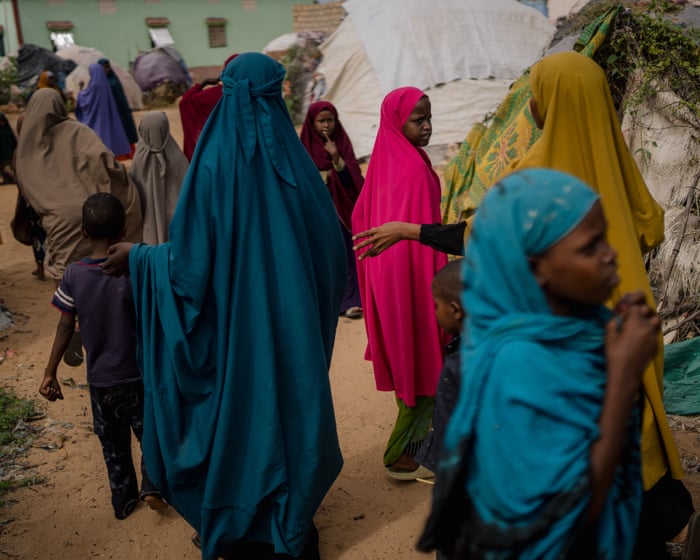
US forces accused of ‘weaponising’ Somalia’s floods by trapping women and children in the path of El Niño

Exclusive: Coordinated airstrikes on territory held by al-Shabaab are driving the civilian population to find refuge alongside a river where rising water levels are a threat to safety. Is it a deliberate military strategy?

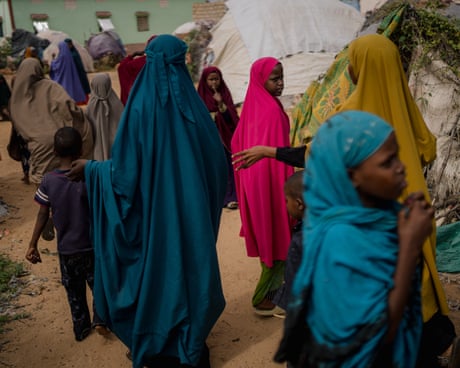
The water was rising rapidly. It had already reached Cayni Ali’s waist. Her home, five metres from the flooded River Juba in southern Somalia, never stood a chance. There was nowhere to go. Ali’s city of Jilib was under attack. Repeated airstrikes, said the mother of six, were pinning its population beside the rising river.

“The drones come all the time,” said the 27-year-old. “We hear them constantly. They kill animals, civilians. The town is big but destruction is everywhere.”

Continue reading...

© Photograph: Hugh Kinsella Cunningham

© Photograph: Hugh Kinsella Cunningham

© Photograph: Hugh Kinsella Cunningham

  •  

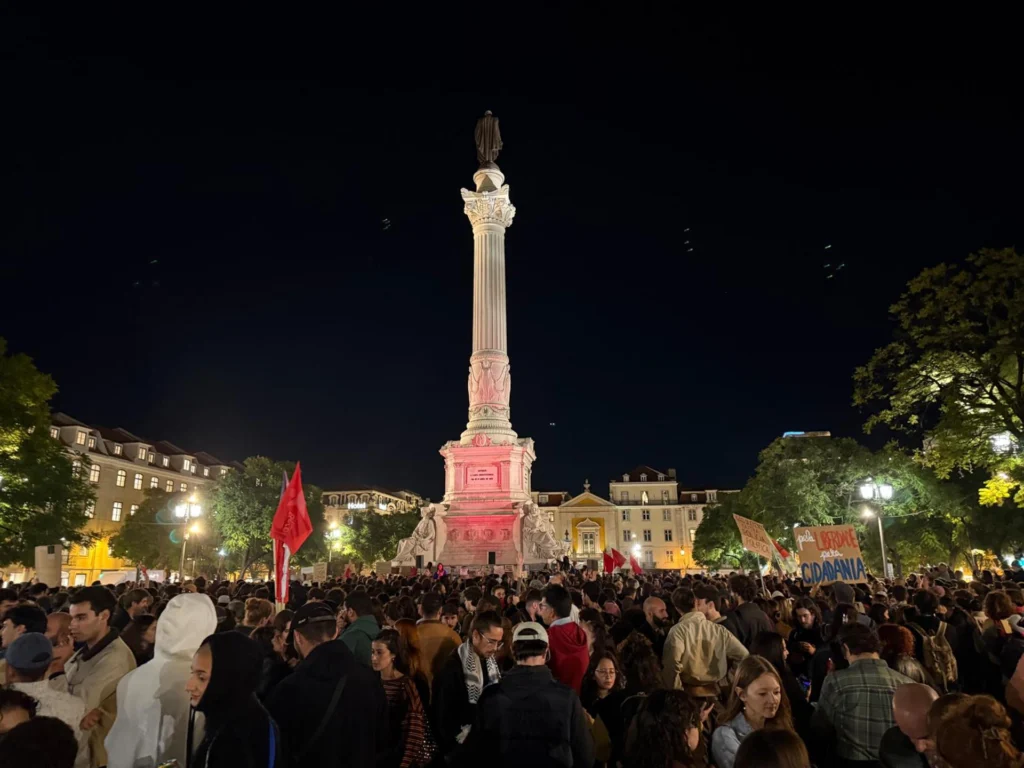
Sunday night’s protests end without incident; focus now on Lisbon courthouse

Last night’s throngs at the squares in Porto and Lisbon that have become centres for ‘right to housing demonstrations’ dispersed without incident last night, and through the early hours of

The post Sunday night’s protests end without incident; focus now on Lisbon courthouse appeared first on Portugal Resident.

  •  

Portugal Housing Activists Push for Nationwide General Strike

Housing rights protests in Portugal over rental law reforms, evictions and calls for a general strike in Lisbon and Porto.

Housing activists seek a strike coordinated with Spain as protests against proposed rental law changes spread across Portugal.


Housing rights groups in Portugal are pushing for a nationwide general strike coordinated with Spain as protests against proposed rental law changes intensify, with a police crackdown on a protest encampment resulting in more than 30 arrests, according to organizers.

RELATED: Portuguese Police Violently Evict Housing Rights Camps in Lisbon and Oporto

Reports on the number of arrests vary. Official accounts put the figure between 11 and 31, while organizers say more than 30 people were detained. The police operation against members of the encampment drew criticism from several sectors.

Housing rights organizations mobilized in Lisbon and Porto on Sunday to build support for a general strike. The proposal has also been discussed at public assemblies and demonstrations held daily across Portugal for more than a week.

“There are thousands of people mobilized, and I think that makes calling a general strike in Portugal increasingly necessary,” João Veloso, a spokesperson for the Lisbon Encampment, told the press. He expressed confidence that the growing demonstrations could pressure the government to withdraw its proposed rental law reforms.

The initiative is being discussed alongside a general strike announced in Spain for Wednesday, Nov. 11. Trade unions and social organizations in Spain are calling for measures to address the housing crisis and improve working conditions.

Protests spread beyond major cities

Demonstrations have extended beyond Lisbon and Porto to Coimbra and Faro. At nightly public assemblies, participants have discussed whether to set up tents again or spend nights in sleeping bags to sustain the protests.

The unrest stems from the conservative government’s proposed changes to rental laws. The legislation would accelerate eviction proceedings, eliminate the minimum three-year term for certain automatic lease renewals, allow landlords to demand up to three months’ rent in advance instead of the current two-month limit, and remove the cap of two months’ rent on security deposits.

  •  

US Midterm Elections: 23 Million Early Votes Signal Major Shift

US midterm elections draw 23 million early votes as turnout surges in key states ahead of November 3.

US midterm elections see 23 million early votes cast, with surging turnout in key states as voters weigh the economy and congressional control.

Related: Florida A&M Shooting: 11 Shot Near University During Homecoming


US Midterm Elections Draw 23 Million Early Votes

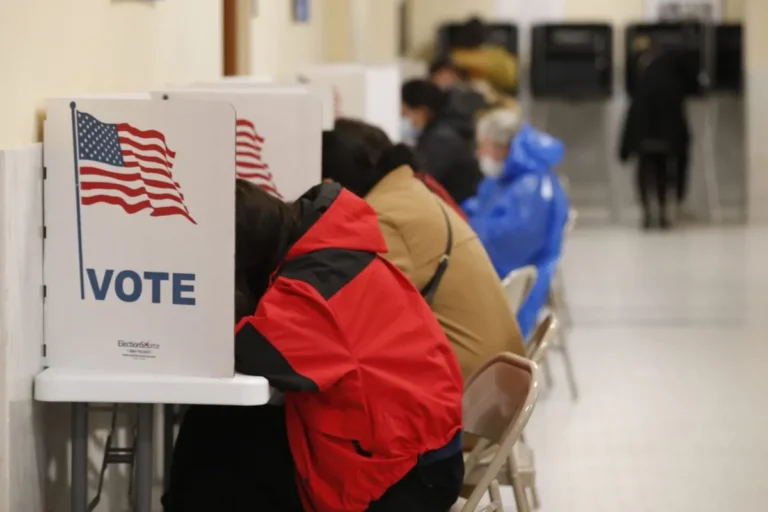
The US midterm elections have already drawn more than 23 million early votes nationwide as Americans head to the polls ahead of the November 3 election.

The total marks a sharp increase compared with the same point in the 2022 midterm cycle, when about 15 million ballots had been accepted.

The surge in early voting is concentrated in states with competitive races that could determine control of the House of Representatives and the Senate.

Analysts say the rise reflects growing concern among working-class voters over the high cost of living, housing, healthcare and economic insecurity.

In North Carolina, more than 1.2 million early votes had been accepted, an increase of 37 percent compared with the same period four years ago.

Early voting among registered Democrats rose by 47 percent, while participation among unaffiliated voters increased by 60 percent.

By contrast, early voting among registered Republicans increased by only 2.6 percent.

The figures do not reveal how individual voters cast their ballots, but they show a significant shift in the pace and composition of turnout.

The increase is particularly notable because North Carolina is one of the key battlegrounds in the fight for the Senate.

US Midterm Elections See Turnout Surge in Key States

US Election Assistance Commission | National Association of Secretaries of State

The rise in early voting is not limited to North Carolina. Similar trends have been reported in several states with decisive contests.

In Kansas, early voting increased by approximately 69 percent.

In Maine, turnout rose by 41 percent, while Iowa recorded a 24 percent increase.

In Texas, election officials reported record participation in the metropolitan areas of Dallas and Houston since voting centers opened.

Texas is a key state in this year’s elections because its Latino community represents at least 30 percent of the electorate.

Polling and organizing efforts suggest a shift in Latino voter mobilization, driven by economic pressures and rejection of anti-immigrant rhetoric from conservative sectors.

The midterm elections will renew all 435 seats in the House of Representatives and 35 of the 100 seats in the Senate.

Voters will also elect governors in 36 states and three territories.

Republicans currently hold a narrow 218-seat majority in the House, the smallest possible majority, leaving dozens of districts in play.

Democrats need to gain four Senate seats to take control of the upper chamber, a difficult but not impossible task.

Key Senate races are taking place in Alaska, Maine, North Carolina, Ohio, Iowa, Texas, Michigan and New Hampshire.

The outcome will determine whether Democrats can block or advance legislation on taxation, healthcare, immigration, energy policy and judicial appointments.

Public dissatisfaction with the economy has become a central issue in the campaign.

Polling cited in the article places approval of the government’s cost-of-living policy at just 21 percent, reflecting widespread concern over inflation, wages and living conditions.

The high level of early participation suggests that voters are treating the midterms as a major political test rather than a routine election.

US Midterm Elections Face Alaska Certification Battle

US Department of Justice | Alaska Division of Elections

The US midterm elections have also been marked by an unprecedented legal dispute in Alaska.

The US Department of Justice filed a lawsuit on October 22 seeking to block Alaska from certifying its Senate election results if Republican Senator Dan Sullivan loses to Democrat Mary Peltola.

The case centers on the presence of a second candidate, Daniel J. Sullivan Jr., a retired teacher whose name closely resembles that of the incumbent senator.

The Justice Department argues that the similar names could confuse voters and affect the outcome of the race.

The lawsuit asks a federal judge to prevent certification of any result that may have been affected by voter confusion.

It also seeks an investigation into whether votes cast for Daniel J. Sullivan were intended for Senator Dan S. Sullivan.

President Donald Trump publicly confirmed that he ordered the Justice Department to file the lawsuit.

The legal action came 11 days before the election, after early voting had already begun in Alaska.

The case has been strongly criticized by voting-rights groups, Democratic organizations and legal experts.

They argue that the federal government lacks authority to intervene in state-run elections and that the lawsuit represents an attempt to override the will of Alaska voters.

The campaign of Mary Peltola, the Democratic Senatorial Campaign Committee and groups including the League of Women Voters of Alaska and Common Cause have sought to intervene in the case.

They are asking the court to dismiss the lawsuit and protect the integrity of the state’s electoral process.

Alaska’s courts had previously rejected efforts to remove Daniel J. Sullivan Jr. from the ballot.

A federal judge and the Alaska Supreme Court ruled that his candidacy was constitutionally valid.

The dispute has drawn attention because Alaska’s Senate seat could be decisive for control of the upper chamber.

Alaska is also strategically important because of its vast oil, gas and mineral reserves.

The outcome of the race could affect future decisions on energy leases, mining permits and federal policy in the Arctic region.

Geopolitical Context

The US midterm elections will have consequences beyond domestic politics because Congress plays a central role in shaping US foreign, economic and security policy.

Control of the House and Senate will determine whether the administration can advance its legislative agenda or face greater opposition.

The elections will influence decisions on government spending, taxation, immigration, climate policy and military funding.

They will also affect the confirmation of federal judges and senior government officials.

The Alaska Senate race is particularly significant because of the state’s strategic location in the Arctic and its vast energy resources.

The United States has increased its focus on Arctic security amid competition with Russia and China over shipping routes, military presence and access to natural resources.

The outcome of the election could influence future policy on oil drilling, mining and infrastructure development in Alaska.

The surge in early voting also reflects a broader debate over democratic participation in the United States.

Voting-rights groups have warned that legal challenges to election certification can undermine public confidence in democratic institutions.

The Alaska case has raised concerns that federal power could be used to influence state-run elections.

The dispute comes as political polarization continues to deepen across the country.

The high turnout suggests that many voters see the midterms as a referendum on economic conditions, democratic norms and the direction of the country.

The results will shape the final two years of the current presidential term and could redefine the balance of power in Washington.


  •  

Still no word from PM on police actions against right to housing demonstrators

As darkness fell on a day that saw police charge protesters in Lisbon and Porto, there has still been no word from the prime minister – in spite of calls

The post Still no word from PM on police actions against right to housing demonstrators appeared first on Portugal Resident.

  •  

Venezuelan opposition leader María Corina Machado makes surprise return home after nearly a year abroad

Venezuelan opposition leader María Corina Machado made returned to her home country on Sunday after nearly a year abroad, re-entering a political landscape transformed by the U.S. ouster of Nicolás Maduro.

"I'm here. With you all," Machado wrote on social media, announcing her return for the first time since December. Her homecoming comes as Venezuela remains under the leadership of acting President Delcy Rodríguez, a longtime Maduro ally backed by the Trump administration, with no presidential election scheduled.

President Donald Trump, asked about Machado's return by reporters in Port Huron, Michigan, said he was unaware of the development but expressed hope for her safety.

TRUMP TOUTS ACCESS TO 65 BILLION BARRELS OF VENEZUELAN OIL IN DEAL HE SAYS WILL SLASH GAS PRICES

"I don't know anything about it, but I think she's a very nice woman," Trump said. "She gave me her Nobel Prize. So how can I say anything else? And I hope she's safe. She's a very nice woman. But we're doing really well in Venezuela."

Machado, who was awarded the Nobel Peace Prize in 2025 for her peaceful opposition to Maduro's government, did not disclose her exact location or provide details about how she returned.

Fellow opposition leader Edmundo González, who ran for president in 2024 after Machado was barred from seeking office, confirmed her arrival on social media and said he would join her "very soon."

"Today is a very important day for Venezuelans. Our sovereign voice returns with her to lead and guide this process!" González wrote on X. "You know it, this is until the end."

Machado's return comes nearly 10 months after U.S. forces captured Maduro in January, removing the longtime leader from power.

Rodríguez, Maduro's former vice president, has remained in power with the Trump administration's support, despite exceeding the period she was initially authorized to serve as acting president.

Trump has repeatedly praised his administration's relationship with Rodríguez, highlighting agreements involving Venezuelan oil production and other business ventures with American companies.

NICOLAS MADURO AND WIFE CILIA FLORES FACE NEW CHARGES OF CONSPIRACY TO TORTURE AMERICANS

In September, Trump said it was too soon to consider holding democratic elections in Venezuela, with U.S. officials prioritizing economic stabilization. Machado and her allies, meanwhile, have pushed for an election date, arguing that democratic governance is essential to the country's long-term stability.

Her return could complicate relations between the Venezuelan opposition, the interim government and Washington. Reuters reported in June that U.S. officials had asked Machado to delay her return.

Machado spent much of 2025 in hiding after being briefly detained following an opposition protest that January. She later secretly left Venezuela and resurfaced in Norway in December to receive the Nobel Peace Prize.

Meanwhile, a faction of the Venezuelan opposition and Rodríguez's government held another round of talks this month focused on reforms to the country's Supreme Court and electoral authorities ahead of eventual elections, Reuters reported.

CLICK HERE TO DOWNLOAD THE FOX NEWS APP

Machado's political movement has not participated in those negotiations.

The Associated Press and Reuters contributed to this report.

  •  

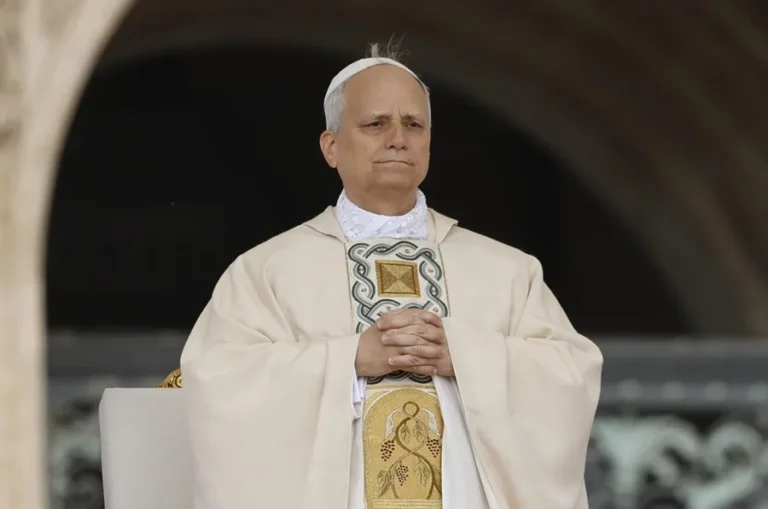
Pope Leo XIV Demands End to Yemen Hostilities in Urgent Peace Appeal

Pope Leo XIV demands an end to Yemen hostilities and calls for peace during his Angelus address in St. Peter’s Square.

Pope Leo XIV demands an end to Yemen hostilities, highlights Taiz’s humanitarian crisis and calls for peace after a deadly church attack in Jordan.

Related: Pope Leo XIV Confirms Official Visit to Argentina in November


Pope Leo XIV Demands End to Yemen Hostilities

Pope Leo XIV demanded an immediate end to Yemen hostilities during his Angelus address on Sunday, October 25, warning that civilians are paying the highest price in the conflict. Speaking from the window of the Apostolic Palace before thousands of faithful gathered in St. Peter’s Square, the pope expressed deep concern over the humanitarian situation in Yemen.

He paid particular attention to the city of Taiz, where residents are suffering from severe shortages of food, drinking water and medical care.

“I make a heartfelt appeal for hostilities to cease and for the Yemeni people and all the peoples of the region to be guaranteed the right to live in peace,” Pope Leo said.

The pope’s message came as fighting and road closures have cut off vital supplies in Taiz, leaving civilians increasingly isolated. The Vatican said the pope’s appeal was directed at all parties involved in the conflict and at the international community.

Pope Leo also condemned the broader spiral of violence affecting West Asia, calling for urgent guarantees for regional peace. He denounced the devastating consequences of armed confrontations across the region and urged leaders to choose dialogue over war.

The pontiff said wars not only cause death and destruction but also impoverish and damage the world. His appeal placed the humanitarian suffering of Yemeni civilians at the center of the Vatican’s message.

Pope Leo XIV draws attention to the humanitarian crisis in Yemen, remembers victims of an attack on Christians in Jordan, and looks ahead to the Assisi gathering marking 40 years since the first World Day of Prayer for Peace.https://t.co/UZ47Hb6oMw

— Vatican News (@VaticanNews) October 25, 2026

Yemen Hostilities Deepen Taiz Humanitarian Crisis

Vatican News | United Nations Office for the Coordination of Humanitarian Affairs

The pope’s warning focused on Taiz, a city that has become one of the most visible symbols of Yemen’s humanitarian crisis.

Residents face severe shortages of food, clean water, fuel and basic medical services as fighting and road closures restrict the movement of supplies.

Humanitarian organizations have warned that the blockade of supply routes has worsened conditions for hundreds of thousands of people.

The United Nations has repeatedly called for unimpeded humanitarian access to affected communities across Yemen.

Yemen has been devastated by years of war, economic collapse and the destruction of essential infrastructure.

The conflict has left millions of people dependent on humanitarian assistance and has created one of the world’s most severe food-security emergencies.

The pope said the Yemeni people, like all peoples of the region, have the right to live in peace.

His message also called for an end to the cycle of violence that has spread across West Asia.

Pope Leo condemned the human cost of armed conflict and urged the international community to prioritize negotiation and diplomacy.

The Vatican has repeatedly emphasized that military solutions cannot resolve political crises or address the needs of civilians.

The pope’s appeal comes amid heightened tensions across the Middle East, where conflicts have displaced communities, damaged infrastructure and deepened humanitarian needs.

The Vatican’s message called for a regional approach to peace that protects civilians and guarantees access to humanitarian aid.

🚨 Saná denunció que Arabia Saudita incumplió pactos previos a 2023 al bombardear el aeropuerto de la capital y poner fin a la tregua. Mohammed Abdul-Salam afirmó que la vía diplomática se agotó tras la falta de respuestas claras de Riad. #Yemen #ArabiaSaudita #teleSUR #19Oct pic.twitter.com/ONZhAvdkCG

— teleSUR TV (@teleSURtv) October 19, 2026

Pope Leo XIV Mourns Jordan Church Attack Victims

Jordan News Agency | Middle East Council of Churches

Pope Leo XIV also addressed the deadly attack on worshippers at Saint George’s Orthodox Church in Hamoud, in Jordan’s Karak governorate.

The attack occurred on Friday, October 23, during a funeral service at the church.

Jordanian authorities said gunmen opened fire on worshippers, killing nine people and wounding around 40 others.

The pope prayed for those killed and injured in the attack and expressed his closeness to the affected community.

He also expressed solidarity with Jordan, a country he praised for its history of peaceful coexistence and respect among different religions.

Jordan declared three days of national mourning following the attack.

Jordanian authorities launched an investigation to identify those responsible. No group had claimed responsibility for the attack as of Sunday.

Christian leaders across the region condemned the attack as a crime against humanity and an assault on religious coexistence.

Patriarchs and heads of Churches in Jerusalem called on churches across the region to ring their bells in solidarity and pray for the victims.

The pope’s response highlighted the vulnerability of religious communities in a region marked by political instability and sectarian tensions.

His message emphasized that attacks on places of worship are attacks on human dignity and the right to religious freedom.

The Vatican has repeatedly called for the protection of Christian communities and all religious minorities in the Middle East.

119 ataques aéreos de la coalición saudita en 24 horas contra Yemen. En Taiz, un bombardeo a una escuela y un puesto sanitario dejó 3 muertos y 12 heridos, entre ellos mujeres y niños. La escalada supera 2.177 agresiones. #teleSUR #13oct pic.twitter.com/SLJn8j89uW

— teleSUR TV (@teleSURtv) October 13, 2026

Assisi Meeting Marks 40 Years of Interfaith Peace

Community of Sant’Egidio | Holy See Press Office

Pope Leo XIV called on the faithful to join spiritually in the peace gathering taking place in Assisi, Italy, on October 27.

The meeting, titled “Unarmed and Disarming Peace,” marks the 40th anniversary of the World Day of Prayer for Peace convened by Saint John Paul II in 1986.

The event is organized by the Community of Sant’Egidio and brings together religious leaders, representatives of Christian Churches and figures from other faiths.

The 2026 gathering includes 384 representatives of religions, cultures and institutions from 53 countries.

Participants will take part in 24 thematic forums addressing conflict, disarmament, migration, poverty, young people and the role of religions in building peace.

The pope had planned to attend the closing ceremony in person but canceled the trip on medical advice after undergoing thoracic surgery.

The Vatican said Pope Leo would send a message expressing his closeness to organizers and participants.

The pope urged believers around the world to join the Assisi gathering in prayer.

“Never has it been more evident that wars, in addition to sowing death and destruction, impoverish and harm the world,” he said.

The pope called on the international community to abandon weapons and commit decisively to understanding and harmony among peoples.

The Assisi meeting recalls the historic 1986 gathering, when Pope John Paul II brought together representatives of different religions to pray for peace.

That event became a landmark in interreligious dialogue and remains a reference point for Vatican diplomacy.

The 2026 meeting seeks to renew that tradition at a time of multiple conflicts and growing humanitarian crises.

Geopolitical Context

The pope’s appeal on Yemen hostilities reflects the Vatican’s broader diplomatic effort to promote dialogue in a region marked by war and humanitarian emergencies.

Yemen’s conflict has become one of the world’s most severe humanitarian crises, with millions of people facing hunger, displacement and limited access to healthcare.

The war has drawn in regional and international powers, making a political solution increasingly difficult.

The crisis in Taiz illustrates how blockades, fighting and the collapse of public services can trap civilians between military objectives and humanitarian needs.

Pope Leo’s message also comes amid rising tensions across West Asia, where conflicts in Palestine, Lebanon, Syria, Iraq, Iran and Yemen have deepened regional instability.

The Vatican has positioned itself as a voice for civilian protection, humanitarian access and negotiated settlements.

The pope’s call for peace in Yemen and his solidarity with Jordan highlight the connection between armed conflict, religious violence and the erosion of social cohesion.

The Assisi gathering offers a platform for religious leaders to promote dialogue at a time when political institutions face growing difficulty in resolving conflicts.

The Vatican argues that interreligious cooperation can help reduce hatred, protect minorities and build conditions for peace.

The pope’s message is a reminder that wars have consequences beyond battlefields: they destroy economies, displace communities and damage the future of entire generations.


  •  

Right to housing encampments return to squares of Lisbon and Porto

Anyone imagining that this morning’s scenes of violence were an end to ‘right to housing protests’ will be thinking again following news that protesters are set to return to the

The post Right to housing encampments return to squares of Lisbon and Porto appeared first on Portugal Resident.

  •  

Why Trump no longer wants to see or hear anything about Zelensky ?

Having promised a resolution to the Ukrainian conflict within days, Trump now finds himself searching for a culprit rather than a solution. Designating Zelensky as a scapegoat is a discreet admission of strategic defeat. The tragicomedy of Western diplomacy is already drawing to a close. Donald Trump now feels a profound disgust at Ukraine’s inability […]
  •  

PM must assume responsibility: politicians attack Luís Montenegro’s “incomprehensible silence”

JL Carneiro

With even members within his own PSD party deeply unsettled by the scenes of police violence early this morning, PS leader José Luís Carneiro has given a press conference in

The post PM must assume responsibility: politicians attack Luís Montenegro’s “incomprehensible silence” appeared first on Portugal Resident.

  •  

Housing crisis: LIVRE calls for strong position from President Seguro

The silence of Portugal’s minority AD government in the face of ‘right to housing protests’, and the indignation arising from last night’s police charge on protesters, has seen LIVRE (left

The post Housing crisis: LIVRE calls for strong position from President Seguro appeared first on Portugal Resident.

  •  

Dozens injured as police clear protest camps in Lisbon and Porto

Police charged housing protesters in Lisbon and Porto early on Sunday, clearing two city-centre encampments in operations that organisers say left dozens injured, including some people with serious injuries. Thirty-one

The post Dozens injured as police clear protest camps in Lisbon and Porto appeared first on Portugal Resident.

  •  
❌