❌

Reading view

This Serbian Truck Carries A Truly Massive Mortar

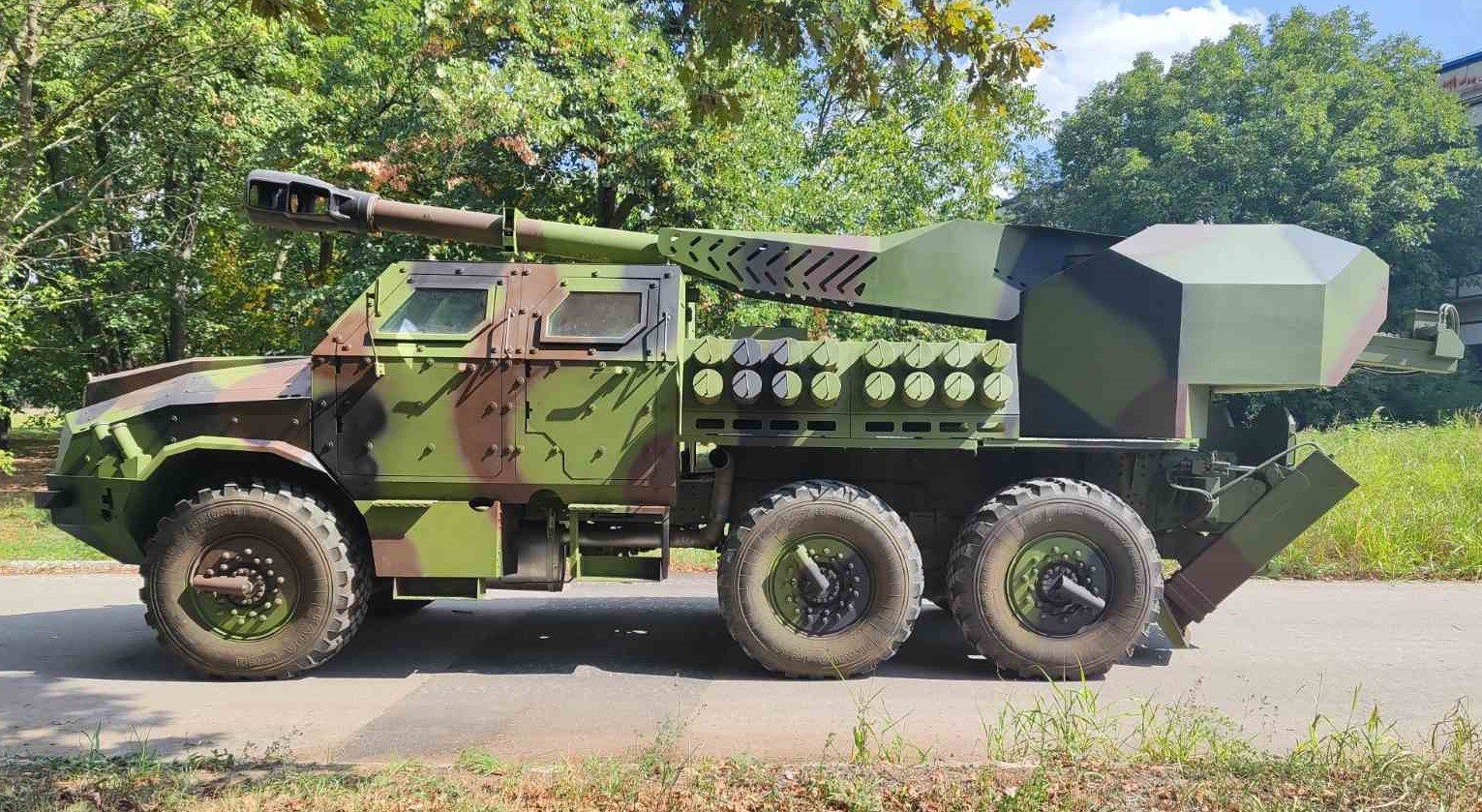
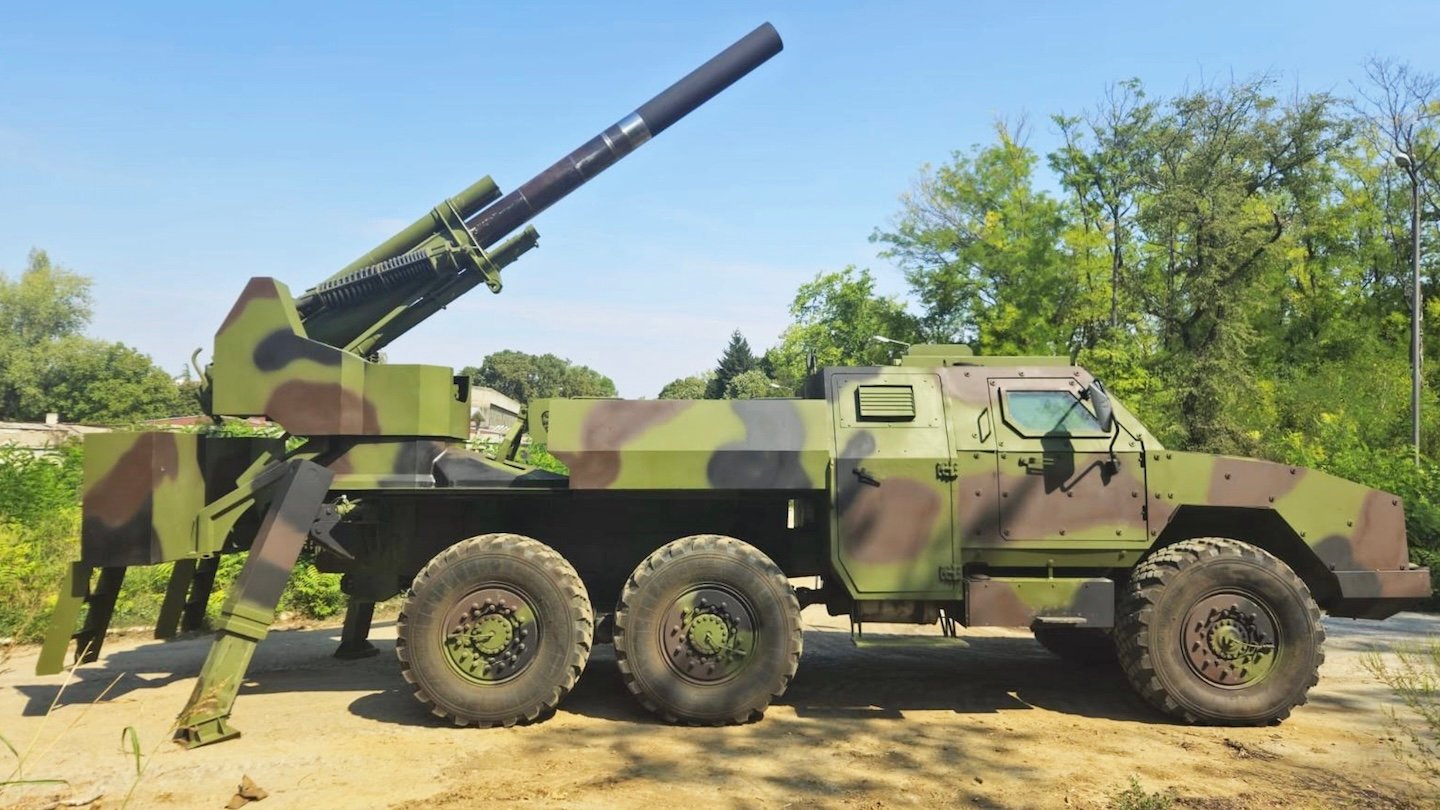
Serbia has released the first footage of its TSMB M-25 heavy self-propelled mortar in action, revealing an unusual artillery system that puts a massive 203mm weapon on a comparatively light, six-wheeled truck. The system is designed to hurl projectiles weighing around 220 pounds at targets up to approximately seven-and-a-half miles away, bringing super-heavy firepower to a platform that looks surprisingly modest for the job.

The Serbian Ministry of Defense published the brief footage in a larger video montage, seen immediately below, but has not disclosed when or where the firing tests took place or what they demonstrated. Regardless, the M-25’s configuration alone makes it stand out.

A TSMB M-25 heavy self-propelled mortar in a firing position. Serbian Ministry of Defense/screencap

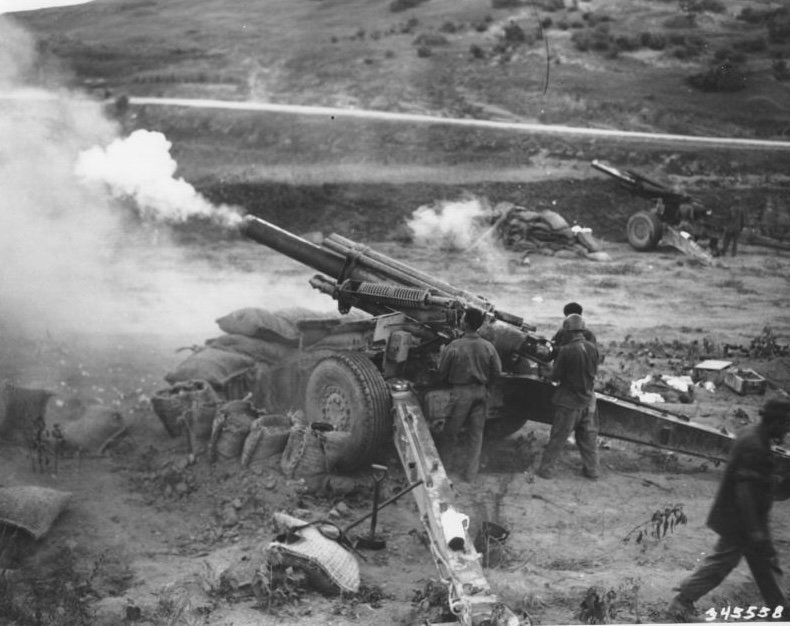
The Teški Samohodni Minobacač (TSMB, translated as heavy self-propelled mortar) M-25 was developed by Serbia’s state-owned Military Technical Institute and first appeared publicly at the Partner 2025 defense exhibition in Belgrade. Its design lineage stretches back to the Yugoslav M-65 155mm howitzer, itself a licensed copy of the widely used American M114, first introduced in World War II.

Artillerymen of the 24th Infantry Division, U.S. Army, fire 155mm howitzers in the Korean War. Public Domain

The M-25 takes that heritage in a different direction, with a 203mm barrel measuring 24 calibers in length and an automated loading mechanism for mortar projectiles. The mortar barrel has an elevation range from 0° to 75°, and the barrel must return to 0° in elevation for the next round to be loaded from the muzzle end.

The standard 203mm mortar bomb weighs around 220 pounds, including approximately 60 pounds of explosive material. This results in a claimed destruction radius of around 250 feet, using impact fuzing.

The system is intended to fire both high-explosive and concrete-piercing ammunition, making it particularly suited to attacking hardened positions and fortifications. Developers have also provided for rocket-assisted projectiles to extend its range and precision guidance kits to improve the accuracy of compatible rounds.

The weapon is mounted on a FAP 2026 three-axle truck in a 6×6 configuration, a general-purpose off-road type made by Serbian vehicle manufacturer Fabrika automobila Priboj. This platform provides a range of 500 miles and a top speed of 50 miles per hour on the road. The vehicle has an armored cab for a crew of four, while its fire-control suite includes an inertial navigation system, a ballistic computer, communications equipment, and a dedicated gunner’s computer. The same truck has also been adapted to mount a 152mm gun/howitzer, under the name NORA B-39.

The NORA B-39 mounts a 152mm gun/howitzer on the same FAP 2026 three-axle truck chassis. Serbian Ministry of Defense

The wheeled chassis is the defining feature of the M-25. While a weapon of this size would normally be either towed or mounted on a large tracked vehicle, Serbia has opted for a lighter truck-based arrangement. This offers advantages in road mobility and makes the system easier to move between firing positions, using “shoot and scoot” tactics. A general-purpose truck is cheaper to acquire and operate, and easier to maintain. It can also be more easily transported by air, although out-of-area operations are not generally on the Serbian Armed Forces’ agenda. However, its cross-country performance and overall survivability will be reduced compared to a tracked chassis.

TSMB M-25 heavy self-propelled mortar firing a round. Serbian Ministry of Defense/screencap

The M-25 is intended to deliver heavy fire against targets such as bunkers and other fortified positions, then relocate before an opponent can respond. Its relatively short stated range compared with many modern 155mm howitzers makes it a specialized system rather than a direct replacement for conventional long-range artillery. Its appeal lies instead in combining a very large projectile with a comparatively compact and mobile platform.

Mortars have a long and grim history in the Balkans, particularly during the wars that accompanied the breakup of Yugoslavia in the 1990s. The steep trajectories of mortar rounds made them useful in the region’s mountainous terrain and in fighting around fortified positions and during sieges, while their ability to deliver indirect fire meant crews could engage targets without a direct line of sight.

A visitor looks at mortars at an exhibition of Serbia's armed forces in Nis, southern Serbia, on February 14, 2024, ahead of Serbia's Statehood Day. (Photo by SASA DJORDJEVIC / AFP) (Photo by SASA DJORDJEVIC/AFP via Getty Images)
A visitor looks at infantry mortars at an exhibition of Serbia’s armed forces in Nis, southern Serbia, on February 14, 2024. Photo by SASA DJORDJEVIC / AFP SASA DJORDJEVIC

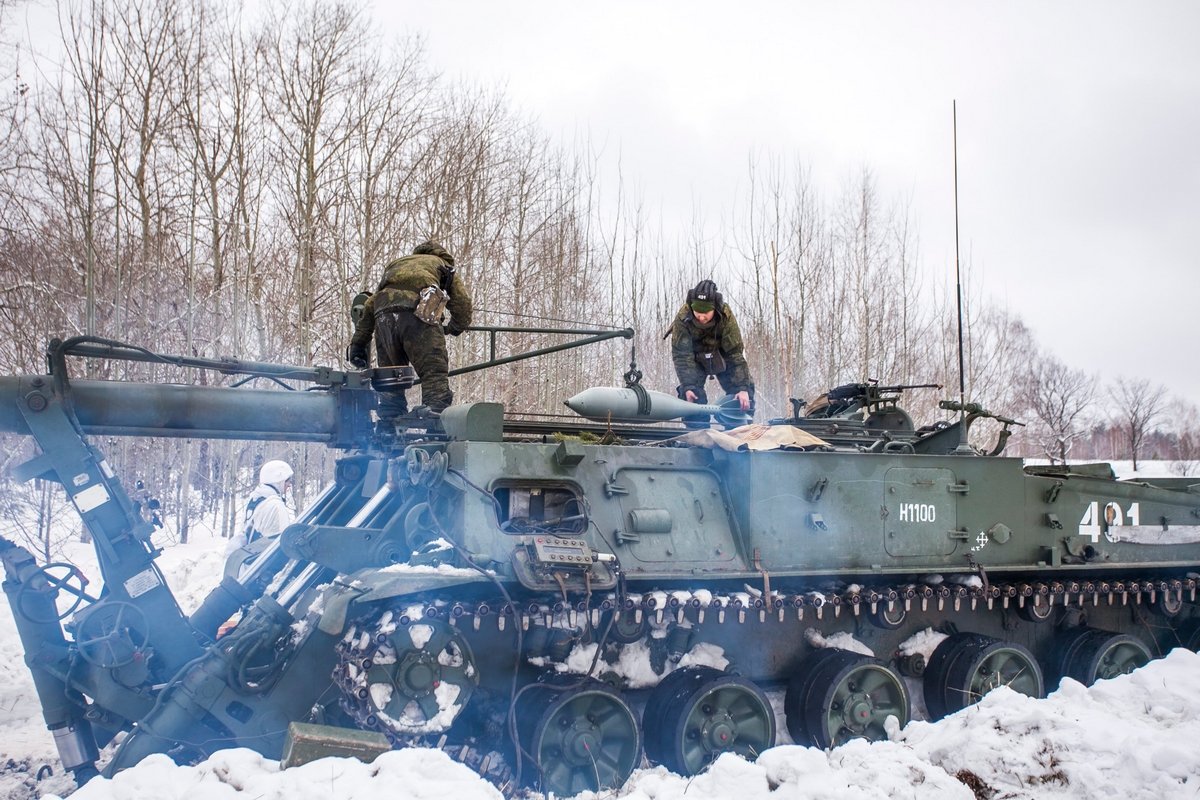
As far as we know, the M-25 is the only 203mm mortar in current development and/or production. There are a few larger mortars on mobile platforms, notably Russia’s 2S4 Tyulpan, a 240mm self-propelled mortar, but this is on a significantly bigger tracked chassis.

At approximately 19 metric tons, the M-25 is substantially lighter than the 2S4 Tyulpan, which weighs around 27.5 metric tons. Its tracked platform reflects a very different approach to moving super-heavy mortar firepower around the battlefield. The Tyulpan can deliver a 300-pound standard mortar round to a range of around six miles, or up to 11 miles away when using rocket-assisted rounds. 

Crewmen load a mortar projectile in a Russian-operated 2S4 Tyulpan. Russian Ministry of Defense
Russian artillerymen fire a 2S4 Tyulpan during a live-fire exercise. Russian Ministry of Defense

Serbia claims the M-25 has a rate of fire of up to three rounds per minute, thanks to the automated loading mechanism. In contrast, the Tyulpan can hurl a maximum of one round every 62 seconds. Indeed, its sluggish rate of fire is one of the reasons that saw it fall from more widespread Russian use.

There are still important unknowns. The newly released footage does not establish whether the advertised firing rate was achieved, how the weapon performs under sustained fire, or whether the system has entered operational service. Serbia has shown the M-25 at an exhibition and now in live-fire footage, but detailed test results have not been made public.

Still, the concept is striking: a high-mobility wheeled truck carrying a 203mm mortar is a distinctly different take on super-heavy firepower, but one that might just find a niche in the Balkan environment.

Author’s note: An earlier version of this article included a photo of the 2S5 Giatsint-S self-propelled gun, rather than the 2S4 Tyulpan.

Contact the author: thomas@thewarzone.com

The post This Serbian Truck Carries A Truly Massive Mortar appeared first on TWZ.

  •  

Once upon a time in Miami: The heartland of Latin American counter-revolution

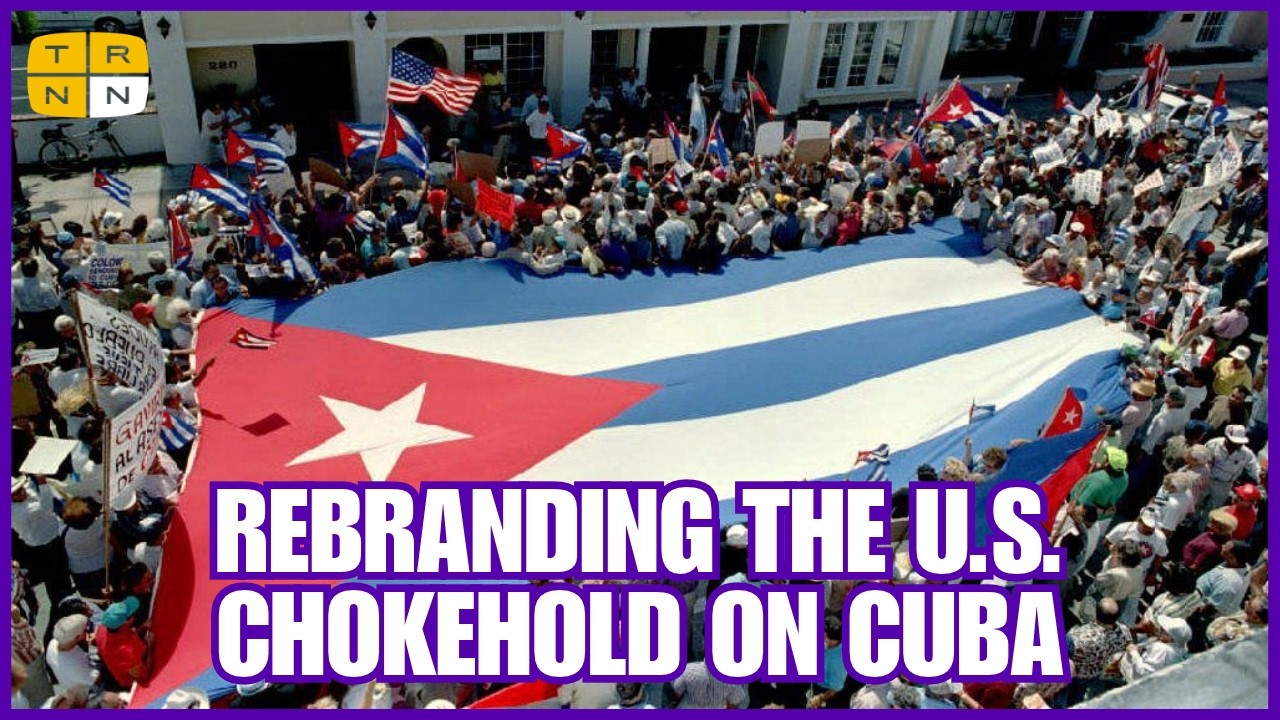
Thousands of Cuban-American nationals demonstrate in front of the Consulate General of Colombia in Miami, FL, 09 March 1994 to protest Colombia's planned trade of petroleum products to Cuba for sugar. Photo by DOUG COLLIER/AFP via Getty Images

In this episode of Rattling the Bars, Mansa Musa speaks with Dr. Kimberly Dawn Miller, Co-Coordinator of the Haiti/Americas Team for the Black Alliance for Peace. They examine geopolitical relations and the unfiltered history of U.S. imperialism in the Caribbean—including economic warfare against Cuba, the state of Florida’s recent arrest warrant for former Cuban leader Raúl Castro, Trump and JD Vance’s racist criminalization of Haitians, and over a century of capitalist resource extraction and regime change in Haiti.

The Black Alliance for Peace in Miami, organizing alongside the Miami Coalition, seeks to end the blockade against Cuba. October 24–31 marks the Cuba Week of Action against the U.S. chokehold on Cuba, leading up to the International and National Day of Action on October 28. This aligns with the United Nations’ annual vote, where the international community will once again vote on the U.S. embargo on Cuba. 

Credits:

  • Production/Post-production: Cameron Granadino
Transcript

The following is a rushed transcript and may contain errors. It will be updated.

Mansa Musa:

Welcome to Rattling the Bars. I’m your host, Mansa Musa. At Rattling the Bars, we examine the prison industrial complex, both domestically and internationally. Miami floor sits at the direct intersection of US imperialism across the Caribbean and Latin America. Joining me today is Dr. Kim Miller, an organizer in Miami fighting to end sanctions and the embargo on Cuba opposing termination of TPS for Haiti and building solidarity with nations targeted for their socialist or abolitionist revolutions. Welcome, Kim.

Dr. Kimberly Dawn Miller:

Thank you. I’m really excited to be here for this conversation.

Mansa Musa:

All right, so first introduce yourself to our audience and tell them about your work with Black Alliance for Peace in Miami.

Dr. Kimberly Dawn Miller:

Yeah, so my name is Kimberly Dawn Miller. I have a PhD in global studies with a concentration in environmental sociology. So I research particularly the Eastern Caribbean looking at the contradictions of the post-colonial state, neoliberal development regimes, as well as the politics of post-disaster recovery. So I kind of use a lot of my organizing to also inform my research. And right now I am the Miami point person for the Black Alliance for Peace Miami cluster, as well as the co-coordinator for the Black Alliance for Peace, Haiti Americas team. So Cuba, Haiti, Venezuela, and the Caribbean at large are very central to our anti-imperialist organizing and situating and centering Haiti in particular as a note of Black liberation and why we fight so hard for their sovereignty.

Mansa Musa:

Kim, you focus heavily on Cuba. Can you discuss the organizing you are doing locally in Miami and internationally against the direct tack on the achievement of the Cuban Revolution?

Dr. Kimberly Dawn Miller:

Miami, Florida is basically the heartland of Latin American counterrevolution, and it is a central city that has a lot of reactionary diaspora politics from Latin America, and particularly the Cuban exile community, the Venezuelan exile community, supporting some of the more far right policies, including the economic and oil blockade occurring on Cuba. So

Mansa Musa:

It’s

Dr. Kimberly Dawn Miller:

Been important though that we resist this notion of creating a monolith regarding the politics of Miami at the same time. So the Black Alliance for Peace in Miami, we work with the Miami Coalition to end the blockade on Cuba, which is a coalition of many different organizations as well as trying to fight in a decades long organization, trying to fight along with the national network on Cuba. And starting tomorrow, October 24th is the Cuba Week of Action against the US genocide on Cuba. And it’s through the 31st of October. And we’re really trying to mobilize for International and National Day of Action for Cuba on the 28th, which coincides with the UN’s annual vote where majority of the world’s countries will be able to vote on the embargo on Cuba. And we basically

Mansa Musa:

Want

Dr. Kimberly Dawn Miller:

To show that in Miami, Florida as well, the heartland of, like I said, Latin American counterrevolution, that not

Mansa Musa:

All

Dr. Kimberly Dawn Miller:

Voices in Miami support what this government is doing, specifically heightening sanctions as well as blocking solidarity, international solidarity with the Cuban people, as well as their access to even third party, like I said, financing. So we’re really just trying to show the economic strangulation that’s occurring and standing in solidarity with Cuba, the Cuban revolution, as well as those that are resisting.

Mansa Musa:

Okay. So let’s unpack the issues that’s taking place in Cuba as it relates to the international community. And you can address this from your experience and what you know to be a fact, you have on the so-called left in the United States anarchist with people that have a particular political ideology and they’re critiquing Cuba in the sense of saying that the centralization of the government is problematic and that if they didn’t have a centralized government, then it would be more likely they wouldn’t be suffering from the imperialist on slaughter. Talk about what’s your experience and what do you say about that?

Dr. Kimberly Dawn Miller:

Right. Well, I think there lies at a fundamental disagreement on maybe the nature of the state when it comes to how maybe a Marxist Leninist would view state power versus an anarchist. So one thing I’ve been trying to reference a lot of times is Lenin’s state and revolution where he clearly identifies that the state does not hover above class interests, class power. And if you see the state as instrumental to class antagonism and class power, then what does it mean when you have a state like Cuba that had a socialist revolution and that did expropriate from the bourgeoisie and actually identify class power within institutions? And I think when you look at the state not as a monolithic or a flattened character, but actually looking at the state in terms of its global configuration within, like I said, the capitalist world order, it becomes very clear that Cuba, the Cuban state is not inherently the same as the US state.

There are several colonial states, there are imperialized states, there are states in the imperial core. And then we have to recognize these differences to coming from a conclusion on the nature of the state, people’s power within its dynamic within the state, as well as the function of that state. And I do think when you have anti-imperialist states, it’s fundamentally different and they’re targeted because of they represent a more autonomous or sovereign form of development. And it’s hard to move toward no state, if you will, when you have the imperialist attack. So you just need levels of defense. Iran is another example. You need a state to defend against imperialist onslaught. And I do think that maybe putting the cart before the horse, it’s important to understand those differences. And in addition to that, I wanted to add that the dynamic between, for instance, grassroots popular power and communes is not necessarily antagonistic to the socialist state itself.

And I think that that’s important to demystifying the idea that there’s either just an authoritarian socialist state versus popular power beneath. And I think that just in my experience with Venezuela, even though we know there’s been a lot of restructuring to the Venezuelan state since January 3rd, I did see a popular consultation on International Working Women’s Day within the communes. And I did see that how they were trying to actually build their communal capacity, which Hugo Chavez said is the base for transforming the bourgeois state as well as capitalist social relations. So I do think that you can have a dialectical and sometimes, yes, antagonistic relationship between communes and the state, but I do think it’s important to understand that it’s not necessarily opposed and that they work within the Bolivarian process to get financing for infrastructure in their own productive capacity. So that’s one thing I wanted to add there as well as you can even see a country like China that has rural village cooperatives and land ownership.

And what does that mean for the actual community that it’s still a centralized party state, but they still have a communicative and a participatory democracy within that. Right.

Mansa Musa:

Okay. And I think that’s a very astute observation because I think that, and I’ve been a lot of these spaces, when people make an analysis, they have a tendency to the foundation be based on misinformation to begin with and they build out on that. They build out on, like you say, it’s a difference between the United States and the state that Lenin talked about with state revolution. Let’s shift our gears and talk about Haiti. Switching, we see a different history, not a socialist revolution, but an abolition one in Haiti, establishing the first Black Republic through slaves revoked, historically targeted by the United States imperialists. Haiti recently became the focal point of a campaign by Donald Trump and JD Vance. Given that Florida holds the largest Haitian population in the US, what are the local international dynamics that exist within that? It’s almost as if Tucson let overture ghost haunts anybody that got a view of history that’s imperialist.

The involvement by the United States and continues to destabilize it is criminal in and of itself. Talk about the Haitian aspect of your analysis.

Dr. Kimberly Dawn Miller:

Yeah, I mean that’s an excellent overview. I think it speaks to the idea of Black ungovernability and the idea that since 1804 when Thomas Jefferson snubbed Dasaline, it was always the idea that Haiti was going to be excluded. Haiti was seen as a model of Black liberation of formerly or enslaved people freeing themselves, creating its first independent state in Latin America. And what does that symbolize to enslaved Africans in the United States? It was the idea that Black sovereignty is a threat to the powers that be essentially. And these are the class contradictions that Dasaline was trying to actually resolve through a kind of form of early socialist egalitarian or agrarian reform that actually did occur when he was assassinated. But just thinking about the long history of foreign interventions in Haiti, like I said, they weren’t really given access to international credit through non-diplomatic recognition.

And then when France did recognize Haiti, they had to pay an indemnity. So the idea that it’s creating successive notions of debt that Haitians never want to take on, but the idea of, oh, well to recognize you, you have to pay for your freedom. And then we did in particular, in Miami, we actually did a teaching looking at the 1915 US occupation where the US rewrote the Haitian constitution to allow foreign ownership of land that was banned in Haiti, as well as making sure that it opened up to US capital to exploit rural workers to basically extract from the country. So the US has always had a very, and of course through Bank of New York, which is now Citibank, extracting, like I said, it’s gold, it’s resources. And I think that that’s an example even to this day since the current gang suppression force occupation after the multiple occupations from the UN, after the US, France and Canada back to coup in 2004 against Aristide.

I mean, you just see this constant history of intervention and occupation. And I do think, like you said, it’s to keep them destabilized because a functioning Haiti, a sovereign Haiti, that is, I believe, a model of what Black sovereignty could and should mean.

Mansa Musa:

So what are y’all doing to organize and change this narrative in terms of how Haiti is being looked at? Because that goes a long ways in terms of not so much as imperialist. Imperialis is going to lie. I think Gold would say when you’re dealing with propaganda, find a narrative, repeat it over and over and over again till people come to believe it. So we know that’s going to come from them, but talk about how y’all organize to get people to see the need to be involved in what’s going on in Haiti and aid and assist the Haitian people in their liberation.

Dr. Kimberly Dawn Miller:

Well, in the Black Alliance for Peace and the Haiti Americas team, we always say that Haiti’s crisis is one of imperialism. It’s not of the Haitian people where we work and move against narratives that dehumanize the Haitian public, that pathologize them. And I think it’s important, once you understand that the crisis is imperialism, you see it as an externally driven crisis. We know, for instance, that all the arms that the gangs are using, the paramilitary groups are using in Haiti come from Miami. They’re trafficked from Miami to the Dominican Republic into Haiti. So there’s an arms embargo on Haiti, and yet these weapons are flooding the country. And what does that mean around the source of the problem? Haiti is a weapons manufacturer, so the guns are getting there somewhere from the United States. That’s one way. We also look at the culpability of, unfortunately, a lot of Latin American governments.

El Salvador right now is actually trying to basically start war with Haiti by saying, “Oh, we have our four servicemen that were kidnapped and now we’re going to go in.” And it’s like, “Well, why are there Salvadorian troops in Haiti?” It speaks to this idea that there’s this global kind of almost subjugation of the Haitian people because this is the international community that is sanctioning Chad or Kenya going in and representing on behalf of the United States. It’s proposed military solution for Haiti, but it’s never looking at the political situation, never looking at the core group, the countries of US, Canada, France, believe Germany, also Brazil. We don’t know that. Brazil also has a long history of pressing Haiti. So I think it’s important that we look at all these factors and that we understand that the gangs are getting support by the oligarchs. And what does that mean?

And what is the relationship between the elites in Haiti, the violence happening against the mostly working class Haitians, and how do we address the root of the problem instead of, like I said, stigmatizing the Haitian people, as well as attacking them through TPS, which is basically saying that the US helped create these conditions and now we’re going to send them back to that. People aren’t temporary. Haitians aren’t temporary. And it’s unfortunate that the mass deportation of this regime is trying to keep Haitians, and like I said, exploit their labor when it’s convenient, but also keep them in a state of precarity. And like you said, Miami has a huge Haitian population, I think the second highest in the country, and they’re in particular fields like hospitality industry, construction, home healthcare, and they’re being devastated right now. The communities are definitely fearful, but we want to push back against the narrative.

We want to put an anti-imperialist analysis into our understanding of the Haitian immigrant and migrant presence as well.

Mansa Musa:

Yeah, just the effect of imperialist. This is not people just not wanting to live a quality life. We remember Baby Doc, Papa Doc, and Tanta Liku. We remember when they was ravishing the country, being a full stool for imperialists, taking all the minerals and the natural resources out of Haiti and putting a little money in their pocket in comparison. So we are well aware, and that’s a good viewpoint as you especially, Dr. Kim, because we got to push back. I think that when they say their response to the oppression is the reason why they oppressed, you oppressed because you saying, “Get your foot off my neck.” But talk about how the United States and imperialists in particular, and this is a shift in terms of not so much the Trump administration, but the general attitude of imperialists and capitalists and fascists around the world, how they deal with Maduro and the fact that they talking about kidnapping Raul, but they threatening any country that stand up and try to identify with any type of sovereignty.

Dr. Kimberly Dawn Miller:

Absolutely. Well, I think for us, we understand that the illegal kidnapping of a head of state when it came to Maduro and his wife, Cylia Flores, and bringing them to Metropolitan Detention Center in Brooklyn, what does this say when the US gets to espouse and impose extraterritorial coercion against a sovereign country? And we know historically when the US would indict, for instance, Noriega from Panama, indicting for drug trafficking, even though he was the CIA guy until our grace. Well, he didn’t play ball geopolitically, and then suddenly he needs to be removed. We know again with the kidnapping of Aristide in 2004 and dropping him off in the

Mansa Musa:

Central

Dr. Kimberly Dawn Miller:

African Republic, this is not new what the US is doing. I think what makes this

Mansa Musa:

Particularly horrific

Dr. Kimberly Dawn Miller:

Is just knowing it’s the combination of the

Mansa Musa:

War

Dr. Kimberly Dawn Miller:

On drugs with the war on terror. So you have this narco terror label. We know that the US has sadly bombed 240 Caribbean and Latin American men on both extrajudicially for being narco terrorists. And you’re seeing, like I said, the collusion of, I do think these two kind of law enforcement mechanisms that is aligned with imperialist interests. So I think that’s one thing that we look at when advocating for Arizona peace and basically saying that the US and looking at the heart of US militarization in the region, this is not new, Venezuela wasn’t the first. And with, like you said, these indictments on Raul Castro, the indictments on the Cuban president, Diaz Canal. I mean, particularly in Florida, it was Florida that just put out a arrest warrant, which the state of Florida cannot actually arrest Raul on a sovereign country. But this idea of this performance, we were even tough on the communists.

I mean, it plays into a lot of red meat to their base, but it’s also just incredibly

Mansa Musa:

Illegal

Dr. Kimberly Dawn Miller:

And a part of how the US has operated, sadly, in this re-intensification of the Monroe doctrine that we’re seeing.

Mansa Musa:

We do remember this, and you can weigh in on this if you want to. We do remember this, the Iran Contra where they were selling guns for cocaine and the cocaine flooded the United States. And when it flooded the United States, you had the crime bill, and the crime bill was designed to make crack cocaine worse than powder cocaine, but any kind of cocaine was coming through the country through the military and the United States government with the goal of destabilizing Nicaragua and killing all American citizens. If you got a viewpoint on that, you can weigh in now.

Dr. Kimberly Dawn Miller:

Yeah, absolutely. I think it’s interesting, 60 Minutes before 60 Minutes became terrible. When they used to do journalism, they actually had a report after the invasion of Panama, and it basically said that looking at the post Noriega political climate, it’s been skyrocketing drug addiction of crack cocaine. Largely Afro-Panamanians would be addicted now to crack after the invasion. After the US invaded, then you see a rise of crack cocaine flooding the country. So it’s this weird kind of contradiction that they’re invading to stop the idea that drug trafficking is the reason that they’re going in, and then yet it’s gotten far worse. And I think that’s a similar idea when it comes to how the CIA moved through the concerts in Nicaragua to make sure that where that drugs are being funneled would be poor Black and brown communities and we’re the ones that suffer. So that’s why Black Alliance for Peace says no compromise, no retreat, which is the ways in which the war on African people here is connected to the global war on African people abroad.

And I think that’s just one excellent example.

Mansa Musa:

And as we wrap up, talk about the 60th anniversary of the Black Panther Party was this month, and the Black Panther Party, all organizations during that time that came up had an international platform. Aside of Shakur, Cuba gave a side of Shakur sanctuary. Huey was exile, gave him sanctuary. Al Jeria, we had a embassy in Algeria, Pete O’Neill and Shiloh O’Neill is in Tanzania. But talk about why it’s so

Dr. Kimberly Dawn Miller:

Important

Mansa Musa:

That our movement have an international perspective about our struggle.

Dr. Kimberly Dawn Miller:

Yeah. So thinking specifically when you have these kind of more narrow nationalist xenophobic movements coming up that try to say Black Americans, Black America, we’re not African. And thinking about the history of Black radical struggle, it was always internationalist. It was always about connecting the fight against imperialism and how that shapes the militarization of our own communities here, whether it was the 1033 program, weapons from wars being kind of funneled into local police departments that have a disproportionate effect on, like I said, Black people or the idea that the IDF will train local police departments here in the surveillance tech that both these states as they subjugate Palestinians. So that’s just another way that Black people here and Palestinians are connected. I think we have to look at things broader because understanding how we, I know some people like the domestic colony theory, that if we are an internal colony, then what does that look like?

What does that mean when our communities are occupied by police or even the shooting of Cullen Wiley in Mississippi being justified by their attorney general? I think you’re seeing that these struggles are connected, and I think that it’s really important that we don’t see ourselves as isolated, but that we have people we can tap into. And in my trip to Caracas in Venezuela, it was so surprising seeing so many Venezuelans that look just like me, Black people. And I was like, oh my gosh, because I don’t see as many Venezuelans that are Black, but there are, and how these struggles are shaped and Black internationalism is very important to fighting our own battle here, I believe.

Mansa Musa:

And you had a last word, Dr. Kim. What do you want to tell our audience and how can we get in touch with you or how can they become more involved in Black Alliance for Peace or understanding what’s going on with Cuba and y’all organization, y’all advocacy around Cuba and the diaspora?

Dr. Kimberly Dawn Miller:

Yeah. Well, so blackalianceforpeace.com/haiti, you can learn all of our resources on Haiti. Very important. We’re also on Instagram, Black Alliance for Peace, Twitter, Black Alliance for Peace, or Blacks for Peace on Twitter and Facebook. So we’re really trying to pick up our social media. And I also just want to point out that it’s the week of action for defense of Black migrants, and that’s just something that we’re working with. I mean, the Miami cluster is working with Baji, which is the Black Alliance for Just Immigration. And we’re just really trying to, like I said, spread our message on the war on African people here, being connected to the war on Africans abroad and driving out the heart of US militarization so that we can have a true zone of peace. And yeah, you can tap into our US NATO axis of domination out of our Americas network.

There’s a lot, but thank you so much.

💾

https://youtu.be/fb80DqejYqs In this episode of Rattling the Bars, Mansa Musa speaks with Dr. Kimberly Dawn Miller, Co-Coordinator of the Haiti/Americas Team for the Black Alliance for Peace. They examine geopolitical relations and the unfiltered history of U.S. imperialism in the Caribbean—includin
  •  

4 mistakes people make when they order wine at restaurants, according to a sommelier

server pouring a flight of different wines
Ordering wine doesn't have to be intimidating or difficult.

Carlo Prearo/Shutterstock

  • As a sommelier, I love trying new wines at restaurants, but they're not all winners.
  • Many miss out on Italian whites, which are some of the most underappreciated wines in the world.
  • Skip bottles from popular wine regions and order from their neighbors instead.

It can be overwhelming to be handed an extensive wine list at a restaurant. Multiple pages with small print can be an overload of information — anxiety ensues, and you're not sure what to order.

But as a sommelier, I've trained to understand all those little details, so you don't have to.

Here are the mistakes I see people make when ordering wine — plus advice for what to do instead next time you're dining out.

Ordering something they can readily buy at their local grocer
glass of red wine and an italian pizza on a table

Shebeko/Shutterstock

Sommeliers work hard to curate thoughtful and interesting wine lists at restaurants. If you can get the wine at your grocery store or any retailer you frequent, skip it while you're out.

Dining out is a time to explore and discover something new. This can be a grape you've never had, a producer you've never heard of, or a wine from a new-to-you region.

Sure, you've had a Tuscan red wine, but have you had a red wine from Oltrepò Pavese made from pinot-noir grapes? At Italian restaurants, I always look out for bottles of La Genisia pinot.

Exclusively sticking with overpriced bottles from major wine regions
sign for napa valley in california

Ritu Manoj Jethani/Shutterstock

Bordeaux is widely considered one of the finest wine regions in France, and Napa Valley reigns supreme in the US. So, it's no surprise that their wines often have price tags to match their elite status.

Instead, I always look for areas near these benchmark regions to expand my horizons and save a few bucks.

Just outside Bordeaux is a region called Cahors, which is known for making wines from the malbec grape. Crocus Wines is a reputable brand to try.

In terms of Napa alternatives, I tend to reach for bottles from the Anderson Valley in Mendocino. Classic producers include Goldeneye Winery and Husch Vineyards.

Only ever ordering white wines within their comfort zone
server pouring a glass of white wine

guys_who_shoot/Shutterstock

Ubiquitous, "comfort zone" white wines like chardonnay, sauvignon blanc, and pinot grigio tend to have cultlike followings.

If you're open to branching out and are in a white-wine rut, I say start by taking a closer look at the menu. For example, Italy has a treasure trove of "under the radar" varieties.

The country is home to over 1,000 native grape varieties, but my favorite Italian regions to look for on menus include Sicily, Collio, and Lugana.

Planeta and Monteleone are two of my favorite brands in Sicily. Primosic and Terre del Faet are top producers in the Collio region. And in Lugana (an all-white wine region), Ottella and Selva Capuzza reign supreme.

There are so many great varieties worth trying if you know a few keywords to look for.

Going for the full-bodied, high-alcohol reds
People toasting red wine glasses
There's nothing better than a chilled red on a warm day.

anatoliycherkas/Getty Images

Over the years, I've observed that American wine drinkers really like big, assertive reds.

The problem with ordering such wines at many restaurants is that the bottles are often too young. They'd benefit from some aging, but restaurants need to sell their wines, so it's a bit of a conundrum.

My solution is to dapple with light-bodied reds that are ready to drink when bottled. The best examples include gamay, Cinsault, and valdiguié wines.

Some of my favorites include Camins 2 Dreams' gamay, Two Shepherds' Cinsault, and J. Lohr's valdiguié.

If it's hot out, consider enjoying these reds lightly chilled. Have the sommelier put the wine on ice while you peruse the menu and order your food.

By the time your appetizers are served, the wine will be ready to enjoy.

This story was originally published on September 15, 2024, and most recently updated on October 26, 2026.

Read the original article on Business Insider

  •  

The rise and fall of Route 66

In the 1940s and '50s, Route 66 was one of America's most popular highways, driving business to small towns from Chicago to Santa Monica. But today, the road and its people have been largely forgotten. Ghost towns, empty motels, and abandoned gas stations line its path. Chief correspondent Abby Narishkin grew up along the road. In celebration of its 100th anniversary, she drove down the old route herself to visit the people and businesses still keeping this Americana legacy alive.

Read the original article on Business Insider

  •  

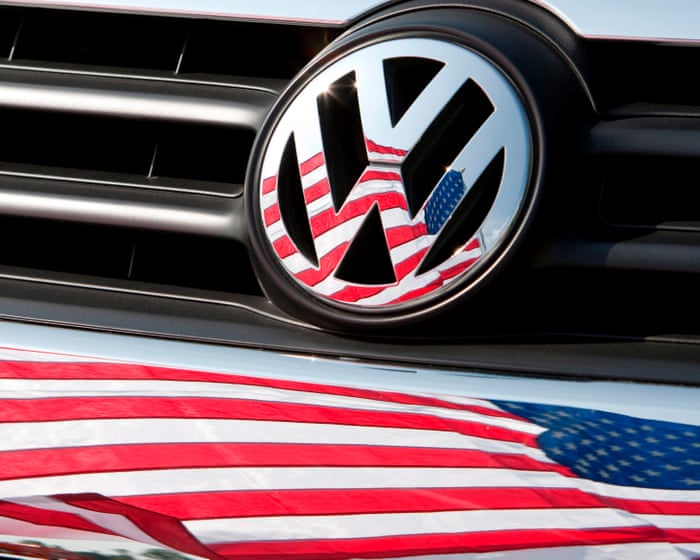
Volkswagen to build $4bn Audi SUV factory in US despite job cuts at home

VW investment, creating 4,500 jobs in Georgia, comes amid Trump’s damaging tariffs, intense Chinese competition and costly shift towards EVs

Audi has said it will spend $4bn (£3bn) to build its first factory in the US, as its parent company, Volkswagen, struggles with the impact of steep tariffs imposed by Donald Trump.

The German brand’s chief executive, Gernot Döllner, joined Trump on stage at a campaign rally on Saturday night to announce the factory in Macon, Georgia, in an unusual move by a big European brand just days before the US midterm elections.

Continue reading...

© Photograph: Friso Gentsch/EPA

© Photograph: Friso Gentsch/EPA

© Photograph: Friso Gentsch/EPA

  •  

Latin America: the ‘cultural battle’ as a facade for neoliberalism

For several years now, politicians, influencers, and intellectuals from Latin America’s new radical right have been speaking about the importance of the “cultural battle” to recover a sort of perspective lost in the past and to underpin a civilizational project that prioritizes the individual, individual freedom, and the free market above all else.

Probably the first to insist on this idea in the media was Javier Milei, the current president of Argentina, who initially made a name for himself as an economist who had no problem insulting his opponents and defending orthodox neoliberal thought.

At that time, Milei, along with his intellectual allies, called for a stand against a purported culture imposed by so-called left-wing elites who had tarnished common sense, Christian morality, and individual freedom, among many other things.

A few days ago, Colombian President Abelardo de la Espriella called for a radicalization of his “cultural battle” and ordered the removal of dozens of works of art from various museums in order to restore a culture that has been held captive by the left, Marxism, and other dark (or, as Milei himself puts it, “demonic”) forces.

In reality, the move isn’t particularly original. Back in the United States, Pat Buchanan (a close advisor to Nixon and Reagan) had already advocated for and encouraged inflammatory rhetoric to wage a “culture war” and thus defend a culture tarnished by social change. Among the major intellectual inspirers of this doctrine are the American Sam Francis and the Frenchmen Alain de Benoist and Guillaume Faye (albeit with their well-known differences). Even some Germans in the 1930s attempted to make what they called “cultural Bolshevism” the scapegoat for all their ills.

But the push for a “cultural battle” in Latin America had a more interesting rationale. And it is not so much due to a supposed pragmatic interpretation of Antonio Gramsci’s concept of hegemony – which has been distorted by the new radical right, as well as by much of liberalism and social democracy, which understand it solely as “cultural hegemony.”

No, in reality, the intention behind invoking a “culture war” against feminism, abortion rights, progressive governments, left-wing artists, revolutionary intellectuals, etc., is more of a strategic nature.

For those who are actually, as ideologues, behind the “culture war” projects are not Buchanan, Francis, De Benoist, or Faye, but Hayek, Friedman, and the rest of the neoliberal economists.

The truth is that neoliberalism in Latin America during the late 20th and early 21st centuries was both a resounding failure and a magnificent victory. This apparent contradiction is resolved depending on which social class we are discussing. During that time, the most powerful social classes, economically speaking, managed to accumulate an enormous amount of power and resources, the likes of which have rarely been seen in Latin American history.

But such a level of accumulation in societies subjugated by a global imperialist order (such as those in Latin America) necessarily drives the working classes into conditions of material precariousness that are almost unbearable. Mass migration, uprisings, deaths, the loss of a lifetime’s savings, rising crime, and so on were just some of the devastation left in the wake of the neoliberalism driven by the Washington Consensus during that period.

In response to the crisis, several centrist, center-left, and even leftist leaders won elections in the region in quick succession: Chávez in Venezuela, Morales in Bolivia, Fernández in Argentina, Correa in Ecuador, Lula in Brazil, Bachelet in Chile, Mujica in Uruguay, etc. They sought to resolve a capitalist economic crisis within the framework of capitalism itself, resorting to approaches that combined Keynesian measures with legislation designed to protect and expand rights, especially for the most marginalized sectors.

These were times when (not without contradictions with other political forces, including those of a more traditional left) the economies of these countries improved, thanks in part to high commodity prices on the global market. And with public policies that, in many cases, focused on providing aid and social programs, the situation of millions of Latin Americans clearly improved. Between 2000 and 2012 alone, 56 million Latin American citizens managed to rise out of poverty.

Once the storm of discontent against neoliberalism had passed, the ruling classes decided they’d had enough of progressive governments. But to regain absolute control (since they had always maintained the necessary share of power to influence national decisions), they needed to win back the governments, and to do so, they found themselves at a crossroads.

They knew that the central argument against center-left governments could not be based solely on the economic downturn that followed the end of high prices for Latin American natural resources, but that it had to be grounded in something more – something that would come across as novel, radical, and a sort of conservative revolutionary ideology.

And that is how they found in the “culture war” a niche for ideological propaganda that has had a historic impact on Latin America. In addition to the aforementioned criticisms, they succeeded (through their intellectuals, politicians, influencers, media outlets, social media, and so on) in creating a perceived link between progressivism and corruption, between progressivism and organized crime, and, finally, between progressivism and an alleged erosion of individual freedom.

But the truth is that these kinds of strategies can cause political upheaval like that seen in the region in recent years, during which (thanks to the support of national and international tycoons, as well as support from Washington and other governments such as Israel’s) there has been a string of victories for the radical right, which could complete its winning hand next Sunday in Brazil.

But in the long term, neoliberalism cannot (nor does it intend to) overcome the contradiction inherent in an economy of this nature in countries with clear relationships of international domination. Thus, at the height of this new wave of neoliberal right-wing movements, the first cracks in ideological stability are already beginning to appear, precisely in the face of a material reality that offers no respite from political rhetoric.

The situation of millions of Latin Americans (especially the poorest) is rapidly being complicated by a radical increase in the rate of inequality. The promises made by the new right-wing movements to defeat organized crime show no signs of being a reality or of bringing about clear regional change. Perhaps this is what Nietzsche, another great reactionary, meant when he acknowledged that culture is merely the veneer of something deeper. And that veneer is beginning to wear away very slowly – a process that is nonetheless noticeable if one pays attention.

  •  

Warning: This review will make you want a wagon

Ben Shimkus, Business Insider's autos reporter, is standing next to a 2026 Subaru Trailseeker.
It may not look like it, but this is one of the fastest cars I've ever driven.

Ben Shimkus/Business Insider

  • It looks unassuming, but the Subaru Trailseeker is ridiculously fun to drive. And fast.
  • Technically, Subaru classifies this car as a midsize SUV. (Sure, Jan.)
  • It's the Subaru-iest of all the vehicles built in partnership with Toyota.

American parking lots are awash with a sea of sameness. There's just a bunch of basic SUVs and pickup trucks.

That makes the wagon-ish 2026 Subaru Trailseeker EV a real eye-catcher. Unlike the homogeneous crossovers rolling up to elementary school pickup lines today, it gets a stretched, long-roof profile and carries a Subaru badge. It looks like a proper successor to the Subaru wagons of yore, like the 2000s Outbacks and Legacys.

Technically, Subaru sees this differently. They classify the Trailseeker as an all-electric midsize SUV — and they do have a point with its 8.5 inches of ground clearance and easy-to-slide-into seats.

But, I mean, come on, look at this thing.

The side profile of the 2026 Subaru Trailseeker.
The Subaru Trailseeker wagon —err — SUV's side profile.

Ben Shimkus/Business Insider

That's a wagon in my book.

I drove the Trailseeker's top Touring trim for about 450 miles to see if it was a worthy antidote to America's great car-design flattening. My tester — complete with premium blue paint, a panoramic glass roof, and radiant leg warmers in the front seat (yes, you read that right) — stickered at $48,400.

And it was pretty wild.

This wagon — sorry, SUV — can really move

Left: the front of a Subaru Trailseeker. Right: the rear of a Subaru Trailseeker.
Why is this thing so fast?

Ben Shimkus/Business Insider

I've driven around 80 cars in my career as an auto journalist: EVs, muscle cars, sports cars, big trucks, premium luxury vehicles, etc.

The Trailseeker easily makes my personal list of top 10 fastest vehicles. It can launch from standing to 60 mph in about 4.4 seconds and produces 375 horsepower.

Get behind the steering wheel of this family-wagon-shaped car, and you feel that power at all times. On my highway-dominant drive from New York City to the Washington, DC, area, it quickly dashed by slower traffic and 18-wheelers.

The speed doesn't come at the expense of efficiency or refinement, either.

The Trailseeker returned about 3.7 miles per kWh, giving the battery about 270 miles of juice. While it was whipping past cars on the New Jersey Turnpike, I could still hear back-seat passengers when they spoke.

And, speaking of the back seat, the Trailseeker's long body gives rear passengers an almost comical amount of legroom. Fold those seats down, and my panoramic-roof tester has up to 71.8 cubic feet of cargo space, in case you have to move some furniture around, too.

The second row of a Subaru Trailseeker
The Trailseeker's backseat has more than enough room.

Ben Shimkus/Business Insider

Its biggest red flag was charging.

I saw speeds peak around 127 kW, which is pretty middling in today's EV age. Subaru says the car can accept up to 150 kW.

Let's compare that to the much higher-priced (but similarly shaped) Lucid Gravity, which is considered America's fastest-charging EV. That one can accept up to 420 kW, adding up to 200 miles of range in under 12 minutes.

My initial fast-charge of the Trailseeker — a top-off kind of stop while I grabbed a coffee — took 21 minutes, charging the car from 49% to 77%.

Is it Subaru-y enough?

The front seat of the Subaru Trailseeker.
Take away the Subaru badge, and this might look a lot like a Toyota interior...

Ben Shimkus/Business Insider

Subaru didn't build the Trailseeker alone.

It's the product of Subaru's expanding EV partnership with Toyota. The two companies now sell three closely related EV pairs: Subaru's Solterra, Uncharted, and Trailseeker correspond with Toyota's bZ, C-HR, and bZ Woodland. Next year, the companies are launching mechanically similar three-row EVs, too, with the Toyota Highlander and the Subaru Getaway.

The Trailseeker is easily the Subaru-iest of the bunch, and it's not just because of its wagon-y looks. It gets a dose of Subaru's adventure-seeking vibe, including standard Symmetrical All-Wheel Drive, X-Mode settings for snow and mud, roof rails, and a 3,500-pound towing capacity.

That outdoorsy tuning comes with a trade-off. The Trailseeker felt noticeably firm over broken pavement, especially at lower speeds.

A wagon comeback? Don't hold your breath.

The steering wheel of a Subaru Trailseeker.
Good luck finding a Trailseeker on a dealership lot right now...

Ben Shimkus/Business Insider

You want a wagon now, right? Isn't this thing so cool?

Well, I'm teasing you. Good luck finding a Trailseeker.

Right now, Subaru has only a 9.7-day supply of the model in dealer lots, per CarGurus data shared with Business Insider. That's well under the industry average of about 70 days' worth of supply.

Kevin Roberts, CarGurus's director of economic and market intelligence, says the low supply isn't a product of high demand. In September, the automaker only sold 849 units, just 1.6% of all Subaru sales in America.

Rather, the low supply is part of an ongoing trend of automakers slowly shipping 2027 model-year vehicles to lots.

As the calendar turns, Roberts says there's little momentum for the wagon body type: "This segment has accounted for less than 1% of new car sales," he said, adding that "the traditional wagon has become increasingly rare in today's new car market."

So, no, the Trailseeker probably isn't about to resurrect the American station wagon.

That's a shame. After 450 miles in one, I'm increasingly convinced that good ones could win over American drivers.

Read the original article on Business Insider
  •  

Panther spirit in DC: Organizing against Trump’s fascist push

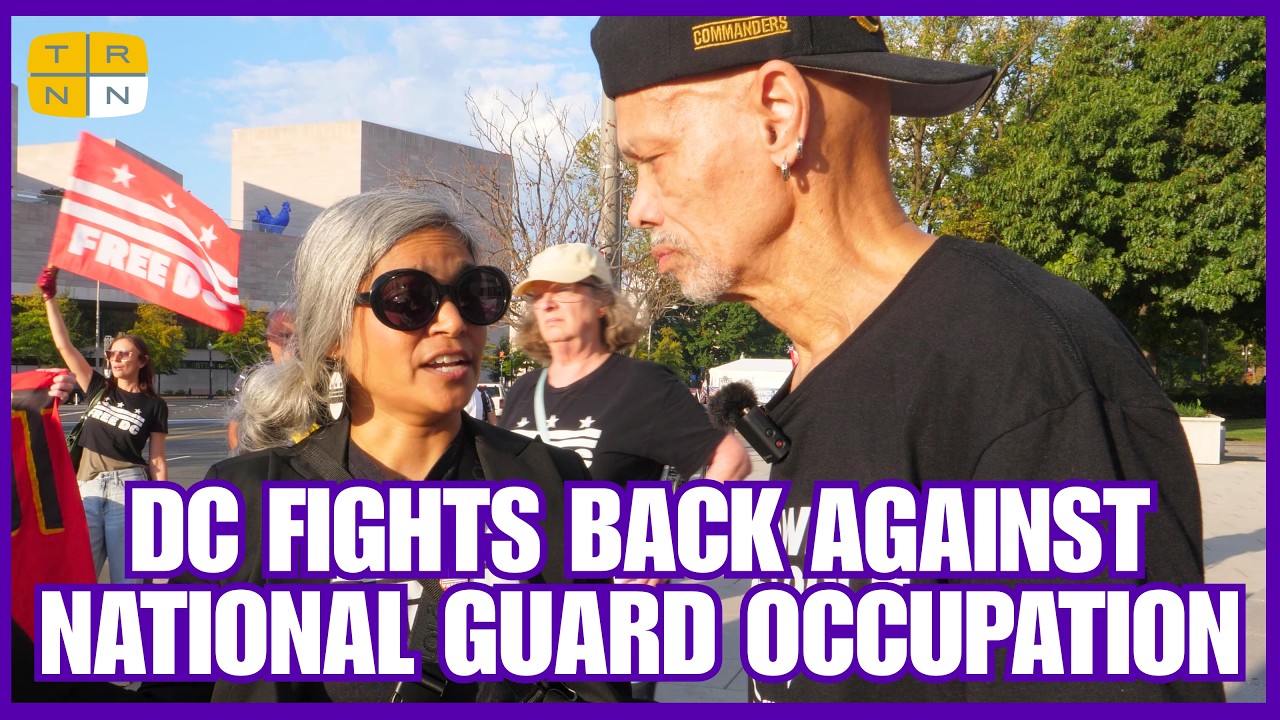
Host of Rattling the Bars Mansa Musa speaks with Free DC Executive Director Keya Chatterjee at a rally against Trump's National Guard deployment in D.C. on October 14, 2026.

October 22nd marks the National Day to Stop Police Brutality. Free DC and Pan-African Community Action (PACA) are two organizations in the nation’s capital engaged in building community and direct action against the various entities that form the policing apparatus in DC: police, FBI, HSI, National Guard, etc.

While Trump boosts their funding—much like giving a steroid to the carceral machine—Free DC and PACA are heightening the contradictions of the Trump administration’s fascist agenda by providing vulnerable communities with the resources that the government withholds and refuses to fund.

Trump’s deployment of the National Guard costs upwards of $3M daily and will total $2.9B by the end of his term. How would you spend $3M a day?

On this episode of Rattling the Bars, former political prisoner and Black Panther Mansa Musa speaks with organizers pushing back against the National Guard occupation of DC on the eve of the Black Panther Party’s 60th Anniversary.

Credits:

  • Production/Post-production: Cameron Granadino
Transcript

The following is a rushed transcript and may contain errors. It will be updated.

Mansa Musa:

Welcome to this edition of Rattling the Bars. I’m your host, Mansa Musa. The presence of the National Guard in the District of Columbia calls $3 million a day and an estimated $2.9 billion the next presidential election. Recently, I covered two organizations that are pushing back against their present. PACA, Pan-African, Community Action, who primarily organize in the Southeast section or the District of Columbia, Anacostia area, and Free DC. Take a look. We’re at the Black Workers Wellness Center. I’m talking to Alex from the Pan-African Community Action, PACA. And today they’re having political education form because of the anniversary, the 60th year anniversary of the Black Panther Party. And we’re doing political education in its roles form. So Alex, tell our audience a little bit about PACA.

Alex:

We’re a group of African and black people organizing in Southeast DC for power. We’re trying to build up institutions that are made up of just ordinary working class people, working class black people. We’re trying to build up alternative institutions that are able to challenge the preexisting institutions that are currently failing us. We see failing healthcare. We see funding going towards police and national guard. At the same time, we’re seeing cutting off from SNAP benefits, disinvesting from education affecting black children. And so we believe in a power shift and the only way to achieve that power shift is through building up a mass movement. And we’ve been organizing down here for 10 years.

Oliver:

When we look in our communities, we see occupying police forces. We see education we don’t control. History we don’t define. We see institutions we don’t have, whether it’s healthcare, whether it’s housing, whether it’s transportation. So the colonization we’re experiencing domestically, the Panthers saw that as linked to the anti-colonial struggles taking place around the world.

Huey P. Newton:

In America, black people are treated very much as the Vietnamese people or any other colonized people because we’re used, we’re brutalized. The police and our community occupy our area, our community as a foreign troop occupies territory.

Mansa Musa:

Earlier today, we was in free DC downtown where they was protesting the occupation by the National Guard.

Keya Chatterjee:

We want to be really clear that it is time for these armed soldiers to leave DC and leave our community. We’re in the middle of an election right now. We’ve seen them standing in front of polling locations, standing in front of ballot boxes. We’ve seen them at our schools. We’ve seen them all over our transportation system for all over a year. It is time for the guard to leave. I mean, from August 11th to January of 2029, can you imagine? It’s billions of dollars. It is a clear effort to violate our rights and to suppress dissent and we’re not going to stand for it.

Mansa Musa:

They’re blocking both sides of the street. They’re at the top on third street, third DC, and at the bottom of third and constitution. They’re definitely representing the right to civil disobedience.

DC resident 1:

Nobody in DC wants them. They’re a hassle to us and they don’t do anything good and they’re taking a lot of our money and they make the city feel unsafe because of their presence. So I’m not interested in having them here any longer.

DC resident 2:

And I think the National Guard are making our streets less safe. They’re scaring people away from U Street Corridor, which is such a vibrant place where young people like to come and gather and they are chasing everybody out of our city and our businesses and it’s not good for us.

Keya Chatterjee:

We’re going to be in all the places. We also will be over at Bard Early College at 3:00 PM today because the soldiers have been walking around with HSI and FBI in front of that school for weeks. Nobody asked you to be there. Nobody wants you there. Our DC council who we elect have been clear unanimously sending letters to every single governor saying, “Remove your troops. You are not wanted here.” At the end of the day, they say the soldiers are going to be here until January of 2029. We know why they say January of 2029, right? We’re standing here in front of the Capitol. We know what happened in January of 2021. And so what we say is that we will not tolerate that. They can’t do this without our consent. If we start collectively refusing to go to work, refusing to go to school, refusing to shop in the face of their blatant attempts to consolidate power, then they can’t get away with it.

And it’s already working. We’re already winning. What we know is that when we act collectively, it works. Even multi-billion dollar corporations have to give in to us and even this corrupt regime cannot stand if we act collectively and refuse to consent. So that’s what we’re building our way towards, neighborhood by neighborhood, person by person, training by training. We are building towards having enough collective power that they cannot get away with it.

Mansa Musa:

And in terms of y’all’s strategy about occupation, National Guard and Ward seven and eight, how do y’all see y’all being effective in terms of y’all organizing?

Alex:

Yeah, absolutely. I mean, historically Ward seven is eight has been redlined, experiences the most disinvestment from healthcare, from education, always over policing. And now we’re seeing over policing on a broad level across the entire DC, but it always starts with Ward seven and eight. It always starts with these metro stations, Anacostia, Congress Heights, Southern Avenue. We see the FBI, the DHS, the National Guard here first. And so we understand that it does affect all of DC, but it hits Ward seven and eight the hardest. This is where people experience the most oppressed conditions. There’s the most poverty down here. There’s already a heightened police presence even before the National Guard here. And so everything with the safe and beautiful task force and National Guard is just making it more violent. It’s bringing out more tension in these areas and it’s heightened the need for us to organize for ourselves too.

Mansa Musa:

What else do you want to PACA primary objectives in terms of organizing? We talking about the Black Panther Party and we know that they evolved and got to a place where they had survival programs and here we call them survival pending revolution. The ultimate goal was the programs was to turn them over to the community so they become a part of the infrastructure for revolutionary activities. So what are some of the programs y’all got?

Alex:

Absolutely. So our objectives are similar to the Panthers in the sense that we also have survival programs. We have our People’s Pan-African Wellness Front, which is a health clinic which we operate every four Sunday where we try to bring people in to volunteer and work together. We provide free blood pressure testing, glucose testing. We have activities like yoga. We have free grocery distribution, which includes locally grown vegetables and fruits. Oftentimes we have speakers come in and give lectures. So that’s just one example of a space where the community can come together and provide for ourselves, training people to become organizers for our mass movement. Another one of our programs, the Transit Solidarity Program, that’s a program we have going on this weekend where we take community donated smart trip cards, we put money on them and we distribute them at Anacostia Station. And we do this to basically heighten the contradiction between ourselves, the people coming together to provide for working class people just trying to access Metro versus the state, which is dumping upwards of $3 million a day into FBI, DHS, National Guard, MPD to occupy and patrol these stations, ticket people, $50, $100 just for trying to access the bus.

It’s ridiculous.

Mansa Musa:

As you can see, people are standing up against the military industrial complex, policing and the National Guard in the nation capital and around the country. October the 15th marked the 60th anniversary of the Black Panther Party. And one of the things the Black Panther Party stood for among many was community control over the police. As you can see, it’s the community that’s opposed to the presence of the National Guard and heavy-handed policing in the District of Columbia. We ask that you continue to look at the real news and rattling the bar and weigh in on these issues, all power to the people.

💾

"We want to be really clear that it is time for these armed soldiers to leave DC… We've seen them standing in front of polling locations… at our schools… all over our transportation system… It's billions of dollars. It is a clear effort to violate our rights… and we're not going to stand for it."
  •  

Michelin stars: Greece’s gastronomy boasts with 21 stars in three regions

The highly coveted Michelin Guide stars, shining over Athens and Santorini, have just been announced. Greece now boasts a total of 21 stars across the regions currently covered by the guide. The prestigious Michelin stars for Greece have been announced. Beyond Athens, the famous guide’s inspectors have now also visited Santorini and Thessaloniki. In fact, […]

The post Michelin stars: Greece’s gastronomy boasts with 21 stars in three regions appeared first on Keep Talking Greece.

  •  
❌