❌

Reading view

Aaron Sorkin After ‘The Social Reckoning’: “I’m Very Worried That the Parts of Directing That I’m Not Good at Are Those Parts That You Can’t Learn”

In front of an audience at the Newport Beach Film Festival, the legendary writer turned embattled director discussed revisiting Facebook 16 years after 'The Social Network,' his thoughts about 'The West Wing' today ("I always want to rekindle the show") and re-writing 'A Few Good Men' 40 years after writing it — this time sober.
  •  

Cambridge Analytica, 10 years on: Meta still struggles to shake off the specter of political interference

2016 was a pivotal year in the 21st century. In June, Britons voted in a referendum to leave the European Union. In November, U.S. voters elected Donald Trump as president, a figure widely regarded as a bad joke by both Democrats and establishment Republicans. Both events marked the beginning of a far-right wave that, a decade later, continues to sweep across much of the world. And both were aided, perhaps decisively, by a small London-based political consultancy: Cambridge Analytica. The company collected data from 87 million Facebook users without their consent and used it to create personalized political propaganda to boost the campaigns for Trump and Brexit, among others.

Seguir leyendo

© AFP

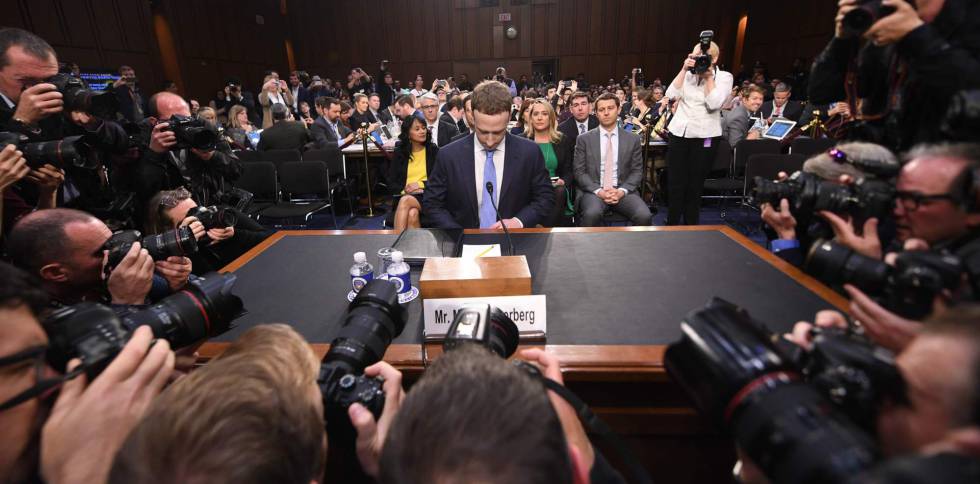
Mark Zuckerberg, founder and chief executive officer of Facebook, testifies before Congress in the U.S. in December 2018.
  •  

EANA pede à Meta retirada cláusula sobre recolha de notícias

EANA pede à Meta, dona do Facebook e Instagram, que remova a cláusula que consta dos seus novos termos comerciais, substituindo-a por condições que respeitem os direitos de autor.

© ADAM VAUGHAN/EPA

A Aliança Europeia de Agência de Notícias considera que a nova cláusula teria "efeitos prejudiciais" em todo o ecossistema dos media
  •  

Mikey Madison, the shy horse rider who won an Oscar and is back in a big way

Mikey Madison burst onto the scene, won an Oscar and disappeared. Just a couple of seasons ago, the 27-year-old Los Angeles actress was everywhere in Hollywood. After a long awards campaign in which Demi Moore seemed poised to triumph at every ceremony, the Oscars delivered a surprise. Madison, still virtually unknown to the wider public, took home the Academy Award for Best Actress for her role in Anora, in which she played a sex worker in a gritty portrayal far removed from Pretty Woman and other fairy tales.

Seguir leyendo

© Monica Schipper (WireImage)

Mikey Madison, at the Dior show held in Los Angeles on May 13, 2026.
  •  

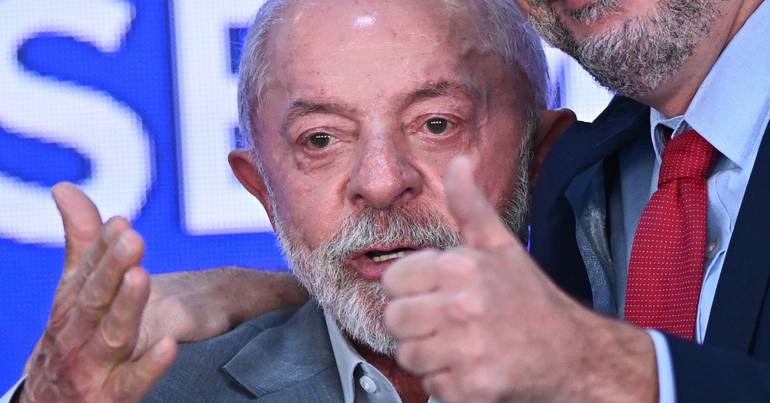
Lula: Meta tem de deixar de enganar e adotar "bons costumes"

Presidente brasileiro reforça que qualquer crime na internet deve ser tratado como "um crime na vida real", após polémica sobre Meta ter suspendido contas e publicações durante período eleitoral.

© Andre Borges/EPA

"Exército de Lula", um grupo no WhatsApp com mais de oito milhões de seguidores, que faz parte da estratégia digital da campanha de Lula, chegou a ser suspenso, após acusações de espalhar notícias falsas por Flávio Bolsonaro
  •  

Meta’s annus horribilis: Why it was hit with the largest fine ever imposed on a tech company

2026 has not been a good year for Meta. On Wednesday, a judge in New Mexico ordered the parent company of Facebook, Instagram and WhatsApp to pay a fine of about $25 billion after finding it guilty of misleading Facebook users about its data privacy policies.

Seguir leyendo

© Carlos Barria (REUTERS)

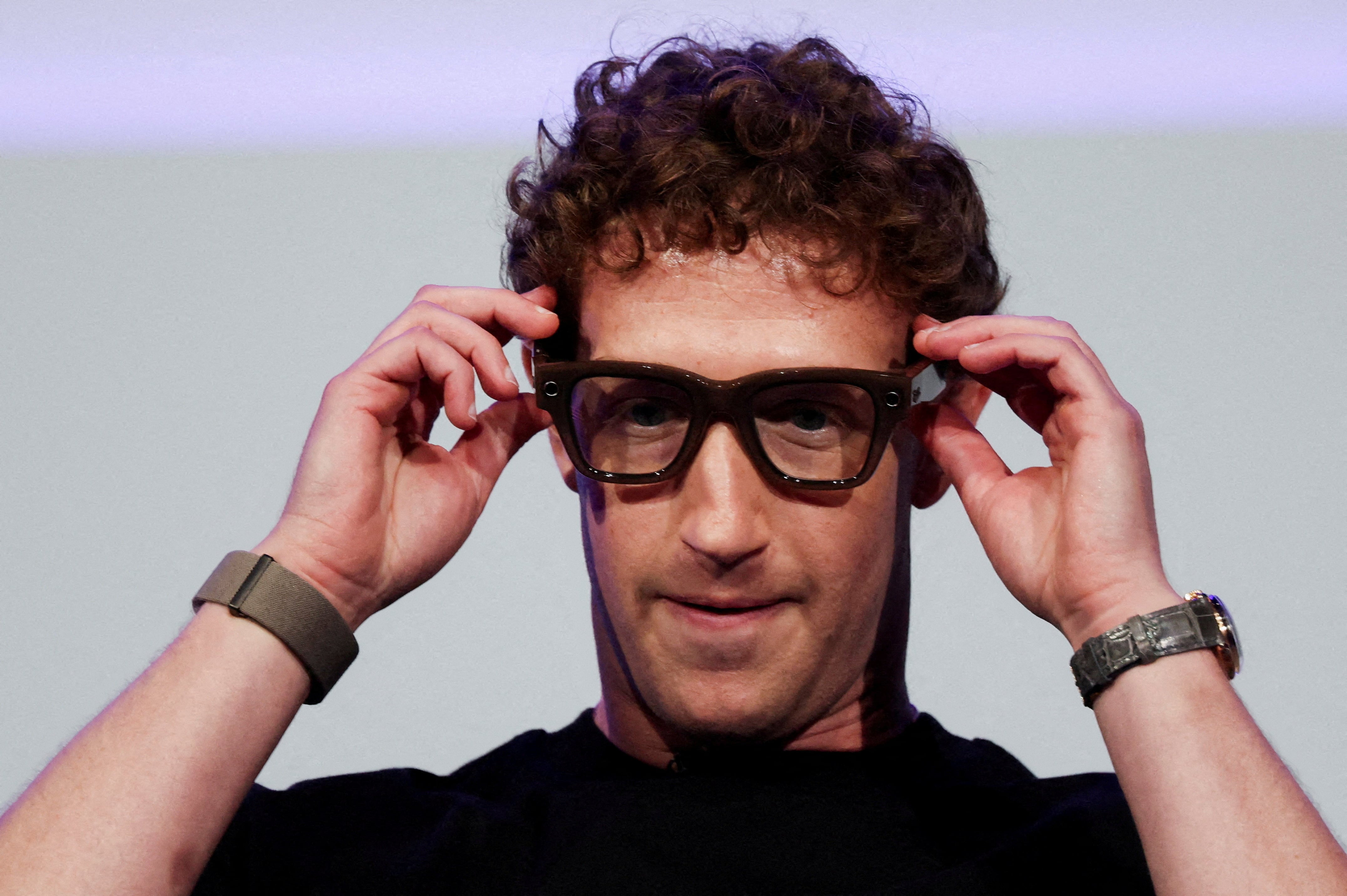
Meta CEO Mark Zuckerberg puts on a Meta Ray-Ban smart glass at the corporate event Meta Connect, held on September 17.
  •  

El año negro de Meta: las claves de la mayor multa a una tecnológica por cometer 43 millones de infracciones

2026 no está siendo el mejor año para Meta. Un juez de Nuevo México, EE UU, ordenó este miércoles a la empresa matriz de Facebook, Instagram o WhatsApp el pago de una multa de unos 22.000 millones de euros al considerarla culpable de engañar a los usuarios de Facebook sobre su política de privacidad de datos.

Seguir leyendo

© Carlos Barria (REUTERS)

El director general de Meta, Mark Zuckerberg, se pone una gafas inteligentesMeta Ray-Ban Display en el evento corporativo Meta Connect, celebrado el pasado 17 de septiembre.
  •  

U.S. Court Fines Meta $25 Billion for Deceiving Users on Data Protection

Photo: EFE.

A U.S. court ordered Meta, the owner of Facebook, Instagram and WhatsApp, to pay $25 billion for deceiving the public about how it protects personal data, in a case tied to the Cambridge Analytica scandal.


Judge Francis Mathew set the fine on Wednesday after a jury determined that Facebook made misleading promises about who could access user data and how that information was protected, according to the ruling. The jury found 26 statements by Meta made between 2010 and 2021 to be misleading, including some by CEO Mark Zuckerberg and then-chief operating officer Sheryl Sandberg.

RELATED: US Supreme Rejects Trump’s Bid to End Gender-Affirming Care for Trans Inmates

In his ruling, Mathew wrote that Facebook’s misconduct, developed over years and systematically disseminated to the public, went to the core of its business practices. According to the ruling, the company maintained those promises despite internal warnings that it could not fulfill them, and allowed certain business partners to retain access to data it had announced it would stop sharing in order to avoid losing revenue. The judge concluded that the messages sought to build trust and attract users, whose data are essential to the company’s personalized advertising business.

The case is deeply tied to Cambridge Analytica, a British consulting firm that worked for Donald Trump’s 2016 presidential campaign and obtained data from millions of Facebook users without consent to promote political advertising, according to a statement from the New Mexico Department of Justice. Revelations about the firm, made public in 2018, affected up to 87 million profiles and sparked an international scandal over the use of personal information by social networks and their role in electoral campaigns. The trial also examined what Facebook said publicly about its efforts to combat disinformation and hate speech.

#UnitedStates | Meta's global affairs chief Joel Kaplan is set to leave after more than 15 years, amid allegations of political bias on the company's platforms ahead of Brazil's presidential runoff.
Meta denies the allegations.#Meta #BrazilElections #ElectionIntegrity… pic.twitter.com/d4fnlFLEmH

— teleSUR English (@telesurenglish) October 22, 2026

Although the judge initially calculated a fine of more than $219 billion, he ultimately reduced the amount to $25 billion, which will accrue annual interest of 15% until effective payment. The money will go to New Mexico’s education system, although the attorney general warned that an appeal by Meta could delay the availability of the funds.

New Mexico Attorney General Raúl Torrez presented the decision as one of the largest financial penalties against a company in U.S. history.

  •  

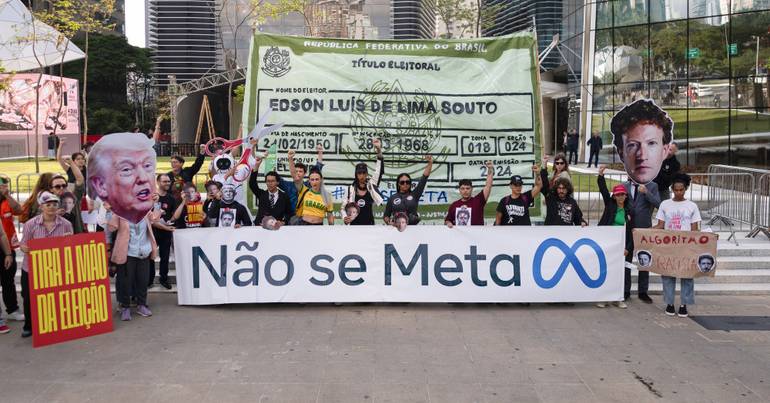
Manifestantes acusam Meta de favorecer Flávio Bolsonaro

"Meta, não se meta" era a palavra de ordem entoada pelos manifestantes, frente ao edifício que alberga o escritório da Meta. Campanha de Lula acusa a tecnológica norte-americana de favorecer rival.

© ISAAC FONTANA/EPA

Manifestantes concentraram-se no famoso centro financeiro da capital paulista, Faria Lima, segurando faixas e cartazes com fotografias do dono da Meta, Mark Zuckerberg
  •  

Meta tem 24h para comprovar tratamento igualitário a Lula e Flávio

O Tribunal Superior Eleitoral (TSE) deu prazo de 24 horas para que a Meta comprove que suas plataformas digitais oferecem tratamento igualitário às campanhas do presidente Luiz Inácio Lula da Silva (PT) e do senador Flávio Bolsonaro (PL), candidatos que disputam o segundo turno da eleição presidencial. A determinação foi feita pelo ministro Marco Aurélio Bellizze nesta segunda-feira (19), após o magistrado considerar insuficientes as explicações apresentadas pela empresa.

A Meta, responsável pelo Instagram, Facebook e WhatsApp, poderá ter a multa diária elevada de R$ 500 mil para R$ 1 milhão caso não cumpra o novo prazo. Segundo Bellizze, a empresa não demonstrou satisfatoriamente que adotou as medidas exigidas pela Justiça Eleitoral para impedir favorecimento ou prejuízo artificial a qualquer uma das candidaturas.

Na decisão, o ministro criticou a tentativa da companhia de estabelecer prazos próprios para responder às determinações judiciais, além da apresentação de relatórios em inglês e documentos que, segundo ele, não esclareciam adequadamente as providências adotadas.

“Incumbe às partes cumprir com exatidão as decisões judiciais, e não criar embaraços à sua efetivação”, escreveu Bellizze.

A cobrança ocorre depois que o plenário do TSE confirmou, na sexta-feira (16), a decisão que obriga a Meta a assegurar condições equivalentes às duas campanhas em seus sistemas de distribuição de conteúdo, recomendação e inteligência artificial.

Denúncia partiu da campanha de Lula

O caso chegou ao tribunal após a campanha de Lula denunciar supostas restrições à circulação de publicações relacionadas ao presidente nas plataformas da Meta. Os advogados do petista alegaram que os conteúdos da candidatura alcançavam menos usuários, enquanto o perfil de Flávio Bolsonaro aparecia em recomendações automáticas.

Outro ponto questionado foi o comportamento da Meta AI, ferramenta de inteligência artificial disponível no WhatsApp. Segundo a representação apresentada pela campanha de Lula, o sistema se recusava a produzir materiais eleitorais favoráveis ao presidente, mas atendia a solicitações semelhantes envolvendo o senador.

Mensagens internas da empresa obtidas pela Folha de S.Paulo também apontaram problemas que teriam prejudicado contas ligadas a Lula. Os registros mencionam restrições ao impulsionamento de publicações e a recomendação algorítmica do perfil de Flávio.

A Meta atribuiu os episódios a falhas técnicas e negou que tenha favorecido deliberadamente um dos candidatos. Em manifestação divulgada anteriormente, a empresa afirmou que os problemas não se restringiam ao Brasil e faziam parte de dificuldades técnicas de alcance global.

O que a decisão proíbe

A determinação do TSE impede que a Meta reduza artificialmente o alcance de conteúdos político-eleitorais relacionados a Lula ou Flávio. A proibição inclui alterações na distribuição das publicações, retirada de recomendações, restrições aos resultados de busca e mudanças de métricas que possam prejudicar uma das candidaturas.

A empresa também deverá aplicar critérios equivalentes às duas campanhas em suas ferramentas de inteligência artificial. A ordem busca impedir que os sistemas ofereçam respostas diferentes a solicitações semelhantes em razão do candidato envolvido.

O ministro ressaltou que a apresentação de informações sobre a ausência de comportamento inautêntico coordenado não substitui a obrigação de demonstrar quais medidas foram efetivamente adotadas para cumprir a decisão judicial.

Estudos apontam anúncios eleitorais irregulares

A discussão sobre a atuação das plataformas digitais ocorre em meio a outras denúncias envolvendo publicidade política na internet.

Um estudo da organização britânica Eko, divulgado em setembro, apontou que a Meta aceitou anúncios políticos direcionados ao público brasileiro, pagos por uma conta sediada nos Estados Unidos. Segundo a pesquisa, as peças utilizavam inteligência artificial sem a identificação exigida e apresentavam informações eleitorais falsas.

Outro levantamento, realizado pelo NetLab, laboratório de estudos de internet e redes sociais da Universidade Federal do Rio de Janeiro (UFRJ), identificou anúncios políticos considerados irregulares no país e financiados a partir do exterior.

A decisão do TSE não representa, por si só, uma conclusão definitiva de que a Meta tenha interferido deliberadamente na eleição em favor de Flávio Bolsonaro. A empresa nega favorecimento, e o tribunal exige que ela demonstre o cumprimento das regras de igualdade entre as candidaturas.

The post Meta tem 24h para comprovar tratamento igualitário a Lula e Flávio appeared first on Diário da Manhã - O Jornal do leitor Inteligente.

  •  

Meta Is Gifting AI Glasses to Blind Veterans: 'I Got My Independence Back'

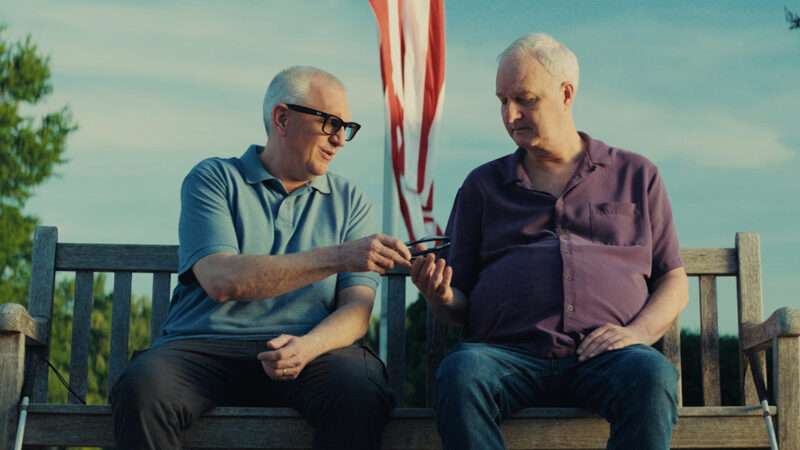
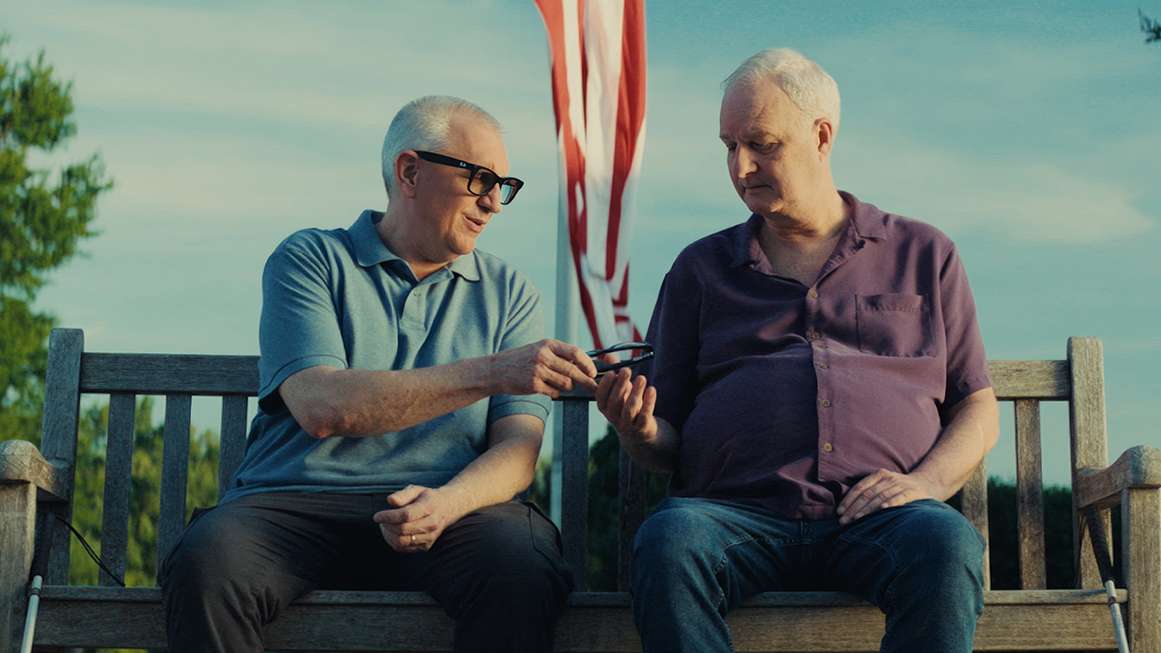
Two men sitting on a bench with one of them wearing Meta glasses | Photo: Meta

Two hundred years ago, the invention of Braille allowed blind people to read and write. By the 1930s, recorded sound made "talking books" possible. Developments in text-to-speech technology in the 1980s made reading more accessible and widespread. Then came personal computers, screen readers, smartphones, cameras, GPS, voice assistants, and myriad other technological advancements that gave blind people more independence.

Now a pair of sunglasses can read your mail, describe the person in front of you, tell you what is on a restaurant menu, and help you find your way home. Meta, the parent company of Facebook, is using artificial intelligence to turn glasses into a hands-free companion. For any person, this technology is impressive. For the approximately 700,000 Americans who are blind, it is potentially life-changing.

In June, Meta announced that every single blind veteran in the United States could receive its AI glasses free of charge. According to the Department of Veterans Affairs (V.A.), approximately 130,000 American veterans are legally blind, and over 1 million veterans have vision impairment that makes performing daily activities difficult. Don Overton, a blind veteran and former executive director of the Blinded Veterans Association, told Meta that he had "lost [his] independence" after losing his eyesight in a bunker explosion. "The moment I put on my Ray-Ban Meta glasses," he said, "I got my independence back."

The V.A. has a history of failing to fully support blind veterans. In 2022, the V.A.'s Office of Inspector General found that claims processors were instructed to contact visually impaired veterans by telephone, but 87 percent of claims showed no evidence of these calls ever happening. A 2022 investigation by the Senate's Special Committee on Aging found that "roughly 90 percent" of V.A. websites were not compliant with federal accessibility requirements. "We feel we've been abandoned by the agency that is tasked with providing our care and services for us," Overton told The Washington Post in 2022.

Meta's AI glasses have come under fire due to their privacy risks. The company was sued in March after Swedish publications Svenska Dagbladet and Göteborgs-Posten reportedly found that Meta's contractors in Kenya were accessing videos by users of their AI glasses. "We see everything, from living rooms to naked bodies," one worker noted.

Users should be aware of those risks. Still, for blind veterans, companies such as Meta have stepped up to fill a gap that the government has failed to address.

The post Meta Is Gifting AI Glasses to Blind Veterans: 'I Got My Independence Back' appeared first on Reason Magazine.

  •  

Who Ya Gonna Call? Scam Busters!

Mark Seal is very fond of the phrase “Who Ya Gonna Call? Scam Busters!”—he uses it three times in this piece. Yet it’s still refreshing, despite being from last year, to read a story that focuses on the painstaking effort to trace scammers rather than lingering on the victim’s humiliation (looking at you, Netflix). Seal does explain how a French woman named Anne fell for “Brad Pitt” online and subsequently lost her fortune to the scammers, but her supposed savior, cyber‑detective Marwan Ouarab—sporting a cat‑in‑a‑trench‑coat T‑shirt—gets most of the page time here. Ouarab apparently found the scammers within 48 hours, but no charges have been made, and Anne is still fighting to recover any of her money. You can call the scam busters, but you’re still in for a long wait.

“All during the scam, Anne was suspecting something,” he says over a vanilla flan, a sweet treat for a very determined guy. “But every time, the crooks had fine words, the right words. They were really poetic. They knew what words were right for her. They really understood Anne’s psychological profile.”

It was a classic “sentimental scam,” says Ouarab—a carefully produced, all-encompassing “theatrical event” that uses love as the bait to hook the target and then envelops them completely in the con. (In this case, the divorced interior designer, Anne, whose last name has not been made public, and a convincing facsimile of Brad Pitt, achieved via A.I., deepfake technology, and, according to Ouarab, “ridiculous photoshop tools to create pictures of the fake Brad in his hospital bed.”)

  •  
❌