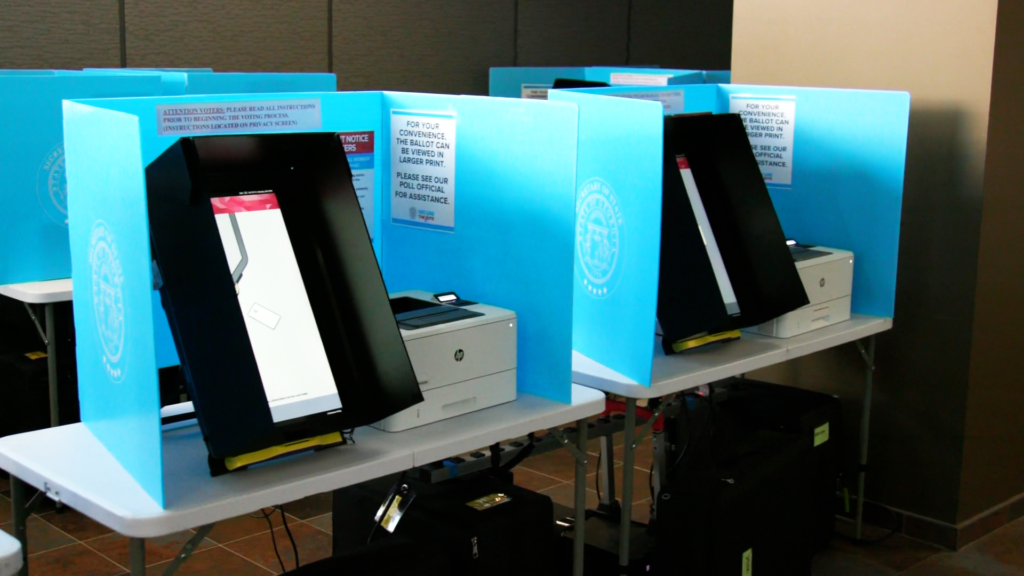
The Trump administration has stepped up efforts to challenge the integrity of elections and assert greater control over how they are conducted. Georgia has been at the center of that debate ever since Trump's false claims about the state's role in the 2020 election. In partnership with the Pulitzer Center, Liz Landers looks at how Georgia is working to restore confidence in the voting process.
Former Rep. Marjorie Taylor Greene (R-Ga.) criticized President Trump, saying Sunday he had “become a curse to Republican candidates” ahead the November midterm elections when the GOP is projected to lose the House. “He has no idea how bad he is doing in GA. And to threaten our state that he would refuse to help…
Gernot Döllner criticised for in-person announcement of major investment in US days before midterm elections
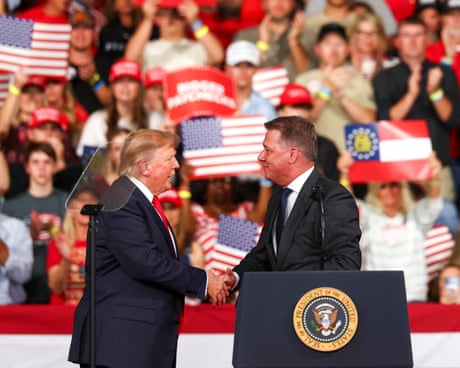
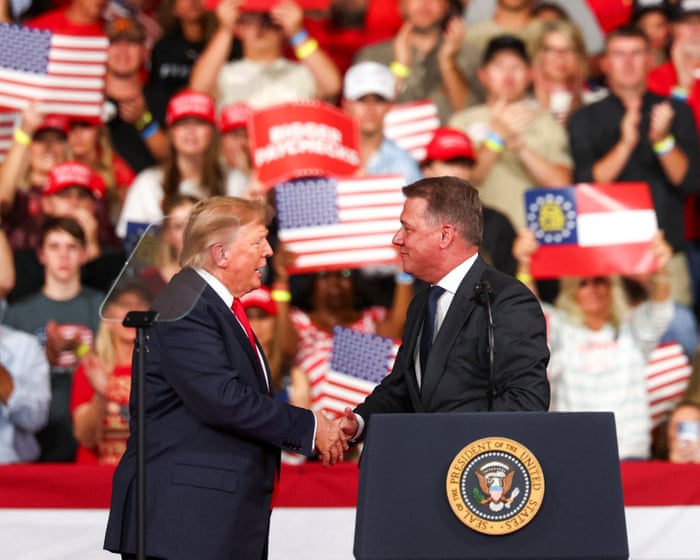
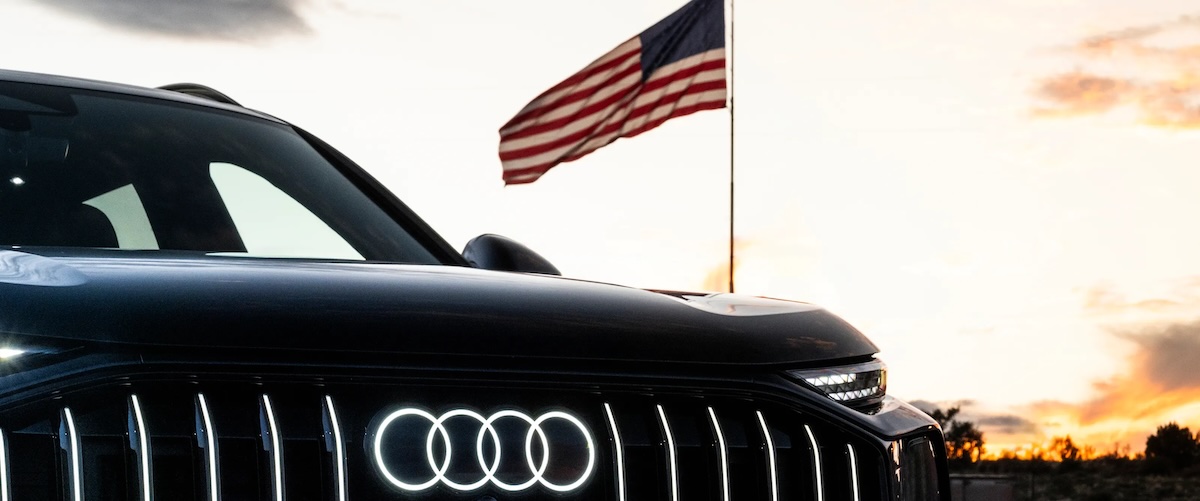
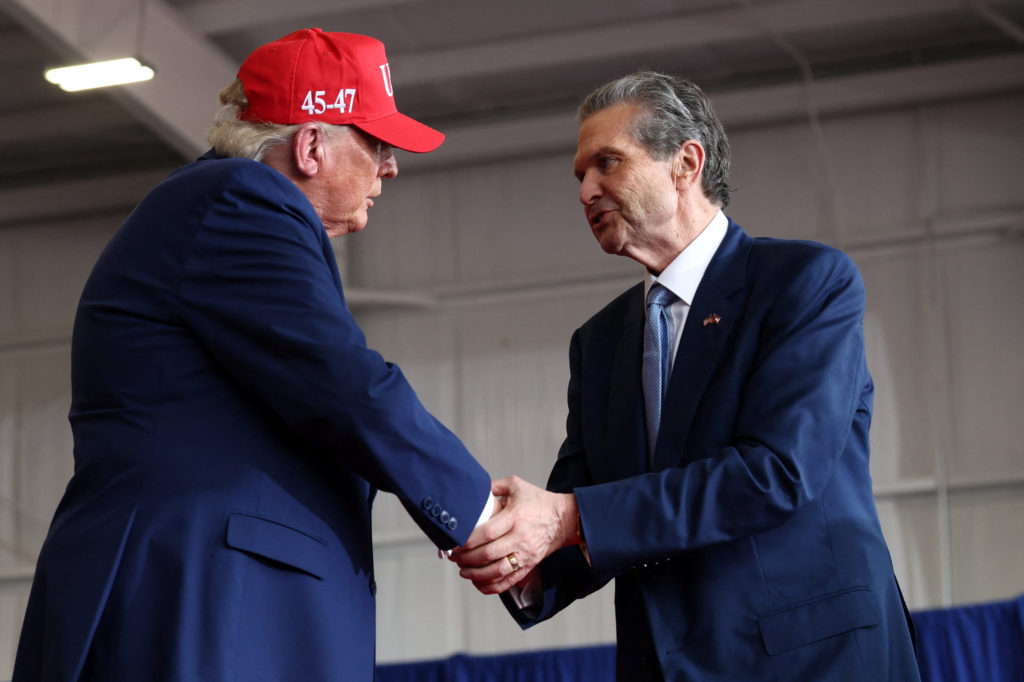
The head of the luxury carmaker Audi is under fire in Germany for appearing at a rally with Donald Trump just days before the US midterm elections, to announce billions of dollars of investment in battleground state Georgia.
Gernot Döllner joined Trump on stage after the US president gave a speech criticised by the head of an elected body of employees at Audi’s parent company, Volkswagen, as being full of “racism, sexism, transphobia [and] contempt for democracy”.
Citizens want greater democracy, while tourists seek out Soviet-era nostalgia, but could Russia’s war on Ukraine be the ultimate decider of country’s fate?
In the heart of Tbilisi’s Armenian quarter, Avlabari Square is where crowds gather for the “Saturday March”. Every weekend, protesters head towards the Bridge of Love, reach Freedom Square and march towards parliament, chanting slogans against Irakli Kobakhidze’s government.
Demonstrators in Tblisi take part in the Saturday March, when pro-European parties and movements march through the historic centre to protest against the policies of the ruling Georgian Dream party, which critics accuse of being pro-Russian.
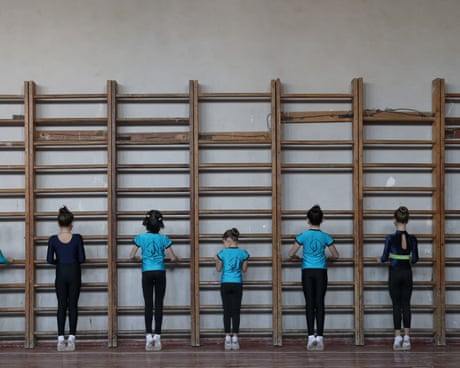
Maka Gogaladze’s debut feature looks at generational differences in the context of Georgia’s education system and emphasis on collectivism
The scars imprinted on impressionable young minds can never fully fade away. Aiming her lens at a rocky beach thrashed by crashing waves, Maka Gogaladze opens her intimate film with a painful anecdote from her adolescent years. Through on-screen texts against a stormy sky, the Georgian film-maker recalls the time she dumped all of her poems into the garbage. The impulsive decision was a gesture of rebellion against her domineering mother; Gogaladze had wanted her to feel guilty.
This debut feature would appear, at first glance, to be another act of revolt. Putting her mother in front of the camera, Gogaladze asks probing, at times blunt, questions about the strict education thrust on her in childhood. Together, they talk about piano lessons that ended in tears, and tough academic exams that continued to haunt the director well into her adulthood. Their contrasting personalities are fascinatingly revealed across these conversations in all their tension, yet these sequences also represent a moving effort to reach across generational differences.
Audi investe 4 miliardi di dollari nel primo stabilimento americano in Georgia: 4.500 posti di lavoro e capacità fino a 200.000 veicoli l’anno.
Audi compie un passo decisivo nella strategia di crescita globale con il progetto del suo primo stabilimento produttivo negli Stati Uniti. L’Azienda intende investire circa 4 miliardi di dollari e creare circa 4.500 posti di lavoro. Il sito sarà progettato per una capacità annua fino a 200.000 veicoli: la costruzione dovrebbe iniziare nel 2027, mentre la produzione è prevista per i primi anni ’30.
Crescere in America per i clienti americani
Gli Stati Uniti sono il secondo mercato premium al mondo e rappresentano per Audi un potenziale di crescita considerevole. Il progetto nasce con SUV premium su misura per i clienti nordamericani e prodotti localmente, all’interno di una strategia di lungo periodo basata su esigenze dei clienti, gamma competitiva e un modello di business più efficiente. La strategia per Audi Stati Uniti punta a una crescita redditizia e sostenibile. Il CEO di AUDI AG, Gernot Döllner, sostiene che le ambizioni per il marchio in America sono molto più grandi e che il potenziale non è ancora stato pienamente realizzato. Secondo il manager, l’obiettivo è costruire un business Audi più solido nel Paese, non soltanto realizzare uno stabilimento, grazie a prodotti premium, un brand più forte e una base produttiva locale competitiva. Avvicinare la produzione alla domanda dei clienti nordamericani è un elemento chiave del progetto. Per un marchio premium, il radicamento locale significa seguire da vicino preferenze, volumi e tempi di un mercato che resta tra i più importanti del settore.
Audi Georgia: perché il Middle Georgia Mega Site
La scelta della Georgia si basa su forza lavoro qualificata, una rete consolidata di fornitori automotive e una solida infrastruttura logistica. Lo Stato è considerato recettivo per gli investimenti industriali e l’area “Middle Georgia Mega Site” garantisce flessibilità e spazio per successive espansioni del sito. Lo stabilimento sarà progettato sulle future esigenze produttive Audi, con attenzione a efficienza, flessibilità e capacità di rispondere ai cambiamenti della domanda e alle esigenze dei clienti. La disponibilità di spazi consente inoltre al sito di crescere nel tempo, adattandosi a scenari di mercato in evoluzione.
Un impianto da zero con processi avanzati
Gerd Walker, membro del Board per la produzione e la logistica di AUDI AG, sottolinea che partire da zero permette di sviluppare fin dal primo giorno processi altamente efficienti e flessibili, integrare tecnologie avanzate e costruire una rete di fornitori locali solida. L’ambizione dichiarata è fissare un nuovo standard di riferimento per la produzione premium e rafforzare la rete globale Audi. Con circa 4.500 posti di lavoro previsti, il progetto aprirà opportunità per fornitori, prestatori di servizi e partner regionali, con effetti che vanno oltre i cancelli dello stabilimento. Il caso mostra come un investimento industriale possa generare un indotto esteso sul territorio.
Tempi e tappe del progetto
Il percorso prevede l’avvio dei lavori nel 2027 e la produzione nei primi anni ’30. Nel frattempo il progetto dovrà consolidare la filiera di fornitori locali e le competenze della forza lavoro, elementi che i vertici indicano come centrali per la competitività dello stabilimento. Il calendario lungo è coerente con la natura del progetto: un impianto nuovo, costruito da zero, che richiede una pianificazione dettagliata di processi, tecnologie e logistica prima dell’avvio della produzione.
Il sostegno dello Stato
Il Governatore della Georgia, Brian P. Kemp, rivendica la reputazione dello Stato come luogo in cui le aziende globali possono costruire il proprio futuro. Per Kemp la scelta di Audi rappresenta un passaggio cruciale in questo percorso e un’occasione per generare prosperità economica duratura e contribuire alla prossima generazione dell’industria automobilistica americana.
Investire negli USA per la competitività globale
Una presenza più forte in Nord America permette ad Audi di operare a livello globale in modo più bilanciato e resiliente, riducendo l’esposizione ai rischi commerciali e valutari e aprendo ulteriori opportunità di crescita redditizia. La Germania e l’Europa restano la spina dorsale industriale del marchio, grazie a competenze ingegneristiche, capacità tecnologiche e know-how locale. Manfred Döss, Presidente del Consiglio di Vigilanza di AUDI AG, sostiene che il futuro dell’azienda non sarà garantito solo dalla riduzione dei costi o da una maggiore efficienza. Serve il coraggio di investire e di prendere decisioni che plasmeranno l’azienda nei decenni a venire, e l’investimento americano è proprio questa determinazione. Il caso Audi sembra indicare una tendenza più ampia: i grandi costruttori premium stanno rivedendo la geografia della produzione per restare vicini ai mercati di riferimento e ridurre le vulnerabilità legate al commercio internazionale.
VW investment, creating 4,500 jobs in Georgia, comes amid Trump’s damaging tariffs, intense Chinese competition and costly shift towards EVs
Audi has said it will spend $4bn (£3bn) to build its first factory in the US, as its parent company, Volkswagen, struggles with the impact of steep tariffs imposed by Donald Trump.
The German brand’s chief executive, Gernot Döllner, joined Trump on stage at a campaign rally on Saturday night to announce the factory in Macon, Georgia, in an unusual move by a big European brand just days before the US midterm elections.
President Trump announced a new Audi factory Saturday while campaigning in Georgia, a move that arrived almost a week before November’s midterms. “Today, I’m thrilled to announce a massive auto manufacturing investment in the great state of Georgia by a fantastic company,” Trump said during Saturday’s rally. “Audi has just committed to invest $4.2 billion…
Jackson's path differs from Donald Trump's, and the 72-year-old healthcare magnate and investor brings a vastly different persona to his first campaign. Unlike Trump, who was born to wealth, Jackson spent his early years bouncing through foster homes before launching his first company as a young man.
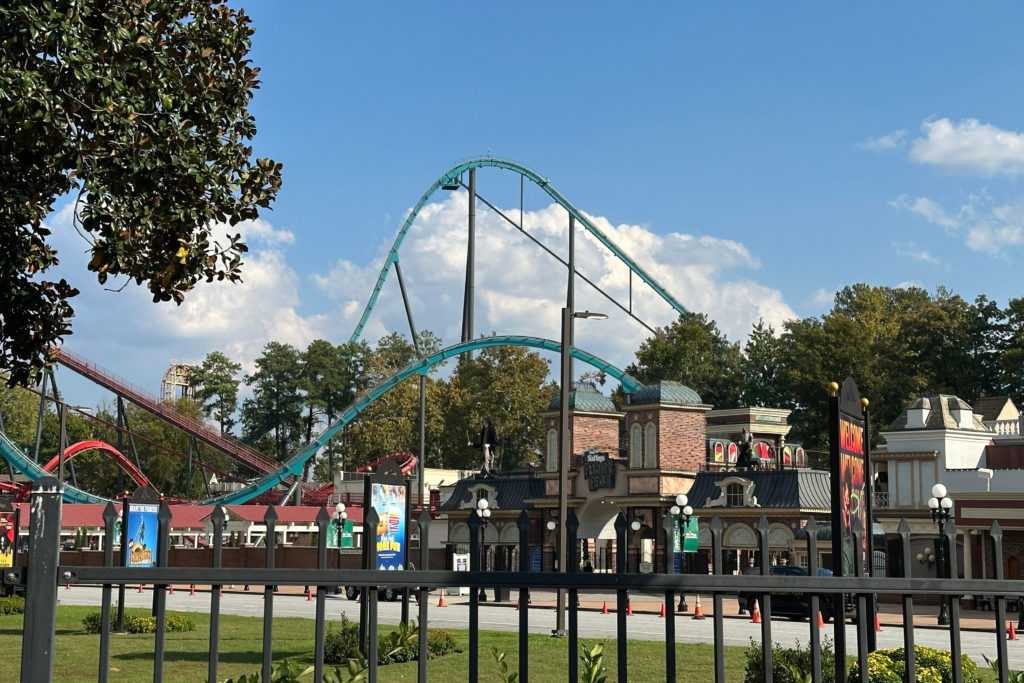
The theme park operator announced the extra safeguard less than two weeks after 42-year-old Hassan Jihad Ibn Kariem of Atlanta died after being ejected from his seat on the Goliath coaster at Six Flags Over Georgia.
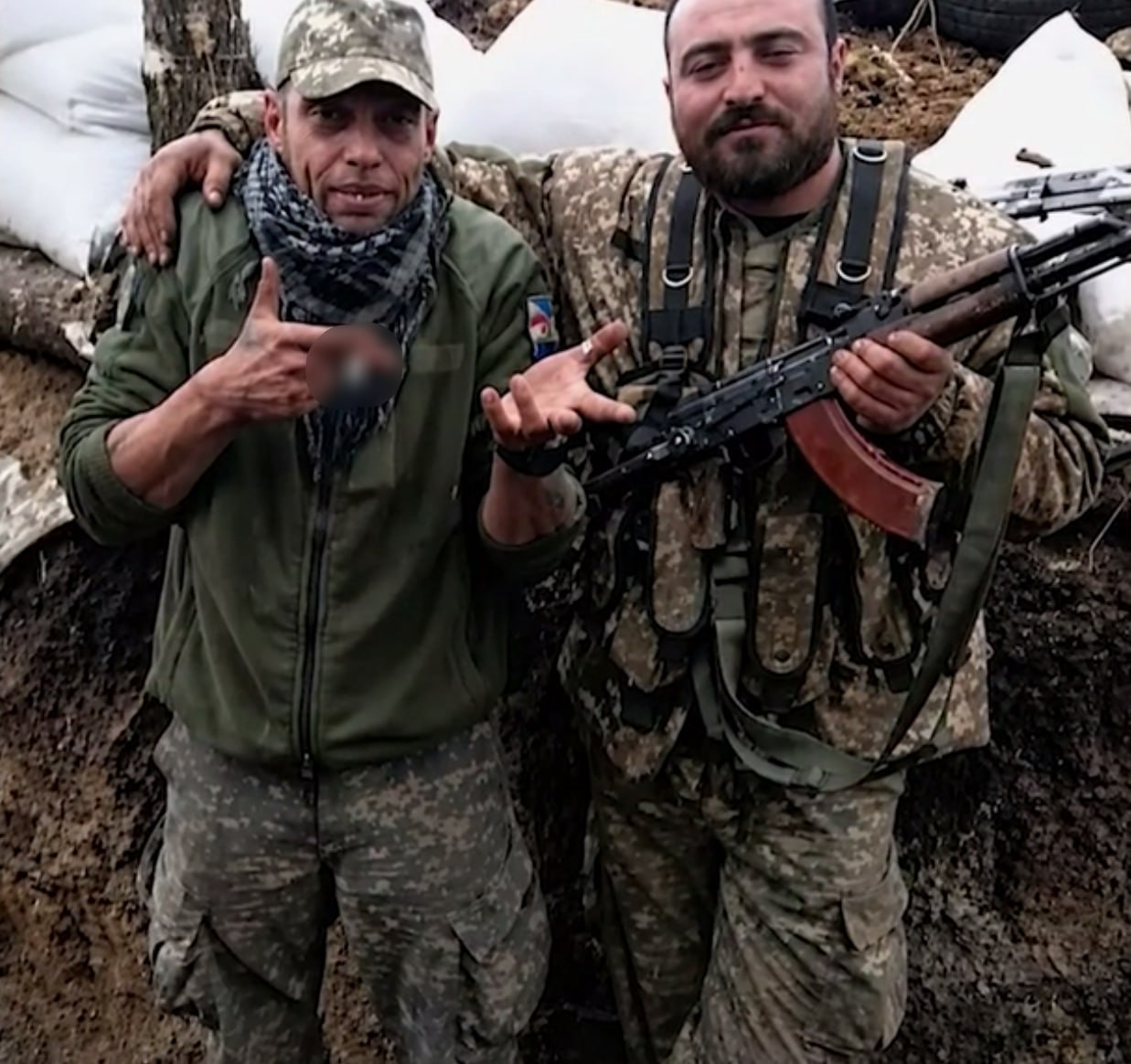
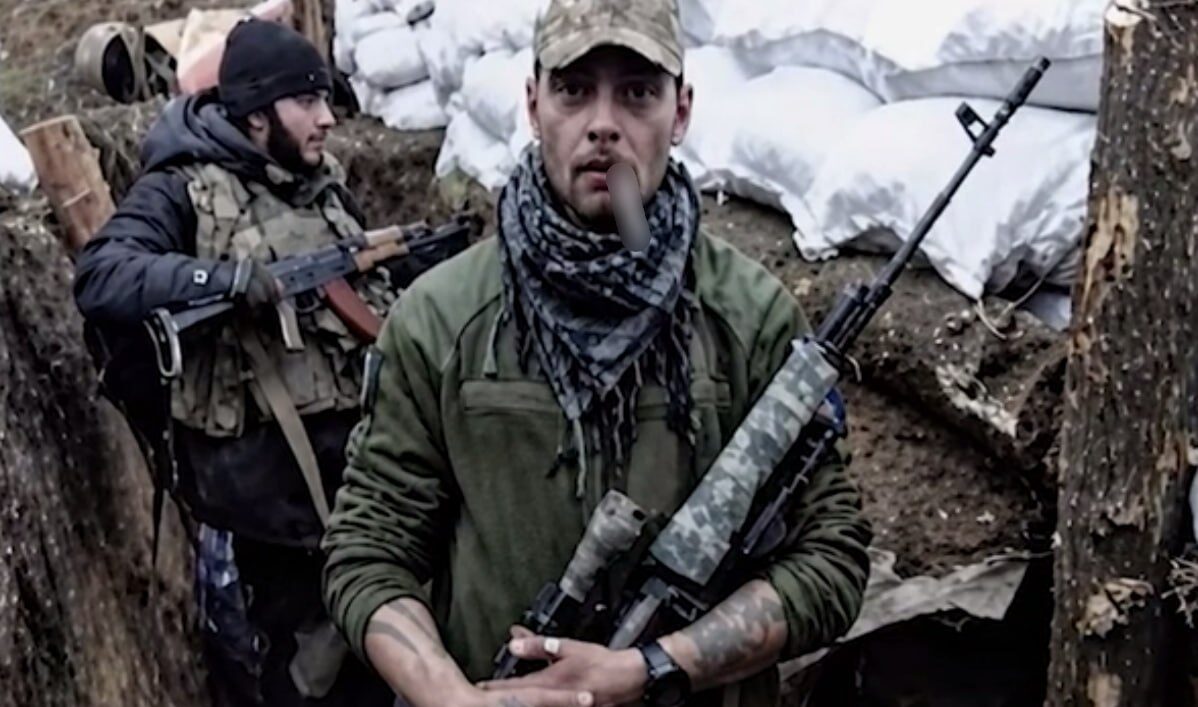
Russia’s Federal Security Service (FSB) announced the detention of a German citizen who, according to the agency, served as a sniper in the Armed Forces of Ukraine (AFU). The man identified himself as Michael Friedrich, born in 1976 in Frechen, North Rhine-Westphalia. His testimony was released in a video distributed by the FSB.
According to Friedrich, he is an active-duty member of AFU unit A4024, holding the rank of corporal and serving as a sniper. “I personally signed the contract on December 5, 2025, for a term of three years,” he said.
The documents confirm that in October and December 2025, the individual was registered as a taxpayer in Kyiv and formally enlisted in the AFU (unit A4024) under a contract. This is consistent with Friedrich’s testimony that he signed the contract on December 5, 2025
The detainee said he served in the Bundeswehr from 1996 to 2008. “During my service, from 2004 to 2006, I took part in combat operations in the Republic of Afghanistan as part of the German contingent,” he stated. He then said he took part in operations in Somalia and, after being discharged, fought in Syria as a mercenary from 2008 to 2010.
He first arrived in Ukraine in 2016 and served in the 25th Territorial Defense Battalion until 2018.
“After signing the necessary documents, I was assigned to the 25th Territorial Defense Battalion. I was on the line of contact in the area of the city of Donetsk,” he said. According to his statement, he did not receive any additional training.
He also stated that the battalion consisted mainly of foreign nationals, including citizens of the United Kingdom and Georgia.
“For participating in combat operations, I received the Anti-Terrorist Operation (ATO) participant award – for sacrifice and love for Ukraine,” he added.
After his first contract ended, he left for Switzerland. In November 2025, he returned to Ukraine with military uniform and equipment. In Kyiv, he claims, he signed a new contract with the AFU.
“After signing the contract, I was promised a payment of 100,000 hryvnias. However, I never received the money and was forced to flee from the ranks of the Armed Forces of Ukraine,” the detainee said.
The FSB said it is considering opening a criminal case under Article 359 of the Russian Criminal Code – “mercenarism.” The article provides for a prison term of seven to fifteen years.
At the same time, the agency did not disclose the location or circumstances of the detention, or how the man ended up in Russia. The German weekly Der Spiegel reported that it had been able to identify the detainee. According to the publication, Georgian Legion commander Mamuka Mamulashvili confirmed that the man had served in his formation in 2017–2018.
Click to see the full-size image
Click to see the full-size image
Click to see the full-size image
Thus, the detainee’s participation in combat operations on Ukraine’s side has received additional confirmation. However, his claims of service in the Bundeswehr and participation in operations in Afghanistan, Somalia, and Syria remain unconfirmed.
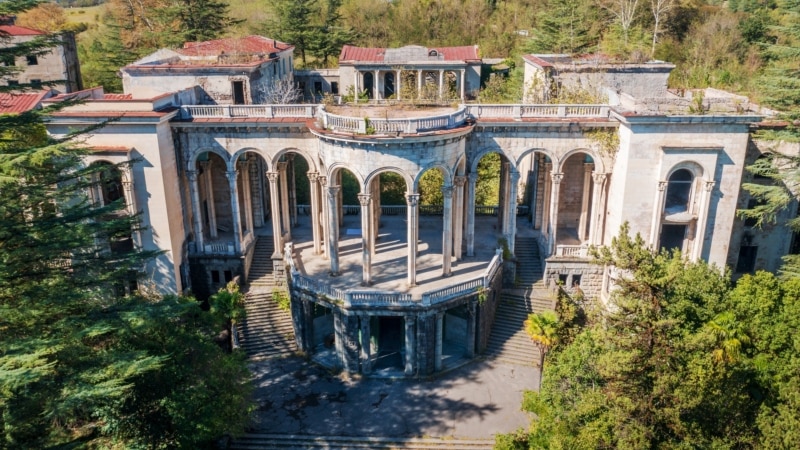
Ten sanatoriums in the crumbling resort town of Tskaltubo are under the hammer, years after billionaire Bidzina Ivanishvili vowed to purchase and restore the famed properties.
RFE/RL's Sandro Jupalakiani explains how Georgia's ruling party wants to ban the country’s largest opposition parties, a move critics warn would undermine democratic freedoms and ties with the West.
One of the unfortunate quirks of the American system is that you can't lie to the government, but the government can lie to you. Samuel Tunick found himself on the receiving end of this setup last year at Atlanta International Airport. When agents from the Department of Homeland Security (DHS) asked for his phone password, he allegedly gave them a self-destruct code that wiped his data. Tunick now faces five years in prison for destroying evidence.
It turns out that the feds were lying to Tunick the entire time. A new court filing, first reported by 404 Media, shows that the DHS had sent out an order to seize Tunick's phone over his involvement in environmentalist protests in Atlanta. When he landed at the airport, however, agents told Tunick that they were looking for "kiddie porn" and he would be allowed to leave with his phone if he cooperated. They also repeatedly denied him access to his lawyer when he asked.
"There can be no real debate that if law enforcement had acted similarly elsewhere in Atlanta, their actions would be unconstitutional. But the government says it was entitled to act this way because Mr. Tunick was returning from an international vacation" in the Dominican Republic, his lawyers wrote in the filing, which includes internal DHS communications and excerpts from his interrogation video.
U.S. law recognizes a "border exception" to Fourth Amendment privacy rights, allowing federal agents to search incoming travelers for contraband. U.S. Customs and Border Protection (CBP) claims that this exemption also allows them to hold travelers for questioning and search their electronic data. Tunick's case reveals just how widely the agency stretches this loophole.
A few hours before Tunick landed, Homeland Security Investigations (HSI) agent Travis Mcghie emailed the CBP station in Atlanta with his photo and information, stating that he is under investigation for "suspected terrorist activities." (Tunick is involved in Save the Atlanta Forest, also known as Stop Cop City, a protest movement against a local police training center.) The email asked CBP to "conduct a 100% baggage exam, retain all electronics and collect passcodes," stating that the HSI will be at the airport to conduct an interrogation.
Pulled into the secondary screening room, Tunick "almost immediately" told CBP officers that "I don't really want to speak without a lawyer any more," according to the filing, which cites the interrogation tape. He would ask for a lawyer multiple times.
The agents asked Tunick if he had "kiddie porn" on his phone and stated that "because you're refusing to talk, we have the authority to go through your phone to see what we're looking for." One of them, Latoya Castro, told Tunick that "either you can give us your password so that we can go through it no problem, or you can refuse to do that, unfortunately, we will have to seize your phone."
Both of those statements were a lie, of course. The HSI's email had asked CBP to take Tunick's phone, whether or not he cooperated.
The lie about child porn may not only have been meant to intimidate Tunick. While there arecontradictory lower court rulings about the border search exemption, some courts have ruled that the CBP can only search electronics for "digital contraband," or files that are themselves illegal. A search for child sex abuse material would be on stronger legal ground than a search for mere evidence of other crimes.
Tunick was using GrapheneOS, a secure phone system that allows users to set both a real password and a "duress password" that wipes out all data when entered. The interrogation tape shows his phone appearing to reset after he gave the officers a passcode. HSI agent Nathan Burnham and FBI agent Andrea Coble then entered the room.
"You are not under arrest. Once these gentlemen are done with you, pursuant to your entry into the country, you're free to leave," Burnham said, referring to the CBP officers.
Tunick's lawyers argue that the judge should throw out the phone password Tunick provided and everything that resulted from entering it as an "involuntary" response made under "unlawful interrogation," because the CBP agents did not read Tunick his Fifth Amendment rights and ignored his multiple requests to consult with his lawyer before answering their questions.
The CBP claims that secondary screening at the border doesn't count as a criminal investigation, so detainees don't have the same rights as criminal suspects. "Since the international arrivals inspection is an administrative function, CBP policy and federal regs do not permit the presence of lawyers during secondary examinations," a spokesmantoldReason earlier this year.
But Tunick's lawyers insist that his experience was "far outside" a normal border crossing: He was accused of a serious crime to his face, faced an investigation for a different serious crime he didn't know about, and clearly could not leave the situation until he gave information to government agents.
"I hope people understand that the charges against me are meant to intimidate people against protecting their data and their privacy, and the government hopes to set a precedent that no one has the right to privacy," Tunick told 404 Media.
Defend the Atlanta Forest, the movement that Tunick is involved with, has been amajor nuisance for authorities in Georgia. Protesters attacked and burned construction equipment throughout 2022, and police shot a protester in 2023 under unclear circumstances, claiming that they were fired at during a raid.
The Trump administration has brought down the federal government against the movement. In June 2026, the Department of Justice broughtfederal charges against two alleged arsonists, citingNational Security Presidential Memo 7, which directs the feds to go after left-wing domestic terrorism.
But beyond the email line about "suspected terrorist activities," there is no indication of what specific crimes the feds suspected Tunick of, or why they suspected him. And the whole setup of the interrogation was designed to hide those answers. In fact, instead of charging Tunick under typical obstruction or evidence-destruction laws, federal prosecutors chose ararely-used statute that doesn't require them to disclose what the underlying investigation was about.
"Many times the government wants to highlight what it was trying to investigate because that ups the stakes on what the defendant was doing," former prosecutor Daniel RichmantoldThe New York Times. "This is a case where I think they're trying to avoid exactly that by focusing only on the destruction, and not what the investigation was about."
When Americans vote in the midterm elections next month, it seems likely that Democrats will see decisive victories across the country.
This trend seems likely to affect Georgia's two most high-profile races differently. Sen. Jon Ossoff, a Democrat, is running for reelection against Rep. Mike Collins, a Republican who represents the state's 10th congressional district, while in the race to replace Gov. Brian Kemp, former Atlanta Mayor Keisha Lance Bottoms faces Republican billionaire Rick Jackson.
Ossoff and Bottoms may both be Democrats, but their prospects look very different: A recent poll put Ossoff nearly seven points ahead of Collins, but Bottoms was a point and a half behind Jackson, trailing the senator from her own party by more than five points.
Democrats hope that if Ossoff does well enough, it will boost their other candidates. But it's worth asking why Bottoms, who was feted as a possible vice presidential candidate, is struggling to break even against someone with no prior name recognition, in a year expected to be a boon for her party.
It's possible that the crime and protests of 2020 could be weighing down Bottoms' candidacy in an otherwise auspicious year for Democrats.
Mayor Bottoms and the 'COVID Crime Wave'
Bottoms' single term as mayor of Georgia's capital city would be defined by summer 2020. Amid the COVID-19 pandemic, violent crime rose across the country, but it was worse in Atlanta—homicides were up 59 percent, while most other cities averaged 33 percent. Bottoms herself later called it the "COVID crime wave."
Then on May 25 in Minneapolis, a police officer killed George Floyd, an unarmed black man accused of passing a counterfeit $20 bill. Footage went viral, and protesters across the country took to the streets.
In some places, including Atlanta, protests turned destructive, and the police responded in kind.
Bottoms called for peace. "If you care about this city, then go home," she exhorted rioters in a news conference. "When you burn down this city, you're burning down our community."
She won bipartisan praise. "Your passion, your composure, your balance, has been really incredible," then-presidential candidate Joe Biden told her.
But just days later, Atlanta police officers shot and killed a black man, Rayshard Brooks, in a Wendy's parking lot. Protesters gathered the next day and burned the restaurant to the ground.
Meanwhile, after the district attorney announced charges against the cops involved in Brooks' shooting, more than 170 officers called out sick in protest. Bottoms admitted that officer morale "is down tenfold."
Then on July 4, less than half a mile away from the site of Brooks' death, protesters shot into a car, killing 8-year-old Secoriea Turner.
The crime spike persisted into 2021, and in May of that year, Bottoms announced that she would not run for a second term.
Officially, she said, it was "time to pass the baton on to someone else," though her announcement "came as the city faces a homicide rate topping that of this time last year—a historically deadly one in Atlanta," Henri Hollis wrote at the Atlanta Journal-Constitution.
Indeed, it seems the "COVID crime wave" had caught up with her: A September 2021 poll found that while 57 percent of city residents approved of the job she was doing, 53 percent also felt the city was on the wrong track, including 48 percent of Democrats. The top issue was crime, which 70 percent of respondents felt was headed in the wrong direction.
She later told New York that by stepping down, she was "putting my emotional and mental health first"—a worthy reason, though a bit odd since she now seeks an even higher office.
Then again, she also had higher aspirations. Bottoms was one of the first officeholders to endorse Biden for president in 2020, and she later made his shortlist of potential running mates. After the end of her term, she joined Biden's White House as director of the Office of Public Engagement, after which she moved over to the President's Export Council for the remainder of his term.
Bottoms announced her run for governor just four months after leaving Washington. And while she locked up the Democratic nomination easily, winning 56 percent of the vote among seven candidates, she didn't exactly fire up the base, and it seems like she just expected to coast to victory.
"It feels a lot like she gained the nomination…largely from name identification," progressive journalist Zaid Jilani tells Reason. "She really wasn't raising that much money or spending that much on television….It should be a high-profile race in many ways, but the ideas she's putting forward are fairly rehashed," and "she doesn't have that much creative advertising."
Rick Jackson's Deep Pockets and Shallow Record
Rick Jackson, meanwhile, seemed to come out of nowhere.
President Donald Trump endorsed Lt. Gov. Burt Jones in August 2025, and Jones led the Republican primary field at the end of that year.
While Kemp famously resisted Trump's efforts to subvert Georgia's presidential election results in 2020, Jones was a willing participant in the scheme.
"I've been the Trump guy since 2015, not '16," Jones bragged. "I've taken all the battle scars and everything else. I know who ran and hid during 2020 and everything else."
Then in February 2026, just three months before the primary, Jackson entered the race. He was a septuagenarian with no name recognition, but he was also quite wealthy, so he blanketed the state with ads to introduce himself to voters.
In six weeks, he spent over $30 million—"more than any candidate has ever spent in a primary race for Georgia governor, with more than two months before the May 19 election," wrote Jeff Amy of the Associated Press.
It worked: Jackson beat Jones in a primary runoff with 53 percent of the vote. By then, he had spent $108 million on his campaign while raising less than $400,000 from donors.
Jackson has made much of his background, as a child of poverty who entered the foster system at age 13 to escape a dysfunctional household. As an adult, he started in sales and worked his way up to entrepreneurship, starting Jackson Healthcare in 2000 and growing it to more than $1 billion in annual revenues. He is also a generous donor to charitable causes, particularly those relating to foster care.
But with no political record, Jackson can be hard to pin down on certain issues.
For example, one Jackson ad criticizes Bottoms for the rise of data centers in Atlanta, even though he has also spoken positively of their economic potential.
Georgia Democrats have tarred Jackson as a Trumpian election denier, singling out a comment he made at a campaign event: When asked if the 2020 election was stolen, Jackson replied, "That was totally ridiculous what happened in 2020 and our people really let us down." ("Just as Governor Kemp did, Rick acknowledges both Biden's win and that there were issues in the 2020 election that needed to be resolved in order to ensure Georgians have faith in our electoral system," a campaign spokesperson told CNN.)
During the primaries, he even took heat from both sides on abortion: Jones accused Jackson's company of working with Planned Parenthood, while Jackson himself seemed to suggest he wanted to change the state's abortion ban to remove exceptions for rape or incest. ("Rick believes we have a strong pro-life law in place and he wants to keep it as it is," his campaign said in a statement.)
And while he made Trump-like pledges, like to "make Georgia No. 1 in the nation for criminal deportations" and keep "the religion of woke ideology" out of schools, his platform calls for an "intelligent Medicaid expansion" in the state.
Jackson has also pivoted just over the course of the campaign.
He bragged in his campaign announcement video that he "donated a million bucks to Trump," and he's said that if elected, he would be "just like" Trump but "with a southern tone."
He said Trump had "no bigger supporter" than himself, and he could not name a single Trump policy he disagreed with. When Trump endorsed Jackson at a campaign rally in July, the candidate pointed to the president and said, "I'm going to be this man's favorite governor."
But like many other Republicans, Jackson has distanced himself from the president, whose approval rating is at an all-time low. The Atlanta Journal-Constitution reports that in campaign appearances, Jackson has stopped mentioning Trump directly, preferring to compare himself to Kemp, the sitting governor who remains popular.
He apparently also scrubbed all mentions of the president from his campaign website.
But one thing that has remained consistent in Jackson's campaign strategy is criticizing Bottoms' record as mayor.
Will the 'COVID Crime Wave' Sink Bottoms?
Some of Jackson's campaign ads feature grateful children who grew up in foster care and benefited from his philanthropy, but for the most part, they have targeted Bottoms over her record.
One ad, titled "Disaster," paints Bottoms' tenure as exactly that, with the city becoming practically unlivable during summer 2020.
"Keisha ended cash bail, gutted the corrections budget, let Atlanta burn, and unleashed a crime wave," Jackson wrote on X to accompany another ad. "Then she walked away."
"If Keisha wants to run from her record," according to a campaign email, "we're going to make sure Georgia remembers exactly what that record was."
Many Jackson ads, flyers, and mailers have featured images of Secoriea Turner, the 8-year-old girl killed by gunfire. (Turner's parents have asked Jackson's campaign to stop.)
But is it fair to blame everything on Bottoms? While Atlanta was worse than most, many major cities saw large homicide spikes: Chicago's murder rate climbed more than 50 percent that year, while New York City's went up nearly 40 percent. Murders in Columbus, Ohio, rose a staggering 67 percent.
Regardless, Bottoms was in charge at the time. And the attacks do seem to have an effect, as she's locked in a dead heat against Jackson.
Granted, Bottoms was never a particularly strong candidate. When she ran for mayor in 2017, she won the runoff election by fewer than 800 votes, even with the endorsement of the outgoing mayor.
Georgia also has not elected a Democratic governor in nearly three decades, though it has elected Democrats to the U.S. Senate three times since 2020 and seems poised to reelect one this year.
There's also the fact of Jackson's money, saturating the state with eight-figure ad buys while Democrats were spending only a fraction of that.
Of course, money alone can't buy a victory: Kemp defeated Stacey Abrams in each of the last two races for governor, despite being comfortably outraised and outspent each time.
But Bottoms currently trails Ossoff by five points in an election cycle expected to be quite beneficial to their party.
It seems the race will serve as an indicator of how fresh the summer of COVID-19 still feels for Georgians.
"To the kind of voter that Jackson is courting, it probably is true that had Democrats [instead] nominated the mayor of Macon [a smaller Georgia city], they would be in a stronger position than nominating the mayor of Atlanta, especially one who was in power during those years," Jilani tells Reason. "If he wins, it demonstrates that that is still a fairly potent line of attack."
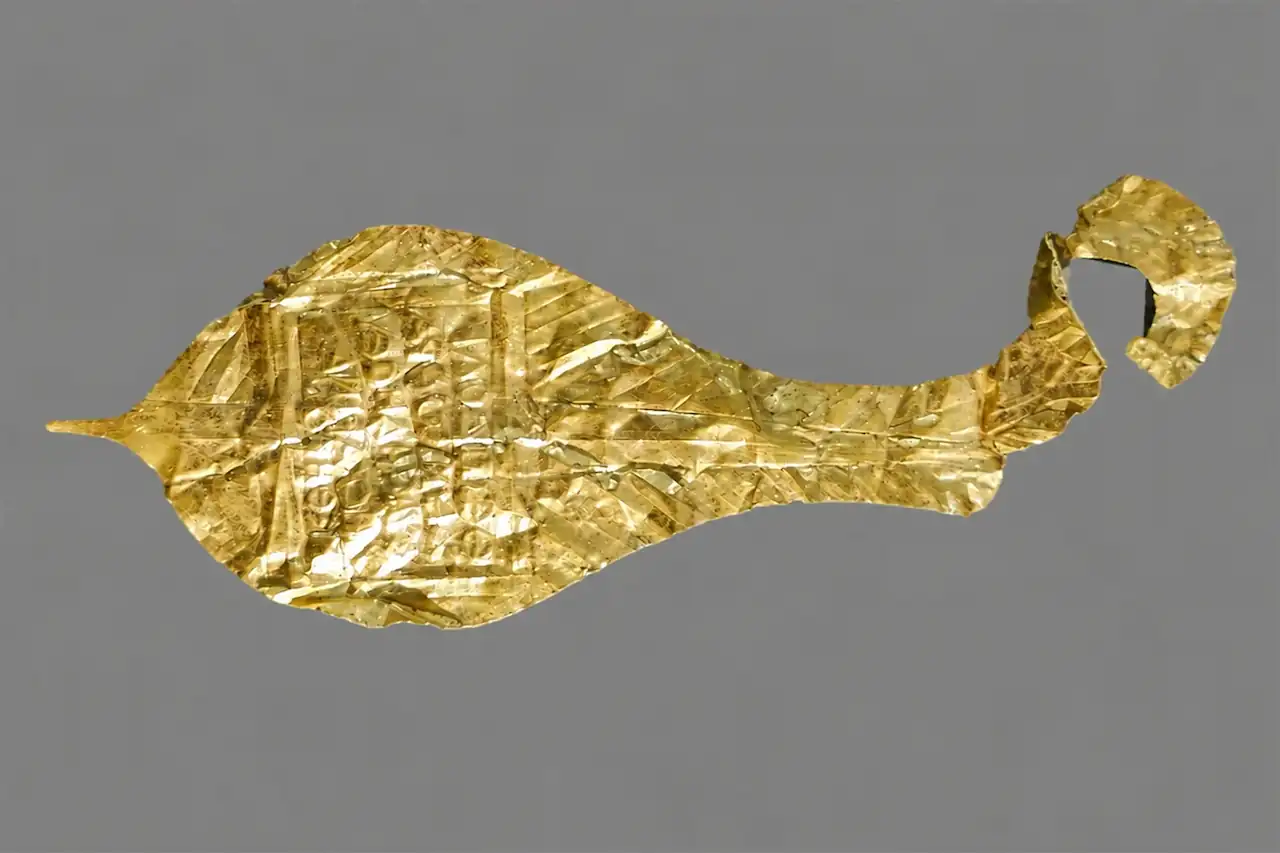
Hace unos 1.900 años, un hombre llamado Trasímedes dedicó una lámina de oro, con su nombre escrito en griego, a un dios que no era ni griego ni romano, sino originario del sureste de Anatolia. La pieza quedó en un fuerte romano de la costa oriental del mar Negro, en la actual Georgia, y allí […]
Some 1,900 years ago, a man named Thrasymedes gave a thin sheet of gold to a god who was neither Greek nor Roman. The deity came from the borderlands of what is now southeastern Turkey. The offering was left inside a Roman army fort on the eastern shore of the Black Sea, in modern Georgia, […]
Georgia’s Constitutional Court will begin hearings on October 21 on a case seeking to ban five opposition parties that together have won hundreds of thousands of votes. The proceedings mark another critical test for the country’s multiparty democracy, with a final ruling potentially to come later.
In this week's briefing, RFE/RL Europe Editor Rikard Jozwiak is drilling down on two issues: Croatia’s demands before giving the green light to Montenegro’s EU accession and Georgia’s growing irrelevance in Brussels.

 Login