Prosecutors indict attorney on charges of contact with foreign agent and obstruction of justice, ask to keep her in custody over two weeks after police, Shin Bet arrested her
Commanders suspected of sexual violence during the largest and fastest slaughter of civilians in more than 30 years have been subjected to travel ban and asset freeze
Senior Sudanese commanders implicated in a “campaign of rape” have been targeted by the UK on the first anniversary of a mass atrocity that saw tens of thousands of civilians killed over several days.
A year after the fall of El Fasher, the British government said it had sanctioned military leaders from both sides in the country’s ongoing conflict whom it suspected of sexual violence during the siege of the city.
Network says US president instead signaled there will be joint military action soon; PM's office denies 'fake news'; reps from Saudi Arabia, Pakistan, Turkey in Tehran for talks
Calculations from the Center for Global Development say spending next year is likely to be £410m less than anticipated
The UK is on course to miss its target of spending 0.3% of national income on international aid by an estimated £400m by the end of next year.
Calculations from the Center for Global Development (CGD) found the UK was on course for a large shortfall in promised official development assistance at the end of 2027.
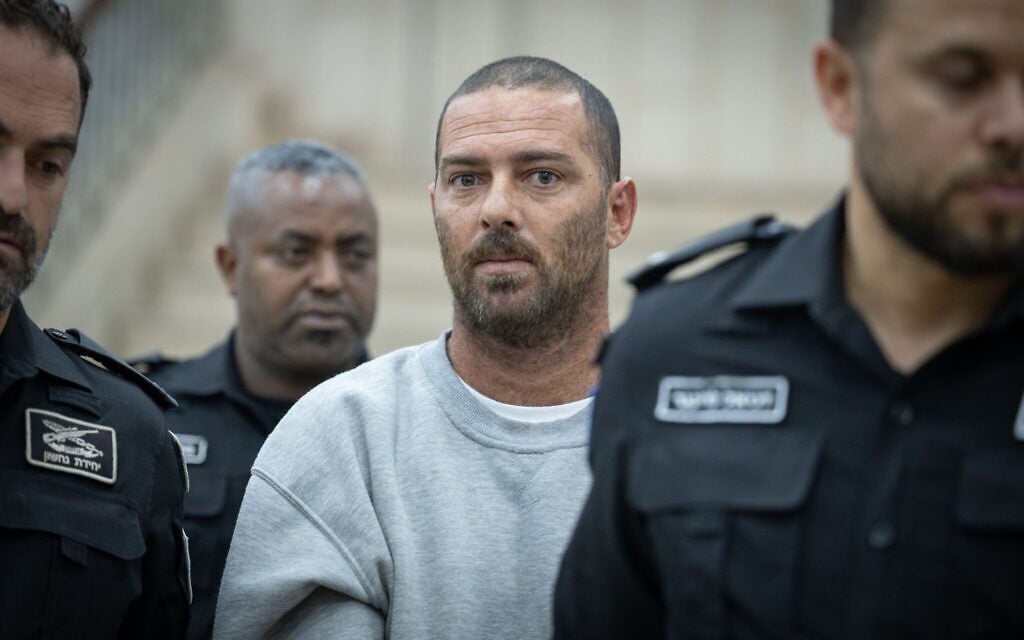
Pinhas Ran allegedly fired toward car after driver, fearing attack, refused baseless demand to show ID and sped off; one bullet lodged itself in passenger's lung, prosecutors say
Nathan Fielder and Lance Oppenheim directed "You Can See Everything," a documentary that centers on Theranos founder Elizabeth Holmes in the 34 days before reporting to federal prison.
JC Olivera/Getty Images
The Elizabeth Holmes documentary "You Can See Everything" earned $15.6 million in its debut weekend.
That makes it the second-highest-grossing traditional docufilm opening weekend of all time.
Business Insider compiled the 25 biggest documentary opening weekends using Box Office Mojo data.
Something unusual is happening right now: a documentary is drawing crowds to theaters at a level rarely seen for the genre.
The Elizabeth Holmes documentary "You Can See Everything," directed by Nathan Fielder and Lance Oppenheim, grossed $15.6 million in the US and Canada during its opening weekend in October.
That makes itthe second-biggest theatrical docufilm debut ever, behind director Michael Moore's "Fahrenheit 9/11," which saw a nearly $24 million opening in 2004. "You Can See Everything"was filmed in the month before Holmes reported to prison in May 2023 after she was convicted of defrauding investors in connection with her now-defunct blood-testing company, Theranos.
Theatrical documentary premieres have become rarer since the streaming era began, as the genre has found a major audience on streaming services such as Netflix and Hulu. Besides the new Holmes docufilm, only two others on the list were from this decade: "Melania" debuted to $7.1 million in January 2026, and "After Death," a documentary about near-death experiences,opened to $5 million in 2023.
Still, theatrical docufilms were once a cultural force, especially in the 2000s and 2010s, when a wave of nature-, political-, and celebrity-focused ones premiered in theaters to much fanfare.
Here are the 25 highest-grossing traditional documentary film openings at the box office, using data from Box Office Mojo. Several hit concert docufilms, like "Taylor Swift: The Eras Tour" and "Justin Bieber: Never Say Never," earned more but were omitted from this list to focus on traditional nonfiction documentaries.
25. Whitney (2018)
Director Kevin MacDonald and Executive Producer Pat Houston attend the "Whitney" premiere on June 27, 2018, in New York City.
Theo Wargo/Getty Images
Opening weekend domestic gross: $1,265,572
Directed by Kevin Macdonald, "Whitney" chronicles the life and career of singer Whitney Houston.
The documentary uses archival footage and interviews with people close to Houston to explore her rise to fame, personal struggles, and her death in 2012.
24. Imagine: John Lennon (1988)
Richard Gere and photographer Herb Ritts attend the "Imagine: John Lennon" premiere on October 6, 1988 in New York City.
Ron Galella, Ltd./Ron Galella Collection via Getty Images
Opening weekend domestic gross: $1,412,213
The documentary, directed by Andrew Solt, looks back on John Lennon’s life and career through archival footage, home movies, interviews, and recordings.
It covers Lennon's time with the Beatles, his solo work, and his relationship with Yoko Ono.
23. That's Dancing! (1985)
Actress Lindsay Wagner and American director and producer Jack Haley Jr. attend the premiere of 'That's Dancing!' on January 18, 1985, in New York City.
Vinnie Zuffante/Getty Images
Opening weekend domestic gross: $1,506,802
Directed by Jack Haley Jr., "That's Dancing!" chronicles how dance evolved in Hollywood films through clips from musicals.
It features performances by Fred Astaire, Gene Kelly, Judy Garland, and more.
22. Rize (2005)
Christina Aguilera and David LaChapelle attend the premiere of "Rize" on June 21, 2005, in Hollywood.
Jeff Kravitz/FilmMagic
Opening weekend domestic gross: $1,574,787
David LaChapelle directed the documentary that focuses on the different dance styles across Los Angeles, including krumping and clowning.
It follows dancers who use dance as an outlet in South Central LA.
21. Babies (2010)
NEW YORK - APRIL 27: Hoda Kotb and Bobbie Thomas attend the premiere of "Babies" at the Tribeca Grand Screening Room on April 27, 2010 in New York City. (Photo by Jerritt Clark/WireImage)
Jerritt Clark/WireImage
Opening weekend domestic gross: $2,160,460
Directed by Thomas Balmès, the documentary follows four infants from birth through their first year in Namibia, Mongolia, Japan, and the US.
20. Penguins (2019)
Jeff Wilson, Ed Helms, Dr. Jane Goodall, Alastair Fothergill, and Roy Conli attend DisneyNature's "Penguins" premiere on April 14, 2019, in New York City.
Roy Rochlin/Getty Images for Disney Studios
Opening weekend domestic gross: $2,282,593
Directed by Alastair Fothergill and Jeff Wilson, the Disneynature documentary, narrated by Ed Helms, follows a penguin as he searches for a partner and starts a family in Antarctica.
19. The Real Cancun (2003)
Rick De Oliveira during "The Real Cancun" Premiere at The Egyptian Theater in Hollywood, California, United States. (Photo by Jon Kopaloff/FilmMagic)
Jon Kopaloff/FilmMagic
Opening weekend domestic gross: $2,300,000
"The Real Cancun" follows 16 American college students on spring break in Mexico.
The documentary captures the students as they party, hook up, argue, and more during a 10-day stay in Cancún's Hotel Zone.
18. Death of a Nation (2018)
Death of a Nation was written and directed by Dinesh D'Souza and Bruce Schooley.
Greg Doherty/Getty Images
Opening weekend domestic gross: $2,356,522
Conservative commentator Dinesh D'Souza co-directed "Death of a Nation" with Bruce Schooley.
The documentary uses reenactments and interviews to argue that Donald Trump is comparable to Abraham Lincoln and that the Democratic Party has historical ties to racism and fascism.
17. Meet the Mormons (2014)
The cast of "Meet the Mormons" attend the documentary's premiere on October 7, 2014, in Sandy, Utah.
Photo by The Church of Jesus Christ of Latter-day Saints
Opening weekend domestic gross: $2,509,808
Produced by The Church of Jesus Christ of Latter-day Saints, the documentary follows six church members around the world, including the US, Costa Rica, and Nepal, to depict their daily lives and beliefs.
16. Expelled: No Intelligence Allowed (2008)
WASHINGTON - OCTOBER 19: Actor Ben Stein speaks during the Family Research Council's 2007 Washington briefing October 19, 2007 in Washington, DC. The legislative action arm of the Family Research Council held the yearly event at which 2008 U.S. presidential hopefuls spoke, including Rep. Tom Tancredo (R-CO), former Massachusetts Gov. Mitt Romney and others. (Photo by Brendan Smialowski/Getty Images)
Brendan Smialowski/Getty Images
Opening weekend domestic gross: $2,970,848
Directed by Nathan Frankowski, "Expelled: No Intelligence Allowed" challenges the teaching of evolution and includes interviews with scientists, writers, and religious figures.
15. Fahrenheit 11/9 (2018)
Michael Moore, Director/Writer/Producer, seen at Michael Moore's 'Fahrenheit 11/9' Los Angeles Premiere at the Samuel Goldwyn Theater, Beverly Hills, CA, USA - 19 September 2018 (Photo by Eric Charbonneau/Getty Images for Briarcliff Entertainment)
Eric Charbonneau/Getty Images for Briarcliff Entertainment
Opening weekend domestic gross: $3,008,563
Director Michael Moore's "Fahrenheit 11/9," a follow-up to his 2004 documentary "Fahrenheit 9/11," examines the political climate surrounding Donald Trump's election and presidency.
The documentary ranges from the Flint water crisis to the Parkland school shooting and criticism of Democratic leaders.
14. Religulous (2008)
TORONTO, ON - SEPTEMBER 07: (L-R) Director Larry Charles and Bill Maher speak at the "Religulous" press conference during the 2008 Toronto International Film Festival held at the Sutton Place Hotel on September 7, 2008 in Toronto, Canada. (Photo by Malcolm Taylor/Getty Images)
Malcolm Taylor/Getty Images
Opening weekend domestic gross: $3,409,643
Comedian Bill Maher travels the world questioning believers, clergy members, and religious institutions in "Religulous," directed by Larry Charles.
The documentary takes a comedic and confrontational look at Christianity, Judaism, Islam, and other religions.
13. Terror in the Aisles (1984)
People standing on the street in front of the Criterion Center Movie Theatre marquee in Times Square in New York City, New York in 1984. (Photo by Thomas McGovern/Getty Images)
Thomas McGovern/Getty Images
Opening weekend domestic gross: $4,009,866
Directed by Andrew J. Kuehn, "Terror in the Aisles" dives into the history of horror cinema.
Actors Donald Pleasence and Nancy Allen introduce clips from films including "Psycho," "The Exorcist," "Halloween," and "The Shining," while discussing why audiences enjoy being scared.
12. Monkey Kingdom (2015)
LOS ANGELES, CA - APRIL 12: (L-R) President of the Environmental Media Association (EMA) Debbie Levin, Conservation scientist and writer M. Sanjayan, and director Mark Linfield attend the world premiere Of Disney's "Monkey Kingdom" at Pacific Theatres at The Grove on April 12, 2015 in Los Angeles, California. (Photo by Charley Gallay/Getty Images for Disney)
Charley Gallay/Getty Images for Disney
Opening weekend domestic gross: $4,577,861
"Monkey Kingdom" follows Maya, a toque macaque, as she raises her son within the Sri Lankan jungle.
Mark Linfield and Alastair Fothergill directed the Disneynature documentary, narrated by Tina Fey.
11. Tupac: Resurrection (2003)
LOS ANGELES - NOVEMBER 4: Producers David Gale (L) and Van Toffler (R) arrive at the premiere of "Tupac: Resurrection" at the Cinerama Dome on November 4, 2003 in Los Angeles, California. (Photo by Kevin Winter/Getty Images)
Kevin Winter/Getty Images
Opening weekend domestic gross: $4,632,847
Director Lauren Lazin's documentary examines the life of Tupac Shakur through archive footage, home videos, interviews, and Shakur's own voice recordings.
The documentary lets Shakur's recordings guide the audience through his childhood, music career, activism, legal troubles, and his death in 1996.
10. Bears (2014)
NEW YORK, NY - APRIL 15: (L-R) Producer Alastair Fothergill, Dr. Jane Goodall and producer Keith Scholey attend Dr. Jane Goodall, Alastair Fothergill, and Keith Scholey, Disneynature's "Bears" at Apple Store Soho on April 15, 2014 in New York City. (Photo by Monica Schipper/FilmMagic)
Monica Schipper/FilmMagic
Opening weekend domestic gross: $4,776,267
"Bears" follows a brown bear mother as she emerges from hibernation in Alaska with her two cubs.
Directed by Alastair Fothergill and Keith Scholey and narrated by John C. Reilly, the Disneynature documentary tracks the family's search for food and protection as they face wolves, rival bears, and the wilderness.
9. Born in China (2017)
NEW YORK, NY - APRIL 08: Producer Roy Conli, Primatologist Jane Goodall and Director Lu Chuan attends the Disneynature With The Cinema Society Host The Premiere Of "Born In China" at Landmark Sunshine Cinema on April 8, 2017 in New York City. (Photo by Nicholas Hunt/Getty Images)
Nicholas Hunt/Getty Images
Opening weekend domestic gross: $4,790,367
Director Lu Chuan takes viewers across China's mountains and forests in "Born in China," a Disneynature documentary narrated by John Krasinski.
It follows a giant panda mother and cub, a golden snub-nosed monkey family, and a snow leopard raising her young in the highlands.
8. After Death (2023)
"After Death" was released through the American media and technology company, Angel.
Angel
Opening weekend domestic gross: $5,051,950
"After Death" interviews people who say they had near-death experiences and returned to life.
The documentary, co-directed by Stephen Gray and Chris Radtke, also includes interviews with doctors, scientists, and others about consciousness, death, and the possibility of an afterlife.
7. African Cats (2011)
LONDON, ENGLAND - APRIL 25: A general view of the Q and A session after the "African Cats" UK film Premiere in Aid of Tusk at the BFI Southbank on April 25, 2012 in London, England. (Photo by Jon Furniss/WireImage)
Jon Furniss/WireImage
Opening weekend domestic gross: $6,003,200
Set in Kenya, the Disneynature documentary, directed by Alastair Fothergill and Keith Scholey, focuses on a family of lions and a cheetah raising her cubs.
It was nominated for documentary awards by the Environmental Media Awards and the Phoenix Film Critics Society.
6. Oceans (2010)
HOLLYWOOD - APRIL 17: (L-R) Disney Studios CEO Robert Iger, Consul General of Monaco Maguy Maccario-Doyle, President of The Walt Disney Studios Alan Bergman, musician Kevin Jonas, Chairman of The Walt Disney Studios Rich Ross, and musicians Joe Jonas and Nick Jonas arrive at the premiere of Walt Disney Pictures' 'Oceans' at the El Capitan Theatre on April 17, 2010 in Hollywood, California. (Photo by Mark Sullivan/Getty Images)
Mark Sullivan/Getty Images
Opening weekend domestic gross: $6,058,958
"Oceans," directed by Jacques Perrin and Jacques Cluzaud, is a portrait of marine life around the world.
The documentary is largely filmed underwater, showcasing whales, sharks, schools of fish, and more.
5. Melania (2026)
President Donald Trump and First Lady Melania Trump attend the world premiere of "Melania" at the Kennedy Center in Washington, DC, on January 29, 2026.
Alex WROBLEWSKI / AFP via Getty Images
Opening weekend domestic gross: $7,161,605
Directed by Brett Ratner, "Melania" follows first lady Melania Trump during the 20 days before Donald Trump’s second presidential inauguration in January 2025.
The film offers behind-the-scenes footage of her preparations to return to the White House, including meetings, travel, and intimate moments among family members.
4. Earth (2009)
HOLLYWOOD, CA - APRIL 18: Disney's Mark Zoradi, DisneyNature Jean-Francois Camilleri, Disney's Dick Cook, Disney's Robert Iger, Director Alastair Fothergill and Director Mark Linfield at the World Premiere of DisneyNature's "EARTH" on April 18, 2009 at the El Capitan Theatre in Hollywood, California. (Photo by Eric Charbonneau/Le Studio/Wireimage)
Eric Charbonneau/Le Studio/Wireimage
Opening weekend domestic gross: $8,825,760
Disneynature directors Alastair Fothergill and Mark Linfield directed "Earth," which follows polar bears, elephants, and humpback whales across the different seasons.
The documentary was the first release from Disneynature in the US and was among the highest-grossing nature documentaries at the time.
3. Chimpanzee (2012)
LAKE BUENA VISTA, FL - APRIL 13: (L-R) Alan Bergman, President The Walt Disney Studios, Mark Linfield, Director and Producer, Alastair Fothergill, Director and Producer, Dr. Jane Goodall, founder of the 'Jane Goodall Institute', Bob Iger, President and CEO The Walt Disney Company and Don Hahn, Executive Producer attend the World Premiere Of Disneynature's Chimpanzee on April 13, 2012 at Disney World in Lake Buena Vista, Florida. (Photo by Gerardo Mora/Getty Images for Disney)
Gerardo Mora/Getty Images for Disney
Opening weekend domestic gross: $10,673,748
"Chimpanzee" centers on a young chimp living in the forests of Ivory Coast who is orphaned after a rival troop attacks his group.
The Disneynature documentary was directed by Alastair Fothergill and Mark Linfield, with Tim Allen as the narrator.
2. You Can See Everything (2026)
NEW YORK, NEW YORK - SEPTEMBER 30: Nathan Fielder and Lance Oppenheim speak onstage at the "You Can See Everything" premiere during the 64th New York Film Festival at Alice Tully Hall, Lincoln Center on September 30, 2026 in New York City. (Photo by Cindy Ord/Getty Images for FLC)
Cindy Ord/Getty Images for FLC
Opening weekend domestic gross: $15,601,418
Directed by Nathan Fielder and Lance Oppenheim, the documentary offers a revealing portrait of Elizabeth Holmes, who was convicted of fraud and conspiracy connected to her fallen company, Theranos.
Holmes allowed the directors into her life during the 34 days before she reported to federal prison to serve an 11-year sentence. It's receiving wide critical acclaim and sparking online debate about its portrayal of Holmes.
1. Fahrenheit 9/11 (2004)
Michael Moore during "Fahrenheit 9/11" Press Conference - July 6, 2004 at Essex House Hotel in New York City, New York, United States. (Photo by J. Countess/WireImage)
J. Countess/WireImage
Opening weekend domestic gross: $23,920,637
Director Michael Moore's "Fahrenheit 9/11" takes a close look at President George W. Bush, the September 11 attacks, the war in Iraq, and the connections between American political and business leaders.
The documentary won the Palme d'Or at the Cannes Film Festival and became the highest-grossing traditional documentary in US box-office history.
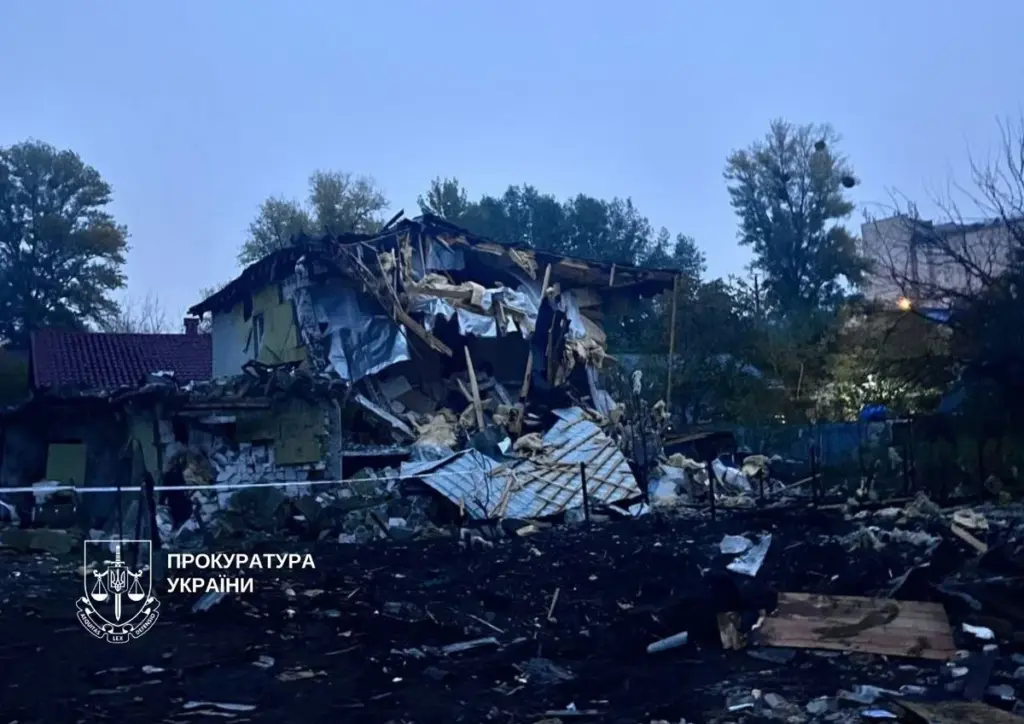
Russian missiles and drones killed one person and injured 24 in Kyiv overnight on 22 October, the Kyiv City Prosecutor’s Office said. Damage spread across six of the city’s districts, the city military administration reported.
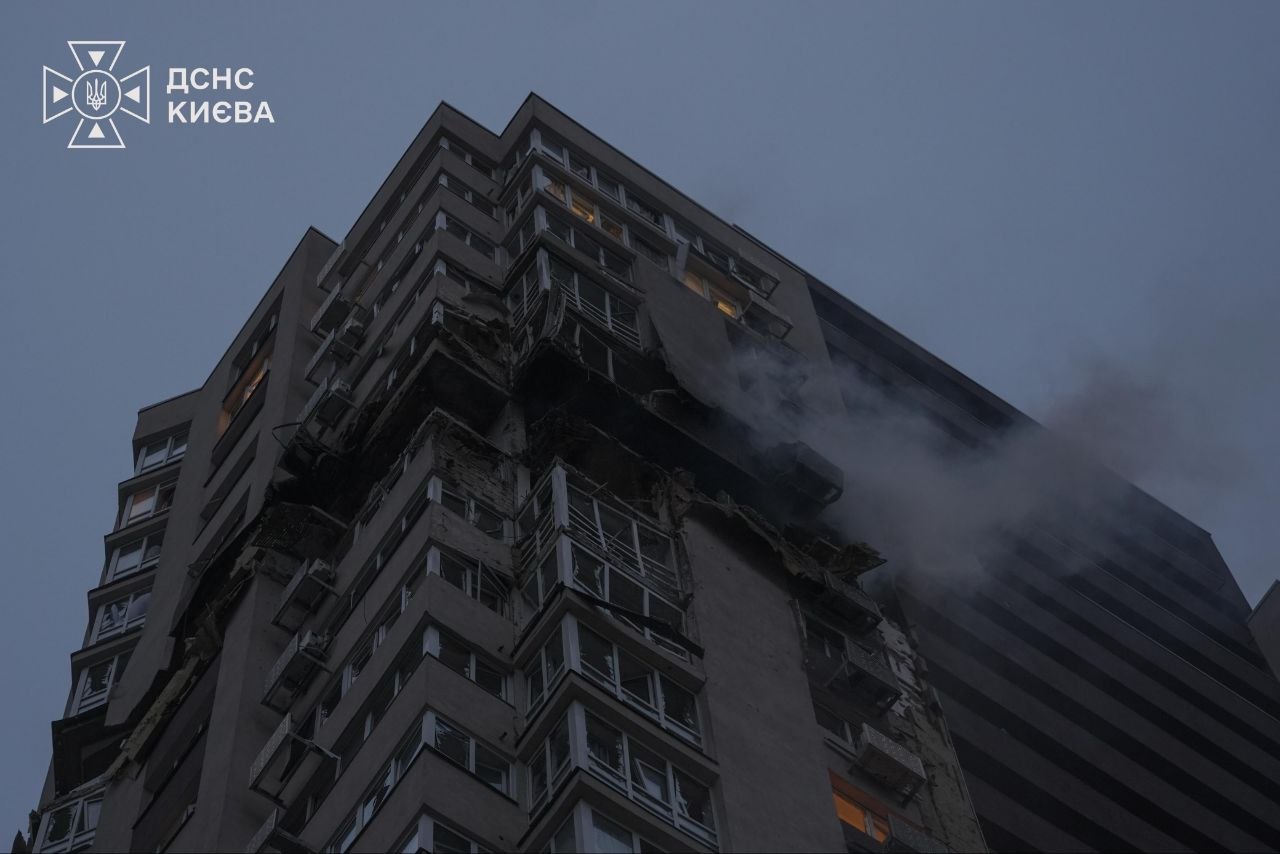
The strike came hours after Kremlin aide Yuri Ushakov said Putin had told Witkoff that Russia was “in principle” ready to resume three-way talks with the US and Ukraine in mid-November. President Volodymyr Zelenskyy read the overnight attack as a sign that Russia’s attitude has not changed. A day earlier, Russian drones killed two people in a 24-story Kyiv apartment block.
21 ballistic missiles in three waves
Russia fired 21 ballistic missiles at Kyiv overnight, Zelenskyy said. The barrage came in three waves, around 22:00, at about 02:00, and around 03:30.
Aftermath of Russia’s overnight attack on Kyiv. Photo: Office of the Prosecutor General of Ukraine
Across Ukraine, air defenses downed or suppressed 181 of 210 Russian drones, the Air Force said. Its report did not mention any ballistic missiles shot down.
One killed in the Dniprovskyi district
The only death in Kyiv came in the Dniprovskyi district, on the city’s left bank. There, Russian strikes destroyed 13 detached houses on several streets, prosecutors said. Police said the man killed was 48 and that six people were injured in the district, four of them children, the youngest aged five.
Of the injured, five are minors and two are young children, and prosecutors reported acute stress reactions among them. A 16-year-old boy is in hospital with a closed head injury, prosecutors said. Sixteen of the injured were hospitalized, the city military administration said. The final number of injured is still being established.
Explore further
Not just the grid: Russia struck a 24-story block, a university, and warehouses overnight, and four people are dead
Ambulance station and monastery damaged
In the Holosiivskyi, Obolonskyi, Pecherskyi, and Sviatoshynskyi districts, the attack damaged eight apartment buildings, prosecutors said. It also damaged a building-supply hypermarket, a restaurant, a monastery building, a post office, and office premises.
In Pecherskyi, Russia damaged an ambulance station and six ambulances, Kyiv Mayor Vitali Klitschko wrote. The State Emergency Service said eight people were injured in that district, three of them children, and reported damaged transport infrastructure in the Darnytskyi district.
Aftermath of Russia’s overnight attack on Kyiv. Photo: National Police of Ukraine
Bridge closed, metro line split
The strikes damaged metro infrastructure on the Pivdennyi (Southern) Bridge, Kyiv Metro said. As of the morning, green-line trains ran in two sections, Syrets–Vydubychi and Osokorky–Chervonyi Khutir. Inspections and repairs would continue after the all-clear, the metro said.
Oleksii Biloshytskyi, head of Ukraine’s Patrol Police Department, announced that traffic across the bridge toward the left bank was temporarily closed. The city is adding buses on routes 22 and 91, the city administration said. Russian drones had already hit the bridge repeatedly in early October.
European prosecutors have searched offices in Brussels and Strasbourg as an investigation into alleged misuse of parliamentary funds by the former Identity and Democracy group raises questions over financial liabilities inherited by Patriots for Europe.
European prosecutors carried out searches at the European Parliament’s offices in Brussels and Strasbourg on Wednesday, 21 October, as part of an investigation into alleged financial irregularities involving the former Identity and Democracy (ID) parliamentary group.
The investigation concerns approximately €4.33 million in European Union funds that were allegedly improperly spent during the 2019–2024 parliamentary term. The European Public Prosecutor’s Office (EPPO) confirmed that searches had taken place in connection with an ongoing inquiry into the use of EU funds by a former parliamentary group.
The premises searched are now occupied by Patriots for Europe, the European Parliament’s third-largest political group, which includes France’s National Rally, Hungary’s Fidesz, Italy’s Lega and Spain’s Vox. Patriots for Europe insists that it has no legal continuity with Identity and Democracy and denies being involved in the investigation.
Investigation into parliamentary expenditure
The European Public Prosecutor’s Office opened its investigation in July 2025 following concerns identified by the European Parliament’s financial administration about expenditure incurred by Identity and Democracy.
The former group, which dissolved following the 2024 European elections, included representatives of France’s National Rally, Italy’s Lega and Germany’s Alternative for Germany.
According to details of the parliamentary financial examination subsequently reported in France, investigators are examining approximately €3.6 million in contracts awarded to external service providers, including businesses with political connections to parties represented within the former group.
The financial examination also identified more than €700,000 in donations to organisations whose activities were allegedly unrelated to the parliamentary group’s official functions.
The authorities are examining whether parliamentary resources were used in accordance with EU financial rules, including restrictions on using public money for national party-political activities.
These are allegations under investigation, not criminal findings. The EPPO has not announced convictions arising from the current inquiry, and the individuals and organisations concerned retain the presumption of innocence.
Earlier investigative measures were conducted in France, Belgium, Spain and Italy in June 2026. Wednesday’s searches mark a further stage in the proceedings.
Can Patriots for Europe inherit the liabilities?
The investigation has opened a separate dispute over whether Patriots for Europe could be required to repay money allegedly misspent by its predecessor.
Identity and Democracy ceased to exist after the 2024 elections. Several parties previously represented in the group subsequently joined Patriots for Europe, a new parliamentary formation that also brought together Viktor Orbán’s Fidesz and Spain’s Vox.
Patriots for Europe maintains that the two groups are legally separate. Its representatives argue that the dissolution of Identity and Democracy ended that group’s institutional existence and that the present parliamentary organisation is not responsible for its predecessor’s financial affairs.
However, the European Parliament’s budgetary authorities have examined whether responsibility for outstanding liabilities can pass to a successor group.
An opinion approved by the Parliament’s Budgetary Control Committee in September considered the circumstances in which continuity between parliamentary groups might establish financial responsibility.
Such an assessment may consider whether members, administrative personnel, operational resources and other assets were transferred from one organisation to another.
The outcome could determine whether the current group is exposed to potential repayment demands, irrespective of whether its present members were personally involved in the expenditure under investigation.
No final determination of such liability has been established through Wednesday’s searches.
Political consequences in Strasbourg
The searches come at a time when Patriots for Europe has become a major political force within the European Parliament.
Its member parties have challenged EU policy on immigration, economic regulation and the distribution of powers between Brussels and national governments. National Rally and Fidesz are also influential actors in the domestic politics of France and Hungary respectively.
An investigation involving their parliamentary organisation is therefore likely to attract scrutiny beyond the immediate financial questions.
Nevertheless, the political influence of the group and the criminal investigation must be considered separately. The presence of prosecutors at parliamentary premises does not establish wrongdoing by the current group’s MEPs.
The case also raises broader questions about financial accountability within the Parliament, particularly when a political group dissolves following an election and its members establish a new organisation.
Unlike national political parties, European parliamentary groups receive funding specifically to support their legislative, administrative and political work inside the institution.
Those resources are subject to financial controls intended to prevent their diversion into activities that should be funded by national parties or other organisations.
Further proceedings
The EPPO is responsible for investigating and prosecuting offences affecting the European Union’s financial interests. It operates independently of national governments and EU political institutions.
The European Parliament has confirmed its cooperation with the authorities but has declined to comment on the substance of the continuing investigation.
Prosecutors must now assess the evidence obtained during the searches alongside financial records and material collected during previous investigative measures.
Any decision to bring criminal proceedings would depend on the evidence available and the relevant national and European legal requirements.
Separately, the Parliament will have to establish whether any recoverable funds are owed by the former group and, if so, which organisation is legally responsible for repayment.
For Patriots for Europe, the immediate issue is not only the progress of the criminal inquiry but whether the financial arrangements of a dissolved parliamentary group can create obligations for its successor.
The three Navy personnel accused of violating State secrets, in the case of the Portuguese Republic Ship (NRP) Mondego, have been acquitted today, with the court describing the Public Prosecutor’s
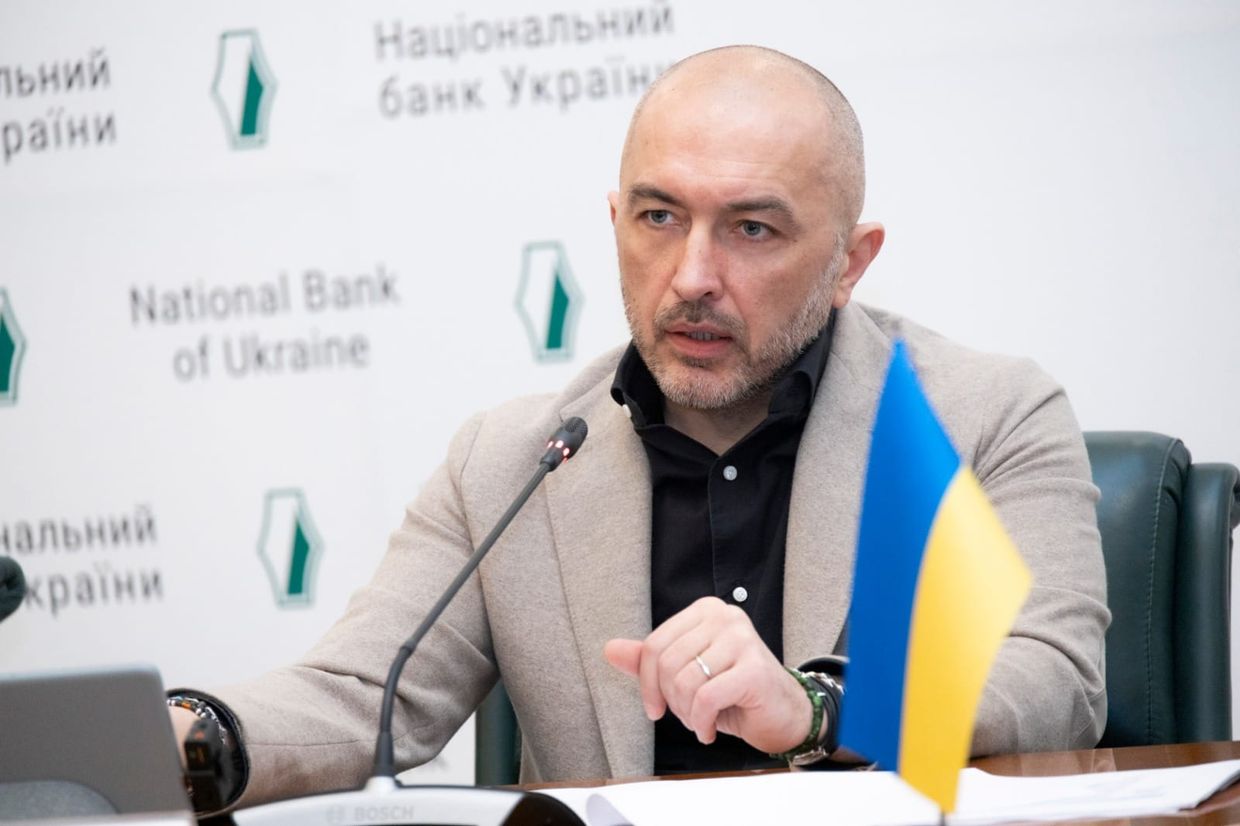
The National Anti-Corruption Bureau (NABU) on Oct. 21 searched the premises of Andriy Pyshnyi, head of the National Bank of Ukraine, a law enforcement source told the Kyiv Independent.
Five people have been arrested in Cyprus, Germany and Italy as part of a European investigation into an alleged €114 million VAT fraud operation involving the cross-border smartphone trade.
The European Public Prosecutor’s Office (EPPO) announced on 16th October that three suspects had been detained in Cyprus, one in Germany and one in Italy following an investigation coordinated by its Munich office.
Investigators believe the suspects established and controlled a network of companies designed to exploit the tax treatment of goods traded between EU member states.
The alleged operation involved smartphone transactions through businesses and so-called missing traders operating in Germany, Albania and Sweden. Prosecutors estimate that the activities caused VAT losses of approximately €80 million in Sweden and €34 million in Germany.
According to the official announcement of the arrests, the operation forms part of a wider investigation known as Midas, which is examining organised cross-border tax fraud.
Searches across several countries
The arrests were accompanied by searches and seizures in Cyprus, Greece and Italy, conducted with the assistance of national police, financial investigators and tax authorities.
Prosecutors said 12 searches had been carried out at premises connected with the suspects and companies under investigation.
Assets of up to €80,000 were frozen, while investigators also seized or took action against bank accounts, vehicles and property.
The operation involved cooperation between Germany’s tax authorities, Cyprus’s financial intelligence and cybercrime units, the Greek financial police and Italy’s Guardia di Finanza.
The suspects are believed to have played leading roles in organising and controlling the alleged scheme, although prosecutors have not publicly established their individual criminal responsibility.
The investigation remains subject to proceedings before the competent German courts. All suspects are presumed innocent unless proven guilty.
How the alleged fraud operated
The case concerns a form of tax evasion known as missing-trader intra-community fraud, commonly described as carousel VAT fraud.
Under the EU’s VAT system, qualifying business-to-business transactions involving goods transported between member states are generally exempt from VAT in the country of dispatch.
The purchaser accounts for VAT under the rules applicable in the destination country, while subsequent domestic sales normally involve VAT being charged to the buyer.
Fraudsters can exploit those arrangements by establishing companies that purchase goods through cross-border transactions before reselling them domestically.
A missing trader collects VAT from the purchaser but fails to remit it to the relevant tax authority. Other companies in the transaction chain may then seek deductions or refunds.
The same goods can pass through several businesses and, in some arrangements, move repeatedly between countries, allowing the fraud to be repeated.
Smartphones and electronic equipment are particularly attractive because they are relatively expensive, easily transported and can be traded in large volumes.
The complexity of the arrangements makes investigations difficult when businesses are established in several jurisdictions and transactions move rapidly between companies.
A wider European problem
The latest arrests follow another substantial VAT fraud operation announced earlier this month.
That operation, known as Hermes, involved searches across eight countries and allegations concerning the sale of mobile phones and other electronic devices.
Although separate from Midas, the investigation illustrates the scale and organisation of suspected VAT fraud involving internationally traded consumer electronics.
According to the EPPO‘s 2025 annual report, prosecutors were handling 3,602 active investigations at the end of last year, with estimated potential damage exceeding €67 billion.
Of that amount, more than €45 billion related to suspected VAT and customs fraud.
Those figures concern estimated losses under investigation, rather than sums established by final court judgments or amounts that have already been recovered.
Protecting European tax revenues
The financial consequences extend beyond the immediate losses attributed to individual schemes.
VAT is a major source of revenue for national governments and forms part of the system used to calculate certain contributions to the EU budget.
Fraudulent transactions can also distort competition by allowing dishonest operators to offer prices that legitimate businesses cannot match.
The Commission’s 2025 VAT gap report estimated that EU countries failed to collect approximately €128 billion in expected VAT revenue in 2023.
That broader figure includes losses arising from several causes, including administrative errors and insolvency, and cannot be attributed entirely to criminal fraud.
The latest arrests also demonstrate the importance of cross-border investigative cooperation when suspected financial offences involve companies, transactions and assets located in different countries.
In the Midas investigation, prosecutors must now establish the precise roles of the suspects, prove the alleged transactions and determine whether criminal proceedings can result in convictions and financial recovery.
The arrests represent another stage in the investigation, not a judicial finding that the alleged €114 million fraud has been proved.
Britain is clamping down even harder on critics who consider Western foreign policy to have been a catastrophic failure. We are fast approaching the point where expressing an alternative opinion can land you in jail.
On the night of October 2, while exiting a flight from Moscow via Istanbul, I was detained by UK counter-terrorism police for three hours under the Counter-Terrorism and Border Security Act 2026. I had no right to remain silent, my person and possessions were thoroughly searched, I provided fingerprints and a DNA sample, and was required to give up my electronic devices and provide my passwords or face arrest.
This was a “suspicionless” detention. I was not suspected of anything, yet police officers were empowered to subject me to an intrusive examination to assess whether I was planning a “hostile act” against the United Kingdom.
An officer approached me and immediately took me into custody after I informed him that I had been to a conference in Russia to discuss geopolitics. I was not told why I was being detained, except that he wanted to ask me “a few questions.” Bizarrely, he pointed out that the “counter-terrorism” powers he was using “aren’t as scary as they sound.”
I had attended the International Valdai Discussion Club Conference in Moscow Region from September 27 to October 1, including attending President Vladimir Putin’s keynote address. I participated at the invitation of the Valdai Club, which provided my flight and accommodations, as is standard practice for foreign guest attendees at such international conferences.
The Valdai Club, founded in 2004, is primarily a meeting of academics from all over the world. Before the Russian invasion of Ukraine, it was attended by a former Head of MI6, former British Ambassador to Russia Sir Tony Brenton, and Fiona Hill.
Valdai has found itself in the British government’s crosshairs. Throughout September, a host of journalists and academics have received letters from the UK Home Office inviting them to register with the Foreign Influence Registration Scheme, if they are “being directed to carry out relevant activities in the UK as part of an arrangement with a foreign power.”’ Non-compliance with the scheme is considered a criminal offense.
British journalist Mary Dejevsky, who was The Times Bureau Chief in Moscow in the 1990s, is the latest to receive such a letter as a publicly listed contributor to the Valdai Discussion Club, though she has not attended since the war began. The idea that if you attend an academic conference you are being directed by a foreign power is patently absurd. Nevertheless, and given the obvious risks, I wrestled with the dilemma of whether I should accept the invitation from Valdai and make my first visit to Russia since I drove out of that country in February 2019 at the end of my four-and-a-half year diplomatic posting there.
My primary role then was as the Economic Counsellor responsible among other things for sanctions policy. After my return to the UK, I authorized around 1000 sanctions against Russians, including after the war broke out.
I had some concerns that my role in sanctions may cause me problems once inside Russia (indeed, I was subjected to an extremely stressful four-and-a-half-hour detention and interrogation by the FSB upon arrival in Moscow).
Sir Tony Brenton, with whom I had consulted, suggested that I should attend, saying that Valdai was an “excellent event.” Upon his advice, I notified the UK Foreign Office, underscoring my commitment to abide by my obligations under the Official Secrets Act before I left for Moscow. This included confirmation that while Valdai had paid for my flights, I had not received any payment for my attendance.
I served as a British diplomat for 24 years and I take seriously my ongoing commitments to preserve the secrets that I had access to during that time. The suggestion that I might plan a hostile act against Britain is offensive and wrong. However, since my retirement in 2023, I have been an outspoken critic of the direction of UK foreign policy towards Russia, notably the departure from diplomacy in favor of war.
The important and necessary precautions that I had taken were insufficient to prevent me from being detained with fewer rights than had I been formally arrested and cautioned. I am of the view that security figures in London had authorized the action against me ahead of time. Indeed, Russia commentator Mark Galeotti suggested on his podcast that the system was “making a statement” by acting in this way.
(Editor’s Note: A request by RS to the UK’s Counter Terrorism Policing for comment about the author’s detention — for which he provided RS with documentation – went unanswered as of this writing.)
My detention marks the latest escalation in the British state’s war on free speech. Increasingly, people who speak out publicly against forever wars — not only in Ukraine, but also in the Middle East and elsewhere — are seen as a threat to national security that must be quashed.
Airport detentions are one step short of full-blown imprisonment, of course, but this pattern of intimidation has been spreading over the past four years.
British conservative academic and author John Laughland was detained at an airport for one hour in 2022. The late Robert Skidelsky, a member of the House of Lords and esteemed British economist, and investigative reporter Kit Klarenberg were subject to more lengthy and rigorous detentions in 2023. Klarenberg still has not received back an SD memory card that was confiscated at the time.
Professor Richard Sakwa, Emeritus at Kent University, was detained for three hours at Heathrow in 2025; he has only been able to return to Russia since that time following an intervention by his lawyer. George Szamuely, a Hungarian-born British political analyst, was detained in March 2026.
In 2023, Craig Murray, former British ambassador to Uzbekistan, was detained for an hour at Glasgow Airport under the tougher provisions of the Terrorism Act 2000, which is concerned with activity related to the commission, preparation and instigation of acts of terrorism. His phone was not returned to him afterwards.
Investigative journalist Richard Medhurst was arrested for making statements in support of a proscribed pro-Palestine organization and held for 24 hours before his release. His home and office in Austria were subsequently raided in February 2025 and he was accused of membership of Hamas. To date, no charges have been laid against him.
More broadly, in Britain, the group Palestine Action has been proscribed as a terrorist organization following widespread protests against the gross violations of international humanitarian law by the Israeli state in Gaza. Elderly people, including Holocaust survivors, have been arrested at Palestine Action protests for the crime of holding cardboard placards.
The practice of suspicionless airport detention is uncommon in European states, although alternative, more insidious forms of repression of free speech are employed. Former Swiss military intelligence officer and author Jacques Baud remains in Brussels, de-banked and unable to travel home, having been sanctioned by the European Union for “pro-Russian propaganda.”
This past week, Russian-born journalist and former BBC reporter Leonid Ragozin was declared persona non grata by Latvia, where he has lived since the onset of the Ukraine crisis. Having criticized the direction of Western foreign policy toward the war in Ukraine, he has also been a regular Putin critic and described the 2022 invasion of Ukraine as “criminal and irrational.”
This pattern of repressing free speech in Britain and more broadly in Europe is growing. I fear that the more obvious it becomes that the war in Ukraine cannot be won by the West and that Israel cannot remain insulated from international censure over its actions in Palestine, actions by the British state may become even harsher.
We are reaching the point where offering an opinion on the perilous state of Western foreign wars can land you in prison.
I thought I had been careful in notifying the British government before my sole visit to Russia since 2019. If the UK is at the point where former diplomats can be detained and have their property temporarily confiscated, then no one is safe from the long arm of lawfare.
Upon my return from Valdai, I wrote again to the Foreign Office, offering to brief them in full on the insights I gained while I was in Russia. To date, they have not replied.
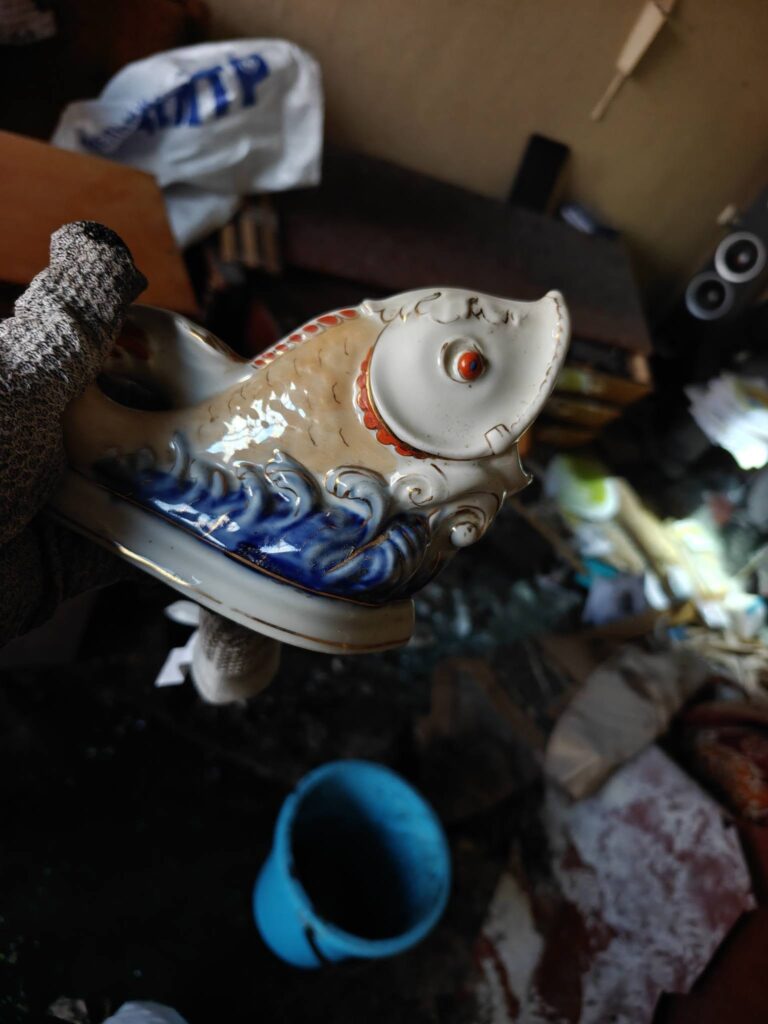
A porcelain fish survived the Russian strike that destroyed a room in the Kyiv apartment of Andrii Dubenko, a volunteer, dentist, and medic, his cousin Anna Danylenko wrote on Facebook and told UP Life, the lifestyle site of Ukrainska Pravda. Dubenko and two others were inside the nine-story building in Lisovyi masyv when the 13 October strike hit. It killed other residents.
The strike came during a ballistic attack aimed mainly at CHP-4, one of Kyiv’s main power plants, Ukrainian President Volodymyr Zelenskyy said, two days after Washington announced an energy ceasefire that Moscow never confirmed.
Lifted out in a rescue basket
Dubenko, his girlfriend, and a 72-year-old aunt were inside when the blast hit, Anna told UP Life. Her family was lucky, she wrote, and the rule of two walls saved their lives. The rule tells anyone who can’t reach a shelter to keep at least two walls between themselves and the street, away from windows. Fifteen minutes after the blast, State Emergency Service rescuers lifted the three out in a basket, Anna wrote. The aunt comforted the girlfriend, telling her not to live in the past but to look to the future, Anna said.
The porcelain fish that survived Russia’s 13 October 2026 strike on an apartment building in Kyiv’s Lisovyi masyv. Photo: Anna Danylenko/Facebook
A hole where the window was
“Just on Monday I was sitting in their cozy apartment, where I grew up, and now I’m looking into a hole that just two days ago was a window,” Anna wrote.
She gathered what was left of the tea set the family used for samovar tea while her grandmother was alive. “It was my anchor, the anchor of our family,” she wrote. The porcelain fish survived. Her mother used to play with it, and Anna now calls it the “fish of unbreakability.” UP Life likened it to the ceramic rooster that survived in a wrecked kitchen in Borodianka, Kyiv Oblast, in 2022 and became a symbol of Ukrainian resilience.
The family didn’t sleep that night. Firefighters were still putting out the blaze overnight, so they could only get back inside in the morning.
“Charred ruins, lots of water in the hallway, which burned out. People are throwing broken things out the window, down by the building. The smell of burning is everywhere,” she told UP Life.
 Login















 , X
 , and VK
 .