❌

Reading view

“Above all, we do not have enough missiles for Patriots”—Zelenskyy after 100+ ballistic missiles

Ukrainian President Volodymyr Zelensky visits a Patriot battery in Germany in 2024.

Russia has fired more than 100 ballistic missiles at Kyiv and Kyiv Oblast since 14 October, President Volodymyr Zelenskyy said in his evening address on 27 October. He said partners’ air defense packages are being delayed.

Ukraine’s front-line positions are stronger than they have been in a long time, Zelenskyy said. If partners’ support for Patriots and other air defense remained just as strong, he argued, Ukraine would be in a much better position diplomatically as well. He expects trilateral talks with US and Russian representatives in November. The US, on which, he said, “almost everything concerning Patriots depends,” will be one of the three sides.

Delays and the war on logistics

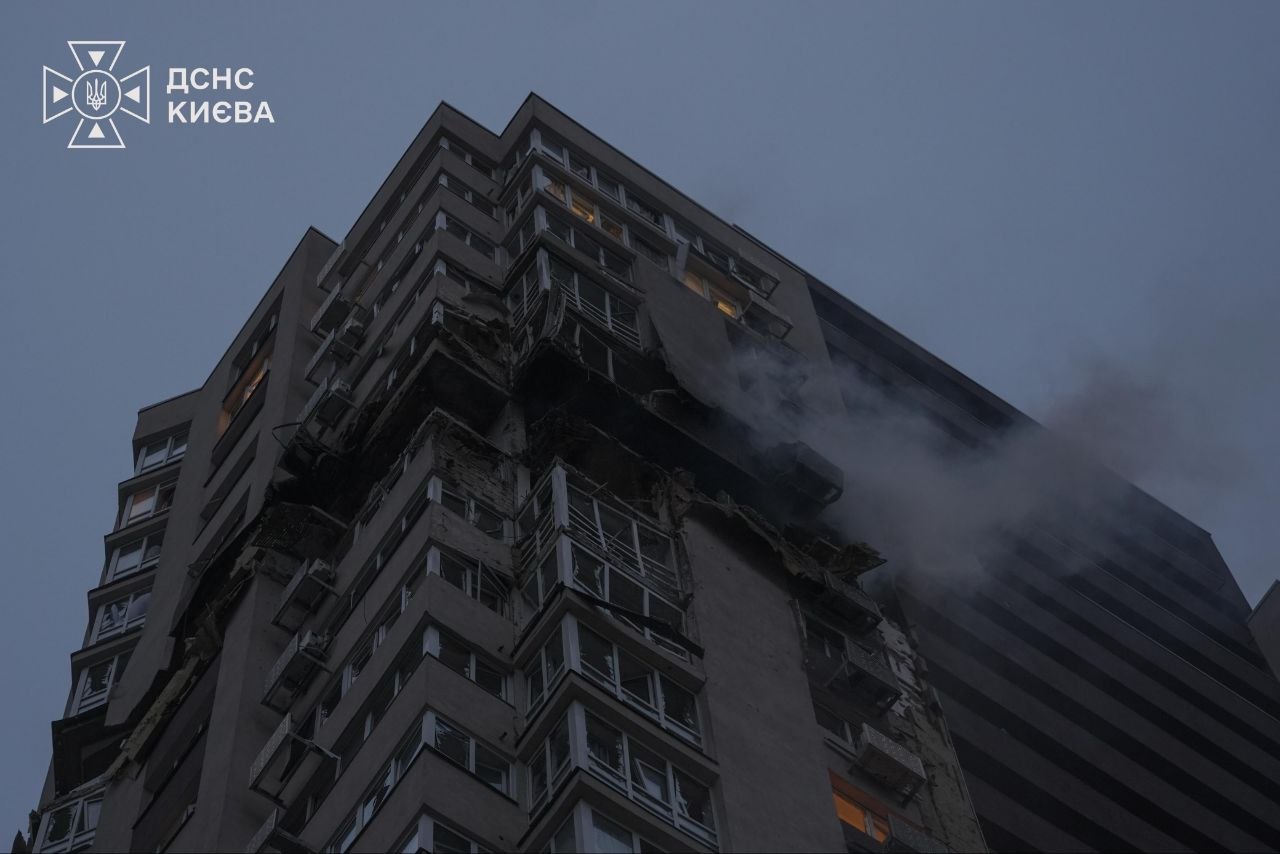
Overnight on 27 October, Russia launched 16 ballistic missiles and more than 280 drones, in what Zelenskyy called a serious escalation of Russia’s campaign against Ukraine’s logistics. The strikes hit the State University of Trade and Economics campus and the Southern Bridge in Kyiv.

Residents stand outside a high-rise building in Kyiv after a Russian ballistic missile attack, 26 October 2026
Explore further

Russian ballistic missiles hit a Kyiv university campus, then return before dawn for the Southern Bridge again

A 46-year-old woman was killed and 15 people were injured, among them dormitory residents and two medics, the Kyiv prosecutor’s office said on the morning of 27 October.

Zelenskyy wrote that artificial and lengthy delays in interceptor packages for Patriots and NASAMS directly help Russia achieve the goals of its terror campaign. In his evening address, he added:

“And everyone hears, everyone sees that right now, it is difficult for us to defend against Russian ballistic missiles. And above all, we do not have enough missiles for Patriots.”

A month waiting on Hegseth

Earlier, on 26 October, Zelenskyy wrote that Ukraine had waited almost a month for US Defense Secretary Pete Hegseth’s signature on missiles for Patriots and NASAMS. Kyiv is also working with Europe and other partners, he added.
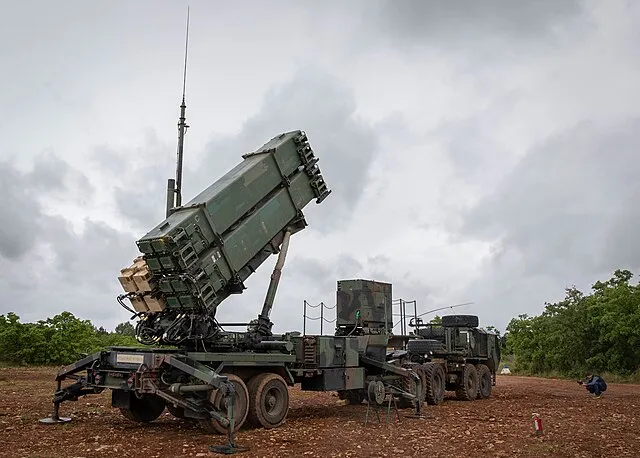
ukraine raises its stalled patriot request washington again after almost month without hegseth’s signature · post air defense system’s launcher 21051 9-a-so154-750_-_patriot_missile_system_operates_in_croatiajpg news ukrainian reports
Explore further

Ukraine raises its stalled Patriot request with Washington again after almost a month without Hegseth’s signature

Separately, The Washington Post reported on 19 October that some transfers come from allies and need Hegseth’s approval, because the US must sign off on re-transfers. Zelenskyy’s post does not say whether his wait concerns those transfers.

Before Zelenskyy’s latest statements, US officials rejected claims of a deliberate hold. A US government official called Ukraine’s claims “not true,” the Kyiv Independent reported. On 20 October, Secretary of State Marco Rubio said there was “nothing being deliberately denied to Ukraine.” Hegseth said the US had not changed its posture toward Ukraine but wants “our guys” to have as many interceptors as possible.

  •  

Ukraine says it has finished its part of FREYJA, Europe’s joint anti-ballistic project. Partners’ work is still underway

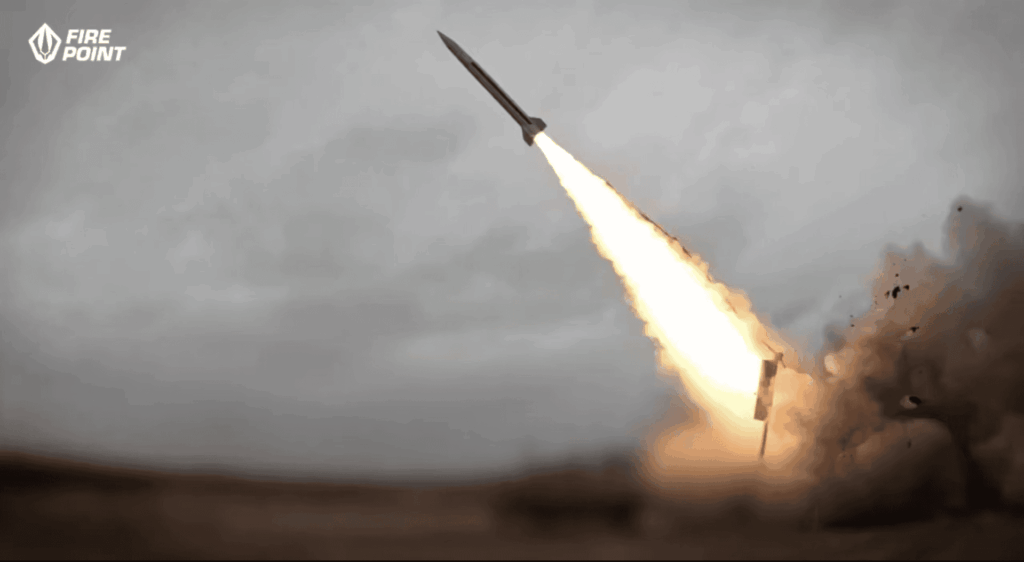
ukraine advertise its new ballistic missiles until factories can mass-produce ex-security officer says · post test launch fp-7 missile prototype fire point news ukrainian reports

Ukraine has finished its share of FREYJA, a joint European project to build a system against ballistic missiles, President Volodymyr Zelenskyy told journalists on 17 October, Ukrinform reported. He added that Kyiv wants to test the first system as soon as possible.

Ukraine still relies on US-made Patriot interceptors to stop Russian ballistic missiles. Zelenskyy told ABC News on 23 October that Ukraine had received only 24 of them from the US in three months, while it needs 350 a month on average. FREYJA can not close that gap soon, because the system is still in development.

Ukraine’s missile and launcher, partners’ radars and sensors

Zelenskyy said the partners’ share of the work, with 10 countries taking part, is still underway. He also said he had discussed the project with French President Emmanuel Macron, and he named Norway as a key partner.

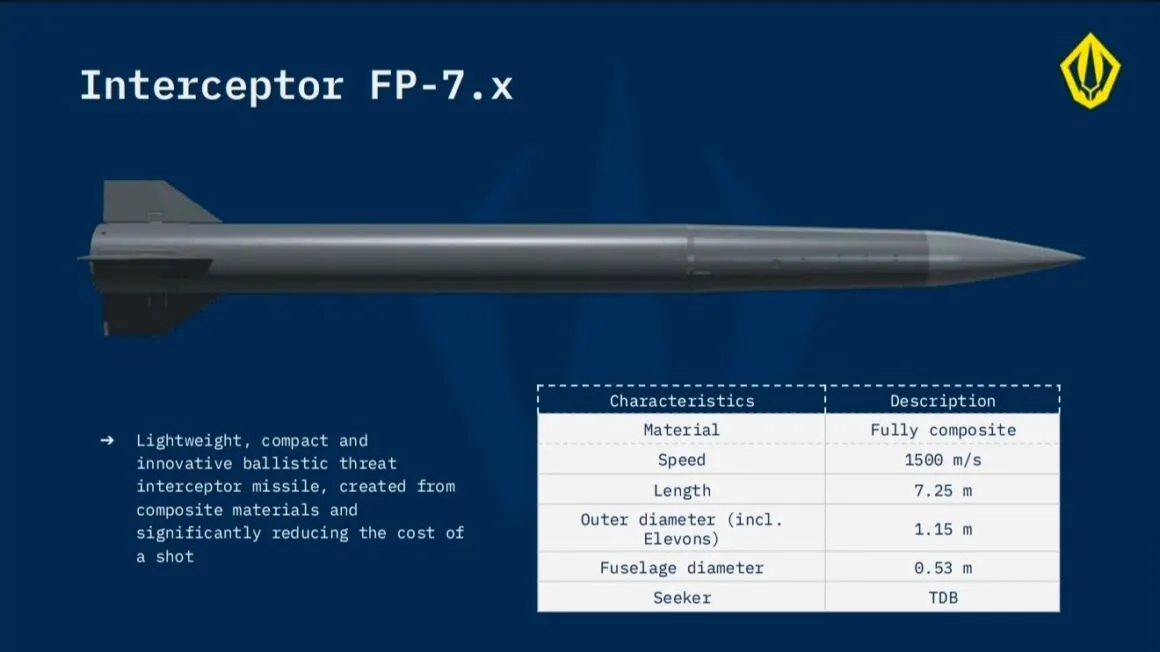
Fire Point concept graphic showing the FP-7.x interceptor missile beside a table of proposed specifications.
Explore further

Ukraine’s missile, Europe’s sensors—FREYJA enters active development on an early-2027 clock

Zelenskyy did not say what the partners still have to deliver. In August, he said Ukraine is capable of making the missile and launcher, while partners would supply critical components such as radars and sensors.

One part not made in Ukraine

In May, Fire Point co-founder and chief designer Denys Shtilerman said all components of the FP-7.x interceptor are made in Ukraine except one. “As for that one part we don’t manufacture in Ukraine, we’ve contracted a certain quantity of it. We already have it,” he said, but did not name the part.

In June, however, Shtilerman told the Financial Times that mass production depended on an infrared seeker Fire Point hoped to get from Germany’s Diehl Defence. Neither statement says whether the seeker is that one part.

Fire Point co-founder Iryna Terekh said in September that FREYJA was going through testing and technical integration in combat conditions in Ukraine. The company plans its first intercept of a ballistic target by mid-2027.

The official timeline has since moved closer. On 21 October, Zelenskyy wrote that officials had identified where to speed up so FREYJA reaches testing by the end of this year. A test is still a step short of an intercept.

  •  

Ukraine raises its stalled Patriot request with Washington again after almost a month without Hegseth’s signature

ukraine raises its stalled patriot request washington again after almost month without hegseth’s signature · post air defense system’s launcher 21051 9-a-so154-750_-_patriot_missile_system_operates_in_croatiajpg news ukrainian reports

Ukraine has waited almost a month for US Defense Secretary Pete Hegseth to sign off on missiles for its Patriot and NASAMS air defense systems, Ukrainian President Volodymyr Zelenskyy said on 26 October. He ordered his team to raise it with Washington again. Two other US holds on Ukraine, on Starlink speeds and intelligence sharing, have been lifted, leaving the interceptors as the last one.

Russia keeps firing ballistic missiles at Ukrainian cities and the power grid before winter, and Patriots are the only systems in Ukraine that reliably stop Iskander-M, Kinzhal, and Zircon missiles. Zelenskyy has told EU leaders Ukraine needs 300 interceptors to get through winter, diplomatic sources told Radio Svoboda. The holds came as Washington pressed Kyiv to stop striking Russian refineries, which Trump blames for high US fuel prices before the midterms.

Zelenskyy: almost a month waiting for Hegseth’s signature

Zelenskyy held a meeting on weapons supplies with Ukraine’s defense minister, foreign minister, and commander-in-chief. They reported on interceptors for air defense, above all for Patriot systems. Afterward, Zelenskyy wrote:

“We are working in several directions: with the United States, Europe, and other partners that have stocks of PAC-2 and PAC-3 missiles. In particular, for almost a month we have been waiting for Mr. Hegseth’s signature on missiles for Patriots and NASAMS. I have instructed the team to discuss this with the American side once again.”

Talks with other countries continue, he added. The meeting also covered preparations for November’s Ramstein meeting of Ukraine’s allies, where Zelenskyy wants decisions already on the table carried out faster.

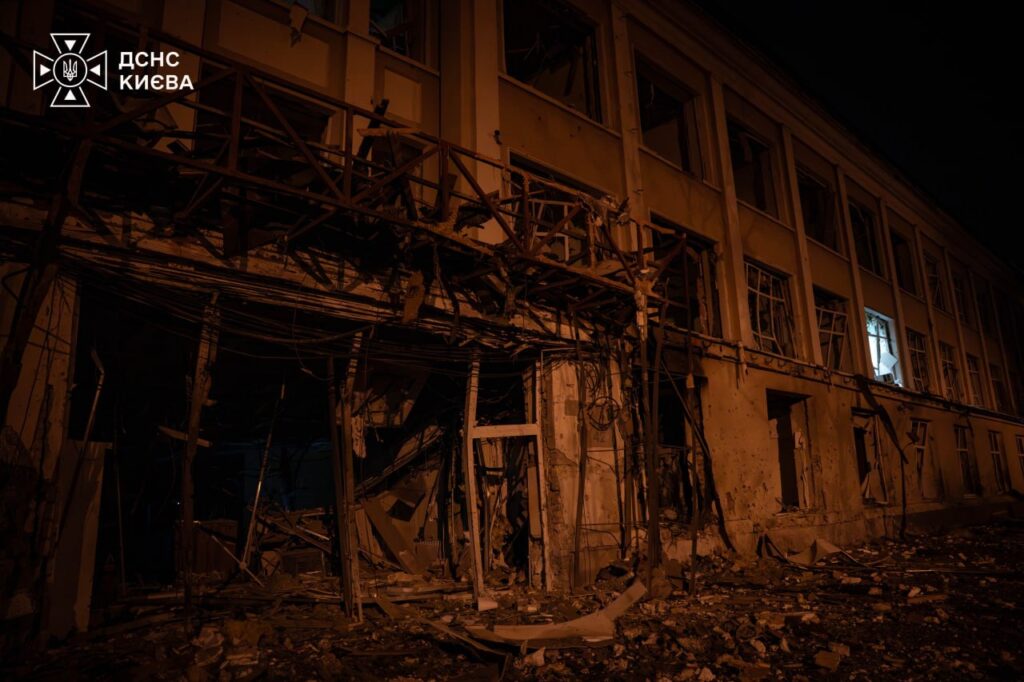
Aftermath of a Russian ballistic missile attack on Kyiv, 19 October 2026
Aftermath of a Russian ballistic missile attack on Kyiv, 19 October 2026. Photo: State Emergency Service of Ukraine

Allies’ missiles need US approval

Some of the transfers come from friendly countries and need Hegseth’s approval, because the US must sign off on any re-transfer of its missiles, a US official and three people familiar with the matter said on 19 October. Hegseth has neither refused nor approved them.

US President Donald Trump and Elon Musk in the Oval Office on 11 February 2025
Explore further

The Starlink hot potato: Musk points to Trump, Trump points to nobody, then credits Musk with the fix. The speed limit stays

A Ukrainian official said in mid-October that only “a couple” of interceptors were left. Hegseth has said the US wants “our guys” to have “the most possible” interceptors, and Secretary of State Marco Rubio insisted nothing was “being deliberately denied to Ukraine.”

Two of three US holds lifted

In an interview aired on 25 October, Zelenskyy listed three problems from his Oslo talks with the Americans: air defense, Starlink limits, and limits on US intelligence sharing. Full Starlink speeds returned on 24 October, and missile warnings resumed after his 20 October call with Rubio. Progress on Patriot missiles is “very slow,” he said, “slower than the flight of Russian missiles.”

Kyiv has also tried to trade for the missiles. Zelenskyy told US senators he had offered US envoys a 30-day pause in strikes on Russian refineries in return for Patriot interceptors. The envoys showed no openness to the idea.

Trump has called those refinery strikes a disgrace that only pushes oil prices higher. He said it days after striking a deal with Putin to bring Russian diesel back to the US ahead of the midterm elections on 3 November.

Trump treats Ukraine as the weak link to squeeze and wants a visible win partly with US domestic politics in mind, Ukrainian diplomat Oleksandr Khara has argued.

  •  

Russian missiles and drones kill one and injure 24 in Kyiv, splitting its metro line in two

Aftermath of Russia’s overnight attack on Kyiv.

Russian missiles and drones killed one person and injured 24 in Kyiv overnight on 22 October, the Kyiv City Prosecutor’s Office said. Damage spread across six of the city’s districts, the city military administration reported.

The strike came hours after Kremlin aide Yuri Ushakov said Putin had told Witkoff that Russia was “in principle” ready to resume three-way talks with the US and Ukraine in mid-November. President Volodymyr Zelenskyy read the overnight attack as a sign that Russia’s attitude has not changed. A day earlier, Russian drones killed two people in a 24-story Kyiv apartment block.

21 ballistic missiles in three waves

Russia fired 21 ballistic missiles at Kyiv overnight, Zelenskyy said. The barrage came in three waves, around 22:00, at about 02:00, and around 03:30.

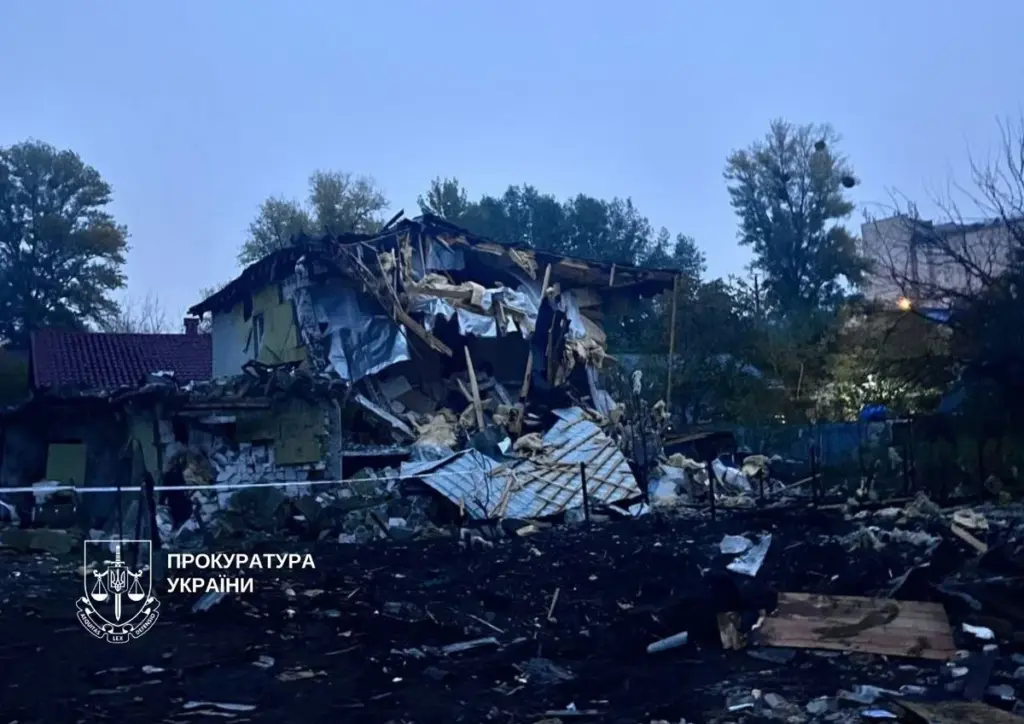
Aftermath of Russia’s overnight attack on Kyiv.
Aftermath of Russia’s overnight attack on Kyiv. Photo: Office of the Prosecutor General of Ukraine

Across Ukraine, air defenses downed or suppressed 181 of 210 Russian drones, the Air Force said. Its report did not mention any ballistic missiles shot down.

One killed in the Dniprovskyi district

The only death in Kyiv came in the Dniprovskyi district, on the city’s left bank. There, Russian strikes destroyed 13 detached houses on several streets, prosecutors said. Police said the man killed was 48 and that six people were injured in the district, four of them children, the youngest aged five.

Of the injured, five are minors and two are young children, and prosecutors reported acute stress reactions among them. A 16-year-old boy is in hospital with a closed head injury, prosecutors said. Sixteen of the injured were hospitalized, the city military administration said. The final number of injured is still being established.

just grid 24-storey block university warehouses were russia’s target list overnight four people dead · post smoke rises apartment building kyiv’s sviatoshynskyi district after russian drone strike 21 2026 kyivjfif
Explore further

Not just the grid: Russia struck a 24-story block, a university, and warehouses overnight, and four people are dead

Ambulance station and monastery damaged

In the Holosiivskyi, Obolonskyi, Pecherskyi, and Sviatoshynskyi districts, the attack damaged eight apartment buildings, prosecutors said. It also damaged a building-supply hypermarket, a restaurant, a monastery building, a post office, and office premises.

In Pecherskyi, Russia damaged an ambulance station and six ambulances, Kyiv Mayor Vitali Klitschko wrote. The State Emergency Service said eight people were injured in that district, three of them children, and reported damaged transport infrastructure in the Darnytskyi district.

Aftermath of Russia’s overnight attack on Kyiv.
Aftermath of Russia’s overnight attack on Kyiv. Photo: National Police of Ukraine

Bridge closed, metro line split

The strikes damaged metro infrastructure on the Pivdennyi (Southern) Bridge, Kyiv Metro said. As of the morning, green-line trains ran in two sections, Syrets–Vydubychi and Osokorky–Chervonyi Khutir. Inspections and repairs would continue after the all-clear, the metro said.

Oleksii Biloshytskyi, head of Ukraine’s Patrol Police Department, announced that traffic across the bridge toward the left bank was temporarily closed. The city is adding buses on routes 22 and 91, the city administration said. Russian drones had already hit the bridge repeatedly in early October.

  •  

Denmark puts a $112.6 million state guarantee behind the maker of Ukraine’s Flamingo missiles

flamingo vs oreshnik ukraine's genstaff now details damage russia's launch site · post fp-5 cruise missile targeting kapustin yar test range ukraine confirmed ballistic infrastructure previous strikes astrakhan oblast intermediate-range

Denmark will guarantee a loan to the Danish subsidiary of Fire Point, the Ukrainian maker of Flamingo cruise missiles, the Danish Business Ministry announced on 21 October. The financing will run through EIFO, Denmark’s state export and investment fund.

Ukraine uses its Flamingo missiles to strike defense plants deep inside Russia as Moscow continues its full-scale invasion. Fire Point broke ground in December 2025 on a plant in Vojens, southern Denmark, to make solid fuel for the missiles. The project has since grown far more expensive. In August, CEO Iryna Terekh said its estimated cost had risen from €50 million to above €150 million, calling the figure “very rough.” The war, meanwhile, stands in the way of Fire Point borrowing on ordinary terms in Denmark, the ministry said. That is why the Danish state is guaranteeing the loan.

What Denmark is putting up

The guarantee covers 750 million Danish kroner, or about $112.6 million, Reuters reported. Terekh said in August that the plant’s launch had slipped to late 2027. The ministry called the deal another big step toward starting production. However, Ukrainian outlet Defender Media noted that the statement does not say directly that the loan will fund the plant.

ukraine start mass production 3000 km flamingo missile zelenskyy says workers inspect cruise fire point's secret factory 18 2025 ap photo/efrem lukatsky fb/efrem 535397328 _24984278831178579_1839062619339783429_n long-range weapon has already completed
Explore further

Ukraine’s Fire Point company is working on revolutionary system which can also transform European air defense

EIFO chief Peder Lundquist said the fund is involved in nearly 40 projects linked to Ukraine. Business Minister Martin Lidegaard said hosting a Ukrainian defense company brings Denmark knowledge, production, and partnerships. Europe’s security and freedom, he added, start in Ukraine.

Better shielded from Russian strikes

Defense Minister Jeppe Bruus said Denmark was the first country to decide to let a Ukrainian defense company set up on its soil. Production outside Ukraine, he argued, is better protected from Russian attacks. He added that Fire Point’s presence opens cooperation that could give Denmark access to technologies developed in wartime.

Denmark first said in September 2025 that Fire Point would make long-range missile fuel on Danish soil. Since then, the company has signed deals with more than a dozen European firms for FREYJA, an anti-ballistic project. It could reduce Europe’s long-term reliance on scarce US-made Patriot interceptors. Fire Point aims for a first ballistic missile intercept with it by mid-2027.

  •  

Rubio thinks Starlink is fixed. Kyiv says it still cuts out above 161 km/h

rubio

Ukrainian President Volodymyr Zelenskyy said on 20 October that he had spoken with US Secretary of State Marco Rubio about ballistic missile interceptors, early warning of Russian launches, and “the situation with Starlink/Starshield, which needs to be restored,” he wrote on X. He thanked Rubio for “his readiness to help and his clear position” and said they would speak again soon. A day earlier, he had told US senators how each of those supplies had stalled.

This comes as the US presses Kyiv to stop its strikes on Russian oil refineries, which Trump has blamed for high fuel prices at home, and Zelenskyy counts the Starlink slowdown among the steps he says look like an effort to push Ukraine to capitulate. Ukraine’s interceptor drones depend on the service to hunt Russia’s jet-powered Shaheds, and Kyiv says they now lose the link at speeds too low to catch them. The call appears not to have settled whether that cap is gone. If it stays, Ukrainian cities could face Russia’s drone waves this winter with one fewer means to stop them, as Russia keeps striking the grid.

On 17 October, Rubio told reporters that nobody in the US ordered Starlink slowed, that the slowdown “wasn’t deliberate,” and that “my understanding is it’s been restored.” He drew a line between the two services. Ukraine’s drones, he said, ran on commercial Starlink, while Starshield, the military version, is not available to Ukraine. Kyiv has asked for it to carry out strikes deep inside Russia, and that request is under discussion, he said.

The next day, Zelenskyy told Bloomberg that Starlink in Ukraine cuts out above 161 km/h, and Kyiv says its Starshield terminals are capped as well. His post after the call still says the service needs to be restored.

Reuters’ sources point to the White House. Washington denies it

The order to slow Starshield came from inside the White House, Reuters reported, citing two US officials and a Western official. They described it as the Starshield service for the Ukrainian military, the version Rubio says Ukraine does not have. A senior Ukrainian official told Reuters that Kyiv had been told it was a White House decision. A senior US official told the agency the president never made such a request, and the White House did not answer whether other officials had. Rubio called a report that the White House ordered Starlink slowed “categorically false.”

Missile warnings and Patriots are also in dispute

Overnight on 18–19 October, Ukraine got no partner warning before the first of two Russian ballistic waves, Air Force spokesman Yurii Ihnat said on the national telethon. That came hours after Zelenskyy said US warnings had resumed. On 19 October, Rubio pushed back against suggestions of a pause in US intelligence sharing, AFP reported.

Zelenskyy also told Bloomberg the US sends only 12 Patriot interceptors a month and has authorized only part of those “we have paid for” under PURL. Ukrainian officials told the Kyiv Independent that Defense Secretary Pete Hegseth has not signed the contracts. A US government official called those claims “not true.”

  •  

More ballistic missile interceptors and F-16 repairs inside Ukraine: Kyiv’s two asks to Lockheed Martin

Ukrainian President Volodymyr Zelenskyy during a meeting with American defense company Lockheed Martin representatives on 28 July 2026, in Washington D.C. Source: President's Office

Ukraine is counting on buying part of Lockheed Martin’s growing output of ballistic missile interceptors, President Volodymyr Zelenskyy said. He met the US company’s team in Kyiv on 19 October and also raised servicing and repairing F-16 fighter jets inside Ukraine.

Russia keeps striking Ukraine’s power grid with ballistic missiles, and interceptor supplies fall short of that threat. Kyiv is working every route to more Patriot missiles, from US deliveries to allies’ stocks, and some have stalled. Greece, for one, has not confirmed it will hand any over, citing its own defense needs. A purchase from the missiles’ maker would add one more route.

Growing output, F-16 repairs in Ukraine

Lockheed Martin builds the PAC-3 MSE interceptors fired by Patriot air defense systems, as well as the F-16. Zelenskyy said both matter against Russian ballistic missiles and jet-powered Shahed drones. Neither area is easy right now, he added.

“We count on the opportunity to purchase some of them to protect more lives,” he wrote.

On 28 July, Zelenskyy met the company in Washington to discuss joint production. That came weeks after US President Donald Trump pledged Ukraine a license to manufacture Patriots.

A batch reportedly stuck in Washington

Meanwhile, US Defense Secretary Pete Hegseth has not signed off on a “significant” batch of Patriot missiles, Ukrainian officials told the Kyiv Independent. One official said allies had already paid for them. A US government official called the claims untrue, and the Pentagon did not respond. A NATO official said allied-funded deliveries, including air defense, continue. A second NATO official said some shipments could be delayed, but likely not for political reasons.

Zelenskyy told Bloomberg on 18 October that the US delivers only 12 Patriot interceptors a month. On 20 October, interceptors topped his list in a call with US Secretary of State Marco Rubio.

No purchase was announced, so new interceptors from this route remain a prospect. Meanwhile, partners’ early warnings of Russian ballistic launches have gone missing three times recently, Zelenskyy wrote. Those warnings give air defenses extra minutes to prepare.

  •  
❌