Russia plans to build own version of US billionaire’s satellite communications to help attack Ukraine
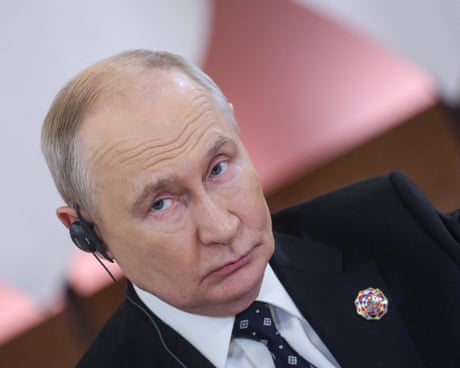
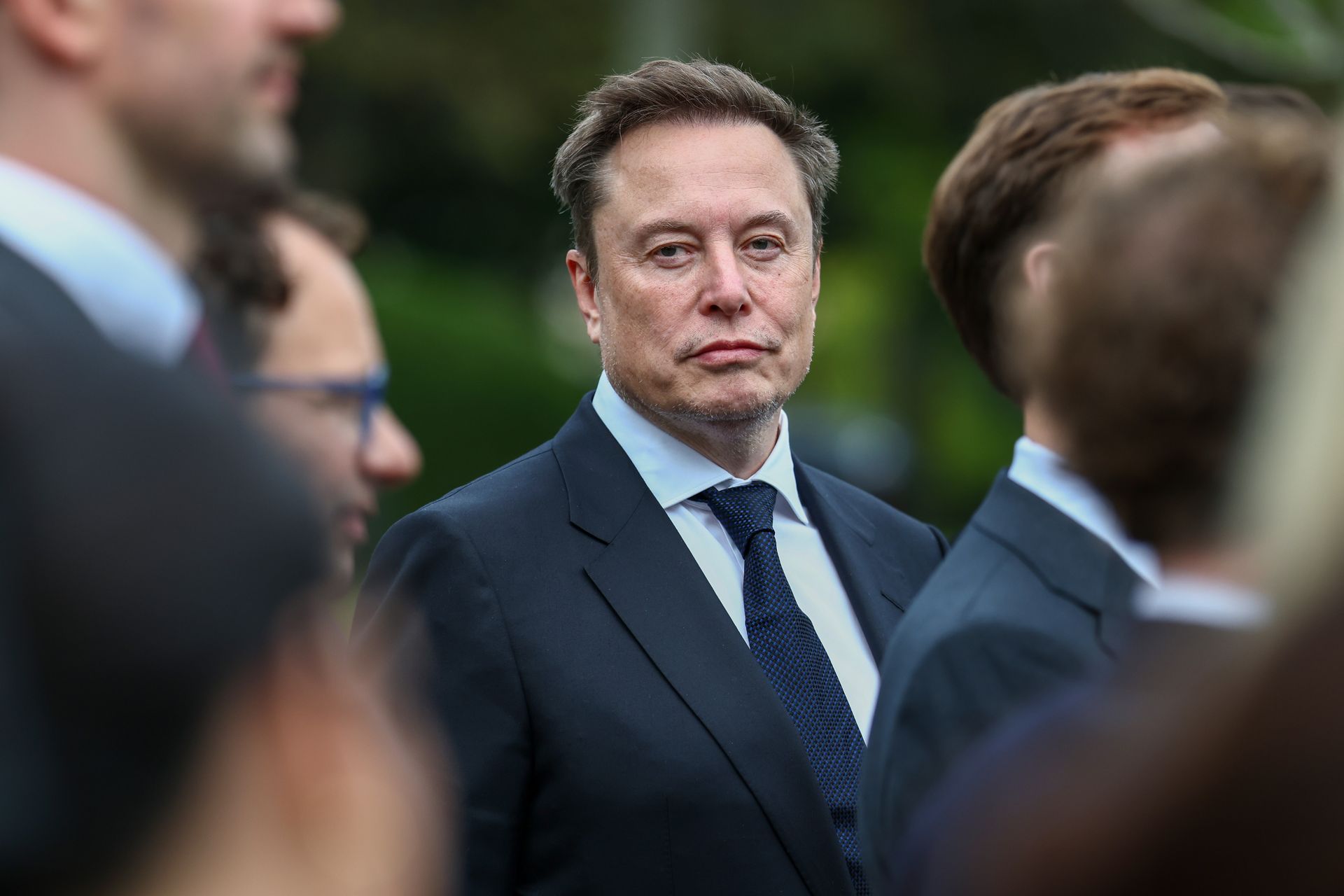
Vladimir Putin praised Elon Musk’s genius and said he was in touch with Starlink’s controlling shareholder as Russia develops its own satellite communications for its military to use against Ukraine.
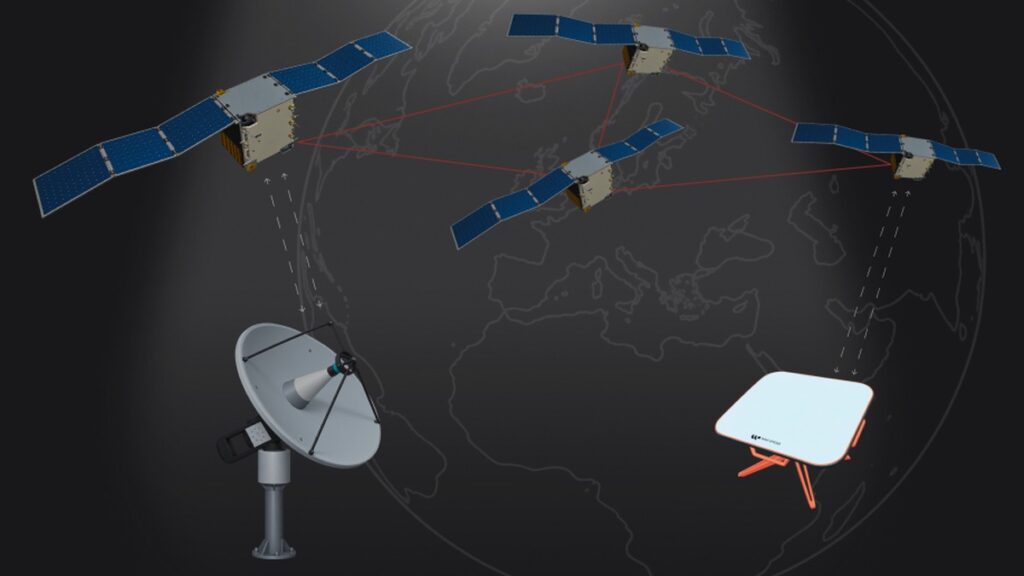
The Russian president, speaking at a summit with African leaders in Moscow, was comparing the Earth-orbiting network built by Musk’s SpaceX with Russia’s gradual efforts to build its own Rassvet constellation.
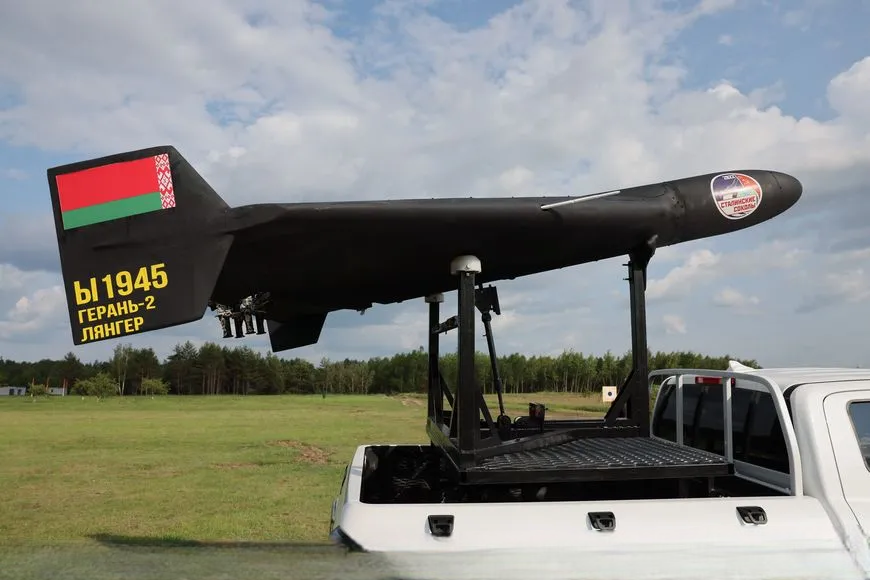
Ukraine’s Military Intelligence (HUR) has published the names of 49 Russian and Belarusian companies and institutions building Rassvet, Russia’s low-orbit satellite internet system, on its War&Sanctions portal, the agency said on 28 October. It needs it for its military purposes.
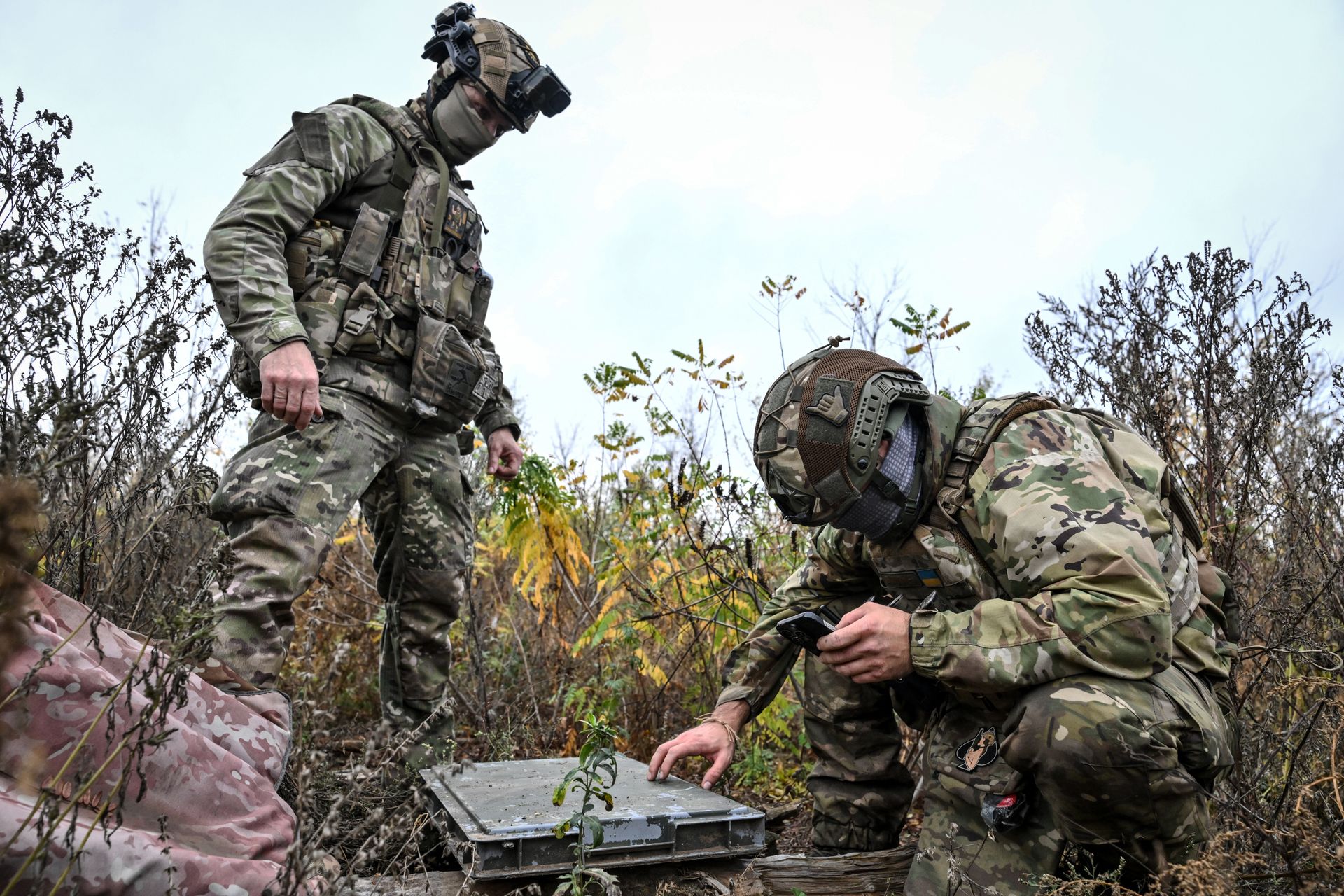
Russian troops ran front-line communications and long-range strike drones on smuggled Starlink terminals until SpaceX blocked them on 1 February 2026. Ukraine still flies on Musk’s network, and on 24 October it got back to full speed after a ten-day cap imposed abroad. Rassvet is meant to give Russia’s army satellite links under its own control.
HUR has said Moscow may struggle to obtain components for more satellites, and its list names the suppliers that sanctions would need to target while the network is still being built.
Terminals for Iskander-M command vehicles
Rassvet is first of all a military communications system. Russia plans to use it for command and control, strike platforms, and drones, and to install terminals in the command-and-staff vehicles of Iskander-M missile systems, HUR says.
The Central Research Institute of Automation and Hydraulics is involved in integrating Rassvet into army communications, including fitting command vehicles, Iskander ones among them, with terminals once 292 satellites are in orbit, according to the portal. The same institute produces guidance components for the Iskander-M and Kinzhal missiles.
Planned coverage takes in Ukraine and the EU first, and once it is wide enough, Russia could use the system in hybrid attacks on other countries. That is why partners should block Rassvet’s access to components, equipment, and software now, the agency said.
Roscosmos launches it, a Belarusian missile maker signs on
The lead company is Bureau 1440, part of the IKS Holding tech group. According to the portal, it is linking its flight control center to systems of the Russian Defense Ministry. Roscosmos launches the satellites into orbit, and its head, Dmitry Bakanov, personally oversees Rassvet.
Meanwhile, Belintersat, Belarus’s national satellite operator, signed a partnership with Bureau 1440 in May 2026 to bring Rassvet into Belarus’s telecom network. It is a branch of the Plant of Precision Electromechanics, Belarus’s lead missile developer and maker of the Polonez rocket launcher.
Another Belarusian firm, Aerospace Instruments, prototypes components for the system.
23 of 49 not sanctioned by Kyiv’s allies
Of the 49, 23, Roscosmos among them, are not under sanctions by any country in the sanctions coalition. The companies involved “must be included in all blacklists” of countries, banks, and businesses, the agency wrote.
32 satellites launched, seven launches to go
Russia launched its first 16 Rassvet satellites earlier this year. Stable communications would need 200–250 in orbit, Serhii “Flash” Beskrestnov, then adviser to Ukraine’s defense minister, said in May.
By August, Russia had launched 32 Rassvet satellites and planned seven more launches by the end of 2026, a HUR official told Janes. Only 12 of them, all from the first batch, had reached a sustainable altitude by the end of August, ISW reported.
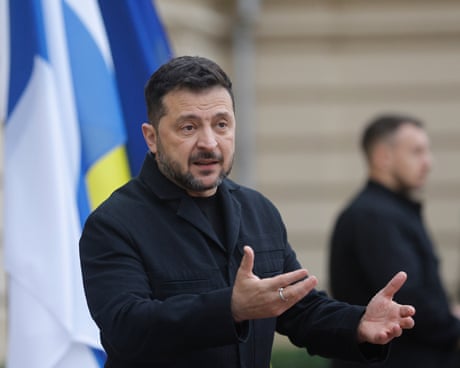
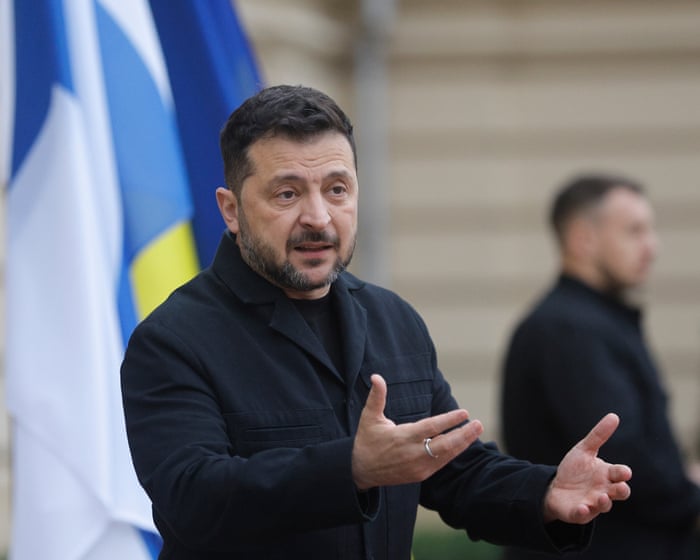
"When Elon Musk said that we use Starshield against the Russians — yes, against the Russians, but on our own territory. This is not offensive; it’s defensive," Zelensky told journalists at a press briefing.
A test satellite for a future communications network under Ukrainian control is working in orbit, Ukraine’s Himera and Denmark’s GomSpace said on 27 October. The companies say it will work for Ukraine’s strategic security, and that the long-term aim is to rely less on foreign communications providers. Public launch records for the mission do not list a satellite by that name, though some of its objects are still unidentified.
Ukraine fights Russia on satellite links it doesn’t control, and the announcement comes two weeks after it saw what depending on an outside provider can cost. The satellite, the companies say, went up on 1 October, before that trouble began. Overnight on 14 October, Starlink and its military version, Starshield, began dropping links on fast-moving terminals, and Ukrainian officials said the cap disrupted drone missions. On 24 October, 10 days after the cap began, Ukraine’s Defense Ministry reported speeds restored. Who ordered the cap remains contested. That same day, Elon Musk wrote that Ukraine’s military had violated Starlink’s terms of service and that “that loophole was closed last week,” a claim a Ukrainian presidential adviser disputed.
What the companies say, and what launch records show
Obria Nano flew on SpaceX’s Transporter-18 rideshare mission, the release said. Aalborg-based GomSpace built it on Himera’s order, Himera co-founder and CEO Misha Rudominski wrote on Facebook. He added that the team received the first signals the next day and that the satellite is now working. Its tests are meant to inform the design of the full Obria system, the release said.
Explore further
The Starlink hot potato: Musk points to Trump, Trump points to nobody, then credits Musk with the fix. The speed limit stays
No satellite called Obria Nano appears on SpaceX’s published list for the mission, The Insider found. Public tracking catalogsshow one Ukrainian satellite from that launch, named UASAT-Nano. Another 26 objects from the mission are still listed with placeholder names and no confirmed owner. The outlet said it is unclear whether the two names refer to one satellite.
UASAT-Nano is the satellite network Stetman, another Ukrainian company, is building, and its founder said the network’s first test satellite would launch in October. In April, Stetman and GomSpace agreed to set up a joint venture called UASAT and planned a first launch for fall 2026. The Obria release does not mention Stetman or UASAT.
Production in Ukraine is the stated next step
Rudominski wrote that Himera’s next stage is to produce satellites and ground terminals in Ukraine. He called it important not only to use the technology but also to gradually build domestic expertise and manufacturing.
“For us, this project is about more than launching a satellite. It is an opportunity to lay the foundation for an independent communications network for Ukraine,” Rudominski said in the release.
In the long run, the network would cover all of Ukraine and complement European satellite networks, the release said. The network does not exist yet, and Himera has given no timeline.
Explore further
“Trump and Musk must be held accountable”: US senator warns Starlink network failing over Ukraine could cripple its shield against Russian missiles and drones
Replacing Starlink will not be quick. Lance Hunter, a political scientist at Augusta University, told Time that Ukraine cannot quickly swap out such technology, since diversifying it “takes a lot of time. It takes a lot of resources.” Meanwhile, one Ukrainian interceptor-drone maker has begun rethinking its air-launched designs after the slowdown.
Anthropic, developer of AI chatbot Claude, has filed its prospectus and is expected to go public on Wall Street in November at a valuation of up to US$2 trillion. That would make it the highest-valued initial public offering (IPO) ever, ahead of SpaceX’s $1.77 trillion listing in June. OpenAI, the maker of ChatGPT, is expected […]
Verizon's CEO says SpaceX's Starlink faces some significant technical and financial hurdles to compete at scale in the US.
Zamek/GVN/VIEW press/Corbis via Getty Images
Verizon's CEO says he assumes SpaceX will flawlessly execute its US ambitions — but he's not worried.
In order for Starlink to compete, it will still need a lot of land-based infrastructure.
That building could require SpaceX to spend a half trillion dollars over up to eight years, he said.
In business, as in war, the safest bet is often to avoid underestimating your competitors, even when the odds appear to be in your favor.
Verizon CEO Dan Schulman says he's a student of that philosophy when it comes to Elon Musk's ambitions to develop SpaceX's Starlink into a significant US network player.
"Clearly, the tech and the wireless landscape is rapidly evolving, and we need to rapidly evolve along with that," he said during the company's third-quarter earnings call Monday. "I also operate under the assumption that everything SpaceX says they will do, they will do, and that they will execute flawlessly."
Setting aside Musk's track record of delivering on his eyebrow-raising promises, Schulman said there are significant technical and financial hurdles that Starlink would have to clear to meaningfully compete with established networks like Verizon. But it is possible.
"If they build a terrestrial network, it will basically look and feel like every other network," he said. "I think we should take it quite seriously."
News earlier this month that Starlink had acquired a batch of mobile-friendly low-band spectrum sent the share prices of the major US mobile carriers falling by approximately 10%. Verizon is the only one of the three to partially recover from the drop.
"Their service just can't compete with a terrestrial network in suburban and urban areas, where like 98% of our revenues are," he said of the satellite-based system. "We're somewhere between 100 to 1000 times more efficient than they are."
Building a competitive US network, especially for mobile, would require building as many as 80,000 large cell towers on Earth linked with some combination of satellites and fiber optics, Schulman said.
Schulman estimates that project would cost up to a half trillion dollars over six to eight years, with a minimum of four to six years to actually build out the network.
"Then they need to build retail customer service, back office systems, et cetera., and all of that gets them basically the same network and same capabilities and same cost structure as what we have today," Schulman said.
After the call, Musk responded to the forecast with a post on X: "Will take 2 or 3 years."
The Verizon chief's remarks come less than a week after his AT&T counterpart, John Stankey, brushed off concerns that Starlink's mobile network could pose a threat to his business.
"I wouldn't over-rotate on what I would call one carrier of low band spectrum," he said.
But unlike other public companies, Anthropic doesn't want the public's input when it comes to major decisions.
Instead, Anthropic will be effectively controlled by CEO Dario Amodei and a group of other insiders.
In the next few weeks, public investors will get their chance to buy a piece of Anthropic.
But regular investors will never have a chance to steer the AI giant's decisions: Even though Anthropic is going public, it will essentially remain a private company, controlled by a handful of people with outsized power.
That's not unusual for giant tech companies launched in the past few decades (Larry Page and Sergey Brin have effective control of Google; Mark Zuckerberg has the same at Meta, as does Elon Musk at SpaceX.) It's also something you see at some prominent media companies (Rupert Murdoch and his son Lachlan have effective control of his two public companies; Larry and David Ellison have the same at Skydance.)
Anthropic's twist on the idea is that control is split between two different groups of insiders. There's a clique of seven founders, including CEO Dario Amodei and his sister, Daniela, who control 50.1% of shareholder voting power. And there's also a trust with the power to appoint four of the company's seven directors.
Put those two together, and you get a corporate constitution designed to keep public investors outside the real decisions. The founders control the outcome of any shareholder vote; the trust controls the board.
In theory, those two groups could end up in conflict on major issues. The trust-appointed directors might, say, vote to replace Amodei with a new CEO. Or the founder group could veto a sale approved by the board.
In reality, there's a lot of overlap between the two groups. For starters, Anthropic created and funds the trust. And Anthropic itself says it has made sure the trust is staffed with people who see the world the same way its executives do: "In practice to date, the Trustees and company executives have collaborated closely on sourcing, interviewing, and selecting Trustees," the company notes in its S-1 filing.
The main takeaway is that there's no way for an individual shareholder, or even institutional shareholders who own significant chunks of Anthropic's equity, to force it to move one way or another.
The upside of arrangements like this are pretty clear, from a founder's perspective: They insulate their founders and managers from investors who might only care about short-term goals.
The downside: These structures insulate founders and managers from investors who might have very good reasons to want the company to change.
A good counter-example to the trend is Twitter, which went public in 2013 without founder control — which is why Elon Musk was able to buy it nearly a decade later.
In Anthropic's case, that aversion to giving public investors a real voice is synced directly to the company's founding thesis — that the AI it is developing is so consequential and potentially dangerous, that it must be controlled by people who care about more than Anthropic's share price.
And for many investors clamoring to get in on Anthropic's IPO, that lack of control — disclosed up front — won't matter. They just want their shares to be worth more over time. Musk's ironclad control of SpaceX didn't put dampen demand for the biggest IPO in history.
But if investors ever want to force Anthropic to do something the Amodeis and their cofounders — or the Anthropic-created trust — don't want it to do, they'll be out of luck. Buyer beware.
SpaceX ha raccolto 40 miliardi di dollari in prestiti destinati all’acquisto di nuovi chip per l’intelligenza artificiale. Lo ha annunciato Elon Musk attraverso un messaggio pubblicato sul suo social X, spiegando che le risorse serviranno principalmente a finanziare l’acquisto di GPU, le unità di elaborazione grafica fondamentali per lo sviluppo dei sistemi di intelligenza artificiale, la cui consegna è prevista tra il primo e il secondo trimestre del 2027. “Si tratta principalmente del rimborso del debito contratto per l’acquisto di GPU che arriveranno nel primo e nel secondo trimestre”, ha scritto Musk rispondendo a un investitore, senza precisare né la scadenza né il tasso di interesse del finanziamento.
La notizia arriva dopo che il gruppo, presentando i risultati finanziari martedì scorso, aveva annunciato investimenti compresi tra 35 e 40 miliardi di dollari nell’ultimo trimestre dell’anno, una cifra doppia rispetto a quella del trimestre precedente. I nuovi fondi, attesi all’inizio del 2027, confermano la volontà di mantenere elevato il ritmo degli investimenti nel settore dell’intelligenza artificiale.
Dopo la fusione con xAI all’inizio dell’anno, SpaceX, con sede a Starbase, in Texas, ha rafforzato la propria presenza nel comparto dell’intelligenza artificiale. Nel terzo trimestre, secondo quanto riportato, il gruppo ha registrato il primo utile netto della sua storia, grazie soprattutto ai ricavi derivanti dall’affitto della capacità dei propri data center a clienti esterni, tra cui Anthropic.
Prosegue intanto l’ampliamento del data center Colossus II, al confine tra Mississippi e Tennessee, mentre Musk punta a trasformare SpaceX in un conglomerato tecnologico, valutando anche l’acquisizione di Tesla, l’altra grande azienda da lui guidata.
Ukrainian troops deploy a Starlink terminal on the battlefield. Kyiv is allowed to use the civilian service for communications needs, but not for drone strikes, for which it relies on Starshield.
Dmytro Smolienko/ Ukrinform/Future Publishing via Getty Images
Elon Musk has accused Ukrainian forces of using commercial Starlink in drone strikes.
But two Ukrainian drone figures say the claim is impossible because of limits imposed on the terminals.
It comes after Ukraine was hit by a 10-day slowdown on Starshield, the military version of Starlink.
Ukraine said its access to Starshield was restored this weekend, but Elon Musk isn't finished with Kyiv yet.
In an X post on Sunday, Musk accused Ukrainian forces of breaching Starlink's terms of service by using the civilian platform in drone attacks.
"Ukraine military violated Starlink terms of service and used it for offensive drone strikes to kill people. That loophole was closed last week," wrote the SpaceX owner.
"Using Starlink, a civilian commercial service, for offensive drone strikes to kill people has never been allowed, nor should it be," he added.
Musk made it clear he was talking about the commercial platform and not Starshield, the military version of the satellite communications service owned and controlled by the US government.
"Were Starlink to be turned off, the Ukrainian front line would collapse immediately. This is NOT a threat, it is simply a statement of fact," Musk added.
Ukrainian drone advisors hit back
Two prominent Ukrainian drone figures, however, disputed Musk's statement, saying that it was technically impossible for any of Kyiv's troops to have independently used Starlink in drone strikes.
"As someone who was inside the process at the Ministry of Defense, I can say for sure that this is not true," wrote Serhii Sternenko, a former advisor for drones to Ukraine's defense ministry, on his Telegram channel.
"It is very strange that Elon Musk does not know about the restrictions on Starlink operation in Ukraine," wrote Serhii "Flash" Beskrestnov, another former advisor.
Ukrainian troops are allowed to use Starlink for communication and piloting non-combat systems, such as this demining drone.
Anastasiia Sheviakova/Gwara Media/Global Images Ukraine via Getty Images
Both worked in the ministry in early 2026, when it negotiated with SpaceX to prevent Russia from using black-market Starlink terminals in the war. SpaceX agreed in February to block Starlink over Ukraine and Russia, allowing access only to whitelisted Ukrainian terminals.
Sternenko said that Ukrainian civilians and troops could register their terminals on the whitelist, but that these would only work while subject to a speed requirement.
For one to connect while moving, it would have to be put on a special list that uses Starshield instead, he said.
"That is, it was technically impossible to use civilian Starlink to perform missions on drones. All drone missions that required satellite communication could only be carried out using Starshield," Sternenko added.
Beskrestnov said the Ukrainian Starlink terminals were subject to a speed limit of 90 kmph, or about 55 mph. The civilian service is also completely cut off over Russia, he added.
"Thus, we physically cannot use commercial Starlink for deep strikes and middle strikes," Beskrestnov wrote.
Starshield vs Starlink
Tactical drones operating on the Ukrainian battlefield at speeds below 55 mph, such as first-person-view attack drones, typically use radio-frequency signals rather than satellite communication to maintain contact with an operator. These are also often too small and lack enough onboard power to reliably carry even a Starlink Mini terminal.
What Ukraine usually uses satellite internet for — hence its reliance on Starshield — is mid-range and deep strikes on Russia's rear or Russian territory, with larger, more powerful drones that fly much faster.
An example of a mid-range drone is the Hornet, a winged drone that's about the size of a human being.
Carlo Bravo/Anadolu via Getty Images
Kyiv also relies on satellite communications for its small interceptor drones, which fly at up to 265 mph to catch incoming attack drones.
Musk followed up on his Sunday X post with a screenshot of Ukrainian President Volodymyr Zelenskyy writing on social media in mid-October that Kyiv's forces "also use Starlink for mid-range strikes" against Russian targets.
However, Zelenskyy's post was describing Ukraine's recent troubles with Starshield, and he repeatedly used the term "Starlink" to refer broadly to the military satellite service instead.
Musk and SpaceX did not respond to requests for comment sent outside regular business hours by Business Insider.
Earlier this month, Ukraine raised the alarm that its access to Starshield was being throttled at high speeds, reducing its ability to conduct deeper strikes and to control interceptor drones.
The crisis lasted 10 days and came as President Donald Trump and Musk openly criticized Ukraine for targeting Russian oil facilities at a time when the White House was trying to ease fuel prices.
The Wall Street Journal reported, citing unnamed US officials and sources, that Musk had personally ordered the speed cap. Musk and Trump have separately said they were not responsible for the slowdown.
On Saturday, Zelenskyy said Starshield services were running normally again.
SpaceX founder Elon Musk says that if Ukraine fires through Starlink, Russia would be entitled to shoot the network down. That is why Starlink must remain a civilian operation and cannot be used for outright offensive strikes that would put its very existence at risk.
The warning lands in the middle of a fight over Musk’s own hand on that network. Weeks ago, his company unexpectedly throttled the service Ukraine’s drones depend on amid US President Donald Trump diesel deal with Russia, which led to the disruption of a few operations on the front.
The US Treasury authorized the sale, delivery, offloading, and import of Russian-origin diesel fuel, effectively suspending sanctions on that trade until 7 April 2027, the Office of Foreign Assets Control (OFAC) said on its website on 9 October.
The diesel deal combining intelligence halt and military Starlink, with pressure on Ukraine to make a quick peace deal, has angered both Democrats and Republicans ahead of the US elections on 3 November, where Democrats could win.
Meanwhile, a Ukrainian official interprets Musk's talk of strikes as an attempt to build an alibi before a possible investigation into that decision.
A civilian network, or a target
Musk was responding to a post warning that if Starlink shifted from a civilian network into a military system, Russia could treat it as a target for retaliation, and that destroying satellites in orbit could scatter enough debris to make space unusable for years or centuries.
“An adversary blowing up Starlink satellites would create a domino effect of destruction that would generate a vast field of debris, making space unusable," he writes.
When the shield and the warnings failed together
Overnight into 14 October, SpaceX quietly capped the speed of Starshield, the military version Ukraine’s drones run on, without telling Kyiv. Ukrainian units said the limit broke a series of missions, with connections dropping mid-flight and leaving drones hard to control.
At the same time, President Volodymyr Zelenskyy said Ukraine relies on the network for air defense, not attack, to intercept the Russian drones Moscow sends to its cities, and that once the speed was cut, his forces could no longer stop some of them as effectively as before.
Simultaneously, Ukraine's other American lifeline also went dark: for about three days, the US stopped passing the intelligence that warns of Russian ballistic launches. On 12 October, Russian ballistic missiles hit Kyiv before the air-raid alert reached people, with no advance data from partners. In a strike during that window, three people were killed in the capital, the sirens sounding only after the blasts.
A Ukrainian official sees alibi-building
Meanwhile, Andrii Kovalenko, the ex-head of Ukraine’s Center for Countering Disinformation, read Musk’s statement as self-protection rather than physics
“Musk, having taken responsibility for the restrictions on Starlink and Starshield for Ukraine, is now trying to build himself an alibi before a possible investigation into that decision,” he wrote.
He said that regardless of who was behind the idea of restricting Starlink and Starshield access for Ukraine, it represents a strategic setback for the US in the long run, as it risks portraying the country as an unreliable partner that may fail to honor its commitments.
"Europe purchases around 60% of its imported weapons from the US. Trust in the US as a security guarantor directly supports sales for American defense companies. Moves like this only undermine that trust and encourage European countries to develop their own systems," he said.
The US has sent a message that its guarantees may not be reliable and that even paid-for services can be subject to political decisions, Kovalenko stressed.
Ukraine's military satellite links work at full speed again after a cap that hobbled its drones, Ukraine's Defense Ministry said on 24 October. Hours later, SpaceX owner Elon Musk, who earlier pointed at Washington, said his company had enforced its own rules. A Ukrainian presidential adviser and a drone volunteer replied that civilian Starlink could not fly such missions.
Ukraine holds off Russia with American tools it doesn't control, so any pause decided abroad, like stalled Patriot deliveries or the Starlink cap, opens gaps in its defense. With no stated rule on what Ukraine's forces may do, the next cutoff could again come unannounced and unexplained.
Kyiv records full speed again
The ministry recorded stable connections above 400 km/h (250 mph). Before, Kyiv said, links on Starlink and its military version, Starshield, cut out above 161 km/h (100 mph).
Ukrainian President Volodymyr Zelenskyy said the restoration began overnight. "The speeds are now where they need to be," he said, citing defense against jet-powered Shahed drones. He thanked US lawmakers, the media, the State Department, and the US President, but not Musk or SpaceX.
A Ukrainian soldier installs a Starlink terminal. Illustrative photo: Armed Forces of Ukraine
Musk: "That loophole was closed last week"
Musk replied "Correct" to an X user who called Starlink "not a weapons system." "Ukraine military violated Starlink terms of service and used it for offensive drone strikes to kill people. That loophole was closed last week," he wrote.
Correct.
Using Starlink, a civilian commercial service, for offensive drone strikes to kill people has never been allowed, nor should it be.
Starshield, a different system, is controlled by the US government. What they decide to do is up to them.
He called Starshield "a different system" the US government controls, and warned: "Were Starlink to be turned off, the Ukrainian front line would collapse immediately. This is NOT a threat, it is simply a statement of fact."
Musk named no evidence, cases, or time frames. Overnight, he answered a headline on the US financial blog ZeroHedge saying he "admits" SpaceX throttled Starlink.
"We simply enforced our terms of service when they were bypassed. There has been no change to our terms of service," Musk wrote.
Explore further
Who capped Ukraine’s Starlink? “Ultimately POTUS,” Musk said. Ultimately Musk, reports now say
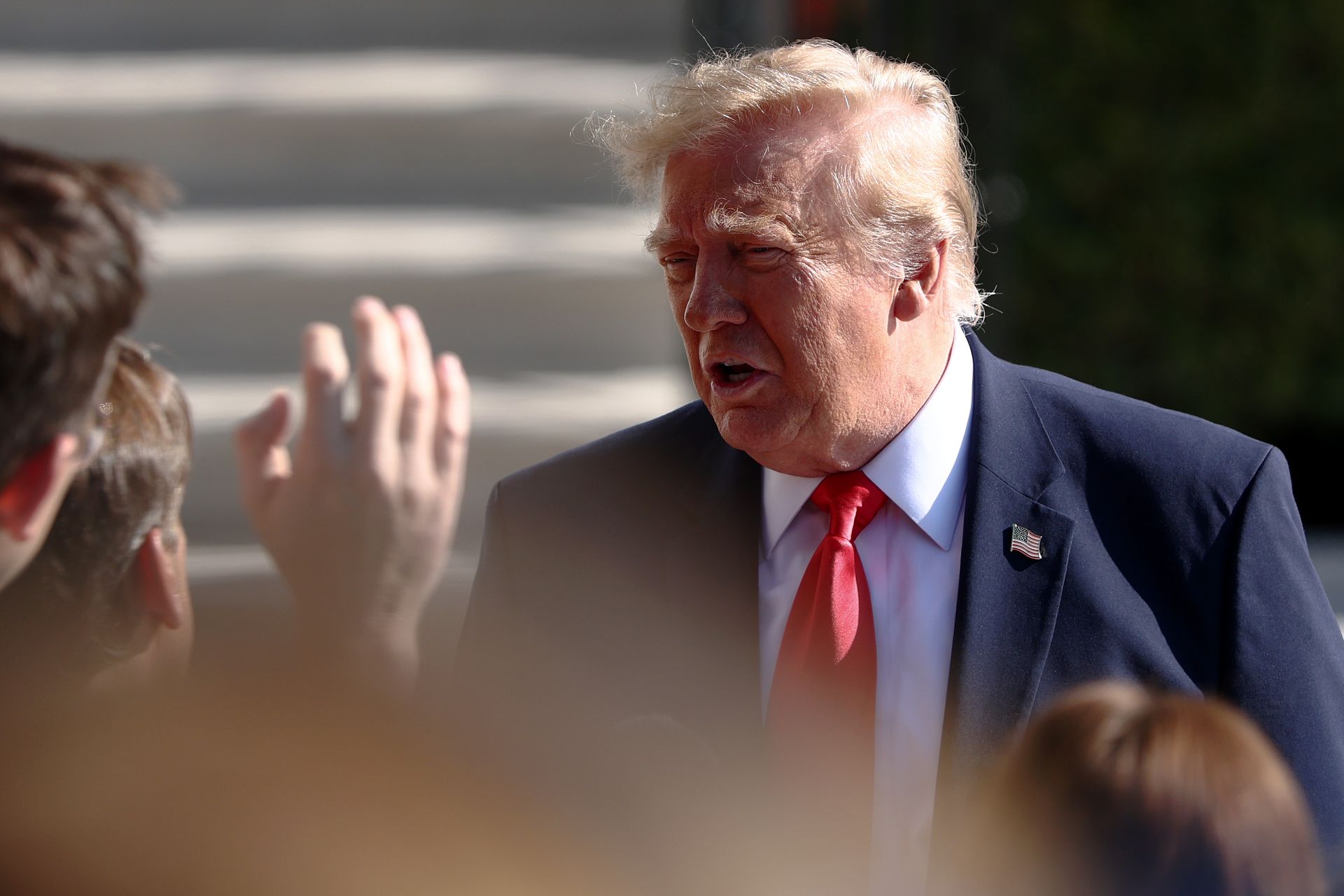
When the cap hit on 14 October, Musk wrote that the US government owns and controls Starshield and that the US military and "ultimately POTUS" decide any limits. US President Donald Trump, who credited Musk with the fix while Kyiv still saw the cap, said on 24 October he had spoken to Musk about Ukraine but gave no details.
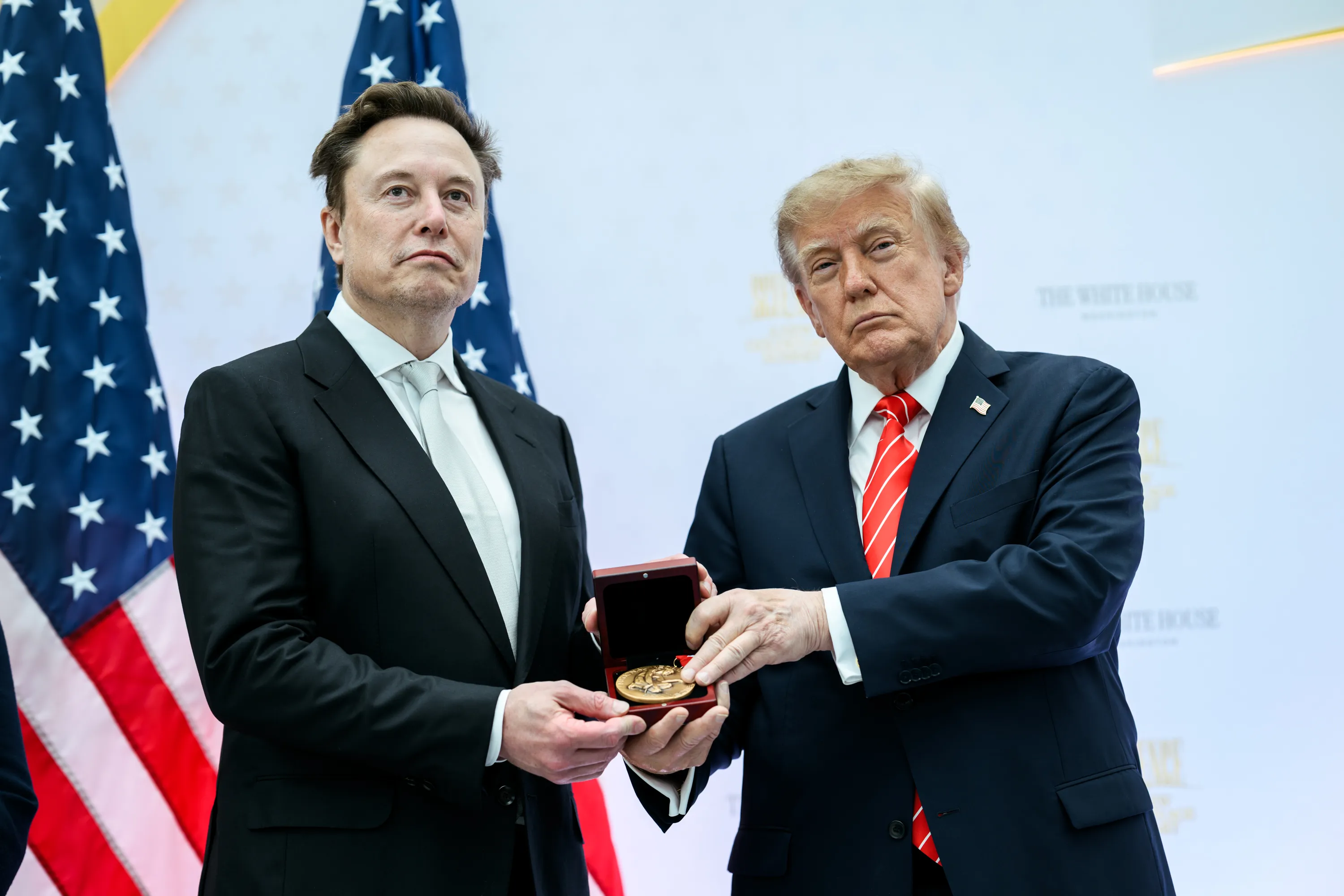
US President Donald Trump and Elon Musk in the Oval Office on 11 February 2025. Photo: White House / Daniel Torok
Ukrainians note contradiction to reality
Ukrainian presidential adviser on defense technology Serhii Beskrestnov, known by the callsign Flash, wrote:
"It is very strange that Elon Musk doesn't know about the restrictions on Starlink operations in Ukraine."
Since winter 2026, every Starlink terminal over Ukraine, occupied areas included, has been limited to 70–90 km/h (43–56 mph), he said, and over Russia, Starlink does not work. "So we PHYSICALLY CANNOT USE COMMERCIAL STARLINK for deep strikes and mid-range strikes," Beskrestnov wrote. Deep strikes hit targets far inside Russia, mid-range ones targets closer to the front.
Ukrainian activist and drone fundraiser Serhii Sternenko called Musk's claim untrue. He said Ukraine introduced whitelists of terminals in February, and any terminal used on the move had to be listed and connected to Starshield.
"So using civilian Starlink for drone missions was technically impossible. All drone missions that needed satellite communication could be carried out only with Starshield," Sternenko added.
European governments help pay for Ukraine's Starlink service. Germany funds it under a contract that runs until April 2027. Polish Foreign Minister Radosław Sikorski, whose country pays around $50 million a year for the service, said on 23 October: "Mixing business with politics usually ends badly, especially when we talk about Elon Musk."
Ukrainian President Volodymyr Zelenskyy said Starlink's speed had returned to normal.
Genya SAVILOV / AFP via Getty Images
Volodymyr Zelenskyy said that speed restrictions on Ukraine's Starlink connection have been lifted.
His comments marked the end of a chaotic 10-day period where connection speeds were throttled.
Ukraine uses Starlink to fly its drones and interceptors.
Ukraine President Volodymyr Zelenskyy said on Saturday that his military's access to a network of Elon Musk's satellites, which it relies on for defense, had been restored.
Zelenskyy's comment, made in an X post, came after a chaotic 10 days that began when an advisor to the Ukrainian president said that drones and other projectiles were losing access to the Starshield network.
Starshield is the military application of Musk's Starlink satellite network. In the no-man's-land of war-torn eastern Ukraine, the Ukrainian military relies on Starshield satellites to give it control of fast-flying, exploding drones and interceptors.
"I thank all Americans and all our partners who took this seriously and truly helped — members of Congress, senators, all the media, the State Department, and the President," Zelenskyy said in a video he posted to X on Saturday.
Though Musk, as the CEO of SpaceX, to some degree owns the network of satellites, he said in an X post that "any limits on speed or usage are decided by the US military and ultimately POTUS."
In an X post on Saturday, Musk differentiated between Starlink, which is used for commercial purposes, and Starshield, which is "controlled by the US government," he said.
"Ukraine military violated Starlink terms of service and used it for offensive drone strikes to kill people," Musk said. "That loophole was closed last week."
The Wall Street Journal reported that Musk himself had ordered the slowdown. Earlier this month, after Ukraine targeted Russian oil facilities, both Musk and President Donald Trump made statements disparaging Zelenskyy. Trump has tried to ease high gas prices — which spiked after the US attacked Iran in February — by loosening sanctions on Russian energy.
"Zelensky has gone too far," Musk said in an X post on October 10.
For his part, Trump told reporters that he didn't know who ordered the slowdown. "I don't know who it was, but I'd like to find out," he said on October 19.
As Russia attempts to bombard Kyiv into submission ahead of what is widely expected to be one of the most brutal winters of the nearly seven-year-long war, a Starlink connection allows Ukraine to intercept some of Russia's slower-paced drones.
The throttling of Starlink prompted a rare outburst from Ukraine's leader, who has sought to control his demeanor after a disastrous Oval Office meeting last year, when Trump berated Zelenskyy for not adequately appreciating US support.
In an interview with Piers Morgan on his YouTube channel on October 14, Zelenskyy called the Starlink slowdown "a big mistake."
"This decision will bring a lot of human losses," he said.
SpaceX and the White House did not immediately respond to requests for comment sent on Saturday.
But Elon Musk, whose company SpaceX owns Starlink, accuses Ukrainian military of violating the company’s terms
Ukraine’s military has a “stable connection to Starlink”, the Ukrainian government said, 10 days after its ability to use the satellite communications system was suddenly restricted.
But hours after the announcement, SpaceX CEO Elon Musk, whose company owns Starlink, accused the Ukrainian military of violating the company’s terms. Neither Musk nor the US government, which operates Starshield using Starlink technology, took responsibility for imposing the curbs.
US President Donald Trump said Elon Musk had restored Ukraine’s Starshield speeds, but the restrictions remained in place on 23 October, according to Ukrainian officials.
The cap, in place since 14 October, has disrupted interceptor drone missions against jet-powered Shaheds flying above 400 km/h for more than a week. On 16 October, Trump told reporters that, from what he understood, nothing had changed with the service. His latest claim that Musk restored it appears to acknowledge the restriction, even as he denies ordering it.
Ukraine says restrictions remain
“At the moment, there is no confirmation that the restrictions have been lifted,” a Defense Ministry official told LIGA.net on the morning of 23 October. The official said connections continued to drop at above 161 km/h.
Presidential adviser Serhii Beskrestnov wrote on Telegram on 23 October that no lifting had been recorded. He said occasional operation above the limit could result from SpaceX algorithms or usage conditions.
A day earlier, President Volodymyr Zelenskyy said US Secretary of State Marco Rubio had promised to return with information in “48 plus hours,”according to his remarks to reporters in Kyiv. A Ukrainian official separately told The Kyiv Independent that reports of restored speeds were “all false.”
A senior European official told the Associated Press that the cap remained at about 160 km/h and that Ukraine had no clear explanation of who ordered it or why.
Conflicting reports of a lift
Trump said Musk had restored the speeds but declined to clarify whether he had contacted him.
“I guess the bottom line, he put it back,” Trump said.
Meanwhile, AP reported that the Wall Street Journal said Musk had agreed to lift the restrictions. The Ukrainian drone and mapping channel Kartohraf posted on the evening of 22 October that the cap had been lifted. The Economist’s Oliver Carroll said that frontline drone commanders thought it had likely been lifted but were still testing, according to his post on X.
Who ordered the cap?
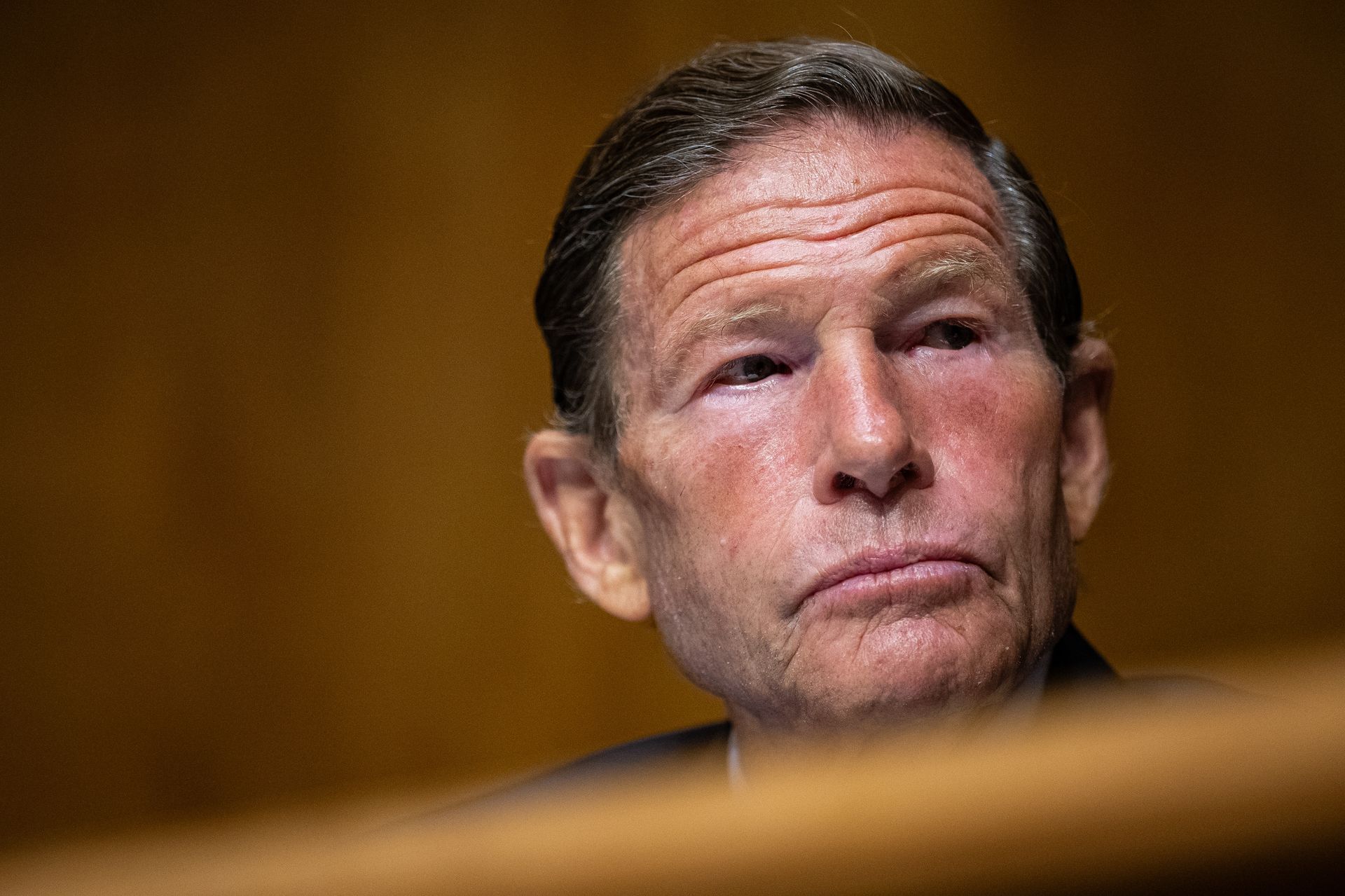
The order came from inside the White House, according to a Reuters report on 15 October. Days later, the Wall Street Journal reported that Musk ordered the slowdown. Rubio denied White House involvement, and Defense Secretary Pete Hegseth said on 20 October that the US had not ordered the restriction. Meanwhile, Democratic Senator Richard Blumenthal announced an inquiry into how the service was slowed, AP reported.
Ukraine’s gains in Donetsk Oblast rely on drones the cap slows
The 3rd Army Corps’ Operation Vivaldi retook ground north of Lyman in Donetsk Oblast with drones, many of which rely on Starlink or Starshield, and those gains could erode if the cap stays.
At the same time, Radio Svoboda reported that Ukraine needs a limit of at least 450 km/h and that Germany pays for the service under a contract running until April 2027.
Eleven days after Ukraine's Starshield terminals started mysteriously malfunctioning, there is still nobody in Washington who wants to take responsibility, while Trump administration officials continue pointing fingers firmly at SpaceX CEO Elon Musk.
The Wall Street Journal reported on Oct. 23 that U.S. President Donald Trump had
"This decision to limit critical technology for a key ally... (puts) Ukrainian forces at risk and their people in peril," Senator Richard Blumenthal wrote in a letter addressed to U.S. Defense Secretary Pete Hegseth.

 Login