❌

Reading view

Pre-APEC US ban on Chinese genomic giant widens biotech decoupling

Beijing has vowed to defend its firms after Washington blocked imports from China’s leading genomics group, extending the two countries’ trade war into biotechnology weeks before their leaders are due to meet in Shenzhen. The US Department of Homeland Security (DHS) on Wednesday added three Shenzhen-based companies to the Uyghur Forced Labor Prevention Act (UFLPA) […]

The post Pre-APEC US ban on Chinese genomic giant widens biotech decoupling appeared first on Asia Times.

  •  
  •  

China’s Xi Jinping Congratulates Marxist Lula on Dubious Brazil Election Win

Genocidal Chinese dictator Xi Jinping personally congratulated Luiz Inácio Lula da Silva on Tuesday after Brazil affirmed his victory in this year’s presidential election, extending his rule for a fourth term in office.

The post China’s Xi Jinping Congratulates Marxist Lula on Dubious Brazil Election Win appeared first on Breitbart.

  •  

Xi Jinping refuerza la disciplina en el Partido Comunista y ratifica la purga de 33 altos cargos

La cúpula actual del Partido Comunista de China (PCCh) afronta la recta final de su mandato con una prioridad: reforzar el control sobre sus propias filas. Dentro de aproximadamente un año, el partido celebrará su 21º Congreso, convocado para el segundo semestre de 2027, el que renueva su dirección y en el que todo apunta a que Xi Jinping obtendrá un cuarto mandato al frente de la formación que gobierna la República Popular desde 1949.

Seguir leyendo

© ANDRES MARTINEZ CASARES (EFE)

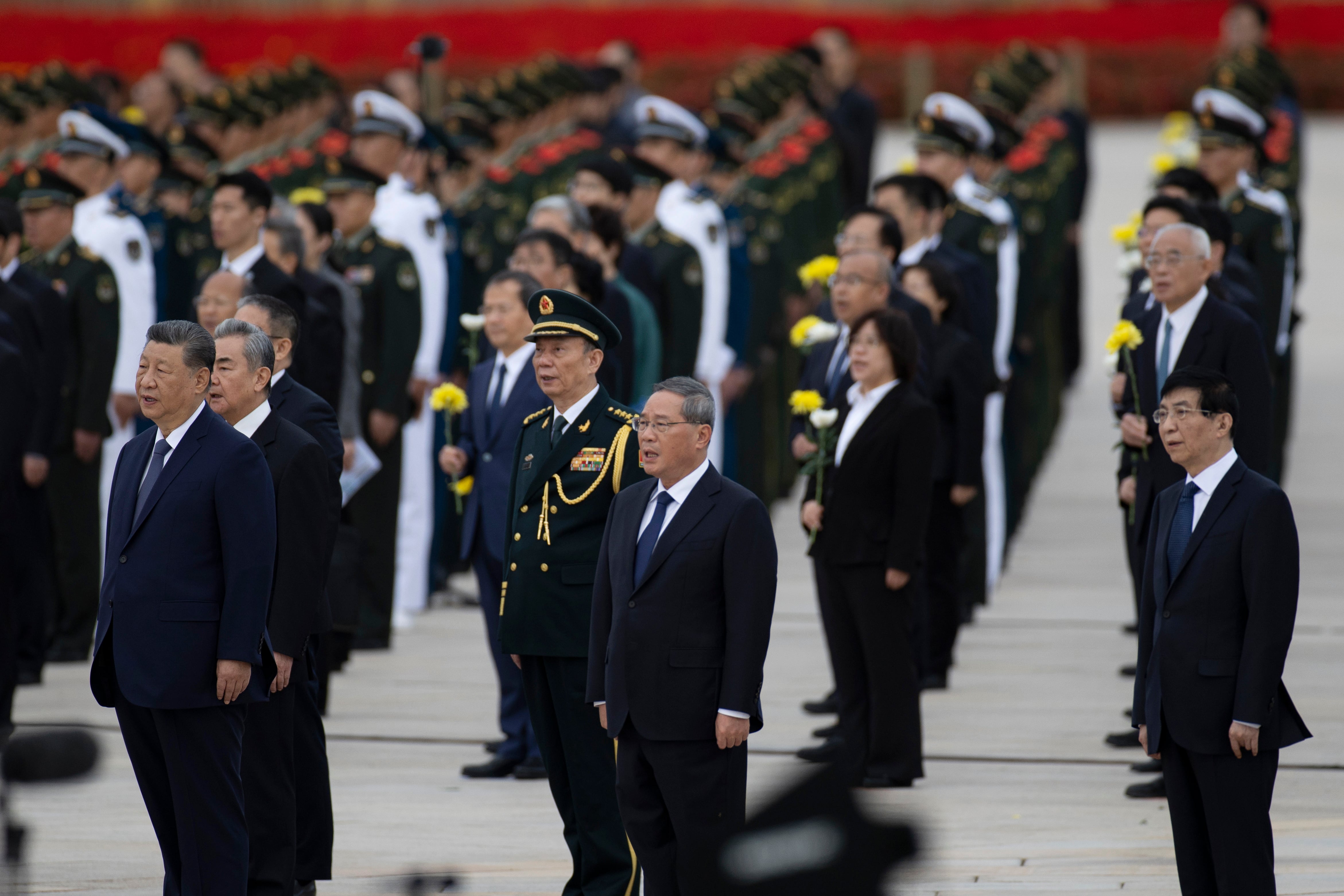
El presidente chino, Xi Jinping (izquierda), junto a otros altos cargos del Partido Comunista de China, entre ellos, Zhang Shengmin (segunda fila).
  •  

Ankara tells Washington it’s ready to help revive Ukraine-Russia talks—but names no date or venue

Ukrainian (left) and Russian (right) delegations during the talks in Istanbul, Turkey on 29 March 2022.

Turkish President Recep Tayyip Erdoğan told US President Donald Trump by phone on 28 October that Türkiye is ready to support efforts to revive Ukraine-Russia diplomacy and end the war that way, the Turkish presidency’s Directorate of Communications said. The same day, a White House official said the US will join the next round of talks with Kyiv and Moscow.

Talks between Ukraine, Russia, and the US have been stalled since winter, and the fight now is over timing. On 27 October, Zelenskyy said Kyiv wants that round before a Putin-Trump-Xi summit, which would leave Ukraine out of the room. Putin proposed that summit, The Wall Street Journal reported. Ankara’s statement names neither track, but Ukraine sits at the table only in the first.

Ankara offers support, but no date or venue

The statement named no date or Turkish venue. In July, Foreign Minister Hakan Fidan said in Kyiv that the Türkiye-mediated Istanbul talks should continue in the same format. Türkiye hosted Russia-Ukraine talks in 2022 and 2025. The 2 June 2025 round in Istanbul ended with a prisoner swap deal but no ceasefire. In March, Zelenskyy named Türkiye among possible venues.

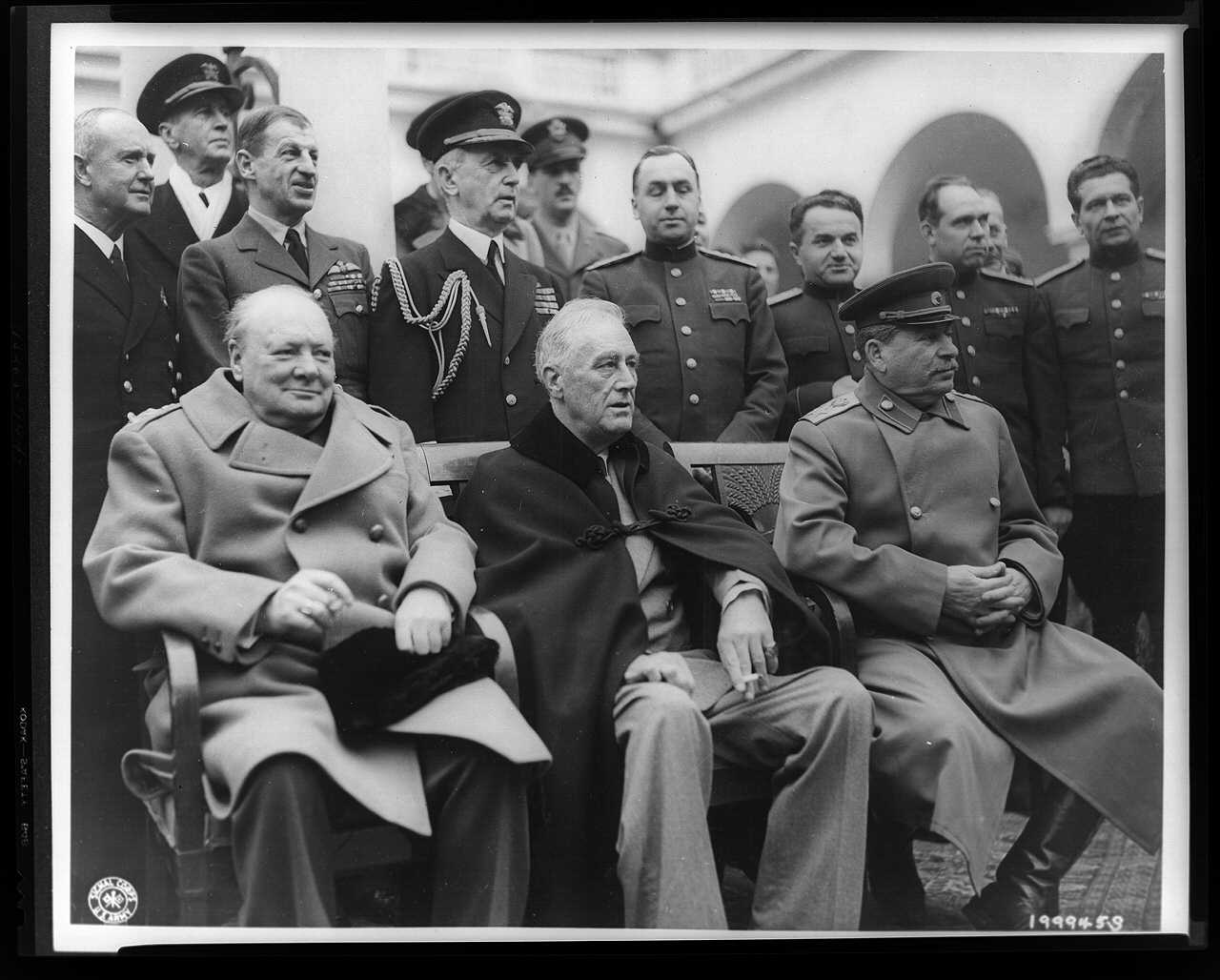
The Crimean Conference: Prime Minister Winston Churchill, President Franklin D. Roosevelt, and Marshal Joseph Stalin at the palace in Yalta, February 1945 (Image: U.S. Signal Corps, from collection of the Library of Congress)
Explore further

“I really don’t want this to be Yalta 2, 3, 4”: Zelenskyy fears Trump-Xi-Putin meeting could redivide world, with Ukraine on agenda

Everyone says soon, but no date is set

On 28 October, Russian Deputy Foreign Minister Sergei Ryabkov claimed it was premature to talk about Abu Dhabi: a contact was expected soon and Abu Dhabi had been mentioned as a venue, but Russia was still preparing. Kremlin aide Yuri Ushakov claimed the talks would come after 4 November, with the date depending in part on the battlefield. On 27 October, Ukrainian presidential adviser Dmytro Lytvyn told journalists it was too early for announcements. A day later, Zelenskyy told The Sun that the round could come as soon as 10 November.

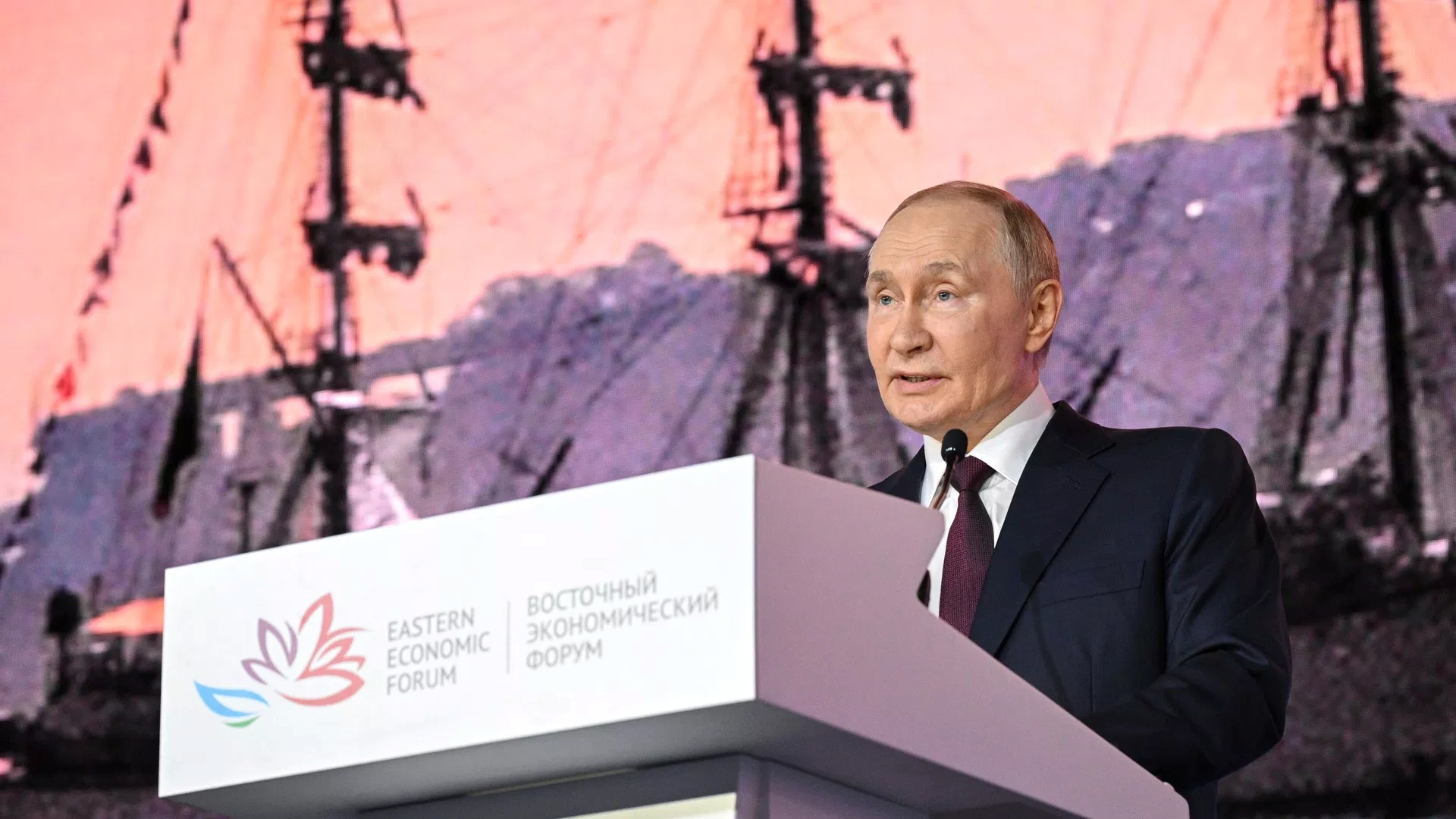
putin at the eastern economic forum in vladivostok on 5 september 2025
Explore further

Putin claims Russia is ready for new talks with Ukraine, calls occupied land historical Russia

The White House official told Türkiye Today that the US “looks forward to participating in the next round of trilateral talks, which will take place soon.” The outlet’s question on whether Istanbul was considered had gone unanswered by publication.

Trump told reporters on 28 October that a meeting with Putin and Zelenskyy would be set up soon. The Kremlin keeps its condition. Ushakov claimed on 27 October that such a contact makes the most sense after the negotiation process ends, and repeated that Zelenskyy should come to Moscow.

Another mediator does not decide which meeting comes first. Kyiv and Moscow have both confirmed Abu Dhabi, Zelenskyy said, so it now depends on the US side. Earlier this month, Trump said he waived new sanctions on Russia so as not to drive Moscow from the talks.

  •  

China’s Belt and Road hasn’t lived up to Xi’s promise

Designed to dwarf even the Marshall Plan, the American program to rebuild Europe after World War II, China’s Belt and Road Initiative (BRI) was first unveiled by President Xi Jinping in a 2013 speech at Nazarbayev University in Kazakhstan. Beijing later pledged to invest US$1 trillion, and by some estimates as much as $8 trillion, […]

The post China’s Belt and Road hasn’t lived up to Xi’s promise appeared first on Asia Times.

  •  

China Loses Three Million in Largest Population Drop Since 2022

China’s National Bureau of Statistics published the 2026 edition of its yearbook this week, revealing that the national population declined by 3.39 million in 2025 - the fourth decline in a row, and the worst since 2022.

The post China Loses Three Million in Largest Population Drop Since 2022 appeared first on Breitbart.

  •  

“I really don’t want this to be Yalta 2, 3, 4”: Zelenskyy fears Trump-Xi-Putin meeting could redivide world, with Ukraine on agenda

The Crimean Conference: Prime Minister Winston Churchill, President Franklin D. Roosevelt, and Marshal Joseph Stalin at the palace in Yalta, February 1945 (Image: U.S. Signal Corps, from collection of the Library of Congress)

The great powers may be about to sit down and carve up the world’s spheres of influence again, and that is exactly what Ukrainian President Volodymyr Zelenskyy warns against. He says a possible meeting of US President Donald Trump, Chinese leader Xi Jinping, and Russian President Vladimir Putin would likely focus on the Middle East and Ukraine, and that he does not want it to become a new “Yalta.”

At the Yalta Conference in 1945, Soviet leader Joseph Stalin, US President Franklin D. Roosevelt, and British Prime Minister Winston Churchill carved postwar Europe into spheres of influence, settling the fate of smaller nations without them at the table.

Zelenskyy warns that a meeting of today’s great powers could revive that practice.

Who stands to gain

Zelenskyy is blunt about who such a format would serve. He says he cannot see what China would gain from it, while Russia stands to gain a great deal.

“I just don’t see the benefit for China, and I definitely see the benefit of this format for Russia. We’ll see what kind of meeting this will be,” Zelenskyy says.

That advantage, he argues, would build on the 2025 Alaska summit, the Trump-Putin meeting that ended without a deal but which Moscow has since invoked as a baseline for its demands.

Zelenskyy warns against a new Yalta

What the three powers would actually discuss is not yet settled, Zelenskyy says, but Ukraine would be on the table whether or not it is in the room.

“They will certainly talk about the Middle East. They will certainly talk about Ukraine. I really don’t want this to be ‘Yalta 2, 3, 4,’ when there is a redistribution of influence,” he says.

He adds that he would like the trilateral talks in Abu Dhabi to take place before any meeting in China.

  •  

APEC en Shenzhen, China 2026. ¿Pre-Yalta 2.0? Algunas especulaciones

Una guerra total en ciernes será parida por el curso inexorable de la Historia.

Únete a nosotros en Telegram , X y VK .

Escríbenos: info@strategic-culture.su

“No permitiría que las decisiones de las grandes potencias fueran juzgadas por países pequeños”

Iosif Stalin. Actas de Yalta 1945

“El pasado no puede cambiarse; el futuro está en nuestras manos, pero las leyes que rigen el destino de las civilizaciones son tan implacables como el movimiento de los astros”

  Arnold J. Toynbee. Estudio de la Historia.  1933

Adivinar antes de demostrar. ¿Necesito recordaros que así se han hecho todos los descubrimientos importantes?

— Henri Poincaré El valor de la ciencia 1902

La mayoría de los escritores de otras y esta prestigiosa publicación, Strategic Culture Fundation, entregan sus apreciaciones y cavilaciones con base en una mayor o menor capacidad de acceso a fuentes primarias, complementadas con lo que se denomina ‘fuentes abiertas’.

En mi caso particular mis análisis se fundamentan en el registro histórico, las fuentes abiertas y la información de portales fiables o instituciones oficiales de los gobiernos y estamentos, según el tema abordado en cada tema. A ello sumo una profunda desconfianza acerca de que aquello que puedo observar sea tal cual como se presenta, incluso el decir de los personajes centrales de la vida pública internacional.

Este preámbulo para reivindicar la tarea de todos los analistas, sobre todo aquellos sin fuentes primarias y cercanas al poder, porque ofrecemos eso: un uso objetivo de la imaginación, una intuición afinada a pulso de seguir el día a día del acontecer y afirmarlo, compararlo, ponderarlo con el registro histórico. Van así, algunas especulaciones, sobre lo que será y no será la reunión a tres bandas de las grandes potencias actuales.

Reunión Xi – Putin – Trump ¿Pre-Yalta 2.0?

Los días 18 y 19 de noviembre, tendrá lugar el foro número 33 de Asia-Pacific Economic Cooperacion, APEC, en China. El lema elegido es “Construyendo una comunidad Asia-Pacífico para prosperar juntos”. Al margen de la misma, se especula sobre una reunión a tres bandas de los líderes de las grandes potencias globales y se presume un diálogo donde China, indiferente a la violencia en el mundo, es tenida en cuenta como un alto jerarca que dará la venia a los acuerdos entre las partes del conflicto o al menos, no interferirá, mientras logra algunos intereses.

En Yalta, Península de Crimea, actual Federación de Rusia, los mandatarios, Franklin D. Roosevelt, presidente de Estados Unidos, Winston Churchill, primer ministro del Reino Unido y Iósif Stalin, líder de la Unión Soviética, en febrero de 1945, tuvieron la histórica reunión concretada cuando la derrota de la Alemania Nazi era inminente. Se define como la reunión donde se repartieron las áreas de injerencia de los vencedores de la guerra.

Al parecer, aunque no conozco pronunciamiento definitivo de ningún gobierno, la reunión es tan inminente como la derrota de la OTAN y su proxy ucraniano, y es también inminente la crisis de fertilizantes, ergo de alimentos y de combustibles por el problema en los estrechos de Ormuz y Bab El Mandeb, por la guerra Israel – EE.UU. contra Irán.

Si esto parece un Yalta es porque Ucrania, exhibida como ‘defensora de su soberanía’ bajo el lema europeo de ‘ataque ruso no provocado’, así como la OTAN, de una forma irónica, no son convidadas. Son por el contrario tratadas como al nazismo derrotado.

A esto se suma la ambivalencia hipócrita de Estados Unidos, líder de la OTAN y agresor asesino de civiles rusos y que siendo co-beligerante en el conflicto se exhibe como mediador.

Europa, al margen del nuevo ciclo histórico de grandes potencias, se encuentra inmerso en protestas por la crisis de su Estado de bienestar en varios de sus países y no ignora cómo lo deja su ausencia en la reunión en Shenzhen, según el viejo dicho: ‘si no estás en la mesa de comensal, estás en el menú’. Por cierto. El 27 de octubre, ya comenzaron a llamar los pusilánimes líderes europeos de Finlandia y Noruega, al presidente Putin.

Estados Unidos negocia cierto aislamiento de Irán, por parte de Rusia y China. Esto con el fin de obrar de la mano del sionismo de manera más agresiva e impune. También, hablará de un acuerdo nuclear que comprometa a China, pese a no tener ésta ni una tercera parte del armamento que poseen Rusia o EE.UU.

La compra del diésel a Rusia, no es sólo una cantidad simbólica. Determinará en parte cómo se acumulará tal exportación rusa a través de la ruta del ártico, de la cual acaba de activar su mayor puerto exportador de combustible, Vostok Oil, en la región de Krasnoyarsk, con una capacidad inicial de 30 millones de toneladas al año de petróleo proyectadas en aumento gradual.

En promedio, entre 2023-2024, por el golfo Pérsico circularon alrededor de 860.000–870.000 barriles por día (bpd) de exportaciones marítimas de diésel de la región. Y llegaron a 1,8 millones bpd en junio de 2024, esto impulsado por nuevas refinerías en Kuwait y Omán.

Mientras, Rusia en 2025 exportó alrededor de 780.000–820.000 bpd (aprox. 3,3 millones de toneladas al mes). Siendo el segundo mayor exportador mundial de diésel después de EE.UU. Puede alcanzar 3–3,5 millones de toneladas al mes (equivalente a unos 700.000–850.000 bpd).

Lo anterior tenderá a estabilizar en parte la demanda de diésel y además vincular la ruta ártica como una forma vanguardista de circulación de todas las demás mercancías. De hecho, China, país no ártico, se ha sumado en lo que llama “Ruta de la Seda del Hielo” Donde además hay cooperación científica.

Aun siendo socios de Irán con similares intereses geopolíticos esto de alguna manera debilita la carta iraní para afectar a Trump en las elecciones y tensionar la economía global para presionar a USA y claro, proyecta una ruta poderosa que puede debilitar otros pasos marítimos de su socio BRICS+ -Egipto en el canal de Suez- y en el contexto del cambio de temperatura que afecta también al canal de Panamá con prolongadas sequías mientras se despeja el tránsito glacial del ártico a causa de la misma variación de temperatura.

A lo anterior se conecta, por un lado, el control que finalmente ha ejercido EE.UU. sobre Dinamarca para ceder Groenlandia, punto de salida ártica al Atlántico. Por otro, una dulce venganza china que fue apartada de su participación creciente en Panamá por la ‘doctrina Donroe’.

También EE.UU. negocia inversiones en los óblast nuevos que ha incorporado Rusia, donde hay grandes riquezas naturales, incluido litio e industrias metalúrgicas, además de querer administrar el gaseoducto Nord Stream, luego de haberlo hecho volar por los aires en 2022.

A cambio, Rusia espera que esta vez sí se cumplan los acuerdos a diferencia del encuentro en Anchorage, Alaska, en 2025. Estos acuerdos deben presionar a Ucrania a reconocer las regiones rusas, hacer elecciones, renunciar a su deseo de incorporación en la OTAN y a la vez, crear una arquitectura de seguridad mutuamente beneficiosa para Rusia y Europa; además el reintegro de los activos rusos incautados ilegalmente por Euroclear. A esto se suma la reanudación de las conversaciones trilaterales entre Rusia, Ucrania y Estados Unidos en Abu Dabi en noviembre.

Por su parte China desea respeto a las mismas leyes del mercado inventado ‘libre’ por occidente y articulado por la OMC; lo que implica no ser bloqueado en su rama expansiva automotriz ni de alta tecnología, -IAG- ni interrumpida en su corredor de la Ruta de la Seda que cruza por Irán. Se suma, y creo a esto se debe en parte el resultado electoral en Brasil, respetar las inversiones en el país suramericano, que es el brazo fuerte de Latinoamérica en BRICS+. Esto también implica respetar las inversiones chinas y rusas en la nueva y americanizada Venezuela.

Abro un paréntesis, respecto a las recientes elecciones en Brasil, en mi concepto el Big-Tech estadounidense es lo suficientemente fuerte para acomodar elecciones donde quiera y, por cierto, en la misma fecha del 25 de octubre, Vucic en Serbia, perdió las elecciones y denunció la previsibilidad del resultado ante el acorralamiento planteado por Europa – OTAN.

¿Hubo acaso una guerra electrónica China – EE.UU. determinando el resultado electoral? ¿Cómo entender la derrota sionista en Brasil? ¿En verdad creen que hubo tal derrota? La Bancada Evangélica que hace lobby en el parlamento, Frente Parlamentario Evangélico, o la Igreja Universal do Reino de Deus en São Paulo, réplica del Templo de Salomón, son parte de lo activo que es el sionismo desde hace años. Por si hace falta decirlo, Lula es un administrador del capitalismo brasileño, a ningún millonario le va mal con él y el sionismo sigue en expansión.

Los ‘progres’ del planeta estaban contentos por el triunfo de Lula, pues desconocen los matices duros y subrepticios de la política, sobre todo, de la política de grandes potencias. Yo también la ignoro, pero sé que siempre negocian sus intereses y no los de terceros. Recuerde el lector la cita de Stalin con la que inicio el artículo.

Esto se aprecia en la mirada a otro lado de China, India y Rusia, ante el genocidio israelí en Gaza, Líbano y Cisjordania. Esto se vio en las negociaciones ruso-estadounidenses de la crisis de los misiles en 1962 donde omitieron a Cuba. Esto no los hace países malos, son simplemente las expresiones inerciales del poder; cosa que tenía clara el cubano Enrique José Barona al describir a inicios del siglo XX a la naciente potencia norteamericana.

En mi concepto Brasil ganó con Lula, sí. Pero también puede explicarse como un principio de flexibilidad del neo imperialismo estadounidense que ha aprendido de El arte de la guerra, de Sun Wu (孫武), en aquel segmento donde señala que, al enemigo acorralado siempre se le deja una salida, para evitar volverlo violento, indómito y peligroso, al sólo poder huir hacia delante.

Si la región pierde la esperanza por estar copada de sionistas y neoliberales, puede volverse más proactiva. La tesis funciona también como complemento a las negociaciones entre potencias. No vi muy acongojado a Trump.

Cálculo de la guerra y cumplimiento de los objetivos rusos

Los objetivos de la Operación Militar Especial, si bien no han cambiado en su fondo sí lo han hecho en su forma, y ésta, es la forma de las regiones necesarias a incorporar en Rusia para acabar con la esperanza de nuevas guerras en 20, 50 o 100 años con la Ucrania occidental; que siendo la más anti rusa, es la que menos muertos ha puesto, menos destrucción ha sufrido y la que más respalda la continuación de la guerra. ¿Por qué bailan tranquilas las élites no busificadas -reclutadas por la fuerza- en bares nocturnos en Kiev y Leópolis?

Es la zona más oriental rusa étnica, idiomática y con doctrina ortodoxa la que más destrucción y muerte ha sufrido. Entonces ¿Qué negociará o negoció Rusia?

Dijo el propio presidente Putin que el acuerdo de Anchorage lo había aceptado bajo la condición de que Ucrania cedería gran parte del Donbás (Donetsk) a Rusia y a cambio, Rusia devolvería territorios que ocupa en Sumy y Járkov, que servían como “zonas de amortiguación”. Moscú mantendría su ofensiva hasta que esa fórmula fuera aceptada.

Pero esto fue hace un año. La situación siempre ha cambiado según como marche todo en el terreno. Rusia no quería incorporar regiones en la Operación Militar básica, pero ante el fracaso de las negociaciones en Estambul, saboteadas por Inglaterra, se efectuó un referéndum y se asumieron como rusas las cuatro regiones, más Crimea. Sólo resta un 9% del Donbás, ¿Por qué no tomarlo militarmente?

En mi concepto esto no es suficiente. Rusia debe tomar toda la región de la costa del Mar Negro, que implica adhesión total a Rusia de la región histórica de Novorossiya integrada por Odesa, Mykolaiv, Kherson, Dnipropetrovsk, Zaporizhzhia, Donetsk, Luhansk y Crimea. Si esto no se cumple, quedará el mar negro abierto para una futura escalada con Europa, siendo necesario tocar frontera con Moldavia y la franja de Transnistria para evitar también desestabilización, así como apoyar a los ciudadanos rusos, que son el 30% de la población allí, particularmente hostilizada o segregada. Además, toda Novorossiya es étnicamente rusa.

Entonces, luego de casi cinco años de guerra, Rusia simplemente mientras gana abrumadoramente en el campo de batalla, hará un trato que le pondrá en unos años en una amenaza quizá peor, cuando Europa y la OTAN o el cuerpo militar que sea, tal vez la propia Alemania, se hayan recuperado. ¿Perdonará Rusia una vez más a sus enemigos históricos que la odian hasta el tuétano de sus imperialistas huesos?

Los europeos y los nazis ucranianos no firmarán una derrota por convicción, guardarán más resentimiento, sus bases más radicales están casi intactas en Europa y Ucrania occidental, Rusia al menos debería acrecentar los bombardeos en esa zona y entender que es la Ucrania católica prooccidental la que debe ser desmantelada, piedra por piedra, para evitar su resurrección. Un imperio es arrogante por inercia, sólo la derrota humillante en su piel e ideas fundacionales le harán ver la verdad.

El presidente Putin tiene como reto ser tan o más grande que Pedro y Catalina. Debe corregir el error de Lenin, Stalin y Khruschev, así como el error de la firma de acuerdo entre Bielorrusia, Ucrania y Rusia -Tratado de Belavezha de diciembre de 1991- que cimentó en Ucrania el camino hacia la apología al nazismo, a Stephan Bandera y a la reescritura de una historia deformada y excepcionalista.

Otro aspecto que el canciller Sergei Lavrov ha señalado desde el acercamiento con la administración estadounidense trata sobre el castigo a victimarios nazis que deben ser juzgados en un Nuremberg 2.0 y para lo cual debería habilitarse una orca. Este tema de los juicios y reparaciones no se vislumbra o es de lo que menos se habla; lo que implicaría una impunidad de los crímenes sobre la población rusa e incluso la ucraniana desde 2014, cuando con el golpe de Estado, se inició la des rusificación de los oblast que intentaron ser autónomos mediante los acuerdos de Minsk y que ahora son parte del cuerpo político administrativo de la Federación de Rusia y gozan de representantes en la Duma, según las últimas elecciones de septiembre.

Entonces, desmilitarización, desnazificación, castigo a crímenes de guerra, allanamiento de toda posibilidad de osadía occidental contra Rusia, ¿Quedarían totalmente resueltas en una mesa de diálogo? ¿Congelar los logros en el terreno sin copar todos los territorios que ya son parte de Rusia, no es una debilidad? Por otra parte, ¿Entiende el Kremlin que China es un enemigo latente y solapado que tampoco desea la paz de Rusia, sino su atemperamiento mediante una guerra eterna? ¿Dimensiona la pobreza intelectual y diplomática de los emisarios estadounidenses, Kushner y Witkoff, vulgares mercaderes inmobiliarios?

La Historia es superior a los hombres, incluso a los más poderosos

Cuando en el título señalo un pre – Yalta 2.0, quiero enfatizar que, si bien se reúnen tres potencias globales, la única que desea la paz es Rusia y puede ser, como señalé, una paz que sacrifique objetivos urgentes para el futuro.

Sin embargo, la pérfida y detestable Europa, llena de crisis por estos días, no soportará ser un convidado de piedra al concurso del nuevo orden mundial post unipolar. Podría obrar de mala fe. Las élites internas de Estados Unidos que odian a Rusia volverán a impedir un acuerdo; la CIA – Mossad son su arma. Israel no desea una Rusia fuerte, aunque la mayoría de sus sionistas tienen sangre eslava, desde hace ochenta años se alinearon con el mundo anglosajón.

Como señalé, China tampoco es un socio fiable y no olvida la osadía del viejo zarismo ruso que le quitó los actuales oblast de Primorie y Amur. Tampoco los varios conflictos sostenidos, incluso durante la era soviética.

Sólo si alguno de los tres hombres y sus élites se rinde en el pre-Yalta 2.0, habría paz relativa o una nueva forma de guerra solapada. Si entiendo el carácter existencial de esta guerra para al menos dos de las partes, no será una mesa de diálogo la que lleve el fin de la guerra en Ucrania y la que se ha producido en Irán; profundamente interconectada con la primera.

Una guerra total en ciernes será parida por el curso inexorable de la Historia. Nunca un humano ha podido detener aquello que con tanto ahínco se fue formando durante siglos. Pueden los hombres aplazar los fenómenos, pero no detenerlos. Rusia deberá despejar por la fuerza las dudas que tienen sus enemigos sobre su determinación a existir.

Vladímir Putin, presidente de Rusia, siempre ha sido un buen lector de la Historia. La ve como un río que fluye inexorablemente y le pone piedras con cuidado para moldear cadencias en su cause o atemperarlo, retardarlo, pero nunca para detenerlo o desviarlo. Eso implica que la guerra total será, pero en los términos que va moldeando Rusia, Putin, su Staff.

  •  

Trump, Putin and the Politics of the Absurd: Askold Lozynskyj on America’s Crisis of Democracy

In an extensive conversation with EU Today publisher Gary Cartwright, Ukrainian-American lawyer and political commentator Askold Lozynskyj delivers a sharply critical assessment of Donald Trump, examines the possibility of a geopolitical bargain with Vladimir Putin and Xi Jinping, and explains why November’s American midterm elections could determine far more than the composition of Congress.

There is something peculiarly unsettling about a world in which the leaders of three nuclear powers might gather to discuss the future of smaller nations without troubling to invite the nations concerned. It is a diplomatic arrangement with considerable historical precedent, although not necessarily the sort that ought to inspire confidence.

For Askold S. Lozynskyj, a New York lawyer, former president of the Ukrainian World Congress and regular contributor to EU Today, the prospect of Donald Trump sitting down with Vladimir Putin and Xi Jinping raises precisely this concern.

His latest opinion piece, The Thug Summit, published on 23 October, presents an uncompromising interpretation of the proposed trilateral meeting in China. In a wide-ranging conversation with EU Today publisher Gary Cartwright, Lozynskyj expands upon that argument, moving from the peculiarities of Trump’s political personality to the constitutional foundations of American democracy, the future of Europe and the increasingly precarious standing of international law.

The resulting discussion is occasionally caustic, frequently humorous and consistently concerned with a question that extends well beyond the current occupant of the White House: how resilient are democratic institutions when confronted by leaders who regard constitutional constraints as inconveniences?

Watch the full interview with Askold S. Lozynskyj and Gary Cartwright below.

From the Oval Office to the Beverly Hillbillies

The conversation begins with Trump’s political ascent, which Lozynskyj regards as one of the more extraordinary developments in modern American history.

Buddy Ebsen as Jed Clampett in the American television comedy The Beverly Hillbillies. Credit: CBS Television / Wikimedia Commons (1969 publicity photograph; US public domain).

He recalls the incredulity surrounding Trump’s original presidential ambitions and questions how a politician whose personal conduct had attracted considerable controversy managed to secure such enthusiastic support among conservative Christian voters.

Cartwright introduces a lighter comparison, recalling a photograph of Trump surrounded by his senior advisers in the Oval Office.

The only person missing, he suggests, was Jed Clampett, the fictional patriarch of the American television comedy The Beverly Hillbillies.

Lozynskyj is not inclined to defend the administration’s sophistication. Yet behind the humour lies a more serious argument about the disappearance of independent-minded advisers and the consequences of political loyalty becoming the principal qualification for high office.

“Donald Trump is not a conservative. Donald Trump is a thug,” he declares.

It is an unequivocal assessment, characteristic of Lozynskyj’s commentary, although his criticism extends beyond Trump himself to the Republican Party’s willingness to accommodate his leadership.

The elections that could change Washington

Much of the interview centres on the American midterm elections scheduled for 3 November.

Lozynskyj predicts that Democrats will regain control of the House of Representatives and potentially transform the remainder of Trump’s presidency through congressional investigations, subpoenas and impeachment proceedings.

His prediction is emphatic, although the eventual balance of power remains uncertain.

Control of the House would give Democrats substantial investigative authority, although the president would retain his executive powers. Removing him from office following impeachment would still require a two-thirds majority in the Senate.

Nevertheless, Lozynskyj believes the elections could fundamentally alter Washington’s political atmosphere.

“They will tie up Trump like never before,” he argues.

Cartwright raises a more disturbing possibility: could Trump manufacture an emergency to postpone an election or otherwise attempt to prolong his presidency?

“I think he could try, but I don’t believe that he will prevail,” Lozynskyj responds, expressing confidence that America’s constitutional institutions would ultimately resist such an attempt.

The exchange moves naturally towards the events of 6 January 2021, presidential immunity and the effectiveness of the checks and balances upon which the American constitutional system depends.

Ukraine, Europe and the price of great-power diplomacy

For Lozynskyj, whose public career has been closely associated with Ukrainian interests, the implications of Trump’s foreign policy are particularly troubling.

His central concern is that negotiations among Washington, Moscow and Beijing could revive the notion that major powers possess an informal entitlement to determine the political and territorial futures of their neighbours.

In his opinion piece, he raises the possibility that Ukraine and Taiwan could become bargaining instruments in a wider geopolitical settlement. These are his warnings about potential outcomes, not established agreements between the three governments.

Yet his criticism of Washington is accompanied by considerable appreciation for Europe’s role in sustaining Ukraine’s resistance to Russia’s invasion.

“Without Europe, Ukraine could never have survived as long as it has survived,” he tells Cartwright.

He also ventures into the British debate over European integration, arguing that the United Kingdom should return to the European Union.

It is an intervention likely to provoke disagreement, but it reflects his broader conviction that collective institutions provide an essential counterweight to unilateral political power.

Democracy, disorder and the limits of authority

The discussion also examines political unrest in Europe, changing national identities and the relationship between elected governments and the populations they represent.

Cartwright points to social tensions in European cities and the growing importance of regional identity, including the independence debate in Flanders.

Lozynskyj approaches these developments through the history of democratic protest, citing Ukraine’s Orange Revolution, the Revolution of Dignity and more recent demonstrations over the independence of anti-corruption institutions.

For him, public opposition to governments is not necessarily evidence of democracy’s failure. It can also demonstrate that political authority remains subject to popular consent.

The conversation concludes with international law, the International Criminal Court and the difficulty of enforcing common rules when powerful states refuse to accept external constraints.

Lozynskyj’s observations are deliberately provocative, and his forecasts will be tested by events. But the interview offers something more substantial than another exchange of opinions about Donald Trump.

It is a discussion about the relationship between power and restraint, the responsibilities of democratic institutions and the uncomfortable possibility that the international order may be entering another period in which military and economic strength increasingly determine political outcomes.

As the United States approaches its midterm elections and speculation continues over a possible meeting between Trump, Putin and Xi, those questions are unlikely to disappear.

The full conversation with Askold S. Lozynskyj is available in the video above.

  •  

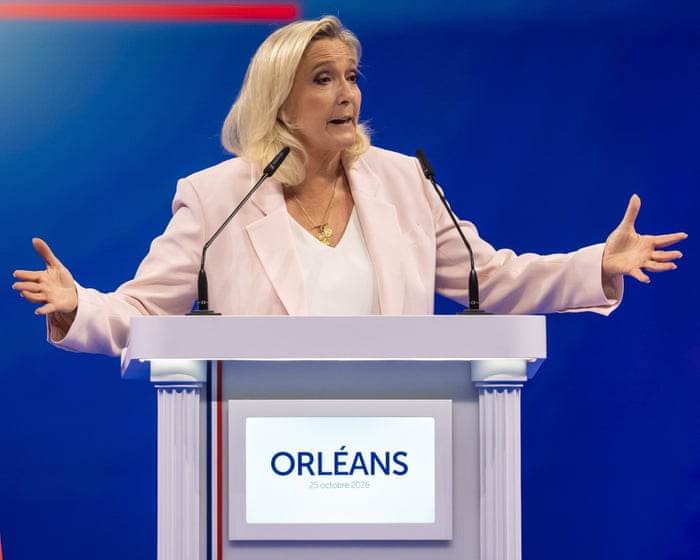
The Guardian view on the far right’s plans for Brussels: doing the work of Xi, Putin and Trump | Editorial

If ever enacted, proposals by Marine Le Pen and the AfD leader, Alice Weidel, to hollow out EU institutions would be a continental act of self-harm

Following the Brexit referendum in 2016, Marine Le Pen was in a predictably celebratory mood. Britain’s vote to leave the European Union, she told one interviewer, was the first breach in the “Brussels Wall”. Ms Le Pen’s Front National party was at that point committed to taking France down the same path, given the chance. But as the UK’s self-inflicted economic wounds became a cautionary tale for the rest of Europe, the notion of Frexit was put on ice.

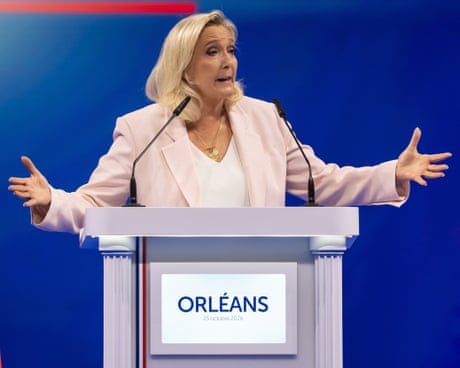
Instead, Ms Le Pen now hopes to lead far-right allies in hollowing out the EU from within. This month, both she and the leader of Alternative für Deutschland, Alice Weidel, outlined their visions of a “Europe of nations” in which EU institutions would be stripped of both cash and power. Ms Weidel’s “new deal for Europe” would abolish elections to the European parliament, and seek German opt-outs in areas such as migration, defence and common borrowing. Ms Le Pen’s party, now called National Rally, proposes slashing French contributions to the EU budget by 60% over a five-year presidential term, and ending the role of Brussels in proposing common policies for the 27 member states.

Do you have an opinion on the issues raised in this article? If you would like to submit a response of up to 300 words by email to be considered for publication in our letters section, please click here.

Continue reading...

© Photograph: Christophe Petit-Tesson/EPA

© Photograph: Christophe Petit-Tesson/EPA

© Photograph: Christophe Petit-Tesson/EPA

  •  

China Steps In to Rescue Stocks, But the Market Continues to Fall

The Communist Party uses a “national team” of state-owned investment funds to stem the market rout. But this time, investors are not sure it will work.

© Florence Lo/Reuters

President Xi Jinping of China has convened senior leaders to set the government’s agenda, but the economy is likely to take a back seat to politics.
  •  

Beijing softens on EU curbs to avoid blame for Europe’s unrest

The European Union is preparing to extend its curbs on Chinese imports of chemicals, furniture and machinery to fight a “China Shock 2.0,” after Beijing agreed in closed-door talks earlier this month to cap its hybrid car exports to the bloc. The European Commission plans to use safeguard measures to cut imports of chemicals, furniture […]

The post Beijing softens on EU curbs to avoid blame for Europe’s unrest appeared first on Asia Times.

  •  

‘Pull Out the Sick Trees’: Xi’s Constant Purges Pave Way for Next Term

The Chinese leader Xi Jinping, who is likely preparing to secure a fourth term in power in 2027, has complained that officials cannot be trusted.

© Ng Han Guan/Associated Press

President Xi Jinping of China is expected to secure a fourth term as leader of the ruling Communist Party next year. He has warned that too many officials fail to faithfully carry out his orders.
  •  

Xi Jinping’s corruption crackdown in the spotlight as China prepares for meeting of top leaders

The fifth plenum comes against a backdrop of years of purges that have had some analysts wondering if the issue is corruption or a lack of loyalty

When Xi Jinping came to power in 2012, he pledged to stamp out corruption all through the ranks of the Communist party. More than a decade later, the pace of investigations has not slowed. Last year, China’s disciplinary authorities opened investigations into more than 1 million people, including more than 100 officials at or above ministerial or provincial level.

As Chinese Communist party (CCP) officials kick off an important meeting this week, discipline – and party loyalty – is high on the agenda. For those who try to read the tea leaves of elite Chinese politics, concern about the apparent lack of discipline is dominating CCP discussions.

Continue reading...

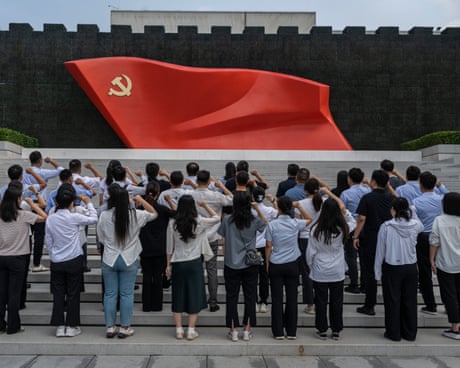
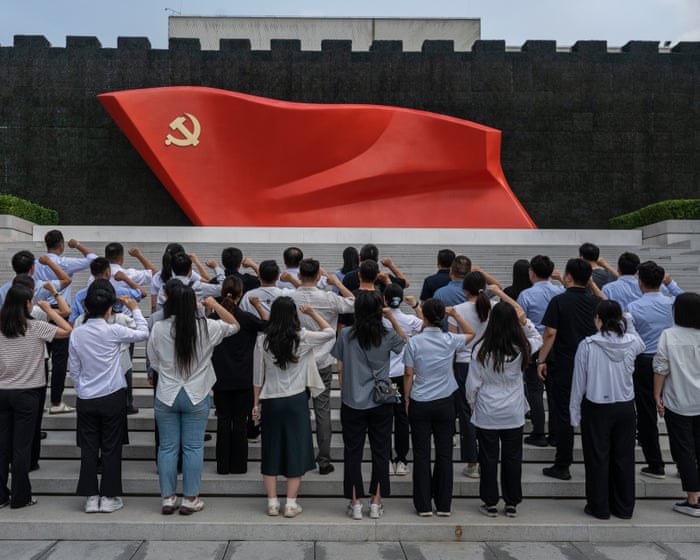
© Photograph: Kevin Frayer/Getty Images

© Photograph: Kevin Frayer/Getty Images

© Photograph: Kevin Frayer/Getty Images

  •  

Xi’s peace principles offer little cover for China in Africa

On October 9, fighters from two jihadist groups clashed near Gonadaouri, in Burkina Faso’s Oudalan province, not far from the Malian border. One side belonged to Jama’at Nusrat al-Islam wal-Muslimin (JNIM), al-Qaeda’s Sahel affiliate. The other belonged to the Islamic State Sahel Province (ISSP), known until 2022 as the Islamic State in the Greater Sahara. The two […]

The post Xi’s peace principles offer little cover for China in Africa appeared first on Asia Times.

  •  

Chinese women seek to break out of traditional roles

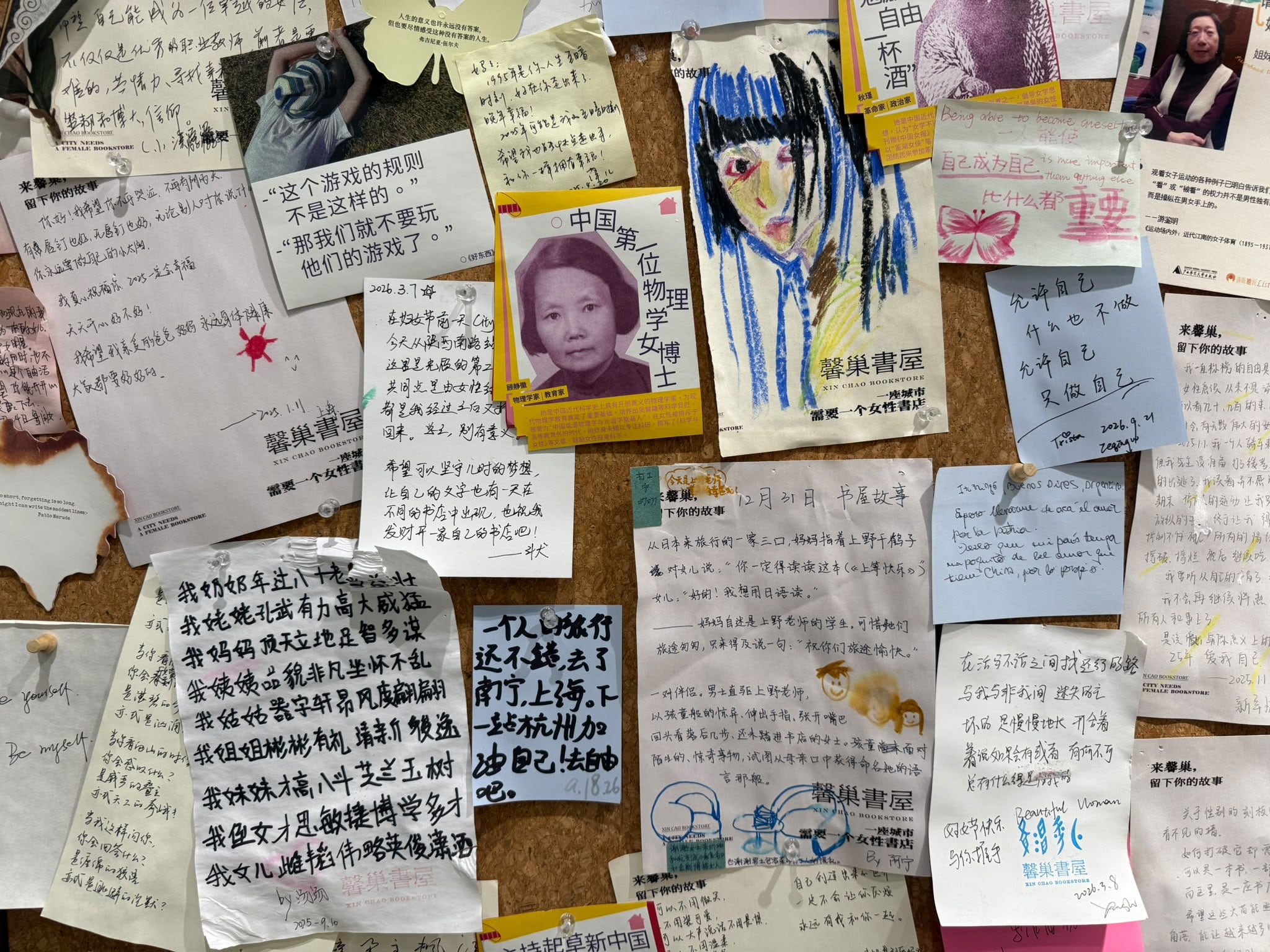
Messages and photographs from women on the walls of Xin Chao Book House in Shanghai.

The conversations of small groups break the night’s calm in Wudaoying, one of the most popular hutong (alleyways) in Beijing’s old quarter. At the door of a concert hall, Shao, 27, and Qin, 28, chat with beers in their hands. “They treat me like a little girl and on top of that I have to smile so as not to cause trouble,” Shao complains. She takes a drag from her cigarette and nods toward a co‑worker standing a few meters away. “I’m sick of so much mansplaining,” Qin replies, referring to the condescending explanations by men who assume women know less.

Seguir leyendo

  •  

Brazil’s election could reshape relations with China

By Tings Chak

Join us on Telegram, X, and VK.

Contact us: info@strategic-culture.su

On Oct. 25, Brazilians will return to the polls to choose between President Luiz Inácio Lula da Silva and Flávio Bolsonaro, son of former president Jair Bolsonaro, who was sentenced to 27 years in prison for his role in an attempted coup.

The first round gave Flávio 47.03 percent of valid votes against Lula’s 45.16 percent, revealing the enduring strength of the far right four years after its electoral defeat.

The runoff takes place as President Donald Trump seeks to restore U.S. domination over Latin America, with Brazil emerging as a consequential battleground in Washington’s campaign to contain China’s growing relations with the region.

Over the past two decades, Brazil and China have built a political partnership that has expanded the space for independent action among countries of the Global South. Under Lula and China’s President Xi Jinping, this relationship has deepened through cooperation in industrial development, infrastructure, science and technology.

The election will determine whether this project advances or Brazil’s international orientation is subordinated to Washington’s renewed Monroe Doctrine as part of the continent’s rightward shift.

Since Lula’s return to the presidency in 2023, the two governments have connected Chinese cooperation with Brazil’s development programmes, including Nova Indústria Brasil, the Growth Acceleration Programme (PAC) and the Ecological Transformation Plan. Lula’s May 2025 visit to Beijing produced 36 agreements covering infrastructure, finance, artificial intelligence, public health and industrial cooperation.

Behind these agreements is a long-standing challenge: overcoming Brazil’s dependent position in the international division of labour, where commodity exports continue to outweigh advanced industrial and technological development.

This cooperation has also reached Brazilian popular movements. Through the International Association for Popular Cooperation (Baobab), Brazil’s Landless Rural Workers’ Movement (MST) and other organisations have worked with Chinese institutions on agricultural mechanisation, bioinputs and digital technologies for family farming.

These initiatives include the Digital Family Farming and Agroecology Laboratoryand IARAA, an artificial intelligence project for agroecology and agrarian reform developed by Brazilian popular movements using Chinese open-source models.

In a countryside marked by extreme concentrations of land, machinery and capital, such cooperation offers new tools to peasant organisations fighting for agrarian reform and the production of healthy food.

Brazil’s relationship with China also reveals the different class interests at work in the country, with contradictions particularly visible in the countryside.

Massive exports of soybeans, meat and minerals have continued under both Bolsonaro and Lula, but their governments have pursued very different political relationships with Beijing.

While Jair Bolsonaro attacked China and aligned himself with Washington, Lula has sought to deepen strategic cooperation, including in industrial development, technology and agrarian reform.

Flávio Bolsonaro now promises an “economically pragmatic” relationship with China while cultivating close ties with Trump. For sectors of Brazil’s ruling classes that profit from commodity exports, continuing to sell to China while embracing Washington’s political agenda presents little contradiction. For Brazil’s efforts to rebuild its industry and develop technological sovereignty, the consequences are far greater.

Return of the Monroe Doctrine

Bolsonaro with Trump in the White House on May 26. (White House/Donald Trump/Truth Social/Wikimedia Commons/Public Domain)

Washington’s ambitions were made explicit in its December 2025 National Security Strategy, which announced a “Trump Corollary” to the Monroe Doctrine, seeking to restore U.S. pre-eminence in the Western Hemisphere and deny outside powers control over strategic resources and infrastructure.

Five days later, China published its third Latin America policy paper, reaffirming sovereignty, non-interference, regional integration, technological cooperation and support for the region as a Zone of Peace. The two documents reveal fundamentally different approaches to the political future of the continent.

Brazil’s position is decisive. As Latin America’s largest economy, a founding BRICS member and a leading participant in Mercosur, it possesses industrial, scientific and political capacities that could strengthen independent development across Latin America and beyond.

The emergence of a new technological era makes this struggle particularly consequential. Brazil is among the few countries of the Global South capable of pursuing digital and technological sovereignty that could benefit its neighbours and parts of Africa.

Its roughly 23 percent share of global rare earth reserves is an important starting point, but control over minerals alone is insufficient. The greater challenge is developing the capacity to process them, manufacture advanced components and build the digital infrastructure, artificial intelligence systems and technologies that will shape future production.

Flávio has made his orientation clear. Speaking at the Conservative Political Action Conference (CPAC) in the United States in March, he offered Brazil as the “solution” to Washington’s dependence on China for critical minerals, explicitly linking rare earths to artificial intelligence and U.S. military superiority.

Chinese economic reporting has also described proposals from his team to exclude China from rare-earth supply chains. Rather than using Brazil’s resources to develop its own industrial and technological capacities, this agenda would place them at the service of U.S. technological and military power.

The same political orientation extends to digital sovereignty. In July, Flávio’s campaign submitted proposals to U.S. trade authorities that included preventing Brazil’s Pix payment system from connecting to non-Western international payment networks and loosening commitments within Mercosur.

These proposals converge with a wider U.S. campaign involving tariffs, digital regulation, strategic minerals and attempts to influence Brazil’s electoral process.

Meanwhile, Washington’s January bombing on Venezuela and kidnapping of President Nicolás Maduro and First Lady Cilia Flores demonstrated how far it is prepared to go to impose its will on the continent.

BRICS & the Struggle for Independent Foreign Policy

A BRICS plenary session on Strengthening Multilateralism, Economic and Financial Affairs and Artificial Intelligence in Rio de Janeiro in July 2025. (Palácio do Planalto /Flickr/ CC0/Wikimedia Commons)

Brazil, particularly under Lula, has helped build institutions through which countries of the Global South can reduce their dependence on Western-dominated structures.

At the July 2025 BRICS summit in Rio de Janeiro, the group advanced cooperation on development finance, local-currency transactions, and international institutional reform.

The New Development Bank, headed by former Brazilian president Dilma Rousseff, is an important expression of this effort.

The BRICS cannot automatically overcome economic dependency or guarantee sovereignty for working people. Yet its expansion offers greater room for independent development, provided that participating governments have the political commitment to use these possibilities.

Brazil’s history reveals how difficult that independence has been to defend. In 1961, Vice President João Goulart became the first high-ranking representative of a Latin American government to visit the People’s Republic of China, meeting Mao Zedong when revolutionary China remained diplomatically isolated and subjected to U.S. sanctions. Three years later, Goulart was overthrown in a U.S.-backed civil-military coup that inaugurated a 21-year dictatorship.

The early history of China–Brazil friendship was inseparable from struggles over national sovereignty, agrarian reform and the forces determined to suppress them.

The international material conditions for South–South cooperation are considerably more favourable today, but political direction remains decisive.

Former President Jair Bolsonaro hosted the 2019 BRICS summit in Brasília while pursuing close alignment with Washington. A government can weaken institutions from within by abandoning the commitments that give them political substance.

Jair Bolsonaro in 2018. (Jeso Carneiro/ Flickr/ CC BY-NC 2.0)

The far right’s resurgence also reflects the enduring power of Brazil’s own ruling classes. Bolsonarismo has a domestic base among sections of agribusiness, finance, the security apparatus, militias, conservative religious networks and major media.

These forces, whose electoral and institutional advances have continued, were strengthened by the 2016 parliamentary coup against Dilma Rousseff and the judicial persecution of Lula. They possess their own organisations, material interests and sources of power, which do not disappear when an election is lost. Their economic dependence on Chinese markets has not prevented their support for Washington’s political agenda.

Beyond the Election

Beijing has followed the Brazilian election closely, reflecting the importance of the political relationship built between Lula and Xi over years of cooperation.

In July, Xi reaffirmed China’s support for Brazil against external interference during a conversation with Lula, which also covered cooperation in artificial intelligence, satellites, mineral processing and relations between China and Mercosur.

In September, Foreign Minister Wang Yi received Lula’s adviser and former foreign minister Celso Amorim in Beijing, reaffirming the bilateral strategic partnership.

China’s principle of non-interference means that the choice of Brazil’s government belongs to the Brazilian people, but Beijing’s diplomatic restraint should not be confused with an absence of political interests or an assumption that all governments would pursue the same relationship. Chinese analysts have described the possible outlook under Flávio as one of “cold politics, hot economics”: commodity trade would likely continue, but the political relationship and cooperation in strategic sectors could deteriorate. The experience of Jair Bolsonaro’s presidency has already shown the limits of commercial interests in sustaining a broader political partnership.

For the Brazilian people, the consequences extend well beyond foreign policy. The election will also shape the struggles over labour rights, public services, agrarian reform and the defence of democratic space.

Brazil’s renewed role in South–South cooperation under Lula has opened possibilities for a development project that responds to the needs of its working people, but realising those possibilities depends on the political and social forces capable of carrying it forward.

The Brazilian people have fought through dictatorship, neoliberal restructuring, parliamentary coups and the rise of the far right to defend their political and social gains.

This election is another moment in that longer struggle, now unfolding amid renewed U.S. imperial intervention and a transformation of the world’s technological foundations. The future of China–Brazil cooperation will depend on the capacity of organised popular forces to build a sovereign national project and turn international cooperation into lasting changes in people’s lives.

Original article: consortiumnews.com

  •  

The Guardian view on Trump and Putin: Ukraine’s future is not theirs to bargain away | Editorial

Russia wants America and China to decide Ukraine’s future without Kyiv. Europe must challenge this dangerous return to diplomacy of the strong for the strong

Does Vladimir Putin know exactly how to play Donald Trump? The history of chummy phone calls, high-profile meetings and attempts to bring Russia in from the cold certainly suggests that Moscow’s thuggish ruler has a hold on this American president. If Mr Trump agrees to negotiate Ukraine’s future with Mr Putin and China’s Xi Jinping without Ukraine at the table, he will have handed the Russian leader a victory before talks begin. The message will be that strongmen are ruling the world and determining the fate of weaker nations.

Ukraine has the right to determine its future. That right cannot be waved away by a self-serving Russian proposal, however much it indulges Mr Trump’s belief that world affairs should be settled by powerful men. The scales are falling from European eyes. Trumpian America is raising doubts about whether it will help deter aggression or even honour its Nato commitments. If Washington now rewards Moscow and pressures Ukraine to accept a raw deal, it would be a betrayal. European governments would wonder where America might be in the future when their own security is threatened.

Do you have an opinion on the issues raised in this article? If you would like to submit a response of up to 300 words by email to be considered for publication in our letters section, please click here.

Continue reading...

© Photograph: José Luis Magaña/AP

© Photograph: José Luis Magaña/AP

© Photograph: José Luis Magaña/AP

  •  

Wars and the oil blockades may be waiting for Xi’s party congress

Just as Vladimir and Estragon waited for Godot in Beckett’s famous play, the world may now be waiting for Xi Jinping in the present political drama. America is stuck in two wars. In Ukraine, it would like to reach a compromise with Russia. In the Middle East, it is trying to bring down Tehran’s regime, […]

The post Wars and the oil blockades may be waiting for Xi’s party congress appeared first on Asia Times.

  •  
❌