❌

Reading view

Judge Analisa Torres Takes Over President Nicolás Maduro Case
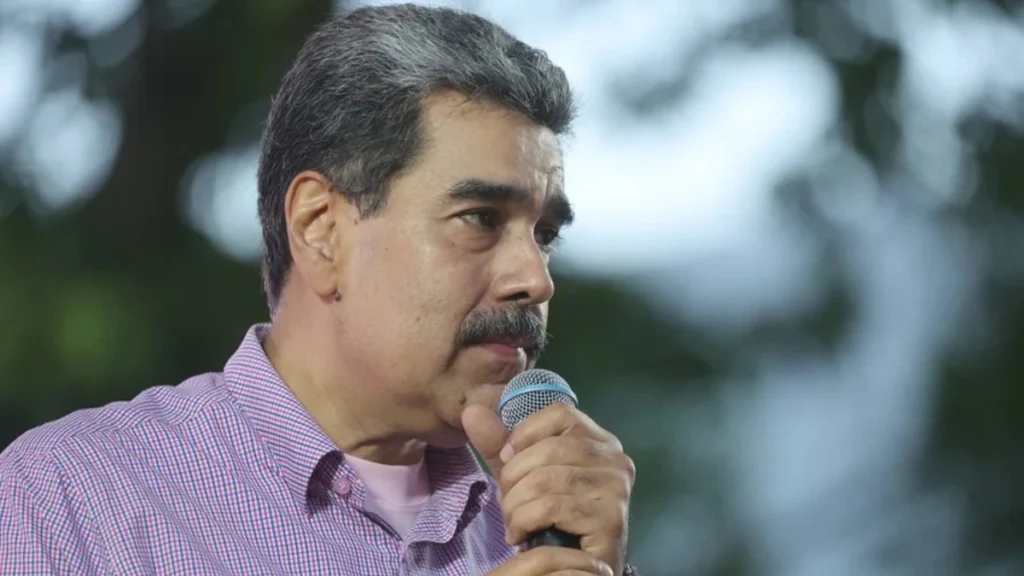
The U.S. judicial case against Venezuelan President Nicolás Maduro was assigned this Wednesday to Federal Judge Analisa Torres, following the death of Judge Alvin K. Hellerstein, who had overseen the proceedings since March 2020. The reassignment was formalized in the records of the U.S. District Court for the Southern District of New York.

RELATED:

US Federal Court Authorizes Use of Venezuelan Funds for Legal Defense of Nicolás Maduro and Cilia Flores

The transition occurred through an administrative procedure used to reassign cases previously handled by judges who are no longer active due to retirement or death. Judge Hellerstein passed away this Wednesday at the age of 92 from natural causes, as confirmed by a court spokesperson. He had served for nearly three decades, presiding over cases that garnered significant media and legal attention.

Analisa Torres became a judge for the Southern District of New York in 2013, having been appointed by then-President Barack Obama. Born in New York in 1959, she has presided over complex civil, criminal, and regulatory litigation throughout her tenure on the federal bench.

Torres graduated with honors from Harvard University and earned her law degree from Columbia Law School. Before joining the federal court, she worked in private practice and served for nearly ten years on the New York State Supreme Court, in addition to holding positions within the city’s civil and criminal court systems. She comes from a family of legal professionals with Puerto Rican roots.

Status of the Judicial Proceedings

Judge Hellerstein had presided over the case since its inception in March 2020, when Washington filed initial drug-trafficking charges against the Venezuelan president. The next hearing is scheduled for December 17 and will focus on claims of sovereign immunity raised by the defense. The trial is set for June 14, 2027, alongside the proceedings against lawmaker Cilia Flores.

On October 15, Nicolás Maduro and Cilia Flores pleaded not guilty before Judge Hellerstein—who was presiding at the time—during a hearing in New York, following the addition of new charges by the U.S. Prosecutor’s Office.

According to a teleSUR correspondent, the president Maduro stated that he had read the indictment in its entirety and rejected it, dismissing it as a collection of false and mendacious accusations that were already known. He reiterated his innocence, while Flores declared: “I am completely innocent; I am not guilty.”

During the proceeding, the judge granted a joint request from the prosecution and the defense to postpone the start of the trial by two weeks, allowing more time for the preparation and filing of pretrial motions. As a result of the hearing, the trial was rescheduled for June 14, 2027.

Russian Foreign Minister Sergey Lavrov demanded the immediate release of President Nicolas Maduro and his wife, denouncing their imprisonment in the U.S. without trial. He also condemned the attacks against Iran’s Supreme Leader, Ayatollah Ali Khamenei, and warned of the serious… pic.twitter.com/l7WI0wOKHt

— teleSUR English (@telesurenglish) September 26, 2026

Case Chronology

January 3, 2026: Following bombings in Caracas and other cities, U.S. special forces kidnapping President Nicolás Maduro and Cilia Flores in the Venezuelan capital and transported them to the United States. The operation resulted in over a hundred deaths and a similar number of injuries. The then-Executive Vice President, Delcy Rodríguez, assumed acting president role.

January 5: Both individuals made their initial appearance in New York, pleaded not guilty, and were placed in custody at the Metropolitan Detention Center in Brooklyn.

July: The prosecution and the defense agreed that the trial would begin on June 1, 2027, with a pretrial hearing scheduled for November 17.

September 9: Cilia Flores’s defense team requested release on bail and house arrest. The judge ordered that medical records remain under seal. September 25: Assistant Prosecutor Jason A. Richman resigned.

October 8: Hellerstein denied the request for bail for Flores. That same day, the prosecution filed a new indictment.

October 15: A hearing was held in which new charges—conspiracy to commit torture—were presented. Maduro and Flores pleaded not guilty, and the trial was rescheduled.

October 29: The case file was reassigned to Judge Analisa Torres following the passing of Hellerstein.

The aggression against Venezuela and the kidnapping of President Maduro and Deputy Flores have drawn condemnation and sparked demonstrations in various parts of the world. Hundreds of protesters have gathered in the vicinity of the Southern District Court in Manhattan during the hearings to express solidarity with the accused and to denounce the warmongering and interference of the White House.
  •  

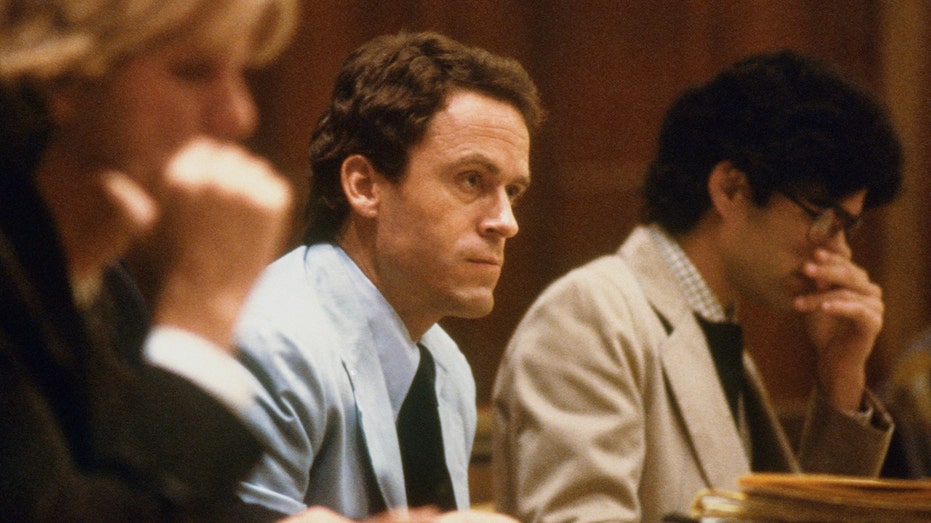
Ted Bundy could have more undiscovered victims after DNA links him to murder of chief's daughter: detective

A DNA breakthrough has solved the 52-year-old murder of a Utah police chief's teenage daughter, and the cold-case detective who helped crack it says notorious serial killer Ted Bundy could have other victims investigators do not even know about.

Melissa Ann Smith, 17, the daughter of then-Midvale Police Chief Louis Smith, was found dead in 1974. For decades, investigators suspected Bundy but lacked the evidence needed to definitively tie him to her murder.

That changed in July, when DNA evidence in the killing of another 17-year-old Utah girl, Laura Ann Aime, was matched to Bundy, allowing investigators to compare evidence preserved from Smith's case for more than half a century.

POTENTIAL MICHIGAN SERIAL KILLER MAY HAVE LEFT BEHIND VALUABLE EVIDENCE, FORMER FBI PROFILER SAYS

"There may be more victims out there that we're not even aware of, and I think there's always been that speculation," Salt Lake County Sheriff's Office Detective Ben Pender told Fox News Digital in an exclusive interview Wednesday.

Pender, a 35-year law enforcement veteran assigned to the Salt Lake County Sheriff's Office unsolved homicide and missing person unit, said investigators plan to preserve the evidence that helped solve Smith's murder so it can potentially be used in other cases.

FORMER CHICAGO POLICE DETECTIVE LINKED BY DNA TO 8-YEAR-OLD GIRL'S COLD-CASE MURDER, POLICE SAY

"We're gonna hold on to this evidence, and we're gonna utilize it in cases that we believe may be connected to see if we can't resolve not only our case, but anybody else who may have a case with Bundy," Pender said.

Smith's body was discovered by hunters on Oct. 27, 1974, in a wooded area near the border of Summit and Salt Lake counties.

COLD CASE BREAKTHROUGH SOLVES TEEN KILLING AFTER SUSPECT LIVED FREE FOR DECADES: 'BETTER BE AFRAID'

"These cases that are unsolved are unsolved, in my opinion, for a reason, and because they are extremely difficult to solve," Pender said.

Although investigators had long suspected Bundy, similarities between Smith's killing and his other crimes were not enough to definitively tie him to her death.

FORENSIC GENEALOGY UNMASKS COLD CASE SUSPECT AS STRANGLER, SEXUAL PREDATOR DECADES LATER: OFFICIALS

Investigators needed evidence establishing that Bundy was responsible rather than relying on a similar method of operation, Pender said.

"DNA is not always the answer, but it definitely is a piece that's missing a lot of times in these cases that, with everything else with the case, will maybe bring that together," Pender said.

COVERT DNA SAMPLE FROM COLORADO MAN'S TRASH REVIVES 44-YEAR-OLD TEXAS MURDER CASE: REPORT

The break investigators needed ultimately came from the Aime case.

Aime vanished after leaving a Halloween party to buy cigarettes on Oct. 31, 1974. Her body was discovered by hikers near American Fork Canyon days later, and investigators determined she had been raped, strangled and murdered.

DETECTIVE SUSPECTED IN GIRL’S MURDER MAY HAVE KILLED OTHERS, FORMER INVESTIGATOR FEARS

Bundy was considered the prime suspect for decades, but authorities lacked evidence conclusively tying him to the killing.

Investigators eventually developed a DNA profile from evidence in Aime's case that was linked to Bundy. Remaining evidence from her case then gave investigators an opportunity to compare it with evidence preserved from Smith's killing.

NEW CALIFORNIA LAW EXPANDS DNA TOOLS FOR MISSING PERSONS INVESTIGATIONS

Pender said investigators had retained reports and evidence from the original Smith investigation, including evidence collected during her postmortem examination.

Utah County investigators reached out to Summit County after the breakthrough in the Aime case to determine whether the remaining evidence could help resolve Smith's murder. Summit County then turned to Pender because Salt Lake County had maintained evidence from the 1974 investigation.

Investigators worked with the Utah Bureau of Forensic Services to compare DNA evidence from the two cases and determined the profiles matched.

The DNA findings, combined with evidence involving Bundy's pattern, motive, means and opportunity, led authorities to conclude Bundy killed Smith and formally close her case Tuesday, 52 years to the day after her body was found.

The breakthrough would not have been possible without evidence preserved by investigators for more than five decades.

"It's extremely important, in all of these cases, to preserve the evidence," Pender said. "We, in all homicide cases, we maintain that evidence forever."

"We don't ever get rid of that, even if a case is resolved or solved, and we don't get rid of it for this very reason," he added.

But Pender cautioned that solving one decades-old murder through DNA does not mean investigators can simply run every unsolved killing potentially connected to Bundy through a database.

Each case is different. Some have DNA evidence while others do not, and evidence collected decades ago may have degraded, been handled before investigators understood the importance of preserving DNA or contain genetic material from multiple people.

"Back then, DNA wasn't a thing, so nobody knew of it," Pender said.

Advances in forensic technology continue to give investigators new opportunities to examine old evidence, but the limitations of individual cases remain.

Pender said his caseload includes 34 unsolved homicides and 14 adult missing person cases in which investigators suspect foul play. He stressed that those cases are not believed to be connected to Bundy, with one notable exception.

Nancy Wilcox remains missing, and Pender said Bundy confessed to killing her. Her body has never been recovered, preventing investigators from closing the case based solely on his confession.

Smith's case, Pender said Tuesday, "does not close the book on Ted Bundy."

Investigators intend to continue working on Wilcox's disappearance and preserve the Bundy evidence for any other cases in which it could prove useful.

Other cases potentially tied to Bundy could also yield new answers through DNA, Pender said.

FOLLOW THE FOX TRUE CRIME TEAM ON X

"I think it's definitely possible," Pender said. "It just depends on what information other agencies maybe have in their particular cases."

Pender emphasized that cooperation among law enforcement agencies was critical to solving Smith's murder, with Summit, Salt Lake and Utah counties working alongside the state crime lab.

"It's more about the victim, right? It's about the victim, the family, the community, it's about resolving the case," Pender said.

SIGN UP TO GET THE LATEST TRUE CRIME NEWS

Bundy killed at least 30 women and girls across multiple states during the 1970s, though investigators have long suspected his true victim count could be higher.

CLICK HERE FOR MORE FROM THE FOX TRUE CRIME HUB

He confessed to dozens of murders before his death, including crimes that had previously been unknown to police, but not every killing attributed to him has been independently confirmed.

SEND US A TIP

Bundy was convicted and sentenced to death for murdering two Florida State University students in 1979 and received another death sentence the following year for the rape and murder of a 12-year-old girl.

GOT A TIP?

He was executed in Florida's electric chair in 1989.

LISTEN TO THE NEW 'CRIME & JUSTICE WITH DONNA ROTUNNO' PODCAST

Nearly four decades later, Pender said it still matters that investigators prove which crimes Bundy actually committed rather than simply attributing unresolved murders to one of America's most notorious serial killers.

GET BREAKING NEWS BY EMAIL

"It is very important that we always make sure of who we are suspecting, or have accused, or have confirmed that it's actually that person, regardless of the number of killings or murders that Ted Bundy committed," Pender said. "It's still important that we connect them the right way, and we don't just … throw everything on to Ted Bundy that we're not quite sure of."

CLICK HERE TO DOWNLOAD THE FOX NEWS APP

"We don't want to accuse the wrong person of something that they didn't maybe have any involvement," he added.

  •  

Cornell Faculty Senate preps for no confidence vote on president after Jane Doe’s allegations: What to know

The Cornell University Faculty Senate is set to debate a no confidence vote on Wednesday against President Michael Kotlikoff after allegations of a 2024 gang rape at a campus fraternity that resulted in no criminal charges caused uproar around the country.  The more than 75 members of the body will have their second meeting debating the resolution…

  •  

Vídeo: Eduarda Campopiano questiona resultado eleitoral e prevê nova fase de disputa política

A vereadora Eduarda Campopiano (PL) de Praia Grande, no litoral de São Paulo, à deputada estadual mais votada do estado em 2026, publicou um vídeo nas redes sociais após o resultado das eleições, no qual contestou o cenário político e econômico do país. Entre os episódios citados, ela mencionou o caso de uma criança baleada durante uma comemoração no Complexo da Penha, na madrugada seguinte ao pleito.

A parlamentar também fez afirmações sobre supostas oscilações nos mercados financeiros, com menções à alta do dólar, à queda da bolsa e à suspensão de operações por meio de um circuit breaker. Ela citou ainda o cancelamento de um leilão do Tesouro e estimou a dívida pública em mais de R$ 11 trilhões no início do novo mandato de Lula.

Campopiano afirmou que Flávio Bolsonaro pretende contestar judicialmente o resultado do segundo turno. Na avaliação da vereadora, pesquisas eleitorais, levantamentos internos e previsões do Polymarket não anteciparam o desfecho das urnas. Ela também questionou a prorrogação do horário de votação por uma instituição que, segundo seu relato, não era o Tribunal Superior Eleitoral (TSE).

Foto e Vídeo: Redes Sociais

The post Vídeo: Eduarda Campopiano questiona resultado eleitoral e prevê nova fase de disputa política appeared first on Diário da Manhã - O Jornal do leitor Inteligente.

  •  

Call for artsists: Nicosia Monastery of Arts Residency Programme

The Monasteries of Art (MON-ART) launches a transnational call for Regeneration Artists working at the intersection of art, sustainability, and community life. Residencies will take place in Italy, Bulgaria, Hungary, Albania, and Cyprus.

Visual Voices invites applications for the Nicosia Monastery of Arts Residency Program. The residency will function as a living laboratory, combining site-specific artistic experimentation, community engagement, and public showcases.

Location: Walled City of Nicosia, Cyprus

Duration: February–July 2027 (6 months)

Artist Fee: €6,000 per artist. 2 artists will be selected. Shared accommodation, production costs, and travel will be covered.

Deadline: 23/11/2026

Selection Jury: Marina Christodoulidou, Curator & Artistic Director, Limassol Municipal Arts Centre Dr Gabriel Koureas, Art Historian & Co-Director, Celadon Centre for Arts and Ecologies Melina Philippou, Architect & Artistic Director, Visual Voices Dr Derya Ulubatli, Art Historian & Board Member, European-Mediterranean Art Association (EMAA)

The open call and application form is available at the MON-ART website at the LINK. For questions and clarifications contact Melina Philippou at melina@visual-voices.org.

The MON-ART project is co-funded by the Creative Europe program of the European Union.

  •  

Over 28 million tourists visited Greece in Jan-Aug; revenues up by 9.4%

The number of tourists visiting Greece surpassed 28 million in the period January-August 2026, marking a 10% increase compared to the corresponding period last year. According to data released by the Bank of Greece (BoG), this development resulted in tourism revenues rising by 9.4% this year, exceeding €18.1 billion. Receipts from residents of EU-27 countries […]

The post Over 28 million tourists visited Greece in Jan-Aug; revenues up by 9.4% appeared first on Keep Talking Greece.

  •  

“Psoríase não é contagiosa”: médica alerta para impactos do preconceito

Cerca de 5 milhões de brasileiros convivem com a psoríase, segundo estimativas da SBD (Sociedade Brasileira de Dermatologia) e, apesar de não ser contagiosa, a desinformação sobre a doença é um fator que pode alimentar o preconceito e afetar a autoestima dos pacientes.

A dermatologista Natasha Crepaldi explica que a falta de conhecimento pode alimentar atitudes discriminatórias e fazer com que pacientes se sintam constrangidos em situações cotidianas.

A doença não é contagiosa, mas a aparência das lesões ainda pode gerar preconceito e afastamento social. Esse impacto emocional não deve ser minimizado, porque pode afetar a autoestima e a qualidade de vida de quem convive com a doença.

afirma a especialista

Leia Mais:

No mês de outubro é realizada a campanha nacional da psoríase, que busca alertar a população sobre a importância do diagnóstico, do acesso ao tratamento e do combate à desinformação.

Entender melhor a doença e quais são as opções de tratamento pode evitar os estigmas, contribuindo para que os pacientes enfrentem menos barreiras no convívio social e no cuidado com a própria saúde.

Como surge e quais são os sinais da psoríase?

A psoríase é uma comorbidade inflamatória crônica de pele não contagiosa e pode se manifestar de diferentes formas.

“Reconhecer os sinais e buscar avaliação médica é importante para estabelecer o diagnóstico correto e indicar o tratamento mais adequado a cada paciente”, afirma a especilista.

Entre os sinais mais comuns estão:

  • Manchas ou placas vermelhas com escamas secas esbranquiçadas ou prateadas;
  • Pequenas manchas brancas ou escuras residuais após melhora das lesões avermelhadas;
  • Pele ressecada e rachada; às vezes, com sangramento;
  • Coceira, queimação e dor;
  • Unhas grossas, descoladas, amareladas e com alterações da sua forma (sulcos e depressões);
  • Inchaço e rigidez nas articulações; em casos mais graves, destruição das articulações e deformidades.

As lesões podem surgir em diferentes regiões do corpo, como cotovelos, joelhos e couro cabeludo, com intensidades variadas.

Todos esses sinais podem ser confundidos com os de outras doenças dermatológicas, por isso a avaliação médica é fundamental para confirmar o diagnóstico.

Ela explica que a psoríase também pode estar associada à artrite psoriásica, condição inflamatória que compromete as articulações. Nesses casos, dores, inchaços e rigidez articular devem ser alertas para buscar diagnóstico e tratamento.

“O acompanhamento permite avaliar a evolução da doença e ajustar o tratamento conforme as necessidades de cada paciente”, afirma Crepaldi.

As opções de tratamento variam conforme a gravidade do quadro, as áreas afetadas e as características de cada paciente. Entre as possibilidades estão:

  • Medicamentos de uso tópico;
  • Fototerapia;
  • Tratamentos sistêmicos.

O objetivo desses tratamentos é controlar a inflamação, aliviar os sintomas e reduzir os efeitos da doença para o cotidiano dos pacientes.

  •  

GO-020 muda rotas e restringe acessos durante nova fase de restauração

A restauração da GO-020 entrou em uma nova etapa nesta segunda-feira (26/10), com mudanças no trânsito nas proximidades da BR-153, na Região Metropolitana de Goiânia. No sentido Bela Vista-Goiânia, os motoristas passaram a contar com apenas uma faixa liberada. Os acessos pela Avenida PL1 e pela Avenida Alphaville Flamboyant, além da ligação direta com a rodovia federal, ficaram interditados. Para chegar à BR-153, os condutores precisam seguir pela GO-020 até a Avenida Jamel Cecílio e utilizar as tesourinhas de acesso nos dois sentidos.

As intervenções ocorrem de segunda a sexta-feira, das 20h às 5h, enquanto as equipes trabalham durante o dia nos fins de semana. A programação busca reduzir os impactos sobre o fluxo de veículos, mas ainda há possibilidade de congestionamentos, sobretudo nos períodos de maior movimento. O retorno situado perto da barreira de fiscalização também permanece bloqueado durante os serviços. Já os condutores que seguem da Avenida Jamel Cecílio em direção a Bela Vista e precisam retornar devem continuar o percurso até o Alpha Mall. A recomendação é respeitar a sinalização provisória, reduzir a velocidade e planejar o trajeto com antecedência.

O Governo de Goiás investe R$ 62,5 milhões na recuperação de 30,7 quilômetros da GO-020. De acordo com a Agência Goiana de Infraestrutura e Transportes (Goinfra), os trabalhos já alcançaram 50% de execução, com intervenções em 25,1 quilômetros da rodovia. A nova fase começou após a conclusão dos serviços na pista contrária, no sentido Goiânia-Bela Vista, entre o entroncamento com a Avenida Jamel Cecílio e as proximidades da barreira de fiscalização.

O projeto inclui o uso do SMA (Stone Matrix Asphalt), revestimento asfáltico que será aplicado pela primeira vez em uma rodovia estadual goiana. O material foi escolhido para ampliar a resistência e a vida útil do pavimento em trechos com tráfego intenso e circulação de veículos pesados. A restauração está dividida em três fases: retirada do asfalto antigo, preparação da superfície e aplicação de camadas de concreto asfáltico; instalação do revestimento SMA; e conclusão dos serviços de drenagem e implantação da sinalização viária.

The post GO-020 muda rotas e restringe acessos durante nova fase de restauração appeared first on Diário da Manhã - O Jornal do leitor Inteligente.

  •  

Ecuador Transfers Luisa González to Riobamba Prison

Ecuadorian opposition leader Luisa González transferred to Riobamba prison in alleged money laundering case.

Ecuadorian opposition figure Luisa González faces pretrial detention over alleged money laundering in the Labyrinth case.


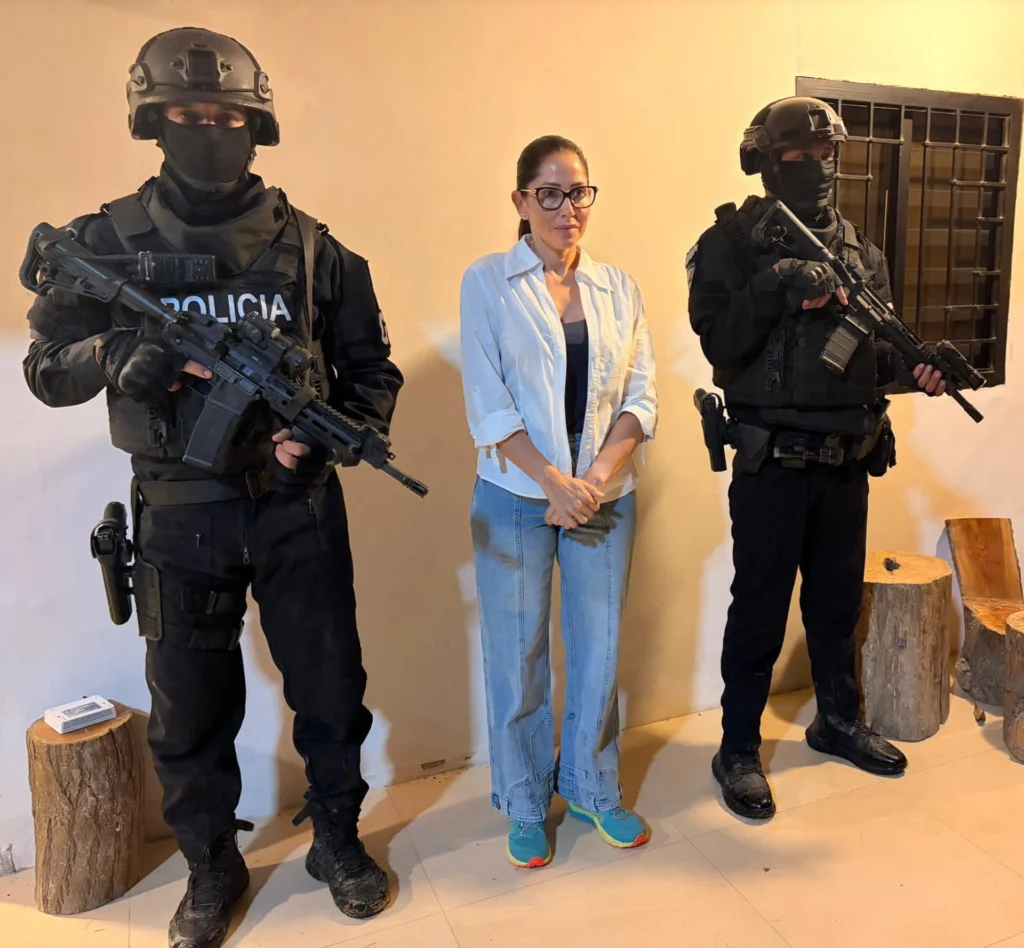
Ecuadorian opposition leader and former presidential candidate Luisa González was transferred to a prison in Riobamba on Friday night after a judge ordered her pretrial detention over alleged money laundering in the so-called Labyrinth case.

RELATED: Ecuador Prosecutors Seek Preventive Detention for Leftist Leader Luisa Gonzalez

A convoy of National Police and Armed Forces personnel arrived outside the detention center in Riobamba, in Chimborazo province, shortly after 9 p.m. local time on Oct. 23. Prison authorities had not officially confirmed González’s admission to the women’s facility at the time of the report.

The transfer began shortly after 4 p.m. from the Modelo barracks in Guayaquil, where González had been taken following her arrest Thursday in Canuto, Manabí province. Police transported her to an air base before she boarded a flight that landed at Latacunga airport in Cotopaxi province at 7:30 p.m.

Although initial reports indicated that González would be held at a prison in Cotopaxi or Quito, police ultimately arranged for her to travel by road to Riobamba in a heavily guarded convoy accompanied by patrol cars and tactical units.

Text Reads: 🛬 Luisa González, former presidential candidate for the Citizen Revolution (Revolución Ciudadana) movement, arrived at Cotopaxi Airport under the escort of military and police personnel, hours after a judge ordered her pretrial detention.
⚖️ This measure relates to alleged money laundering, as part of the “Laberinto” (Labyrinth) case. González was taken into custody early Thursday morning following a raid on her home in Chone, Manabí.
🏛️ The State Attorney General’s Office maintained its request for pretrial detention, which also applies to former assembly member Santiago Díaz and Wendy Onofre, secretary of the RETO movement.
📌 These judicial actions are part of a broader agenda of political persecution being carried out by the administration of Daniel Noboa against opposition figures and leaders.

The use of air transport for part of the journey was intended to reduce public-order risks amid tensions at several prisons across Ecuador. Interior Minister John Reimberg directly linked the unrest to reactions to González’s arrest.

González, the former leader of the Citizen Revolution movement, has rejected the allegations against her. The movement and her associates denounced the pretrial detention order as an act of lawfare and political persecution.

In a statement posted on social media, González reaffirmed her innocence and declared that she would remain in Ecuador to face the judicial proceedings.

Supporters gathered outside the Riobamba prison to hold a vigil, carrying flags and banners behind a security barrier erected by uniformed personnel. Patricia Núñez, a member of the National Assembly representing Chimborazo province, joined the gathering.

The court also ordered pretrial detention for former lawmaker Santiago D. and Wendy Onofre, secretary of the RETO movement, in connection with the same case. Onofre voluntarily surrendered in Guayas province and was admitted shortly after 8 p.m. to the Pichincha No. 3 detention center in Chillogallo, southern Quito.

Another defendant, Estefanía M., was granted alternative measures for the 90-day investigation period, including regular reporting to authorities, a ban on leaving the country and electronic monitoring.

  •  

Cristina Kirchner Goes on Trial in Hotesur-Los Sauces Money Laundering Case

(FILE) The Court enabled virtual participation for the first hearing of the accused. Photo: La Nacion.

A new trial in the unified Hotesur and Los Sauces money laundering cases opened Friday in Buenos Aires against Argentine former President Cristina Kirchner, her son, Deputy Máximo Kirchner, and 17 other defendants.


Federal Oral Tribunal 5 allowed the former President and the deputy to attend the opening session virtually, with the favorable vote of judges José Michilini and Fernando Machado Pelloni. The ruling sought to coordinate the deputy’s parliamentary schedule and simplify transfer logistics from the home where the former president is serving a sentence.

The remote format was granted exceptionally, only for the formal reading of the indictment and the order sending the case to trial. The tribunal said later hearings will be in person for all defendants.

RELATED: Cristina Kirchner’s Defense Seeks UN Help to Lift Public Office Ban

The case covers 19 people, including businessmen Lázaro Báez, Cristóbal López and Fabián de Sousa. Hearings are set for Mondays, Fridays and Saturdays, including the January 2027 judicial recess, when the defense lawyers must attend in person every day.

With over 300 witnesses initially slated to testify, the dynamics of witness credibility and testimonies would play a crucial role in shaping the outcome, but it was reduced by agreement between the parties.

[JUSTICIA] Terminó la audiencia por Hotesur y Los Sauces: solicitaron que Cristina Kirchner sea juzgada como "jefa de una asociación ilícita, coautora de lavado de activos y admisión de dádivas", y su hijo, Máximo, fue imputado como "organizador del entramado criminal". https://t.co/3s4n4ORbW3 pic.twitter.com/VbWP9G9bve

— ElCanciller.com (@elcancillercom) October 23, 2026

Billing Under Scrutiny

The prosecution alleges that Kirchner’s family bought hotels and apartments, rented them to businessmen, mainly Báez, and laundered illegal money from public works.

The defense’s argument about the legitimacy of the funds is crucial. The defense, led by Carlos Beraldi and Ary Llernovoy, says the properties were bought with declared funds, including assets the family owned before Néstor Kirchner became Mayor of Río Gallegos, and that rentals were invoiced, banked and at market prices. The defense says similar claims were dismissed in three illicit enrichment cases. None of these claims has been tested at trial, and the defendants are presumed innocent.

Lawyer Carlos Beraldi maintained from the start that the hotels operated, collected and paid taxes like any other business. In September 2023, Chamber I of the Federal Chamber of Cassation revoked a previous dismissal and ordered that the trial go ahead.

The merged file brings together two fronts. Hotesur concerns the family’s hotel operation, while Los Sauces covers the real estate company at the center of the billing accusation.

The Cassation court removed the two judges who had dismissed the case and left only Palliotti, the magistrate who had voted to convict Cristina and Máximo Kirchner.

The same account recalls that in November 2021 judges Adrián Grünberg and Daniel Obligado dismissed the case against all defendants, with Adriana Palliotti dissenting, relying on an accounting expert report that found no harm. In September 2023, the Cassation Chamber overturned that decision and ordered a trial.

The opening of the process was preceded by an episode described as embarrassing. The Cassation court ordered the Federal Oral Tribunal 5 to merge the Hotesur and Los Sauces cases into a single proceeding and to begin it this Friday.

It is the first time in the country’s history that the Cassation court has dictated how a trial must be conducted, a power that normally belongs to each oral tribunal. Political pressure mounted after a Supreme Court resolution, and the judges had only 72 hours to unify the files. The order left the tribunal with no margin to set its own calendar.

The core of the Los Sauces case is the billing of the family’s real estate firm. According to the accusation, 88% of everything the company collected between 2009 and 2016 came from businesses controlled by Báez and from the Indalo Group.

The Hotesur portion of the merged case has not yet been read in court. The next hearings, set for October 26 and October 30, will determine how the combined process advances.

Text reads: “When there is political persecution, the times in the judiciary are always electoral.”

  •  

Iran’s mountain shelters offer Taiwan a China survival playbook

Iran’s rapid post-strike recovery of its Eagle 44 airbase proves that hardened mountain shelters remain a decisive shield against precision firepower, transforming how inferior air forces survive and deter superior adversaries. This month, The War Zone (TWZ) reported that Iran is actively repairing and expanding its subterranean Eagle 44 airbase in Hormozgan province, despite having […]

The post Iran’s mountain shelters offer Taiwan a China survival playbook appeared first on Asia Times.

  •  

Denmark puts a $112.6 million state guarantee behind the maker of Ukraine’s Flamingo missiles

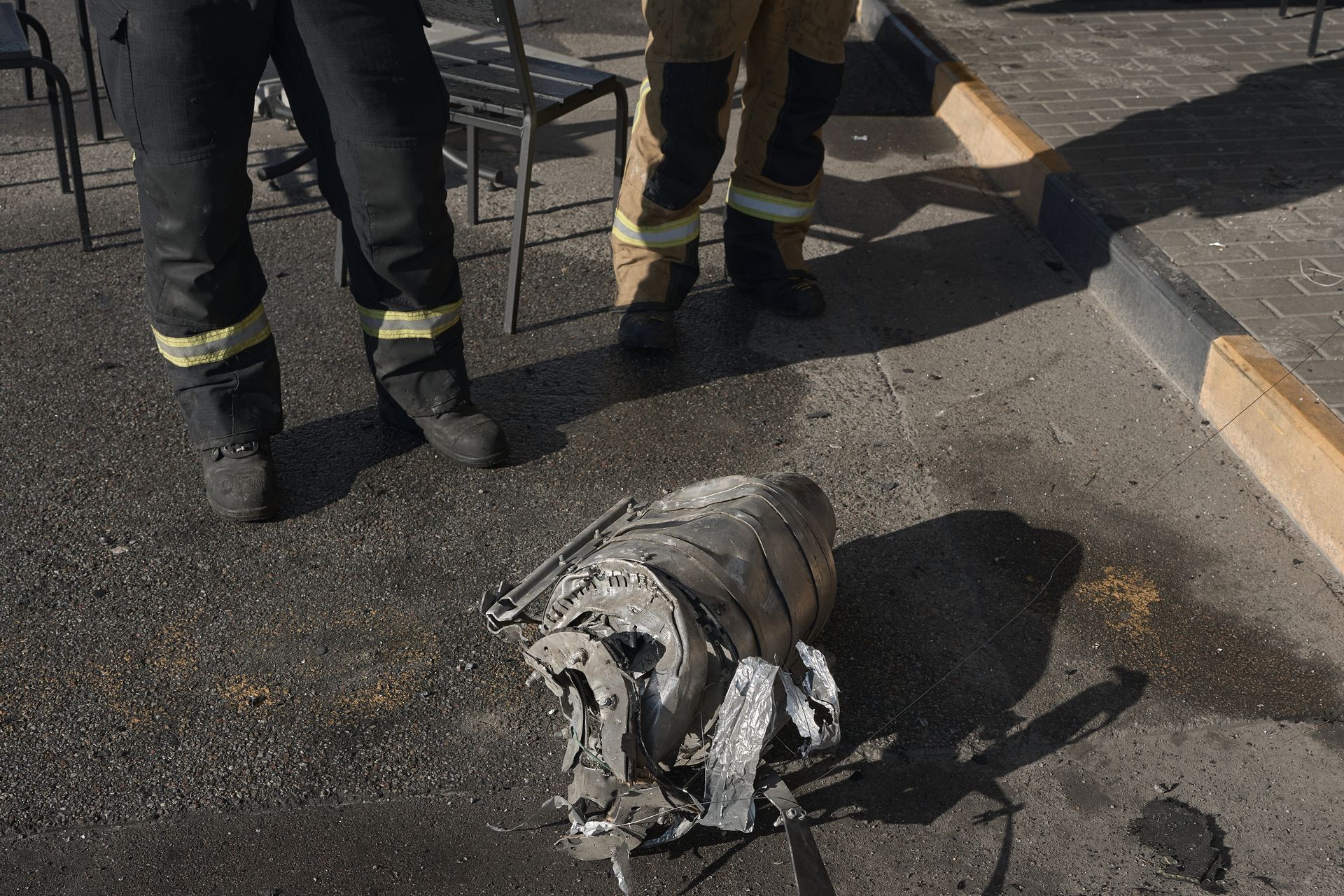
flamingo vs oreshnik ukraine's genstaff now details damage russia's launch site · post fp-5 cruise missile targeting kapustin yar test range ukraine confirmed ballistic infrastructure previous strikes astrakhan oblast intermediate-range

Denmark will guarantee a loan to the Danish subsidiary of Fire Point, the Ukrainian maker of Flamingo cruise missiles, the Danish Business Ministry announced on 21 October. The financing will run through EIFO, Denmark’s state export and investment fund.

Ukraine uses its Flamingo missiles to strike defense plants deep inside Russia as Moscow continues its full-scale invasion. Fire Point broke ground in December 2025 on a plant in Vojens, southern Denmark, to make solid fuel for the missiles. The project has since grown far more expensive. In August, CEO Iryna Terekh said its estimated cost had risen from €50 million to above €150 million, calling the figure “very rough.” The war, meanwhile, stands in the way of Fire Point borrowing on ordinary terms in Denmark, the ministry said. That is why the Danish state is guaranteeing the loan.

What Denmark is putting up

The guarantee covers 750 million Danish kroner, or about $112.6 million, Reuters reported. Terekh said in August that the plant’s launch had slipped to late 2027. The ministry called the deal another big step toward starting production. However, Ukrainian outlet Defender Media noted that the statement does not say directly that the loan will fund the plant.

ukraine start mass production 3000 km flamingo missile zelenskyy says workers inspect cruise fire point's secret factory 18 2025 ap photo/efrem lukatsky fb/efrem 535397328 _24984278831178579_1839062619339783429_n long-range weapon has already completed
Explore further

Ukraine’s Fire Point company is working on revolutionary system which can also transform European air defense

EIFO chief Peder Lundquist said the fund is involved in nearly 40 projects linked to Ukraine. Business Minister Martin Lidegaard said hosting a Ukrainian defense company brings Denmark knowledge, production, and partnerships. Europe’s security and freedom, he added, start in Ukraine.

Better shielded from Russian strikes

Defense Minister Jeppe Bruus said Denmark was the first country to decide to let a Ukrainian defense company set up on its soil. Production outside Ukraine, he argued, is better protected from Russian attacks. He added that Fire Point’s presence opens cooperation that could give Denmark access to technologies developed in wartime.

Denmark first said in September 2025 that Fire Point would make long-range missile fuel on Danish soil. Since then, the company has signed deals with more than a dozen European firms for FREYJA, an anti-ballistic project. It could reduce Europe’s long-term reliance on scarce US-made Patriot interceptors. Fire Point aims for a first ballistic missile intercept with it by mid-2027.

  •  

NASA Advances Lunar Rover Development for Future Moon Base

The rover will be delivered to the lunar surface by Blue Origin’s Blue Moon Mark 1 lander.

On Tuesday, NASA provided an update on the development of crewed and robotic lunar rovers to support its planned Moon Base initiative, highlighting efforts to develop the surface mobility capabilities needed for future exploration and sustained human operations on the Moon.

RELATED:

NASA Researchers Set Up in Spanish Village to Observe Total Solar Eclipse

NASA’s Volatiles Investigating Polar Exploration Rover is scheduled to embark on a mission to the lunar South Pole region in 2027 to explore permanently shadowed craters in search of water and other potentially valuable resources that could support sustainable lunar exploration.

The rover will be delivered to the lunar surface by Blue Origin’s Blue Moon Mark 1 lander and is expected to travel more than 30 kilometers, collecting data on local temperatures, lighting conditions and terrain.

NASA said the data could help scientists better understand the origin and distribution of water on the Moon and assess how lunar resources might be used to support future exploration.

Meanwhile, NASA has awarded task orders to Astrolab and Lunar Outpost to build the first phase of Moon Base rovers capable of carrying crew, called lunar terrain vehicles (LTVs), which are intended to reach the Moon ahead of crewed Artemis missions.

NASA is advancing work on robotic rovers and lunar terrain vehicles that will help explore the South Pole and support the early stages of a permanent human outpost.
The VIPER rover, assembled at Johnson Space Center, is scheduled to fly in late 2027 on Blue Origin’s Blue Moon… pic.twitter.com/U4hS3Sl6hQ

— Light Science 🇦🇷 (@LightSciencXXII) October 21, 2026

Blue Origin has been tasked with delivering the rovers to the lunar South Pole region by 2028 through NASA’s Commercial Lunar Payload Services initiative.

The LTVs will allow astronauts to explore geologically diverse areas near the lunar South Pole, collect samples and transport equipment. They will also be remotely operated from Earth to map the lunar surface before astronauts arrive.

According to NASA, the LTVs are designed to travel up to 10 kilometers on a single battery charge, support up to three moonwalks per Artemis mission, and carry up to 80 kilograms of lunar samples and tools.

“Lunar rovers are central to our surface mobility strategy,” said Robert Pickle, director of NASA’s Surface Mobility Office within the Moon Base Program. Their performance will help lay the groundwork for the mobility systems needed to build, operate and expand infrastructure for long-duration lunar exploration, he explained.

teleSUR/ JF

Source: Xinhua

  •  

Russia Releases 74-Year-Old American Prisoner as Witkoff Meets Putin in St Petersburg

Moscow has released retired American teacher Stephen Hubbard after more than four years in detention, following President Donald Trump’s personal intervention with Vladimir Putin and amid renewed US-Russian negotiations over Ukraine.

Russia has released Stephen Hubbard, a 74-year-old American citizen imprisoned since 2022, as US special envoy Steve Witkoff holds talks with President Vladimir Putin in St Petersburg on Wednesday, 21 October.

Putin announced the release during his meeting with Witkoff, saying Hubbard had already been transferred to Pulkovo Airport in St Petersburg in preparation for his return to the United States. Witkoff thanked the Russian president for securing the American’s freedom.

The development follows direct intervention by President Donald Trump, who confirmed on Tuesday that he had personally raised Hubbard’s detention with Putin and requested his release.

Hubbard, a retired English teacher from Michigan, had spent decades living abroad before moving to Izium, in Ukraine’s Kharkiv region, in 2014. Russian forces detained him in April 2022, during their occupation of the city following the full-scale invasion of Ukraine.

In October 2024, a Moscow court sentenced him to six years and ten months in prison after finding him guilty of serving as a mercenary for Ukrainian forces.

Russian prosecutors alleged that Hubbard had joined a Ukrainian military unit and received approximately $1,000 a month for his activities, including guarding military checkpoints.

His family rejected the accusations. His sister, Patricia Hubbard Fox, maintained that he had never participated in military operations, while his American lawyer, Martin De Luca, said the charges were fabricated.

The US State Department subsequently designated Hubbard as wrongfully detained, making his release a priority in Washington’s negotiations with Moscow.

Release coincides with renewed Ukraine diplomacy

Hubbard’s release comes during another round of intensive diplomatic contacts involving Washington, Kyiv and Moscow.

Witkoff arrived in St Petersburg following talks in Oslo on Tuesday with Ukrainian President Volodymyr Zelenskyy, Norwegian Prime Minister Jonas Gahr Støre and Finnish President Alexander Stubb. Jared Kushner, another representative of Trump’s administration, participated remotely.

The discussions addressed security arrangements, energy and economic questions connected with Russia’s war against Ukraine.

Witkoff travelled directly from Norway to Russia, where he was received by Kremlin representative Kirill Dmitriev before his meeting with Putin.

The release provides a concrete outcome from the latest US-Russian contacts, although no indication has emerged that it forms part of a broader agreement concerning Ukraine.

It also follows several previous cases in which American citizens detained in Russia have been released through negotiations between Washington and Moscow.

In August, former US Marine Robert Gilman was released on humanitarian grounds amid serious concerns about his deteriorating health.

Hubbard was the only American prisoner in Russian custody officially classified by Washington as wrongfully detained at the time of his release.

Neither side has announced whether Moscow received any concessions in exchange for his freedom, while the outcome of Witkoff’s wider negotiations with Putin remains unclear.

  •  

Cambodia and Laos are not pawns in a Chinese encirclement

In late September, China and Laos opened a Beijing-funded training and support center and an aviation academy at Ban Keun airport, about 50 kilometers north of Vientiane. China’s Ministry of National Defense says the facility will train Lao Air Force pilots and is “not directed against any third party.” Even so, much of the commentary […]

The post Cambodia and Laos are not pawns in a Chinese encirclement appeared first on Asia Times.

  •  

Regolare gli affitti brevi non basta a risolvere la questione della casa

Un regolamento europeo in attesa di approvazione permetterà di limitare gli affitti brevi. Darà un sollievo temporaneo alla questione abitativa. Per affrontarla in modo strutturale servono però interventi e politiche per le famiglie meno abbienti.

L'articolo Regolare gli affitti brevi non basta a risolvere la questione della casa proviene da Lavoce.info.

  •  
❌