In the 20 years between The Lives of Others being in cinemas and the new stage adaptation, its story of state surveillance and control in East Germany has become uncomfortably resonant for the West, says Will Adie.
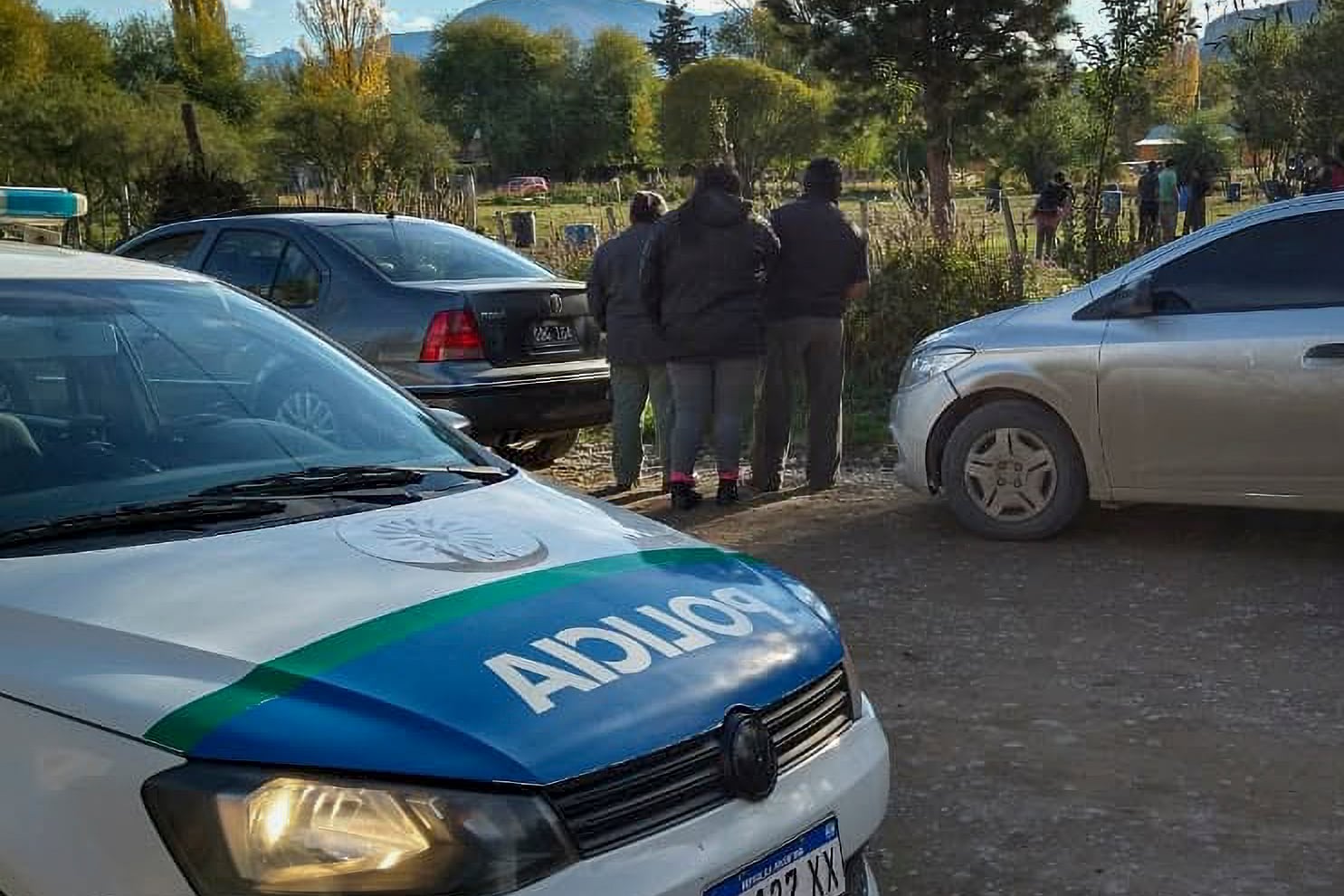
Set against the snow-capped mountains of the Andes, Esquel is one of the most beautiful towns in Argentine Patagonia. Since last Thursday, this quiet municipality has been in an uproar over the arrest of Miguel Edgardo Battista, a biochemist accused of holding his wife and three children captive for at least four years. The situation came to light following reports from neighbors, who found it strange that only he would occasionally leave the house, that the children did not attend school, and that the windows were covered with cloth or paper. They heard desperate screams and noticed that the house seemed to come alive only at night.
Imagine una enfermedad que, en solo un año, se llevara por delante la vida de 710.000 personas, el equivalente a la población de la ciudad española de Zaragoza. Eso ocurrió en 2023, pero no por un virus o una bacteria, sino por la exposición a las altas temperaturas, que se cobró en todo el mundo esa enorme cantidad de vidas. El 70% de esas muertes, además, se pueden atribuir directamente al cambio climático causado por el ser humano debido, principalmente, al uso de los combustibles fósiles. Este es uno de los datos que contiene el informe The Lancet Countdown, que este año cumple su décima edición como el análisis de referencia en establecer la relación entre el calentamiento global y los problemas de salud.
«COVID-19 mRNA vaccines direct host cells to manufacture prefusion-stabilized SARS-CoV-2 spike protein that retains its furin cleavage site andcarries two proline substitutions (K986P/V987P) in S2 that are not present in wild-type SARS-CoV-2 spike protein. This review examines two distinct forms of mRNA vaccine shedding: (i) molecular transcriptional shedding, involving the production, proteolytic fragmentation, persistence, and dissemination of vaccine-derived molecular products within vaccinated individuals through cellular division, extracellular release, and vesicular transport; and (ii) human-to-human shedding, involving the potential transfer of these products from vaccinated individuals to other individuals through biological secretions».
A new, exclusive study—authored by an expert in molecular biotechnology, John A. Catanzaro, CEO, co-founder, chairman, and Product Development Officer of Neo7Bioscience, the epidemiologist Nicholas Hulscher, and cardiologist Peter McCullough—confirms distinct types of concerning research regarding the dangers of Covid vaccines.
The study is published as a “preprint”—meaning it has yet to undergo peer review—but it effectively brings together startling findings already published in other, validated scientific research.
The Abstract of the Study published on Zenodo – link in the sources
In summary, here are the significant findings that confirm the extreme danger posed by mRNA genetic vaccines—a danger inherent in their very design:
The “double proline” insertion within the genetic code of the Covid vaccines, designed to make the Spike protein more resistant to the human immune system’s natural attempts to destroy it (as the immune system identifies it as a “foreign body” to be eliminated). This has resulted in the paradoxical and deleterious outcome of the toxic protein persisting in the blood of vaccinated individuals for over three years—a finding that confirms a major discovery first reported globally by the Italian bioimmunologist Mauro Mantovani.
The “diabolical Frankenstein molecule” N1-methylpseudouridine damage which can cause turbo-cancer
“Proteolytic fragmentation” occurring within the human body—highlighted in four studies by the Italian biochemist Gabriele Segalla—which can cause irreparable damage to human DNA, partly through the metabolic production of highly toxic substances that Pfizer failed to disclose in its official safety documentation.
The potential for this “artificially armored” Spike protein—engineered by the pharmaceutical industry—to be transmitted from vaccinated individuals to those who are unvaccinated.
The article was not published in in a little-known scientific journal, but in Zenodo, an open scientific repository for EU-funded research outputs from Horizon Europe, Euratom, and earlier Framework Programmes.
Horizon Europe is the European Commission’s primary research funding program, which includes the Graphene Flagship—an initiative that has funded studies on the potentially hazardous biomedical use of graphene oxide in pharmaceuticals, as well as in COVID-19 vaccines (the study by Delogu et al.).
The Persistence in Vaccinated Blood of the harmful Spike protein
Before analyzing the enormous significance of this research in detail, it should be noted that the groundbreaking studies by Italian scientists Mantovani and Segalla gained visibility in Italy only thanks to *Gospa News* and a few other alternative media outlets. In reality, these studies have been censored by the mainstream medical establishment—an establishment terrified of having to admit its complicity in a mass experiment involving mRNA vaccines, which has led to the extermination of human beings across the Western world. In these regions, such vaccines were even mandated by law, in line with a criminal project to globalize multiple vaccinations—a scheme launched by Bill Gates in 1999, right here in Italy.
«Evidence supporting internal molecular dissemination includes circulating spike protein, proteolytically released fragments, vaccine-derived mRNA, and spike-bearing extracellular vesicles capable of transporting molecular cargo beyond its original cellular source. Human studies document circulating S1 within 24 hours, spike-bearing exosomes by day 14, vaccine mRNA in plasma for up to 28 days,vaccine-derived spike peptides at 69–187 days, spike protein in monocytes at 852 days, circulating spike at 1,173 days, exosomal vaccine mRNA at 1,284 days, and spike protein alongside plasmid-associated DNA sequences in skin at 1,364 days».
This prolonged persistence of the Spike protein has been linked to a host of adverse reactions, including various forms of “turbo-cancer”—even affecting the heart, an organ historically and inherently free from cancerous pathologies.
The “diabolical Frankenstein molecule” N1-methylpseudouridine damage
However, the next phase of the research—authored by Catanzaro, Hulscher, and McCullough—focuses on the potential genetic damage inflicted upon the immune system by what we have termed a “diabolical Frankenstein molecule,” so named because it was chemically manipulated in a laboratory twice before being artificially incorporated into mRNA vaccines.
«N1-methylpseudouridine-associated +1 ribosomal frameshifting generates unintended translation products, expanding the repertoire of molecules potentially available for extracellular release. The proposed internal dissemination model incorporates two additional pathways: mitotic inheritance, whereby daughter cells may inherit an altered proteome following cellular division, and exosome-mediated communication, whereby molecular cargo may affect cells that never directly received vaccine mRNA. Experimental studies demonstrate spike-mediated interference with five interconnected molecular systems—coagulation, receptor–renin–angiotensin signaling, innate immune sensing, tumor-suppressor transcription, and vesicular interferon signaling. Together, these findings identify multiple pathways through which persistent vaccine-derived molecular products could disrupt cellular regulation, propagate abnormal signaling between cells, and potentially sustain downstream biological disturbances».
The devastating impact of the “diabolical molecule” N1-methylpseudouridine—for which its inventor Emmanuelle Marie Charpentier was awarded a Nobel Prize in Chemistry and inducted into the Pontifical Academy of Sciences rather than being sent to prison—has been clearly highlighted by the highly detailed and pioneering research of Canadian bioimmunologist Jessica Rose.
Human-to-human shedding of mRna vaccines Toxic Materials
And finally, here is the conclusion that transforms the transhumanist experiment involving mRNA genetic serums into a nightmarish tale—one so difficult to believe, were it not for its scientific detail…
«Regarding human-to-human shedding, vaccine-derived mRNA has been detected in trace, fragmented form within breast-milk extracellular vesicles, establishing its presence in a biological secretion transferred between individuals. Extracellular vesicles are also present in saliva, exhaled breath, sweat, semen, and other bodily secretions. Their capacity to protect molecular cargo, survive biological barriers, enter recipient cells, and deliver functional mRNA provides a biologically plausible pathway for wider interpersonal transfer. An observational study further reported associations between proximity to vaccinated individuals and menstrual irregularities among unvaccinated women. However, no published study has directly demonstrated transfer of vaccine-derived spike protein, mRNA, or plasmid-associated DNA between individuals through respiratory emissions, saliva, sweat, or other non-milk secretions, leaving a critical evidence gap concerning the extent and biological consequences of human-to-human shedding».
The study summary concludes by calling for further research—much of which has, in fact, already been conducted by Mantovani, Segalla, and others.
Unfortunately—and this is the only major flaw in the study—these Italian works, conducted by independent researchers, were not included in the researchers’ bibliography, as the Italian scientific community actively sought to obscure such contributions.
Their objective is to prevent the President of the Italian Republic, Sergio Mattarella—who signed the decrees mandating vaccination for various groups and for those over the age of 50, in clear violation of Article 32 of the Constitution—from facing impeachment, and to ensure that the officials of the Draghi administration, who implemented these measures, do not end up in prison indefinitely.
«Collectively, these findings support intracellular and intercellular dissemination of vaccine-derived molecular products, with evidence of persistence extending over multiple years. The convergence of proteolytic fragmentation, vesicular transport, and potential mitotic inheritance suggests mechanisms through which molecular products and their downstream signaling effects could extend beyond the original cells of production. Direct experimental studies are needed to establish the functional consequences of long-term persistence, determine whether these pathways sustain molecular disturbances across cellular generations, and establish whether biologically significant human-to-human transfer occurs through additional bodily secretions and, if so, its extent».
Below, you can read the analysis and reflections of one of the study’s authors, the renowned American epidemiologist Nicolas Hulscher.
Fabio Giuseppe Carlo Carisio – Gospa News founder and director
Hulscher: “New Paper Reveals How mRNA Vaccine Materials Could Spread From Vaccinated to Unvaccinated People”
by Nicolas Hulscher, MPH
All links to previous Gospa News inveatigations have been added in the aftermath
For years, people around the world have raised serious concerns about mRNA vaccine shedding—the possibility that vaccine-derived materials could spread beyond the individuals who received the injections. Despite years of public concern and debate, critical questions surrounding this possibility have remained unanswered.
We decided to examine the scientific evidence comprehensively, tracing what happens to vaccine-derived materials inside the body, how they spread between cells, and whether biological mechanisms exist that could allow these materials to pass from one person to another.
Drawing on published human investigations, molecular experiments, and research involving extracellular vesicles, we examined the existing evidence and identified two distinct forms of mRNA vaccine shedding:
1. Human-to-human shedding: The potential transfer of vaccine-derived materials from vaccinated individuals to other people through biological secretions.
1. Human-to-Human Shedding: Potential Transfer Between Individuals
Studies have detected vaccine-derived spike protein and mRNA on or within circulating exosomes multiple years after vaccination. Exosomes are microscopic, membrane-bound particles that protect and transport proteins, genetic material, and other biological cargo between cells.
Importantly, these same types of particles are naturally present in bodily secretions that may come into contact with other individuals:
Breast milk: Vaccine-derived mRNA has already been detected within exosomes in human breast milk. This documents the presence of vaccine genetic material in a secretion naturally transferred from vaccinated mothers to their infants.
Saliva: Exosomes are confirmed in human saliva, yet their potential carriage of vaccine-derived spike protein, mRNA, or plasmid-associated DNA remains untested.
Exhaled breath: Exosomes and other extracellular vesicles have been recovered from exhaled breath and breath condensate. Whether these particles carry vaccine-derived materials following mRNA vaccination has not been directly investigated.
Sweat: Extracellular vesicles have also been detected in human sweat, but their potential carriage of vaccine-derived molecular products remains untested.
Exosomes are not simply passive containers. Experimental research demonstrates that they can protect genetic material, enter recipient cells, and deliver molecular cargo capable of altering cellular activity.
These findings provide a plausible biological foundation for human-to-human transfer pathways beyond breast milk.
Adding to these concerns, an observational study involving thousands of respondents found associations between proximity to vaccinated individuals and menstrual irregularities among unvaccinated women.
Despite these observations, whether vaccine-derived spike protein, mRNA, or plasmid-associated DNA can transfer between individuals through saliva, exhaled breath, sweat, or other non-milk bodily secretions has never been directly tested.
2. Transcriptional Shedding: Internal Spread Throughout the Body
The second form of shedding examined in our paper involves the production, fragmentation, persistence, and dissemination of vaccine-derived molecular materials within the vaccinated individual.
Following mRNA vaccination, human cells manufacture SARS-CoV-2 spike protein. This protein can be broken into fragments through enzymatic processes, released into circulation, and transported through the body inside or on the surface of exosomes.
We examine two additional mechanisms that could extend this process.
Cell division (mitosis): When cells containing vaccine-derived proteins divide, their daughter cells may inherit portions of the altered cellular contents. This proposed mechanism could extend the presence and biological effects of vaccine-derived materials across successive generations of cells.
Cell-to-cell spread: Exosomes can transport spike-related materials and regulatory genetic cargo to distant cells that never directly received vaccine mRNA. Experimental studies involving spike-expressing cells demonstrate that exosomal cargo can alter signaling pathways in recipient cells.
Together, these mechanisms suggest a potentially self-reinforcing cycle of molecular dissemination and cellular signaling disruption:
Spike production → Protein fragmentation → Exosome release → Cellular signaling disruption → Further dissemination
As vaccine-derived materials spread between cells, they interfere with five interconnected biological systems: blood coagulation, innate immune sensing, tumor-suppressor signaling, cellular receptor regulation, and interferon signaling.
The possibility of sustained cellular disruption and human-to-human exposure of mRNA vaccine material demands immediate testing. In the meantime, a HALT to mRNA technology is warranted to protect innocent bystanders from potential shedding.
Unidade Móvel Médico-Social percorre o concelho com equipas de enfermagem, aproximando a vacinação das populações e facilitando o acesso dos utentes mais idosos e vulneráveis.
O Município de Mértola, através da Unidade Móvel Médico-Social (UMMS), em articulação com a Unidade de Cuidados na Comunidade do Vale do Guadiana, promove, entre 28 de outubro e 30 de novembro, uma Campanha de Vacinação contra a Gripe e a Covid-19 que irá abranger todas as freguesias do concelho.
A iniciativa assume um caráter pioneiro e diferenciador na região, ao apostar num modelo descentralizado de vacinação. Enquanto, regra geral, a vacinação é realizada nos Centros de Saúde e nas farmácias aderentes, em Mértola são os profissionais de saúde que vão ao encontro das populações, através da UMMS, levando equipas de enfermagem às diferentes freguesias do concelho.
Esta resposta de proximidade procura ultrapassar algumas das dificuldades que caracterizam um território de grande dimensão e dispersão geográfica, onde reside uma população significativamente envelhecida e onde as deslocações para acesso a cuidados de saúde podem representar um obstáculo, sobretudo para os cidadãos mais vulneráveis.
Ao levar a vacinação diretamente às comunidades, o Município de Mértola e a Unidade de Cuidados na Comunidade do Vale do Guadiana procuram facilitar o acesso a este importante instrumento de prevenção, promovendo simultaneamente uma resposta mais próxima, acessível, inclusiva e humanizada.
A vacinação constitui uma das principais formas de prevenção da Gripe e da Covid-19, contribuindo para reduzir o risco de doença grave e de complicações associadas, particularmente entre a população mais envelhecida e vulnerável.
Mais do que uma campanha de vacinação, esta iniciativa materializa uma visão de saúde de proximidade, em que são os serviços que procuram chegar às pessoas e adaptar a resposta às características concretas do território.
Com esta aposta pioneira através da Unidade Móvel Médico-Social, o Município de Mértola reforça o seu compromisso com a prevenção, a proximidade e o cuidado, procurando garantir que a distância não seja uma barreira no acesso à saúde.
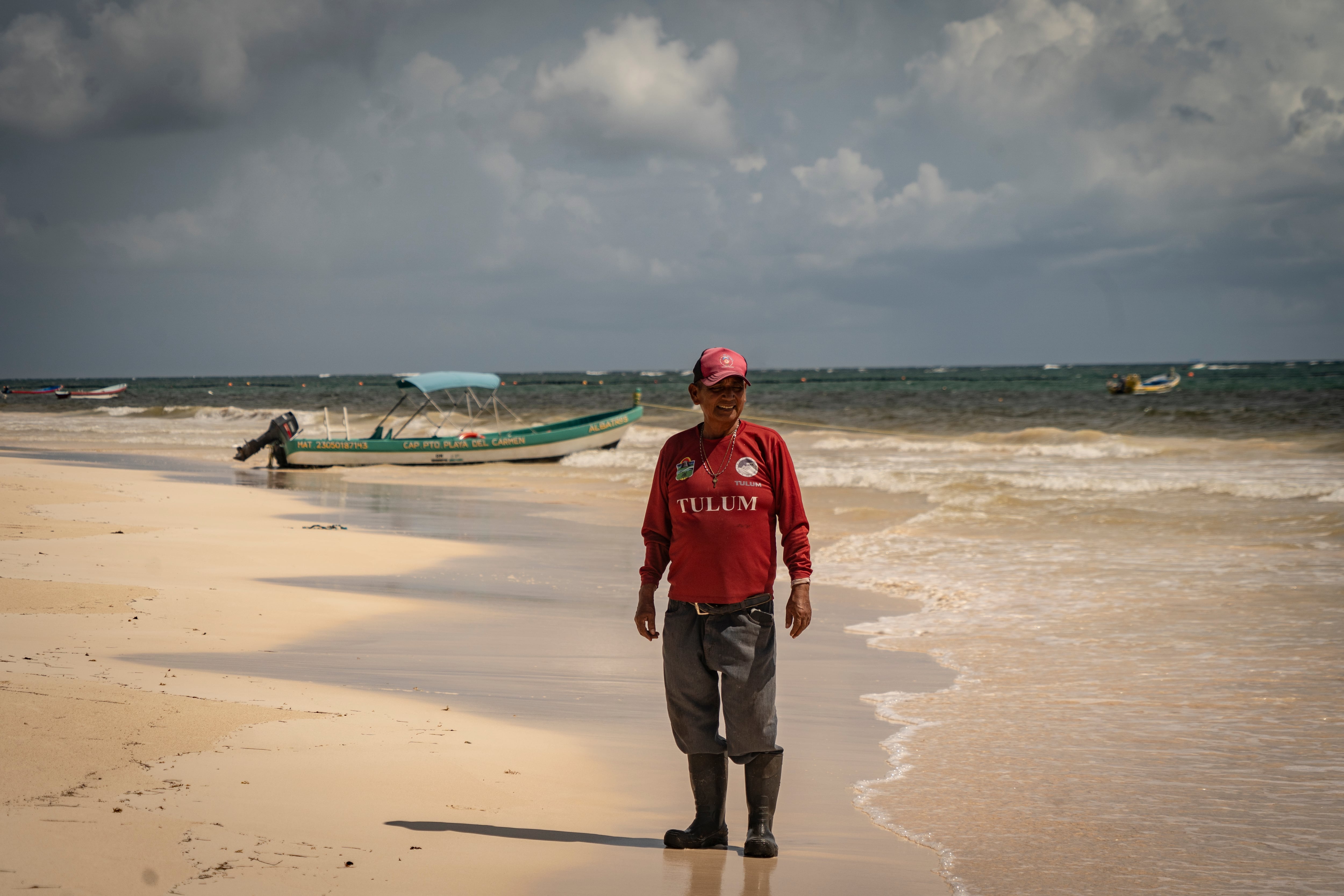
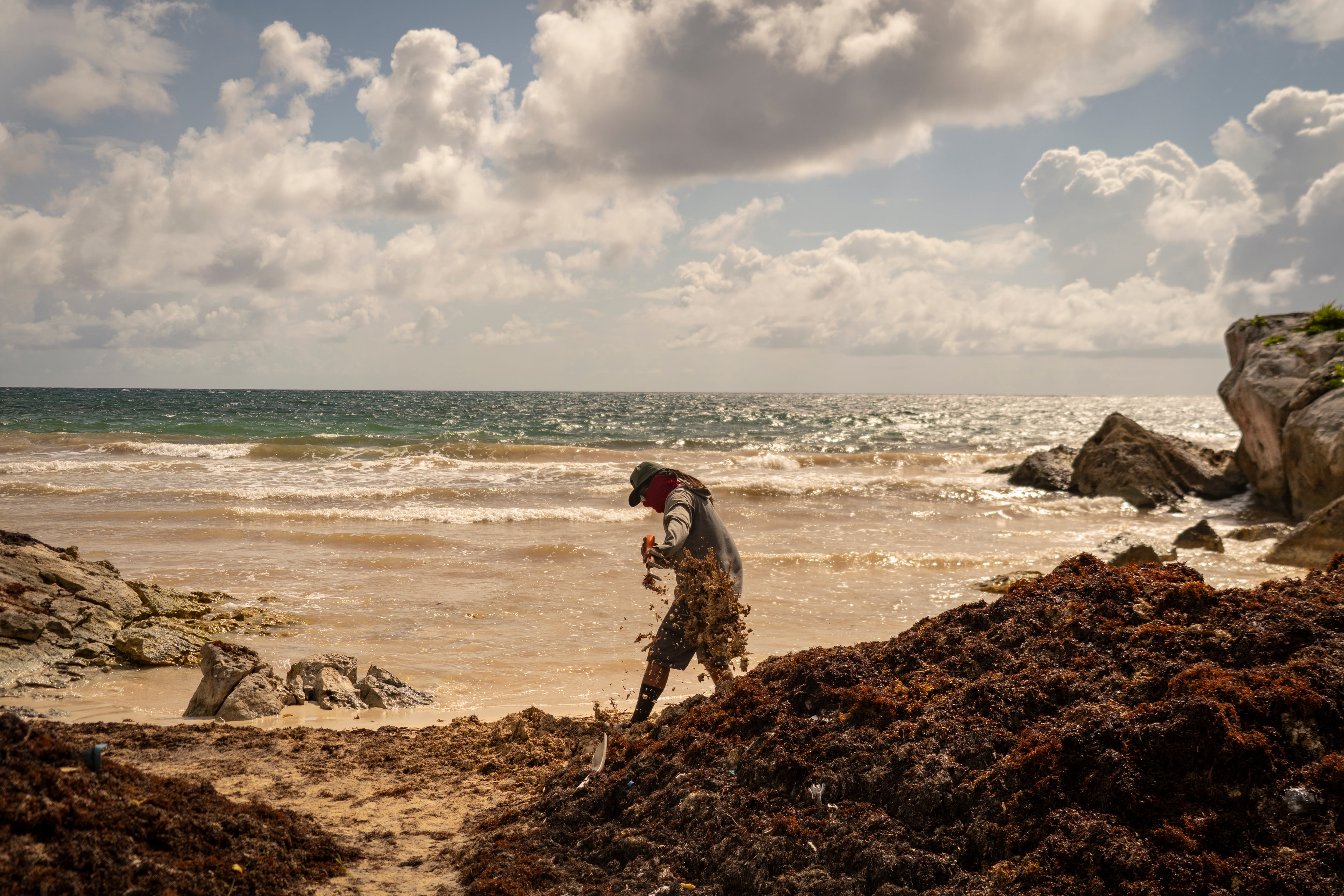
On Tulum airport’s runway there is only one plane: a Viva Aerobus Airbus A320. For several hours that is the only aircraft that will remain at the air terminal inaugurated in 2023. The aerodrome is nearly empty after Aeroméxico, Volaris, and American Airlines announced the cancellation of most of their routes to this destination on the Mexican Caribbean. The loneliness in the terminal is unsettling and, in the distance, all that can be heard is the echo of children playing. The crisis caused by the collapse in tourism, in what was once the jewel of the Riviera Maya, has deepened over the past year and has begun to touch various sectors that had set their sights on the booming future of this municipality in the state of Quintana Roo.
Vinay Prasad has been on both sides of the public health establishment. A physician, author, and professor at the University of California, San Francisco, he went from prominent COVID-era critic to Food and Drug Administration (FDA) insider when he was tapped to lead the agency's Center for Biologics Evaluation and Research in May 2025. His tenure there included an abrupt resignation in July 2025, a return a few weeks later, and his final departure in April 2026.
Prasad joined Reason's Zach Weissmueller in August to discuss what he learned from his time inside the FDA, what he was able—and unable—to change, and whether the agency can ever regain public trust. Their conversation ranges from Anthony Fauci and the origins of COVID-19 to vaccine policy, plus regulatory barriers, his growing sympathy for libertarian critiques of the FDA, and whether the agency is ready for an era of AI-driven medicine.
Reason: The FDA saw a clearing out of the old guard and a replacement with a new one—COVID dissidents such as yourself, former FDA Commissioner Marty Makary, and National Institutes of Health Director Jay Bhattacharya. What was that like? Did you have any misgivings about stepping away from academia and your role as an outside critic to join the public health bureaucracy?
Prasad: Maybe we changed 4 percent, 2 percent of the FDA. The FDA is an 18,000-person agency. There's tens of thousands of people still there. Before Marty, the commissioner, and I got there, DOGE [the Department of Government Efficiency] had just struck and they got rid of a couple thousand people. But the system is largely the same as it's always been.
There are critics of the COVID pandemic response and then there are critics. Although Marty, Jay, and I are critics of many aspects of the response, we don't go as far as some of the most extreme critics out there.
Am I glad I did it? Yes, I'm glad I did it. It was an adventure. It was a learning experience. I learned more in one year than I'd learned in the prior decade about how the world works. I'm glad to have improved some aspects of government, which I think will be enduring, and at least tried to improve other aspects of government, which may not be enduring.
Anthony Fauci personified the old guard. He's recently been in the news because he appeared before Congress and pleaded the Fifth after Sen. Rand Paul (R–Ky.) published his diary. What did those diary entries reveal to you about Fauci's character and about the way he operated?
Probably the greatest news story is that the mainstream media refuses to be honest about his legacy. Fauci was in his late 70s when the pandemic began. Had he retired at a ripe old age of 75, he'd be leaving behind a stellar legacy. But he continued. He pushed it. He stayed through the whole pandemic. He was the face of many things that his diaries get into, what he privately thought while he was publicly saying different things.
Fauci has not only been a proponent that the only answer to where the virus came from is a natural spillover event. He's gone further than that. He orchestrated a paper published in Nature Medicine called the "Proximal Origin" paper, written by a bunch of people who bolstered that point of view. He edited that paper before it was published. Then in public, he pretended like he didn't know those people; it was an independent group that validated what he was saying. Whereas in many respects, he puppeted that paper. The people who wrote that paper—Rand Paul has released their Slack channel messages showing they didn't really even believe what they were writing. Their messages reveal considerable ambiguity about lab leak vs. natural spillover event.
Photo: Paul Alexander
In terms of the origin, he also funded EcoHealth Alliance, which had a subcontract to Wuhan. He had a huge role in the origins and trying to frame the narrative, making lab leak—you couldn't even discuss it. Facebook put a ban on even talking about the topic. Then masking 2-year-olds. He played a huge role in that. Lockdowns, school closure. He said he didn't close any schools. In his own diary, he says, "I told [Mayor] Bill de Blasio, you need to close schools in New York City."
At some point, the man's got to take ownership over the decisions he did make and advocated for. When [Gov. Ron] DeSantis in Florida reopened schools in 2020, he went on every television show to say what a bad idea that was. Now, it's very clear—many of us said so at the time—school reopening was always the right decision. Maybe it could have been closed for a week or two, but certainly not beyond that. Fauci kept it closed much longer.
Vaccines make a lot of sense for elderly people who had not yet had COVID. But do they need to be given to a 4-year-old, a 7-year-old, a 12-year-old, a 22-year-old who'd already had COVID? This is where considerable ambiguity exists. But for Fauci, the answer was clear: You need all the shots. You need the initial series. You need a yearly booster. It doesn't matter how young you are or how many times you've had COVID. Fauci was wrong about almost every single pandemic policy he advanced.
Some of his defenders say to me, "At least he didn't tell people to drink bleach." And I said, "Is that the bar for a guy who's a doctor and a scientist?" Drinking bleach is not a good idea, but that's not the bar for a Fauci-level figure. He should be saying things that are correct. If they're not correct, he should be collecting evidence to weigh in. He did none of that.
Fauci's pardon stretches back to 2014, when he was authorizing funding in contravention of U.S. policy on gain-of-function research. Do you think he actually committed a crime?
Yes. The other thing about it is people will say, did that money go directly for this research? The money went for viral genomic research at a Chinese institute, very similar to the sorts of things we would be worried about. That was a crime for which he's been pardoned. It's not just my assessment. That's what Joe Biden's autopen thought, or whoever signed that pardon, that he committed a crime. That's why he has a pardon that goes that far back. It was a crime. Now that he's been pardoned for it, I don't know what you can do about it.
You rode in on this wave of anti-Faucism. What was your biggest hope for what a new version of public health might look like, or for the kinds of changes that could be made?
I had a very narrow mandate because I was just in charge of biologics at the FDA. The hope continues, which is that public health could aspire to be honest, to use its powers proportionately and judiciously, to exercise humility. Public health is far from these things. Public health could actually aspire to be bipartisan. Public health is not. It's becoming an increasingly entrenched left-wing discipline run by left-wing ideologues, reaching even more and more absurd conclusions. What public health can be and what it is are still light-years apart.
You don't think that has changed very much?
Not much at all. Changing an entrenched organization with tens of thousands of people is very difficult. There have been some changes. The pandemic has been a catalyst. But I don't think a real reform is possible. I suspect it'll splinter into different public health groups.
Your role was at the part of the FDA that oversees biologics, such as vaccines and gene therapies. Vaccines became an increasingly polarized and politicized issue during COVID. What was your goal specifically pertaining to vaccines when you took over after the pandemic?
The right drug given to the right person at the right time is lifesaving, but the wrong drug given to the wrong person at the wrong time can be harmful. Vaccines are the same way. You can't say anything about all vaccines, just like you can't say anything about Tylenol, aspirin, and Plavix all in the same breath. They're all very different drugs.
Is this the same phenomenon we observed during COVID, where you're either for the vaccine or you're against it, for a medicine or against it, without breaking things down by age, health, or other individual factors? Everything has to be flattened or compressed.
Same phenomenon. One-size-fits-all public health—where the shoe doesn't fit the guy with the big foot or the person with the small foot—is a completely wrong view of public health. COVID is a great example. An 80-year-old who's never had COVID, and we're talking about February of 2021, should they get a vaccine? Absolutely. A 7-year-old who's had COVID and we're talking about 2022? No, a healthy 7-year-old makes no sense. Public health is, in this country, so broken. It cannot appreciate these distinctions.
Something you've been writing about for a long time is poor experimental design in drug trials. Was that something you wanted to change when you came into the FDA? Do you feel like you made any progress toward that goal?
In one year, we did more than what our predecessors have done in a decade. You can look at just the sheer number of announcements and policy changes we made. We're talking a lot about one side of the coin, which is where the companies are not doing the right study to inform the American public. We're not talking about the other side of the coin, where the FDA is asking them to do things that don't make any sense at all, that burden them, that cost money, and that are wasteful. We did a lot of work in that space too. The FDA makes both errors. They also do a lot of things right, but they make both errors and they can get better.
You mentioned there were two sides of this FDA reform. One was raising standards for things like vaccines. The other was acknowledging how expensive and cumbersome it can be to get something approved in the United States. What were the biggest barriers you saw at the FDA on that side of the equation?
So many. During my time at the FDA, I was often sympathetic to the people who work at companies who told me about the hurdles they were forced to jump through. The FDA does two things: We regulate what's approved and can be marketed and sold on the U.S. market, but also what you can study.
Imagine you're a researcher and you want to study something. We're not talking about approving. You want to gather people together who may be interested in trying something new, have an informed consent, get them to volunteer, but they know that we don't know for sure it's going to work. We do so many things in that space, regulating what you can study and how you can study it, that I think are sensible. You don't want to let people sign up for something that's going to blind them or maim them. But some things that aren't sensible, that are overly burdensome, that are quality controls that don't make sense for small companies and super-rare diseases that don't have a huge budget to study these things. The regulation in this early side of research is tremendous in the United States. A lot of it is well-intentioned, but not all of it is fit for purpose.
You said that your time within the FDA made you somewhat more sympathetic to the libertarian critiques of the FDA.
I'm really sympathetic in one way: We tax people a lot of money to pay for healthcare in America—trillions of dollars. We're taking trillions of dollars from people's paychecks, from taxation, and we're taking it for this thing that we think is a benefit to people, which is we're going to offer a service that's maybe a human right, a societal good. Surely, the service we offer, we do have some of that stuff in there. If you have a heart attack, you go to the doctor here with or without insurance, they're going to open up that blockage. That's a great thing. But along with that package deal, we're going to insert a few things that may or may not work, that cost a lot of money. All that's doing is taking lots of money from taxpayers and redistributing it to the shareholders of those companies.
It's a huge financial system with the rare adverse event of helping someone's health. The libertarian comes along and says, "I'd rather not pay the tax—have more skin in the game, decide what's right for me. I'm the best person to decide how to use my own money." I do feel a sympathy to that point of view, because this system has so many places where it can be taken advantage of, where people get something that doesn't help that much, that only may kill without any possibility of benefit. And we take a lot of other people's money to pay for that.
Dario Amodei, the CEO of Anthropic, recently called out the FDA, and I'm wondering what you think of this. He wrote, "Regulatory systems were designed for a slower pace of innovation and we are not prepared for the deluge of new products and advances that AI will bring. AI may also make these downstream technologies safer and more predictable in a way that violates the skeptical assumptions of regulatory agencies like the FDA."
If Amodei is right about the effect AI is going to have on the field, do you think the FDA will be able to adapt?
I see kernels of truth in what he's saying, but maybe I don't go all the way he goes. Where I see the big core truth is the FDA tries to regulate AI itself, medical AI. You wear a watch that's supposed to give you information and the FDA wants to do a lot of that regulation. That's a very tough thing to regulate, because this technology is changing so much faster than our ability to judge it. I do agree with Marty and others who think that that's probably not the best role for regulating all the potential aspects of digital health and health AI. For instance, you can imagine the absurdity where I'm a doctor, I'm seeing a patient later this afternoon, should government regulate the apps I can use to learn about the disease or ask questions? Should it regulate open evidence? I don't think it should.
I spoke to a company called Doctronic that is acting as an AI prescriber in Utah, where AI is being allowed to refill prescriptions. That's another example of where these questions are going to have to be answered: Where does the government step in, and where does it step back?
Government is much more likely to get in the way of these kinds of innovations. It's changing so quickly. It's going to be very difficult for government to regulate that. You talk about drug discovery and drug science and those kinds of aspects of AI. If I was a pharmaceutical firm, I would definitely invest in AI. There's so many things around running clinical trials that we can do better with AI, help us run them cheaper and faster and more efficiently.
But when it comes to molecule discovery and basic science, I'm not as optimistic as Dario for a couple of reasons. One, a lot of the information that is fed into models about cancer biology is basically as close to fraudulent research as you can imagine. We're talking about like the Stanford president whose Western blots look Photoshopped kind of research. You got research that's not reproducible. It's not just my opinion. Many companies have taken samples of the literature and they tried to replicate it in their own labs and they have massive strikeout rates. If you train AI on garbage, what can it learn? It's only trained on inaccurate information. That's a challenge it faces.
The second challenge is AI will be happy to give you hypotheses to study, but you'll still need to run it with a few people to validate those hypotheses. I suspect the limiting reactant is not coming up with ideas; we have more ideas than we can study with people. The limiting reactant is getting the people to consent and manufacturing the products and those kinds of things.
I hope he's right. If he is right, it sounds like a great future. But I'm a little bit skeptical that he's totally right, because I think the biology of it is a lot harder.
Do you think enough has happened for people to start regaining trust in public health?
No way. I wouldn't trust it at all.
What still needs to happen for public health to legitimately earn back the trust of the public?
I don't know if it's even possible. It's so fragmented now. People tell you with a straight face, people I know, "Anthony Fauci, he made no mistakes. Literally, did the best job he could with the information he had." Then I said, let's just focus on one tiny thing. He did say you should take your 24-month-old kid and put a cloth mask on that kid all day in daycare. He said that. You don't think he had any clues at the time that that was a dumb idea? It's so obviously dumb, right? That's their position on every issue.
Public health is so myopic. It doesn't understand that you have to look at the whole issue. Isn't that a perfect analogy for COVID? Don't go outside. Just stay in your house all day. As if human beings don't need contact with other people and see face to face as if that doesn't matter at all.
Public health has not learned its lesson. The problem with public health is that they're completely politically captured now. Public health and the far left wing of the Democratic Party are synonyms. There's no political balance there. A little balance would go a long way. A little bit of open-mindedness would go a long way in public health. A little bit of humility to just admit a few things we got wrong in the pandemic.
The federal public health apparatus is still staffed with Robert F. Kennedy Jr. at the top and Jay Bhattacharya is still head of the National Institutes of Health. Is that not having some sort of trickle-down effect or creating a countercurrent within the system?
I don't know.
Don't get me wrong, I love Jay and I think Jay's heart's in the right place. He's already made some really important changes. I agree a lot with the kernel of Bobby's ideas. I agree with the kernel. I always say the kernel because I can think of a way that makes sense and I can sometimes think of ways it doesn't make sense.
But before I went to government, people told me that there is a fourth branch of government and it's the career state employees. I never believed that to be true, but now I'm certain that it's true. You have a lot of people who are in government. They tend to be in just three or four counties in one area, the blue pocket of America. They have strong views, and they really do a lot of the governance of this country. They make the decisions that regulate all of us in a way that's unaccountable to Congress and unaccountable to the president. I suspect they'll continue to stay. The COVID pandemic revealed to so many people that we made mistakes and that distrust in medicine and public health will just continue to grow and that there will continue to be more of these reckonings in the years to come.
How did working at the FDA affect your own confidence as a consumer in the regulatory system?
It gives me a little bit of pause sometimes. I like to trust but verify. I am cautious always with new therapies and particularly cautious that some safety information is being missed. It also makes me a bit more libertarian. I can imagine a system where we give people in America greater flexibility in what kind of products they can try. Maybe there's some third-party agencies, Consumer Reports–style agencies, that give different levels of quality and seals of approval of different products, and people can choose what they want and also have a little bit more skin in the game and use their own money. The moment you start to use your own money, suddenly tiny changes in surrogate biomarkers and elevated liver enzymes take on greater importance in a way that might not exist if you're using commercial insurance to pay for it.
Is it that you saw something inherent to the process that creates problems, holes, or gaps?
The fundamental idea that there's this one-size-fits-all balance where safety and efficacy is acceptable. What might be acceptable to you and acceptable to me might be different. I might want a little bit more efficacy information, a little bit more safety validation, and you might be willing to try more. The idea that a single monolithic government agency in the suburbs of D.C. can set that bar for every single person in America, that to me is a tougher pill to swallow now.
This interview has been condensed and edited for style and clarity.
On a Sunday morning in October 2019, the chief of the virus ecology unit at the National Institutes of Health’s Rocky Mountain Laboratories emailed a postdoctoral scientist in his lab with an idea.
Vincent Munster and his postdoc, Michael Letko, had spent that year building a system to rapidly test whether dozens of SARS-related bat coronaviruses could infect human cells.
That week, Munster read a new preprint from prominent virologists Vineet Menachery and Ralph Baric’s lab groups showing that the protease trypsin could unlock entry for certain coronaviruses that otherwise would not infect human cells.
Letko had forwarded him the paper two days earlier with the note, “Seems like more groups will be converging on this idea soon.”
“You should be able to make S with a more broader cleavage signature (like furin-like) to enhance infectivity,” Munster wrote back on Oct. 6, 2019. “You can include a motif like this R-X-[K/R]-R↓ Might be cool to get some synthesized.”
In virology parlance, “S” is the coronavirus spike protein, which allows the virus to latch onto the cells it infects, and R-X-[K/R]-R is a furin cleavage site motif, which can make viruses better able to infect cells and spread.
Munster was suggesting that his postdoc engineer a furin site into a coronavirus spike protein to make it more infectious.
Eleven weeks later, a coronavirus carrying a similar furin cleavage site emerged in Wuhan, China, spawning the COVID-19 pandemic. It remains the only known sarbecovirus, the SARS-related group of coronaviruses that Munster and Letko were then screening, to have one.
The email exchange has never been made public before. It appears in a 270-page batch of records recently released by the National Institutes of Health (NIH) to U.S. Right to Know in response to a request made under the Freedom of Information Act.
The request sought specific correspondence from Munster’s lab in Hamilton, Montana, from March 2019 through Jan. 22, 2020, the date when his group published one of the first papers showing that the new coronavirus used a human cell receptor called ACE2 as a doorway into cells.
Two new threads run through the records: Weeks before the pandemic began, a senior NIH virologist proposed in writing to build into a SARS-like spike protein the feature that would become the central argument for COVID-19’s laboratory origin: a furin cleavage site.
And, through the same year, his lab was asking virus hunters for unpublished bat coronavirus spike sequences, and getting them, including from researchers in the U.S.-funded consortium called PREDICT, whose New York-based lead partner, EcoHealth Alliance, had a long-standing collaboration with the Wuhan Institute of Virology (WIV) to collect and study SARS-related viruses.
Each goes to a different key point in the origins debate. The furin cleavage site is the single genetic feature most cited in the arguments that SARS-CoV-2 did not arise entirely in nature.
Unpublished sequences are the other: because the pandemic virus matches nothing in the published scientific literature, most laboratory-origin scenarios depend on some lab having held a virus the rest of the world had never seen.
Nothing in the records shows that Letko followed through on Munster’s suggestion to insert a furin cleavage site in a SARS spike protein, however. In fact, the furin cleavage site found in SARS-CoV-2 differs from the motif, or short sequence of amino acids, that Munster suggested.
Nor do the documents indicate that Rocky Mountain Labs possessed SARS-CoV-2 or a close relative, or that either Munster or Letko directly communicated with researchers in Wuhan while working on their project.
Their research also used synthetic gene fragments, not live viruses, employing particles that cannot replicate or spread. Such work generally poses lower biosafety risks.
The two then-unpublished bat virus spike sequences obtained from PREDICT, one from Malaysia and one from Uganda and Rwanda, are also too distantly related to SARS-CoV-2 to have given rise to it.
Letko, who is now an associate professor at Washington State University, declined to comment for this story, saying in an email “(y)ou will write what you write, regardless of the truth or what I have to say.”
Munster did not respond to requests for comment. He was indicted earlier this year for bringing mpox specimens into the U.S. without proper documentation and giving false statements to law enforcement officials as part of unrelated NIH research. He has pleaded not guilty.
The NIH press office also declined to answer questions about why the agency had not previously told the public that its scientists had solicited and obtained unpublished SARS-like coronavirus spike sequences, or proposed inserting a furin cleavage site into a SARS-like spike, before the pandemic.
Converging on the idea
Munster’s suggestion to add a furin cleavage site is the second known instance of scientists proposing to insert this distinguishing feature into a SARS or SARS-like spike within roughly two years before COVID-19 emerged.
In 2018, EcoHealth Alliance, Baric’s lab and researchers at the WIV had proposed the same kind of modification to the Defense Advanced Research Projects Agency (DARPA), in work that would have used live, replicating viruses. Their application, known as the DEFUSE proposal, was denied.
The concept is notable because the furin cleavage site that helped the virus cause the pandemic has become central to the debate over the pandemic’s origins.
Some proponents of a laboratory origin view DEFUSE as a blueprint for creating SARS-CoV-2, while prominent supporters of a natural origin have argued that deliberately engineering such a feature would have been unlikely and unnecessarily cumbersome. Munster’s email gives the lab-origin supporters another example of such a furin site proposal.
The revelation about Munster’s lab seeking unpublished sequences speaks to a different issue in the COVID-19 origins debate.
Because SARS-CoV-2 descends from no virus previously described in the scientific literature, any scenario in which it was engineered requires assuming that some laboratory held SARS-related sequences that had never been made public.
In a 2021 review of SARS-CoV-2 in Cell by 21scientists called that implausible. “There is no rational experimental reason why a new genetic system would be developed using an unknown and unpublished virus,” they wrote.
But the records show a U.S. government laboratory doing just that two years earlier.
Letko’s platform was a new genetic system, and he sought unpublished sequences precisely because they were unpublished. Sharing them, he wrote in April 2019, “will surely increase the impact of our story by providing a proof of principle with unpublished sequences.”
Researchers in the U.S.-funded virus hunting program supplied two within eight weeks. One of the researchers, Simon Anthony, was also an author of the Cell review.
Alina Chan, a molecular biologist who has advocated for a thorough investigation of laboratory origin scenarios, recently reviewed the Munster-Letko email records at the request of U.S. Right To Know.
“What this shows is that different groups of virologists were converging on the idea of inserting cleavage sites in the spikes of potentially dangerous coronaviruses,” she said.
“Assuming a lab origin of COVID-19, if a lab in Wuhan hadn’t caused the pandemic, it’s plausible that a lab in the U.S. would’ve eventually followed the same path.”
Soliciting sequences
Munster’s emailed proposal didn’t come out of the blue. He and Letko were in the middle of a yearlong research project that the newly released records document from its start.
Seven months earlier, in March 2019, Munster and Letko set out to answer a question: of the hundreds of SARS-related coronaviruses in research databases worldwide, which ones could infect people?
Letko built a workaround that he and Munster described as a “rapid and scalable platform,” according to the records.
Rather than build each virus individually, they took only the receptor-binding domain — the fragment of the spike that grips onto the host cell’s receptor — and spliced it into a SARS-CoV spike backbone.
They then loaded these chimeric spikes onto harmless reporter particles and used them to infect cells expressing hACE2, the receptor SARS-CoV uses to enter the human airway.
A glow from the bioluminescent enzyme luciferase indicated successful cell entry. With Letko’s method, what typically had taken months to test now took about three weeks.
The limiting ingredient to test their method was the spike sequences. Letko had exhausted the SARS-like sequences already published. So, he and Munster started looking for others that hadn’t been, the records show.
On March 8, 2019, Munster emailed EcoHealth Alliance President Peter Daszak, Vice President Kevin Olival and Columbia University virologist Simon Anthony, attaching a confidential abstract with a chart and figures illustrating their project.
“While we have now tested all of the variation(sic) currently published for lineage B beta-coronaviruses for their ability to enter primate cells, we are seeking additional, unpublished lineage B beta coronavirus sequences to test in our platform,” Munster wrote.
He asked them not to circulate the attachment, because the work was “still unpublished and quite competitive.”
Of the three recipients, only Anthony, then one of the core leaders on PREDICT, appears in the released correspondence. He replied later that evening: “Hey! Looks super cool.”
Two months of negotiation followed, the emails show. On April 5, Letko thanked Anthony “for agreeing to share betacoronavirus lineage B spike sequences with us,” adding that unpublished material “will surely increase the impact of our story.”
On May 2, Anthony reported back from a PREDICT meeting in Vancouver, British Columbia. His team had detected “around 5 or 6 novel 2b viruses,” he wrote, but had “only managed to get spikes for 2 of them so far.”
Because neither had been published, Letko’s paper “would be the first report of these viruses in the literature,” so long as he credited PREDICT and its partners as co-authors, Anthony said.
Letko agreed. Two days later, Anthony sent the sequences. He identified them as PREDICT_CoV-51, isolate PDF-0663, from Malaysia (which Anthony described as “SUPER divergent. Could be really interesting,”) and PREDICT_CoV-43, from Uganda and Rwanda.
“Absolutely stellar!” Munster replied. “Will keep you posted on the results!”
Anthony was generally correct. A small fragment of the Malaysian virus had been deposited in GenBank, the NIH’s public sequence database, in 2016, and referenced the following year in a survey paper Anthony co-authored with Daszak and others. But neither its full spike sequence nor its complete genome was public.
Nothing at all was public about the African virus. In neither case could anyone outside PREDICT obtain the spike sequence, the part that determines whether a virus can enter human cells and the only part Letko’s platform could use.
A step further
Five months later, after reading the new preprint about trypsin, Munster proposed taking Letko’s project a step further.
For a coronavirus to infect a host cell, binding the receptor is only the first step. The spike must then be cut open by one of the host’s own enzymes before the virus can fuse with the cell and get inside. These enzymes that cut protein apart are called proteases, and each one targets different spots.
The protease a spike is built for largely determines what tissues it can infect. SARS-CoV depends on proteases that are not available everywhere in the body. Furin, however, is expressed in the cells of most tissues.
The Menachery-Baric preprint that sparked Munster’s idea had shown that adding trypsin from the outside could unlock entry into human cells for coronaviruses that otherwise couldn’t infect them.
Trypsin is a far less selective protease, cutting a protein after common amino acids rather than requiring a particular short sequence, or motif. What Munster proposed to Letko — engineering a furin site into the spike itself — would let the virus cut itself open.
Instead of waiting for an outside enzyme to do the job, a furin site could clear the hurdle in one step to “enhance infectivity,” as Munster wrote.
The idea had been proposed before.
EcoHealth Alliance submitted the DEFUSE proposal to DARPA, under a program called PREventing EMerging Pathogenic Threats, or PREEMPT. Its key partners included Baric’s laboratory at the University of North Carolina (UNC) and Zhengli Shi, the leading coronavirologist at the Wuhan lab.
The proposal aimed to introduce human-specific proteolytic cleavage sites, including furin sites, into SARS-related bat coronavirus spikes to evaluate and enhance their ability to infect human cells. DARPA declined to fund it, faulting the proposal over the risks of “gain-of-function” research.
Munster was not named on the proposal submitted to DARPA. But according to official congressional correspondence, he had been part of the DEFUSE team two months earlier.
In April 2024, Sen. Rand Paul (R-Ky.), then ranking member of the Senate Homeland Security and Governmental Affairs Committee, wrote to the U.S. Department of Health and Human Services (HHS) and DARPA saying he had obtained documents showing that “Vincent Munster of NIAID’s [National Institute of Allergy and Infectious Diseases] Rocky Mountain Laboratory was listed as a partner in the DEFUSE proposal presented at the PREEMPT Proposers Day,” a January 2018 DARPA event at which Daszak pitched the project to representatives of at least 15 federal agencies.
Rocky Mountain Laboratories, Paul wrote, “was at one point listed as a partner” alongside the WIV, UNC, Columbia University’s Lipkin Lab and Duke-NUS, a disclosure Paul said appeared to contradict former National Institute of Allergy and Infectious Diseases director Anthony Fauci’s testimony to Congress that NIH knew nothing of DEFUSE.
By the time the proposal reached DARPA that March, Munster and his lab were off it; the final list of partners included EcoHealth, the WIV, UNC, Duke-NUS, the USGS National Wildlife Health Center and Palo Alto Research Center.
Paul demanded from HHS records of “all communications between Vincent Munster and any individual from EcoHealth Alliance, WIV, University of North Carolina, Columbia University, or Duke-NUS.” Paul has not released his underlying documents, and neither HHS nor DARPA has publicly answered his requests.
The newly released NIH records show that about a year after DEFUSE was submitted, Munster asked EcoHealth for unpublished sarbecovirus sequences; that he received them from a virologist at Columbia’s Center for Infection and Immunity, the center Ian Lipkin directs; and that in October 2019 he proposed building a spike with a furin-like cleavage site to enhance infectivity.
Steven E. Massey, a professor of bioinformatics at the University of Puerto Rico and a researcher with DRASTIC, the independent group that first published the DEFUSE proposal, called Munster’s suggestion “significant,” saying it “shows the [furin site] idea was circulating outside the EHA-WIV-UNC group,” a reference to EcoHealth Alliance, the WIV and UNC.
Munster’s email does not mention DEFUSE. His idea appears instead as a reaction to the Menachery-Baric preprint, framed as a potential next experiment for his and Letko’s work.
And the motif he proposed is not the one found in the pandemic virus that emerged less than three months later. SARS-CoV-2’s site has alanine where Munster’s pattern called for lysine or arginine.
A suboptimal site
That difference is key. The furin site in SARS-CoV-2 substantially improves the virus’s ability to enter human airway cells and is widely regarded as a major contributor to its transmissibility. Its absence from every other sarbecovirus found in nature is also one of the observations lab-origin proponents cite most often.
The 2021 review in Cell also directly addressed whether the site could have been engineered. Its authors, including Kristian Andersen, Robert Garry and Simon, argued that the site’s own sequence weighs against a lab design.
SARS-CoV-2’s motif, RRAR, “does not match its canonical form (R-X-R/K-R),” they wrote, and is “suboptimal” compared with those of other human coronaviruses.
“There is no logical reason why an engineered virus would utilize such a suboptimal furin cleavage site, which would entail such an unusual and needlessly complex feat of genetic engineering,” the paper stated.
The only prior work inserting a furin site at that position in a SARS-CoV spike, they noted, had used an optimal sequence in a pseudotype system.
Massey disputes that framing. He said excessively efficient cleavage can destabilize the spike and reduce the virus’s ability to enter cells, so a site that looks suboptimal on paper may not be suboptimal for the virus.
The newly released records show Munster reasoning along the Cell authors’ lines nearly two years before their review appeared. The motif he proposed matches the canonical form they describe, not the one the pandemic virus carries, and his lab ran a pseudotype system of the kind they cite.
Read one way, the email corroborates their logic: that a scientist contemplating a furin-like site reached for the textbook motif, and SARS-CoV-2 does not have it.
Read another way, it establishes something the review did not address: by October 2019 the idea of adding such a furin cleavage site to a SARS-related spike to enhance infectivity was circulating not only in an unfunded DARPA proposal but also inside an NIH laboratory.
What was published
When Chinese scientists ultimately posted the genetic sequence of the novel coronavirus spreading in Wuhan on Jan. 10, 2020, Letko and Munster had everything they needed to test it in their system.
The platform did not require a live virus, only the sequence of the small piece of the spike that latches onto a human cell. Within hours of the sequence going up, Neeltje van Doremalen, another scientist in Munster’s lab, pasted it into an email to Letko and Munster.
Letko expected results by Jan. 26 or 27. They came back ahead of schedule. On Jan. 21, Munster decided where to send the final manuscript showing their research. “Nature it is,” he wrote to Letko. “Lets(sic) do 2 authors and speed this up.”
The paper went out that afternoon, to Nature and to the preprint serverbioRxiv. Only 12 days had passed since the sequence appeared online.
The lab made the new method’s speed its selling point. Their method “reduces the time from the sequence being published to having real in vitro data to under 12 days,” the cover letter told Nature’s editors, “allowing the scientific community to gain critical information on virus tropism in almost real-time with the outbreak.”
The work drew notice at the top of NIAID.
“First data from my lab confirming ACE2 as the receptor for 2019-NCoV,” Munster emailed an NIAID coronavirus response list that afternoon.
Greg Folkers, then chief of staff to then-NIAID Director Anthony Fauci, replied: “When this hits bioRxiv might be worth a tweet.”
The paper that was submitted gives no sign that Letko took up Munster’s suggestion to engineer a cleavage site into a spike. But it does show that the scientists used the protease trypsin rather than the furin Munster had proposed.
The paper’s second figure is titled, “Trypsin enhances lineage B entry in various cell lines.” It reports that bat coronavirus spikes that could not get into human, primate or pig cells on their own did get in once the particles were bathed in the enzyme.
The trypsin experiments appear nowhere in the project before Munster and Letko’s October exchange about the Menachery-Baric preprint. They are also absent from the abstract that Munster previously circulated in the spring. The published paper cites the Menachery-Baric preprint that sparked their exchange conversation.
Neither of the sequences that Anthony sent in May 2019 appears in the paper, and neither he nor PREDICT are acknowledged. The only trace of PREDICT in the 18-page manuscript is a footnote citation.
The panel of viruses the paper did report testing consisted of 29 receptor-binding domains obtained from a public database administered by the NIH.
One of the two viruses resurfaced a year later, when Columbia’s Center for Infection and Immunity deposited its complete genome in GenBank on July 6, 2020, five and a half months after the preprint that was to have carried it.
In February 2021, the bat coronavirus from Uganda and Rwanda also appeared in the journal Virus Evolution, in a study of how SARS-related viruses acquired the ability to use the human ACE2 receptor.
Letko was second author, Munster was listed near the end, Anthony was the senior author and the Ugandan and Rwandan field scientists and PREDICT leadership were included as co-authors, as Anthony had said in 2019 would be required. Run through Letko’s platform, the virus could not enter human cells through ACE2 at all.
The Malaysian virus, which Anthony had called the more interesting of the two, has never appeared in a published study. Nothing in the records says why. Anthony, now a professor at the University of California, Davis, did not respond to requests for comment.
On May 24, 2021, two years after he emailed the virus’s spike sequence to the Montana lab, Columbia deposited its complete genome in GenBank on behalf of the PREDICT consortium, crediting Malaysia’s Sabah Wildlife Department and EcoHealth Alliance.
Lewis Kamb is an investigative reporter who specializes in using freedom of information laws and public records to uncover wrongdoing and hold the powerful accountable.
orchestrating the pandemic to help usher in the “Great Reset,” a global economic, political and social system promoted by the World Economic Forum.
During oral arguments Thursday, attorney Peter Stassen told a packed courtroom that the COVID-19 vaccines were akin to a bioweapon, developed as part of a broader global effort to strip democratic and individual rights.
Speaking outside the courthouse in Leeuwarden, Netherlands, Stassen said Thursday’s hearing “was about publicly telling what is happening in this courtroom and what is the real case. The real case is that COVID-19 was not a disease but was a project.”
He accused Gates and Bourla of participating in that project, which he said was coordinated and undemocratic. He also accused the defendants of using censorship and propaganda to hide their intentions while promoting the COVID-19 vaccines as “safe and effective.”
COVID-19vaccines were developed and procured as military countermeasures, bypassing the standard development and approval pipeline for such products. By developing the shots as military countermeasures, they bypassed traditional safety regulations, leading to widespread injury, Stassen said.
Stassen said that while this is a civil case, he believes the defendants’ actions constitute serious criminal offenses that violate global treaties and the Nuremberg Code.
“They basically said, like a parrot, that all of Stassen’s accusations were either conspiracy theory or based on medical reports that are from people who are not neutral in this case,” said Ido Dijkstra, a Dutch journalist and the editor-in-chief of De Andere Krant, who attended the hearing.
Dutch attorney Meike Terhorst said the defense did not respond to Stassen’s assertions that COVID-19 was a project. “There was no response to that at all, nothing.”
Journalist Penny Marie, who has reported on the case, told The Defender that Stassen’s arguments “mirror what so many people worldwide say and have experienced and investigated.”
The defendants’ legal team did acknowledge that they were “touched” by the suffering of the vaccine-injured plaintiffs. Terhorst said the five living plaintiffs face “immense problems” with their health.
Dijkstra said the presiding judge on the three-judge panel appeared to “support the mainstream narrative,” but “gave the impression that she wanted to understand Stassen’s reasoning.”
Thursday’s hearing stemmed from a lawsuit filed in 2023 by seven people injured by COVID-19 vaccines — including two who have since died — against Gates, Bourla and 15 other defendants, including former Dutch prime minister and NATO Secretary General Mark Rutte, the Dutch state, and several Dutch public health officials and journalists.
According to Dutch attorney Meike Terhorst, who is not connected to the case but attended the hearing, none of the defendants appeared in court.
A ruling is expected as early as December but may be delayed until February 2027.
Expert witnesses barred from testifying in person
During oral arguments, Stassen addressed the court’s refusal to allow his team’s expert witnesses to testify in person. Earlier this week, the court limited the witnesses to video statements presenting their arguments.
Defense attorneys attacked the credentials of some of the witnesses. For instance, they claimed that Sasha Latypova — a former pharmaceutical research and development executive — has only a bachelor’s degree and is unqualified to provide testimony on scientific and medical matters.
Latypova disputed the claims, telling those gathered outside the courthouse that she has a “graduate degree from Dartmouth College and 25 years of pharmaceutical R&D and regulatory experience” — including interacting with the U.S. Food and Drug Administration, European Medicines Agency and Japanese regulators “on behalf of my clients.”
Catherine Austin Fitts, founder and publisher of the Solari Report and another of the expert witnesses for the plaintiffs, told The Defender that Bourla’s attorneys questioned the credentials of another witness — Mike Yeadon, Ph.D. Fitts said she was “surprised” by their claims.
“Yeadon served as vice-president of Pfizer’s allergy and respiratory research unit and worked for many years at Pfizer. Does Pfizer make it a practice to staff the company with unqualified people in senior positions? Does this explain why Pfizer appointed a veterinarian to be the CEO?” Fitts asked, referring to Bourla.
Terhorst said it is “very strange” for Dutch courts to not allow oral testimony by plaintiffs’ witnesses, as otherwise, “it is not easy to substantiate your claims.”
Despite the limitation, Terhorst said the witnesses bolstered the plaintiffs’ case. “The case is important based on the evidence provided by key witnesses,” she said.
“I think we [gave] a very clear sign to the court that there can be not justice if the court is not willing to look further at this expert evidence, because you can come to a judgment based on truth and a real discussion between the parties,” Stassen said during the press conference.
Vaccine-injured were ‘misled’ about safety of COVID shots
In an interview with journalist Fiona Rose Diamond earlier this week, Stassen said the plaintiffs “felt misled” by the Dutch government and by those who promoted the COVID-19 shots in the media.
“They felt misled by the whole system … And they were misled because they were told that this was a safe and effective vaccine, and in fact, the only way out of [the] crisis,” Stassen said.
At Thursday’s press conference, Stassen added that the plaintiffs sued not just because of their injuries, but because “they want the truth.”
Fitts highlighted the significance of the case, noting that under the Dutch legal system, the vaccine-injured can file lawsuits in response to their injuries — contrasting this with legal restrictions the injured face in the U.S.
Terhorst noted that the vaccine-injured in the Netherlands face other obstacles.
“Vaccine injury is not even recognized in the Netherlands,” she said. She noted that some vaccine-injured people briefly received treatment under public health programs that the Dutch state earmarked for long COVID patients. However, this treatment was later “terminated.”
Terhorst said lawyers for the Dutch state “said nothing” during the hearing about offering compensation to these victims, including the plaintiffs and their families.
This is one of several obstacles the plaintiffs have faced as this case has progressed. Last year, another attorney for the plaintiffs, Arno van Kessel, was arrested “with considerable force,” as part of a nationwide sweep by Dutch police against alleged members of a “sovereign citizen” movement with a “potential intent to use violence” against the Dutch state.
Terhorst said van Kessel spent seven months imprisoned in a high-security prison, lost his license to practice law, is not allowed to leave the country and was fitted with an ankle monitor — which was removed Thursday, in parallel with the hearing.
Who is the Lawyer in the “Trial of the Century” vs The Covid Narrative
Peter W.H. Stassen is a highly experienced Dutch attorney and civil litigator who has practised law since 2002. A graduate of Leiden University, his career has encompassed complex civil litigation, corporate and insolvency law, directors’ liability, commercial disputes and proceedings before the Dutch courts and courts of appeal.
Early in his career, he was appointed as a bankruptcy trustee by the District Court of Oost-Brabant, and he has since completed numerous postgraduate specialist programmes, including corporate law, insolvency law, corporate liability, real estate law, international contracting, mergers and acquisitions, and civil cassation and procedural law. In 2015, he received the Grotius Fellowship.
Today, Stassen stands alone as the attorney conducting the extraordinary civil proceedings at the heart of The Narrative on Trial. His own practice describes the ongoing case as one in which he acts exclusively for citizens against the State of the Netherlands and other involved parties, placing before the Court the legal proposition that COVID-19 should be considered part of the project known as “The Great Reset.”
He is running this litigation himself: carrying the legal burden of an exceptionally substantial case and confronting defendants including the State of the Netherlands, Albert Bourla, Bill Gates, Mark Rutte and others.
VIDEO – The Attorney Stassen Speech after outside the District Court of the Northern Netherlands
Attorney Peter W.H. Stassen receives a hero’s welcome outside the District Court of the Northern Netherlands following the substantive hearing on the merits which took place today.
“They know we have crucial evidence that the whole Covid-19 narrative is fake”
Expert witnesses Sasha Latypova and Dr Joseph Sansone, as well as claimant Reggie Dijkstra offer their reflections of the day’s events.
Plaintiffs’ attorney Stassenalleged that the pandemic and vaccines were part of a coordinated “Great Reset” project
Originally published byMichael Nevradakis, Ph.D. on The Defender – Children’s Health Defense website
Original Title: Gates, Bourla on Trial in Netherlands Accused of ‘Great Reset’ Scheme at Vaccine Injury Hearing
All Headlines below and links to previous Gospa News investigations have been added in the Aftermath by our Editorial Staff
During oral arguments Thursday, attorney Peter Stassen told a packed courtroom that the COVID-19 vaccines were akin to a bioweapon, developed as part of a broader global effort to strip democratic and individual rights.
He accused Gates and Bourla of participating in that project, which he said was coordinated and undemocratic. He also accused the defendants of using censorship and propaganda to hide their intentions while promoting the COVID-19 vaccines as “safe and effective.”
COVID-19vaccines were developed and procured as military countermeasures, bypassing the standard development and approval pipeline for such products. By developing the shots as military countermeasures, they bypassed traditional safety regulations, leading to widespread injury, Stassen said.
Stassen said that while this is a civil case, he believes the defendants’ actions constitute serious criminal offenses that violate global treaties and the Nuremberg Code.
7 Dutch plaintiffs (inclusing 2 Dead) sued Gates, Pfizer CEO Bourla and 15 other over alleged COVID-19 vaccine injuries
“They basically said, like a parrot, that all of Stassen’s accusations were either conspiracy theory or based on medical reports that are from people who are not neutral in this case,” said Ido Dijkstra, a Dutch journalist and the editor-in-chief of De Andere Krant, who attended the hearing.
Dutch attorney Meike Terhorst said the defense did not respond to Stassen’s assertions that COVID-19 was a project. “There was no response to that at all, nothing.”
Journalist Penny Marie, who has reported on the case, told The Defender that Stassen’s arguments “mirror what so many people worldwide say and have experienced and investigated.”
The defendants’ legal team did acknowledge that they were “touched” by the suffering of the vaccine-injured plaintiffs. Terhorst said the five living plaintiffs face “immense problems” with their health.
Dijkstra said the presiding judge on the three-judge panel appeared to “support the mainstream narrative,” but “gave the impression that she wanted to understand Stassen’s reasoning.”
Thursday’s hearing stemmed from a lawsuit filed in 2023 by seven people injured by COVID-19 vaccines — including two who have since died — against Gates, Bourla and 15 other defendants, including former Dutch prime minister and NATO Secretary General Mark Rutte, the Dutch state, and several Dutch public health officials and journalists.
According to Dutch attorney Meike Terhorst, who is not connected to the case but attended the hearing, none of the defendants appeared in court.
A ruling is expected as early as December but may be delayed until February 2027.
Expert witnesses barred from testifying in person
During oral arguments, Stassen addressed the court’s refusal to allow his team’s expert witnesses to testify in person. Earlier this week, the court limited the witnesses to video statements presenting their arguments.
Defense attorneys attacked the credentials of some of the witnesses. For instance, they claimed that Sasha Latypova — a former pharmaceutical research and development executive — has only a bachelor’s degree and is unqualified to provide testimony on scientific and medical matters.
Latypova disputed the claims, telling those gathered outside the courthouse that she has a “graduate degree from Dartmouth College and 25 years of pharmaceutical R&D and regulatory experience” — including interacting with the U.S. Food and Drug Administration, European Medicines Agency and Japanese regulators “on behalf of my clients.”
Catherine Austin Fitts, founder and publisher of the Solari Report and another of the expert witnesses for the plaintiffs, told The Defender that Bourla’s attorneys questioned the credentials of another witness — Mike Yeadon, Ph.D. Fitts said she was “surprised” by their claims.
“Yeadon served as vice-president of Pfizer’s allergy and respiratory research unit and worked for many years at Pfizer. Does Pfizer make it a practice to staff the company with unqualified people in senior positions? Does this explain why Pfizer appointed a veterinarian to be the CEO?” Fitts asked, referring to Bourla.
Terhorst said it is “very strange” for Dutch courts to not allow oral testimony by plaintiffs’ witnesses, as otherwise, “it is not easy to substantiate your claims.”
Despite the limitation, Terhorst said the witnesses bolstered the plaintiffs’ case. “The case is important based on the evidence provided by key witnesses,” she said.
“I think we [gave] a very clear sign to the court that there can be not justice if the court is not willing to look further at this expert evidence, because you can come to a judgment based on truth and a real discussion between the parties,” Stassen said during the press conference.
Vaccine-injured were ‘misled’ about safety of COVID shots
In an interview with journalist Fiona Rose Diamond earlier this week, Stassen said the plaintiffs “felt misled” by the Dutch government and by those who promoted the COVID-19 shots in the media.
“They felt misled by the whole system … And they were misled because they were told that this was a safe and effective vaccine, and in fact, the only way out of [the] crisis,” Stassen said.
At Thursday’s press conference, Stassen added that the plaintiffs sued not just because of their injuries, but because “they want the truth.”
Fitts highlighted the significance of the case, noting that under the Dutch legal system, the vaccine-injured can file lawsuits in response to their injuries — contrasting this with legal restrictions the injured face in the U.S.
Terhorst noted that the vaccine-injured in the Netherlands face other obstacles.
“Vaccine injury is not even recognized in the Netherlands,” she said. She noted that some vaccine-injured people briefly received treatment under public health programs that the Dutch state earmarked for long COVID patients. However, this treatment was later “terminated.”
Terhorst said lawyers for the Dutch state “said nothing” during the hearing about offering compensation to these victims, including the plaintiffs and their families.
This is one of several obstacles the plaintiffs have faced as this case has progressed. Last year, another attorney for the plaintiffs, Arno van Kessel, was arrested “with considerable force,” as part of a nationwide sweep by Dutch police against alleged members of a “sovereign citizen” movement with a “potential intent to use violence” against the Dutch state.
Terhorst said van Kessel spent seven months imprisoned in a high-security prison, lost his license to practice law, is not allowed to leave the country and was fitted with an ankle monitor — which was removed Thursday, in parallel with the hearing.
A ruling is expected as early as December, though it could be delayed until February 2027.
From Berenson v. Gottlieb, decided yesterday by Judges Pierre Leval, Richard Wesley, and Joseph Bianco:
Plaintiff-Appellant Alex Berenson … is an independent journalist and author of a book about the COVID-19 pandemic. Berenson was an active Twitter user during the COVID-19 pandemic, posting about, inter alia, "the public policy response to COVID-19 and the vaccines." See also Appellant's Brief (describing Berenson as "a vocal critic of the public policy response to COVID-19, questioning the underlying evidentiary basis for business and school closures"). Berenson's Twitter follower count rose from approximately 7,000 in January 2020 to more than 229,000 by March 2021. Berenson alleges the existence of a conspiracy by the Biden Administration and Pfizer executives "to pressure Twitter to suspend [his] account and mute his voice as a leading COVID-19 vaccine skeptic." …
In May 2020, Twitter announced that it may append labels or warning messages to tweets related to COVID-19 misinformation. Berenson tweeted that he was "concern[ed] about what the new rules might mean for free speech on [Twitter]." In response, Twitter's Vice President of Global Communications Brandon Borrman contacted Berenson to discuss the new policy.
In December 2020, Twitter announced a new policy with respect to COVID-19 vaccine misinformation, stating that it would start to "remove Tweets which advance harmful or misleading narratives about COVID-19 vaccinations." Berenson contacted Borrman, "looking for assurances that Twitter would continue to allow his reporting on COVID-19 vaccines." Borrman allegedly responded that the "points [Berenson was] raising should not be an issue at all," and that Berenson should reach out if he "r[an] into any issues."
On March 1, 2021, Twitter announced a "five-strike policy" to combat COVID-19 misinformation. Accounts that received strikes were subject to increasing levels of discipline: the first strike resulted in a warning, the second and third strikes each in a 12-hour account lock, the fourth strike in a 7-day account lock, and the fifth or successive strike in permanent suspension. The policy provided that, if a user "believe[s] that [their] account was locked or suspended in error, [the user] can submit an appeal."
The next day, Berenson spoke with Borrman, who allegedly reported that "[Berenson's] name has never come up in the discussions around these policies," and that Borrman would "try to ensure [that Berenson would be] given a heads up before an action is taken, but [that Borrman was] not always made aware of them before they're executed."
Berenson alleges that members of the Biden Administration, [Pfizer Board of Directors member and former FDA Commissioner Scott] Gottlieb, and [Chief Executive Officer of Pfizer Albert] Bourla repeatedly pressured Twitter to suspend his account, citing tweets that Twitter executives, including CEO Jack Dorsey and general counsel Vijaya Gadde, did not believe constituted violations of Twitter's five-strike policy. Berenson received strikes from Twitter in March, July, and August 2021. His Twitter account was permanently suspended with the fifth strike on August 28, 2021.
Berenson sued, but the court rejected his federal civil rights conspiracy claim under 42 U.S.C. § 1985 claim:
[Section] 1985(3) imposes liability on "two or more persons … [who] conspire … for the purpose of depriving, either directly or indirectly, any person or class of persons of the equal protection of the laws, or of equal privileges and immunities under the laws." A plaintiff must "show that some racial, or perhaps otherwise class-based, invidiously discriminatory animus [lay] behind the conspirators' action." The Supreme Court has cautioned that Section 1985(3) should not be "interpreted as providing a federal remedy for 'all tortious, conspiratorial interferences with the rights of others.'" …
The Supreme Court has explained that the term "class":
unquestionably connotes something more than a group of individuals who share a desire to engage in conduct that the [Section] 1985(3) defendant disfavors. Otherwise, innumerable tort plaintiffs would be able to assert causes of action under [Section] 1985(3) by simply defining the aggrieved class as those seeking to engage in the activity the defendant has interfered with. This definitional ploy would convert the statute into the "general federal tort law" it was the very purpose of the animus requirement to avoid.
Bray v. Alexandria Women's Health Clinic (1993). Religious, gender, and racial discrimination "certainly fulfill[ ] the 'class-based animus' requirement of [Section] 1985(3)." In Keating v. Carey (2d Cir. 1983), we held that political parties are also protected groups under Section 1985(3). More recently, however, we have noted that, "after our decision in Keating, the Supreme Court [in United Brotherhood of Carpenters & Joiners of America, Local 610 v. Scott (1983),] suggested that the scope of [S]ection 1985 might not extend to include discrimination against political groups except where that discrimination was based on racial animus." In any event, apart from political parties, we have made clear that protected classes under Section 1985(3) need to possess "the type of inherited or immutable characteristics sufficient to satisfy the class-based animus requirement."
Here, Berenson asserts that the relevant class here is a "class of Americans who had chosen not to receive a COVID-19 vaccine, a class of which [ ] Berenson is apart [sic]." See also id. (describing the class as "Americans who either had questions about the [COVID-19] vaccine or did not want to be forced to take a shot"). The district court correctly held that Berenson's proposed class does not constitute a class for Section 1985(3) purposes. Instead, this is precisely the kind of class that the Supreme Court cautioned against in Bray—a class composed of individuals who share a desire to engage in conduct, i.e., to forgo COVID-19 vaccination, that the defendants allegedly disfavor. To the extent Berenson suggests that the class falls within the ambit of Section 1985 because it "includes a disproportionate number of African-Americans, political conservatives, and evangelical Christians," we are unpersuaded. Even if the composition of the alleged class is accepted as true, we have held that "plaintiffs cannot proceed under a disparate impact theory of liability in … claims brought pursuant to [Section 1985]."
The district court also correctly determined in the alternative that, assuming arguendo that persons not vaccinated against COVID-19 constituted a protected category, Berenson did not sufficiently allege "that the defendants acted with class-based, invidiously discriminatory animus." … In Gleason v. McBride (2d Cir. 1989), we affirmed the dismissal of a Section 1985 claim because the plaintiff "[did] not claim discrimination based on his political party affiliation," but rather "alleged only that he was discriminated against because he was a political opponent of the defendants and was extremely vocal in his opposition to [them]."
Here, Berenson alleges that he was "a highly visible obstacle to [the Biden Administration's] efforts," and that "the White House had targeted [him] specifically" as "ground zero for COVID-19 misinformation." Indeed, the FAC is replete with allegations that Berenson, and not a general class of unvaccinated Americans, was specifically targeted. The FAC also indicates that Berenson was a vocal critic of the Biden Administration. Thus, as in Gleason, Berenson's Section 1985 claim must be dismissed because he failed to plausibly allege "that the defendants acted with class-based, invidiously discriminatory animus."
And the court also rejected Berenson's tortious interference with contract claim:
Under New York law, a claim for tortious interference requires "(1) the existence of a valid contract between the plaintiff and a third party; (2) the defendant's knowledge of that contract; (3) the defendant's intentional procurement of the third-party's breach of the contract without justification; (4) actual breach of the contract; and (5) damages resulting therefrom." A claim for tortious interference will not lie if the plaintiff fails to plead an actual breach of the contract.
Here, there was a valid contract between Berenson and Twitter, i.e., Twitter's Terms of Service, which provides that Twitter "may suspend or terminate [a user's] account or cease providing [the user] with all or part of the [contractually defined] Services at any time for any or no reason." Berenson argues that the Terms of Service were modified by Twitter's five-strike policy and by Borrman's "assurances to [Berenson] regarding his posts pursuant to [the five-strike] policy." … [But] neither the five-strike policy nor Borrman's statements to Berenson modified the Terms of Service….
The relevant provision of the Terms of Service is located in the section entitled "Ending These Terms," and provides the means by which a user may terminate the agreement, i.e., "by deactivating [a user's] accounts and discontinuing [a user's] use of [Twitter's] Services," and the circumstances under which Twitter
may suspend or terminate [a user's] account … at any time for any or no reason, including, but not limited to, if [Twitter] reasonably believe[s]: (i) you have violated these Terms or the Twitter Rules and Policies or Periscope Community Guidelines, (ii) you create risk or possible legal exposure for us; (iii) your account should be removed due to unlawful conduct[;] (iv) your account should be removed due to prolonged inactivity; or (v) our provision of the Services to you is no longer commercially viable.
The five-strike policy is clearly among the "Rules and Policies" that the Terms of Service contemplates. However, the provision makes clear that suspension or termination of an account is not limited to violations of that policy; rather, as noted above, such suspension or termination could be "at any time for any or no reason." …
We reach the same conclusion with respect to Borrman's alleged remarks, which are too vague to modify the Terms of Service. The alleged remarks are: (1) "I think you have some nuanced points that could be helpful as [sic] try to move ahead" and "[w]e're trying to make sure that factual debate finds a way through the emotion, but we're obviously not successful all the time"; (2) "The points you're raising should not be an issue at all…. The policy is designed to allow debate and discussion, but to discourage conspiracy theories, etc. Please let me know if you run into any issues"; and (3) "I will say that your name has never come up in the discussions around these policies…. If it does I will try to ensure you're given a heads up before an action is taken, but I am not always made aware of them before they're executed. If something happens, please let me know," Collectively, even drawing all inferences in Berenson's favor, these remarks suggest at most that Borrman would attempt to notify Berenson of action taken against him—not that no action would be taken against Berenson or that Berenson would necessarily receive advance notice of any action.
At bottom, Twitter's Terms of Service provided that Twitter could suspend Berenson for "any or no reason," and it did so. There was no modification of that contract and Berenson has failed to allege an actual breach of contract. Therefore, the district court correctly determined that Berenson failed to state a tortious interference claim.
{Before the district court and now on appeal, Berenson relies heavily on Berenson v. Twitter, Inc (N.D. Cal. 2022), a decision in a case Berenson initiated against Twitter in December 2021. There, the district court granted in part and denied in part Twitter's motion to dismiss, holding that the five-strike policy and Borrman's "specific and direct assurances to [Berenson] regarding his posts pursuant to that policy" "amount[ed] to a modification of the [Terms of Service]" and that Berenson had plausibly alleged that "Twitter's conduct … modified its contract with [him] and then breached that contract by failing to abide by its own five-strike policy and its specific commitments set forth through [Borrman]." Id. at (emphasis in original). We find that analysis unpersuasive for the reasons stated above.}
The analysis seems correct to me.
James P. Rouhandeh, Michael S. Scheinkman, David B. Toscano, and Luca Marzorati (Davis Polk & Wardwell LLP) represent defendants.
From the 1918 influenza pandemic to reports of a possible laboratory accident in Irkutsk, history shows how incomplete evidence, sensationalist reporting, and geopolitical rivalry can turn medical uncertainty into a tool of political narrative-building. The Spanish flu was not named for its place of origin. It acquired its misleading name in the information environment of […]
When Americans vote in the midterm elections next month, it seems likely that Democrats will see decisive victories across the country.
This trend seems likely to affect Georgia's two most high-profile races differently. Sen. Jon Ossoff, a Democrat, is running for reelection against Rep. Mike Collins, a Republican who represents the state's 10th congressional district, while in the race to replace Gov. Brian Kemp, former Atlanta Mayor Keisha Lance Bottoms faces Republican billionaire Rick Jackson.
Ossoff and Bottoms may both be Democrats, but their prospects look very different: A recent poll put Ossoff nearly seven points ahead of Collins, but Bottoms was a point and a half behind Jackson, trailing the senator from her own party by more than five points.
Democrats hope that if Ossoff does well enough, it will boost their other candidates. But it's worth asking why Bottoms, who was feted as a possible vice presidential candidate, is struggling to break even against someone with no prior name recognition, in a year expected to be a boon for her party.
It's possible that the crime and protests of 2020 could be weighing down Bottoms' candidacy in an otherwise auspicious year for Democrats.
Mayor Bottoms and the 'COVID Crime Wave'
Bottoms' single term as mayor of Georgia's capital city would be defined by summer 2020. Amid the COVID-19 pandemic, violent crime rose across the country, but it was worse in Atlanta—homicides were up 59 percent, while most other cities averaged 33 percent. Bottoms herself later called it the "COVID crime wave."
Then on May 25 in Minneapolis, a police officer killed George Floyd, an unarmed black man accused of passing a counterfeit $20 bill. Footage went viral, and protesters across the country took to the streets.
In some places, including Atlanta, protests turned destructive, and the police responded in kind.
Bottoms called for peace. "If you care about this city, then go home," she exhorted rioters in a news conference. "When you burn down this city, you're burning down our community."
She won bipartisan praise. "Your passion, your composure, your balance, has been really incredible," then-presidential candidate Joe Biden told her.
But just days later, Atlanta police officers shot and killed a black man, Rayshard Brooks, in a Wendy's parking lot. Protesters gathered the next day and burned the restaurant to the ground.
Meanwhile, after the district attorney announced charges against the cops involved in Brooks' shooting, more than 170 officers called out sick in protest. Bottoms admitted that officer morale "is down tenfold."
Then on July 4, less than half a mile away from the site of Brooks' death, protesters shot into a car, killing 8-year-old Secoriea Turner.
The crime spike persisted into 2021, and in May of that year, Bottoms announced that she would not run for a second term.
Officially, she said, it was "time to pass the baton on to someone else," though her announcement "came as the city faces a homicide rate topping that of this time last year—a historically deadly one in Atlanta," Henri Hollis wrote at the Atlanta Journal-Constitution.
Indeed, it seems the "COVID crime wave" had caught up with her: A September 2021 poll found that while 57 percent of city residents approved of the job she was doing, 53 percent also felt the city was on the wrong track, including 48 percent of Democrats. The top issue was crime, which 70 percent of respondents felt was headed in the wrong direction.
She later told New York that by stepping down, she was "putting my emotional and mental health first"—a worthy reason, though a bit odd since she now seeks an even higher office.
Then again, she also had higher aspirations. Bottoms was one of the first officeholders to endorse Biden for president in 2020, and she later made his shortlist of potential running mates. After the end of her term, she joined Biden's White House as director of the Office of Public Engagement, after which she moved over to the President's Export Council for the remainder of his term.
Bottoms announced her run for governor just four months after leaving Washington. And while she locked up the Democratic nomination easily, winning 56 percent of the vote among seven candidates, she didn't exactly fire up the base, and it seems like she just expected to coast to victory.
"It feels a lot like she gained the nomination…largely from name identification," progressive journalist Zaid Jilani tells Reason. "She really wasn't raising that much money or spending that much on television….It should be a high-profile race in many ways, but the ideas she's putting forward are fairly rehashed," and "she doesn't have that much creative advertising."
Rick Jackson's Deep Pockets and Shallow Record
Rick Jackson, meanwhile, seemed to come out of nowhere.
President Donald Trump endorsed Lt. Gov. Burt Jones in August 2025, and Jones led the Republican primary field at the end of that year.
While Kemp famously resisted Trump's efforts to subvert Georgia's presidential election results in 2020, Jones was a willing participant in the scheme.
"I've been the Trump guy since 2015, not '16," Jones bragged. "I've taken all the battle scars and everything else. I know who ran and hid during 2020 and everything else."
Then in February 2026, just three months before the primary, Jackson entered the race. He was a septuagenarian with no name recognition, but he was also quite wealthy, so he blanketed the state with ads to introduce himself to voters.
In six weeks, he spent over $30 million—"more than any candidate has ever spent in a primary race for Georgia governor, with more than two months before the May 19 election," wrote Jeff Amy of the Associated Press.
It worked: Jackson beat Jones in a primary runoff with 53 percent of the vote. By then, he had spent $108 million on his campaign while raising less than $400,000 from donors.
Jackson has made much of his background, as a child of poverty who entered the foster system at age 13 to escape a dysfunctional household. As an adult, he started in sales and worked his way up to entrepreneurship, starting Jackson Healthcare in 2000 and growing it to more than $1 billion in annual revenues. He is also a generous donor to charitable causes, particularly those relating to foster care.
But with no political record, Jackson can be hard to pin down on certain issues.
For example, one Jackson ad criticizes Bottoms for the rise of data centers in Atlanta, even though he has also spoken positively of their economic potential.
Georgia Democrats have tarred Jackson as a Trumpian election denier, singling out a comment he made at a campaign event: When asked if the 2020 election was stolen, Jackson replied, "That was totally ridiculous what happened in 2020 and our people really let us down." ("Just as Governor Kemp did, Rick acknowledges both Biden's win and that there were issues in the 2020 election that needed to be resolved in order to ensure Georgians have faith in our electoral system," a campaign spokesperson told CNN.)
During the primaries, he even took heat from both sides on abortion: Jones accused Jackson's company of working with Planned Parenthood, while Jackson himself seemed to suggest he wanted to change the state's abortion ban to remove exceptions for rape or incest. ("Rick believes we have a strong pro-life law in place and he wants to keep it as it is," his campaign said in a statement.)
And while he made Trump-like pledges, like to "make Georgia No. 1 in the nation for criminal deportations" and keep "the religion of woke ideology" out of schools, his platform calls for an "intelligent Medicaid expansion" in the state.
Jackson has also pivoted just over the course of the campaign.
He bragged in his campaign announcement video that he "donated a million bucks to Trump," and he's said that if elected, he would be "just like" Trump but "with a southern tone."
He said Trump had "no bigger supporter" than himself, and he could not name a single Trump policy he disagreed with. When Trump endorsed Jackson at a campaign rally in July, the candidate pointed to the president and said, "I'm going to be this man's favorite governor."
But like many other Republicans, Jackson has distanced himself from the president, whose approval rating is at an all-time low. The Atlanta Journal-Constitution reports that in campaign appearances, Jackson has stopped mentioning Trump directly, preferring to compare himself to Kemp, the sitting governor who remains popular.
He apparently also scrubbed all mentions of the president from his campaign website.
But one thing that has remained consistent in Jackson's campaign strategy is criticizing Bottoms' record as mayor.
Will the 'COVID Crime Wave' Sink Bottoms?
Some of Jackson's campaign ads feature grateful children who grew up in foster care and benefited from his philanthropy, but for the most part, they have targeted Bottoms over her record.
One ad, titled "Disaster," paints Bottoms' tenure as exactly that, with the city becoming practically unlivable during summer 2020.
"Keisha ended cash bail, gutted the corrections budget, let Atlanta burn, and unleashed a crime wave," Jackson wrote on X to accompany another ad. "Then she walked away."
"If Keisha wants to run from her record," according to a campaign email, "we're going to make sure Georgia remembers exactly what that record was."
Many Jackson ads, flyers, and mailers have featured images of Secoriea Turner, the 8-year-old girl killed by gunfire. (Turner's parents have asked Jackson's campaign to stop.)
But is it fair to blame everything on Bottoms? While Atlanta was worse than most, many major cities saw large homicide spikes: Chicago's murder rate climbed more than 50 percent that year, while New York City's went up nearly 40 percent. Murders in Columbus, Ohio, rose a staggering 67 percent.
Regardless, Bottoms was in charge at the time. And the attacks do seem to have an effect, as she's locked in a dead heat against Jackson.
Granted, Bottoms was never a particularly strong candidate. When she ran for mayor in 2017, she won the runoff election by fewer than 800 votes, even with the endorsement of the outgoing mayor.
Georgia also has not elected a Democratic governor in nearly three decades, though it has elected Democrats to the U.S. Senate three times since 2020 and seems poised to reelect one this year.
There's also the fact of Jackson's money, saturating the state with eight-figure ad buys while Democrats were spending only a fraction of that.
Of course, money alone can't buy a victory: Kemp defeated Stacey Abrams in each of the last two races for governor, despite being comfortably outraised and outspent each time.
But Bottoms currently trails Ossoff by five points in an election cycle expected to be quite beneficial to their party.
It seems the race will serve as an indicator of how fresh the summer of COVID-19 still feels for Georgians.
"To the kind of voter that Jackson is courting, it probably is true that had Democrats [instead] nominated the mayor of Macon [a smaller Georgia city], they would be in a stronger position than nominating the mayor of Atlanta, especially one who was in power during those years," Jilani tells Reason. "If he wins, it demonstrates that that is still a fairly potent line of attack."
Investigamos o que importa para os brasileiros além do que passa na campanha eleitoral. Leia mais reportagens como essa clicando aqui.
Flávio Bolsonaro (PL-RJ) chegou à disputa pela Presidência da República carregando um sobrenome que dispensa apresentações, e uma série de controvérsias que vão muito além dos seus discursos de campanha. O filho 01 de Jair Bolsonaro tenta transformar a herança política do pai em votos, enquanto episódios que marcaram a trajetória política de sua família voltam ao centro do debate eleitoral na disputa do segundo turno das eleições de 2026.
Mas você sabe o que realmente aconteceu? Qual é a relação de Flávio com o banqueiro Daniel Vorcaro? O senador defendeu um policial acusado de matar uma menina de cinco anos? Seu pai, Jair Bolsonaro, sabia do plano para assassinar Lula? Reunimos o que você precisa saber sobre o candidato, o que é fato e o que é mentira, para te ajudar a esclarecer dúvidas antes de ir às urnas no domingo, 25 de outubro.
Jornalismo investigativo é antídoto contra a desinformação. Ajude a garantir informação acessível e gratuita para mais pessoas. Faça um Pix para contato@apublica.org ou doe em apoie.apublica.org.
1. Jair Bolsonaro mandou matar Lula? O que era o plano Punhal Verde Amarelo?
O plano Punhal Verde e Amarelo previa o assassinato das três autoridades antes da posse de Lula, em janeiro de 2023. Sua execução envolveria militares das Forças Especiais do Exército, conhecidos como kid pretos, treinados para operações de alto risco.
O plano foi descoberto durante as investigações sobre a tentativa de golpe de Estado após as eleições de 2022, e detalhado em reportagem da Pública de abril de 2025. Segundo a Procuradoria-Geral da República (PGR), o documento foi elaborado pelo general da reserva Mário Fernandes, ex-integrante do governo Bolsonaro.
De acordo com a denúncia da PGR, Fernandes apresentou o plano a Jair Bolsonaro. As investigações da Polícia Federal também identificaram reuniões clandestinas, compra de celulares para comunicação entre os envolvidos e operações de monitoramento a Alexandre de Moraes.
2. Flávio Bolsonaro mentiu sobre sua relação com Daniel Vorcaro? O banqueiro financiou o filme sobre Jair Bolsonaro?
Sim, quando o assunto é o Caso Master, Flávio Bolsonaro mentiu uma sequência de vezes. O financiamento de Dark Horse, cinebiografia de Jair Bolsonaro orçada em R$ 134 milhões, foi apontado como foco de desgaste para a candidatura presidencial de Flávio Bolsonaro. Áudios e mensagens revelados pelo The Intercept Brasil contradizem declarações do senador, que havia negado manter contato com Daniel Vorcaro, ex-dono do Banco Master.
Em uma das mensagens, Flávio cobrou pagamentos atrasados para a produção. Após a divulgação das conversas, confirmou a negociação, mas mudou de versão e afirmou que se tratava de financiamento privado para uma obra privada, sem oferecimento de vantagens em troca.
Em áudio enviado a Vorcaro, Flávio demonstrou preocupação com os pagamentos e com a repercussão da produção: “Todo efeito positivo que a gente tem certeza que vai vir com esse filme pode ter o efeito elevado a menos um aí, cara”. Segundo informações apresentadas na coluna de Marina Amaral, a produtora Karina Ferreira Gomes afirmou que Vorcaro teria financiado mais de 90% da obra.
O texto também aponta que organizações ligadas à produtora receberam R$ 4,6 milhões em emendas parlamentares de deputados do PL e discute os questionamentos apresentados ao Tribunal Superior Eleitoral (TSE) sobre possível abuso de poder econômico e financiamento político irregular. Essas suspeitas dependem de apuração e decisão das autoridades competentes.
3. A família Bolsonaro é antivacina? O que aconteceu durante a pandemia?
O país terminou o governo Bolsonaro, em 31 de dezembro de 2022, com 693.853 mortes registradas pela doença. Mas as consequências da atuação do governo durante a crise sanitária foram além das declarações públicas do presidente, que incluíram o não interesse em compra antecipada dos imunizantes e o desestímulo à população de tomá-los sob risco de “virar jacaré”, como foi popularizado um de seus deboches sobre o assunto.
Reportagem da Agência Pública acompanhou as investigações sobre a condução da pandemia e os resultados da Comissão Parlamentar de Inquérito (CPI) da Covid, instalada no Senado em 2021. O relatório final da comissão apontou possíveis crimes atribuídos a Bolsonaro e a outros integrantes de sua administração, entre eles epidemia com resultado morte, charlatanismo, incitação ao crime e prevaricação.
A CPI pediu o indiciamento de 78 pessoas, incluindo o ex-presidente, e apontou possíveis crimes contra a humanidade.
Uma investigação de pesquisadores da Universidade de São Paulo (USP) também identificou uma atuação sistemática do governo federal na disseminação de medidas contrárias ao enfrentamento da pandemia, como noticiou a Pública. Para a pesquisadora Deisy Ventura, da Faculdade de Saúde Pública da USP, houve uma estratégia coordenada que contribuiu para a propagação da doença.
4. Flávio Bolsonaro defendeu um policial acusado de matar uma criança de cinco anos?
Sim, e a Pública lembrou dessa história a partir do relato de quem ainda espera por justiça: a mãe de Ana Clara, uma menina de cinco anos morta após ser atingida por um disparo em fevereiro de 2021, em Niterói (RJ).
Ana Clara brincava com o irmão de dois anos na porta de casa quando foi atingida. Sua mãe, Cristiane Gomes da Silva, contou à Pública que ouviu disparos e correu até a filha. Segundo ela, o policial inicialmente não prestou socorro.
O policial militar Bruno Dias Delaroli tornou-se réu pela morte da criança. Em 2024, quando já exercia o mandato de senador, Flávio Bolsonaro atuou como advogado em sua defesa. A história foi descoberta pelo ICL Notícias.
5. Flávio Bolsonaro queria retirar o título de padroeira do Brasil de Nossa Senhora Aparecida?
Flávio disse querer que o Brasil fosse declarado “de Jesus Cristo”, o que é diferente de retirar o título de padroeira de Nossa Senhora Aparecida, mas foi o suficiente para gerar uma onda de temor católico, devido aos frequentes acenos da família Bolsonaro ao movimento evangélico.
A acusação de que Flávio Bolsonaro apoiava a retirada do título de padroeira do Brasil de Nossa Senhora Aparecida ganhou força antes do 1º turno. A controvérsia surgiu a partir de um projeto de lei apresentado pelo ex-deputado Professor Victório Galli (PP-MT), pastor evangélico, que pretendia substituir a expressão “padroeira do Brasil” por “padroeira dos católicos apostólicos romanos”. A proposta foi arquivada em 2008, conforme mostrou o Pública.
Jornalismo investigativo é antídoto contra a desinformação. Ajude a garantir informação acessível e gratuita para mais pessoas. Faça um Pix para contato@apublica.org ou doe em apoie.apublica.org.
A discussão ganhou grandes proporções nas redes sociais, com mais de 1,3 milhão de publicações e 12,4 milhões de interações entre 23 e 27 de setembro, segundo levantamento do Instituto Democracia em Xeque (IDX), divulgado em análise da Pública.
6. Flávio Bolsonaro é contra ou a favor do fim da escala 6×1?
O candidato se declarou contra a redução da escala 6×1 ao longo da maior parte da discussão sobre o assunto, defendido pelo governo federal, mas mudou de posição oficial às vésperas do segundo turno das eleições de 2026. No entanto, nos bastidores, prometeu a empresários e apoiadores revisar a decisão e estabelecer regras de transição menos radicais do que as estabelecidas atualmente no Congresso Nacional.
Flávio era contrário à redução da jornada de trabalho sem diminuição salarial, por considerar que a medida prejudicaria a economia. No entanto, na votação realizada em 14 de outubro, o texto foi aprovado pelo Senado e Flávio votou a favor à distância, enquanto participava de um ato de campanha em Porto Alegre, no Rio Grande do Sul.
A Pública revelou que, enquanto o Senado discutia o fim da escala 6×1, aliados de Flávio se reuniam no gabinete de Rogério Marinho (PL-RN), coordenador de sua campanha, para discutir estratégias eleitorais. A apuração mostra que o grupo buscava evitar que o governo Lula capitalizasse politicamente a aprovação da proposta. Apesar do voto favorável, Flávio sinalizou aos empresários que, caso eleito, poderia adotar medidas compensatórias para reduzir os impactos das jornadas sobre as empresas.
Investigamos o que importa para os brasileiros além do que passa na campanha eleitoral. Leia mais reportagens como essa clicando aqui.
“Eu queria fazer a pergunta: se ele [Flávio Bolsonaro] tem noção da destruição que ele fez nos seis hospitais federais do Rio de Janeiro, que nós agora estamos recuperando”. Essa foi a fala do presidente e candidato à reeleição Lula (PT), no último debate realizado pela TV Bandeirantes no domingo, 18 de outubro.
O presidente acusou o concorrente Flávio Bolsonaro (PL) de mandar nos hospitais federais do Rio durante o governo do pai, Jair Bolsonaro. Lula falou de UTIs fechadas, de unidades sucateadas e de um “pedágio” cobrado de funcionários para estacionar no que Flávio respondeu que Lula estava “vomitando um monte de mentiras”.
A informação usada por Lula foi revelada pela Agência Pública em 1º de outubro, na reportagem de Caio Briso, que trouxe documentos oficiais e entrevistas que indicam como o senador Flávio Bolsonaro, sem cargo no Executivo à época, exerceu forte influência sobre a rede de saúde entre 2019 e 2022, em plena pandemia de Covid-19.
Jornalismo investigativo é antídoto contra a desinformação. Ajude a garantir informação acessível e gratuita para mais pessoas. Faça um Pix para contato@apublica.org ou doe em apoie.apublica.org.
O Rio é a única cidade do país com hospitais administrados pelo governo federal, herança dos tempos em que era a capital do país. São seis unidades: Bonsucesso, Andaraí, Cardoso Fontes, Ipanema, Lagoa e Servidores do Estado. Com orçamento alto e muitos contratos terceirizados, a rede virou um “feudo” de políticos fluminenses, segundo fontes consultadas sob reserva pela reportagem que traz detalhes de como Flávio Bolsonaro influenciou a saúde do Rio no governo de Jair Bolsonaro.
No debate, Flávio chegou a assumir uma mea culpa sobre o mal resultado da gestão do pai na saúde. “De fato, a saúde não foi uma área que a gente teve o melhor resultado. Eu faço aqui esse mea culpa”, afirmou o senador. Apesar disso, ele argumentou que Jair comprou as vacinas, sem informar que o presidente deu várias declarações contrárias à compra de vacinas, além de desinformar sobre o efeito delas.
Leia a fala de Lula na íntegra
“Eu queria fazer a pergunta: se ele [Flávio Bolsonaro] tem noção da destruição que ele fez nos seis hospitais federais do Rio de Janeiro, que nós agora estamos recuperando. Fizemos parceria com a iniciativa privada, com a prefeitura, para que a gente dê conta daqueles hospitais. Aquele hospital tem que ser hospital de qualidade, aquele hospital tem que ser referência.
Mas sabe o que ele fazia quando ele tomava conta desses hospitais? Ele cobrava até pedágio dos funcionários, os caras pagavam estacionamento. Então, quem está assistindo pode ir lá perguntar, pode ir lá perguntar, pode ir nos hospitais perguntar para a enfermeira, para médico. Tinha um hospital lá do Rio de Janeiro, federal, que ele tomava conta, que não tinha cozinha (…) Então é o seguinte, rapaz: pelo amor de Deus, quando a gente trata de saúde, você tem que tratar de saúde com respeito, com muito respeito (…)”.
NatWest is forcing tens of thousands of staff members back into the office in the latest crackdown on remote working that mushroomed during the pandemic and has remained stubbornly high.
The BBC has suspended a placement scheme for civil servants amid an outcry over impartiality after it was revealed that Whitehall staff were tasked with fact-checking contentious issues such as immigration and Covid.
A nurse who was struck down with a rare neurological condition that left her unable to use her limbs while taking part in the AstraZeneca COVID-19 vaccine trial was denied compensation because she was not disabled enough.

 Login