Login

Russia Moves to Exclude Europe from Ukraine Peace Talks as Kremlin Delays Next Round of Negotiations
Moscow has indicated that European governments will not participate in the next round of negotiations over the war in Ukraine, despite their central role in financing Kyiv, supplying military assistance and shaping the continent’s security arrangements. The Kremlin’s position raises questions about whether any agreement negotiated principally by Washington, Moscow and Kyiv could be implemented without substantial European involvement.
Russia has ruled out European participation in the next round of trilateral talks with Ukraine and the United States, while suggesting that the negotiations could be delayed by developments on the battlefield and the continuing conflict in the Middle East.
Yuri Ushakov, foreign policy adviser to Russian President Vladimir Putin, said on 29 October that Moscow had not agreed to a specific date for further consultations and that European representatives were not being considered for inclusion.
Ushakov maintained that preparations concerned representatives of Russia, Ukraine and the United States.
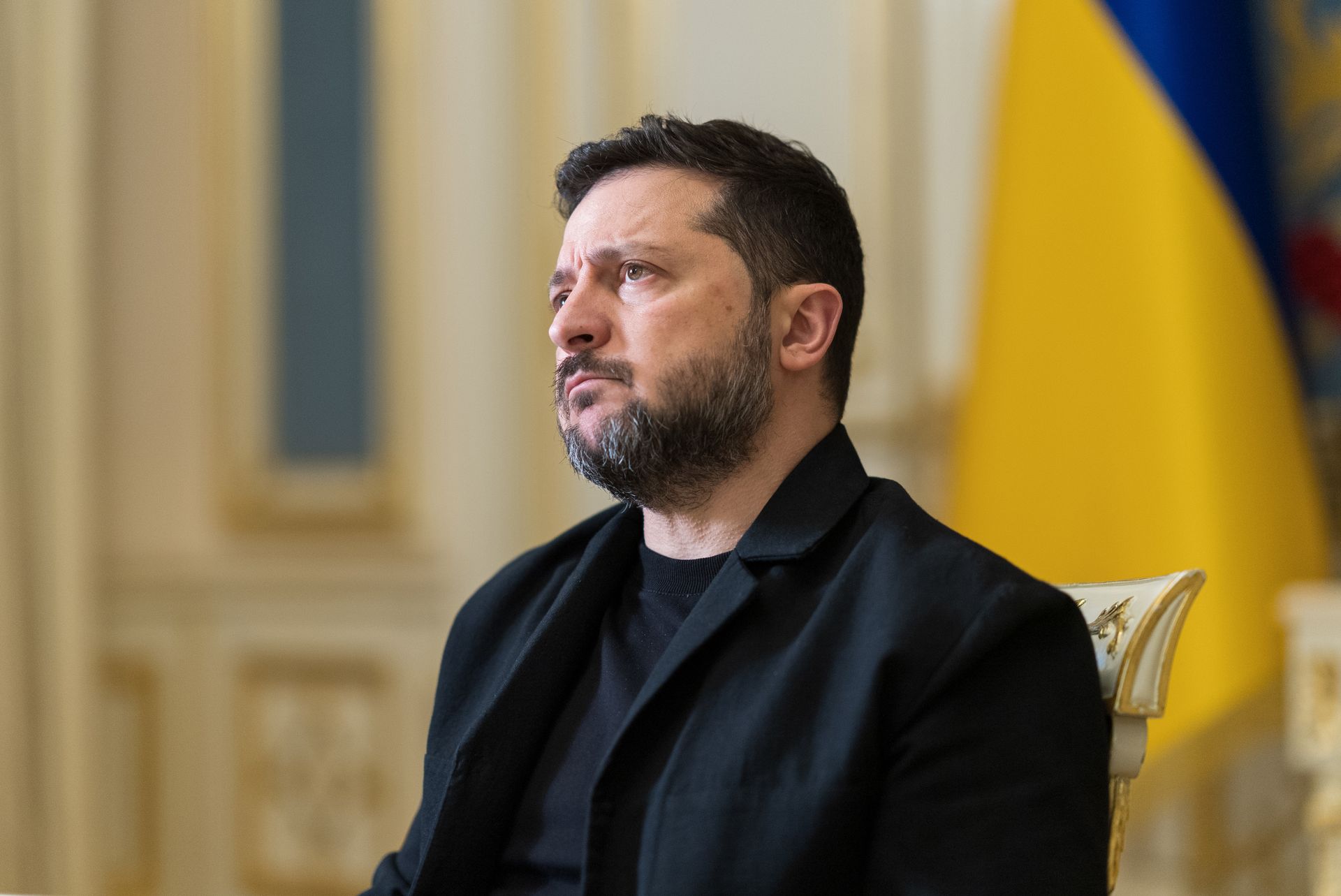
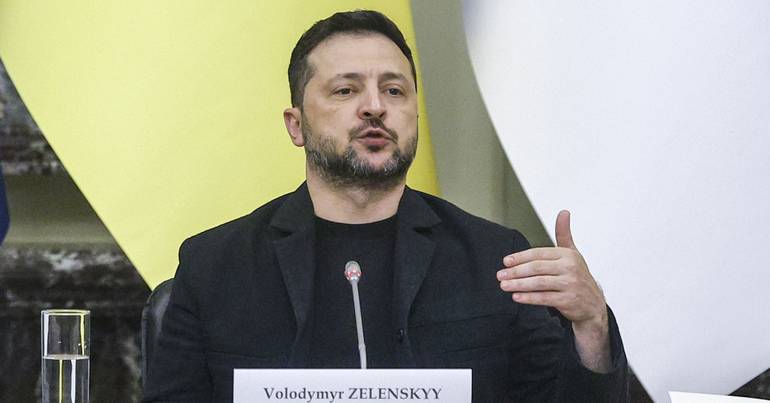
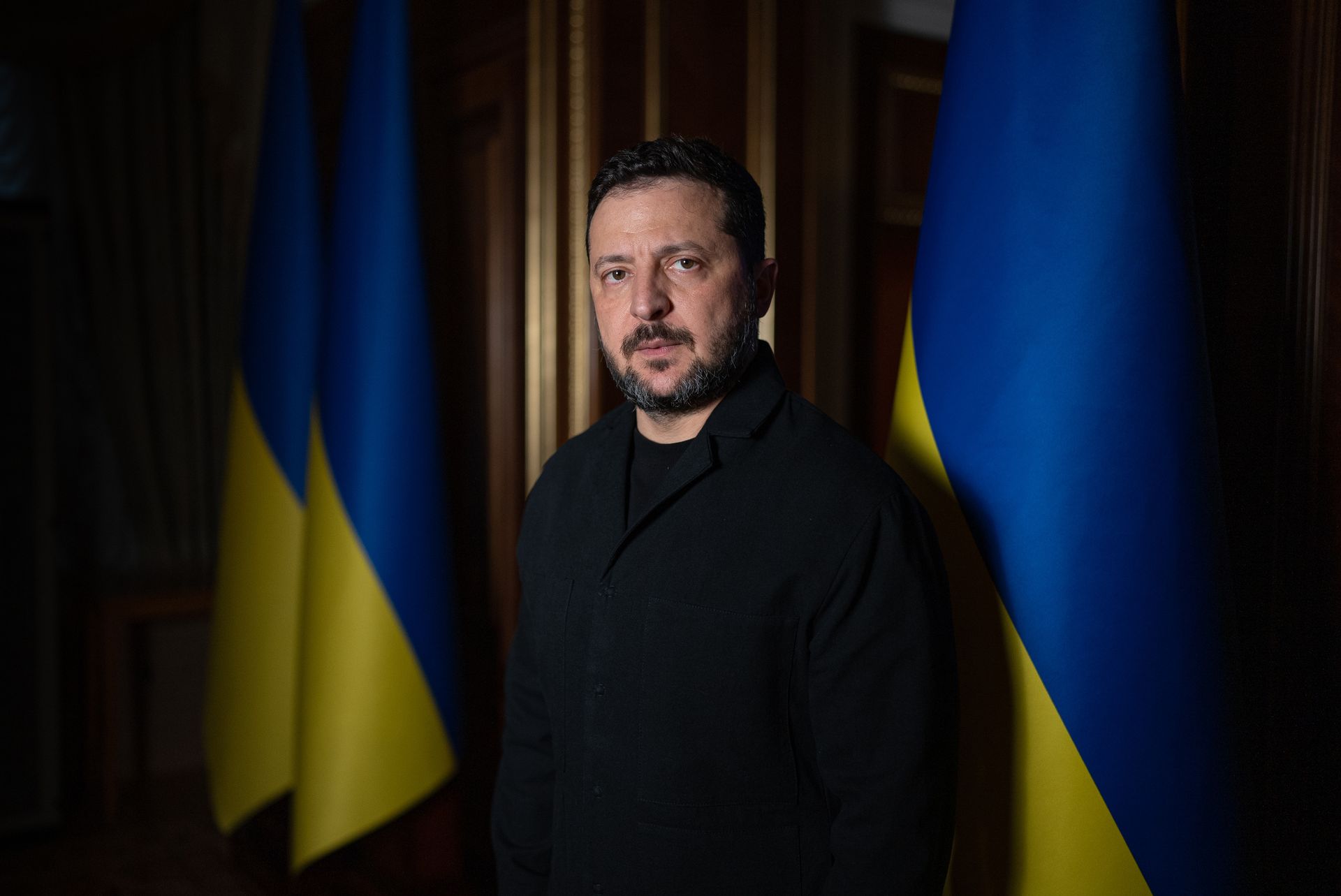
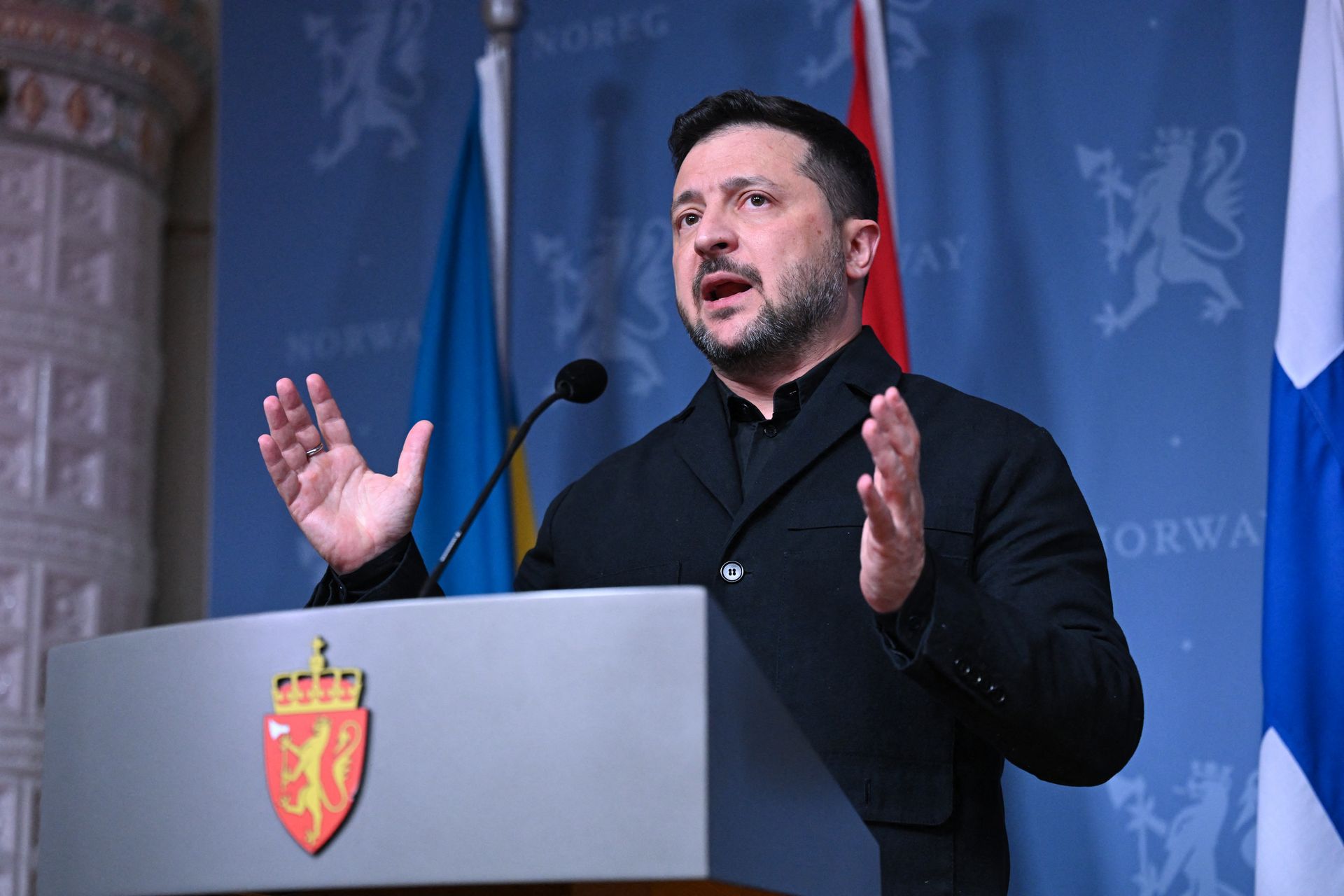
His remarks followed statements by Ukrainian President Volodymyr Zelensky indicating that the next round could take place in Abu Dhabi between 6 and 10 November.
The Kremlin has not confirmed those dates.
The disagreement comes as European governments seek a more substantial role in diplomatic efforts concerning a conflict whose eventual settlement would have direct consequences for their security, defence expenditure and relations with Russia.
Moscow Sets Its Conditions
Ushakov’s position was particularly explicit when discussing European participation.
Speaking to Russian media on 28 October, he suggested that European representatives were free to travel to the proposed venue but would not be invited to join the negotiations.
His remarks were subsequently reinforced by a statement that European involvement was not under consideration.
The Kremlin adviser also linked the timing of the next meeting to developments in the Middle East, where the US-Israeli conflict with Iran has complicated Washington’s diplomatic and military priorities.
Ushakov said that conditions on the Ukrainian battlefield would also influence when negotiations could resume.
These explanations give Moscow considerable latitude over the timetable while leaving uncertainty about the practical arrangements for the next meeting.
They do not, however, establish that Washington and Kyiv have accepted Russia’s preferred arrangements for every subsequent stage of negotiations.
Technical consultations between three parties and broader discussions over a European security settlement are not necessarily the same diplomatic process.
Europe Wants a Place at the Table
The Russian position contrasts with statements from the leaders of Britain, France and Germany, who have maintained that European governments must participate in discussions concerning Ukraine’s future security.
Their argument rests partly on the responsibilities that European countries would be expected to assume after any agreement.
European states have provided substantial financial, military and humanitarian assistance to Ukraine since Russia launched its full-scale invasion in February 2022.
They have also introduced successive sanctions against Russia, expanded defence expenditure and debated arrangements for security guarantees intended to discourage renewed hostilities.
Any settlement that required changes to European sanctions, military deployments or financial assistance would therefore depend on decisions taken by European governments and institutions.
Neither Moscow nor Washington could independently commit the European Union to lifting sanctions or authorise European states to deploy forces.
This distinction limits the practical significance of excluding European officials from a negotiating session.
An agreement could be discussed without European participation, but implementing provisions that require European action would demand further negotiations.
The Donbas Question Remains Unresolved
The principal obstacle continues to concern territory and the conditions under which military operations would end.
Russia has maintained its demand that Ukraine relinquish territory in the eastern Donbas region, including areas remaining under Ukrainian control.
Kyiv has rejected the surrender of territory as a precondition for ending the war.
The proposed negotiations are consequently expected to concentrate on technical issues where limited agreements may be more achievable.
These include possible arrangements concerning energy infrastructure, maritime security, the exchange of prisoners and the return of Ukrainian children taken to Russia or Russian-controlled territory.
Such measures could produce humanitarian or economic benefits without resolving the central territorial dispute.
However, their implementation would require monitoring arrangements and sufficient confidence that the parties would honour their commitments.
The temporary humanitarian ceasefire around Oleshky, in the Kherson region, offers a narrowly defined example of cooperation between Russian and Ukrainian representatives.
It does not demonstrate that a broader political agreement is within reach.
The American Role
Washington remains the principal external mediator in the current negotiating format.
That position reflects American diplomatic influence and its capacity to engage directly with both Moscow and Kyiv.
However, the United States is simultaneously managing military commitments in the Middle East and domestic political pressures ahead of the 3 November congressional elections.
These competing priorities may affect the pace of diplomatic engagement.
For Russia, a negotiating framework centred on Washington offers the possibility of addressing wider bilateral issues alongside the conflict in Ukraine.
For Ukraine, American participation remains important because US decisions concerning military assistance and security commitments could influence the durability of any settlement.
Europe’s position is more complicated. Its governments possess substantial economic leverage, but their influence over the negotiating agenda depends on coordination with Washington and Kyiv.
Negotiating Without Europe Has Practical Limits
The immediate dispute concerns who participates in the next round of talks.
The longer-term question is which parties would be responsible for implementing a settlement.
A ceasefire might initially involve arrangements agreed by military and diplomatic representatives of Russia and Ukraine, supported by the United States.
A more comprehensive agreement could involve sanctions, reconstruction finance, security guarantees, troop deployments and Ukraine’s future relationship with European institutions.
Those issues cannot be settled on behalf of European governments without their consent.
Moscow’s attempt to restrict participation may therefore succeed at the level of an initial negotiating format while proving more difficult to sustain during discussions about implementation.
For the moment, neither the date nor the outcome of the proposed Abu Dhabi meeting is certain.
What has become clearer is the divergence between Russia’s preferred negotiating structure and Europe’s determination to influence the security arrangements that would follow the war.