❌

Reading view

US has resumed sharing intelligence with Ukraine about Russian strikes, says Zelenskyy

Advance warnings of missile attacks were seemingly suspended last week by the White House, but Ukraine’s president says: ‘Now it works’

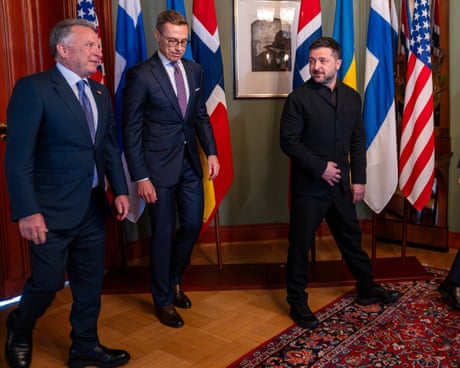
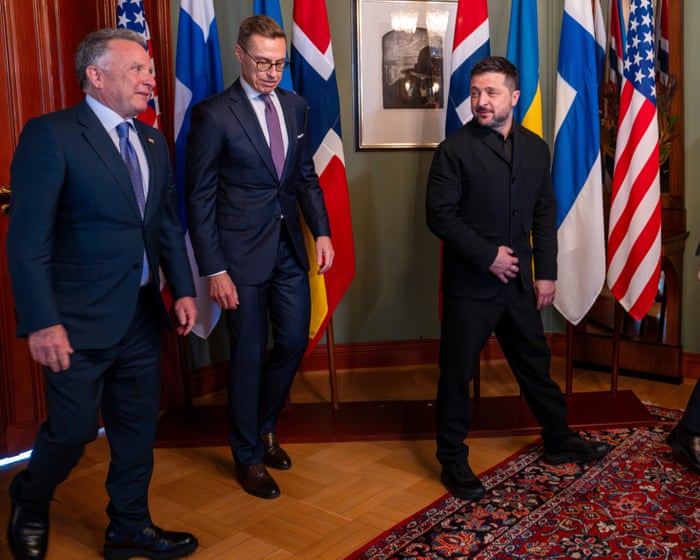
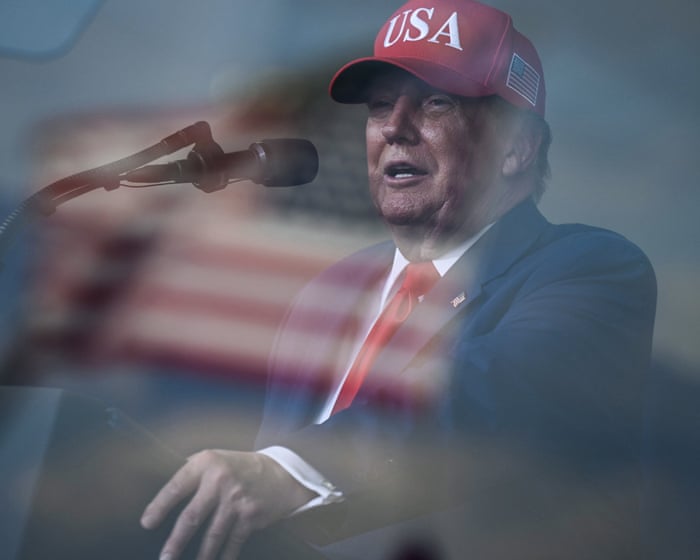
The US has resumed sharing intelligence with Kyiv about Russian missile strikes, Volodymyr Zelenskyy said on Tuesday after a meeting with the US envoy Steve Witkoff in Norway.

He said Ukraine was again receiving advance warnings of ballistic missile attacks, which were seemingly suspended last week by the White House. “Now it works. It’s great,” he said, adding that the US move would save lives.

Continue reading...

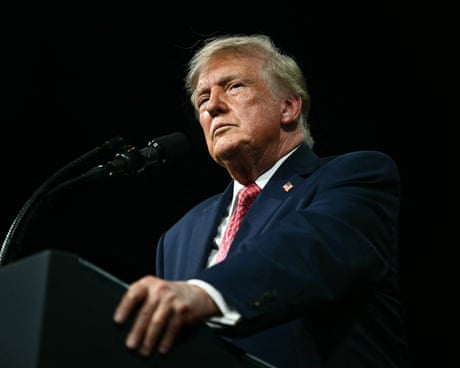
© Photograph: Heiko Junge/Pool NTB/AP

© Photograph: Heiko Junge/Pool NTB/AP

© Photograph: Heiko Junge/Pool NTB/AP

  •  

ADU Nihilism

An orange background with different examples of housing types across it | Noah Strycker/Dreamstime/vad_7/18blackhunter822/rawpixel.com/Magnific/Mariam Zakaidze

Happy Tuesday, and welcome to another edition of Rent Free. This week, we're going to jump right into it with a philosophical question: What is an accessory dwelling unit anyway? 

It's a question that officials in Somerville, Massachusetts, are realizing they didn't know the answer to after learning that a state law allowing ADUs in single-family neighborhoods could also require them to approve three-story backyard mini-apartments. 

As the Boston Globe reported on Sunday, Somerville's "deep ethos in favor of new housing" is being tested by the extent of the state law. Elected officials are describing the potential for three-story ADUs as a "joke," and the area's state lawmakers, including one who voted for the state law, are demanding reforms to stop them. 

The law in question was a statewide accessory dwelling unit (ADU) legalization tucked inside a major housing package of mostly new spending programs that passed in 2024. 

The bill required municipalities to allow ADUs of either 900 square feet or half the size of the primary dwelling (whichever is smaller) anywhere single-family homes are allowed. A subsequent rule issued by state regulators also forbade localities from imposing height and bulk limits on ADUs that are stricter than the limits imposed on primary dwellings. 

That latter rule is what's causing Somerville's freakout. 

Because the town allows triple-decker apartments (a three-story triplex common in New England) in all its single-family zones, the state rule means that it must also allow ADUs to be three stories tall. 

The Globe story notes that the mini-triple-deckers could still only be 900 square feet, meaning each floor of a mini-triple-decker would have to be pretty small. Thus far, no one has proposed building an ADU tower in Somerville. 

Even so, the town is worried that someone will eventually propose one of these "out-of-scale" units that it'll have to approve. Its officials are now agitating for changes to the state law to prevent this. 

On the one hand, one can perhaps understand why Somerville officials feel blindsided. 

The text of the 2024 ADU law allows localities to set "reasonable" height and bulk limits on accessory units. It was state regulators who decided after the law's passage that requiring ADUs to be shorter than the primary unit was "unreasonable." 

On the other hand, allowing a second home on a lot to be as tall as the first house sounds "reasonable" enough. Can one complain about out-of-scale development when the new unit is the same height as an existing home and a little bit smaller?

Somerville is not the first city where people's own colloquial definition of an accessory unit as "a tiny home that doesn't bother anyone" has clashed with official regulatory definitions that allow ADUs to be a fair bit bigger. 

San Diego's ADU Bonus program once allowed a technically unlimited number of ADUs to be built on single-family parcels near transit stops. (Height and bulk regulations imposed practical limits on how many units could fit on a site.) 

That enabled developers to build what were, in effect, ADU apartment complexes on large single-family lots throughout the city. This year, the city imposed new restrictions to stop these "monster" ADU developments, including a per-lot accessory unit cap. 

The latest dust-up in Somerville, like the San Diego controversy before it, provides several lessons about the realities of housing reform. 

The first is that the definition of "accessory dwelling unit" is completely arbitrary. 

In Massachusetts, an ADU is a 900-square-foot home that can be one story or three stories, depending on the town and zoning district it's being built in. 

In Montana, it's a 1,000-square-foot unit. In California, state law can require localities to allow ADUs as large as 1,200 square feet. Under certain conditions, these ADUs can even be sold separately from the main house. 

At a certain point, an accessory dwelling unit is just a dwelling unit. A house is a house. 

The second lesson is that any ADU reform that is actually intended to produce new housing units is going to cause controversy.  

State and local laws allowing ADUs have been one of the more common forms of housing reforms to pass. 

Supply-boosters see them as a way to get a modest number of new units. Supply skeptics don't see much to object to about allowing someone to install a kitchenette and bathroom in their garage.  

If the ADU regulations don't allow much more than the garage conversion, supply-boosters will be disappointed and push for expansions of the law. California passed dozens of ADU laws before they started enabling actual units to be built. 

If an ADU law actually allows more homes, the ADUs will look like homes, and the supply skeptics will be mad. 

No amount of branding or planning will resolve the inherent conflict of some people wanting more development while others oppose it in their neighborhoods. 

Thus far, Massachusetts' ADU law has been modestly productive. The state's ADU survey reports that 2,048 ADU permits have been issued since the state law went into effect in January 2025. About half of those units are attached ADUs (think the garage with the kitchenette). 

That's a little under 10 percent of Massachusetts total housing production during that time, per the Census Bureau's building permit survey.  

At 50 units permitted, Somerville has actually approved the second most ADUs of any jurisdiction in the state. (Boston has only approved 49.) 

But now that it's facing the prospect of allowing ADUs that look like actual homes, it's starting to get cold feet about the new law. 


Quick Links

  • Speaking of Massachusetts, the town of Marblehead (of "are we kind of being pricks?" fame) has at last had its rezoning plan, which allows apartments in more districts, accepted by state officials. 
  • While Spain is tightening its tenant protections and rent controls in the face of housing protests, Portugal is trying to remove regulations on its rental housing industry. Either way, housing protesters are clashing with police. 
  • Single-family homebuilder confidence continues to drop. 
  • The Urban Institute has a new white paper on whether data center development is coming at the expense of housing development. 
  • A new report on home construction in Chicago finds that the practice of aldermanic privilege (where individual aldermen can veto projects in their district) is strangling development. 

The post ADU Nihilism appeared first on Reason Magazine.

  •  

Republicans push back on Donald Trump’s wavering support for Ukraine

GOP lawmakers threaten to pull support for president’s agenda after Russia diesel deal and sanctions pause

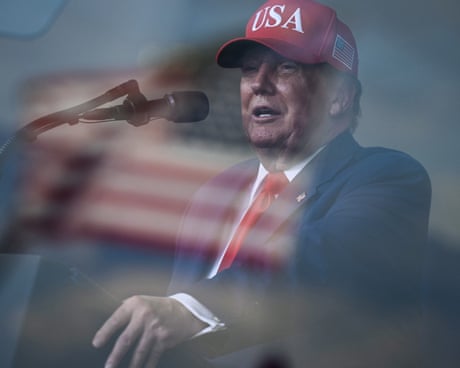
A handful of Republicans have spoken out against Donald Trump’s softening stance on Russia, threatening to pull financial support for his agenda over his “embarrassing” handling of the Ukraine war.

Don Bacon, an outgoing congressman in Nebraska, condemned Trump’s actions – which include a stunning agreement to buy Russian diesel and the pausing of sanctions on Moscow – as “absolutely disgraceful” and accused the US president of cozying up to a “war criminal” in Vladimir Putin, his Russian counterpart.

Continue reading...

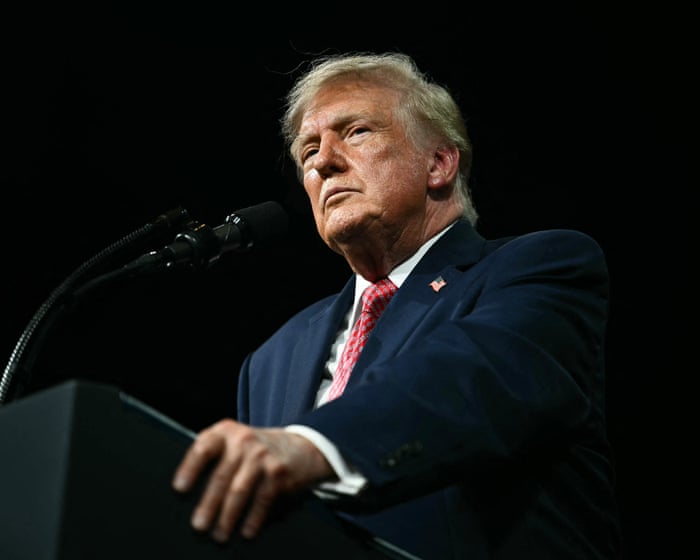
© Photograph: Brendan Smialowski/AFP/Getty Images

© Photograph: Brendan Smialowski/AFP/Getty Images

© Photograph: Brendan Smialowski/AFP/Getty Images

  •  

In Delhi or Paris, restoring order cannot replace public trust

Protests rarely remain confined to the grievances that first bring people into the streets. When the citizens believe their concerns are being ignored, a grievance over a particular policy or administrative decision can evolve into a broader challenge to the political authority. Consequently, what begins as a demand for correction becomes a question of accountability. […]

The post In Delhi or Paris, restoring order cannot replace public trust appeared first on Asia Times.

  •  

After the International 'Liberal Order'

Charles Kupchan’s ‘Bringing Order to Anarchy’ | Yale University Press

Bringing Order to Anarchy: Governing the World to Come, by Charles Kupchan, Yale University Press, 328 pages, $32.50

In popular rendering, international politics since 1945 has been shaped by the so-called "liberal order." Led by the United States, a bundle of international institutions, rules, and norms intended to limit interstate competition and facilitate cooperation were widely embraced, contributing (per this narrative) to a peaceful and prosperous world. Today, that system seems to be breaking down, leaving policymakers, pundits, and scholars grappling with what a future order should entail and how this system should be orchestrated.

Rivers of ink have already flowed in service of this foundational question. To the mix we can now add Charles Kupchan's Bringing Order to Anarchy. Kupchan, a professor of government at Georgetown University and a senior fellow with the Council on Foreign Relations, is interested in both how the present crisis of order arrived and what should be done about it—as he puts it, "How did we get here?" and "What do we do now?" In his telling, we arrived at this moment because of the diffusion of power abroad, combined with shifts in domestic priorities among key members of the post-1945 order (especially the United States). The post-1945 order, he concludes, is thus irredeemably broken.

Going forward in what he sees as an increasingly multipolar world, Kupchan advocates a "global system of concerts" modeled on the Concert of Europe—the international order established after the Napoleonic wars. His proposed system would prioritize relations among the great powers, creating "informal and flexible steering groups" that would emphasize "building consensus, establishing lateral lines of authority across power centers, and providing top down governance." In practice, influence and authority would devolve to different regions, within which local great powers would play leading roles in shaping regional affairs. Meanwhile, the great powers would meet as part of a global concert, sitting atop regional orders as a kind of deconfliction and organizing body.

The most welcome contribution here is Kupchan's call to accept the end of the post-1945 order and to work within the constraints of a new distribution of power. For all that policymakers and analysts recognize that change is needed, the debate over the future of international order tends to focus on preserving whatever elements of the existing order we can. It also tends to attribute the need for change to shifts in U.S. domestic politics. Kupchan, on the other hand, helpfully reminds us that order depends first and foremost on the distribution of power. States, after all, are the building blocks of any international system, just as relative power affects both what they want and their options for pursuing their interests. The creation and maintenance of an order therefore hinges on whether it broadly reflects the distribution of power, allowing states to get some of what they want, through means most can accept.

It follows that pronounced shifts in the distribution of power require adjustments in the larger system. The greater the shift, the greater the change. And since the power shift underway today is foundational—with China emerging as a peer competitor to the United States, American power in relative decline, and power diffusing away from the West (broadly conceived)—it would be extremely foolhardy to try to preserve an order created at a very different historical moment. With a new distribution of power, Kupchan recognizes, a new system is required. Hard stop.

Still, Kupchan's call for creating a concert to replace the extant order is not entirely convincing. Two problems stand out.

First, the very same power shifts that require change to the current system leave the efficacy of the concert approach open to question. If great powers are to play the leading role in a concert system, it matters both which states constitute the great powers and how their relative power compares to one another. But amid a power shift, these are the very issues that are likely to be intensely contested, if not fundamentally uncertain. It's inauspicious for the envisioned concert, for instance, that scholars of international politics cannot agree whether the world today is unipolar, multipolar, bipolar, or something else altogether. Absent some baseline understanding of the distribution of power, it is difficult to see how a concert would form, gain buy-in, and operate successfully. 

Kupchan's invocation of the Concert of Europe itself alludes to the problem. It is no accident that the Concert formed only after 25 years of warfare clarified the European distribution of power, and waned as power shifted (due heavily to the emergence of Germany). Nevertheless, Kupchan doesn't seriously engage with this core requirement for a concert model when he makes the case for a concert today. The result is a tension between the book's underlying logic and its top-line policy prescription.

Second, and relatedly, it is not completely clear what the concert's remit would actually entail. On one hand, Kupchan argues that the "Global Concert would be a consultative body, not a decision-making one"; it would "tee up decisions that could be taken and implemented" by other ordering bodies. Yet Kupchan also notes that a key virtue of concerts writ large is their ability to "lower the bar to reaching and abiding by agreements"; similarly, he calls for concert diplomacy that would set up "bespoke steering groups to tackle specific challenges," particularly in security affairs. This suggests something grander than a consultative body. "Reaching and abiding by agreements" and setting up ad hoc fora to tackle specific challenges are decisions. Indeed, even "teeing up" ideas and decisions that could be tackled by subordinate international institutions and structures is a kind of decision. 

One gets the sense that Kupchan is not totally comfortable with the implications of his own reasoning. If new great powers are emerging and are poised to dominate international politics, and if these states are to coordinate with one another in small group settings, it seems likely that the concert would be a decision-making body. Alternatively, if the concert is to truly function as a consultative body, it is unclear why new great powers eager to assert influence over the international agenda would sign up and give credence to this exercise.

Beyond the logic of the concert system itself, no review of Bringing Order to Anarchy would be complete without some reflection on the volume's discussion of U.S. politics. The book contains a lengthy list of proposed domestic changes, including calls to encourage civility, forge bipartisan consensus, put the U.S. fiscal house in order, and avoid ideological excesses at home. No doubt many readers would agree with these recommendations. Still, it is not really clear what these proposals do to advance Kupchan's core arguments. Rather than directly affecting the creation or operation of a concert order, the domestic challenges he wants to remedy act as constraints on U.S. power: They impede the translation of U.S. material capabilities into international influence. Accordingly, a concert system could operate even with a domestically dazed and confused United States—the U.S. would simply be a less effective participant. Changing the domestic status quo may be a good thing, but it is not central to the mission of explaining what a future international order entails. The book's domestic discussion ends up being an odd discursion.

Still, this is an important book. In calling for casting the former order aside, Kupchan brings needed clarity to a meandering discussion. By the same token, it is very useful to bring insights from the Concert of Europe into the policy conversation. Whatever gaps there might be in its ideas about the logic and operation of a concert system—or the relationship of domestic politics to a concert—the book raises a new set of options, and that in itself is a valuable contribution to the discussion.

The post After the International 'Liberal Order' appeared first on Reason Magazine.

  •  

Con Roche cresce il fronte delle aziende farmaceutiche in rotta con Berlino

Anche Roche si aggiunge alle aziende farmaceutiche che stanno riconsiderando i propri investimenti in Germania. In un’intervista pubblicata il 19 ottobre dal quotidiano Die Welt, Daniel Steiners, responsabile delle attività tedesche del gruppo svizzero, ha annunciato la sospensione temporanea di tutte le future decisioni di investimento nel Paese. Una scelta che non riguarda i progetti già approvati, tra cui l’ampliamento del sito bavarese di Penzberg, per oltre 600 milioni di euro, ma che rappresenta un ulteriore segnale delle difficoltà nei rapporti tra industria farmaceutica e governo tedesco.

Al centro delle critiche vi sono le politiche di contenimento della spesa farmaceutica, con cui Berlino punta a ridurre la pressione finanziaria sul sistema di assicurazione sanitaria obbligatoria. Secondo Steiners, anziché intervenire sulle criticità strutturali del sistema, il governo starebbe privilegiando risparmi di breve periodo, trasferendo nuovi oneri sulle imprese e compromettendo la fiducia necessaria a programmare investimenti.

Non solo Roche

Il caso Roche non è isolato. Già a giugno Boehringer Ingelheim aveva annunciato la cancellazione di investimenti programmati in Germania per circa 900 milioni di euro nel periodo 2027-2030, mentre Eli Lilly aveva ridimensionato i propri progetti, dimezzando la quota iniziale prevista, pari a 2,3 miliardi. Il suo amministratore delegato, Dave Ricks, è tornato a criticare le scelte del governo in un’intervista del 2 ottobre all’Handelsblatt, sostenendo che le misure correttive prospettate hanno “tradito la sua fiducia”. Anche Pfizer, attraverso una lettera dell’amministratore delegato Albert Bourla al cancelliere Friedrich Merz, ha annunciato a inizio estate una revisione delle priorità relative ai futuri investimenti nel Paese.

L’indagine statunitense

Alle tensioni tra governo tedesco e industria farmaceutica si aggiunge anche quella con Washington. La Germania, d’altronde, è stata anche il primo Paese europeo a finire direttamente nel mirino dell’amministrazione Trump per le proprie politiche di prezzo dei farmaci. Lo scorso 18 giugno, lo United States trade representative (Ustr) ha avviato un’indagine commerciale ai sensi della Section 301 del Trade act del 1974, per accertare se il sistema tedesco di determinazione dei prezzi dei medicinali innovativi penalizzi le aziende americane. Secondo Washington, i prezzi contenuti e gli sconti imposti alle imprese finirebbero per trasferire sui pazienti statunitensi una quota sproporzionata dei costi globali di ricerca e sviluppo. Nel mirino, proprio le nuove misure di contenimento della spesa farmaceutica previste da Berlino.

Come ricostruito da Politico, Washington punta a ottenere da Berlino un accordo che preveda una maggiore spesa per i medicinali innovativi, sul modello di quanto negoziato con il Regno Unito. In caso contrario, le eventuali ritorsioni commerciali potrebbero colpire anche altri settori, a partire dall’automotive, che nel 2025 ha rappresentato per la Germania oltre 28 miliardi di euro di esportazioni verso gli Stati Uniti.

Dalla Germania all’Italia, il nodo dei prezzi e dell’accesso

A richiamare l’attenzione sulla questione anche nello Stivale, in un’intervista pubblicata oggi dal Sole 24 Ore, Shashank Deshpande, Ceo di Boehringer Ingelheim, ha invitato a prestare attenzione alle conseguenze delle politiche europee di prezzo e rimborso sugli investimenti farmaceutici. In particolare, ha avvertito che il ricorso all’Mfn, rischia di “ridurre l’incentivo a lanciare farmaci innovativi”. L’Ad della casa farmaceutica tedesca ha evidenziato le difficoltà italiane sul fronte dell’accesso alle cure, ricordando come un medicinale sviluppato anche grazie alla ricerca italiana possa arrivare prima ai pazienti cinesi che a quelli italiani. Un ritardo riconducibile, secondo il manager, alla complessità delle procedure regolatorie e di rimborso, che in Italia richiedono mediamente oltre 400 giorni dopo l’approvazione europea, contro i 56 della Germania, “mentre in altre regioni del mondo si moltiplicano i percorsi di approvazione accelerata”. Tuttavia Deshpande ha sottolineato di apprezzare il fatto che “il governo italiano riconosca l’importanza di un approccio olistico alla salute”, e si è detto fiducioso rispetto alla possibilità per il Paese di “riuscire a ridisegnare il proprio quadro di governance, eliminando meccanismi che risultano dannosi non solo per il settore farmaceutico, ma soprattutto per i pazienti”. “La nostra presenza in Italia è solida, e non abbiamo alcuna intenzione di modificarla”, ha aggiunto.

  •  

Rubio’s Intervention Exposes the Limits of Trump’s Russia Policy

Zelenskyy’s urgent discussion with the US Secretary of State suggests that Washington cannot pursue accommodation with Moscow without confronting opposition in Congress, the requirements of American national security and Ukraine’s continuing dependence on US military support.

The telephone conversation between Ukrainian President Volodymyr Zelenskyy and US Secretary of State Marco Rubio on Tuesday, 20 October, has exposed an increasingly uncomfortable contradiction in American policy towards Russia. While President Donald Trump is easing economic pressure on Moscow and attempting to restrain Ukrainian attacks on Russian energy infrastructure, senior members of his administration are having to address the consequences for Ukraine’s defence.

Zelenskyy raised three immediate concerns: the availability of Patriot interceptor missiles, interruptions to American early-warning intelligence concerning Russian ballistic attacks, and restrictions affecting Starlink and Starshield satellite communications. He described the discussion as constructive, expressing appreciation for Rubio’s willingness to help.

The significance lies less in the diplomatic language than in the circumstances surrounding the call. Washington is attempting to obtain concessions from Moscow while several of its own decisions have weakened confidence in the security arrangements on which Kyiv depends. Rubio’s involvement suggests that these difficulties cannot simply be left unresolved while Trump’s envoys pursue another round of negotiations.

The political cost of concessions to Moscow

Trump’s recent decisions concerning Russian energy exports have brought an existing disagreement over Ukraine into American domestic politics.

The administration has facilitated Russian diesel exports and waived new sanctions under the Graham Act, legislation intended to increase pressure on Russia and its principal energy customers. Rubio has said the president will use a 60-day period to assess the economic consequences of implementing the measures.

For Trump, the immediate attraction is apparent. Rising fuel prices have become a political liability ahead of the 3 November congressional midterm elections. Increasing supplies on international markets offers the administration a potential means of relieving pressure on American consumers.

The difficulty is that concessions to Vladimir Putin carry their own electoral consequences. Moscow remains deeply unpopular among substantial sections of the American political establishment, including Republicans who regard support for Ukraine as a matter of American strategic interest.

That opposition is no longer confined to public criticism. Republican senators have joined Democrats in challenging decisions affecting Ukraine’s military capabilities, creating an additional problem for an administration already facing a difficult electoral environment.

Trump can justify Russian energy concessions as an attempt to protect American consumers. Explaining why Ukraine should simultaneously experience interruptions to critical defence systems is considerably more difficult.

Rubio and the machinery of American foreign policy

Rubio’s position within the administration is particularly important. As both Secretary of State and National Security Adviser, he occupies two offices central to the formulation and execution of American foreign policy.

His conversation with Zelenskyy took place during a diplomatic tour of Uzbekistan and India, demonstrating that the deterioration in relations with Kyiv required attention even while the administration was pursuing other international priorities.

It would be premature to interpret Rubio’s intervention as evidence of an independent foreign policy. There is no indication that he is acting against Trump’s instructions. The more plausible interpretation is that the administration recognises a need to contain the consequences of its recent decisions without requiring the president publicly to reverse his position.

The controversy surrounding Starshield is particularly revealing. Reuters reported that instructions to restrict the satellite service used by Ukrainian forces originated inside the White House. The officials cited did not identify who authorised the order, while the administration has denied Trump’s personal involvement.

Separately, Zelenskyy has reported failures to receive advance warnings of Russian ballistic attacks. The cause of those interruptions remains disputed.

These developments have already attracted congressional scrutiny. Republican Senator Thom Tillis and Democratic Senator Jeanne Shaheen led a bipartisan request for an investigation, warning that failures in communications and intelligence-sharing may have endangered American personnel in Ukraine.

Congress cannot directly manage the administration’s foreign policy. Nevertheless, its powers over expenditure, legislation and oversight make sustained opposition politically consequential, particularly when members of the president’s own party are involved.

Ukraine needs military assistance, not diplomatic promises

The immediate requirements in Kyiv are considerably more specific than the objectives being discussed in Washington’s diplomatic negotiations.

Ukraine needs reliable satellite communications, uninterrupted intelligence concerning incoming missiles and sufficient Patriot interceptors to defend its cities and critical infrastructure. Delays in any of these areas have consequences that cannot be addressed through declarations about a future peace settlement.

The shortage of Patriot missiles is particularly serious. Zelenskyy has complained that American authorisation is delaying deliveries under arrangements financed by European governments. Washington’s commitments elsewhere, including the Middle East, add further pressure to American air-defence inventories.

Meanwhile, preparations for new negotiations in Oslo involving American envoys Steve Witkoff and Jared Kushner continue. The involvement of European leaders may broaden the diplomatic discussion, but it does not resolve the central obstacle: Putin has offered no convincing indication that he is prepared to end the invasion on terms acceptable to Ukraine.

Proposals concerning Ukrainian elections, NATO membership or alternative negotiating arrangements remain subordinate to that problem. Without a ceasefire that can be enforced, even an agreement on the political framework for peace would leave fundamental questions of security unanswered.

The limits of presidential power

Trump retains substantial authority over American sanctions, military assistance and diplomatic engagement. Yet his ability to offer Moscow meaningful concessions is constrained by several factors beyond his immediate control.

Congress can challenge further attempts to weaken sanctions or restrict assistance. European governments maintain their own sanctions regimes and are not obliged to follow Washington’s approach. Ukraine retains considerable military capacity, including the ability to attack Russian energy facilities that contribute to financing the war.

Nor can the American president compel Putin to accept a settlement. If Russia calculates that continuing military operations offers greater advantages than negotiations, additional concessions from Washington may encourage Moscow to prolong the conflict rather than end it.

Rubio’s conversation with Zelenskyy therefore suggests that the administration is being forced to confront the practical consequences of its policy. An American president may seek improved relations with Moscow, but the institutional interests of the United States do not necessarily change with his personal diplomatic priorities.

For Kyiv, the question is whether those interests will translate into the continued supply of weapons, intelligence and communications support. Russia’s attacks will continue irrespective of the timetable established for American diplomatic initiatives.

  •  

EU Ministers Agree New Agricultural Market Rules as Farm Budget Dispute Continues

European Union governments have agreed a negotiating position on new agricultural market rules intended to take effect under the bloc’s 2028–2034 budget, advancing reforms to support arrangements for farmers while leaving the most contentious financial questions unresolved.

The Council approved its partial negotiating mandate on Monday, 19 October, covering changes to the Common Market Organisation regulation, which governs agricultural markets across the European Union.

The proposals include new arrangements for wine producers, protein crops and oilseeds, revised marketing standards, changes to the EU school food programme and provisions intended to improve preparedness for agricultural market disruptions.

However, the agreement does not settle future funding allocations or the broader structure of agricultural subsidies, which remain under negotiation as EU governments attempt to reconcile farming expenditure with competing demands for defence, industrial investment and regional development.

Agricultural markets under review

The Council’s negotiating position retains much of the European Commission’s original proposal while introducing amendments intended to accommodate national differences in agricultural production.

Under the proposed arrangements, sector-specific interventions would become mandatory in several areas, including beekeeping, fruit and vegetables and, under certain circumstances, wine production.

The Council has also proposed flexibility for countries where particular sectors are absent or relatively undeveloped.

For the wine industry, governments would be able to seek exemptions from certain obligations where national circumstances justify different arrangements.

This would allow the framework to retain common European rules while avoiding requirements that would be inappropriate for member states with little or no domestic wine production.

Sectoral interventions form part of the mechanisms through which the EU supports agricultural markets and producer organisations. They can cover measures intended to improve competitiveness, manage production and strengthen farmers’ commercial position.

New provisions for protein crops

The Council has endorsed the establishment of a separate sector for protein crops and oilseeds, replacing existing provisions covering dried fodder.

The objective is to encourage domestic production and reduce dependence on imported agricultural inputs, particularly crops used in animal feed and food production.

European livestock producers rely on protein-rich feed ingredients, including soyabeans, that are often sourced internationally.

Greater domestic production could reduce exposure to fluctuations in global commodity prices, transport costs and disruptions to international supply chains.

Under the Council’s proposal, member states would be encouraged to recognise producer organisations specialising in protein crops and oilseeds.

Such organisations can help farmers coordinate production, marketing and investment, although the effectiveness of the proposed measures will depend on how they are implemented nationally.

The proposals follow broader EU efforts to improve supply security in sectors extending from agricultural inputs to critical industrial materials.

School food and product labelling

The negotiating mandate also preserves the EU school scheme, which provides support for the distribution of fruit, vegetables and milk to schoolchildren.

Under the proposed framework, the programme would move from a school-year financing cycle to a calendar-year system, with transitional provisions intended to prevent disruption during implementation.

The Council has maintained the Commission’s objective of encouraging healthier eating habits by limiting products containing high levels of free sugars and fats.

The proposal also opens the possibility of additional marketing standards for several agricultural products, including protein crops, beef, pork, sheepmeat, goatmeat and rice.

These standards could provide consumers with more detailed information about product origins, subject to the final legislation.

Such measures would also have implications for producers and food businesses, which would need to comply with any new requirements concerning classification, marketing and labelling.

The Council additionally supports the harmonisation of rules covering industrial hemp, while retaining safeguards concerning seed certification and the permitted level of tetrahydrocannabinol.

Farming subsidies remain contested

The agricultural market agreement forms part of negotiations over the next Common Agricultural Policy, which will operate within the EU’s new seven-year financial framework.

Under the Commission’s proposed budget structure, several funding streams, including agricultural and cohesion programmes, would be brought together within national and regional partnership plans.

The restructuring has encountered opposition from governments and agricultural interests concerned that farming could lose protected access to EU funding.

As EU Today previously reported, 17 member states have called for agricultural and regional development expenditure to be protected against further reductions.

The Council’s latest position addresses how agricultural markets should operate rather than determining the size of the financial support available to them.

A separate debate concerns the conditions for receiving direct farm payments, including the definition of an active farmer and the degree of discretion granted to national governments.

Those questions remain central to the continuing CAP negotiations, which are due to return to the Agriculture and Fisheries Council on 26–27 October.

Negotiations move to Parliament

The Council’s partial mandate now provides a basis for negotiations with the European Parliament on the agricultural market provisions.

The legislation will still require agreement between the institutions, while its financing will depend on the eventual settlement of the 2028–2034 budget.

Governments must also complete negotiations on the wider CAP framework, including direct income support and the distribution of responsibility between Brussels and national administrations.

The market agreement reached on 19 October therefore establishes important elements of the proposed agricultural rules, but leaves unresolved the level of financial support available to European farmers after 2027.

  •  

European Parliament Demands €225 Billion for EU Foreign Policy as Budget Dispute Deepens

The European Parliament has demanded €225 billion for the European Union’s foreign policy and development programmes between 2028 and 2034, challenging proposals by member states to reduce spending under the bloc’s next long-term budget.

The Parliament’s Foreign Affairs and Development committees approved their negotiating position on the Global Europe Instrument on Monday, 19 October, by 63 votes to 27, with five abstentions. The proposed allocation represents an increase of €25 billion over the European Commission’s original €200 billion proposal.

The decision comes as negotiations over the wider 2028–2034 EU budget have become increasingly contentious, with Germany and several other net contributors opposing higher expenditure while Brussels faces mounting demands for defence, industrial investment, enlargement and support for Ukraine.

Parliament rejects proposed reductions

Under the position adopted by the parliamentary committees, at least €25 billion would be reserved for humanitarian assistance. MEPs also want dedicated funding for reconstruction in Gaza and financial support for countries seeking EU membership.

The committees are proposing that 20 per cent of official development assistance should be directed towards human development, alongside stronger provisions covering democracy, human rights and the rule of law.

Global Europe is intended to consolidate several existing financing instruments into a single framework governing much of the Union’s external expenditure. The programme would finance activities ranging from development cooperation and humanitarian assistance to economic partnerships and support for countries preparing to join the EU.

The Commission introduced the original €200 billion proposal in July 2025. However, subsequent negotiations among member states have raised the prospect of substantial reductions.

Germany, the Netherlands and several Nordic countries have argued that the next budget must reflect the financial constraints facing national governments. Their objections have complicated efforts to accommodate additional spending on European security and economic competitiveness.

The European Parliament has taken a different position, maintaining that reducing external expenditure would restrict the Union’s ability to operate internationally when European security and economic interests increasingly depend on developments beyond its borders.

Ukraine and enlargement funding

The parliamentary proposal would preserve support for Ukraine while seeking to prevent assistance connected with Russia’s invasion from reducing resources available to other partner countries.

Ukraine’s reconstruction, institutional reforms and integration with European markets will require substantial financing over the coming years. However, the precise allocation will depend on negotiations over the wider budget and the financing arrangements eventually approved.

For candidate countries, MEPs want clearer incentives linking EU assistance to progress on political and economic reforms. The proposed framework would also provide Brussels with greater powers to suspend funding where democratic standards, human rights or judicial independence deteriorate.

A separate provision would permit the Commission to suspend payments where partner countries seriously fail to meet obligations concerning the readmission of their nationals.

That measure reflects the growing connection between the EU’s development policy and its migration objectives. Brussels has increasingly sought cooperation on returns and border management as part of agreements with countries receiving European assistance.

The committees have also called for stronger parliamentary supervision of Global Europe, including more detailed reporting by the Commission and regular discussions with the commissioners responsible for implementation.

Difficult negotiations ahead

The financial disagreement extends well beyond external policy. The overall seven-year budget remains contested, particularly over agricultural subsidies, regional development funds, defence investment and repayment of borrowing undertaken during the coronavirus pandemic.

As EU Today previously reported, a group of 17 member states has opposed reductions in agricultural and cohesion spending, adding further pressure to negotiations.

The Parliament’s proposed €225 billion allocation has not been agreed by governments and does not constitute an approved spending commitment.

The committees also approved a mandate for negotiations with the Council, although their position still requires endorsement by the full Parliament, provisionally expected in November.

Meanwhile, member states must settle their own negotiating position, including the financial ceilings governing the programme.

The eventual settlement will determine how much Brussels can spend on development cooperation, humanitarian operations and international partnerships after 2027, and how those commitments can be reconciled with the EU’s expanding domestic financial obligations.

  •  

China-Russia backing lets Pyongyang tune out Seoul’s old song

Recent incidents involving the explosion of a North Korean landmine in the Demilitarized Zone (DMZ) and the repatriation of North Korean POWs held in Ukraine have led to a dramatic increase in North Korea-related coverage by South Korean media outlets, which had shown little interest in the North for some time. The reason is that […]

The post China-Russia backing lets Pyongyang tune out Seoul’s old song appeared first on Asia Times.

  •  

Oslo Ukraine Talks Expose Growing Tensions Between Washington, Kyiv and Europe

US envoy Steve Witkoff is joining negotiations in Norway before an expected visit to Moscow, but American pressure on Ukraine, uncertainty over military assistance and renewed economic dealings with Russia raise questions about Washington’s approach to ending the war.

The latest American diplomatic initiative on Ukraine comes at a particularly difficult moment in relations between Washington and Kyiv. President Donald Trump’s special envoy, Steve Witkoff, is taking part in talks in Oslo on Tuesday, 20 October, with Ukrainian President Volodymyr Zelenskyy and European leaders, before an anticipated visit to Moscow for discussions with Vladimir Putin.

The Norwegian government has confirmed that the meetings will include Prime Minister Jonas Gahr Støre and Finnish President Alexander Stubb. Trump’s son-in-law, Jared Kushner, will participate remotely. The meeting was requested by Zelenskyy, with Norway and Finland providing the diplomatic setting.

Yet the significance of the Oslo discussions lies less in the gathering itself than in the political circumstances surrounding it. Washington is seeking an agreement with Moscow while simultaneously becoming more confrontational towards Kyiv. Recent American decisions affecting military assistance, intelligence cooperation and Russian energy exports have introduced serious doubts about how the administration intends to use its considerable negotiating leverage.

Washington’s pressure on Kyiv

The immediate difficulty concerns the growing discrepancy between American diplomatic assurances and the practical conditions under which Ukraine is expected to negotiate.

Zelenskyy has accused Washington of delaying military deliveries, restricting intelligence sharing and limiting access to the Starshield satellite communications system. The Ukrainian president suggested that these developments reflected a political decision to reduce support at a particularly sensitive stage of the war. American officials have disputed allegations that assistance is being deliberately restricted.

Among the disputed deliveries are Patriot air-defence interceptors purchased by European NATO members through the Prioritised Ukraine Requirements List programme. Zelenskyy has indicated that shipments remain subject to authorisation by US Defence Secretary Pete Hegseth.

These are operational matters with immediate consequences. Ukraine relies on American intelligence, communications infrastructure and air-defence equipment to counter Russian missile attacks. Any interruption affects Kyiv’s military calculations, irrespective of whether Washington formally acknowledges a change in policy.

The political message is equally consequential. Trump has publicly questioned Zelenskyy’s willingness to negotiate and suggested that Ukraine might need somebody else to conduct talks with Russia. Such remarks place additional pressure on the Ukrainian leadership while leaving Moscow’s territorial demands largely untouched.

Russia’s incentives remain unchanged

The central weakness in the American diplomatic approach is the assumption that renewed engagement with Putin will necessarily produce meaningful Russian concessions.

Moscow has repeatedly treated negotiations as an opportunity to pursue political objectives that its armed forces have not achieved on the battlefield. Russian demands concerning Ukrainian territory and restrictions on Kyiv’s future security arrangements remain incompatible with Ukraine’s sovereignty.

An agreement reached under these conditions could suspend hostilities without resolving the underlying conflict. Russia would retain the capacity to rebuild its forces, while Ukraine could find its military options constrained by commitments made in exchange for an uncertain ceasefire.

The Trump administration’s recent economic dealings with Moscow further complicate the negotiations. Washington’s arrangements concerning Russian diesel have attracted criticism from Kyiv and European governments, particularly because Russian energy revenues remain an important source of financing for the war.

Trump has also pressed Ukraine to curtail attacks on Russian oil infrastructure, reflecting American concerns about fuel prices. For Moscow, relief from attacks on refineries would preserve economically important facilities that Ukraine has demonstrated an increasing ability to reach.

Any arrangement limiting such operations without corresponding Russian concessions would alter the military and economic balance in Moscow’s favour.

The broader American proposals reportedly include possible post-war economic cooperation with Russia. Their implications extend beyond Ukraine: commercial normalisation could offer the Kremlin substantial benefits before the conditions for a stable European security settlement have been established.

Europe’s influence depends on its willingness to use it

European participation in the Oslo process is therefore more substantial than a question of diplomatic representation.

Britain, France, Germany and Poland, alongside the European Union and NATO, are expected to be involved in the wider discussions. European governments would almost certainly bear much of the financial and military responsibility for implementing any settlement, including Ukraine’s reconstruction and long-term security.

They also possess considerable economic leverage through sanctions, financial restrictions and decisions concerning frozen Russian assets. Those instruments would form part of any serious negotiation over Moscow’s future relations with Europe.

However, European influence remains constrained by continuing dependence on American military technology and equipment. The controversy surrounding Patriot deliveries illustrates the problem: European governments can finance weapons for Ukraine without necessarily controlling when those weapons are released.

As EU Today previously examined, Washington’s negotiations with Moscow have consequences for European security that cannot be separated from the future of Ukraine.

European governments consequently face a difficult calculation. They wish to preserve American involvement, but excessive accommodation of Washington’s demands could leave them financing security arrangements over which they exercise limited control.

Norway and Finland have helped bring the Ukrainian and American delegations together at a moment when their relationship is deteriorating. Whether that produces progress will depend partly on Moscow’s response, but also on whether Washington is prepared to maintain the military and economic pressure necessary to make Russian concessions possible.

Witkoff’s anticipated journey from Oslo to Moscow will offer an early indication of the administration’s priorities. Putin will be assessing the terms Washington is prepared to offer, while Kyiv remains concerned about restrictions affecting equipment it needs to defend its cities.

For the Ukrainian leadership, the danger is that negotiations intended to end Russia’s invasion could become a process in which the country resisting that invasion is asked to make the most immediate concessions.

  •  

Trump attacks ‘migrants and communists’ as he tries to exploit France unrest

President at Kansas rally tries to turn protests into cautionary tale for US as Republicans face midterm losses

As Republicans confront mounting political headwinds ahead of November’s midterm elections, Donald Trump is attempting to turn unrest in France into a cautionary tale for American voters, recasting the demonstrations that began as student protests against crumbling schools and the soaring cost of living as evidence of the dangers of immigration and the erosion of western civilization.

At a rally in Kansas on Monday evening, Trump described France as a once-great nation that had been “conquered, looted, and burned to the ground by migrants, jihadists, and communists”.

Continue reading...

© Photograph: Kent Nishimura/AFP/Getty Images

© Photograph: Kent Nishimura/AFP/Getty Images

© Photograph: Kent Nishimura/AFP/Getty Images

  •  
❌