Itamar Ben Gvir, ministre israélien de la Sécurité nationale, a partagé sur X une vidéo générée par IA où il prend les traits d'un génie, accédant au "voeu" d'un Gazaoui en le déportant par magie vers un Paris en ruines après les manifestations du 17 octobre. Une provocation qui a déclenché une joute en ligne avec le Quai d'Orsay, et qui illustre l'omniprésence de l'IA dans la campagne électorale israélienne à l'aube du scrutin du 27 octobre.
Boomer and Gen X 'progressives' have been conditioned to view mass immigration through the outdated lens of 1980s race politics and much smaller 20th century flows, preventing constructive debate, says Andrew Devine.
As Washington leans on Ukraine to make a deal with Russia amid its diesel agreement ahead of the US elections, its European partners are meeting to keep it armed against deadly weapons.
President Volodymyr Zelenskyy said he met Kongsberg CEO Eirik Lie and Norwegian Defense Minister Tore Sandvik in Oslo on 21 October to discuss more NASAMS air defenses, a day after meeting US presidential envoy Steve Witkoff in the same city.
Washington has spent the past two weeks easing pressure on Russia and leaning on Kyiv, with a diesel deal, throttled Starlink, and talk of cutting intelligence, while Ukraine’s European partners move in the other direction. Russia pounds Ukrainian cities almost nightly, and the Norwegian-made NASAMS is one of the systems holding that barrage off critical infrastructure.
Kongsberg opened an office in Ukraine in 2025. Its NASAMS uses the AIM-120 AMRAAM missile built by the US defense giant RTX, the same firm behind the Patriot launchers that are Ukraine’s only means of downing Russian ballistic and hypersonic missiles. The same missile is also used in F-16s.
“They effectively protect our people and critical infrastructure from Russian missile and drone attacks virtually every day,” Zelenskyy said.
He added that Ukraine is counting on additional defense support packages next month.
A European shield Ukraine wants tested this year
The visit also advanced a joint missile-defense project. Norway is actively involved in FREYJA, a European anti-ballistic missile program that Ukraine is helping to build.
“There are already first results in creating individual elements of the system. Today we determined where we can and must speed up to reach testing by the end of this year,” Zelenskyy said.
FREYJA now draws in 10 countries and is built around an interceptor missile designed to stop ballistic threats, a capability Europe largely lacks against Russia’s fastest weapons.
A push for satellites as Starlink falters
Zelenskyy also raised satellite communications amid the scandal over speed limitations on Elon Musk’s military Starlink service that disrupted a series of front-line missions.
“We discussed in detail the start of work on new satellite-communication capabilities for our soldiers,” the president said, adding that Kyiv would bring in partners able to support them.
The push comes after SpaceX throttled the StarShield military package Ukrainian drones use. Ukraine’s 7th Air Assault Corps said the connection began dropping as drones moved at speed, negatively affecting their missions.
“Sì, credo che sia una buona idea”. Elon Musk rimanda il giudizio finale agli azionisti ma per lui non c’è motivo di discussione. La potenziale fusione tra SpaceX e Tesla è uno scenario che stimolerebbe chiunque, figurarsi il suo proprietario. Musk detiene la maggioranza nell’azienda aerospaziale, mentre in quella automobilistica circa il 20%. Basta solo la notizia a far schizzare in Borsa le azioni delle due società: +10% SpaceX, +2,5% Tesla. Messi insieme, i due colossi – parliamo della settima e undicesima azienda più ricca al mondo – avrebbero una capitalizzazione di 3.500 miliardi di dollari, superando le Big Tech rivali. La nuova creatura entrerebbe di fatto nella top 5, insieme a Nvidia, Apple, Alphabet e Microsoft. “Unirle presenta molti vantaggi, poiché ci troviamo davanti alla superintelligenza”, aggiunge Musk chiamando l’intelligenza artificiale con il nome coniato da Donald Trump. “C’è molto da guadagnare dalla cooperazione nello sviluppo di software”.
L’istituzione di due comitati speciali, chiamati a studiare la fattibilità dell’operazione, è solamente il primo passo. Se la loro valutazione dovesse essere positiva, bisognerà capire cosa ne pensino gli azionisti. Niente di semplice. Per l’approvazione finale è richiesta infatti una maggioranza favorevole di tutti i detentori delle azioni, non solo di quelli che hanno votato. Va da sé che raggiungerla è tutt’altro che una passeggiata. Per cui, frena Musk che non può prender parte alle discussioni per un evidente conflitto di interessi, “non credo che dovremmo dare una fusione per scontata. Alcuni lo fanno, ma penso sia un’esagerazione”. Lui ovviamente spera che alla fine la barca entri in porto. L’azienda ipotetica vanterebbe 155.000 lavoratori e genererebbe un fatturato complessivo di 153 miliardi di dollari.
Ci sono diverse ragioni per cui Musk sogna di vedere una sintesi tra le due società che ha fondato. Da una parte SpaceX, con il suo enorme know-how in materia spaziale, tra missili e connessioni satellitari; dall’altra Tesla, con le sue conoscenze dell’automotive. La prima collaborazione tra le due società ha prodotto la macchina volante Roadster, presentata la scorsa settimana. L’auto, marchiata Tesla, è dotata di razzi riutilizzabili Falcon di SpaceX, gli stessi che portano in orbita i satelliti di Starlink.
In futuro la partnership continuerà a prescindere dall’esito di una fusione. SpaceX ha infatti già acquistato le batterie Megapack e Cybertruck di Tesla per 1 miliardo di dollari. Viceversa, l’azienda automobilistica ha comprato delle azioni di quella aerospaziale nel momento in cui xAI si è fusa con SpaceX. E poi c’è Terafab. la joint venture tra le due aziende. Musk ha svelato a marzo il mega impianto di produzione di chip in Texas (costo stimato: 119 miliardi di dollari) che dovrebbe alimentare tutti gli altri progetti delle aziende. E non intende di certo abbandonarlo.
Una cosa però è collaborare, un’altra è unire le proprie forze. I dubbi su una effettiva fusione sono tanti e leciti. Le due aziende dovranno essere abili nel presentare l’operazione come un successo win-win, senza che qualcuno possa insinuare che una delle due venga sfavorita. Bisognerà anche capire come l’unione verrebbe recepita al di fuori dagli Stati Uniti. Non soltanto in Europa, che sta diventando un territorio ostile agli occhi delle aziende americane. “Sarebbe troppo pericoloso per noi”, confida un funzionario al Financial Times. L’ostacolo principale è rappresentato dalla Cina e dalle sue stringenti regole sulla sicurezza nazionale. Tesla vanta già una presenza consolidata, con un fatturato di 21 miliardi registrato lo scorso anno. Pechino però guarda con grande sospetto a SpaceX, primo competitor nella guerra spaziale. E non è un dettaglio di poco conto.
Four people, including two police officers, were injured after a strong explosion at the entrance of a building in Akadimia Platonos in Kolonos suburb of western Athens on Wednesday afternoon. The explosion occurred short before 4 o’ clock. According to initial information, police received a call to check the building about narcotics. Two police officers […]
A vila de Sagres vai receber, nos dias 7 e 8 de novembro, a terceira edição do FALEX, um evento focado na segurança, prevenção e socorro em zonas costeiras com arribas.
Thousands of teachers, pupils, students and their parents but also civil servants including health personnel, pensioners and workers joined their voices in protesting the high cost of living, demanding better education conditions, higher salaries and lower housing costs. Τhe protests followed the 24-hour strike called by the primary and secondary teachers unions. In Athens, Thessaloniki […]
Ukrainian drone maker Wild Hornets is rethinking projects it is currently working on, including launching interceptors from aerial platforms, because of limits on SpaceX’s Starlink satellite internet. Spokesman Mike Orliuk told The War Zone (TWZ) this on 20 October. The company builds Sting interceptors, which it says destroyed over 15,000 Shaheds and Gerberas, a cheaper Shahed lookalike, in a year. Orliuk said Sting’s current operations are unaffected.
The stakes rise as Russia shifts to faster drones. Ukrainian defense technology adviser Serhii Beskrestnov counted more than 2,500 jet-powered Gerans, Russia’s version of the Shahed, in August. President of Ukraine Volodymyr Zelenskyy said on 16 October that these drones fly faster than 400 km/h. He added that some Ukrainian interceptors chasing them work through Starlink. When the link was slowed, Ukraine could not intercept some of them, he said.
How Sting stays connected
“Our own communications system provides the basic connection to our interceptors,” Orliuk said. The company’s remote-control technology can draw on various internet sources, he added, though the military often uses Starlink. Even then, the terminal does not need to move at high speed. It only links the command center to a ground station, which Orliuk compared to a cell tower.
“For these needs, everything is operating normally with Starlink at the moment,” he said.
An air-launch project under review
“Some drones carry a terminal on board and need to fly at high speed with it,” Orliuk said. “In such cases, Starlink’s limitations make their operation impossible.”
That is why the company is rethinking the air-launch project. Wild Hornets has made no clear decision yet but will test alternatives, Orliuk said. He declined to describe them.
“I believe, in any case, depending on a single solution is very risky,” he said.
Explore further
Musk pointed at the US military over Ukraine’s satellite limits. Now a US official says the administration had nothing to do with them
Other firms share the concern
Orliuk said he has spoken with other companies that rely far more on Starlink and have expressed concerns. He pointed to growing interest in Europe’s Eutelsat network, though “creating something like Starlink won’t be easy.”
Who ordered the slowdown remains unclear. The order to slow Ukraine’s Starshield service came from inside the White House, two US officials and a Western official said. A US official told TWZ the president never made such a request. US Secretary of State Marco Rubio said on 17 October that the slowdown had “nothing to do with the White House” and called “a report on that”“categorically false,” without saying which report he meant.
Elon Musk ordered the speed cap on Starshield, the military version of SpaceX’s Starlink network that Ukraine’s drones rely on, The Wall Street Journal reported on 20 October. Earlier, Musk said that such limits are decided by the US military and “ultimately POTUS.” Speaking to reporters in Eau Claire, Wisconsin, on 20 October, according to WSJ, US Defense Secretary Pete Hegseth said, “We haven’t made any directives or anything like that,” CBS News reported.
For a week, no one with a hand on the system said the decision was theirs. Musk pointed to the US military and the president, and Trump said he did not know who it was. Meanwhile, Ukrainian officials said the cap has hampered the drones they use to intercept Russian Shaheds and to strike Russian forces in occupied territory. Kyiv says the cap remains in place, and at about 160 km/h it makes intercepting jet-powered drones and missiles that fly about twice as fast virtually impossible.
Musk spoke with administration officials, including Trump, before the cap, a source says
Musk capped the speeds at which Ukrainian hardware could stay connected to the network, people familiar with the matter told WSJ. The slowdown, which began on 14 October, left some of Ukraine’s strike and interceptor drones virtually useless, WSJ said.
WSJ’s sources differ on Trump’s role. Some US officials said Musk acted on his own and that Trump did not specifically order any retribution against Ukraine. One person said Musk spoke with several senior administration officials, Trump among them, before imposing the cap. Two people said Musk and Trump discussed the decision by phone soon after the slowdown became public.
During the uproar, SpaceX representatives called White House counterparts. They asked for a shared message that the company and the administration had coordinated before Musk’s directive, the people said. The White House ran an informal inquiry into who ordered the slowdown, WSJ said.
Musk held several conversations with administration officials before the order to understand the president’s thinking, CBS reported, citing sources. He dislikes his company being seen as profiting from the war, and it is unclear how his order was carried out, CBS said.
Hegseth said the US had not pulled anything back. He said Starlink “has the option” to make decisions under its terms of service, and that from the Pentagon’s view nothing had changed, CBS reported.
Speaking to reporters as he left the White House on 16 October, Trump said he did not think either he or Musk was responsible, The Telegraph reported. On 19 October, he said, “I don’t know who it was, but I’d like to find out.”
Last week, a bipartisan group of senators asked the Pentagon’s inspector general to investigate whether officials “directed” or “authorized” changes to Starlink and Starshield services and intelligence sharing affecting Ukraine.
Earlier reports pointed at the White House
On 15 October, Reuters reported that the order came from inside the White House. The officials said Pentagon leaders received a message that the Starshield service for Ukraine’s military needed to be slowed, but did not say who made the decision or who carried it out. A senior US official said “No such request was ever made by the president.”
On 16 October, The Telegraph reported, citing four sources, that Musk approached Trump with the idea of the speed limits. One of the sources said Trump agreed.
Analysts and Kyiv say the cap is still in place
Michael Kofman, a war analyst at the Carnegie Endowment, said, according to WSJ, that Ukrainian strike and interceptor drones remain limited to 160 km/h. He said actual connections run below 130 km/h, which still hampers strikes and air defense.
On 20 October, Ukraine’s top diplomat in Washington, Denys Sienik, said Kyiv was still waiting for answers from the Pentagon and SpaceX, WSJ reported.
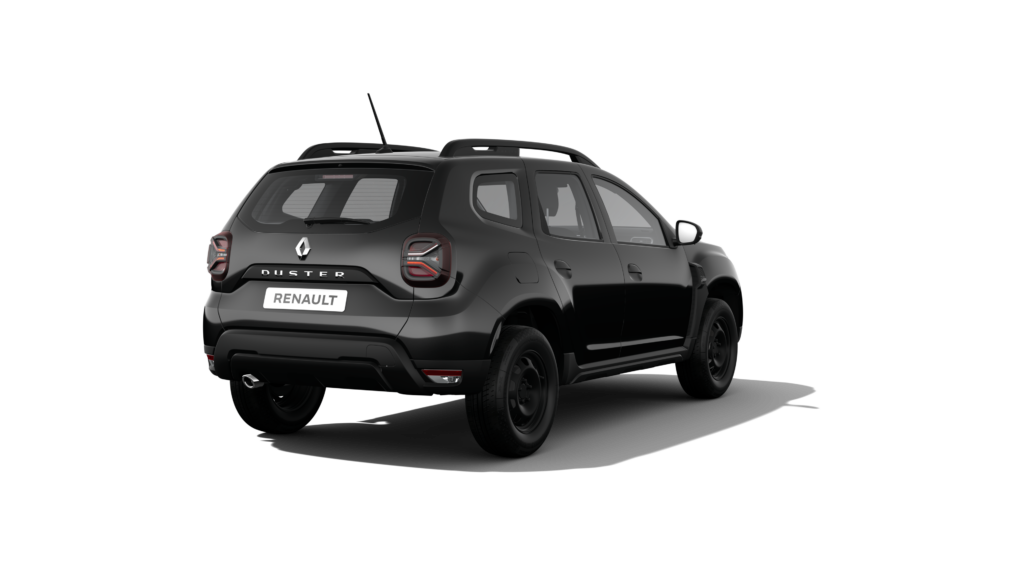
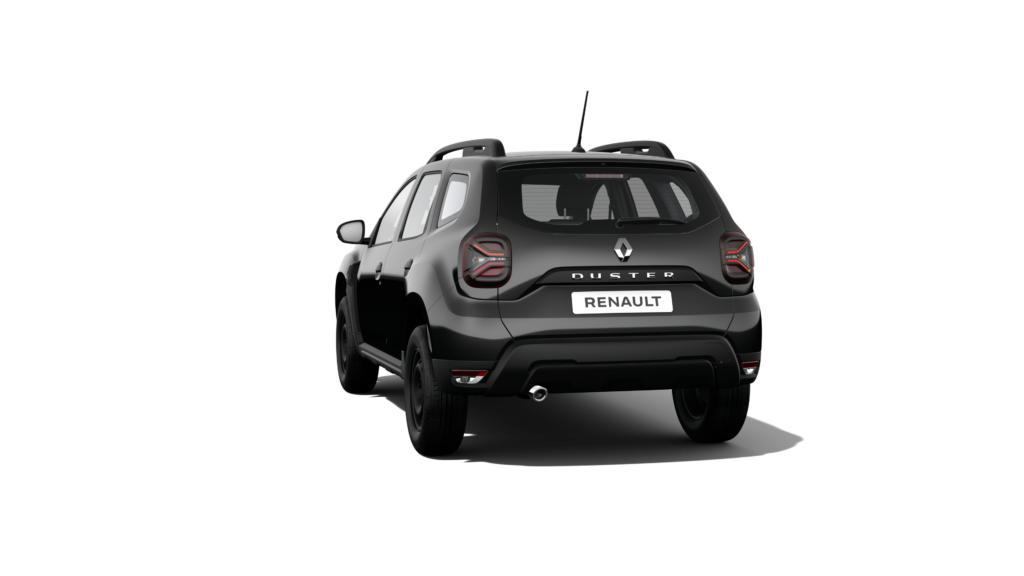
A Renault reforça a gama Duster com o lançamento da nova versão de entrada Zen Plus 1.6. A novidade, desenvolvida para levar o SUV para uma nova faixa do mercado, chega com preço sugerido de R$ 107.990 e nao conta com multimídia.
A nova versão oferece uma alternativa competitiva para os clientes que desejam entrar no universo dos SUVs, sem abrir mão dos atributos que consolidam o Duster no segmento desde 2011.
Ao longo de sua trajetória, o Duster conquistou os brasileiros por sua robustez, versatilidade e amplo espaço interno. Com a nova versão Zen Plus, a Renault amplia as oportunidades de acesso ao modelo, mantendo exatamente os atributos que consolidaram o SUV como uma referência em seu segmento.
A nova versão Zen Plus preserva características que fazem parte do DNA do Renault Duster. Equipado com o motor 1.6 SCe flex associado ao câmbio manual de cinco marchas, o SUV oferece um conjunto reconhecido pela confiabilidade e eficiência para o uso diário.
Assim como as demais versões da linha, o Duster Zen Plus traz itens importantes de segurança e conforto, como seis airbags, controles eletrônicos de estabilidade e tração, assistente de partida em rampa, direção elétrica, sistema Stop & Start, faróis com assinatura em LED e grade frontal com acabamento em preto brilhante.
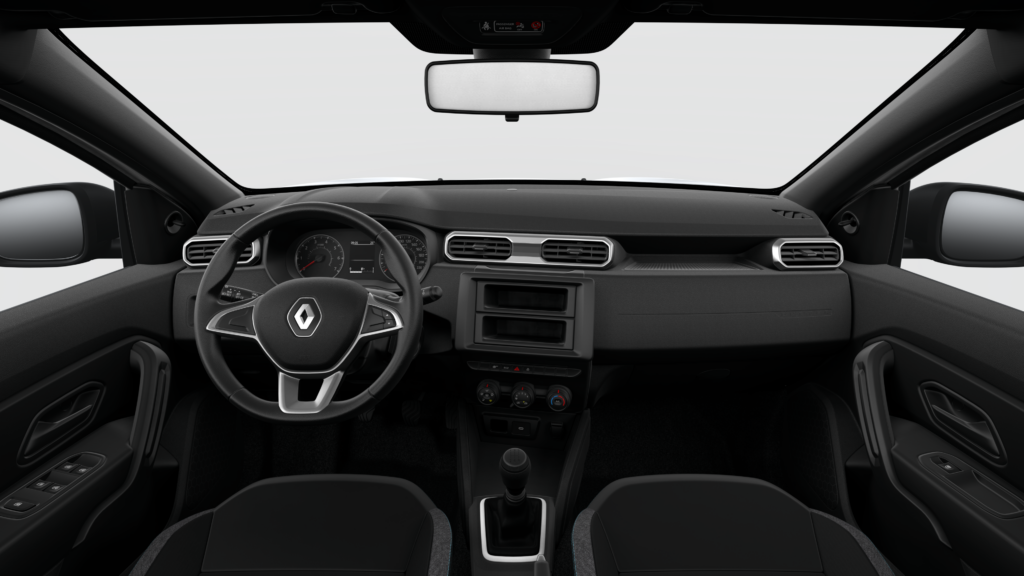
No interior, a versão conta com bancos revestidos em tecido com tons preto e cinza, com detalhes em azul nas costuras. Detalhes na cabine em cromado reforçam o design da versão, preparada para diferentes tipos de uso cotidiano.
A nova versão Zen Plus mantém os principais atributos do Duster. O SUV continua oferecendo o maior espaço interno do segmento e um dos maiores compartimentos de bagagem da categoria, com 475 litros de capacidade.
O Duster também preserva sua reconhecida aptidão para enfrentar diferentes tipos de terreno. Com 237 mm de altura do solo, além dos melhores ângulos de entrada e saída da categoria, o SUV entrega a robustez que se tornou uma de suas principais marcas ao longo de sua trajetória no mercado brasileiro.
Duster Zen Plus 1.6 MT (R$ 107.990)
Motor 1.6 SCe flex Câmbio manual Seis airbags Controle eletrônico de estabilidade (ESP) Controle eletrônico de tração (TC) Assistente de partida em rampa (HSA) Direção elétrica Faróis com DRL em LED Grade frontal em preto brilhante Rodas de 16″ Sistema Stop & Start Ar-condicionado
from SGT Report: Save the LIFE of someone you love, share this video! There is a better way than the Rockefeller medicine machine and their radiation and chemo. My guest Dr. Francisco Contreras is the President and Medical Director of Oasis of Hope Cancer Center who leads with metabolic whole body supportive therapies to care […]
Sagres recebe, nos dias 7 e 8 de novembro, a terceira edição do FALEX, um evento dedicado à segurança, à prevenção e ao reforço das capacidades de resposta em zonas costeiras com arribas.
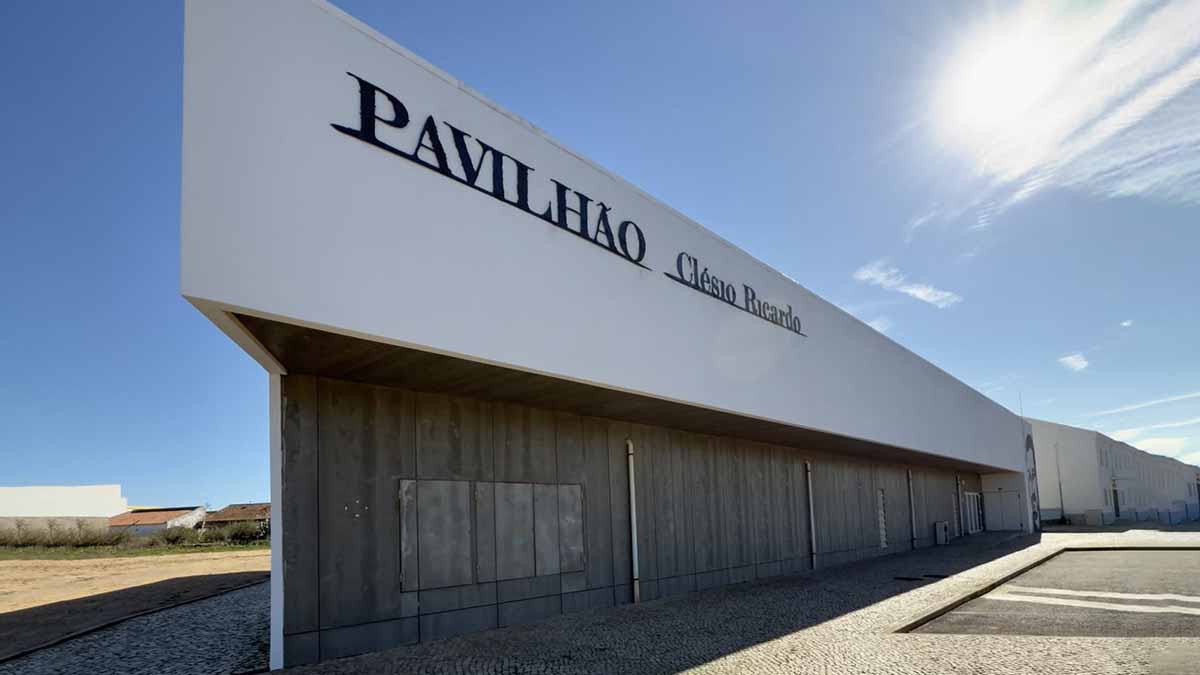
Durante dois dias, o Pavilhão Clésio Ricardo acolhe profissionais e entidades com responsabilidades nas áreas da proteção civil, do socorro e do salvamento, num programa que inclui um seminário técnico, workshops temáticos e um exercício operacional.
No dia 7 de novembro, realiza-se o seminário, que contará com a participação de especialistas de diversas áreas.
Os temas em destaque incluem os sismos, as tempestades, as técnicas de salvamento por cordas, a utilização de sistemas aéreos não tripulados e a aplicação de novas tecnologias à proteção civil. O programa integra ainda workshops dedicados à aplicação prática de diferentes técnicas.
No último dia do evento, 8 de novembro, terá lugar um exercício operacional com o objetivo de testar procedimentos, reforçar a articulação e a coordenação entre as equipas envolvidas e melhorar a eficácia da resposta a ocorrências em zonas de arribas.
As inscrições no seminário, nos workshops e no exercício operacional (os dois últimos exclusivos a profissionais da área) podem ser efetuadas clicando aqui.
A iniciativa é organizada pelo Município de Vila do Bispo, através do Serviço Municipal de Proteção Civil, e visa promover a partilha de conhecimentos, o aperfeiçoamento de técnicas e o teste de procedimentos, contribuindo para o reforço da preparação e da capacidade de resposta a ocorrências em zonas costeiras com arribas.

 Login