❌

Reading view

Key Trump Health Adviser Resigns Ahead of Midterm Elections

Calley Means, who helped unite Robert F. Kennedy Jr. and President Trump, pushed food reforms but grew frustrated with stalled progress on the MAHA agenda.

© Al Drago for The New York Times

Calley Means resigned from the Trump administration on Thursday.
  •  

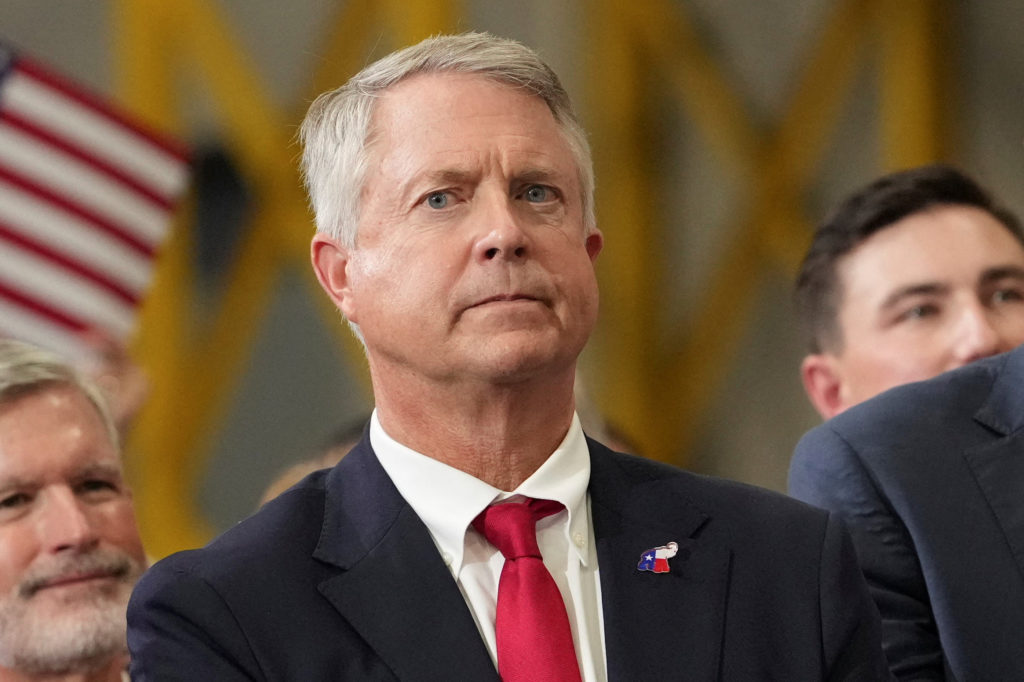
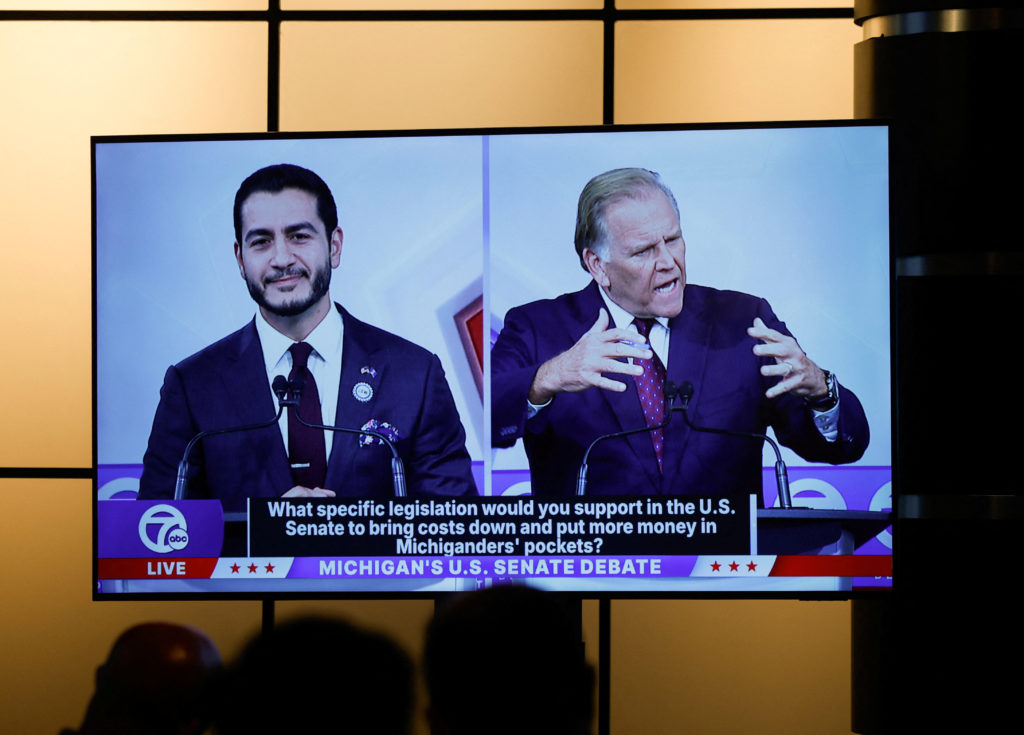
Kansas Sen. Roger Marshall in debate blames Ukraine war, not Iran war, for high diesel prices

The answer, delivered during a debate with Democratic challenger Adam Hamilton, aligned Marshall with President Donald Trump's freshly antagonistic posture toward Ukraine, which has spent more than four years defending itself against an invasion.

  •  

Tom Skerritt, Who Had Key Roles in ‘Picket Fences’ and ‘Top Gun,’ Dies at 93

His rugged good looks, commanding presence and versatility led to key roles in “M*A*S*H” and “Steel Magnolias,” and he won an Emmy on “Picket Fences.”

© CBS, via Getty Images

Tom Skerritt as Sheriff Jimmy Brock on “Picket Fences.” He won an Emmy for the role in 1993.
  •  

He Told Us About an O.J. Accomplice. Then He Said He’d Lied. What Next?

A source said his brother had been with O.J. Simpson the night of the murders in 1994. But when we refused to pay, he retracted his story.

© Pool photo by Reed Saxon

O.J. Simpson addressing the court in Los Angeles in September 1995.
  •  

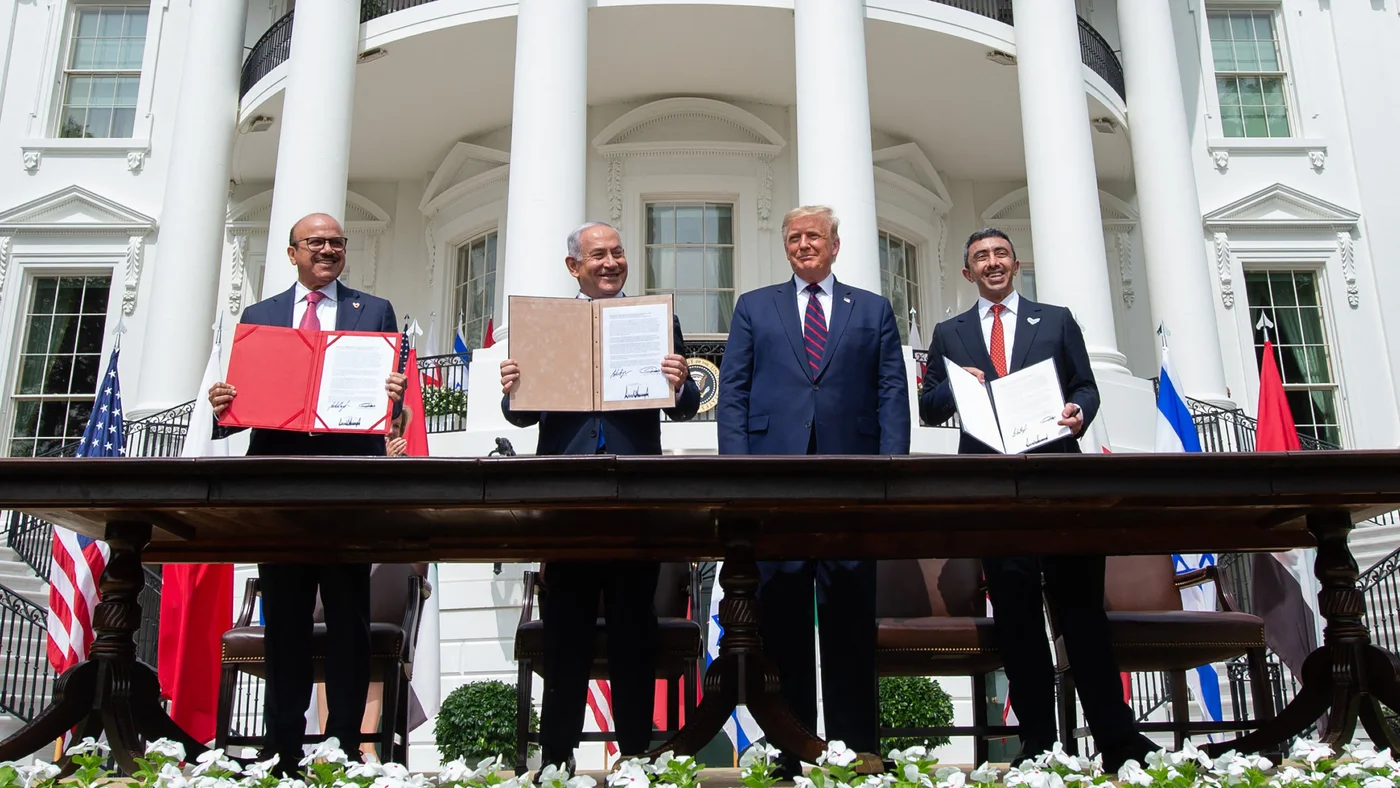
Israel’s vision of regional security rests on keeping Arab states weak

Six years after the Abraham Accords, a new report by a former Israeli intelligence chief outlines a doctrine treating peace deals as temporary and regional instability as an asset. (This the latest chapter of a decades long Israeli strategy)

  •  

WATCH LIVE: Trump rallies in Iowa with GOP Senate candidate Ashley Hinson

On Thursday, Hinson will join President Donald Trump for a rally in Sioux City, which is in Iowa's conservative northwest corner. The visit to safe territory is geared toward boosting turnout even as it ties her more tightly to an unpopular president.

  •  

Stocks See Steepest Decline in Months Amid A.I. Worries

The S&P 500 index fell over 1.4 percent, its largest daily decline since July, while the tech-heavy Nasdaq slumped nearly 2.5 percent, that index’s biggest one-day decline since June.

© Angela Weiss/Agence France-Presse — Getty Images

  •  

PHP Security Flaw Sets Off Global Rush to Patch, Leaving Websites Offline

Governments and businesses around the world scrambled to prevent hackers from exploiting a vulnerability in PHP, a popular programming language.

© Geert Vanden Wijngaert/Associated Press

Prime Minister Rob Jetten of the Netherlands in Brussels last week. He said that his cabinet was closely monitoring the online vulnerability caused by a security flaw in PHP.
  •  

French borrowing costs overtake US amid budget turmoil

France’s bond market hit by another bout of selling as country recovers from weekend protests

French borrowing costs continued to rise on Thursday, as investors fret that France’s government is struggling to pass a federal budget after public protests gripped the country.

France’s bond market was hit with another bout of selling, with the difference between French and German 10-year borrowing costs – a metric for the risk premium attached to French debt – rising to its highest level in almost 15 years.

Continue reading...

© Photograph: Telmo Pinto/NurPhoto/Shutterstock

© Photograph: Telmo Pinto/NurPhoto/Shutterstock

© Photograph: Telmo Pinto/NurPhoto/Shutterstock

  •  

Cosa è e cosa rappresenta il quotidiano Repubblica. Non è un giornale. 

Da Luigi il 2026-10-22 00:08


  · 
Cosa è e cosa rappresenta il quotidiano Repubblica. Non è un giornale.
Fin dalla fondazione è stato un partito, una corrente, un ambiente.
1976, Eugenio Scalfari. Non fonda un quotidiano di cronaca, fonda il giornale del compromesso storico che non si fa, del PCI che diventa socialdemocrazia, della borghesia colta che non vuole più votare DC ma non vuole nemmeno la rivoluzione e il socialismo.
Finanziato all’inizio da De Benedetti e Caracciolo, poi solo De Benedetti. Quindi fin da subito rappresenta la grande industria del Nord che vuole una sinistra moderna, non operaia.
Il blocco sociale che ci sta dietro è preciso:
 
Magistratura e alta burocrazia romana.* Repubblica è sempre stata il megafono del pool di Mani Pulite, poi del CSM, dei procuratori. Un rapporto simbiotico.
Università e mondo culturale di sinistra.* La Sapienza, il mondo editoriale, il cinema, i grandi nomi progressisti. Scalfari li chiamava “i miei professori”.
Alta borghesia illuminata di Milano e Torino.* Quella che vota PD ma ha i soldi in borsa, che è per i diritti civili ma anche per l’Europa e i mercati. De Benedetti prima, Elkann/Agnelli oggi.
Quirinale e Farnesina. Più che il governo, Repubblica rappresenta lo Stato permanente. La linea atlantista, europeista, istituzionale. Non a caso ha sostenuto tutti i presidenti della Repubblica da Napolitano in poi, e tutti i governi tecnici da Ciampi a Draghi.
Mondo ONG, terzo settore, fondazioni. L’ecosistema che gira intorno al PD e ai centri culturali.
Non è mai stata popolare. Non è mai stata operaia o sindacale, anche quando sosteneva la CGIL.
Dal 2020 la proprietà è passata a Exor degli Agnelli. Direttore Maurizio Molinari prima, Mario Orfeo ora. Ma la linea è rimasta quella: partito della continuità repubblicana, garante che qualunque governo, anche di destra, resti dentro i tre perimetri: euro, NATO, magistratura.
Per questo Repubblica è un intero blocco sociale: quello che in Italia ha vinto dopo il ’92, dopo Tangentopoli, e che considera se stesso la Repubblica stessa, non solo un suo giornale.
È il giornale dell’establishment, dello stato profondo. Ancora prima della trasformazione in PD era diventato il giornale di riferimento della base del PCI che aveva sostituito la lettura de l’Unità con Repubblica, lasciando fallire il proprio organo di partito.
 
Un caso unico in cui il padronato si è messo a capo della classe operaia. 
George Mosse avrebbe parlato di nazionalizzazione delle masse, o meglio di istituzionalizzazione delle masse. Masse che poi avrebbero sostenuto la privatizzazione della cosa pubblica.
E cosa hanno sostenuto, quelle masse istituzionalizzate?
 
La fine della scala mobile con l’accordo Confindustria, CGIL CISL UIL, governo nel ’92. La Legge Amato-Carli 1990-93 con cui le banche pubbliche diventano S.p.A. e le popolari smettono di essere territorio e diventano mercato. Il Testo Unico Bancario 1993 di Ciampi: la banca può fare tutto, è banca universale. Non solo prestiti a famiglie e imprese, ma speculazione, derivati, borsa. È la fine della separazione fra banca e finanza che c’era dal ’36.
Per entrare nei parametri di Maastricht occorre fare sangue.
Le privatizzazioni IRI. Non solo per fare cassa. Smantellata l’industria di Stato che faceva da argine: ENI, ENEL, Telecom, Autostrade, Aeroporti, Alitalia. Telecom va a Colaninno con debiti, poi a Tronchetti – modello di finanza comprata a debito. La Borsa diventa centro del potere. OPA, scalate, fondi.
 
Poi la seconda mazzata. Monti e dintorni. Arriva la Troika senza chiamarla Troika.
Pareggio di bilancio in Costituzione, votato quasi da tutti. È impossibile fare deficit. È Maastricht dentro la Costituzione. Fiscal Compact: occorre scendere verso il 60% di debito, tagliando 40-50 miliardi l’anno per 20 anni.
Riforma Fornero 2011. Riforma del lavoro Fornero e poi Jobs Act 2014. Art. 18 cancellato, licenziamento facile, precarietà strutturale. Il lavoratore diventa variabile di aggiustamento del mercato finanziario.
Basilea 2 e 3. Le banche non possono più prestare come prima. Una BCC per prestare 100.000 euro a un artigiano deve accantonare capitale come se fosse un derivato. Risultato: credito alle PMI crollato, 100.000 imprese chiuse tra 2012-2015.
Riforma delle Popolari e delle BCC del governo Renzi. Popolari sopra 8 miliardi devono diventare S.p.A. BCC obbligate a entrare in due holding controllate dalla BCE. Fine del credito territoriale.
Bail-in 2016. Se la banca fallisce, paga il cliente: azionisti, obbligazionisti, correntisti sopra 100k. Banca Etruria, Marche, ecc. La gente scopre che la banca non è più cassaforte.
Privatizzazione del risparmio. PIR, fondi, spinta a portare i 1.400 miliardi degli italiani dalle banche ai mercati. Perché la finanza ha bisogno di masse.
Lo schema è perfetto: prima tolgono la protezione sul salario con la scala mobile, poi sulla pensione con Dini-Fornero, poi sul posto di lavoro con art.18 e Jobs Act, poi sul conto in banca con prelievo e bail-in, poi sulla tua banca locale con Basilea e riforma BCC.
 
L’Italia è passata da essere un paese con una politica industriale con IRI, ENI, banche pubbliche e scala mobile, dove il profitto restava ancorato al territorio e al lavoro, a un paese dominato dalla finanza speculativa, dove dal ’92 in poi non si produce più per guadagnare ma si guadagna comprando a debito ciò che era già stato costruito da altri, trasformando Telecom, Autostrade, le banche e le case in rendite, e Repubblica è stata il giornale che ha fatto accettare questa espropriazione alla sua stessa base operaia raccontandola come modernizzazione, Europa e fine delle ideologie.
È la Destra non ha potuto più mutare un pollice.

L'articolo Cosa è e cosa rappresenta il quotidiano Repubblica. Non è un giornale.  proviene da Blondet & Friends.

  •  

Takaichi’s next vote is in the bond market

Sanae Takaichi has done something few Japanese leaders manage. She’s reached her first anniversary in office more popular than her predecessors, and she looks well placed to keep the job. In a country that has burned through five prime ministers in a decade, this counts for a lot. Popularity, though, is only one of two […]

The post Takaichi’s next vote is in the bond market appeared first on Asia Times.

  •  

How Mark Zuckerberg Pushed Meta to Shield Him From California’s Proposed Wealth Tax

The billionaire told Meta’s board that he planned to list his Silicon Valley home for sale. The company remade its stock structure to help him pay the tax if voters pass it.

© Victor Llorente for The New York Times

Mark Zuckerberg, the chief executive of Meta, at his home in Lake Tahoe, Calif. He has another California home in Palo Alto, close to Meta’s headquarters.
  •  

Democratic and GOP strategists on the deeply personal attack ad in Ohio

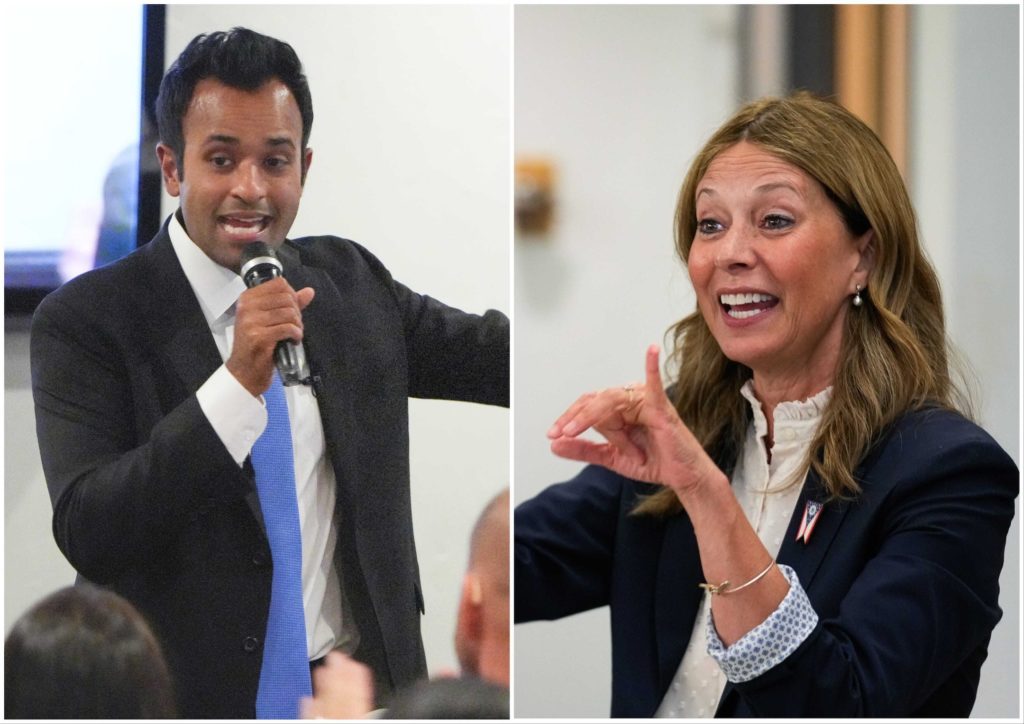
The campaign is in its final stretch and the attacks are getting increasingly personal. In Ohio, Republican gubernatorial candidate Vivek Ramaswamy's campaign is behind an ad featuring the estranged mother of his Democratic opponent, Amy Acton, disputing Acton's account of her childhood. For analysis, Geoff Bennett spoke with Democratic strategist Faiz Shakir and Republican strategist Whit Ayres.

  •  

Investigation finds hundreds of U.S. citizens detained by ICE

California officials are calling for an investigation into the actions of federal immigration officers after they allegedly injured and detained a U.S. citizen. Ricardo Gonzalez's detainment comes as an investigation by ProPublica found that more than 500 citizens have been caught up in the administration's immigration operations. William Brangham discussed more with ProPublica's Nicole Foy.

  •  
❌