The peace discussions will begin at the technical level with negotiation teams, Zelensky said. If those efforts prove productive, then meetings between Zelensky, Russian President Vladimir Putin, and U.S. President Donald Trump will be held.
Recent efforts to throttle Ukraine's access to satellite systems have created a blame game of sorts among Trump administration officials and their allies, who have offered mixed messages about what led to the sudden restrictions on Kyiv's ability to intercept Russian strikes.
Finland will donate diesel locomotives to Ukraine’s state railway, the Office of Ukraine’s President reported. Helsinki also pledged new winter aid, and the two countries signed deals on drones, housing, and satellite communications during Finnish Prime Minister Petteri Orpo’s visit to Kyiv. One of them is a first step toward a satellite link Ukraine would control itself.
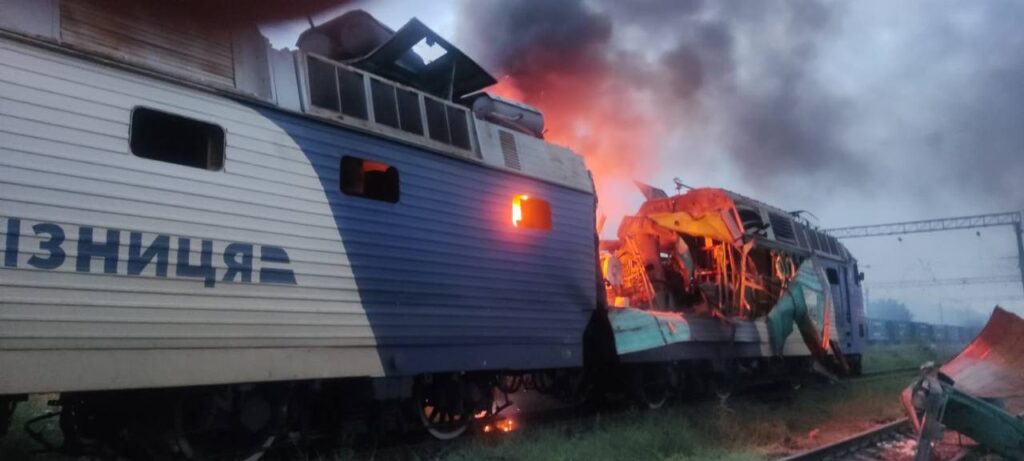
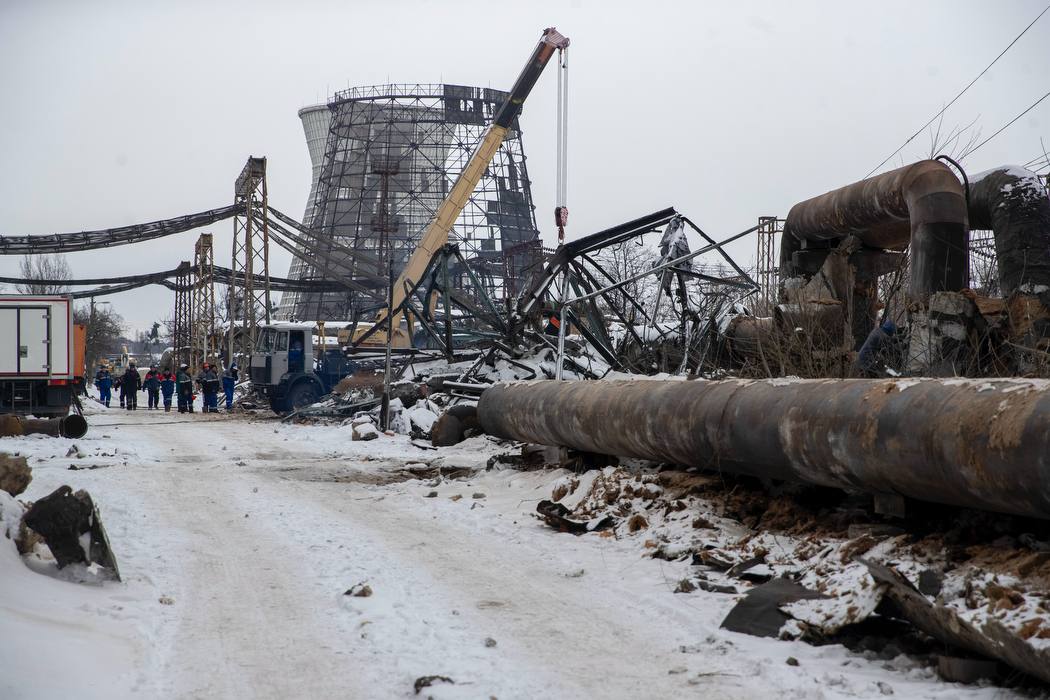
With Russia replacing its missiles as fast as it fires them, Ukraine heads into winter needing equipment that works without the grid. Russian strikes have damaged or destroyed almost 600 locomotives of Ukraine’s state railway since the full-scale invasion began, more than 300 of them diesels, the infrastructure minister said. The attacks have reached engines even near the Polish border, on the railway that carries Ukraine’s evacuations, grain, and cargo.
Diesels that keep moving when the grid goes down
Finland will hand 10 locomotives and their spare parts to Ukrzaliznytsia, Ukraine’s state railway, free of charge. Infrastructure Minister Mykola Kalashnyk announced the deal, signed on 22 October at a Ukrainian-Finnish business forum. The engines need no power from overhead lines, so trains can keep running during blackouts.
The engines are Dv12 diesels that VR, Finland’s state rail company, is taking out of service. A VR shareholders’ meeting moved them into state ownership, and the Finnish state is donating them, Yle reported. VR puts their value, spare parts included, at about €2.1 million. Finland’s government said the gift will not affect VR’s ability to run trains at home.
A VR Class Dv12 diesel locomotive in Finland, 16 April 2007. Photo: Matthew Ross/Wikimedia Commons
Ukrainian Prime Minister Serhii Koretskyi and Orpo signed the donation certificate, one of seven documents signed that day. Two others plan Ukrainian-Finnish drone production in Finland, one for military and dual-use systems and one for heavy drones. Another covers a precast concrete plant for industrial housing construction.
The day’s agreements are worth around €300 million in total, Zelenskyy said. Projects worth €200 million are already under way within the two countries’ Drone Deal, he added. Under an earlier plan, most drones made in Finland would go to Ukraine.
Explore further
Finland backs €28.5 million power plant project as Ukraine braces for Russia’s next winter energy assault
Winter money now, a 36th military package by year’s end
Orpo announced a new €10 million package. Of it, €5 million goes to the Ukraine Energy Support Fund and €2 million to humanitarian aid for winter. The last €3 million goes to the Ukraine Recovery Program, for energy and water supply. Finland will also deliver mobile heating containers by December.
Finland has given Ukraine five defense packages this year, worth more than €500 million combined, Militarnyi reported. A 36th package is being prepared together with Ukraine’s military. “We plan to make a decision by the end of this year,” Orpo said. In September, Finland approved a package worth about €290 million.
A satellite link Ukraine would own
Ukraine’s Defense Ministry signed a letter of intent with Finnish satellite firm ICEYE and telecom company Nokia, Militarnyi reported, citing ICEYE. The parties will explore building a secure satellite communications system under Ukraine’s control. The aim is to reduce Ukraine’s dependence on foreign commercial operators.
In this model, the state customer owns the satellites, ground stations, and user terminals, RBC-Ukraine reported. The network could serve defense, border protection, emergency services, and disaster recovery. The letter sets out no timeline or funding.
“Modern warfare has proven that reliable communications are a matter of national security,” Zelenskyy said in the companies’ statement. ICEYE CEO Rafal Modrzewski said Ukraine needs “secure, sovereign and high-performance satellite communications systems that it controls.”
The deal comes after a speed cap on Starlink disrupted Ukrainian drone missions this month. The EU, meanwhile, is pushing three European firms to merge into one SpaceX rival. ICEYE has supplied Ukraine with radar satellite imagery for years.
Days before the signing, tracking firm LeoLabs said a Russian government-owned satellite, Cosmos 2612, had spent weeks shadowing an ICEYE radar satellite, coming within 500 meters. The ICEYE satellite is widely believed to provide imagery to Ukraine.
Neither fix is quick. Ukraine’s big locomotive order arrives from 2027, and the first satellites of the ICEYE-Nokia system are expected to launch only in 2028.
Like the man in Monty Python and the Holy Grail, Ukraine’s President Volodymyr Zelensky may be crying, “I’m not dead.” It is too early to perform a postmortem on Zelensky’s political career. But it may not be premature to attempt an analysis of his deteriorating condition and struggle to survive.
Zelensky’s strength is being undermined on four fronts: overall domestic support, support from his party, financial support from Europe, and a collapsing relationship with President Donald Trump.
Polls show that Ukrainians, who wanted Zelensky to lead them through the war, no longer want him to lead them after the war. Indeed, having fed Ukrainians with fantastical promises of pushing Russia out of all Ukrainian lands and being welcomed into NATO, and having depended on a cooperative relationship with Ukrainian ultranationalists who oppose a compromise peace with Moscow, Zelensky may have put himself into a position where his presidency cannot survive the war. Polling shows a collapse of domestic support for Zelensky, suggesting that he would lose by a wide margin in the next election.
But, while the foreign media has been entirely focused on the war, domestic attention in Ukraine has also turned to corruption. Zelensky was elected on the twin platform of making peace with Russia and ending Ukraine’s self-destructive corruption. He has delivered on neither.
A key metric is Zelensky’s trust rating. Asked recently which political figures they trust, Ukrainians ranked their president a damning sixth, with only 18 percent of respondents fully trusting him. His main potential political rivals, Valeriy Zaluzhny, Kyrylo Budanov, and Mykhailo Fedorov are all more trusted. A fifth of those who say they do not trust Zelensky cite corruption as the main reason, and 72 percent of Ukrainians say he is personally responsible for corruption in his government. Amid his latest spat with Trump, one recent poll found Zelensky’s trust rating had risen, but the overall trend is still bad, and the rally-around-the-flag effect may prove fleeting. Zelensky has hurt himself with his handling of a snowballing corruption scandal that is reaching deeper and deeper into his inner circle.
And Ukraine’s president is not only losing ground with voters—he’s also losing the support of his party, which once was solidly behind him. He is being confronted by unfamiliar resistance, with dozens of MPs in his Servant of the People party boycotting or rebelling. His legislative supermajority is reportedly at risk as a result of defections.
The lack of support at home also puts in jeopardy EU funding on which the Ukrainian government relies. Ukraine is facing a massive budgetary shortfall totaling tens of billions of dollars. Kiev wants money promised by the EU for 2027 to be provided sooner. But the release of badly needed funds from the EU is contingent on the Verkhovna Rada, Ukraine’s parliament, enacting corruption reforms—and Zelensky’s party has refused to pass such measures. Even a package of tax bills that was passed last week and that could unlock $4.3 billion dealt only with less controversial items, and avoided addressing many of the more serious demands being made by the EU.
Earlier this month, the EU rejected Zelensky’s appeals and refused to accelerate payments to cover the shortfall, again tying funding to corruption reform. According to Slovakia’s Prime Minister Robert Fico, neither Slovakia nor Hungary will participate in another EU loan to Ukraine. Other, more pro-Ukraine EU nations would have trouble filling the gaps. France, for example, is convulsed by riots motivated in part by the rising cost of living, and populist critics of the establishment are quick to remind voters of the vast sums that have already been sent to Ukraine. The right-wing leader Marine Le Pen, currently the favorite to win France’s next presidential election, recently said that, if she wins, Paris will cut financial aid to Ukraine.
But Zelensky’s biggest challenge comes from Ukraine’s most crucial supporter. Shaky relations with U.S. presidents are nothing new for Zelensky. In the first year of the war, when Joe Biden authorized further military assistance for Ukraine, Zelensky complained about what he wasn’t getting. Biden reportedly “lost his temper” during a call with the Ukrainian leader. “Raising his voice,” he told Zelensky to “show a little more gratitude.” The next year, Thomas Friedman of the New York Timesreported, “There is deep mistrust between the White House and President Volodymyr Zelensky of Ukraine—considerably more than has been reported.”
But Zelensky managed those challenges. Even following last year’s public debacle that saw Trump throw him out of the Oval Office, Zelensky was able to repair his relationship with Trump. That work has now exploded.
Earlier this month, Trump made three decisions that seemed to collectively amount to a breaking point for a reluctantly conciliatory Zelensky. He made a deal with Russia’s President Vladimir Putin that would allow Russia to sell diesel fuel, he announced a surprise energy ceasefire that demanded Ukrainian armed forces stop all strikes on Russian refineries, and he waived new sanctions on Russia.
This trio of announcements apparently led Zelensky to conclude that his conciliatory approach was no longer working. According to a person close to Zelensky, he let it be known that “plain speaking” was now needed, and he made the decision to publicly criticize Trump.
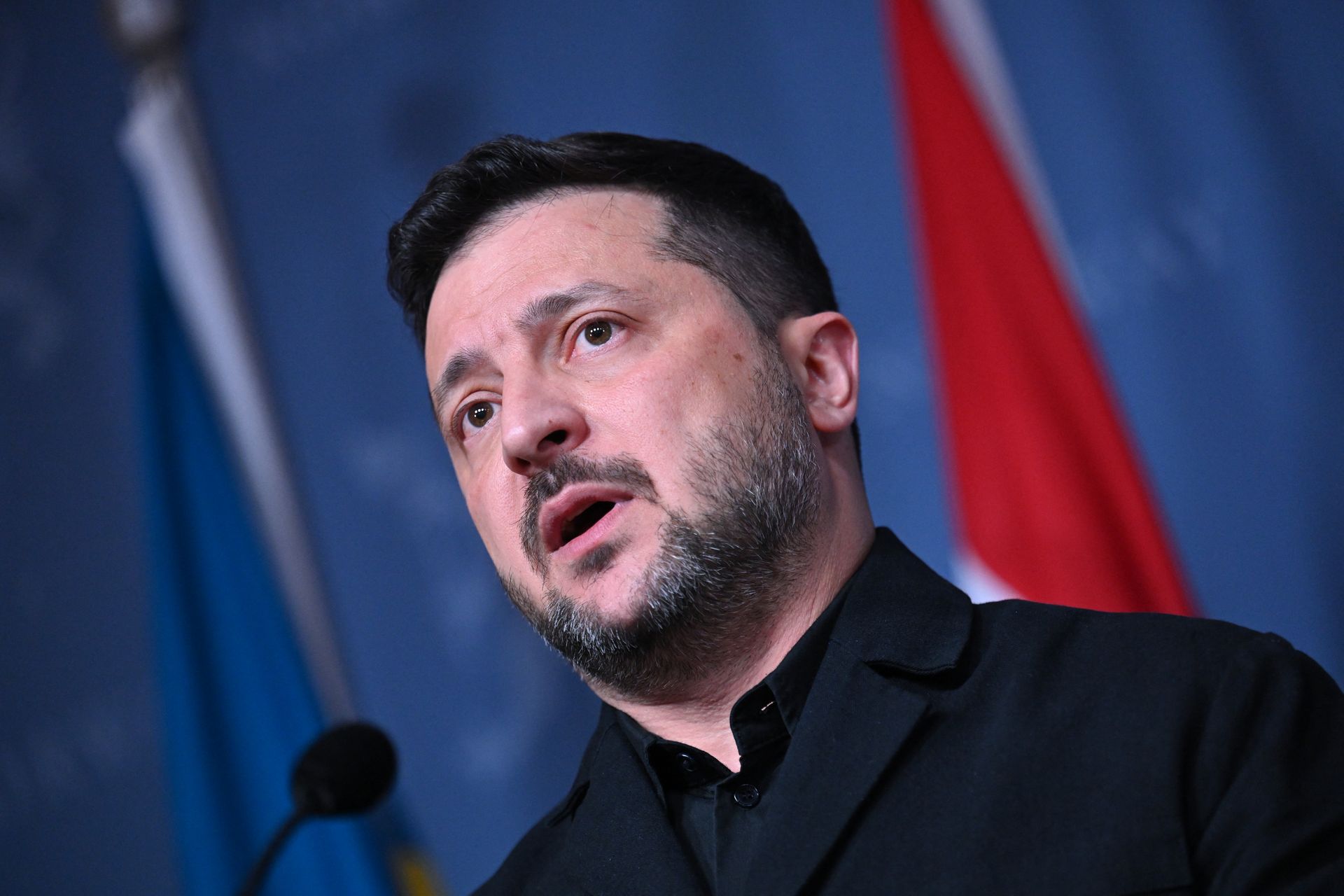
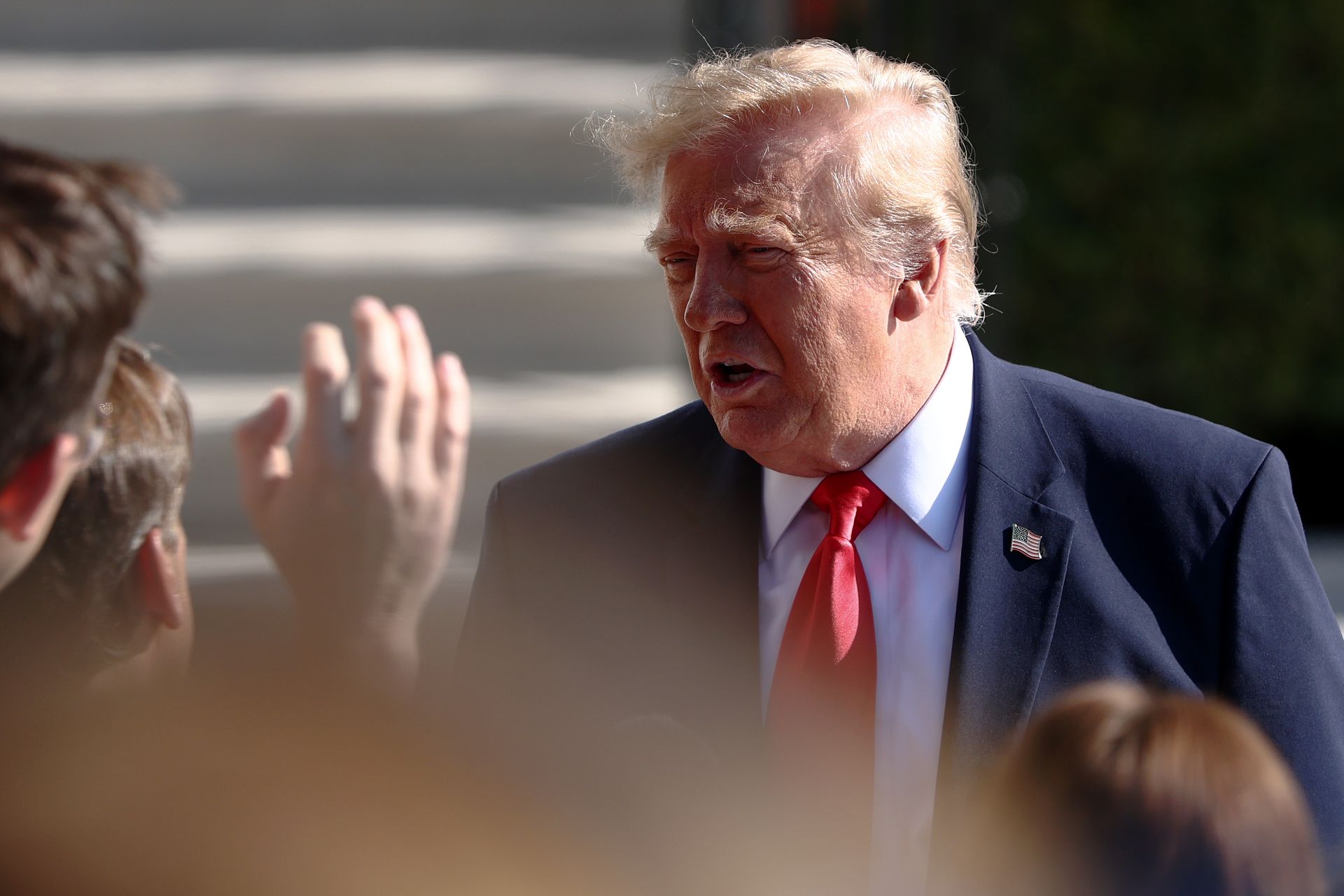
Zelensky said Trump’s behavior “is certainly not how partners should treat each other.” When Ukraine struck another Russian refinery, Trump said Zelensky “better damn well stop.” Zelensky said Trump was not being fair or honest. He called Trump weak, and juxtaposed his leadership to the “real leaders” in Europe. Trump fired back, declaring, “I think it’s time for Ukraine to get a new president…. I suggest they get a new leader who can make a deal.” Trump later expanded: “I think if they are going to end up with a settlement of some kind, they are not going to do it with him.” On Monday, Trump added, “To be honest, I think it’s time for somebody else to negotiate on behalf of Ukraine.”
The gloves were off, and Zelensky was in danger of losing Trump. The military-grade version of Starlink, which Ukrainians use for battlefield communications, as well as U.S. early warnings of incoming Russian missiles went silent. “He is not a good guy for us to deal with,” Trump said of Zelensky Friday, adding that he is “more difficult to deal with than Putin.” Zelensky, he said, had “destroyed that country.”
When Russia kept pounding Ukraine’s electricity grid with drones, ballistic and hypersonic missiles, and with access to U.S. intelligence was restricted, Zelensky defied Trump’s orders, letting it be known that the block on attacking Russian refineries was off.
Zelensky is a political survivor, but the latest constellation of crises is the most difficult challenge to his leadership yet.
US President Donald Trump said Elon Musk had restored Ukraine’s Starshield speeds, but the restrictions remained in place on 23 October, according to Ukrainian officials.
The cap, in place since 14 October, has disrupted interceptor drone missions against jet-powered Shaheds flying above 400 km/h for more than a week. On 16 October, Trump told reporters that, from what he understood, nothing had changed with the service. His latest claim that Musk restored it appears to acknowledge the restriction, even as he denies ordering it.
Ukraine says restrictions remain
“At the moment, there is no confirmation that the restrictions have been lifted,” a Defense Ministry official told LIGA.net on the morning of 23 October. The official said connections continued to drop at above 161 km/h.
Presidential adviser Serhii Beskrestnov wrote on Telegram on 23 October that no lifting had been recorded. He said occasional operation above the limit could result from SpaceX algorithms or usage conditions.
A day earlier, President Volodymyr Zelenskyy said US Secretary of State Marco Rubio had promised to return with information in “48 plus hours,”according to his remarks to reporters in Kyiv. A Ukrainian official separately told The Kyiv Independent that reports of restored speeds were “all false.”
A senior European official told the Associated Press that the cap remained at about 160 km/h and that Ukraine had no clear explanation of who ordered it or why.
Conflicting reports of a lift
Trump said Musk had restored the speeds but declined to clarify whether he had contacted him.
“I guess the bottom line, he put it back,” Trump said.
Meanwhile, AP reported that the Wall Street Journal said Musk had agreed to lift the restrictions. The Ukrainian drone and mapping channel Kartohraf posted on the evening of 22 October that the cap had been lifted. The Economist’s Oliver Carroll said that frontline drone commanders thought it had likely been lifted but were still testing, according to his post on X.
Who ordered the cap?
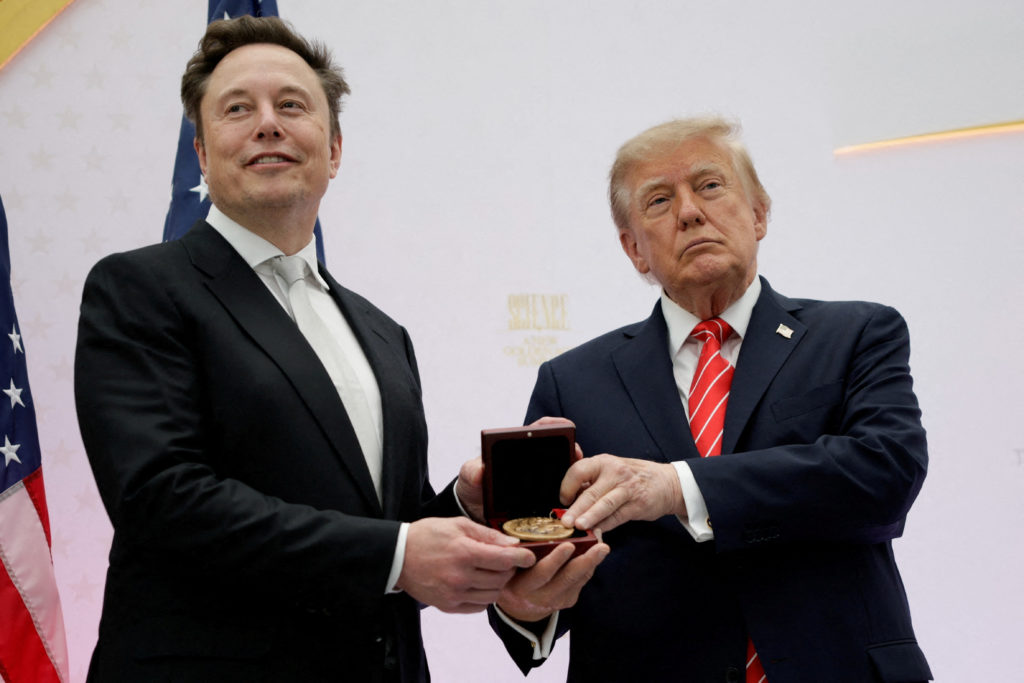
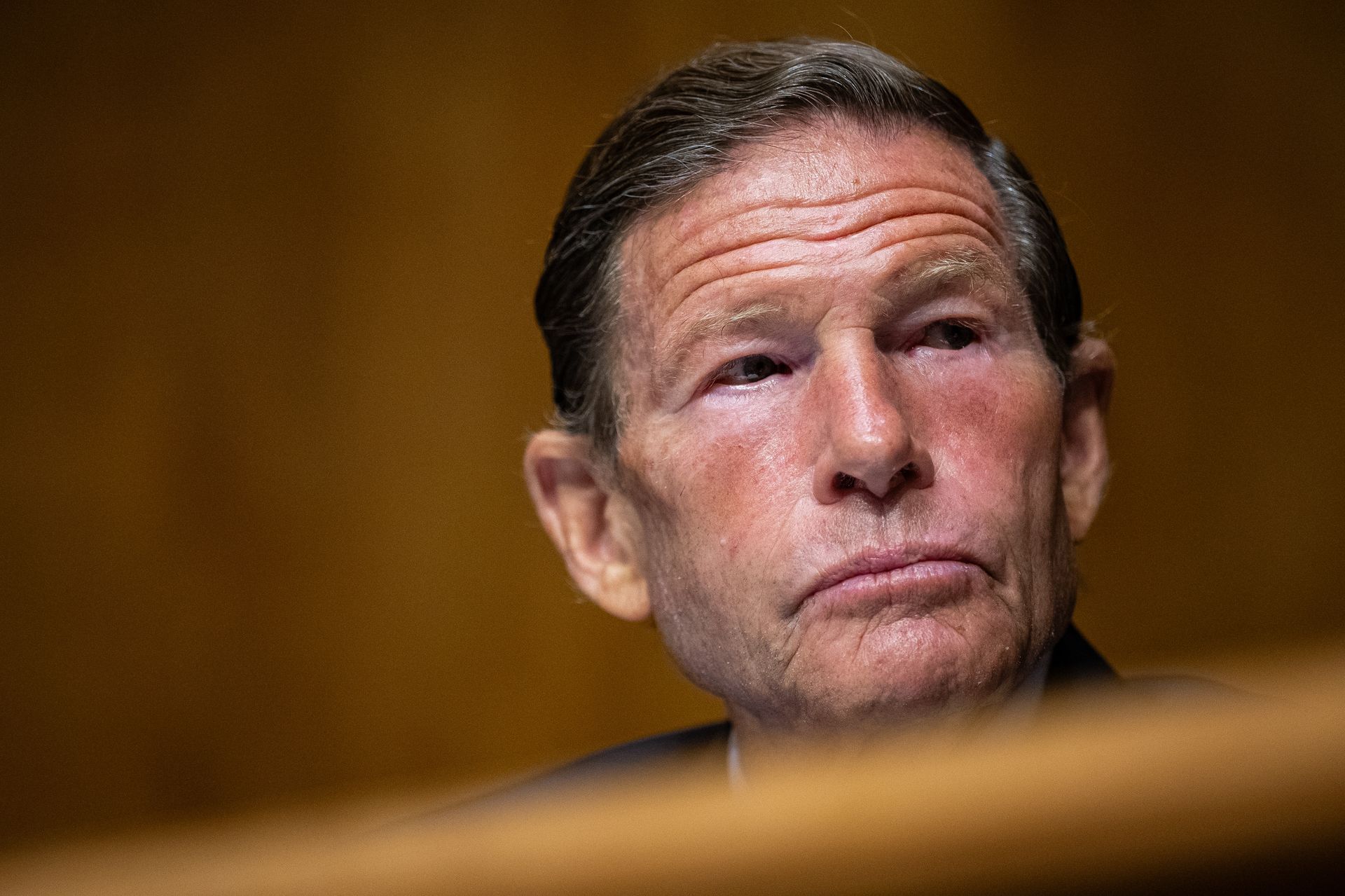
The order came from inside the White House, according to a Reuters report on 15 October. Days later, the Wall Street Journal reported that Musk ordered the slowdown. Rubio denied White House involvement, and Defense Secretary Pete Hegseth said on 20 October that the US had not ordered the restriction. Meanwhile, Democratic Senator Richard Blumenthal announced an inquiry into how the service was slowed, AP reported.
Ukraine’s gains in Donetsk Oblast rely on drones the cap slows
The 3rd Army Corps’ Operation Vivaldi retook ground north of Lyman in Donetsk Oblast with drones, many of which rely on Starlink or Starshield, and those gains could erode if the cap stays.
At the same time, Radio Svoboda reported that Ukraine needs a limit of at least 450 km/h and that Germany pays for the service under a contract running until April 2027.
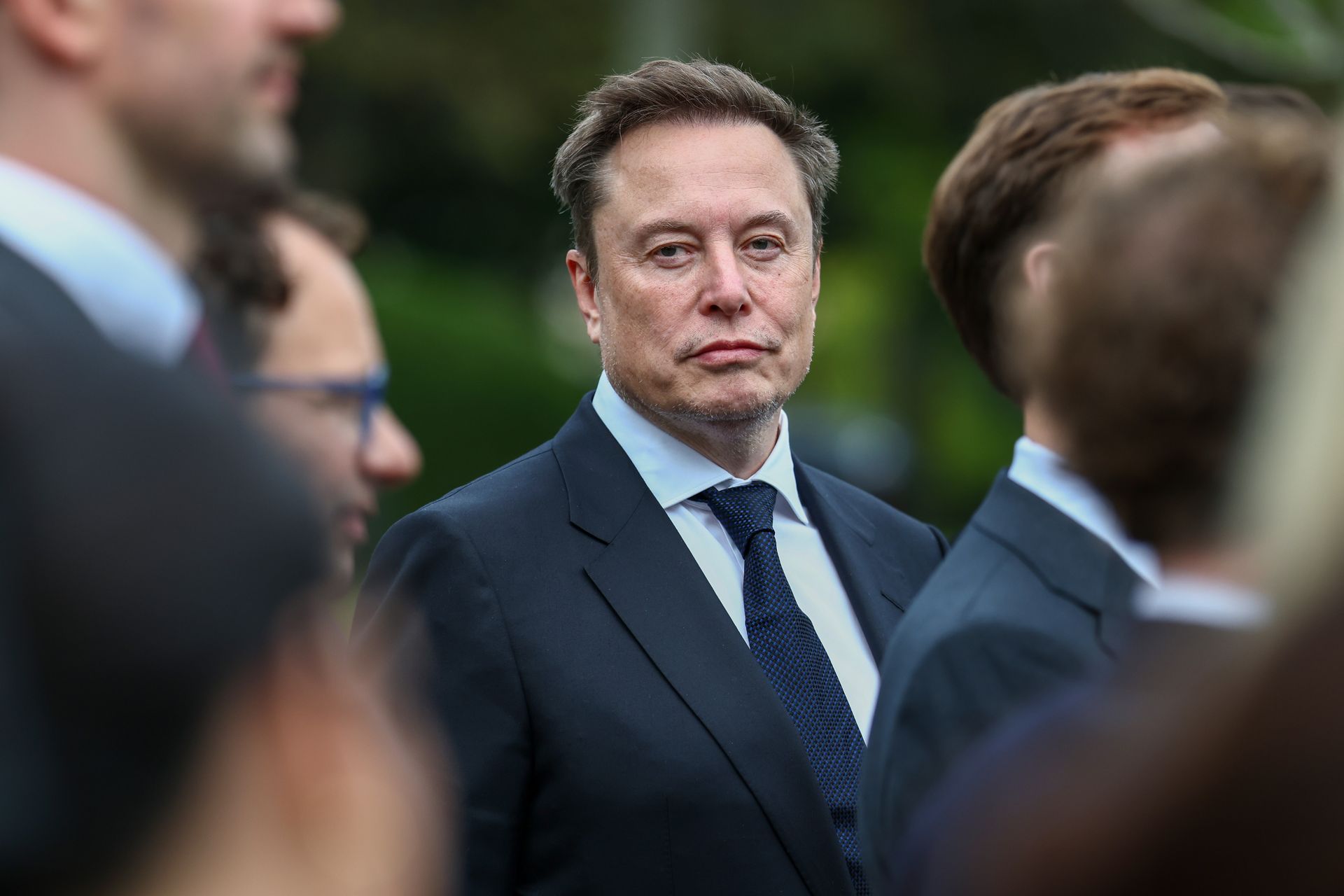
Eleven days after Ukraine's Starshield terminals started mysteriously malfunctioning, there is still nobody in Washington who wants to take responsibility, while Trump administration officials continue pointing fingers firmly at SpaceX CEO Elon Musk.
The Wall Street Journal reported on Oct. 23 that U.S. President Donald Trump had
"This decision to limit critical technology for a key ally... (puts) Ukrainian forces at risk and their people in peril," Senator Richard Blumenthal wrote in a letter addressed to U.S. Defense Secretary Pete Hegseth.
"Ukraine needs secure, sovereign, and high-performance satellite communications systems that it controls," ICEYE CEO Rafal Modrzewski said in a press release announcing the deal with Kyiv.

 Login