❌

Reading view

Brazil Presidential Runoff Enters Counting Phase After Extended Voting Hours

Photo: EFE.

Brazil’s final polling stations closed at 7 p.m. local time Sunday, ending a two-hour Supreme Court extension and clearing the way for the vote count to resume in the presidential runoff.


The official cutoff had been set for 5 P.M. local time but the Supreme Federal Court pushed it back two hours as the original deadline arrived. Under the decision, only precincts where balloting had not ended by 5 P.M. Brasilia time could keep receiving voters.

RELATED: Brazilian Expats in Asia and Oceania Back Lula in Majority of Nations

The last polling stations in Brazil shut their doors at 7 P.M. Brasilia time on Sunday, marking the end of an extraordinary two-hour window that the Supreme Court had ordered only minutes before the original deadline.

Once the extended voting period concluded, election officials formally closed the polls and resumed the nationwide vote count.

The Court’s notification arrived shortly after 5 P.M., when voting was already due to close. By that point, hundreds of polling stations had finished the day’s work, printed their ballot bulletins and even begun shipping equipment to the regional electoral courts.

The definitive shutdown shifted attention to the Superior Electoral Court, which prepared to restart the count. Officials had frozen it six minutes after it began, when only 0.25% of ballots had been processed.

With counting now underway once again, millions of Brazilians are awaiting the official results that will determine the country’s next President who will govern Brazil from 2027 to 2031. The outcome is expected to shape Brazil’s political direction, economic priorities, and international relations over the coming years.

For now, the process rests on the resumed tally. The coming hours will show whether the early lead holds as ballot bulletins arrive from across the South American country.

  •  

TRE-SP diz que determinação de Zanin está sendo cumprida no estado

Logo Agência Brasil

O presidente do Tribunal Regional Eleitoral de São Paulo (TRE-SP), José Antonio Encinas Manfré, disse que o estado de São Paulo está cumprindo a decisão do ministro do Supremo Tribunal Federal (STF) Cristiano Zanin de prorrogar o horário de votação do segundo turno até as 19h.

“A determinação está sendo cumprida”, destacou Manfré, por meio de nota. 

Notícias relacionadas:

Neste comunicado, Manfré diz que todas as zonas eleitorais do estado foram notificadas sobre a decisão de Zanin.

Apesar disso, ele reconhece que nem todas as seções eleitorais de São Paulo vão conseguir cumprir o novo horário, já que as urnas já estavam fechadas quando a notificação chegou.

“Quanto às seções eleitorais que já encerraram os trabalhos de votação, o TRE-SP esclarece que todos os respectivos votos registrados serão regular e integralmente computados e totalizados, sem prejuízo”, escreveu o presidente do TRE em seu comunicado.


  •  

Pais levam filhos a seções eleitorais para ensinar democracia

Logo Agência Brasil

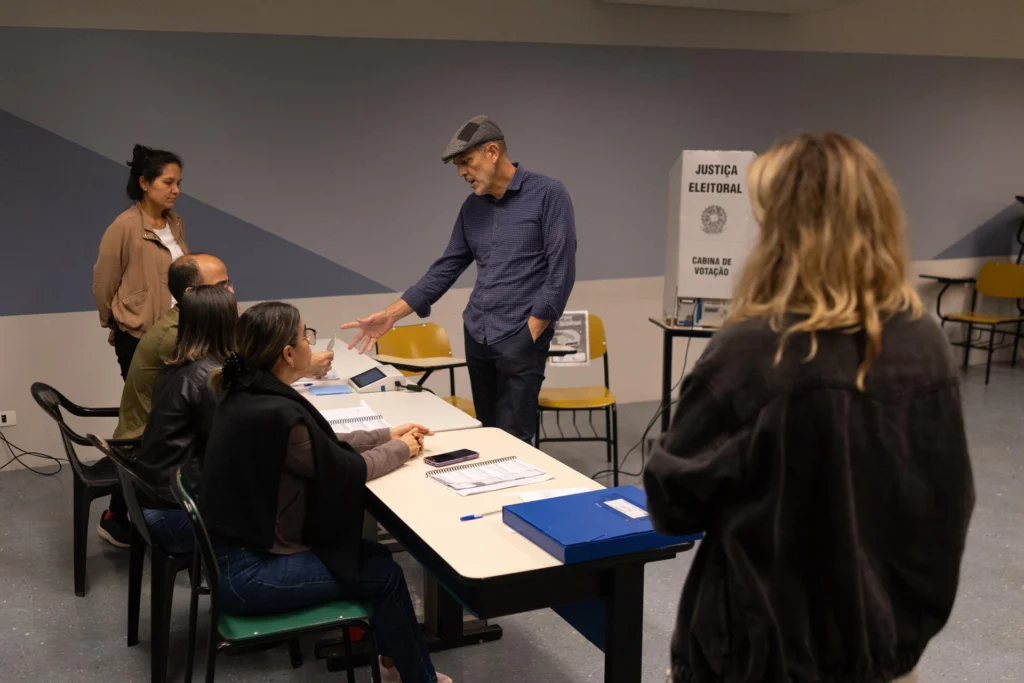
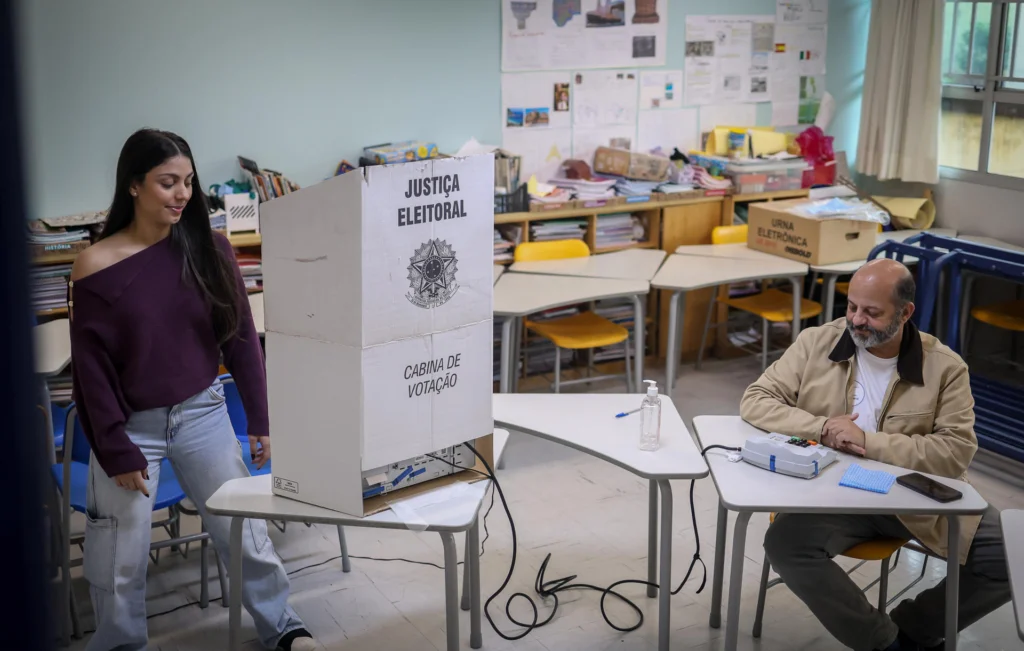
O voto é facultativo a partir dos 16 anos e obrigatório para os brasileiros de 18 a 70 anos. Mas um público bem mais jovem foi às seções eleitorais no segundo turno das eleições. São crianças levadas por mães, pais e responsáveis para ver como funciona a democracia na prática e na urna.

A publicitária Polyana Carla Alves Ázara e a internacionalista Luísa Malagoli levaram o filho e o cachorro da família ao Centro de Ensino Médio Paulo Freire, na Asa Norte, em Brasília. Todos testemunharam o momento de escolha do presidente que vai governar o Brasil de 2027 a 2030.

Notícias relacionadas:

Vinda de Goiânia há quatro anos, Polyana Carla votou pela primeira vez na capital federal. E ela quis que o filho fizesse parte desse momento.

“Ele participar disso é muito importante. Penso no futuro em que ele, um dia, poderá pensar ‘eu participei, eu estive neste momento de futuro para mim e para o Brasil’. Nosso filho faz parte dessa democracia, que tem que ser positiva para seu futuro.”

Polyana Carla defende que os governantes pensem em políticas que extrapolem o período de cada mandato.

“A gente tem que pensar no futuro das próximas gerações e não apenas no agora. O trabalho de qualquer governante tem que ser pensado a longo prazo.”


Brasília (DF), 25/10/2026 - Poliana Carla em dia de votação das Eleições 2026, na Escola Paulo Freire. Foto: Valter Campanato/Agência Brasil Brasília (DF), 25/10/2026 - Poliana Carla em dia de votação das Eleições 2026, na Escola Paulo Freire. Foto: Valter Campanato/Agência Brasil
Poliana Carla em dia de votação das Eleições 2026, na Escola Paulo Freire. Foto: Valter Campanato/Agência Brasil

 A companheira dela, Luísa, diz que transmite ao filho o legado recebido dos pais dela e vê como necessário o fato de o filho compreender o dever do exercício do voto.

“Este é um dos momentos mais importantes da nossa vida como cidadão. Não podemos não atuar para o nosso futuro. Não adianta ficarmos só reclamando, se não fizermos por onde.”

Por isso, muito além dos dias de votação, Luísa Malagoli enfatiza a necessidade de o povo cobrar ações de governantes e de legisladores como vereadores, deputados distritais e estaduais em prol do bem comum.

Direitos das meninas e mulheres

Com o E-título no celular e uma filha em cada mão, a analista de departamento pessoal Elizabete Queiroz Gomes trouxe as suas filhas Emanuelle, de 10 anos, e Luna, de 9, para acompanhá-la na votação.

“É muito importante, desde cedo, a gente já ensinar os nossos filhos, os nossos irmãos mais novos, todos eles, sobre a importância de a gente ter o nosso direito de voto e saber como é que funciona todo o processo.

Logo após votar no Varjão, a 13 quilômetros do centro de Brasília, Elizabete declara que sua escolha é totalmente consciente por um futuro melhor para suas filhas.

“Eu sou uma mulher. E votar tem um peso enorme para nós que somos mulheres brasileiras, já que esta conquista não faz tanto tempo que a gente conseguiu.”

A referência dela é ao voto feminino no Brasil, instituído apenas em 1932.

Próximas gerações

Na mesma escola pública, Siomara Chao, de 59 anos, levou o neto Iyaz, de 4 anos, por patriotismo, mesmo que o menino ainda não entendesse bem as consequências das escolhas feitas na cabine de votação.

“Iyaz já canta o Hino Nacional na escola dele, que também ensina o patriotismo. O que acho superpositivo.”


Brasília (DF), 25/10/2026 - Plínio Delltenna e Siomara Nunes em dia de votação das Eleições 2026, na Escola Classe 01 do Varjão. Foto: Valter Campanato/Agência Brasil Brasília (DF), 25/10/2026 - Plínio Delltenna e Siomara Nunes em dia de votação das Eleições 2026, na Escola Classe 01 do Varjão. Foto: Valter Campanato/Agência Brasil
Plínio Delltenna e Siomara Chao em dia de votação das Eleições 2026, na Escola Classe 01 do Varjão. Foto: Valter Campanato/Agência Brasil

Ao lado do marido, o mecânico Plínio de La Pena, de 72 anos, Siomara justifica que suas opções nas urnas foram por candidatos que possam garantir o futuro dos quatro filhos e dos 12 netos.

“Vir aqui, no domingo, é exercer a nossa cidadania. Fazer valer uma mudança, um progresso futuro para os nossos netos, para os nossos filhos. Algo melhor.”

Segurança 

Arcanjo Miguel Mota da Silva, de 7 anos, nem sabe ainda porque acompanhava o pai, Nilsemar Ferreira da Silva, no local de votação.

Mesmo assim, o pai acredita que seu o filho já é beneficiado pelo voto que digitou.

“É importante para ele começar a entender a respeito do que que se trata a política.”

“Quero um país melhor. Quero poder sair de casa sem medo de nada, ter segurança. E também priorizo a educação para as crianças.”

  •  

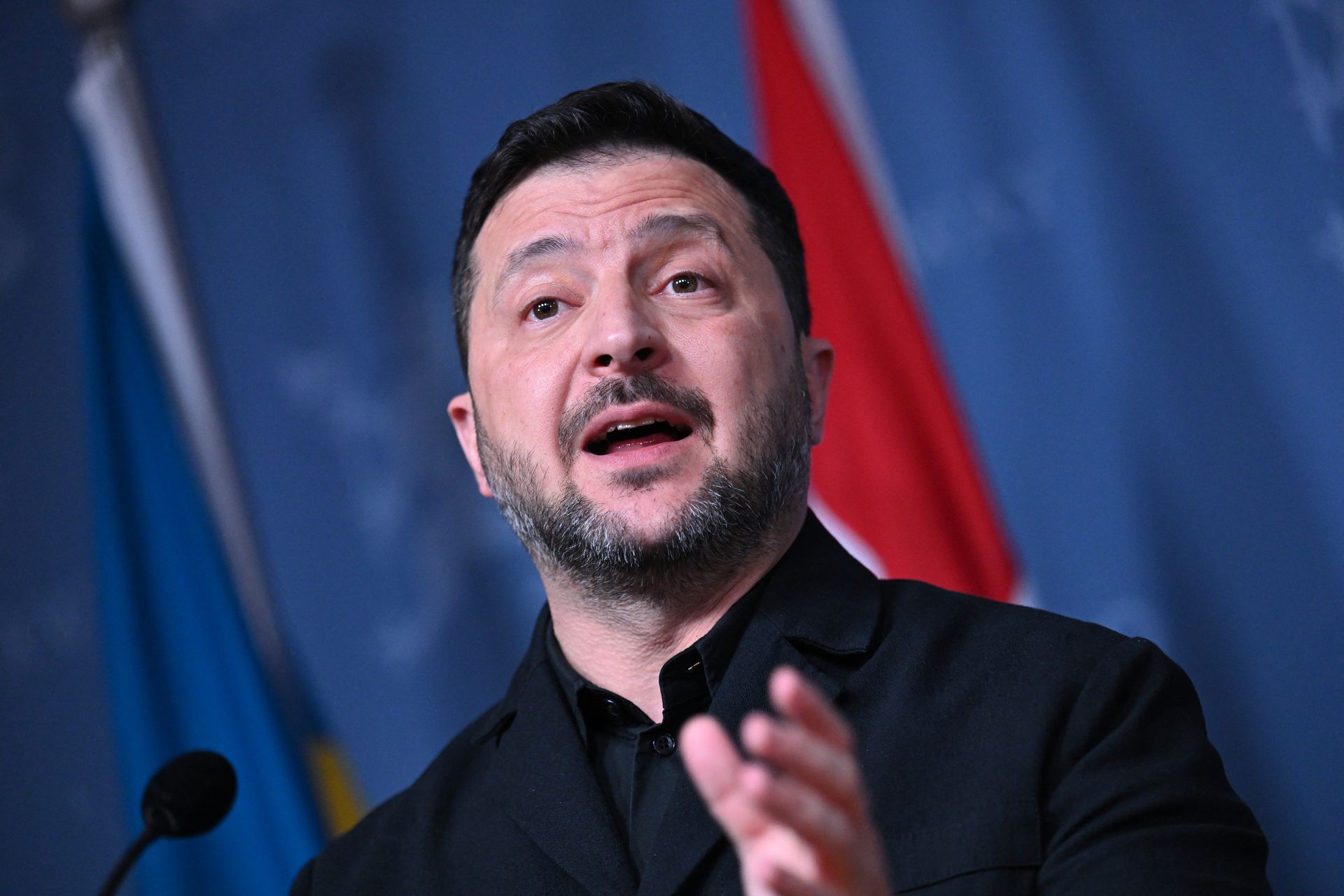
Zelensky says Serbia faces 'new chapter' after Vucic concedes defeat

For almost two years, student-led demonstrations in Serbia rallied against Vucic's right-wing incumbent Serbian Progressive Party. Protesting against alleged corruption in the government, the movement was triggered when a train station canopy in the city of Novi Sad collapsed in 2024, killing 16 people.

  •  

Brazil Runoff Voting Continues Only Where It Had Not Ended by 5 P.M.

Photo: EFE.

Brazil’s electoral authority said Sunday that voting in the presidential runoff will continue only at polling places still open past 5 p.m., with ballot records, counting and results resuming after 7 p.m. under a court order.


The Brazilian Superior Electoral Court (TSE) announced the measure on its official account, describing it as a response to a ruling by Supreme Federal Court justice Cristiano Zanin.

Under the decision, only precincts where balloting had not ended by 5 P.M. Brasilia time could keep receiving voters.

RELATED: Brazil Court Extends Runoff Voting Deadline by 2 Hours Nationwide

Election officials suspended the receipt of printed ballot records, the tally of votes and the release of results, and said all three would resume after 7 P.M. local time.

Voting in Brazil closes nationwide at 5 p.m. in every election. The order by Zanin gives electoral authorities room to let voters cast ballots where local conditions kept lines moving past the cutoff.

Almost all Superior Electoral Court ministers had gathered in the office of the court’s presidency to await the end of balloting, the statement added.

Esclarecimento sobre prorrogação da votação

O Tribunal Superior Eleitoral (@TSEjusbr) informa que, conforme decisão do ministro Cristiano Zanin, do Supremo Tribunal Federal, a eleição segue em andamento apenas nos locais em que a votação não havia sido encerrada às 17h.

O TSE…

— TSE (@TSEjusbr) October 25, 2026

Count After 7 P.M.

The electoral authorities will resume the receipt of the ballot-box bulletins (known as BUs), the totalization of votes and the release of results after 7 P.M. local time. These bulletins are the printed summaries of each electronic voting machine’s tally, and they feed the national count.

Brazil conducts its elections entirely on electronic voting machines managed by the Superior Electoral Court and the regional electoral courts. The system has drawn criticism over transparency, although no case of fraud has ever been confirmed.

The Superior Electoral Court heads the country’s Electoral Justice, which handles voter registration, biometric identification, vote collection, tabulation and the final certification of results.

Sunday’s vote settles the presidency after the October 4 first round produced no outright winner. Senator Flávio Bolsonaro led with 47.03% of valid votes, ahead of President Luiz Inácio Lula da Silva at 45.16%, forcing the runoff held on the last Sunday of October.

Brazil’s two round model requires a candidate to win more than half (50+1) of valid votes in the first round. Otherwise the top two finishers meet again three weeks later. Flávio Bolsonaro (Liberal Party) is the eldest son of former President Jair Bolsonaro, who was barred from office and later endorsed him. Lula da Silva (Worker’s Party -PT) returned to the presidency in 2023 after courts restored his political rights.

Results are expected later Sunday night once tabulation resumes after 7 P.M. The Court has not indicated when it will publish the first partial totals, a schedule that now depends on the pace of the last polling places to close.

  •  

‘Could be a crime’: Todd Blanche doubles down on Alaska lawsuit

Attorney General Todd Blanche on Sunday defended the Justice Department’s lawsuit — filed at President Donald Trump’s request — seeking to block Alaska from certifying its election results if Republican Sen. Dan Sullivan loses.

In a contentious interview on CNN’s “State of the Union,” he denied the president is laying the groundwork to contest the outcome of the midterm elections in just over one week.

“President Trump is not trying to take over a state election in any way, shape or form,” Blanche insisted.

But when pressed on what crime the administration alleges is being committed the attorney general said, “Well, it depends.”

“There could be a crime,” Blanche said. “But the real wrong here is that Alaskans are going to be confused and will not have their vote heard.”

With a little over one week to go before Election Day, Trump administration officials have set their sights on the key Senate seat, where Sullivan is facing a surprisingly competitive challenge from former Democratic Rep. Mary Peltola. The lawsuit has heightened Democrats’ fears that Trump could try to undermine the integrity of the midterm elections.

Sullivan, the incumbent, is also being challenged by a retired elementary school teacher who shares his name.

“There is no dispute that the only reason the second Dan Sullivan is running is to pull votes away in a confusing and inappropriate manner from the Dan Sullivan incumbent,” Blanche said Sunday on CBS’s “Face the Nation.”

Host Margaret Brennan pushed back, explaining that “Dan S. Sullivan” is clearly listed on the ballot as the incumbent while his opponent is listed without a party affiliation as “Dan J. Sullivan.” She also pointed out that early voting began in the state on Oct. 19.

The Alaska Supreme Court had already settled the issue in June, ordering that both Sullivans be placed on the August primary ballot.

Alaska’s senior Republican senator, Lisa Murkowsi, who frequently breaks with Trump, criticized his administration on Friday for filing the lawsuit. “Alaskans don’t need any help voting for their preferred candidates, and the State of Alaska has already handled this by clearly distinguishing the candidates on this year’s ballot,” she said.

Peltola, who narrowly leads Sullivan, according to MS NOW polling partner FiftyPlusOne, told MS NOW’s Nicolle Wallace over the weekend that “this is exactly the kind of corruption that Alaskans are sick and tired of.”

The post ‘Could be a crime’: Todd Blanche doubles down on Alaska lawsuit appeared first on MS NOW.

  •  

Zelensky details expectations for upcoming trilateral peace talks with Russia, US

Before a meeting between Zelensky, Russian President Vladimir Putin, and U.S. President Donald Trump can take place, technical talks among the three countries' negotiating teams must be held first, said Zelensky.

  •  

Musk definisce «pezzi di merda» quelli che sostengono la prosecuzione del conflitto in Ucraina

L’oligarca statunitense Elon Musk si è scagliato contro coloro che sostengono la prosecuzione del conflitto in Ucraina, definendoli la "feccia" della società.

«Sì, questo idiota è così fottutamente ottuso da non rendersi conto che le nostre politiche sono a favore del popolo ucraino. Pezzi di merda come lui vogliono che la guerra continui finché non sarà morto anche l'ultimo uomo in Ucraina, in un fosso», ha scritto su X, in risposta a un post del commentatore di Fox Josh Kraushaar, il quale sosteneva che «nessuna somma di denaro da parte di Musk può cambiare la realtà fondamentale dell'opinione pubblica statunitense».

«Sono la feccia assoluta della Terra», ha aggiunto l'imprenditore. Il commento dell’oligarca giungeva in risposta a un post dell'analista politico John Hawkins, che lo aveva difeso osservando come «l'intera idea che lui sia una sorta di mostro - semplicemente perché non vuole che decine di migliaia di persone muoiano senza motivo - sia una follia alimentata da soggetti in malafede».


LA NOTIZIA CHE HAI LETTO FA PARTE DE "Il MONDO IN 10 NOTIZIE" - LA NEWSLETTER CHE OGNI GIORNO ALLE 7.00 DEL MATTINO ARRIVA NELLE EMAIL DEI NOSTRI ABBONATI. 

SCOPRI COME ABBONARTI A L'ANTIDIPLOMATICO E SOSTENERE LA NOSTRA LUNGA MARCIA

CLICCA QUI

  •  

I “bambini farfalla” e le sanzioni USA: la sfida giudiziaria di Teheran

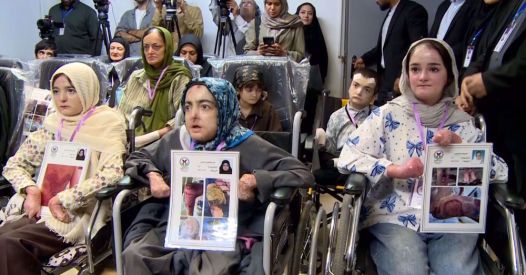
L’Iran ha ottenuto un risultato senza precedenti in una causa contro gli Stati Uniti legata alle conseguenze delle sanzioni occidentali sulla salute dei cittadini. Il tribunale per le relazioni internazionali di Teheran ha condannato il governo statunitense e alcuni suoi funzionari a versare 6,785 miliardi di dollari di risarcimento materiale, morale e punitivo alle famiglie dei pazienti affetti da epidermolisi bollosa, una rara e grave malattia genetica nota come “pelle di farfalla”.

Secondo Hamid Hashemi Golpayegani, direttore dell’organizzazione Casa EB che assiste i malati, si tratta del primo risultato finanziario ottenuto dalla Repubblica Islamica in una procedura di questo tipo contro Washington nei suoi 48 anni di storia. Al centro della vicenda ci sono le sanzioni reintrodotte dopo il ritiro unilaterale degli Stati Uniti dall’accordo sul nucleare iraniano nel 2018. Le restrizioni e l’interruzione dei rapporti commerciali da parte di diverse aziende straniere avrebbero compromesso l’approvvigionamento di medicinali, materiali sanitari e dispositivi indispensabili. Tra i prodotti diventati difficili da reperire figurao le medicazioni specializzate utilizzate per trattare le lesioni dei pazienti, realizzate dall’azienda svedese Mölnlycke, indicata dalla fonte come unico produttore mondiale di quel tipo di materiale. Nonostante le dichiarate esenzioni umanitarie per farmaci e forniture mediche, gli ostacoli finanziari e commerciali avrebbero avuto conseguenze drammatiche sui malati iraniani.

La sentenza riguarda 771 ricorrenti, ai quali le autorità iraniane hanno riconosciuto la priorità nell’assegnazione dei fondi. Teheran ha disposto che una parte delle risorse ricavate dalla vendita di un carico di petrolio statunitense confiscato nel 2023 venga destinata ai risarcimenti. Secondo quanto riferito da Fars, è già stato ordinato il trasferimento delle somme ai beneficiari. La vicenda riporta al centro una questione spesso marginalizzata nel dibattito sulle sanzioni internazionali: il loro impatto concreto sulla popolazione civile, anche quando i beni umanitari risultano formalmente esclusi dalle restrizioni. Per i pazienti affetti da malattie rare, l’impossibilità di accedere a medicazioni e trattamenti adeguati può aggravare condizioni già estremamente difficili. Il caso iraniano assume quindi anche un significato politico e giuridico: Teheran evidenzia come la sentenza sia un riconoscimento dei danni provocati dalle misure statunitensi e un precedente nella sua lunga controversia con Washington.

Il procedimento iraniano riporta sotto i riflettori il costo umano delle politiche illegali e coercitive imposte dagli Stati Uniti ai paesi che non si allineano ai diktat di Washington.


LA NOTIZIA CHE HAI LETTO FA PARTE DE "Il MONDO IN 10 NOTIZIE" - LA NEWSLETTER CHE OGNI GIORNO ALLE 7.00 DEL MATTINO ARRIVA NELLE EMAIL DEI NOSTRI ABBONATI. 

SCOPRI COME ABBONARTI A L'ANTIDIPLOMATICO E SOSTENERE LA NOSTRA LUNGA MARCIA

CLICCA QUI

  •  

Brazil Court Extends Runoff Voting Deadline by 2 Hours Nationwide

The decision preserved a single closing time across Brazil instead of creating separate local deadlines. Photo: EFE.

Brazil’s Supreme Federal Court ordered polling stations to remain open nationwide until 7:00 P.M. Brasilia time on Sunday, extending the runoff vote after both candidates asked for more time.


Federal Supreme Court Minister Justice Cristiano Zanin issued the ruling, which pushed the deadline back from the original schedule set for the second round between President Luiz Inácio Lula da Silva and Flávio Bolsonaro. The change applied across all of Brazil.

The precautionary measure, with immediate effect, extends by two hours the closing of the polling stations, which was set for 5:00 P.M. Brasilia time., and applies to all electoral sections in Brazil. The Superior Electoral Court (TSE) is responsible for executing it.

RELATED: Brazilian Expats in Asia and Oceania Back Lula in Majority of Nations

“Considering the gravity of the facts presented, which reached the Supreme Federal Court at 4:32:49 P.M. today, and given the evident urgency of the measure, I order a two-hour extension, until 7:00 p.m. Brasilia time, of the closing of vote reception at all polling stations in Brazil,” Zanin detailed.

The decision came after the campaigns of Lula and Bolsonaro had requested to extend the schedule due to transportation problems in some cities and difficulties due to rains in other areas of Brazil.

The request had spanned three states, reflecting concern that severe weather could depress turnout across a wide stretch of southern and southeastern Brazil. However, Zanin’s ruling went beyond the listed municipalities, extending the schedule across the entire country rather than only in the rain-affected locations.

Confira abaixo o Ofício da Presidência do @TSEjusbr sobre o cumprimento da decisão do Supremo Tribunal Federal sobre a prorrogação do horário das Eleições 2026. pic.twitter.com/1c3D0s3LhA

— TSE (@TSEjusbr) October 25, 2026

The extension added two hours to the voting day. Polling stations that would have closed in the late afternoon remained open into the evening, giving voters in affected regions more time to reach their designated locations.

The Supreme Court’s nationwide extension acknowledged that voters beyond those municipalities could also face obstacles reaching polling places before the original deadline. The ruling treated the request as grounds for a broader safeguard covering the whole electorate.

With the later cutoff in place, authorities reminded citizens that anyone already in line at 7:00 P.M, local time would still be allowed to cast a ballot.

Officials have described the unified national schedule as a way to reduce confusion in a country of continental scale. The legal maneuvering unfolded on a day already marked by isolated logistical incidents. The extension gave electoral authorities additional time to process voters in the states most exposed to severe weather, while keeping the process unified from north to south.

Calm Vote, Low Irregularities

Brazil’s top electoral authority reported a generally calm second-round vote on October 25, as more than 158.7 million registered citizens chose the country’s next head of State and renewed regional executives across the nation.

The preliminary report had confirmed the preventive replacement of 900 ballot boxes that presented technical failures, a figure representing only 0.18% of the equipment installed nationwide. The electoral body also maintains more than 48,000 contingency devices ready for deployment in the event of any operational problem.

The public security balance described a day characterized by widespread calm and a low rate of irregularities at voting centers. Security forces counted 138 isolated events, including attempts to violate the secrecy of the ballot and three cases of alleged vote buying.

The second round follows the first-round vote held earlier in October. In the first round, on October 4, far-right senator Flávio Bolsonaro (Liberal Party) got 47.03% of the valid vote, while President Lula da Silva (Workers’ Party-PT), received 45.16%, in a process marked by extreme polarization. Brazil’s electoral system requires a runoff when no candidate secures an outright majority in the opening round, concentrating the contest between the two leading contenders.

The court highlighted that Brazil’s electronic ballot box system marked 30 years of uninterrupted operation. Following this, the court has emphasized that the electronic voting platform delivers preliminary results within hours of polls closing, a feature officials point to as evidence of the system’s efficiency.

  •  

Salvador: Procon atualiza para 544 total de ônibus parados em garagens

Logo Agência Brasil

O Procon da Bahia atualizou para 544 o total de ônibus de transporte público parados em cinco garagens de Salvador, após denúncias de eleitores sobre o bloqueio da saída dos veículos. A informação foi confirmada pela Secretaria de Comunicação Social do governo do estado.

Em nota, a secretaria detalhou que, das cinco garagens onde foram localizados veículos parados, duas estão localizadas na Barros Reis e três, no Subúrbio.

Notícias relacionadas:

“Na garagem da OT Trans, os fiscais encontraram 55 veículos parados no pátio, mas aptos a operar, em descumprimento à legislação eleitoral, que determina o uso de toda a frota para garantir o transporte durante o período eleitoral. A empresa foi fiscalizada, e o órgão adotará as medidas administrativas cabíveis”, informou a secretaria.

Ainda de acordo com o comunicado, na garagem da empresa OT Trans G3, no bairro Campinas de Pirajá, foram localizados 118 veículos no pátio. Na Integra Plataforma Barros Reis (G7), há 55 veículos parados. Na Integra Plataforma Suburbana, são 142. Na OT Trans, na estrada Velha de Campinas de Pirajá, há 174 carros no pátio.

“A fiscalização segue em outras garagens da capital”, concluiu a secretaria.

Restabelecimento da frota

Diante do cenário, o Tribunal Regional Eleitoral da Bahia (TRE-BA) determinou o restabelecimento imediato da frota integral do transporte público de Salvador, operando com frequência equivalente à de dias úteis e mantida a gratuidade integral aos passageiros.

O presidente do Tribunal Regional Eleitoral da Bahia (TRE-BA), Maurício Kertzman Szporer, determinou ainda, à Superintendência Regional da Polícia Federal (PF), que prenda o secretário municipal de Mobilidade de Salvador, Pablo Souza.

Tropas disponíveis

Após a decisão, o governador da Bahia, Jerônimo Rodrigues (PT), disse, em seu perfil na rede social X, ter colocado a Polícia Militar e a Secretaria da Segurança Pública à disposição para identificar policiais com habilitação categoria D, aptos a dirigir os ônibus, caso necessário.

Restabelecimento

Já a prefeitura de Salvador informou, em nota, ter determinado que todos os ônibus fossem liberados das garagens, ainda que estivessem com adesivação considerada como propaganda irregular, facilitando a locomoção de eleitores neste domingo.

Entenda

Desde a manhã deste domingo, eleitores relatam dificuldades para chegar aos locais de votação em Salvador e se queixam sobre demora e problemas na circulação de ônibus durante o segundo turno das eleições.

De acordo com o governo baiano, fiscais encontraram ônibus aptos para operação que permaneciam nas garagens durante a vistoria realizada no dia da votação.

  •  

"Não poderia ficar de fora", diz idoso que votou 10 dias após cirurgia

Logo Agência Brasil

O segundo turno das eleições no Rio de Janeiro transcorre tranquilamente. Apesar da chuva no início da votação, muita gente já aguardava nas filas na abertura das seções eleitorais. Muitos idosos foram exercer o seu direito de cidadania, apesar de já terem mais de 70 anos, faixa etária em que o voto é facultativo.

No Instituto São João Batista (ISJOB), no bairro do Méier, zona norte da cidade, a movimentação de eleitores idosos foi grande, apesar de o colégio ter três andares e não ter elevador, apenas escadas.

Notícias relacionadas:

Um deles foi o professor universitário aposentado Carlos Peixoto, de 81 anos, que, apesar de ter sido operado de um câncer de bexiga há dez dias, fez questão de votar. Ele contou que teve um problema com a sonda e não conseguia urinar, então teve de votar ao hospital no dia seguinte à alta hospitalar. O problema foi corrigido e ele está em recuperação.

Apesar de ainda estar com os pontos da cirurgia, o professor foi andando sozinho de casa até a seção eleitoral. Ele disse que “não poderia deixar de votar".

"Eu votei a minha vida toda e, num momento tão importante como este, eu não poderia ficar de fora.”

Peixoto contou que votou em menos de 30 segundos e que a sua seção estava vazia. “Mas, se estivesse cheia, eu iria usar o direito à prioridade e passaria na frente.”

Outro que também votou no instituto foi o jornaleiro Chico Spinelli, que completa 68 anos neste domingo (25). Ele celebrou o aniversário em família, com um churrasco, no sábado (24), porque não teria condições de comemorar hoje.

“Eu saí de casa para votar logo cedo e depois vou abrir a banca de jornal, coisa que já não faço mais há algum tempo.”  Com relação ao voto na seção eleitoral, Spinelli disse que foi muito rápido “e que ele tinha que exercer o seu direito de voto para ajudar o seu candidato.”

Chico Spinelli disse que dali iria direto para a banca de jornal, uma das principais do bairro do Méier. Ele é jornaleiro há mais de 40 anos e disse que não abre mais a banca aos domingos. Mas decidiu abrir hoje, porque lá consegue conversar com os fregueses, se distrair e  vender, além de jornais e revistas, "um cafezinho para a turma".

“Dessa forma eu esqueço um pouco da eleição e fico mais tranquilo, mas não deixo de tomar o meu remédio para pressão diariamente.”

Transporte gratuito

No Rio de Janeiro, os ônibus urbanos estão funcionando gratuitamente até o final da votação. O metrô também, até as 20h. A gratuidade também vale para as barcas que fazem a travessia entre o Rio e Niterói, Praça XV-Cocotá e entre o Rio e a Ilha de Paquetá.

  •  

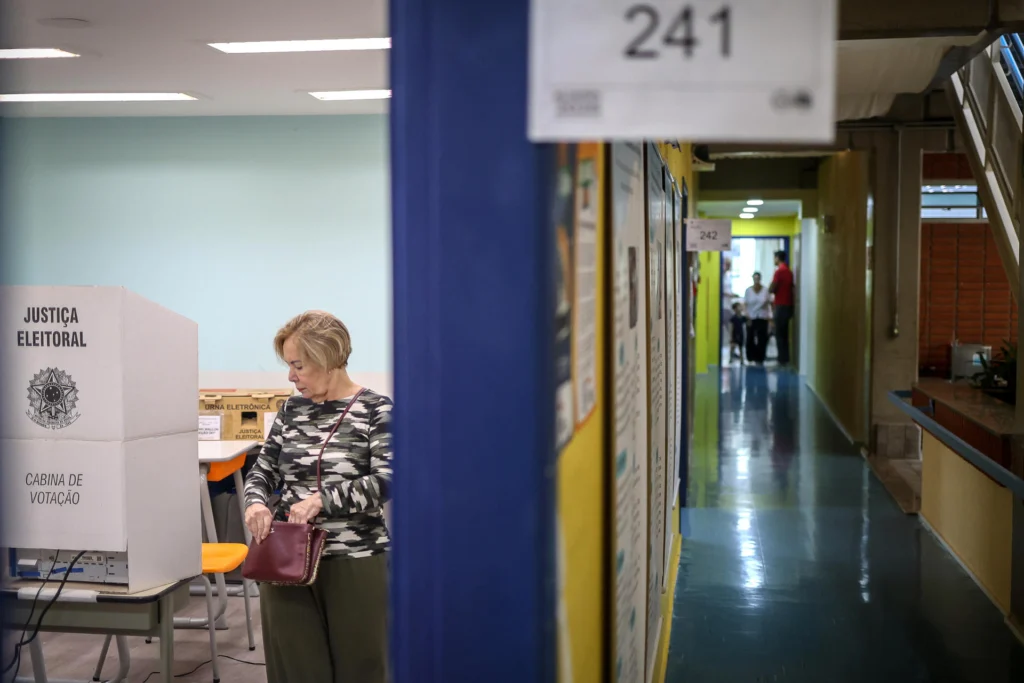
TRE-SP informa substituição 219 urnas até 15h, ou 0,19% do total

Logo Agência Brasil

Até as 15h deste domingo (25), 219 urnas eletrônicas precisaram ser substituídas no maior colégio eleitoral do país, segundo boletim do Tribunal Regional Eleitoral de São Paulo (TRE-SP).

O número é considerado baixo pelo tribunal e corresponde a 0,19% do total de urnas que são utilizadas neste segundo turno em cidades paulistas. Entre as urnas que precisaram ser substituídas, 55 são da capital.

Notícias relacionadas:

A substituição das urnas não traz prejuízos para a eleição, assegura o Tribunal Superior Eleitoral (TSE). Segundo o TSE, um problema mecânico ou eletrônico na urna não paralisa a votação nem prejudica os votos que já foram registrados pelos eleitores.

Mais de 100 mil urnas

Ao todo, o TRE paulista preparou 114.605 urnas eletrônicas para serem utilizadas no segundo turno. A estrutura inclui também as urnas de contingência, que são equipamentos mantidos de prontidão para eventuais substituições técnicas ao longo da votação.

O estado de São Paulo é o maior colégio eleitoral do país, com mais de 34,1 milhões de pessoas aptas a votar, o que corresponde a cerca de 21,4% do eleitorado nacional.

Neste pleito, os eleitores paulistas votaram apenas para presidente da República, porque o governador Tarcísio de Freitas foi reeleito no primeiro turno.


  •  

Trump’s Election Attacks Enter New Pre-emptive Phase

A lawsuit by the Justice Department challenging a potential narrow loss by the GOP Senate incumbent in Alaska reflects a new tactic by the president to try to shape the election results.

© Haiyun Jiang/The New York Times

President Trump at a midterm election campaign rally in Guardian Centers in Perry, Ga., on Saturday.
  •  

Guerra di Corea, 76 anni dopo l’alleanza tra Pechino e Pyongyang guarda al futuro

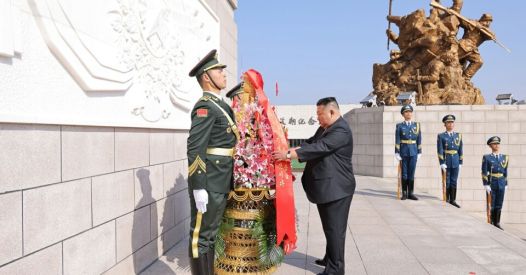
Uno zaino, un piccone, ottanta munizioni, un fucile e una radio da campo. È quanto un soldato cinese portava con sé quando attraversò il fiume Yalu sotto le bombe, su un ponte di fortuna costruito per raggiungere la Corea del Nord. Il racconto di Zhou Youchun, veterano della guerra di Corea, restituisce il senso delle condizioni estreme in cui combatterono i Volontari del Popolo cinese tra il 1950 e il 1953. A 76 anni da quell’intervento, Cina e Corea del Nord hanno commemorato il sacrificio dei soldati che combatterono contro le forze guidate dagli Stati Uniti. Le celebrazioni hanno riportato al centro una pagina fondativa delle relazioni tra Pechino e Pyongyang, ricordata dalle autorità dei due Paesi come il momento in cui un’amicizia si consolidò sul campo di battaglia. La visita del leader nordcoreano Kim Jong-un a Dandong, nella provincia cinese del Liaoning, ha conferito alle commemorazioni un significato anche politico. Accompagnato da Wang Huning, alto dirigente del Partito Comunista Cinese, Kim ha reso omaggio ai caduti nel memoriale dedicato alla guerra.

La partecipazione dei vertici dei due Paesi sottolinea la volontà di mantenere vivo un rapporto che entrambe le parti considerano strategico. La memoria del conflitto richiama anche una disparità materiale impressionante. Nel 1950, mentre gli Stati Uniti producevano 87,72 milioni di tonnellate di acciaio, la produzione cinese si fermava a 606.000 tonnellate. Eppure, come evidenziano le autorità cinesi, i Volontari del Popolo riuscirono, combattendo al fianco dell’esercito e della popolazione nordcoreana, a contrastare le offensive avversarie. Oltre 190.000 soldati cinesi persero la vita. Per Pechino, quella guerra dimostrò che la superiorità industriale e militare non garantisce automaticamente la vittoria. Una lezione che la leadership cinese continua a collegare alla difesa della sovranità nazionale, all’autosufficienza e alla capacità di affrontare pressioni esterne.

Ma il rapporto tra Cina e Corea del Nord non guarda soltanto al passato. Il 15 ottobre è stato aperto al traffico il nuovo ponte sullo Yalu, destinato a collegare Dandong con Sinuiju, in Corea del Nord. L’infrastruttura rappresenta un’opportunità per ampliare gli scambi commerciali, ridurre i costi logistici e favorire la cooperazione industriale nelle regioni di confine. Durante i colloqui con Kim, Wang Huning ha indicato nell’apertura del ponte un’occasione per intensificare i contatti tra le popolazioni e rafforzare la collaborazione economica. Un obiettivo che si accompagna alla volontà dichiarata di coordinarsi sulle questioni strategiche e di tutelare la sicurezza e lo sviluppo dei rispettivi Paesi.

Il ponte sullo Yalu assume così un valore che va oltre la sua funzione infrastrutturale. I passaggi costruiti durante la guerra permisero ai soldati cinesi di raggiungere il fronte; quello inaugurato oggi punta a facilitare commerci e relazioni in tempo di pace. Tra memoria dei caduti e nuove connessioni economiche, Pechino e Pyongyang riaffermano la continuità di un rapporto che intendono preservare in un contesto regionale complesso.

  •  

Regreso de Machado es resultado de diálogo de reconciliación en Venezuela, afirma Rubio

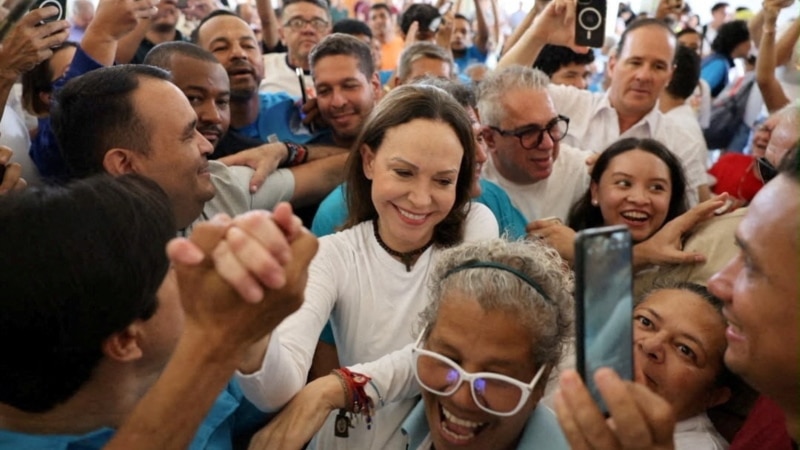
El secretario de Estado Marco Rubio afirmó este domingo que el regreso a Venezuela de la líder opositora María Corina Machado era consecuencia del diálogo de reconciliación en ese país respaldado por el gobierno de Estados Unidos. "Las condiciones que permiten el regreso seguro de la Sra. Machado a Venezuela son el resultado directo de las conversaciones de reconciliación apoyadas por Estados Unidos, que ya han propiciado la liberación de cientos de presos políticos y el regreso del exilio...

  •  
❌