La maquinista del Iryo minutos antes de ser arrollada por el AVE: "No me está permitiendo el tren reiniciar el sistema, por eso estoy detenida"


On October 25, Brazil’s three-time and current president, Luiz Inácio Lula da Silva, surprised the entire world by overcoming an electoral setback in the first round (in which he was defeated by the far-right candidate Flávio Bolsonaro) and securing victory and the presidential seat in Brasília.
Lula, the legendary union leader during the dictatorship, secured 51.79%, equivalent to 64,256,232 votes, while Bolsonaro (son of the detained former president Jair Bolsonaro) received 48.21%, or 59,826,041 votes.
What is truly surprising about Bolsonaro’s defeat (given that most pollsters had predicted a very likely victory for him) is the enormous number of votes Lula managed to gain during the three weeks between the first and second rounds of voting. In that first round, Bolsonaro took first place with 48.21% (more than 56 million votes), and Lula came in second with 45.15% (just under 54 million votes).
Many believed that the nearly 9 million votes obtained by all the other candidates combined in the first round would be distributed in a way more favorable to Bolsonaro, since most of those votes were cast for right-wing and center-right candidates. This seemed even more evident after many of the leaders of those parties endorsed Bolsonaro.
Added to this question was the high probability that, in a society highly polarized between the two candidates, many voters who either cast blank or invalid ballots or abstained from voting in the first round would support one of the two candidates.
Indeed, both of these circumstances played out. According to available data, more than 14 million Brazilians who had voted for other candidates, cast invalid ballots, or abstained from voting participated in the runoff, supporting either Lula or Bolsonaro.
And this is precisely the key factor in understanding Lula’s victory. Assuming that very few voters would have switched their support from Lula to Bolsonaro or vice versa, it is important to note that of those 14 million votes that were redistributed, Lula managed to secure 10.37 million more votes than he received in the first round, while Bolsonaro managed to gain just under 4 million votes. This was enough for Lula not only to close the gap against his opponent but also to surpass him by a comfortable margin.
Faced with this surprising turn of events, hundreds of analysts in Latin America and around the world have rushed to present countless charts, hypotheses, and analyses in an effort to fully understand the reasons behind this victory. And the reasons have to do not only with the clearly impressive comeback by Lula’s Workers’ Party and its allies, but also with the fact that he appears to have put a halt to a seemingly unstoppable string of victories by the far right in Latin America.
Given this, the question seems clear: How did Lula manage to convince such a staggering number of people to vote for him in the runoff who had not done so in the first round? In response, technical reasons have been put forward (such as campaign strategy, the use of social media, and mass mobilization), as well as political ones (fear of a far-right government, social-class alliances, the formation of a broad-based coalition, etc.).
Among the technical reasons, Lula’s tremendous effort to turn the runoff campaign into a genuine, nearly constant mass mobilization (in both large cities and small towns) has been highlighted. The former union leader once again demonstrated his great charisma and ability to rally people before thousands of PT activists and members of other allied parties who fought day and night without stopping to overturn the result.
Added to this is the PT’s digital strategy; the party had repeatedly accused major social media platforms of boycotting the presidential campaign by hindering or reducing the visibility of Lula’s ads – but not those of Bolsonaro. In response, André Janones proposed a change in strategy.
Lula’s WhatsApp channel grew from 3.7 million subscribers to more than 10 million in the span of 12 days. Through this channel, users were instructed to post certain messages, search for information online, comment on specific posts, and so on. In other words, to circumvent an algorithmic system that, they claimed, was deliberately sabotaging Lula’s campaign.
The result was astonishing: despite the alleged media blockade on social media, the platforms were flooded with messages, images, and videos (many generated by AI) featuring Lula and attacking Bolsonaro’s candidacy, which undoubtedly had a major impact on the political communication strategy of the PT’s campaign, led by re-elected Governor Rafael Fonteles. For example, online interactions about Lula increased from 41% to 65% during the runoff election.
But Lula also took the risk of bringing about tangible changes in people’s lives, and he sent what may have been his final message during the runoff election, when his party and allies succeeded in passing legislation to end the six-day workweek. The move was celebrated by the country’s workers and clearly gave Lula’s campaign a pro-worker tone. That is why he gained so many millions of votes in the second round of the election in the working-class suburbs of major cities.
And yet, there remains a certain suspicion that if this set of measures had been applied in any other similar situation, something would have been missing to set it in motion and give deeper meaning to the purely political campaign – with its communication, marketing, and other tactical decisions. And that something is Lula.
At times it seems that only someone with his political stature, his charisma, and the historic place he has already carved out in the history books could have won an election in Latin America against the far right, which enjoys the support of the most influential imperial powers of our time and an international oligarchy.
The “warrior of the Brazilian people
Lula achieved this, as already mentioned, thanks to a series of changes in his campaign strategy and concrete improvements in people’s lives. But it must be said without fear of contradiction: he did so by blending two dimensions that might seem contradictory, yet which a figure like him could bring together.
The first is that, as some of his campaign strategists recount, he began to speak extensively about Brazil’s future despite having already served as president three times. In this way, he moved away from nostalgia for the past and began to speak of hope for the future.
And second, Lula insisted throughout the campaign that this future was threatened by the Bolsonaros, whom he constantly linked to a submissive attitude toward US interests. In this way, Lula also employed a discourse of fear and danger, personifying it in Bolsonaro, who, as is well known, had reportedly left Brazil for the United States.
But Lula did not do so in a pitiful or apocalyptic way; rather, he presented himself as the only one capable of halting that advance. And more than just capable, as the only one who, without a doubt, would do so. In other words, Lula established himself, at the age of 80, as a “warrior of the Brazilian people,” just as his supporters chanted in the streets.
Then, in the debates (which undoubtedly had a huge impact on the runoff election) it seems Lula had had enough of the far right always appearing to be on the offensive, while the left and progressives always seemed to be waiting for the next blow. Lula put on his boxing gloves and began playing the game the far right had set for him … and won by knockout.
And for that very reason, Lula, his followers, and many of those who supported him (not necessarily because they believe in his agenda, but because they feared a new far-right government, as the numbers show) must realize that, with a hostile legislature and an opposition united around a single family, Lula’s fourth term will likely be the most difficult of his life.
Lula will have to seek ways to overcome the clear obstacles that the right and the far right will place in his path in order to achieve what he called “the best government in Brazil’s history.” For now, he has managed to prevent another Bolsonaro from reaching the presidency, but that does not mean the remainder of his term will be a “Brazilian pax.”
In this regard, there is a Japanese proverb that Lula should keep in mind: “When you’ve won a battle, tighten your helmet.”

European technology policy has become the focus of a dispute over corporate lobbying after researchers documented extensive contacts between major technology companies and political decision-makers during negotiations to revise EU data-protection rules.
An investigation published on 28 October by Corporate Europe Observatory and the German transparency organisation LobbyControl alleges that leading technology companies mounted a coordinated campaign to influence European governments and legislators.
The findings come one week after EU member states agreed a negotiating position on the Digital Omnibus, a legislative package intended to simplify aspects of European data-protection, privacy and cybersecurity regulation.
The campaigners argue that the proposed changes risk weakening existing safeguards in order to accommodate the commercial requirements of artificial intelligence developers.
Ireland, which holds the rotating presidency of the Council of the European Union, has rejected suggestions that its handling of the legislation was improperly influenced by technology companies.
The dispute exposes a fundamental disagreement over the balance between commercial innovation and the protection of personal information.
According to LobbyControl’s investigation, non-European technology companies recorded 103 meetings with representatives of Germany’s federal government between May 2025 and September 2026.
Google accounted for 28 meetings, Microsoft 18, Amazon 16 and OpenAI 11.
Germany’s Digital Minister, Karsten Wildberger, participated in 18 meetings with representatives of major technology companies, the researchers reported.
In Ireland, the organisations identified extensive engagement involving Meta, Google and politicians ahead of the country’s assumption of the EU Council presidency in July.
Their findings indicate that Meta engaged with 41 Irish parliamentarians over the Digital Omnibus, while Google recorded 30 meetings.
The researchers also identified 655 lobbying meetings concerning the legislation involving members of the European Parliament.
According to their analysis, approximately 83 per cent represented business interests, compared with 11 per cent involving civil society organisations or trade unions.
These figures demonstrate the intensity of corporate engagement, although the existence of lobbying meetings does not, by itself, establish that particular legislative provisions were adopted because of that activity.
The legislative package forms part of a broader European Commission initiative to reduce administrative burdens and improve competitiveness.
Its provisions address several areas of digital regulation, including the General Data Protection Regulation, commonly known as GDPR.
The proposals seek to simplify compliance obligations, clarify the treatment of personal information and revise rules governing certain forms of data processing.
One particularly contentious issue concerns the use of personal data in developing and operating artificial intelligence systems.
AI developers require large quantities of information to train and improve their models. However, the collection and processing of personal information remain subject to European legal safeguards.
Technology companies have argued that regulatory complexity can discourage investment and make it more difficult for European businesses to compete internationally.
Privacy campaigners maintain that simplifying regulatory procedures must not become a mechanism for reducing substantive protections.
The disagreement concerns not merely administrative paperwork but the legal circumstances under which companies may process information relating to identifiable individuals.
Ireland occupies a particularly sensitive position in the debate.
The country hosts major European operations of several American technology companies, including Google and Meta, and has substantial economic interests in the digital sector.
At the same time, its presidency of the EU Council requires it to coordinate negotiations between member states.
According to RTÉ’s reporting on the investigation, the Irish government strongly rejected the allegation that it had weakened data safeguards in response to corporate pressure.
A presidency spokesperson emphasised that Ireland’s responsibility was to facilitate agreement between member states and that the negotiating mandate approved on 21 October enjoyed broad support.
The Council has presented the proposed changes as a means of reducing compliance costs while preserving established privacy protections.
In its official statement, the Council said its mandate retains the existing definition of personal data and introduces additional provisions governing pseudonymisation.
It also includes safeguards relating to sensitive information used for biometric verification and AI systems.
These details are significant because they demonstrate that the negotiating text contains protections alongside proposed simplifications.
Germany has also emerged as an important participant in the controversy.
The investigation points to close contact between the German government and international technology companies during discussions about the future of European digital regulation.
Berlin has supported reducing administrative restrictions that it considers obstacles to innovation and the development of competitive AI technologies.
For Germany, the issue is connected to wider concerns about industrial competitiveness, investment and Europe’s dependence on foreign technology suppliers.
Yet an unresolved question remains.
Measures designed to assist European innovators may also benefit established American companies whose extensive computing infrastructure and data resources give them advantages over smaller competitors.
Consequently, easing restrictions does not necessarily guarantee a stronger European technology industry.
The Council’s negotiating position does not make the Digital Omnibus law.
The European Parliament must establish its own position before negotiations between the institutions can determine the final legislation.
Parliamentarians will therefore have an opportunity to examine the treatment of personal data, the safeguards attached to AI development and the relationship between regulatory simplification and individual rights.
The lobbying investigation is likely to become part of that debate.
Its central political significance lies in the competing interpretations of European technological sovereignty.
For governments seeking investment, regulatory flexibility may provide an instrument for improving Europe’s international competitiveness.
For privacy organisations, the same flexibility could increase the influence of companies already dominant in global digital markets.
The outcome will help determine whether Europe’s future digital framework preserves the existing balance between commercial data use and individual protections, or establishes a different relationship between the two.

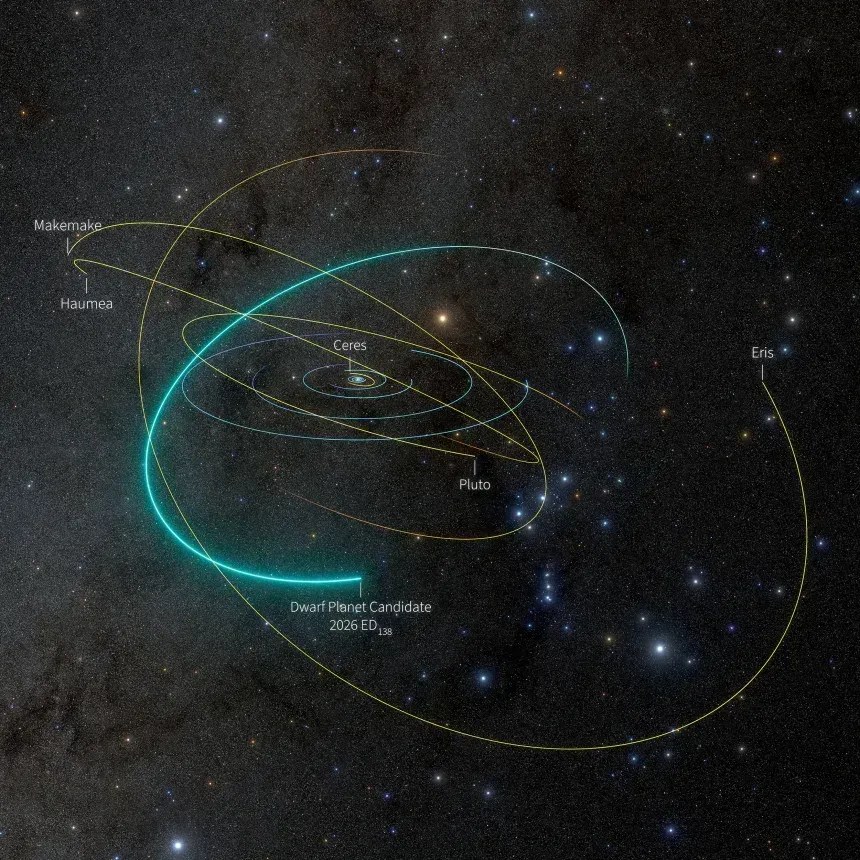
Astrônomos detectaram um novo candidato a planeta anão no sistema solar, além da órbita de Plutão, ao qual deram o nome provisório de ED138.
Caso observações futuras confirmem a descoberta, ED138 se juntará a um grupo atualmente composto por cinco planetas anões reconhecidos pela União Astronômica Internacional (UAI): Ceres, Plutão, Haumea, Makemake e Éris.
A descoberta é resultado de detecções feitas pelo Observatório Vera C. Rubin, um novo telescópio localizado no topo de uma montanha de 2.682 metros de altura no Chile e que abriga a maior câmera digital do mundo. O telescópio começou a operar em 2025 e é capaz de fotografar todo o céu a cada três dias.

Matthew Holman, astrofísico sênior do Smithsonian e professor de astronomia na Universidade de Harvard, executou um programa de computador que ele ajudou a desenvolver para analisar dados coletados por Rubin no início de 2026, examinando bilhões de detecções de objetos em movimento. Quando o ED138 apareceu, Holman disse que sua primeira reação foi de “incredulidade entusiasmada” e imediatamente verificou se havia algum falso positivo ou erro no programa de computador.
Para confirmar a observação, Holman, que também é membro da equipe de Operações do Rubin, trabalhou com seu colega Mario Jurić, cientista-chefe do Sistema Solar do Rubin e professor do departamento de astronomia da Universidade de Washington. Jurić procurou mais observações de ED138 no catálogo do Rubin e encontrou 20 adicionais, datadas de março de 2026. Finalmente, usando outras fontes, os pesquisadores conseguiram traçar a órbita do objeto até 10 anos atrás.
No entanto, Holman alerta que ED138 ainda não é oficialmente um planeta anão: “Neste momento, ainda é um candidato. Precisamos saber qual é o seu tamanho físico, e isso provavelmente levará alguns meses.”

Estima-se que o diâmetro de ED138 esteja entre 600 e 1.500 quilômetros (370 e 930 milhas), o que o tornaria maior que Ceres, o menor dos planetas anões conhecidos. Atualmente, ele orbita o Sol a uma distância de cerca de 46 unidades astronômicas — sendo que cada unidade representa a distância média entre a Terra e o Sol. Isso significa que ED138 está mais distante do que Plutão e também é um objeto transnetuniano (TNO) — uma classe de objetos que orbitam o Sol a uma distância maior que a de Netuno.
No céu noturno, ED138 não é visível a olho nu, mas “é brilhante o suficiente para que amadores realmente capazes possam vê-lo se souberem onde procurar”, de acordo com Holman.
Parte da razão pela qual os cientistas não haviam descoberto o ED138 antes é porque ele está no hemisfério sul e, portanto, é muito difícil de observar a partir do hemisfério norte, observou Holman.
“Isso já descarta conjuntos inteiros de telescópios que poderiam ter encontrado isso, e não há tantos telescópios vasculhando o céu no hemisfério sul”, disse ele.
Outro fator que manteve o ED138 oculto é o fato de ele estar no mesmo plano da nossa galáxia. “Nos últimos 20 anos, o objeto tem descrito uma espécie de trajetória em forma de laço pela Via Láctea, do nosso ponto de vista “, explicou Holman. “As pessoas normalmente não procuram objetos na Via Láctea, porque há tantas estrelas que é muito difícil encontrar objetos em movimento.”
O novo candidato a planeta anão junta-se à crescente lista de objetos detectados pelo telescópio Rubin — em sua maioria asteroides e TNOs (objetos transnetunianos) muito menores. Segundo Holman, pode haver “alguns outros” objetos do tamanho de ED138, e o Rubin deverá encontrá-los eventualmente.

Se ED138 for confirmado como um planeta anão, os astrônomos primeiro lhe atribuirão um número permanente e depois um nome definitivo, embora o processo possa levar tempo, e os detalhes sobre quem exatamente escolherá o nome ainda não estejam claros.
“Já recebi sugestões por e-mail, e algumas delas já foram escolhidas para outros objetos”, disse Holman. “Não sei. Vai ser divertido. Talvez eu consiga sugerir algo, mas não vou criar muitas expectativas, porque este é um projeto muito, muito grande.”
A descoberta é significativa para a área, afirmou Michele Bannister, professora associada da Universidade de Canterbury, na Nova Zelândia, que não esteve envolvida na descoberta do ED138.
O objeto é “cientificamente muito interessante porque é um objeto transnetuniano e também é fisicamente bastante grande, mas ainda assim muito mais fraco do que se pode ver a olho nu”, disse Bannister, que estuda os pequenos mundos do sistema solar.
O tamanho do objeto está exatamente dentro da faixa em que podemos começar a considerá-lo um mundo, acrescentou ela, e outros telescópios agora assumirão a tarefa de descobrir mais sobre ele.
“Talvez se algum dia enviarmos uma espaçonave para lá, descobriremos que possui uma geleira de nitrogênio como Plutão”, disse Bannister. “Seria ótimo ver isso. Mas, no momento, tudo o que sabemos é que é grande, e o resto será especulação por um tempo, sobre quais serão suas características físicas.”
È in arrivo un’importante novità per Instagram, che si appresta a introdurre una funzionalità che consentirà di caricare video della durata massima di 90 minuti. La nuova funzionalità, che si chiamerà “Features“, potrà essere sfrutatta per portare sulla piattaforma di Meta tutti quei contenuti che al momento potevano essere fruiti solo al di fuori di essa. Molti podcast, ad esempio, potevano solo essere promossi tramite alcune brevi clip su Instagram, mentre ora intere puntate – purché la durata non superi l’ora e mezza – potranno essere caricate.
Per ora questa funzionalità è ancora in fase di sperimentazione: si sta, infatti, testando negli Stati Uniti, dove è disponibile per un piccolo gruppo di utenti, e con alcuni creator in Brasile, secondo quanto riferito da Megan Buckley, portavoce di Instagram. Ad annunciare questa novità è stato lo stesso capo di Instagram Adam Mosseri, che insieme Tessa Lyons, vicepresidente della sezione prodotti di Instagram, ne ha spiegato le ragioni.
“Reels rimarrà una parte fondamentale di Instagram. Ma quando si desidera approfondire la conoscenza dei creator preferiti e dei contenuti che creano, la possibilità di farlo dovrebbe essere disponibile su Instagram” ha spiegato Lyons. Mosseri ha anche raccontato di essere stato a lungo contrario sulla possibilità di introdurre su Instagram contenuti più lunghi dei venti minuti fino a oggi consentiti.
Ora il vero interrogativo rimane se questa operazione si rivelerà vincente. Al momento, infatti, Instagram non garantisce la possibilità di monetizzare in maniera diretta tramite i contenuti che si caricano sulla piattaforma, a differenza di quanto avviene ad esempio su YouTube dove i guadagni sono garantiti sia dalla pubblicità che dal numero di abbonati a un canale. Anche su Instagram esisterebbe la possibilità di abbonarsi al canale di un creator, ma al momento è un’ipotesi che viene quasi totalmente trascurata.
“È troppo presto per condividere un modello di monetizzazione a lungo termine, ma stiamo esplorando diverse modalità per consentire ai creatori di guadagnare da brand, fan e Instagram, inclusi incentivi basati sulle prestazioni” ha spiegato un portavoce di Instagram alla rivista TechCrunch.
L'articolo In arrivo i video da 90 minuti su Instagram: ecco cos’è e come funziona la nuova “Features” proviene da Il Fatto Quotidiano.
L’allarme lo ha lanciato, per prima, la Nieman Lab Foundation di Harward lo scorso 15 ottobre: “A partire dal 30 ottobre, gli account aziendali che continueranno a utilizzare Facebook, Instagram o WhatsApp acconsentiranno automaticamente alla raccolta di dati da parte di Meta sui propri siti web”.
Destinatari dell’allarme, innanzitutto, gli editori. Secondo la Fondazione Nieman, infatti, per effetto di un aggiornamento delle proprie condizioni generali di contratto business, Meta si sarebbe garantita il diritto di sfruttare i contenuti dei giornali per addestrare modelli e algoritmi alla base dei propri prodotti.
In poche ore, in tutto il mondo, gli editori si son messi sul piede di guerra. Tanto è bastato a suggerire a Meta di fare marcia indietro o, almeno, tirare il freno.
Il gigante di Menlo Park, infatti, ha rivisto e corretto l’aggiornamento delle condizioni generali di servizio all’origine della protesta degli editori, chiarito che non aveva mai avuto intenzione di garantirsi alcun diritto in più rispetto a quelli che già aveva e tanto meno di farlo contro la volontà degli editori e specificato che i contenuti degli editori, a valle della modifica in questione, avrebbero potuto essere utilizzati esclusivamente per migliorare i propri prodotti pubblicitari e commerciali, quelli, cioè, forniti proprio agli editori. E ha aggiunto che gli editori avrebbero, comunque, continuato a disporre del diritto di sottrarre qualsiasi contenuto al proprio scraping, semplicemente utilizzando l’apposito comando – il famoso robot.txt – da sempre a loro disposizione.
Meglio ma non bene secondo la stessa Fondazione Nieman che in un articolo del 17 ottobre è tornata sull’argomento, chiarendo, attraverso la vivavoce di una serie di esperti, che la modifica dell’aggiornamento alle condizioni generali di servizio proposta da Meta non sarebbe valsa a superare il problema, che la società sarebbe rimasta libera di utilizzare i contenuti degli editori per addestrare gli algoritmi alla base di una non meglio definita ampia gamma di “prodotti commerciali” e che, nonostante le rassicurazioni, niente nelle condizioni generali di servizio avrebbe, effettivamente, garantito agli editori di sottrarre, attraverso il comando robot.txt i propri contenuti alla bulimica voracità degli algoritmi di Menlo Park.
Nessun cessato allarme insomma. E, anche da questa parte dell’oceano, in tanti, tra gli editori, la pensano allo stesso modo.
Tra questi sicuramente gli editori norvegesi che, infatti, hanno appena trascinato Meta in Tribunale chiedendo al Giudice di ordinarle di sospendere l’aggiornamento dei propri termini d’uso, di ordinarle di inserirvi un esplicito riferimento alla circostanza che con il comando robot.txt sarebbe possibile sottrarre i propri contenuti all’addestramento di qualsivoglia prodotto e di imporre che qualsiasi questione relativa allo sfruttamento di contenuti editoriali sia disciplinata con un contratto completamente autonomo rispetto a quelli relativi ai servizi generalmente utilizzati per la diffusione e promozione dei contenuti editoriali, così da sottrarli al rischio di rimanere esposti a eventuali abusi di posizione dominante da parte della società di Menlo Park.
Ancora una volta la risposta di Meta non si è fatta attendere: aggiornamento dei termini d’uso posticipato dal 30 ottobre al 20 novembre per aver modo di spiegarne meglio agli editori il significato e di tranquillizzarli.
Ancora una volta, meglio ma non bene.
Il problema resta ed è epocale anche se, per la verità, non riguarda solo Meta ma tutte le grandi fabbriche globali di algoritmi: non è, infatti, tollerabile oltre l’idea che, specie soggetti che, in un modo o nell’altro, si sono ormai conquistati un ruolo ineliminabile nella catena di distribuzione dei contenuti informativi, provino a appropriarsi di questi contenuti, trasformandoli in asset tecno-commerciali attraverso i quali andare, addirittura, a fare concorrenza agli stessi editori dei contenuti in questione.
E non è solo una questione di soldi e di sopravvivenza delle imprese editoriali. È, anche, una questione di democrazia perché se pochi grandi giganti dell’intelligenza artificiale, divorando i contenuti dei giornali, si pongono in condizione di diventare – come, in parte, sta già accedendo – nuovi oligopolisti globali dell’informazione, la dieta mediatica dell’intera umanità finisce con il cadere nelle loro mani con ogni conseguenza facilmente immaginabile in termini di pluralismo informativo, manipolazione dell’opinione pubblica globale e, appunto, democrazia.
Ma c’è di più. Non solo, infatti, le grandi fabbriche di algoritmi non hanno alcun diritto di appropriarsi dei contenuti degli editori per addestrare i propri algoritmi senza neppure chiedere permesso ma – ed è bene dirlo subito e senza nessuna ambiguità – gli stessi editori non possono vendere ai giganti dell’intelligenza artificiale in questione i loro contenuti perché li usino per l’addestramento degli algoritmi.
La ragione è semplice: i contenuti in questione, infatti, non sono solo oggetto di diritti di proprietà intellettuale degli editori dei quali questi ultimi possono certamente disporre ma contengono anche milioni di dati personali di milioni di persone – i protagonisti dei fatti raccontati – sui quali, al contrario, gli stessi editori, non hanno alcuna forma di proprietà e dei quali non possono in alcun modo disporre.
Questi dati personali, infatti, sono presenti nei contenuti degli editori in forza di un’eccezione – quella che ne consente il trattamento in vista del soddisfacimento del diritto di cronaca – e non di un diritto disponibile degli editori e quell’eccezione, evidentemente, mentre consente la pubblicazione del contenuto, non consente all’editore, pure titolare dei diritti di proprietà intellettuale dei quali vorrebbe appropriarsi Meta e le sue concorrenti, di autorizzare chicchessia al loro sfruttamento al fine di addestrare, non importa quale algoritmo o modello, non importa in quale contesto.
Se vendessero alle grandi fabbriche di algoritmi i loro contenuti perché li usino per trasformarli in asset tecnologico-commerciale, gli editori farebbero esattamente ciò che, a ragione, stanno contestando ai giganti dell’intelligenza artificiale di fare: esproprierebbero milioni di persone di un loro diritto fondamentale e trasformerebbero, a loro volta, i dati personali di milioni di persone in un proprio asset commerciale, senza neppure chiedere permesso.
Quindi bene e, anzi, benissimo che gli editori, anche se in ritardo, si preoccupino di difendere la loro proprietà intellettuale, ma guai a dimenticarsi, che c’è un diritto, altrettanto prezioso, che va difeso con eguale energia: quello che milioni di persone, protagoniste, nei contesti più diversi, dei contenuti pubblicati dagli editori, hanno sui loro dati personali, dati legittimamente – fino a prova contraria e a condizione che esistesse un interesse pubblico – pubblicati sulle pagine dei giornali ma, non solo per questo, legittimamente cedibili alle fabbriche di algoritmi o da queste acquistabili per contratto.
E, ancora una volta, se accadesse sarebbe gravissimo perché, quei dati, i nostri dati personali, una volta finiti nei ventri molli e profondi delle fabbriche di algoritmi, sarebbero sottratti per sempre al nostro controllo e, con loro, lo sarebbero frammenti di inestimabile valore della nostra identità personale.
L'articolo Gli editori norvegesi portano Meta in tribunale: il problema è epocale proviene da Il Fatto Quotidiano.
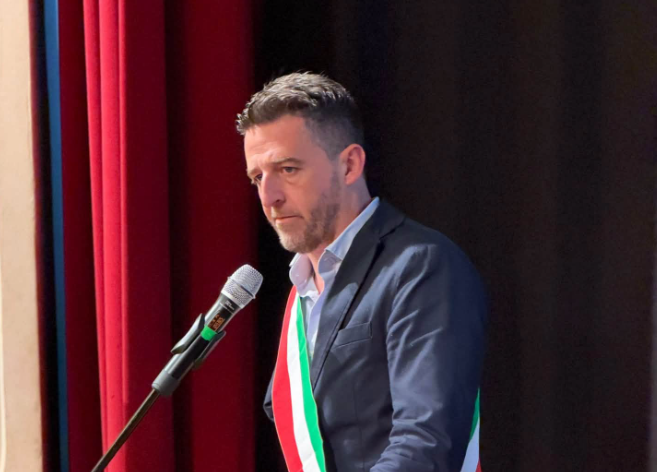
Operazione anti ‘ndrangheta stamani dei carabinieri del Ros e del Comando provinciale di Cosenza che hanno arrestato 41 persone, di cui 24 in carcere e 17 ai domiciliari. Ai domiciliari anche Flavio Stasi, sindaco di centrosinistra di Corigliano-Rossano. Il provvedimento, emesso dal Gip di Catanzaro su richiesta della Dda, ipotizza, a vario titolo, i reati di associazione mafiosa, omicidio, detenzione e porto di armi, estorsione, rapina, furto, intestazione fittizia di beni, procurata inosservanza di pena, favoreggiamento dell’immigrazione clandestina, aggravati da metodo o finalità mafiose, nonché patto elettorale politico mafioso.
C’è anche Damiano Pepe, il presunto boss rimasto ferito venerdì scorso in un agguato in contrada Lattughelle di Cassano allo Ionio, tra le 41 persone arrestate nell’operazione condotta dai carabinieri del Raggruppamento operativo speciale (Ros) e del Comando provinciale di Cosenza contro le cosche dell’Alto Tirreno Cosentino. Tra i destinatari dell’ordinanza di custodia cautelare emessa dal gip su richiesta della Dda di Catanzaro, figura anche il nome della compagna, Silvana Sibarelli, rimasta uccisa nello stesso agguato.
Contro la coppia erano stati sparati oltre trenta colpi di armi lunghe, forse anche un Kalashnikov, davanti al cancello della loro villetta, mentre stavano rientrando in auto. I proiettili hanno ucciso la donna e ferito il compagno che adesso si trova ricoverato nell’ospedale di Cosenza e non è in pericolo di vita. L’uomo era piantonato per motivi di sicurezza dopo l’agguato ma adesso è in stato di arresto. Tra gli arrestati nell’operazione – posto ai domiciliari – anche il consigliere comunale di opposizione di Corigliano-Rossano Pietro Lucisano.
L'articolo ‘Ndrangheta, blitz a Cosenza: arrestati anche il boss ferito in un agguato e il sindaco di Corigliano-Rossano proviene da Affaritaliani.it.

Justin Sullivan/Getty Images
Home Depot wants to roll out the welcome mat for your AI agent — so long as it's wearing a name tag and acting on your behalf.
During a sit-down interview with Business Insider, Angie Brown, the company's executive vice president and chief information officer, said the retailer wants to support AI agents that can search and buy products on a customer's behalf. But Home Depot needs to be sure of two things first.
"We want to know you're not a bot, and we actually want to know if it's you," she said. "That's something that Muse is working on right now, to self-identify."
Her comments are the latest glimpse into how legacy retailers — and their tech staff — are thinking about the possible next generation of online shopping.
Recently, several Silicon Valley companies have launched consumer-focused AI agents, such as Meta's Muse and Spear Street Technology's Instinct AI. They promise agents capable of scanning the internet, comparing products, filling carts, and buying items with little to no intervention from the person who sent them.
Their rollout has been met with varying levels of resistance and buy-in from online retailers. Amazon barred Muse from shopping on its marketplace, saying the bots didn't properly identify themselves. Several other retailers — including Walmart, Best Buy, Sephora, and Shopify — have announced integrations or openness to AI agents. In October, Meta announced that it co-developed a personal agent protocol with Sierra AI to standardize AI agent identification.
Brown said Home Depot is open to the idea of AI agents, but the retailer doesn't want to lose its connection with loyal customers.
Frequent Home Depot shoppers, such as contractors and remodelers, are part of the company's Pro Rewards platform, where they're eligible for discounts. The retailer doesn't "want to lose contact with the customer," she said.
"That's the next evolution," Brown added, confirming that Home Depot is in active conversations with Meta about how Muse should introduce itself to websites. "There's openness on both sides, because they want it to grow."
Brown said Home Depot is deploying AI amid a recent wave of cybersecurity worries.
Last week, companies around the world raced to patch critical vulnerabilities in PHP, a programming language used in an estimated 70% of websites. The flaws were discovered with help from OpenAI and prompted US cybersecurity officials to urge affected organizations to update their systems or, in some cases, take them offline.
Brown, whose remit includes Home Depot's cybersecurity, called the hours after the warning a "little hectic," but said the company's main website was not affected.
"We had a couple of operating units — companies we've bought and things like that that are a little bit smaller — that had to plug a few vulnerabilities," she said, including an internal job application system that was taken down "in the middle of the day for about an hour to patch."
Otherwise, she said, the company was largely spared from the sudden tech anxieties.
Home Depot, Brown confirmed to Business Insider, has joined Anthropic's Project Glasswing, an initiative that gives selected companies access to Claude Mythos Preview to help secure critical software. She said the company was not granted access in the project's first wave, "despite our best efforts, and calling a lot of friends." Those slots were largely reserved for banks and cybersecurity firms, not major retailers.
The Anthropic models "found a few things" for Home Depot to fix in its code — but the agents also found a few "false positives," Brown said.
Home Depot, she said, has long ranked cybersecurity vulnerabilities, but AI is leading the company to rethink its desired time to deploy a fix.
"The speed to fix a vulnerability has to be driven down to hours," she said.
Il 5 novembre a Villa Miani il convegno promosso da GAAT Service con UNI Agenti e AGI. Tra i relatori Aranzulla, Camisani Calzolari, Frontoni e Veltroni. Peter Gomez modererà la tavola rotonda sul futuro dell’intermediazione.
L’intelligenza artificiale è già entrata nei processi di molte imprese e sta cambiando il modo in cui vengono analizzati i dati, organizzate le attività e costruite le relazioni con i clienti. Per il mondo assicurativo, il tema non riguarda soltanto l’adozione di nuovi strumenti: chiama in causa il ruolo degli intermediari, la loro autonomia professionale e la capacità di accompagnare persone e aziende in decisioni sempre più complesse.
A queste domande è dedicato il convegno nazionale “Intelligenza artificiale & Agenti di assicurazione”, in programma giovedì 5 novembre 2026 a Villa Miani, a Roma. L’iniziativa è organizzata da GAAT Service, in collaborazione con UNI Agenti e AGI Agenti Generali Italia, e riunirà divulgatori, studiosi e rappresentanti del comparto per discutere opportunità e criticità della trasformazione digitale.
Il confronto parte da una questione concreta: l’IA potrà aiutare gli agenti a interpretare meglio i bisogni della clientela e a rendere più efficiente il lavoro quotidiano, ma solleva anche interrogativi sulla gestione dei dati e sul rapporto diretto tra compagnie e consumatori. È proprio su questo equilibrio che gli organizzatori intendono aprire una riflessione.
“I cambiamenti non si subiscono, si governano”, osserva Roberto Salvi, presidente di GAAT Service e UNI Agenti. Secondo Salvi, “il settore non può limitarsi a osservare l’evoluzione tecnologica: deve comprenderne le conseguenze”. E sugli spazi di autonomia degli intermediari, Salvi è molto chiaro: “L’intelligenza artificiale può rappresentare una grande opportunità proprio per rafforzare quella autonomia se gli intermediari sapranno affrontare questa trasformazione insieme, mettendo in comune competenze, esperienze, risorse e capacità di investimento. La forza di molti può consentire di accedere a strumenti e soluzioni che il singolo, da solo, avrebbe più difficoltà a sviluppare o governare. L’obiettivo del convegno – spiega – è finalizzato ad affrontare il tema senza semplificazioni e con competenze differenti”.
Il programma prevede l’avvio delle attività alle 11 con la registrazione dei partecipanti e un light lunch. Alle 13 l’introduzione di Peter Gomez e il saluto istituzionale di Roberto Salvi apriranno gli interventi. Sul palco si alterneranno Salvatore Aranzulla, divulgatore informatico conosciuto per le sue guide pratiche all’uso della tecnologia; Marco Camisani Calzolari, esperto di digitale, sicurezza e rischi della rete; Emanuele Frontoni, professore ordinario all’Università di Macerata e studioso di intelligenza artificiale e visione artificiale; e Walter Veltroni.
VIDEO | Il videomessaggio di Salvatore Aranzulla
VIDEO | Il videomessaggio di Emanuele Frontoni
VIDEO | Il videomessaggio di Marco Camisani Calzolari
Alle 15.40 è prevista una tavola rotonda moderata da Peter Gomez, dedicata al punto di vista degli operatori del mercato. Interverranno Pietro Franchini (IVASS), Denis Girola (Xoldy), Pisana Liberati (UNI
Agenti), Gianni Mezzalira (AGI), Alfredo Penna (UCA Assicurazioni), Osvaldo Rosa (Assigeco) e Orazio Rossi (Chubb). Un confronto tra realtà e ruoli diversi, chiamati a misurarsi con le ricadute dell’innovazione sul lavoro degli agenti e sui rapporti con gli assicurati.
Il filo conduttore della giornata è la necessità di affiancare alla conoscenza tecnica una riflessione sulle persone e sulle professioni. Perché la capacità di ascolto, la fiducia e l’interpretazione dei bisogni restano centrali nel rapporto con il cliente, anche quando cambiano gli strumenti con cui questo rapporto si costruisce.
La partecipazione al convegno è gratuita, con prenotazione obbligatoria. Per informazioni: segreteriaorganizzativa@eventoai.it; tel. 377 5501110.
L'articolo Intelligenza artificiale, la sfida per gli agenti assicurativi: a Roma il confronto tra esperti e operatori del settore proviene da Il Fatto Quotidiano.
I nuovi strumenti di pagamento digitale, dalle carte ai QR-code fino alle criptovalute e alle Cbdc, sollevano molte domande. Pubblichiamo un estratto dell’introduzione del nuovo libro di Angelo Baglioni, che a questi interrogativi cerca di dare risposte.
L'articolo Quale moneta per un mondo digitale proviene da Lavoce.info.


di Francesca Carone
A furia di ascoltare come un disco rotto le misure “preventive” governative “belliche” pro-riarmo e compagnia bella, i giovani e i meno giovani, e perché no anche anziani, hanno deciso di capovolgere la narrazione radical-chic dei media diventando essi stessi la narrazione. Se la politica e l’informazione non li ascoltano e non parlano di loro sono loro che portano l’informazione e la politica con loro. Nelle piazze. È la guerra partigiana moderna combattuta anche nei circuiti virali. È la strategia moderna della protesta urbana che si combatte a colpi di piazza e social. Se tutto passa dai social-media e dall’ informazione a ciclo continuo, “cotta e mangiata”, è anche da lì che deve passare il dissenso giovanile-adolescenziale, declassato e sabotato da molti operatori dell’informazione come la guerra dei Maranza, sfaticati, alienati e arrabbiati; “fenomeno” oscuro del dissenso giovanile dato in pasto come “salvagente” alla crisi economica e sociale dalla propaganda politica, dall’informazione pilotata e da una buona parte dei social.
Così la rabbia dei giovani studenti dissidenti, di partigiana memoria, diventa sempre più grande. Più forte. Più intima e accorata.
Lo scandaloso e offensivo monologo di Bruno Vespa nei confronti della coordinatrice nazionale dell’Unione degli Universitari, Sabrina Brizzola, si trasforma in un monito per giovani e meno giovani a scendere in piazza piuttosto che trastullarsi negli happy hour o nei tour notturni per locali e discoteche. I giovani hanno ormai capito che è arrivato il momento di farsi ascoltare per interrompere il corto circuito della pericolosa dissolvenza e della declinante invisibilità in cui sta scivolando la loro generazione. E non solo.
Dietro la loro protesta c’è quella delle loro famiglie, anche loro condannate all’ invisibilità e ad una sotterranea ed inevitabile indifferenza. Il malcontento nasce alla radice. Dal quel terreno nascosto e arido che sta depauperando il tessuto sociale del nostro Paese. Le famiglie si disgregano, soffrono e, nel migliore dei casi, sopravvivono nell’ indifferenza e nel silenzio della politica, sorda ai loro richiami e troppo impegnata nella propaganda di decretifici e storytelling pre-elettorali. Così tutto diventa paurosamente liquido e inafferrabile. Ognuno procede secondo mete e obiettivi dettati dai propri bisogni e necessità.
In questo agone smembrato e caotico le voci si rincorrono e la narrazione si sfilaccia, si indebolisce diventando piatta e inascoltata, trasformandosi in una sorta di brodo primordiale dove tutto è il contrario di tutto, dove vittima e carnefice si confondono diventando “mangime” virale per social e informazione. I problemi si rincorrono e le narrazioni si sovrappongono entrando in un vortice pericoloso dove le voci rischiano di diventare suoni inascoltati e le azioni una corsa a chi difende meglio il proprio orticello: la politica, con l’ennesimo inutile decreto Sicurezza, nascondendo la protesta legittima e pacifica dei giovani studenti, la guerriglia urbana dei maranza, come sfida e risposta alla crisi della famiglia e della scuola.
E poi la paura della gente, dei commercianti e la vorticosa dialettica dell’informazione che legittima e delegittima questa o quella causa. Così la confusione genera rabbia, ansia, alienazione con il rischio di una grossa implosione. Ecco allora la sfiducia, la frammentazione della verità, dei valori e della società. Di qui il fenomeno dell’astensionismo, della crisi dei valori, del disorientamento etico e politico. In questo scenario funesto, anche il dissenso giovanile rischia di diventare strabico e diafasico: il linguaggio violento dei facinorosi e provocatori distoglie lo sguardo dalla protesta legittima dei giovani che inevitabilmente assume una dimensione distopica priva di visione e futuro.
L'articolo Così la rabbia degli studenti dissidenti, di partigiana memoria, diventa sempre più grande proviene da Il Fatto Quotidiano.

The ruling targets the campaign of the far-right senator who lost the 2026 runoff to Luiz Inácio Lula da Silva. Justice Flávio Dino issued the decision under a constitutional action (the Fundamental Precept Non-compliance Argument 1178 (ADPF), after formal requests from Lula’s campaign and from former presidential candidate Renan Santos of the Missão movement.
The Court stressed that Brazil’s Constitution and laws expressly bar parties and candidates from receiving funds from foreign entities or governments.
RELATED: Flávio Bolsonaro to Face International Detention Request and Interpol Alert
At the center of the inquiry sits Rockbridge Network, a conservative U.S. organization tied to the political origins of JD Vance, now U.S. Vice-president.
Federal Police will determine whether the group, through the alleged mediation of Brazilian businessmen Tallis Gomes and Pedro Sang, offered financial resources, services or economic advantages to the campaign of the Senator Flávio Bolsonaro, the Liberal Party’s presidential candidate.
Breaking: Supreme Court Minister Dino has ordered a police investigation into foreign interference in the elections. It is already widely known that the US government and US tech companies were meddling to benefit Flávio Bolsonaro’s failed presidential bid. pic.twitter.com/xWSQXqnmfl
— BRASILWIRE (@BRASILWIRE) October 27, 2026
Investigators will also examine possible underlying geopolitical and economic interests. The probe will look into whether negotiations linked political financing to the exploitation and control of strategic minerals and rare earth elements on Brazilian soil, resources that have drawn marked interest from the government of Donald Trump.
The Court framed the case as a matter of national sovereignty. Foreign interference in an election, the ruling argued, does not merely distort the vote; it compromises the state’s ability to decide its own direction. That framing elevates the investigation beyond a routine campaign finance dispute.
Ten federal agencies received the order to carry out the work, which includes the Brazilian Intelligence Agency (Abin), the Council for Financial Activities Control (Coaf), the Federal Revenue Service and the Central Bank.
Failed far-right candidate Flávio Bolsonaro has reportedly fled Brazil to the US where he intends to seek political asylum, according to news website Metrópoles, citing people close to the Bolsonaro family. After Flávio missed a Tuesday morning deadline to surrender his… pic.twitter.com/xZQHoj1Cn9
— VPol (@VocalPolitics1) October 27, 2026
The technological front carries equal weight. The Supreme Court ordered an inquiry into the role of Meta, owner of WhatsApp, Instagram and Facebook, after detecting what the ruling describes as “intentional asymmetries and algorithmic manipulations.”
Case documents reveal internal messages in which employees admitted restrictions on the promotion of Lula’s ads while Flávio Bolsonaro’s profile received irregular positioning. UN experts had previously warned of the risk of an artificial electoral imbalance.
Federal Police will also trace paid content favorable to the far right that was distributed through accounts based abroad without proper identification of the contractors, as well as the use of Polymarket projections to tilt public perception.
The pressure on Meta is not new. On October 15 a judge had already barred the company from interfering in the distribution of electoral content following complaints from progressive sectors. Meta denied any favoritism, attributing the imbalance to an artificial intelligence glitch that benefited the Liberal Party candidate. The current process now escalates to criminal and national security levels.
For Flávio Bolsonaro, the investigation compounds an already difficult legal position. The same Court recently ordered him to surrender his passports, and lawmakers have sought his preventive detention and an Interpol red notice over a reported flight to United States. The new probe broadens the scope from his personal conduct to the machinery that financed and amplified his campaign.
Whether Rockbridge or Meta ultimately face charges depends on the evidence Federal Police gathers. The Court’s message, however, is already clear: foreign money and foreign platforms will not operate in Brazil’s elections without scrutiny.

Pesquisadores observaram um planeta de lava, o TOI-561 b, por 37 horas, cerca de quatro órbitas completas ao redor de sua estrela e perceberam que ele reflete, aproximadamente, 75% da luz estelar que recebe sem derreter.
Os cientistas acreditam que essa absorção é possível graças ao “protetor solar natural” do planeta, que é formado por nuvens feitas de minerais de silicato, que criam uma barreira natural envolta do TOI-561 b, refletindo parte da radiação antes que ela chegue em sua superfície.
Além de seu bom protetor solar, os pesquisadores também se depararam com a possível existência de uma atmosfera espessa para o planeta que recebe uma radiação tão intensa como o TOI-561 b.
Para investigar os fenômenos, a equipe de cientistas utilizou o Telescópio Espacial James Webb, da Nasa, para realizar o acompanhamento das variações de brilho e temperatura ao longo do processo de órbita do exoplaneta em volta de sua estrela.
Isso porque, em outras observações do planeta de lava foi percebido que o lado iluminado pela estrela apresenta temperaturas menores do que as previstas para um planeta rochoso tão próximo de sua estrela.
Os resultados da análise mostraram que a região do exoplaneta que não recebe luz direta não fica quente o suficiente para explicar a energia que aparenta estar em falta. De acordo com os pesquisadores, uma possível explicação para isso é a formação de nuvens com minerais como dióxido de silício (SiO₂) e silicato de magnésio (MgSiO₃).
LEIA TAMBÉM: “Golpe duplo” cósmico pode ser resposta para criação de crateras em Marte
Os cientistas ainda não sabem exatamente quais são as substâncias que compõem a camada gasosa do TOI-561 b, mas exploram possibilidades: a primeira é que a atmosfera dele seja rica em dióxido de carbono, assim como Vênus, mas bem mais quente; a segunda vê a possibilidade de que a atmosfera na verdade tenha grandes quantidades de dióxido de enxofre, gás associado à atividade vulcânica da lua Io, de Júpiter.
Para desvendar esses mistérios, os pesquisadores pretendem realizar novas observações com o James Webb, utilizando os comprimentos de ondas maiores para entender a composição química da atmosfera do planeta, para saber enfim se ele está mais próximo das composições da atmosfera de Vênus ou de lo.
*Sob supervisão de Thiago Félix
Saiba o que o telescópio James Webb, da Nasa, revelou até agora