❌

Reading view

Embattled Bari Weiss says she is not ‘focused’ on declining 60 Minutes ratings

CBS News editor-in-chief sidesteps viewership concerns and says flagship show doing ‘tremendously well’

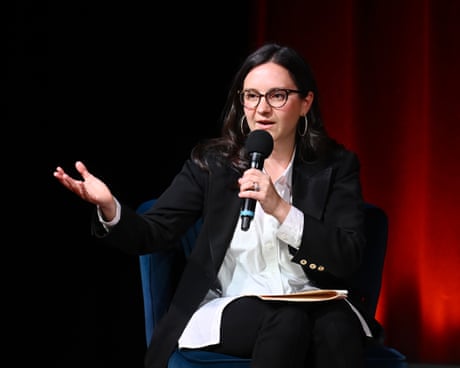
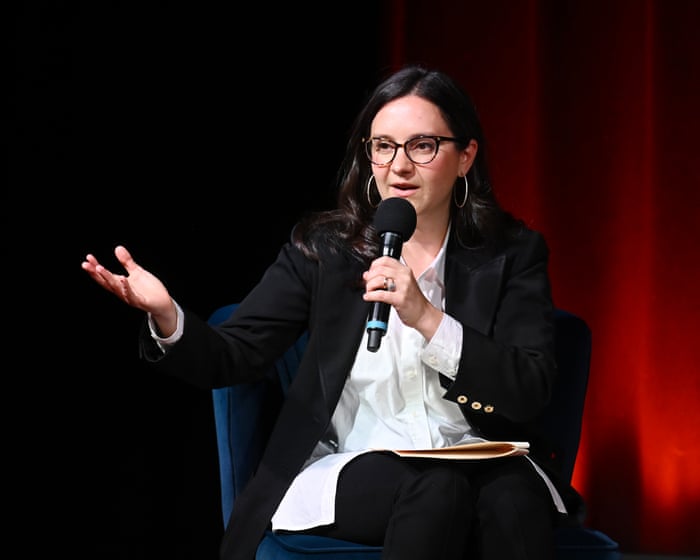
CBS News editor-in-chief Bari Weiss has spoken publicly for the first time about the ratings challenges the network has experienced under her year-long tenure, sidestepping concerns about diminished viewership at the Sunday show 60 Minutes by saying it was not her top priority.

“I could never build anything if I were focused on the precise number of people that happen to tune in to the second feature on 60 Minutes on a given Sunday,” she said at an industry conference on Wednesday organized by the tech publication the Information. The news organization did not offer press credentials.

Continue reading...

© Photograph: Noam Galai/Getty Images for The Free Press

© Photograph: Noam Galai/Getty Images for The Free Press

© Photograph: Noam Galai/Getty Images for The Free Press

  •  

How André Janones Helped Turbocharge Lula’s Comeback in Brazil’s Election

With street talk and tactics from the far-right’s playbook, André Janones used a WhatsApp channel to help organize millions of Brazilians online.

© Victor Moriyama for The New York Times

The Brazilian congressman André Janones created a digital “army” by setting up WhatsApp groups and posting on Instagram, which helped mobilized the vote for the reelection of President Luiz Inácio Lula da Silva.
  •  

Isteria e nemici interni dentro l’ossessione da guerra ibrida

L’isteria crescente delle classi dominanti – e dei mass media da essi finanziati – ormai buttano tutto nel calderone del “nemico interno”: agenti russi, cittadini pagati dai russi, ingerenze islamiche e, ovviamente, i partiti della sinistra e i comunisti.

Segue nostro Telegram.

E’ stato sufficiente che l’edizione di giovedi del giornale Politico.eu scrivesse qualche riga per mettere in moto una valanga, rivelando che l’Unione Europea ritiene di trovarsi di fronte all’escalation delle operazioni ibride russe e che si sta preparando all’eventualità che, prima o poi, queste azioni provochino delle vittime in Paesi Ue o Nato. Insomma quasi un auspicio che da qualche parte ci scappi il morto da poter strumentalizzare ai fini della propaganda di guerra, sia sul fronte esterno che sul fronte interno.

Si tratta di uno scenario che in Italia abbiamo purtroppo visto e subìto spesso: dalla strage di Piazza Fontana in poi. Su questo, nostro malgrado, potremmo tenere delle lectio magistralis a tutti gli altri paesi europei che non hanno sperimentato tragedie e orrori analoghi

Il giornale Politico.eu riferisce di una riunione di diplomatici della Ue a porte chiuse, senza telefonini e senza assistenti ha valutato il rischio di attacchi gravi, “capaci di provocare vittime su larga scala”. Due fonti diplomatiche hanno confermato a Politico che una riunione degli ambasciatori presso l’Ue, svoltasi mercoledì scorso, ha riguardato proprio questo tipo di scenario.

Per una fonte diplomatica citata dal sito, “data la portata e la vastità dell’azione russa, è inevitabile che prima o poi vi siano delle vittime. È pura fortuna che non ce ne siano ancora state”.

“È abbastanza ovvio che, quando la Russia utilizza strumenti sempre più letali per mettere alla prova la nostra preparazione e la nostra volontà di adottare contromisure, a un certo punto ci saranno delle vittime”, ha dichiarato a Politico la finlandese Teija Tiilikainen, direttore del Centro europeo di eccellenza per il contrasto alle minacce ibride. “Prima o poi, intenzionalmente o meno, questo è ciò che accade”.

Se diversi cittadini di Paesi membri dell’UE o della NATO venissero uccisi in quello che sembra essere un attacco, la pressione ad agire sarebbe enorme per entrambe le istituzioni. “Temiamo fortemente che a un certo punto venga tolta la vita a un nostro alleato”, ha affermato un diplomatico della NATO, il che renderebbe la pressione ad agire “molto alta”, riporta ancora Politico.eu.

Ma l’isteria ormai è talmente dilagante che alcuni Paesi membri della Ue, ritengono che debba essere la Nato e non l’Unione Europea la sede opportuna per trattare di questi argomenti e delle possibili soluzioni, soprattutto perché le riunioni della Ue sarebbero troppo “porose” per la fuga di notizie o di informazioni sensibili.

A rendere il tutto ancora più strumentalizzabile ai fini della mera propaganda di guerra esterna ed interna in Europa, vi è anche il tentativo di leggere le proteste giovanili e popolari in Francia come eterodirette o articolazioni di progetti di destabilizzazione. E in questo gioco sporco tutto fa brodo, dalla guerra ibrida della Russia alle ambizioni dell’islam politico.

“Quello che sta accadendo in Francia non è altro che immigrazione di massa fuori controllo“, ha scritto Donald Trump il 6 ottobre sul suo social Truth riferendosi agli scontri e alle manifestazioni che stanno attraversando la Francia. Per il presidente americano “non si tratta delle scuole”, ma dell’”Islam che vuole prendere il controllo di un Paese un tempo grande“.

A fargli eco è subito arrivato l’eurodeputato lepenista Fabrice Leggeri, esponente del gruppo della destra dei Patrioti al Parlamento di Strasburgo, secondo il quale “sulle proteste in Francia Trump non ha del tutto torto”. Perché, ha affermato durante un punto stampa al Parlamento Europeo, “le rivolte in corso, le rivolte dei cosiddetti studenti o presunti studenti, sono di fatto strumentalizzate dall’estrema sinistra e, come sappiamo, l’estrema sinistra è infiltrata da elementi islamisti”.

L’isteria crescente delle classi dominanti – e dei mass media da essi finanziati – ormai buttano tutto nel calderone del “nemico interno”: agenti russi, cittadini pagati dai russi, ingerenze islamiche e, ovviamente, i partiti della sinistra e i comunisti.

Se al posto degli ebrei mettiamo gli islamici, sono esattamente gli stessi nemici messi all’indice in Europa dai nazifascisti negli anni Trenta.

Articolo originale:  contropiano.org

  •  

YouTube missed expectations on ad revenue as growth slowed down

Content creator Julian Shapiro-Barnum spoke at the Made on YouTube event.

Noam Galai/Getty Images for Made on YouTube 2026

  • YouTube's ad revenue fell short of analysts' expectations for the third quarter.
  • Its parent reported $11.2 billion in Q3 ads revenue, under analysts' $11.43 billion estimate.
  • The company said it now has 150 million YouTube Music and Premium subscribers, up from 125 million in March 2025.

YouTube's ad revenue growth slowed down, missing analysts' estimates in the third quarter.

Its parent company, Alphabet, reported $11.2 billion in third-quarter YouTube ads revenue, a 9% increase from a year ago. That falls below the $11.43 billion analyst consensus estimate. Its ads revenue growth also slowed from the previous quarter, when it pulled in about $11.1 billion, a 13% increase from the previous year.

Beyond YouTube, Alphabet missed expectations in other areas of its business, including on overall revenue. In a bright spot, it beat revenue estimates for its cloud business.

The company's shares were down over 10% in after-hours trading.

While YouTube's ad revenue was weaker than expected, it wasn't all bad news. The company said it now has over 150 million YouTube Music and Premium subscribers, up from 125 million in March 2025. The company said its subscriptions business was growing faster than ads.

YouTube has also been the envy of rivals in key areas like TV viewership. Its share of US television viewership was about twice that of Netflix in August, according to recent Nielsen estimates. Over a third of YouTube's third-quarter ad revenue came from the living room, Google's chief business officer Philipp Schindler said on Wednesday.

Netflix, meanwhile, walked back its full-year ad revenue expectations during last week's earnings. The streamer lowered its ad revenue forecast from $3 billion to $2.7 billion after experiencing delays around the rollout of its ad products. It laid off about 1,000 workers earlier this month.

This week, Instagram unveiled an overhaul of long-form video features seemingly designed to counter YouTube and bolster its presence on TV screens.

"Everyone in streaming is chasing YouTube, and even Instagram is going to pivot their strategy based on the success that YouTube's had," said Ross Benes, a senior analyst at EMARKETER, Business Insider's sister company.

Read the original article on Business Insider

  •  

CNN, MS Now and Politico Update Lawsuit Against Trump Over White House Access

The news outlets argued in an updated lawsuit that they should be granted access to the White House reporting pools.

© Andrew Harnik/Getty Images

Betsy Klein, a CNN reporter, in the White House in September.
  •  

Study: Apple News Pushed 84 Negative Headlines About GOP Priorities Before Midterms, Zero Positive

Apple News promoted more than 80 stories that negatively framed Republican priorities in the weeks leading up to the midterm elections, while promoting zero positive stories, according to new research.

The post Study: Apple News Pushed 84 Negative Headlines About GOP Priorities Before Midterms, Zero Positive appeared first on Breitbart.

  •  

Il Cda di Seif respinge la richiesta di due diligence di Lmdv Media – Il comunicato della società

In relazione al comunicato stampa (“COS LMDV”) diffuso in data 25 ottobre 2026 da LMDV Media S.r.l. (“LMDV Media”), con cui è stata resa nota la richiesta di svolgere una due diligence confermatoria su Società Editoriale Il Fatto S.p.A. (“SEIF” o la “Società”) ai fini della promozione di un’eventuale e futura offerta pubblica di acquisto volontaria totalitaria sulle azioni SEIF, finalizzata al delisting (“Eventuale Offerta”), il Consiglio di Amministrazione di SEIF, riunitosi in data odierna, comunica quanto segue:

L’iniziativa non è stata sollecitata dalla Società né concordata con la stessa. Il COS LMDV è stato diffuso senza alcuna interlocuzione preventiva con SEIF ed è accompagnato da valutazioni unilaterali sulla situazione economico-finanziaria dell’Emittente, qualificate dalla stessa LMDV Media come stime basate sulla documentazione pubblica. In data 25 ottobre 2026 i soci fondatori di SEIF, titolari complessivamente della maggioranza del capitale votante, hanno manifestato la volontà di non aderire all’Eventuale Offerta. Per l’effetto, allo stato, la condizione soglia dell’82,9% del capitale votante della Società, prevista dall’art. 8 dello statuto sociale di SEIF e indicata nel COS LMDV come condizione di efficacia dell’Eventuale Offerta — funzionale a far decadere il limite statutario al possesso di azioni SEIF pari al 17% — risulta di impossibile avveramento. Non potendo l’Eventuale Offerta avere efficacia, alla luce della posizione assunta dai soci fondatori e dell’impossibilità di avveramento della condizione soglia sopra indicata, il Consiglio di Amministrazione non può accogliere la richiesta di LMDV Media di svolgere la due diligence confermatoria.

A tale conclusione il Consiglio perviene anche considerando che LMDV Media opera quale operatore concorrente della Società nel settore dell’editoria, circostanza che sconsiglia di dare accesso a informazioni riservate della Società concernenti il know-how e l’innovazione digitale e tecnologica sviluppati da SEIF con riferimento, in particolare, ai prodotti editoriali e ai contenuti multimediali di natura digitale. Quanto alle valutazioni unilaterali di LMDV Media sul fabbisogno di cassa della Società nei prossimi 24 mesi, la Società non le condivide. Per una rappresentazione completa della situazione economico-finanziaria della Società si rinvia al Bilancio consolidato intermedio al 30 giugno 2026 e, in particolare, alla sezione sulla continuità aziendale contenuta nella nota integrativa, disponibile sul sito.

L'articolo Il Cda di Seif respinge la richiesta di due diligence di Lmdv Media – Il comunicato della società proviene da Il Fatto Quotidiano.

  •  

Allison Pearson said to be negotiating exit from Daily Telegraph amid job cull

Columnist’s relations with some senior editorial figures said to be strained over subjects she raised in her columns

The controversial Daily Telegraph columnist Allison Pearson is understood to be in negotiations about leaving the broadsheet as the newspaper’s new owner makes significant newsroom cuts.

Sources told the Guardian that Pearson – firmly on the right of the Telegraph’s roster – is preparing to announce her exit imminently and is crafting a statement about her future plans.

Continue reading...

© Photograph: Jacob King/PA

© Photograph: Jacob King/PA

© Photograph: Jacob King/PA

  •  

BBC allegations cost Tory and Reform donor a peerage, defamation trial told

Mohamed Amersi is suing over Panorama episode that made claims of his suspected involvement in corruption

A Conservative and Reform UK donor lost out on a knighthood and a peerage amid claims of his involvement in corruption, the high court has heard at the start of his defamation case against the BBC.

An episode of Panorama in 2021 and a BBC article caused “very serious harm” to Mohamed Amersi, his barrister, Oliver Powell, said on Wednesday.

Continue reading...

© Photograph: Anadolu Agency/Getty Images

© Photograph: Anadolu Agency/Getty Images

© Photograph: Anadolu Agency/Getty Images

  •  

Dona do Correio da Manhã avança com despedimento coletivo no departamento gráfico


A Medialivre, dona do Correio da Manhã, do Record, da Sábado ou do Jornal de Negócios, está a avançar com um despedimento coletivo no departamento gráfico. A informação foi confirmada ao ECO/+M por fonte oficial da empresa, embora sem detalhar.

“A evolução do mercado da comunicação social, com a diminuição do consumo da imprensa escrita e crescente consumo no digital implica que, para manter a competitividade, tenha que existir uma evolução tecnológica e a transformação dos processos de produção dos media”, começa por enquadrar.

Assim, “neste contexto, está em curso uma adequação da estrutura de recursos humanos, que contempla a redução da dimensão da equipa do departamento gráfico da imprensa, em função dos níveis crescentes de automatização, da integração de funções e das atuais necessidades operacionais”, escreve fonte da empresa, sem avançar o número de pessoas envolvidas.

“Esta reorganização visa assegurar o alinhamento da estrutura do departamento com o modelo de produção vigente e com as orientações estratégicas da empresa, de modo a assegurar um modelo de negócio sustentável”, conclui a também dona do Now, sem explicar se a decisão terá algum tipo de implicação nas edições em papel dos títulos.

Num comunicado interno ao qual o ECO/+M teve acesso, Carlos Rodrigues, escreve que as transformações da imprensa escrita obrigaram a reformular o setor da paginação. “As mudanças tecnológicas que a empresa tem levado a cabo tornam possível que o processo de feitura dos jornais seja cada vez mais automático, e com a integração total da equipa“, justifica o diretor-geral editorial da Medialivre.

A redução de quadros no departamento gráfico acontece cerca de um ano e meio após o despedimento de cerca de dez fotojornalistas. Na altura, o grupo justificou a decisão com “motivos de mercado e estruturais”.

  •  

Trump Credits Netanyahu Comeback to His Endorsement as Right-Wing Bloc Nears Majority

President Donald Trump credited his endorsement of Prime Minister Benjamin Netanyahu with helping drive a comeback in Israel's election Wednesday as the latest partial returns showed the premier's right-wing bloc closing in on a parliamentary majority.

The post Trump Credits Netanyahu Comeback to His Endorsement as Right-Wing Bloc Nears Majority appeared first on Breitbart.

  •  

Da “ayatollah dei maranza” a “ideologo eversore”. Youssef Siher, così i giornali hanno sbattuto il mostro in prima pagina

Eccolo lì, il mostro sbattuto in prima pagina. Gli occhiali da studioso, il baffetto, lo sguardo serio. Figlio di una coppia marocchina, istruito e di religione islamica, Youssef Siher è il perfetto capro espiatorio per il governo nei giorni dei disordini nelle piazze italiane, ma anche il volto che i giornali aspettavano per aprire le proprie edizioni. E allora il 30enne, tornato libero oggi, dopo quattro giorni in carcere, viene definito dai quotidiani, a partire da domenica 25 ottobre, nei modi più disparati (e talvolta offensivi): “L’ayatollah dei maranza” (il Giornale), “l’ideologo eversore” (ancora il Giornale), “la mente delle rivolte” (Libero), “potenziale terrorista” (di nuovo Libero), “il laureato mente del 17 ottobre” (la Repubblica), “il capo del branco” e “il burattinaio degli scontri” (la Verità), “il regista del movimento” e anche “l’ideologo” (il Corriere della Sera).

Al di là dei vari epiteti, Siher per tutti è “la mente” della rivolta. Quando viene fermato sabato 24 ottobre, il ministro Matteo Piantedosi parla proprio di “presunta mente” del Movimento 17 ottobre. Il collega di Fratelli d’Italia, Guido Crosetto, si affretta a fargli i complimenti su X “per aver individuato l’ideatore” dei disordini. Le accuse, per il giovane, sono istigazione a delinquere aggravata dal terrorismo e violenza organizzata. Reato, quest’ultimo, introdotto attraverso l’ultimo decreto Sicurezza del governo, in vigore poche ore prima del fermo.

Guerra al 30enne (e all’Islam) da sbattere in prima pagina

I giornali tradizionalmente di destra – e i loro direttori – non dovevano credere ai loro occhi quando Siher è stato portato in Questura a Milano e da lì al carcere di San Vittore. E infatti, col tipico garantismo a convenienza, si sono affrettati a condannarlo. E, intorno alla condanna, a costruire la propria narrazione. Partiamo da il Giornale diretto da Tommaso Cerno. L’apertura a caratteri cubitali del 25 è “L’ayatollah dei maranza”. Il sottotitolo: “Fermato il fondatore del gruppo 17 ottobre”. La doppia pagina, 2-3, è “Regia islamica” (dietro gli scontri, ovviamente). Tra i “deliri” e le “ossessioni ” di Siher – così li definiscono nella redazione milanese del quotidiano fondato da Indro Montanelli – aver appoggiato un’interrogazione di Nicola Fratoianni, essere un attivista pro Pal, parlare di genocidio e di libertà “dal fiume al mare”. Il giorno dopo, attenzione, ecco a tutta pagina “Tutti i legami di Youssef”, reo di aver partecipato a un convegno con l’ex Avs Aboubakar Soumahoro e di essere sceso in piazza con Mohammad Hannoun. Già che ci siamo, poiché nel calderone di questi giorni fa comodo, il 27 l’apertura è sull’intervista a Matteo Salvini. Titolata così: “Islam pericolo per l’Italia. Ecco la mia nuova Lega”. Accostamenti suggestionanti stabilirebbe una storica sentenza della Cassazione sui limiti del diritto di cronaca. Dopo le pagine 2-3 col leader del Carroccio che dice che le moschee vanno chiuse, a pagina 4 ecco Siher, definito “l’ideologo eversore”. Poi si parla di Fratelli musulmani, di Piantedosi che indica di “valutare legami con Hamas” e della presunta intenzione del giovane ricercatore – tutta da dimostrare – di volere “una primavera araba” a Milano.

Gli attacchi al Fatto e alla politica “nemica”

Per Libero, il giornale diretto da Alessandro Sallusti, la prima pagina del 25 ottobre diventa il pretesto per una doppia operazione: screditare le rivendicazioni socio-economiche di chi protesta, incolpando l’Islam, e attaccare il Fatto Quotidiano (poiché Siher ha svolto uno stage nella redazione di Milano). Ecco l’apertura: “Non è disagio, è Islam”. Il sottotitolo: “Presa la mente delle rivolte: è un ex collaboratore di Travaglio”. Per Sallusti è l’uomo perfetto: “Altro che emarginazione”. Nell’editoriale parla persino di un “progetto politico di matrice islamica per destabilizzare l’Italia”. Poi, con l’immancabile paternalismo, dà del “cretino” a Siher e a chi “gli ha dato spago e credibilità”. A pagina 2 un titolo che è già una sentenza: “La mente del Movimento voleva il partito islamico per dare l’Italia ai maranza”. A pagina 3, visto che ci siamo, un attacco – così viene inteso dai lettori del quotidiano fondato da Vittorio Feltri – ai 5 stelle. Siher viene descritto, nella titolazione, come “l’intellettuale musulmano autore del ‘Fatto’ e amico del M5s“. Il giorno dopo, il 26, in prima pagina compare un titolo che dire allusivo è poco: “Tutte le donne del capo islamico“. Il pretesto è l’indagine a carico della moglie. L’apertura in prima pagina del 27 ottobre, invece, è dedicata al Partito democratico: “Il Pd arruola il capo islamico”. A Sallusti non devono essere piaciute le prese di posizione di chi ha espresso più di un dubbio sul fermo del 30enne e sulle relative accuse.

Siher è già colpevole: la verità de la Verità

Anche per la Verità, il giornale fondato e diretto da Maurizio Belpietro, il fermo di Siher è l’assist perfetto per cancellare con un colpo di spugna il disagio sociale. L’occhiello dell’apertura, domenica 25 ottobre, recita: “Ma quale disagio economico: ecco chi muove le rivolte dei maranza”. Siher è già il responsabile. E infatti il titolo è “Preso il capo del branco”. Nell’editoriale Belpietro snocciola il curriculum del giovane, definendolo “l’ideatore del Movimento 17 ottobre, quello che minacciava di scatenare la rivolta in tutte le città d’Italia fino a che non fosse caduto il governo”. Povero governo, viene da dire: che scarsa stima da parte dei suoi sostenitori. Naturalmente per la Verità è importante sottolineare che Siher sia un italiano di “seconda generazione”, figlio di immigrati marocchini, e che sia istruito. Ecco l’apertura a pagina 2: “Altro che maranza. Il capo del 17 ottobre è un italomarocchino con laurea e master”. Il titolo dell’editoriale di Belpietro? È a pagina 3: “La storia di Siher è la dimostrazione che l’unico errore è stato integrare“. Insomma, il 30enne residente in provincia di Brescia è già ampiamente colpevole. Il giorno dopo, il 26, l’apertura del quotidiano dà per certo che i disordini siano stati favoriti da finanziamenti pubblici. Eccola: “C’è un giro di soldi pubblici dietro le menti della rivolta”. Anche qui il pretesto che spinge un titolo così roboante è poca cosa: la moglie di Siher lavora per un’associazione che ha ricevuto denaro dal Comune di Milano e da altri enti pubblici.

Seppur con toni più contenuti, anche il Corriere della Sera ha cavalcato la vicenda. Nel titolo d’apertura del 25 Siher è “il regista del movimento”. Nel colonnino di pagina 2 vengono estrapolate alcune frasi dagli articoli scritti dal 30enne: da ilFattoQuotidiano.it, da il Foglio e da Ispi, l’istituto di geopolitica per cui collaborava. Nel colonnino di pagina 3, invece, vengono pubblicate le foto con tanto di indirizzo delle sedi milanesi dei due giornali e dello stesso Ispi. Il giorno successivo il sottotitolo dell’apertura cita l’accusa di eversione e le parole della Procura: “Voleva terrorizzare la popolazione”. Il 27, di nuovo, la versione dei pm, con la richiesta del carcere: “Da Youssef dichiarazioni di guerra. Può sviluppare una strategia rivoluzionaria”. Oggi, come anticipato, la scarcerazione: la giudice per le indagini preliminari ha rigettato la richiesta di convalida del fermo.

Mail: a.marzocchi@ilfattoquotidiano.it
Instagram

L'articolo Da “ayatollah dei maranza” a “ideologo eversore”. Youssef Siher, così i giornali hanno sbattuto il mostro in prima pagina proviene da Il Fatto Quotidiano.

  •  

Egypt fines prominent editor Lina Attalah and shuts independent news outlet Mada Masr

Warnings of escalating clampdown on press freedom come after Cairo court convicts Attalah of managing an unlicensed website

Lina Attalah, a prominent Egyptian journalist and the editor-in-chief of the news outlet Mada Masr, has been released from detention by Egypt’s authorities and had her website ordered to be shut down by a court amid an intensifying crackdown on independent media in the country.

Attalah was taken briefly into custody after a Cairo court convicted her of managing an unlicensed website, prompting fresh international concerns over press freedom in Egypt.

Continue reading...

© Photograph: Roger Anis/AP

© Photograph: Roger Anis/AP

© Photograph: Roger Anis/AP

  •  

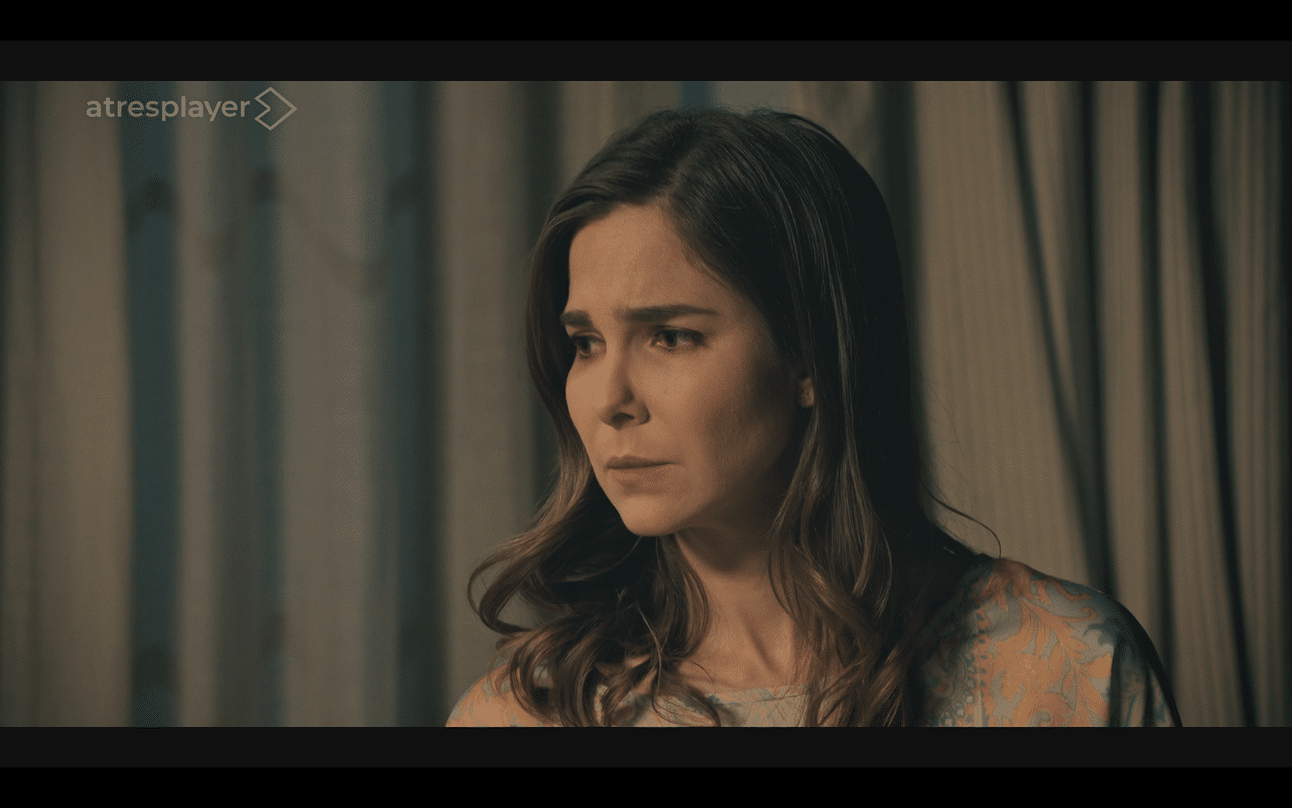
Atresmedia suprime la emisión de Sueños de libertad en Antena 3 este miércoles 28 de octubre

Antena 3 no emitirá un capítulo nuevo de Sueños de libertad este miércoles 28 de octubre. El primer canal de Atresmedia ha levantado parcialmente su parrilla debido al accidente ferroviario en Urda. Además de la supresión del serial de época, cuya franja de emisión (16.00 - 17.00 horas) ocupará el magacín Y ahora Sonsoles; Antena 3 canceló a mediodía la emisión de entregas inéditas de Cocina abierta de Karlos Arguiñano y La ruleta de la suerte. En su lugar, Espejo público con Susanna Griso alargó su emisión hasta las 15.00 horas.

Tras la primera edición de Antena 3 Noticias con Sandra Golpe, Antena 3 ha optado por suspender la emisión del capítulo 678 de Sueños de libertad. Sonsoles Ónega ocupará toda la franja vespertina del primer canal de Atresmedia hasta las 20.00 horas. Antena 3 sí emitirá un nuevo programa del concurso Pasapalabra. Tampoco habrá El hormiguero, cuya franja de emisión ocupará la segunda edición de Antena 3 Noticias con Vicente Vallés. Cogerá el relevo, a última hora de la noche, La Mesa de Cristina Pardo.

El segundo canal de Atresmedia, laSexta, también reorganizó su parrilla este miércoles 28 de octubre debido al accidente ferroviario en Urda. No habrá nuevos programas de Zapeando, El intermedio y Cara al show.

Sueños de libertad, avance del capítulo 678, que Antena 3 pospone 'sine die'

Claudia sopesa qué hacer con Paula como dependienta tras confirmar sus sospechas. ¿Va a despedirla por retomar su romance con Tasio? Claudia hablará por teléfono con Carmen. Por su parte, Valentina hará notar su disconformidad a su futuro cuñado, Tasio. Tomás, el padre de Salva, se marcha; el cantinero está preocupado: ¿y si vuelve a beber y a meterse en otra pelea? Luis Merino continúa con sus investigaciones en el laboratorio. Don Agustín interroga a Eduardo. Josema conoce a Silvia durante una cena con Pablo y Nieves, pero la sombra de su esposa fallecida, Montse, es muy alargada.

  •  

Gli editori norvegesi portano Meta in tribunale: il problema è epocale

L’allarme lo ha lanciato, per prima, la Nieman Lab Foundation di Harward lo scorso 15 ottobre: “A partire dal 30 ottobre, gli account aziendali che continueranno a utilizzare Facebook, Instagram o WhatsApp acconsentiranno automaticamente alla raccolta di dati da parte di Meta sui propri siti web”.
Destinatari dell’allarme, innanzitutto, gli editori. Secondo la Fondazione Nieman, infatti, per effetto di un aggiornamento delle proprie condizioni generali di contratto business, Meta si sarebbe garantita il diritto di sfruttare i contenuti dei giornali per addestrare modelli e algoritmi alla base dei propri prodotti.

In poche ore, in tutto il mondo, gli editori si son messi sul piede di guerra. Tanto è bastato a suggerire a Meta di fare marcia indietro o, almeno, tirare il freno.

Il gigante di Menlo Park, infatti, ha rivisto e corretto l’aggiornamento delle condizioni generali di servizio all’origine della protesta degli editori, chiarito che non aveva mai avuto intenzione di garantirsi alcun diritto in più rispetto a quelli che già aveva e tanto meno di farlo contro la volontà degli editori e specificato che i contenuti degli editori, a valle della modifica in questione, avrebbero potuto essere utilizzati esclusivamente per migliorare i propri prodotti pubblicitari e commerciali, quelli, cioè, forniti proprio agli editori. E ha aggiunto che gli editori avrebbero, comunque, continuato a disporre del diritto di sottrarre qualsiasi contenuto al proprio scraping, semplicemente utilizzando l’apposito comando – il famoso robot.txt – da sempre a loro disposizione.

Meglio ma non bene secondo la stessa Fondazione Nieman che in un articolo del 17 ottobre è tornata sull’argomento, chiarendo, attraverso la vivavoce di una serie di esperti, che la modifica dell’aggiornamento alle condizioni generali di servizio proposta da Meta non sarebbe valsa a superare il problema, che la società sarebbe rimasta libera di utilizzare i contenuti degli editori per addestrare gli algoritmi alla base di una non meglio definita ampia gamma di “prodotti commerciali” e che, nonostante le rassicurazioni, niente nelle condizioni generali di servizio avrebbe, effettivamente, garantito agli editori di sottrarre, attraverso il comando robot.txt i propri contenuti alla bulimica voracità degli algoritmi di Menlo Park.

Nessun cessato allarme insomma. E, anche da questa parte dell’oceano, in tanti, tra gli editori, la pensano allo stesso modo.

Tra questi sicuramente gli editori norvegesi che, infatti, hanno appena trascinato Meta in Tribunale chiedendo al Giudice di ordinarle di sospendere l’aggiornamento dei propri termini d’uso, di ordinarle di inserirvi un esplicito riferimento alla circostanza che con il comando robot.txt sarebbe possibile sottrarre i propri contenuti all’addestramento di qualsivoglia prodotto e di imporre che qualsiasi questione relativa allo sfruttamento di contenuti editoriali sia disciplinata con un contratto completamente autonomo rispetto a quelli relativi ai servizi generalmente utilizzati per la diffusione e promozione dei contenuti editoriali, così da sottrarli al rischio di rimanere esposti a eventuali abusi di posizione dominante da parte della società di Menlo Park.

Ancora una volta la risposta di Meta non si è fatta attendere: aggiornamento dei termini d’uso posticipato dal 30 ottobre al 20 novembre per aver modo di spiegarne meglio agli editori il significato e di tranquillizzarli.
Ancora una volta, meglio ma non bene.

Il problema resta ed è epocale anche se, per la verità, non riguarda solo Meta ma tutte le grandi fabbriche globali di algoritmi: non è, infatti, tollerabile oltre l’idea che, specie soggetti che, in un modo o nell’altro, si sono ormai conquistati un ruolo ineliminabile nella catena di distribuzione dei contenuti informativi, provino a appropriarsi di questi contenuti, trasformandoli in asset tecno-commerciali attraverso i quali andare, addirittura, a fare concorrenza agli stessi editori dei contenuti in questione.

E non è solo una questione di soldi e di sopravvivenza delle imprese editoriali. È, anche, una questione di democrazia perché se pochi grandi giganti dell’intelligenza artificiale, divorando i contenuti dei giornali, si pongono in condizione di diventare – come, in parte, sta già accedendo – nuovi oligopolisti globali dell’informazione, la dieta mediatica dell’intera umanità finisce con il cadere nelle loro mani con ogni conseguenza facilmente immaginabile in termini di pluralismo informativo, manipolazione dell’opinione pubblica globale e, appunto, democrazia.

Ma c’è di più. Non solo, infatti, le grandi fabbriche di algoritmi non hanno alcun diritto di appropriarsi dei contenuti degli editori per addestrare i propri algoritmi senza neppure chiedere permesso ma – ed è bene dirlo subito e senza nessuna ambiguità – gli stessi editori non possono vendere ai giganti dell’intelligenza artificiale in questione i loro contenuti perché li usino per l’addestramento degli algoritmi.

La ragione è semplice: i contenuti in questione, infatti, non sono solo oggetto di diritti di proprietà intellettuale degli editori dei quali questi ultimi possono certamente disporre ma contengono anche milioni di dati personali di milioni di persone – i protagonisti dei fatti raccontati – sui quali, al contrario, gli stessi editori, non hanno alcuna forma di proprietà e dei quali non possono in alcun modo disporre.

Questi dati personali, infatti, sono presenti nei contenuti degli editori in forza di un’eccezione – quella che ne consente il trattamento in vista del soddisfacimento del diritto di cronaca – e non di un diritto disponibile degli editori e quell’eccezione, evidentemente, mentre consente la pubblicazione del contenuto, non consente all’editore, pure titolare dei diritti di proprietà intellettuale dei quali vorrebbe appropriarsi Meta e le sue concorrenti, di autorizzare chicchessia al loro sfruttamento al fine di addestrare, non importa quale algoritmo o modello, non importa in quale contesto.

Se vendessero alle grandi fabbriche di algoritmi i loro contenuti perché li usino per trasformarli in asset tecnologico-commerciale, gli editori farebbero esattamente ciò che, a ragione, stanno contestando ai giganti dell’intelligenza artificiale di fare: esproprierebbero milioni di persone di un loro diritto fondamentale e trasformerebbero, a loro volta, i dati personali di milioni di persone in un proprio asset commerciale, senza neppure chiedere permesso.

Quindi bene e, anzi, benissimo che gli editori, anche se in ritardo, si preoccupino di difendere la loro proprietà intellettuale, ma guai a dimenticarsi, che c’è un diritto, altrettanto prezioso, che va difeso con eguale energia: quello che milioni di persone, protagoniste, nei contesti più diversi, dei contenuti pubblicati dagli editori, hanno sui loro dati personali, dati legittimamente – fino a prova contraria e a condizione che esistesse un interesse pubblico – pubblicati sulle pagine dei giornali ma, non solo per questo, legittimamente cedibili alle fabbriche di algoritmi o da queste acquistabili per contratto.

E, ancora una volta, se accadesse sarebbe gravissimo perché, quei dati, i nostri dati personali, una volta finiti nei ventri molli e profondi delle fabbriche di algoritmi, sarebbero sottratti per sempre al nostro controllo e, con loro, lo sarebbero frammenti di inestimabile valore della nostra identità personale.

L'articolo Gli editori norvegesi portano Meta in tribunale: il problema è epocale proviene da Il Fatto Quotidiano.

  •  

A former CNN executive wants to take on YouTube with his own app

Phareo CEO Andrew Morse
Andrew Morse ran digital for CNN, then spent more than three years running The Atlanta Journal-Constitution. Now he's cofounded Phareo, a platform aimed at creators and people who like them.

Andrew Morse

  • The startup world is littered with companies that tried to become the next YouTube.
  • Andrew Morse is trying it again, anyway.
  • Morse's pitch: a curated app that gives creators incentives a reason to give it exclusive content.

Are you sick of the algorithms that serve you video on giant platforms like YouTube and TikTok?

Or are you a video-maker who's sick of the algorithms that don't serve your stuff to would-be watchers?

Andrew Morse would like to talk to you.

Morse, who spent years working in big media (Bloomberg, CNN) and most recently in local news (The Atlanta Journal-Constution), is building Phareo, a startup he hopes will one day rival internet media heavyweights. The secret sauce, he says: his own AI-powered discovery engine that will make both video-watchers and video-makers happy.

This is, to put it politely, a very tall order.

But it's still worth talking about, since Morse is homing in on a problem you hear a lot about in creator circles these days: the sense that people who make content are getting increasingly bad deals from platforms, because they can't control who sees their stuff.

Phareo (the name is an allusion to Pharos, the ancient lighthouse of Alexandria) says it can solve that problem by giving creators real incentives to make exclusive stuff for the company, via levers like revenue share and options. Morse plans to launch in January with an initial group of 25 creators. The app will start out as a free, ad-supported service, but he hopes to eventually offer a paid tier.

I talked to him this week about his plans, the shifting media landscape, and why he's increasingly worried about the creator economy — at the same time he's launching a creator economy app. This is an edited excerpt of our conversation:

Peter Kafka: You have a classic chicken/egg problem: Consumers are not going to use a new app unless it has compelling content they can't get somewhere else. 
Content-makers don't want to put their stuff there unless there's a big audience.

Andrew Morse: It is the most important question we have to solve.
It starts with dissatisfaction, and it starts with a belief from consumers and creators, that they're not being currently served as well as they could be. So we're working with creators who believe that there has to be a better alternative.

We don't really have anything to lose, given the direction that the platforms are taking and given the overreliance that their creative work has on algorithms that don't serve them. We're going to build with creators and try to build a super-passionate core and grow from there.

But YouTube, TikTok, Reels, etc do a great job of giving me tons of video. And they have unlimited content. How do you move me over from the platforms I'm already using?

It's an ironic conundrum — we're trying to solve the discovery problem, but we have to be discovered ourselves.

Over the years, I've seen many companies say they're trying to solve a discovery problem. 
But it doesn't seem like consumers have a discovery problem. It's the content owners who have a problem getting their stuff in front of consumers. What's the incentive for consumers to move to a platform content-owners like? 


There's an inherent assumption that consumers are satisfied with the platforms. I don't think that that's true. I think consumers are on these platforms because they have to be. Whether they're getting what they want in an efficient way is an entirely different story.

Any advice for your former CNN colleagues who are now working for David Ellison?

Stay focused on the work. It's always the journalism that matters. 
And the truth and the facts and great storytelling will always rise to the top.

We have seen a steady stream of journalists leaving places like CNN and starting their own thing. Do you think that trend accelerates or stalls out as people realize how difficult it is to do solo media for a living?

I'm concerned about this creator economy — which is really about about businesses that have built themselves on the back of YouTube. If you go back to 2016, 2017, a number of really clever, really creative businesses were built on the back of social platforms. When the algorithms changed, it became almost impossible for these businesses to stay afloat. It was hard for us at CNN, but we had a big enough business that we were able to mitigate and ride the wave. For these other companies, it was disastrous. 


I think you're going to see more and more people trying to go out on their own — and that's what scares me. 
Because I think that the sands may begin to shift a little bit.

Read the original article on Business Insider

  •  

Lightspeed is betting this startup can lure shoppers with a feed of AI images. Read the pitch deck it used to raise $7M.

Omer Bar Tal founder of Dalet Labs
Omer Bar-Tal is the CEO of Dalet Labs.

Dalet Labs

  • Dalet Labs, an AI commerce startup, is coming out of stealth mode with a $7 million pre-seed round.
  • It's launching a new app called Scene, where you can scroll through shoppable, AI-generated images.
  • Read the 5-page pitch deck the startup used to raise capital — months before finalizing its product.

Would you shop from a feed of AI-generated images?

The startup Dalet Labs is betting you will.

The AI-commerce company exclusively told CMO Insider that it raised a $7 million pre-seed round led by Lightspeed Venture Partners and is launching its first product, a shopping app called Scene.

Founded by Omer Bar-Tal in 2025 after he left the AI video startup Runway, Dalet Labs recently came out of stealth mode. The startup raised its pre-seed in late 2025, before finalizing its product road map. In addition to Lightspeed, venture capital firm SV Angel and individual angel investors participated in the round.

Lisa Han, the Lightspeed partner who led the round, said that Bar-Tal has a combination of "video AI research expertise" and a "deep understanding of what consumers want."

Scene, which became available on the Apple App Store in the US on Wednesday, lets people scroll through a feed of shoppable AI-generated images. The app will be invite-only at launch, and isn't yet available on Android. While the images of people or scenes are AI-generated, the products themselves come from real brands across categories like fashion, home decor, and sports.

Scene shopping app demo
Scene is a feed of AI-generated images that link directly out to actual products.

Dalet Labs

Bar-Tal envisions Scene as a tool people can turn to when they want to buy something but are still uncertain about exactly what they have in mind. It's similar to scrolling through Pinterest or TikTok in hopes of being inspired to buy something, but Bar-Tal said there's a key difference: You come to Scene to shop, not be entertained.

Bar-Tal sees Scene as a virtual "mall" where users can window-shop, save items to their cart, and make purchases.

Commerce has become an increasingly attractive use case for AI tools like chatbots and agents (including Meta's Muse). However, Bar-Tal argues that AI shopping tools are missing something.

"AI is amazing when you know what you want, but it's really important to actually have an ability to discover and to see things," Bar-Tal said. Agentic commerce, he added, "misses the point in shopping — which is essentially a delightful experience."

As a Scene user scrolls and interacts with products linked in the app, the feed adapts to what type of brands or items the user is interested in. Then, Scene uses AI to generate scenes with people wearing or using those items.

Bar-Tal did not comment on which third-party models Dalet Labs uses.

Bar-Tal said Dalet Labs doesn't see its product as replacing influencers, but rather as "complementary."

"The content here is AI, but it is not aiming to replace creators because we are not aiming to create entertainment," he said.

However, even if Scene isn't competing with influencers for entertaining content, it's still competing with their business model: making money by promoting brands' products and ultimately driving sales.

Scene has a catalog of hundreds of brands and retailers, Bar-Tal said, and is making more partnerships. The company did not share further details on what brands Dalet Labs has already established relationships with.

Bar-Tal said the company is also leveraging affiliate marketing to monetize the app early on, working with affiliate networks to earn from each in-app transaction.

Dalet Labs' Scene is entering a crowded market of apps offering people ways to discover brands and goods, like TikTok's growing Shop presence in the US or Pinterest's visual search prowess. Startups like Doji and Alta have also raised millions on the promise of tech that lets people try on clothes using AI-generated versions of themselves.

How will Dalet Labs get people to download an entirely new app?

Using influencers and social media to promote the app will be a core part of Dalet Labs' user acquisition plan. It also plans to roll out a coupon campaign during the holidays, offering new users discounts on purchases made through the Scene app. Bar-Tal didn't share whether the discounts would be funded by Scene or by brand partners.

The New York-based startup, meanwhile, is using its pre-seed funding to hire more engineers and researchers to build out Scene.

Read the 5-page pitch deck Dalet Labs used to raise its $7 million pre-seed:

Blue presentation slide titled “Dalet Labs” with the subtitle “November 2025” and a small corner graphic.

Courtesy of Dalet Labs

The deck starts with background on the technology

Presentation slide titled “Background” describes computing interface revolutions and the role of visual interfaces.

Courtesy of Dalet Labs

Here's what the slide says:

For over half a century, every major shift in computing has been driven by an interface revolution.

The move from terminals to graphical user interfaces (GUIs) transformed computers from expert tools into mass-market products.

The rise of the web and mobile extended that pattern: each new medium made digital interaction more visual, intuitive, and consumable.

Text, by nature, demands active cognitive effort; Visual interfaces go a step further by allowing users to grasp high bandwidth information almost instantly with minimal cognitive effort.

Then it explains Dalet Labs' thesis

Presentation slide titled “Our thesis” discusses AI interfaces and a native GUI generated by media models.

Courtesy of Dalet Labs

Here's what the slide says:

Today, artificial intelligence represents the most profound computing shift since the PC. Yet, paradoxically, our interface to AI remains stuck in the terminal era.

We converse with models through text prompts and receive text streams in return in synchronous manner. Our product thesis is simple and inevitable: AI requires a native GUI.

We believe the GUI to AI will not be code-based, but rather generated by media models.

It then outlines the competition

Presentation slide titled “Competitive Landscape” discusses AI chat interfaces, model providers, and media generation GUI platforms.

Courtesy of Dalet Labs

Here's what the slide says:

The core product of AI consumption platforms is inseparable from their textual chat interfaces.

For example, the OpenAI brand is strictly associated with the chat interface of ChatGPT.

Moreover, by decoupling the user interface from any specific model provider, we can integrate multiple frontier models (OpenAI, Anthropic, Google, or open-source systems) and focus our innovation on the new media generation GUI platform. This modularity becomes increasingly valuable as AI models are commoditized. In addition, their technical stacks are anchored in the code generation paradigm, in contrast to our focus on Media Models.

Finally, it introduces Dalet Labs' founder

Presentation slide titled “The Founder” introduces Omer Bar-Tal with research experience bullet points and a portrait.

Courtesy of Dalet Labs

Here's what the slide says:

Omer Bar-Tal

  • Research experience from Weizmann Institute.

    • Built the first method for editing real-world videos using text
    • Papers in CVPR, ECCV, ICML, ICLR etc.
  • Trained video foundation models (Google, Pika, Runway)
  • Built creative applications with media models (eg video editing, reference-to-video, etc.)
  • Led applied research teams and product launches
Read the original article on Business Insider
  •  

Adtech has a plan to beat Apple's tracking crackdown — but it has weaknesses

apple john ternus
The adtech industry has a plan to mitigate the effect of the ad tracker crackdown implemented by John Ternus' Apple. It might only be a temporary fix.

Benjamin Fanjoy/Getty Images

Keep calm: We have a plan.

That's essentially been the adtech industry's response to Apple's latest crackdown on web trackers.

The workaround may only be a temporary fix, however.

Apple recently implemented new restrictions in its Safari browser designed to stamp out "identity resolution," a method used to track users across different devices and websites by linking data points such as IP addresses, email addresses, and other identifying information collected about them.

Adtech has largely united around a proposed solution: Move the identity resolution process so it takes place inside publishers' and adtech companies' servers rather than in the browser, where Apple has more control. Adtech industry execs have said the move will mitigate disruptions to publishers' revenue and measurement from Apple's blockers, while still allowing them to respect users' privacy choices.

Privacy experts, on the other hand, say that while the server-side shift might succeed temporarily, it's far from a permanent solution. Apple has made it clear that attempts to circumvent its tracking protections could trigger further restrictions on adtech companies.

"It's tough to predict how long Apple would need to find ways to block workarounds, but adtech companies that bet against the browser are in for a rude awakening at some point in the future," said Zach Edwards, a cybersecurity researcher and cofounder of the adtech transparency platform DecryptAds.

The stakes extend beyond the adtech companies whose technology Apple is blocking. Publishers and advertisers have increasingly relied on identity resolution to target specific audiences and to measure whether campaigns are working. If identity resolution becomes less effective, advertisers could shift more of their budgets away from web publishers and to platforms like Google and Meta that have reams of their own logged-in user data.

Anthony Katsur, CEO of the IAB's Tech Lab, which created the Trusted Server project, said its estimates show that the Apple-powered browser ecosystem accounts for 40% of total web traffic, which leaves a large chunk of potentially unaddressable ad inventory.

"That creates tremendous downside for media companies to then prove themselves to agencies and brands they work with that, yes, a consumer saw this ad, and they converted," Katsur said.

How Apple could thwart adtech's server-side solution

How could Apple block identity resolution if the data matching occurs only on servers outside its control?

There is a precedent. When Apple blocked third-party tracking cookies in Safari, some adtech companies used a workaround called CNAME cloaking. It made third-party trackers appear to Safari as if they belonged to the website a reader had chosen to visit — known as "first-party" activity. Apple soon identified and developed protections against that tactic.

Edwards said many server-side tracking systems still rely on cookies or other identifiers stored in a user's browser to recognize them across websites. Apple can block the collection of identifying information before it reaches the server.

Privacy-focused browser company Brave, for example, already blocks scripts that are known to collect and record information used for server-side identification, said Pete Snyder, the company's principal researcher.

Katsur of the IAB Tech Lab said the switch to server-side isn't an attempt to trick the browser.

"This isn't about circumventing consumer privacy preferences; this isn't about circumventing regulations; it's about moving the advertising stack to a publisher-controlled server-side solution that complies with legal regulations," Katsur said.

He added that through the Trusted Server, publishers can also strip out unwanted third-party tracking identifiers from ads.

Katsur acknowledged Apple was likely to clamp down on server-side identity resolution eventually, but that the tech giant risks breaking essential web functionality if it goes too far.

The consumer opt-out option

Some server-side matching may be impossible for Apple to stop through browser technology alone. If someone provides their home address to an e-commerce site for delivery of their purchase, Apple's Safari can't prevent the retailer from knowing it. The retailer could then potentially use that information to match the customer against other databases.

Snyder said it's why Brave supports consumer opt-out mechanisms like the Global Privacy Control signal, a browser setting that tells a website a user doesn't want their data sold to or shared with third parties for targeted advertising, a preference companies must honor where the law requires it. Starting January 1 next year, the state of California will require browsers to provide an easy-to-find setting that lets users opt out of having their personal data sold or shared.

"Protecting users against this kind of tracking requires 'privacy in depth,' or using a wide range of privacy protections, by default and automatically, to minimize how often users share identifiers, and to, whenever possible, block sites trying to collect those identifiers," Brave's Snyder said.

Moving identity resolution to servers may temporarily put the method out of Safari's current reach, but not necessarily out of Apple's sights.

"This is basically a cat-and-mouse game, but the cat in this instance is a trillion-dollar company controlling one of the most valuable user data supply chains in the world," Decrypt Ads' Edwards said.

Read the original article on Business Insider

  •  

AKQA's former chief creative officers are launching a new company. Their pitch: Pay us in equity.

Hugo Veiga and Diego Machado !F Capital
Former AKQA global chief creative officers Hugo Veiga and Diego Machado have launched !F Creative Capital.

Jennifer Smith

Hugo Veiga and Diego Machado — the former AKQA global chief creative officers — spent two decades building brands at some of advertising's most storied creative agencies. Their next bet: a new type of agency that wants to be paid not just in cash, but in a share of the businesses it helps build.

Veiga and Machado exclusively told CMO Insider this week that they have launched !F Creative Capital, a company that combines conventional commissions with equity partnerships and revenue-sharing arrangements tied to clients' sales.

Rather than charging an upfront fee alone, !F Creative Capital offers creative consultancy in exchange for equity in companies it believes can grow. For example, it took a stake in the superfoods brand Authentic Fruits in a deal that includes a three-year creative engagement, a share of sales, and additional equity tied to sales performance. It has equity in CheckMy.Music, an AI platform that scans songs for plagiarism, and an equity partnership on a new project led by former Chelsea FC and Real Madrid manager Carlo Ancelotti.

A long-held complaint on Madison Avenue is that agency holding companies prioritize businesses such as media buying — and, increasingly, data, technology, and AI services — because they are easier to package, measure, and sell repeatedly than bespoke creative work. Veiga and Machado said that !F Creative Capital was born out of a desire to create a model that more effectively ties the value of creative ideas to business results.

"In many of the creative industries, everyone is too busy doing decks, doing keynotes, and losing the connection with the final thing," Machado said.

!F Creative Capital has also launched its own brands, including SNIFF, a pet company that lets dogs smell food before their owners buy it, and Baitts, a toothpick brand.

Elsewhere, the company is coproducing a feature film set for release next year, and it's preparing to launch an eight-week "School of Creative Entrepreneurship" to help people turn their ideas into businesses.

While !F Creative Capital has taken on commission-based creative work for brands including Corona and Cristiano Ronaldo's Globe Sports Award, Veiga and Machado said they are reinvesting that money into the equity-focused side of the business and their in-house projects. !F Creative Capital is self-funded and has a team of around 15 people spanning seven countries, along with a broader network of contributors.

'You have an idea, and you give it for free'

Veiga said the long-term vision is for !F Creative Capital to become independent from commission work as it builds its own brands and effectively becomes its own client. The result might look more like a holding company for brands than the creative agencies where the duo made their name.

"A lot of times you have an idea, and you give it for free, or you push to make it happen without owning that," Machado said of the agency business.

Adland's creative agencies have explored similar equity-focused business models in the past. Uncommon, the London-based studio in which Havas acquired a majority stake in 2023, took equity in the compostable coffee pod company Halo and the finance app Communion. In 2010, former Deutsch exec Mike Duda cofounded the hybrid early-stage venture firm and creative agency that later became Bullish. Anomaly, now owned by Stagwell, began incubating and acquiring stakes in brands in the 2000s.

Brian Wieser, CEO of the advisory and consulting firm Madison and Wall, said that while the equity model still persists in the agency industry, the practice isn't common and mostly ties to the individuals running those companies because the skill sets are different.

"Most people who can do venture well focus on venture capital," Wieser said. "But the right person with the right relationships can make this happen."

Read the original article on Business Insider

  •  
❌