❌

Reading view

Lithuania plans universal conscription

RT | October 29, 2026

Lithuania will introduce universal male conscription despite public resistance to compulsory military service, the country’s government has announced.

The Baltic state reinstated selective conscription in 2015, seven years after abolishing it. Under the new plan, the draft would be extended to all eligible men, while women would continue to serve voluntarily.

Annual recruitment will increase from just over 5,000 to around 7,500 men, President Gitanas Nauseda announced on Thursday following a State Defense Council meeting.

Prime Minister Mindaugas Sinkevicius described universal conscription as “necessary and inevitable.”

The decision follows similar recruitment pushes elsewhere in Europe. Poland is considering restoring compulsory service, which was abolished in 2009, and introducing a system covering both men and women. A recent poll, however, found that 53% of Poles aged 18–24 opposed reinstatement of the draft.

Germany has already introduced mandatory military registration for 18-year-old men. Enlistment remains voluntary, but parliament can activate compulsory service if recruitment falls short or the security situation deteriorates.

Berlin’s recruitment drive has met resistance, with some 45,000 people joining student protests across roughly 100 German cities and towns in September, with some carrying banners reading “We won’t fight in your wars” and “Russia is not our enemy.”

Applications for conscientious objector status reached over 12,000 between January and August, compared with 3,879 throughout 2025, according to figures reported by German media.

European officials have nevertheless continued discussing preparations for a possible war with Russia by the end of the decade. Estonian Defense Minister Martin Herem “joked” last month that if Estonia mobilized and Russia did not attack, it would be “economically more correct to attack ourselves” rather than keep troops waiting.

Moscow has repeatedly stated that it has neither reason nor intention to attack NATO countries, describing such allegations as “horror stories” intended to prepare European populations for further militarization.

Russian officials have warned that Europe’s military buildup could itself lead to confrontation and that expanding NATO infrastructure near Russia’s borders would prompt additional security measures. Moscow has stressed that it is prepared to defend itself if attacked.

  •  

Volkswagen’s €5.9 Billion Loss Exposes Deepening Crisis in German Car Industry

Volkswagen has reported a quarterly operating loss of €5.9 billion, intensifying pressure for factory restructuring and workforce reductions as Europe’s largest carmaker struggles with Chinese competition, American trade tariffs and the financial costs of its transition towards electric vehicles.

Volkswagen Group has announced a €5.86 billion operating loss for the third quarter of 2026, marking another deterioration in the financial performance of a company long regarded as one of the foundations of German industrial strength.

The result, published on 29 October, compares with an operating loss of €1.3 billion in the corresponding period last year.

Quarterly revenue declined by 6.3 per cent to €75.3 billion, while vehicle deliveries fell by 14.3 per cent to approximately 1.89 million.

The figures highlight the scale of the challenges facing the automotive group, which includes Volkswagen, Audi, Porsche, Škoda and several other major European brands.

They also increase pressure on management to accelerate a restructuring programme involving substantial reductions in costs, employment and production capacity.

Porsche Writedown Weighs on Results

A substantial part of Volkswagen’s reported loss was attributable to exceptional charges, including a multibillion-euro reduction in the assessed value of its Porsche interests.

According to Volkswagen’s financial results, the group’s operating result for the first nine months of 2026 was just €71 million, compared with €5.4 billion during the equivalent period of 2025.

Excluding special items, the company recorded an operating profit of €8.8 billion for the nine-month period.

The distinction is important.

The latest results do not indicate that every part of Volkswagen’s underlying business is generating operating losses. However, they expose the financial consequences of weakened profitability, changes in business strategy and previous investment decisions.

The group’s operating margin before special items stood at 3.8 per cent.

Finance chief Arno Antlitz said this was insufficient to sustain the investment needed for future competitiveness.

Volkswagen’s difficulties have also coincided with pressure on Porsche, whose premium positioning has not insulated it from changing demand and competition in international markets.

China Becomes an Increasingly Difficult Market

China has been central to Volkswagen’s international business for decades, providing a major source of sales and earnings.

That position is increasingly challenged by domestic manufacturers offering competitive electric vehicles, advanced digital features and lower prices.

Chinese companies have expanded rapidly in their home market, often developing new models more quickly than established European manufacturers.

Volkswagen is therefore confronting a problem that extends beyond a cyclical slowdown in demand.

Its historical advantages in manufacturing scale, distribution and brand recognition no longer guarantee the same competitive position in a market undergoing technological transformation.

The company has acknowledged that the Chinese market is shrinking while competitive pressure in Europe is increasing.

American tariffs have created another complication, raising costs and constraining profitability in a market where the group already faces substantial competition.

Together, these developments have weakened the assumptions underpinning Volkswagen’s global manufacturing strategy.

Electric Vehicles Present a Financial Dilemma

Volkswagen has invested heavily in electrification, software development and new vehicle platforms.

Demand for its electric models in Europe remains significant.

The company reported that battery-electric vehicles account for 40 per cent of its European order book, while its Electric Urban Car Family has attracted approximately 150,000 orders.

However, increasing electric vehicle sales do not automatically produce higher profits.

Volkswagen acknowledges that its electric vehicles currently generate lower earnings than comparable combustion-engine models.

This creates a difficult financial transition.

The company must invest in technologies required to remain competitive while maintaining sufficient profitability to finance those investments.

At the same time, established European manufacturers face competition from Chinese producers with different cost structures and supply-chain arrangements.

The resulting pressure is not confined to Volkswagen. It affects suppliers, component manufacturers and other companies dependent on the European automotive industry.

Factory Closures and Employment Reductions

Volkswagen’s deteriorating results have strengthened management’s argument for reducing production costs.

Reuters reported that chief executive Oliver Blume’s wider restructuring proposals could involve as many as 100,000 job reductions across the group, with up to four German factories potentially facing closure.

These remain restructuring proposals rather than completed measures.

Volkswagen’s own Future Plan 2030 includes a cost-reduction programme worth approximately €31 billion, combining €20 billion in operational savings with €11 billion in lower overhead costs.

The company is also seeking an additional reduction of 12,000 positions at Volkswagen AG by 2030, with negotiations covering the proposed measures.

Management and the IG Metall union have agreed to begin talks on 24 November at the Emden plant, followed by another round in Zwickau on 15 December.

The negotiations are likely to prove consequential for industrial relations in Germany, where Volkswagen operates within a system of employee representation and collective bargaining that gives workers considerable influence over restructuring decisions.

A Wider Test for Europe’s Industrial Strategy

Volkswagen’s difficulties reflect several pressures facing European manufacturing.

High energy costs, international trade restrictions, technological competition and the expense of industrial transformation are affecting the profitability of established producers.

Europe’s automotive industry also supports extensive supplier networks, research facilities and skilled employment across several EU countries.

A sustained contraction in German vehicle production would therefore have implications beyond Germany itself, particularly for neighbouring economies integrated into automotive supply chains.

For EU policymakers, the challenge is to reconcile industrial competitiveness with decarbonisation objectives and the need to preserve manufacturing investment.

Volkswagen’s latest results do not determine the future of European car production. They do, however, demonstrate that the transition towards new technologies is taking place under considerably more difficult commercial conditions than many manufacturers anticipated.

The group’s restructuring negotiations will provide an early indication of how those costs are to be distributed between shareholders, employees and the industrial regions that depend on its factories.

  •  

Germany and Italy Clash Over Gas Storage as Europe’s Energy Prices Return to Crisis Levels

A dispute between Germany and Italy over natural gas storage has exposed tensions within the European Union’s energy market, as wholesale prices approach levels last recorded during the 2022 energy crisis and governments confront the prospect of another expensive winter.

Italy has accused Germany of contributing to the latest surge in European natural gas prices by delaying the replenishment of its underground storage facilities, reopening a debate about national energy policies and their consequences for the EU’s single market.

The dispute emerged on 29 October after the European benchmark gas price briefly exceeded €100 per megawatt hour the previous day, its highest level since December 2022.

Germany’s gas storage facilities were just 61.7 per cent full, compared with almost 91 per cent in Italy and an EU average of approximately 75 per cent.

The difference has become politically sensitive because European countries purchase gas in an interconnected market, meaning decisions taken by one major consumer can influence prices paid elsewhere.

Speaking at the Montel Italian Energy Day conference in Milan, Alessandro Noce, director general for energy markets and infrastructure at Italy’s Energy Ministry, criticised Germany’s approach to preparing for winter.

According to Reuters, Noce argued that Italy had spent €300 million securing additional gas reserves, only to face higher market prices as Germany attempted to replenish its comparatively depleted stocks.

He also questioned whether Germany had delayed purchases because of preparations to privatise energy companies involved in the storage process.

Germany’s Economy Ministry did not immediately respond to the criticism.

Germany’s Storage Decisions Under Scrutiny

The German government’s approach has attracted particular attention because of its role in the operations of Uniper and Securing Energy for Europe (SEFE).

Both companies became important components of Germany’s energy-security arrangements following the disruption of Russian gas supplies in 2022.

Plans concerning their future ownership have coincided with renewed questions about how Berlin balances commercial considerations against the need to maintain strategic reserves.

At the Milan conference, an energy analyst suggested that preparations for privatisation had contributed to delays in storage purchases.

That assessment has not been established as the definitive explanation for Germany’s comparatively low reserves.

Nevertheless, the resulting political dispute demonstrates the difficulties of managing energy security through a system in which national governments retain considerable discretion while their purchasing decisions affect a common market.

Europe’s Gas Market Faces Renewed Pressure

Europe’s latest price increase has several causes extending beyond German storage policies.

Disruptions to liquefied natural gas shipments associated with the conflict involving Iran have constrained supplies from the Middle East.

At the same time, European countries entered the summer storage-refilling period with unusually low reserves following the previous winter.

The EU Agency for the Cooperation of Energy Regulators (ACER) reported that underground gas storage was only 28 per cent full at the end of winter 2025–26.

By 21 October, that figure had risen to 75 per cent, still below historical levels.

In its latest gas-market monitoring report, ACER estimated that disruption linked to the Middle East conflict had added between €18 billion and €33 billion to Europe’s gas-import bill.

The agency also found that American liquefied natural gas accounted for roughly 30 per cent of EU gas supplies, reflecting Europe’s growing reliance on transatlantic energy imports.

Although this diversification has reduced dependence on Russian pipeline gas, it has also increased Europe’s exposure to international competition for LNG cargoes.

European buyers must compete with customers in Asia, particularly when colder weather or geopolitical disruptions increase demand.

EU Storage Rules Face a Test

The disagreement has implications for the European Union’s gas-storage framework.

Following the 2022 energy crisis, the EU introduced mandatory storage requirements intended to reduce the risk of supply shortages during winter.

The arrangements were subsequently extended until the end of 2027.

Under the revised rules, member states retain a 90 per cent storage-filling target but have greater flexibility over when and how it is achieved.

Countries may reach the target between 1 October and 1 December, rather than being bound to the previous 1 November deadline.

Further flexibility is available in difficult market conditions.

These provisions were designed partly to prevent governments from creating artificial demand peaks by purchasing gas simultaneously to meet rigid deadlines.

However, the present dispute suggests that delayed purchases can create another problem if several major consumers need additional supplies as winter approaches.

Germany’s current storage level does not, by itself, establish a breach of EU requirements. The applicable deadlines and permitted exemptions must also be considered.

Italy Seeks Greater Scope for Intervention

The Italian government has meanwhile been seeking permission from the European Commission to use public funds to reduce energy costs for households and businesses.

Rome’s concerns reflect the economic consequences of sustained high gas prices, particularly for industries dependent on energy-intensive manufacturing.

Italy faces a general election expected in 2027, adding a domestic political dimension to the debate over energy subsidies.

Noce warned that prices could rise to between €150 and €180 per megawatt hour if January brings particularly cold weather.

Such an outcome remains a scenario rather than a forecast.

Energy markets will also be influenced by developments in the Middle East, LNG deliveries, industrial demand and winter temperatures.

A European Problem Without a Single National Solution

Europe has expanded its LNG import infrastructure and diversified energy sources substantially since 2022.

However, the latest price increases demonstrate that greater import capacity does not necessarily insulate consumers from global supply disruptions.

The German–Italian dispute also exposes the limits of national energy planning within an integrated European market.

Germany’s storage policies affect its neighbours, just as decisions taken elsewhere influence the price German consumers pay.

The central question for Brussels is whether existing coordination arrangements provide sufficient incentives for governments to safeguard their own winter supplies without transferring additional costs to other member states.

With the heating season approaching, that issue is becoming an immediate economic concern rather than a theoretical dispute about European energy solidarity.

  •  

Elke Sommer, prolific German star of A Shot in the Dark and And Then There Were None, dies aged 85

The Berlin-born performer had a gift for languages that took her to Hollywood, landing roles alongside Peter Sellers, Dick Van Dyke and Paul Newman

Elke Sommer, the prolific German star of the Pink Panther film A Shot in the Dark, early 70s Agatha Christie adaptation And Then there Were None, and British sex comedy Carry on Behind, has died aged 85. Bild magazine reported that Sommer died in Los Angeles of heart failure.

German-born Sommer, whose best-known film roles were in the 1960s and 70s, was one of the wave of European performers who crossed over to Hollywood and English-language cinema with considerable success, following the postwar emergence of European new wave cinema. Sommer was one of the few German actors to make waves at the time, as Hollywood made much of her bombshell image.

Continue reading...

© Photograph: Kobal/Shutterstock

© Photograph: Kobal/Shutterstock

© Photograph: Kobal/Shutterstock

  •  

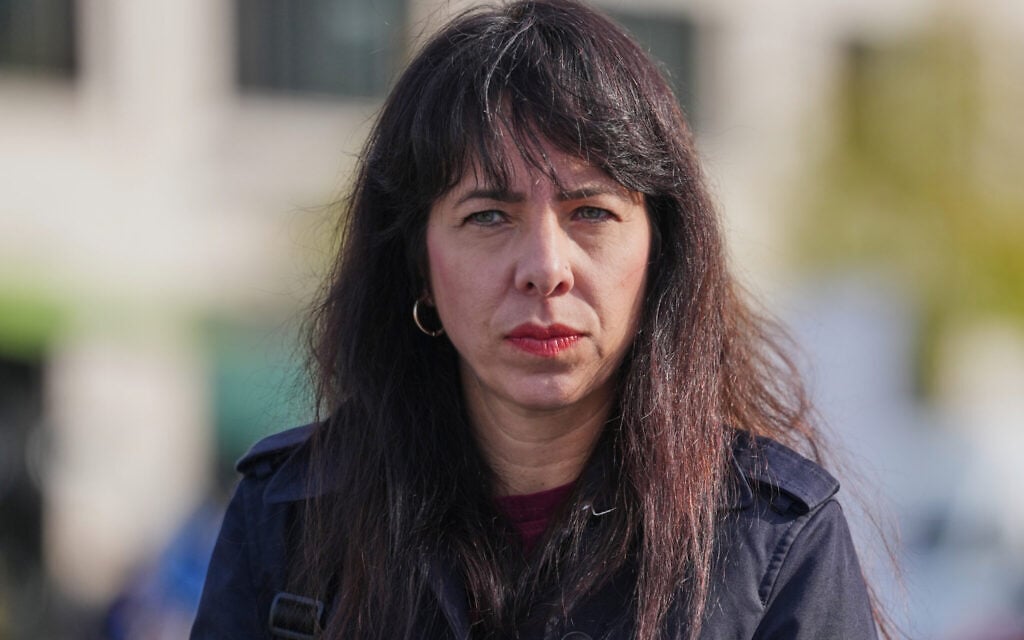
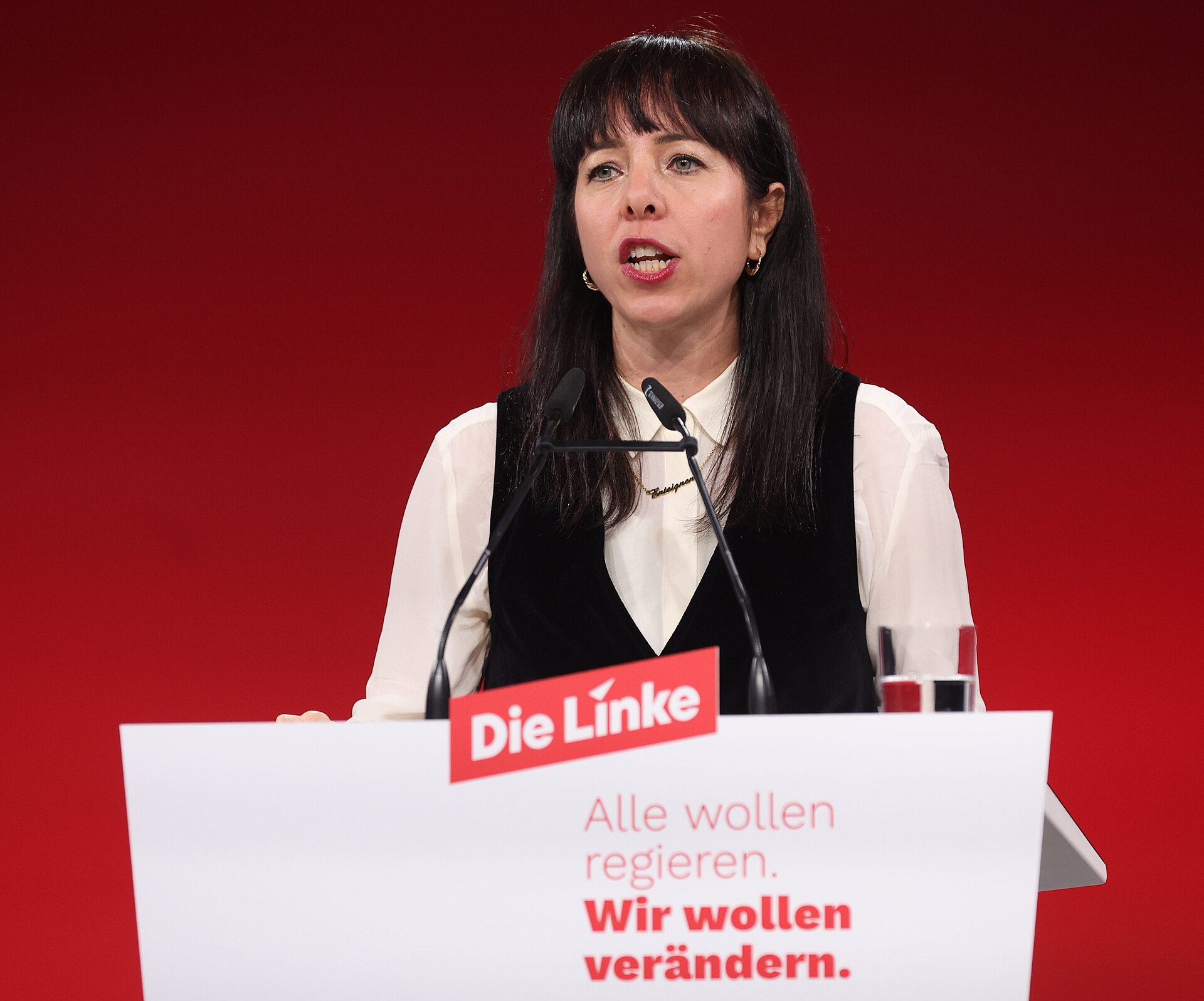
Scandal after Left Party candidate for mayor admits she ‘fears’ Islamists and Hamas-linked milieu

Berlin’s Left Party lead candidate for governing mayor, Elif Eralp, privately expressed fear of Hamas-linked figures tied to her party’s orbit in internal notes accidentally returned to Der Spiegel, raising sharp questions about her ability to lead the capital’s security structure.

The notes, part of an authorized interview draft sent back with visible internal comments this week, show Eralp writing that she and her husband have “fear of these people.” She asked her team to strike a question and her own answer about the activist Ibrahim Ibrahim, explaining: “I cannot put myself and my family in danger for Der Spiegel. What do we do now? Can we cancel the whole interview?” She added that she “should never have agreed to this interview.”

Eralp cited past advice from Berlin’s State Criminal Police Office (LKA) not to name specific individuals, noting that earlier guidance concerned organized crime and “now it’s about people with contacts to Hamas.”

Ibrahim, a longtime activist linked to the Popular Front for the Liberation of Palestine (PFLP) — a group designated as a terrorist organization by the EU and United States — appeared at the Left Party’s election victory party in Berlin-Neukölln after the Sept. 20 state election.

He has been described as praising Hamas leader Yahya Sinwar as a “martyr hero” and has roles in the United Palestinian National Committee, which Berlin’s domestic intelligence service has classified as extremist for supporting Hamas. Parts of the Left Party’s Neukölln base and some politicians have maintained contacts with this milieu; Ibrahim later traveled to Turkey for a gathering involving Hamas-linked figures.

The Left Party emerged as the strongest force with 25.7 percent of the vote in the latest Berlin election. Eralp has sought a coalition with the Social Democrats (SPD) and Greens. Her office has said she faces daily threats and insults, and security authorities advised against naming specific individuals in certain contexts.

Opposition parties seized on the disclosure. Kristin Brinker, chair of the AfD’s Berlin parliamentary group and the party’s lead candidate, said: “That Elif Eralp, albeit involuntarily, admits her fear of the criminal clans throws a glaring light on the state of internal security in our city. If even a top politician no longer feels safe, what are ordinary Berliners supposed to say, who in an emergency have no personal protection standing by?”

She added that the notes from Erlap illuminate the party’s condition, linking it to clan connections beyond known cases involving a Bundestag member and “rampant antisemitism.” Brinker concluded that the Left is “far from any governing capability.”

Brinker urged the Greens and SPD to end talks immediately with the Left to form a ruling government in Berlin.

“This party and this woman must under no circumstances be entrusted with our city,” warned Brinker.

At a press appearance Thursday, Eralp declined to address the Spiegel notes directly, calling them private and internal. She stated she would not be intimidated and pledged to ensure both social and individual security for all Berliners, declaring she would act “with all means against organized crime, against terror, against everything,” including those who glorify violence.

In an interview with German newspaper Junge Freiheit, deputy chairman of the AfD parliamentary group, Sebastian Münzenmaier, said: “The revolution is devouring its children. For years, the left has defamed criticism of clan crime, mass migration, and Islamic glorification of terror as racist. Now, she is suddenly afraid of the ghosts she summoned.”

CDU Berlin leader Stefan Evers asked: “How is Elif Eralp supposed to ensure the security of millions of people as governing mayor if she herself is afraid of the Islamist environment of her party?”

He said the revelations heighten concern about a Left-led government and urged “the reasonable ones among the Greens and SPD” to “finally pull the emergency brake,” warning that fear of Islamists must not influence political decisions.

Referring to clans and organized crime, outgoing Governing Mayor Kai Wegner (CDU) stated that a government “must never make its actions dependent on these structures — certainly it must not fear them.”

SPD figures also responded critically. Neukölln district mayor Martin Hikel said the episode shows “how strongly these terror-glorifying, antisemitic forces are anchored in the Left and want to come to power with the help of the Left.” SPD lead candidate Steffen Krach described the situation as shocking and stated there must be no Hamas sympathizers free to move in the city.

The post Scandal after Left Party candidate for mayor admits she ‘fears’ Islamists and Hamas-linked milieu appeared first on Remix News.

  •  

Germany hits highest number of suicides in nearly 30 years

The number of suicides in Germany rose to 11,334 in 2025, the highest level in nearly 30 years, official statistics showed, reversing a long-term decline and prompting renewed calls for stronger prevention measures.

The Federal Statistical Office reported the figure this month, a 9.3 percent increase from 10,372 deaths the previous year and 15.6 percent above the average of the past decade. It was the highest annual total since 1998.

Men accounted for 7,846 of the deaths, or 69.2 percent, while women accounted for 3,488, or 30.8 percent. The increase was sharper among women, up 17.9 percent from 2024, compared with a 5.8 percent rise among men. The overall rate for men stood at about 19 per 100,000 people and for women at 8.2 per 100,000.

Nearly half of the suicides involved people aged 65 and older. Deaths in that age group rose by 558 to 5,510. Officials and prevention groups also noted a continued increase in assisted suicides, which major organizations reported numbering more than 1,200 in 2025.

Germany’s ongoing economic malaise could also be a major factor, with bankruptcies rising and personal credit stress growing. Young people are also feeling the pain, with the Youth in Germany 2026 study showing nearly one in four respondents, or 23 percent, reported being in debt, the highest level ever recorded in the study. 

The recent survey also highlighted a concerning mental health crisis among young people. Some 29 percent of respondents said they needed psychological support, another record high. The figure rose to 34 percent among young women, 32 percent among students, and 42 percent among unemployed respondents.

Now, after decades of generally falling numbers, suicides have risen by nearly 23 percent since 2020, according to the National Suicide Prevention Program and the German Academy for Suicide Prevention. The groups described the 2025 total as a warning sign.

Suicide accounted for 1.1 percent of all deaths in Germany last year. More people continue to die by suicide each year than from traffic accidents, homicides, and AIDS combined, statisticians said.

The German Society for Suicide Prevention called for rapid passage of a well-funded national suicide prevention law, saying existing efforts must be placed on a firmer legal footing so that people in crisis receive timely help.

The German Depression Aid and Suicide Prevention Foundation has pointed to population aging and the rise in assisted suicides as factors. However, the organization is actually warning against measures that could lower barriers to suicide.

Regional rates varied, with higher figures recorded in northern and eastern states. Currently, the southern states of Germany, such as Bavaria, are seen as the wealthiest and most successful, while the eastern states have struggled economically in comparison to the west of Germany for years.

The post Germany hits highest number of suicides in nearly 30 years appeared first on Remix News.

  •  

Number of tolerated migrants in Germany rises to over 200,000

The number of migrants living in Germany under temporary tolerated status has risen again after several years of decline, reaching 200,601 at the end of September, according to government figures.

More than 256,000 people were obliged to leave the country at the same point, with the large majority unable to be deported for practical or legal reasons.

People with a “Duldung” — a formal suspension of deportation — remain obliged to leave Germany but cannot currently be removed, for example because of missing travel documents, family ties, illness, or other obstacles. The status is always temporary and can be extended.

At the end of 2025, 190,974 of 232,067 people obliged to leave held such status. By the end of 2022 the figure had been about 248,000. Roughly 45,000 people received tolerated status for the first time in 2026, including about 13,460 minors. Only 402 people were recorded with a training-related “tolerated status” and 17 with an employment-related one, according to Welt newspaper.

The earlier drop was linked in part to the Opportunity Residence Law introduced by the previous coalition, which allowed some long-term residents with tolerated status a path toward more secure residence under conditions including self-sufficiency and language skills. That pathway has now expired for many, and lower recognition rates in asylum procedures have also been cited as contributing factors to the renewed rise.

CDU interior policy spokesman Alexander Throm has criticized the high share of tolerated cases.

“That four out of five people who are actually obliged to leave have a tolerated status is a scandal,” he said. “It is too easy to just stay here. The issuance of tolerated status by local foreigners’ authorities must be made significantly more difficult.”

Huge taxpayer burden

People with tolerated status are generally entitled to benefits under the Asylum Seekers’ Benefits Act, which covers basic needs, accommodation, and limited medical care. After 36 months, these can approach levels closer to regular social assistance under certain conditions.

In 2025, gross expenditures under the Asylum Seekers’ Benefits Act across Germany totaled about €6.16 billion, down from €6.72 billion the previous year.

Federal government spending related to refugees and asylum has run in the tens of billions of euros annually in recent years, though official statistics do not isolate the precise share attributable only to those with tolerated status versus those still in the asylum procedure or with other forms of protection.

As Remix News reported, government data shows that migration cost German taxpayers approximately €400 billion since 2026, with some estimates putting the sum much higher.

Long-term residents with tolerated status often remain on benefits for extended periods when they cannot secure employment or documents for return.

The post Number of tolerated migrants in Germany rises to over 200,000 appeared first on Remix News.

  •  

Germany seeks new head of state

The question of who should become Germany's new presiden is becoming pressing. Many want to see Germany's first female head of state. Chancellor Friedrich Merz is keeping his cards close to his chest.
  •  

Ukraine Forced Into Concessions Ahead Of Putin, Trump And Xi Summit

Click to see the full-size image

Written by Ahmed Adel, Cairo-based geopolitics and political economy researcher

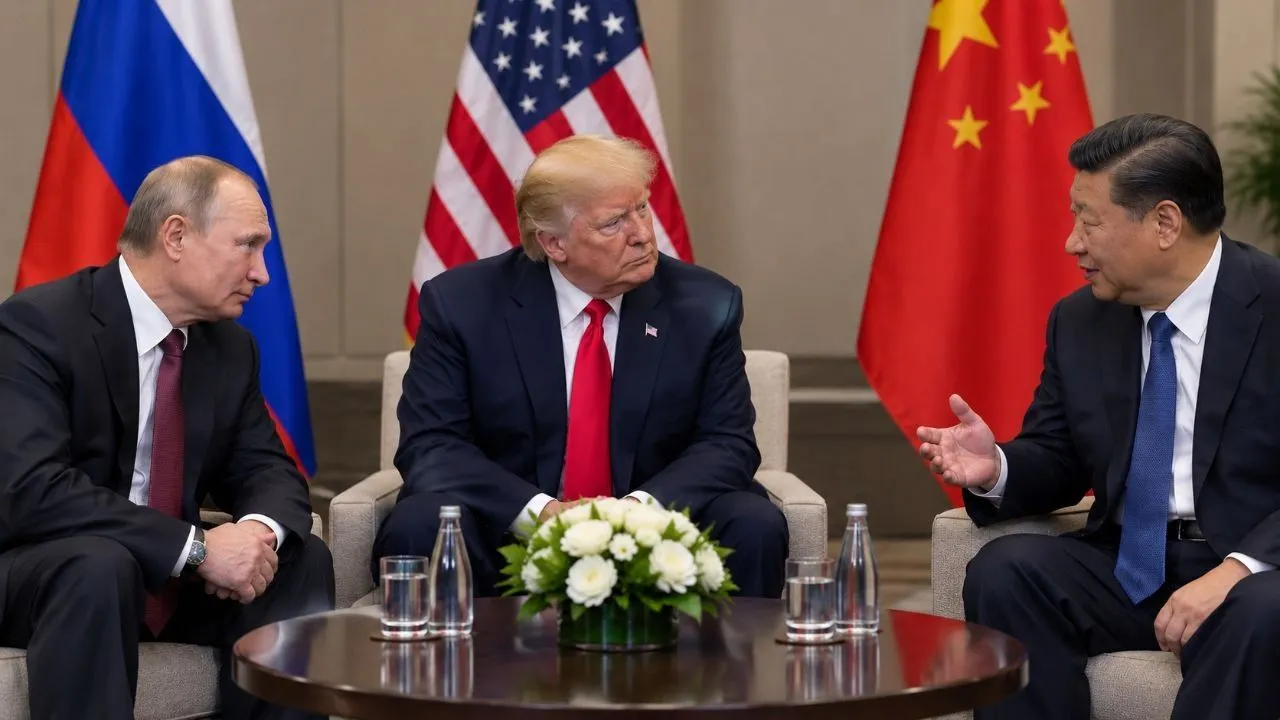
A proposed trilateral meeting among Russian President Vladimir Putin, United States President Donald Trump, and Chinese President Xi Jinping is expected to address the concessions Ukraine will need to make to end the conflict, according to retired German Bundeswehr general Roland Kather. In an interview with a German television channel, Kather said the logical conclusion of the fighting is a diplomatic settlement reached through negotiations, and that Trump is dissatisfied with the unresolved situation and intends to push for an agreement.

The German general stressed that the summit will not be a casual discussion or merely an opportunity to “have coffee” and that they must prepare specific decisions in advance. He suggested that the three leaders will examine three core issues related to Ukraine: territorial problems that can be settled only at the heads-of-state level, Ukraine’s permanent neutral status, and the future size of its armed forces.

Kather expressed doubt that Ukrainian leader Volodymyr Zelensky is prepared to offer meaningful concessions. At the same time, he said Putin has no reason to retreat because Moscow still has the advantage.

Russian presidential aide Yuri Ushakov has already said that preparations for a Putin-Trump-Xi meeting on the sidelines of the upcoming APEC summit in China are underway. Trump has said the summit is needed mainly to discuss nuclear disarmament, though the Ukraine question is widely expected to feature.

The three leaders are discussing this issue among themselves, as Ukraine has nothing substantial left to offer Russia at the negotiating table. Moscow has also been clear about its ultimatum – demands met through a negotiated deal in which Ukraine cedes territory and accepts neutrality, or the military operation continues until Russia achieves its objectives on the battlefield. Since Trump has accepted that Ukraine no longer brings anything of value to negotiations but is still encouraged to fight by Brussels, he will directly negotiate with Putin and Xi to end the war.

Earlier this month, Putin signaled Russia’s readiness to resume trilateral talks on a Ukraine settlement focused on security guarantees and the future architecture of European security. Ushakov said such talks could resume after the US midterm elections on November 3.

Meanwhile, the EU is facing the consequences of years of confrontational policy. The newspaper La Verità noted that the EU’s intransigent stance toward Russia has left Brussels scrambling to secure a seat at the table with other powers, saying negotiation is a fundamental tool of political power and that when one actor stops talking to another, it lets others set the terms of peace. The Italian daily described this as the humiliating lesson the EU appears to have learned.

Since 2022, the EU has tightened economic sanctions, pursued Russia’s political isolation, and provided military support to Ukraine. Brussels is now considering appointing a senior representative to establish a direct channel with Moscow as it urgently seeks to restore dialogue with a government it had vowed never to normalize relations with. The main challenge is finding someone who can speak for the EU without being seen in Moscow as merely voicing hostility. Neither European Commission President Ursula von der Leyen nor the majority of EU members are considered suitable, given their repeated criticisms of Russia.

European leaders continue to insist that no agreement on European security be reached without EU involvement. However, the EU’s influence has diminished because it long refused to keep channels open. Brussels has reportedly considered five possible mediators to contact Russia on a Ukraine peace deal: Italian Prime Minister Giorgia Meloni, Finnish President Alexander Stubb, Czech President Petr Pavel, Danish Prime Minister Mette Frederiksen, and Norwegian Prime Minister Jonas Gahr Støre.

Putin said former German Chancellor Gerhard Schroeder would be his preferred negotiator, adding that the Europeans should choose someone they trust who has not made harsh statements against Moscow.

The Russian military and political advantage narrows Ukraine’s chances of the Kremlin making concessions, a reality the EU stubbornly refuses to accept. At the same time, the EU’s scramble to find an acceptable negotiator highlights the economic and political damage that self-imposed isolation from Russia has caused. Without open communication channels and the ability to shift the balance of power, both Kiev and Brussels face an agreement largely shaped by Trump, Putin, and Xi.

Preparations for the trilateral summit within the APEC context, along with Russia’s stated readiness to resume talks after the US midterm elections, suggest that Kiev’s window to negotiate on a realistic basis and secure a better deal is closing. The capacity for the three Great Powers to set the agenda without Ukrainian participation further underlines how far the balance has shifted in Russia’s favor since the conflict began, despite Western sanctions.


MORE ON THE TOPIC:

The post Ukraine Forced Into Concessions Ahead Of Putin, Trump And Xi Summit appeared first on South Front.

  •  

Germany holds two 19-year-olds over Bulgaria’s Starlink arson, and Sofia says they also attacked the network Ukraine fights with elsewhere in the EU

germany holds two 19-year-olds over starlink arson bulgaria sofia says struck another eu country too · post higher regional court düsseldorf olg-duesseldorf ukraine news ukrainian reports

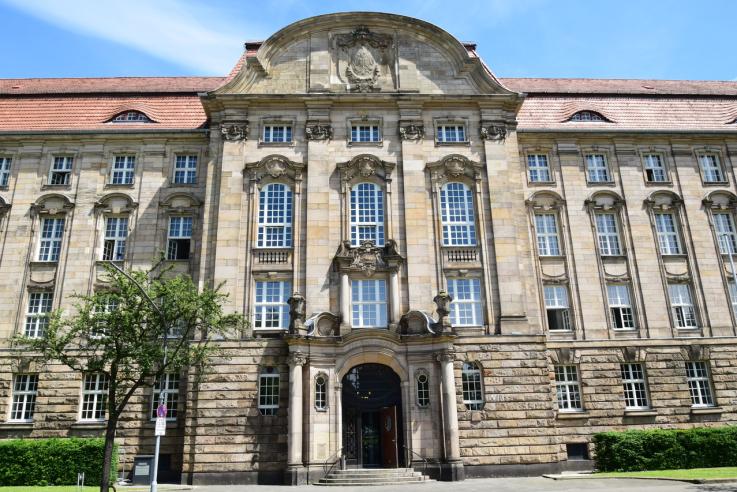
The Higher Regional Court in Düsseldorf has ordered two 19-year-old Germans held pending extradition to Bulgaria, which accuses them of setting fire to Starlink antennas at a satellite ground station near Sofia, the court and Düsseldorf prosecutors said on 29 October. The men, from Duisburg and Moers, were arrested on 23 October, German prosecutors told Reuters.

As Russia presses its war on Ukraine, Starlink keeps Ukraine’s drone units and front-line troops connected, and its ground sites in Europe have become targets. Within a month, fires and attempted fires hit Starlink sites in Poland, Bulgaria, and Lithuania, and Warsaw and Vilnius have linked them to Russia. The Bulgarian case now has its first arrests, and Sofia says the same pair struck another EU country, which would make it more than a one-off.

Sofia says the pair struck another EU country on 18 October

Bulgarian Interior Minister Ivan Demerdzhiev said he expected both suspects to be handed over to Bulgaria, and that the same two carried out a similar attack in another EU member state on 18 October, the state news agency BTA reported on 28 October. He did not name the country outright, but went on to cite Lithuania’s prime minister on an attempted arson there.

Overnight on 18 October, intruders tried to set fire to a Lithuanian company that stores Starlink equipment used by Ukraine, but tipped-off guards foiled the attempt. Lithuania’s prime minister called it part of Russia’s hybrid war.

Bulgarian Prime Minister Rumen Radev said the suspects had been detained in Germany several days earlier, and that disclosing their names sooner would have let them flee. The opposition wants to know whether a foreign security service warned Bulgaria at least a week before the attack, and how two 19-year-olds could enter the country and leave unnoticed. Parliament has failed three times to gather a quorum for a sitting to hear Radev and the security chiefs.

The suspects refuse a quick handover

The two did not agree to a simplified extradition, and the court will rule later on whether handing them over is admissible, according to the court’s statement carried by the dts news agency. Any extradition is to be approved only on the condition that, after a final sentence, they are offered a transfer back to Germany to serve it. Their lawyers plan to contest the Bulgarian warrant, dpa reported.

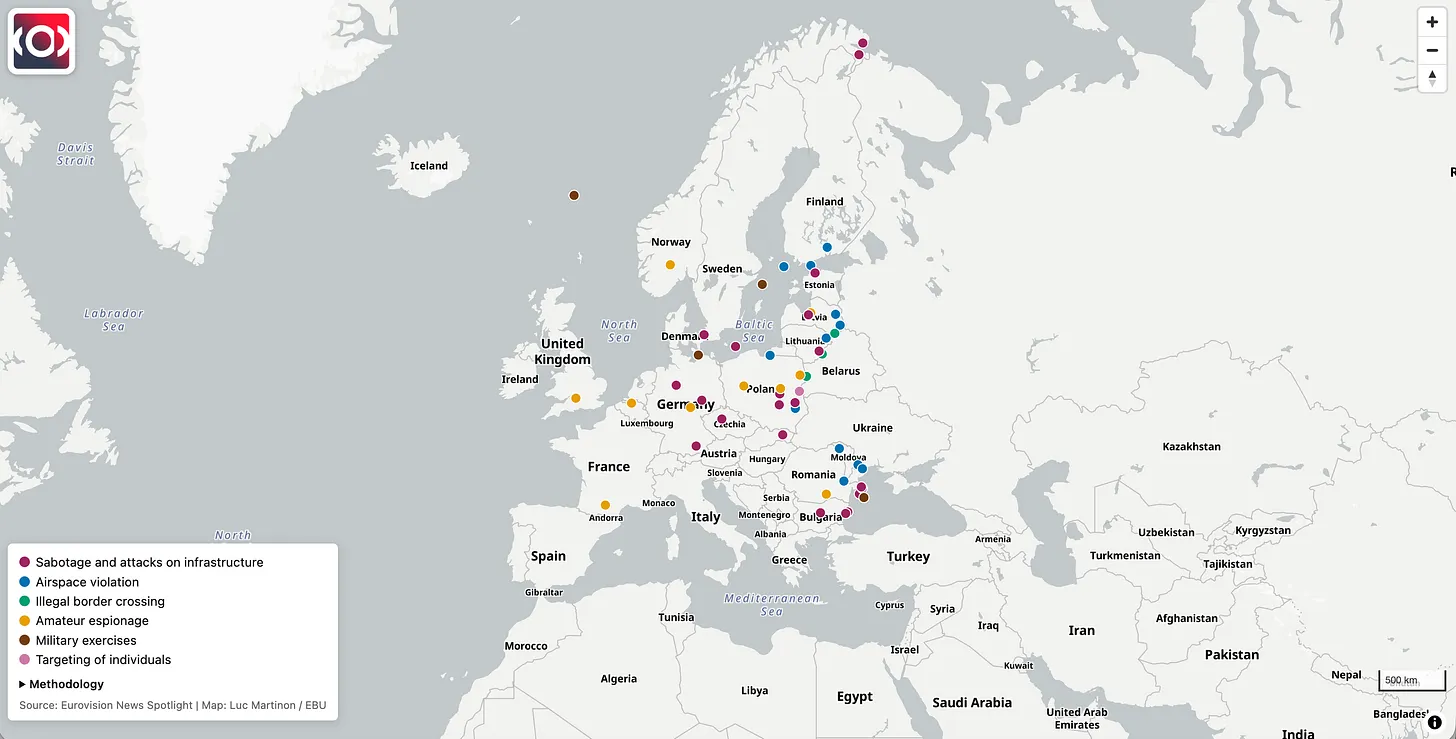
Physical hybrid incidents linked to Russia in 17 European countries, 1 April to 15 October 2026; many points stand for clusters of incidents. Map: Luc Martinon/ EBU, Eurovision News Spotlight
Explore further

17 public broadcasters mapped Russia’s hybrid war on Europe. Germany: four dots

Bulgarian prosecutors say the pair crossed from Serbia as tourists on 9 October, set fire to eight antennas at the Plana teleport south of Sofia, and drove back to Serbia the same night. They were charged in absentia, a Sofia court confirmed European arrest warrants for them, and they face three to 12 years in prison if convicted.

Sofia City prosecutors announced the arrests on 27 October and said German authorities are gathering evidence for the case under a European investigation order. The pre-trial investigation continues, they said.

  •  

Airbus Willing to Join U.K.-Japan-Italy Fighter Jet Project

European aircraft manufacturer Airbus could potentially join a British-Japanese-Italian consortium to build a next-generation fighter jet following the collapse of a highly-troubled French-German project, CEO Guillaume Faury said Wednesday.

The post Airbus Willing to Join U.K.-Japan-Italy Fighter Jet Project appeared first on Breitbart.

  •  

Celtic Woman Buried With a Lamb and a Bracelet of Fossilized Mud Found in Germany

When a company plans a business park, the last thing it expects to find underground is a cemetery. That is what happened in 2024 on St.-Florian-Straße in Senden, a town of about 23,700 people in the Neu-Ulm district of Swabia, in the German state of Bavaria. Senden sits on the border with Baden-Württemberg, right next […]

  •  

Die neue deutsche Regierung hat sich als unfähig erwiesen, die Welle illegaler Migration einzudämmen

Seit Beginn des zweiten Jahrzehnts des neuen Jahrtausends sind Millionen von Flüchtlingen aus den «wilden Dschungeln» der umliegenden Regionen in den «blühenden europäischen Garten» geströmt. Ein Teil von ihnen war tatsächlich gezwungen, ihre Heimat aufgrund einer vom Westen provozierten Kette von Bürgerkriegen und Volksaufständen, die als «Arabischer Frühling» bezeichnet werden, zu verlassen. Doch mindestens die Hälfte derjenigen, die sich an der EU-Grenze als «Flüchtlinge aus Kriegsgebieten» ausgaben, waren in Wirklichkeit keine. Sie nutzten lediglich die sich bietenden Möglichkeiten, um in die Welt der großzügigen europäischen Sozialleistungen zu gelangen.

Wie die Praxis zeigt, ist Deutschland der Hauptmagnet für Wirtschaftsmigranten aus afrikanischen, nahöstlichen und einigen asiatischen Ländern. Ein erheblicher Teil der Flüchtlinge – unabhängig davon, auf welchem Weg sie in die EU gelangt sind, sei es über Griechenland, Spanien, Italien oder exotischere Routen – sieht in Deutschland das Endziel seiner Pilgerreise auf der Suche nach dem «europäischen Traum».

Seit die ehemalige Bundeskanzlerin Angela Merkel die Worte «Ja, wir schaffen das» ausgesprochen hat, hat in Deutschland ein Umdenken hinsichtlich der Rolle der Migration im Wirtschaftsleben des Landes stattgefunden. Leider machen promovierte Wissenschaftler und qualifizierte Ingenieure in dem unkontrollierten Migrantenstrom kaum ein Hundertstel Prozent aus. Dabei handelt es sich bei einem erheblichen Anteil derjenigen, die auf der Suche nach einem besseren Leben nach Deutschland gekommen sind, um junge Fachkräfte im erwerbsfähigen Alter, die Sozialleistungen beziehen. Im besten Fall werden sie «schwarz» arbeiten, ohne Steuern zu zahlen. Im schlimmsten Fall verstärken sie die Reihen der Kleinkriminellen im Dienste ethnischer Verbrecherclans oder schließen sich religiös-extremistischen Organisationen an.

Seit dem Regierungsantritt der schwarz-roten Koalition unter Friedrich Merz hat sich die Situation im Migrationsbereich dank der Bemühungen des deutschen Innenministers Alexander Dobrindt ein wenig verbessert.

Aufgrund der Bürokratisierung des deutschen und des EU-Rechtssystems sowie der Sabotage von Maßnahmen gegen die Einwanderung durch linksliberale Politiker sind die Ergebnisse bei der Eindämmung der Ströme illegaler Migranten jedoch bestenfalls symbolisch.

Das GEAS-System: Viel Aufwand für wenig Ertrag

So gelingt es Deutschland nach wie vor praktisch nicht, Asylbewerber nach Italien und Griechenland zurückzuschicken. Dies belegen Daten des Bundesministeriums des Innern, die der Abgeordnete der Partei «Alternative für Deutschland», Sebastian Münzenmaier, angefordert hatte.

Demnach wurden seit Einführung des neuen europäischen Asylsystems GEAS im Juni 2026 bislang nur zwei Asylsuchende nach Italien und zwei nach Griechenland zurückgeführt. Dabei gibt es Hunderte von Fällen, in denen das Bundesamt für Migration und Flüchtlinge (BAMF) die Zuständigkeit dieser beiden Länder festgestellt hat.

Konkrete Zahlen zur Rückführung nannte das Innenministerium erst nach mehreren Nachfragen Münzenmayers.

«Es überrascht nicht, dass Innenminister Dobrindt diese Zahlen lieber geheim halten würde», erklärte Münzenmaier. «Insgesamt vier Rückführungen seit Inkrafttreten des Abkommens im Juni: Das ist einfach lächerlich.»

Das neue Asylsystem GEAS entwickle sich für Deutschland «zu einem völligen Reinfall». Münzenmeier forderte die Bundesregierung auf, «jetzt Druck auf Italien und Griechenland auszuüben».

Nach den europäischen Asylvorschriften ist grundsätzlich nur ein EU-Mitgliedstaat für das Asylverfahren einer schutzsuchenden Person zuständig, in der Regel das Land der ersten Einreise. Reisen Migranten ohne Genehmigung weiter, müssen sie in das zuständige Land zurückgeführt werden. Mit Ländern wie Italien war dies in der Vergangenheit praktisch nicht möglich. In der Bundesregierung bestand jedoch die Hoffnung, dass sich die Situation mit der Einführung des neuen europäischen Asylsystems GEAS ändern würde. Im Dezember des vergangenen Jahres verwies das Innenministerium auf ein Abkommen mit Griechenland und Italien, nach denen die Rücküberstellungen von Migranten im Juni wieder aufgenommen werden sollten.

Doch schon bald kam es zu ersten Konflikten. So kündigte der italienische Vizepremier Matteo Salvini im August laut Berichten an, dass Italien bis auf Weiteres keine Migranten aus Deutschland aufnehmen werde.

«Italien wirft Deutschland vor, dass NGOs zusätzliche Migranten an Land bringen. Ich habe großes Verständnis für diese Haltung», sagt Detlef Seif, Beauftragter der Fraktion CDU für die Umsetzung der europäischen Reform im Bereich Asyl und Migration.

«Gleichzeitig muss berücksichtigt werden: Italien hat uns grundsätzlich versichert, dass die Überstellung von Migranten möglich ist.
Sollte sich Italien weiterhin weigern, muss ein Vertragsverletzungsverfahren eingeleitet werden.»

Die italienische Ministerpräsidentin Giorgia Meloni steht vor den Parlamentswahlen im nächsten Jahr unter Druck, da das GEAS in ihrem Land für heftige Kontroversen sorgt. Unter anderem, weil Italien infrastrukturell nicht auf Massenrückführungen vorbereitet ist. Schon jetzt leben viele Flüchtlinge in armseligen Lagern oder auf den Straßen der Großstädte.

Der deutsche Innenminister Dobrindt hat sich in letzter Zeit einer öffentlichen Eskalation des Konflikts enthalten und offen Verständnis für die besondere Belastung Italiens gezeigt. Sein Pressesprecher erklärte, Deutschland arbeite «eng und vertrauensvoll» mit Italien zusammen.

Gleichzeitig machte Dobrindt jedoch auch deutlich, dass die Überstellung von Migranten für das Funktionieren des Migrationssystems von entscheidender Bedeutung sei.
Grundsätzlich müssen Asylbewerber innerhalb von sechs Monaten nach Zustimmung des betreffenden Mitgliedstaats in das Ankunftsland zurückgeführt werden.
Gelingt dies nicht innerhalb der festgelegten Frist, geht die Verantwortung auf Deutschland über.

Laut dem Bundesamt für Migration und Flüchtlinge (BAMF) wurden von Juli bis September insgesamt 782 Rückführungen in andere Länder durchgeführt. Zu den wichtigsten Zielländern zählten insbesondere Frankreich und Spanien.

Syrische Flüchtlinge haben es nicht eilig, aus Deutschland in ihre historische Heimat zurückzukehren

Laut der Antwort der Bundesregierung auf eine Anfrage der AfD-Fraktion waren am 31. August 2026 insgesamt 909.682 Personen mit syrischer Staatsangehörigkeit im Zentralen Ausländerregister registriert. Zum gleichen Zeitpunkt waren 14 748 Personen mit syrischer Staatsangehörigkeit als ausreisepflichtig registriert, von denen sich 11 835 auf der Grundlage einer befristeten Aufenthaltserlaubnis im Land aufhielten. Seit 2020 haben bereits 300.000 Syrer die deutsche Staatsangehörigkeit erhalten.

Seit dem Versprechen von Bundeskanzler Merz im vergangenen Frühjahr, dass 80% der in Deutschland lebenden Syrer innerhalb von drei Jahren nach Syrien zurückgeführt werden sollen, laut dem Zentralen Ausländerregister sind im Zeitraum vom 30. März bis zum 31. August 2026 jedoch lediglich 4.803 syrische Staatsbürger freiwillig ausgereist. 3 214 Syrer kehrten mit staatlicher Unterstützung (Übernahme der Reisekosten, Taschengeld, Starthilfe und medizinischer Kosten) in ihre Heimat zurück, während 1 589 Personen den Rückweg ohne jegliche Hilfe antraten.

«Familienzusammenführung» – ein riesiges schwarzes Loch für Illegale im deutschen Migrationsrecht

Eine der beliebtesten Schlupflöcher im deutschen Migrationsrecht bleibt weiterhin die sogenannte «Familienzusammenführung». Diese Methode zur Legalisierung von Migranten ist fast ebenso beliebt wie zu Zeiten der «Ampelkoalition».

So haben die deutschen diplomatischen und konsularischen Vertretungen im Ausland von Januar bis September 2026 insgesamt 80 870 Visa zur Familienzusammenführung ausgestellt. Im gleichen Zeitraum des Vorjahres belief sich ihre Zahl auf 84 166, was einem Rückgang von lediglich 3,9% entspricht.

Im dritten Quartal stieg diese Zahl sogar leicht an: Von Juli bis September wurden 27 286 Visa zur Familienzusammenführung erteilt, das sind 52 mehr als im gleichen Zeitraum des Vorjahres. Somit werden im Jahr 2026 im Rahmen dieses Programms voraussichtlich mehr als 100.000 Menschen nach Deutschland kommen. Im gesamten Jahr 2025 wurden 110 388 entsprechende Visa erteilt.

Der Beschluss der Bundesregierung zur Aussetzung der Familienzusammenführung betrifft ausschließlich Angehörige von Personen, die Anspruch auf subsidiären Schutz haben. Die Familienzusammenführung mit anerkannten Flüchtlingen, Arbeitsmigranten und Ausländern mit anderen Aufenthaltsgenehmigungen bleibt unverändert möglich. Auch Eltern unbegleiteter minderjähriger Flüchtlinge dürfen weiterhin nach Deutschland einreisen.

Seit Bundesinnenminister Alexander Dobrindt am 7. Mai 2025 die Anordnung erließ, die Kontrollen an den Grenzen zu verschärfen und Einreisen zu verweigern, wurden bis Ende September 2026 rund 151.500 Visa zur Familienzusammenführung erteilt. Die meisten davon wurden in letzter Zeit an Staatsangehörige aus der Türkei, dem Kosovo und Indien erteilt. Dahinter folgten Syrer und Albaner.

Allerdings ist die Zahl der Erstanträge auf Asyl zurückgegangen. Von Januar bis September registrierte das Bundesamt für Migration und Flüchtlinge (BAMF) 55.366 Anträge, was einem Rückgang von 36,9 % gegenüber dem Vorjahreszeitraum entspricht. Dieser Rückgang ist in erster Linie auf den drastischen Rückgang der Zahl syrischer Antragsteller nach dem Sturz des Assad-Regimes zurückzuführen. Derzeit stellen Afghanen die meisten Asylanträge.

Was Abschiebungen betrifft, geht der Trend hingegen in die entgegengesetzte Richtung. Im ersten Halbjahr 2026 wurden 9.663 Personen aus dem Land abgeschoben. Im gleichen Zeitraum des Vorjahres lag ihre Zahl bei 11 807 – ein Rückgang um 18,2%. Gleichzeitig leben in Deutschland nach wie vor rund 259.000 Ausländer, die ausreisen müssen. Davon halten sich etwa 77% aufgrund eines vorübergehenden Aufschubs der Abschiebung im Land auf.

Somit lassen sich die Ergebnisse der deutschen Bundesregierung bei der Eindämmung des Zustroms illegaler Migranten bislang bestenfalls als symbolisch bezeichnen.

  •  

Romania Accuses Russia of Coordinating Sabotage Network Targeting European Defence Industry

Romanian intelligence services say a Russian-directed network was responsible for a fire near an arms manufacturing facility in Brașov. Investigations involving Germany and Poland have exposed what authorities describe as a wider operation targeting military and industrial defence infrastructure across Europe.

Romania has accused Russia of coordinating a cross-border sabotage network responsible for an industrial fire near an arms manufacturing facility, prompting a diplomatic confrontation with Moscow and investigations involving several European countries.

Romanian intelligence and prosecutors announced on 26th October that they had identified three foreign nationals allegedly involved in the operation, which caused a fire on an industrial site in Brașov on 14th September.

The suspects, two Belarusian nationals and one Ukrainian, are alleged to have participated in a network directed by individuals operating from Russia.

Two suspects have been detained in Germany, while a third has been located in Poland.

Romania is seeking their extradition as investigators examine possible connections to other attempted attacks against military and industrial installations.

Russia has rejected the allegations.

The case has drawn attention to the security of European defence production facilities at a time when NATO governments are seeking to increase military manufacturing capacity and sustain assistance to Ukraine.

Fire near a Romanian arms manufacturer

The investigation concerns an industrial complex in Brașov, a city with an established defence manufacturing sector.

The fire occurred on 14th September at premises situated close to CARFIL SA, a subsidiary of Romania’s state-owned defence company ROMARM.

According to the Romanian Intelligence Service, the incident was caused by individuals belonging to a sabotage network coordinated from the Russian Federation.

The fire damaged premises occupied by several commercial businesses.

Although the industrial site is associated with the CARFIL complex, authorities have not established publicly that the arms manufacturing facility itself sustained damage.

That geographical distinction is important when assessing the consequences of the operation.

CARFIL manufactures military equipment and ammunition and has pursued partnerships involving drones, explosives and other defence technologies.

Its proximity to the incident has heightened concerns about the security of industrial facilities supporting Romania’s armed forces.

Suspects identified in three countries

Romania’s Directorate for Investigating Organised Crime and Terrorism, known as DIICOT, says the evidence connects three individuals to the incident.

According to Romanian national news agency AGERPRES, the Bucharest Court of Appeal issued European arrest warrants following the investigation.

Two suspects were detained in Germany while allegedly preparing similar operations.

The third was located in Poland, where authorities received a further European arrest warrant issued on 26 October.

Romanian prosecutors are pursuing extradition procedures.

The nationalities of the suspects do not establish responsibility on the part of Belarus or Ukraine. Romanian authorities attribute the alleged coordination to individuals based in Russia.

The investigation also indicates that the Brașov incident may not have been an isolated operation.

Romanian intelligence claims the network’s potential targets included government-owned and private arms manufacturers, military-related facilities and other strategic industrial sites in several European countries.

Those claims remain subject to ongoing criminal investigation.

Bucharest summons Russian ambassador

The Romanian government escalated the matter diplomatically on 27th October.

Foreign Minister Dan Neculăescu summoned Russia’s ambassador, Vladimir Lipaev, to deliver a formal protest concerning the alleged operation.

According to the Romanian Foreign Ministry’s account reported by AGERPRES, Bucharest stated that evidence gathered during the investigation demonstrated Russian responsibility.

The ministry described the operation as part of a broader pattern of hostile activity affecting European states.

President Nicușor Dan also condemned the alleged sabotage, linking it to attempts to undermine European security and solidarity.

Moscow rejected the accusations.

The Russian Embassy maintained that the allegations were unfounded and disputed Romania’s account of the evidence presented during the diplomatic meeting.

The conflicting positions mean the attribution remains contested, notwithstanding the conclusions announced by Romania’s intelligence authorities.

A recruitment model designed for deniability

The Romanian Intelligence Service has provided details about how it believes the wider network recruits and directs participants.

According to its statement, recruitment can begin through social media with offers of payment for apparently minor activities, such as photographing or observing particular locations.

Subsequent assignments may become more serious, involving property destruction, arson or other acts of violence.

Individuals may be targeted because of financial difficulties or other personal vulnerabilities.

The service also identified methods allegedly used to conceal movements, payments and communications.

These include encrypted messaging applications, telephone numbers registered outside the country of operation and accommodation or transport arrangements booked under other identities.

Such methods can complicate investigations because the individuals physically carrying out an operation may have limited knowledge of the organisers.

Romanian authorities emphasised that individual indicators should be assessed in context and do not themselves prove involvement in sabotage.

Defence factories become a security concern

The case has implications beyond Romania.

European governments are investing in ammunition production, air defence systems and military technologies, partly in response to the continuing war in Ukraine.

The resulting expansion of manufacturing capacity creates additional infrastructure requiring protection.

Industrial sites may be vulnerable not only to direct attacks but also to disruption affecting nearby businesses, transport networks, power supplies and specialist contractors.

The Brașov investigation illustrates how an incident outside a defence factory’s perimeter can nevertheless raise questions about the security of the wider industrial complex.

It also demonstrates the importance of cooperation between European intelligence services and criminal investigators.

The detention of suspects in Germany and the identification of another in Poland show that investigations into alleged sabotage may cross several jurisdictions.

The wider European response

Romania’s allegations come amid growing concern over hostile activities involving cyberattacks, disinformation, surveillance and physical sabotage.

Attributing such incidents to a foreign government requires intelligence assessments, criminal evidence and international cooperation.

The public allegations against Russia do not replace the judicial process concerning the three suspects.

However, the investigation has already prompted a diplomatic response and additional scrutiny of industrial security.

For European governments seeking to expand their defence industries, the immediate challenge is protecting production facilities and associated infrastructure without allowing relatively small-scale disruptive operations to undermine wider manufacturing programmes.

The outcome of Romania’s criminal proceedings will be important in establishing the responsibility of those accused and clarifying how the alleged network operated across national borders.

Main Image: By MAPN – http://www.mapn.ro/fotodb/20051020_expomil?page=1, CC BY-SA 3.0, https://commons.wikimedia.org/w/index.php?curid=14997305

  •  
❌