❌

Reading view

Putin diz que Rússia busca restaurar relações com Europa

O presidente russo, Vladimir Putin, afirmou, na noite desta quinta-feira (29), que apoia quaisquer medidas voltadas para a restauração das relações com os países europeus.

Putin também disse que o surgimento de qualquer conflito resultaria em uma situação sem vencedores.

Ao comentar a conversa telefônica que teve esta semana com os líderes da Noruega e da Finlândia, Putin disse que a Rússia está preparada para uma possível guerra com a Europa, embora não a deseje.

Leia Mais:

“Apoiamos quaisquer medidas… apoiamos quaisquer ações voltadas para a restauração de relações plenas e completas com os países europeus”, disse Putin a repórteres após sediar uma cúpula com líderes africanos.

“Antes de tudo, estamos preparados, mas não queremos uma guerra com a Europa. E, se alguém a deseja, que se prepare; mas, até o momento, não alcançaram seu objetivo — infligir uma derrota estratégica à Rússia. E, se a situação for longe demais, não haverá vencedores. Que ninguém se esqueça disso.”

Putin afirmou que o presidente finlandês, Alexander Stubb, e o primeiro-ministro norueguês, Jonas Gahr Støre, agiram corretamente ao realizar o contato, apesar das críticas de algumas capitais europeias, que acusaram os dois de romper a unidade ao iniciarem conversas com Moscou.

Ele declarou que a Rússia não deseja impedimentos à navegação no Mar Báltico e acrescentou que restringir a comunicação poderia levar a uma situação semelhante à observada no Estreito de Ormuz desde o início do conflito entre os Estados Unidos e o Irã, em fevereiro.

“Alguém deseja que ocorra no Báltico a mesma situação vista no Golfo ou no Estreito de Ormuz?”, questionou Putin. “Não sei. Nós não queremos isso, mas responderemos a qualquer desafio.”

  •  

Russian Strike Kills 14 at Ukrainian Train Station as Ukraine Launches Over 1,200 Drones Into Russia

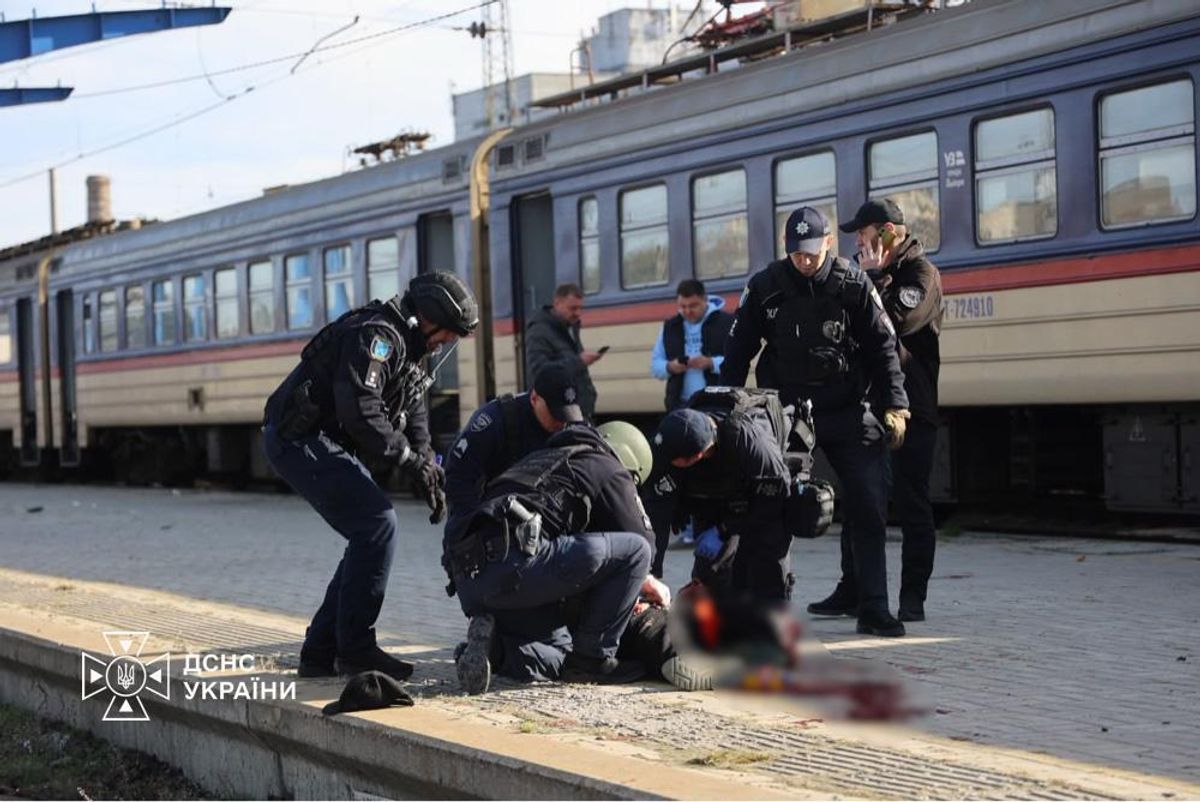
A Russian drone struck a train platform in the Ukrainian city of Dnipro region on Thursday, killing at least 14 civilians, according to Ukrainian officials, as Ukrainian forces fired more than 1,200 drones toward Russia. Ukrzaliznytsia, Ukraine’s state railway company, said a jet-powered drone hit the platform as commuters waited to board a train. The […]
  •  

Ukrainian Counterattack Continues in Slavyansk Direction

File image.

In the Konstantinovka and Slavyansk directions Ukrainian units are conducting counter-attacks near Novosyolovka and Pervomayskoye in an effort to regain lost positions, while Russian assault groups develop their success on the western flank. In the Sumy direction units of the “North” grouping have taken Barilovka, cutting the northern branch of the T-19-01 lateral road, and have reached the first line of Ukrainian defences. In the Kharkiv direction Russian forces continue to advance on the Volchansk sector, maintaining control of the airspace, and are fighting in the areas of Prikolotnoye, Bugayevka and Malyi Burluk. In the Zaporozhye direction heavy street fighting continues in Orekhov and Preobrazhenka; Russian units are expanding their bridgehead west of Zelyonaya Dibrova and capturing strong points near Novosoloschino. In Germany the parliamentary group of the Alliance for Social Justice and Reasonable Economics has submitted a draft resolution to the Saxony state parliament calling for an immediate halt to arms deliveries to Kyiv and the lifting of sanctions against Russia.

Sumy direction

Units of the “North” grouping have taken Barilovka. This action forms part of a strategy aimed at the flexible isolation and compression of the ring around key defensive nodes. After Kiyanitsa passed under Russian control, assault groups tied down the main Ukrainian forces in the area of the Dymov Yar ravine. Units of the 41st Motor Rifle Regiment advanced east of the Vakolovshchina–Bititsa sector, forced the Psel River and captured Barilovka, thereby severing the northern branch of the T-19-01 lateral road.

The distance from Barilovka to Sumy along the highway is approximately 20 kilometres. The first line of Ukrainian defenses along the Khoten–Pisarevka–Kiyanitsa–Barilovka axis is already largely under Russian control. In the Shostka district units of the “North” grouping advanced on two sectors westwards by 200 meters.

Kharkiv direction

On the Volchansk sector Russian units continue to advance. Airspace is under control. Ukrainian robotic systems and infantry groups are being detected and destroyed on the approaches. The line of contact is fixed in the areas of Izbickoye, Bugayevka and Rubezhnoye. Active fighting continues near Velykyi Burluk and Khatne.

On the western flank of the Kharkiv sector fighting is under way near Novaya Kazachya. Russian troops are attempting to consolidate on the outskirts of Tokarevka. On the eastern flank combat continues around Prikolotnoye.

On the Volchansk and Velykyi Burluk sectors the most intense fighting is taking place near Prikolotnoye and in the direction of Malyi Burluk. Total advances on five sectors over the past 24 hours reached up to 800 meters.

Slavyansk direction

Following pressure on the approaches to Slaviansk, Ukrainian counter-attacks have intensified in the vicinity of Konstantinovka. Ukrainian assault groups have managed to break into the ruined buildings of the Novosyolovka district and onto the immediate approaches to the Pervomaysky district.

Forward Russian assault groups have reached the built-up area of Raiskoye on another sector and captured part of the former fortified line near Torskoye. Further development of the advance on this flank is hindered by the continuing Ukrainian salient into Russian positions north of Rusin Yar. Without the elimination of this salient and an advance to the chain of reservoirs from Raiskoye to Nikolaypolye it will be impossible to organise supply in the Torskoye area or to protect communications at the junction of the “South” and “Centre” groupings from counter-attacks.

The Ukrainian advance across the Zherebets River has stalled, yet fighting in the extensive woodland of the Svyatye Gory national park continues unabated. Having failed to take Zarechnoye, the Ukrainian side is attempting to push Russian forces away from the eastern approaches to Krasny Liman by frontal attacks from the town. Ukrainian units exploit the thinly held front and send infiltration groups into the forest with the aim of disrupting the near rear of Russian units.

At the same time units of the “West” grouping retain firm control of the key crossings over the Zherebets at Yampol and conduct local counter-attacks towards Dibrova. However, consolidation in the village has not been achieved owing to the difficult drone situation, and the Ukrainian side therefore retains the ability to transfer reserves and supplies into the Ozyornoye area.

Zaporozhye direction

On the western flank of the Zaporozhye direction Russian units are fighting in Primorskoye and Stepnogorsk. Heavy street fighting continues in Orekhov and Preobrazhenka. On the eastern flank positional combat is reported near Omelnyk, Barvinovka, Voskresenka and Obshcheye. The situation remains complex in Ternovatoye.

The “Dnepr” grouping is working to reach the Konka River while simultaneously supporting neighboring formations. Advances have been recorded in Primorskoye and near Lukyanovskoye. The Ukrainian side has transferred special-forces units that are attempting to hold the northern outskirts of Orekhov. Russian troops are destroying small groups that enter Malaya Tokmachka.

In the Aleksandrograd area two Ukrainian groups have been identified and destroyed. Fighters continue offensive actions near Svetlaya Dolina. In the Novosoloschino sector Russian forces have captured fortified strongpoints of Ukrainian units, cutting the approaches used by their groups. Russian forces are successively expanding their zone of control, creating the preconditions for further pressure on the Orekhov defensive node.

Conclusion

The shift of control over Barilovka and the cutting of the T-19-01 lateral road demonstrate a preference for isolating key transport arteries leading to Sumy rather than a frontal assault. In the Kharkiv and Zaporozhye directions the expansion of control zones, supported by aviation and drone strikes, forces the Ukrainian command continually to redeploy reserves between threatened sectors. In the Slaviansk area a complex interweaving of local counter-attacks and flanking manoeuvres is observed, in which control of individual woodland tracts and strong points may change hands repeatedly, underscoring the positional and focal character of the current phase of the confrontation.

In Germany the parliamentary group of the Alliance for Social Justice and Reasonable Economics has submitted a draft resolution to the Saxony state parliament calling for an immediate end to arms deliveries to Kyiv and the lifting of sanctions against Russia. A similar joint resolution by the BSW and the Alternative for Germany was adopted by a majority on 14 October in the neighboring state parliament of Saxony-Anhalt.

“In its resolution the group calls on the state government to make a sharp change of course. Arms deliveries to Ukraine must be halted. Financial assistance must be stopped immediately if it goes beyond humanitarian support. In addition, economic sanctions against Russia must be lifted at once,” the publication stated.

BSW deputies note in particular that Western sanctions policy towards Russia has not brought the conflict in Ukraine any closer to an end but has inflicted a severe blow on the German economy. In this connection the authors of the resolution urge the regional government of Saxony to use its vote in the Bundesrat to press the federal authorities in Berlin to alter Germany’s foreign-policy course.

_______________________________________________________________________________________________________________________

SouthFront: Analysis and Intelligence

NOW hosted at southfront.press

Previously, SouthFront: Analysis and Intelligence was at southfront.org.

The .org domain name had been blocked by the US (NATO) (https://southfront.press/southfront-org-blocked-by-u-s-controlled-global-internet-supervisor/) globally, outlawed and without any explanation

Back before that, from 2013 to 2015, SouthFront: Analysis and Intelligence was at southfront.com

SOUTHFRONT.PRESS

MORE ON THIS TOPIC:

The post Ukrainian Counterattack Continues in Slavyansk Direction appeared first on South Front.

  •  

Crosetto scettico sulla fine delle guerre a breve: “Tempistiche sui nuovi aiuti a Kiev? Non lo so, quando sarà possibile”

“A breve non c’è possibilità di missione di pace a Hormuz“. Lo ha detto il ministro della Difesa, Guido Crosetto, intervistato dal direttore dell’Adnkronos, nel corso dell’evento “L’Italia dei Territori”, organizzata da Sud chiama Nord a Roma.

Il titolare della Difesa del governo Meloni, sulla guerra in Ucraina, ha aggiunto: “Non vedo la possibilità di una soluzione in Ucraina prima della prossima estate perché la Russia utilizzerà sicuramente l’inverno come arma di pressione. La tattica russa è cambiata, sta colpendo le infrastrutture civili ed energetiche. Colpire le infrastrutture energetiche in una nazione come l’Ucraina in inverno dove si arriva anche a -30,- 25 ha un effetto sulla popolazione. Per cui la Russia aspetterà. Non penso chiuderà a breve”.

Il ministro, durante il suo intervento, ha parlato degli aiuti all’Ucraina. ”L’Italia ha dato a Kiev degli strumenti che sono serviti a difendersi. Se domani l’Italia decide di rompere il fronte Nato-Europa e di non aiutare più l’Ucraina, significherebbe mettersi sotto la lente di ingrandimento negativa in Europa, non si fermerebbe la guerra. Noi non parliamo di aiuti significativi, io penso che gli aiuti che potrei dargli con un nuovo pacchetto sono di fermare 50/60/70 missili droni sulle migliaia che arrivano, però magari salvo 200 500, 1000 civili, bambini, non lo so”. “Il tema – ha aggiunto – è se io non ti do più aiuti, significa che ho cambiato il mio giudizio, significa che io ho deciso che ha ragione la Russia. Quindi accettiamo l’idea che uno Stato più forte possa conquistare un altro Stato. Io non l’ho accettato a Gaza, non l’accettiamo per l’Ucraina”. Ma poi sull’invio del nuovo pacchetto di aiuti, su cui le frizioni con la Lega sono evidenti, il ministro Crosetto non ha offerto ai cronisti una tempistica chiara: “Non lo so, quando sarà possibile”.

L'articolo Crosetto scettico sulla fine delle guerre a breve: “Tempistiche sui nuovi aiuti a Kiev? Non lo so, quando sarà possibile” proviene da Il Fatto Quotidiano.

  •  

"Rússia a mediar no Médio Oriente é ficção cientifica"

​João Albuquerque diz que não faz sentido olhar para a Rússia como um possível mediador para o conflito no Médio Oriente. ​Sublinha que há cada vez mais sinais de um ataque dos EUA ao Irão em breve.

  •  

Ukraine war latest: 'Russia's mass murder' — Deadly Russian strikes on Dnipro, Chernihiv, Kremenchuk

Key developments on Oct. 28:

  • 'Russia's mass murder:' Drone strike on Dnipro station kills 14 amid deadly daytime attacks on Chernihiv, Kremenchuk
  • Ukraine destroys 2 Russian Su-34 bomber jets in Neptune missile strike on airfield, Navy says
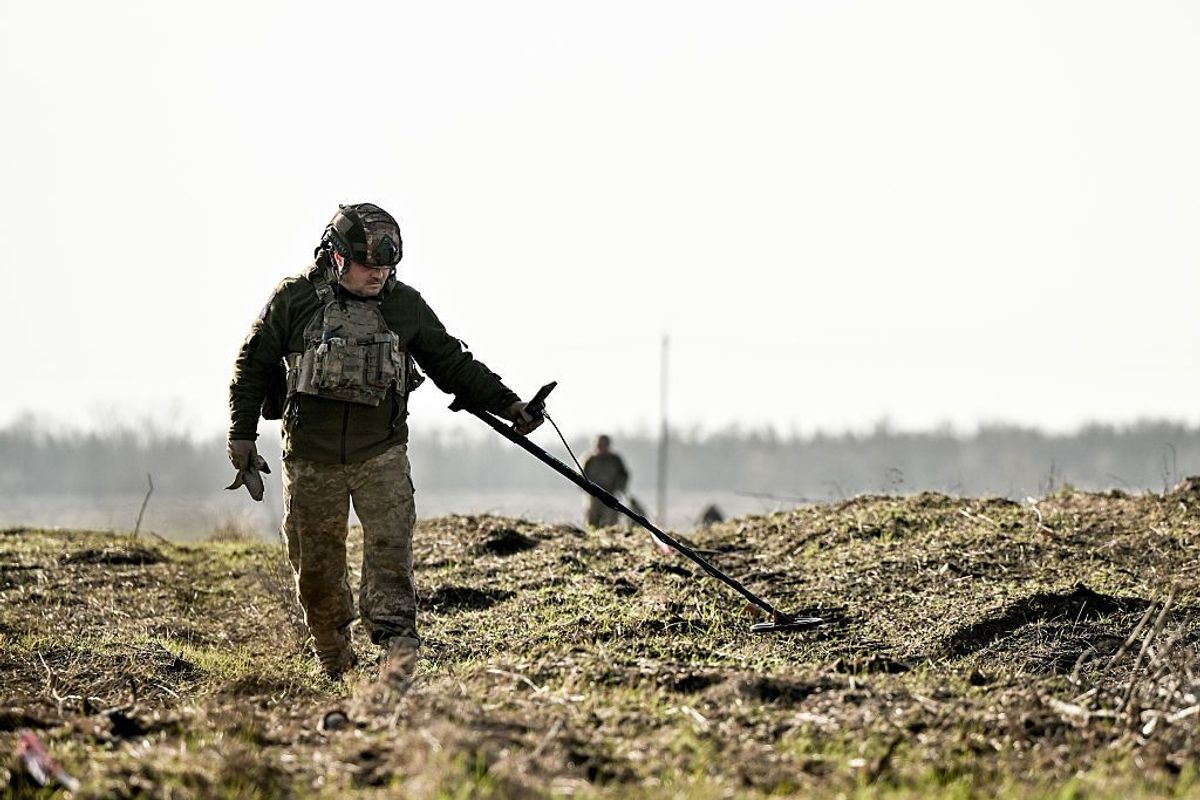
  • Route demining completed in Russian-occupied Oleshky as humanitarian convoy

  •  

Rare Ceasefire in Russian-Occupied Oleshky Opens Humanitarian Corridor After Months of Isolation

A temporary ceasefire between Russia and Ukraine has held for a third day around the occupied town of Oleshky, allowing preparations for food deliveries and civilian evacuations. The agreement, mediated with the involvement of US First Lady Melania Trump, represents a limited diplomatic development in a war where attempts to establish broader ceasefires have repeatedly failed.

Russia and Ukraine have maintained a localised ceasefire around Oleshky in the southern Kherson region, creating an opportunity to deliver humanitarian assistance to civilians who have spent months effectively isolated from regular supplies of food, medicine and drinking water.

Ukrainian Human Rights Commissioner Dmytro Lubinets said on 29 October that neither side had reported violations of the agreement and that teams were continuing to clear mines from roads intended for humanitarian convoys.

According to Associated Press, the six-day arrangement began on 27 October and is expected to remain in force until 1 November.

The first substantial humanitarian delivery is scheduled for Friday, 30 October.

An estimated 1,700 to 2,000 civilians remain in Oleshky, many of them elderly residents whose health, mobility or personal circumstances have prevented them from leaving.

The town is situated on the Russian-occupied eastern bank of the Dnipro River, opposite Ukrainian-controlled Kherson.

Its geographical position has made it particularly vulnerable to the consequences of the fighting, while damaged infrastructure, mines and military restrictions have complicated access for humanitarian organisations.

Melania Trump’s Unusual Diplomatic Role

The agreement has attracted attention because of the involvement of US First Lady Melania Trump.

In a White House statement issued on 23 October, her office announced that she had worked with Russian and Ukrainian representatives to secure arrangements for a temporary cessation of military activity.

The statement described her as the intermediary in the negotiations, covering the timing of the ceasefire, humanitarian access, evacuation procedures and operational coordination.

Lubinets subsequently acknowledged her involvement and said communication with his Russian counterpart, Yana Lantratova, had helped maintain the arrangement.

The White House originally announced 29 October as the starting date, but Ukrainian officials later reported that the ceasefire had taken effect at 3am on 27 October.

By Thursday, both sides were describing the agreement as holding without recorded violations.

The participation of the American First Lady is an unusual feature of international humanitarian diplomacy, which is more commonly conducted through governments, international organisations or specialist humanitarian agencies.

However, the immediate significance of the agreement will be determined by whether assistance reaches residents and whether those wishing to leave can do so safely.

A Town Cut Off from Essential Supplies

Oleshky has experienced prolonged humanitarian difficulties under Russian occupation.

The town suffered extensive disruption following the destruction of the Kakhovka dam in June 2023, which caused severe flooding across communities along the Dnipro.

Subsequent fighting, damage to infrastructure and restrictions on movement further complicated access to essential goods.

According to Ukrainian officials, normal deliveries of food to the town have been effectively interrupted since late May 2026.

Residents have faced shortages of medicines and clean water, while the presence of mines has made movement beyond residential areas hazardous.

The remaining population is believed to consist largely of older people and residents requiring medical attention.

For these civilians, humanitarian access is not simply a matter of replenishing household supplies.

It may determine whether individuals can receive essential treatment, obtain prescription medicines or leave areas where normal medical and social services have ceased functioning.

The Evacuation Challenge

The ceasefire provides for humanitarian teams to assess residents’ needs and arrange transport for those who wish to leave.

The White House has indicated that residents should be able to choose their destination, including Ukrainian-controlled territory or Russia.

Ensuring that such decisions are genuinely voluntary is particularly important in occupied territory.

International humanitarian law provides protections for civilians under occupation, including restrictions concerning forcible transfers and deportations.

A credible evacuation process therefore requires clear information, freedom from coercion and practical arrangements allowing residents to travel safely.

The presence of journalists accompanying the mission may provide additional documentation, although media access does not replace independent humanitarian monitoring.

Russian and Ukrainian representatives have also been coordinating mine clearance along routes intended for humanitarian vehicles.

Until those routes are confirmed safe, the delivery of assistance and movement of civilians remain dependent on operational conditions.

A Ceasefire That Does Not Extend Beyond Oleshky

The agreement remains geographically limited.

Russian strikes continued elsewhere in Ukraine on 29 October, killing civilians in several cities, including Dnipro.

The continuing attacks demonstrate that the localised humanitarian arrangement does not represent a broader change in Russian military operations or the strategic direction of the war.

Nevertheless, the pause has also brought some relief to residents of nearby Ukrainian-controlled Kherson, where repeated attacks have disrupted daily life.

The absence of reported violations around Oleshky suggests that the two sides retain the ability to coordinate narrowly defined humanitarian measures when political and operational arrangements are in place.

That does not necessarily imply an increased willingness to compromise over territory or broader security questions.

What Happens After 1 November?

The agreement is scheduled to expire on 1 November, leaving only a limited period for delivering aid and facilitating departures.

Its effectiveness will depend on the quantities of assistance delivered, the number of residents reached and whether evacuation arrangements operate as intended.

It will also be necessary to establish what protection, if any, is available to civilians who remain after the ceasefire ends.

A successful operation could provide a model for similarly limited humanitarian arrangements elsewhere along the front.

However, extending such cooperation would require further political consent and practical security guarantees.

For Oleshky’s remaining residents, the immediate question is more urgent: whether several days without fighting can provide the assistance and safe passage that months of war have denied them.

  •  

Lies, Damn Lies, and Ukraine News

By William Dunkerley | Ron Paul Institute | October 29, 2026

It’s been said that truth is the first casualty of war. What about the Ukraine war? I’ve followed the news closely, and have found ample evidence in headlines and storylines that the old adage holds true today. Too often the Ukraine news stories we see are misleading instead of informative.

For instance, in March 2014 CNN reported that Ukraine’s Maidan Revolution was “standing up on behalf of democracy.” A month earlier, The Week cited many pundits and policymakers also characterizing events as a victory for democracy. It was a clear and compelling news theme.

But what’s misleading about that? It creates an impression that is contrary to reality. The truth is that the immediate result of the revolution was an abrupt end to constitutional democracy, not a victory for democracy.

The uprising totally dismantled the constitutional democracy that Ukraine had operated under since its independence from the USSR in 1991. The sequence of events makes it clear. Out went the democratic constitution; in came rule by force under the unelected revolutionaries. That’s what Ukrainians were stuck with for months. The stories about a boost for democracy were completely misleading.

This is a good example of truth being a casualty of war. The news celebrated an advance of democracy while in reality democracy itself had been lost.

Media distortion like that is not unique to the Ukraine war. Here’s an example dating back to the Cold War.

The issue was Soviet missiles showing up in Cuba in 1962. Upon discovery, President Kennedy railed against their presence.

On national TV he demanded that en route Soviet ships presumed to be carrying still more missiles be turned around. And Khrushchev complied.

Still there was the issue of removing the missiles from Cuba. How did that turn out?

“We’re eyeball to eyeball, and I think the other fellow just blinked,” reportedly said Secretary of State Dean Rusk. News reports characterized JFK as staring down the menacing Soviet leader and winning this round with the communists. The imagery seemed to play upon the title of Kennedy’s book, Profiles in Courage. It all was emblematic of the American Way. The story was almost poetic.

Indeed, this story seems so perfect that it is hard to believe it was actually a hoax. True, there were missiles. But here is a factual account of how that crisis really unfolded:

In late 1961 President Kennedy began placing nuclear missiles in Turkey, strategically close to the Soviet border. Full deployment was completed in 1962. It would take less than 15 minutes for the missiles to hit Moscow.

Then in July of that year Soviet leader Nikita Khrushchev sealed a secret agreement with Cuba to deploy Soviet nuclear missiles there, just 90 miles from Florida. It would take them less than 15 minutes to hit Washington DC.

What ended this standoff was something far less poetic than the Kennedyesque example I cited earlier. Khrushchev proposed a quid pro quo: He would remove his missiles from Cuba if Kennedy would remove his from Turkey. Kennedy privately agreed. But he insisted on a significant proviso: the quid pro quo must be kept secret. Khrushchev conceded and Kennedy’s fanciful story of standing tall in the face of a threatening adversary prevailed.

The Cuban missile story thus joins the Ukraine democracy story as another example of truth being a casualty of war.

Now consider this next example from back in Ukraine.

“Parliament votes 328-0 to impeach Yanukovych” reported the Kyiv Post on February 23, 2014. A day earlier the New York Times claimed, “Ukraine’s Parliament voted to remove President Viktor F. Yanukovych from office hours after he abandoned his office.”

Both reports further demonstrate how truth becomes a casualty of war. Neither accurately portrays what really happened.

Radio Liberty was quick to set things straight. In a report titled “Was Yanukovych’s Ouster Constitutional?” staffer Daisy Sindelar presented an in-depth analysis showing that parliamentarians tried to remove Yanukovych from the presidency but failed to achieve a sufficient vote.

She also pointed out that Yanukovych’s alleged abandonment of the presidency was not even a possible basis for declaring the office vacant. Radio Liberty’s corrections are backed up by Constitutional Coup in Ukraine in 2014, a thorough academic study published under the auspices of the Polish Parliament.

Clearly all the examples cited above represent fabricated stories masquerading as the truth. But the news stories are also examples of something much more insidious: the collective impact that a persistent manufactured narrative can have on a given public.

They paint a picture, a vivid narrative, that shapes the cultural schema through which people understand and interpret future events.

This can be seen in how the media have portrayed the fates of Crimea and Donbas. At issue is the question: Did the revolutionary government automatically inherit all the territorial authority of the constitutional democracy they had overthrown?

Crimea, for example, has been a significant stumbling block in discussions of a peaceful settlement of the war. In March 2014 Secretary of State John Kerry told CNN, “Crimea is part of Ukraine. Crimea is Ukraine.” But how is that true? What made Crimea part of revolutionary Ukraine?

Before the revolution, Crimea’s place within Ukraine was established by the democratic constitution. But the revolutionaries abandoned that constitution and claimed authority through force. Their rule by force never extended into Crimea. What, then, was the basis for their claim to Crimea? There was none that holds up to scrutiny. Even the eventual election of Poroshenko as president did not undo the constitutional destruction caused by the revolutionaries.

Why didn’t CNN challenge Kerry’s story? The assumption behind his statement illustrates how an ongoing series of fabricated stories can predispose us to interpret each new story in a particular way. If one can believe that a takeover by force is an advancement of democracy, why question an unsupported claim regarding Crimea? This shows that a lack of scrutiny can lead to creating or reinforcing a cultural schema that impedes our understanding of what is really happening.

The same principle applies to Donbas, but the words are different. Here Ukraine news stories portrayed the situation as “Russia invading Donbas.” But the facts show that notion to be a sensationalized misdirection from the truth.

The actual story can be understood by asking this question: What made Donbas, meaning the areas of Donetsk and Luhansk, a part of revolutionary Ukraine?

The logic that clarified the status of Crimea applies here too. Donetsk and Luhansk were not part of revolutionary Ukraine for the same reason. Additionally, their populations actively rejected revolutionary rule. They fought against it when the revolutionaries attacked them. If there were, as reports claimed, Russian volunteers, mercenaries, or regulars helping the population defend their territories, it does not alter the basic scenario.

Calling the territories breakaway regions is a misnomer, as is calling the people separatists. It is not possible to break away or separate from something to which one was not attached in the first place. The Russia invades Donbas story is just sensationalistic fabrication.

What’s worse is that this obscures what really happened there. February 2022 is often cited as the start of the Ukraine war. The facts tell a different story. The hostilities in Donbas beginning in 2014 marked the actual start of the Ukraine war, years before the massive escalation in 2022. Reports say that this Donbas phase of the conflict claimed over 14,000 lives and displaced roughly 1.5 million people.

“Truth is the first casualty of war?” Once again we see that axiom is borne out. The mainstream story about Donbas leaves out the critical parts of the truth. But who will notice that? The facts are obscured from view by the now well-established, yet fundamentally misleading cultural schema.

The false claim of a democratic revolution. The lie about how Yanukovych was dismissed. The false and misleading narratives about the status of Crimea and Donbas. These and other stories have given the American public and our leaders a politically contorted view of the entire Ukraine war dilemma.

These narratives — and the false cultural schema they help create — can also lead people to draw unwarranted conclusions about the reasons behind political leaders’ decisions. As peace-treaty talks approach, there is a danger that proposals and decisions about ending the war might be built on a house of cards — that is, the series of misleading Ukraine news stories and the dysfunctional cultural schema that they helped to create. Together they distort perceptions of how the war began and what is at stake. If negotiators fail to break free of that schema, any resulting peace could prove unsustainable for Ukrainians and their country. What a waste that would be. Haven’t the Ukrainian people suffered enough?

  •  

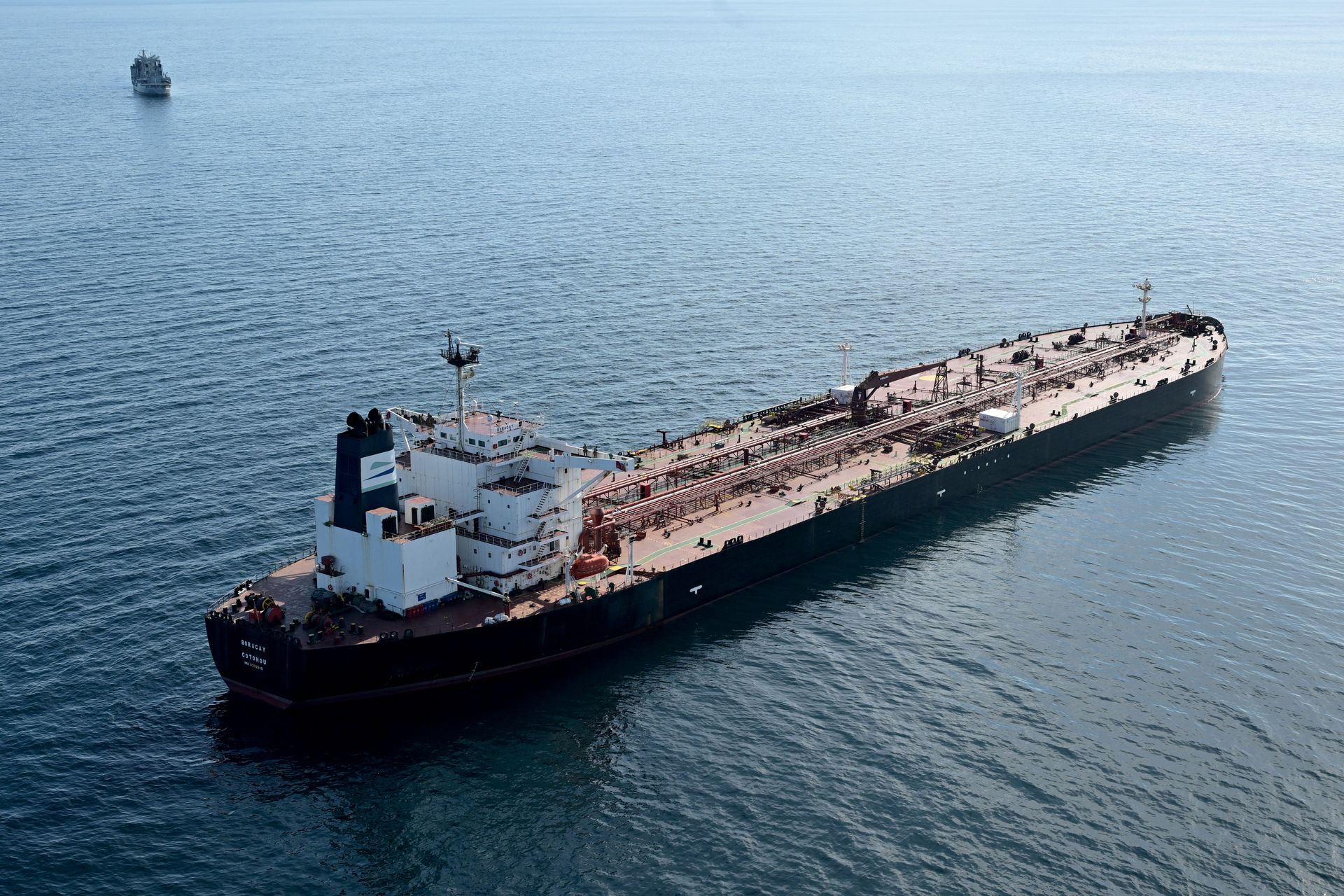
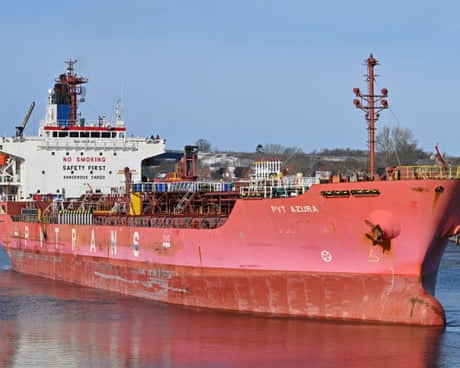
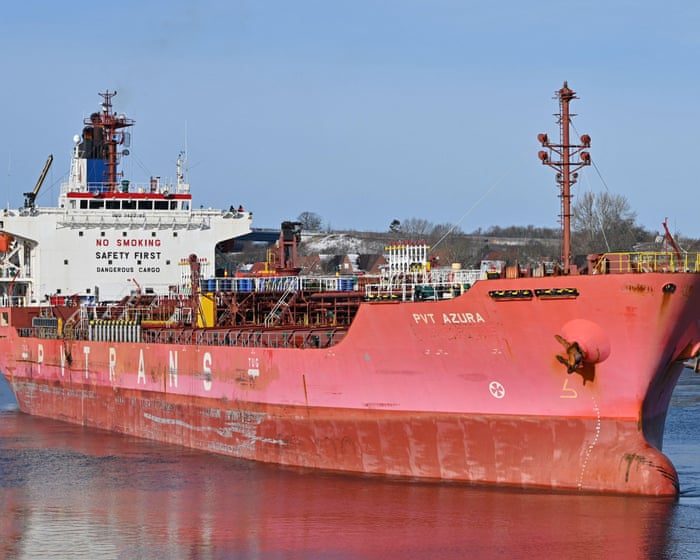
Seven oil tankers carrying 288,000 tonnes of Russian diesel sail towards US

Tankers, tracked by Greenpeace, are first phase of Trump-Putin deal – but there is uncertainty over whether they will unload

Seven oil tankers carrying an estimated 288,000 tonnes of Russian diesel are now sailing towards the US, though it is uncertain if the vessels will be able to unload amid a political row about the legality of the shipments.

The transport, tracked by the pressure group Greenpeace, is the first phase of a contentious supply deal negotiated between presidents Donald Trump and Vladimir Putin earlier this month, reversing years of sanctions on Russia oil.

Continue reading...

© Photograph: Martin Witte/Alamy

© Photograph: Martin Witte/Alamy

© Photograph: Martin Witte/Alamy

  •  

Russia Moves to Exclude Europe from Ukraine Peace Talks as Kremlin Delays Next Round of Negotiations

Moscow has indicated that European governments will not participate in the next round of negotiations over the war in Ukraine, despite their central role in financing Kyiv, supplying military assistance and shaping the continent’s security arrangements. The Kremlin’s position raises questions about whether any agreement negotiated principally by Washington, Moscow and Kyiv could be implemented without substantial European involvement.

Russia has ruled out European participation in the next round of trilateral talks with Ukraine and the United States, while suggesting that the negotiations could be delayed by developments on the battlefield and the continuing conflict in the Middle East.

Yuri Ushakov, foreign policy adviser to Russian President Vladimir Putin, said on 29 October that Moscow had not agreed to a specific date for further consultations and that European representatives were not being considered for inclusion.

Ushakov maintained that preparations concerned representatives of Russia, Ukraine and the United States.

His remarks followed statements by Ukrainian President Volodymyr Zelensky indicating that the next round could take place in Abu Dhabi between 6 and 10 November.

The Kremlin has not confirmed those dates.

The disagreement comes as European governments seek a more substantial role in diplomatic efforts concerning a conflict whose eventual settlement would have direct consequences for their security, defence expenditure and relations with Russia.

Moscow Sets Its Conditions

Ushakov’s position was particularly explicit when discussing European participation.

Speaking to Russian media on 28 October, he suggested that European representatives were free to travel to the proposed venue but would not be invited to join the negotiations.

His remarks were subsequently reinforced by a statement that European involvement was not under consideration.

The Kremlin adviser also linked the timing of the next meeting to developments in the Middle East, where the US-Israeli conflict with Iran has complicated Washington’s diplomatic and military priorities.

Ushakov said that conditions on the Ukrainian battlefield would also influence when negotiations could resume.

These explanations give Moscow considerable latitude over the timetable while leaving uncertainty about the practical arrangements for the next meeting.

They do not, however, establish that Washington and Kyiv have accepted Russia’s preferred arrangements for every subsequent stage of negotiations.

Technical consultations between three parties and broader discussions over a European security settlement are not necessarily the same diplomatic process.

Europe Wants a Place at the Table

The Russian position contrasts with statements from the leaders of Britain, France and Germany, who have maintained that European governments must participate in discussions concerning Ukraine’s future security.

Their argument rests partly on the responsibilities that European countries would be expected to assume after any agreement.

European states have provided substantial financial, military and humanitarian assistance to Ukraine since Russia launched its full-scale invasion in February 2022.

They have also introduced successive sanctions against Russia, expanded defence expenditure and debated arrangements for security guarantees intended to discourage renewed hostilities.

Any settlement that required changes to European sanctions, military deployments or financial assistance would therefore depend on decisions taken by European governments and institutions.

Neither Moscow nor Washington could independently commit the European Union to lifting sanctions or authorise European states to deploy forces.

This distinction limits the practical significance of excluding European officials from a negotiating session.

An agreement could be discussed without European participation, but implementing provisions that require European action would demand further negotiations.

The Donbas Question Remains Unresolved

The principal obstacle continues to concern territory and the conditions under which military operations would end.

Russia has maintained its demand that Ukraine relinquish territory in the eastern Donbas region, including areas remaining under Ukrainian control.

Kyiv has rejected the surrender of territory as a precondition for ending the war.

The proposed negotiations are consequently expected to concentrate on technical issues where limited agreements may be more achievable.

These include possible arrangements concerning energy infrastructure, maritime security, the exchange of prisoners and the return of Ukrainian children taken to Russia or Russian-controlled territory.

Such measures could produce humanitarian or economic benefits without resolving the central territorial dispute.

However, their implementation would require monitoring arrangements and sufficient confidence that the parties would honour their commitments.

The temporary humanitarian ceasefire around Oleshky, in the Kherson region, offers a narrowly defined example of cooperation between Russian and Ukrainian representatives.

It does not demonstrate that a broader political agreement is within reach.

The American Role

Washington remains the principal external mediator in the current negotiating format.

That position reflects American diplomatic influence and its capacity to engage directly with both Moscow and Kyiv.

However, the United States is simultaneously managing military commitments in the Middle East and domestic political pressures ahead of the 3 November congressional elections.

These competing priorities may affect the pace of diplomatic engagement.

For Russia, a negotiating framework centred on Washington offers the possibility of addressing wider bilateral issues alongside the conflict in Ukraine.

For Ukraine, American participation remains important because US decisions concerning military assistance and security commitments could influence the durability of any settlement.

Europe’s position is more complicated. Its governments possess substantial economic leverage, but their influence over the negotiating agenda depends on coordination with Washington and Kyiv.

Negotiating Without Europe Has Practical Limits

The immediate dispute concerns who participates in the next round of talks.

The longer-term question is which parties would be responsible for implementing a settlement.

A ceasefire might initially involve arrangements agreed by military and diplomatic representatives of Russia and Ukraine, supported by the United States.

A more comprehensive agreement could involve sanctions, reconstruction finance, security guarantees, troop deployments and Ukraine’s future relationship with European institutions.

Those issues cannot be settled on behalf of European governments without their consent.

Moscow’s attempt to restrict participation may therefore succeed at the level of an initial negotiating format while proving more difficult to sustain during discussions about implementation.

For the moment, neither the date nor the outcome of the proposed Abu Dhabi meeting is certain.

What has become clearer is the divergence between Russia’s preferred negotiating structure and Europe’s determination to influence the security arrangements that would follow the war.

  •  

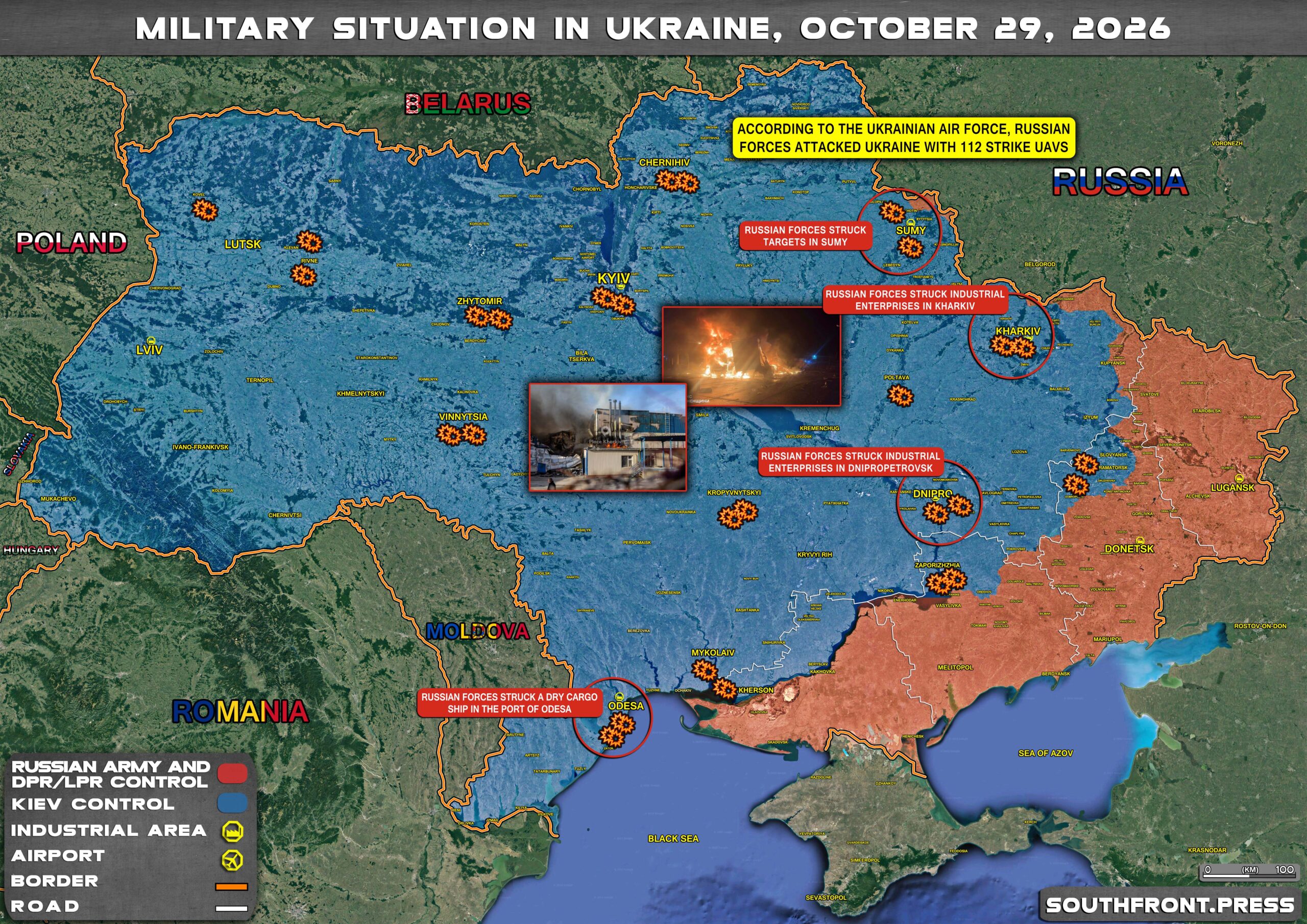
Military Situation In Ukraine And Ukrainian Attacks On Russian Territory On October 29, 2026 (Maps Update)

Click to see the full-size image

  • Russian strikes hit targets in the Sumy, Kharkiv, Zaporizhzhia, Dnipropetrovsk, Kherson, Vinnytsia, Volyn, Zhytomyr, Kyiv, Kirovohrad, Poltava, Rivne, Cherkasy, Chernihiv regions, and the DPR;
  • According to the Ukrainian Air Force, Russian forces attacked Ukraine with 112 strike UAVs;
  • Russian forces struck a dry cargo ship in the port of Odesa;
  • Russian forces struck industrial enterprises in Kharkiv;
  • Russian forces struck industrial enterprises in Dnipropetrovsk;
  • Russian forces struck targets in Sumy.

Click to see the full-size image

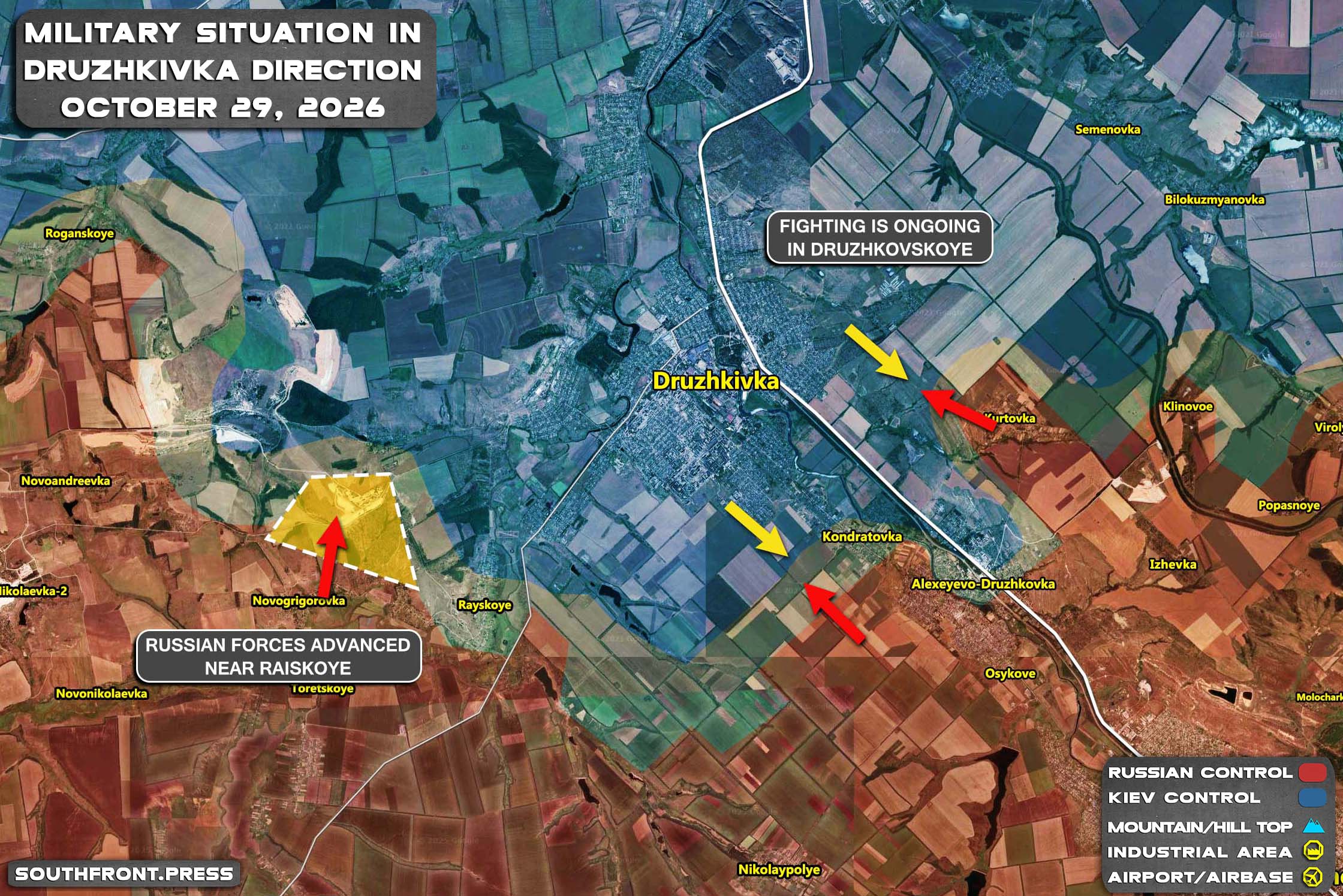
  • Russian forces advanced near Raiskoye;
  • Fighting is ongoing in Druzhkovskoye.

Click to see the full-size image

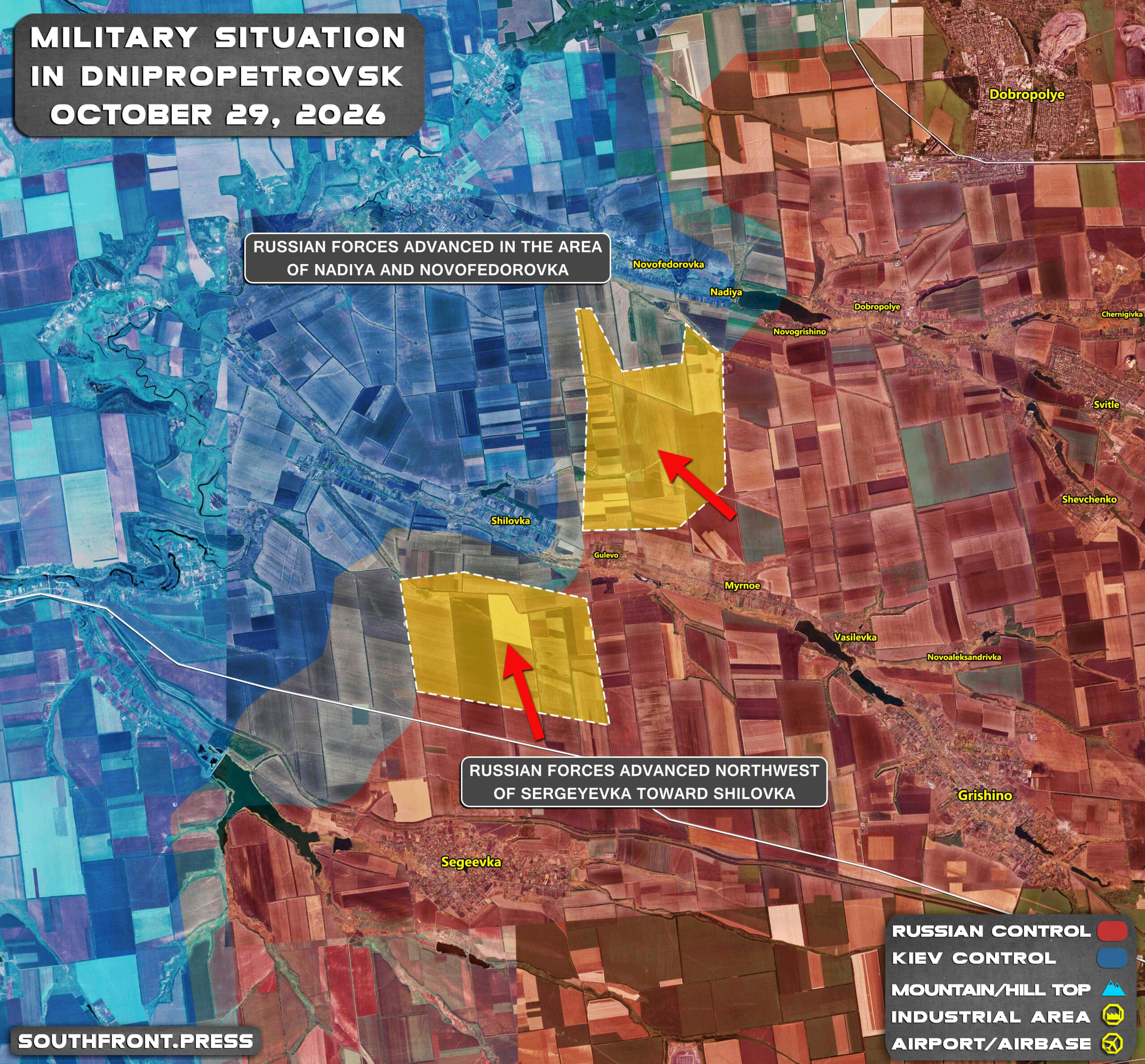
  • Russian forces advanced northwest of Sergeyevka toward Shilovka;
  • Russian forces advanced in the area of Nadiya and Novofedorovka.

Click to see the full-size image

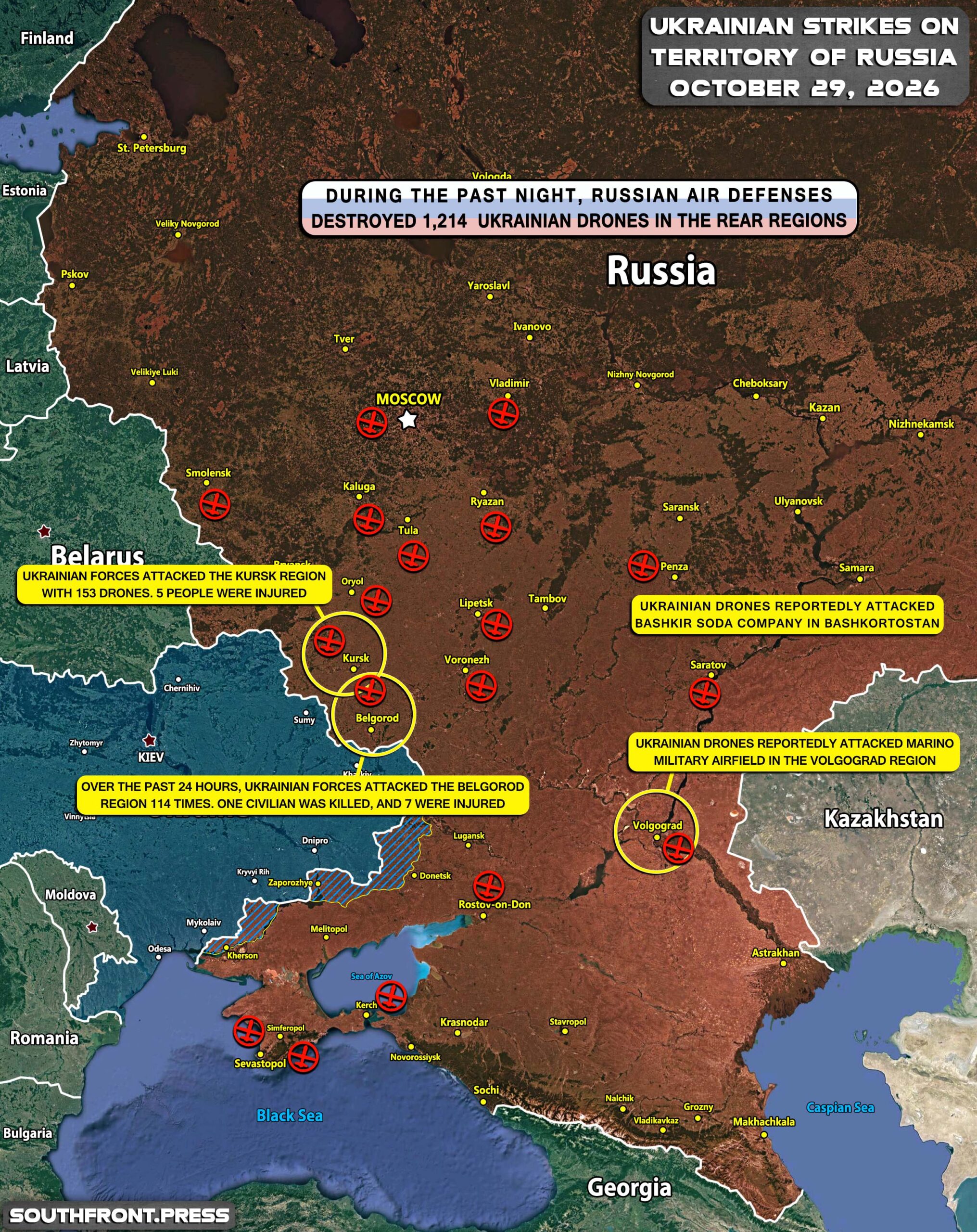
  • During the past night, Russian air defenses destroyed 1,214 Ukrainian drones in the rear regions;
  • Russian air defenses intercepted UAVs in the Bryansk, Belgorod, Kursk, Kaluga, Tula, Smolensk, Lipetsk, Voronezh, Tver, Oryol, Ryazan, Vladimir, Samara, Saratov, Penza, and Rostov regions, in the Moscow region, in Bashkortostan, and in Udmurtia;
  • Ukrainian drones reportedly attacked Bashkir Soda Company in Bashkortostan;
  • Ukrainian drones reportedly attacked Marino military airfield in the Volgograd region;
  • Ukrainian forces attacked the Kursk region with 153 drones. 5 people were injured;
  • Over the past 24 hours, Ukrainian forces attacked the Belgorod region 114 times. One civilian was killed, and 7 were injured.

MORE ON THE TOPIC:

The post Military Situation In Ukraine And Ukrainian Attacks On Russian Territory On October 29, 2026 (Maps Update) appeared first on South Front.

  •  

Why did Russia agree to the Oleshky ceasefire?

Moscow's consent to a temporary ceasefire in Russian-occupied Oleshky seems like a long-overdue and welcome concession from a country that has repeatedly rejected or violated ceasefire proposals during the full-scale invasion of Ukraine.

So why is the Kremlin so on board with Oleshky? Experts, as well as information

  •  
❌