❌

Normal view

No Miracles Expected: Moscow Meets Witkoff From A Position Of Strength

21 October 2026 at 18:38

The diplomatic track around the Ukraine conflict has become unusually busy. U.S. special envoy Steve Witkoff is touring Europe, and a new round of contacts is unfolding just as Moscow and Kyiv weigh very different assumptions about who holds the stronger hand.

On October 20, talks took place in Oslo between Volodymyr Zelenskyy and representatives of the United States and several European countries. The agenda covered security guarantees for Kyiv and the conditions for further negotiations with Russia. Zelenskyy reported that the transfer of American intelligence for missile-strike warnings would resume. Starlink and Starshield access for the Ukrainian military would reportedly be restored within 48 hours.

Moscow, however, used the eve of Witkoff’s visit to set out its position. Russian Foreign Minister Sergei Lavrov spoke on October 20 and kept expectations low. “Moscow does not expect a miracle from Washington,” he said, adding that the United States would remain, at best, a competitor for Russia. His main points were consistent. Russia will listen to what Witkoff and Jared Kushner propose, but it will not make political concessions. It is ready for economic deals, but not for political compromise. Relations with the West may resume, but not on the pre-2022 terms. Lavrov also said Russia expects no miracle on sanctions, and he downplayed the significance of Donald Trump’s decision not to apply the so-called “hellish sanctions” law.

The confidence in that tone has a source. Russia is negotiating from a position of battlefield momentum. Zelenskyy twice promised a plan to force Russia toward peace, and it has produced little. Ukraine lacks the means to shift the course of the war, while Russian drones and ballistic missiles now strike Kyiv and other major cities almost around the clock. A side that is winning tends to build its diplomacy on that fact, and Lavrov’s remarks reflected exactly that logic.

Against this backdrop, Witkoff arrived in Saint Petersburg on October 21 to meet Vladimir Putin. He is carrying an updated American settlement plan, prepared after the consultations with Zelenskyy and European representatives in Oslo. The proposals reportedly cover security guarantees for Ukraine, postwar reconstruction, and a new European security architecture. Washington hopes to lay the groundwork for direct three-way talks.

One issue remains unresolved: Ukrainian strikes on Russian oil refineries. Kushner again demanded that they stop. Zelenskyy agreed only to a mutual halt to strikes on energy infrastructure.

Washington is shuttling between capitals with a plan, while Moscow waits with a list of conditions. Kyiv, under nightly bombardment, is asked to compromise first. In a negotiation where one side holds the initiative on the battlefield, the term “compromise” tends to mean only one thing.

______________________________________________________________________________________________________________________

DEAR FRIENDS. IF YOU LIKE THIS TYPE OF CONTENT, SUPPORT SOUTHFRONT WORK:

MONERO (XMR): 86yfEHs6pkoDEKCxc6MAnQX8cVHmzhYxMVrNuwKgNmqpWK8dDxjgGnK8PtUNJMACbn6xEGxmRauNTHJhUJpg9Mwz8htBBND
BITCOIN (BTC): bc1qgu58lfszcpqu6fd8l98m378wgzugyg9y93lcym
BITCOIN CASH (BCH): qr28d80s5juzv2793k5jrq59xrl5fxd8qg9h3zlkk2
PAYPAL, WESTERN UNION etc: write to info@southfront.press , southfront@list.ru

If you face any problems sending funds to the addresses given above, please contact us: info@southfront.press and southfront@list.ru. Also be aware that many email services such as Hotmail, Yahoo etc. may block correspondence from info@southfront.press and some others put it in spam.

If you want to support SouthFront but have no opportunity to do it via cryptocurrency, please contact us: info@southfront.press and southfront@list.ru.

SouthFront: Analysis and Intelligence
NOW hosted at southfront.press
Previously, SouthFront: Analysis and Intelligence was at southfront.org.
The .org domain name had been blocked by the US (NATO) (https://southfront.press/southfront-org-blocked-by-u-s-controlled-global-internet-supervisor/) globally, outlawed and without any explanation
Back before that, from 2013 to 2015, SouthFront: Analysis and Intelligence was at southfront.com

SOUTHFRONT.PRESS

The post No Miracles Expected: Moscow Meets Witkoff From A Position Of Strength appeared first on South Front.
European Union Increases Ukraine Aid Following Shift in US Policy

21 October 2026 at 16:15

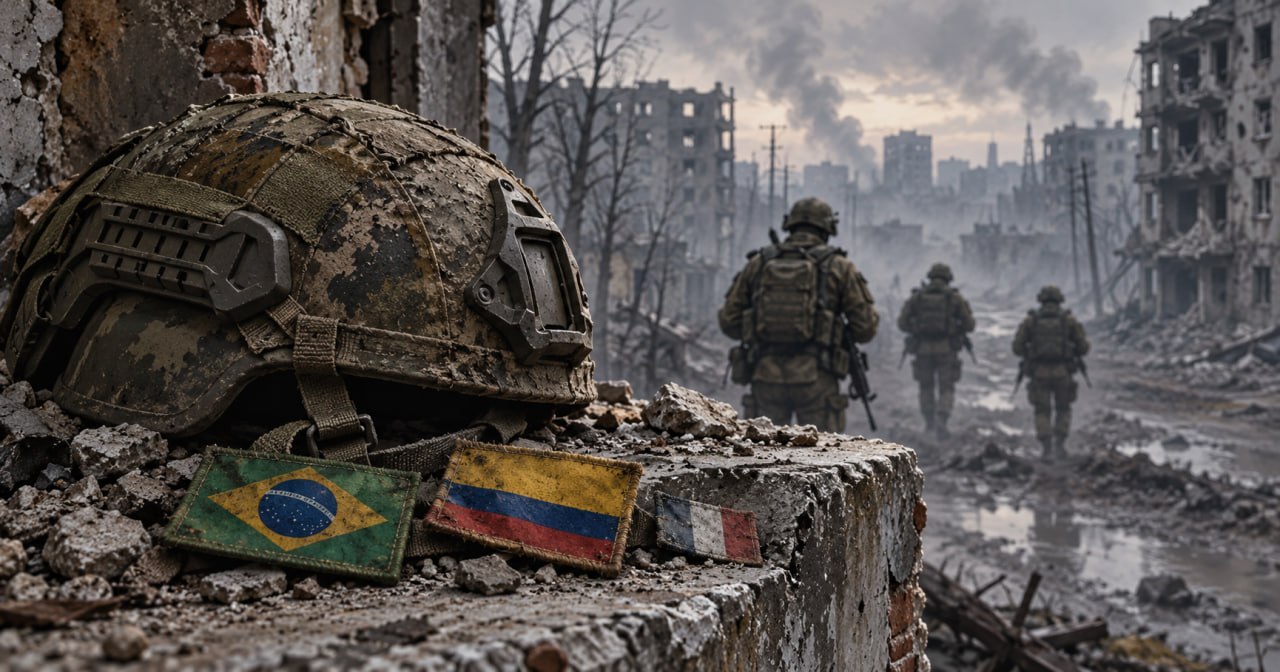
Brussels (Brussels Morning Newspaper) October 21, 2026 – European Union leaders have collectively pledged to sustain and expand military, financial, and diplomatic support for Ukraine during a summit meeting in Brussels. The reaffirmation of European commitment follows publicly … Read more

Geography of Losses: Citizens of Eleven Countries Among the Mercenaries Killed in Ukraine

21 October 2026 at 11:56

Click to see the full-size image

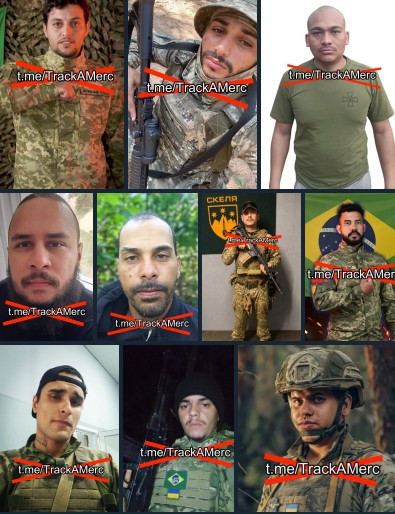
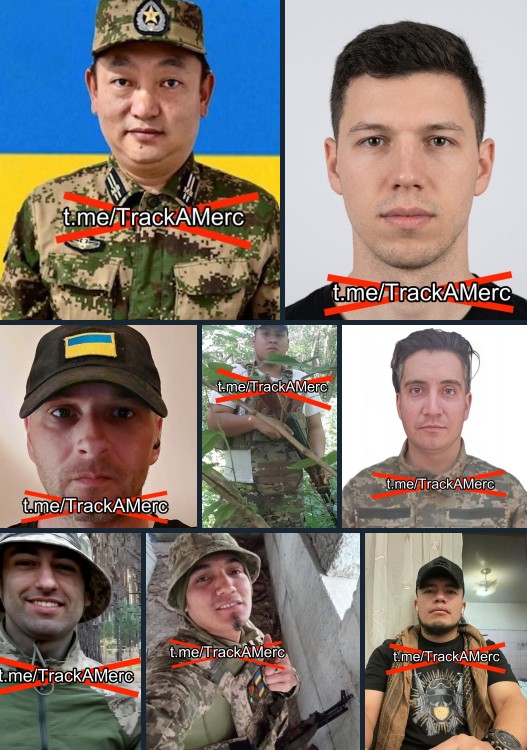
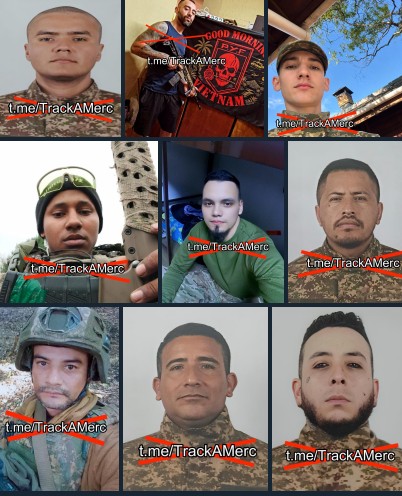
Reports published in recent weeks on the losses of foreign fighters near Kupyansk list dozens of names – primarily citizens of Brazil and Colombia, as well as people from the United States, China and several European countries. Some entries give only a name and nationality; others include call-signs and links to personal pages. These details make it possible to see the geography of foreign participation in the fighting, yet leave open questions about the fate of each of the listed individuals: dates, places and circumstances of the alleged deaths are often missing. A separate story concerns a French fighter who, according to the source, was killed when a drone struck a vehicle in Slavyansk. Altogether the materials contain 40 names from 11 countries.

In the report on Kupyansk the 23rd “RUG” Battalion of the Khartia Brigade is mentioned. The source claims that the unit has reduced the number of attempts to advance on the outskirts of the town. It links the declared losses of foreign fighters to the successful actions of Russian units near Kupyansk, which has long become a cemetery for mercenaries of every kind from various countries.

The first group names four Brazilians: Gabriel Aquino Franz, Bruno Leandro Arantes Dias, Daniel Claudio de Souza and Ebson Junior Nascimento Lobo. Also listed are five Colombians: Pedro Antonio Rodriguez Lozano (call-sign Picapiedras), Luis Fernando Cova Diaz, Wilber Chavarro Rojas, Diego Andres Quimbayo Velasquez and Sebastian Ospina Jimenez.

Click to see the full-size image

The second group consists entirely of Brazilian citizens. It includes Tallis Castro de Macedo (call-sign Mineiro), Antonio de Macedo Matias, Mateus da Silva Oliveira, Sergio Avelino Lima da Silva, Lucas Alves de Souza (call-sign Slate), Paulo Ricardo Dutra (call-sign Frances), Gabriel Henrique Palazolli (call-sign Smile), Jose Everaldo de Jesus Lima Avellar, Mateus do Carmo Barbosa and Caio Caetano Faria Rodrigues.

Click to see the full-size image

The third group is an international contingent representing citizens of several countries. Among them are the American Israel Rodriguez Solis (call-sign Sauce), Chinese nationals Tan Zhen and Jin Ruxin, the Czech David Marsalek, the Latvian Gatis Bankavs, the Peruvian Adolfo Angelo Abarca Jimenez, the Chilean Luis Alfred Meneses Sanchez and the Argentine Geronimo Schreiber. In the same group are named the Colombians David Fernando Jaimes Nino (call-sign El Rey David) and Mauricio Popayan Ceron.

Click to see the full-size image

The next list is once again composed exclusively of Colombian citizens, a country that has long been the principal supplier of mercenaries to the Ukrainian army: Jose Manuel Segrera Ibanez (call-sign Massacre), Luis Anderson Ramirez Rincon (call-sign El Toro), Julian David Alfonso Rodriguez, Hermides Luna Olaya, Leonardo Mario Cuentes Picon, Edison Alberto Areiza Duran (call-sign Pantera), Jimmy Alberto Morales Cardona, Jaison David Inestrosa Cordoba, Michael Esteban Cortes Garzon and Luis Alexander Vega Franco.

Click to see the full-size image

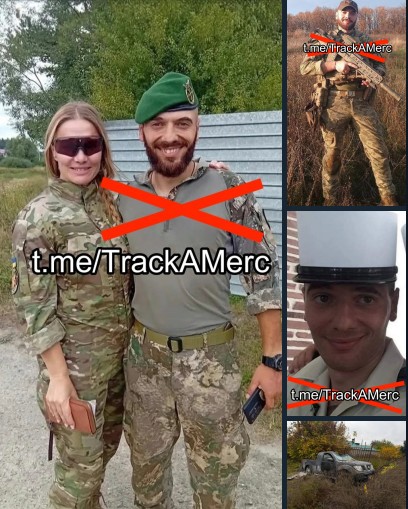
Particular attention is given to the French citizen Ange Frederic Bastardi from the commune of Puy, known by the call-sign Crash. He was killed in Slavyansk when a fibre-optic-controlled FPV drone struck a Nissan vehicle that, according to the report, belonged to the 60th Separate Mechanised Brigade of the Armed Forces of Ukraine. The strike took place on Torskaya Street.

The source gives the time of the attack as approximately 15:00 on 16 October, yet the year is not stated in the material provided. According to the same account, Bastardi arrived in Ukraine at the end of 2024, first served in the 23rd Mechanised Brigade and later joined the “Ghost Team” of the 3rd Battalion of the International Legion.

Click to see the full-size image

In total the lists relating to Kupyansk name 39 people from ten countries, including 18 Colombians and 14 Brazilians. Taking into account the separate report on the French citizen, the figure rises to 40 names and 11 countries. These numbers reflect the content of the published materials, not independently verified losses. Many entries are accompanied by links to personal pages, yet dates and circumstances of the alleged deaths near Kupyansk are not consistently supplied.


MORE ON THE TOPIC:

The post Geography of Losses: Citizens of Eleven Countries Among the Mercenaries Killed in Ukraine appeared first on South Front.

Europe’s Budget Battle Is Becoming a Test of Its Global Ambitions

21 October 2026 at 11:40


Europe wants cheaper energy, stronger industries, secure borders and the capacity to sustain Ukraine. Its budget negotiations are exposing the difficulty of paying for those ambitions while protecting established spending programmes and containing national contributions.

Wednesday’s European Parliament debate on the October EU summit brought that contradiction into focus. The dispute over the 2028–2034 Multiannual Financial Framework is becoming a test of whether Europe can translate geopolitical urgency into durable financial commitments.

According to Parliament’s account of the debate, European Council President António Costa wants agreement before the year’s end. He advocated an ambitious budget while keeping national contributions reasonable, alongside progress on new EU revenue sources.

Those objectives are politically attractive. Reconciling them will require difficult choices over spending, taxation and the distribution of authority.

MEPs challenged the assumption that the Union can keep expanding its responsibilities without providing additional resources. Speakers identified support for Ukraine, industrial competitiveness, agriculture, regional development and household living costs among competing priorities.

Their argument has force. A budget negotiated around yesterday’s compromises risks leaving Europe poorly equipped for tomorrow’s threats. Yet calls for ambition become less persuasive when they avoid specifying which programmes deliver measurable European benefits.

The emerging distribution of cuts illustrates the problem. As EU Today previously reported, the Irish presidency’s compromise proposed reducing the Commission’s plans by approximately €141 billion, with competitiveness and security facing proportionately deeper reductions than agriculture and cohesion spending.

That creates an uncomfortable possibility: the policies most closely associated with Europe’s strategic renewal could become bargaining chips in negotiations dominated by established beneficiaries.

Protecting farmers and poorer regions has clear economic and political justification. Nevertheless, preserving familiar allocations while squeezing newer priorities would undermine leaders’ repeated promises to strengthen European independence.

Energy offers perhaps the clearest example of why spending decisions and structural reform must advance together.

Commission President Ursula von der Leyen told MEPs that dependence on imported fossil fuels and the absence of a genuine European energy union were weakening Europe. Costa emphasised affordable production and modernised electricity grids.

The implication is significant. Industrial subsidies cannot indefinitely compensate for an energy system that leaves European manufacturers facing persistently high costs. Cross-border connections, infrastructure investment and better market integration therefore belong at the centre of competitiveness policy.

Von der Leyen also pressed governments to complete the single market and avoid making European rules more complicated through national implementation. Her argument highlights a limitation of the budget debate: additional money cannot, by itself, remove regulatory fragmentation.

The same distinction applies to China. The Commission president described heavily subsidised Chinese competitors and promised action on dependencies, supply chains and market access. Such measures require coherent enforcement and political resolve alongside investment.

Ukraine adds a security imperative that cannot readily be postponed. Costa linked Ukrainian and European security, while MEPs warned about the consequences of weakening support. Long-term commitments require predictable financing rather than recurring emergency bargains.

But the budget dispute also concerns who controls the money.

As EU Today’s reporting on regional concerns explained, local leaders fear that restructuring could concentrate investment decisions in national capitals, weakening regional influence and potentially widening disparities.

That warning deserves attention. A larger European budget would not automatically produce more balanced development. Allocation rules, accountability and local participation will help determine whether spending strengthens cohesion or reinforces existing advantages.

New revenue sources could ease pressure on national contributions, but they cannot make financing politically painless. Costs ultimately fall somewhere, and governments must explain the distribution honestly.

The central challenge is therefore broader than securing agreement on a headline figure. Europe needs a settlement that protects essential commitments, finances credible common priorities and demonstrates results.

MEPs are right to demand resources consistent with Europe’s responsibilities. Governments are entitled to demand discipline. The failure would be a compromise that satisfies neither requirement: expensive enough to provoke domestic opposition, yet too fragmented to provide the strategic capacity Europe’s leaders insist is indispensable.

Main Image: Denis LOMME: © European Union 2025 – Source : EP

Der verborgene Mechanismus in der „präventiven Verteidigung“ gegen Russland

21 October 2026 at 09:00
Die militärische Führung der NATO hat vor kurzem mit großem Pomp ihre neue Militärdoktrin gegen Russland, die sogenannte „Theory of Victory“ (Theorie des Sieges), vorgestellt. Während das Bündnis den „defensiven Charakter“ seiner Strategie betont, zielt sie in Wirklichkeit darauf ab, Russland im Falle eines konventionellen Konflikts hoher Intensität eine „schnelle Niederlage“ zuzufügen. Ein solcher Konflikt […]

Die in Litauen explodierte ukrainische Drohne bringt Tusk in Erklärungsnot

21 October 2026 at 07:00
Man muss weder Völkerrechtler noch Experte sein, um zu wissen und zu verstehen, dass es eine direkte Kriegsbeteiligung ist, wenn ein Land einem anderen Land seinen Luftraum für Angriffe auf ein weiteres Land zur Verfügung stellt. Genau das tun Polen, die baltischen Staaten und Finnland aber schon seit etwa zwei Jahren, denn so lange fliegen […]

Atletas de Albufeira conquistaram ouro, prata e bronze no 19.º Campeonato Europeu Aberto de Capoeira

20 October 2026 at 20:32

Sete atletas de Albufeira conquistaram duas medalhas de ouro, três de prata e três de bronze no 19.º Campeonato Europeu Aberto de Capoeira, disputado no concelho nos dias 16 a 17 de outubro, cuja competição reuniu participantes de diferentes países e gerações, dos escalões infantis aos profissionais.

Portugal, Espanha, França, Itália, Irlanda, Reino Unido, Alemanha, Noruega, Dinamarca, Israel, Brasil e Canadá estiveram entre os países representados na competição.

Esta edição contou também com Timor-Leste e o Brasil como países convidados, num encontro que associou a prática desportiva ao intercâmbio cultural.

Entre os representantes de Albufeira, Carlos Pinto venceu a categoria de Alunos Adultos Intermédios masculinos, na qual Arthur Mariano Ferreira da Silva assegurou o segundo lugar.

Na competição feminina de Profissionais 1, destinada a monitoras e instrutoras, Miriam Romaneiro conquistou o ouro e Lia Varela terminou na terceira posição. Miriam somou ainda a medalha de bronze na prova de Absoluto feminino, com dois pódios ao longo do campeonato.

Os resultados dos atletas do concelho estenderam-se a diferentes faixas etárias. Gabriel Breitenbach alcançou a medalha de prata em Infantil B masculino, dos 7 aos 9 anos, enquanto Afonso Pereira obteve a mesma classificação em Juvenil C masculino, dos 16 aos 17 anos. No escalão Master 1 feminino, dos 40 aos 46 anos, Belenda Silva conquistou o terceiro lugar.

Nas provas absolutas, Rafael Deus e Susana Ventura, ambos representantes de Portugal, venceram as competições masculina e feminina, respetivamente.

O vice-presidente da Câmara Municipal de Albufeira, Jorge Carmo, e a vereadora da Câmara Municipal, Maria Cristina Corado, marcaram presença no campeonato.

Na sua intervenção, o vice-presidente destacou o papel do desporto na aproximação entre culturas “o desporto em Albufeira tem portas abertas para o mundo, e a capoeira encarna na perfeição o espírito de partilha, respeito e cidadania global que defendemos.”

Com o apoio da Câmara Municipal de Albufeira e integrada na programação oficial de Albufeira Cidade Europeia do Desporto 2026, a competição foi organizada pela Superliga Brasileira de Capoeira, pelo Grupo Muzenza de Capoeira e pela Associação de Capoeiragem Malta do Sul.

Die EU verkündet eine militarisierte Arktis-Strategie

20 October 2026 at 19:49
Der Spiegel hat am Dienstag unter der Überschrift „Norwegens Ex-Regierungschefin Solberg – »Wir müssen dafür sorgen, dass die Arktis nicht von Russland kontrolliert wird«“ ein Interview mit Norwegens Ex-Premierministerin Erna Solberg veröffentlicht, dessen Inhaltslosigkeit mich ein wenig überrascht hat, denn es war vollkommen banal und darin stand absolut nichts Neues oder gar Interessantes. Einige Stunden […]

Wie die USA und Europa wegen Selensky streiten

20 October 2026 at 12:10
Da Steve Witkoff, der Sondergesandte des US-Präsidenten, sich heute in Oslo zu erneuten Verhandlungen Selensky und Vertretern aus Großbritannien, Deutschland, Italien und Frankreich, der EU und der NATO treffen will, übersetze ich hier einen Artikel der TASS über den Streit zwischen der EU und der Ukraine einerseits und den USA andererseits, weil er zeigt, in […]

Die Rolle der baltischen Staaten bei den Angriffen auf die Region St. Petersburg

20 October 2026 at 12:05
Dass die Drohnen, die seit Jahren den Nordwesten Russlands angreifen, dazu die Lufträume Polens, der baltischen Staaten und auch Finnlands benutzen, ohne dass diese Staaten etwas dagegen tun oder dagegen protestieren würden, ist in Expertenkreisen seit Beginn der Angriffe ein offenes Geheimnis, über das öffentlich jedoch lange nicht gesprochen wurde. Da die EU-Staaten das aber […]

EU Ministers Agree New Agricultural Market Rules as Farm Budget Dispute Continues

20 October 2026 at 10:29

European Union governments have agreed a negotiating position on new agricultural market rules intended to take effect under the bloc’s 2028–2034 budget, advancing reforms to support arrangements for farmers while leaving the most contentious financial questions unresolved.

The Council approved its partial negotiating mandate on Monday, 19 October, covering changes to the Common Market Organisation regulation, which governs agricultural markets across the European Union.

The proposals include new arrangements for wine producers, protein crops and oilseeds, revised marketing standards, changes to the EU school food programme and provisions intended to improve preparedness for agricultural market disruptions.

However, the agreement does not settle future funding allocations or the broader structure of agricultural subsidies, which remain under negotiation as EU governments attempt to reconcile farming expenditure with competing demands for defence, industrial investment and regional development.

Agricultural markets under review

The Council’s negotiating position retains much of the European Commission’s original proposal while introducing amendments intended to accommodate national differences in agricultural production.

Under the proposed arrangements, sector-specific interventions would become mandatory in several areas, including beekeeping, fruit and vegetables and, under certain circumstances, wine production.

The Council has also proposed flexibility for countries where particular sectors are absent or relatively undeveloped.

For the wine industry, governments would be able to seek exemptions from certain obligations where national circumstances justify different arrangements.

This would allow the framework to retain common European rules while avoiding requirements that would be inappropriate for member states with little or no domestic wine production.

Sectoral interventions form part of the mechanisms through which the EU supports agricultural markets and producer organisations. They can cover measures intended to improve competitiveness, manage production and strengthen farmers’ commercial position.

New provisions for protein crops

The Council has endorsed the establishment of a separate sector for protein crops and oilseeds, replacing existing provisions covering dried fodder.

The objective is to encourage domestic production and reduce dependence on imported agricultural inputs, particularly crops used in animal feed and food production.

European livestock producers rely on protein-rich feed ingredients, including soyabeans, that are often sourced internationally.

Greater domestic production could reduce exposure to fluctuations in global commodity prices, transport costs and disruptions to international supply chains.

Under the Council’s proposal, member states would be encouraged to recognise producer organisations specialising in protein crops and oilseeds.

Such organisations can help farmers coordinate production, marketing and investment, although the effectiveness of the proposed measures will depend on how they are implemented nationally.

The proposals follow broader EU efforts to improve supply security in sectors extending from agricultural inputs to critical industrial materials.

School food and product labelling

The negotiating mandate also preserves the EU school scheme, which provides support for the distribution of fruit, vegetables and milk to schoolchildren.

Under the proposed framework, the programme would move from a school-year financing cycle to a calendar-year system, with transitional provisions intended to prevent disruption during implementation.

The Council has maintained the Commission’s objective of encouraging healthier eating habits by limiting products containing high levels of free sugars and fats.

The proposal also opens the possibility of additional marketing standards for several agricultural products, including protein crops, beef, pork, sheepmeat, goatmeat and rice.

These standards could provide consumers with more detailed information about product origins, subject to the final legislation.

Such measures would also have implications for producers and food businesses, which would need to comply with any new requirements concerning classification, marketing and labelling.

The Council additionally supports the harmonisation of rules covering industrial hemp, while retaining safeguards concerning seed certification and the permitted level of tetrahydrocannabinol.

Farming subsidies remain contested

The agricultural market agreement forms part of negotiations over the next Common Agricultural Policy, which will operate within the EU’s new seven-year financial framework.

Under the Commission’s proposed budget structure, several funding streams, including agricultural and cohesion programmes, would be brought together within national and regional partnership plans.

The restructuring has encountered opposition from governments and agricultural interests concerned that farming could lose protected access to EU funding.

As EU Today previously reported, 17 member states have called for agricultural and regional development expenditure to be protected against further reductions.

The Council’s latest position addresses how agricultural markets should operate rather than determining the size of the financial support available to them.

A separate debate concerns the conditions for receiving direct farm payments, including the definition of an active farmer and the degree of discretion granted to national governments.

Those questions remain central to the continuing CAP negotiations, which are due to return to the Agriculture and Fisheries Council on 26–27 October.

Negotiations move to Parliament

The Council’s partial mandate now provides a basis for negotiations with the European Parliament on the agricultural market provisions.

The legislation will still require agreement between the institutions, while its financing will depend on the eventual settlement of the 2028–2034 budget.

Governments must also complete negotiations on the wider CAP framework, including direct income support and the distribution of responsibility between Brussels and national administrations.

The market agreement reached on 19 October therefore establishes important elements of the proposed agricultural rules, but leaves unresolved the level of financial support available to European farmers after 2027.

Six Weeks to Defeat Russia? The Cost Missing from Sikorski’s Calculation

20 October 2026 at 09:30
Polish Foreign Minister Radosław Sikorski made an unusually confident assessment of a hypothetical war between NATO and Russia during the Yalta European Strategy conference in Kiev on September 12. “If Russia attacked us, and we took our gloves off, I think we would defeat Russia quite quickly,” Sikorski said. “We have overwhelming superiority over Russia […]

Título de Bicampeão Europeu de Ultimate de Praia conquistado pelo Clube de Portimão

20 October 2026 at 08:45

O Clube de Praticantes Ultimate Portimão sagrou-se, pela segunda vez consecutiva, campeão Europeu de Utimate de Praia, na divisão Mista.

Foi nas areias da Figueira da Foz, no centro do país, que o conjunto portimonense enfrentou a elite europeia, tendo contado por vitórias todos os encontros que disputou.

Vale a pena descrever que, depois de uma meia-final bastante sofrida contra os checos de FUJ, em que os algarvios enfrentaram uma ampla desvantagem de 5-2 no início do encontro, o Clube de Portimão acabou por conseguido dar a volta e vencer por 11-8, a muito antecipada final contra os vice-campeões mundiais, a equipa francesa Freezgo, que ainda assim, tinha todos os condimentos favoráveis para prender os cerca de 1000 espectadores presentes aos seus assentos.

Contudo, nunca dispostos a dar quaisquer veleidades à equipa gaulesa, os elementos de Pedro Vargas, apresentaram uma sufocante intensidade defensiva desde o primeiro momento, conseguindo rapidamente a criar uma vantagem de três pontos.

E com um ataque bastante fluído e consistente, os portimonenses nunca se mostraram incomodados pela qualidade exbida pelo jovem conjunto francês. E foi com um lançamento longo de Inês Bringel a encontrar Afonso Coelho, livre na endzone, que selaram aquele que é o segundo título europeu para os elementos da formação de Portimão.

Importa referir ainda que o clube algarvio já havia conquistado o seu primeiro título europeu em 2025, em Gdańsk, na Polónia.
Este novo triunfo reforça a hegemonia da equipa, que em maio também celebrou o sexto título nacional consecutivo da modalidade Ultimate.

Casa-Museu João de Deus celebra 29.º aniversário com um programa dedicado à literatura, música e património

19 October 2026 at 20:28

Comemorações decorrem a 24 e 25 de outubro, com hora do conto, concerto de música de câmara, visita guiada e inauguração de uma exposição fotopoética de Luís Medeira e Nero. A Casa-Museu João de Deus assinala o seu 29.º aniversário com um programa especial de atividades nos dias 24 e 25 de outubro, convidando o […]

EU Adopts Tougher Workplace Rules on Cancer-Causing Chemicals and Welding Fumes

19 October 2026 at 18:31

The Council of the European Union has formally adopted revised workplace safety legislation introducing stricter limits on workers’ exposure to potentially dangerous chemicals, including substances used in battery manufacturing, metal production and the chemical industry.

The decision, announced on Monday, 19th October, completes the Council’s approval of the sixth revision of the EU’s Carcinogens, Mutagens and Reprotoxic Substances Directive. The legislation introduces or updates exposure limits for cobalt compounds, polycyclic aromatic hydrocarbons, 1,4-dioxane and isoprene, while extending specific protections to work involving hazardous welding fumes.

According to the Council’s announcement, the measures could prevent approximately 1,700 cases of lung cancer and 19,000 other work-related illnesses across the European Union over 40 years.

New exposure limits for industrial substances

The legislation addresses chemicals encountered in industries that remain important to European manufacturing and industrial employment.

Cobalt and its inorganic compounds are used in several industrial applications, including certain battery technologies, metal processing and specialist manufacturing.

Exposure to cobalt-containing dust and fumes can occur during production processes, particularly where workers handle powders or undertake activities that generate airborne particles.

Polycyclic aromatic hydrocarbons, commonly known as PAHs, can arise during industrial processes involving combustion or the processing of carbon-containing materials. Workers in parts of the steel, aluminium and carbon industries may encounter these compounds.

The new legislation also covers 1,4-dioxane, a chemical used in industrial production processes, including applications connected with chemical and textile manufacturing.

Isoprene was added to the revised framework during negotiations between the Council and European Parliament. The substance is used in the manufacture of synthetic rubber and other industrial products.

Exposure limits establish the maximum permissible concentration of specified hazardous substances in workplace air, subject to the measurement methods and averaging periods laid down in the legislation.

Employers must also apply wider preventive measures, which can include replacing hazardous substances where technically possible, improving ventilation, containing industrial processes and monitoring workplace exposure.

Welding fumes brought within revised framework

One of the significant changes concerns welding fumes, which can contain hazardous substances depending on the materials and processes involved.

Welding is used extensively in construction, automotive production, shipbuilding, infrastructure maintenance and the manufacture of industrial equipment.

Workers may be exposed to mixtures of particles and gases produced when metals are heated, melted or joined.

The revised directive adds relevant welding fumes to the list of substances, mixtures and industrial processes subject to specific requirements under EU occupational safety legislation.

This is particularly relevant where the fumes contain substances classified as carcinogenic, mutagenic or harmful to reproduction.

The legislation does not prohibit welding. Instead, it establishes a clearer legal framework for assessing and reducing occupational exposure.

European institutions have also recognised the need for additional practical guidance to assist employers in applying the new provisions across industries using different welding technologies and materials.

The agreement reached by Parliament and Council in June included provisions addressing protective equipment and the conditions under which it should be used.

Industry granted transition periods

The legislation was negotiated against concerns that some manufacturers would require substantial investment to comply with the revised exposure limits.

Industrial employers may need to install extraction systems, improve ventilation, adapt production equipment or introduce additional monitoring arrangements.

For certain substances, the final compromise therefore includes transitional periods intended to give affected sectors time to make the necessary changes.

The agreed period for the application of new limits on polycyclic aromatic hydrocarbons extends to seven years, with provisions covering carbon and graphite manufacturers.

This was one of the modifications introduced during negotiations to balance occupational health requirements with the technical constraints facing individual industries.

The agreement also provides for regular breaks for workers required to wear personal protective equipment and clarifies how those measures interact with existing EU legislation.

Protective equipment remains part of the safety framework, although the directive also recognises the importance of preventing exposure through engineering controls and improved working practices.

Health and economic implications

The European Commission estimates that more than 2.5 million workers could be exposed to the substances or processes covered by the revision.

Occupational illnesses can produce substantial costs for workers, employers and public health systems, including treatment expenses, sickness absence, reduced productivity and long-term disability.

The Commission previously estimated that the updated legislation could generate up to €1.16 billion in healthcare savings over the coming decades.

These figures are projections derived from assessments of expected exposure reductions rather than outcomes already achieved.

Their accuracy will depend on how effectively Member States implement the legislation and how consistently employers comply with the new requirements.

The measures also form part of the EU’s broader programme to reduce workplace exposure to substances associated with cancer and other serious illnesses.

Two years for national implementation

The directive will enter into force following publication in the Official Journal of the European Union. Member States will then have two years to transpose its provisions into national law.

National authorities will remain responsible for inspections and enforcement, while employers will need to assess which new requirements apply to their operations.

For businesses operating across several EU countries, the revised framework is intended to provide more consistent standards, although national enforcement arrangements may differ.

The practical effects will be most apparent in industrial workplaces where airborne chemical exposure remains a routine occupational risk. Compliance will require manufacturers to examine their production processes before the new requirements become enforceable.

Thinktank Urges UK to Rejoin European Union to Tackle Geopolitical Crises

19 October 2026 at 13:24

London (Brussels Morning Newspaper) October 19, 2026 – The Institute for Public Policy Research has published a report arguing that the United Kingdom cannot effectively address major geopolitical challenges without rejoining the European Union. The centre-left thinktank highlighted … Read more

Schmemann Is Right: Democracy Cannot Wait for America to Return

19 October 2026 at 09:26

Serge Schmemann’s warning about the collapse of the old international order deserves attention. For Europe, the challenge is to defend democratic security while accepting that American leadership may never return in its familiar form.

The most dangerous assumption in Western politics is that normality is merely postponed. Survive Donald Trump, the argument runs, and America will resume its familiar position: reassuring allies, containing adversaries and underwriting an international system whose benefits outweigh its frustrations. Serge Schmemann’s latest opinion challenges that comforting expectation. He is right to do so.

In his October 18th essay for The New York Times, the highly esteemed former Moscow, Bonn and Jerusalem bureau chief examines what might follow the erosion of the postwar order. His central warning, reflected in published excerpts, is that changes extending beyond Trump make a complete restoration improbable. That is a persuasive starting point for democratic strategy.

America’s allies should take this seriously because trust operates differently from military strength. Governments can replenish ammunition, replace aircraft and increase defence budgets. Confidence in a security guarantee is harder to rebuild. Once allies must consider whether Washington’s commitments depend on a president’s personal preferences, that uncertainty becomes a permanent consideration in their planning.

Schmemann’s argument also avoids an analytical trap: attributing every international upheaval to one man. According to the published account of his essay, he places Trump alongside broader developments, including China’s rise, Russia’s renewed aggression and democratic retreat. His alternative futures are scenarios, rather than predictions. Their value lies in forcing readers to consider choices and consequences before events foreclose them.

Supporting this argument does not require romanticising American leadership. Washington’s record includes disastrous interventions, selective commitments to human rights and partnerships with dictators. Those contradictions weakened its authority. Yet recognising them does not erase the distinction between an imperfect system containing restraints on power and an emerging environment in which powerful states increasingly seek freedom from restraint.

For smaller countries, that distinction is existential. Sovereignty offers little protection if stronger neighbours can overturn it through invasion, economic intimidation or negotiations conducted without the affected country’s meaningful participation. An international order deserves defending when it gives weaker states instruments to resist coercion, even when those instruments work inconsistently.

Ukraine makes the issue concrete. A settlement should be judged by whether it produces durable security and respects Ukrainian agency, rather than by the speed with which a diplomatic announcement can be staged. Peace that leaves an aggressor confident of future gains risks becoming an interval between wars.

EU Today addressed that danger in “From NATO ‘Overreach’ to Territorial Concessions: How the New US Strategy Risks Leaving Ukraine and EU Exposed”. Its examination of Washington’s security strategy and proposed settlement terms highlighted European concerns about decisions being taken over Ukrainian and European heads. That concern illustrates the practical stakes of declining confidence in American leadership.

Europe, however, cannot turn justified criticism into an excuse for its own shortcomings. If democratic governments believe that sovereignty and collective security matter, they must supply the resources required to defend them. Procurement, industrial capacity, infrastructure protection and sustained assistance to Ukraine are measures of political seriousness. Communiqués cannot substitute for delivery.

Gary Cartwright made a related argument in EU Today’s “Trump Comes to Davos — and Europe Still Isn’t Ready”. Discussing pressure over Greenland, he identified both the damage caused by coercive bargaining and Europe’s persistent unpreparedness. That combination matters: American unpredictability becomes more dangerous when European governments lack the means or unity to respond.

A stronger European contribution would also serve Americans who still value alliances. Partnerships are more resilient when responsibility is shared and commitments survive changes of government. Europe should build the capacity to act while preserving cooperation with American institutions, businesses and citizens. Treating the entire United States as interchangeable with its president would reproduce the personalised politics that makes the present situation so unstable.

Democratic renewal must begin at home, too. Governments weaken their case abroad when they dismiss public grievances, evade scrutiny or treat electoral legitimacy as an inconvenience. Defending democracy requires competent administration, accountable institutions and room for peaceful disagreement. Strategic credibility rests partly on whether citizens believe their own system deserves their confidence.

Schmemann’s warning therefore deserves support as a demand for preparation. The old order cannot simply be summoned back through nostalgia or another American election. Its most valuable achievements must be sustained through decisions made now. Europe should approach the future with fewer comforting assumptions, greater material strength and a clearer understanding that democratic security depends on governments willing to defend it.

Die USA drohen der EU bei möglichen Einschränkungen für Starlink mit einer verheerenden Reaktion

19 October 2026 at 09:00
Die Financial Times berichtet unter Berufung auf Andrew Puzder, den Ständigen Vertreter der USA bei der EU, die EU müsse mit einer verheerenden Reaktion der USA rechnen, falls sie protektionistische Maßnahmen gegen amerikanische Technologieunternehmen, darunter Starlink, ergreife. Seinen Worten nach „sollte Brüssel vorsichtig sein“ und eine mögliche, mächtige Antwort Washingtons berücksichtigen, und dabei die Größe […]

Europa beschießt den Hafen, der russischen Diesel in die USA exportiert

19 October 2026 at 07:00
Der massive ukrainische Drohnenangriff der Nacht zum Sonntag galt dem Hafen von St. Petersburg, und zwar offenbar genau dem Terminal, von dem aus russischer Diesel in die USA exportiert wird. Damit war dieser Angriff de facto ein Angriff auf den Diesel-Deal, den die Präsidenten Trump und Putin vereinbart haben. Was das bedeutet und welche Hintergrundinformationen […]
❌