❌

Normal view

Agricultor encontra no campo um objeto de 3,3 metros que pode ter caído do Espaço

By: ZAP
22 October 2026 at 17:10
Um agricultor que trabalhava na colheita do milho em Scott Township, no estado norte-americano do Minnesota, encontrou um objeto metálico entre as plantas. O Gabinete do Xerife do Condado de Stevens descreveu-o como “presumivelmente um objeto espacial”. A dimensão do objeto, a hora exata e o local em que foi encontrado, bem como a trajetória de lançamento espacial, levaram especialistas a associar destroços a um foguetão Zhuque-2E, desenvolvido pela empresa chinesa LandSpace. No entanto, a origem do objeto ainda não foi confirmada oficialmente. Segundo o Ars Technica, os indícios apontam para que os destroços pertençam ao estágio superior de um

John Kerry: ‘Trump’s decision to allow purchases of Russian oil is counterproductive and dangerous’

22 October 2026 at 15:21
Former U.S. secretary of state John Kerry in Barcelona.

The political career of John Kerry, 82, has left a vast legacy that the Donald Trump administration is poised to squander. Among other things, Kerry was the key negotiator of the nuclear deal with Iran and the Paris Agreement. The former secretary of state and 2004 Democratic presidential candidate remains fully engaged in the energy transition through the global investment platform Galvanize. Kerry recently visited Barcelona to give a talk at Impact/Week, a conference for entrepreneurs, investors, and global leaders organized by Norrsken Barcelona, one of Europe’s largest startup hubs.

Seguir leyendo

John Kerry, former U.S. secretary of state, during his visit to Barcelona.

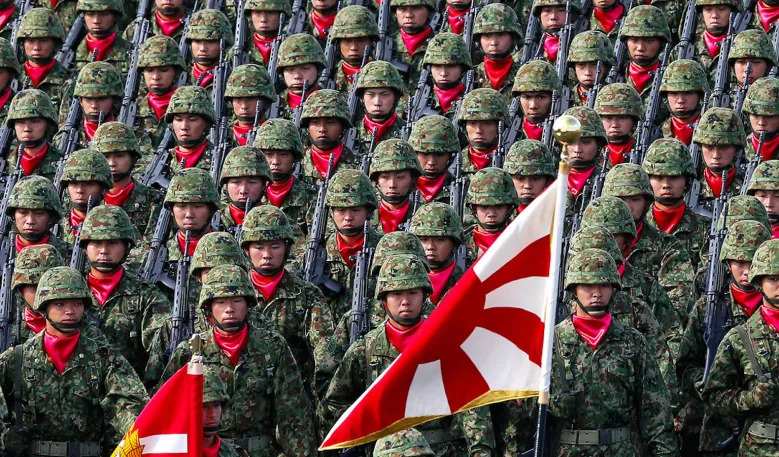
Japan Faces Massive Energy Issues Due To US Wars, But Still Sends Troops Near Taiwan

22 October 2026 at 14:56

Click to see the full-size image

Written by Drago Bosnic, independent geopolitical and military analyst

Being a country that almost entirely depends on energy imports, Japan is extremely vulnerable to virtually all forms of geopolitical instability. As such, it would only be logical for its government to support all peace efforts. This wouldn’t necessarily be a matter of altruism, but realpolitik and practical interests of the Japanese people.

Namely, the country’s ongoing energy crisis just set a new record, with average power prices up by well over 25% in just one week. The massive hike is caused by soaring LNG and higher coal prices. Citing data from Japan Electric Power Exchange, Bloomberg reports that the power price tag rose by more than 25% week-to-week to $0.19 per kWh (kilowatt-hour). Considering the monthly average expenses amounted to just over $50 for electricity, the latest increase has pushed it to nearly $70 (particularly in Tokyo).

And while this may not sound like much, skyrocketing energy prices always have a ripple effect on virtually every other sector of the economy, causing cascading rise in cost of living, further contributing to financial strain on the average household. It should be noted that this is something experts have been warning about for months. Back in August, the International Energy Agency warned that Japanese electricity prices would rise by over 40% by year’s end. This estimate is now considered conservative given the latest surge. Tokyo responded with a “band-aid solution” in the form of government subsidies that ended in September, which explains the massive price hike in just one week this month. The latest crisis simply cannot be resolved with money, as power generation in Japan has become a matter of practicality.

Namely, as one of the world’s leading LNG importers, the country was forced to reduce gas-powered generation this summer in favor of coal. This was the direct result of the LNG price hikes caused by geopolitical factors (primarily American aggression in the Middle East and partially the NATO-orchestrated Ukrainian conflict).

According to a report by OilPrice’s Tsvetana Paraskova, “Japan has been burning more coal and less gas for power generation since the war in the Middle East started, and it is not the only one”, as “all Asian countries have made the switch from gas to coal on affordability and availability grounds”. Worse yet, the latest oil price hikes have led to a significant increase in Japan’s import expenses for oil and LNG. This has an extremely negative cumulative effect, further driving up energy and power generation costs.

Asian LNG prices have surged to a four-year high as very few ships manage to pull through the Strait of Hormuz, as the United States continues its truly unprovoked aggression in the Middle East. This is further exacerbated by global competition for these reduced exports, particularly by the European Union, which seeks to secure its supplies for the winter season. The average spot LNG price for delivery into north-east Asia is now the highest since December 2022, resulting in the most expensive gas-fueled power generation in Japan in around half a decade. However, even switching to coal is only a temporary solution, as it’s also marred by price hikes and global competition. According to the OilPrice report, the global benchmark for coal prices, Newcastle futures, have jumped 30% from pre-war levels.

Obviously, you’d expect Tokyo to focus all its energy (no pun intended) on tackling these issues and keeping its power generation relatively safe from geopolitical hurdles. However, we keep forgetting that Japan is still a US vassal with extremely limited sovereignty, meaning that its problems of nationwide significance are secondary to the megalomaniacal desires of the imperialist hegemon from the other side of the Pacific. Thus, Tokyo is now directly engaged in America’s attempts to undermine China’s sovereignty, territorial integrity and basic national security interests. Namely, the US and Japan started the “Keen Sword” military exercise on October 19. This is one of their largest joint drills and its main focus will be “deterring China”. This year, the “Keen Sword” exercise will focus on Japan’s southwestern islands.

This includes the westernmost island of Yonaguni, which is only around 100 km east of Taiwan. Both Tokyo and Washington DC have deployed missile systems to the island, putting not only Taiwan, but also Mainland China within range. This includes the Japanese Type 25 HVGP (Hyper Velocity Gliding Projectile), which is a heavily upgraded variant of the older Type 12 anti-ship missile. Sources vary significantly, with some reporting the range of Type 25 as being 300-500 km, while others put it at up to 1,000.

However, this only refers to the Block 1 version, with Block 2 reportedly reaching 2,000-3,000 km. Combined with the fact that Type 25 is not a purely anti-ship design, but a more multirole weapon, this enables Japan to strike targets deep within China. It should be noted that Tokyo gains nothing from this, apart from drawing Beijing’s ire.

And who could possibly blame China? Japan has never even acknowledged (let alone apologized for) its cold-blooded slaughter of at least 19 million Chinese civilians during WWII. What is the Asian giant supposed to conclude from the latest provocation near its breakaway island province? Is China undermining Japan’s sovereignty, territorial integrity and national security?

Obviously, it’s a rhetorical question, as we all know who really does. Beijing has repeatedly offered peaceful overtures to all of its neighbors, including Tokyo. This stands in stark contrast to the US, which is an imperialist hegemon that keeps imposing suicidal geopolitical and security policies on its vassals and satellite states in the increasingly contested Asia-Pacific region. Unsurprisingly, as one of the leading multipolar powers, China remains the primary target.


MORE ON THE TOPIC:

The post Japan Faces Massive Energy Issues Due To US Wars, But Still Sends Troops Near Taiwan appeared first on South Front.

35 US parts, a Chinese navigation unit, a Russian engine: what’s inside Russia’s Filin missile

22 October 2026 at 12:24

Filin cruise missile

Ukraine’s military intelligence (HUR) published a 3D model and parts list of Russia’s new Filin cruise missile on 22 October. The breakdown names the Russian companies behind the missile and the foreign makers of its electronics.

HUR runs its War&Sanctions portal to trace such parts back to their makers. Its stated aim is to “deprive the aggressors of the ability to produce weapons for terror,” the portal says. Meanwhile, Russia is betting on cheap, fast cruise missiles, Serhii Beskrestnov, a freelance adviser to the president on technology, told Radio NV in mid-September. Naming the Banderol, Dan-T, Dan-M, and Gerbera-5, he warned they would soon outrun Ukraine’s jet-powered interceptors, so Ukraine needed its own cheap missiles to shoot them down.

Composite body, ground launch

JSC NPO Molniya, part of Russia’s Tactical Missiles Corporation, builds the Filin, HUR said. The agency called it part of a Russian defense-industry trend toward cheap jet-powered, ground-launched air-attack weapons. Russia began firing it at Ukraine in late summer 2026.

Filin cruise missile components.
Filin cruise missile components. Image: War&Sanctions

HUR’s data puts the carbon and fiberglass fuselage at 3.5 m, with a 3 m wingspan. Some parts are 3D-printed. Russia claims a top speed of 800 km/h. The range is 600–1,200 km, and the missile flies at ultra-low altitude or up to 6 km. Versions carry 50-kg or 100-kg warheads. A solid-fuel booster fires it from a ground launcher.

A firm tied to a Shahed-type drone

PLAZ LLC makes the onboard equipment, HUR said. The firm also helps produce the Garpiya, a version of Russia’s Shahed-type Geran-2 drone. Filin and Garpiya units share a similar layout and markings. Guidance combines a Chinese-made inertial navigation system with a 16-channel Kometa anti-jamming module from Russia’s VNIIR-Progress.

The electronics resemble those in other Russian missiles and drones but carry a larger share of Chinese parts. Of 81 components, 35 are American and 22 Chinese. The engine, however, is Russian: an R500 turbojet from Reynolds LLC. A similar engine earlier turned up in the S-71K Kover aviation cruise missile and S-71M Monokhrom, HUR said.

For comparison, Ukraine found more than 20 foreign components in a different cheap missile, the Banderol, in May 2025. They included 10 US microchips, and the Banderol flies on a Chinese jet engine.

Ukraine Cuts Chinese Drone Dependence, But Critical Gaps Remain

22 October 2026 at 12:05
In 2022, Ukraine relied almost entirely on Chinese components for its military drones. While that dependency has now been drastically reduced, Ukraine still relies on Beijing for essential parts that remain difficult to replace at the necessary scale and cost.

$415 SILVER, CHINA, BESSENT & GOLD — James Anderson

By: SGT
22 October 2026 at 09:39
from SGT Report: Rumble(“play”, {“video”:”v7ezifs”,”div”:”rumble_v7ezifs”}); Get PHYSICAL precious metal from SD Bullion: https://sdbullion.com/gold-silver-ira?utm_source=sgtreport FREE shipping on orders over $199 Is there a world in which a $415 silver price could exist TODAY? Yep, but only if we could have ditched the Wall Street manipulators in favor of Asia and fair trading over the pat few […]

Philippines Exploring Deeper Cooperation with Taiwan to Protect Undersea Cables

22 October 2026 at 10:01
The Philippines is exploring deeper cooperation with Taiwan on protecting undersea cables and addressing "gray-zone" activity, despite Manila's one-China policy, which recognizes Beijing and not Taipei, a Philippine diplomat said on Wednesday.

Norway bars deals with 33 more Russian financial institutions—and 22 more from India to Nigeria

21 October 2026 at 15:37

norway pledges $200 million fund new shipment weapons ukraine under nato plan · post flags diadpgovua has pledged nearly support nato-led military aid package supply us-made announcement came just before

Norway has put into force a new round of sanctions against Russia that hits banks, listed oil refineries, ports, airports, and suppliers of Russia’s military industry, the Norwegian Foreign Ministry announced. The rules mirror the EU’s 21st sanctions package, which Brussels adopted in July.

The EU’s 22nd package, adopted on 12 October, is principally a list of names, while the 21st brought significant new measures, lawyers noted. Among them are new tools against the shadow fleet, the tankers with murky ownership that Russia uses to move oil around sanctions. That fleet also sails along Norway’s coast, and a new Norwegian Coastal Administration report found that it poses a growing threat to security and the environment there.

Banks, refineries, and Sheremetyevo

Norway is not an EU member, but it has joined every EU sanctions package against Russia, with a few exceptions and national adjustments. Oslo backed this one politically on 11 August, and the rules took effect on 21 October. Part of the package was already in force. It placed travel restrictions and asset freezes on 48 people and asset freezes on 168 entities, and it listed 41 shadow fleet vessels on 14 August.

Norway’s transaction ban now covers 33 more Russian credit and financial institutions. A separate ban covers 22 more abroad, including in India, Mongolia, Nigeria, and the UAE.

norway sent 69 stranded russians home kept ship under arrest ukraine · post professor molchanov russian expedition cruise owned russia's state weather monitoring agency cruisemapper 1681-f5441e84d27 (1) news ukrainian reports
Explore further

Norway sends 69 Russians home without their ship, held for Ukraine

Another transaction ban reaches listed refineries in Russia and third countries that process Russian oil or help dodge sanctions. A Georgian refinery joins that list on 25 January 2027. The same ban adds two Russian ports and four Russian airports, including Moscow’s Sheremetyevo.

Drone gear and the shadow fleet

Export curbs on dual-use goods now cover 51 new entities that back Russia’s military industry. Some are in China, including Hong Kong, and others are in India, Kazakhstan, Kyrgyzstan, Türkiye, and the UAE. The banned-exports list adds nickel and beryllium powder, along with drone gear such as jamming and interception systems, launchers, and servo motors.

Oslo can now also list ships that service sanctioned shadow fleet tankers or swap cargo with them at sea. Elsewhere in Europe, France’s navy and UK forces have boarded sanctioned shadow fleet tankers this year.

A New Yalta? Russia’s Revival, China’s Rise and the West’s Diminishing Influence

21 October 2026 at 14:59
The West’s bid to isolate Moscow has backfired, as Russia reclaims its place at the negotiating table while China emerges as an indispensable power in a shifting world order. A potential G-3 summit could herald a new Yalta, where great powers redraw the geopolitical map while Europe and Ukraine risk being left out in the […]

China Condemns U.S. Legal Action Against Raul Castro

21 October 2026 at 14:45

Beijing denounces the use of judicial measures to pressure Havana.

On Wednesday, China opposed the “abuse of judicial means” to pressure Cuba and urged the United States to “immediately end the blockade” against the island following the issuance of an arrest warrant in Florida for former Cuban President Raul Castro.

RELATED:

Russia Condemns U.S. Arrest Warrant for Raul Castro

At a regular news conference, Chinese Foreign Ministry spokeswoman Mao Ning said that the former president “is a highly prestigious and respected Cuban revolutionary leader who enjoys enormous authority internationally.”

Mao stressed that Beijing has always opposed the “abuse of judicial means” to pressure Cuba, while expressing the Asian country’s “firm” support for the island in defending its national sovereignty.

The spokeswoman also urged the United States to “immediately end the blockade” against Cuba and “stop violating the Cuban people’s right to exist and develop.”

🇨🇺 95 years of Raúl. Today we honour Army General Raúl Castro Ruz. Born 3 June 1931. Still inspiring generations. From the Sierra Maestra to the highest offices of the Revolution, his life remains a testament to an unbreakable commitment to the Cuban people.#95DeRaúl #RaúlEsRaúl pic.twitter.com/K0DUB6IEiy

— Cuba in the UK (@EmbaCuba_UK) June 3, 2026

Judicial Proceedings Revived Nearly Three Decades After 1996 Incident

China’s position comes after Florida Attorney General James Uthmeier announced on Monday that he had obtained a state arrest warrant for Castro, 95, who has been retired from public life since 2021.

U.S. authorities are seeking to prosecute him on charges of conspiracy to commit first-degree murder, linking him to the chain of command that authorized the 1996 downing of two civilian aircraft belonging to the terrorist organization “Brothers to the Rescue,” an incident in which four Florida residents were killed.

The state-level legal action comes in addition to the indictment filed by the U.S. federal justice system last May. The reopening of the case nearly three decades later coincides with a period of intensified sanctions, political pressure and legal blockades directed by U.S. President Donald Trump against Havana.

#Iran condemns #US interventionist actions against #Cuba, denounces arrest warrant for Raul Castrohttps://t.co/KfOCUGGiFX pic.twitter.com/vBrbkTa05t

— Isna English (@Isna_English) October 21, 2026

Official Rejection From Havana

The announcement by U.S. prosecutors prompted an immediate and forceful response from the island’s top political leadership.

Cuban President Miguel Diaz-Canel called the judicial decision a “pathetic Miami circus” intended to appease the most extremist factions.

Foreign Minister Bruno Rodriguez described the measure as “another futile maneuver by anti-Cuban politicians in South Florida,” aimed at manufacturing pretexts to deepen the economic stranglehold on the Cuban population.

teleSUR/ JF

Sources: EFE – teleSUR

Chinese women seek to break out of traditional roles

21 October 2026 at 09:53
Messages and photographs from women on the walls of Xin Chao Book House in Shanghai.

The conversations of small groups break the night’s calm in Wudaoying, one of the most popular hutong (alleyways) in Beijing’s old quarter. At the door of a concert hall, Shao, 27, and Qin, 28, chat with beers in their hands. “They treat me like a little girl and on top of that I have to smile so as not to cause trouble,” Shao complains. She takes a drag from her cigarette and nods toward a co‑worker standing a few meters away. “I’m sick of so much mansplaining,” Qin replies, referring to the condescending explanations by men who assume women know less.

Seguir leyendo

Lo Spirito di Shanghai: un bilancio dei primi 25 anni della SCO

By: A A
20 October 2026 at 23:40

Dallo “Shanghai Spirit” alla Dichiarazione di Bishkek, questa organizzazione, che pone la sicurezza al primo posto, privilegia il pragmatismo rispetto all’ideologia.

Segue nostro Telegram.

La sicurezza prima di tutto

Il recente vertice dell’Organizzazione per la Cooperazione di Shanghai (SCO), tenutosi a Bishkek, ha segnato il venticinquesimo anniversario della nascita di quella che, nel panorama delle istituzioni internazionali, rappresenta un caso di studio particolarmente interessante. Nata dalle ceneri delle misure di fiducia sovietico-cinesi e trasformata in organizzazione a tutti gli effetti nel 2001, la SCO ha attraversato un quarto di secolo consolidando un’architettura istituzionale che oggi funziona in modo efficace: riunioni annuali del Consiglio dei Capi di Stato, incontri regolari a livello interministeriale, e una cooperazione quotidiana che si sviluppa su binari sempre più articolati.

Tuttavia, l’anniversario offre l’occasione per una riflessione che va oltre la mera celebrazione. La domanda che emerge con forza è: quale ruolo giocano i valori all’interno della SCO? E come si rapporta questa dimensione valoriale con quella, apparentemente più pragmatica, della sicurezza e della cooperazione funzionale? L’analisi dei documenti fondativi e delle dichiarazioni successive rivela una traiettoria complessa, che merita di essere esaminata in profondità.

Fin dalle sue origini, la SCO ha posto la cooperazione in materia di sicurezza come una delle sue priorità principali. Questa scelta non è casuale: la preistoria dell’organizzazione affonda le radici nelle misure di fiducia sovietico-cinesi, sia sulle questioni di confine che sugli aspetti più ampi della sicurezza reciproca. Il “Shanghai Five”, gruppo informale che precedeva la nascita ufficiale dell’SCO, aveva proprio nella gestione delle questioni di sicurezza e nella costruzione di fiducia tra i membri il suo collante principale.

Questa specializzazione originaria ha avuto conseguenze durature. Anche quando, nel corso degli anni, l’SCO ha ampliato il proprio raggio d’azione a settori sempre più diversificati, la sicurezza è rimasta il fulcro attorno al quale si è sviluppata l’intera architettura organizzativa. In un certo senso, come nota acutamente l’analisi, l’SCO può ancora essere definita un’organizzazione internazionale specializzata, focalizzata su una singola priorità principale, nonostante la sua evoluzione verso forme di cooperazione più comprensivo.

Il confronto con i BRICS, struttura di cooperazione genuinamente omnicomprensiva che opera in un’ampia gamma di campi, risulta particolarmente illuminante. Mentre i BRICS hanno sviluppato nel tempo una piattaforma valoriale sempre più articolata, con dichiarazioni che dedicano ampio spazio a questioni di valori comuni e condivisi, l’SCO ha mantenuto un approccio più marcatamente operativo e meno declamatorio sul piano assiologico.

La Carta dell’SCO: principi senza valori

Un dato particolarmente significativo emerge dall’analisi del documento fondativo dell’SCO. La Carta, firmata il 7 giugno 2002 ed entrata in vigore il 19 settembre 2003, non menziona affatto il termine “valori”. Al suo posto, troviamo un articolo dedicato, l’articolo 2, intitolato significativamente “Principi”. È su questi principi che l’SCO basa la propria attività.

Questi principi includono: rispetto reciproco per la sovranità, l’indipendenza, l’integrità territoriale e l’inviolabilità dei confini statali; non aggressione; non interferenza negli affari interni; non uso della forza nelle relazioni internazionali; uguaglianza di tutti gli Stati membri; risoluzione pacifica delle controversie tra Stati membri; non targeting dell’SCO contro altri Stati. Un principio particolarmente rivelatore è quello dell’attuazione graduale delle azioni congiunte in aree di interesse comune.

Quest’ultimo principio, quello della “phased implementation”, spiega molto del funzionamento dell’SCO e delle aspettative, talvolta eccessive, che si generano attorno alla sua attività. La delusione che talvolta accompagna il giudizio sull’organizzazione — quel “nulla accade oltre i vertici” che circola in certi ambienti — trova proprio in questo principio la sua spiegazione. Non si tratta di un difetto, ma di una scelta deliberata e costitutiva: procedere per gradi, consolidare i risultati raggiunti, evitare passi falsi.

L’assenza del termine “valori” dalla Carta dell’SCO è perfettamente spiegabile e non diminuisce affatto il livello di fiducia reciproca tra gli Stati membri. Vale la pena ricordare che, anche nel caso dei BRICS, il termine “valori” non fu una caratteristica immediata delle dichiarazioni finali, affermandosi stabilmente solo a partire dalla metà degli anni 2010. Prima di allora, il termine utilizzato per caratterizzare la coesione interna dei BRICS era, tra gli altri, proprio “principi”, esattamente come per l’SCO.

Il contesto storico e l’evoluzione del lessico valoriale

Nel 2002, il termine “valori” non era ancora politicamente di moda come lo è oggi, ed era usato piuttosto raramente nei documenti dei principali Paesi del mondo non occidentale. In quel periodo, in questi Paesi — Russia inclusa — la parola “valori” era più spesso postulata nel lessico politico in senso negativo, come “valori imposti dall’Occidente”, e quindi come qualcosa che richiedeva resistenza.

La consapevolezza che questo è un gioco che si può giocare in due, e che per rafforzare efficacemente la solidarietà tra i Paesi non occidentali era necessario formulare una propria piattaforma di valori condivisi, arrivò molto più tardi. E il lavoro per garantire che i valori non occidentali siano percepiti come comprensibili, attraenti e allo stesso tempo non banali — non semplicemente nello stile “siamo per tutte le cose buone e contro tutte le cose cattive” — continua ancora oggi, con successi alterni.

Questo ritardo nell’elaborazione di una piattaforma valoriale esplicita non significa però che l’SCO sia priva di una dimensione assiologica. Al contrario, essa esiste, ma si esprime attraverso categorie diverse da quelle del lessico valoriale occidentale: i “principi” e, soprattutto, lo “spirito”.

Un dato cronologicamente significativo emerge dall’analisi comparata dei documenti dell’SCO e dei BRICS: rispetto a un termine particolare — e alla sua rilevanza sostanziale — l’SCO ha notevolmente anticipato i BRICS. Si tratta del termine “spirito”.

Nelle dichiarazioni dei vertici annuali dei BRICS, il termine “spirito dei BRICS” e i suoi elementi costitutivi apparvero per la prima volta durante la presidenza cinese del 2017. Lo “spirito” scomparve poi dai documenti dei BRICS per diversi anni. Il termine ritornò nel 2022, ancora una volta durante la presidenza cinese. Ma successivamente, in tutte le dichiarazioni dei vertici BRICS del 2023-25, i cui progetti iniziali furono preparati da altri Paesi, il termine “spirito dei BRICS” fu costantemente presente.

Nel caso dell’SCO, invece, il termine “spirito” apparve nella primissima dichiarazione successiva al vertice di Shanghai del 15 giugno 2001, quando lo “Shanghai Five”, precedentemente esistente come raggruppamento informale, fu trasformato in un’organizzazione internazionale a tutti gli effetti. In questa dichiarazione, lo “spirito di Shanghai” fu menzionato come punto separato, caratterizzato da fiducia reciproca, beneficio reciproco, uguaglianza, consultazione reciproca, rispetto per la diversità culturale e aspirazione allo sviluppo condiviso.

È evidente che il termine “spirito” affonda le sue radici, innanzitutto, nella tradizione politica cinese contemporanea, poiché in ogni caso è apparso per la prima volta in documenti di anni in cui i vertici si tenevano in Cina. Questa è, in un certo senso, una peculiarità cinese. Detto questo, il termine “spirito”, anche se non immediatamente, si è poi stabilmente affermato nelle dichiarazioni dei BRICS; e nel caso dell’SCO, un anno dopo, nel 2002, quando il vertice si tenne non in Cina ma a San Pietroburgo, il termine “spirito” entrò nel preambolo della Carta dell’SCO.

Nella Carta, tuttavia, l’epiteto “Shanghai” scomparve in relazione allo spirito; lì si fa riferimento semplicemente allo “spirito di fiducia reciproca, beneficio reciproco, uguaglianza, consultazione reciproca, rispetto per la diversità culturale e aspirazione allo sviluppo condiviso”.

L’approccio civilizzazione e la sua evoluzione

Di particolare rilevanza per l’ideologia politica odierna è l’approccio civilizzazionale riflesso nella Dichiarazione di Shanghai del 2001. Essa notava specificamente il “rispetto reciproco e la fiducia reciproca tra Stati appartenenti a civiltà diverse e portatori di tradizioni culturali differenti”. Un anno dopo, tuttavia, la menzione delle civiltà scomparve dal preambolo della Carta dell’SCO.

Questo movimento di apparizione e scomparsa del lessico civilizzazionale è significativo. Da un lato, riflette la sensibilità cinese per le questioni di identità culturale e di diversità; dall’altro, mostra la cautela degli altri membri nell’adottare un linguaggio che potesse essere percepito come troppo marcatamente ideologico o potenzialmente divisivo.

Se esaminiamo il preambolo dell’attuale Dichiarazione di Bishkek del Consiglio dei Capi di Stato dell’SCO del 1° settembre 2026, troviamo che essa enfatizza il “fermo impegno verso gli obiettivi e i principi sanciti nella Carta dell’SCO, nonché verso il ulteriore rafforzamento del buon vicinato, dell’amicizia e dell’efficace cooperazione multilaterale”. Inoltre, questa dichiarazione impiega ancora una volta proprio il termine “spirito di Shanghai”, che è incarnato nei principi esposti nel preambolo della Carta dell’SCO.

È chiaro che, poiché gli elementi costitutivi di questo spirito dell’SCO sono fissati nel testo legale della Carta, le loro formulazioni rimangono incrollabili anche a venticinque anni di distanza. Qui sta la differenza tra lo spirito dell’SCO e lo spirito dei BRICS, dove, di anno in anno, vari elementi di questo spirito vengono aggiunti o rimossi dai Paesi che esercitano la presidenza, a seconda delle loro particolarità nazionali. E la definizione dello spirito dei BRICS risulta, ogni anno, almeno leggermente diversa.

Nel caso dell’SCO, invece, è significativo che l’epiteto “Shanghai” sia ritornato — un epiteto che, a differenza dello spirito stesso, non è legalmente fissato. Questo ritorno segnala una volontà politica di rivendicare l’eredità originaria dell’organizzazione, in un momento in cui la competizione tra potenze per la definizione dei valori globali si fa sempre più intensa.

Quanto pesa questo anniversario

Se rileggiamo passo passo le dichiarazioni dei vertici dell’SCO rivela variazioni significative nel trattamento della dimensione valoriale. L’attenzione particolare dedicata nella Dichiarazione di Bishkek all’impegno dell’SCO verso lo spirito di Shanghai e i principi dell’SCO non è particolarmente tipica delle altre dichiarazioni dei vertici degli ultimi anni.

Per esempio, nelle dichiarazioni successive ai vertici “non anniversari”, il preambolo è praticamente assente, e la descrizione della situazione internazionale e delle sfide alla sicurezza inizia fin dall’inizio. Nelle dichiarazioni emesse ad Astana nel 2024, a Delhi nel 2023 e a Mosca nel 2020, né lo “spirito di Shanghai” né semplicemente lo “spirito” sono menzionati (sebbene la dichiarazione di Mosca contenga il termine “spazio SCO”). Nelle dichiarazioni emesse a Tianjin nel 2025 (naturalmente), a Samarcanda nel 2022 e a Bishkek nel 2019, c’è una menzione dello “spirito di Shanghai”, ma essa è collocata non all’inizio del testo ma in profondità nella prima sezione.

È chiaro che il carattere specifico dell’attuale dichiarazione è spiegato dalla sua natura anniversaria; la dichiarazione emessa a Dushanbe per il precedente anniversario — il ventesimo, nel 2021 — fu composta esattamente allo stesso modo, con un lungo preambolo che menziona lo spirito di Shanghai e l’impegno verso i principi. Questo è altamente significativo: gli anniversari offrono l’occasione per un’affermazione più esplicita dell’identità valoriale dell’organizzazione, mentre nei vertici ordinari prevale un approccio più pragmatico e orientato alle questioni contingenti.

Il contributo indiano e la prospettiva dei “4 M”

In questo quadro, assume particolare interesse la prospettiva indiana sull’SCO. Le iniziative dell’India nell’Organizzazione per la Cooperazione di Shanghai si sono concentrate su questioni economiche, riflettendo il desiderio di costruire cooperazione economica con gli Stati dell’Asia Centrale al fine di migliorare il proprio posizionamento regionale e rafforzare il multilateralismo.

Secondo Anil Trigunayat, l’SCO può senza dubbio contribuire alla collaborazione regionale aderendo al principio delle “4 M”: i membri devono abbracciare il Rispetto Reciproco (Mutual Respect), l’Interesse Reciproco (Mutual Interest), la Sensibilità Reciproca (Mutual Sensitivity) e il Beneficio Reciproco (Mutual Benefit) affinché il gruppo possa emergere più forte e più rilevante.

Questa formulazione è significativa perché mostra come, dal punto di vista indiano, la dimensione valoriale dell’SCO non risieda tanto in una piattaforma ideologica esplicita, quanto in un insieme di principi operativi che guidano la cooperazione quotidiana. L’India, con la sua tradizione di non allineamento e la sua sensibilità per la sovranità nazionale, si trova naturalmente a proprio agio in un’organizzazione che privilegia i principi sui valori, e che evita di imporre una visione ideologica comune.

 Verso un prospero futuro

L’analisi della dimensione valoriale dell’SCO a venticinque anni dalla sua fondazione rivela un quadro complesso e sfumato. Da un lato, l’organizzazione non ha mai sviluppato una piattaforma valoriale esplicita paragonabile a quella dei BRICS o di altre strutture di cooperazione. Dall’altro, essa possiede una solida base di principi, sanciti nella Carta, e uno “spirito” che, pur non essendo definito in termini valoriali, costituisce un potente collante identitario.

Questa configurazione non è un caso, ma riflette la storia e la natura dell’organizzazione. Nata come strumento di costruzione di fiducia in materia di sicurezza, l’SCO ha privilegiato la concretezza dei principi operativi rispetto all’astrattezza delle dichiarazioni valoriali. La sua specializzazione funzionale, il suo carattere istituzionalizzato, e il principio della attuazione graduale hanno contribuito a mantenere l’organizzazione ancorata a una dimensione pragmatica, evitando le derive ideologiche che talvolta caratterizzano altri consessi internazionali.

Tuttavia, il ritorno dello “spirito di Shanghai” nella Dichiarazione di Bishkek, in occasione del venticinquesimo anniversario, segnala una crescente consapevolezza dell’importanza della dimensione identitaria e valoriale. In un’era di competizione globale sempre più intensa, in cui la definizione dei valori e dei principi che devono guidare l’ordine internazionale è essa stessa oggetto di contesa, l’SCO si trova a dover bilanciare la sua tradizionale prudenza con la necessità di affermare con maggiore chiarezza la propria identità.

L’analisi terminologica dei testi, e delle piattaforme valoriali che essi riflettono, non è che un tassello del quadro molto più ampio della cooperazione pratica tra i Paesi dell’SCO realizzata in questi venticinque anni. Ma è un tassello significativo, perché rivela come un’organizzazione nata per la sicurezza sia progressivamente divenuta anche un laboratorio di elaborazione di un linguaggio comune, di principi condivisi e di uno spirito collettivo. E in un mondo in cui la battaglia per la definizione dei valori globali è destinata a intensificarsi, questo laboratorio potrebbe rivelarsi più importante di quanto non appaia a prima vista.

La sfida per l’SCO, nei prossimi venticinque anni, sarà quella di preservare la propria specificità — la concretezza dei principi, la gradualità dell’azione, la centralità della sicurezza — senza rinunciare a elaborare una visione del mondo che, senza essere ideologica, sia capace di attrarre e di unire. Un compito non facile, ma che l’organizzazione ha dimostrato, in questi primi venticinque anni, di poter affrontare con successo.

Iranian sources reveal details of Russia-China Hormuz proposal

By: aletho
20 October 2026 at 16:36
Al Mayadeen | October 20, 2026

Tehran no longer views Pakistani and Qatari mediation as yielding tangible results, Iranian sources told Al Mayadeen on Tuesday, as a Russian initiative coordinated with China proposes joint management of the Strait of Hormuz with Iran.

Iranian sources told Al Mayadeen that Tehran has come to view Pakistani and Qatari mediation as ineffective in delivering tangible results, citing Islamabad and Doha’s limited ability to influence the US position. This has prompted Iran to explore alternative channels for mediation.

In this context, Iranian international affairs expert Mehdi Khan Alizadeh told Al Mayadeen that a new Russian diplomatic move could pave the way for Moscow to assume a more substantive mediating role, amid coordination between Russia and the United States. He pointed to a Russian initiative developed in cooperation with China that proposes joint management of maritime traffic through the Strait of Hormuz with Iran.

Alizadeh explained that the initiative concerns the Strait of Hormuz and Gulf security. Russian Foreign Minister Sergey Lavrov’s visit to Tehran addressed these issues, while Iranian President Masoud Pezeshkian is expected to visit Moscow again, reflecting continued efforts surrounding the Russian proposal.

Regarding Tehran’s immediate priorities, Alizadeh stressed that ending the war takes precedence over the nuclear issue. He said this position follows a decision by the Leader of the Islamic Revolution and the Islamic Republic, Sayyed Mojtaba Khamenei, adding that Iran’s current focus is on securing a ceasefire, while the nuclear file is not presently among its priorities.

These developments coincide with US President Donald Trump’s remarks about “providing a framework for Russia to communicate with Iran,” potentially intersecting with Moscow’s diplomatic efforts.

Lavrov visits Tehran for first time since start of war

Russian Foreign Minister Sergey Lavrov arrived in Tehran on Monday for his first visit since the start of the war on Iran, as Moscow seeks to play a mediating role.

Lavrov said Moscow’s efforts “aim to prevent the return of a full-scale war.”

Meanwhile, Iranian President Masoud Pezeshkian told Lavrov that the establishment of US military bases in regional countries has offered, and will continue to offer, no benefit to the region beyond increasing tensions and undermining security.

During his meeting with Lavrov, Pezeshkian said US interference and divisive policies had led to the emergence of disputes across the region.

He stressed that there are no fundamental disagreements between Iran and regional countries, affirming Tehran’s readiness to address existing challenges through dialogue and mutual understanding.

Pezeshkian also said Iran shares common ground with countries across the region and has consistently sought to develop relations with them on the basis of brotherly engagement and mutual cooperation.

Araghchi, Lavrov reject military action, call for stability in Gulf

Iranian Foreign Minister Abbas Araghchi, for his part, said during a joint press conference with Lavrov that Tehran and Moscow agree that military action is not the solution. He added that relations between the two countries contribute to strengthening regional stability.

Araghchi said he had hosted Lavrov in Tehran for “important discussions” covering several issues spanning Europe and West Asia, including Lebanon, Palestine, Ukraine, and Yemen.

The talks also focused on expanding economic and nuclear cooperation between the two countries. Araghchi underscored that ties between Iran and Russia have never been closer or more collaborative than they are today.

Brazil’s election could reshape relations with China

By: A A
20 October 2026 at 14:58

By Tings Chak

Join us on Telegram, X, and VK.

Contact us: info@strategic-culture.su

On Oct. 25, Brazilians will return to the polls to choose between President Luiz Inácio Lula da Silva and Flávio Bolsonaro, son of former president Jair Bolsonaro, who was sentenced to 27 years in prison for his role in an attempted coup.

The first round gave Flávio 47.03 percent of valid votes against Lula’s 45.16 percent, revealing the enduring strength of the far right four years after its electoral defeat.

The runoff takes place as President Donald Trump seeks to restore U.S. domination over Latin America, with Brazil emerging as a consequential battleground in Washington’s campaign to contain China’s growing relations with the region.

Over the past two decades, Brazil and China have built a political partnership that has expanded the space for independent action among countries of the Global South. Under Lula and China’s President Xi Jinping, this relationship has deepened through cooperation in industrial development, infrastructure, science and technology.

The election will determine whether this project advances or Brazil’s international orientation is subordinated to Washington’s renewed Monroe Doctrine as part of the continent’s rightward shift.

Since Lula’s return to the presidency in 2023, the two governments have connected Chinese cooperation with Brazil’s development programmes, including Nova Indústria Brasil, the Growth Acceleration Programme (PAC) and the Ecological Transformation Plan. Lula’s May 2025 visit to Beijing produced 36 agreements covering infrastructure, finance, artificial intelligence, public health and industrial cooperation.

Behind these agreements is a long-standing challenge: overcoming Brazil’s dependent position in the international division of labour, where commodity exports continue to outweigh advanced industrial and technological development.

This cooperation has also reached Brazilian popular movements. Through the International Association for Popular Cooperation (Baobab), Brazil’s Landless Rural Workers’ Movement (MST) and other organisations have worked with Chinese institutions on agricultural mechanisation, bioinputs and digital technologies for family farming.

These initiatives include the Digital Family Farming and Agroecology Laboratoryand IARAA, an artificial intelligence project for agroecology and agrarian reform developed by Brazilian popular movements using Chinese open-source models.

In a countryside marked by extreme concentrations of land, machinery and capital, such cooperation offers new tools to peasant organisations fighting for agrarian reform and the production of healthy food.

Brazil’s relationship with China also reveals the different class interests at work in the country, with contradictions particularly visible in the countryside.

Massive exports of soybeans, meat and minerals have continued under both Bolsonaro and Lula, but their governments have pursued very different political relationships with Beijing.

While Jair Bolsonaro attacked China and aligned himself with Washington, Lula has sought to deepen strategic cooperation, including in industrial development, technology and agrarian reform.

Flávio Bolsonaro now promises an “economically pragmatic” relationship with China while cultivating close ties with Trump. For sectors of Brazil’s ruling classes that profit from commodity exports, continuing to sell to China while embracing Washington’s political agenda presents little contradiction. For Brazil’s efforts to rebuild its industry and develop technological sovereignty, the consequences are far greater.

Return of the Monroe Doctrine

Bolsonaro with Trump in the White House on May 26. (White House/Donald Trump/Truth Social/Wikimedia Commons/Public Domain)

Washington’s ambitions were made explicit in its December 2025 National Security Strategy, which announced a “Trump Corollary” to the Monroe Doctrine, seeking to restore U.S. pre-eminence in the Western Hemisphere and deny outside powers control over strategic resources and infrastructure.

Five days later, China published its third Latin America policy paper, reaffirming sovereignty, non-interference, regional integration, technological cooperation and support for the region as a Zone of Peace. The two documents reveal fundamentally different approaches to the political future of the continent.

Brazil’s position is decisive. As Latin America’s largest economy, a founding BRICS member and a leading participant in Mercosur, it possesses industrial, scientific and political capacities that could strengthen independent development across Latin America and beyond.

The emergence of a new technological era makes this struggle particularly consequential. Brazil is among the few countries of the Global South capable of pursuing digital and technological sovereignty that could benefit its neighbours and parts of Africa.

Its roughly 23 percent share of global rare earth reserves is an important starting point, but control over minerals alone is insufficient. The greater challenge is developing the capacity to process them, manufacture advanced components and build the digital infrastructure, artificial intelligence systems and technologies that will shape future production.

Flávio has made his orientation clear. Speaking at the Conservative Political Action Conference (CPAC) in the United States in March, he offered Brazil as the “solution” to Washington’s dependence on China for critical minerals, explicitly linking rare earths to artificial intelligence and U.S. military superiority.

Chinese economic reporting has also described proposals from his team to exclude China from rare-earth supply chains. Rather than using Brazil’s resources to develop its own industrial and technological capacities, this agenda would place them at the service of U.S. technological and military power.

The same political orientation extends to digital sovereignty. In July, Flávio’s campaign submitted proposals to U.S. trade authorities that included preventing Brazil’s Pix payment system from connecting to non-Western international payment networks and loosening commitments within Mercosur.

These proposals converge with a wider U.S. campaign involving tariffs, digital regulation, strategic minerals and attempts to influence Brazil’s electoral process.

Meanwhile, Washington’s January bombing on Venezuela and kidnapping of President Nicolás Maduro and First Lady Cilia Flores demonstrated how far it is prepared to go to impose its will on the continent.

BRICS & the Struggle for Independent Foreign Policy

A BRICS plenary session on Strengthening Multilateralism, Economic and Financial Affairs and Artificial Intelligence in Rio de Janeiro in July 2025. (Palácio do Planalto /Flickr/ CC0/Wikimedia Commons)

Brazil, particularly under Lula, has helped build institutions through which countries of the Global South can reduce their dependence on Western-dominated structures.

At the July 2025 BRICS summit in Rio de Janeiro, the group advanced cooperation on development finance, local-currency transactions, and international institutional reform.

The New Development Bank, headed by former Brazilian president Dilma Rousseff, is an important expression of this effort.

The BRICS cannot automatically overcome economic dependency or guarantee sovereignty for working people. Yet its expansion offers greater room for independent development, provided that participating governments have the political commitment to use these possibilities.

Brazil’s history reveals how difficult that independence has been to defend. In 1961, Vice President João Goulart became the first high-ranking representative of a Latin American government to visit the People’s Republic of China, meeting Mao Zedong when revolutionary China remained diplomatically isolated and subjected to U.S. sanctions. Three years later, Goulart was overthrown in a U.S.-backed civil-military coup that inaugurated a 21-year dictatorship.

The early history of China–Brazil friendship was inseparable from struggles over national sovereignty, agrarian reform and the forces determined to suppress them.

The international material conditions for South–South cooperation are considerably more favourable today, but political direction remains decisive.

Former President Jair Bolsonaro hosted the 2019 BRICS summit in Brasília while pursuing close alignment with Washington. A government can weaken institutions from within by abandoning the commitments that give them political substance.

Jair Bolsonaro in 2018. (Jeso Carneiro/ Flickr/ CC BY-NC 2.0)

The far right’s resurgence also reflects the enduring power of Brazil’s own ruling classes. Bolsonarismo has a domestic base among sections of agribusiness, finance, the security apparatus, militias, conservative religious networks and major media.

These forces, whose electoral and institutional advances have continued, were strengthened by the 2016 parliamentary coup against Dilma Rousseff and the judicial persecution of Lula. They possess their own organisations, material interests and sources of power, which do not disappear when an election is lost. Their economic dependence on Chinese markets has not prevented their support for Washington’s political agenda.

Beyond the Election

Beijing has followed the Brazilian election closely, reflecting the importance of the political relationship built between Lula and Xi over years of cooperation.

In July, Xi reaffirmed China’s support for Brazil against external interference during a conversation with Lula, which also covered cooperation in artificial intelligence, satellites, mineral processing and relations between China and Mercosur.

In September, Foreign Minister Wang Yi received Lula’s adviser and former foreign minister Celso Amorim in Beijing, reaffirming the bilateral strategic partnership.

China’s principle of non-interference means that the choice of Brazil’s government belongs to the Brazilian people, but Beijing’s diplomatic restraint should not be confused with an absence of political interests or an assumption that all governments would pursue the same relationship. Chinese analysts have described the possible outlook under Flávio as one of “cold politics, hot economics”: commodity trade would likely continue, but the political relationship and cooperation in strategic sectors could deteriorate. The experience of Jair Bolsonaro’s presidency has already shown the limits of commercial interests in sustaining a broader political partnership.

For the Brazilian people, the consequences extend well beyond foreign policy. The election will also shape the struggles over labour rights, public services, agrarian reform and the defence of democratic space.

Brazil’s renewed role in South–South cooperation under Lula has opened possibilities for a development project that responds to the needs of its working people, but realising those possibilities depends on the political and social forces capable of carrying it forward.

The Brazilian people have fought through dictatorship, neoliberal restructuring, parliamentary coups and the rise of the far right to defend their political and social gains.

This election is another moment in that longer struggle, now unfolding amid renewed U.S. imperial intervention and a transformation of the world’s technological foundations. The future of China–Brazil cooperation will depend on the capacity of organised popular forces to build a sovereign national project and turn international cooperation into lasting changes in people’s lives.

Original article: consortiumnews.com

China Sends Naval Forces to Monitor US Warship Near Disputed Shoal

20 October 2026 at 13:16
China's military said on Tuesday it had sent forces to watch a US warship that "illegally" entered waters around a disputed shoal in the South China Sea, while further north in the waterway, Taiwan reported a standoff with a Chinese vessel.

US, Japan Begin Major Military Exercises That Will Focus on Islands Near Taiwan

19 October 2026 at 21:59
The US and Japan kicked off their biennial Keen Sword military exercise on Monday, one of the largest joint drills between the two countries. This year, the exercise will focus on Japan’s southwestern islands, including its westernmost island, Yonaguni, just 68 miles east of Taiwan. Both the US and Japan have deployed new anti-ship missile […]

China next-gen solar tech curb to impact SpaceX AI computing plan

19 October 2026 at 20:38

Beijing has proposed banning exports of the technology used to make next-generation solar cells, a move that could complicate United States technology guru Elon Musk’s plan to expand into space solar power. The ban, which covers production technology for perovskite and tandem solar cell modules, is part of a proposal by China’s Ministry of Commerce […]

The post China next-gen solar tech curb to impact SpaceX AI computing plan appeared first on Asia Times.

Talking with China, say what you’re told you can’t say

19 October 2026 at 20:03

For years, the idea of speaking forthrightly to China would evoke an admonition from the US State Department and most of the American policymaking class: “We can’t do that. They won’t like it.” They’d often add, “China has red lines, don’t you know?” There are things you are told you just can’t say – questioning […]

The post Talking with China, say what you’re told you can’t say appeared first on Asia Times.

Trump, Putin, and Xi May Hold Trilateral Summit on the Sidelines of APEC in China

19 October 2026 at 19:51
The US and Russia said on Monday that President Trump, Russian President Vladimir Putin, and Chinese President Xi Jinping may hold a trilateral summit next month. Kremlin Spokesman Dmitry Peskov said the potential venue could be the sidelines of the upcoming Asia-Pacific Economic Cooperation forum, which will be held in Shenzhen, China, on November 18 […]
❌