❌

Normal view

Germany’s Helsing promises jet-drone-hunting missiles at under $100,000 a shot—its CEO doesn’t expect them on the market before 2027

27 October 2026 at 20:04

Helsing’s Inferno missile.

German defense AI firm Helsing has unveiled Contra, an AI-run air defense system and two interceptor missiles designed to chase Russia’s jet-powered Geran drones, the company announced on 26 October. Officials pitch it as cheap, but it won’t reach the market this winter.

That leaves Ukraine on its own defenses as Russia shifts to jet drones. By early October, jet models made up about 40% of Russian drone launches, and Ukraine’s own interceptors for them won’t arrive in needed numbers before late November, Air Force Deputy Commander Yurii Cherevashenko said.

Two missiles, one AI brain

Contra is the command layer of air defense: it links radars and other sensors, tracks incoming drones and missiles, and assigns a weapon to each target, while people keep control over decisions, Helsing said. Besides the company’s own missiles, it can also use other firms’ interceptors, lasers, guns, or nets. AD-1 Inferno is jet-powered and designed to loiter, swarm, and re-engage targets, while AD-2 Ambush, a solid-fuel rocket, is designed to reach Mach 2.5, over twice the speed of sound, and a range of more than 20 km, the company said.

Inferno, with a 700 km/h speed and a 20-km range, would be the everyday shooter. Ambush would handle “leakers,” drones about to hit the ground, said Maxwell Adams, Helsing’s senior product director. Each shot should cost under $100,000, company officials said.

Built for the faster Gerans

Ukraine once downed 90% of Russia’s slower, propeller-driven Gerans, copies of Iran’s Shahed, Defense News reported. Russia has since fielded thousands of jet Geran-4s and Geran-5s flying at 400–700 km/h, and almost half now get through, Helsing co-founder and co-CEO Gundbert Scherf said.

Ukraine’s own nightly rates swing widely. On 28 September, President Zelenskyy put the shoot-down rate for jet drones at 57%. Overnight on 7 October, it exceeded 82%, National Security and Defense Council Secretary Ihor Klymenko said. Russian output of the two models has reached 4,000 a month, Helsing said, citing unspecified intelligence reports.

A HX-2 AI drone.
Explore further

German company introduces AI-powered HX-2 drone for Ukrainian military

Helsing has signed one Contra contract, Scherf said, but the system is still in testing, and he expects it on the market in the second half of 2027. Ukraine already uses Helsing’s HX-2 strike drones. Scherf said they should be integrated into a system like Contra.

The Guardian view on the far right’s plans for Brussels: doing the work of Xi, Putin and Trump | Editorial

27 October 2026 at 18:25

If ever enacted, proposals by Marine Le Pen and the AfD leader, Alice Weidel, to hollow out EU institutions would be a continental act of self-harm

Following the Brexit referendum in 2016, Marine Le Pen was in a predictably celebratory mood. Britain’s vote to leave the European Union, she told one interviewer, was the first breach in the “Brussels Wall”. Ms Le Pen’s Front National party was at that point committed to taking France down the same path, given the chance. But as the UK’s self-inflicted economic wounds became a cautionary tale for the rest of Europe, the notion of Frexit was put on ice.

Instead, Ms Le Pen now hopes to lead far-right allies in hollowing out the EU from within. This month, both she and the leader of Alternative für Deutschland, Alice Weidel, outlined their visions of a “Europe of nations” in which EU institutions would be stripped of both cash and power. Ms Weidel’s “new deal for Europe” would abolish elections to the European parliament, and seek German opt-outs in areas such as migration, defence and common borrowing. Ms Le Pen’s party, now called National Rally, proposes slashing French contributions to the EU budget by 60% over a five-year presidential term, and ending the role of Brussels in proposing common policies for the 27 member states.

Do you have an opinion on the issues raised in this article? If you would like to submit a response of up to 300 words by email to be considered for publication in our letters section, please click here.

Continue reading...

© Photograph: Christophe Petit-Tesson/EPA

© Photograph: Christophe Petit-Tesson/EPA

© Photograph: Christophe Petit-Tesson/EPA

Ukrainian intelligence says Russia’s missile makers use gear from seven countries—and the Chinese machines run on European, Japanese, and Taiwanese parts

27 October 2026 at 14:52

Yelabuga drone factory in Tatarstan, Russia.

Machine tools and other equipment from seven countries, led by China, work at Russian plants that make ballistic missiles and their components, Ukraine’s military intelligence (HUR) said on 26 October. The 30 items are a small slice of HUR’s War&Sanctions portal, which lists 1,698 machine tools at 223 Russian plants.

Seventeen of the 30 were made outside China, in Germany, Taiwan, the US, Türkiye, Switzerland, and Italy. One of HUR’s proposals reaches past Russia and China, to the firms that supply parts for Chinese machine tools. The list comes two weeks after the EU blacklisted 1,569 Russian arms suppliers and executives. More than half of those listings hit the ballistic missile supply chain, EU foreign policy chief Kaja Kallas said. Sanctioning a company, though, does not stop the machines in its workshops.

A Chinese machine at the Iskander plant

HUR’s statement leads with a GX-650 five-axis machining center made by China’s Hyper Machine Tool. Such computer-controlled machines cut complex metal parts from several angles. HUR said it works at the Votkinsk Plant, which the agency described as the maker of 9M723 missiles for the Iskander-M system and the missile section of the Kh-47M2 Kinzhal, an air-launched ballistic missile.

3D model of the Kh-47M2 Kinzhal missile. Photo: Ukraine’s Ministry of Defence
Explore further

Kinzhal is 90% identical to Iskander-M: Ukraine’s intelligence identifies 58 companies in production chain

HUR has flagged Votkinsk before. In November 2025, it published hackathon findings showing that Russian companies supplied Chinese and Taiwanese machine tools to the plant after the full-scale invasion began.

Chinese Shtral turning and milling centers work at PEMZ Molot, which builds electronics units for Iskander-M missiles, according to HUR’s statement. At UPKB Detal, which makes altimeters for hypersonic Zircon cruise missiles, HUR found measuring equipment from Germany’s Rohde & Schwarz.

The portal entries paint a broader picture. Only four of the 30 entries list a ballistic missile among the plant’s weapons. Most of the rest list cruise missiles, glide-bomb kits, guided artillery shells, or Geran-2 attack drones. HUR did not publish its evidence, though the portal says partner agencies can request it.

Foreign parts inside Chinese machines

Russian plants use the equipment to make missiles and parts such as altimeters, control surfaces, and gyroscopes, HUR said. The agency noted a growing number of Chinese machine tools, including five-axis models. According to HUR, those Chinese machines contain European, Japanese, and Taiwanese components, from numerical control systems to precision spindles and bearings. In HUR’s assessment, Russia still cannot replace equipment from leading foreign makers with its own.

AfD Data Leak Exposes Questions Over Alice Weidel’s Campaign Funding and Party’s Internal Divisions

27 October 2026 at 13:45

More than 420,000 leaked emails have reopened a controversy over illegal donations to Germany’s Alternative for Germany party, while newly examined correspondence reveals previously undisclosed disagreements within its leadership. The revelations could also influence the continuing debate over the party’s constitutional status.

Germany’s Alternative for Germany (AfD) is facing renewed scrutiny after hackers published a substantial archive of internal correspondence, exposing details of party finances, political strategy and disputes among senior officials.

The material, released on 19 October 2026, comprises approximately 421,000 emails and nearly 50,000 accompanying documents, amounting to some 281 gigabytes of data. The files cover more than a decade of party activity, including correspondence involving co-leader Alice Weidel, former chairman Alexander Gauland and other senior figures.

The AfD confirmed that its hosting provider had suffered a cyberattack in September. According to the party, the attackers obtained information from a limited number of email accounts, many of which had not been actively used for several years.

The identity of those responsible remains unknown.

The documents are being examined by several investigative teams, including ZDF, Der Spiegel and Austria’s Der Standard, with technical assistance from the Organised Crime and Corruption Reporting Project (OCCRP).

The Swiss donations controversy returns

The most consequential findings so far concern Weidel’s knowledge of illegal campaign donations received during Germany’s 2017 federal election.

At the time, approximately €132,000 was transferred through Swiss companies into accounts belonging to the AfD’s Bodensee district organisation. The payments were designated for Weidel’s election campaign, particularly its social media activities.

When the transactions became public in 2018, Weidel maintained that she had not known about the money until September 2017 and described the donations as unsolicited.

However, correspondence examined by German investigators and journalists raises questions about that account.

In an email dated 10 July 2017, attributed to Weidel, she told her district treasurer that campaign donations had been promised and requested that the party’s bank account be checked twice weekly.

She also asked to receive confirmation of incoming payments so that campaign expenditure could be planned.

Four days later, the first payment arrived from Switzerland.

Further correspondence indicates that Weidel arranged a separate campaign account and obtained authority to direct expenditure from donations earmarked for her election activities.

The latest investigation, published on 26 October, provides additional details about the account’s management and how the party handled the ensuing controversy.

The leaked correspondence also reportedly includes invoices relating to the purchase of approximately 25,000 Facebook followers for Weidel’s campaign. The extent to which those accounts were automated, and their influence on voters, has not been established.

The AfD was previously ordered to pay approximately €396,000 for accepting the unlawful donations. Criminal proceedings involving Weidel and other district officials were discontinued in September 2021 because prosecutors found insufficient evidence of criminal wrongdoing.

Weidel’s spokesman has rejected suggestions that she misrepresented events. He maintains that she had discussed possible contributions with several potential supporters but had neither anticipated specific amounts nor expected the payments from the Swiss companies concerned.

The new material does not establish that Weidel knew the identity of the ultimate donor or participated in concealing the source of the funds.

Emails reveal divisions over the party’s radical wing

Another development concerns Weidel’s earlier relationship with Björn Höcke, the influential leader of the AfD’s Thuringia organisation.

According to correspondence examined by WELT, Weidel expressed serious reservations between 2015 and 2017 about the influence of nationalist and extremist elements within the party.

She warned colleagues that associations with the anti-Islam Pegida movement and the far-right National Democratic Party risked alienating mainstream conservative voters, particularly in western Germany.

Her private concerns contrast with her subsequent accommodation of Höcke’s influence within the AfD.

The correspondence provides evidence of the internal disagreements that accompanied the party’s transformation from an initially Eurosceptic political movement into one centred increasingly on immigration, national identity and opposition to Germany’s established parties.

The revelations are particularly relevant because Weidel now promotes proposals for substantial changes to Germany’s relationship with the European Union.

As EU Today previously reported, she has advocated withdrawing Germany from the euro and the Schengen passport-free travel area.

Could the material influence an AfD ban?

The leak arrives amid continuing legal and political arguments over whether the AfD threatens Germany’s constitutional democratic order.

In May 2025, the Federal Office for the Protection of the Constitution classified the party as a confirmed right-wing extremist organisation. However, a Cologne court issued an injunction in February 2026, preventing that classification from taking effect pending a final judicial decision.

The court acknowledged evidence of anti-constitutional tendencies within the AfD but found that the material presented was insufficient at that stage to establish that they characterised the party as a whole.

The leaked emails could potentially become relevant to future assessments.

Germany’s Interior Ministry has confirmed that domestic intelligence authorities can, in principle, consider available information when evaluating possible threats to the constitutional order.

Nevertheless, whether unlawfully obtained correspondence could be admitted as evidence, and what weight it would carry, would require separate legal examination.

A party ban can be imposed only by the Federal Constitutional Court. The present disclosures do not themselves establish the legal conditions necessary for such a decision.

Questions over authenticity and data protection

The scale of the archive introduces further complications.

The material reportedly contains bank statements, membership records, personal correspondence and other confidential information involving thousands of individuals.

Journalists have verified portions of the correspondence by comparing messages with independently retained originals. Handelsblatt’s examination, for example, identified previously exchanged emails whose contents matched records held by its own reporters.

However, verification of individual communications does not establish the authenticity of every document in the archive. Fabricated messages have also circulated online.

In an official statement on 21 October, the AfD described the breach as criminal data theft and said it would not authenticate individual documents for journalists.

The party has also reported the incident to the authorities.

For Germany’s political institutions, the affair now presents several distinct questions: whether historical campaign finance arrangements were accurately disclosed, what the correspondence reveals about the party’s internal decision-making, and whether any of the documents provide evidence relevant to ongoing constitutional scrutiny.

Those questions remain open as investigators and journalists continue examining the archive.

Berlin: Schools must prevent political Islam, extremism expert warns incoming left-liberal coalition

27 October 2026 at 08:06

Last month, the Left Party took first place in Berlin’s state elections, and the party is seeking a coalition with the SPD and the Greens, both of which are already on board. The Left Party will announce its final decision on Oct. 31. 

Now, Michael Hammerbacher, head of the Association for Democracy and Diversity in Schools and Vocational Training, is concerned that the new leadership will cooperate with organizations tied to political Islam and that funding for vital advisory projects, including his own, could be at risk, writes Junge Freiheit.

He is urging the three parties to establish a strict “firewall” against political Islam in schools, as religious extremism is increasingly threatening education policy and school safety.

According to Hammerbacher, schools—particularly those where 90 percent or more of the student body has a Muslim background—are experiencing severe pressure to conform to strict religious guidelines. 

Issues include targeted bullying of liberal Muslims, homosexual students, and Alevi students; pressuring students to fast during Ramadan; and the refusal to attend co-ed physical education or swimming classes, 

More and more Islamist material is also regularly popping up in class group chats.

And students are increasingly feeling pressure to join in on activities they would normally not consider, such as at Berlin’s Diesterweg Gymnasium, where students even held a large demonstration in the schoolyard, dressed all in black. Hammerbacher also points out that establishing school prayer rooms leads to gender segregation.

Perhaps most worrying is data from the June Berlin Conflict and Violence Barometer study. Out of 14,000 students and 2,500 staff surveyed, 29 percent of ninth-graders believe religious rules trump school rules. Among Muslim ninth-graders, that figure rises to 41 percent.

Some positive news came out of the Berlin Administrative Court earlier this month, when it ruled that Diesterweg Gymnasium in Wedding can legally ban demonstrative religious rituals to maintain school peace. This decision dismissed a lawsuit from the Society for Civil Rights (GFF), which had argued the ban discriminated against Muslim students.

Hammerbacher noted that the Diesterweg Gymnasium had previously faced severe conflicts, including students being pressured to convert to Islam and girls facing verbal abuse if they failed to wear a headscarf. He sharply criticized the GFF for targeting 20 schools with legal warnings over similar rules; 19 of these schools backed down, making Diesterweg Gymnasium the only one to stand its ground. 

The expert warned that legal challenges such as by the GFF give political Islamist groups far too much leeway, further calling for the new Berlin government to be on guard against further opening the door to political Islam. 

In August, Remix News wrote about one school teacher who bemoaned the impact of mass immigration, with 75 percent of students at her school having a migrant background, including many from Syria, Iraq, Afghanistan or Ukraine. “It’s all blowing up in our faces,” she said. “We are happy if we can teach for a few minutes at a time. Sometimes the police have to come several times a week,” she added, due to incidents involving shouting, fights, and even drugs and prostitution.

The post Berlin: Schools must prevent political Islam, extremism expert warns incoming left-liberal coalition appeared first on Remix News.

Ilse Aigner – eine taktische Kandidatin für das Amt der Bundespräsidentin der Bundesrepublik Deutschland?

By: A A
27 October 2026 at 11:15

Am 30. Januar wird von der Bundesversammlung ein neues Staatsoberhaupt gewählt. Diese setzt sich aus 630 Abgeordneten des Bundestags und ebenso vielen Wahlleuten aus den Bundesländern zusammen. Der amtierende Bundespräsident Frank-Walter Steinmeier kann nach zwei Amtszeiten nicht zum dritten Mal kandidieren. In der CSU wird die Präsidentin des Bayerischen Landtags, Ilse Aigner, die dieses Amt seit 2018 innehat, bereits seit Langem als mögliche Kandidatin für das Amt der Bundespräsidentin gehandelt.

«In den 75 Jahren ihres Bestehens hat die CSU noch nie einen Bundeskanzler oder Bundespräsidenten aufgestellt», erklärte CSU-Chef Markus Söder am Rande des CSU-Parteitags. «Im Grunde kann man sogar sagen, dass wir jetzt an der Reihe sind.»

Markus Söder hat sich kürzlich auf dem Parteitag in München erneut für Aigner ausgesprochen und erklärt, er wünsche ihr von ganzem Herzen, das Amt der deutschen Staatschefin zu übernehmen. Bundeskanzler Friedrich Merz verlor in seiner Rede auf dem Parteitag hingegen kein Wort über die Frage der Kandidatur. Erst zu Beginn seiner Rede, unmittelbar nach Söder, begrüßte er Aigner namentlich, wofür er von den Delegierten mit Beifall bedacht wurde.

Auch seitens anderer Parteien sind die Stimmen zur Unterstützung der Kandidatur Aigners eher ambivalent. Einerseits unterstützen die Sozialdemokraten und die Grünen als «fortschrittliche» politische Kräfte zweifellos die Kandidatur einer Präsidentin. Andererseits äußern sie Zweifel daran, dass Aigner die ideale Kandidatin für dieses Amt ist. Sie werfen der CSU sogar vor, eine «taktische Kandidatin» aufzustellen.

«Ilse Aigner von der CSU wäre zweifellos eine würdige Kandidatin für die Wahl der ersten weiblichen Staatschefin in der Nachkriegsgeschichte Deutschlands», sagte der Vorsitzende des linken Flügels der SPD, Ralf Stegner.

Auch der parlamentarische Geschäftsführer der SPD-Fraktion, Dirk Wiese, sprach sich für die Wahl einer Frau zur Bundespräsidentin aus.

«Für mich steht außer Frage, dass das höchste Amt im Staat von einer Frau bekleidet werden sollte», erklärte Wiese.

Der Fraktionsvorsitzende der SPD, Matthias Mirsch, sprach sich für Ilse Aigner aus. «Worauf warten wir eigentlich noch? Hat sich Ilse Aigner nicht schon längst die Unterstützung einer Mehrheit gesichert, über Parteigrenzen hinweg? Ich würde sie unterstützen», sagte Mirsch.

Er bezeichnete Aigner als «überzeugte Demokratin, die sich klar gegen Rechtsextremismus ausspricht und unsere demokratischen Werte entschlossen verteidigt». Laut Mirsch habe sich die Politikerin der CSU während der Koalitionsverhandlungen als verlässliche, konstruktive und ehrliche Partnerin erwiesen. Außerdem sei es nach zwölf Männern im Amt des Staatsoberhaupts höchste Zeit für eine Frau. «Ilse Aigner wäre eine Bundespräsidentin, die unser Land vereinen könnte, ohne in Fragen unserer Demokratie auch nur einen Millimeter nachzugeben.»

Der SPD-Vorsitzende Lars Klingbeil bezeichnete Aigner als «Brückenbauerin». Er betonte, dass er sie «sehr» schätze und sich an viele «sehr gute Momente» in der gemeinsamen Arbeit erinnere.

Die Fraktionsvorsitzende der Grünen, Britta Haßelmann, bekräftigte erneut die Forderung ihrer Partei, dass eine Frau das höchste Staatsamt übernehmen solle.

«Selbstverständlich kann und muss endlich eine Frau das höchste Staatsamt übernehmen», erklärte Hasselmann. «Wir brauchen ein Staatsoberhaupt mit klarem Kurs und entschlossenem Engagement für den Schutz unserer Demokratie», betonte die Politikerin.

Für Merz und Söder ist die Kandidatur von Aigner nicht mehr als eine Figur in ihrem eigenen politischen Spiel

Seit Anfang der 1990er Jahre, als der derzeitige bayerische Ministerpräsident Markus Söder und Ilse Aigner erstmals in den Landtag einzogen, galten sie als die talentiertesten Vertreter ihrer Generation in der CSU – und als Rivalen. Im Jahr 2018 galten Aigner und Söder als die aussichtsreichsten Kandidaten für die Nachfolge von Horst Seehofer als Ministerpräsident. Söder setzte sich durch – unter anderem, weil er laut Seehofer ein Meister der «schmutzigen Tricks» und des Machtkampfs mit maßlosen Ambitionen war.

Was Bundeskanzler Merz betrifft, so bringt ihn die Nominierung von Aigner in eine prekäre Lage. Hätte er den Personalvorschlag der Bayern einfach unterstützt, hätte er Probleme mit seinen eigenen Leuten bekommen. Denn auch die Ministerpräsidenten der CDU, die in letzter Zeit ihren Einfluss verstärkt haben, wollen ein Mitspracherecht. Diese Frage wird voraussichtlich auf die Tagesordnung der CDU-Präsidiumssitzung am 9. November gesetzt.

Die Christdemokraten wiederum bezweifeln, dass Markus Söder es mit Ilse Aigner wirklich ernst meint. Sie fragen: Will er sie wirklich im Schloss Bellevue sehen? Denn die Anwesenheit einer Bayernin dort verringert die Wahrscheinlichkeit, dass ein weiterer Bayer das Amt des Bundeskanzlers übernimmt, noch weiter. In der CDU kursiert die Theorie, dass Söder die Kandidatur von Aigner gezielt vorgeschlagen habe, um ihre Wahlchancen zu schmälern.

Doch unabhängig davon, aus welchen Gründen Söder seine Parteikollegin unterstützt hat, sollte man Folgendes bedenken:
Wenn die CDU eine eigene Kandidatin aufstellt, muss diese über mehr politisches Gewicht verfügen als Aigner. Schließlich genießt sie als Landtagspräsidentin der CSU seit vielen Jahren hohes Ansehen bei Vertretern aller Parteien.

Aigner genießt breites Ansehen und gilt als Politikerin, die zur Einigung beiträgt. Allerdings ist sie keine begnadete Rednerin. Dabei sind öffentliche Auftritte das wichtigste Machtinstrument des deutschen Staatsoberhaupts. Aigner hat das Amt der Landtagspräsidentin seit 2018 inne, doch es gibt keinen einzigen Satz von ihr, der landesweit große Resonanz gefunden oder gar den Stil öffentlicher Reden beeinflusst hätte.

Sollte sie sich durchsetzen, lässt sich bereits absehen, welche Kritik sie von Anfang an begleiten wird. Braucht man in diesen unruhigen Zeiten an der Spitze des Staates wirklich die Vorsitzende eines CSU-Kreisverbands aus Oberbayern? Oder sollte man nicht besser eine überparteiliche Persönlichkeit suchen, die in der Lage ist, die gespaltene deutsche Gesellschaft zu einen?

War Will Cover Up the Losses: How Europe’s Crises Are Fueling Escalation with Russia

27 October 2026 at 10:16

Click to see the full-size image

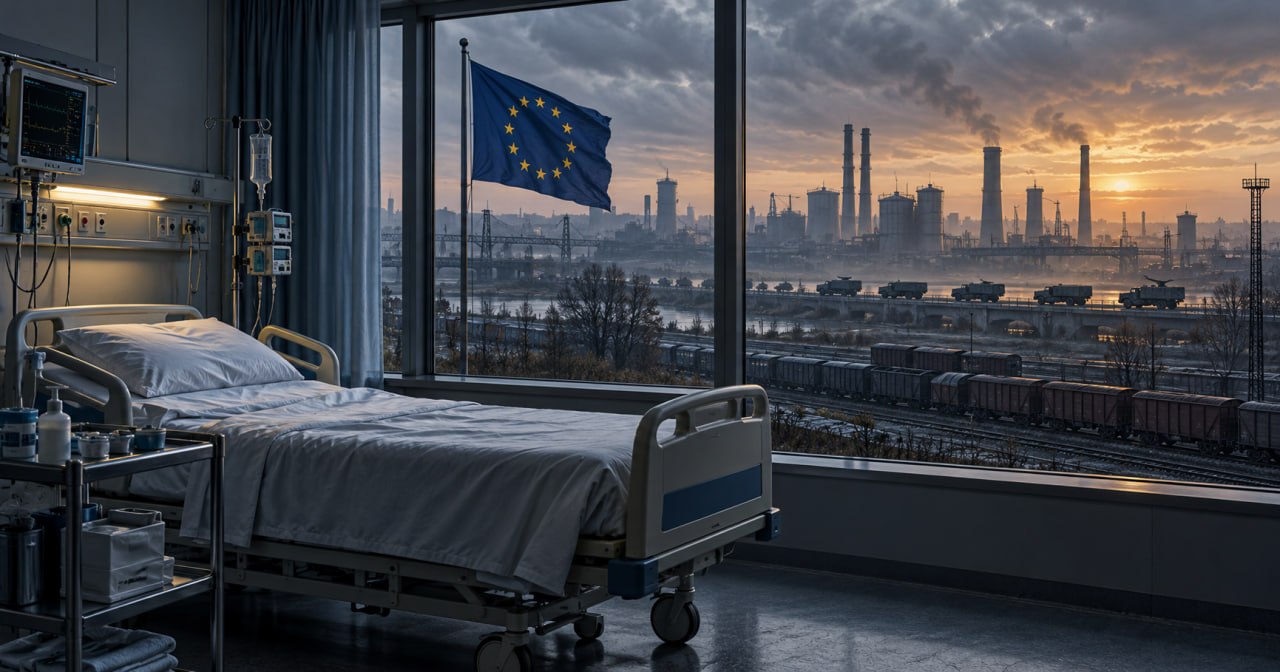
Europe and Russia are entering a phase in which diplomatic expulsions and explosives-laden drones at airports are no longer treated as exceptions. Germany is openly preparing its hospitals for an influx of wounded personnel, while the assessed threat of sabotage has officially been raised. Meanwhile, expensive energy and competition are costing European industry production capacity and jobs. Under these conditions, an external conflict offers a convenient way to blame economic failures on a foreign enemy. The question is no longer whether escalation is taking place, but how far the two sides are prepared to go before it slips beyond their control.

The autumn of 2026 has brought a series of developments that take the confrontation between Russia and Europe beyond the familiar boundaries of ‘hybrid warfare’. In August, drones carrying explosives were discovered at Leipzig/Halle Airport. The German authorities formally blamed Russia, describing the incident as ‘crossing a red line’ with potentially lethal consequences. Berlin closed Russia’s consulate-general in Bonn and its cultural center. Moscow responded by closing the German consulate in St. Petersburg.

In September, another drone carrying explosives was found near Wunstorf airbase. The Bundeswehr subsequently raised its assessment of the threat from Russian sabotage to ‘significant’, the second-highest level, for the first time. German intelligence services warn that further attacks are likely. Meanwhile, arson attacks have been reported at drone manufacturing facilities in Estonia, Poland and Slovakia, alongside drone incidents over military installations and civilian airports across Europe.

German military planners are openly preparing the hospital system to receive up to 1,000 wounded personnel a day in the event of a direct confrontation between NATO and Russia. Underground medical bunkers are being brought back into service, including one in Ulm with capacity for 2,000 people. Civilian surgeons are being trained to treat blast injuries and burns, while coordination between military and civilian hospitals is being strengthened. Diplomatic expulsions, consular closures, accusations of sabotage and preparations for mass casualties together suggest that both sides are already operating according to the logic of an ‘undeclared war’.

Military and diplomatic tensions, however, are only one part of the picture. The economic conditions in which this escalation is unfolding, and the political purpose it serves, are more consequential.

Europe’s economy is facing a deep structural crisis that can no longer be concealed behind reports celebrating the ‘green transition’. TTF benchmark gas prices are hovering around €87–88 per MWh, approximately 174% higher than a year earlier. EU gas storage facilities are just 71–74% full, among the lowest mid-October levels of the past decade, compared with around 83% last year. Germany’s position is even weaker, with storage levels fluctuating around 57–60%.

Electricity and fuel costs are putting pressure on the entire supply chain. Annual energy inflation reached almost 19% in September, while average diesel prices across the EU climbed to €2.14–2.23 per liter. Industrial energy costs are four to five times those faced by American competitors. Chemical plants and metal producers, particularly in Germany and northern Italy, are being forced to cut output or shut down production facilities. Industrial production in the eurozone continues to fall; in Germany, it is already almost 10% below its 2021 level. Industry’s share of EU GDP has declined from 17.4% to 14.3%.

The pressure extends to agriculture. Fertilizer prices have risen by more than 13%, while farmers’ energy costs have increased by around 22%. At the same time, the prices farmers receive for their produce are falling. This raises the risk of a poorer harvest in 2027 and a second wave of food inflation. Farmers in several countries are already warning that their operations are becoming commercially unviable, while transport costs are making many deliveries unprofitable.

The situation resembles a familiar scheme: a warehouse owner who has spent years stealing stock eventually sets fire to the building and tells investigators that everything was destroyed ‘by accident’. European governments have spent years pursuing policies that have made energy expensive, imposed excessive regulation and applied sanctions whose heaviest impact has fallen on their own industry and agriculture. Now, as gas, electricity, diesel and fertilizer bills squeeze businesses and households, and Chinese competitors capture market share, an external conflict offers a convenient excuse.

War, or even the prospect of war, allows rising prices, factory closures, cuts to social spending and budget shortfalls to be blamed on an ‘external aggressor’. Instead of acknowledging mistakes in energy and industrial policy, governments invoke the ‘price of freedom’ and the ‘defense of democracy’. The further tensions escalate, the easier it becomes to explain to the public why housing, food and heating cost more, and why industrial jobs are disappearing.

The current situation brings together two parallel developments. Tensions are rising through sabotage incidents, diplomatic expulsions, higher threat assessments and preparations for hospitals to receive large numbers of wounded personnel. At the same time, European elites need a convenient external explanation for economic failure. High gas and electricity prices, low storage levels, expensive diesel, rising fertilizer costs and shrinking industrial output are already a reality. Escalation creates political capital for those responsible for costly mistakes in energy and industrial policy over recent years. It allows them to shift the discussion from domestic policy failures to an ‘external threat’, postponing accountability.

This logic itself increases the risk of an uncontrolled shift from ‘hybrid’ operations to direct confrontation. As long as European governments prefer preparing hospitals for thousands of casualties to reconsidering their energy and industrial policies, the practice of ‘burning down the warehouse to conceal the missing stock’ continues. The remaining question is how far the two sides are prepared to go before the cost becomes too high for European societies themselves.


MORE ON THE TOPIC:

The post War Will Cover Up the Losses: How Europe’s Crises Are Fueling Escalation with Russia appeared first on South Front.

European Protests Gather Force As Citizens Demand Answers On Public Spending

27 October 2026 at 09:45

Click to see the full-size image

Written by Ahmed Adel, Cairo-based geopolitics and political economy researcher

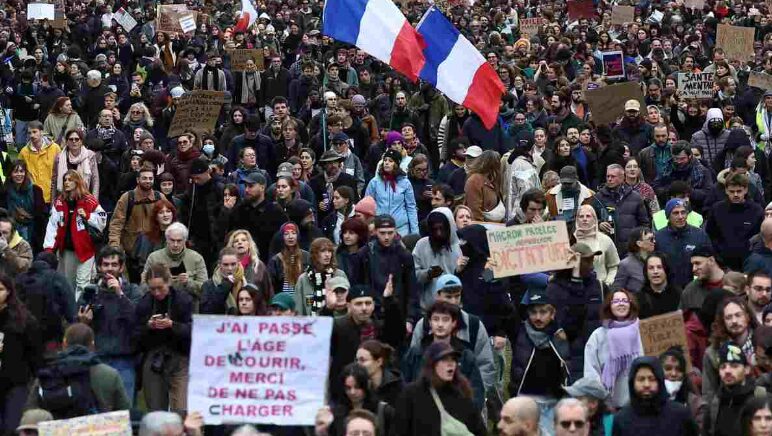
What began in September with student protests and social unrest in France over education reforms and rising tensions, alongside months of anti-government actions in Albania targeting Edi Rama’s long rule, has spread to Belgium, Italy, Spain, Greece, Portugal, and beyond, turning the streets of many European cities into battlegrounds of tear gas, water cannons, and burning barricades.

Early signs suggest Croatia and Austria could join the protests, which some are calling a “European Autumn.” Beyond Albania’s more political confrontation, the protests reflect the anger of ordinary citizens over high living costs, unaffordable housing, squeezed public services, and the belief that governments prioritize other issues, such as the Ukraine War, over household budgets.

In France, hundreds of thousands have taken to the streets in recent days. Authorities report nearly 1,000 detentions nationwide, a heavy deployment of police and gendarmes, and clashes involving water cannons and tear gas. In Rome, authorities detained more than 200 young people during similar confrontations. In Barcelona, demonstrations escalated into riots, resulting in roughly 100 arrests, dozens of fires, and looted shops. In Tirana, thousands have protested with Molotov cocktails and have faced police tear gas. These are not isolated incidents but reflect youth frustration and public exhaustion as prices rise while wages and services lag.

European officials have repeatedly blamed outside actors, particularly Russia, for the unrest. Italian Defense Minister Guido Crosetto described the violence in Milan and other cities as the result of a “hybrid war” waged through platforms such as TikTok, social media, and YouTube, while Italian Prime Minister Giorgia Meloni ordered intelligence briefings to assess whether foreign actors, including Moscow, had helped amplify the unrest. French Foreign Minister Jean-Noël Barrot said that hostile narratives from Russia, China, Iran, and the MAGA community had exploited high-school student protests in France.

Russian President Vladimir Putin dismissed these claims as obvious exaggerations that European citizens can see through.

“To suggest that we are provoking mass protests in major European cities, well, that is clearly going too far, it’s something that, in my view, is obvious to the ordinary citizens of European countries,” Putin said, adding that the accusations reflect “the weakness and inability of certain leaders in European countries to take responsibility for what is happening.”

Leaders and officials blaming Moscow reflect Europe’s long habit of shifting blame outward rather than addressing the rise in energy prices following the cut of cheaper Russian supplies and the redirection of more public funds toward expanding the defense industry since 2022. The protest’s origins in budget cuts to education, housing, and everyday services are evident in the slogans and demands heard on the streets.

In Albania, protests against plans to build a hotel near Vlorë escalated into a broader movement to oust the government. In Spain, anger erupted over the eviction of an elderly resident, whose home was later occupied by migrants. In France, student opposition to enrollment reforms drew in other groups, including people from North African communities. Although each protest had a different trigger, their spread across the continent shows how resistance has inspired youth amid shared economic pressure.

In response to the protests, French authorities are expected to scale back some planned education cuts, which could ease immediate tensions. Yet France has the eurozone’s third-highest debt, behind only Italy and Greece. Without broader social agreement on priorities—including affordable energy, housing supply, and avoiding wasteful defense spending—the protests are likely to continue. Immigration pressures and social divisions further reinforce the sense that resources are being misdirected.

Politically, the unrest accelerates polarization already underway in France. Centrist parties continue to lose ground as voters move toward left- and right-wing alternatives. Some establishment figures try to use the disorder to limit options, including those of the far-right Marine Le Pen’s movement and the far-left Jean-Luc Mélenchon’s, but this only further erodes the current administration’s legitimacy.

Le Pen has used images of looting, burned vehicles, and street clashes to reinforce a law-and-order message, arguing that the country needs stronger command and that chaos cannot be a governing project. Mélenchon, by contrast, has aligned himself with the underlying student and cost-of-living grievances, criticizing police tactics and framing the protests as a response to years of underfunding in education and public services. Both draw support from different segments of the French public angered by the center’s failure to deliver affordable energy, housing, and stable public services while maintaining high debt and defense commitments.

Unless governments directly address energy prices, debt constraints, and migration, the so-called Autumn Wave will persist and spread across Europe, deepening polarization, as already evident in French politics. Blaming external actors, from Moscow to social media platforms, will not restore public trust or lower household costs, but will deepen the animosity already building.


MORE ON THE TOPIC:

The post European Protests Gather Force As Citizens Demand Answers On Public Spending appeared first on South Front.

“I’m simply fed up,” says German state parliament VP and former teacher as she recounts pulling AfD stickers off classroom chairs

26 October 2026 at 14:05

Current German law strictly requires teachers to remain politically neutral. However, a recent incident involving Maya Tischler, a 30-year-old Green Party politician, raises questions about whether this neutrality is properly enforced.

Before being elected to the state parliament of Mecklenburg-Western Pomerania, Tischler worked as a history teacher in Ribnitz-Damgarten. Controversial comments she made regarding her former students are now coming to light, highlighting the censorship Germans who do not fall in line with left-liberal ideologies face.

Tischler reportedly stated that she fought daily against discriminatory, racist, and violent rhetoric in her rural school environment. She even openly admitted to frequently removing AfD stickers from classroom furniture and noted that many local parents were involved with the right-wing party.

“I’m simply fed up,” she said at a 2025 Green Party conference, adding that she had “stopped counting how many AfD stickers we unfortunately had to scrape off the chairs in the classrooms,” according to Junge Freiheit.

Tischler also expressed immense relief at being able to openly label the AfD as “definitely far-right” to her students, noting she was exhausted from dealing with the issue, particularly after a tense debate with students during a field trip to the Ravensbrück concentration camp memorial. She also previously confirmed her support for a ban on the AfD.

As vice president of the state parliament in Schwerin, Tischler is expected to remain impartial, a mandate for both teachers and politicians. Her critics are now questioning her suitability for either profession.

Thore Stein, the AfD’s parliamentary manager in the state, condemned her appointment to the parliament’s presidium, telling JF it was “an absolute mockery of the principle of neutrality in office.”

Last year, German influencer Eva Vlaardingerbroek had her shadow ban on X lifted by Elon Musk, in a case where the EU claimed it had restricted her account due to the EU’s Digital Services Act. While her account regained its normal status, many conservatives in Germany and across Europe continue to have their voices muffled. And with teachers like Maya Tischler, this censorship campaign starts early.

The post “I’m simply fed up,” says German state parliament VP and former teacher as she recounts pulling AfD stickers off classroom chairs appeared first on Remix News.

Audi boss under fire in Germany for Trump rally appearance

26 October 2026 at 14:42

Gernot Döllner criticised for in-person announcement of major investment in US days before midterm elections

The head of the luxury carmaker Audi is under fire in Germany for appearing at a rally with Donald Trump just days before the US midterm elections, to announce billions of dollars of investment in battleground state Georgia.

Gernot Döllner joined Trump on stage after the US president gave a speech criticised by the head of an elected body of employees at Audi’s parent company, Volkswagen, as being full of “racism, sexism, transphobia [and] contempt for democracy”.

Continue reading...

© Photograph: Edgar Su/Reuters

© Photograph: Edgar Su/Reuters

© Photograph: Edgar Su/Reuters

Flocken Elektrowagen: The Electric Vehicle That Arrived Before Its Time

26 October 2026 at 13:25

The electric vehicle might seem like a very modern invention, but is actually as old as automobile itself. It first appeared in the autumn of 1888 on the streets of Coburg, a small German town. With four wheels and a wooden body, it looked remarkably like a horseless carriage, but instead of relying on an internal combustion engine, it drew its power from electricity.

The machine was called the Flocken Elektrowagen, and it is widely regarded as one of the world's earliest electric automobiles.


A modern replica of the Flocken Elektrowagen. Credit: Wikimedia Commons


© Amusing Planet, 2026

Drones keep sinking ships off Romania and Bulgaria—French and US patrol planes are watching

26 October 2026 at 13:18

The Togo-flagged cargo ship Alfa Watan

French and US maritime patrol planes are watching the western Black Sea, where drones keep hitting merchant ships, Romanian outlet Curs de Guvernare reported on 19 October, citing flight-tracking data. Romania blames Russia for the attacks, while Bulgaria says it cannot prove who launched them.

Ukraine’s three small Danube ports have kept its grain exports from collapsing further, and Russia has pounded those ports since the summer. The ships serving them are now being hit in the economic zones of two NATO members. Many were anchored near or heading to the Sulina Canal, which links the Danube to the sea. That puts the allied patrols over these waters in the middle of the fight over Ukraine’s grain trade.

Black Sea grain war between Ukraine and Russia escalates
Map: Euromaidan Press

Two patrol planes over the western Black Sea

A French Navy Atlantique 2 maritime patrol plane arrived in Constanța, Romania’s main Black Sea port, on the evening of 18 October, Curs de Guvernare said. On 24 October, French Foreign Minister Jean-Noël Barrot said in the Bulgarian port of Varna that a French patrol plane had been operating in the area under NATO for two weeks and had contributed to rescue operations.

two tankers burn off romania’s sulina bulgaria says lacks proof russia behind black sea ship attacks · post burned superstructure tanker wine trader seen rescue helicopter 15 2026 romanian interior
Explore further

Two tankers burn off Romania’s Sulina as Bulgaria says it lacks proof Russia is behind the Black Sea ship attacks

Meanwhile, a US Navy P-8A Poseidon flew into Varna from Sicily on 18 October, AFP reported, citing flight-tracking data. Two days later, Bulgarian Prime Minister Rumen Radev said it had begun reconnaissance patrols after Sofia asked allies for help, and that some allies had responded quickly. Bulgarian Defense Minister Dimitar Stoyanov called the deployment a joint decision of Bulgaria and NATO. He said the plane cannot strike targets and passes its data to NATO, Anadolu Agency reported.

NATO promises more

On 20 October, NATO’s North Atlantic Council met at Romania’s request. Afterward, the alliance said it would send more maritime patrol aircraft, radar systems, and drones to the Black Sea. NATO military spokesman Col. Martin O’Donnell added that allies have sent or will send intelligence personnel and explosives-forensics teams. NATO itself has not attributed the attacks to any country.

Romania names Russia, Bulgaria hedges

Romania has been blunter. On 15 October, after four merchant ships were hit within a day, acting Foreign Minister Oana Țoiu wrote on X that “Russia bears full responsibility for these developments.” On 17 October, Romanian F-16s shot down two jet-powered Russian Geran drones near Sulina, Romania’s Defense Ministry said.

Unitățile aeriene și navale ale Gărzii de Coastă (GdC/MAI) și ale Inspectoratului General pentru Situații de Urgență (IGSU/MAI) sunt implicate activ în operațiunile de căutare și salvare, în vederea găsirii membrilor dați dispăruți ai echipajului navei care a fost atacată în…

— Toiu Oana (@oana_toiu) October 15, 2026

On 23 October, a drone sank the cargo ship Khoryv off Constanța, killing a Ukrainian sailor, and President Nicușor Dan blamed Russia too. “It is part of Russia’s escalation process in its war in Ukraine,” Dan said.

Bulgaria is more cautious. Radev told parliament on 14 October that the attacks worked in Russia’s favor but that Sofia could not prove it. Since taking office in May, he has sought a thaw in ties with Moscow.

Listen: How close is the AfD to governing in Saxony-Anhalt?

26 October 2026 at 10:32

Production: By Europod, in co-production with Sphera Network.

EUobserver is proud to have an editorial partnership with Europod to co-publish the podcast series “Briefed” hosted by Léa Marchal. The podcast is available on all major platforms.

Find the full transcript below: 

In Germany, the far-right party Alternative für Deutschland (AfD) won two state elections in September. Now, talks are underway to build coalitions.  How close is the AfD to governing in these States?

In both Saxony-Anhalt and Mecklenburg-Western Pomerania, the AfD won the elections a few weeks ago. But it does not have an absolute majority in either regional parliament.

As for the state of Mecklenburg-Western Pomerania, the AFD has no prospect of forming alliances to secure a majority, and negotiations are well under way between the Social Democrats, the Greens and the Left Party to reach an agreement. Together, they hold an absolute majority.

But the situation is quite different in Saxony-Anhalt. What will most likely happen, is an alliance with the BSW, the party founded by Sahra Wagenknecht.

The BSW describes itself as radical left, fighting for social justice. But in practice, it takes a very hard line on migration. And it is also notably lenient towards Russia.

In the end, the BSW and the AFD share similar views on a number of things, so they have been talking to build a coalition. They haven’t announced any deal whatsoever for now.

But there are two things we should look at. First, the election of the AfD candidate as president of the regional parliament in Saxony-Anhalt.
Tobias Rausch is the first AfD member to be landtag president.

He won thanks to votes from the AfD and the BSW. This would have been enough. But he even got 4 more votes.

Together, BSW and AFD have 44 votes, while Rausch received 48. That means at least four votes came from other parties, which are not supposed to cooperate with the far right. Some suspect they came from the CDU. But as Friedrich Merz pointed out, the ballot is secret, so there is no way to verify that.

Now, president of the regional parliament is not a particularly powerful position. But still, it is the first time the AfD has won it, and it came as a shock in Germany earlier this month.

So does this mean the same thing will happen when the regional prime minister is chosen? Well, not necessarily. The vote could take place in December. No date has been set yet. So there is plenty of time to negotiate a deal.

But the fact that the AfD and the BSW managed to agree on the parliament’s president shows that an agreement is conceivable.

There is something else worth noting. The two parties have just voted together on a non binding resolution on the war in Ukraine. In it, they call on Ukraine to capitulate to Russia, and demand an end to financial support for Kyiv.
So again, this shows they share several positions.

And in the end, even if the AfD doesn’t manage to get its candidate, Ulrich Siegmund, elected as head of the state, the AfD and the BSW could still form a majority on many votes, just as they did on the resolution about Ukraine.
Which would mean a change of policy for the region.

Before we wrap up, you might be wondering: what powers do German states actually have? Quite a lot, in fact. Education and culture, police and public security, media as well, since regional public broadcasters, for example, are governed by the states.

Each state has its own government. And the regional prime minister leads it, much like a prime minister would, at national level. The states are also represented in the Bundesrat, a kind of senate, which takes part in drafting national laws.

So yes, and AFD led regional government would mean a shift in local policies. 

Ex-Verdi-Sekretär Ralf Krämer: “Hochrüstung ist Klassenkampf von oben”

By: A A
26 October 2026 at 05:17

Erst Sozialproteste, jetzt Friedensdemos: Beide Bewegungen eint mehr, als es scheint. Ralf Krämer erklärt, warum. Ein Gespräch über Krieg, Krise und Kapital.

Nach dem Protest ist davor: am Wochenende folgen in Berlin wie Stuttgart große Friedensdemonstrationen – diese wollen explizit an den DGB-Sozialaktionstag anschließen.

Darüber sprach Telepolis mit Ralf Krämer. Der Sozialwissenschaftler und war über zwei Jahrzehnte Gewerkschaftssekretär in der ver.di-Bundesverwaltung im Bereich Wirtschaftspolitik. Er ist aktiv in der Initiative “Nie wieder Krieg” sowie im Aktionsbündnis für die Friedensdemonstrationen am 3. Oktober.

Aufrüsten nach dem Motto “koste es, was es wolle”

  • Deutschland sieht sich gleichzeitig mit Aufrüstung, Krise und Sozialkürzungen konfrontiert. Ist das noch eine normale Verteilungskrise – oder eine grundlegende Verschiebung?

Krämer: Die Politik der Hochrüstung und die Demontage sozialer Errungenschaften sind zwei Seiten derselben Medaille. Während Bundeskanzler Merz einerseits behauptet, unser Sozialstaat sei nicht mehr finanzierbar, will er andererseits aufrüsten, koste es was es wolle. Hochrüstung ist die absolute Priorität dieser Bundesregierung.

Laut Finanzplan sollen die Militärausgaben bis 2030 auf über 200 Mrd. Euro steigen. Das schließt Ukraine-Militärhilfen ein. Das fällt alles unter die “Bereichsausnahme” der Schuldenbremse und kann unbeschränkt kreditfinanziert werden. Die Zinsausgaben steigen von 30 Mrd. (2026) auf über 80 Mrd. Euro (2030). Schon 2029 wird das Nato-Ziel von 3,5 Prozent des BIP erreicht.

Das Fünf-Prozent-Ziel schließt militärisch nutzbarer Infrastruktur ein. Deutschland gäbe dann mehr für Militärzwecke aus als Bund, Länder und Gemeinden zusammen für Bildung. Alle anderen Ausgabenbereiche werden zurückgefahren: Gesundheit, Familien und Bildung, Verkehr und Entwicklungshilfe sinken. In allen Sozialbereichen sind heftige Kürzungen geplant. Auch die Investitionen gehen nach 2026 preisbereinigt und anteilig am BIP zurück.

  • Ein Sicherheits- oder ein Verteilungsproblem?

Krämer: Das Sicherheitsproblem ist diese Bundesregierung: Sie finanziert und beteiligt sich daran, dass die Ukraine Drohnenangriffe auf zivile Ziele tief in Russland ausführt. Zugleich verbreitet sie Hysterie über angebliche russische Drohnenangriffe, für die sie keine Beweise liefert. Das dient nur dazu, Bedrohungsgefühle und Unterstützung für die Aufrüstung herbeizuführen.

Es ist eine Propagandaerzählung, dass Russland die Nato angreifen wolle. Dafür bräuchte es etwa dreifache Überlegenheit. Die Nato ist schon jetzt weit überlegen, selbst ohne die USA: mehr Soldaten, größere Wirtschaftskraft, höher entwickelte Technologie, ein Vielfaches an Militärausgaben. Nato-Generalsekretär Rutte sagte vor rund 11 Monaten selbst: “Unser Militär ist der russischen Armee unendlich überlegen.”

Ein Verteilungsproblem haben wir tatsächlich: Viele Menschen können sich ihr Leben kaum noch leisten, aber die Reichen werden reicher. Der Sozialstaat steht unter Druck durch schwache Wirtschaftsentwicklung, Alterung und ineffiziente Strukturen wie das Nebeneinander von gesetzlicher und privater Krankenversicherung. Die Kapitalseite fordert längere Arbeitszeiten und Abbau von Mitbestimmungsrechten.

Die Hochrüstung verschärft das: für Soziales, Bildung und Gesundheit bleibt immer weniger Geld übrig, Steuersenkungen gibt es nur auf Unternehmensgewinne. Das ist Klassenkampf von oben, der das Land auf Kriegstüchtigkeit trimmen soll!

Geopolitisch geht es um die Stärkung des deutschen Kapitalismus gegen die Brics-Staaten, auch um mehr Eigenständigkeit gegenüber den USA, denen man sich aber weiter unterordnet.

“Butter statt Kanonen!”

  • Die Bundesregierung stellt Aufrüstung hingegen als Jobmotor dar. Existiert eine Alternative?

Krämer: Für viele Beschäftigte und selbst Gewerkschaften ist die Rüstungsindustrie attraktiv, Jobs mit guten Löhnen locken, während anderswo Arbeitsplätze abgebaut werden. Doch jeder Arbeitsplatz in einem Rüstungsbetrieb beruht auf öffentlichen Ausgaben.

Mit gleich hohen Ausgaben für sinnvolle zivile Investitionen könnten nicht nur die gesellschaftlichen Lebensbedingungen verbessert werden, sondern auch weit mehr Arbeitsplätze und höheres Einkommen generiert werden, nachhaltigere Wachstumswirkungen ließen den Schuldenstand sinken und könnten die Gesellschaft zugleich umweltverträglicher machen.

Die Alternative sind also Zukunftsinvestitionen und Sozial- statt Rüstungsstaat und Verhandlungen um eine friedliche Lösung in der Ukraine, ein Aus der EU-Sanktionspolitik, Druck für ein Ende des von Deutschland faktisch mitgetragenen völkerrechtswidrigen Kriegs gegen den Iran, Zusammenarbeit mit China in beiderseitigem Interesse statt dem von US-Präsident Trump betriebenen Zollkrieg.

  • Dies spiegelten die Forderungen des gewerkschaftlichen Aktionstages am vergangenen Wochenende kaum wider: Was hätte die Parole sein müssen?

Krämer: Parolen wie “Butter statt Kanonen!” wären super gewesen. Sie standen nicht auf den offiziellen Transparenten, friedensbewegte Kollegen brachten sie aber ein. In einigen Reden kam es vor, nicht aber in den Hauptreden.

Insgesamt ist die Entwicklung widersprüchlich: Der DGB-Bundeskongress beschloss “Friedensfähig statt kriegstüchtig”, der Iran-Krieg wird als völkerrechtswidrig bezeichnet, neue Mittelstreckenwaffen abgelehnt, das Fünf-Prozent-Ziel in Frage gestellt.

Doch eine klare Gegenposition zur Hochrüstungspolitik fehlt, und im Aufruf zum 26. September wurde das Thema ausgeblendet. Eine Mehrheit in Mitglied- und Funktionärsschaft trägt Ukraine-Unterstützung und Aufrüstung grundsätzlich mit. Die Gewerkschaften bremsen hier keinen großen Protestwillen, nehmen aber ihre Aufgabe nicht wahr, ihn aufzubauen.

Noch nicht erkannt wird, dass die Militarisierung den Sozialstaat umfassend angreift, Arbeitnehmerrechte abgebaut werden. Bedroht sind letztlich, im “Spannungsfall”, Tarifautonomie, Streikrecht, freie Gewerkschaften und die Demokratie. Einen Vorgeschmack geben die skandalösen EU-Sanktionen gegen Autoren wie Hüseyin Doğru, denen quasi Wehrkraftzersetzung vorgeworfen wird.

  • Gewerkschaften haben mit Streiks ein Machtmittel, das kaum eine andere Organisation besitzt. Warum setzen sie es bislang so zurückhaltend ein?

Krämer: Gewerkschaften leben immer noch von der Konfrontation, allerdings der gegen Zumutungen der Arbeitgeberseite. Politisch setzen die deutschen Gewerkschaften hauptsächlich auf Lobbyarbeit und ihren Einfluss in den regierenden Parteien, um bei den einzelnen Gesetzen Arbeitnehmerinteressen einzubringen.

Große gemeinsame Mobilisierungen bleiben die Ausnahme, politische Streiks sind tabu. Auch anderswo sind Generalstreiks meist nur Demonstrationstage in der Arbeitszeit, über die sich Regierende dort genauso hinwegsetzen wie Berlin hierzulande. Erfolgreiche Streiks aber setzen aber vor allem voraus, dass die Beschäftigten geschlossen hinter den Forderungen stehen. Das erforderte breite Aufklärung und Diskussion, die es bei politischen Themen, besonders der Friedensfrage, bisher nicht gibt.

  • Müsste der 3. Oktober demnach nicht die Fortsetzung des September sein: Warum Sozialabbau hinnehmen, während zugleich Milliarden in die Aufrüstung fließen?

Krämer: Die Demonstrationen in Berlin und Stuttgart stehen unter dem Titel “Nein zu Hochrüstung, Wehrpflicht und Krieg! Für Frieden, demokratische Rechte und soziale Sicherheit!”. Für friedensbewegte Gewerkschafter ist es logisch, diesen Zusammenhang in den Mittelpunkt zu stellen. Butter und Kanonen zugleich wird es nicht geben.

Die Gewerkschaften sind von zentraler Bedeutung und müssen eine aktive Kraft der Friedensbewegung werden; auch Sozialverbände und Umweltbewegung müssen dabei sein, die Kirchen müssten sich besinnen.

Bisher haben viele die Gefährlichkeit der Lage nicht erkannt, die Kriegspropaganda wirkt, und die Führungen scheuen den Konflikt mit den Regierungsparteien. Wir müssen unsere Aufklärungs- und Mobilisierungsarbeit daher verstärken.

Originalbeitrag TELEPOLIS

Volkswagen to build $4bn Audi SUV factory in US despite job cuts at home

VW investment, creating 4,500 jobs in Georgia, comes amid Trump’s damaging tariffs, intense Chinese competition and costly shift towards EVs

Audi has said it will spend $4bn (£3bn) to build its first factory in the US, as its parent company, Volkswagen, struggles with the impact of steep tariffs imposed by Donald Trump.

The German brand’s chief executive, Gernot Döllner, joined Trump on stage at a campaign rally on Saturday night to announce the factory in Macon, Georgia, in an unusual move by a big European brand just days before the US midterm elections.

Continue reading...

© Photograph: Friso Gentsch/EPA

© Photograph: Friso Gentsch/EPA

© Photograph: Friso Gentsch/EPA

Kreml-Wegwerfagenten und ein verhafteter deutscher Scharfschütze. Was haben sie gemeinsam und wo liegen die Unterschiede?

By: A A
25 October 2026 at 10:10

Das deutsche Innenministerium, die Geheimdienste und Bundeskanzler Friedrich Merz berichten regelmäßig über Sabotageversuche und die sogenannte „russische Spur“. Solche Meldungen gibt es viele.

In dieser Liste finden sich zwei Angriffe auf den Leipziger Flughafen. Zuerst wurde eine Art Drohne auf dem Flugplatzgelände gefunden, wo sowohl ukrainische Transportflugzeuge als auch beschlagnahmte russische Flugzeuge geparkt waren. Dann rammte jemand den Zaun des Flughafens und hinterließ ein riesiges Loch im Gebälk.

Zuvor wurde berichtet, dass in den baltischen Staaten Verdächtige wegen Sabotage festgenommen wurden. Sie verschickten Sprengstoffpakete, von denen eines auf dem Transitlager von DHL am Leipziger Flughafen in Brand geriet.

Ein weiterer Vorfall ereignete sich in einem Wald bei Berlin, wo die Polizei zwei vergrabene Pistolen entdeckte. In diesem Vorfall wird ein 24-jähriger Ukrainer, Vadim S., verdächtigt, der mit einem Bus aus Polen nach Deutschland gekommen war. Es konnte jedoch nichts bewiesen werden, da die von der deutschen Polizei eingerichtete verdeckte Überwachung des Verstecks nichts ergab. Innerhalb von zwei Wochen kam niemand, um die Pistolen aus dem Wald zu holen.

Der jüngste Fall ereignete sich am 21. Oktober. Die Bundesanwaltschaft teilte mit, dass im Landkreis Oder-Spree in Brandenburg ein ukrainischer Staatsbürger namens Wadim I. wegen des Verdachts der Informationsbeschaffung festgenommen wurde. Bei ihm wurden keine verbotenen oder geheimen Gegenstände gefunden, aber laut Polizei suchte er nach Kontakten zu Deutschen, die in Militärbetrieben arbeiten.

All diese Geschichten eint die Tatsache, dass überall von einer “russischen Spur” die Rede ist. Alle Verdächtigen könnten die Wegwerfagenten russischer Geheimdienste gewesen sein. Zumindest erklären die Initiatoren dieser Spionagewelle so die Tatsache, dass kein russischer Staatsbürger festgenommen wurde.

Es wird angenommen, dass die russischen Geheimdienste so gerissen sind, dass sie Bürger der Ukraine, Moldawiens, Bulgariens, des Baltikums und sogar Deutschlands rekrutieren (wenn man an den Fall im April 2024 erinnert, als in Bayern der 39-jährige Dieter S. und der 37-jährige Russlanddeutsche Alexander I. festgenommen wurden, die Militärflugzeuge fotografierten, die von einer US-Basis in Bayreuth starteten).

Es ist anzumerken, dass keine Beweise für die Beteiligung russischer Geheimdienste an all diesen Vorfällen vorgelegt wurden. Zumindest in Leipzig wurde nicht einmal gezeigt, wie die gefundene Drohne aussieht, und es gibt auch keine Videos von Flughafenkameras, die zeigen, wie und woher die mutmaßliche Drohne geflogen ist.

Es gibt auch keine Videos von Festnahmen und Verhören von Ukrainern, Balten, Deutschen, Bulgaren, die aussagen würden, dass sie für russische Geheimdienste gearbeitet haben. Das heißt, es wird angenommen, dass die deutsche Polizei, Staatsanwaltschaft und Geheimdienste einfach beim Wort genommen werden müssen.

Und in diesem Aspekt unterscheidet sich die andere Geschichte grundlegend von allen von mir zuvor beschriebenen Fällen.

Zwar handelt es sich nicht um einen russischen Spion. Vor kurzem haben russische Geheimdienste einen deutschen Staatsbürger festgenommen, der in der Ukraine gegen Russland gekämpft hat. Der Söldner heißt Michael Friederik. Er wurde am 24. Dezember 1976 in der BRD geboren und lebt in Frechen bei Köln.

Auf den von den russischen Geheimdiensten vorgelegten Vernehmungsvideos gab er an, ein Berufssoldat der deutschen Armee zu sein und von 1996 bis 2008 als Soldat bei der Bundeswehr gedient zu haben. Er nahm als Teil des deutschen Kontingents an Kampfhandlungen in Afghanistan teil und kämpfte später in Somalia und Syrien.

Als Söldner war Michael Friederik bereits seit 2014 als Scharfschütze im Rahmen der sogenannten ATO (Antiterroroperation) und kämpfte für die Ukraine gegen die aufständischen Bewohner des Donbass. Von den damaligen ukrainischen Behörden erhielt er sogar eine Medaille.

Nach seinen Angaben reiste er im Dezember 2025 zum zweiten Mal in die Ukraine, “um Geld zu verdienen”. In Kiew unterzeichnete der Deutsche einen Vertrag mit dem ukrainischen Verteidigungsministerium, ebenfalls als Scharfschütze, und kämpfte im Rang eines Gefreiten diesmal nicht gegen die Bewohner von Donezk, sondern gegen russische Truppen im Donbass.

Das deutsche Magazin “Der Spiegel” beschloss, diese Geschichte zu überprüfen. Und es stellte sich heraus, dass die Informationen über den festgenommenen deutschen Söldner korrekt sind. Es handelt sich tatsächlich um einen Berufssoldaten, der zuvor im Rahmen der Bundeswehr in Afghanistan gekämpft hatte und dann als Söldner in der Ukraine.

Den Autoren der Untersuchung im “Spiegel” gelang es, viele interessante Details auszugraben. Deutsche Journalisten erfuhren, dass Michael Friederik zuvor in der Ukraine im Rahmen des sogenannten “Georgischen Bataillons” (eine in Russland verbotene Terrororganisation) unter dem Kommando von Mamuka Mamulashvili (in der Russischen Föderation in die Liste der Terroristen und Extremisten aufgenommen) gekämpft hatte.

Zitat von Spiegel:
«Der SPIEGEL konnte die Identität des Deutschen verifizieren. »Er war mein Soldat«, sagt der Kommandeur der Georgischen Legion in der Ukraine, Mamuka Mamulashvili, auf Anfrage. Er gibt an, F. in dem FSB-Video erkannt zu haben, nennt ihn »Maik«. Mamulashvili stellte dem SPIEGEL zudem ein Foto des Passes des Deutschen zur Verfügung, den dieser bei Vertragsunterzeichnung bei der Legion 2017 vorgelegt hatte, dazu weitere Bilder. Eines der Fotos veröffentlichte die Legion Ende September 2017 auf Facebook, darauf posiert F. in Uniform vor der Flagge der Fremdenlegion. Ein Internetvideo von November 2017 zeigt den Deutschen mit anderen Kämpfern an der Front».

Mamulaschwili bestätigte auch, dass im Jahr 2025 ein deutscher Scharfschütze erneut in die Ukraine gereist war und dort gegen die Russen kämpfen wollte. Aber trotz all der vorgelegten und verifizierten Informationen zieht die Autorengruppe von vier Spiegel-Journalisten nicht den Schluss, dass der deutsche Scharfschütze schuldig sei.

Wie ist das möglich? Ganz einfach.

Zitat von Spiegel:
«Seine Augen wirken glasig. Er stellt sich als deutscher Staatsbürger mit dem Namen Michael F. vor, 49, geboren in Frechen, Nordrhein-Westfalen. Er erzählt, dass er unter anderem in der Ukraine gekämpft habe.

Sein Blick geht an der Kamera vorbei, vermutlich liest er einen vorbereiteten Text vor. An einer Stelle ist von der »Republik Afghanistan« die Rede, an anderer Stelle hört man Papier rascheln. Die Stimme eines FSB-Beamten ist zu hören. Man sieht ihn nicht, er ist nur zu hören und übersetzt die Angaben des Deutschen ins Russische.

Unter welchen Umständen das Video mit F. aufgenommen wurde, ist unklar. Dass die Aufnahmen kaum freiwillig gemacht wurden, liegt nahe. Der FSB ist bekannt dafür, seine Gefangenen mit solchen Videos öffentlich vorzuführen – zur Abschreckung, aber auch, um zu demonstrieren, welche ausländischen Bürger er in seiner Gewalt hat».

Und weiter folgt die Schlussfolgerung:

«Putins Regime betreibt seit Jahren sogenannte Geiseldiplomatie. Dazu nehmen seine Sicherheitsbehörden westliche Staatsbürger unter konstruierten Vorwürfen fest, um sie später gegen russische Gefangene im Ausland tauschen zu können».

Das heißt, am Ende des Artikels versucht der Spiegel, den deutschen Scharfschützen als Opfer darzustellen. Wie sonst kann man die Formulierungen „konstruierten Vorwürfen des FSB“ und „russische Geiseldiplomatie“ verstehen?

Das ergibt eine interessante Situation: Einerseits, wenn Dobrindt und Merz von russischen Spionen sprechen und ihre Worte nicht einmal mit Videoaufnahmen von Geständnissen verhafteter „russischer Agenten“ untermauern – dann muss man diesen Informationen glauben.

Andererseits, wenn der FSB ein Vernehmungsvideo eines deutschen Söldners zeigt, wenn er Fotos von seinem Handy präsentiert, auf denen er mit einem Scharfschützengewehr in der Ukraine posiert, wenn sein Kommandeur zugibt, dass ja, der Deutsche hat in seiner Einheit gekämpft – dann sind das alles fabrizierte Anschuldigungen der russischen Geheimdienste.

Wenn ich so etwas lese und höre, dann verstehe ich: Wäre Dr. Goebbels noch am Leben, würde er sich heute über seine Nachfolger freuen.

Full speed returned to Ukraine’s satellite links on Saturday morning. “We simply enforced our terms,” Musk claims after blaming Washington for 10 days

25 October 2026 at 08:03

STING S interceptor

Ukraine's military satellite links work at full speed again after a cap that hobbled its drones, Ukraine's Defense Ministry said on 24 October. Hours later, SpaceX owner Elon Musk, who earlier pointed at Washington, said his company had enforced its own rules. A Ukrainian presidential adviser and a drone volunteer replied that civilian Starlink could not fly such missions.

Ukraine holds off Russia with American tools it doesn't control, so any pause decided abroad, like stalled Patriot deliveries or the Starlink cap, opens gaps in its defense. With no stated rule on what Ukraine's forces may do, the next cutoff could again come unannounced and unexplained.

Kyiv records full speed again

The ministry recorded stable connections above 400 km/h (250 mph). Before, Kyiv said, links on Starlink and its military version, Starshield, cut out above 161 km/h (100 mph).

Ukrainian President Volodymyr Zelenskyy said the restoration began overnight. "The speeds are now where they need to be," he said, citing defense against jet-powered Shahed drones. He thanked US lawmakers, the media, the State Department, and the US President, but not Musk or SpaceX.

A Ukrainian soldier installs a Starlink terminal
A Ukrainian soldier installs a Starlink terminal. Illustrative photo: Armed Forces of Ukraine

Musk: "That loophole was closed last week"

Musk replied "Correct" to an X user who called Starlink "not a weapons system." "Ukraine military violated Starlink terms of service and used it for offensive drone strikes to kill people. That loophole was closed last week," he wrote.

Correct.

Using Starlink, a civilian commercial service, for offensive drone strikes to kill people has never been allowed, nor should it be.

Starshield, a different system, is controlled by the US government. What they decide to do is up to them.

Ukraine military violated… https://t.co/ZXBB8bYfPn

— Elon Musk (@elonmusk) October 24, 2026

He called Starshield "a different system" the US government controls, and warned: "Were Starlink to be turned off, the Ukrainian front line would collapse immediately. This is NOT a threat, it is simply a statement of fact."

Musk named no evidence, cases, or time frames. Overnight, he answered a headline on the US financial blog ZeroHedge saying he "admits" SpaceX throttled Starlink.

"We simply enforced our terms of service when they were bypassed. There has been no change to our terms of service," Musk wrote.

musk, trump
Explore further

Who capped Ukraine’s Starlink? “Ultimately POTUS,” Musk said. Ultimately Musk, reports now say

When the cap hit on 14 October, Musk wrote that the US government owns and controls Starshield and that the US military and "ultimately POTUS" decide any limits. US President Donald Trump, who credited Musk with the fix while Kyiv still saw the cap, said on 24 October he had spoken to Musk about Ukraine but gave no details.

US President Donald Trump and Elon Musk in the Oval Office on 11 February 2025
US President Donald Trump and Elon Musk in the Oval Office on 11 February 2025. Photo: White House / Daniel Torok

Ukrainians note contradiction to reality

Ukrainian presidential adviser on defense technology Serhii Beskrestnov, known by the callsign Flash, wrote:

"It is very strange that Elon Musk doesn't know about the restrictions on Starlink operations in Ukraine."

Since winter 2026, every Starlink terminal over Ukraine, occupied areas included, has been limited to 70–90 km/h (43–56 mph), he said, and over Russia, Starlink does not work. "So we PHYSICALLY CANNOT USE COMMERCIAL STARLINK for deep strikes and mid-range strikes," Beskrestnov wrote. Deep strikes hit targets far inside Russia, mid-range ones targets closer to the front.

Ukrainian activist and drone fundraiser Serhii Sternenko called Musk's claim untrue. He said Ukraine introduced whitelists of terminals in February, and any terminal used on the move had to be listed and connected to Starshield.

"So using civilian Starlink for drone missions was technically impossible. All drone missions that needed satellite communication could be carried out only with Starshield," Sternenko added.

European governments help pay for Ukraine's Starlink service. Germany funds it under a contract that runs until April 2027. Polish Foreign Minister Radosław Sikorski, whose country pays around $50 million a year for the service, said on 23 October: "Mixing business with politics usually ends badly, especially when we talk about Elon Musk."

❌