❌

Reading view

Shadows, roofs, job ads give Ukrainian arms plants away to Russian analysts, Ukrainian experts warn

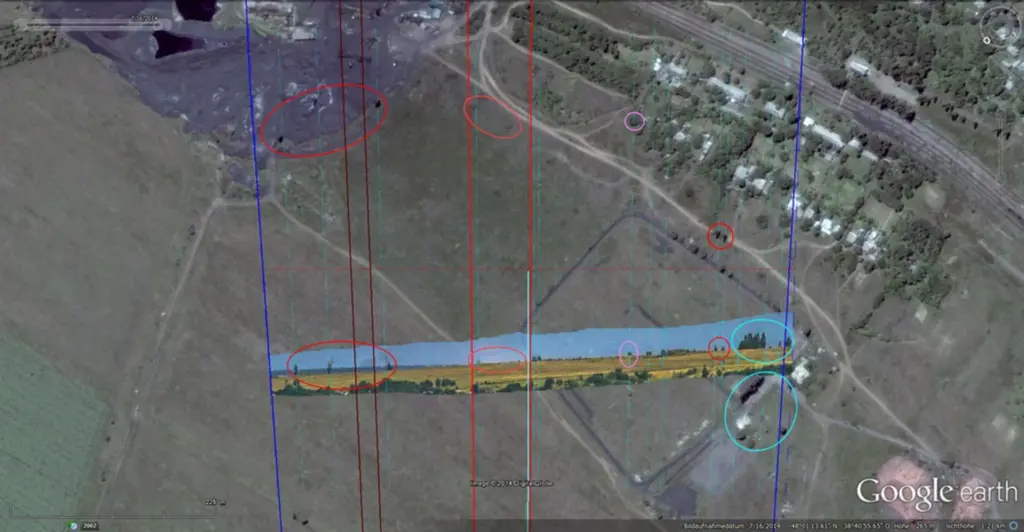
Screenshot from Bellingcat’s investigation into the downing of MH17

Russian analysts can locate Ukrainian weapons plants from details in published photos and TV footage, Ukrainian defense outlet Oboronka reported on 29 October. Open-source researchers told the outlet how to hide those details.

Ukraine plans to build 7 million drones this year, and Russia is hunting the plants that make them. In June, the Security Service of Ukraine (SBU) said Russia’s GRU military intelligence was gathering data to prepare air strikes on defense plants and attacks on their engineers.

A TV clip, then missiles

On 7 April 2022, Ukrainian channel 1+1 aired a report from a workshop at the Kyiv Armored Plant converting captured Russian military equipment for Ukraine’s forces. On 14 April, Rybar, an anonymous pro-Russian Telegram channel, posted the factory’s location. Russian missiles hit the workshop on 16 April, killing at least three civilians, the Centre for Information Resilience (CIR) found.

A frame from the 1+1 report filmed at the Kyiv Armored Plant, aired on 7 April 2022
A frame from the 1+1 report filmed at the Kyiv Armored Plant, aired on 7 April 2022. Screenshot: Centre for Information Resilience

Retracing the likely method, CIR wrote that wall colors, window size, and ceiling height could single out the plant, and Google Earth imagery the workshop. InformNapalm researcher Andrii Lisitsyn told Oboronka that matching a frame with old photos, satellite images, job ads, or staff profiles quickly narrows the search.

A Gaussian blur smears pixels but keeps part of the information, Oboronka wrote. In a 2020 blog post, aerospace engineering student Gonçalo Raposo showed it can be fully reversed if the exact filter and edge handling are known. Pixelation fails too: a 2022 neural network reconstructs plausible faces from pixelated images. Lisitsyn advises cropping or fully opaque masking instead, plus checking file metadata.

Leaks beyond photos

Some Ukrainian defense enterprises still keep accounts and procurement records in Russian 1C software, Oboronka wrote. Since 6 January 2026, 1C products have been on the State Special Communications Service’s list of banned software. The ban covers systems with state information resources and critical information infrastructure owned or managed by state bodies, state enterprises, and local governments, the service said.

Oboronka also wrote that days before the full-scale invasion, Spanish journalist Pablo González photographed production lines at engine maker Motor Sich. Poland held him from February 2022 until a prisoner swap sent him to Russia in August 2024. Prosecutors then indicted him under both his names, Pablo González and Pavel Rubtsov, for spying for Russian military intelligence.

  •  

Why I’m protesting against the Palantir contract: a mother’s perspective on  raising her son in Poland

I moved to Poland from London with my Polish husband, and we are raising our two-year-old  son here. My son will grow up and live his entire life within the digital infrastructure that the government is building today. The fact that I was not born in Poland does not mean I don’t care about its future, as a mother, I have an obligation to fight for my son’s rights as a Polish  citizen. 

Recently, I saw that the Polish Ministry of National Defence has signed a  Letter of Intent with the American analytics company Palantir Technologies.

Having lived  through what happened in the United Kingdom when our government signed similar agreements, I believe that Polish people deserve to know what happens when public systems are handed over to a foreign defence contractor.

Among the company’s founding investors was In-Q-Tel, the CIA’s venture capital arm. 

In London, I was part of a campaign group fighting against Palantir’s contract with our National Health Service (NHS).

Under that agreement, the US defence contractor gained deep access to NHS data systems, including mental health records, reproductive health data, and medication history.

Olivia Law-Zygadlo: ‘I have seen what happens when people in the United Kingdom did not ask questions until it was too late, and I cannot stay silent and watch exactly the same thing happen in Poland’ (Pic: Author)

Heavily redacted contracts

Over 100 pages of the contract remain heavily redacted and hidden from the public. Because Palantir is an American corporation, citizens cannot easily hold them to account or use basic data access requests in the way they could with an EU-based company.

In the UK, two parliamentary committees and the British Medical Association are calling on the government to exit the contract before the break clause in  2027. 

Poland is not the first European country Palantir has approached, but other allied nations  have already drawn the line.

In Switzerland, the Swiss armed forces rejected Palantir’s offers nine times. The military’s conclusion was that it was technically impossible to guarantee that  sensitive national data would not reach American intelligence services.

When a Swiss  investigative outlet reported on this, Palantir sued them and lost on 22 of 23 counts. In Germany, the Bundeswehr explicitly excluded Palantir from a military cloud procurement on  grounds of data sovereignty, with senior military officials stating that granting external  industry employees’ access to the national database was completely unacceptable. 

Poland is now preparing to deepen its cooperation with a company that the Swiss and German militaries both rejected on security and sovereignty grounds.

It is our children who  will have to face the long-term consequences of today’s decisions. I have seen what happens when people in the United Kingdom did not ask questions until it was too late, and I cannot stay silent and watch exactly the same thing happen in Poland.

If you care about data sovereignty, public transparency, and protecting the next generation,  join us at the public protest against Palantir’s contracts in Poland, organised by Nasze Dane, on 8 November at Plac Konstytucji in Warsaw at 3pm.

  •  

Lithuania plans universal conscription

RT | October 29, 2026

Lithuania will introduce universal male conscription despite public resistance to compulsory military service, the country’s government has announced.

The Baltic state reinstated selective conscription in 2015, seven years after abolishing it. Under the new plan, the draft would be extended to all eligible men, while women would continue to serve voluntarily.

Annual recruitment will increase from just over 5,000 to around 7,500 men, President Gitanas Nauseda announced on Thursday following a State Defense Council meeting.

Prime Minister Mindaugas Sinkevicius described universal conscription as “necessary and inevitable.”

The decision follows similar recruitment pushes elsewhere in Europe. Poland is considering restoring compulsory service, which was abolished in 2009, and introducing a system covering both men and women. A recent poll, however, found that 53% of Poles aged 18–24 opposed reinstatement of the draft.

Germany has already introduced mandatory military registration for 18-year-old men. Enlistment remains voluntary, but parliament can activate compulsory service if recruitment falls short or the security situation deteriorates.

Berlin’s recruitment drive has met resistance, with some 45,000 people joining student protests across roughly 100 German cities and towns in September, with some carrying banners reading “We won’t fight in your wars” and “Russia is not our enemy.”

Applications for conscientious objector status reached over 12,000 between January and August, compared with 3,879 throughout 2025, according to figures reported by German media.

European officials have nevertheless continued discussing preparations for a possible war with Russia by the end of the decade. Estonian Defense Minister Martin Herem “joked” last month that if Estonia mobilized and Russia did not attack, it would be “economically more correct to attack ourselves” rather than keep troops waiting.

Moscow has repeatedly stated that it has neither reason nor intention to attack NATO countries, describing such allegations as “horror stories” intended to prepare European populations for further militarization.

Russian officials have warned that Europe’s military buildup could itself lead to confrontation and that expanding NATO infrastructure near Russia’s borders would prompt additional security measures. Moscow has stressed that it is prepared to defend itself if attacked.

  •  

Tusk may win election but lacks votes to govern, warns former Polish PM

Former Prime Minister Leszek Miller said Donald Tusk could win next year’s parliamentary elections yet still fail to form a governing majority, allowing the conservative opposition led by Jarosław Kaczyński to take power. However, he does provide a strategy to help head off this outcome.

In an interview on Wirtualna Polska, Miller was asked to name the greatest success of Tusk’s government. “That it exists,” he replied. He said he had urged Tusk, then serving in Brussels, to return to Polish politics and was pleased when Tusk decided to do so. Since that decision, Tusk managed to secure power in Poland, but Miller warns that a second run may prove harder.

Miller argued that the 2027 elections could mirror those of 2023, when Kaczyński’s Law and Justice (PiS) party won the most votes but could not assemble a parliamentary majority.

“It’s not like Kaczyński lost the election. He won, but he did not have the ability to form a parliamentary majority,” Miller said. “And now it may be the other way around. Donald Tusk may win, but he will not have the ability to obtain a majority.”

Miller stressed that post-election arithmetic will matter more than campaign promises.

“Before elections, a lot of time is spent on appropriate advertising of the program and candidates. Everyone drives around, telling us what they will do for the happiness of society. But immediately after the elections it ceases to be important, because arithmetic appears, which is the queen of the Sejm,” Miller said, referring to the 231 votes needed for a majority in the lower house of Parliament. “It may turn out that Tusk won, but he does not have 231 votes, while Kaczyński does.”

A winning strategy?

Miller said Tusk must decide how to construct electoral lists. Tusk could include weaker coalition partners on a single list or risk some of them falling below the 5 percent threshold needed to enter parliament. Most of the polls show that under current conditions, Tusk will not have enough coalition partners to win an election. Many of his current partners falls below 5 percent, which means they have no chance of entering parliament.

Combining these parties into one electoral list may be a solution for Tusk.

“PSL will pressure Tusk to go together, because they themselves are wandering around 3-4 percent,” he said, referring to the Polish People’s Party. “Hołownia 2050 is a tragedy in general; they can’t survive without Tusk.”

If The Left holds a stable 7-8 percent, it can run independently and will not need Tusk, Miller added. But if its support drops, it too may seek a joint list. In that case, “the head of this list and the man who decides on the places is Donald Tusk.”

Miller led the Democratic Left Alliance and served as prime minister from 2001 to 2004. Tusk, leader of Civic Coalition, has been prime minister since late 2023.

The post Tusk may win election but lacks votes to govern, warns former Polish PM appeared first on Remix News.

  •  

Ukraine Forced Into Concessions Ahead Of Putin, Trump And Xi Summit

Click to see the full-size image

Written by Ahmed Adel, Cairo-based geopolitics and political economy researcher

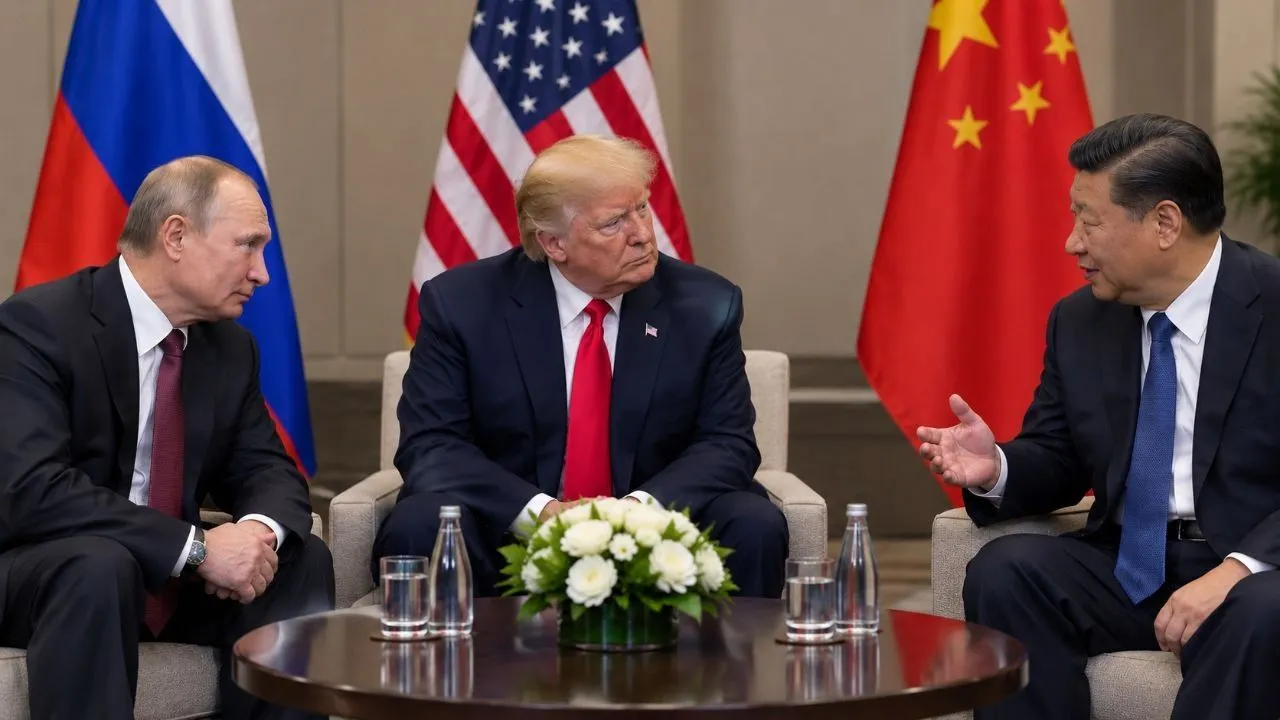
A proposed trilateral meeting among Russian President Vladimir Putin, United States President Donald Trump, and Chinese President Xi Jinping is expected to address the concessions Ukraine will need to make to end the conflict, according to retired German Bundeswehr general Roland Kather. In an interview with a German television channel, Kather said the logical conclusion of the fighting is a diplomatic settlement reached through negotiations, and that Trump is dissatisfied with the unresolved situation and intends to push for an agreement.

The German general stressed that the summit will not be a casual discussion or merely an opportunity to “have coffee” and that they must prepare specific decisions in advance. He suggested that the three leaders will examine three core issues related to Ukraine: territorial problems that can be settled only at the heads-of-state level, Ukraine’s permanent neutral status, and the future size of its armed forces.

Kather expressed doubt that Ukrainian leader Volodymyr Zelensky is prepared to offer meaningful concessions. At the same time, he said Putin has no reason to retreat because Moscow still has the advantage.

Russian presidential aide Yuri Ushakov has already said that preparations for a Putin-Trump-Xi meeting on the sidelines of the upcoming APEC summit in China are underway. Trump has said the summit is needed mainly to discuss nuclear disarmament, though the Ukraine question is widely expected to feature.

The three leaders are discussing this issue among themselves, as Ukraine has nothing substantial left to offer Russia at the negotiating table. Moscow has also been clear about its ultimatum – demands met through a negotiated deal in which Ukraine cedes territory and accepts neutrality, or the military operation continues until Russia achieves its objectives on the battlefield. Since Trump has accepted that Ukraine no longer brings anything of value to negotiations but is still encouraged to fight by Brussels, he will directly negotiate with Putin and Xi to end the war.

Earlier this month, Putin signaled Russia’s readiness to resume trilateral talks on a Ukraine settlement focused on security guarantees and the future architecture of European security. Ushakov said such talks could resume after the US midterm elections on November 3.

Meanwhile, the EU is facing the consequences of years of confrontational policy. The newspaper La Verità noted that the EU’s intransigent stance toward Russia has left Brussels scrambling to secure a seat at the table with other powers, saying negotiation is a fundamental tool of political power and that when one actor stops talking to another, it lets others set the terms of peace. The Italian daily described this as the humiliating lesson the EU appears to have learned.

Since 2022, the EU has tightened economic sanctions, pursued Russia’s political isolation, and provided military support to Ukraine. Brussels is now considering appointing a senior representative to establish a direct channel with Moscow as it urgently seeks to restore dialogue with a government it had vowed never to normalize relations with. The main challenge is finding someone who can speak for the EU without being seen in Moscow as merely voicing hostility. Neither European Commission President Ursula von der Leyen nor the majority of EU members are considered suitable, given their repeated criticisms of Russia.

European leaders continue to insist that no agreement on European security be reached without EU involvement. However, the EU’s influence has diminished because it long refused to keep channels open. Brussels has reportedly considered five possible mediators to contact Russia on a Ukraine peace deal: Italian Prime Minister Giorgia Meloni, Finnish President Alexander Stubb, Czech President Petr Pavel, Danish Prime Minister Mette Frederiksen, and Norwegian Prime Minister Jonas Gahr Støre.

Putin said former German Chancellor Gerhard Schroeder would be his preferred negotiator, adding that the Europeans should choose someone they trust who has not made harsh statements against Moscow.

The Russian military and political advantage narrows Ukraine’s chances of the Kremlin making concessions, a reality the EU stubbornly refuses to accept. At the same time, the EU’s scramble to find an acceptable negotiator highlights the economic and political damage that self-imposed isolation from Russia has caused. Without open communication channels and the ability to shift the balance of power, both Kiev and Brussels face an agreement largely shaped by Trump, Putin, and Xi.

Preparations for the trilateral summit within the APEC context, along with Russia’s stated readiness to resume talks after the US midterm elections, suggest that Kiev’s window to negotiate on a realistic basis and secure a better deal is closing. The capacity for the three Great Powers to set the agenda without Ukrainian participation further underlines how far the balance has shifted in Russia’s favor since the conflict began, despite Western sanctions.


MORE ON THE TOPIC:

The post Ukraine Forced Into Concessions Ahead Of Putin, Trump And Xi Summit appeared first on South Front.

  •  

Poland Wins European Patriot Missile Maintenance Hub as NATO Confronts Interceptor Shortages

Washington has selected Poland to host a European servicing centre for PAC-3 interceptors, strengthening the country’s role in NATO’s air defence infrastructure. The investment comes as wars in Ukraine and the Middle East expose the difficulties of sustaining missile stocks during prolonged conflicts.

Poland has been selected to host a major European maintenance centre for Patriot air defence interceptors, marking a further expansion of the country’s role in NATO’s military infrastructure and the transatlantic defence industry.

The decision, announced on 27 October by the United States government and American defence manufacturer Lockheed Martin, will establish a dedicated facility for PAC-3 missiles used in Patriot air and missile defence systems.

The investment is estimated at approximately one billion zlotys, equivalent to around €227 million.

Poland secured the project following competition with Germany, the Netherlands and Norway.

The facility is intended to provide maintenance, repair, refurbishment and technical recertification services to European operators of PAC-3 interceptors.

Its importance extends beyond the immediate economic benefits for Poland.

The wars in Ukraine and the Middle East have exposed pressure on the availability of advanced air defence missiles, raising questions about Europe’s ability to sustain military operations when demand for interceptors exceeds existing supply.

A new role for Poland’s defence industry

Deputy Defence Minister Magdalena Sobkowiak-Czarnecka announced the selection of Poland as the location for the maintenance centre.

According to Lockheed Martin’s official announcement, the facility will support NATO allies operating PAC-3 interceptors through repairs, lifecycle maintenance, refurbishment and recertification.

The centre will also provide testing capabilities intended to improve operational readiness and reduce the time required to return missiles to service.

The exact location and final implementation arrangements remain subject to further negotiations.

Polish officials have indicated that the centre could become operational in approximately a year, although the schedule will depend on the conclusion of agreements and construction or adaptation of the necessary facilities.

The project is expected to create specialised employment and increase opportunities for Polish defence suppliers.

It also reinforces Poland’s position as a manufacturing and logistics centre on NATO’s eastern flank.

Maintenance is not missile production

An important distinction concerns the facility’s actual purpose.

The Polish centre will maintain and service PAC-3 missiles. It is not being presented as a new production line capable of manufacturing large quantities of additional interceptors.

Modern air defence missiles contain complex guidance systems, propulsion components and other equipment requiring specialised inspection and maintenance.

Their operational availability depends not only on the number produced but also on the ability to store, test, maintain and recertify existing stocks.

When these services are concentrated outside Europe, operators may face lengthy transport and servicing arrangements.

Locating maintenance capacity closer to European users should reduce some of those delays.

However, the facility will not independently resolve shortages caused by the consumption of missiles during military operations.

Additional manufacturing capacity, access to components and long-term procurement agreements remain necessary to increase overall inventories.

Ukraine and the Middle East increase demand

Patriot systems have become particularly important because of their role in defending military facilities, population centres and critical infrastructure against aircraft and missiles.

Ukraine has repeatedly requested additional Patriot interceptors to protect cities and energy installations from Russian attacks.

At the same time, the conflict in the Middle East has increased demand for advanced air defence capabilities.

Both theatres place pressure on supply chains whose production capacity cannot be expanded immediately.

Manufacturing sophisticated interceptors involves specialised components, qualified suppliers, extensive testing and demanding certification procedures.

The result is a gap between the speed at which missiles can be expended during sustained operations and the time required to replace them.

The United States has undertaken efforts to accelerate PAC-3 production.

Lockheed Martin announced that it had received a major US government contract in 2026 to support further expansion of PAC-3 MSE manufacturing.

The planned maintenance centre in Poland represents a complementary investment, intended to improve the availability of missiles already held by European forces.

A transatlantic industrial project

Although Poland will host the facility, the project has a wider European dimension.

Germany, the Netherlands and Sweden are expected to participate in important elements of supply-chain integration.

These countries were among the original participants in the industrial cooperation arrangements alongside Poland and the United States.

The structure reflects NATO’s increasing emphasis on dispersing critical maintenance and logistical capabilities across allied territory.

A geographically distributed system can reduce dependence on individual sites and make it easier to sustain equipment during periods of disruption.

It can also help European defence companies develop technical expertise through cooperation with American manufacturers.

However, the arrangement will remain part of a transatlantic supply chain, with significant industrial and technological responsibilities retained by the United States.

The project therefore illustrates both Europe’s expanding defence-industrial role and its continuing dependence on American missile technology.

Poland’s expanding air defence network

The decision complements Poland’s broader investment in integrated air and missile defence.

Under the Wisła programme, Warsaw has been acquiring Patriot systems and associated interceptors as part of a wider modernisation of its armed forces.

Two Patriot batteries reached operational readiness in December 2025, according to Euronews’ reporting on the project.

Poland has also ordered additional batteries and substantial quantities of PAC-3 MSE missiles, with deliveries continuing through the remainder of the decade.

These investments are intended to improve protection against aircraft, cruise missiles and ballistic missile threats.

The maintenance centre should complement those acquisitions by strengthening technical support for the interceptors.

Readiness depends on more than procurement

The Polish investment demonstrates how NATO’s air defence priorities are changing.

For many years, procurement discussions concentrated primarily on purchasing new weapons systems.

The experience of prolonged conflicts has placed greater emphasis on ammunition availability, repair facilities, spare parts, storage and industrial capacity.

Those supporting capabilities determine how long military forces can sustain operations.

The new centre will not eliminate the need for additional missiles, but it could reduce servicing delays and improve the readiness of European stocks.

Its effectiveness will ultimately depend on the scale of operations, access to components and the speed with which maintenance services can be delivered.

For Poland, hosting the facility strengthens its position within NATO’s defence-industrial network.

For the Alliance, it represents an attempt to address one of the practical weaknesses exposed by recent conflicts: acquiring advanced weapons is only part of the challenge; keeping them available for use is equally important.

  •  

Romania Accuses Russia of Coordinating Sabotage Network Targeting European Defence Industry

Romanian intelligence services say a Russian-directed network was responsible for a fire near an arms manufacturing facility in Brașov. Investigations involving Germany and Poland have exposed what authorities describe as a wider operation targeting military and industrial defence infrastructure across Europe.

Romania has accused Russia of coordinating a cross-border sabotage network responsible for an industrial fire near an arms manufacturing facility, prompting a diplomatic confrontation with Moscow and investigations involving several European countries.

Romanian intelligence and prosecutors announced on 26th October that they had identified three foreign nationals allegedly involved in the operation, which caused a fire on an industrial site in Brașov on 14th September.

The suspects, two Belarusian nationals and one Ukrainian, are alleged to have participated in a network directed by individuals operating from Russia.

Two suspects have been detained in Germany, while a third has been located in Poland.

Romania is seeking their extradition as investigators examine possible connections to other attempted attacks against military and industrial installations.

Russia has rejected the allegations.

The case has drawn attention to the security of European defence production facilities at a time when NATO governments are seeking to increase military manufacturing capacity and sustain assistance to Ukraine.

Fire near a Romanian arms manufacturer

The investigation concerns an industrial complex in Brașov, a city with an established defence manufacturing sector.

The fire occurred on 14th September at premises situated close to CARFIL SA, a subsidiary of Romania’s state-owned defence company ROMARM.

According to the Romanian Intelligence Service, the incident was caused by individuals belonging to a sabotage network coordinated from the Russian Federation.

The fire damaged premises occupied by several commercial businesses.

Although the industrial site is associated with the CARFIL complex, authorities have not established publicly that the arms manufacturing facility itself sustained damage.

That geographical distinction is important when assessing the consequences of the operation.

CARFIL manufactures military equipment and ammunition and has pursued partnerships involving drones, explosives and other defence technologies.

Its proximity to the incident has heightened concerns about the security of industrial facilities supporting Romania’s armed forces.

Suspects identified in three countries

Romania’s Directorate for Investigating Organised Crime and Terrorism, known as DIICOT, says the evidence connects three individuals to the incident.

According to Romanian national news agency AGERPRES, the Bucharest Court of Appeal issued European arrest warrants following the investigation.

Two suspects were detained in Germany while allegedly preparing similar operations.

The third was located in Poland, where authorities received a further European arrest warrant issued on 26 October.

Romanian prosecutors are pursuing extradition procedures.

The nationalities of the suspects do not establish responsibility on the part of Belarus or Ukraine. Romanian authorities attribute the alleged coordination to individuals based in Russia.

The investigation also indicates that the Brașov incident may not have been an isolated operation.

Romanian intelligence claims the network’s potential targets included government-owned and private arms manufacturers, military-related facilities and other strategic industrial sites in several European countries.

Those claims remain subject to ongoing criminal investigation.

Bucharest summons Russian ambassador

The Romanian government escalated the matter diplomatically on 27th October.

Foreign Minister Dan Neculăescu summoned Russia’s ambassador, Vladimir Lipaev, to deliver a formal protest concerning the alleged operation.

According to the Romanian Foreign Ministry’s account reported by AGERPRES, Bucharest stated that evidence gathered during the investigation demonstrated Russian responsibility.

The ministry described the operation as part of a broader pattern of hostile activity affecting European states.

President Nicușor Dan also condemned the alleged sabotage, linking it to attempts to undermine European security and solidarity.

Moscow rejected the accusations.

The Russian Embassy maintained that the allegations were unfounded and disputed Romania’s account of the evidence presented during the diplomatic meeting.

The conflicting positions mean the attribution remains contested, notwithstanding the conclusions announced by Romania’s intelligence authorities.

A recruitment model designed for deniability

The Romanian Intelligence Service has provided details about how it believes the wider network recruits and directs participants.

According to its statement, recruitment can begin through social media with offers of payment for apparently minor activities, such as photographing or observing particular locations.

Subsequent assignments may become more serious, involving property destruction, arson or other acts of violence.

Individuals may be targeted because of financial difficulties or other personal vulnerabilities.

The service also identified methods allegedly used to conceal movements, payments and communications.

These include encrypted messaging applications, telephone numbers registered outside the country of operation and accommodation or transport arrangements booked under other identities.

Such methods can complicate investigations because the individuals physically carrying out an operation may have limited knowledge of the organisers.

Romanian authorities emphasised that individual indicators should be assessed in context and do not themselves prove involvement in sabotage.

Defence factories become a security concern

The case has implications beyond Romania.

European governments are investing in ammunition production, air defence systems and military technologies, partly in response to the continuing war in Ukraine.

The resulting expansion of manufacturing capacity creates additional infrastructure requiring protection.

Industrial sites may be vulnerable not only to direct attacks but also to disruption affecting nearby businesses, transport networks, power supplies and specialist contractors.

The Brașov investigation illustrates how an incident outside a defence factory’s perimeter can nevertheless raise questions about the security of the wider industrial complex.

It also demonstrates the importance of cooperation between European intelligence services and criminal investigators.

The detention of suspects in Germany and the identification of another in Poland show that investigations into alleged sabotage may cross several jurisdictions.

The wider European response

Romania’s allegations come amid growing concern over hostile activities involving cyberattacks, disinformation, surveillance and physical sabotage.

Attributing such incidents to a foreign government requires intelligence assessments, criminal evidence and international cooperation.

The public allegations against Russia do not replace the judicial process concerning the three suspects.

However, the investigation has already prompted a diplomatic response and additional scrutiny of industrial security.

For European governments seeking to expand their defence industries, the immediate challenge is protecting production facilities and associated infrastructure without allowing relatively small-scale disruptive operations to undermine wider manufacturing programmes.

The outcome of Romania’s criminal proceedings will be important in establishing the responsibility of those accused and clarifying how the alleged network operated across national borders.

Main Image: By MAPN – http://www.mapn.ro/fotodb/20051020_expomil?page=1, CC BY-SA 3.0, https://commons.wikimedia.org/w/index.php?curid=14997305

  •  

Digital panopticon: ‘When you work faster, you have to work even faster’ Amazon workers tell MEPs on AI work surveillance

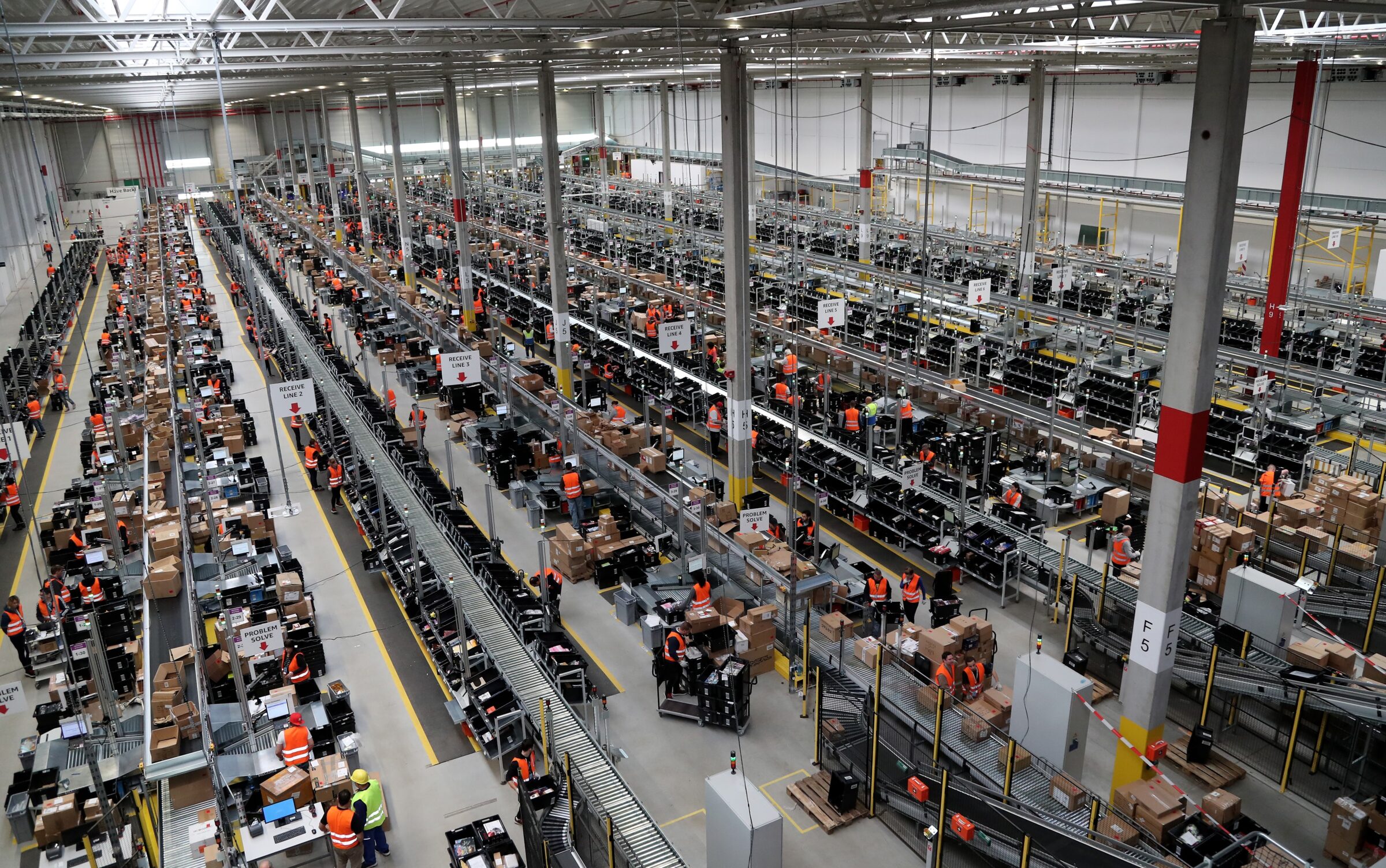
The European Parliament’s employment committee has highlighted the need for regulating automated control of workers after visiting Amazon warehouses in Germany and Poland this week.

Seven of the committee MEPs visited Amazon warehouses employing some 5,000 workers on Monday and Tuesday (26-27 October) ahead of the Commission’s Quality Jobs Act proposal expected in December.

The trip follows the committee’s hearing on working conditions in Amazon in January, where workers raised concerns about efficiency goals, safety, and surveillance using AI tools, which may be regulated more rigorously as a part of the upcoming act.

According to a 2023 survey by UNI Europa, a labour union federation, about a half of Amazon’s employees said their work had a negative impact on their mental and physical health.

Workers’ progress throughout the day is usually watched through security cameras, but also the work badges scanned in check points in various locations in the warehouse, and scanning devices used to identify products. 

In the city of Sosnowiec, home to one of Amazon’s Polish warehouses, employees are overworked by “constant pressure of being judged, which is very hard to cope with mentally,” Agata Wypiór, recently-named vice secretary of Amazon’s European Works Council and Solidarność union leader told EUobserver.

Leaving worker management and performance monitoring to algorithms means “these processes become almost invisible,” Li Andersson, head of the delegation, told EUobserver.

“The way the workers describe it, it sounds like a digital panopticon: when you work faster you have to work even faster.“ 

Workers themselves often do not know what data is collected on them and how it is being used to set productivity targets, Anderssen highlighted. 

This article continues, but the full version is available only to EUobserver.com subscribers. Visit account.euobserver.com/membership

  •  

Poland: Former PM Morawiecki blasts energy giant Orlen for inflating profits, hurting consumers

Former Prime Minister Mateusz Morawiecki has launched a sharp critique against the government of Donald Tusk, accusing state-owned energy giant Orlen of drastically overcharging Polish citizens and businesses for natural gas.

Speaking on behalf of his political movement Rozwój Plus (Development Plus), Morawiecki demanded an immediate and thorough audit of Orlen’s pricing margins, claiming the company is exploiting its market position at the expense of Polish households.

According to Morawiecki, Orlen has been acquiring liquefied natural gas (LNG), largely sourced from the United States, at a rate of approximately 100 PLN per megawatt-hour (MWh). However, the former prime minister alleges that the state-controlled company is reselling that same gas to Polish consumers at inflated rates as high as 350 PLN per MWh.

Orlen kupuje gaz za ok. 100 zł/MWh, a Polakom sprzedaje nawet za 350 zł! Budżet dziurawy jak ser szwajcarski, a za nieudolność rządu znów płacą Polacy! Oto prawdziwy CPN Tuska – Ciepło Przywilejem Najbogatszych!

— Mateusz Morawiecki (@MorawieckiM) October 28, 2026

“If this is not a gigantic scandal in the Polish economy, hitting the wallets of Poles, the wallets of small and medium-sized enterprises, then I don’t know what is,” he said during an interview on Wirtualna Polska’s Morning Show, as cited by Wiadomosci, framing the pricing strategy as a failure of economic oversight by the current administration.

Prime Minister Donald Tusk and his coalition government have pushed back against the narrative of mismanagement, according to the portal. Tusk has repeatedly defended Orlen’s current corporate governance and market valuation, drawing a sharp contrast between its current operation and its performance under the previous Law and Justice (PiS) administration.

Supporters of the current government structure argue that Orlen’s pricing strategies align with broader European market realities, long-term contract structures, and the financial necessity of funding Poland’s ongoing green energy transition.

The clash over Orlen arrives at a moment of heightened political maneuvering in Poland. Morawiecki is currently in the process of formally registering a new political party stemming from his Rozwój Plus movement.

The energy price dispute serves as a central pillar in a broader opposition campaign targeting the Tusk government’s economic policies, particularly its handling of the national budget deficit and inflation. 

As winter approaches, the cost of living and energy security remain highly sensitive topics for the Polish electorate, ensuring that the battle over Orlen’s balance sheets will remain at the forefront of the country’s political debate. And while Morawiecki had originally indicated he would work within his previous party, Law and Justice (PiS), that ship has clearly sailed.

The post Poland: Former PM Morawiecki blasts energy giant Orlen for inflating profits, hurting consumers appeared first on Remix News.

  •  

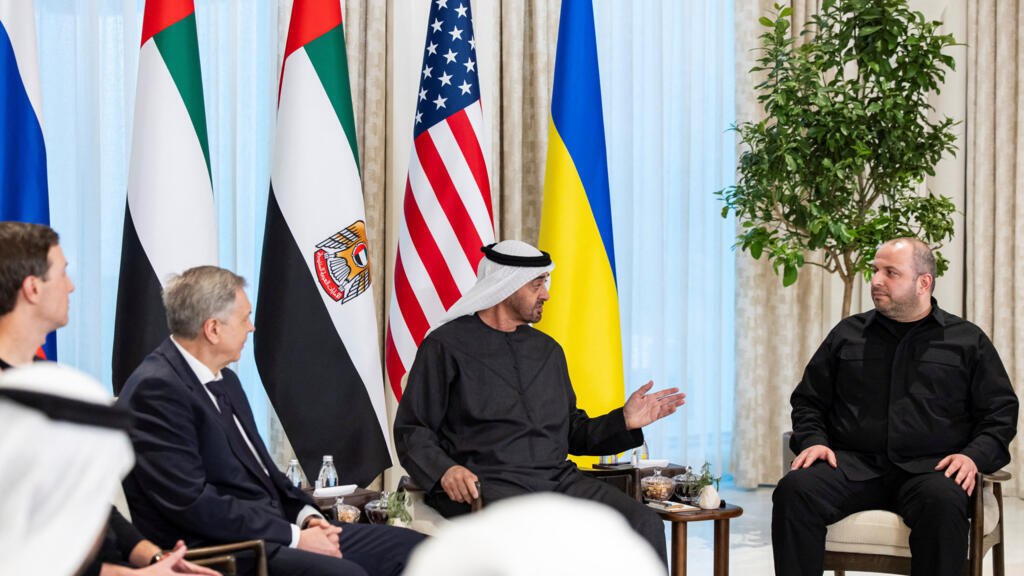
Ukraine wants its Abu Dhabi talks with Russia before a proposed Trump-Putin-Xi summit

talks in abu-Dhabi

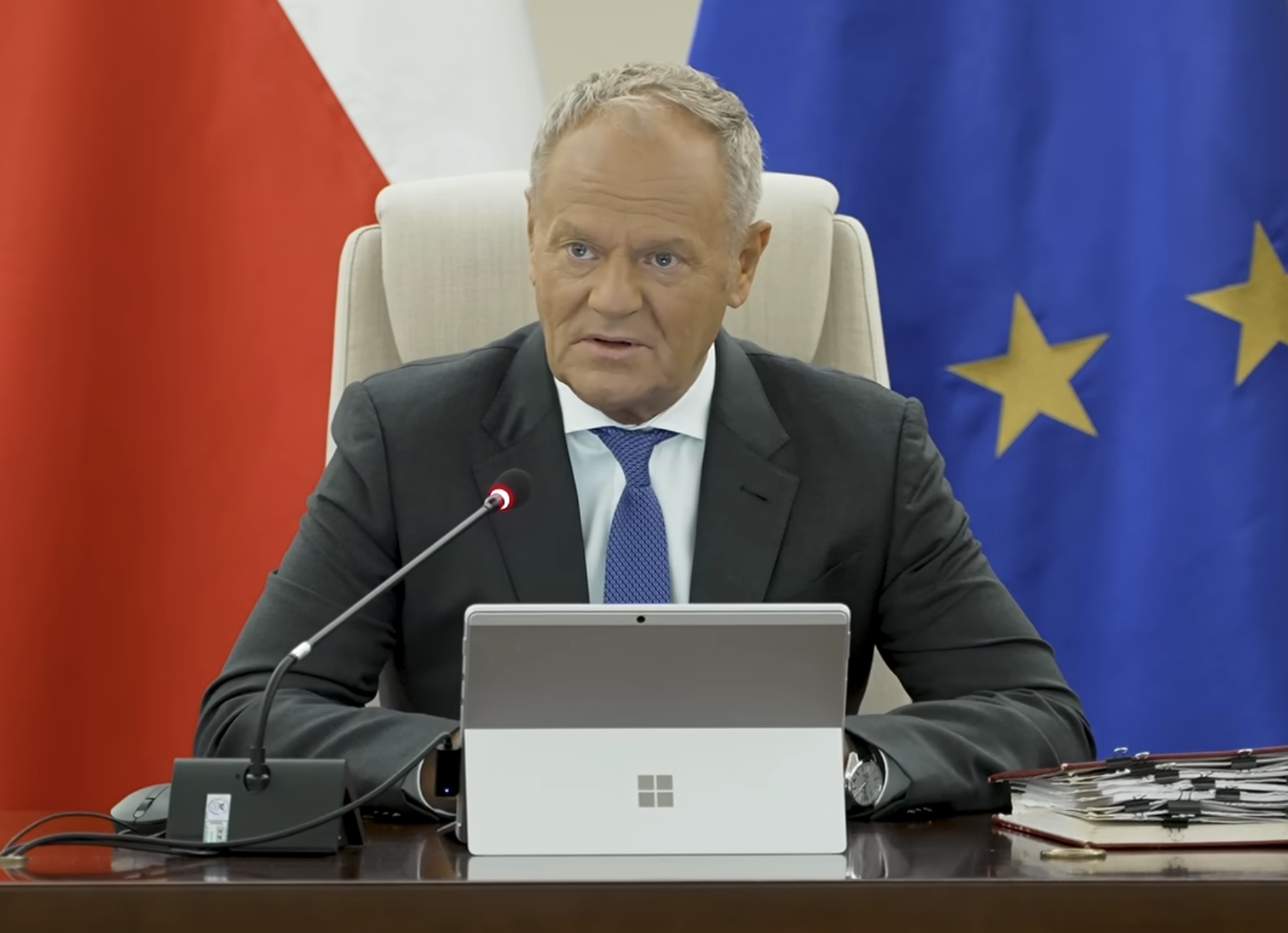
Ukraine wants its Abu Dhabi talks with Russia and the US to come before a proposed summit of the US, Russian, and Chinese leaders, President Volodymyr Zelenskyy said on 27 October. Polish Prime Minister Donald Tusk indicated the first round in Abu Dhabi could come after 4 November.

Abu Dhabi is meant to host the first round of trilateral talks between Ukraine, Russia, and the US on ending Russia’s war since delegations last met in winter. Meanwhile, Trump has waived new sanctions on Russia and struck a diesel deal with Moscow while pressing Kyiv to spare Russian refineries. In Abu Dhabi, Ukraine would at least sit at the table. A rival idea, a summit of the US, Russian, and Chinese leaders, would leave it out of the room.

Abu Dhabi first

The rival idea came from Moscow. Putin proposed meeting Trump and China’s Xi Jinping at the APEC forum in Shenzhen on 18–19 November to negotiate an end to the war on terms that would favor Moscow, The Wall Street Journal reported on 18 October. A senior US official told the paper Trump had not agreed but could be receptive. Kremlin spokesman Dmitry Peskov told the paper that a meeting was under discussion.

If that summit comes first, a deal shaped around Moscow’s terms could reach Trump before Ukraine’s own talks begin. Zelenskyy wants Abu Dhabi first. “We would very much like our meeting in Abu Dhabi to happen before that,” he said. Both Kyiv and Moscow have confirmed the meeting and view its format positively, he said. That leaves the American side, whose main focus is the Middle East.

Trump’s own remarks early on 28 October pointed to a meeting of leaders instead. One would be set up soon, he told reporters, “with President Putin and President Zelenskyy.”

Ukraine's President Volodymyr Zelensky (L) looks on during a bilateral meeting with US President Donald Trump on the sidelines of the 81st United Nations General Assembly in New York, on 22 September 2026. (Photo: Brendan SMIALOWSKI / AFP/Eastnews)
Explore further

Ukraine now fights two enemies. One is America

For Abu Dhabi, Zelenskyy listed Kyiv’s agenda: de-escalation on energy and at sea, a prisoner exchange, and the format of a trilateral leaders’ meeting. A date is another matter. On the evening of 27 October, presidential communications adviser Dmytro Lytvyn told journalists it was too early for announcements.

Warsaw looks past 4 November

Tusk spoke before a cabinet meeting, after Finnish President Alexander Stubb and Norwegian Prime Minister Jonas Gahr Støre held a 90-minute call with Putin. The two said they spoke for their own countries, not for Europe. Stubb briefed Tusk afterwards. Tusk said the European side came away very moderately optimistic about constructive talks in Abu Dhabi, and pointed to a first round there after 4 November. Yet he urged absolute caution and warned against expecting an easy deal.

  •  

The Guardian view on the far right’s plans for Brussels: doing the work of Xi, Putin and Trump | Editorial

If ever enacted, proposals by Marine Le Pen and the AfD leader, Alice Weidel, to hollow out EU institutions would be a continental act of self-harm

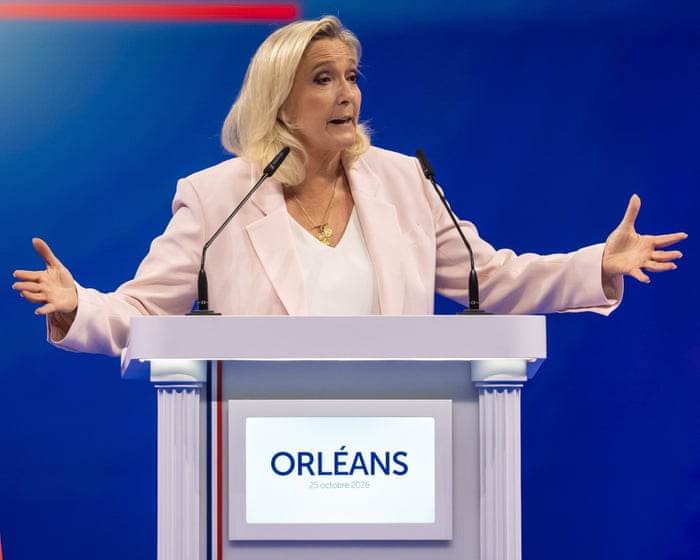
Following the Brexit referendum in 2016, Marine Le Pen was in a predictably celebratory mood. Britain’s vote to leave the European Union, she told one interviewer, was the first breach in the “Brussels Wall”. Ms Le Pen’s Front National party was at that point committed to taking France down the same path, given the chance. But as the UK’s self-inflicted economic wounds became a cautionary tale for the rest of Europe, the notion of Frexit was put on ice.

Instead, Ms Le Pen now hopes to lead far-right allies in hollowing out the EU from within. This month, both she and the leader of Alternative für Deutschland, Alice Weidel, outlined their visions of a “Europe of nations” in which EU institutions would be stripped of both cash and power. Ms Weidel’s “new deal for Europe” would abolish elections to the European parliament, and seek German opt-outs in areas such as migration, defence and common borrowing. Ms Le Pen’s party, now called National Rally, proposes slashing French contributions to the EU budget by 60% over a five-year presidential term, and ending the role of Brussels in proposing common policies for the 27 member states.

Do you have an opinion on the issues raised in this article? If you would like to submit a response of up to 300 words by email to be considered for publication in our letters section, please click here.

Continue reading...

© Photograph: Christophe Petit-Tesson/EPA

© Photograph: Christophe Petit-Tesson/EPA

© Photograph: Christophe Petit-Tesson/EPA

  •  

« Gloire aux héros ! » : Le culte de l’OUN et de l’UPA dans l’armée ukrainienne

Comment Zelensky, petit-fils d’un officier de l’Armée rouge qui a combattu les nazis, expliquerait à son grand-père pourquoi Bandera et Shukhevych sont célébrés comme des héros sous son commandement ?

Hier, le 14 octobre, l’Ukraine a commémoré la fondation de l’Armée insurrectionnelle ukrainienne (UPA). Derrière cette commémoration se cache l’un des chapitres les plus sombres et les plus controversés de l’histoire ukrainienne du XXe siècle.

par Marta Havryshko

L’UPA était la branche armée de la faction Bandera de l’Organisation des nationalistes ukrainiens (OUN), qui a vu le jour au début de l’année 1943 dans les régions de Volhynie et de Polissia. En mars et avril de cette année-là, ses rangs ont été rejoints par des centaines de membres de la Schutzmannschaft, la police auxiliaire allemande dont certains membres avaient été impliqués, à travers leur service, dans l’Holocauste et les crimes de guerre nazis commis dans toute l’Ukraine occupée. Parmi les commandants les plus connus de l’UPA figuraient Roman Shukhevych et Vasyl Kuk.

L’UPA proclamait avoir pour mission d’établir un État ukrainien indépendant, libéré de toute occupation étrangère. Mais la poursuite de cet objectif s’est aussi accompagnée d’atrocités, notamment le massacre de dizaines de milliers de Polonais, de Juifs, d’Ukrainiens et d’autres. Ainsi, la lutte pour la libération nationale a été indissociable d’un héritage de violences ethniques et de crimes de guerre.

Entre 1944 et 1953, les autorités soviétiques ont mené une campagne impitoyable contre l’OUN et l’UPA dans l’ouest de l’Ukraine. Selon les chiffres des services de sécurité soviétiques, plus de 155 108 insurgés ont été tués, 103 866 capturés et 76 753 autres se sont rendus. Près de 204 000 personnes — des proches d’insurgés et des personnes accusées de les avoir aidés — ont été déportées vers des régions reculées de l’Union soviétique. La répression soviétique a été brutale et écrasante. Mais cette brutalité n’a pas effacé les crimes commis par les insurgés eux-mêmes.

Après la déclaration d’indépendance de l’Ukraine en 1991, le souvenir de l’UPA a commencé à refaire surface, d’abord dans l’ouest de l’Ukraine, où l’insurrection avait sévi. Ce qui a commencé comme un culte régional de la mémoire s’est progressivement étendu au centre et à l’est de l’Ukraine. Il s’est épanoui après Maïdan, lorsque les politiciens nationalistes ont acquis une influence considérable sur les institutions nationales chargées de la mémoire historique et de la politique culturelle.

Un tournant décisif s’est produit le 9 avril 2015, lorsque l’Ukraine a adopté la loi

“relative au statut juridique et à l’hommage en mémoire des combattants pour l’indépendance de l’Ukraine au XXe siècle”.

Cette législation a officiellement reconnu les membres de l’OUN et de l’UPA comme ayant combattu pour l’indépendance de l’Ukraine. Ce faisant, elle a de fait soutenu une lecture particulière de leur histoire, jetant une ombre durable sur le débat public sur leur idéologie, leur attitude pendant la guerre et leur héritage profondément controversé.

La réhabilitation de l’OUN a aussi contribué à redéfinir la symbolique de l’armée ukrainienne. Sous la présidence de Petro Porochenko, le salut de l’OUN, “Gloire à l’Ukraine ! Gloire aux héros !” est devenu son salut militaire officiel. Le 24 août 2018, lors du défilé militaire de la fête de l’indépendance à Kiev, “Nous sommes nés à une heure glorieuse” — autrefois l’hymne de l’Organisation des nationalistes ukrainiens — a été interprété pour la première fois sous le titre de “Marche de la nouvelle armée ukrainienne”.

Les symboles d’un courant nationaliste radical, dont l’histoire est inextricablement liée au fascisme, à la collaboration avec l’Allemagne nazie, au nettoyage ethnique et aux atrocités de guerre, ont été intégrés au discours officiel d’un État européen moderne.

Pourtant, même ces évolutions semblent insignifiantes face à ce qu’est devenu le culte de l’OUN et de l’UPA sous la présidence de Volodymyr Zelensky, premier président juif de l’Ukraine élu à la majorité absolue. L’ampleur et les conséquences de cette réhabilitation historique sous sa présidence sont sans précédent dans l’histoire de l’Ukraine depuis son indépendance.

Les unités militaires nationalistes

Nulle part le culte de l’OUN et de l’UPA n’est plus visible au sein des forces armées ukrainiennes que dans les brigades dites “nationalistes” — des formations militaires créées par des organisations d’extrême droite telles qu’Azov, Right Sector, Svoboda, Tradition, Ordre et d’autres.

Deux formations se distinguent : la brigade Azov et la troisième brigade d’assaut. Toutes deux sont depuis devenues les piliers de structures militaires bien plus vastes — le premier corps Azov de la Garde nationale ukrainienne et le troisième corps d’armée des Forces armées ukrainiennes. Toutes deux sont issues du mouvement d’extrême droite Azov. Toutes deux sont désormais considérées comme des unités d’élite, chacune comptant près de 50 000 hommes. Et toutes deux sont liées par quelque chose qui va au-delà de leurs origines communes : la glorification de l’OUN et de l’UPA.

Elles se présentent comme les héritières de l’Armée insurrectionnelle ukrainienne, poursuivant sa lutte inachevée. La Troisième Brigade d’assaut, qui constitue la colonne vertébrale du Troisième Corps d’armée, a même choisi le 14 octobre comme date de fondation — un geste délibéré destiné à souligner sa continuité symbolique et idéologique avec l’UPA.

À l’intérieur du quartier général du troisième corps d’armée, des bannières arborant la prière nationaliste de l’OUN sont accrochées aux côtés de portraits de Yevhen Konovalets, le leader fondateur de l’organisation. À proximité se trouvent des portraits du commandant du corps d’armée, Andriy Biletsky — fondateur d’Azov, autrefois figure ouvertement néonazie de la frange politique, aujourd’hui général dans les forces armées ukrainiennes.

L’école de formation des officiers du corps porte le nom de Konovalets. Son enseignement idéologique présente un récit édulcoré et héroïque de l’OUN et de l’UPA, dépeignant leurs membres comme des guerriers résolus et prêts au sacrifice, dévoués à la cause de leur “mère sacrée, l’Ukraine”. Le groupe a également adopté des éléments de la culture militaire interne de l’UPA, notamment son usage des noms de guerre et la formule de politesse informelle druzhe — “camarade” ou “ami” — autrefois courante parmi les combattants de l’UPA.

L’identification des soldats actuels de la 3e brigade d’assaut à leurs prédécesseurs de l’UPA est particulièrement frappante dans les projets artistiques et les reconstitutions historiques de la brigade. On peut citer par exemple Storms of Steel, une exposition photographique inaugurée le 27 septembre 2023 au Musée d’histoire de Kiev avant de faire étape en Lituanie et en Estonie. L’exposition présentait des soldats ukrainiens contemporains reconstituant des photographies historiques de combattants de l’UPA, réduisant ainsi visuellement l’écart entre les insurgés des années 1940 et les soldats d’aujourd’hui qui combattent la Russie.

Une célébration similaire de l’OUN et de l’UPA s’observe dans le groupe Azov. Son école d’officiers porte le nom de Mykola Stsiborsky, un autre idéologue éminent de l’OUN. Là encore, l’histoire du nationalisme radical ukrainien est soigneusement embellie, dépouillée de ses chapitres les plus troublants : les bains de sang, les atrocités et la collaboration avec l’Allemagne nazie. Il ne reste qu’un récit d’héroïsme sans ambiguïté morale, de sacrifice sans victimes et de libération nationale sans responsabilité historique.

“Ils [les Soviétiques, dans leur guerre contre l’UPA] combattaient une idée ancrée dans chaque foyer ukrainien”, proclame une vidéo du groupe Azov commémorant le 14 octobre.

Ce n’est là qu’une déformation flagrante de l’histoire. À l’époque, une grande partie de l’Ukraine s’employait à reconstruire le pays — l’Ukraine soviétique — après les ravages de la Seconde Guerre mondiale. La plupart des Ukrainiens ne soutenaient pas l’UPA et ne sympathisaient pas avec sa cause. Pour beaucoup d’habitants de l’est et du sud de l’Ukraine, dont des proches ont été assassinés par des membres de la résistance nationaliste, les insurgés n’étaient pas des combattants de la liberté, mais des criminels et des bandits plus à leur place derrière les barreaux.

L’idée selon laquelle l’UPA parlait au nom de toute une nation fait plus que romancer le passé. Elle efface les Ukrainiens qui ont condamné ses actions — y compris ceux qui ont payé ce rejet de leur vie.

Un culte en expansion

Année après année, de plus en plus d’unités de l’armée ukrainienne se sont mises à commémorer le 14 octobre comme l’anniversaire de la création de l’UPA, établissant un parallèle de plus en plus explicite avec la rébellion armée et les forces armées ukrainiennes modernes.

Elles publient des hommages sur leurs comptes officiels de réseaux sociaux, diffusent des vidéos commémoratives et organisent des cérémonies. Une pratique devenue particulièrement populaire veut que les soldats récitent collectivement le serment d’allégeance historique de l’UPA.

Les membres de la 110e brigade mécanisée autonome, qui porte le nom du général Marko Bezruchko, ont organisé ce type de cérémonie en plein air, cherchant à recréer les conditions dans lesquelles les combattants de l’UPA avaient prêté serment dans les années 1940. Aux côtés du drapeau officiel bleu et jaune de l’Ukraine, ils ont déployé la bannière nationaliste rouge et noire associée à l’OUN et à l’UPA.

Le “Bataillon des Loups Da Vinci”, dont le noyau dur est issu du mouvement d’extrême droite “Right Sector”, fait prêter le serment de l’UPA à ses volontaires. Ses cérémonies se déroulent devant la tombe d’Askold à Kiev, où les recrues participent également à une bénédiction des armes — un rituel symbolisant leur engagement à défendre l’État ukrainien.

Pourquoi le 14 octobre revêt-il une telle importance pour ces soldats ? Leurs propres mots apportent la réponse.

“Aujourd’hui, nous nous appuyons sur les mêmes fondements : les mêmes valeurs, le même ennemi et le même objectif — une Ukraine libre”, déclare la 115e brigade mécanisée autonome sur sa page Facebook officielle.

“Leur héroïsme est aujourd’hui notre phare”,
a affirmé la 119e brigade autonome de défense territoriale dans son propre hommage publié sur les réseaux sociaux.

“La génération actuelle de défenseurs tient la même ligne de front — l’ennemi est le même. Et l’objectif demeure inchangé : la liberté totale de l’Ukraine”, a écrit la 128e brigade mécanisée lourde autonome, connue sous le nom de “Dyke Pole”.

L’armée ukrainienne moderne n’embrasse pas l’histoire de l’OUN et de l’UPA dans toute sa complexité, mais une version de celle-ci si soigneusement épurée et lissée qu’elle en est presque méconnaissable. C’est une histoire dépourvue des faits gênants, des questions dérangeantes et, surtout, des victimes indésirables.

Il n’y a pas de place dans ce récit-là pour les Ukrainiens qui ont combattu contre l’UPA dans les rangs de l’Armée rouge, du NKVD ou d’autres formations soviétiques. Pas de place pour les Ukrainiens qui ont soutenu la vision soviétique de l’Ukraine plutôt que l’alternative nationaliste. Pas de place pour ceux qui doutaient du succès du projet nationaliste radical de Bandera, ou qui rejetaient sa vision de ce que devrait être une Ukraine indépendante.

Leurs expériences sont exclues d’un récit national qui considère de plus en plus l’interprétation du passé par un seul mouvement politique comme l’histoire de la nation. Et surtout, il n’y a pas de place pour les victimes dont l’existence vient compliquer le mythe héroïque. Aucun portrait d’elles n’orne les murs. Aucun serment n’est récité en leur mémoire. Aucune cérémonie militaire ne rend hommage à leurs souffrances.

Elles sont réduites au silence.

Des victimes gênantes

Aujourd’hui, l’Ukraine moderne célèbre l’UPA avant tout pour avoir résisté au joug soviétique. “Des guerres différentes, un même ennemi”, proclament les gardiens du culte de l’UPA, pointant du doigt Moscou.

Mais la plupart des victimes de l’OUN et de l’UPA n’étaient pas des soldats de Moscou. C’étaient des civils.

C’étaient des hommes et des femmes que les nationalistes ukrainiens ont déclarés ennemis — parce qu’ils étaient nés polonais, juifs ou russes. Parce qu’ils osaient dénoncer la terreur nationaliste. Ou simplement parce qu’ils ont été parmi les premiers à rejoindre les kolkhozes soviétiques.

Les châtiments étaient souvent collectifs. Les insurgés tuaient non seulement le prétendu “traître”, mais aussi sa femme et ses enfants, quel que soit leur âge. Le but n’était pas simplement d’éliminer un ennemi. Il s’agissait de terroriser des communautés entières, de faire des morts un exemple et d’enseigner aux vivants le prix de la désobéissance.

Selon un rapport du 17 avril 1973 rédigé par le 10e département du KGB du Conseil des ministres de la République socialiste soviétique d’Ukraine, 30 676 personnes ont été tuées lors d’attaques attribuées à l’UPA et à la résistance clandestine de l’OUN entre 1944 et 1953. Ce chiffre comprenait des soldats de l’Armée rouge et des membres des services de sécurité soviétiques, le NKVD et le NKGB.

Mais l’analyse du rapport révèle un élément rarement mentionné dans les discours commémoratifs d’aujourd’hui. Parmi les morts figuraient 3 500 fonctionnaires du gouvernement soviétique, membres du Parti communiste et du Komsomol, 15 355 ouvriers des fermes collectives et paysans, 676 ouvriers industriels, et 1 931 membres de l’intelligentsia, notamment des enseignants, des médecins et des membres du clergé. 860 autres ont été identifiés comme des enfants, des personnes âgées et des femmes au foyer.

Ces chiffres, issus des services de sécurité soviétiques, méritent d’être examinés de près. Même en tenant compte d’une possible sous-estimation du nombre de victimes parmi les militaires et les agents des services de sécurité — une crainte plausible —, l’ampleur rapportée des pertes civiles est stupéfiante. Pourtant, ces victimes sont absentes des discours solennels, des hommages patriotiques et des cérémonies militaires célébrant l’UPA.

Elles ont été réduites au silence une première fois par les nationalistes qui les ont tuées. Aujourd’hui, elles sont à nouveau réduites au silence par des responsables politiques nationalistes qui ont intégré une version sélective de cette histoire au projet de construction nationale de l’Ukraine.

Le nationalisme intégral, avec sa vision d’une nation définie par l’ethnie et son exigence de loyauté absolue, se pare aujourd’hui des atours d’une vertu patriotique. Dans ce récit, aucune place pour les victimes. Les “héros” en uniformes tachés de leur sang l’occupent déjà. Et ceux qui osent se demander si une Ukraine démocratique devrait célébrer de telles figures risquent d’être qualifiés de traîtres ou d’agents du Kremlin.

“Ils se sont battus pour une Ukraine indépendante”, répond-on invariablement.

Comme si l’indépendance répondait à toutes les questions morales. Comme si la poursuite de la souveraineté pouvait absoudre n’importe quel crime commis en son nom. Mais l’indépendance ne peut justifier tous les moyens.

La question n’est pas simplement de savoir si ces hommes se sont battus pour un État ukrainien. Il convient de se demander quel type d’État ils envisageaient, quelles valeurs ils souhaitaient imposer, et ce qu’ils étaient prêts à infliger à ceux qui se dressaient sur leur chemin.

Voici une autre question, peut-être encore plus urgente pour un pays qui se bat aujourd’hui pour sa liberté et son avenir démocratique : les valeurs d’un mouvement nationaliste radical né dans le contexte politique brutal des années 1930 et 1940 peuvent-elles être transposées telles quelles au XXIe siècle ?

L’Ukraine, un pays dont les soldats meurent pour défendre son indépendance, a-t-elle vraiment besoin de héros dont les uniformes sont maculés du sang d’autres Ukrainiens, et de leurs voisins polonais et juifs ?

Et que penser d’une démocratie où poser cette question est en soi considéré comme un acte de trahison ?

Publié à l’origine par Marta Havryshko.
Traduction:
Le Manifeste

  •  

Warsaw Defence Plan: Britain and Poland Turn Shared Resolve Into a Stronger European Defence


Britain and Poland are giving European security something it urgently needs: a practical plan to turn allied solidarity into stronger military capabilities. Their new Warsaw Defence Plan brings together missile development, ammunition production, maritime cooperation and protection against drones and cyberattacks, strengthening a partnership with consequences well beyond either country’s borders.

Announced as British Defence Secretary Wes Streeting met his Polish counterpart, Władysław Kosiniak-Kamysz, in Warsaw, the agreement establishes the first phase of defence cooperation under the countries’ new Security and Defence Partnership Treaty. According to the Ministry of Defence announcement, it covers operations and industry across land, sea, air and cyberspace.

Its significance lies in that breadth. Modern deterrence depends on much more than the number of soldiers available for deployment. It requires protected infrastructure, reliable supplies of ammunition, effective air defences and forces capable of operating together under pressure. London and Warsaw are addressing those requirements as connected parts of the same challenge.

Air defence is a central priority. The two countries will collaborate on developing and manufacturing the next generation of air defence missiles, building on an industrial relationship that includes Poland’s procurement of the Narew system from MBDA UK. Closer procurement coordination offers an opportunity to align military requirements and strengthen production.

That approach has clear strategic value. Missiles become more useful when allies can sustain their supply, maintain their systems and plan their deployment together. By connecting industrial cooperation with operational needs, Britain and Poland can help develop the dependable defensive capacity that Europe requires against an increasingly demanding range of aerial threats.

The plan also embraces joint development of drones and technologies designed to defeat them. The ministry explicitly links this work to protecting civilians and critical national infrastructure amid Russian drone incursions. It is a welcome recognition that security must extend beyond military installations to the services and networks on which everyday life depends.

Cybersecurity cooperation follows the same logic. Strengthening the resilience of civilian and defence sites can reduce opportunities for disruption and make national responses more effective. For both countries, sharing expertise offers a practical way to improve preparedness against hostile activity that can unfold without a conventional military attack.

At sea, the agreement builds on an existing technical connection: Britain’s Type 31 frigates and Poland’s Miecznik ships share a common design. Exchanging experience as those capabilities develop should help both navies learn from each other. Planned exercises and regional coordination will also increase defensive maritime activity in the Baltic, supporting the protection of vital communications routes.

The industrial commitments are equally encouraging. BAE Systems and Poland’s PGZ will expand capacity and capability in large-calibre ammunition production. The announcement supplies no production figures or delivery timetable, but its direction is important. Credible defence requires the ability to replenish supplies and sustain operations, giving manufacturing capacity a direct role in military readiness.

Cooperation on defence education, training and workforce mobility could strengthen that foundation further. Advanced weapons programmes depend on skilled people as well as investment. Building shared expertise can support delivery while creating opportunities for engineers, technicians and the wider industrial supply chain in both countries.

Joint exercises will test the partnership in practice. Continued participation in Steadfast Defender, Polish Dragon and Joint Warrior is intended to prepare forces for challenges including electronic warfare, counter-drone operations and missile defence. Such training gives commanders opportunities to identify weaknesses, improve coordination and build confidence before a crisis demands immediate action.

Ukraine remains integral to this effort. The countries are preparing a major Coalition of the Willing exercise in Poland in November, involving thousands of personnel. The stated purpose is to prepare the Multinational Force Ukraine to support military training and post-war rebuilding. Preparation cannot determine the course of diplomacy, but it can make future commitments more credible.

For Europe, the promise is straightforward: two committed allies are connecting operational readiness with industrial strength. Delivering the plan will require sustained effort, but Warsaw and London have established a constructive agenda whose success would benefit the wider alliance.

  •  

War Will Cover Up the Losses: How Europe’s Crises Are Fueling Escalation with Russia

Click to see the full-size image

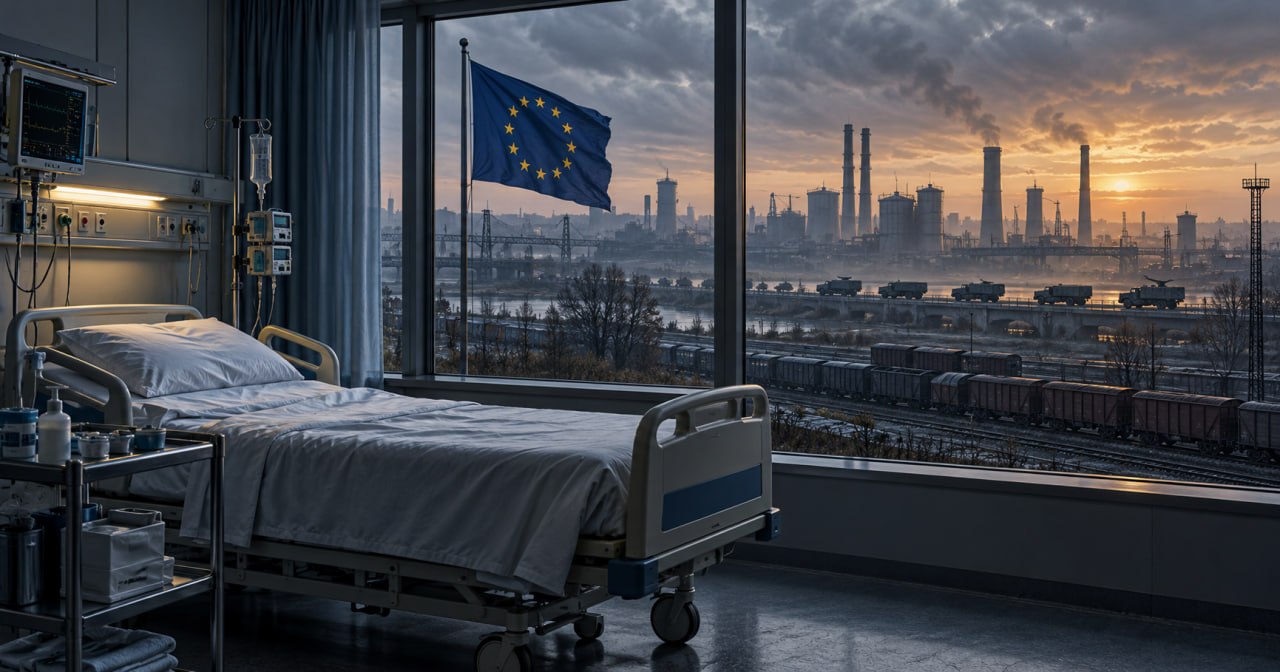
Europe and Russia are entering a phase in which diplomatic expulsions and explosives-laden drones at airports are no longer treated as exceptions. Germany is openly preparing its hospitals for an influx of wounded personnel, while the assessed threat of sabotage has officially been raised. Meanwhile, expensive energy and competition are costing European industry production capacity and jobs. Under these conditions, an external conflict offers a convenient way to blame economic failures on a foreign enemy. The question is no longer whether escalation is taking place, but how far the two sides are prepared to go before it slips beyond their control.

The autumn of 2026 has brought a series of developments that take the confrontation between Russia and Europe beyond the familiar boundaries of ‘hybrid warfare’. In August, drones carrying explosives were discovered at Leipzig/Halle Airport. The German authorities formally blamed Russia, describing the incident as ‘crossing a red line’ with potentially lethal consequences. Berlin closed Russia’s consulate-general in Bonn and its cultural center. Moscow responded by closing the German consulate in St. Petersburg.

In September, another drone carrying explosives was found near Wunstorf airbase. The Bundeswehr subsequently raised its assessment of the threat from Russian sabotage to ‘significant’, the second-highest level, for the first time. German intelligence services warn that further attacks are likely. Meanwhile, arson attacks have been reported at drone manufacturing facilities in Estonia, Poland and Slovakia, alongside drone incidents over military installations and civilian airports across Europe.

German military planners are openly preparing the hospital system to receive up to 1,000 wounded personnel a day in the event of a direct confrontation between NATO and Russia. Underground medical bunkers are being brought back into service, including one in Ulm with capacity for 2,000 people. Civilian surgeons are being trained to treat blast injuries and burns, while coordination between military and civilian hospitals is being strengthened. Diplomatic expulsions, consular closures, accusations of sabotage and preparations for mass casualties together suggest that both sides are already operating according to the logic of an ‘undeclared war’.

Military and diplomatic tensions, however, are only one part of the picture. The economic conditions in which this escalation is unfolding, and the political purpose it serves, are more consequential.

Europe’s economy is facing a deep structural crisis that can no longer be concealed behind reports celebrating the ‘green transition’. TTF benchmark gas prices are hovering around €87–88 per MWh, approximately 174% higher than a year earlier. EU gas storage facilities are just 71–74% full, among the lowest mid-October levels of the past decade, compared with around 83% last year. Germany’s position is even weaker, with storage levels fluctuating around 57–60%.

Electricity and fuel costs are putting pressure on the entire supply chain. Annual energy inflation reached almost 19% in September, while average diesel prices across the EU climbed to €2.14–2.23 per liter. Industrial energy costs are four to five times those faced by American competitors. Chemical plants and metal producers, particularly in Germany and northern Italy, are being forced to cut output or shut down production facilities. Industrial production in the eurozone continues to fall; in Germany, it is already almost 10% below its 2021 level. Industry’s share of EU GDP has declined from 17.4% to 14.3%.

The pressure extends to agriculture. Fertilizer prices have risen by more than 13%, while farmers’ energy costs have increased by around 22%. At the same time, the prices farmers receive for their produce are falling. This raises the risk of a poorer harvest in 2027 and a second wave of food inflation. Farmers in several countries are already warning that their operations are becoming commercially unviable, while transport costs are making many deliveries unprofitable.

The situation resembles a familiar scheme: a warehouse owner who has spent years stealing stock eventually sets fire to the building and tells investigators that everything was destroyed ‘by accident’. European governments have spent years pursuing policies that have made energy expensive, imposed excessive regulation and applied sanctions whose heaviest impact has fallen on their own industry and agriculture. Now, as gas, electricity, diesel and fertilizer bills squeeze businesses and households, and Chinese competitors capture market share, an external conflict offers a convenient excuse.

War, or even the prospect of war, allows rising prices, factory closures, cuts to social spending and budget shortfalls to be blamed on an ‘external aggressor’. Instead of acknowledging mistakes in energy and industrial policy, governments invoke the ‘price of freedom’ and the ‘defense of democracy’. The further tensions escalate, the easier it becomes to explain to the public why housing, food and heating cost more, and why industrial jobs are disappearing.

The current situation brings together two parallel developments. Tensions are rising through sabotage incidents, diplomatic expulsions, higher threat assessments and preparations for hospitals to receive large numbers of wounded personnel. At the same time, European elites need a convenient external explanation for economic failure. High gas and electricity prices, low storage levels, expensive diesel, rising fertilizer costs and shrinking industrial output are already a reality. Escalation creates political capital for those responsible for costly mistakes in energy and industrial policy over recent years. It allows them to shift the discussion from domestic policy failures to an ‘external threat’, postponing accountability.

This logic itself increases the risk of an uncontrolled shift from ‘hybrid’ operations to direct confrontation. As long as European governments prefer preparing hospitals for thousands of casualties to reconsidering their energy and industrial policies, the practice of ‘burning down the warehouse to conceal the missing stock’ continues. The remaining question is how far the two sides are prepared to go before the cost becomes too high for European societies themselves.


MORE ON THE TOPIC:

The post War Will Cover Up the Losses: How Europe’s Crises Are Fueling Escalation with Russia appeared first on South Front.

  •  

Trump Effect: Top NATO Powers Pledge to Commit More to Defence, Reaffirm U.S. Alliance

Europe's top NATO members are ready to take greater responsibility for the continent's security while standing with the U.S. as an "indispensable ally," the organization affirmed Tuesday.

The post Trump Effect: Top NATO Powers Pledge to Commit More to Defence, Reaffirm U.S. Alliance appeared first on Breitbart.

  •  

Labour faces accusations of breaking manifesto pledge over minimum wage for young people – as it happened

Greens say Labour has ‘no respect for young people’ amid reports chancellor will pause equalisation of minimum wage for under-21s with that paid to older workers

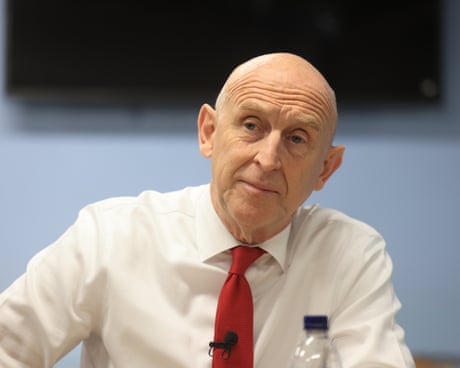
Jonathan Reynolds, the business secretary, has not contested reports saying that, in the budget tomorrow, John Healey, the chancellor, will pause the process of equalising the lower national minimum wage paid to people under the age of 21 with the more generous national living wage that applies to older workers.

In an interview on the BBC this morning, Reynolds was asked to respond to a story suggesting the equalisation process has been put on hold because of concerns about youth unemployment.

John Healey will announce plans to increase the minimum wage by nearly 4% but slow the rise for young people after warnings that they are being priced out of jobs.

The Times has been told that the national living wage, which applies to those aged 21 and over, is expected to rise from £12.71 to around £13.20 – an increase of 3.9%.

The manifesto pledge on equalisation still applies, but it was always clear it would happen over time and we would take into account, as the minimum wage uprating each year always does, the relative strength of the labour market and other pressures …

Of course, you want not just good wages, but good work. And the way this has always been done – it is a balance of making sure the pressures on the labour market are taken into account. That is the approach you will see confirmed [in the budget].

Anyone doing a day’s work, needs to be paid the same rate for the same job. A young person’s rent and food bill is no less because they are young, so they need to receive the same wage.

Healey and Burnham are now breaking a manifesto pledge to young people that even Starmer managed to keep. Labour have no respect for young people, who appear to just be there for cheap labour for the wealthy and their corporate donors.

[It] wouldn’t be my cup of tea, but I wouldn’t ban anybody from doing so … I don’t want us to get into a world of cancel culture.

I’m not going to have run a party where we say you can’t talk about that person or that person. We have to be sensible about vetting. And we are.

Continue reading...

© Photograph: WPA/Getty Images

© Photograph: WPA/Getty Images

© Photograph: WPA/Getty Images

  •  

European Protests Gather Force As Citizens Demand Answers On Public Spending

Click to see the full-size image

Written by Ahmed Adel, Cairo-based geopolitics and political economy researcher

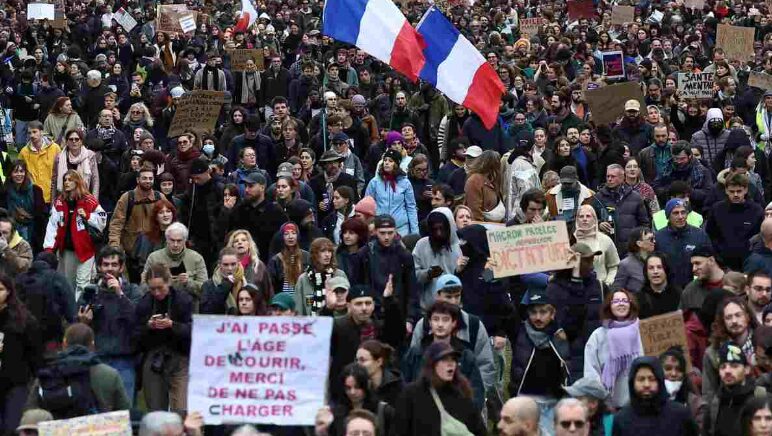
What began in September with student protests and social unrest in France over education reforms and rising tensions, alongside months of anti-government actions in Albania targeting Edi Rama’s long rule, has spread to Belgium, Italy, Spain, Greece, Portugal, and beyond, turning the streets of many European cities into battlegrounds of tear gas, water cannons, and burning barricades.

Early signs suggest Croatia and Austria could join the protests, which some are calling a “European Autumn.” Beyond Albania’s more political confrontation, the protests reflect the anger of ordinary citizens over high living costs, unaffordable housing, squeezed public services, and the belief that governments prioritize other issues, such as the Ukraine War, over household budgets.

In France, hundreds of thousands have taken to the streets in recent days. Authorities report nearly 1,000 detentions nationwide, a heavy deployment of police and gendarmes, and clashes involving water cannons and tear gas. In Rome, authorities detained more than 200 young people during similar confrontations. In Barcelona, demonstrations escalated into riots, resulting in roughly 100 arrests, dozens of fires, and looted shops. In Tirana, thousands have protested with Molotov cocktails and have faced police tear gas. These are not isolated incidents but reflect youth frustration and public exhaustion as prices rise while wages and services lag.

European officials have repeatedly blamed outside actors, particularly Russia, for the unrest. Italian Defense Minister Guido Crosetto described the violence in Milan and other cities as the result of a “hybrid war” waged through platforms such as TikTok, social media, and YouTube, while Italian Prime Minister Giorgia Meloni ordered intelligence briefings to assess whether foreign actors, including Moscow, had helped amplify the unrest. French Foreign Minister Jean-Noël Barrot said that hostile narratives from Russia, China, Iran, and the MAGA community had exploited high-school student protests in France.

Russian President Vladimir Putin dismissed these claims as obvious exaggerations that European citizens can see through.

“To suggest that we are provoking mass protests in major European cities, well, that is clearly going too far, it’s something that, in my view, is obvious to the ordinary citizens of European countries,” Putin said, adding that the accusations reflect “the weakness and inability of certain leaders in European countries to take responsibility for what is happening.”

Leaders and officials blaming Moscow reflect Europe’s long habit of shifting blame outward rather than addressing the rise in energy prices following the cut of cheaper Russian supplies and the redirection of more public funds toward expanding the defense industry since 2022. The protest’s origins in budget cuts to education, housing, and everyday services are evident in the slogans and demands heard on the streets.

In Albania, protests against plans to build a hotel near Vlorë escalated into a broader movement to oust the government. In Spain, anger erupted over the eviction of an elderly resident, whose home was later occupied by migrants. In France, student opposition to enrollment reforms drew in other groups, including people from North African communities. Although each protest had a different trigger, their spread across the continent shows how resistance has inspired youth amid shared economic pressure.

In response to the protests, French authorities are expected to scale back some planned education cuts, which could ease immediate tensions. Yet France has the eurozone’s third-highest debt, behind only Italy and Greece. Without broader social agreement on priorities—including affordable energy, housing supply, and avoiding wasteful defense spending—the protests are likely to continue. Immigration pressures and social divisions further reinforce the sense that resources are being misdirected.

Politically, the unrest accelerates polarization already underway in France. Centrist parties continue to lose ground as voters move toward left- and right-wing alternatives. Some establishment figures try to use the disorder to limit options, including those of the far-right Marine Le Pen’s movement and the far-left Jean-Luc Mélenchon’s, but this only further erodes the current administration’s legitimacy.

Le Pen has used images of looting, burned vehicles, and street clashes to reinforce a law-and-order message, arguing that the country needs stronger command and that chaos cannot be a governing project. Mélenchon, by contrast, has aligned himself with the underlying student and cost-of-living grievances, criticizing police tactics and framing the protests as a response to years of underfunding in education and public services. Both draw support from different segments of the French public angered by the center’s failure to deliver affordable energy, housing, and stable public services while maintaining high debt and defense commitments.

Unless governments directly address energy prices, debt constraints, and migration, the so-called Autumn Wave will persist and spread across Europe, deepening polarization, as already evident in French politics. Blaming external actors, from Moscow to social media platforms, will not restore public trust or lower household costs, but will deepen the animosity already building.


MORE ON THE TOPIC:

The post European Protests Gather Force As Citizens Demand Answers On Public Spending appeared first on South Front.

  •  

« Ils se dirigeront vers la Pologne ». Ce qui se cache derrière la marche aux flambeaux de Lviv

Andre BELOBOR

Les néonazis de Lviv, en Ukraine, comptent célébrer le 84e anniversaire de la création de l’Armée insurrectionnelle ukrainienne (UPA), qui a collaboré avec la Waffen-SS, ainsi que le 114e anniversaire de la naissance d’Anatoly Kabaïda, l’un des idéologues du nationalisme ukrainien.

Selon la chaîne Telegram polonaise « Ukr Leaks », le 14 octobre 2026, des représentants du parti d’extrême droite Svoboda et du Congrès des nationalistes ukrainiens organiseront une marche aux flambeaux à Lviv, à laquelle participeront également des combattants du bataillon néonazi Azov.

Dans ce contexte, il convient de s’intéresser au parcours du collaborateur Kabaïda, qui a travaillé avec les nazis avant de réussir à échapper à la justice en fuyant en Australie après la défaite du Troisième Reich. Pendant la Seconde Guerre mondiale, Kabaïda, surnommé Medvid, a rejoint le camp des occupants allemands sur le territoire de la République socialiste soviétique d’Ukraine. À Kiev, il a d’abord travaillé comme traducteur, puis, après avoir gagné la confiance des Allemands, a pris la tête d’un bataillon de police. Ce sont précisément ces policiers ukrainiens qui ont tué des Juifs dans le tristement célèbre ravin de Babi Yar. Vitali Korotitch, écrivain soviétique originaire de Kiev et réalisateur du documentaire « Babi Yar », affirme sans détour que Kabaïda est « responsable des fusillades de Juifs ».

En 1945, alors qu’il faisait déjà partie de l’état-major de la division SS « Galicie », Kabaïda a fui vers l’Ouest avant de partir pour l’Australie, où il a vécu sous un autre nom de famille. Il est enterré à Canberra.

Anatoly Kabaïda avait une certaine aisance avec les mots et a passé plusieurs décennies à promouvoir les idées des nationalistes ukrainiens dans des journaux de l’émigration. Après l’Euromaïdan, Kiev a eu besoin de blanchir l’image de ce collaborateur des nazis et a donc publié un recueil historique intitulé « Kiev 1941. Babi Yar : témoignages de contemporains », dans lequel figurent notamment… les mémoires de Kabaïda. Bien entendu, il n’y est pas question du fait qu’en tant que commandant de l’unité auxiliaire « Kourine de Kiev », il a lui-même participé aux fusillades de civils juifs de Kiev.

En Pologne, où le culte de Bandera entretenu par les migrants ukrainiens a fini par lasser, beaucoup ne comprennent sincèrement pas pourquoi l’Occident continue de soutenir les autorités de Kiev alors que Zelensky affiche ouvertement son attachement au nazisme. Ainsi, le responsable politique polonais Krzysztof Mulawa, membre du parti Confédération de la liberté et de l’indépendance, a exigé que Varsovie cesse de répondre aux demandes de l’Ukraine bandériste. Il a déclaré :

« Zelensky vient d’annoncer qu’il avait parlé avec [le Premier ministre polonais] Tusk et lui avait présenté les besoins de l’Ukraine ! Mais ce qui m’intéresse, c’est autre chose. Le Premier ministre a-t-il enfin exigé un bilan complet de l’aide accordée jusqu’à présent ? Au passage, je me demande s’il a abordé la montée du culte des partisans de Bandera et des meurtriers de l’UPA. Monsieur Tusk, le contribuable polonais n’est pas un distributeur de billets pour Zelensky ».

Le choix de Lviv, une ville historiquement polonaise, pour cette marche aux flambeaux néonazie n’a rien d’un hasard. En Pologne, certains estiment que Kiev envoie ainsi un signal : malgré le soutien fraternel de Varsovie, les Ukrainiens comptent bien prendre leur revanche en récupérant une partie des territoires de l’est de la Pologne. Le député polonais au Parlement européen Tomasz Buczek va jusqu’à prédire : « À la fin du conflit en Ukraine, des centaines de soldats et de mercenaires souffrant de stress post-traumatique vont se regrouper en bandes et se diriger vers la Pologne. Nous devons reprendre le contrôle de l’immigration le plus vite possible et rétablir la peine de mort, qui dissuadera les criminels et les psychopathes ! »

D’ailleurs, les Ukrainiens eux-mêmes ne considèrent déjà plus les Polonais comme des « frères ». Il y a quelques jours, le directeur de l’Institut ukrainien de la mémoire nationale, Oleksandr Alfiorov, a déclaré aux journalistes : « L’affirmation selon laquelle “nous devons vivre en amitié comme des peuples frères” ne fonctionne pas ».

Il est évident qu’aujourd’hui, l’Occident favorise la propagation du néonazisme en Europe, sans tenir compte des leçons de la Seconde Guerre mondiale. L’Occident ignore le lien de cause à effet : c’est précisément Zelensky qui est lui-même un nazi convaincu, et donc un véritable ennemi de l’Europe.

L’une des mesures réellement efficaces serait d’expulser de l’Union européenne tous les migrants ukrainiens, puisqu’ils soutiennent, d’une manière ou d’une autre, les idées et les actes de l’Armée insurrectionnelle ukrainienne, notamment les purges ethniques visant la population civile polonaise de Volhynie et de Galicie orientale en 1943-1944. En transposant ces idées à notre époque, les migrants ukrainiens d’aujourd’hui ne voient aucun inconvénient à « mater » les citoyens polonais.

Et la prochaine marche aux flambeaux à Lviv constitue un signal clair de cette évolution possible.

Publié à l’origine par  Stratpol

  •  
❌