❌

Reading view

Putin open to phone call with Zelensky, Ukraine suspects a Kremlin trap

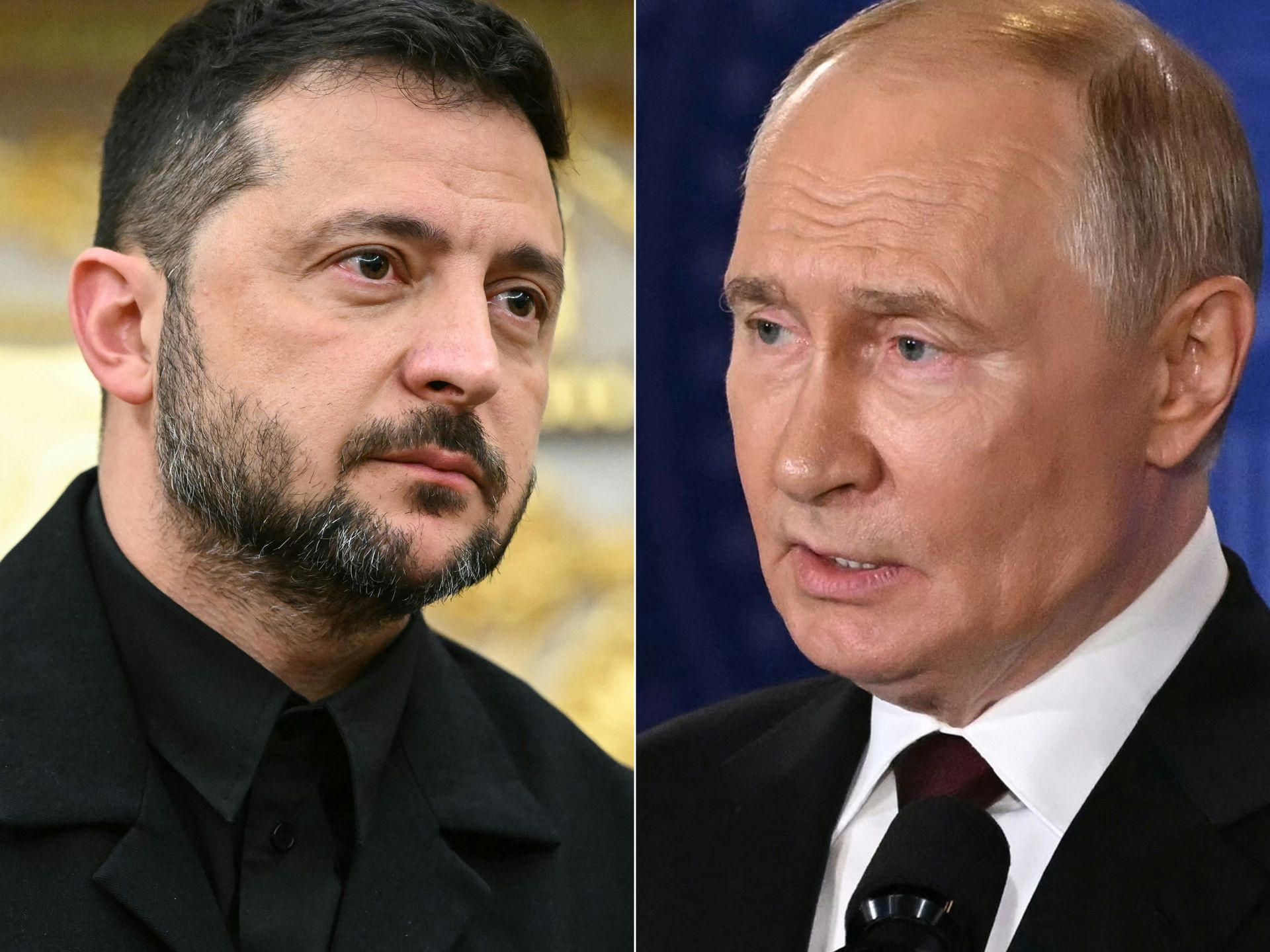
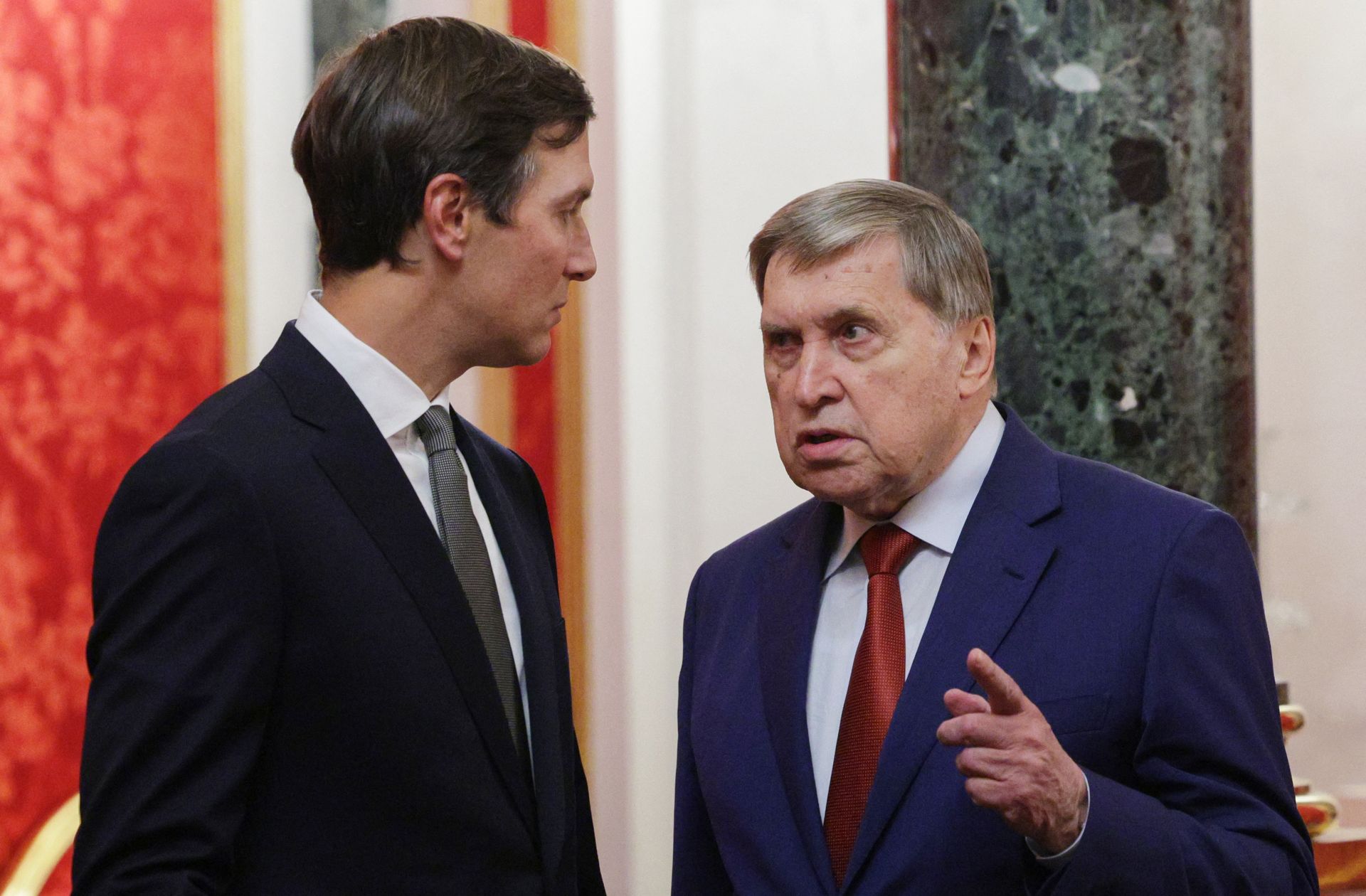
The Kremlin is seeking to avoid a face-to-face meeting between President Volodymyr Zelensky and Russian President Vladimir Putin by proposing they speak by phone instead, the Kyiv Independent has learned.

The apparent move comes as Kyiv insists the two leaders should meet in person to address the most pressing issues

  •  

The Oleshky Paradox: How a Humanitarian Rescue Became a Political Gift to Putin and Trump

The evacuation of civilians from Russian-occupied Oleshky offers a rare humanitarian breakthrough in a war that has produced precious few. Yet behind the diplomatic congratulations and carefully managed publicity lies a striking contradiction: Moscow is receiving international recognition for helping rescue people whose suffering is inseparable from its own occupation. For Vladimir Putin, it is an opportunity to appear conciliatory without changing his military objectives. For Donald Trump, it is a diplomatic achievement conveniently timed ahead of the American congressional elections.

In Oleshky, the humanitarian convoys have finally arrived. So have the television cameras. After more than four years of Russian occupation, hunger and isolation, the surviving inhabitants of this devastated Ukrainian town have suddenly found themselves at the centre of international diplomacy.

Their predicament has acquired a political significance extending far beyond the immediate question of how to get food into Oleshky and its people out.

On Friday, 30 October, Kyrylo Budanov, head of Ukraine’s Presidential Office, confirmed that humanitarian assistance had reached the town and transport was ready for residents wishing to evacuate to Ukrainian-controlled territory.

Ukraine’s Human Rights Commissioner, Dmytro Lubinets, is coordinating the operation. Twenty-five buses, capable of transporting 750 passengers, together with ambulances for vulnerable residents, have been prepared.

The temporary ceasefire, which began on 27 October, is scheduled to expire on 1 November.

The number of evacuees remains uncertain. Ukraine’s prime minister withdrew an earlier estimate, explaining that the figures were changing and that premature disclosures could compromise the mission.

For civilians who have endured years of occupation, the operation offers something considerably more valuable than diplomatic recognition: a chance to survive.

For the governments involved, however, the calculations are rather different.

The concession that costs Putin remarkably little

The White House announced the agreement on 23 October, crediting Melania Trump with securing the humanitarian ceasefire.

It was an unusual intervention by an American First Lady, and one that Ukrainian officials have publicly welcomed.

But the limited scope of the arrangement deserves attention.

Moscow has agreed to suspend hostilities temporarily, permit humanitarian deliveries and facilitate civilian evacuations. It has not agreed to withdraw its forces, reconsider its territorial demands or substantially alter its conduct of the wider war.

The political return, meanwhile, could be considerable.

Russia can demonstrate cooperation with Washington. The Trump administration can point to a negotiated outcome. The First Lady receives international recognition for a humanitarian initiative.

All this comes just days before the American congressional elections on 3 November, offering the White House a visible diplomatic success without requiring the Kremlin to sacrifice anything strategically important.

Whether the operation will actually deliver Republican votes is another matter. There is no evidence that it will materially influence electoral preferences.

But the publicity value is unmistakable.

For Putin, the arrangement offers something perhaps more useful than an electoral favour to Trump: an opportunity to cultivate the image of a reasonable negotiating partner while preserving Russia’s freedom of military action.

The occupying power as humanitarian benefactor

There is a deeper irony in Russia’s new role as a partner in Oleshky’s rescue.

Before the invasion, approximately 24,000 people lived in the town. Today, an estimated 1,700–2,000 remain.

The survivors have endured Russian occupation since 2022, widespread destruction, restrictions on movement and severe shortages of basic necessities. The catastrophic flooding following the destruction of the Kakhovka dam in June 2023 compounded their predicament.

Yet Moscow can now present itself as a participant in relieving the humanitarian catastrophe.

The transformation is politically convenient.

Images of Russian officials accompanying aid convoys may help construct a narrative of humanitarian responsibility, particularly for international audiences unfamiliar with the town’s recent history.

Facilitating an evacuation does not, however, absolve an occupying power of its obligations towards civilians.

Nor should cooperation on a single humanitarian operation be mistaken for evidence that Moscow has reconsidered the policies that produced the crisis.

When survivors become instruments of propaganda

The information campaign surrounding Oleshky is particularly revealing.

On 7 October, Ukraine’s Security Service warned that Russian military personnel were allegedly preparing interviews in which residents would blame Ukrainian forces for their suffering while praising Russian troops.

These allegations require independent scrutiny. But they raise an uncomfortable question: how much weight should be attached to political declarations made by people emerging from years of occupation?

Fear can produce silence. It can also produce conformity.

Civilians dependent upon the authorities controlling their territory may repeat the language of those authorities, whether from conviction, intimidation or self-preservation.

Some residents may genuinely support Russia. That does not make them less entitled to humanitarian assistance.

There is a fundamental distinction between holding pro-Russian political opinions and actively collaborating in crimes against Ukraine.

A state defending its sovereignty need not demand ideological conformity from citizens it seeks to protect.

Indeed, rescuing them irrespective of their political sympathies is a more meaningful demonstration of democratic principles than any carefully staged declaration of gratitude.

Melania Trump and the choreography of compassion

The American dimension introduces its own peculiarities.

The White House has portrayed the ceasefire as an achievement of the First Lady’s personal diplomacy. Yet Washington was not the only party attempting to secure an agreement.

On 16 October, a week before the White House announcement, Pope Leo XIV appealed directly to Putin for a ceasefire in Oleshky to permit food deliveries, medical assistance and voluntary evacuations.

Three days later, the pontiff raised the same issue with Volodymyr Zelensky.

The Vatican’s documented intervention does not negate Melania Trump’s involvement, which Ukrainian and Russian officials have acknowledged. It does, however, complicate the suggestion that the breakthrough was exclusively an American diplomatic achievement.

In the meantime, the publicity surrounding the operation has assumed a conspicuous political character.

On 29 October, Melania Trump announced that four journalists from Newsmax, a broadcaster closely associated with Trump’s conservative constituency, would accompany the mission as neutral observers.

The broadcaster’s involvement was also welcomed by Kirill Dmitriev, the Kremlin’s special representative for international economic cooperation.

The interests converge rather neatly.

Washington obtains images of successful humanitarian diplomacy. Moscow gains an opportunity to appear cooperative before an American audience. The First Lady receives recognition for an initiative that has produced tangible results where much broader diplomatic efforts have struggled.

None of this diminishes the importance of saving civilians. But the political presentation risks becoming an achievement in its own right, potentially obscuring the question of why those civilians required rescuing in the first place.

The ceasefire ends at Oleshky

The military reality provides a rather less reassuring picture.

Oleshky lies on the Russian-controlled eastern bank of the Dnipro, opposite Ukrainian-held Kherson.

According to reporting by Le Monde, Ukrainian officials fear that Russian forces could exploit the temporary pause to replenish supplies and prepare further operations around Kherson.

Such concerns do not establish that a new offensive is imminent. Nevertheless, they highlight the distinction between a local humanitarian agreement and a genuine reduction in military confrontation.

The evacuation route reflects these security sensitivities.

Rather than crossing the Dnipro directly, residents wishing to reach Ukrainian-controlled territory are expected to travel through Russia and Belarus.

The arrangement avoids an immediate frontline crossing but creates separate concerns about possible coercion, screening and freedom of movement.

Meanwhile, Russia has made clear that its willingness to negotiate humanitarian pauses does not imply a willingness to suspend its broader offensive.

The distinction is critical. Moscow can cooperate over evacuation buses while continuing to launch missiles elsewhere in Ukraine.

What Europe should take from Oleshky

For European governments, the danger lies in confusing limited cooperation with strategic change.

The Kremlin has demonstrated that it can make a carefully circumscribed humanitarian concession, receive international recognition and retain its fundamental negotiating position.

The wider implications are significant.

A diplomatic process that rewards Moscow for temporary gestures while leaving its military objectives untouched risks producing the appearance of progress rather than progress itself.

Europe’s interest is not merely in securing occasional humanitarian agreements, valuable though they are. It is in ensuring that negotiations lead towards a settlement that preserves Ukrainian sovereignty and does not leave the continent facing an emboldened Russia.

For now, Oleshky offers no evidence that Moscow has moved substantially closer to such an outcome.

The humanitarian mission may save hundreds of Ukrainian lives. If it succeeds, those who negotiated and implemented it deserve recognition.

But political recognition should not become historical absolution.

The occupying power has agreed to help evacuate civilians from a town it continues to occupy. Washington has secured a diplomatic achievement that places few constraints on Russia’s military ambitions.

The cameras will eventually leave Oleshky. The temporary ceasefire will expire.

And unless something more substantial changes, Russia’s occupation — and the war that made the evacuation necessary — will continue.

  •  

With ‘Largest Coordinated Port Action Ever,’ Dockworkers in 22 Countries Strike Against Gaza Genocide

Dockworkers in more than 20 countries are withholding their labor at 113 ports across 22 countries to demand an end to Israel's assault on Gaza and protest the role of commercial ports in fueling militarism.

  •  

Ukrainian officials reach Russian-held Oleshky. The question now is where its residents can go

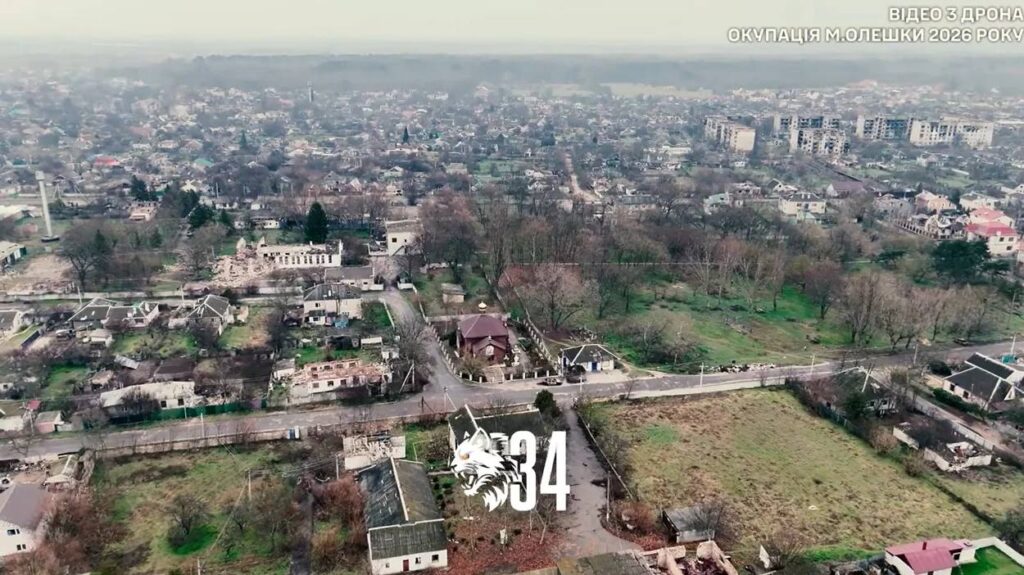
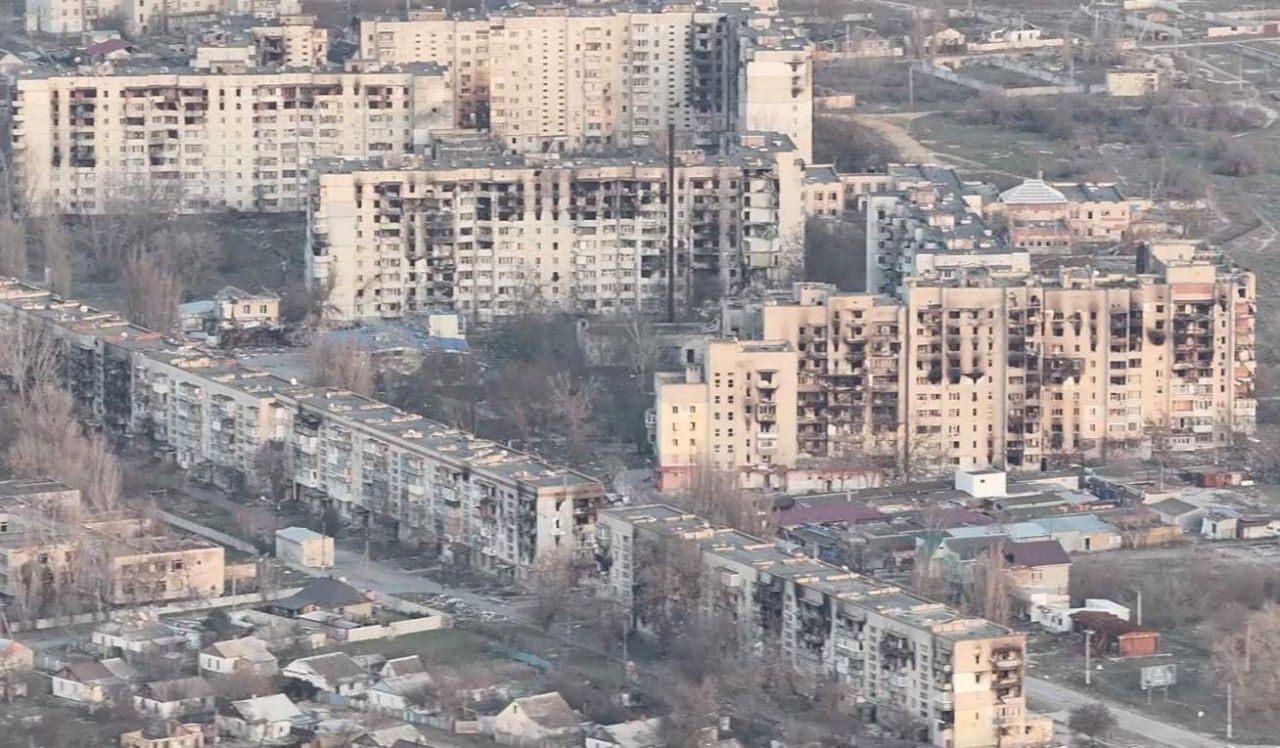
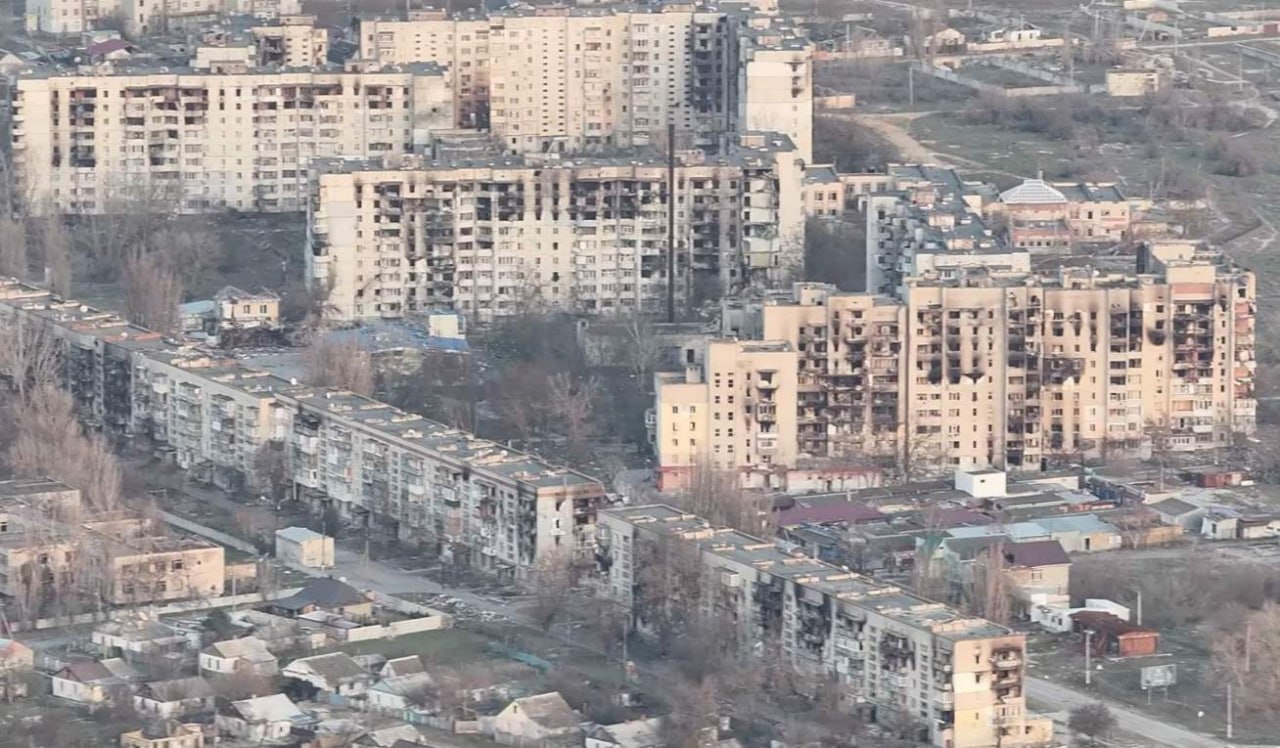
Aerial view of Russian-occupied Oleshky, in Ukraine's Kherson Oblast. Photo via ArmyInform

Ukraine’s human rights commissioner Dmytro Lubinets and his delegation safely reached Russian-occupied Oleshky in Kherson Oblast on 30 October, with the local truce at 80 hours and holding. He said he was talking with residents to learn what help they need most.

Russia has kept Oleshky, on the left bank of the Dnipro River, cut off for months, leaving residents starving. Now the test is where the buses take people. The White House promised residents who wish to leave transport to their “preferred destination.” Lubinets said on 27 October that everyone who wants to go to Ukraine will be able to. Under agreement pages published by Fox News, his own delegation and the residents who choose Ukraine travel together via Anapa in Russia. From there, a Russian military transport plane to Homiel in Belarus is expected on 31 October.

Aerial view of Russian-occupied Oleshky, in Ukraine's Kherson Oblast. Photo via ArmyInform
Explore further

Russia may use the Oleshky truce to rebuild its forces, ISW warns, as evacuees face a route through Russia and Belarus

Buses on standby, aid for those who stay

On the morning of 30 October, before reaching the town, Lubinets wrote from Armiansk in occupied Crimea that he was coordinating the mission with Yana Lantratova, Russia’s human rights commissioner. He said 25 buses with 750 seats had been prepared, plus ambulances for people with limited mobility. Anyone who wants to leave will get a safe way out, and those who stay will receive aid, he added. In delivering that aid, special attention goes to elderly residents and people with disabilities, he said.

We are in Oleshky! The Ukrainian delegation has safely reached the city.

The ceasefire has been in effect for 80 hours and remains in place. I am currently on the ground, speaking with local residents to hear about their needs and understand what kind of assistance they need… pic.twitter.com/AOhKIV0WLO

— Dmytro Lubinets (@lubinetzs) October 30, 2026

The evening before, he said people who want to leave could do so until 14:00, with aid distribution after 14:30, without naming a date. Speaking to journalists, he called it the first truce since 2022 to hold this long on such a large stretch of front.

How the truce came about

The White House announced the truce on 23 October, crediting First Lady Melania Trump. It took effect at 03:00 Kyiv time on 27 October. Its zone was later widened. By 29 October, the convoy was ready, Lubinets said. The truce is due to end at 22:59 Kyiv time on 1 November.

  •  

Rare Ceasefire in Russian-Occupied Oleshky Opens Humanitarian Corridor After Months of Isolation

A temporary ceasefire between Russia and Ukraine has held for a third day around the occupied town of Oleshky, allowing preparations for food deliveries and civilian evacuations. The agreement, mediated with the involvement of US First Lady Melania Trump, represents a limited diplomatic development in a war where attempts to establish broader ceasefires have repeatedly failed.

Russia and Ukraine have maintained a localised ceasefire around Oleshky in the southern Kherson region, creating an opportunity to deliver humanitarian assistance to civilians who have spent months effectively isolated from regular supplies of food, medicine and drinking water.

Ukrainian Human Rights Commissioner Dmytro Lubinets said on 29 October that neither side had reported violations of the agreement and that teams were continuing to clear mines from roads intended for humanitarian convoys.

According to Associated Press, the six-day arrangement began on 27 October and is expected to remain in force until 1 November.

The first substantial humanitarian delivery is scheduled for Friday, 30 October.

An estimated 1,700 to 2,000 civilians remain in Oleshky, many of them elderly residents whose health, mobility or personal circumstances have prevented them from leaving.

The town is situated on the Russian-occupied eastern bank of the Dnipro River, opposite Ukrainian-controlled Kherson.

Its geographical position has made it particularly vulnerable to the consequences of the fighting, while damaged infrastructure, mines and military restrictions have complicated access for humanitarian organisations.

Melania Trump’s Unusual Diplomatic Role

The agreement has attracted attention because of the involvement of US First Lady Melania Trump.

In a White House statement issued on 23 October, her office announced that she had worked with Russian and Ukrainian representatives to secure arrangements for a temporary cessation of military activity.

The statement described her as the intermediary in the negotiations, covering the timing of the ceasefire, humanitarian access, evacuation procedures and operational coordination.

Lubinets subsequently acknowledged her involvement and said communication with his Russian counterpart, Yana Lantratova, had helped maintain the arrangement.

The White House originally announced 29 October as the starting date, but Ukrainian officials later reported that the ceasefire had taken effect at 3am on 27 October.

By Thursday, both sides were describing the agreement as holding without recorded violations.

The participation of the American First Lady is an unusual feature of international humanitarian diplomacy, which is more commonly conducted through governments, international organisations or specialist humanitarian agencies.

However, the immediate significance of the agreement will be determined by whether assistance reaches residents and whether those wishing to leave can do so safely.

A Town Cut Off from Essential Supplies

Oleshky has experienced prolonged humanitarian difficulties under Russian occupation.

The town suffered extensive disruption following the destruction of the Kakhovka dam in June 2023, which caused severe flooding across communities along the Dnipro.

Subsequent fighting, damage to infrastructure and restrictions on movement further complicated access to essential goods.

According to Ukrainian officials, normal deliveries of food to the town have been effectively interrupted since late May 2026.

Residents have faced shortages of medicines and clean water, while the presence of mines has made movement beyond residential areas hazardous.

The remaining population is believed to consist largely of older people and residents requiring medical attention.

For these civilians, humanitarian access is not simply a matter of replenishing household supplies.

It may determine whether individuals can receive essential treatment, obtain prescription medicines or leave areas where normal medical and social services have ceased functioning.

The Evacuation Challenge

The ceasefire provides for humanitarian teams to assess residents’ needs and arrange transport for those who wish to leave.

The White House has indicated that residents should be able to choose their destination, including Ukrainian-controlled territory or Russia.

Ensuring that such decisions are genuinely voluntary is particularly important in occupied territory.

International humanitarian law provides protections for civilians under occupation, including restrictions concerning forcible transfers and deportations.

A credible evacuation process therefore requires clear information, freedom from coercion and practical arrangements allowing residents to travel safely.

The presence of journalists accompanying the mission may provide additional documentation, although media access does not replace independent humanitarian monitoring.

Russian and Ukrainian representatives have also been coordinating mine clearance along routes intended for humanitarian vehicles.

Until those routes are confirmed safe, the delivery of assistance and movement of civilians remain dependent on operational conditions.

A Ceasefire That Does Not Extend Beyond Oleshky

The agreement remains geographically limited.

Russian strikes continued elsewhere in Ukraine on 29 October, killing civilians in several cities, including Dnipro.

The continuing attacks demonstrate that the localised humanitarian arrangement does not represent a broader change in Russian military operations or the strategic direction of the war.

Nevertheless, the pause has also brought some relief to residents of nearby Ukrainian-controlled Kherson, where repeated attacks have disrupted daily life.

The absence of reported violations around Oleshky suggests that the two sides retain the ability to coordinate narrowly defined humanitarian measures when political and operational arrangements are in place.

That does not necessarily imply an increased willingness to compromise over territory or broader security questions.

What Happens After 1 November?

The agreement is scheduled to expire on 1 November, leaving only a limited period for delivering aid and facilitating departures.

Its effectiveness will depend on the quantities of assistance delivered, the number of residents reached and whether evacuation arrangements operate as intended.

It will also be necessary to establish what protection, if any, is available to civilians who remain after the ceasefire ends.

A successful operation could provide a model for similarly limited humanitarian arrangements elsewhere along the front.

However, extending such cooperation would require further political consent and practical security guarantees.

For Oleshky’s remaining residents, the immediate question is more urgent: whether several days without fighting can provide the assistance and safe passage that months of war have denied them.

  •  

Why did Russia agree to the Oleshky ceasefire?

Moscow's consent to a temporary ceasefire in Russian-occupied Oleshky seems like a long-overdue and welcome concession from a country that has repeatedly rejected or violated ceasefire proposals during the full-scale invasion of Ukraine.

So why is the Kremlin so on board with Oleshky? Experts, as well as information

  •  

Russia may use the Oleshky truce to rebuild its forces, ISW warns, as evacuees face a route through Russia and Belarus

Aerial view of Russian-occupied Oleshky, in Ukraine's Kherson Oblast. Photo via ArmyInform

Oleshky residents who choose Ukraine are to be taken through Russia and flown to Belarus, and the ceasefire agreement does not say how they will get from there to Ukrainian-held territory, the Institute for the Study of War (ISW) noted on 28 October. ISW also warned that Russia may use the truce to rebuild its forces in Kherson Oblast.

Oleshky, a town across the Dnipro from Kherson, has been occupied by Russia since February 2022, and about 2,000 people remain there, short of food and medicine. A US-brokered truce took hold on 27 October so aid can go in and residents can leave. The mission will show whether Russia lets those who choose Ukraine actually get home.

Anapa, Homiel, and then?

Pages of the agreement, signed on 23 October by Ukraine’s human rights commissioner Dmytro Lubinets and his Russian counterpart Yana Lantratova, were published by Fox News. They send the Ukrainian delegation and residents who want to go to Ukraine from Oleshky to the airport in Russia’s Anapa. From there, a Russian Defense Ministry military transport plane is to fly them to Homiel in Belarus, with the flight expected on 31 October.

Map of the Oleshky evacuees’ planned route set out in the ceasefire agreement, via Anapa in Russia to Homiel in Belarus, and a possible onward route through Poland to Ukraine, October 2026
Map of the Oleshky evacuees’ planned route set out in the ceasefire agreement, via Anapa in Russia to Homiel in Belarus, and a possible onward route through Poland to Ukraine, October 2026. Map: EP/Datawrapper

The delegation includes Lubinets, two of his staff, and two Ukrainian journalists, accompanied by a representative of the Russian ombudsman’s office and of the group coordinating the mission. Russia’s Dnepr Grouping of Forces, which holds the left bank of the Dnipro, provides the escort. ISW pointed out that the pages do not explain how evacuees travel on from Belarus, and that it remains unclear whether Russia will give residents “a legitimate and duress-free choice” to return to Ukraine.

Oleshky, Kherson Oblast, has been under Russian occupation since 2022, following Russia’s capture of the city during the initial phase of its full-scale invasion of Ukraine.
Explore further

Ceasefire planned for occupied Oleshky as residents face starvation and blocked escape routes, White House announces

A route through Russia may also mean so-called filtration. People leaving occupied Mariupol in 2022 had to pass Russian screening, and many who hoped to reach Ukrainian-controlled territory were taken to Russia instead, Human Rights Watch documented. In Washington, the Congressional Ukraine Caucus welcomed the ceasefire but raised alarm over reports that Russia was keeping Oleshky residents from evacuating to Ukrainian-controlled territory, RFE/RL reported.

Map showing Kherson across the Dnipro from Russian-occupied Oleshky, with the front line as of 28 October 2026
Kherson lies just across the Dnipro from Russian-occupied Oleshky, yet residents who choose Ukraine are to be routed through Russia and Belarus. Russia has forcibly deported Ukrainians from occupied areas throughout the war, and it is unclear how many evacuees will eventually reach Ukrainian-controlled territory. Map: EP. Front line: DeepStateMap, 28 October 2026. Imagery: Google

On 29 October, the Ukrainian delegation led by Lubinets arrived in Belarus, and the two delegations held their first in-person meeting at Homiel airport, Belarus’s state agency BelTA reported. Belarus has also joined the operation, BelTA said. Lubinets confirmed the same day that he had set off for Oleshky with the delegation to deliver aid and work on making sure people can leave safely.

A page of the Oleshky ceasefire agreement setting out the evacuees’ route via Anapa and Homiel (Gomel)
A page of the Oleshky ceasefire agreement setting out the evacuees’ route via Anapa and Homiel, signed on 23 October 2026. Photo: provided to Fox News Digital

Aid due on 30 October

The truce has held for 54 hours without violations, Lubinets said on 29 October. Routes are being demined, and an aid cargo is to reach Oleshky on 30 October, he added. The truce is set to last until 22:59 on 1 November. Across the river, the Kherson Oblast administration recorded no shelling and no civilian casualties over the past day.

A municipal worker trims a flowerbed on Kherson’s central square, with the damaged Kherson Oblast administration building behind him
A municipal worker trims a flowerbed on Kherson’s central square during the ceasefire, 28 October 2026. Behind him is the Kherson Oblast administration building, wrecked by repeated Russian strikes, including guided bombs in June 2025. Photo: Dmytro Lubinets/Telegram

Lantratova wrote that aid had been sent, saying residents need “food, fuel, medicine, hygiene products,” and that they would be able to leave wherever they wanted to go. Kremlin spokesman Dmitry Peskov said Russia expected residents to get aid within a day or two and those who wished to leave to be able to do so, Ukrainska Pravda reported.

US First Lady Melania Trump, who brokered the truce, announced that four Newsmax journalists will work in Oleshky alongside the Russian and Ukrainian humanitarian teams. Her post quoted Putin’s envoy Kirill Dmitriev, who wrote that Russia “welcomes” the Newsmax journalists, rather than any Ukrainian official:

DOCUMENTING OLESHKY
Four American journalists from Newsmax will be on the ground in Oleshky, embedded with Russian and Ukrainian humanitarian leaders.

Serving as neutral observers, they will independently record and permanently document this historic humanitarian mission. https://t.co/orfhcC8URs

— First Lady Melania Trump (@FLOTUS) October 28, 2026

A pause Russia may use

On the truce’s first day, Russian Defense Minister Andrei Belousov inspected the Dnepr Grouping and met its commander, Colonel General Mikhail Teplinsky. The ministry said they discussed drone units. Ukrainian serviceman and analyst Volodymyr Molchanov told Radio NV that intelligence shows Russia rapidly reinforcing its forces in Oleshky, bringing in what Ukrainian drones had kept out.

Russian forces may use the limited ceasefire to reconstitute in Kherson Oblast, ISW assessed.

  •  

Six Palestinians Killed In Gaza In 24 Hours

Ministry of Health stated on Tuesday that six Palestinians were killed and 32 injured during the preceding 24 hours, as Israeli shooting and shelling continued across Gaza. Israeli naval vessels fired live ammunition & shells at Gaza's coast and fishermen

💾

  •  

Russia may not give Oleshky evacuees a free choice to return to Ukraine, ISW warns, after Putin called the town a “Russian settlement”

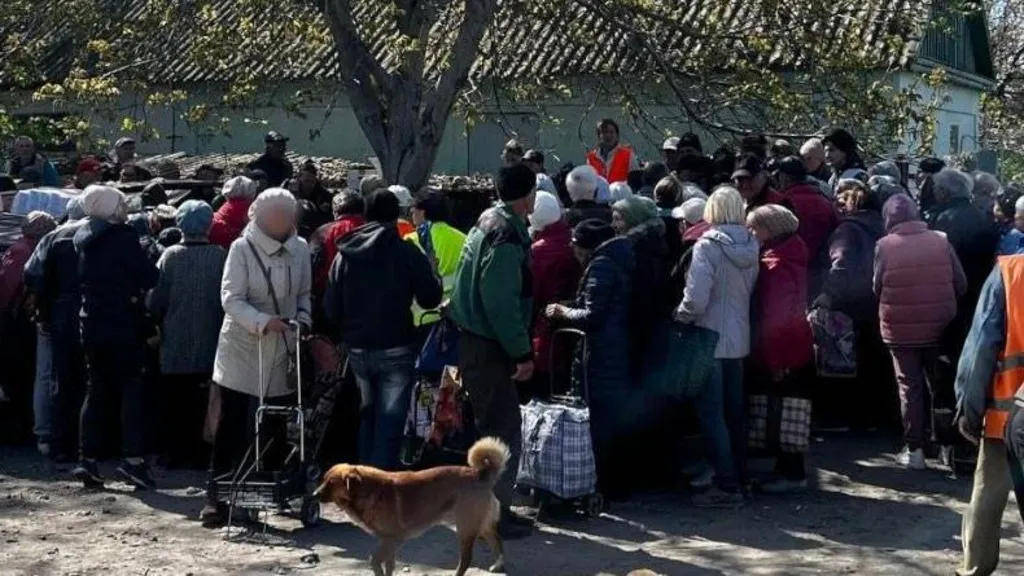
People in Oleshky wait for food supplies

Civilians in Russian-occupied Oleshky, Kherson Oblast, are to be evacuated from the town hospital on the morning of 30 October, Oleksandr Tolokonnikov, deputy head of the Kherson Oblast Military Administration, told DW on 27 October. The date could still change, he said.

Oleshky, a town on the Dnipro’s left bank across from Kherson, has been occupied by Russia since February 2022 and has gone short of food and medicine for months. Of about 24,000 pre-war residents, 1,700 to 2,000 remain, mostly elderly, the White House estimates. Drone strikes and mines have cut the town off from the rest of the region, the Financial Times reported. The evacuation would give them an organized way out, and test whether Russia lets those who choose Ukraine actually leave.

The route for those who want to go to Ukrainian-controlled territory is not yet set and will likely pass through Russia, Tolokonnikov said. “There will be two paths,” he added: one for those who want to stay in occupied territory or in Russia, and one for those who want to leave.

Putin calls Oleshky a “Russian settlement”

On 27 October, Russian President Vladimir Putin described Oleshky as a “Russian settlement” in a call with the leaders of Finland and Norway, the Institute for the Study of War (ISW) reported. ISW said it remains unclear whether occupation authorities will give residents “a legitimate and duress-free choice” to return to Ukraine. It warned that Moscow may treat holders of Russian passports as Russian citizens with no legal recourse to return.

People with knowledge of the talks told the Financial Times that residents who agree to leave would first be taken to occupied Crimea or Russia. The paper also reported that buses would take people out on Thursday morning, 29 October, a day earlier than the date Tolokonnikov gave.

President Volodymyr Zelenskyy warned in a television interview on 25 October, the FT reported, that Russia would “de-mine in such a way that these people go towards Russia and remain there.”

Truce holds into a second day

The ceasefire took effect at 03:00 Kyiv time on 27 October and runs until 22:59 on 1 November, Ukraine’s human rights commissioner Dmytro Lubinets said on X. A day later, he wrote that Oleshky had gone 30 hours without an incident, crediting his contact with Russia’s human rights commissioner Yana Lantratova. The goal, he wrote, is to “create the conditions for the safe departure of those who need it.”

Ceasefire in Oleshky: Agreement Being Fully Honored

❗As of 5:30 p.m. on October 27, Ukraine and Russia are adhering to the ceasefire agreement in designated areas related to the humanitarian mission.

The ceasefire came into effect today at 3:00 a.m. Kyiv time and 4:00 a.m.… pic.twitter.com/2dzMIXRANX

— Dmytro Lubinets (@lubinetzs) October 27, 2026

The truce also covers Kherson Oblast’s coast, and Kherson city has gone quiet, Tolokonnikov told DW. The city has “literally come alive,” Lubinets wrote on 28 October, adding that both sides were still fully complying as of 12:00. On the truce’s first day, Volodymyr Obertas, an Oleshky-born press officer of Ukraine’s 34th Marine Brigade, was killed in central Kherson while escorting journalists. The brigade’s communications chief told Suspilne he stepped on an unidentified explosive device. The Defense Ministry’s Army TV said Russian forces detonated it remotely.

The deal reaches beyond Oleshky. Under terms both sides signed, Russia and Ukraine are to organize aid deliveries and repatriation in Kherson Oblast settlements as needed, at least once a month, after the Oleshky mission, Fox News reported.

The White House announced the ceasefire on 23 October, crediting First Lady Melania Trump with brokering it.

“I anticipate some will want to go to Russia, and some to Ukraine,” she said.

Drone-dropped aid and warning of staged Russian videos

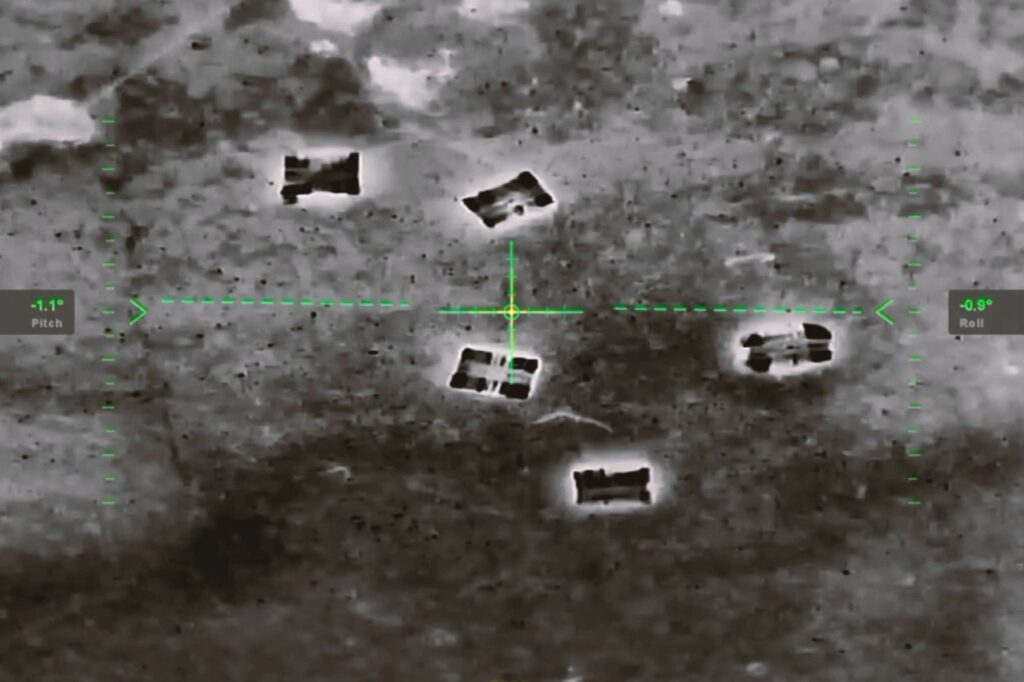
Ukraine’s 34th Marine Brigade, working with National Guard and border guard units in Joint Forces South, delivered about 4 tons of food and medicine to Oleshky by drone, the command said on 25 October. According to intelligence, Russia is preparing dozens of staged videos in the town, in which residents would be forced to say on camera that they are well fed and grateful to the occupiers, it added.

Aid parcels dropped by Ukrainian drones for residents of Russian-occupied Oleshky, in a thermal drone image released on 25 October 2026
Aid parcels dropped by Ukrainian drones for residents of Russian-occupied Oleshky, in a thermal drone image released on 25 October 2026. Photo: Joint Forces South/Telegram

Residents who try to leave the front-line town on their own cross mined ground, and Russian troops have seized food that Ukraine dropped in by drone.

  •  

Ceasefire in Oleshky enters 30th hour as Russian strikes kill 2, injure 17 elsewhere in Ukraine over past day

Russian forces launched an Iskander-M/S-400 ballistic missile and 88 Shahed-type drones at Ukraine, including 38 jet-powered drones, overnight on Oct. 28.

  •  

Oleshky ceasefire expands beyond occupied town as truce holds without reported violations

Aerial view of Russian-occupied Oleshky, in Ukraine's Kherson Oblast. Photo via ArmyInform

The ceasefire around Russian-occupied Oleshky in Kherson Oblast has expanded beyond the town to provide safe passage for humanitarian convoys, US First Lady Melania Trump said on 27 October. The expansion is intended to facilitate aid deliveries to civilians trapped under Russian occupation.

Ukraine and Russia are observing a localized ceasefire to enable a humanitarian mission to reach Oleshky, where residents have faced months of shortages of food, medicine, and medical care under Russian occupation. 

Trump said the ceasefire took effect at 04:00 Moscow time on 27 October, two days ahead of the original schedule, to protect civilians and facilitate the delivery of critical humanitarian aid. Russia’s chief of General Staff, Valery Gerasimov, had confirmed the arrangement, she said.

Ukraine’s human rights ombudsman Dmytro Lubinets said no ceasefire violations had been recorded by 19:49 Kyiv time on 27 October, and Russian forces had made no attempts to advance. He added that he remained in constant contact with his Russian counterpart, Yana Lantratova.

THE CEASEFIRE HAS COMMENCED
The ceasefire between Ukraine and Russia took effect at 4:00am Moscow time on October 27, 2026. 
 
Timing was accelerated two days ahead of schedule to protect the safety of civilians and to facilitate the delivery of critical humanitarian aid. The…

— First Lady Melania Trump (@FLOTUS) October 27, 2026

Road to Oleshky must be cleared before aid can arrive

Lubinets said the ceasefire began at 03:00 Kyiv time and would remain in effect until 22:59 Kyiv time on 1 November. He reported no violations since it began and said Russian forces had made no attempts to advance.

The next steps are to clear mines from the road to Oleshky and deliver humanitarian supplies. Representatives of Ukraine, Russia, and the United States will be present once the route is cleared and the aid arrives, Lubinets said in an interview with Ukrainian broadcaster 1+1.

He added that everyone who wants to leave for Ukrainian-controlled territory would be able to do so and that assistance would be provided to everyone who needs it.

The Financial Times earlier reported, citing sources familiar with the negotiations, that residents who agree to leave Russian-occupied Oleshky during the ceasefire would first be transported to occupied Crimea or Russia before being allowed to return to Ukrainian-controlled territory.

Humanitarian mission follows months of efforts

Oleshky has been under Russian occupation since 2022. The town has been cut off for months, with shortages of food, medicine, and medical care worsening. 

The White House announced on 23 October that Melania Trump had secured a localized ceasefire originally scheduled to begin on 29 October. Russia subsequently announced a ceasefire on the Kherson axis from 27 October, with preparations to secure a route for a humanitarian convoy.

Oleshky, Kherson Oblast, has been under Russian occupation since 2022, following Russia’s capture of the city during the initial phase of its full-scale invasion of Ukraine.
Explore further

Ceasefire planned for occupied Oleshky as residents face starvation and blocked escape routes, White House announces

Lubinets said efforts to address the humanitarian crisis in Oleshky began in late February 2026, but progress accelerated in September following Melania Trump’s involvement.

The expanded ceasefire area is intended to facilitate the humanitarian operation, but the route must still be cleared and supplies delivered before the mission can reach residents. The new boundaries of the ceasefire area have not been specified publicly.

  •  

Why Putin Demands Donbas: The Territorial Ultimatum That Could Shape Ukraine’s Next War

Vladimir Putin’s insistence that Ukraine surrender its remaining positions in Donetsk is not simply a dispute over territory. It is a demand that could dismantle Ukraine’s principal defensive barrier in the east, hand Moscow a military advantage it has struggled to achieve through years of fighting, and establish a precedent for further territorial concessions. The latest diplomatic contacts with European leaders have brought this question back to the centre of negotiations.

There are two ways for Russia to capture the remaining Ukrainian-held cities of Donbas. One is to fight its way through heavily fortified defensive positions, accepting substantial casualties, equipment losses and an uncertain timetable. The other is to secure their evacuation through diplomatic negotiations.

The second would achieve an important Russian military objective without requiring Moscow to bear the full cost of a prolonged offensive.

This distinction helps explain why Vladimir Putin continues to insist that Ukrainian forces withdraw from the remaining government-controlled territory of Donetsk region before a comprehensive settlement can be negotiated.

It also raises a more consequential question: would surrendering Donbas bring the war closer to an end, or would it improve Russia’s position in any subsequent confrontation?

A diplomatic opening without a strategic concession

The issue returned to prominence on 27 October when Finnish President Alexander Stubb and Norwegian Prime Minister Jonas Gahr Støre held a rare telephone conversation with Putin.

According to the Finnish president’s official statement, the call followed discussions in Oslo on 20 October involving Ukrainian President Volodymyr Zelenskyy and US presidential envoy Steve Witkoff.

The Nordic leaders sought to advance preparations for renewed American-mediated negotiations, expected in Abu Dhabi in November. They emphasised that they were acting on behalf of their respective countries rather than representing Europe collectively.

Stubb described the exchange as “frank and substantive”, arguing that direct communication with Moscow was necessary to address the security consequences of the war.

However, the Kremlin’s account offered little indication of movement on the fundamental disagreements.

Moscow insisted that any durable peace must fully accommodate Russian interests. A source close to the Kremlin told Reuters that Putin had reiterated his refusal to compromise on the objective of controlling the entire Donbas.

Following the conversation, Zelenskyy confirmed that the Nordic leaders had briefed him and stressed to Putin the need for concrete measures to reduce attacks on Ukrainian energy infrastructure.

The diplomatic process has therefore resumed without resolving the territorial dispute at its centre.

The military significance of the remaining Donbas

The territory Russia is demanding includes some of Ukraine’s most important surviving defensive positions.

Since fighting began in eastern Ukraine in 2014, Ukrainian forces have constructed and reinforced an extensive defensive system centred on Sloviansk, Kramatorsk, Druzhkivka and Kostiantynivka.

Known as the fortress belt, this network combines urban areas, industrial facilities, transport infrastructure, prepared defensive positions and terrain that complicates offensive operations.

The military importance of this system extends far beyond the administrative boundaries of Donetsk.

According to the Institute for the Study of War, surrendering these positions would allow Russian forces to occupy heavily defended territory without undertaking the prolonged operations otherwise required to capture it.

In its 26 October battlefield assessment, the institute continued to identify the capture of this defensive belt as Russia’s principal military objective in Donetsk. Ukrainian forces retained positions in parts of Kostiantynivka, while Russian operations towards other major cities remained contested.

The implications of a negotiated Ukrainian withdrawal would be substantial.

Russia could occupy the fortified urban corridor, reorganise its forces, establish new logistics routes and potentially redirect formations towards other sectors.

Ukraine, meanwhile, would have to construct or reinforce defensive positions further west, potentially under pressure and in less favourable terrain.

The resulting military imbalance would not necessarily lead to another Russian offensive. But it would change the conditions under which any renewed hostilities might take place.

That is why territory cannot be assessed solely by its surface area. A relatively small section of the front can possess strategic value disproportionate to its size.

Why Moscow prefers a negotiated withdrawal

Russia’s insistence on Donetsk also reflects the limits of what its military has achieved.

Despite years of fighting, Moscow has not secured complete control of the region. Successive offensives have produced territorial gains, but at considerable cost and without the rapid breakthrough originally anticipated.

US Secretary of State Marco Rubio recently acknowledged the central importance of the remaining Ukrainian-held territory.

In an interview published by the US State Department, Rubio characterised the dispute as centred on territory Russia wants but has been unable to capture militarily, while recognising Ukraine’s sovereignty and long-term security concerns.

His remarks demonstrate how Donbas has become the principal territorial obstacle in Washington’s diplomatic calculations.

For Moscow, however, concentrating negotiations on this specific demand offers an additional advantage.

If Ukraine refuses to withdraw, the Kremlin can argue that Kyiv is preventing progress towards peace. If Ukraine agrees, Russia obtains strategically valuable territory without the military costs associated with conquering it.

The demand therefore serves a dual purpose: it establishes a public explanation for the absence of an agreement while offering Russia an immediate military benefit should negotiations succeed on its terms.

The problem with treating Donbas as the final concession

The central weakness in any settlement built around a Ukrainian withdrawal is the assumption that control of Donbas represents the limit of Russia’s territorial ambitions.

Moscow’s previously declared objectives suggest a more complicated picture.

In June 2024, Putin demanded Ukrainian withdrawal from four regions claimed by Russia: Donetsk, Luhansk, Zaporizhzhia and Kherson. Moscow does not fully control these regions, despite claiming to have annexed them in September 2022.

Russia has also demanded restrictions on Ukraine’s military capabilities and future security relationships.

As EU Today previously reported, renewed diplomatic engagement has not produced a clear abandonment of the Kremlin’s wider objectives.

Consequently, transferring the remaining territory of Donetsk would not necessarily satisfy Moscow’s other demands.

There is a significant difference between conceding territory as part of an enforceable settlement and withdrawing from defensive positions as a precondition for negotiating one.

In the first case, territorial arrangements form part of a wider agreement establishing obligations, verification procedures and security guarantees.

In the second, one party makes a potentially irreversible military concession before knowing whether an agreement will ultimately be reached.

This asymmetry is particularly important where the proposed concession directly affects the withdrawing country’s ability to defend itself.

The strategy of incremental gains

One interpretation of Moscow’s approach is that it reflects a strategy of incremental territorial expansion rather than an attempt to achieve all its objectives through a single decisive offensive.

After Russia failed to capture Kyiv in 2022, its military campaign increasingly concentrated on taking territory through successive, often prolonged operations.

The diplomatic equivalent would involve securing one concession, consolidating the resulting advantage and subsequently presenting additional demands.

Under such a scenario, Russia could obtain control of the remaining Donetsk territory, establish new positions closer to Dnipropetrovsk region and later argue that further territorial or security arrangements were necessary to protect its newly acquired frontier.

Moscow has already used the language of protective buffer zones to justify military operations elsewhere in Ukraine.

There is no evidence establishing that such a sequence would inevitably follow a Donbas settlement. Nevertheless, the possibility must be considered when assessing the military consequences of a withdrawal.

The concern is not merely that Russia might violate a future agreement. It is that the agreement itself could alter the strategic balance in ways that make renewed military pressure more effective.

There is also an internal Ukrainian dimension.

An agreement requiring the evacuation of cities defended for years would create substantial political controversy. Disagreements over territorial concessions, security guarantees and the credibility of Western commitments could complicate domestic political stability.

For Moscow, such divisions might provide another means of influencing Ukraine without immediate military escalation.

Donbas and the wider question of Ukrainian sovereignty

Donbas has considerable political significance for Putin beyond its military value.

The conflict in eastern Ukraine began in 2014, following Russia’s annexation of Crimea. Donetsk and Luhansk became central to the Kremlin’s justification for intervention, and their incorporation into Russia was later proclaimed as part of the 2022 annexations.

Control of the entire region would allow Putin to present a tangible achievement after years of warfare.

Yet the Kremlin’s objectives have never been confined exclusively to Donbas.

Putin has repeatedly questioned Ukraine’s historical and political independence, while Russian negotiating demands have extended to the country’s military posture, international alliances and internal political arrangements.

These positions suggest that territorial control forms part of a broader attempt to determine Ukraine’s strategic orientation.

A settlement that ends fighting in Donetsk without resolving these wider disagreements might therefore suspend the conflict rather than settle its underlying causes.

What the next negotiations must establish

The planned talks in Abu Dhabi will test whether Moscow is prepared to distinguish between its territorial demands and the conditions necessary for a sustainable ceasefire.

An immediate halt to hostilities along existing lines would preserve the military status quo while allowing negotiations to proceed.

Russia has resisted this approach, arguing that a temporary ceasefire could enable Ukraine to rebuild its forces without resolving the conflict.

Ukraine, by contrast, argues that withdrawing from fortified territory without credible guarantees would expose it to renewed attack.

Neither side can be expected to disregard the military implications of the proposed arrangements.

For European governments, the principal question is consequently not simply whether Ukrainian and Russian representatives can be brought back to the negotiating table.

It is whether any agreement can prevent the territorial settlement from becoming the starting position for another war.

Stubb and Støre’s conversation with Putin demonstrated that diplomatic communication remains possible. It did not establish that Moscow is prepared to abandon its existing territorial objectives.

The distinction matters.

Putin’s demand for Donbas offers Russia two potential advantages: a justification for continuing the war if Kyiv refuses, and a substantial military gain if Kyiv accepts.

That does not prove the Kremlin has already decided to resume hostilities after a negotiated withdrawal. It does, however, explain why the terms, sequencing and enforceability of any agreement are as consequential as the territory itself.

The essential question facing negotiators is therefore not only whether Russia can obtain Donbas through diplomacy rather than force.

It is whether the price of that concession would be a lasting peace — or a weaker Ukrainian defensive position if peace fails.

  •  

Israeli forces kill 14 in Gaza as UN commission says genocide continues

6-year-old among those killed in past 2 days; UN investigators accuse Israel of continuing genocide despite ceasefire; 'Sexual violence has been used with the intent to displace & subjugate the Palestinian people'

  •  

Ceasefire brokered by Melania Trump takes effect in Russian-occupied southern Ukraine town

A localized ceasefire agreement between Ukraine and Russia took effect on Tuesday after first lady Melania Trump announced last week she secured a temporary humanitarian agreement for the border city of Oleshky.  The Russian-occupied town is located in southern Ukraine, and residents have faced shortages in food and medicine amid the ongoing war. The pause…

  •  

UN commission finds Russia’s grid strikes are crimes against humanity, citing last winter at minus 21°C. Now they’re intensifying

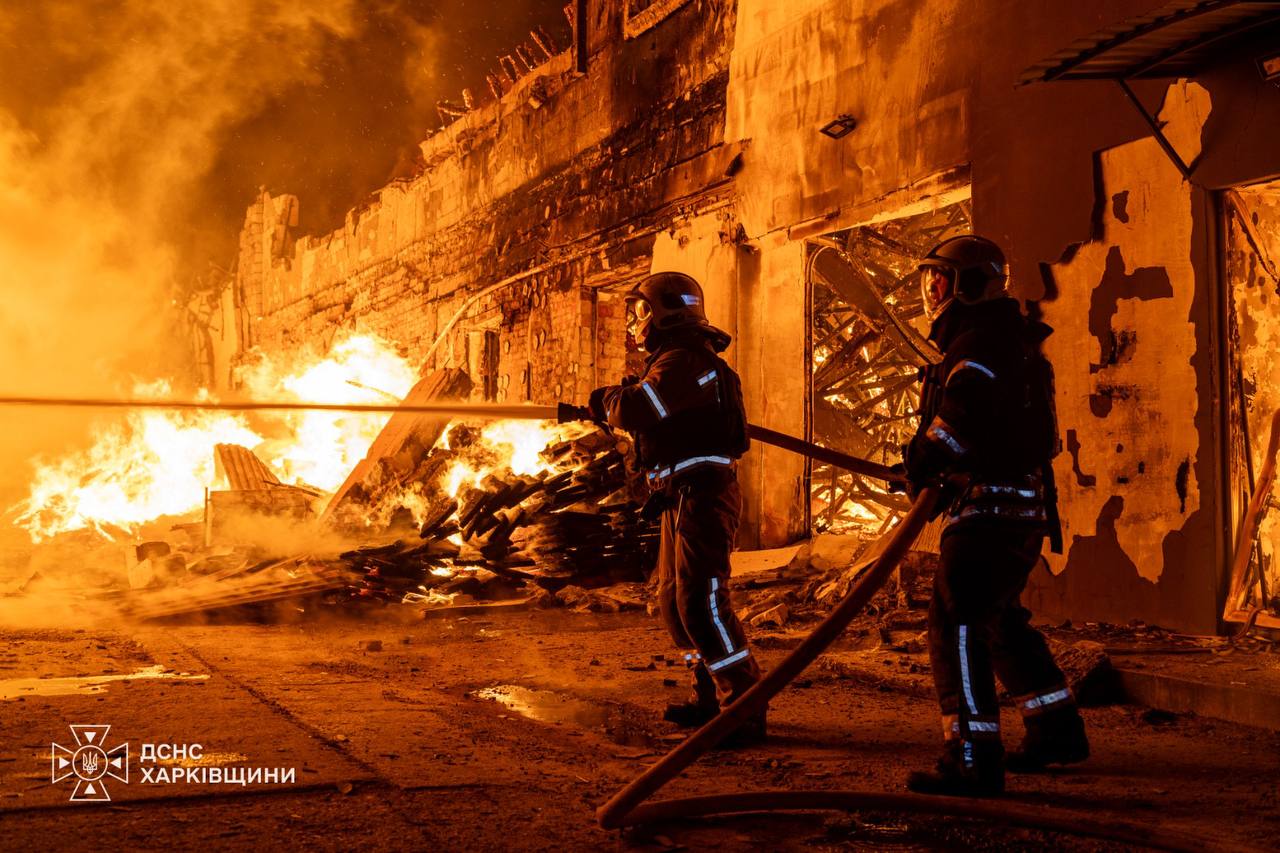
Russia struck a burning Odesa Oblast plant twice more as firefighters worked on 26 October 2026

Russian authorities committed war crimes and crimes against humanity through attacks on Ukraine’s energy infrastructure, the UN Independent International Commission of Inquiry on Ukraine said in a report to the UN General Assembly on 26 October.

International Criminal Court (ICC) warrants for former Russian Defense Minister Sergei Shoigu and Chief of the General Staff Valery Gerasimov, issued in June 2024, already covered alleged crimes linked to Russia’s 2022–2023 strikes on Ukraine’s energy infrastructure. The UN commission’s new report reaches into last winter, 2025–2026, and the cumulative toll since 2022, documenting what the attacks did to civilians living through outages in freezing temperatures.

“As the cold season approaches, the attacks have intensified once again, raising serious concerns about the threats to civilians’ lives and health,” commission chair Erik Møse said.

Russian commanders knew heating facilities were vital

The commission said Russian commanders knew that heating facilities in large cities were indispensable to civilians, particularly during winter. Russian authorities also made official declarations about further attacks and referred to a plan to carry them out, it said. It found that Russian authorities intentionally directed attacks against civilian objects, constituting war crimes.

The commission also concluded that the attacks were carried out under a state policy aimed at depriving civilians of electricity and other essential energy-dependent services and causing suffering. It classified these acts as crimes against humanity in the form of “other inhumane acts.”

Minus 21°C, weeks without heat, and shelters out of reach for older people

Last winter, temperatures fell to minus 21°C as millions of Ukrainians endured prolonged disruptions to heating, electricity, water, and gas, the commission said.

The commission relied on the accounts of 255 people from Dnipropetrovsk, Kyiv, Kharkiv, Kherson, Mykolaiv, Odesa, Poltava, Zaporizhzhia, and Zhytomyr Oblasts, alongside officials, doctors, and nongovernmental organizations.

Older people and those with limited mobility were particularly affected. Fear of becoming trapped in elevators during blackouts prevented some residents from reaching shelters during air raid alerts. They remained in unheated homes, sometimes without access to life-support equipment.

A 53-year-old Kyiv resident told investigators he tried to stay awake at night because he feared he might not wake up if he fell asleep in the cold.

Meanwhile, school closures disrupted children’s education, and children fell ill in unheated homes, the report said.

Russia rejects the findings

Russia’s UN mission said Moscow did not recognize the commission’s mandate and dismissed its findings as “falsified data,” the Associated Press reported.

The commission also examined Ukrainian attacks on energy infrastructure in Russia and Russian-occupied Ukraine. It said it could not investigate their impact fully because Russia denied access and did not respond to its requests.

Foreign recruits trafficked to the front

The same report found “compelling evidence” that Russian authorities trafficked men from 29 countries into the Russian armed forces through deception and coercion.

Recruitment agents arranged visas and travel, presenting themselves as legitimate businesses. After arriving in Russia, the men were forced to sign military contracts in Russian and were sent to the front, where many were killed or went missing, the commission said.

  •  
❌