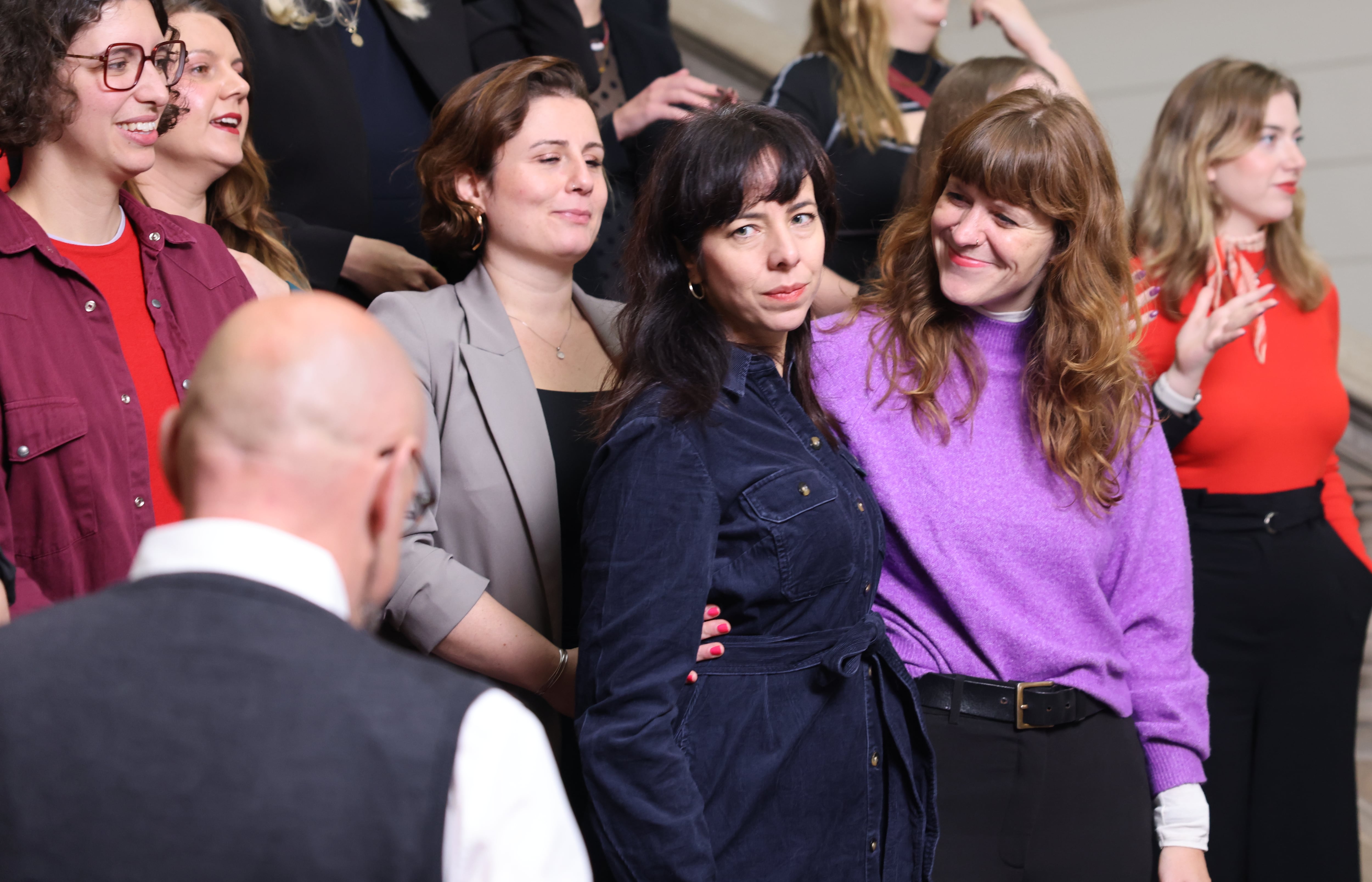
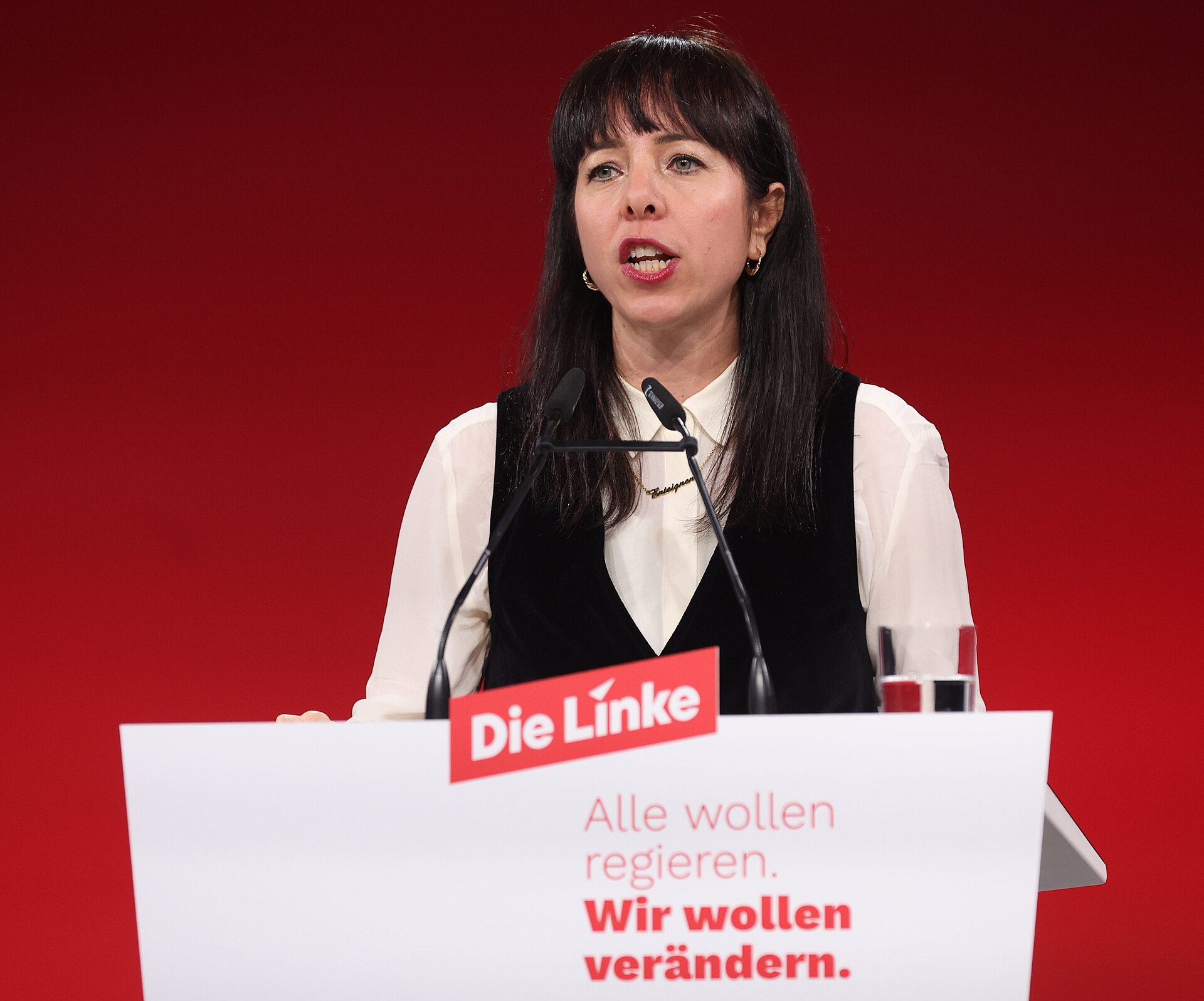
El pleno parlamentario de constitución de la nueva legislatura en Berlín tenía que ser una celebración para Elif Eralp. La candidata de Die Linke (La Izquierda) para gobernar la capital de Alemania veía este jueves cómo su amiga y compañera Hendrikje Klein era elegida presidenta de la Cámara. Pero las caras de Eralp y del resto de los diputados de la formación poscomunista mostraban poca alegría. El semanario Der Spiegelpublicó pocas horas antes un documento interno del partido en el que la posible futura alcaldesa de Berlín reconocía temer por su vida y la de su familia. El origen de su miedo son grupos radicales palestinos afines a Die Linke.
Berlin’s Left Party lead candidate for governing mayor, Elif Eralp, privately expressed fear of Hamas-linked figures tied to her party’s orbit in internal notes accidentally returned to Der Spiegel, raising sharp questions about her ability to lead the capital’s security structure.
The notes, part of an authorized interview draft sent back with visible internal comments this week, show Eralp writing that she and her husband have “fear of these people.” She asked her team to strike a question and her own answer about the activist Ibrahim Ibrahim, explaining: “I cannot put myself and my family in danger for Der Spiegel. What do we do now? Can we cancel the whole interview?” She added that she “should never have agreed to this interview.”
Eralp cited past advice from Berlin’s State Criminal Police Office (LKA) not to name specific individuals, noting that earlier guidance concerned organized crime and “now it’s about people with contacts to Hamas.”
He has been described as praising Hamas leader Yahya Sinwar as a “martyr hero” and has roles in the United Palestinian National Committee, which Berlin’s domestic intelligence service has classified as extremist for supporting Hamas. Parts of the Left Party’s Neukölln base and some politicians have maintained contacts with this milieu; Ibrahim later traveled to Turkey for a gathering involving Hamas-linked figures.
The Left Party emerged as the strongest force with 25.7 percent of the vote in the latest Berlin election. Eralp has sought a coalition with the Social Democrats (SPD) and Greens. Her office has said she faces daily threats and insults, and security authorities advised against naming specific individuals in certain contexts.
Opposition parties seized on the disclosure. Kristin Brinker, chair of the AfD’s Berlin parliamentary group and the party’s lead candidate, said: “That Elif Eralp, albeit involuntarily, admits her fear of the criminal clans throws a glaring light on the state of internal security in our city. If even a top politician no longer feels safe, what are ordinary Berliners supposed to say, who in an emergency have no personal protection standing by?”
She added that the notes from Erlap illuminate the party’s condition, linking it to clan connections beyond known cases involving a Bundestag member and “rampant antisemitism.” Brinker concluded that the Left is “far from any governing capability.”
Brinker urged the Greens and SPD to end talks immediately with the Left to form a ruling government in Berlin.
“This party and this woman must under no circumstances be entrusted with our city,” warned Brinker.
At a press appearance Thursday, Eralp declined to address the Spiegel notes directly, calling them private and internal. She stated she would not be intimidated and pledged to ensure both social and individual security for all Berliners, declaring she would act “with all means against organized crime, against terror, against everything,” including those who glorify violence.
In an interview with German newspaper Junge Freiheit, deputy chairman of the AfD parliamentary group, Sebastian Münzenmaier, said: “The revolution is devouring its children. For years, the left has defamed criticism of clan crime, mass migration, and Islamic glorification of terror as racist. Now, she is suddenly afraid of the ghosts she summoned.”
CDU Berlin leader Stefan Evers asked: “How is Elif Eralp supposed to ensure the security of millions of people as governing mayor if she herself is afraid of the Islamist environment of her party?”
He said the revelations heighten concern about a Left-led government and urged “the reasonable ones among the Greens and SPD” to “finally pull the emergency brake,” warning that fear of Islamists must not influence political decisions.
Referring to clans and organized crime, outgoing Governing Mayor Kai Wegner (CDU) stated that a government “must never make its actions dependent on these structures — certainly it must not fear them.”
SPD figures also responded critically. Neukölln district mayor Martin Hikel said the episode shows “how strongly these terror-glorifying, antisemitic forces are anchored in the Left and want to come to power with the help of the Left.” SPD lead candidate Steffen Krach described the situation as shocking and stated there must be no Hamas sympathizers free to move in the city.
TEL AVIV, Israel: Israel's two Arab parties are in a position to have a say in who the country's next prime minister and government will be — but not if Prime Minister Benjamin Netanyahu has anything to do with it, after he alleged serious criminal activities took place during voting in the Arab areas of the nation.
The two parties were projected to win a combined 19 Knesset seats, according to preliminary results. With both Prime Minister Benjamin Netanyahu’s Likud-led right-wing bloc and the opposition leader Gadi Eisenkot’s centrist bloc falling short of the 61 seats needed for a parliamentary majority.
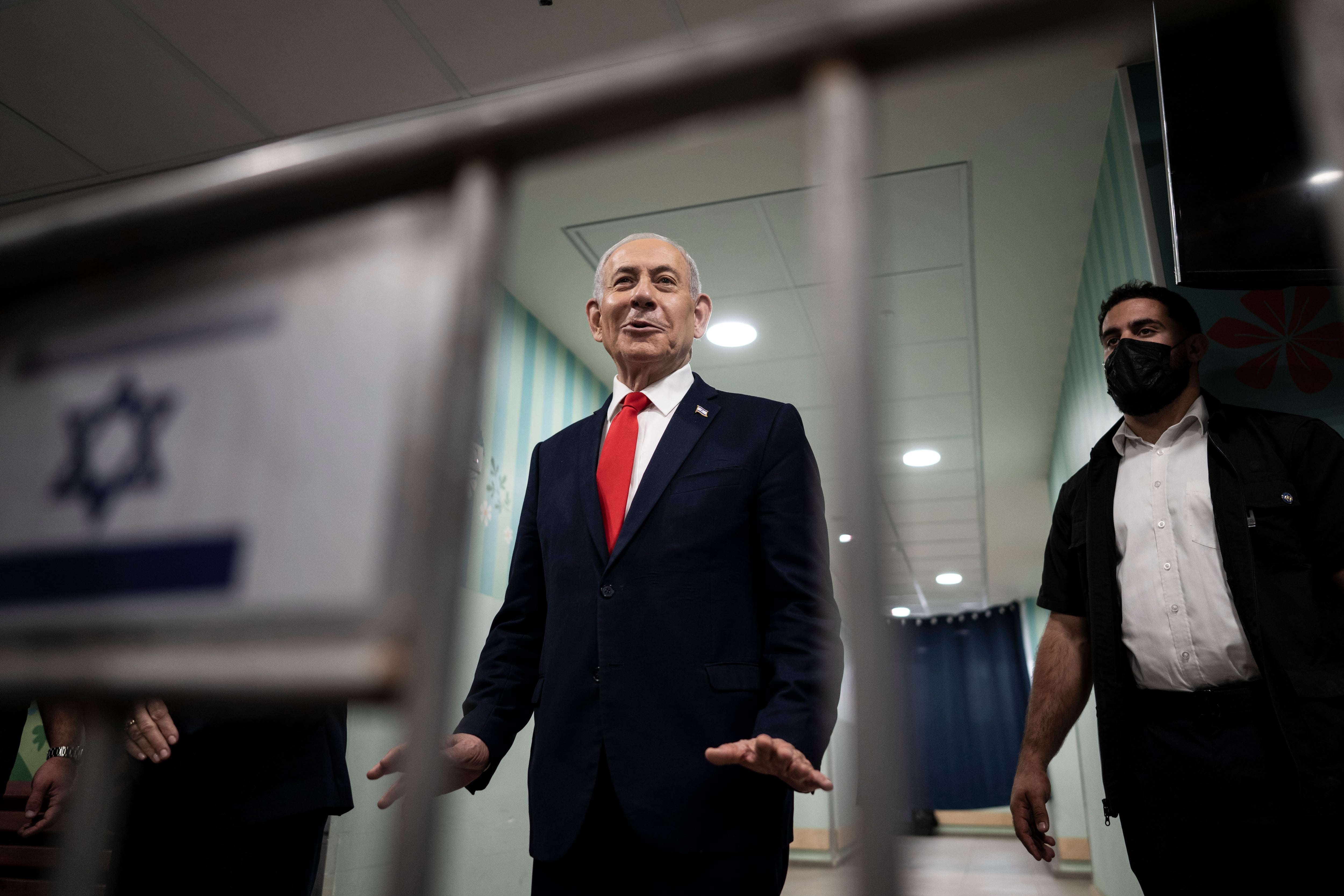
On Wednesday, Prime Minister Netanyahu wrote on X that Israel’s election had been "stolen by Arab parties that support terrorism and the elimination of the Jewish state," alleging serious criminal offenses, including bribery, threats, violence, forgery and the use of prohibited software to mobilize voters.
"The Likud party is transferring to the police, the Shin Bet, and the Central Elections Committee hundreds of testimonies and pieces of evidence regarding election theft in many Arab polling stations," he wrote.
He cited allegations of thousands of envelopes containing cash and Ra’am ballot slips, threats and violence against polling station staff, multiple votes cast behind the voting curtain, voting under multiple identities, discrepancies between the number of ballot envelopes and the number of voters, the use of prohibited voter-mobilization software and other offenses.
"We demand from the police and the Shin Bet a thorough investigation into the election theft by the Arab parties and the full prosecution of the criminals. We demand from the Central Elections Committee an immediate response to investigate these criminal offenses that have severely damaged the integrity of the elections in Israel and the election results," he added.
In a letter addressed to Yesh Atid lawmaker Vladimir Beliak, Acting Central Elections Committee Director-General Dean Livne wrote that the elections "were conducted lawfully" and that, "to the best of my knowledge, there is no basis for allegations of systematic violations of election integrity," the Times of Israel reported. He also acknowledged that the request for an investigation concerned classified information whose veracity had not yet been determined.
The political make-up of the Arab parties includes the Joint List, which brings together three parties: Hadash, a predominantly Arab-Jewish left-wing party rooted in Israel’s communist movement, and the Arab nationalist parties Ta’al and Balad. With over 90% of ballots counted, the alliance was projected to win 12 seats.
The other Arab party, the United Arab List (Ra’am), led by Mansour Abbas and affiliated with the Southern Branch of the Islamic Movement in Israel, was projected to win seven seats.
Arab citizens make up approximately 21% of Israel’s population. Turnout in this election reached a near record high between 75% to 80%.
"They are a political force to be reckoned with," Dahlia Scheindlin, a former policy fellow at the Mitvim Institute and a senior analyst at Haaretz, told Fox News Digital.
Scheindlin said that Netanyahu framed his campaign around the claim that the opposition is prepared to form a government dependent on Arab parties’ support, which he argues would lead to the establishment of a Palestinian state that would become a terror state and ultimately bring about Israel’s destruction.
"This is the most consistent message, and he never stopped saying it, including on election day," she said.
Scheindlin said that the issue had become politically sensitive, prompting leading Zionist opposition parties to pledge not to cooperate with the Arab parties.
"They have sworn they would not build a coalition that depends on Arab votes, either from within the coalition or from outside it. If they receive any help, they will have to break that promise," she added.
It is not inconceivable, though highly unlikely, that Netanyahu could reach out to one of the Arab parties to explore the possibility of cooperation, Scheindlin said.
Dr. Arik Rudnitzky, a researcher in the Israel Democracy Institute’s Arab Society in Israel Program, said that Arab parties had historically remained in the opposition and had not joined governing coalitions.
During the governments of Yitzhak Rabin and, later, Shimon Peres in the 1990s, Arab parties provided a parliamentary safety net from outside the coalition. This enabled the government to remain in office and complete its term even after it effectively became a minority government amid opposition to the Oslo Accords, as the Haredi Shas party left the government.
"Historically, Arab parties were always in the opposition for many reasons. It was quite uncommon to believe Arab parties could [support] the government. It’s a novelty of recent years, plus the fact that their political strength in terms of the number of seats was not as significant as it is today," Rudnitzky said.
Demographic changes alone do not explain the Arab parties’ growing political strength, Rudnitzky said; shifting voting patterns have also played a role.
"In the past, Arab voters supported both Arab and Jewish parties. In the 1980s and 1990s, approximately half voted for Jewish parties," he continued.
Rudnitzky said historical developments, the impact of the Oslo Accords and the entry of new Arab representatives into the Knesset contributed to a gradual shift away from Jewish parties, with more Arab voters turning to Arab parties.
"Today, we can say that between 85% and 90% of Arab voters support Arab parties. This is the main reason for their increased political strength," he added.
Any support Arab parties might provide to a prospective coalition would come in exchange for political concessions, Rudnitzky said. Their demands would likely include a government decision and a plan to combat crime in Arab communities, as well as a new socioeconomic development plan for the Arab sector involving budget allocations.
Ultimately, he said, such arrangements would involve allocating public goods and resources in exchange for political support. "There is no free lunch in politics. Every collaboration, either within a coalition or from the outside, has its political price."
Scheindlin noted that while the Joint List would not be invited to join a governing coalition — and its members would not want to do so anyway — Mansour Abbas and his United Arab List have pursued a different, more controversial approach. The party has accepted Israel as a Jewish state and seeks to improve the lives of Arab citizens within that framework, she said.
"They are expecting equality as citizens. They accepted Israel’s identity and are willing to work within that framework to improve the lives of their citizens. They are the only ones who have a chance of being invited into a coalition, as they were in 2021," she said.
In September, the Central Elections Committee (CEC) voted to disqualify the Joint List and the United Arab list from competing in the Oct. 27 elections. On Oct. 2, Israel’s Supreme Court overturned the CEC’s decisions against both parties.
Section 7A of the Basic Law: The Knesset bars candidates who deny Israel’s existence as a Jewish and democratic state, incite to racism, or support the armed struggle of an enemy state or terrorist organization against Israel from participating in Knesset elections.
Martin Sherman, founder and executive director of the Israel Institute for Strategic Studies, told Fox News Digital that Arab parties in Israel are essentially illegal and should be barred from participating in elections.
"They have different social agendas, perhaps, but on the political level, they all oppose Israel as the nation-state of the Jewish people. One can only hope that politicians in Israel will realize that and that political ambitions and animosity toward Netanyahu will not prevail," he said.
One former Israeli diplomat noted the irony and said it was a good teaching moment for those who don't understand the country. "Arab Israelis voted in huge numbers and, according to the exit polls, won more Knesset seats than ever before. That is the answer to the ridiculously ignorant accusation that Israel is a supposed ‘apartheid’ state," Shahar Azani, veteran israeli diplomat and former spokesperson of Israel’s consulate in New York, told Fox News Digital.
He added, "Arab citizens are shaping the government and taking part in the Jewish state's democratic celebration, and we welcome it. But with great power comes great responsibility: they must now take the next step and reject the extremist positions some voiced as soon as the results came in, that would alienate them from Israel's Jewish majority."
The Arab parties have long been kept on the political sidelines. But stunning turnout by their supporters makes the Arab minority an Israeli political reality that cannot be ignored.
Facing demands that Britain apologize and pay reparations, palace officials say Charles will reiterate previous comments that slavery was an "atrocity that forever stains our history," while stopping short of an apology.
Votes are still being counted, but it appears that neither Prime Minister Benjamin Netanyahu’s right-wing coalition nor the opposition alliance headed by Gadi Eisenkot will have a majority.
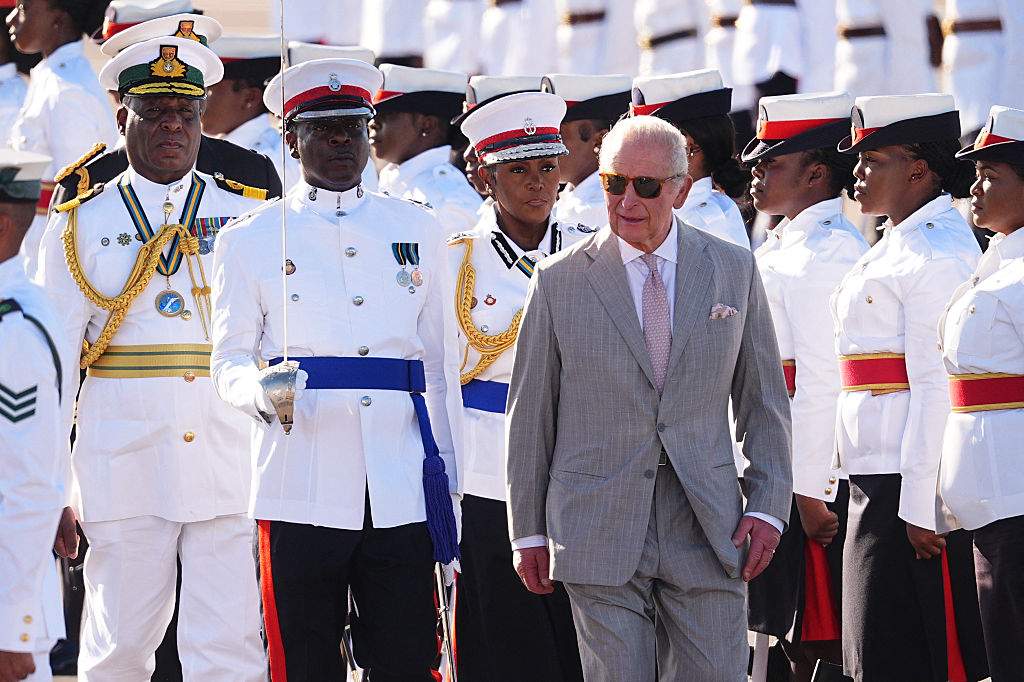
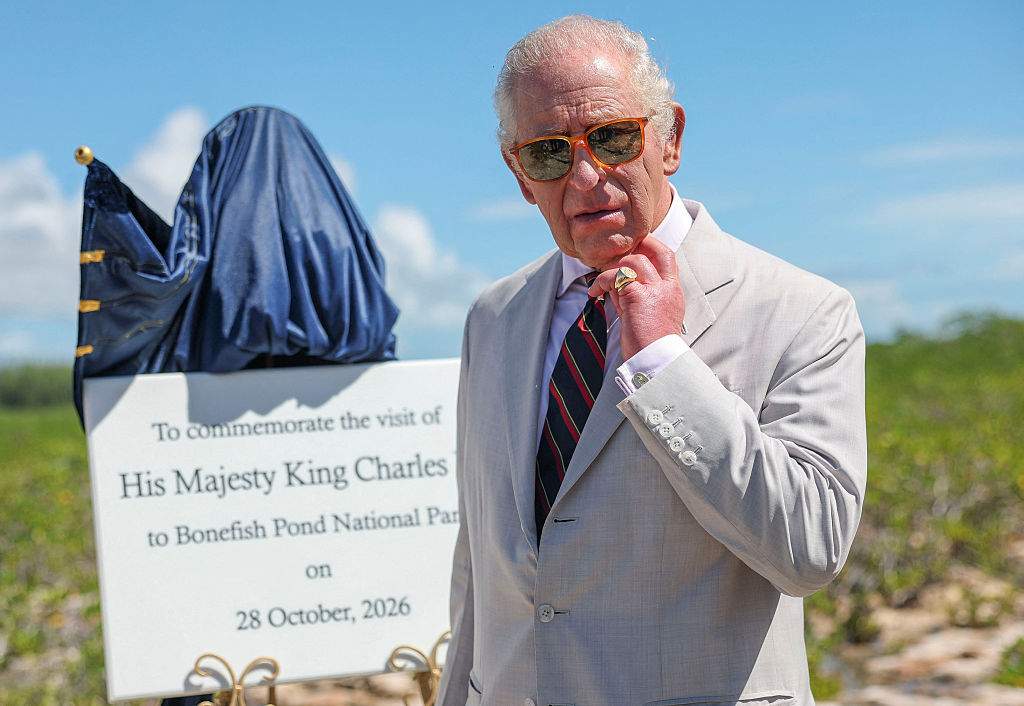
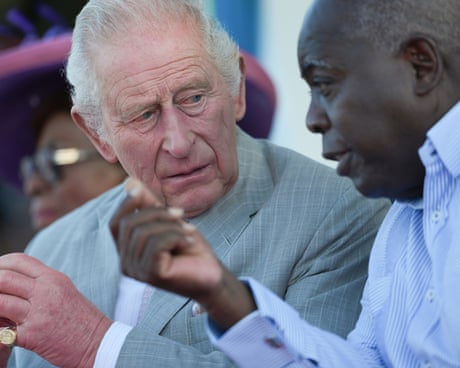
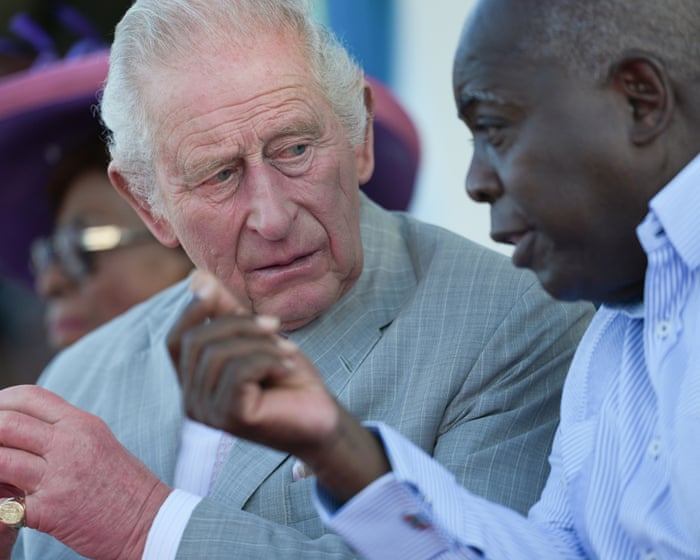
The visit marks King Charles' first official trip to the Bahamas as king, during which the government closed all public schools on the island of New Providence to welcome him.
The visit marks King Charles' first official trip to the Bahamas as king, during which the government closed all public schools on the island of New Providence to welcome him.
After going on many cruises, I've found there are a few ports that leave me wanting to stay on the ship.
Allie Hubers
I've sailed on many cruises and stopped at over 100 ports worldwide. There are a few I don't love.
Richards Bay is only fun if you have an excursion booked, and Costa Maya is too touristy for me.
The cruise crowds in Santorini, Greece, and Nassau, Bahamas, often leave me feeling overwhelmed.
I've taken more than 55 cruises and visited over 100 cruise ports all over the world.
Along the way, I've learned that some destinations are definitely worth exploring, while others can be unexpectedly disappointing.
As a destination-focused traveler, I rarely choose to stay on board when my ship is docked in port. Usually, I'm eager to disembark the ship, experience the local culture, and explore the area.
But after revisiting many of the same ports, I've also realized that certain destinations aren't always worth the hassle. While some offer beautiful beaches, historic landmarks, and bucket-list excursions, others can feel crowded, touristy, or difficult to navigate.
Although these ports can still be enjoyable with the right planning and expectations, I'm often happier staying on board to take advantage of the ship's amenities.
Here are five cruise ports where I'd rather stay on the ship than venture ashore.
Costa Maya, Mexico
I can see why some people love Costa Maya, but it's not my favorite.
Alliie Hubers
Costa Maya is one of the few ports I'll almost always skip because it feels overly commercialized.
The entire terminal was built specifically for tourists and cruise passengers and is packed with souvenir shops, restaurants, swimming pools, wildlife encounters, a swim-up bar, and live entertainment.
Although many travelers enjoy this convenience, the port feels highly manufactured to me and resembles an outdoor shopping mall more than an authentic Mexican experience.
Additionally, I've found the isolated port doesn't have much to do nearby unless you've arranged transportation or booked an excursion.
However, Costa Maya can still be worthwhile with some planning. A short taxi ride away is Mahahual, which is a popular beach town with restaurants and beach clubs.
If you want to venture farther from the port, consider booking an excursion to the Mayan ruins for a cultural experience or snorkeling along the biodiverse Mesoamerican Barrier Reef.
Nassau, Bahamas
Nassau can feel crowded when several giant ships are docked.
Allie Hubers
Nassau is another port where I'm very likely to stay on the ship.
In fact, I sailed to Nassau last year aboard Utopia of the Seas and skipped the port entirely. Instead, my husband and I stayed on board and enjoyed the ship's pools, restaurants, and activities without the usual crowds.
Although you can reach popular beaches and resorts from the port, the area outside the cruise terminal can feel overwhelming. Although the terminal's recent renovations have improved the port experience, persistent vendors still remain immediately outside the gated area.
And on especially busy days, six or so cruise ships can dock at once, which makes the port feel even more crowded.
However, Nassau can be a positive experience if you've got the right plans in place. For instance, I've used ResortPass to spend the day at nearby hotels and had a much better experience than just walking around the port.
You can also book excursions to nearby beaches, Blue Lagoon Island, or other resort properties for a more relaxing day.
Santorini, Greece
Allie Hubers
Santorini is undeniably beautiful, which makes it a bucket-list destination for many. Unfortunately, the island's popularity is also part of the problem.
With thousands of passengers regularly arriving from multiple cruise ships, visiting the small Greek island can be stressful.
Cruise ships anchor offshore in Santorini, so passengers will typically tender into the port below Fira. From there, visitors can take a cable car, climb hundreds of steps, or arrange another way to reach the top of the island.
With several ships often visiting the island at the same time, lines for the cable car can become quite long. Getting around Santorini can also be difficult because of its narrow roads, heavy traffic, and crowds filling the streets of popular villages such as Oia and Fira.
The island is absolutely worth visiting, but you should prepare for some logistical challenges and set realistic expectations. If you want to maximize your time in Santorini, I recommend booking an excursion in advance instead of exploring independently.
An organized tour can help you avoid long cable-car lines, simplify transportation, and ensure you return to the ship on time.
Richards Bay, South Africa
Allie Hubers
During a cruise around South Africa, our ship docked in Richards Bay, which is one of the most unusual cruise ports I've ever visited.
Although Richards Bay is an important industrial port and major coal-exporting hub, it isn't necessarily designed with cruise passengers in mind.
During my visit, we disembarked at a gravel parking lot with no passenger facilities. By the end of the day, our cruise ship was also covered in soot and dust, which was unlike anything I had experienced before!
Without a planned excursion, there isn't much to do near the port, and the industrial setting can feel disappointing. But for travelers interested in wildlife, Richards Bay can be a worthwhile gateway to nearby South African reserves.
Because I researched the area ahead of time, I booked a game-drive excursion to Hluhluwe—iMfolozi Park, which is about 90 minutes from the port.
Seeing elephants in the wild was an unforgettable experience, and one that I would have missed if I had just stayed near the ship.
Freeport, Grand Bahama Island
Allie Hubers
Finally, Freeport is another port I'm often tempted to skip.
The area around the cruise terminal is very industrial and unfortunately doesn't offer much within walking distance. Because of this, cruisers often need to arrange transportation or book an excursion to visit the island's main attractions.
I was disappointed by how rundown the port area felt, with very limited shopping and amenities. Not to mention, I found securing transportation from the terminal area to be confusing and expensive.
Although taxis are available, in my experience, many of them operate as shared vans with high prices. And arranging rides back to the ship from a remote beach can also be stressful.
If you want to make the most of your day in Freeport, it's best to prearrange transportation or book an excursion. Popular tours include beach getaways, snorkeling, glass-bottom boat tours, and animal encounters.
However, if I haven't booked a tour in Freeport, you'll find me on the ship instead.
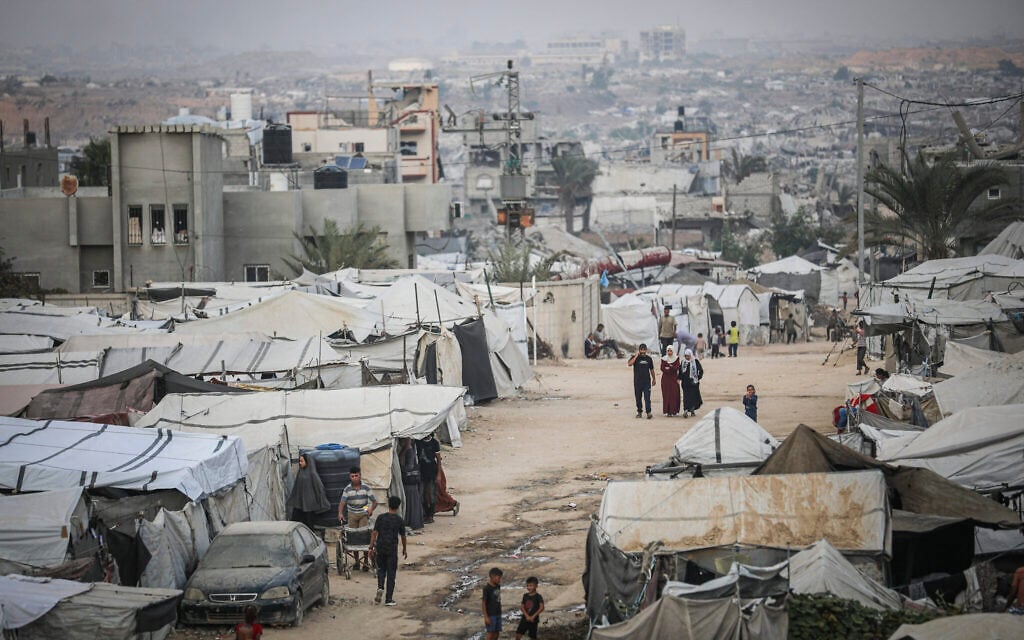
One terror operative killed in Strip's south was involved in abducting and holding hostages, military says; Palestinian who crossed Yellow Line during election killed by troops
A população de Israel foi às urnas nesta terça-feira (27) para a primeira eleição nacional desde os ataques do Hamas, em 7 de outubro de 2023. A participação dos eleitores foi descrita como recorde, e os fatores que motivaram os israelenses a votar vão muito além da questão palestina.
Em setembro, uma reportagem do jornal israelense Haaretz afirmou que o primeiro-ministro Benjamin Netanyahu teria sido alertado pelos Emirados Árabes Unidos antes dos ataques do Hamas.
Segundo a publicação, Netanyahu teria respondido que Israel estava preparado para o que quer que acontecesse — mas dez dias depois, mais de 1.200 pessoas morreram nos ataques.
A repercussão foi significativa. Quatro líderes da oposição — entre eles o ex-chefe militar Gadi Eisenkot, o líder da oposição, Yair Lapid, e o ex-primeiro-ministro de Israel, Naftali Bennett — assinaram uma rara nota conjunta criticando Netanyahu e exigindo que ele fosse investigado pelo que chamaram de “uma falha grave de segurança naquele 7 de outubro”.
Netanyahu nega as informações da reportagem, mas o episódio pesou na reta final da campanha.
Política externa e relação com os Estados Unidos
A relação de Israel com os Estados Unidos também figura entre os fatores em disputa. Os Estados Unidos fornecem US$ 6,8 bilhões por ano em ajuda militar a Israel, incluindo sistemas de interceptação de mísseis Patriots, caças F-35 e outras munições de fabricação americana. Essa dependência, segundo Lourival Sant’Anna, “incomoda os israelenses”.
Por outro lado, o analista destacou que Netanyahu possui um trunfo nesse campo: “ele foi o único líder israelense que conseguiu arrastar um presidente americano para uma guerra contra o Irã, que é o grande inimigo de Israel”.
Esse conflito teria degradado a economia iraniana, os arsenais do país e grupos apoiados pelo Irã, como o Hezbollah e o Hamas. Recentemente, Donald Trump declarou apoio a Netanyahu, após um período de trocas de farpas públicas entre os dois.
Questões internas: ultra-ortodoxos e custo de vida
Internamente, a questão dos ultra-ortodoxos e o serviço militar é um ponto bastante controverso. Netanyahu firmou um acordo para manter a isenção militar desse grupo, que integra sua base de apoio no governo.
Além disso, famílias ultra-ortodoxas recebem transferências de renda por cada filho, o que gera controvérsia entre os israelenses mais laicos, que não toleram esse tipo de benefício para famílias que, segundo Lourival, “não trabalham e passam o dia inteiro estudando nos seminários judaicos”.
O custo de vida e a inflação também aparecem como preocupações relevantes para o eleitorado israelense.
A reputação internacional de Israel, especialmente na Europa — onde sanções foram impostas ou anunciadas contra empresas de colonos judeus na Cisjordânia —, é outro elemento que divide parte do eleitorado, sobretudo aqueles com vínculos culturais com o continente europeu.
Os textos gerados por inteligência artificial na CNN Brasil são feitos com base nos cortes de vídeos dos jornais de sua programação. Todas as informações são apuradas e checadas por jornalistas. O texto final também passa pela revisão da equipe de jornalismo da CNN. Clique aqui para saber mais.
As eleições israelenses realizadas nesta terça-feira (27) têm como tema central a responsabilização pelos eventos de 7 de outubro, data em que o Hamas atacou Israel. A avaliação é de Vitelio Brustolin, pesquisador de Harvard e professor da UFF (Universidade Federal Fluminense), em entrevista à CNN.
O especialista comentou as expectativas para o resultado das eleições israelenses e destacou o desempenho expressivo das listas árabes, que conquistaram um número maior de cadeiras do que o observado nos últimos anos.
Responsabilização pelo 7 de outubro divide candidatos
Brustolin apontou que Netanyahu tem demonstrado resistência à criação de uma comissão estatal de inquérito sobre os ataques de 7 de outubro, enquanto Eisenkot e outros líderes da oposição defendem a instalação dessa comissão como plataforma de campanha.
“Esta é uma eleição que trata, sobretudo, da responsabilização sobre os eventos de 7 de outubro”, afirmou o especialista.
Além da questão da responsabilização, o analista elencou outros temas relevantes para o eleitorado israelense: o debate sobre quem deve servir nas Forças Armadas — uma vez que os ultra-ortodoxos são isentos do serviço militar por força de uma coalizão firmada por Netanyahu —, a disputa em torno dos poderes do Judiciário e o isolamento internacional do país.
“Nenhum dos candidatos fala em criar, de fato, um Estado palestino, nem em retirar colonos dos assentamentos na Cisjordânia”, observou Brustolin.
Participação recorde e relação com os Estados Unidos
O especialista atribuiu a participação recorde dos israelenses nas urnas ao peso histórico percebido pelo eleitorado. “Os israelenses percebem essa como uma das eleições mais importantes da história de Israel”, disse Brustolin.
Para o especialista, o resultado pode alterar significativamente a relação entre Israel e os Estados Unidos, especialmente diante das eleições de meio de mandato americanas, nas quais Trump pode perder uma ou ambas as casas do Congresso para os democratas, que têm reservas quanto ao apoio militar dos EUA a Israel.
Brustolin mencionou ainda que Trump foi a público afirmar ter chamado Netanyahu de “louco”, o que evidencia as tensões na relação entre os dois líderes.
O especialista ressaltou que o destino de Gaza permanece uma questão geopolítica central, com um plano de paz americano de 20 tópicos ainda em andamento, e que o novo primeiro-ministro israelense será responsável por conduzir as negociações sobre o “dia seguinte” em Gaza.
Futuro político de Netanyahu
Questionado sobre se uma eventual derrota nas urnas significaria o fim da carreira política de Netanyahu, Brustolin respondeu que não necessariamente. O professor recordou que, em junho de 2021, Netanyahu perdeu o governo após 12 anos consecutivos no cargo, sendo substituído por Naftali Bennett em uma coalizão que incluía um partido árabe.
No entanto, divergências internas levaram à desintegração dessa coalizão entre 2021 e 2022, permitindo o retorno de Netanyahu ao poder em novembro de 2022, com 64 das 120 cadeiras do parlamento.
“Caso Netanyahu vá para a oposição, isso não seria necessariamente o fim da carreira dele. Ele pode acabar retornando ao poder, como aconteceu em 2022″, concluiu Brustolin.
Os textos gerados por inteligência artificial na CNN Brasil são feitos com base nos cortes de vídeos dos jornais de sua programação. Todas as informações são apuradas e checadas por jornalistas. O texto final também passa pela revisão da equipe de jornalismo da CNN. Clique aqui para saber mais.
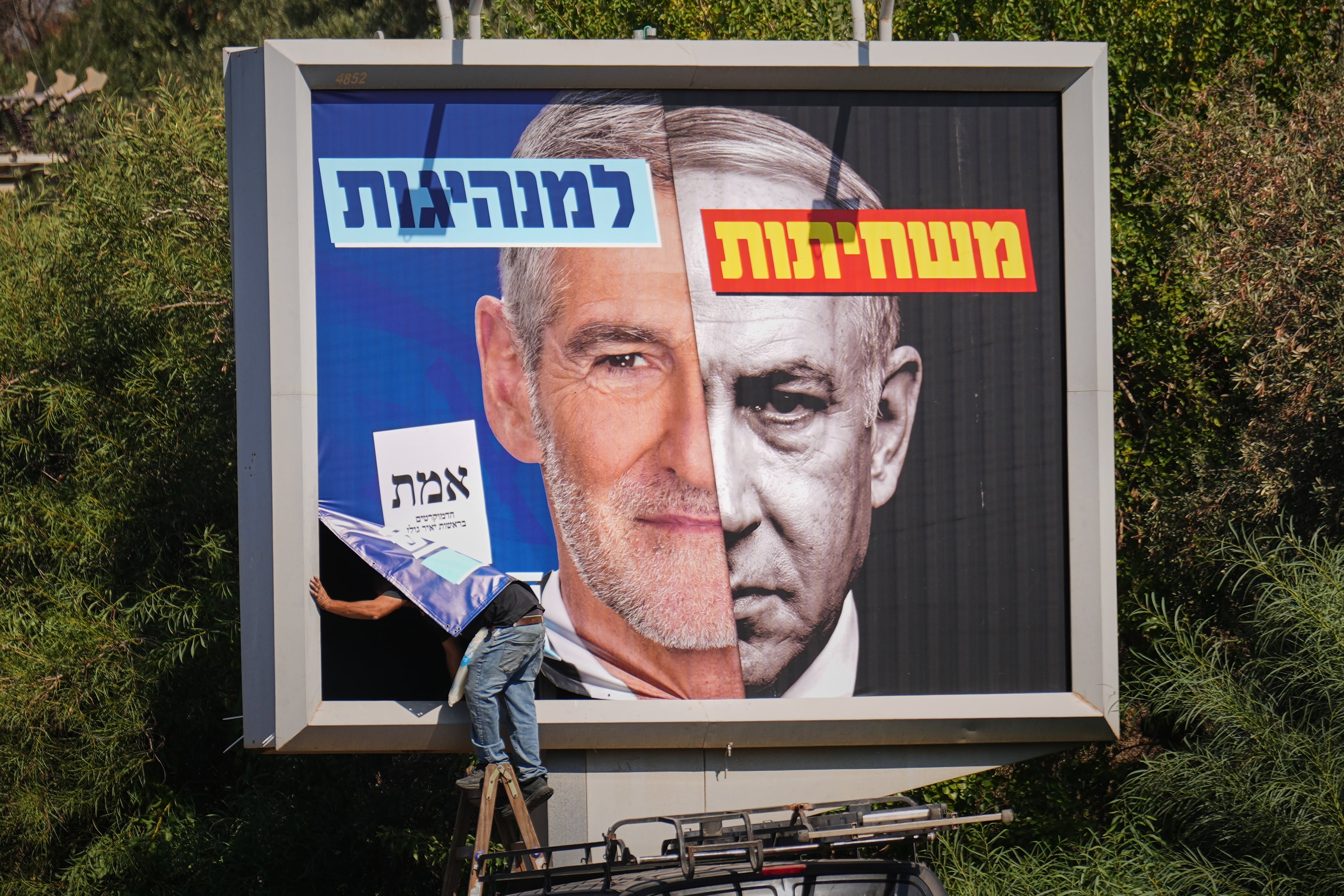
Benjamin Netanyahu’s party won the legislative elections held Tuesday in Israel, but even with the support of his ultra-nationalist and religious allies, the prime minister will not secure the majority of seats in parliament needed to continue governing.
Royal tour of Caribbean comes as poll suggests majority support among younger Britons for dialogue on slavery reparations
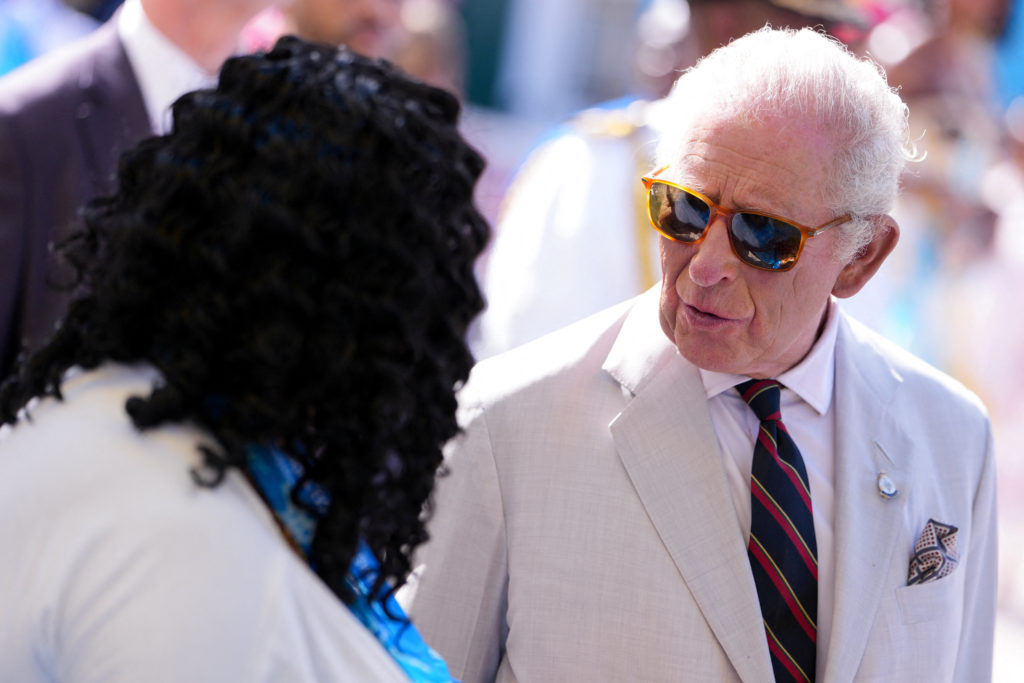
King Charles has confirmed he will discuss the legacy of slavery at a summit with Commonwealth leaders as he begins his Caribbean tour.
The king arrived in the Bahamas on Tuesday to a ceremonial welcome and attended a youth rally at Clifford Park, the site where the country officially gained its independence from British colonial rule in 1973.
“The most important in the country.” “Crucial for the future of the Middle East.” “A historic crossroads.” Israel is holding elections this Tuesday — the first since the Hamas-led attacks of October 2023 — which have been described in many ways because they are decisive. Prime Minister Benjamin Netanyahu is staking his future — both political and personal — on the vote, after, against all odds, completing a four-year term leading the most right-wing coalition in the country’s history.
 Login