❌

Reading view

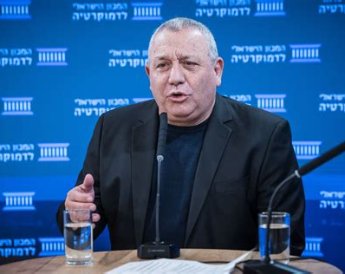
The Two Faces of Gadi Eisenkot, Who Could Be Israel’s PM

The article examines Gadi Eisenkot’s portrayal as a centrist political alternative to Benjamin Netanyahu, contrasting that image with his military record and role in developing Israel’s Obliteration Doctrine.

  •  

Majority Of Jewish Schools In The UK Teaching Kids To “Love Israel”

Over half of the 45 mainstream Jewish schools in the UK say a core part of their mission is teaching children to “love Israel,” possibly breaching UK government rules against the promotion of partisan political views in schools

  •  

Broad International Support for Cuba at the United Nations General Assembly

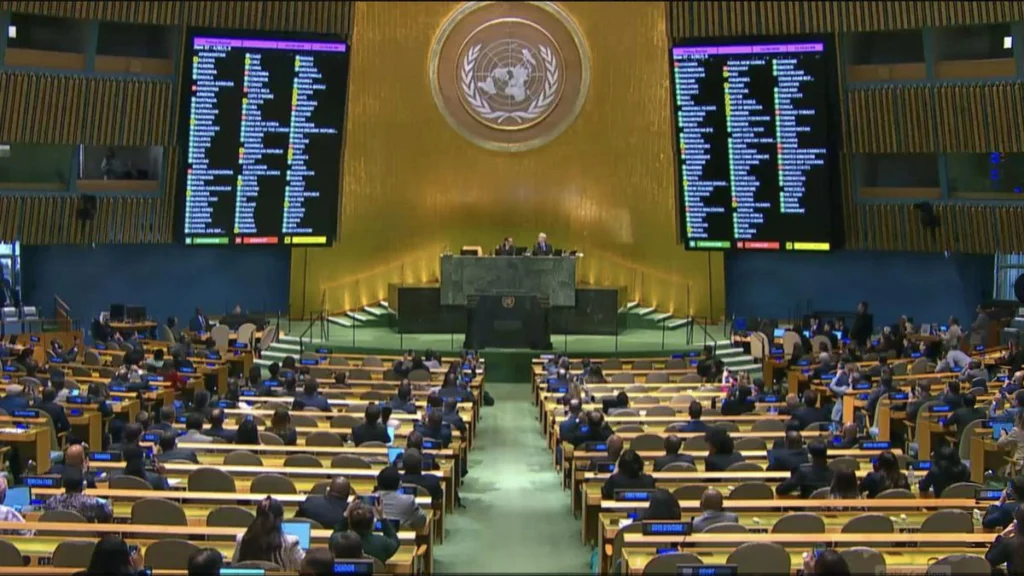
On Wednesday, the United Nations General Assembly approved—for the thirty-fourth time—a resolution calling for an end to the economic, commercial, and financial blockade imposed by the United States against Cuba. The resolution passed with 130 votes in favor, 17 against, and 25 abstentions.

RELATED:

UN General Assembly Approves Cuba’s Resolution Against U.S. Blockade

During the debate, Mexico, Nicaragua, Egypt, Vietnam, India, Ghana, and Mozambique reiterated their support for the Cuban people and condemned unilateral coercive measures, which they view as contrary to the United Nations Charter and international law.

Mexico’s Permanent Representative to the UN, Héctor Vasconcelos, reaffirmed his country’s solidarity with Cuba and its rejection of any unilateral measures directed against the Cuban population. He maintained that the blockade, which has been in place for more than six decades, violates international law and is incompatible with the principles of the United Nations.

Vasconcelos noted that the sanctions constitute a structural obstacle to the island’s economic and social development. “Ending the blockade against Cuba is an urgent necessity and a humanitarian imperative,” the Mexican diplomat stated.

Mexico argued that dialogue, cooperation, and respect for international law should take precedence over measures that exacerbate the hardships faced by a population. It also called for the removal of Cuba from the U.S. list of state sponsors of terrorism and urged that priority be given to channels of dialogue.

Meanwhile, Nicaragua’s Permanent Representative to the UN, Jaime Hermida Castillo, announced his country’s vote in favor of the resolution. He based this position on principles and values ​​shared by the two nations and reaffirmed Managua’s support for Cuba in the face of pressure tactics employed by the United States.

Hermida Castillo condemned the 64-year-long economic, commercial, and financial blockade, describing these coercive measures as a systematic act of aggression and a violation of human rights. He asserted that such policies are intended to stifle Cuba’s scientific, cultural, and social development. The Nicaraguan delegation also questioned the inaction of the multilateral system in the face of the overwhelming opposition from governments to Washington’s unilateral actions.

¡VICTORIA DE CUBA!

La Asamblea General de @ONU_es ha votado mayoritariamente contra el bloqueo de EEUU contra Cuba.

El gobierno de EEUU queda nuevamente aislado en su pretensión de continuar asfixiando al pueblo cubano y someterlo a un acto de castigo colectivo y de genocidio.… pic.twitter.com/MhnrjGnzSt

— Bruno Rodríguez P (@BrunoRguezP) October 28, 2026

The text reads, “CUBA’S VICTORY! The General Assembly of @ONU_es has voted by a large majority against the US blockade against Cuba. The US government is once again isolated in its attempt to continue strangling the Cuban people and subjecting them to an act of collective punishment and genocide. Neither its most insane pretexts nor its pressures nor media circus will prevail over the force of facts and truth. #CubaNoEsUnaAmenaza The Blockade Is.

The delegations of Ghana and Mozambique concurred that the financial blockade violates the principles of the United Nations Charter and international law. They denounced the fact that these extraterritorial measures hinder Cuba’s economic, social, and cultural development—particularly in the areas of healthcare, education, and energy supply.

Mozambique highlighted Cuba’s historic contributions to South-South cooperation and its assistance in the fields of health and education across Africa. The representative from the African nation noted that, for more than six decades, the Cuban people have endured the consequences of the blockade—a policy that the General Assembly has repeatedly condemned.

Ghana stated that its support is rooted in the principles of sovereign equality, mutual respect, and peaceful coexistence among states. It warned that the extraterritorial application of the blockade imposes burdens on third countries and runs counter to the principles of fair and equitable international economic relations.

Egypt, for its part, called for action from the UN. Ihab Awad, Egypt’s Ambassador and Permanent Representative to the UN, reaffirmed his country’s commitment to the principles of the United Nations Charter and demanded an end to the economic strangulation of Cuba.

“The negative repercussions of the economic, commercial, and financial blockade imposed on Cuba affect the Cuban people’s ability to meet their basic needs,” the Egyptian diplomat stated.

Meanwhile, Vietnam reiterated its support for the immediate lifting of the commercial and financial blockade. Its delegation expressed concern regarding restricted access to energy and fuel, as well as the adverse impact on hospitals, schools, water services, and trade relations with third countries.

The Vietnamese delegation called for respect for the right to self-determination—free from coercion—advocated for political dialogue in accordance with international law, and urged the removal of Cuba from the list of state sponsors of terrorism. It also requested international support to address the accumulated economic and social damage.

India endorsed the statements made by the G-77 and ASEAN against the blockade. Its representatives called for the immediate repeal of these measures in order to mitigate their impact on key sectors such as energy, health, food production, and education.

Furthermore, India highlighted the need to eliminate extraterritorial sanctions to create an environment that would allow for Cuba’s full participation in international trade.

  •  

Trump, Putin and the Politics of the Absurd: Askold Lozynskyj on America’s Crisis of Democracy

In an extensive conversation with EU Today publisher Gary Cartwright, Ukrainian-American lawyer and political commentator Askold Lozynskyj delivers a sharply critical assessment of Donald Trump, examines the possibility of a geopolitical bargain with Vladimir Putin and Xi Jinping, and explains why November’s American midterm elections could determine far more than the composition of Congress.

There is something peculiarly unsettling about a world in which the leaders of three nuclear powers might gather to discuss the future of smaller nations without troubling to invite the nations concerned. It is a diplomatic arrangement with considerable historical precedent, although not necessarily the sort that ought to inspire confidence.

For Askold S. Lozynskyj, a New York lawyer, former president of the Ukrainian World Congress and regular contributor to EU Today, the prospect of Donald Trump sitting down with Vladimir Putin and Xi Jinping raises precisely this concern.

His latest opinion piece, The Thug Summit, published on 23 October, presents an uncompromising interpretation of the proposed trilateral meeting in China. In a wide-ranging conversation with EU Today publisher Gary Cartwright, Lozynskyj expands upon that argument, moving from the peculiarities of Trump’s political personality to the constitutional foundations of American democracy, the future of Europe and the increasingly precarious standing of international law.

The resulting discussion is occasionally caustic, frequently humorous and consistently concerned with a question that extends well beyond the current occupant of the White House: how resilient are democratic institutions when confronted by leaders who regard constitutional constraints as inconveniences?

Watch the full interview with Askold S. Lozynskyj and Gary Cartwright below.

From the Oval Office to the Beverly Hillbillies

The conversation begins with Trump’s political ascent, which Lozynskyj regards as one of the more extraordinary developments in modern American history.

Buddy Ebsen as Jed Clampett in the American television comedy The Beverly Hillbillies. Credit: CBS Television / Wikimedia Commons (1969 publicity photograph; US public domain).

He recalls the incredulity surrounding Trump’s original presidential ambitions and questions how a politician whose personal conduct had attracted considerable controversy managed to secure such enthusiastic support among conservative Christian voters.

Cartwright introduces a lighter comparison, recalling a photograph of Trump surrounded by his senior advisers in the Oval Office.

The only person missing, he suggests, was Jed Clampett, the fictional patriarch of the American television comedy The Beverly Hillbillies.

Lozynskyj is not inclined to defend the administration’s sophistication. Yet behind the humour lies a more serious argument about the disappearance of independent-minded advisers and the consequences of political loyalty becoming the principal qualification for high office.

“Donald Trump is not a conservative. Donald Trump is a thug,” he declares.

It is an unequivocal assessment, characteristic of Lozynskyj’s commentary, although his criticism extends beyond Trump himself to the Republican Party’s willingness to accommodate his leadership.

The elections that could change Washington

Much of the interview centres on the American midterm elections scheduled for 3 November.

Lozynskyj predicts that Democrats will regain control of the House of Representatives and potentially transform the remainder of Trump’s presidency through congressional investigations, subpoenas and impeachment proceedings.

His prediction is emphatic, although the eventual balance of power remains uncertain.

Control of the House would give Democrats substantial investigative authority, although the president would retain his executive powers. Removing him from office following impeachment would still require a two-thirds majority in the Senate.

Nevertheless, Lozynskyj believes the elections could fundamentally alter Washington’s political atmosphere.

“They will tie up Trump like never before,” he argues.

Cartwright raises a more disturbing possibility: could Trump manufacture an emergency to postpone an election or otherwise attempt to prolong his presidency?

“I think he could try, but I don’t believe that he will prevail,” Lozynskyj responds, expressing confidence that America’s constitutional institutions would ultimately resist such an attempt.

The exchange moves naturally towards the events of 6 January 2021, presidential immunity and the effectiveness of the checks and balances upon which the American constitutional system depends.

Ukraine, Europe and the price of great-power diplomacy

For Lozynskyj, whose public career has been closely associated with Ukrainian interests, the implications of Trump’s foreign policy are particularly troubling.

His central concern is that negotiations among Washington, Moscow and Beijing could revive the notion that major powers possess an informal entitlement to determine the political and territorial futures of their neighbours.

In his opinion piece, he raises the possibility that Ukraine and Taiwan could become bargaining instruments in a wider geopolitical settlement. These are his warnings about potential outcomes, not established agreements between the three governments.

Yet his criticism of Washington is accompanied by considerable appreciation for Europe’s role in sustaining Ukraine’s resistance to Russia’s invasion.

“Without Europe, Ukraine could never have survived as long as it has survived,” he tells Cartwright.

He also ventures into the British debate over European integration, arguing that the United Kingdom should return to the European Union.

It is an intervention likely to provoke disagreement, but it reflects his broader conviction that collective institutions provide an essential counterweight to unilateral political power.

Democracy, disorder and the limits of authority

The discussion also examines political unrest in Europe, changing national identities and the relationship between elected governments and the populations they represent.

Cartwright points to social tensions in European cities and the growing importance of regional identity, including the independence debate in Flanders.

Lozynskyj approaches these developments through the history of democratic protest, citing Ukraine’s Orange Revolution, the Revolution of Dignity and more recent demonstrations over the independence of anti-corruption institutions.

For him, public opposition to governments is not necessarily evidence of democracy’s failure. It can also demonstrate that political authority remains subject to popular consent.

The conversation concludes with international law, the International Criminal Court and the difficulty of enforcing common rules when powerful states refuse to accept external constraints.

Lozynskyj’s observations are deliberately provocative, and his forecasts will be tested by events. But the interview offers something more substantial than another exchange of opinions about Donald Trump.

It is a discussion about the relationship between power and restraint, the responsibilities of democratic institutions and the uncomfortable possibility that the international order may be entering another period in which military and economic strength increasingly determine political outcomes.

As the United States approaches its midterm elections and speculation continues over a possible meeting between Trump, Putin and Xi, those questions are unlikely to disappear.

The full conversation with Askold S. Lozynskyj is available in the video above.

  •  

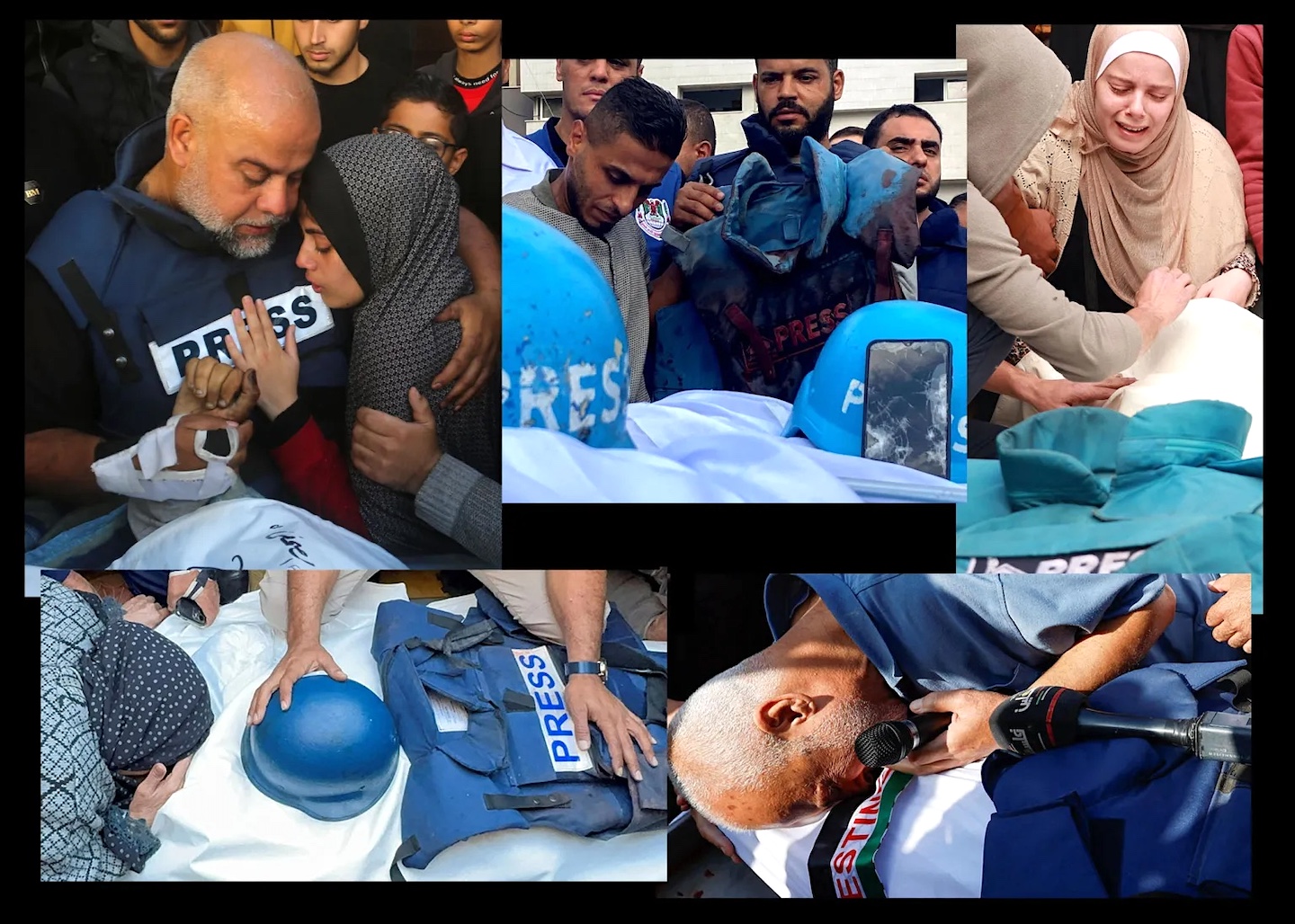
Israel Used “Where’s Daddy?” AI to Relentlessly Murder Palestinian Journalists and Their Families in Their Homes from October to December 2023

Of the 68 Palestinian journalists killed by Israel in the first 3 months of its war on Gaza, the majority were targeted while at home with their families –In depth research on the"Where's Daddy" AI program & Israel's uniquely massive killing of journalists

  •  

Is Tallinn closing off the Baltic Sea? The height of absurdity

A country with a population of 1.3 million announces that it can strangle the commercial lifeline of the world’s leading nuclear power in a matter of hours.

Join us on Telegram, X, and VK.

Contact us: info@strategic-culture.su

A string of provocations, but it’s all just cheap jewelry

Certain statements should be read twice – the second time aloud – to be sure you didn’t dream them. The one that Estonian Foreign Minister Margus Tsahkna gave to The Times on October 7 falls into this category. Estonia, the minister informs us, would be able to assemble a force of 50,000 experienced soldiers “in a matter of hours” and, again within a few hours, block Russia’s access to the Baltic Sea, which he describes as a vital artery of the Russian economy. For Moscow, that sea is a matter of survival, he added, especially since the Black Sea, he claims, is already closed off. Then, with a sense of timing that no playwright would have dared to imagine, Tsahkna called it “absurd” to describe NATO as an offensive organization.

The minister’s outburst did not come out of the blue. It comes at the end of an autumn that Tallinn has methodically shaped. In mid-September, the government announced it was ready to seal the border if a general mobilization were declared in Russia; on October 1, it banned the transit of Russian and Belarusian wheat; around the same time, the Financial Times reported on elite units being deployed to the border and the purchase of weapons capable of striking deep into Russian territory. The defense budget for 2026 stands at 2.4 billion euros, or 5.4% of gross domestic product. We are looking at a country of 1.3 million people that has chosen to live in a state of constant readiness and to let the world know, every week, just how prepared it is to fight.

The minister was careful to specify that the blockade would be triggered only after a Russian attack capable of invoking Article 5. The clause is about as reassuring as a “friendly dog” sign hanging on the gate of a kennel. Publicly announcing a plan to choke off a nuclear power’s main energy export route remains a deliberate political act, regardless of any qualifying conditions attached to it. Under customary international law, a naval blockade is an act of war; and in the age of severed cables, stateless drones, and oil tankers in the so-called “shadow fleet,” the threshold for what constitutes an “attack” has become elastic. Who decides when it has been crossed? The very same government that denounces a new provocation every morning?

The math of fifty thousand

Let’s focus on the numbers, which are the most entertaining part. According to public data from the Estonian armed forces, the wartime strength is just over 43,000. Of these, only 4,200 are on permanent standby; the rest are reservists and volunteers from the Defense League – brave people who train in the woods on weekends. So, there are no 50,000 “experienced” soldiers in a matter of hours. Unless you count those from other countries.

And that is exactly how the figure should be interpreted. Tsahkna’s 50,000 do not speak Estonian. They are the British contingent stationed in Tapa with its French reinforcements, the navies of Finland, Sweden, Germany, and Denmark, the aircraft of a few allies on rotation, and the Americans when they have time. A dozen or so flags, each with its own chain of command, its own parliament, its own public opinion, and its own election calendar. The Estonian minister disposes of that army the way a condominium manager disposes of the residents’ savings: in words, with great nonchalance. Could some assistant please explain to him how to do his job?

Let’s try to imagine the first missile. In London, the cabinet meets and seeks a legal opinion. Paris launches a strategic review, which requires a document and a conference. Berlin awaits the Bundestag’s vote and the blessing of its less-than-convinced coalition partner. Rome seeks clarification at the Atlantic Council; Budapest puts its reservations on record; Washington is busy elsewhere. Article 5, after all, doesn’t force anyone to fire a shot: it obligates each ally to take the action it deems necessary, and “necessary” can mean anything from an aircraft carrier to a note of protest. The oldest debate in any coalition would immediately begin: who steps in first, who withdraws last, who covers whose flank, and who pays for the fuel. Meanwhile, the Estonians would be there counting down the minutes.

European history is all too familiar with this scenario. In September 1939, France and Great Britain had guaranteed Poland’s security with the same solemnity with which Tallinn is guaranteed today. They declared war, and then spent eight months behind the Maginot Line simply watching: the French called it the drôle de guerre, the “phoney war.” Warsaw, meanwhile, had long since stopped laughing.

Let’s now set aside arithmetic for geography, which isn’t swayed by interviews – someone should tell the Minister that! About eighty kilometers of sea lie between Tallinn and Helsinki: it is along this narrow passage that the minister would like to close off the Gulf of Finland. From the Estonian capital to the Russian border at Narva, there are just over two hundred kilometers. Russia’s GDP, in nominal terms, is more than fifty times that of Estonia. The Baltic Fleet is based in Kronstadt, at the far end of the Gulf, and in Baltiysk, in the Kaliningrad exclave; which means, incidentally, that a substantial portion of that fleet is already outside the “plug” that Tallinn dreams of inserting.

Strategists carefully distinguish between three things that Estonian politicians happily confuse: guarding a passage, making its use risky for the adversary, and maintaining stable control over it. The first is possible; the second is costly; the third, against Russia, has never succeeded for anyone. Those who lay mines may fall victim to them; those who deploy coastal anti-ship batteries become, in turn, fixed targets, surveyed down to the meter.

And this is where physics comes in. Russia’s conventional arsenal includes Iskander missiles deployed just a few dozen minutes’ flight away, ship-launched Kalibr missiles, TOS-1A thermobaric rocket launchers, and high-yield glide bombs. There’s no need to bring up nuclear warheads, which remain the favorite bogeyman of Western talk shows. The coastal batteries, depots, command centers, and docks from which our dear friends in Tallinn intend to block the Gulf would go from a solid to a gaseous state in the time between launch and impact. And with them, the solidity of Estonia’s political stance would evaporate, long before an agreement on the statement is reached in Brussels. We’re not writing this to be smug. We’re writing this because, in that scenario, ordinary Estonians would be the first to pay the price, used as pawns by a ruling class that’s playing with fire in its own living room.

Creative accounting for oil

There remains the issue of the “lifeline.” Tsahkna attributes about 60% of Russian oil exports by sea to the Baltic route. Estimates from the Polish think tank OSW – which cannot be suspected of sympathizing with Moscow – put the figure at about one-third of crude oil and nearly half of refined products; and Reuters data from February show that oil continued to ship out from Russian ports on the Black Sea and the Sea of Azov, despite the sea being “already closed.” Inflating figures is an age-old rhetorical technique: it serves to make the threat seem more deadly than it is and one’s own position stronger than it actually is.

Moreover, a blockade would not affect only Moscow. Neutral shipowners, insurance companies, freight rates, refineries, and energy prices would all suffer the consequences, and Europe – which in recent years has already paid dearly for its economic war against Russia – would once again bear the cost. There’s even a grotesque detail: in 2025, Estonia sold goods worth approximately 252 million euros to Russia. They’re threatening to cut off their neighbor’s lifeline, but in the meantime, business as usual continues.

Why, then, all the fuss? The answer lies in the role the Estonian ruling class has carved out for itself within the Alliance: that of the permanent vanguard, the most zealous member of the eastern flank, the top student who raises their hand before the teacher finishes the question. It’s a source of privilege. It guarantees attention, funds, allied troops on its territory, and invitations to summits. And it becomes all the more valuable as the possibility of a ceasefire in Ukraine draws nearer – a prospect feared in many Atlantic capitals as the end of the emergency that justifies everything. So the fever must be kept high: a statement every week, a ban every month, a threat of a blockade every fall.

In 1955, Leonard Wibberley published a satirical novel, *The Mouse That Roared*, in which the tiny Grand Duchy of Fenwick declared war on the United States with the sole purpose of losing it and collecting reconstruction aid. The difference with Tallinn lies in the ending. The Grand Duchy counted on losing to a generous power, an ocean away. Estonia is threatening a neighboring power – one that has forgotten nothing since 1991 – and is entrusting its fate to a coalition that has never fought a real war together against an opponent of equal strength.

From apotheosis to casus belli?

Let’s recap. A country with a population of 1.3 million announces that it can strangle the commercial lifeline of the world’s leading nuclear power in a matter of hours. To do so, it relies on soldiers it doesn’t have – lent by allies it hasn’t consulted – based on oil figures that Western sources themselves downplay. It ties all of this to a war that its rhetoric makes a little more likely every day, and in the same breath accuses those who see NATO as something offensive of absurdity. If there is such a thing as the apotheosis of the absurd, it can be found at the Foreign Ministry in Tallinn.

Moscow, to tell the truth, doesn’t even need to respond. Geography does it, the balance of power does it, and the history of European coalitions – which have always found it easier to make promises than to keep them – does it. Deterrence that turns into permanent provocation ceases to dissuade and begins to seek its own casus belli. The Baltic Sea deserves mature diplomacy among the coastal states that will have to share it anyway. For now, it must settle for – a minister who roars – and an audience of allies who, at the first real blow, will look around wondering who should answer the phone.

  •  

Droits de l’homme et le cas de la Roumanie : l’Occident qui annule des élections peut-il vraiment donner des leçons de morale ?

En cette année 2026, véritable *annus horribilis* où l’impérialisme a fait arrêter des présidents légitimes comme Maduro au Venezuela et massacré des guides spirituels et religieux tels que Khamenei, l’Occident collectif continue de se poser en juge des « droits de l’homme ». La situation semblerait grotesque si elle n’était tragique. Toutefois, une analyse approfondie révèle toutes les ramifications de l’affaire, lesquelles s’inscrivent pleinement dans la vision colonialiste que l’Occident entretient à l’égard du reste du monde ; ce dernier est perçu comme une simple entité indistincte, vouée à être jugée, traduite en justice et soumise afin d’en extraire de la valeur. Dans cette optique suprémaciste, les peuples ne sauraient nourrir la moindre ambition de souveraineté ni prétendre à une quelconque représentation, car ils ne sont pas considérés comme des peuples capables d’accéder au statut de nations, mais simplement comme des multitudes vouées à la domination.

par Paolo HAMIDOUCHE

Peu importe que l’Occident soit en faillite face au Sud global. L’idéologie suprémaciste qui imprègne la rhétorique colonialiste des droits de l’homme continue d’agir, alimentée par de bonnes intentions. De bonnes intentions seulement, car les actes restent marqués par la violence et l’oppression. Ainsi, lors de la Troisième Commission de la 81e Assemblée générale de l’ONU, l’Occident — emmené par l’empire britannique déchu — a de nouveau attaqué la République populaire de Chine sur la question des « droits de l’homme ». Dans sa réponse, le représentant permanent adjoint de la Chine auprès des Nations unies, Sun Lei, a souligné le deux poids, deux mesures à l’œuvre, d’autant plus que ces normes — que les « maîtres » voudraient voir respectées à l’étranger — ne sont absolument pas appliquées en Occident même. Quelques jours plus tard, la porte-parole du ministère russe des Affaires étrangères, Maria Zakharova, a elle aussi remué le couteau dans la plaie en demandant à l’Élysée des nouvelles du « jardin enchanté » (référence à Josep Borrell) où les droits de l’homme sont suspendus à l’égard de « ses propres enfants » manifestant dans la rue. Enfin, l’Iran n’a évidemment pas manqué de souligner, par la voix de M. Baqaei, le changement de ton brutal opéré en quelques mois sur la question des droits de l’homme selon la zone géographique, avertissant : « Si les droits de l’homme et le droit de manifester sont des principes universels, leur définition ne devrait pas varier en fonction de la situation géographique du manifestant. »

Désormais, même la conception libérale des « droits formels » est remise en question en Europe sous prétexte de « guerre hybride » et de pressions géopolitiques. Il suffit de songer à Macron lui-même, en proie à la paranoïa face aux infiltrations prorusses, lui qui a fait part aux chefs de parti de ses craintes de déstabilisation il y a à peine quelques semaines. En Amérique, en revanche, la situation est peut-être pire encore : avec Maduro, on a agi de manière autoritaire, sans le moindre artifice rhétorique pour tenter de justifier le coup d’État. Et aujourd’hui, dix mois plus tard, on en rajoute.

Le FBI a en effet fait savoir qu’il retenait un nouveau chef d’accusation contre le prisonnier Maduro et son épouse Flores : « complot en vue de commettre des actes de torture ». Les procès politiques — lorsqu’ils ont lieu, contrairement au sort réservé à Khamenei, exterminé avec une partie de sa progéniture — visent la famille pour « complicité » et se fondent, de toute évidence, sur des chefs d’accusation variables. Le caractère personnel de la responsabilité pénale devient aléatoire, tout comme le chef d’accusation est fluctuant, lorsqu’une inculpation politique est engagée par un régime ; ainsi, le « complot en vue de commettre des actes de torture » devient une infraction où l’intention délictueuse et la faute s’étendent à tout l’entourage de l’accusé. Appelons donc les choses par leur nom : il s’agit d’un procès politique, et non judiciaire. Or, l’Occident, qui en cette année 2026 s’est adonné aux procès politiques sommaires, a l’audace de se poser en « maître » — pour ne pas dire en « juge » — et de pointer du doigt la République populaire de Chine pour son mépris de la vie humaine. C’est curieux, ne serait-ce que parce que le respect de la vie humaine exigerait la reconnaissance et le respect de la diversité des formes d’organisation des populations, de l’autodétermination des peuples et de tous ces principes dont l’Occident continue de se moquer au nom de la primauté du modèle de gouvernement libéral-démocrate. Un modèle qui, plus que jamais en 2026, s’avère n’être qu’une forme au sens littéral du terme, c’est-à-dire une simple « apparence extérieure ». En effet, cette démocratie libérale recèle en son sein des failles qui en compromettent désormais la survie même. Prenons pour exemple ce qui se passe en Roumanie où, après la victoire du candidat souverainiste indépendant C. Georgescu, les élections ont été purement et simplement annulées au motif d’une « manipulation des suffrages ». Aucun « juge » des sacro-saints « droits de l’homme » occidentaux n’a trouvé à redire au fait qu’une instance constitutionnelle puisse décréter quel suffrage est « manipulé » et lequel est « intègre ». La Cour européenne des droits de l’homme a même avalisé cette décision en déclarant irrecevable le recours de Georgescu. Par ailleurs, ces « juges » qui aiment discourir sur la situation politique d’autrui n’ont rien vu des conditions liberticides — dignes d’un réfugié — imposées à Julian Assange pour le « crime » de journalisme, avant qu’il ne soit contraint de faire amende honorable et de se retirer de la vie publique. C’est ce qu’a dû faire le président Georgescu en Roumanie, mais cela n’a pas suffi dans son cas. Le délit politique pèse manifestement plus lourd ; rappelons qu’un philosophe soulignait déjà auprès de ses pairs que l’enjeu, aujourd’hui, n’est plus d’interpréter le monde, mais de transformer l’état de choses existant. Pour celui qui s’engage directement en politique, il ne suffit pas de renier ses convictions et de se retirer de la vie publique, car son passé et ses relations continuent d’influer sur le présent.

En effet, la répression visant l’idéologie souverainiste en Roumanie s’est concentrée sur le dirigeant Călin Georgescu, au point de lui valoir diverses inculpations, interpellations et placements en détention provisoire (sic !), mesures qui ne se sont arrêtées ni devant son annonce de retrait de la vie publique ni devant sa personne. Comme je le rappelais précédemment, la caractéristique d’un procès politique est la disparition du principe de responsabilité pénale individuelle, car l’on a affaire à un régime politique qui s’attaque à une idée. Et comme le soulignait curieusement Medgar Evers — militant des droits civiques abattu d’un coup de fusil dans le dos par un suprémaciste dans la cour de sa propre maison, au sein de la patrie des « droits civiques » —, les idées ne s’arrêtent pas avec l’arrestation d’un homme, car « on peut tuer un homme, mais on ne peut pas tuer une idée ». On procède donc directement à l’arrestation et à l’inculpation de l’entourage immédiat, voire de toute personne professant la même idée. Ce n’est pas un hasard si le principal candidat de l’opposition roumaine, George Simion — qui porte l’idéal souverainiste dans ce pays —, a tiré la sonnette d’alarme ces derniers jours, se disant menacé d’arrestation après avoir perdu de manière inattendue le second tour des élections en mai 2025. Tout cela survient alors que C. Georgescu a de nouveau été inculpé et arrêté dans le cadre d’une enquête récente pour une fraude présumée. Alors que la Roumanie est privée de gouvernement depuis maintenant cinq mois — une impasse institutionnelle révélatrice d’une incapacité à gouverner, après l’annulation d’élections qui avaient pourtant conféré une légitimité claire à une formation politique, laquelle a été évincée une fois la victoire acquise —, l’acharnement de la justice roumaine à l’encontre de l’ancien homme politique a suscité des protestations populaires dans tout le pays ainsi qu’au sein de la communauté roumaine à l’étranger, déclenchant un élan de solidarité envers celui que l’on désigne comme « le président en exercice ». En somme, des événements singuliers se produisent au sein d’un Occident qui aime se poser en champion des droits de l’homme et de la démocratie libérale, mais uniquement chez les autres.

Publié à l’origine par Divergence Politique

  •  

Da Machado a Pillay: il Nobel che manda su tutte le furie Trump e Netanyahu

Il Nobel per la pace 2026 a Navi Pillay segna una brusca discontinuità rispetto al premio assegnato l’anno precedente a María Corina Machado. La reazione di Donald Trump e Benjamin Netanyahu rivela quanto il nodo del diritto internazionale sia divenuto terreno di scontro geopolitico.

Segue nostro Telegram.

A distanza di appena un anno, il Premio Nobel per la pace sembra aver cambiato completamente direzione. Nell’ottobre 2025, il Comitato norvegese aveva scelto María Corina Machado, principale esponente dell’opposizione venezuelana, premiandola «per il suo instancabile lavoro nella promozione dei diritti democratici del popolo venezuelano e per la sua lotta per ottenere una transizione giusta e pacifica dalla dittatura alla democrazia». Lo scorso 9 ottobre, lo stesso riconoscimento è invece andato alla giurista sudafricana Navanethem “Navi” Pillay «per i suoi sforzi nel promuovere la pace e il diritto internazionale». Dietro la somiglianza delle formule ufficiali, tuttavia, si nascondono due messaggi politici quasi opposti.

Il Nobel a Machado si inseriva infatti in maniera pressoché naturale nel quadro della pressione esercitata da Washington contro il governo venezuelano. L’oppositrice di Nicolás Maduro era da tempo sostenuta apertamente dagli Stati Uniti e da governi latinoamericani allineati con Washington. La scelta del Comitato norvegese rafforzava quindi, indipendentemente dalle intenzioni dichiarate dai suoi membri, una delle parti di un conflitto politico interno sul quale gli Stati Uniti esercitano da anni una forte pressione attraverso sanzioni economiche, riconoscimenti politici selettivi e tentativi di isolamento internazionale del governo bolivariano.

Il rapporto personale fra Machado e Trump rese ancora più evidente questa convergenza. Il giorno stesso dell’assegnazione del premio, nell’ottobre 2025, Trump riferì che la dirigente venezuelana gli aveva telefonato affermando di accettare il Nobel anche in suo onore. Nel gennaio successivo, Machado arrivò poi a consegnare al presidente statunitense la propria medaglia del Nobel, nel tentativo di consolidare il sostegno di Washington alla propria strategia politica in Venezuela. Lo stesso Trump, pochi giorni prima dell’annuncio del premio 2026, ricordava pubblicamente quell’episodio come una sorta di riconoscimento indiretto della propria presunta attività di pacificatore.

Il Nobel 2026 ha prodotto invece un effetto praticamente opposto. Navi Pillay, infatti, non rappresenta un movimento politico sostenuto dagli Stati Uniti contro un governo avversario, ma una tradizione giuridica che rivendica almeno formalmente la possibilità di sottoporre anche le grandi potenze e i loro alleati alle norme del diritto internazionale.

La biografia della nuova vincitrice contribuisce a spiegare la portata della scelta. Sudafricana di origine tamil, Pillay iniziò la propria attività professionale durante l’apartheid, difendendo oppositori politici e battendosi per i diritti di Nelson Mandela e degli altri detenuti del regime segregazionista. Dopo la fine dell’apartheid divenne la prima donna non bianca a sedere nell’Alta Corte sudafricana. In seguito, fu giudice e presidente del Tribunale penale internazionale per il Ruanda, giudice della Corte penale internazionale dal 2003 al 2008 e Alto Commissario delle Nazioni Unite per i diritti umani dal 2008 al 2014. Oggi opera inoltre come giudice ad hoc presso la Corte internazionale di giustizia nel procedimento relativo alle accuse di genocidio contro il Myanmar.

Ma è soprattutto il genocidio del popolo palestinese a Gaza, perpetrato impunemente dal regime nazisionista israeliano, ad aver trasformato il Nobel a Pillay in un caso politico internazionale.

Pillay, infatti, ha presieduto la Commissione internazionale indipendente d’inchiesta istituita dal Consiglio dei diritti umani delle Nazioni Unite sui Territori palestinesi occupati, compresa Gerusalemme Est, e Israele. La Commissione ha concluso nel 2025 che Israele aveva commesso atti costitutivi di genocidio nella Striscia di Gaza, facendo riferimento, tra gli altri elementi, alle enormi perdite civili, alle restrizioni agli aiuti umanitari, alla distruzione sistematica delle strutture sanitarie, all’impatto delle operazioni sui bambini e alle dichiarazioni rese da esponenti politici e militari israeliani.

Da questo punto di vista, l’assegnazione del Nobel non poteva che provocare una reazione particolarmente violenta a Tel Aviv. Netanyahu ha affermato che il Comitato Nobel avrebbe «perso la propria bussola morale», definendo Pillay una persona intollerante che avrebbe costruito la propria carriera diffondendo quelle che il premier israeliano ha definito «calunnie di sangue» contro Israele. Il ministero degli Esteri israeliano ha adottato toni ancora più estremi, arrivando a evocare Joseph Goebbels e sostenendo che il propagandista nazista starebbe «applaudendo dall’inferno» alla decisione del Comitato (mentre, a nostro avviso, applaudirebbe piuttosto gli odiosi crimini commessi dal regime nazisionista).

La risposta israeliana, inoltre, non si limita a contestare le conclusioni della Commissione o l’interpretazione giuridica adottata da Pillay, ma tende a delegittimare l’intero meccanismo internazionale chiamato a giudicare l’operato del regime nazisionista. È una dinamica già emersa nei rapporti con la Corte penale internazionale, che ha emesso un mandato d’arresto contro Netanyahu per presunti crimini di guerra e crimini contro l’umanità, e con la Corte internazionale di giustizia, che ha dichiarato illegale la presenza israeliana nei Territori palestinesi occupati nell’ambito del suo parere consultivo del 2024.

La reazione di Donald Trump è stata diversa nella forma ma altrettanto rivelatrice. Il presidente statunitense, che da tempo conduce una vera e propria campagna personale per ottenere il Nobel, ha definito Pillay una «persona misteriosa» della quale non aveva mai sentito parlare. Ha poi bollato la mancata assegnazione del premio a sé stesso come una decisione «vergognosa e imbarazzante», destinata a lasciare una «macchia indelebile» sulla Norvegia. Secondo Trump, il Nobel sarebbe stato «screditato per sempre» da un gruppo di «ideologi radicali», da lui definiti perfino «nemici della civiltà».

Nelle stesse ore dell’annuncio del Nobel, Washington ha inoltre imposto nuove e molto più ampie sanzioni contro la Corte penale internazionale. L’amministrazione Trump ha annunciato restrizioni destinate a tagliare alla Corte l’accesso a servizi finanziari, tecnologici e commerciali statunitensi, presentando apertamente la misura come parte di un tentativo di indebolirne la capacità operativa. Il segretario di Stato Marco Rubio ha aggiunto che gli Stati Uniti non permetteranno alla CPI di perseguire cittadini statunitensi, definendo la Corte un organismo illegittimo. Dal canto suo, la CPI ha replicato denunciando un attacco allo Stato di diritto e al principio secondo cui nessuno dovrebbe essere posto al di sopra della legge.

Naturalmente, la decisione di assegnare il premio a Navi Pillay non dimostra che il Comitato norvegese sia improvvisamente diventato un organismo estraneo alle logiche politiche occidentali; inoltre, l’assegnazione di un premio non può certo cancellare la lunga storia di selettività che caratterizza l’applicazione del diritto internazionale. Tuttavia, questa volta, il principio riaffermato dal Nobel entra direttamente in collisione con la pretesa delle potenze dominanti di sottrarsi alle stesse regole che esse invocano nei confronti dei propri avversari.

La distanza fra i due premi presi in considerazione mostra dunque anche le contraddizioni interne allo stesso sistema occidentale. Il Nobel a Machado poteva essere perfettamente integrato nella strategia statunitense di pressione sul Venezuela, uno Stato collocato fuori dall’orbita di Washington e legato politicamente ed economicamente a Cina, Russia e ad altri attori del mondo multipolare. Il Nobel a Pillay valorizza invece istituzioni e principi che, quando vengono applicati a Israele o agli stessi Stati Uniti, diventano improvvisamente oggetto di sanzioni, minacce e campagne di delegittimazione.

Le reazioni scomposte di Trump e Netanyahu finiscono così per rafforzare involontariamente il significato politico dell’assegnazione. Entrambi contestano non soltanto la persona di Pillay, ma soprattutto il principio che la sua carriera rappresenta: che la responsabilità per crimini internazionali non dovrebbe dipendere dall’appartenenza a un determinato blocco geopolitico, dalla forza militare di uno Stato o dalla protezione garantita da Washington.

Nel frattempo, la credibilità del diritto internazionale continuerà naturalmente a dipendere dalla capacità di applicare questo principio senza doppi standard. Resta il fatto che, per decenni, le istituzioni occidentali hanno richiamato il diritto internazionale soprattutto nei confronti degli avversari geopolitici, mentre molto più debole è stata la loro capacità di farlo valere quando erano coinvolte le potenze occidentali o i loro alleati. Il caso di Gaza e dei crimini commessi dal regime nazisionista israeliano ha reso questa asimmetria sempre più difficile da occultare.

  •  

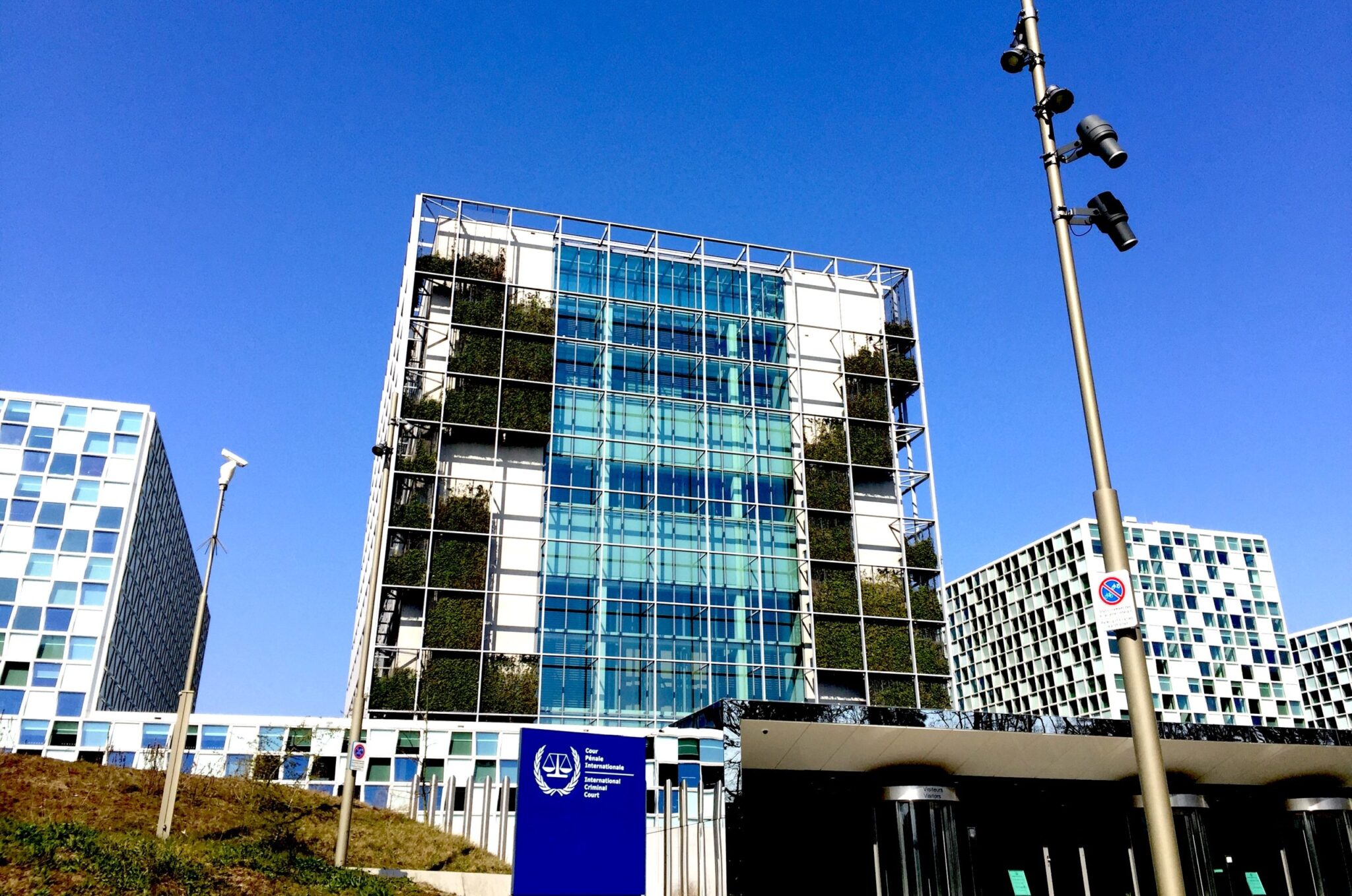
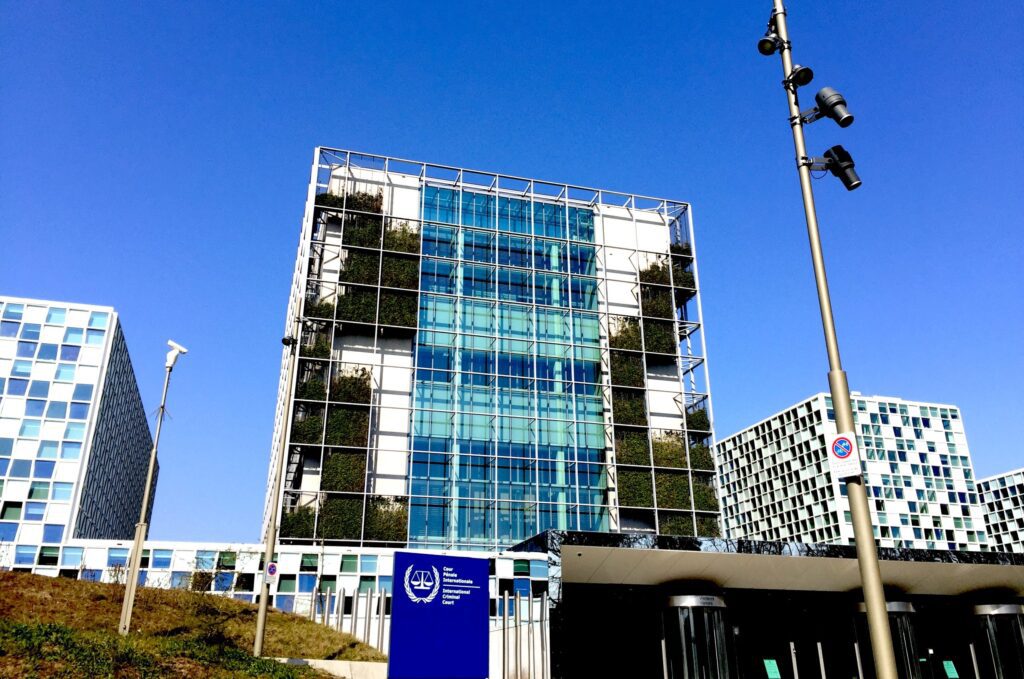
Trump’s Intensifying Sabotage of the ICC, for Israel’s Sake

The battle to save the global court and its capacity to enforce accountability for the most heinous crimes is one struggle with many fronts, writes Marjorie Cohn.

  •  

Russian Cluster Missile Hits Kyiv’s Historic Religious Quarter, Zelenskyy Says

A Russian ballistic missile fitted with a cluster warhead struck the historic Pecherskyi district of Kyiv overnight on 21–22 October 2026, damaging buildings near two of the Ukrainian capital’s principal religious complexes, President Volodymyr Zelenskyy has said.

The missile landed between the Kyiv-Pechersk Lavra, a UNESCO World Heritage site, and the Holy Presentation (Sviato-Vvedenskyi) Monastery. Monastery buildings, homes, shops, cafés and other civilian infrastructure sustained damage in the surrounding area.

Zelenskyy disclosed that Russian forces had used three cluster-equipped ballistic missiles during the assault. Ukrainian authorities described weapons designed to explode in the air as they approach their targets, distributing explosive submunitions over an area approximately 400 metres in diameter.

After receiving reports from officials overseeing emergency operations across Ukraine, the president accused Moscow of deliberately choosing a weapon capable of inflicting extensive civilian casualties in a densely populated district.

“This was a deliberate choice of weapon and area of deployment,” Zelenskyy said.

He maintained that there were no military installations in the vicinity and that the attack had been intended to inflict maximum damage on civilians and their property.

Religious Buildings and Civilian Properties Damaged

Pecherskyi is one of Kyiv’s oldest districts, containing religious institutions and architectural monuments associated with centuries of Ukrainian history.

Among them is the Kyiv-Pechersk Lavra, established in the 11th century and subsequently developed into an important centre of Eastern Orthodox Christianity.

The complex includes historic churches, monasteries and an extensive system of underground caves. Together with Saint Sophia Cathedral and its related buildings, it forms part of a UNESCO World Heritage property that has appeared on the List of World Heritage in Danger since 2023.

Thursday’s explosion occurred in the area separating the Lavra from the Holy Presentation Monastery. Ukrainian authorities identified damage to buildings belonging to the latter, alongside neighbouring residential and commercial premises. Assessments of the destruction across the historic district were continuing.

This was not the first occasion in 2026 on which Russian weapons had damaged the area’s religious heritage.

On 15 June, a Russian drone struck the Kyiv-Pechersk Lavra complex, causing severe damage to the Dormition Cathedral. Its roof and structural elements suffered extensive destruction, prompting UNESCO to undertake emergency stabilisation measures.

Ukraine’s Security Service subsequently published evidence identifying fragments of a Russian Geran-2 drone recovered from the site.

The October strike has again exposed the vulnerability of the capital’s historic religious buildings, as well as the civilian neighbourhoods surrounding them.

The Use of Cluster Weapons in Urban Areas

The reported choice of ammunition has particular implications for the investigation into the attack.

Whereas a conventional missile warhead delivers its explosive force around a principal impact point, cluster munitions release numerous smaller explosive devices capable of striking separate locations across a broad area.

In an urban environment, such weapons can cause casualties and destruction well beyond an intended target. Unexploded submunitions may remain dangerous after the initial attack, posing further risks to residents and emergency workers.

The International Committee of the Red Cross has warned that deploying cluster munitions in populated areas creates a high likelihood of indiscriminate effects.

Under international humanitarian law, military operations must distinguish between civilian persons and objects and legitimate military targets. Indiscriminate attacks are prohibited.

The reported deployment of cluster warheads in central Kyiv therefore raises questions about whether those requirements were observed. Zelenskyy’s account of the three missiles had not, at the time of reporting, been independently established through publicly available forensic evidence.

Russian Barrage Follows Diplomatic Contact with Washington

The Pecherskyi explosion was one incident in a much larger attack on the Ukrainian capital.

According to Zelenskyy, Russia launched 21 ballistic missiles against Kyiv in three successive waves overnight. Ukrainian authorities reported at least two people killed and more than 30 wounded, with strikes damaging apartment buildings, commercial premises, transport infrastructure and energy facilities.

The bombardment took place shortly after Russian President Vladimir Putin met US presidential envoy Steve Witkoff in St Petersburg on Wednesday, 21 October.

During their discussions, Putin indicated that Russia was prepared in principle to resume negotiations with Ukraine and the United States, potentially in November. However, no confirmed timetable emerged.

Witkoff’s visit followed consultations in Norway between American, Ukrainian and European representatives over possible arrangements to end the war.

The renewed diplomatic activity has done little to resolve the underlying disagreements. As EU Today has previously examined, Moscow continues to advance territorial demands while the parties remain divided over Ukraine’s future security guarantees.

Meanwhile, Kyiv faces an immediate requirement for additional air-defence ammunition.

Zelenskyy has repeatedly appealed for more Patriot interceptor missiles capable of engaging ballistic targets. Difficulties surrounding American military assistance and intelligence cooperation have increased tensions between Washington and Kyiv at a time when Russia is intensifying attacks against Ukrainian cities.

The latest strike also presents Ukrainian investigators with the task of establishing whether the reported use of cluster munitions against a historic civilian district constituted an unlawful attack.

For Zelenskyy, the bombardment following Putin’s latest diplomatic discussions demonstrates that Moscow’s military conduct remains unchanged. He has argued that Russia’s actions provide no evidence of a genuine intention to bring the war to an end.

  •  

Israel’s war on Iran is the final move in a decades-old strategy

Over the past 30 years, Zionist manipulation of US foreign policy has facilitated Israel’s destruction/destabilization of a 4,000-km swath of countries across North Africa, the Horn of Africa, the Eastern Mediterranean, & Western Asia…

  •  

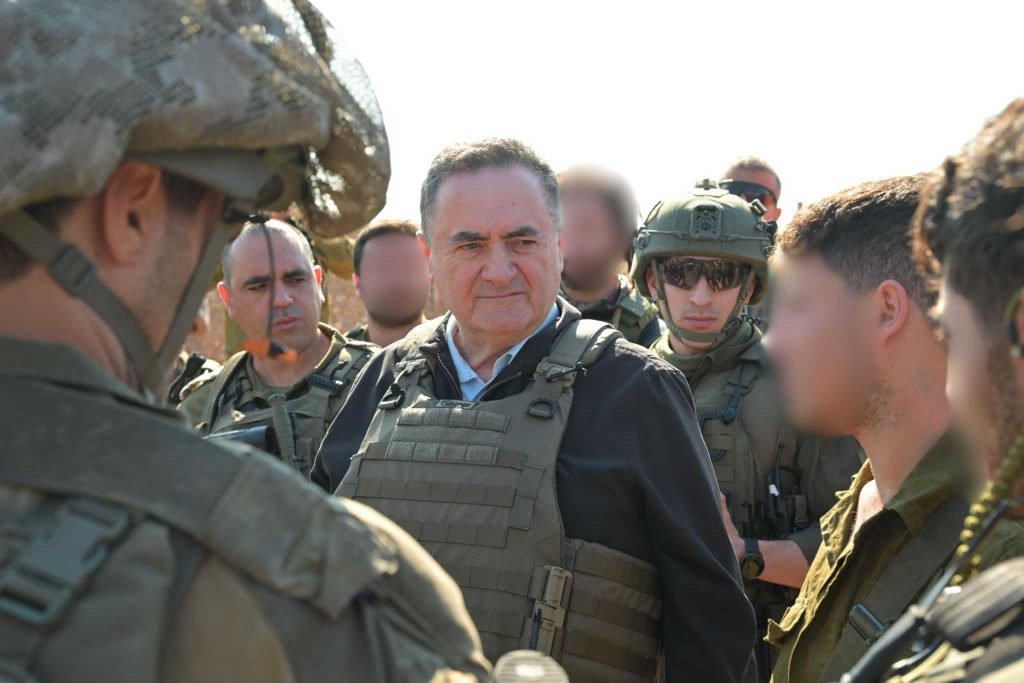
Israeli Defense Minister Katz Says Over 60 Lebanon Villages Have Been Destroyed

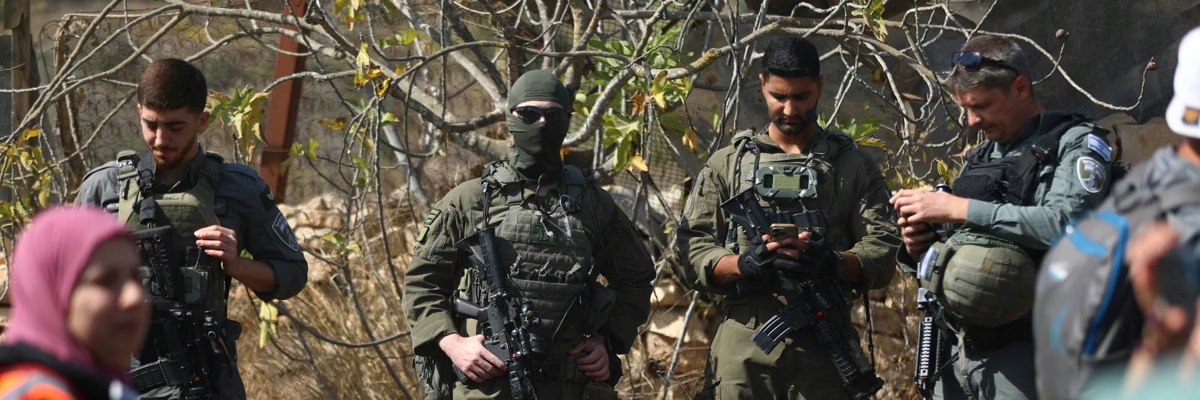
“Every single village, we’re talking about 23,000 homes, is in ruins,” Katz boasted before a cheering studio audience, adding “there are no residents left, 200,000 people have been displaced,” using ‘Gaza model’

  •  

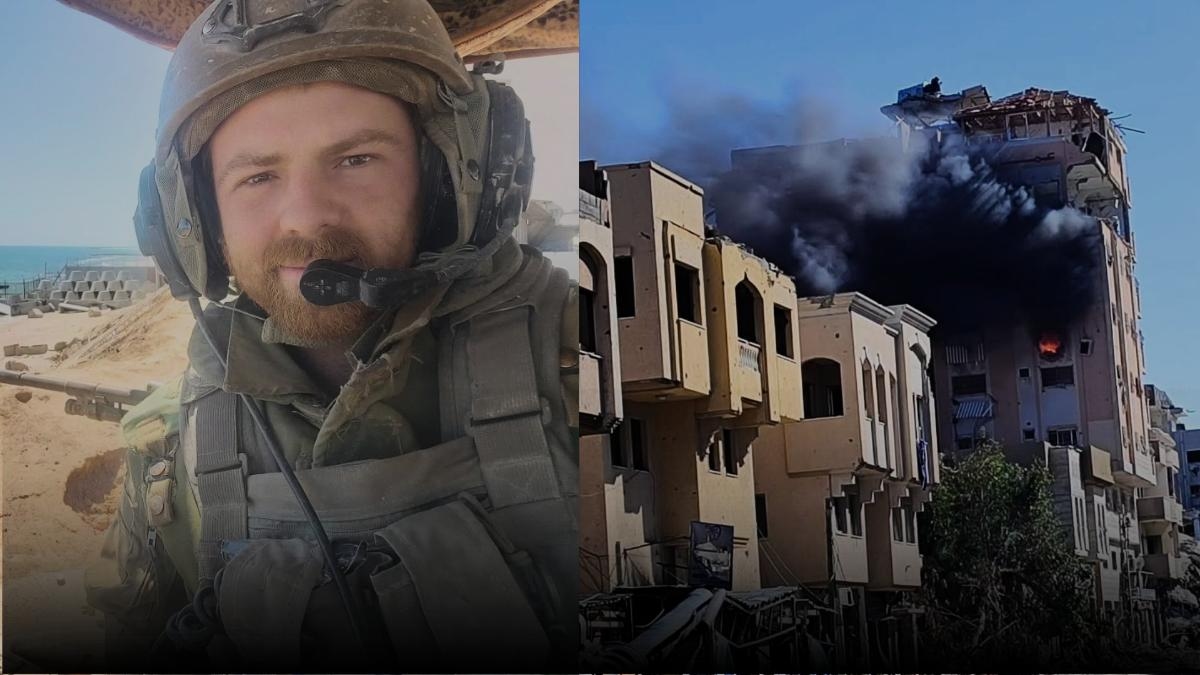
Hind Rajab’s Alleged Killer Is in the United States. HRF Demands His Arrest.

HRF alleges that Sean Glass likely gave the order to open fire. His alleged responsibility extends across Gaza: attacks on Al-Shifa Hospital, destruction of UNRWA headquarters, and the razing of entire neighbourhoods—devastation he publicly celebrated.

  •  

Israel keeps Palestinian journalist Bushra al-Tawil in isolation for 46 days

Israel continues to imprison her without charge or trial. Her lawyers have not been able to visit her. Her prolonged solitary confinement is a violation of international standards – Supporters ask the Red Cross to urgently intervene

  •  

Italy is at war with Russia, the State Attorney General’s office says

If the State considers itself to be at war, why does it not state so where the Constitution requires it to do so?

Join us on Telegram, X, and VK.

Contact us: info@strategic-culture.su

The Ravenna case

It all begins in Ravenna, a historic city and major Italian port on the Adriatic coast. The port of Ravenna is a civilian port: bulk cargo, fertilizers, containers, cruise ships. Yet in a brief filed this summer with the Council of State, the State Attorney General’s Office attributed “military significance” to it within the country’s maritime defense system. The reason lies in a single sentence: making certain data public would pose an unacceptable risk because “a ‘piecemeal’ and ‘hybrid’ world war is underway, involving, among others, Italy as well.”

The data did not consist of routes, schedules, or ship names. They were aggregate figures: the amount of military equipment that left the port in 2025, broken down by four-month period and categorized as exports or transit. Journalist Linda Maggiori had requested this information in January under the general right of access to public information—Italy’s equivalent of the FOIA—which does not require justification. On October 13, Il Fatto Quotidiano turned the statement into a national issue. On October 16, the Sixth Section of the Council of State rejected the Customs Agency’s appeal.

In February, the Customs Agency, which reports to the Ministry of Economy and Finance (MEF), denied the request entirely, citing national security, public order, and commercial confidentiality. Maggiori, represented by attorney Andrea Maestri, filed an appeal with the Emilia-Romagna Regional Administrative Court (TAR), which on July 1 partially upheld the appeal: the quantities must be made public because the numerical data is “neutral,” while the destinations may remain confidential. Customs, represented by the State Attorney’s Office, filed an appeal. The Council of State upheld the Regional Administrative Court’s ruling: the administration failed to demonstrate either the necessity or the concrete nature of the harm. It also noted “apparently contradictory” conduct, as the Livorno Customs Office had previously provided similar data without objection.

In February 2025, approximately 13 metric tons of forged parts bound for an Israeli defense company were seized in Ravenna without export authorization; the proceedings are ongoing, and the presumption of innocence applies. It appears that on October 14 of this year, another 4 metric tons were at the port.

What does “war” mean, who decides, and the arms law

The word has three meanings, and memory confuses them. The first is constitutional. Article 11 establishes that Italy “rejects war as an instrument of aggression against the freedom of other peoples and as a means of resolving international disputes.” Article 78 entrusts the Chambers with the authority to declare a state of war and to grant the necessary powers to the government; Article 87 assigns the declaration of war to the President of the Republic. In the history of the Republic, a state of war has never been declared: neither in 1991, nor for Kosovo, Afghanistan, or Libya.

The second meaning is international: under international humanitarian law, armed conflict exists de facto, but supplying weapons to a belligerent party—according to prevailing legal opinion and that of the International Committee of the Red Cross—does not make one a party to the conflict. The third issue is political-strategic. “Hybrid warfare” (cyberattacks, sabotage, disinformation below the threshold of armed conflict) and “proxy war” are analytical tools, not legal categories. In a judicial ruling, therefore, a political term was used to justify an exception to a legal right. The Council of State rejected the postponement.

Parliament declares a state of war, authorizes missions (Law 145/2016), and receives the annual report on exports. The government authorizes exports through the UAMA of the Ministry of Foreign Affairs; the Prime Minister is the sole custodian of state secrets (Law 124/2007), under the oversight of COPASIR. The President of the Republic chairs the Supreme Defense Council. The Ministry of Defense signs the classified aid packages for Ukraine. The State Attorney’s Office, which reports to the Prime Minister’s Office, defends government agencies in court: its briefs are legal documents, not foreign policy statements. No minister has yet clarified whether they agree with the statements made therein.

Moreover, the information has never been classified as a state secret. Customs authorities have invoked the relevant provisions of Article 5-bis of the Transparency Decree (Legislative Decree 33/2013), which allow for a refusal only if necessary to avoid “concrete harm” to national security, defense, or international relations.

Law No. 185 of 1990 prohibits the export and transit of arms to countries engaged in armed conflict in violation of Article 51 of the UN Charter, to countries whose policies conflict with Article 11, to countries under embargo, or to those responsible for serious human rights violations. However, it excludes government-to-government transfers and transits for NATO forces. The annual report to Parliament (Art. 5) lists authorizations by country and company, not by port: no public document specifies how much passes through a single port. This is the gap that the Ravenna petition sought to fill. According to the Peace and Disarmament Network, the government’s reform bill, approved by the Senate in 2024 (A.C. 1730), would reduce the data included in the report; based on the sources consulted, it has not yet been definitively approved.

Those who defend confidentiality argue that harmless data—aggregated and cross-referenced with maritime tracking data—could reveal supply routes: this is the argument used by the Trieste Customs Office to deny an identical petition. Also important are obligations to allies and corporate confidentiality. Those advocating for transparency point out that Law 185 stems from the idea that arms require more public oversight, not less, because they pertain to Article 11 and, in the case of free transfers, involve public funds. An annual total does not enable hostile actions, and data published in Livorno does not become dangerous simply because it is in Ravenna.

Secrecy has a legitimate place. The Constitutional Court has linked it to national security since Ruling 86/1977 and reaffirmed this in the Abu Omar case (106/2009). Secrecy becomes problematic when it loses its criteria: concrete evidence of harm, proportionality, a time limit, consistency among agencies, and oversight by a judge or Parliament. The argument of a “piecemeal world war” failed on all counts. It did not identify any harm, rejected the Regional Administrative Court’s (TAR) compromise solution, treated data from a past year as if it were an ongoing operation, and contradicted the Livorno ruling. If merely invoking a widespread conflict suffices, then that justification applies to any data and indefinitely: hybrid wars, as described in official documents themselves, have no declared beginning nor anticipated end.

That language has a specific origin: the Ministry of Defense’s non-paper from November 2025, according to which Italy is already embroiled in a hybrid conflict. Committees and unions believe that part of Ravenna’s cargo is destined for Haifa and Ashdod: the withheld data would make it possible to verify this.

The political paradox

The government states in Parliament that Italy is not at war; one of its agencies writes the same in court to conceal a figure. The case was successfully closed, but only thanks to a journalist willing to pursue the matter through two levels of appeal. Yet, even with the case closed, the gravity of what was stated remains.

If the state deems the international situation serious enough to restrict the right to information, that assessment cannot be confined to a customs office or a legal brief. The logic of Article 78 applies even on a small scale: whoever invokes the exception must answer for it before Parliament. All that is needed is the uniform publication of quantities for each port—as requested by the Ravenna Region and Municipality—their inclusion in the report on Law 185, and a review of the classifications by COPASIR, with predefined deadlines.

An emergency becomes permanent when no one declares it and no one revokes it. One question remains for Parliament: if the State considers itself to be at war, why does it not state so where the Constitution requires it to do so? And if it does not consider itself to be at war, by what authority does one of its bodies write as much?

  •  

Il Nobel per la non-Pace, versione 2026

Sacrifica ciò che è scomodo, mai il progetto. Il “pal-washing” in azione.

Segue nostro Telegram.

Un copione già noto

Il 9 ottobre 2026 il Comitato norvegese per il Nobel ha assegnato il Premio per la pace a Navanethem Pillay, giurista sudafricana di 85 anni, già giudice della Corte penale internazionale e Alta commissaria Onu per i diritti umani. La motivazione parla di una persona che ha aperto la strada a un ordine giuridico globale più completo. Il presidente del Comitato, Jorgen Watne Frydnes, ha aggiunto che il premio è un messaggio per chi attacca e mina il sistema internazionale e le sue istituzioni. Il verdetto è dichiaratamente politico, ed è su questo piano che va discusso.

La stessa figura che nel 2011 avrebbe «abbattuto» Gheddafi, spianando la strada al saccheggio del petrolio libico e alla schiavitù dei migranti africani, ora «abbatterebbe» Netanyahu, e preparerebbe così la riabilitazione di Israele. Il filo logico non sarebbe la morale né la pace, ma l’agenda dell’Open Society di George Soros: sacrificare i soggetti diventati scomodi, mai l’essenza del progetto. Qualcuno l’ha battezzata «pal-washing». La domanda di fondo è seria, perché chiede se dietro premi e giurisdizioni dell’ordine liberale ci sia una regolarità.

Occorre sottolineare che il copione è già noto. Vi ricordate quando Barack Obama ricevette il premio Nobel per la pace, inaugurando guerre su guerre? O vi ricordare i personaggi in cerca d’autore come Machado, Mohammadi, o i difensori dei criminali Ucraini? Ma andiamo per ordine.


Atto Primo: la Libia

Nel febbraio 2011 Pillay, Alta commissaria, chiese al Consiglio per i diritti umani un’azione vigorosa per fermare le violenze e chiamare i responsabili a risponderne; il Consiglio condannò le violazioni e istituì una commissione d’inchiesta. Il passaggio successivo toccò al Consiglio di sicurezza: il rinvio alla CPI con la risoluzione 1970, poi la 1973, approvata con dieci voti favorevoli e cinque astensioni (Brasile, Cina, Germania, India, Russia). Nessuno sostiene che Pillay abbia deciso la guerra. Conta la sequenza: il linguaggio dei diritti umani aprì la porta, quello della protezione dei civili autorizzò la forza, e l’operazione scivolò verso il cambio di regime. Già in aprile Lavrov accusava la NATO di eccedere il mandato, e un ministro francese ammetteva che il cambio di regime avrebbe richiesto un nuovo voto.

Poi i costi. Nel 2017 l’OIM documentò aste di migranti subsahariani nel sud della Libia, venduti per somme tra 200 e 500 dollari. Il nesso con il crollo dello Stato dopo il 2011 è la lettura più plausibile, benché la fonte documenti il fenomeno e non la sua causa. Il prezzo lo pagarono la Libia e i migranti; la cornice giuridica ne uscì, sul piano formale, intatta, anche se la controversia sul mandato avrebbe poi pesato sui veti di Mosca e Pechino in altri dossier.

Atto Secondo: Bibi

Il 21 novembre 2024 la Camera preliminare I della CPI emise mandati d’arresto per Netanyahu e per l’ex ministro della Difesa Gallant, per crimini di guerra e crimini contro l’umanità. Pillay aveva lasciato la Corte nel 2008, ma ha presieduto la Commissione d’inchiesta Onu che il 16 settembre 2025 ha concluso che Israele ha commesso genocidio a Gaza. Qui il «pal-washing» trova il suo meccanismo. Il diritto penale internazionale lavora su persone: un imputato, un’imputazione, un periodo. Se il caso si chiude con la sorte di un leader, si apre una cesura narrativa, il prima e il dopo di un uomo, dopo la quale lo Stato può presentarsi come reintegrato. La Libia offre l’analogia: là il caso si chiuse con la caduta di un uomo.

I limiti del percorso giocano a favore della lettura. La Corte non ha una polizia e l’esecuzione dei mandati dipende dagli Stati parte; la Commissione non è un tribunale e non parla a nome dell’intera Onu; lo stesso Comitato, riferisce AFP, ha detto che spetta a una corte stabilire se vi sia genocidio. Il premio non produce effetti giuridici, lo sappiamo, però produce legittimazione per un circuito che promette giustizia e non può garantirla.

Dobbiamo, poi, considerare che dinamiche del genere le abbiamo già viste più volte all’interno dell’ordine globalista che domina in Occidente. L’Open Society Foundations si presenta come il maggiore finanziatore privato al mondo di gruppi per giustizia, democrazia e diritti umani, attivo in oltre cento paesi, e Pillay ha ricevuto lo Stockholm Human Rights Award, lo stesso che nel 2011 è andato a Soros e a Neier. Sembra proprio che si ripeta di nuovo il pattern della agenda sorosiana, fatta di fondazioni, ONG, tribunali, commissioni e burocrazie che condividono un lessico e un orizzonte, quello di un ordine liberale da perfezionare e mai da rimettere in discussione. Chi opera dentro quel lessico può denunciare un governo, un leader, perfino uno Stato, ma non può contestare i presupposti dell’ordine che gli dà legittimità.

Alcuni obietteranno che la Commissione di Pillay attribuisce la responsabilità a Israele come Stato, non soltanto ai suoi leader, il che contraddice l’idea di un’operazione puramente personalizzante. Il secondo è la reazione. Netanyahu ha accusato il Comitato di aver perso la bussola morale, il Ministero degli Esteri israeliano ha parlato di una grottesca strumentalizzazione del premio, e Washington ha annunciato sanzioni contro la CPI poche ore dopo l’annuncio. Tutto vero. Ma avrebbe senso e valore se il sistema occidentale non fosse marcio fin dalle sue fondamenta, se il suo sistema giuridico funzionasse, ma così non è, sotto nessun aspetto (e abbiamo avuto già sufficienti dimostrazioni – non scordiamoci anche il caso Epstein).

Se nei prossimi dodici mesi la caduta politica di Netanyahu verrà presentata come chiusura del caso, anziché come una tappa di un procedimento che riguarda lo Stato, il «pal-washing» guadagnerà peso. Se i procedimenti proseguiranno oltre la sua persona, e se gli Stati parte eseguiranno i mandati, forse ne perderà. Allo stato delle prove la tesi è plausibile e, fino a smentita comprovata, questo è l’ennesimo Nobel della non-Pace, che non possiamo chiamare “guerra”.

  •  
❌