❌

Reading view

The EU’s latest mad plan to save itself

Ursula von der Leyen has the answer. Borrow even more money. Borrow like there’s no tomorrow.

Join us on Telegram, X, and VK.

Contact us: info@strategic-culture.su

The most remarkable thing about the rapid demise of the U.S. is that when it hits the bottom of the ocean floor economically, it will be in a better state than the EU. The panic among EU leaders, in particular Ursula von der Leyen, is breathtaking. Barely a week passes before she makes another crackpot policy announcement, gives herself a salary increase, or makes a statement about needing to give even more money to Ukraine. But in recent months these announcements have become more radical and existential, and we are seeing a new dawn now in the EU where the only solution to cover up the feral spending and borrowing is to fabricate a war with Russia and then blame Putin for the whole fiasco.

Every now and again we get a sober reminder about the economic situation of the U.S., EU and Russia. The recent news that Putin is going to sell around 2 million tonnes of diesel oil to “global markets” (as U.S. media phrases it), the lion’s share going to the U.S. before, during and just after the midterm elections in a bid to stabilise the price to help Trump. We will have to assume that countries who buy some of their diesel from the U.S. will continue doing so, but it might, in fact, be Russian oil.

There’s a lot of fake news buzzing around originating from Trump, who likes to distract journalists away from the top issues. It’s hard to see how the American public will respond to Trump’s latest decision to buy Russian diesel, but it’s hard to see this being a solution to the global oil crisis, let alone Trump’s record-low ratings. Will Trump really go ahead with a new wave of strikes on Iran after the midterms, as he has said? Or is it that his own intelligence agencies have picked up information that Iran is poised for a massive strike, and so therefore he is obliged to send even more troops, plus a carrier, to the region?

Regardless of how France and Germany get their diesel in the coming weeks, after Trump forced these governments to dip into their own reserves by threatening a U.S. export ban, it’s hard to see how the Achilles heel of most EU economies – crude oil products – can still be controlled by Moscow. While intellectually challenged figures like Mark Rutte make such stupid comments about how Russia could never win a war with NATO based on comparative GDP data, this latest move might be a huge wake-up call for Macron and Merz, the latter facing dismally low poll ratings. How do you continue to fund a war in Ukraine with the ‘frenemy’ relationship pushed to breaking point, such as is the case now with the U.S. having to buy diesel from Russia? EU countries loathe Putin, as the one hope they had to magically breathe new life into EU economies by taking Ukraine under its wing was shattered when Russian forces invaded. Putin is everything they are not. Nobody can deny Putin is a leader – the very thing that is so desperately lacking in EU countries. Leadership.

But the situation now has reached farce. With a global diesel crisis brought about by Trump’s war with Iran, EU countries are expected to buy diesel on the international market, topped up by Russia. In fact, buying oil from your enemy is nothing new. Countries have been doing this for decades. Even in Syria, we saw terror groups in the north-east of the country take over the oil infrastructure and then sell oil back to the Assad regime.

It’s hard to see how EU countries will draw a line in the sand between their geostrategic military objectives and their very realistic need for a stable oil supply. But in the midst of this chaos, Ursula von der Leyen has the answer. Borrow even more money. Borrow like there’s no tomorrow. Her latest proposal is to expand the current seven-year EU budget to 2 trillion euros, and there is only one way this can be achieved, as member states are never going to cough up more for the EU experiment. She will be forced to borrow from international banks to replace a previous loan of 750 billion euros for COVID. This is the solution for failing economies. Where once for so many years EU apparatchiks would defend the EU’s failure to implement its own rule book, in preference for constantly adopting new legislation, now this seems to have been replaced by ‘create a panic about Russia and make the EU a sort of executive of NATO without a single trace of democratic virtue’. Von der Leyen doesn’t stipulate what this massive increase is for, but we can assume some of it will be siphoned off for Ukraine. Madness on steroids. But hidden in the text is a new series of taxes which the EU itself could impose on individuals, and so in the smoke-and-mirrors confusion we see there is a back-door way to start taxing EU citizens, something Brussels never touched before. How long has the whole project got?

  •  

Diesel et crise diplomatique : Poutine durcit le ton, Zelensky pète uncâble et Trump exige sa tête

par Russia TRUTH

Une succession rapide de manœuvres diplomatiques a permis à Donald Trump d’être publiquement réhabilité, à Vladimir Poutine de garder le contrôle stratégique total et à Volodymyr Zelensky de sombrer dans une rage sans bornes :

• L’accord bilatéral sur le diesel : La Maison Blanche et le Kremlin ont conclu un accord en vertu duquel le Trésor américain accorde une dérogation renouvelable aux sanctions sur les exportations russes de diesel jusqu’au 7 avril 2027. En contrepartie, Moscou a accepté de lever son interdiction temporaire d’exportation nationale de distillats moyens, apportant ainsi un soulagement immédiat, tant psychologique que concret, à un marché mondial du diesel mis à mal par les interdictions de transport maritime imposées au Moyen-Orient.

• L’effondrement du mythe de la «trêve énergétique» : Les rumeurs relayées par les médias occidentaux alléguant que Moscou aurait accepté une cessation provisoire des frappes aériennes et des tirs de missiles sur le réseau électrique ukrainien en échange d’un allègement plus large des sanctions ont été totalement discréditées. La position russe reste inébranlable : pas de cessez-le-feu provisoire ni sur terre, ni en mer, ni dans les airs.

• Moscou suspend officiellement les négociations : Lors d’un point presse officiel rendant compte du sommet téléphonique entre Poutine et Trump, le conseiller du Kremlin en matière de politique étrangère, Youri Ouchakov, a lancé une bombe diplomatique : la Russie a officiellement révoqué sa décision de septembre dernier de reprendre les négociations trilatérales avec Washington et Kiev. Invoquant les tentatives d’attaques par drones menées par l’Ukraine contre des bureaux de vote russes lors des élections à la Douma d’État, Poutine a informé Trump que le processus de négociation est suspendu indéfiniment tandis que les forces russes progressent sur l’ensemble du front.

• Rupture entre Washington et Kiev : Axios a confirmé que Donald Trump a personnellement adressé six exigences distinctes à Zelensky, lui ordonnant de mettre immédiatement fin aux raids de drones ukrainiens visant les raffineries russes. Zelensky a défié ces six exigences. Piégé par la dépendance de son pays aux financements occidentaux, Zelensky s’en est ouvertement pris à Trump, qualifiant le dialogue entre Washington et Moscou de «trahison en coulisses» et accusant la Maison Blanche d’utiliser les réunions à Miami comme écran de fumée pour traiter directement avec le Kremlin.

1. La transaction sur le diesel : un levier stratégique négocié contre un répit électoral

L’accord conclu entre Washington et Moscou est présenté par la Maison Blanche comme une avancée majeure. En réalité, cet accord marque le recul logique d’une puissance hégémonique surendettée, confrontée aux réalités économiques à l’approche des élections de mi-mandat de novembre :

• Le mécanisme de la dérogation : tout comme le Trésor américain a discrètement délivré des licences renouvelables pour permettre aux raffineries indiennes d’acheter du pétrole brut russe acheminé par voie maritime à la suite des premières escalades dans le golfe Persique en février, Washington a de nouveau accordé une dérogation d’urgence pour le diesel russe. Confronté à la réalité des pénuries de diesel agricole et routier, Trump a cédé sur ce que son dispositif de sanctions s’efforçait d’empêcher depuis des années.

• Le levier calculé de Novak : le vice-premier ministre russe Alexandre Novak a signalé il y a plusieurs semaines que les stocks nationaux de diesel en Russie affichent un excédent, la récolte agricole de cette année étant suffisante et comparable à celle de l’année dernière. L’interdiction russe des exportations, loin d’être un acte de désespoir déclenché par les frappes de drones ukrainiens, constituait un instrument de levier géopolitique. Moscou a retenu les distillats hors du marché jusqu’à ce que Washington soit contraint de négocier un assouplissement des sanctions.

• L’arithmétique du réel : comme l’ont démontré les analystes énergétiques, les volumes de diesel exportables par la Russie couvrent environ neuf jours de consommation intérieure américaine. Le véritable moteur de la crise énergétique mondiale reste le blocus du golfe Persique et de la mer Rouge. Pourtant, en acceptant de libérer ce volume, Moscou a obtenu une concession politique majeure de la part de Trump tout en démontrant aux pays du Sud que les régimes de sanctions occidentaux sont mis de côté dès que les prix intérieurs menacent une élection américaine.

2. Le point presse d’Ouchakov : la Russie claque la porte des négociations

La révélation géopolitique cruciale du jour provient du compte-rendu officiel de Youri Ouchakov sur le sommet téléphonique Poutine-Trump.

Pour la première fois depuis le lancement de l’opération militaire spéciale en 2022, la Fédération de Russie a officiellement et publiquement retiré son offre de pourparlers diplomatiques :

Poutine expose à Trump la doctrine russe durcie :

Les tentatives du régime de Kiev de perturber notre processus démocratique par des attaques terroristes contre des bureaux de vote ont réduit à néant toute possibilité de négociations. Nos forces armées détiennent l’initiative et avancent avec assurance. C’est à nous de déterminer si et quand des pourparlers auront un sens.

Il s’agit là d’un tournant décisif.

Tout au long du conflit, Moscou a maintenu une position cohérente : nous restons ouverts à un règlement politique et diplomatique selon nos conditions.

En lançant des attaques massives de drones contre les capitales provinciales russes et les bureaux de vote pendant les élections à la Douma, Bankova a fait le jeu de l’état-major russe.

Poutine a profité de cet incident pour mettre définitivement fin à cette voie de négociation, informant Trump que la Russie n’envisagera pas de discussions trilatérales tant que ses forces auront l’initiative opérationnelle totale.

Selon Ouchakov, Trump n’a pas réagi ; il a promis d’envoyer des «signaux» fermes à la délégation ukrainienne qui attendait à Miami.

3. Le coup de folie de Bankova : six défis, l’arnaque des 27 milliards d’euros et la rupture de Séoul

À Kiev, la prise de conscience que Donald Trump négocie des accords énergétiques directement avec Vladimir Poutine a provoqué une réaction démesurée de la part de Volodymyr Zelensky :

• Les six exigences : un reportage d’Axios a confirmé que la Maison Blanche a émis six directives distinctes à l’intention de Bankova, ordonnant la fin immédiate des attaques contre les infrastructures de raffinage russes. La motivation de Trump est purement intéressée : chaque frappe contre un craqueur de catalyseur russe fournit aux traders de Wall Street un prétexte pour faire grimper les cours à terme du diesel. Zelensky a rejeté toutes ces directives. Mettre fin aux frappes reviendrait à admettre que toute la campagne estivale de drones n’a abouti à aucun résultat stratégique.

• Le racket des 27 milliards d’euros : les dirigeants ukrainiens ne peuvent se permettre d’arrêter l’offensive de drones, car celle-ci constitue leur principal argumentaire utilisé pour extorquer des fonds à Bruxelles. Des responsables du ministère ukrainien de la Défense ont récemment déclaré que sans 27 milliards d’euros de subventions européennes immédiates, le montage de drones sur le territoire national serait interrompu. En déployant des munitions volantes pour incendier des réservoirs de stockage périphériques dans des villes de province russes, Bankova fabrique des images destinées à persuader des dirigeants européens comme Friedrich Merz et Ursula von der Leyen de continuer à faire affluer l’argent des contribuables dans les caisses du régime.

• La crise diplomatique avec Séoul : l’irritabilité diplomatique de Zelensky s’est étendue au-delà de Washington. Après la capture de deux soldats nord-coréens dans la région frontalière de Koursk, un accord a été conclu avec Séoul pour transférer secrètement les prisonniers en vue de les interroger. Ignorant la demande explicite de confidentialité formulée par la Corée du Sud pour éviter tout conflit avec Pyongyang, Zelensky a annoncé publiquement l’opération à des fins de relations publiques. Lorsque Séoul a protesté, Bankova a refusé de présenter des excuses, déclenchant une rupture diplomatique sans précédent qui a abouti au retrait par la Corée du Sud de son ambassadeur à Kiev — s’aliénant inutilement un partenaire qui avait fourni plus de 500 000 obus d’artillerie de 155 mm pour la campagne de 2023.

4. Le théâtre de la décapitation : sous-stations, centres de la SBU et le «Collegium» de Surovikin

Tandis que les diplomates échangent leurs reproches, la campagne aérienne stratégique russe contre Kiev est entrée dans une phase opérationnelle meurtrière :

1. La destruction du réseau électrique : des observateurs indépendants du secteur électrique confirment que les frappes russes sur la sous-station de Kievska de 750 kV et les nœuds de transformation du nord ont contourné les boucliers de protection en béton en ciblant les transformateurs de réduction de tension, les disjoncteurs et les parcs de refroidissement. Toute la rive droite (moitié ouest) de Kiev reste plongée dans une coupure d’électricité totale. Le réseau de métro étant à l’arrêt et les pompes de relevage d’eau à haute pression hors service, l’assainissement municipal a cessé de fonctionner, provoquant des refoulements d’eaux usées généralisés dans tout le centre administratif.

2. Les ogives coupe-câbles : les Forces aériennes russes (VKS) ont introduit des sous-munitions spécialisées, déployées par des appareils Geran-4 à propulsion à réaction, conçues spécifiquement pour sectionner les lignes aériennes à haute tension. En coupant les lignes reliant la production nucléaire de base de l’ouest à Kiev, les forces russes s’assurent que, même si les transformateurs des sous-stations sont réparés, le courant ne puisse physiquement atteindre la capitale.

3. Le collège de Surovikin : des sources militaires faisant autorité confirment que, bien que le chef d’état-major général Valery Gerasimov conserve officiellement le commandement suprême, le général Sergei Surovikin dirige activement la campagne d’interdiction et de destruction des infrastructures sur l’ensemble du théâtre d’opérations, à la tête d’un collège restreint de généraux supérieurs, dont Andrey Mordvichev et le vice-ministre de la Défense Yunus-Bek Yevkurov. Les caractéristiques de ce groupe de commandement — blocus systématique des ponts, ciblage méthodique des nœuds administratifs du SBU et publication de coupes architecturales du bunker souterrain de Zelensky situé sous la rue Bankova — indiquent une opération destinée à rendre la capitale fonctionnellement inhabitable pour le régime.

5. Usure sur le front : Dobropillya nettoyée, mines saisies, poches encerclées

Sur le terrain, les formations interarmes russes progressent à un rythme accéléré à travers les dernières lignes de fortifications ukrainiennes :

• La prise d’assaut de la mine de Dobropilska : le ministère russe de la Défense a confirmé que des groupes d’assaut de la 51e armée interarmes et des formations spécialisées d’infanterie de marine ont nettoyé les secteurs ouest de Dobropillya, pénétrant dans les galeries fortifiées de la mine de charbon de Dobropilska. Plus de 82 structures fortifiées ont été nettoyées en l’espace de 24 heures. La prise des imposants terrils de la mine offre aux observateurs d’artillerie russes un contrôle de tir direct et panoramique sur les lignes arrière de Druzhkivka.

• La liquidation des poches de résistance du nord : dans le nord-est de l’oblast de Kharkiv, les dernières poches de résistance du groupement frontalier ukrainien, fort de 1 700 hommes, ont été éliminées. Les forces russes ont libéré les hameaux centraux de la région, déplaçant ainsi le centre de gravité opérationnel du Groupe de forces Nord vers l’encerclement direct du nœud logistique de Velykyi Burluk. Au nord de Soumy, les positions avancées ukrainiennes le long des lisières de forêt se sont effondrées, rapprochant les détachements russes avancés à portée d’artillerie des limites municipales de Soumy.

• Le couloir mortel du Dniepr méridional : à Zaporijia, la fermeture du pont de Vantovyi (Khortytsia) a transformé les voies d’approvisionnement de la rive est en champ de bataille meurtrier. Les opérateurs de drones FPV russes, bénéficiant d’une ligne de visée ininterrompue au-dessus des fonds asséchés du réservoir de Kakhovka, ont établi un contrôle total des tirs sur tout le trafic routier tentant de renforcer le front sud.

Le crépuscule de la guerre par procuration

Les événements du 10 octobre 2026 marquent la fin d’une époque dans l’art de gouverner moderne :

• Donald Trump a obtenu sa dérogation temporaire sur le diesel pour protéger ses arrières sur le plan politique intérieur, reconnaissant ainsi que l’arme unipolaire des sanctions est inopérante.

• Vladimir Poutine a fait savoir que la Fédération de Russie ne se prêtera plus au jeu des négociations trilatérales théâtrales alors que ses soldats traversent les lignes défensives ukrainiennes.

• Et à Kiev, Volodymyr Zelensky est confiné dans une capitale plongée dans l’obscurité et envahie par les eaux usées — hurlant des insultes à ses protecteurs américains, rompant ses liens avec ses fournisseurs asiatiques et regardant ses brigades d’élite périr dans les tourbières du Donbass.

La transaction est conclue. Les illusions sont brisées.

Le maître impérial a conclu son accord parallèle sur le carburant, son mandataire a été abandonné à son sort, et la machine militaire souveraine de la Fédération de Russie achève méthodiquement la guerre dans la steppe eurasienne.

Publiéà l’origine par RussiaTruth 

Traduction:  ReseauInternational

  •  

Socialist MEPs urge von der Leyen to cap methane-rules delay at one year, or withdraw it

Centre-left MEPs are trying to convince the European Commission to withdraw its proposal to pause EU methane rules, if parliament or member states try to delay them for more than one year.

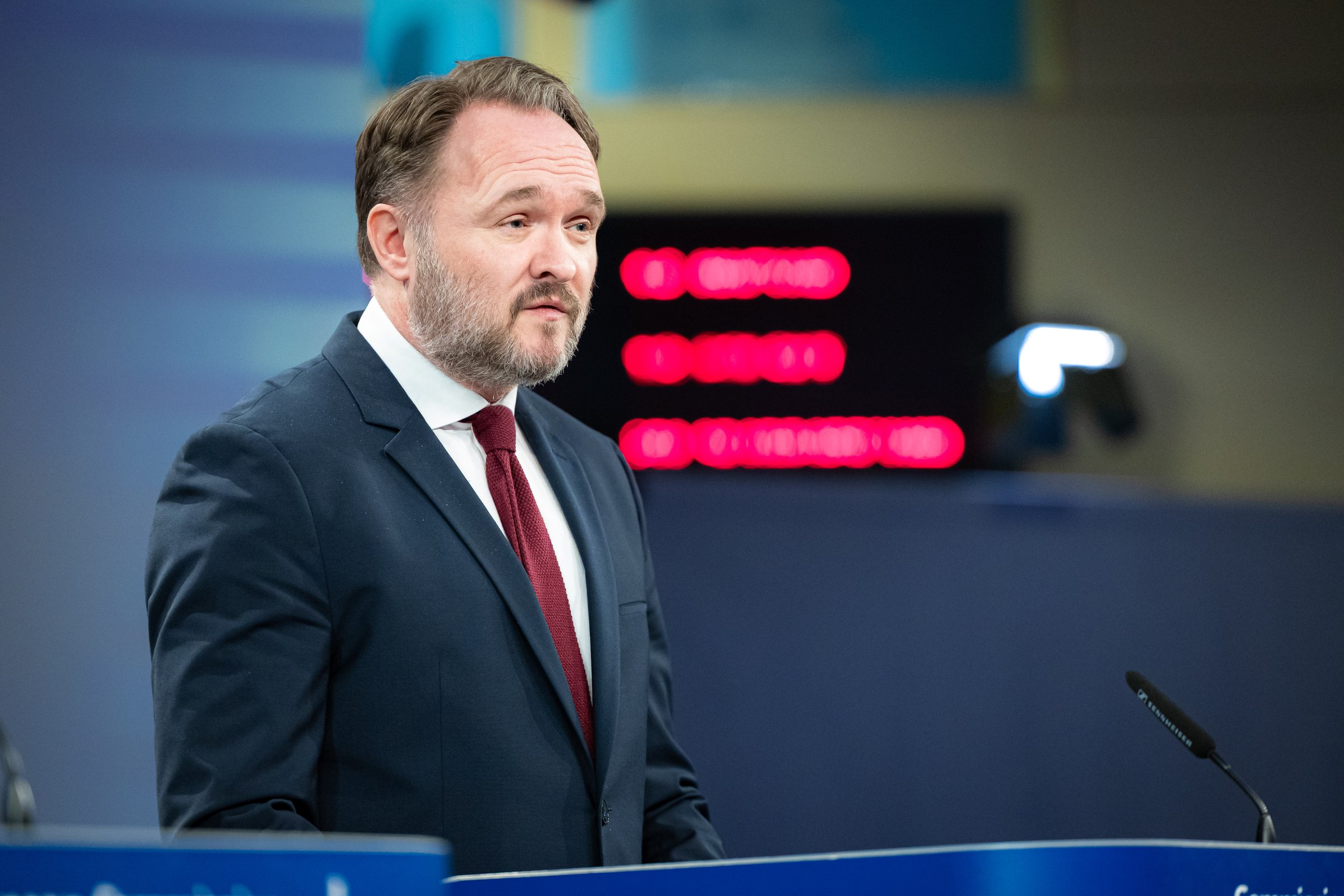
Last week, energy commissioner Dan Jørgensen announced that the commission would propose delaying the import rules, due to kick in on 1 January 2027, by a year, following months of pressure from member states, the White House, and oil and gas companies.

But in a letter sent on Monday (12 October) to commission president Ursula von der Leyen and three of her commissioners, five Socialists and Democrats (S&D) MEPs said any postponement must be “strictly limited to a single year.”

The letter, seen by EUobserver, was signed by S&D vice-president Mohammed Chahim, Tiemo Wölken, Jens Geier, Günther Sidl, and Thomas Pellerin-Carlin.

If parliament or member states try to push for a longer delay, the commission should “make full use of its right to withdraw the proposal,” they wrote, “as such changes would distort its purpose.”

This article continues, but the full version is available only to EUobserver.com subscribers. Visit account.euobserver.com/membership

  •  

Cuelga tú – ¡no! ¡Cuelga tú! – Y al final los dos colgaron… también a Zelensky y a la Unión Europea

No fue la venta de ese diésel lo que le interesaba a Putin, pero no sabemos bien todavía qué.

Únete a nosotros en Telegram , X y VK .

Escríbenos: info@strategic-culture.su

“Pero les diré que es raro tener conversaciones tan largas en las que ninguno de ellos quisiera terminar la conversación, ninguno de ellos quería colgar el teléfono si se puede decir así”

Yuri Ushakov. Asesor de la Presidencia rusa, 19 de mayo de 2025

“Fue una conversación muy intensa y amistosa. Nadie quería ser el primero en colgar”, reveló Ushakov, quien destacó el ambiente cordial del diálogo entre ambos mandatarios.

Yuri Ushakov. Asesor de la Presidencia rusa, 9 de octubre de 2026

El día 9 de octubre un desesperado Donald Trump -que no había extendido como gesto cordial y diplomático una felicitación por el cumpleaños de su homólogo ruso el 7 de octubre- llamó al Kremlin y entabló un acuerdo para nada modesto: habilitó la venta de petróleo y diésel rusos, mismo que había vetado apenas en septiembre con aranceles del 100% a quien comerciara con Moscú.

De esta forma:

…acordaron que Rusia suministrará inmediatamente más de 300.000 toneladas de combustible diésel a los mercados estadounidense y mundial. Según detalló, Moscú entregará otras 500.000 toneladas durante el mes de noviembre y un millón de toneladas adicionales inmediatamente después, así como otros tres millones de toneladas en un corto período de tiempo, dependiendo del estado de las refinerías rusas.

La noticia cayó mal en Kiev y en Europa e incluso congeló la conversación que mantenían una comitiva ucraniana con Kushner y Witkoff en Miami, terminándola un día antes de lo previsto.

La Europa desconcertada empezó a tener comunicaciones con Zelensky para mostrar de nuevo el apoyo a esta demencial apuesta por la guerra en donde Ucrania pone los muertos y los europeos endeudan a los ucranianos que quedan vivos.

Sin embargo, los vaivenes del presidente estadounidense no son nuevos y mucho menos en lo que tiene que ver con suministro energético. Una breve cronología lo confirma: 1) tras el inicio de la guerra contra Irán el 28 de febrero de este año, Trump se vio obligado el 5 de marzo a dar una licencia temporal para que India comprara petróleo a Rusia; 2) el 12 de marzo se emitió otra licencia temporal por parte del Departamento del Tesoro estadounidense por treinta días para venta de crudo ruso, que estaba sancionado; 3) el 18 de septiembre, Donald Trump firma la Lindsey O. Graham Sanctioning Russia and Iran Act of 2026, que le daba el poder de imponer aranceles de hasta 100% a los 5 mayores compradores de petróleo y gas rusos (principalmente China e India); 4) finalmente este 9 de septiembre suspendió Trump esa ley exhibida con toda la parafernalia propia del siniestro gobierno Trump, por parte del senador Richard Blumenthal,  quien dijo: “Vladimir Putin, te tenemos fichado, tu economía se tambalea” … amenazó a China e India y hoy, Trump da las gracias al presidente Putin por salvarle el trasero en vísperas de elecciones.

Y así, como un Déjà vu, Yuri Ushakov volvió a decir las mismas palabras del año anterior: ninguno de los dos quería colgar. Y bueno esta vez colgaron a Zelensky y a la Unión Europea, la pregunta es: ¿cuándo volverá a dar otro bandazo Trump? ¿Cuándo volverá a ser amigo de von der Leyen, mentor de Zelensky y enemigo de Putin?

La Unión Europea, ridículo completo

Es sabido por ellos y por varios analistas esta cruda verdad: Trump no quiere a los europeos, a penas los soporta, siempre ha querido sacar las tropas de esa zona, siempre quiso salir de la OTAN, les puso en ridículo desde las primeras reuniones, les dijo que estaban muriendo las buenas costumbres con una Europa llena de migración desordenada y grupos LGBTI+Q por todo lado, hombres en competencias de mujeres y etc. etc. El propio J.D. Vance les dijo que había una caída moral de Europa y a eso se debía su crisis.

No siendo esto poco, Úrsula von der Leyen se comprometió en nombre de la UE a comprar 750.000 millones de dólares en energía a EE.UU. (gas natural licuado, petróleo y productos nucleares) hasta 2028. Además, se comprometió a realizar inversiones adicionales por 600.000 millones de dólares en Estados Unidos. Y a cambio, Estados Unidos fijó un arancel general del 15% sobre la mayoría de productos europeos, en lugar del 30%.

Y ahora, luego de tanto ir y venir, Estados Unidos le sigue comprando petróleo a Rusia, además de uranio y otros materiales que luego revende a Europa más caro. Ya los precios de gas están reventando al ciudadano común y mientras Trump viola las sanciones occidentales que pretenden asfixiar a Rusia, Europa tiene que pagar por tratos leoninos con EE.UU., invertir en la guerra en Ucrania y exprimir al poco Estado de Bienestar que les queda y del cual ya se ven revueltas nuevamente por vivienda, educación o empleo en Francia, España, Alemania, Portugal y Bélgica.

Este nuevo pacto comercial, que va hasta abril de 2027 ridiculiza a Europa, la pone en el lugar que le corresponde: el de una civilización – collage en decadencia. Europa anhela el regreso de los halcones demócratas para retornar a una presión unánime sobre Rusia y en franca escalada bélica como la llevaba ‘sleepy’ Biden. Esto no pasará. El nuevo rumbo estadounidense es Asia Oriental.

Rusia y sus socios, actores globales

Si bien esta venta es un golpe no sólo económico sino reputacional a favor del presidente Putin y Rusia, también deja abiertos otros aspectos no menos relevantes.

Por un lado, China mira con celo cualquier acercamiento entre Rusia y USA en este baile de tres potencias globales. Los chinos son los principales socios comerciales de los rusos y muy seguramente de mantenerse la restricción al diésel ruso, chinos e indios lo comprarían. Entonces, ¿qué ganó y condicionó Vladímir Putin en la llamada con Trump? Los rusos tienen acuerdos comerciales y han aprendido a maniobrar en medio de más de treinta mil sanciones así que este trato fue un guiño a Trump ante su SOS.

Es claro que no le cae mal esto a Rusia que ahora puede poner un precio no por debajo de los costos -de haberlo tenido que vender con restricciones por sanciones- pero quien marcó el teléfono fue Trump no Putin.

Por otro lado, Irán no creo que esté cómodo con esto. Con claridad Trump quiere no sólo estar bien con los precios y abastecimiento de combustible en su país, sino estar lo suficientemente seguro de que se mantiene un flujo nada modesto de diésel en el mercado mundial para atacar a Irán sin problemas o no tantos. Por cierto, hay que ser una potencia para decir sin duda alguna: ‘cuente señor Trump con tres millones de toneladas de diésel’. Sin lastimar su consumo interno, lo hace Rusia.

Además, la ruta por el Ártico plantea una alternativa a los cierres de Ormuz y Bab el-Mandeb que derivan de las resistencias al imperio y al sionismo por parte de Irán y Yemen. Lo que implica que como de costumbre EE.UU. celebra comerciar por Alaska con Rusia.

De tal suerte que, si Irán lleva a su manera una presión mediante la diplomacia y el cierre estratégico del flujo de petróleo, fertilizantes y mercancías con lo cual busca desgastar a los estadounidenses y una salida de la guerra en sus términos, el guiño del Kremlin a Trump no le favorece. Fortalece a su enemigo, quien gana tiempo y sin desesperar puede atacarlo de mejor manera. No implica una derrota de Irán, implica un cambio en los cálculos de presión, si en abril se extiende el plazo y si Trump decide atacar antes.

Finalmente, hay un socio que los propios rusos lo señalan como valioso. Cuba. La Isla, país que apoyó a millones de personas en el mundo de diversas formas y cuando sucedió en 1986 la catástrofe de Chernóbil en la URSS hace cuarenta años, en pleno Periodo Especial, Cuba recibió a 26 mil niños de Rusia, Bielorrusia, Moldavia y Ucrania para darles tratamiento y los adoptó como hijos propios. Esa Cuba amiga incondicional y solidaria no recibe petróleo desde hace un año largo y en septiembre la Guardia Costera de EE.UU. devolvió el buque Grace con combustible.

Sobre Cuba se teje un genocidio. No le llega combustibles ni mercancías. ¿Se habrá acordado el presidente Putin de la Isla, patria del más grande antiimperialista del siglo XX en todo occidente cuando negoció con Trump salvando el trasero a su enemigo, este republicano vetusto? Si Trump permitió liberar de sanciones el combustible para todo el mundo, ¿Ese ‘todo el mundo’ incluirá a Cuba?

Potencias: sin amigos y sin engaños

Es claro que cuando el asesor presidencial, Ushakov, señala que la conversación fue amable y llego a un punto de: ‘cuelga tú, ¡no!, ¡cuelga tú!’ entre los dos mandatarios, sólo desea crear una sobrecarga de cortisol en la UE y los ucronazis y seguro logró tal efecto. Esto no significa que crean que están tratando con la esperanza de una amistad. Por el contrario, sólo un pragmatismo puro y duro tiene las tripas para llegar a estos acuerdos.

Qué pasaría si el presidente Putin le dice a Trump: no te daré un gramo de diésel. No lo sabremos, pero seguro ofende a este tarado mental y lo pone del lado de Europa y Ucrania.

Es el mismo hombre que respaldó a Marco Rubio, su secretario de Estado, cuando hace unos meses celebraba los bombardeos sobre colegios de infantes en Rusia señalando que era válida la máxima presión. Es el mismo hombre que autoriza la entrega de datos de la CIA y el Pentágono a los ucronazis para atacar las mismas refinerías que condena que Zelensky ataque.

Esto también es claro, como nota al pie. El propio neonazi Volodómir Zelensky, presidente ilegítimo de Ucrania hace dos años y asesino de su pueblo, tiene razón al criticar la acción de Trump y hasta de tildarlo de débil. “La paz nunca llega gracias a la debilidad”, señaló. Trump salió a decir que era ya necesario cambiar de presidente por alguien que deseara negociar, que Zelensky perdió más de un millón de ciudadanos y 30% del territorio.

Y lo que diga la UE al respecto tiene su parte de verdad, así como de ingenuidad, como señaló el presidente eslovaco Robert Fico. Pero nadie está seguro con lo que se pacte con Trump ni con ningún gringo. Nunca han mantenido la palabra. Quizá la excepción es Kennedy en la crisis de los misiles.

Siempre los más pequeños saldrán lastimados en los acuerdos entre potencias, pero no aprenden no leen la historia. Le pasó a Cuba en 1962 en la crisis de los misiles. Le pasó a Libia, cuando decidió no tener armas nucleares y europeos y estadounidenses acordaron robarla. Europa todavía era algo fuerte. Hay más ejemplos.

Lo clave es que en este intempestivo acuerdo hay más de enemistad que de amistad. EE.UU. no desea salvar ni ayudar a Rusia. No le interesa la paz, se limpió el trasero con el acuerdo del Anchorage, sólo vela por su bienestar, el de su élite. Por su parte Putin sabe que le desean muerto, que, durante una llamada en 2025, mientras hablaba con Trump caían drones en una de sus residencias.

La diferencia sustancial radica en que Putin juega a largo aliento, tiene calculadas las contingencias. No fue la venta de ese diésel lo que le interesaba, pero no sabemos bien todavía qué. Mientras, Trump lleva una política de mentiras apalancada en el poder de los medios y el peso de la información salida de la boca del presidente de una potencia, con la cual improvisa, salva, ataja, corrige, omite y salta a otra cosa.

Lo cierto es que por ahora -y sin saber cómo despertará mañana, pensando o deseando el frustrado candidato auto propuesto a Nobel de paz- felizmente al terminar la llamada, los presidentes, además de colgar sus teléfonos, colgaron a Zelensky y a la Unión Europea.

  •  

‘Made in Europe’ wind, solar, and nuclear power can protect us from future energy shocks

The American humorist Will Rogers observed that there are three kinds of people in this world: those who learn by reading; those who learn by observation; and the rest, who have to learn by peeing on the electric fence for themselves.

In Europe, we have been learning things the hard way.

The Russian invasion of Ukraine and the resulting turmoil came as a shock to our energy system. More recently, the conflict in the Gulf has sparked fresh shock waves. 

Having built on our experience of the energy crisis in 2022, Europe was better prepared. But the fact of the matter is that we were still left exposed to external shocks.

Since the start of the conflict, the EU spent more than €100bn more on imported oil and gas, compared to the same period last year. We are not only learning the hard way – we are learning the expensive way.

And the lesson could not be clearer: we need to free ourselves from fossil fuel imports, as much as possible and as soon as possible.

The more clean energy that we produce – from homegrown sources like renewables, nuclear, and geothermal – the lower our bills become. At the same time, we also strengthen our energy security, cut our emissions, and reinforce our energy independence.

That’s the direction we are taking

Last year, we added 89 gigawatts of renewable energy to our energy system. One gigawatt is enough to provide electricity for up to 1m households.

And for the first time ever, the EU produced more electricity from solar and wind than from fossil fuels.

In other words, more of our energy is being “made in Europe”, which makes us less reliant on fossil imports. Since 2022, we have decreased our gas consumption significantly, to the order of 17 percent.

But it’s not just about how Europe generates electricity – it’s about how we share it. Over the past decades, EU countries have linked up their electricity markets to a degree not seen elsewhere in the world.

This makes it much easier to support each other with supplies in times of need, as well as to buy and sell electricity across borders at the best price.

This progress has firmed up the foundations of our energy system. But can these foundations withstand our uncertain times? I believe that they can and they will – as long we stick to a solid strategy.

This article continues, but the full version is available only to EUobserver.com subscribers. Visit account.euobserver.com/membership

  •  

Putin’s diesel deal to Trump could be bigger than we originally thought

The war, after this diesel decision, might have just become much simpler and more binary.

Join us on Telegram, X, and VK.

Contact us: info@strategic-culture.su

Is Trump planning on using Putin to get him out of the mess of both his low polling and the Iran war? Seems far-fetched perhaps at first, but he is completely snared in Iran, with whatever option he looks at appearing to be a doomsday scenario. Could Putin help him out both with diesel prices back home but also to broker a deal with Iran which makes it appear to Americans that he, and America, are somehow the winners?

For the Russian president to sell close to 2 million tonnes of diesel oil to Western countries, including the U.S. of course, seems like a sticking plaster to a huge wound in the American and Western economies. Unless, that is, there is a second deal behind it which journalists and pundits are not aware of, or are simply choosing not to report. For the diesel initiative from Putin, the amount which is being offered isn’t huge, but there are a couple of precedents which it sets which are more important.

Firstly, it opens the doors for further lifting of sanctions (which could be bundled into Iran’s, given Moscow’s relations with Tehran), but perhaps even more importantly, it makes President Zelensky of Ukraine an even bigger target for Trump. Much will rest on the coming days and the decision that Zelensky will take to continue bombing Russia’s oil facilities. Will he take that suicide pill? Wars are often messy, and there are always grey areas where the two countries at war with one another find situations which are illogical and impractical. Perhaps the bombing of oil facilities within Russia in the Ukraine war has reached its tipping point, and regardless of how close EU leaders are with Zelensky – who at best we can call a caretaker leader – this will test this relationship to breaking point.

Do great numbers of citizens in France and Germany need to die this winter simply because of an energy crisis and/or an economic malaise in their own countries which have poured billions into keeping the war in Ukraine alive? Is Putin so confident that this winter will be the last one for his troops, as the defensive line between Ukraine’s forces and those of Russia’s looks like it is about to break at any moment? Are Ukrainians themselves ready to face a freezing winter in Kiev, unable to power or heat their own apartments? So many wars started over energy reserves, but not Ukraine. Yet it might end over them.

Trump’s threatening comments on social media about Zelensky should be taken seriously. If Trump’s own cabal of unqualified advisers can seriously convince him that a ground invasion of Iran is feasible, if not winnable, one could argue simply that regime change in Ukraine should be a children’s picnic and gives him a huge payday – politically, economically and geopolitically. Removing Zelensky would stop the war immediately, and Trump could claim victory for that, while he asks his friend Putin to quietly intervene in Iran and fix the Straits of Hormuz.

For Trump to actually respond to Zelensky’s outburst to reporters that the move to buy Russian diesel was “weak” by threatening Zelensky with being removed shows that his patience has reached a point where he is starting to think of the Ukrainian president as the source of the problems. To remove Zelensky through backing a rival will be hard and will pitch him against EU leaders, but one could argue relations couldn’t really get any worse, and that once Macron and Merz understand that peace is the only option and Zelensky is actually the only real obstacle to that, they will do what all EU leaders do and follow America’s lead.

We often hear analysts on YouTube talk about the game of “chicken”, but there has never been a more fleeting moment than now, as both Trump and Zelensky will be watching each other to see who blinks first. Zelensky, until now, has been playing a dangerous game of pretending to be servile to U.S. hegemony, while really just taking the cash and weapons and laughing at Trump among a coterie of weak European leaders in their palatial residences. The war has been complex since it began, as the U.S. and EU rarely saw eye to eye, but if Trump goes ahead with his threat of denying the Ukrainians shared intel, then this will be a very bad omen for the future of Zelensky, as he will put even more pressure on the British, French and Germans to come up with more weapons and money in an unwinnable war which they’ve bet the farm on and their entire political careers depend on.

The war, after this diesel decision, might have just become much simpler and more binary, and a collective narrative might emerge from the insanity of EU gibberish from countries who can’t even protect their own people on their own soil against an invasion of bogus asylum seekers. It will not only be the ultimate test for U.S.-Ukraine relations, but also one for U.S.-EU ones, and perhaps represent the end of NATO as we know it.

  •  

Giant Wind Turbines Risk Leaving Britain Blind to Russian Jets, Says MoD

A giant wind farm risks blinding radar used to track Russian jets and missiles, the Ministry of Defence has warned as it opposes Net Zero plans to build 23 turbines twice the height of Big Ben in Yorkshire.

The post Giant Wind Turbines Risk Leaving Britain Blind to Russian Jets, Says MoD appeared first on The Daily Sceptic.

  •  

Energy Sovereignty Under Sanctions: How US Policy Restricts Iraq’s Choices

How Iraq’s energy sovereignty can be measured and achieved? How do the geography and sanctions matter? What is the U.S.’ impact in this area? And who determines Iraq’s energy choices? Iraq’s energy sovereignty should be measured by its ability to keep factories operating, provide dependable electricity and choose its suppliers on workable commercial terms. Yet, […]
  •  

If it worked with Ukraine, why not also Iran? Green MEPs urge EU to tax oil super profits

Europe’s Green party has called on the European Commission to exercise the powers it previously used during the Ukraine war to tax the exceptional profits made by big oil and gas companies during the ongoing conflict in Iran. 

“There are models in Europe that we can use to tax these super profits,” German MEP Rasmus Andresen told a European Parliament debate in Strasbourg on Wednesday (7 October), in his call to crack down on Iran-crisis profiteering.

The Strasbourg debate came after Austria, Germany, Italy, Poland, Portugal, and Spain wrote to Ireland’s finance minister in August calling for an EU-wide framework to tax windfall profits.

Ireland holds the rotating EU presidency and can set agendas in the EU Council until the end of the year.

Several of those in the group of six EU states already put in place energy windfall taxes since this summer, ranging from 60 percent levies on excess fuel profits in Poland to 33 percent in Portugal.

Many other EU countries oppose introducing another tax at European level, which would require unanimity among all 27 member states to put in place.

But for his part, the Greens’ Andresen told MEPs in the hemicycle on Wednesday: “I don’t understand how despite the fact that there is this initiative from these six member states, that the commission is not taking action.”

Estimates from NGO Transport and Environment found that excess profits of €7.5bn were seen by eight oil companies alone in the first half of 2026 in Europe.

The figures were twice what they had made in the previous quarter. 

The EU had reacted to soaring energy prices after Russia’s full invasion of Ukraine in 2022 with a special “solidarity” tax on oil and gas firms, said groups on the Parliament’s left.

A commission assessment found that the measure raised €28bn in 2022-2023.

A senior official representing the Irish presidency, Thomas Byrne, said on Wednesday that windfall taxes “could be considered to respond to the concern related to the rising cost of living“.

But energy commissioner Dan Jørgensen poured cold water on appeals for EU-level action, saying “corporate taxation falls mainly in the realm of national competence” in legal terms.

Andresen’s fellow Green MEP, Marie Toussaint, said taxing Iran profits could be used “to pay for the energy transformation” in Europe, in the context of difficult talks on the EU’s next multi-annual European budget.

If they were not taxed, “how can they be exonerated from all responsibility in the rise of prices at the gas station?,” said the French vice-president of the Greens group.

This article continues, but the full version is available only to EUobserver.com subscribers. Visit account.euobserver.com/membership

  •  

Carbon Brief’s Con Trick

Carbon Brief claims that wind and solar power saved the UK from gas imports worth £5.9bn during the Hormuz crisis. Not mentioned, says Paul Homewood, is that the wind and solar power cost more.

The post Carbon Brief’s Con Trick appeared first on The Daily Sceptic.

  •  

Russia earns record seaborne oil revenues despite Ukraine attacks

Last week, Russia recorded its highest estimated revenues from seaborne oil exports since the start of the war with Ukraine.

The main driver of this demand is the armed conflict and the resulting blockade of the Strait of Hormuz in the Middle East. Due to supply problems, buyers are looking for additional sources of crude oil. This also applies to China which, although it has already secured reserves of the commodity, is also starting to increase purchases from the Russian Federation.

Russia’s record revenues from oil sales

Last week, Russia achieved record weekly revenues from seaborne oil exports since the beginning of the war. Oil companies there shipped about 3.99 million barrels of oil a day to foreign markets. Given the high prices, this significantly increased the value of Russian exports.

Bloomberg estimates that the total value of oil shipped from Russian ports last week was about $2.75 billion. That is about $180 million more than the previous week and the highest weekly figure since the beginning of the Russia-Ukraine war.

Russian oil is now much more expensive than in previous months. As noted earlier, this is influenced by the situation in the global oil market, and in particular, the war in the Middle East. The price of Brent crude remained above $100 a barrel in September.

At the end of September, the price of this benchmark exceeded $103 per barrel. Earlier, prices rose further amid concerns about disruptions in oil supplies from the Middle East.

Average revenues for the last four weeks

The Kremlin has decided to limit fuel exports to support the domestic market. The ban on diesel exports by Russian producers has been extended until Sept. 30, and restrictions on the export of gasoline and some diesel fuels by other exporters remain in place for an extended period.

The UA News portal points out that an exceptional situation has arisen as a result, stating: “Russia cannot export as many petroleum products as before, but it has a surplus of crude oil that it cannot fully process domestically. Consequently, the oil surplus is diverted to the foreign market.”

This situation increases the volume of maritime exports. Russia’s current revenues have significantly exceeded the previous week’s value. To avoid drawing conclusions based on just one week, the agency also calculated average revenue over four weeks. This indicator is less susceptible to sharp short-term fluctuations in prices and volumes.

Over the past four weeks, the estimated average value of Russian oil exported by sea has been around $2.39 billion per week. That is about $290 million more than in the previous four-week period and the most since the second half of May.

Russia may continue to earn significant revenue from crude oil sales. As long as the price of Brent crude remains above $100 a barrel and Russian crude enjoys demand among buyers in Asia, Moscow can generate additional revenue, even despite operational problems at its own refineries.

This situation may change as supplies from the Middle East gradually resume. Reuters reported that exports from Saudi Arabia and the United Arab Emirates increased in September, and reconstruction of some infrastructure began after the attacks. This could ease pressure on the global market and affect the price of Russian oil, even if oil prices are expected to remain elevated throughout 2026 and 2027.

The post Russia earns record seaborne oil revenues despite Ukraine attacks appeared first on Remix News.

  •  

Europe races to contain energy crisis with patchwork measures

European governments are racing to blunt a fuel shock that even some analysts now refuse to forecast, as Brent crude holds near $100 a barrel and diesel prices climb across Europe.

The international oil market has been expensive for months. What has changed is the confidence of the people paid to explain it. JPMorgan told clients on Sept. 17 that, for the first time since fighting began around Iran about seven months earlier, its commodities team no longer has a baseline view of how the disruption ends. 

“We simply don’t know how to model the endgame,” the bank’s analysts wrote, after several economic thresholds they once assumed would force a diplomatic off-ramp, including oil above $100 a barrel, had already been crossed.

The bank said a Brent price near $90 would have been consistent with known supply and demand in September. Futures instead traded around $100 and higher as traders priced the risk of further losses that no one can yet measure. By Monday, front-month Brent was still hovering near $99 a barrel.

Inventories are doing little to cushion the blow. The U.S. Energy Information Administration has said prices are likely to stay elevated until Middle East oil trade is restored and stocks can be rebuilt. The International Energy Agency’s September report put the scale of the drain in starker terms: observed global inventories fell another 95 million barrels in August, taking the cumulative draw since February to 507 million barrels, or about 2.8 million barrels a day. World oil supply is now projected to average 100.7 million barrels a day in 2026, down 5.7 million from a year earlier.

Diesel shortages are acute

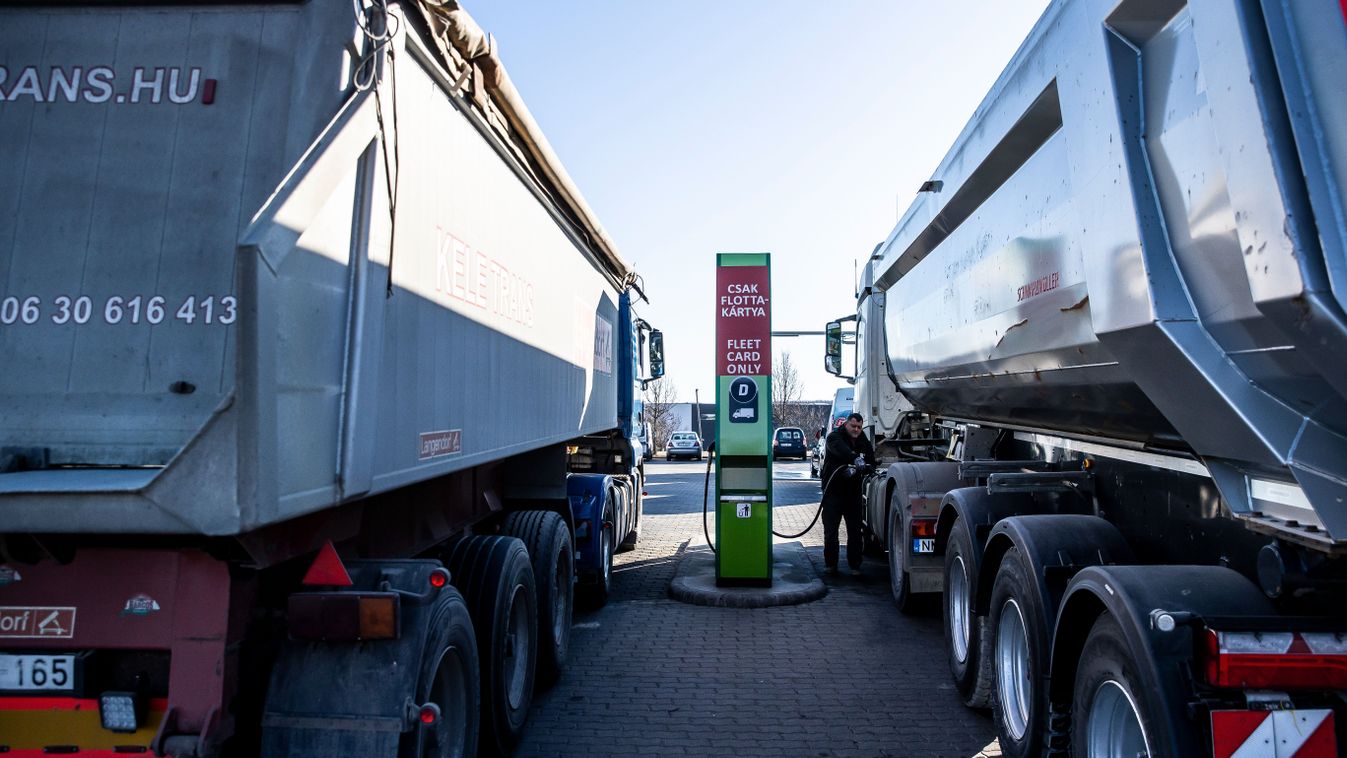
In some countries, such as Hungary, there is a major imbalance in terms of available energy sources. Crude held in strategic storage remains ample, but diesel is quickly running out. Data from the Hungarian Hydrocarbon Stockpiling Association show gas oil stocks at 520.3 kilotons at the end of January and about 390 kilotons at the end of both July and August. That thinner diesel cushion matters in a country where more than 1.3 million passenger cars run on the fuel and the regional market is competing for the same scarce imports.

Pump prices have already moved. Official and commercial trackers put Hungarian diesel around 701 forints a liter in late September on some official series and closer to 730 forints on daily station averages — well above the roughly 593 forints recorded at the end of June. The original worry in Budapest was not whether prices would rise, but how quickly 800 forints would stop looking like a distant ceiling.

That speed is not a mystery to central bankers. Bank of Slovenia research covering euro-area data from 2005 through 2026 found that a 10% rise in Brent lifts pretax diesel and gasoline prices by about 6.5% and 6.2%, respectively, over the longer term. A large share of the increase shows up at stations within the first two weeks — faster than the physical chain of shipping, refining and wholesale delivery would suggest. 

The European Central Bank has reached a similar conclusion and added an unwelcome twist: refinery margins can amplify the shock. During the spring spike, Brent briefly reached $138 a barrel while diesel at the refinery gate jumped to $197. ECB staff later estimated that refining margins were contributing about 41 euro cents a liter to euro-area retail diesel in mid-September, and they told reporters those diesel margins may not peak until October.

The way down is slower than the way up. Taxes, refining and transport costs, inventories, margins and local competition all delay relief when crude finally eases. That asymmetry is why governments are acting now, before higher fuel bills work through freight, food and services and lift broader inflation.

Europe-wide crisis

The policy dilemma is the same from Lisbon to Warsaw: protect households and trucking firms without writing a blank check for fossil-fuel consumption. Europe has answered with a patchwork rather than a single rule. Some governments cap retail prices. Others cut excise taxes, sometimes below the European Union minimum. A third group aims help at farmers, haulers and other heavy users. A few still let global prices hit consumers with no cushion at all. The result is that the same barrel of oil can produce pump prices that differ dramatically at the pump across Europe.

Here are just a few examples of what Europe looks like in this regard.

  • Austria has been running a mineral-oil tax cut of 1.9 euro cents a liter into the end of September. 
  • Belgium has implemented an official price ceiling. 
  • Croatia cut diesel excise duty by another 3 cents, taking it 10 cents below the EU floor; Zagreb says the average diesel price is 1.91 euros a liter instead of 2.26 euros without the intervention. 
  • Cyprus is offering an 8.33-cent discount through Nov. 30. 
  • Luxembourg is absorbing 5 cents of the pump price from July through December. 
  • Malta is using direct state aid to keep prices below the euro-area average. 
  • Portugal decided on Sept. 17 to recycle extra value-added tax receipts from more expensive fuel into tax relief worth about 1.3 billion euros through year-end. 
  • Slovenia posted official maxima of 1.748 euros for gasoline and 2.012 euros for diesel in the week of Sept. 22-28. 
  • Spain has kept an excise cut below the EU minimum through Sept. 30. 
  • Italy reduced and capped diesel duty into early October. 
  • Montenegro and Serbia combine retail caps with lower excise taxes.

Targeted aid is running in parallel

  • Greece extended a 10-cent-a-liter diesel subsidy into October and is preparing a heating-oil package. 
  • France steered relief to agriculture, high-mileage workers and construction rather than a blanket cut. 
  • Ireland is rebating duty for commercial haulers and bus operators. 
  • Spain added a 402 million-euro program for truckers on top of its general tax reduction. 
  • Italy is offering carriers a tax credit for earlier extra costs.

Larger packages are still moving through parliaments

Germany will cut energy tax by 14 cents a liter from Oct. 1 through year-end, about 17 cents once lower VAT is counted, in a 2.5 billion-euro package. 

Chancellor Friedrich Merz said drivers who depend on a car every day “are reaching their breaking point.” 

Berlin is also talking with the oil industry about a temporary price cap modeled on Luxembourg or Belgium, aimed at Jan. 1, 2027. 

The Czech government will restore a station-margin ceiling from Oct. 1, cut diesel duty to the EU minimum and cap retail margins at 2.50 koruna a liter. 

Poland has floated a 60% levy on oil companies’ extra profits to finance about 4 billion zlotys of price relief, though the plan faces parliamentary and constitutional hurdles.

The International Energy Agency has described the response as global, not merely European. In a matter of months, the number of countries applying fuel subsidies rose from 16 to 38, and the number cutting energy taxes rose from 40 to 57. Pew Research Center, drawing on IEA tallies from mid-June, counted 113 countries that had taken at least one energy-cost measure after the Iran war, including tax changes in 55 countries and fuel subsidies in 32. The agency’s own warning is implicit in those numbers: governments are treating the symptom at the pump because they cannot reopen the Strait of Hormuz from a finance ministry or end the war in Ukraine.

The post Europe races to contain energy crisis with patchwork measures appeared first on Remix News.

  •  
❌