❌

Reading view

Why are people protesting across Europe?

School conditions, unaffordable housing and the cost of living have brought demonstrators on to the streets in several countries

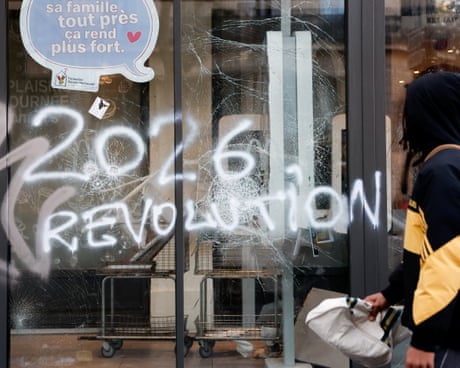
Young people have been taking to the streets across Europe, including in Spain, France and Portugal, to protest over their unhappiness at the state of schools and the wider cost of living crisis.

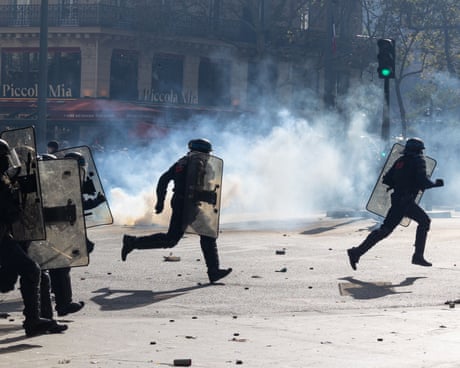
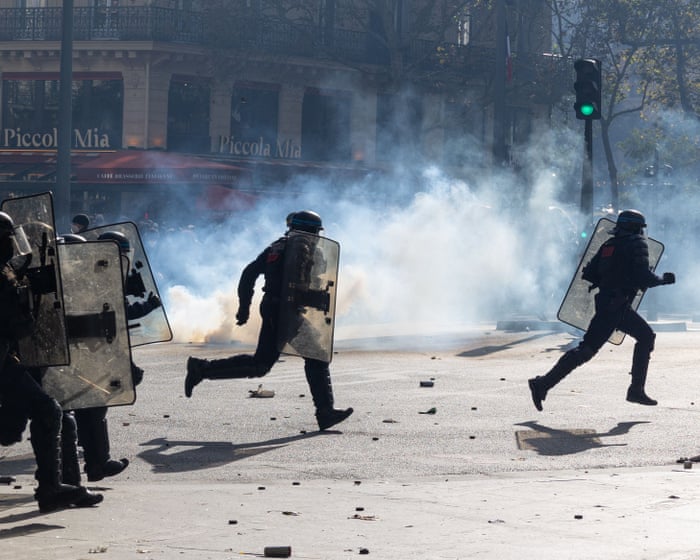
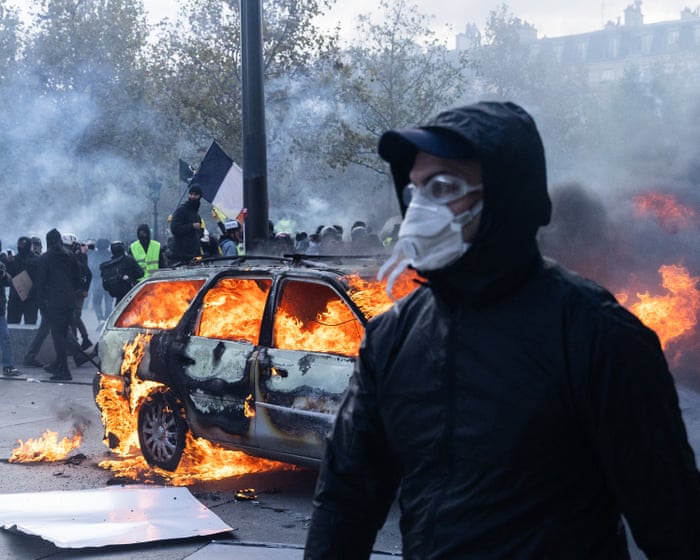
In France, high school pupils have clashed with police in often violent protests over long hours, missing teachers, dilapidated classrooms and an opaque university admissions system. Pupils routinely miss months of teaching due to unfilled staff absences.

Continue reading...

© Photograph: Benoît Tessier/Reuters

© Photograph: Benoît Tessier/Reuters

© Photograph: Benoît Tessier/Reuters

  •  

I saw rioting, looting, above all, anger. If French leaders think more violence will solve this, they’re mistaken | Oliver Haynes

It’s a perfect storm of protesters with heartfelt grievances and others set on conflict. The key here is the sense of betrayal that united them on the streets

The first thing I learned on the streets of Paris this weekend is that there is no arguing with teargas. I arrived at Place de la République just after 1pm yesterday. The mood was festive until police started firing volleys of teargas into the square from Rue du Faubourg-du-Temple.

I didn’t see the inciting incident – if there even was one – and tried walking into the cloud of CS gas hanging in the air. It was impossible. The gas clings to your nose and burns your eyes, and you quickly start struggling to breathe. I retreated towards the Boulevard de Magenta, blinking furiously to stop the stinging.

Oliver Haynes is a journalist and co-host of Sacré Bleu: the French presidential election podcast

Do you have an opinion on the issues raised in this article? If you would like to submit a response of up to 300 words by email to be considered for publication in our letters section, please click here.

Continue reading...

© Photograph: Abitbol Shana/ABACA/Shutterstock

© Photograph: Abitbol Shana/ABACA/Shutterstock

© Photograph: Abitbol Shana/ABACA/Shutterstock

  •  

Azerbaijan and the hijab question

Considerations on the boundaries between secularism, sovereignty, and social stability\

Join us on Telegram, X, and VK.

Contact us: info@strategic-culture.su

The controversy surrounding the wearing of the hijab in Azerbaijani schools took on new dimensions in October, following the implementation of dress code rules that resulted in female students and teachers being denied entry to public institutions. The episode sparked demonstrations, arrests, and criticism from international organizations, while also drawing reactions from Turkey. The debate extends far beyond the school environment, involving questions of sovereignty, religious identity, and regional stability.

Azerbaijan has historical reasons for maintaining a secular state model. The Soviet experience, the formation of its institutions after independence, and the need to govern a religiously diverse society amid a tense regional environment have contributed to the consolidation of a system in which the state maintains strict control over the functioning of public institutions. Azerbaijani authorities have the prerogative to determine their educational policies, establish standards for schools, and decide how constitutional principles are to be implemented.

However, the way these policies are implemented can produce consequences that extend beyond their original objectives. In the case of the hijab, the enforcement of school regulations has provoked resistance among families and religious communities, while arrests related to the protests have amplified the controversy. The government’s central challenge will be to manage this reaction without allowing a dispute over school uniforms to develop into a broader conflict between state authorities and religious communities.

The situation also has important international implications. Ankara, Baku’s main strategic partner, has expressed concern over restrictions on the Islamic headscarf. The political, cultural, and linguistic proximity between the two countries makes the issue particularly sensitive. Although this disagreement does not necessarily amount to a bilateral crisis, it demonstrates how domestic decisions can create friction even between governments that maintain close relations. Ankara must take its own social and political considerations into account, while Baku seeks to preserve its autonomy in managing domestic affairs.

The Iranian dimension also deserves attention. Azerbaijan maintains a complex relationship with Iran, shaped by historical and religious ties as well as strategic disagreements. Like Iran, Azerbaijan has a predominantly Shiite population, while the Islamic Republic has a substantial Azerbaijani minority. Both Supreme Leader Ayatollah Khamenei and President Masoud Pezeshkian have Azerbaijani ethnic backgrounds. In this environment, secularization policies may be interpreted by external actors as part of a broader struggle for religious and political influence within Azerbaijan. This interpretation, however, does not establish that the school regulations were adopted exclusively to counter Iranian influence.

There is also a domestic risk worth considering. Religious restrictions implemented too rigidly can produce effects contrary to those intended. When segments of the population perceive certain measures as impositions on their religious practices, radical groups may exploit the resulting discontent, portray the state as an adversary of religion, and expand their capacity for mobilization. Understanding this issue requires consideration of other experiences, such as Syria under the Assad government, where secularism coexisted with the proliferation of extremism. This outcome is not inevitable, and opposition to the regulations should not automatically be equated with extremism. Nevertheless, international experience suggests that this possibility needs close examination.

For Azerbaijan, the issue therefore involves more than the definition of a school uniform. The country has the right to organize its institutions according to its own priorities, without foreign governments dictating its choices. At the same time, maintaining stability requires preventing administrative decisions from fueling lasting polarization or creating new opportunities for actors seeking to intensify religious tensions.

The evolution of this case will have implications for Baku’s relations with Ankara and Tehran, as well as for the country’s domestic political dynamics. The outcome will depend not only on the regulations themselves but also on their practical implementation and the authorities’ response to concerns raised by students, families, and educators. In the South Caucasus, where identity, sovereignty, and security remain closely intertwined, even a seemingly localized dispute can have serious regional repercussions.

  •  

Police clash with students and workers protesting in Paris – video

Police fired teargas and blocked streets in Paris during protests supporting high school student grievances, high prices and the fraying of the social welfare system. A peaceful march was seen to turn violent as rioters threw fireworks around Place de la République in central Paris.

Student protests started last month over absent teachers and decrepit school buildings, and has developed into a bigger movement over cost of living and falling standards. Demonstrations broke out nationwide with hundreds of thousands of people taking to the streets in Paris, Marseille, Lille and Nantes

Continue reading...

© Photograph: Anadolu/Getty Images

© Photograph: Anadolu/Getty Images

© Photograph: Anadolu/Getty Images

  •  

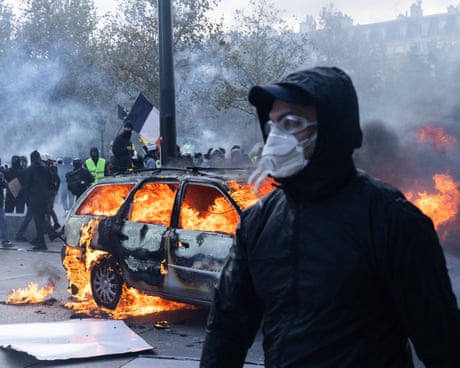
‘If we burn, you burn’: hundreds arrested at protests across France – in pictures

Tens of thousands of people have taken to the streets across the country to demonstrate against rising fuel prices and the cost of living

Continue reading...

© Photograph: Jeff Pachoud/AFP/Getty Images

© Photograph: Jeff Pachoud/AFP/Getty Images

© Photograph: Jeff Pachoud/AFP/Getty Images

  •  

Jury Trials on Trial: Can Justice Survive Political Polarisation?

An activist who painted Churchill red was cleared of criminal damage and juries have deadlocked over alleged support for Hamas. What’s to be done when jurors reject the moral premises of the law, asks Anna Stanley.

The post Jury Trials on Trial: Can Justice Survive Political Polarisation? appeared first on The Daily Sceptic.

  •  

Proteste giovanili e contestazione delle falsificazioni nel censimento, l’India assedia Nerendra Modi

Nerendra Modi intende forgiare un nuovo cittadino indiano, un nazionalista di Bharat, il nuovo e al contempo antico nome che ha imposto all’immensa e plurale nazione, prima al mondo per abitanti e terza per capacità economica, deciso a realizzare tale chimerica utopia, non disdegna di utilizzare tutte le leve del potere, anche in modo spregiudicato.

Segue nostro Telegram.

Arrestare settemila studenti è certamente un segno di debolezza, il tutto con un dispiegamento di cinquantamila soldati delle forze dell’ordine e militari, come a inizio ottobre 2026 a Delhi e in altre città a fronte del movimento di protesta che ha saldato insieme i giovani scesi da mesi nelle piazze per rivendicare un futuro e non l’insulto di “scarafaggi”, loro tributato dal ministro all’istruzione poi costretto alle dimissioni, termine trasformatosi nella definizione del loro movimento politico, il Partito del Popolo degli Scarafaggi, unitosi con i rappresentanti di tutti gli altri partiti dell’opposizione, decisi a rigettare i nuovi elenchi elettorali che hanno fatto sparire, è vero, alcuni indiani deceduti, ma anche molti del tutto vivi e vegeti, eppure sgraditi, spesso perché musulmani, con la capziosa giustificazione che non sarebbero cittadini indiani, quando lo sono da sempre, registrati nell’anagrafe nazionale e in quella elettorale, impropriamente accusati di essere immigrati bengalesi che si camuffano da indiani.

Le manifestazioni sono state aperte, in testa ai cortei, dai “resuscitati”, ovvero i presunti morti, in realtà in ottime condizioni fisiche e mentali, insomma quasi un gogoliano ribaltamento delle celebri “Anime morte”, infatti in questo caso non si contano nei censimenti i morti, ma si fanno sparire i vivi.

Delhi resta in stato d’assedio, le manifestazioni sono state generalmente vietate, tuttavia Nerendra Modi, dopo quasi tre lustri di potere incontrastato e di politiche di totale deregolamentazione neoliberista e ultra – induista, deve fare i conti con l’insofferenza ogni giorno crescente e manifesta di ampi settori della società.

D’altronde tanto accanimento interno contro gli oppositori è inteso a ovviare anche alla modesta estate del primo ministro, il vertice dei BRICS organizzato nella capitale indiana è stato un mezzo fallimento. Nessuno degli attuali promotori del multipolarismo si fida di lui, essendo un amico fraterno di Israele, nonché in combutta economica e militare con gli emiratini, a loro volta al servizio dell’imperialismo occidentale contro gli iraniani e in Sudan e Burkina Faso in azione contro i governi legittimi e contro i progetti di cooperazione di quelle nazioni con Cina e Russia.

Le politiche di Modi sono tutte orientate ad abbandonare la storica vicinanza alla causa palestinese dei tempi del non – allineamento indiano, privilegiando piuttosto la cooperazione nel settore degli armamenti con l’entità statuale israeliana, amplificata, come emerso dal trionfale discorso di Modi alla Knesset nel febbraio 2026, dalla profonda affinità tra il sionismo e l’estremismo induista propugnato dal Bharatiya Janata Party.

Al vertice kirghiso dello SCO, l’Organizzazione per la Cooperazione di Shanghai, di fine agosto Modi è stato relegato ai margini della fotografia ufficiale, mentre il presidente ospitante si stringeva al centro con il primo ministro pakistano, oltre ovviamente a Vladimir Putin e a Xi Jinping.

L’indiana Via del Cotone poi, visti i conflitti che incendiano tutta l’Asia Occidentale, sono sempre più aleatori, buoni soltanto per la mistificazione mediatica messa in campo dai media europei in funzione anti – cinese.

Le manifestazioni hanno per altro rovinato la festa per l’avvento, un quarto di secolo fa, il 7 ottobre 2001, al potere di Modi nel Gujarat, continuazione della parossistica celebrazione del suo 76° compleanno lo scorso 17 settembre, festeggiato con manifestazioni e pellegrinaggi.

La stampa d’opposizione ha insistito piuttosto nel ricordare come, solo un anno dopo il suo insediamento nel 2002, Modi abbia scatenato nel Gujarat una caccia al musulmano senza precedenti, un’ondata di violenza che ha mietuto almeno un paio di migliaia di morti, fatti la cui brutalità è rimasta tragicamente e traumaticamente nel ricordo collettivo.

Il vero dato che spaventa il primo ministro è il fatto che mobilitazioni di così grande portata non attraversano il vasto paese dai tempi di Jawaharlal Nehru e successivamente di sua figlia Indira Gandhi, tuttavia quelle erano manifestazioni a sostegno e non contro il capo di governo, nel primo caso per sostenere il Movimento dei Non Allineati, nel secondo per sottolineare la soddisfazione popolare per l’alleanza con i sovietici, volta a trasformare l’India in una potenza atomica.

Il nazionalismo indù del BJP, ovvero Bharatiya Janata Party, di Nerendra Modi sta invece tentando una rottura netta con tutto quel passato, immagina la nazione come capace di proporre sullo scenario internazionale una propria egemonia, se non esattamente imperialistica, certamente verso un mondo indiano – centrico. Anche in questo caso le aspettative di Modi si scontrano con la modestia delle relazioni stabilite con le vicine nazioni nello spazio eurasiatico e ugualmente negli altri continenti, mentre la proposta multipolare sino – russa risulta largamente condivisa dalle nazioni del Sud Globale.

La narrazione ufficiale di un Nerendra Modi quale figlio di un venditore di tè  dalle origini estremamente umili, è parallela alla lunga militanza nel Rashtriya Swayamsevak Sangh, ovvero la Lega Nazionale dei Volontari, organizzazione ultra – induista fondata nel 1925, nota per la sua feroce adesione al sistema delle caste, molto prossimo ai criteri di discriminazione dei sistemi  fascisteggianti della prima metà del XX secolo. È stata quella infatti la scuola sociale e politica nella quale da giovane si è formato, rafforzando la devozione che tanto lui quanto i dirigenti e i militanti del suo partito portano verso l’assassino del mahatma Gandhi, ovvero Nathuram Godse, il quale proprio grazie a Modi dal 2020 ha un santuario che ne ospita le ceneri e che è meta di pellegrinaggio per tutti gli attivisti del Bharatiya Janata Party, lo stesso primo ministro si è recato più volte a Pune, mostrando convinta adesione alle ragioni nazionalistico – induiste, anti – pakistane e anti – musulmane che hanno ispirato quel gesto omicida compiuto il 30 gennaio 1948 a Nuova Delhi.

Alcune iniziative promosse dai suoi sostenitori nel corso dei festeggiamenti di settembre – ottobre più che aumentare la considerazione del primo ministro, hanno rasentato il ridicolo, nel piccolo stato del Tripura il governatore locale Manik Saha ha imposto, con vivo disappunto delle famiglie, alle bambine e ai bambini di tutte le cinquemila scuole di partecipare a concorsi di disegno e di scrittura in lode di Nerendra Modi. Il risultato è che dopo un decennio di egemonia induista lo stato di Tripura ha tutta la possibilità di tornare ad essere governato dal Fronte di Sinistra, guidato dal Partito Comunista Indiano – Marxista (CPI-M) e dai suoi alleati. Tuttavia questo fenomeno può apparire estremo, ma non isolato, in Rajasthan, lo storico partito dei Gandhi, il Congresso, oggi all’opposizione, ha criticato le direttive rivolte a studenti e insegnanti di tutti gli istituti scolastici statali e privati per la partecipazione alle celebrazioni per il primo ministro.

Proprio il Congresso sottolinea e documenta ampiamente come sia imbarazzante investire tanti denari pubblici per celebrazioni fuori luogo, quando, a detta dello stesso primo ministro, ancora molte siano le aree, non solo rurali, in cui mancano i servizi igienici e il collegamento, almeno per i villaggi più remoti, alla rete elettrica, il tutto mentre gli indiani scendono in piazza per protestare e al contempo gli attivisti del Bharatiya Janata Party scorrazzano in bus collettivi e motociclette da Varanasi a Vadnagar, città natale di Modi nel Gujarat, con gigantografie del primo ministro ed enormi bandiere arancioni.

Anche i conflitti in corso in ogni landa del pianeta stanno assestando un duro colpo alla dottrina ultra – liberista di Modi, il quale fondandosi sulla massima deregolamentazione e la più spregiudicata libertà per i capitali, con il drammatico risvolto di scarsissime tutele per i lavoratori, non rispettando mai le organizzazioni sindacali e le normative ambientali, ha accresciuto il Prodotto Interno Lordo prima del Gujarat, poi di tutta l’India, con una crescita ancora al 7% per l’anno fiscale 2025/2026, tuttavia è abbastanza evidente che l’economia nel 2026/2027 segnerà un brusco ridimensionamento, complicando di molto la vita di quel terzo di indiani che vivono di un lavoro nel settore precario o in quello informale, già molto poco avvantaggiati dalla crescita degli anni passati, tra questi lavoratori molti sono musulmani, cristiani, dalit, ovvero appartenenti alla casta degli intoccabili, e adivasi, i popoli nativi che quasi nessuno conosce e ricorda, ma sommano nell’insieme almeno cento milioni di persone, non è un caso che la modesta lotta alla povertà abbia visto piuttosto accrescere profonde e pesanti divaricazioni sociali, con una ristretta minoranza sempre più abbiente.

Il governo per altro è stato ferocemente contestato per quasi tutto il 2026 anche dagli agricoltori, il movimento dei lavoratori della terra è infatti riuscito a impedire l’introduzione nel settore di leggi smaccatamente liberiste e penalizzanti i produttori diretti.

I venti di opposizione non appaiono impensierire per il momento il governo, tuttavia l’epoca dei trionfalismi, come quando nel gennaio 2024 Modi ha presieduto la sfarzosa inaugurazione del colossale tempio di Ram nella città di Ayodhya, anche in questo caso come altre volte edificato sul luogo di una preesistente moschea, appaiono se non irripetibili, del tutto lontani.

  •  

Canada, le crepe del federalismo: dal ritorno sovranista in Québec al referendum dell’Alberta

La vittoria del Parti Québécois e il referendum del 19 ottobre in Alberta riportano al centro il problema della coesione canadese. La separazione resta minoritaria, soprattutto nell’Ovest, ma il riemergere simultaneo delle spinte centrifughe rappresenta una sfida politica per Mark Carney.

Segue nostro Telegram.

A pochi mesi dal consolidamento parlamentare del governo liberale di Mark Carney, il Canada si trova ad affrontare una questione che sembrava essersi progressivamente allontanata dal centro della scena politica: quella della propria coesione interna. La vittoria del Parti Québécois (PQ) nelle elezioni provinciali del Québec del 5 ottobre e il referendum previsto per il 19 ottobre in Alberta, nel quale gli elettori saranno chiamati a pronunciarsi sull’eventuale avvio del procedimento verso un successivo referendum vincolante sulla separazione dal Canada, hanno riportato contemporaneamente alla ribalta due forme molto diverse di contestazione dell’assetto federale.

Sarebbe eccessivo sostenere che il Canada si trovi alla vigilia della disgregazione. In Alberta, soprattutto, tutti i dati disponibili indicano che l’opzione favorevole alla permanenza nella federazione dovrebbe prevalere con un margine molto ampio. Tuttavia, il fatto stesso che una delle province economicamente più importanti del Paese abbia ritenuto politicamente possibile sottoporre agli elettori una domanda di questo genere dimostra il malcontento di una parte della popolazione: una questione che fino a pochi anni fa apparteneva soprattutto alle frange più radicali del cosiddetto western alienation è entrata nella sfera della politica istituzionale.

Il caso del Québec, invece, ha radici molto più profonde. Le elezioni provinciali del 5 ottobre hanno riportato al governo, dopo oltre un decennio, il Parti Québécois guidato da Paul St-Pierre Plamondon. Il PQ ha conquistato 59 dei 127 seggi dell’Assemblée nationale, fermandosi cinque seggi sotto la maggioranza assoluta. Ottenendo circa il 28% dei voti, ha chiuso la consultazione elettorale davanti al Parti Libéral du Québec, attestatosi poco sopra il 24%, al Parti Conservateur du Québec, con circa il 21%, e a Québec Solidaire, che ha raccolto oltre il 12% conquistando nove seggi. La Coalition Avenir Québec (CAQ), al governo dal 2018, è invece crollata al 13,3% senza ottenere alcun seggio.

Un tale esito impone certamente una lettura prudente, in quanto il successo del PQ non equivale a un mandato maggioritario per l’indipendenza. Il partito, infatti, ha beneficiato della frammentazione del voto e ha ottenuto la percentuale più bassa mai registrata da una formazione vincitrice nella storia elettorale del Québec, mentre i sondaggi continuano inoltre a collocare il sostegno alla separazione dal Canada intorno al 30%, ben lontano da una maggioranza sociale. Lo stesso St-Pierre Plamondon ha indicato che non intende convocare un nuovo referendum finché Donald Trump resterà alla Casa Bianca, sostenendo che la pressione tariffaria e l’instabilità derivante dai rapporti con gli Stati Uniti rendono necessario evitare, per il momento, un’ulteriore crisi costituzionale.

Ciò non riduce tuttavia la portata della vittoria del PQ. Per la prima volta dopo molti anni, il governo della seconda provincia più popolosa del Canada sarà guidato da una formazione che considera esplicitamente l’indipendenza del Québec il proprio obiettivo storico. Inoltre, sommando i 59 deputati del PQ ai nove di Québec Solidaire, anch’esso favorevole alla sovranità del Québec sebbene attraverso un percorso politico e sociale profondamente diverso, nell’Assemblée nationale esiste una maggioranza numerica di deputati eletti sotto le insegne di partiti indipendentisti. Questo non significa che PQ e Québec Solidaire formeranno automaticamente un blocco comune, né che un referendum sia imminente, ma conferma che la questione nazionale québécoise è tutt’altro che scomparsa.

La sua natura, inoltre, resta profondamente diversa dal separatismo emergente in Alberta. Il nazionalismo del Québec dispone di una propria continuità storica, linguistica e culturale, di una tradizione intellettuale e politica consolidata e di istituzioni che hanno progressivamente acquisito un grado considerevole di autonomia rispetto a Ottawa. I referendum del 1980 e del 1995, quest’ultimo perduto dagli indipendentisti per uno scarto inferiore all’1%, hanno mostrato quanto la questione possa arrivare a mettere in discussione l’esistenza stessa della federazione canadese.

La situazione dell’Alberta nasce invece prevalentemente da fattori economici, fiscali ed energetici. La provincia, cuore dell’industria petrolifera canadese, ha sviluppato da tempo un forte risentimento nei confronti del governo federale, accusato da settori rilevanti dell’opinione pubblica occidentale di utilizzare la ricchezza prodotta dalle province delle praterie per finanziare politiche redistributive decise nell’Est, imponendo contemporaneamente vincoli ambientali e normativi penalizzanti per il settore degli idrocarburi.

Sebbene tutti i sondaggi siano concordi sul fatto che il referendum non dovrebbe avere esito positivo, la trasformazione di una rivendicazione precedentemente marginale in una questione sottoposta ufficialmente all’intero corpo elettorale provinciale rappresenta un passaggio qualitativo da non sottovalutare. Significa che una parte della classe politica dell’Alberta considera ormai il ricorso alla minaccia separatista uno strumento legittimo di pressione nei confronti del governo federale. La premier Danielle Smith ha annunciato che voterà per la permanenza nel Canada e non sostiene personalmente la separazione, ma è stato il suo governo ad aggiungere la domanda al referendum provinciale (che consiste di un totale di dieci quesiti). La stessa Smith ha presentato la consultazione come uno strumento attraverso il quale permettere agli albertani di esprimere il proprio malcontento nei confronti di Ottawa.

Una vittoria del 70% o persino superiore dell’opzione federalista non cancellerebbe il fatto che circa un quinto dell’elettorato di una provincia fondamentale per l’economia canadese sia disposto a considerare almeno l’avvio di un processo di separazione. Nel gennaio 2026 Ipsos aveva addirittura registrato un sostegno iniziale alla prospettiva separatista del 28% in Alberta, praticamente identico al 31% rilevato in Québec, salvo poi constatare che il consenso si dimezzava quando agli intervistati venivano prospettati i costi concreti dell’indipendenza. In altre parole, per una parte consistente degli elettori il separatismo albertano funziona soprattutto come voto di protesta e strumento negoziale nei confronti del centro federale.

Per Mark Carney, la contemporaneità dei due fenomeni costituisce una sfida particolarmente delicata. Il primo ministro ha costruito la propria strategia economica e internazionale attorno al concetto di “autonomia strategica” canadese. Di fronte all’uso crescente delle tariffe, delle catene di approvvigionamento e delle dipendenze economiche come strumenti di pressione, soprattutto da parte dell’amministrazione Trump, Carney ha sostenuto che il Canada debba ridurre la propria vulnerabilità nei confronti degli Stati Uniti, diversificando mercati, partner e infrastrutture.

Nel suo discorso al Lowy Institute di Sydney dello scorso marzo, il premier aveva affermato esplicitamente che l’integrazione economica non deve più trasformarsi in subordinazione e che le medie potenze devono costruire capacità sovrane nei settori strategici, dall’energia ai minerali critici, dall’intelligenza artificiale ai sistemi di pagamento. La stessa impostazione è stata successivamente ripresa nei rapporti con l’Unione Europea e nell’apertura di nuovi canali economici verso l’Asia.

Particolarmente significativa, in questo senso, è stata la normalizzazione dei rapporti con la Cina. Nello scorso mese di gennaio Carney è stato il primo capo di governo canadese a recarsi ufficialmente a Pechino dal 2017, incontrando Xi Jinping e Li Qiang e inaugurando un nuovo partenariato strategico sino-canadese incentrato su energia, commercio, agroalimentare, sicurezza e multilateralismo. Ottawa ha indicato apertamente la Cina come uno dei mercati necessari per ridurre l’eccessiva dipendenza economica dagli Stati Uniti.

Questa strategia incontra però un paradosso fondamentale. Per ridurre la dipendenza dagli Stati Uniti e rivolgersi maggiormente ai mercati asiatici, il Canada ha bisogno proprio delle risorse energetiche dell’Alberta. Il nuovo oleodotto Pacific Link, che dovrebbe trasportare un milione di barili al giorno verso la costa della Columbia Britannica, è uno dei pilastri materiali di questo progetto. Il 1° ottobre Carney ha annunciato l’accelerazione dell’iter autorizzativo, definendo il progetto di interesse nazionale e collegandolo esplicitamente all’obiettivo di raddoppiare le esportazioni canadesi verso mercati diversi dagli Stati Uniti. Oltre il 90% delle esportazioni petrolifere canadesi è stato storicamente diretto verso il mercato statunitense: aprire una nuova grande direttrice verso il Pacifico significa tentare di trasformare l’Alberta da provincia dipendente dall’accesso al mercato statunitense in piattaforma energetica della proiezione canadese verso l’Asia.

Non è dunque casuale che Carney abbia scelto di presentare il progetto proprio a Fort McMurray, nel cuore delle sabbie bituminose albertane, accanto a Danielle Smith e a poche settimane dal referendum. La politica energetica diventa così contemporaneamente politica estera e politica di coesione nazionale. Offrire all’Alberta infrastrutture, accesso diretto ai mercati mondiali e un ruolo centrale nella strategia di diversificazione canadese significa rispondere alle spinte centrifughe non attraverso una semplice riaffermazione dell’autorità federale, ma cercando di modificare le condizioni economiche che le alimentano.

Una logica analoga, sebbene applicata a un contesto completamente diverso, emerge nel rapporto con il Québec. Dopo la vittoria di St-Pierre Plamondon, Carney ha evitato un confronto frontale con il nuovo governo provinciale, insistendo invece sulla necessità di un “federalismo cooperativo” fondato su infrastrutture, abitazioni, crescita economica e difesa degli interessi canadesi di fronte alle pressioni statunitensi. Il premier sa che trasformare immediatamente la questione in uno scontro tra Ottawa e Québec City potrebbe offrire agli indipendentisti esattamente il terreno politico di cui hanno bisogno per allargare un consenso alla sovranità che oggi resta minoritario.

L’atteggiamento dell’amministrazione Trump produce quindi un duplice effetto sulla politica del vicino settentrionale. Da un lato, le pressioni economiche statunitensi hanno accelerato la ricerca canadese di una maggiore autonomia e hanno reso più urgente la costruzione di un mercato interno maggiormente integrato. Dall’altro, proprio la percezione di una minaccia esterna contribuisce per il momento a frenare i separatismi: St-Pierre Plamondon ritiene troppo rischioso organizzare un referendum sull’indipendenza mentre il Canada è impegnato in uno scontro commerciale con Washington; parallelamente, in Alberta la ricerca di nuovi mercati per il petrolio può ridurre alcune delle ragioni economiche del malcontento verso Ottawa.

Il Canada non appare dunque prossimo alla dissoluzione. Ma il ritorno simultaneo della questione nazionale del Québec e del separatismo albertano indica che il modello federale sta attraversando una fase di crescente tensione. In una fase nella quale Mark Carney cerca di costruire un Canada più autonomo dagli Stati Uniti, più presente sui mercati asiatici e dotato di maggiori capacità economiche e strategiche proprie, emerge con forza una contraddizione: per conquistare maggiore autonomia all’esterno, Ottawa deve prima garantire la propria coesione all’interno. Il petrolio dell’Alberta, il peso demografico ed economico del Québec, le infrastrutture interprovinciali e il consenso delle popolazioni che compongono la federazione non sono questioni separate dalla politica internazionale canadese, ma ne costituiscono la condizione materiale.

Per Carney, la costruzione dell’“autonomia strategica” canadese passa ormai anche dalla capacità di dimostrare che il Canada possiede ancora un progetto federale sufficientemente credibile da tenere insieme le sue componenti.

  •  

Britain is Accelerating Towards Crisis

Despite admitting mass immigration is damaging the country, the ruling classes fail to secure the border while clamping down on dissent. It's accelerating Britain towards crisis, say David Betz and Michael Rainsborough.

The post Britain is Accelerating Towards Crisis appeared first on The Daily Sceptic.

  •  

Universities fire dozens amid pressure from Zionist billionaires

Major drivers of the repression include pressure from wealthy pro-Israel donors, government interference, and the political loyalties of university administrators and trustees, according to a new report.

  •  

Spain heads for a snap election as youth uprising rocks Europe

“Cannibal capitalism” in Spain, where hundreds of thousands are in the streets demanding an end to the country’s housing crisis that Madrid-based journalist and Canal Red analyst Irene Zugasti says killed 87-year-old Maricarmen Abascal. Zugasti joins Zoe Alexandra and Rania Khalek to explain why more than 1,500 tents now fill Madrid’s Puerta del Sol and unions have called a general strike for November 11 – Spain’s first since 2012: “If we hadn’t been in the streets, Sánchez would have done nothing.”

Zugasti explains why Spain’s housing crisis isn’t about a shortage of homes, but about who owns them, and why Prime Minister Pedro Sánchez called snap elections now, after the right defeated his emergency measures meant to stem the uprising. She says the movement is inseparable from a wave of youth-led revolts across Europe, from student strikes against rearmament and conscription in Germany to French students taking the streets of Paris. And with just 50 days until Spain votes, Zugasti says the choice Sánchez is selling may not be enough to stop the far right without a mass movement behind it.

Watch full episodes of BT Live, join breakthroughnews.org as a member today!

#breakthroughnews

******

Rough transcript follows:
[Host:] Spain has seen massive protests over the past several weeks. Hundreds of thousands of people have taken to the streets to demand urgent measures to address the country’s housing crisis. These protests were sparked in large part by an 87-year-old woman, Mari Carmen, who had been fighting eviction from the home where she had lived for more than 70 years. On September 23, she was forcibly evicted from that home and passed away two weeks later, on October 7.

Mari Carmen’s struggle prompted a nationwide debate about the housing crisis, with activists in the streets demanding measures such as a ban on evicting vulnerable tenants, limits on short-term and room rentals, and a rent freeze. Spanish Prime Minister Pedro Sánchez capitalized on this energy and attempted to push through modest housing reforms in Parliament, but both measures were defeated by the right. In response, Sánchez called for snap elections, which are set to take place at the end of November. So, the political situation in Spain is very heated right now.

Here to break down what has been happening and what to expect from the upcoming snap elections is Irene Zugasti, a journalist and analyst with Canal Red.

[Irene Zugasti:] Hello, Rania. I’m so happy to be here with you at BreakThrough News. Hello from Madrid.

[Host:] We’re very excited to have you here. Your show is incredible, and we’re excited that English-speaking audiences can hear your insight and analysis. A lot is happening in Spain right now, and we have a lot to catch up on and explain to our viewers. As I said in the introduction, mass protests have been taking place, sparked by Mari Carmen’s eviction, but they have also ignited latent anger over the housing crisis. Walk us through how this situation evolved. What is the state of the housing crisis in Spain? How did it get this way? And how did an elderly woman’s struggle against eviction bring hundreds of thousands of people into the streets?

[Irene Zugasti:] I could say that we’re not getting bored in Madrid or Spain these days. We have a lot on the table. But let me introduce Mari Carmen’s story, because some people may not know it. Mari Carmen’s story isn’t unique. There are thousands of Mari Carmens in Spain, but she became a symbol because she embodied the injustice that millions of people in my country—and in many other countries in Europe—face every day.

She was an 87-year-old woman who had lived in the same flat in central Madrid for decades, perhaps 50 years or more. Her parents rented the flat, and she had paid the rent every single month of her life. But eight or 10 years ago, an investment fund—a “vulture fund,” as we call them—bought the whole building. Her rent rose from around €500 a month to €2,650. Obviously, she couldn’t afford that. The goal was to force her out so they could buy the whole building and turn it into high-end luxury flats.

She couldn’t afford the rent. She was elderly, had a disability, and lived alone. She got in touch with the tenants’ union, the housing-rights movement, which is amazing. They helped her with the eviction process, found her a lawyer, supported her, and tried to stop the eviction whenever the police came to her home. They took direct, nonviolent action, blocking her door so the police couldn’t get through.

But finally, on September 23, two or three weeks ago, the police broke down her door. They had to carry her out on a stretcher because she was too old and too frightened to walk. That image was shocking for millions of people in Spain. They thought, “What the hell? How can an 87-year-old woman be taken out of her family home, almost dying, because an investment fund wants to do business with a house that has been her family home?”

From her hospital bed, she recorded a very moving video saying that what had happened to her should inspire people to fight and not stop fighting. Unfortunately, she died on October 7, after 15 days in the hospital.

The day after the eviction, the tenants’ union and many other political organizations—including youth organizations, housing-rights groups, anti-racist movements, and communist and socialist groups—decided to camp in central Madrid, in Puerta del Sol. Today, there are more than 1,500 tents and thousands of people organized there. It’s like a little city, a community. They’re demanding real measures and doing politics there.

Before I continue, I wrote down some figures about the housing crisis, because I’m not sure people have a sense of its scale. The problem isn’t limited to the Global North, but in Spain it’s extreme. It’s not a housing problem; it’s a problem of who owns the houses. The housing crisis is the country’s number-one problem in official polls, year after year. It reflects the failure of capitalism itself, as well as problems with wages, working conditions, and growing inequality.

To give you the full picture: the average age at which people leave home in Spain is 30. It’s hard to live with your parents until you’re 30. Renters earn around €20,000 to €25,000 a year. Landlords who own multiple properties—three, four, five, seven, or 10 houses—earn almost four times as much. Their income comes directly from renters’ pockets. The richest 10% of the country owns more than 40% of all housing wealth in Spain. Large landlords are becoming a majority. Those who own more than 10 properties are effectively taking our wages and salaries.

Imagine that you or I want to live alone in an ordinary flat in Madrid. We would have to spend 98% of our take-home pay—of the average gross salary—to do that. It’s impossible to have a life like that. My country is splitting in two: those who have nothing and those who are accumulating more and more. The gap is growing faster and faster. It’s cannibalism—it’s cannibal capitalism.

Some people say the problem is that we need to build more houses. No, that’s not the problem. There are houses for everyone. There are more houses than ever; the issue is that they’re concentrated in fewer hands. It’s not a crisis of supply. Housing is no longer treated as a human right, even though it’s written into our Constitution. Houses have become financial assets.

Let me end with this: the tenants’ union and the people in the squares are saying that Mari Carmen didn’t die; she was killed. She was killed by this whole machinery: the vulture fund, the courts that ordered her eviction, the police who broke into her home and took her out, and politicians such as Pedro Sánchez, who did nothing and said, “We aren’t strong enough to change the law in Parliament. This is a very difficult, complex problem because many people with different situations are involved.” Come on—you all killed her.

And just as you killed her, many people are suffering and dying. Two people have died by suicide because of evictions in the last two weeks. Many people are dealing with serious mental health problems because they know they may be kicked out of their homes in a couple of weeks. How can you be a healthy person in that situation? You become completely sick. That’s what’s happening. It’s a crisis of capitalism itself, not just a housing crisis.

[Host:] I like the way you described it as cannibalism. In so many ways, that’s what capitalism leads to. I want to ask you to elaborate, because you mentioned the encampment in central Madrid. Yesterday, on Spain’s national holiday, there was a confrontation at Puerta del Sol between far-right activists and people demanding housing reform. Can you talk about the encampment and what happened yesterday?

[Irene Zugasti:] The encampment is beautiful. I wish you could visit it. I think it’s one of the most beautiful things that has happened in Spain in the last five or 10 years, along with the Palestine movement and the feminist strikes.

It began around September 26 or 27, after Mari Carmen’s eviction. It’s in front of the headquarters of Isabel Díaz Ayuso, who leads the right-wing regional government in Madrid. That location is symbolic. In just a few days, the encampment became a small community. They organized an assembly and teams working on different issues, including security, mediation, law, and anti-racism. A lot is happening in that square. They’ve achieved things: every morning, they go out and try to stop an eviction. They’re putting pressure on the government and calling for a general strike.

It’s not just people organized around tenant unions. There’s a large socialist movement, too. People are discussing questions such as whether to expropriate the funds and how to lower rents or impose rent control. The people there are very young. The average age may be 20 or 25, and they’re speaking in terms of class war, which hasn’t been very common in recent years in Spain.

They’ve been criminalized using the same playbook you’ve seen in the United States under Trump: counterterrorism rhetoric and attacks on Antifa. They’ve been accused of being terrorists and having weapons because they were cutting sandwiches with knives. They’ve also been accused of harboring pro-Palestinian radical organizations—which we probably do, of course. The framing is that they’re communists, radicals, and troublemakers. But they represent the feelings of millions of people.

What happened yesterday? Every year, Madrid has an awful event: the October 12 parade for the national day. It celebrates what’s called the “Conquista” of the Americas—the conquest and genocide of Indigenous people—and includes military parades, the king, the president, ministers, and so on.

Many people who came to the parade were fascists. They decided to go attack the encampment in Puerta del Sol because it’s nearby. They came with the aim of attacking the people there. What kind of patriots are you? What kind of national project, what kind of Spain and Hispanidad, do you want to build? If your plan for your national day is to attack people asking for housing rights and social justice, that’s Spanish nationalism at its worst.

The beautiful thing—and I was there and saw it myself—was that people formed a human chain around the camp, chanting, “Here we are. We’re anti-fascists. Here we are.” They were saying, “We’re ready. This is a peaceful protest, but we’re not going to allow these people to break up and destroy what we’ve been building for two weeks here in Madrid.”

They didn’t wait for anyone to protect them. They organized themselves and protected the square. There are many young people, but also older activists and people who are curious, strolling around and talking with the activists. Artists are performing. There are many things happening there, and security matters.

At the end of the day, the fascists spent hours walking around and trying to intimidate people, but eventually they left. It’s important and interesting because that’s basically the project of the Spanish right and far right. They align themselves with Trump’s international far-right movement. They’re violent and irrational, and they decide that their enemy is people fighting for justice and rights. That’s it.

[Host:] It’s quite poignant that fascists are attacking people who are simply asking for housing. That’s where their class interests lie. If you wanted any more clarity, that’s what it is. In a way, it’s helpful for us—but terrifying at the same time.

This struggle hasn’t remained confined to the streets. After these weeks of protests, Pedro Sánchez proposed two bills—albeit very lukewarm ones—to address the housing crisis. As I said earlier, they were defeated in Parliament. After the defeat, he called for snap elections on November 29. This has been controversial. Many people have speculated that the far right could make significant gains in the election. What’s your assessment of where Spain stands politically heading into the elections? And what are the other major issues on people’s minds besides housing?

[Irene Zugasti:] I would say Pedro Sánchez—I don’t like him, but he’s a smart guy. He made some calculations. The majority in Congress isn’t simply a question of right versus left. If you consider Pedro Sánchez to be somewhat left-wing, the majority is made up of landlords and capitalists. There are capitalists on the left and on the right.

It’s true that this bill—a bare-minimum decree—was proposed after the encampment and demonstrations, because of pressure from people in the streets. If we hadn’t been in the streets, Pedro Sánchez would have done nothing. He saw the situation and thought, “Now’s the moment. I’m going to propose a bill.” But of course, he knew neither of the two bills would pass. The right wing wouldn’t support them, and they were put together very quickly, without debate.

Even though the watered-down decree would have banned evictions of vulnerable people in certain cases and tried to extend rental contracts for a couple of years, it did nothing to address the key problem. The housing market has to be intervened in on behalf of working people, not landlords and capital. The market is already being intervened in, but on behalf of capitalists. That’s the only real way to stop this inequality, which is costing people’s lives, like Mari Carmen’s.

Without pressure in the streets, Pedro Sánchez wouldn’t have done this. He’s a handsome reformist, very socially liberal, and he shines in Europe because Europe is so sad, fascist, ugly, and terrible. He’s the lesser evil. A very handsome lesser evil. But he’s far from what a party that calls itself the Socialist Workers’ Party should be doing about this problem.

What little he has done has been aimed at not upsetting renters—I mean, landlords, the owner class. Every time he made a small improvement in rental conditions, he offered tax breaks and incentives for landlords. He never touched property ownership or the dynamics of enrichment in Spain.

The snap election is happening because Sánchez is smart. He turned the defeat in Congress and the anger in the streets into a campaign. He’s saying, “It’s now or never.” If he waits a few months, the far right—with all these Trump-inspired groups and powers now helping the Spanish right, which is already very strong—could take everything. But if he calls elections now, the debate might be about housing or the far right; about him or barbarism.

He’s smart because he has a chance, although a small one. I’ve been obsessively studying the numbers: how votes might go in each region, territory, and city, and whether we can get a small majority. It’s difficult. The results could be similar to those in Colombia or Peru, and the far right is getting stronger. That’s why we have 50 days to go.

There’s also a real, transformative left, an institutional left that is more radical on its terms, and they’ll run in the elections. But even with Sánchez’s Socialist Party and the parties to its left—the real left—the numbers are still very difficult. We have to vote in 50 days, and everyone is a bit anxious because we’ve seen what’s happening in Latin America and in many other countries in Europe. We’ve seen it here, too.

We’re hoping that the general strike organized by the people in the streets, the unions, and the social movements might be a game changer. Maybe it will make people feel that they have a chance to change things. But we’ll see what happens.

[Host:] On that note, as we wrap up, Spanish trade unions representing millions of workers have announced a general strike for November 11. Alongside demands concerning working hours, wage increases, health and safety in the workplace, the eradication of precarious employment, and progress in collective bargaining—all important issues—the unions have also brought housing into the strike. What do you make of this call to strike? Do you see momentum continuing in the streets in the coming days and weeks?

[Irene Zugasti:] My generation—we millennials—are very excited. This is something we thought we would never see again. It’s the first general strike since 2012. There was a feminist strike, but it wasn’t the same, because this is a classic labor strike, even though it was born outside the workplace. It began in the neighborhoods and in the squares, in response to the housing problem.

The smaller unions—the housing-rights unions and more leftist, activist unions, rather than the big ones—are the ones that have pushed them to act. The question is what the strike’s political framework will be. Whatever happens, it’s going to be historic. I’m very optimistic because I’ve never seen so many people talking about a strike in 10 or 15 years. There are strike committees organizing in neighborhoods, universities, schools, and workplaces. That’s always good—like going to the gym. It’s good to exercise.

The demands are still being decided and debated. Of course, they include wages and rent: cutting rents by 50%, getting permanent rental contracts, and expropriating the vulture funds. But many other things are on the table. For example, rearmament is an issue in Europe. I saw your interview with Bolenko; he explains it brilliantly. Europe is preparing for war at the expense of social spending, housing rights, social security, public health, and public education, with NATO’s target of 5% of GDP for each member state.

That’s closely related to the housing crisis. The amount of money the Spanish government spent just this month buying weapons from the United States and Israel is the same amount it promised to spend over the next five years on social housing. One month versus five years. They invest 10 times more in producing things to kill people than in building housing so people can live. It’s crazy.

I think one of the strike’s other goals is to connect struggles across Europe. In Germany, students are holding school strikes against military service and rearmament. In France, people are mobilizing for public education and other social rights. In Spain, the issue is housing. If you put these struggles together, maybe this awful Europe—which is the whole drama—has a chance to change things.

It’s the youngest people who are telling us, “This is over. We’re the generation that has faced the worst of this late-capitalist period, and we don’t want to be discussed as if other people can define who we are and what we want. We know this is a class war. We want to build up minorities and hegemonies to change things in the streets and maybe in institutions, too.” They’re still organizing, but they’re challenging the old structures because those structures have failed them.

They’re the real no-future generation, and they’re proving that they have tools, knowledge, and the ability to organize themselves much better than many people thought. We’ve read a lot about how the youngest generations are far-right and more conservative than ever. That’s not true. Look at Paris. Look at Madrid. There’s hope there. I’m speaking like a grandmother—no, I’m not. I still think I’m young, but I have a lot of hope in them.

[Host:] I think that’s the right direction. It’s quite impressive to see the streets of Europe filled with young people demanding change. We’ve followed the situation in France very closely, as well as the student strikes in Germany and the movement in Spain. It’s very inspiring. I think young people, including you, can turn Europe around in the right direction. Thank you so much for joining us. This has been an absolute pleasure.

[Irene Zugasti:] Let me send my solidarity to you and your colleagues at BreakThrough News. I know your government is also targeting you because you’re doing brilliant journalism. Solidarity from Madrid, from all my colleagues.

  •  

Europe’s leaders are preparing for war. Workers are organising to stop it

By John REES

Join us on Telegram, X, and VK.

Contact us: info@strategic-culture.su

Preparations for war with Russia and complicity in Israel’s genocide in Gaza have set off a struggle over jobs, wages and military production

War preparation is now a reality across Europe. Within a single September week, Poland issued fresh warnings, Germany ran drills and national alerts, military exercises were held across the Baltic, and Lithuania published plans to evacuate residents of Vilnius in the event of an attack.

The Finnish government is in full cry over the prospect of war, reminding its citizens yet again that they should be ready, in mind and in practice, for the disruption it would bring.

On 18 September, French President Emmanuel Macron gathered party leaders and presidential hopefuls at the Elysee Palace to hear the heads of France’s intelligence services describe what his office called the rapid deterioration of the international situation.

Nato, meanwhile, talks ever more openly about Russian sabotage, cyber attacks, arson and drone attacks.

Many workers and citizens across the continent, though, are not convinced by the war fever.

Thousands of Airbus workers in Spain began strike action on 1 July after rejecting the company’s pay and conditions offer.

Representatives of the UGT and CGT unions said the stoppage had slowed military and commercial production and would make it harder for the company to meet its delivery target. Airbus’s eight sites in Spain produce military transport planes and parts for commercial aircraft and satellites.

As the Defence Matters website reported: “The industrial pressure is not confined to commercial aviation. Spain is central to Airbus Defence and Space, including military transport and satellite activity. European governments are asking manufacturers to increase output at the same time as companies compete for engineers, technicians and production workers.”

Supply lines are so tight that Airbus has had to hire giant Antonov An-124 heavy-lift aircraft to ferry parts from one plant to another just to keep production running.

Air Data News reported that the strike “threatens key military aircraft programmes”, noting that the Eurofighter plant near Madrid and the military transport aircraft site near Seville were both affected.

Spanish unions said about 90 percent of eligible workers took part in the stoppage on 25 August, part of an indefinite strike. The strikes were called after workers voted at plant-level assemblies to reject the company’s offer.

French unions briefed on the dispute said the three striking Spanish unions represent about 40 percent of Airbus Spain’s roughly 14,000 employees. Workers were seeking inflation-linked pay rises, the restoration of previous remote-working arrangements and sick-leave benefits.

After the intervention of Industry Minister Jordi Hereu and concessions from Airbus, the strikers paused the stoppage on 10 September, but not the movement. Two days later, around 8,000 workers from Airbus sites across Spain marched through Madrid to keep the pressure on.

On 1 October, 77 percent of those voting backed an improved offer providing for the restoration of lost purchasing power, inflation-linked pay rises and the protection of remote-working rights, a settlement that months of industrial action had forced out of the company.

The Airbus dispute shows the leverage workers hold in the very industries on which Europe’s rearmament depends.

Trains and the TUC

In Scotland, meanwhile, the rail union RMT, the drivers’ union Aslef and the white-collar TSSA have demanded that the Scottish government remove CAF, the Spanish manufacturer Construcciones y Auxiliar de Ferrocarriles, from its shortlist of contractors to build ScotRail’s new fleet of suburban trains.

The company is included in the UN human rights database of businesses involved in Israeli settlements for its role in running the Jerusalem light rail and helping to extend it into territory illegally seized by Israel.

Aslef made clear that its members would refuse to drive CAF trains, a position echoed by TSSA general secretary Maryam Eslamdoust when she urged the Scottish government to “think again”.

Scottish Greens co-leader Gillian Mackay put the first minister on the spot, asking him directly: “So will the first minister agree that CAF should be blocked from this contract, and will he stand with the rail workers who have refused to drive trains produced by a company that they say profits from apartheid?”

In his response, the first minister confirmed that ScotRail was seeking advice on the contract.

For the second year running, delegates at the Trades Union Congress (TUC) backed a motion opposing increases in arms spending.

This year’s motion passed with even more support than last year’s, which reversed the TUC’s previous backing, advocated by the GMB and Unite unions, for higher defence spending.

Speaking in favour of the motion, Alex Gordon, a former RMT president and national officer of the Stop the War Coalition, said: “This movement is about fighting for jobs, for public services, for investment in the industries of the future that our young people, that our young workers need.

“Those industries are not military industries. The skills of the workers in the military sector are vital skills, vital skills that need to be used in civilian production.”

Ports and classrooms

Dockworkers’ unions in at least six countries are planning an international day of action and strikes on 30 October to protest against the war on Gaza and demand an immediate end to the genocide of the Palestinian people.

This coordinated mobilisation follows a strike on 6 February this year that shut down cargo operations at more than 20 Mediterranean and European ports to halt arms shipments bound for Israel.

“No to the war economy, government rearmament plans, and the project of militarisation of ports and strategic infrastructure from [the] EU,” the unions said in their statement. “Public resources must be used to meet people’s social needs, not to finance war.”

The signatories include CGT FNPD in France, Enedep in Greece, LAB in the Basque Country, Liman-Is in Turkey, ODT in Morocco, and Orsa Porti and USB in Italy.

The next generation, at least in Germany, seems even less enthusiastic about the prospect of a new European war. More than 45,000 school students across the country walked out of class in late September to protest against plans for compulsory military service, after hundreds of young men were summoned for medical examinations.

The School Strike Against Conscription initiative said demonstrations took place in more than 100 cities after the German defence ministry began calling in 18-year-old men for medical screening. Service itself remains voluntary for now, but the screening is compulsory.

Students took to the streets demanding a halt to the forced checks, the repeal of the new military service law and an end to what they call a step-by-step return to the draft.

This is now the ground on which European politics is being fought. It is a contest between a political establishment obsessed with war and preparations for war, and millions of workers across the continent unwilling to pay for rearmament with their wages, jobs and living standards.

These are the opening shots in that battle.

Original article:  middleeasteye.net

  •  
  •  

Golden Naked Trump Statue Unveiled at European Parliament

A giant golden statue depicting a naked Donald Trump has gone on display inside one of the European Parliament's buildings.

The post Golden Naked Trump Statue Unveiled at European Parliament appeared first on The Daily Sceptic.

  •  

Violence Returns to Streets of France Amid Warning Protesters Have Been Told to “Bring Knives” and “Stab Civilians”

Violence has returned to the streets of France today as far-Left protesters lead clashes with police amid warnings that demonstrators have been told to "bring knives" and "stab civilians".

The post Violence Returns to Streets of France Amid Warning Protesters Have Been Told to “Bring Knives” and “Stab Civilians” appeared first on The Daily Sceptic.

  •  

The Locking Down of Gosport to Protect Illegal Migrants Shows Beyond Doubt That We Live in a Two-Tier State

The locking down of Gosport to protect illegal migrants shows beyond doubt that Britain is a two-tier state, says Paul Birch, where locals must produce ID while illegal migrants are escorted away in luxury coaches.

The post The Locking Down of Gosport to Protect Illegal Migrants Shows Beyond Doubt That We Live in a Two-Tier State appeared first on The Daily Sceptic.

  •  

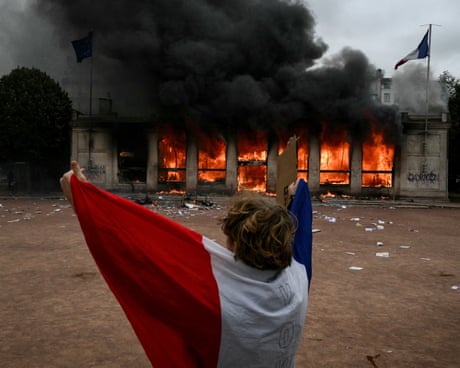
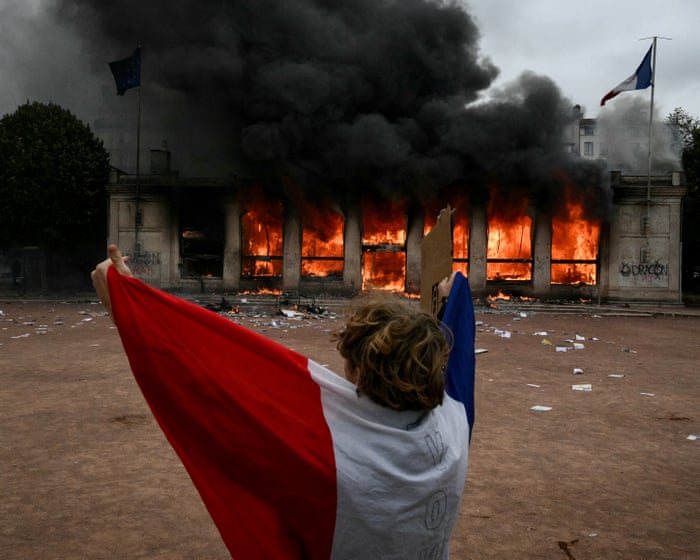
French Students Burn Down Schools to Protest School Decay

Student 'blockades' ostensibly called to protest the dilapidated condition of French high schools have degenerated into an orgy of urban violence in which those same schools have been destroyed, says John Rosenthal.

The post French Students Burn Down Schools to Protest School Decay appeared first on The Daily Sceptic.

  •  

Then They Came for the Ostriches

J.B. MacKinnon files a remarkable dispatch from among the members of the so-called Ostrich Army, who convened last fall in British Columbia to protest the planned culling of 300 or so birds following an H5N1 outbreak. The plight of the birds and the various claims made in their defense—that their antibodies could yield a cure for bird flu or COVID-19, for instance—are intriguing enough on their own. But it’s MacKinnon’s study of the Ostrich Army itself that helps this story take flight (even if the subjects at its center cannot). As helicopters pass overhead and a suspected kill pen mysteriously catches fire, suspicion mounts among the troops, and interpretations diverge. A genuinely surprising portrait of a loose, wayward movement, delivered with peak dramatic tension.

This was the Ostrich Army way: every event called for interpretation, an attempt to see through to hidden endgames. “One thing with black magic,” one camper would later say to me, “is they tell you what they’re going to do before they do it.” And so, at first light, when firefighters had won the day and the smoke cleared to reveal the ostrich flock still standing, the sight didn’t lead to any reconsideration of the night’s theories of clandestine slaughter. The Army simply moved on, hoping to make better sense of the next move, or the one after that. The birds really could die this day.

  •  
❌