❌

Reading view

The Guardian view on Trump and Putin: Ukraine’s future is not theirs to bargain away | Editorial

Russia wants America and China to decide Ukraine’s future without Kyiv. Europe must challenge this dangerous return to diplomacy of the strong for the strong

Does Vladimir Putin know exactly how to play Donald Trump? The history of chummy phone calls, high-profile meetings and attempts to bring Russia in from the cold certainly suggests that Moscow’s thuggish ruler has a hold on this American president. If Mr Trump agrees to negotiate Ukraine’s future with Mr Putin and China’s Xi Jinping without Ukraine at the table, he will have handed the Russian leader a victory before talks begin. The message will be that strongmen are ruling the world and determining the fate of weaker nations.

Ukraine has the right to determine its future. That right cannot be waved away by a self-serving Russian proposal, however much it indulges Mr Trump’s belief that world affairs should be settled by powerful men. The scales are falling from European eyes. Trumpian America is raising doubts about whether it will help deter aggression or even honour its Nato commitments. If Washington now rewards Moscow and pressures Ukraine to accept a raw deal, it would be a betrayal. European governments would wonder where America might be in the future when their own security is threatened.

Do you have an opinion on the issues raised in this article? If you would like to submit a response of up to 300 words by email to be considered for publication in our letters section, please click here.

Continue reading...

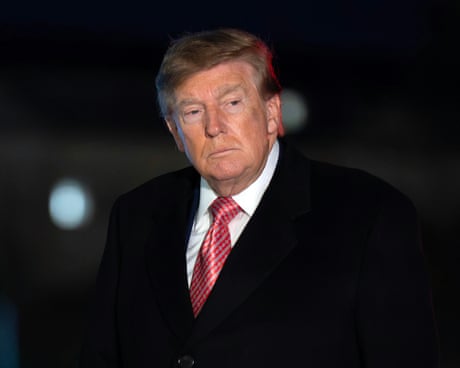
© Photograph: José Luis Magaña/AP

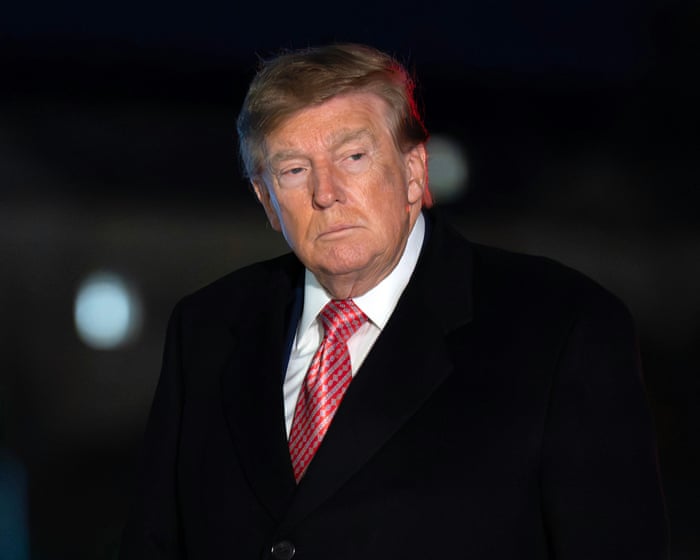
© Photograph: José Luis Magaña/AP

© Photograph: José Luis Magaña/AP

  •  

Trump the gangster’s new clothes

Should this be seen as the Hans Christian Andersen story, in which the narcissistic emperor is finally exposed as a naked fool by a truth-telling child? Donald Trump is certainly all of these things: narcissistic, naked in his support for Putin and a fool. But the parallel doesn’t quite work because it hasn’t taken a […]

The post Trump the gangster’s new clothes appeared first on Asia Times.

  •  

A spy charge, a Russian jail and a swap for an assassin: the story of Evan Gershkovich – podcast

American journalist Evan Gershkovich talks about his arrest by the Russian intelligence services in 2023, his 16-month detention, and the swap deal that eventually took him home. Get in touch at tif.questions@theguardian.com

Evan Gershkovich was in an American-style steakhouse – with fake deer heads on the walls – talking to a contact in an eastern Russian city when masked agents of the Russian intelligence service burst in. ‘It was a trap from the start,’ he says. The American journalist who was working for the Wall Street Journal was detained, beaten and charged with espionage.

Evan talks to Annie Kelly about his arrest, what happened during his detention in a high-security jail, and the swap deal that finally took him home.

Continue reading...

© Photograph: David Levenson/Getty Images

© Photograph: David Levenson/Getty Images

© Photograph: David Levenson/Getty Images

  •  

Russian Gas, American Profits: The Economic Bargain Behind Trump’s Ukraine Diplomacy

The Trump administration’s reported proposal to restore Russian gas supplies to Europe through Ukraine marks a reversal of Washington’s longstanding energy policy. Behind the promise of an economic incentive for peace lies a more consequential question: whether Europe is being asked to restore the very dependence on Moscow that it has spent four years dismantling.

The administration of US President Donald Trump is considering the restoration of Russian natural gas supplies to Europe, including through Ukraine’s pipeline network, as part of a proposed settlement to end Russia’s war against Ukraine. The initiative would offer Moscow renewed energy revenues while potentially opening opportunities for American investors to participate in the trade.

According to a New York Times investigation published on 17 October, presidential envoys Steve Witkoff and Jared Kushner have raised the proposal with Ukrainian and European officials, including President Volodymyr Zelenskyy. The White House has confirmed that economic incentives for Russia and Ukraine form part of its peace diplomacy, although no agreement on renewed gas transit has been announced.

The proposal would require Ukraine to reopen a transit route that ceased operating for Russian exports in January 2025, while European governments would be expected to resume purchases they have spent years reducing. American negotiators reportedly regard the prospect of renewed commercial revenues as an incentive for President Vladimir Putin to reach a settlement.

There is, however, a considerable difference between offering Russia a commercial opportunity after a verified peace agreement and restoring a source of revenue and political influence before Moscow has demonstrated any willingness to abandon its territorial objectives.

From opposition to Russian gas to facilitating its return

The reported initiative represents a reversal of Trump’s earlier position on European energy security.

During his first presidency, Trump repeatedly warned Germany that its dependence on Russian energy exposed it to political pressure from Moscow. Speaking at the United Nations General Assembly in September 2018, he accused Berlin of becoming dangerously dependent on Russian supplies. Members of the German delegation visibly smiled at his remarks.

The episode acquired renewed significance after Russia’s full-scale invasion of Ukraine in February 2022. Germany had developed an extensive commercial relationship with Gazprom, while the Nord Stream pipelines were intended to facilitate Russian gas deliveries directly to Germany, bypassing traditional transit countries, including Ukraine.

Trump maintained his opposition to those energy relationships well into his second presidency. As EU Today reported in September 2025, he told European governments that continuing to purchase Russian energy amounted to financing the war against themselves.

Washington is now reportedly considering precisely the commercial relationship that Trump previously identified as a strategic danger.

The change cannot be explained solely by the objective of ending the war. It also coincides with discussions about a substantially different economic arrangement, in which American commercial interests could participate in infrastructure and transactions previously dominated by Russia and European energy companies.

American investors and the economics of peace

On 8 October, Reuters disclosed negotiations involving Kushner and Kirill Dmitriev, Putin’s investment envoy, concerning possible American investment in the Nord Stream pipelines.

The discussions included the prospect of US investors profiting from renewed Russian gas deliveries to Europe. Separate negotiations have involved assets belonging to the Russian energy company Lukoil.

The White House has denied that Nord Stream was a subject of recent discussions and has said any agreements must benefit American taxpayers and companies. There is no established evidence that Witkoff, Kushner or members of Trump’s family would personally profit from the proposed gas arrangements.

Nevertheless, the possibility of American participation changes the commercial equation. Russian gas returning to Europe through infrastructure involving US investors would no longer be exclusively a Russian-European business relationship.

That distinction matters financially, but it does not necessarily resolve the underlying security problem. American ownership of transit infrastructure would not eliminate Moscow’s ability to influence production, supply volumes or export decisions.

The European Union has already confronted the consequences of allowing an energy relationship to become a source of geopolitical leverage. Introducing American intermediaries would not, by itself, remove that vulnerability.

Europe’s legal and political obstacles

The proposal also conflicts with legislation already adopted by the European Union.

In January 2026, the Council formally approved a regulation phasing out Russian natural gas imports. The restrictions began taking effect in March, with the remaining long-term LNG imports scheduled to end in January 2027 and pipeline imports in autumn 2027.

Consequently, restoring substantial Russian supplies would require changes to existing EU policy or the use of legally available exceptions. Neither Washington nor Moscow can make that decision on Europe’s behalf.

Germany has already opposed the reported American initiative. Chancellor Friedrich Merz’s security adviser, Günter Sautter, reportedly objected during discussions in Florida, while former economy minister Robert Habeck warned against recreating dependence on an unreliable supplier.

The economic attraction remains understandable. European industry faces substantial energy costs, and cheaper pipeline gas could offer relief to some consumers and manufacturers. Yet commercial prices do not account for the wider costs associated with supply disruption, strategic exposure and the potential use of energy exports as political leverage.

Europe’s decision to reduce Russian gas imports was therefore not simply a change of supplier. It was a response to the security implications of its previous energy model.

The consequences for European politics

The initiative also intersects with divisions inside European politics, particularly in Germany.

Alternative for Germany (AfD) has repeatedly advocated restoring Russian energy imports, arguing that sanctions and expensive replacement supplies have damaged German industry. Sahra Wagenknecht’s left-wing BSW has advanced similar arguments concerning energy prices and relations with Moscow.

The overlap extends beyond energy policy. On 14 October, AfD and BSW representatives supported a motion in Saxony-Anhalt calling for an end to military assistance for Ukraine.

A US-backed proposal to restore Russian gas could give these parties an additional argument against the federal government’s existing approach. They would be able to point to Washington’s own negotiations when questioning the economic and strategic rationale for maintaining restrictions on Russian energy.

This does not establish that the Trump administration’s gas initiative is intended to strengthen particular European political movements. It does demonstrate how the same policy could serve several objectives simultaneously: commercial rapprochement with Russia, a negotiating incentive for Moscow and a change in the European debate over sanctions.

A peace incentive that could restore Russian leverage

The central uncertainty concerns the relationship between renewed revenues and Russian military objectives.

Washington’s argument assumes that the prospect of substantial future gas income could persuade Putin to accept a settlement. Yet negotiations over commercial cooperation have so far produced no demonstrated change in Moscow’s fundamental territorial demands.

Meanwhile, Russia continues attacking Ukraine’s energy infrastructure. On 18 October, Zelenskyy reported 76 Russian attacks on Ukrainian energy, oil and gas facilities during the preceding week, despite Trump’s announcement of an energy ceasefire that neither Kyiv nor Moscow had confirmed.

There is also an unresolved contradiction in Washington’s wider sanctions policy. Having previously demanded that Europe stop financing Russia through energy purchases, Trump has recently suspended additional American sanctions against Moscow while his representatives explore new economic arrangements.

For Ukraine, renewed transit could restore revenue lost when the previous gas agreement expired. For Russia, however, the potential benefits extend beyond immediate export earnings. Access to European markets would restore commercial relationships and a degree of political influence that Moscow lost after the invasion.

The distinction is fundamental. A peace settlement that permits carefully regulated economic cooperation after Russian withdrawal and enforceable security guarantees would be different from an agreement that restores Moscow’s commercial advantages in anticipation of concessions that have not yet been secured.

The question for European governments is therefore not merely whether Russian gas could once again become cheaper than alternative supplies. It is whether restoring that trade would leave Europe better protected against another confrontation with Moscow, or recreate the vulnerabilities that became apparent in 2022.

Washington’s proposed economic bargain cannot answer that question on Europe’s behalf.

  •  

Mark Galeotti, organized crime expert: ‘The road to hell is paved with good intentions. So is the path to techno-authoritarianism’

“The gang was disciplined, ruthless, well ordered. Its thugs swaggered around the city as if they owned it. Maybe they did: everyone knew who they were, and the corrupted police never dared take them on.” Mark Galeotti, 60, opens his latest book, Homo criminalis. How Crime Organizes the World, with a fictionalized scene from Miguel de Cervantes’s tale Rinconete y Cortadillo, about a brotherhood of thieves that evokes The Godfather or Peaky Blinders. It was the year 1613.

Seguir leyendo

The author and organized crime historian Mark Galeotti, in a courtesy photo.
  •  

Trump protects Putin from Graham-Blumenthal bill

The single most predictable action of the Trump second presidency happened just a few hours ago. Trump signed an executive order that exempted Russia from all of the key possible sanctions that could have been placed on it by the Graham-Blumenthal bill. Here is a link to the order and here is how it opens. The […]

The post Trump protects Putin from Graham-Blumenthal bill appeared first on Asia Times.

  •  

Trump Shelves Russia Sanctions Weeks After Signing Them Into Law

President Donald Trump has waived sweeping sanctions and tariffs targeting Russia’s energy revenues, invoking national interest provisions in legislation passed only last month. The decision follows his controversial diesel agreement with Vladimir Putin and threatens to deepen divisions with Congress and European allies over economic pressure on Moscow.

President Donald Trump has suspended the implementation of sweeping American sanctions against Russia, using presidential waiver powers to prevent penalties approved by Congress from taking effect just weeks after he signed them into law.

The executive order issued by the White House on Friday, 16 October, suspends tariffs of up to 500 per cent on Russian imports, alongside penalties targeting major purchasers of Russian oil and gas. It also waives numerous financial and commercial restrictions intended to reduce Moscow’s ability to finance its war against Ukraine.

The decision comes two days before the 18 October deadline for implementing key provisions of the Lindsey O. Graham Sanctioning Russia and Iran Act of 2026, which Trump signed on 18 September. The legislation was named after the late Republican senator Lindsey Graham, who had championed tougher economic measures against Russia.

Sanctions established but immediately suspended

The presidential order formally establishes the tariff increases required by the legislation while simultaneously suspending their application.

Under the law, Russian imports into the United States would face additional duties of 500 per cent. A separate provision would impose 100 per cent tariffs on goods imported from the five largest purchasers of Russian crude oil and natural gas if those countries knowingly made new purchases from 18 October, subject to specified conditions and exemptions.

Another provision targets countries identified as leading facilitators of Russian oil sanctions evasion, potentially exposing their exports to similar American penalties.

Trump invoked Section 115 of the legislation, which permits the president to waive sanctions and tariffs after certifying to Congress that doing so serves the national interests of the United States.

The order confirms that the certification and an accompanying explanatory report have been submitted to Congress. However, the publicly released document provides no detailed justification for suspending the measures.

The waivers will remain in effect until the president or designated senior officials decide that further action is appropriate. Existing sanctions imposed under earlier executive orders are explicitly preserved, meaning the decision does not remove all American restrictions against Russia.

Nevertheless, the order prevents the new legislation’s principal economic penalties from operating at a time when Congress had sought to intensify pressure on Moscow.

Diesel agreement shapes Washington’s decision

The suspension follows Trump’s agreement with Putin to facilitate renewed Russian diesel exports, announced on 9 October as part of an effort to reduce international fuel prices.

As EU Today previously reported, the agreement envisages an immediate release of more than 300,000 tonnes of Russian diesel, followed by additional shipments in November and subsequent months. Washington also authorised certain transactions involving Russian diesel until April 2027.

The arrangement has raised questions about the relationship between the administration’s energy policy and sanctions intended to constrain Russia’s war economy.

Diesel prices have become an increasingly important domestic political issue ahead of the American congressional elections on 3 November. The war involving Iran and disruptions to international energy supplies have contributed to exceptionally high fuel costs, creating additional pressure on the administration.

The White House hopes additional Russian supplies will relieve pressure on international markets. However, energy analysts have questioned whether the quantities involved will materially affect American prices, particularly before the elections.

The latest waiver also removes the immediate threat of punitive tariffs against major Russian energy customers, including China and India, which had objected to the proposed measures.

Congressional opposition and European concerns

The decision is likely to intensify opposition within Congress, where the sanctions legislation attracted substantial bipartisan support.

Earlier this week, 12 senators, including six Republicans, called on Trump to reverse his diesel agreement, arguing that allowing Russian fuel back onto international markets would provide Moscow with additional revenue for its military operations.

Democratic Senator Richard Blumenthal, who helped develop the sanctions legislation, criticised the diesel arrangement as contrary to Congress’s intention to strengthen economic pressure on Russia.

The decision also exposes a widening divergence between Washington and Brussels.

At the European Council meeting on Friday, European Commission President Ursula von der Leyen and European Council President António Costa reaffirmed that EU sanctions against Russia would remain in place until Moscow ended its war against Ukraine.

Costa declared that the present circumstances required increased pressure on Moscow rather than a relaxation of existing restrictions. The European Union is also preparing a 22nd sanctions package while considering additional financial support for Kyiv.

For Ukraine, the decision means that Russia will continue to benefit from energy exports and the international trade that helps finance its war. Instead of tightening restrictions on these revenues, Washington has suspended measures specifically intended to cut them.

The timing is particularly significant. While Trump is pressing Kyiv to halt attacks on Russian oil refineries and other energy facilities, Moscow continues its strikes against Ukrainian cities and civilian infrastructure. Zelenskyy has argued that Ukraine cannot be expected to stop targeting Russia’s energy sector while Russian attacks on Ukrainian infrastructure continue.

Although Trump can reinstate the sanctions, his decision removes the immediate threat of additional penalties against Russia and its principal energy customers. It also places Washington increasingly at odds with its European allies. Brussels remains committed to maintaining and expanding sanctions against Moscow, while the White House is now giving priority to reducing American fuel prices, even if that means easing economic pressure on Russia.

  •  

Burnham’s Russia Narrative Car Crash is Worse Than We Thought

Andy Burnham's claim that Russia interfered with Brexit is risible for one very simple reason, says Ben Pile: EU policy on climate and energy is so suicidal that Putin could not have wanted Britain to leave.

The post Burnham’s Russia Narrative Car Crash is Worse Than We Thought appeared first on The Daily Sceptic.

  •  

Putin Seizes More European Businesses as Moscow Expands Economic Retaliation Against EU

Russia has placed five foreign-owned businesses under compulsory administration, including Belgian manufacturer Ontex and French flooring group Tarkett. The latest seizures deepen the confrontation over sanctions, frozen Russian assets and the future of European investment in Russia.

Russian President Vladimir Putin has ordered the transfer of five Western-owned businesses into compulsory Russian management, extending a campaign of asset seizures targeting European companies that continued operating in Russia after the full-scale invasion of Ukraine.

The decree, signed on 15 October, affects businesses with combined annual revenues exceeding 53 billion roubles, approximately €530 million. They include French flooring manufacturer Tarkett, Belgian hygiene products group Ontex, German packaging producer Menshen, Kappa Rus and Eviosys Packaging Kuban, now linked to American group Sonoco.

Under Presidential Decree No. 738, operational control has been transferred to Centre Capital, a little-known Moscow company established in February 2026 with registered share capital of just 10,000 roubles.

The decision follows similar interventions against Nestlé, Auchan, FM Logistic and Metro in September. Together, the measures demonstrate how Moscow is using foreign-owned businesses as instruments of economic retaliation against countries supporting Ukraine.

Foreign businesses placed under Russian control

Centre Capital is headed by Marat Mirkhaydarov, a former senior official in Russia’s Zabaykalsky region who reportedly served with the Akhmat military formation during Russia’s war against Ukraine.

The scale of the companies placed under his management contrasts sharply with the financial standing of the administrator.

Tarkett’s Russian operations generated approximately 19.3 billion roubles in revenue during 2025, while Kappa Rus recorded 16.5 billion roubles and Ontex RU another 10.3 billion. Eviosys Packaging Kuban and Menshen Packaging CIS reported approximately 6.1 billion and 1.4 billion roubles respectively.

The decree does not formally transfer ownership of the companies to Centre Capital. It does, however, remove the foreign shareholders’ effective control over management, operations and commercial decisions.

For Belgian manufacturer Ontex, the consequences are immediate.

In an official statement issued on 16 October, the Aalst-based company confirmed that a government-appointed administrator had assumed operational control of its Russian subsidiary.

Ontex Russia employs approximately 350 people, operates a manufacturing facility in Noginsk and maintains a sales office in Moscow. The subsidiary accounts for around five per cent of the group’s total revenue and between seven and eight per cent of adjusted EBITDA.

The company said it was examining measures to protect its assets and maintain business continuity.

Tarkett likewise confirmed that it was losing effective control of its Russian operations.

A mechanism established in 2023

The legal framework for such interventions dates to April 2023, when Putin introduced Decree No. 302, allowing the Russian authorities to place assets associated with countries designated as unfriendly under temporary external management.

The appointed administrator can exercise extensive ownership-related powers, although the formal right to dispose of the assets remains excluded.

Crucially, the arrangement can be terminated only by presidential decision. There is no automatic deadline for returning operational control to the original owners.

Moscow maintains that the measures are reversible. Nevertheless, the loss of management authority raises questions about whether businesses could eventually be returned with their financial position, organisational structure and commercial value intact.

The latest decree extends the process already documented by EU Today following the September takeover of Nestlé and Auchan’s Russian operations.

The Kremlin’s approach also serves domestic economic objectives. Keeping factories, retail networks and distribution facilities operating under Russian management helps preserve employment, production capacity and established supply chains.

At the same time, appointing Russian administrators allows the authorities to exercise greater influence over businesses originally developed through foreign capital, technology and expertise.

European companies caught in sanctions confrontation

Kremlin spokesman Dmitry Peskov has explicitly linked the seizures to the nationality of the affected companies and the policies of their governments.

He accused European states of participating in the unlawful seizure of Russian property through sanctions and financial restrictions.

Moscow’s argument centres partly on approximately €210 billion in Russian sovereign assets immobilised in the European Union, most of them held through Belgium-based securities depository Euroclear.

The European Union has used extraordinary revenues generated by those assets to support Ukraine, while further proposals involving the underlying funds remain subject to legal and political debate.

Belgium has been particularly concerned about potential financial exposure and legal claims. As EU Today reported in September, a Belgian Council of State judgment raised additional questions about the administrative procedures governing certain frozen assets.

The dispute has also moved into the European courts, with the Bank of Russia challenging EU measures intended to protect Euroclear against the enforcement of Russian judgments.

Moscow’s treatment of European businesses adds another dimension to this confrontation. By retaining control over foreign-owned industrial and commercial assets, Russia possesses a means of exerting pressure on companies whose governments support sanctions and military assistance to Ukraine.

The implications are particularly serious for Western banks that still maintain substantial Russian operations.

Austria’s Raiffeisen Bank International and Italy’s UniCredit remain exposed to Russia through local subsidiaries. Any extension of compulsory administration to financial institutions could create additional difficulties involving deposits, capital and banking supervision.

The cost of remaining in Russia

The seizures also expose the financial risks faced by Western companies that delayed their withdrawal after February 2022.

Many initially sought to protect their investments, employees and commercial infrastructure. Others reduced operations but retained ownership, expecting that conditions might eventually permit an orderly sale or renewed business activity.

Russian restrictions have progressively complicated that calculation, requiring foreign investors from designated countries to accept substantial discounts on asset sales and obtain official approval for transactions.

Companies remaining in the country now face the additional possibility that the government will appoint administrators without their consent.

The consequences extend beyond the businesses immediately affected. Russia is establishing a precedent under which foreign investment can remain legally owned by its original shareholders while its economic benefits and operational management are placed beyond their control.

For European governments, the latest decree illustrates the increasing connection between commercial interests and geopolitical decisions.

The Kremlin has demonstrated that sanctions imposed over its invasion of Ukraine can be answered not only through diplomatic or financial measures, but also through direct intervention in European-owned businesses operating on Russian territory.

Any eventual negotiation over sanctions relief and the restoration of economic relations will consequently have to address the status of these assets, the rights of their original shareholders and the question of compensation.

Until then, Western companies remaining in Russia face an investment environment in which the ultimate authority over their businesses rests increasingly with the Kremlin rather than their shareholders.

  •  

The Trump–Putin diesel deal isn’t what you think

By Ted SNIDER

Join us on Telegram, X, and VK.

Contact us: info@strategic-culture.su

Events of the last few days will have limited economic impact but bring political benefits for Russia.

While Ukraine’s negotiating team was meeting with the U.S. envoys Jared Kushner and Steve Witkoff last Friday, they were blindsided by President Donald Trump’s announcement that he had made a deal with Russia’s President Vladimir Putin.

Trump announced that Moscow had agreed to lift its export ban on diesel fuel and immediately supply 300,000 tons to the American and global market, followed by another 500,000 in November, then a further 1,000,000, and, eventually, another 3,000,000. To facilitate these imports, the U.S. would provide a sanctions waiver, and the U.S. Treasury would issue a temporary general license for Russia to sell diesel on the global market through April 7, 2027.

Kiev reacted with fury. The Ukrainian negotiators left Miami, flying home without attending the planned second day of talks. A senior Ukrainian official said that the deal “completely” ruined trust between Kiev and Washington. Ukraine’s President Volodymyr Zelensky complained, “It is certainly not how partners should treat each other.” Hours later, Ukraine struck a Russian oil refinery, as senior officials in Kiev had threatened it would do.

Trump and his supporters say the deal will lower diesel prices for the U.S. and the world. Ukraine, Europe, and Trump’s detractors say the deal will send more money into Moscow’s war machine. The deal will have less of an impact on either front than both sides claim—but that doesn’t mean it won’t prove significant.

Though it provides the appearance of a quick fix and may have briefly reduced oil prices, such effects could only be brief and trivial. Russia is now set to export 1.8 million tons of diesel fuel over the next few months and, eventually, another 3 million. But the world uses 3.5 million to 4 million tons a day, and the U.S. alone burns through half a million.

The deal won’t do much to boost the Russian economy, either, which is still functioning despite massive Western sanctions. Russia’s diesel production has apparently been running at a surplus for a while, and its own ban on exporting diesel would probably have been lifted shortly anyway. Exports to Central Asia were up dramatically last month. Though Europe may still refuse to purchase Russian diesel under the U.S. waiver, world demand is acute, and Russia would easily have found a market for its diesel amid a general supply crunch caused by the Iran War.

But the deal is symbolically and politically significant. It comes amid plummeting popular support in Ukraine for Zelensky. Trust in the Ukrainian leader and desire for him to stay on as president after the war are sinking. Polls show that he would likely lose the next election. The deal only worsens Zelensky’s political challenges, forcing him to either abide by Trump’s wishes for Ukraine to cease strikes on Russian oil refineries or risk further inflaming tensions with Washington. So far, Zelensky is choosing the latter.

When Ukraine struck another refinery after the announcement of the deal, Trump reacted with fury. “Do whatever you want, but don’t hit the diesel fuel,” Trump says he told Zelensky. “So, what does he do? He goes and hits refineries…. He’d better damn well stop.”

This rupture is the worst crisis in Zelensky’s relationship with Trump since their public confrontation in the Oval Office in February of last year. This summer, Trump seemed to be swinging in Zelensky’s favor—but not anymore. Zelensky said Trump’s deal was “not fair and not honest.” He accused Trump of using talks with Ukraine “as a smokescreen” while the U.S. cut “backroom deals” with Russia, and he said the episode demonstrated Trump’s weakness to the world.

Trump shot back. “I think it’s time for Ukraine to get a new president,” he said. “I suggest they get a new leader who can make a deal because he could have made many deals, but for some reason, he never does.”

As the rift widened, Witkoff and Kushner warned the Ukrainian team that crucial intelligence-sharing could be cut off if Kiev doesn’t fall in line with Washington’s demands. On Monday night, when Kiev was struck by Russian ballistic missiles without warning, it was unclear if the U.S. had followed through on the threat. “Regarding this strike,” Zelensky said, “unfortunately, there was no warning from our partners.” But Ukraine’s Foreign Minister Sybiha said Ukraine is still receiving U.S. intelligence and that the failure was not due to policy but to the difficulty of tracking “specific type of weapons used by the Russian side.” Trump has since said intelligence sharing has not stopped. But on Tuesday night, Kiev was once again bombarded by ballistic missiles, and Zelensky again said his government had received “‌no advance warning from our partners.”

Adding to the danger for Ukraine, Elon Musk, whose Starlink satellites are crucial for the Ukrainian armed forces’ battlefield communications, tracking of Russian troops, and selections of targets, backed Trump’s call for Zelensky to be replaced, posting that “Zelensky has gone too far.” On Wednesday, Ukrainian officials said that SpaceX, Musk’s company, “had introduced a limit ‌on some Starlink services within the country, disrupting combat drone missions for which the technology is crucial.”

The significance for Moscow is that it has managed to make an economic deal with Washington that required no Russian concessions in peace negotiations with Ukraine. It is this unshackling of U.S.–Russia diplomacy from the war, not any financial windfall for American’s or Putin’s war machine, that is the true victory for Russia.

The events of the past few days, centering around the Trump–Putin diesel deal, will not have the economic effects the media is focusing on, but they have already brought significant political consequences for both Russia and Ukraine.

Original article:  www.theamericanconservative.com

  •  

L’accordo sul gasolio tra Putin e Trump potrebbe essere più ampio di quanto si pensasse inizialmente

Dopo questa decisione sul diesel, la guerra potrebbe essere appena diventata molto più semplice e più netta.

Segue nostro Telegram.

Trump sta forse pensando di avvalersi di Putin per tirarsi fuori dal pasticcio causato sia dai suoi bassi consensi nei sondaggi sia dalla guerra con l’Iran? A prima vista potrebbe sembrare inverosimile, ma egli è completamente intrappolato nella questione iraniana, e qualsiasi opzione prenda in considerazione sembra portare a uno scenario apocalittico. Potrebbe Putin aiutarlo sia a risolvere la questione dei prezzi del gasolio nel Paese, sia a negoziare un accordo con l’Iran che faccia apparire agli americani che lui, e l’America, siano in qualche modo i vincitori?

Il fatto che il presidente russo venda quasi 2 milioni di tonnellate di gasolio ai Paesi occidentali, compresi ovviamente gli Stati Uniti, sembra un cerotto su una ferita enorme nelle economie americana e occidentale. A meno che, ovviamente, non vi sia un secondo accordo dietro le quinte di cui giornalisti ed esperti non siano a conoscenza, o che semplicemente scelgano di non riportare. Per quanto riguarda l’iniziativa di Putin sul gasolio, la quantità offerta non è enorme, ma vi sono un paio di precedenti che essa stabilisce e che sono più importanti.

In primo luogo, apre le porte a un’ulteriore revoca delle sanzioni (che potrebbe essere abbinata a quella relativa all’Iran, date le relazioni di Mosca con Teheran), ma, cosa forse ancora più importante, rende il presidente ucraino Zelensky un bersaglio ancora più importante per Trump. Molto dipenderà dai prossimi giorni e dalla decisione che Zelensky prenderà riguardo al proseguimento dei bombardamenti contro gli impianti petroliferi russi. Prenderà quella pillola suicida? Le guerre sono spesso caotiche e vi sono sempre zone d’ombra in cui i due paesi in conflitto si trovano di fronte a situazioni illogiche e impraticabili. Forse i bombardamenti degli impianti petroliferi russi nell’ambito della guerra in Ucraina hanno raggiunto il loro punto di svolta e, indipendentemente da quanto i leader dell’UE siano vicini a Zelensky – che, nella migliore delle ipotesi, possiamo definire un leader ad interim – ciò metterà alla prova questo rapporto fino al punto di rottura.

È necessario che un gran numero di cittadini in Francia e Germania muoia quest’inverno semplicemente a causa di una crisi energetica e/o di una crisi economica nei propri paesi, che hanno investito miliardi per mantenere viva la guerra in Ucraina? Putin è così sicuro che quest’inverno sarà l’ultimo per le sue truppe, dato che la linea difensiva tra le forze ucraine e quelle russe sembra sul punto di cedere da un momento all’altro? Gli stessi ucraini sono pronti ad affrontare un inverno gelido a Kiev, incapaci di fornire elettricità o riscaldamento ai propri appartamenti? Tante guerre sono iniziate per le riserve energetiche, ma non quella in Ucraina. Eppure potrebbe finire proprio per quelle.

I commenti minacciosi di Trump sui social media riguardo a Zelensky dovrebbero essere presi sul serio. Se la stessa cricca di consiglieri incompetenti di Trump riesce davvero a convincerlo che un’invasione terrestre dell’Iran sia fattibile, se non addirittura vincente, si potrebbe semplicemente sostenere che un cambio di regime in Ucraina dovrebbe essere un gioco da ragazzi e garantirgli un enorme guadagno – dal punto di vista politico, economico e geopolitico. La rimozione di Zelensky porrebbe immediatamente fine alla guerra, e Trump potrebbe rivendicarne la vittoria, mentre chiede al suo amico Putin di intervenire discretamente in Iran e di risolvere la questione dello Stretto di Hormuz.

Il fatto che Trump abbia effettivamente reagito allo sfogo di Zelensky davanti ai giornalisti – secondo cui la decisione di acquistare gasolio russo fosse «debole» – minacciando di destituirlo, dimostra che la sua pazienza ha raggiunto un punto in cui sta iniziando a considerare il presidente ucraino come la fonte dei problemi. Rimuovere Zelensky sostenendo un rivale sarà difficile e lo metterà in contrasto con i leader dell’UE, ma si potrebbe sostenere che le relazioni non potrebbero davvero peggiorare ulteriormente e che, una volta che Macron e Merz avranno compreso che la pace è l’unica opzione e che Zelensky è in realtà l’unico vero ostacolo a ciò, faranno ciò che fanno tutti i leader dell’UE e seguiranno l’esempio degli Stati Uniti.

Spesso sentiamo gli analisti su YouTube parlare del gioco del «chi ha più coraggio», ma non c’è mai stato un momento più fugace di questo, poiché sia Trump che Zelensky si osserveranno a vicenda per vedere chi batterà ciglio per primo. Zelensky, fino ad ora, ha condotto un gioco pericoloso fingendo di essere servile nei confronti dell’egemonia statunitense, mentre in realtà si limitava a incassare denaro e armi e a ridere di Trump in mezzo a una cerchia di deboli leader europei nelle loro residenze sontuose. La guerra è stata complessa sin dall’inizio, poiché gli Stati Uniti e l’UE raramente erano d’accordo, ma se Trump dovesse dare seguito alla sua minaccia di negare agli ucraini la condivisione di informazioni di intelligence, ciò costituirebbe un pessimo presagio per il futuro di Zelensky, poiché egli eserciterà una pressione ancora maggiore su britannici, francesi e tedeschi affinché forniscano ulteriori armi e denaro in una guerra impossibile da vincere, su cui hanno puntato tutto e da cui dipendono le loro intere carriere politiche.

La guerra, dopo questa decisione sul gasolio, potrebbe essere appena diventata molto più semplice e binaria, e dalla follia delle farneticazioni dell’UE potrebbe emergere una narrativa collettiva da parte di paesi che non riescono nemmeno a proteggere la propria popolazione sul proprio territorio dall’invasione di falsi richiedenti asilo. Non sarà solo la prova definitiva per le relazioni tra Stati Uniti e Ucraina, ma anche per quelle tra Stati Uniti e UE, e potrebbe forse rappresentare la fine della NATO così come la conosciamo.

  •  

Attacking Trump, Zelensky showed lack of judgment

Ukrainian President Volodymyr Zelensky’s harsh words about US President Donald Trump were an emotional response after Zelensky deliberately thwarted Trump’s request that Ukraine not strike Russian refineries. Unfortunately Zelensky is making matters worse, and Ukraine’s future is now in doubt. Ukraine targeted two Russian oil refineries, according to Russian Deputy Prime minister Aleksandr Novak. The […]

The post Attacking Trump, Zelensky showed lack of judgment appeared first on Asia Times.

  •  

Russia’s Black Sea Attacks Threaten Global Food Supplies and Force Bulgaria to Confront Moscow

Drone strikes against merchant vessels off Bulgaria have brought Russia’s war into waters bordering NATO and the European Union. With grain exports threatened, shipping costs rising and Sofia seeking allied protection, Moscow’s campaign against maritime trade risks becoming another instrument of economic and political pressure.

Russia’s expanding campaign against commercial shipping in the Black Sea is creating a security crisis that extends far beyond Ukraine. The latest drone attacks off Bulgaria’s coast have left 11 sailors missing, forced Sofia to seek assistance from NATO and the European Union, and raised concerns that Moscow is attempting to disrupt one of the world’s principal agricultural export routes.

On 13th October, the Guinea-Bissau-flagged HS Dignity sank after being struck by drones approximately 17 nautical miles east of the Bulgarian village of Krapets. Another vessel, the Ukrainian-owned, Maltese-flagged Chelsea 3, was attacked near Byala. All 15 crew members were rescued, although five sustained minor injuries. The incidents followed earlier attacks in Bulgaria’s exclusive economic zone on 6th October, when the ALFA WATAN sank and the grain-carrying ABLE was damaged.

The significance lies not simply in the destruction of merchant vessels but in the geographical expansion of the threat. Commercial routes previously regarded as comparatively safer alternatives to Ukraine’s exposed ports are now becoming operationally dangerous. Bulgaria and Romania, both NATO and EU members, face disruption to trade, maritime insurance and port operations as the conflict spreads across the western Black Sea.

Russia’s Campaign Against Maritime Trade

The latest attacks follow months of Russian strikes against Ukrainian ports, export terminals and civilian shipping. As EU Today previously reported, repeated attacks on Odesa have already reduced Ukraine’s grain-export capacity, while alternative routes through the Danube and neighbouring European countries cannot fully replace its major Black Sea terminals.

The extension of attacks towards Bulgaria changes the economic calculation. Ships carrying agricultural products, those approaching Danube ports and vessels operating between Black Sea countries now face greater uncertainty, regardless of whether they enter Ukrainian territorial waters.

Maritime security company Ambrey assessed the earlier October attacks as highly likely to have been conducted by Russian forces. Its assessment identified vessels associated with Ukrainian grain trade as the principal targets, rather than suggesting that every commercial ship was being attacked indiscriminately.

This distinction is important, but it offers little reassurance to international shipping companies. A campaign directed against Ukrainian trade can disrupt the wider maritime economy when insurers, shipowners and exporters cannot establish which routes remain safe.

The economic consequences are already becoming apparent. Shipowners must consider higher insurance premiums, additional security measures and the possibility of losing vessels and crews. Traders may redirect cargoes or withdraw from routes whose commercial returns no longer justify the risks.

Radev Confronts the Consequences of Moscow’s War

The attacks have also placed Bulgarian Prime Minister Rumen Radev in an increasingly difficult political position.

Radev has advocated renewed diplomatic engagement with Moscow and questioned the emphasis placed on military assistance to Ukraine. He has rejected accusations of being pro-Russian, presenting his approach as a pragmatic alternative to prolonged confrontation.

Yet the attacks have demonstrated the limitations of maintaining political distance from a war whose economic and security consequences are reaching Bulgarian waters.

After summoning Russian Ambassador Eleonora Mitrofanova on 13th October, Radev acknowledged that Bulgaria possessed no conclusive evidence establishing responsibility for the latest strikes. Nevertheless, he argued that their consequences benefited Russia and questioned why Ukraine would attack its own commercial vessels.

According to the Bulgarian News Agency’s account of the meeting, the prime minister also warned that higher insurance costs and shipping companies’ reluctance to serve Bulgarian ports were already damaging the national economy.

This is the fundamental change confronting Sofia. The conflict is no longer solely a question of Bulgaria’s position towards Ukraine or its diplomatic relationship with Russia. It is affecting the country’s commercial interests, energy supplies and responsibilities as a NATO member.

Radev’s response does not necessarily indicate a wholesale reversal of his previous political position. It demonstrates that the practical obligations of government can leave considerably less room for accommodation with Moscow than the arguments advanced from outside direct responsibility for national security.

Food Security Becomes Another Instrument of Pressure

The broader consequences may be felt most severely outside Europe.

Ukraine remains an important supplier of wheat, maize and vegetable oils to international markets, including countries in Africa, Asia and the Middle East. Interruptions to these exports affect more than Ukraine’s agricultural revenues. They can increase transport costs, delay deliveries and reduce the availability of competitively priced food in import-dependent countries.

Speaking at the Warsaw Security Forum on 12th October, President Volodymyr Zelenskyy warned of a possible agricultural crisis, arguing that Russian interference with Black Sea shipping could leave countries in Africa, Asia and the Middle East facing serious supply difficulties within months.

The warning reflects a mechanism already familiar from the earlier stages of Russia’s invasion. Following Moscow’s withdrawal from the UN-brokered grain agreement in July 2023, Ukrainian agricultural exporters faced renewed attacks on port infrastructure and substantial uncertainty over maritime access.

The danger is not necessarily an immediate worldwide shortage of grain. Wheat prices remained relatively steady following the 13th October incidents. Rather, sustained disruption could progressively reduce available export capacity, increase costs and place vulnerable importing countries under greater pressure.

For Moscow, such disruption could serve several purposes simultaneously: weakening Ukraine’s economy, raising the costs of international support for Kyiv and creating additional pressures on governments concerned about food inflation and social stability.

Europe’s Black Sea Security Strategy Faces a Practical Test

The immediate challenge for Brussels and NATO is how to protect commercial navigation without allowing the conflict to expand into a direct military confrontation.

Bulgaria has requested stronger air and maritime surveillance and is seeking closer coordination with Romania and Turkey. Defence Minister Dimitar Stoyanov said on 14th October that Sofia expected to join a NATO counter-drone initiative by the end of the month.

The EU has already developed a framework for addressing precisely such threats. Its Black Sea strategy, announced in May 2025, proposed a maritime security hub integrating surveillance, intelligence-sharing, infrastructure protection and regional cooperation.

The attacks now expose the difference between developing a security framework and providing effective protection to merchant vessels. Better intelligence can identify threats, but preventing further sinkings requires detection systems, coordinated responses and sufficient defensive capabilities.

Turkey’s involvement is particularly important because of its control over the Bosphorus and Dardanelles and its established role in Black Sea maritime security. Any workable regional arrangement must therefore extend beyond cooperation between Bulgaria and Romania.

The incidents occurred outside Bulgaria’s 12-nautical-mile territorial sea, meaning they do not automatically constitute an armed attack on NATO territory under Article 5. Nevertheless, repeated strikes within the economic zones of alliance members pose a substantial challenge to maritime security.

Russia’s campaign against Ukrainian exports is increasingly imposing costs on neighbouring European states and international trading partners. The question facing the EU is whether it can secure the commercial routes on which both Ukraine’s economy and the food supplies of millions beyond Europe depend.

  •  

L’accordo sul gasolio tra Trump e Putin: la speranza muore per ultima

La dichiarazione di Trump offre una prospettiva mediatica molto interessante e potrebbe segnare la fine del “Progetto Ucraina”, un argomento che merita di essere approfondito.

Segue nostro Telegram.

Nessuno si sarebbe aspettato che Donald Trump, dopo una telefonata di auguri di compleanno al suo omologo russo, dichiarasse che il gasolio russo si sarebbe rivelato la soluzione all’attuale carenza di carburante negli Stati Uniti. Se la presidenza Trump ha prodotto qualcosa, sono stati molti titoli interessanti che sembrano spuntare dal nulla e che, purtroppo, molto spesso, svaniscono nuovamente nella nebbia da cui sono emersi. A volte le parole di Trump possono riempirci di speranza, come in questo «accordo sul gasolio», mentre altre, come il suo recente discorso alle Nazioni Unite, in cui ha minacciato di uccidere potenzialmente tutti gli iraniani, ci riempiono di terrore. Questa dichiarazione del nostro enigmatico leader presenta una narrazione mediatica molto interessante e una potenziale conclusione del «Progetto Ucraina» che vale la pena approfondire.

Trump ha accusato Zelensky della carenza energetica globale, in particolare per quanto riguarda il gasolio. All’epoca, tutti pensavano che si trattasse solo di una banale manovra diversiva in stile Twitter per sviare l’attenzione dalla fallita guerra contro l’Iran, che certamente ha causato notevoli interruzioni nel trasporto di carburante. In altre parole, la Casa Bianca stava proiettando questa crisi – che aveva permesso che si verificasse, o che aveva attivamente provocato – addossandola al capro espiatorio Zelensky. Tuttavia, questa forma di diversione o proiezione non è più solo una questione di parole in una narrativa pre-elettorale, ma si è trasformata in azione concreta. Le sanzioni sul gasolio russo sono state revocate e la prima spedizione è già in viaggio mentre scrivo queste righe. È accaduto qualcosa di tangibile.

Zelensky è stato infatti avvertito circa sei volte di smettere di attaccare le infrastrutture petrolifere russe. Far saltare in aria dei bambini nel Donbass e oltre va «bene», ma attaccare ciò che l’Occidente vuole dalla Russia più di ogni altra cosa è «assolutamente inaccettabile». Zelensky, al quale – come indicato sopra – era stato intimato una mezza dozzina di volte di sospendere gli attacchi alle infrastrutture petrolifere e del gas, dopo aver appreso della decisione di Trump di acquistare gasolio russo, ha agito come segue:

1) Ha rapidamente attaccato nuovamente le infrastrutture petrolifere russe, apparentemente per fare un dispetto al Presidente degli Stati Uniti

2) Ha immediatamente interrotto i colloqui di pace a Miami con i collaboratori di Trump, il duo Kushner-Witkoff, il che rappresenta l’ennesimo schiaffo in faccia a Donald Trump.

La cosa più incredibile di tutte è che il «narcisista» Trump abbia già pubblicamente ringraziato il presidente Putin due volte per questo accordo. Durante un comizio, gli americani in piedi dietro a Trump hanno applaudito con grande entusiasmo all’annuncio della pace con la Russia e dell’approvvigionamento extra di carburante per l’America. La russofobia è un passatempo della borghesia globalista e di «Epstein Island», non dei camionisti e degli agricoltori americani.

È una narrazione eccellente, speriamo che duri

Trump ha ora attribuito il 100% della colpa dei problemi energetici e di approvvigionamento globali direttamente a Zelensky, accusandolo personalmente di aver alimentato la guerra negli ultimi due anni. Pertanto, la narrazione sta prendendo forma più o meno così: Se la guerra in Ucraina è la causa della carenza di carburante e Zelensky è la causa del protrarsi della guerra, ciò significa che gli Stati Uniti possono stringere un accordo con la Russia anche se «sono stati loro a iniziare», con la conseguenza logica che Zelensky debba logicamente andarsene, poiché è lui la fonte del problema. Ma approfondendo ulteriormente la narrazione, possiamo cogliere l’aspetto più interessante di tutti o, come si suol dire online, «la parte taciuta»: Trump ha sostanzialmente dichiarato che la produzione energetica russa riveste un interesse strategico vitale per gli Stati Uniti.

Sono proprio queste parole a togliermi la «pillola nera» dalla bocca e a iniettarmi direttamente «hopium» nel sangue. L’idea che il Presidente americano dichiari che NON essere in guerra con la Russia riveste un interesse strategico vitale per gli Stati Uniti è qualcosa che ho sognato per tutta la mia vita da adulto. Questa è esattamente la logica di cui abbiamo bisogno per porre fine, una volta per tutte, alla mentalità della Guerra Fredda e del «Progetto per un Nuovo Secolo Americano» in politica e consentire finalmente agli Stati Uniti di ricostruirsi e investire in se stessi. Questo potrebbe benissimo rappresentare il risveglio multipolare dell’America, utilizzando una trappola logica simile a quelle che sono state impiegate in passato per ottenere l’esatto contrario e mantenere gli Stati Uniti intrappolati in eterne guerre all’estero, condotte per il puro lusso della «sicurezza nazionale».

Questa nuova trappola logica potrebbe presentarsi più o meno così: «Quindi volete la guerra con la Russia? Ciò significa che volete danneggiare l’America, sporco traditore! Prenderete il carburante al contadino Joe e i nostri figli moriranno di fame, mostro che non siete altro! Lasciare che la Russia produca carburante in pace è un interesse di sicurezza nazionale per l’America; siete forse contrari alla sicurezza nazionale del nostro Paese? Volete indebolire la virile America per conto di quegli europei omosessuali?».

Ma mentre ci iniettiamo quella dose di «hopium» nelle vene, dobbiamo ricordare che Donald Trump ha detto molte cose, ha cambiato idea numerose volte, o è stato costretto a farlo, e forse non è proprio il decisore unilaterale che si dipinge in televisione.

Ci vogliono due per ballare il tango, ma basta un uomo arancione per mantenere la parola data.

Le trascrizioni di questa ormai famosa conversazione telefonica di compleanno appaiono molto diverse tra la versione americana e quella russa, il che è del tutto normale. Il team di Trump tende a riportare gli argomenti discussi come fatti accertati, mentre i russi utilizzano un linguaggio più evasivo. Ma le sanzioni sul gasolio sono state sospese per ora e le navi si stanno muovendo, quindi la cosa sembra essere reale… almeno fino a quando non si terranno le elezioni di medio termine.

Da allora la parte americana ha minacciato di escludere Zelensky dalla condivisione di informazioni di intelligence, il che potrebbe rappresentare un colpo mortale immediato per i loro sforzi militari, poiché molti esperti ritengono che solo le informazioni degli Stati Uniti abbiano permesso loro di sopravvivere così a lungo. Senza tali dati di puntamento, verrebbero immediatamente riportati alla guerra del XX secolo e non sarebbero più in grado di sferrare attacchi in profondità nel territorio russo. RT ha scritto quanto segue su questo tema:

Un funzionario ucraino ha riferito ad Axios che Witkoff e Kushner hanno minacciato di interrompere la condivisione delle informazioni di intelligence statunitensi con Kiev qualora questa continuasse a ignorare le richieste di Trump di sospendere gli attacchi alle raffinerie di petrolio russe, ma il funzionario statunitense ha negato che fosse stata formulata una simile minaccia.

Ma è qui che dobbiamo trattenere il respiro, poiché nonostante questa nuova narrativa possa sembrare allettante e rappresenti l’uscita perfetta per gli Stati Uniti dalla loro partecipazione al «Progetto Ucraina», non dovremmo dimenticare le parole del presidente Putin di qualche tempo fa, quando parlò del vero potere di qualsiasi presidente degli Stati Uniti:

«Quindi una persona viene eletta — arriva con delle idee… Poi vanno a trovarlo persone con le valigette, ben vestite, in abiti scuri — un po’ come i miei.»

Quindi la vera domanda potrebbe essere: la lobby sionista, l’élite di Epstein, le agenzie di intelligence a tre lettere, i miliardari influenti e tutti gli altri agenti segreti di Capitol Hill permetteranno davvero al presidente Trump di porre fine a questa guerra? Al Presidente degli Stati Uniti sarà consentito farlo?

Dovremmo ricordare che, dopo che Zelensky si è comportato in modo vergognoso alla Casa Bianca all’inizio del secondo mandato di Trump, tutti pensavano che questo conflitto sarebbe finito. Trump, il famoso narcisista, appariva visibilmente arrabbiato e offeso davanti alle telecamere durante il loro scontro verbale. Ma la guerra è proseguita. C’è stato il vertice di Anchorage, che ha suscitato un enorme clamore e tutti pensavano allora che gli Stati Uniti avrebbero ritirato il sostegno a Kiev. Ma così non è stato. I nemici di Trump, compreso il clan Biden, sono coinvolti in un enorme scandalo di corruzione in Ucraina, ormai tutto allo scoperto. Questa sarebbe stata un’ottima via d’uscita dal conflitto, ma Trump non l’ha colta o non ha potuto farlo. E, in generale, la retorica di Trump nei confronti di Zelensky e di altri politici europei è stata palesemente dura e irrispettosa. L’uomo accusato di essere un «spaccone» in qualche modo parla sempre in modo piuttosto cortese sia alle spalle che in faccia a Putin e Xi.

Pertanto, sebbene io desideri la pace e una cooperazione improntata al rispetto reciproco tra gli Stati Uniti e la Russia, forse questo accordo durerà solo fino alle elezioni di medio termine, quando all’improvviso Zelensky tornerà a essere «un bastardo, ma è il nostro bastardo», e il conflitto proseguirà senza sosta.

Forse questa è la nostra «sorpresa di ottobre» da parte della fazione repubblicana? E a dicembre potremo tutti essere «di nuovo sorpresi» quando la guerra riprenderà con tutta la sua forza e altre migliaia di slavi moriranno sul campo di battaglia?

Ora, Donald Trump, a denti stretti, sta lanciando l’idea secondo cui ritiene «sia giunto il momento che l’Ucraina abbia un nuovo presidente». Ma una volta conteggiati i voti in America, potrebbe semplicemente tornare a odiare passivamente e a tollerare Zelensky fino alla fine del suo mandato o fino a quando un giorno un certo Oreshnik non colpirà nel segno. Non possiamo inoltre dimenticare che l’Occidente sta da tempo esercitando pressioni affinché i russi concedano un cessate il fuoco di ampia portata. Presumibilmente ciò verrebbe utilizzato per riorganizzarsi, riposarsi, riarmarsi e poi tornare semplicemente a combattere fino all’ultimo ucraino. Ora Trump vuole che si tengano elezioni a Kiev, il che probabilmente richiederà un cessate il fuoco per poter essere attuato. Ma spingerà per un cessate il fuoco di tre giorni, o cercherà di indurre con l’inganno i russi ad accettare una tregua di un mese o più?

Un «buon» segnale su questa questione dal punto di vista russo è che ora ci sono già richieste di dimissioni di Zelensky su Twitter/X provenienti da tutte le parti, persino da quelle filo-ucraine:

«“Zelensky deve dimettersi” – media ucraini. Ci hanno messo poco. Zelensky ha ignorato per ben SEI volte gli avvertimenti di Trump di non attaccare le raffinerie di petrolio russe. Questa mattina, Zelensky ha bombardato un’altra raffineria di petrolio russa. Gli ucraini chiedono le dimissioni di Zelensky.

L’ex deputato ucraino e comproprietario di Metinvest, Vadym Novynskyi, ha esortato Zelensky a dimettersi e a cedere tutti i poteri alla Verkhovna Rada ucraina a seguito degli accordi tra Trump e Putin.»

Dobbiamo ricordare che l’Ucraina del 2026 è già uno Stato di polizia in cui qualsiasi dissenso comporta il rischio di essere caricati su un autobus e portati al fronte a morire, oppure di scomparire in una prigione con l’accusa di essere una «spia» russa. Pertanto, quando personalità di rilievo si coalizzano apertamente contro Zelensky, si tratta di una dichiarazione ben più incisiva rispetto agli attori di Hollywood che, al sicuro nelle loro lussuose camere da letto, realizzano video su TikTok contro Trump.

Il resto del mondo non resterà a guardare senza fare nulla.Presto dagli account bot di Kiev emergerà sicuramente qualche stupida contro-narrazione del tipo «Putin ha tradito i BRICS». Ovviamente qualcuno dirà che il Cremlino ha gettato i propri fratelli iraniani in pasto alla macchina della lobby sionista! Ma in realtà, sembra che gli iraniani si limiteranno semplicemente a spedire il proprio petrolio attraverso la Russia e a venderlo come «russo», e tutti ne saranno soddisfatti. Il Mar Caspio sarà ancora più trafficato nel prossimo futuro. Se le sanzioni hanno ottenuto qualcosa, è stato proprio quello di aumentare il commercio tra Russia e Iran.

A Mosca nessuno ha intenzione di tradire Teheran; si vuole che l’America entri a far parte del mondo multipolare, salvando al contempo la faccia e riducendo il livello globale di minaccia di guerra nucleare, che attualmente è decisamente troppo elevato. L’Iran e la Cina sono stati sicuramente consultati su questa questione prima che qualsiasi accordo sul diesel fosse finalizzato.

Il vero pericolo che Trump invochi la destituzione di Zelensky proviene dall’Europa, dove alcune fazioni, politici e i loro finanziatori potrebbero intraprendere azioni radicali in risposta. E la reazione di Trump a tale risposta potrebbe ora rivelarsi ancora più radicale. Sarebbe possibile che la NATO desse il via libera ai Paesi baltici per aprire semplicemente un altro fronte e «vedere cosa succede»? La Francia metterà finalmente in atto la propria minaccia e schiererà apertamente truppe in massa per salvare il «Napoleone in verde» dalla morte politica o, potenzialmente, fisica? Finora l’UE si è limitata a minacciare ulteriori sanzioni. Se gli oltre 20 pacchetti di sanzioni precedenti hanno fallito, mi chiedo cosa rimanga effettivamente da sanzionare. Ursula promette il pacchetto di sanzioni più ampio e di maggiore portata per lunedì 12 ottobre, ma dubito che cambierà qualcosa. L’unica cosa che potrebbe cambiare la situazione sarebbe un’azione militare da parte dell’UE davvero aggressiva, drastica e sconsiderata.

E il resto delle sanzioni?I media russi hanno reso un disservizio al pubblico scrivendo ripetutamente che «Trump revoca le sanzioni», quando le uniche sanzioni revocate riguardano le esportazioni di gasolio per sei mesi. Tutte le altre sanzioni sono ancora in vigore. Non è ancora possibile volare direttamente da Mosca a New York e i trasferimenti di denaro tramite SWIFT sono ancora in gran parte bloccati. Dobbiamo ricordare che, almeno in teoria, le sanzioni sono una forma di punizione per i crimini commessi contro, in questo caso, il diritto internazionale e gli Stati Uniti. Come possono quindi normalizzarsi veramente le relazioni tra gli Stati Uniti e la Federazione Russa quando l’una parte accusa ancora l’altra di crimini che ritiene non siano stati nemmeno commessi?

Una volta concluso il «Progetto Ucraina», le cose potrebbero cambiare rapidamente, ma non potrà esserci vera amicizia finché Washington non avrà fiducia in Aeroflot al punto da consentirle di atterrare sul territorio statunitense. Non possiamo trovarci contemporaneamente in una guerra di sanzioni e in una situazione di normalizzazione. Ma questa nuova narrativa di Trump, se riuscirà a portarla avanti fino alla sua logica conclusione, rappresenta la via d’uscita perfetta per l’America e il modo in cui potremo finalmente porre fine a questa guerra e tornare a un certo senso di normalità, con l’apocalisse relegata in un futuro lontano, ben oltre la durata delle nostre vite.

  •  

Zelenskyy Breaks with Trump as Washington’s Ukraine Policy Hands Putin the Advantage

Volodymyr Zelenskyy’s unusually direct criticism of Donald Trump marks a turning point in relations between Kyiv and Washington. With American satellite restrictions disrupting Ukrainian military operations, intelligence cooperation under scrutiny and the White House easing pressure on Russian energy exports, Ukraine faces a fundamental question: how can it defend itself when its most powerful partner is increasingly willing to accommodate Moscow?

President Volodymyr Zelenskyy has abandoned much of the diplomatic restraint that characterised his dealings with Donald Trump since their confrontation in the Oval Office in February 2025. In an interview on 14 October, the Ukrainian president accused his American counterpart of moving towards Russia and choosing the wrong side of history.

His intervention followed a series of American decisions that have increased pressure on Kyiv while offering Moscow economic and diplomatic advantages. A controversial agreement involving Russian diesel exports, uncertainty surrounding the provision of American intelligence and sudden restrictions on military satellite communications have brought relations between the two countries to their most difficult point since Trump’s return to the White House.

Zelenskyy’s criticism was unusually personal. Questioned about whether he felt betrayed by Washington’s recent decisions, he acknowledged the sense of betrayal but emphasised that Ukraine’s survival could not be treated as a commercial negotiation. He said Ukraine was not selling its country and argued that an American president claiming to act as an intermediary must not favour one of the belligerents.

The shift reflects the apparent exhaustion of a strategy Kyiv has pursued for more than a year: avoid openly challenging Trump, maintain personal contact with the White House and hope that American support can be preserved through diplomatic accommodation. That calculation is becoming increasingly difficult to sustain as Washington’s demands threaten to constrain Ukraine’s military operations without producing corresponding concessions from Russia.

American leverage becomes a Ukrainian vulnerability

The immediate demonstration of Ukraine’s dependence on American technology came during the night of 13–14 October, when SpaceX imposed restrictions on Starshield, the military-grade version of its Starlink satellite communications service.

According to accounts provided by Ukrainian frontline commanders, the changes disrupted connections to terminals travelling above approximately 160 kilometres per hour, forcing the abandonment of several drone missions. The restrictions affected systems used for reconnaissance, interception and strikes against Russian military targets.

As EU Today reported on 14 October, the disruption exposed a weakness extending beyond individual drone missions. Satellite communications form part of Ukraine’s operational infrastructure, supporting the movement of battlefield information, remote weapons control and communications across areas where conventional networks are vulnerable to Russian electronic warfare.

An interruption imposed remotely by a commercial provider can therefore affect military capabilities without any physical attack on Ukrainian equipment. Decisions taken outside Ukraine’s military command structure can alter the effectiveness of systems already deployed on the battlefield.

Ukraine’s Defence Ministry subsequently opened discussions with American officials, SpaceX and NATO partners while examining alternative communications arrangements.

Later on Wednesday, former Ukrainian defence minister Mykhailo Fedorov announced that Starlink functionality at speeds up to 160 kilometres per hour was being restored. Work was still required to remove the restrictions on Starshield altogether. The partial reversal offered immediate operational relief but did not resolve the underlying dependency.

There is no established evidence that the Trump administration ordered SpaceX to impose the restrictions. Nevertheless, their timing, amid mounting disagreements over Ukraine’s military operations, has reinforced Kyiv’s concerns about relying on communications infrastructure controlled by an American company.

Intelligence warnings and the protection of civilians

The dispute over satellite access coincides with growing uncertainty about American intelligence cooperation.

Following Russian ballistic missile strikes on Kyiv on 12–13 October, Zelenskyy complained that Ukraine had received no advance warning from its international partners. The attacks damaged residential buildings and energy infrastructure, while Ukraine’s authorities raised concerns about the absence of advance intelligence.

Advance information about Russian missile launches is particularly important when ballistic weapons leave civilians only minutes to reach shelters. Intelligence cooperation also supports Ukrainian air-defence units in assessing threats and preparing interceptions.

Trump denied on 13 October that Washington had stopped sharing intelligence with Ukraine. Ukrainian Foreign Minister Andrii Sybiha likewise confirmed that cooperation continued. The absence of warnings about particular attacks therefore cannot be equated with a complete suspension of American assistance.

Yet the consequences of unreliable warning arrangements remain serious. For Ukraine, the distinction between information withheld, delayed or simply unavailable offers little protection when Russian ballistic missiles reach civilian neighbourhoods without sufficient warning.

The wider concern is that intelligence provision could become another instrument of diplomatic pressure. Accounts of negotiations over Ukrainian attacks on Russian refineries have raised the possibility that Washington might use such assistance as leverage. Reports of explicit threats have been disputed, but the controversy has increased uncertainty surrounding a capability central to Ukraine’s defence.

Why the diesel agreement changes the strategic calculation

The confrontation has also exposed a contradiction in Washington’s approach to the war.

Trump’s agreement allowing Russian diesel to return to international markets offers Moscow additional export opportunities at a time when Ukrainian attacks have damaged refining capacity and disrupted domestic fuel supplies.

The American administration has justified the arrangement partly through the need to ease fuel prices. Yet the initially announced quantities are modest in relation to international petroleum markets, raising questions about how much immediate relief the measure can realistically provide.

For Putin, its diplomatic significance may be considerably greater. Russia has secured a relaxation of American economic restrictions while Washington simultaneously presses Kyiv to limit attacks on the infrastructure that generates revenue for Moscow’s war economy.

The commercial implications of Washington’s sanctions reversal extend beyond the initial shipment volumes. The Treasury authorisation permits certain transactions involving Russian-origin diesel until April 2027, creating opportunities for international traders and financial intermediaries while leaving the broader sanctions framework formally intact.

Trump’s proposed energy ceasefire has compounded the difficulty. As EU Today examined earlier this week, Kyiv has offered to suspend strikes against Russian energy facilities if Moscow reciprocates. Russian attacks on Ukrainian power infrastructure have nevertheless continued.

An arrangement in which Ukraine stops targeting Russian refineries while Russia retains the ability to strike Ukrainian electricity generation would remove an important source of pressure on Moscow without protecting Ukrainian civilians.

Such an outcome would change the military and economic conditions of the war in Russia’s favour, regardless of how Washington describes its diplomatic objectives.

The White House, Congress and the limits of presidential power

Zelenskyy’s sharper language also reflects a possible reassessment of where influence over American policy can be exercised.

For much of Trump’s second presidency, Kyiv’s diplomacy has concentrated on preserving a workable relationship with the president himself. That approach assumes that personal engagement can influence White House decisions even when Trump’s broader political instincts favour accommodation with Putin.

The events of October suggest that this strategy has reached its limits.

Ukraine’s alternative is not necessarily an outright confrontation with Washington. Rather, it involves placing greater weight on Congress, the American defence establishment and the institutional relationships that have supported Ukraine since Russia’s full-scale invasion in February 2022.

There is a historical precedent. During Trump’s first presidency, Congress supported military assistance to Ukraine despite differences within the administration over relations with Russia. Under Joe Biden, congressional resistance also demonstrated how domestic American politics could determine the timing and scale of weapons deliveries.

The months-long delay in approving the 2024 military assistance package contributed to severe ammunition shortages at a critical stage of Russia’s offensive operations. Ukraine’s loss of Avdiivka illustrated the danger of making battlefield planning dependent on political negotiations in Washington.

The congressional elections on 3 November 2026 could alter the balance of power. A change in control of either chamber would increase opportunities for oversight, investigations and legislative pressure on the administration, although Congress cannot independently direct every aspect of intelligence sharing or presidential diplomacy.

A less compliant Congress could nevertheless make it politically harder for the White House to restrict Ukrainian assistance without explanation.

Europe confronts a more permanent problem

For European governments, the dispute carries implications extending well beyond the immediate confrontation between Trump and Zelenskyy.

The transatlantic security relationship has historically depended on the assumption that American military capabilities, intelligence networks and political commitments would remain available to European allies during a major security crisis.

That assumption is increasingly difficult to reconcile with an American administration prepared to link assistance to Ukraine with wider commercial negotiations and domestic political objectives.

The consequences are particularly acute in areas where European capabilities remain insufficient to replace American systems quickly, including satellite intelligence, strategic reconnaissance, missile defence and specialised communications.

Europe can expand weapons production, finance Ukrainian purchases and develop alternatives to American technology. Replacing the full range of capabilities provided by the United States, however, requires investment measured in years rather than months.

The problem will not necessarily disappear when Trump leaves office. His return to power demonstrated that the American foreign-policy consensus which supported European security for decades can be challenged through the electoral process.

Future American administrations may seek to restore traditional alliances, but European governments must now account for the possibility that another election could reverse those commitments.

For Zelenskyy, the immediate calculation is exceptionally difficult. Public criticism risks provoking further retaliation from a president whose administration still controls capabilities essential to Ukraine’s defence. Continued diplomatic restraint, however, has not prevented Washington from offering concessions to Russia or introducing uncertainty into Ukraine’s military planning.

His latest intervention suggests that Kyiv is no longer convinced that avoiding confrontation will preserve American support. The question is whether greater political scrutiny of Washington’s decisions can prevent a further erosion of assistance before Russia turns the resulting military advantages into territorial gains.

  •  

Throttling Ukraine’s Starlink access heightens concerns over Musk

The Ukrainian government on Tuesday night said that its access to the SpaceX-owned Starlink satellite internet service was throttled, prompting critics to question the wisdom of depending on any company owned by far-right billionaire Elon Musk. According to a Wednesday report in The New York Times, Ukrainian officials suspect that orders to restrict their access […]

The post Throttling Ukraine’s Starlink access heightens concerns over Musk appeared first on Asia Times.

  •  

Diesel et crise diplomatique : Poutine durcit le ton, Zelensky pète uncâble et Trump exige sa tête

par Russia TRUTH

Une succession rapide de manœuvres diplomatiques a permis à Donald Trump d’être publiquement réhabilité, à Vladimir Poutine de garder le contrôle stratégique total et à Volodymyr Zelensky de sombrer dans une rage sans bornes :

• L’accord bilatéral sur le diesel : La Maison Blanche et le Kremlin ont conclu un accord en vertu duquel le Trésor américain accorde une dérogation renouvelable aux sanctions sur les exportations russes de diesel jusqu’au 7 avril 2027. En contrepartie, Moscou a accepté de lever son interdiction temporaire d’exportation nationale de distillats moyens, apportant ainsi un soulagement immédiat, tant psychologique que concret, à un marché mondial du diesel mis à mal par les interdictions de transport maritime imposées au Moyen-Orient.

• L’effondrement du mythe de la «trêve énergétique» : Les rumeurs relayées par les médias occidentaux alléguant que Moscou aurait accepté une cessation provisoire des frappes aériennes et des tirs de missiles sur le réseau électrique ukrainien en échange d’un allègement plus large des sanctions ont été totalement discréditées. La position russe reste inébranlable : pas de cessez-le-feu provisoire ni sur terre, ni en mer, ni dans les airs.

• Moscou suspend officiellement les négociations : Lors d’un point presse officiel rendant compte du sommet téléphonique entre Poutine et Trump, le conseiller du Kremlin en matière de politique étrangère, Youri Ouchakov, a lancé une bombe diplomatique : la Russie a officiellement révoqué sa décision de septembre dernier de reprendre les négociations trilatérales avec Washington et Kiev. Invoquant les tentatives d’attaques par drones menées par l’Ukraine contre des bureaux de vote russes lors des élections à la Douma d’État, Poutine a informé Trump que le processus de négociation est suspendu indéfiniment tandis que les forces russes progressent sur l’ensemble du front.

• Rupture entre Washington et Kiev : Axios a confirmé que Donald Trump a personnellement adressé six exigences distinctes à Zelensky, lui ordonnant de mettre immédiatement fin aux raids de drones ukrainiens visant les raffineries russes. Zelensky a défié ces six exigences. Piégé par la dépendance de son pays aux financements occidentaux, Zelensky s’en est ouvertement pris à Trump, qualifiant le dialogue entre Washington et Moscou de «trahison en coulisses» et accusant la Maison Blanche d’utiliser les réunions à Miami comme écran de fumée pour traiter directement avec le Kremlin.

1. La transaction sur le diesel : un levier stratégique négocié contre un répit électoral

L’accord conclu entre Washington et Moscou est présenté par la Maison Blanche comme une avancée majeure. En réalité, cet accord marque le recul logique d’une puissance hégémonique surendettée, confrontée aux réalités économiques à l’approche des élections de mi-mandat de novembre :

• Le mécanisme de la dérogation : tout comme le Trésor américain a discrètement délivré des licences renouvelables pour permettre aux raffineries indiennes d’acheter du pétrole brut russe acheminé par voie maritime à la suite des premières escalades dans le golfe Persique en février, Washington a de nouveau accordé une dérogation d’urgence pour le diesel russe. Confronté à la réalité des pénuries de diesel agricole et routier, Trump a cédé sur ce que son dispositif de sanctions s’efforçait d’empêcher depuis des années.

• Le levier calculé de Novak : le vice-premier ministre russe Alexandre Novak a signalé il y a plusieurs semaines que les stocks nationaux de diesel en Russie affichent un excédent, la récolte agricole de cette année étant suffisante et comparable à celle de l’année dernière. L’interdiction russe des exportations, loin d’être un acte de désespoir déclenché par les frappes de drones ukrainiens, constituait un instrument de levier géopolitique. Moscou a retenu les distillats hors du marché jusqu’à ce que Washington soit contraint de négocier un assouplissement des sanctions.

• L’arithmétique du réel : comme l’ont démontré les analystes énergétiques, les volumes de diesel exportables par la Russie couvrent environ neuf jours de consommation intérieure américaine. Le véritable moteur de la crise énergétique mondiale reste le blocus du golfe Persique et de la mer Rouge. Pourtant, en acceptant de libérer ce volume, Moscou a obtenu une concession politique majeure de la part de Trump tout en démontrant aux pays du Sud que les régimes de sanctions occidentaux sont mis de côté dès que les prix intérieurs menacent une élection américaine.

2. Le point presse d’Ouchakov : la Russie claque la porte des négociations

La révélation géopolitique cruciale du jour provient du compte-rendu officiel de Youri Ouchakov sur le sommet téléphonique Poutine-Trump.

Pour la première fois depuis le lancement de l’opération militaire spéciale en 2022, la Fédération de Russie a officiellement et publiquement retiré son offre de pourparlers diplomatiques :

Poutine expose à Trump la doctrine russe durcie :

Les tentatives du régime de Kiev de perturber notre processus démocratique par des attaques terroristes contre des bureaux de vote ont réduit à néant toute possibilité de négociations. Nos forces armées détiennent l’initiative et avancent avec assurance. C’est à nous de déterminer si et quand des pourparlers auront un sens.

Il s’agit là d’un tournant décisif.

Tout au long du conflit, Moscou a maintenu une position cohérente : nous restons ouverts à un règlement politique et diplomatique selon nos conditions.

En lançant des attaques massives de drones contre les capitales provinciales russes et les bureaux de vote pendant les élections à la Douma, Bankova a fait le jeu de l’état-major russe.

Poutine a profité de cet incident pour mettre définitivement fin à cette voie de négociation, informant Trump que la Russie n’envisagera pas de discussions trilatérales tant que ses forces auront l’initiative opérationnelle totale.

Selon Ouchakov, Trump n’a pas réagi ; il a promis d’envoyer des «signaux» fermes à la délégation ukrainienne qui attendait à Miami.

3. Le coup de folie de Bankova : six défis, l’arnaque des 27 milliards d’euros et la rupture de Séoul

À Kiev, la prise de conscience que Donald Trump négocie des accords énergétiques directement avec Vladimir Poutine a provoqué une réaction démesurée de la part de Volodymyr Zelensky :

• Les six exigences : un reportage d’Axios a confirmé que la Maison Blanche a émis six directives distinctes à l’intention de Bankova, ordonnant la fin immédiate des attaques contre les infrastructures de raffinage russes. La motivation de Trump est purement intéressée : chaque frappe contre un craqueur de catalyseur russe fournit aux traders de Wall Street un prétexte pour faire grimper les cours à terme du diesel. Zelensky a rejeté toutes ces directives. Mettre fin aux frappes reviendrait à admettre que toute la campagne estivale de drones n’a abouti à aucun résultat stratégique.

• Le racket des 27 milliards d’euros : les dirigeants ukrainiens ne peuvent se permettre d’arrêter l’offensive de drones, car celle-ci constitue leur principal argumentaire utilisé pour extorquer des fonds à Bruxelles. Des responsables du ministère ukrainien de la Défense ont récemment déclaré que sans 27 milliards d’euros de subventions européennes immédiates, le montage de drones sur le territoire national serait interrompu. En déployant des munitions volantes pour incendier des réservoirs de stockage périphériques dans des villes de province russes, Bankova fabrique des images destinées à persuader des dirigeants européens comme Friedrich Merz et Ursula von der Leyen de continuer à faire affluer l’argent des contribuables dans les caisses du régime.

• La crise diplomatique avec Séoul : l’irritabilité diplomatique de Zelensky s’est étendue au-delà de Washington. Après la capture de deux soldats nord-coréens dans la région frontalière de Koursk, un accord a été conclu avec Séoul pour transférer secrètement les prisonniers en vue de les interroger. Ignorant la demande explicite de confidentialité formulée par la Corée du Sud pour éviter tout conflit avec Pyongyang, Zelensky a annoncé publiquement l’opération à des fins de relations publiques. Lorsque Séoul a protesté, Bankova a refusé de présenter des excuses, déclenchant une rupture diplomatique sans précédent qui a abouti au retrait par la Corée du Sud de son ambassadeur à Kiev — s’aliénant inutilement un partenaire qui avait fourni plus de 500 000 obus d’artillerie de 155 mm pour la campagne de 2023.

4. Le théâtre de la décapitation : sous-stations, centres de la SBU et le «Collegium» de Surovikin

Tandis que les diplomates échangent leurs reproches, la campagne aérienne stratégique russe contre Kiev est entrée dans une phase opérationnelle meurtrière :

1. La destruction du réseau électrique : des observateurs indépendants du secteur électrique confirment que les frappes russes sur la sous-station de Kievska de 750 kV et les nœuds de transformation du nord ont contourné les boucliers de protection en béton en ciblant les transformateurs de réduction de tension, les disjoncteurs et les parcs de refroidissement. Toute la rive droite (moitié ouest) de Kiev reste plongée dans une coupure d’électricité totale. Le réseau de métro étant à l’arrêt et les pompes de relevage d’eau à haute pression hors service, l’assainissement municipal a cessé de fonctionner, provoquant des refoulements d’eaux usées généralisés dans tout le centre administratif.

2. Les ogives coupe-câbles : les Forces aériennes russes (VKS) ont introduit des sous-munitions spécialisées, déployées par des appareils Geran-4 à propulsion à réaction, conçues spécifiquement pour sectionner les lignes aériennes à haute tension. En coupant les lignes reliant la production nucléaire de base de l’ouest à Kiev, les forces russes s’assurent que, même si les transformateurs des sous-stations sont réparés, le courant ne puisse physiquement atteindre la capitale.

3. Le collège de Surovikin : des sources militaires faisant autorité confirment que, bien que le chef d’état-major général Valery Gerasimov conserve officiellement le commandement suprême, le général Sergei Surovikin dirige activement la campagne d’interdiction et de destruction des infrastructures sur l’ensemble du théâtre d’opérations, à la tête d’un collège restreint de généraux supérieurs, dont Andrey Mordvichev et le vice-ministre de la Défense Yunus-Bek Yevkurov. Les caractéristiques de ce groupe de commandement — blocus systématique des ponts, ciblage méthodique des nœuds administratifs du SBU et publication de coupes architecturales du bunker souterrain de Zelensky situé sous la rue Bankova — indiquent une opération destinée à rendre la capitale fonctionnellement inhabitable pour le régime.

5. Usure sur le front : Dobropillya nettoyée, mines saisies, poches encerclées

Sur le terrain, les formations interarmes russes progressent à un rythme accéléré à travers les dernières lignes de fortifications ukrainiennes :

• La prise d’assaut de la mine de Dobropilska : le ministère russe de la Défense a confirmé que des groupes d’assaut de la 51e armée interarmes et des formations spécialisées d’infanterie de marine ont nettoyé les secteurs ouest de Dobropillya, pénétrant dans les galeries fortifiées de la mine de charbon de Dobropilska. Plus de 82 structures fortifiées ont été nettoyées en l’espace de 24 heures. La prise des imposants terrils de la mine offre aux observateurs d’artillerie russes un contrôle de tir direct et panoramique sur les lignes arrière de Druzhkivka.

• La liquidation des poches de résistance du nord : dans le nord-est de l’oblast de Kharkiv, les dernières poches de résistance du groupement frontalier ukrainien, fort de 1 700 hommes, ont été éliminées. Les forces russes ont libéré les hameaux centraux de la région, déplaçant ainsi le centre de gravité opérationnel du Groupe de forces Nord vers l’encerclement direct du nœud logistique de Velykyi Burluk. Au nord de Soumy, les positions avancées ukrainiennes le long des lisières de forêt se sont effondrées, rapprochant les détachements russes avancés à portée d’artillerie des limites municipales de Soumy.

• Le couloir mortel du Dniepr méridional : à Zaporijia, la fermeture du pont de Vantovyi (Khortytsia) a transformé les voies d’approvisionnement de la rive est en champ de bataille meurtrier. Les opérateurs de drones FPV russes, bénéficiant d’une ligne de visée ininterrompue au-dessus des fonds asséchés du réservoir de Kakhovka, ont établi un contrôle total des tirs sur tout le trafic routier tentant de renforcer le front sud.

Le crépuscule de la guerre par procuration

Les événements du 10 octobre 2026 marquent la fin d’une époque dans l’art de gouverner moderne :

• Donald Trump a obtenu sa dérogation temporaire sur le diesel pour protéger ses arrières sur le plan politique intérieur, reconnaissant ainsi que l’arme unipolaire des sanctions est inopérante.

• Vladimir Poutine a fait savoir que la Fédération de Russie ne se prêtera plus au jeu des négociations trilatérales théâtrales alors que ses soldats traversent les lignes défensives ukrainiennes.

• Et à Kiev, Volodymyr Zelensky est confiné dans une capitale plongée dans l’obscurité et envahie par les eaux usées — hurlant des insultes à ses protecteurs américains, rompant ses liens avec ses fournisseurs asiatiques et regardant ses brigades d’élite périr dans les tourbières du Donbass.

La transaction est conclue. Les illusions sont brisées.

Le maître impérial a conclu son accord parallèle sur le carburant, son mandataire a été abandonné à son sort, et la machine militaire souveraine de la Fédération de Russie achève méthodiquement la guerre dans la steppe eurasienne.

Publiéà l’origine par RussiaTruth 

Traduction:  ReseauInternational

  •  

Trump aligns with Putin yet again, squeezing Ukraine and Europe

The deal struck by Donald Trump with his Russian counterpart, Vladimir Putin, on October 9 to allow Russia to sell millions of tonnes of diesel is a major departure from US policy and runs counter to Ukrainian and European interests. It also directly contradicts a law signed by the US president in September to authorize […]

The post Trump aligns with Putin yet again, squeezing Ukraine and Europe appeared first on Asia Times.

  •  

Was das Diesel-Abkommen von Trump und Putin politisch bedeutet

Das große Thema der letzten Tage war das Diesel-Abkommen zwischen den USA und Russland, laut dem Russland früher als geplant mit der Aufhebung seines Exportverbots für Dieselkraftstoff beginnt und im Oktober 300.000 Tonnen Diesel, im November 500.000 Tonnen und im Dezember eine Million Tonnen an die USA und auf den Weltmarkt liefern wird. Damit Russland […]
  •  
❌