Meta Platforms shares fell 6% after third-quarter spending on artificial intelligence infrastructure pushed the company's free cash flow negative for the first time in years. Prices for Meta's five-year credit default swaps climbed to record highs as investors signaled growing concern over the company's debt risk.
Meta CEO Mark Zuckerberg said that more than 10 million people in the US and Canada have set up Muse accounts in a month and a half and growth remained strong.
Meta CEO Mark Zuckerberg said that more than 10 million people in the US and Canada have set up Muse accounts in a month and a half and growth remained strong.
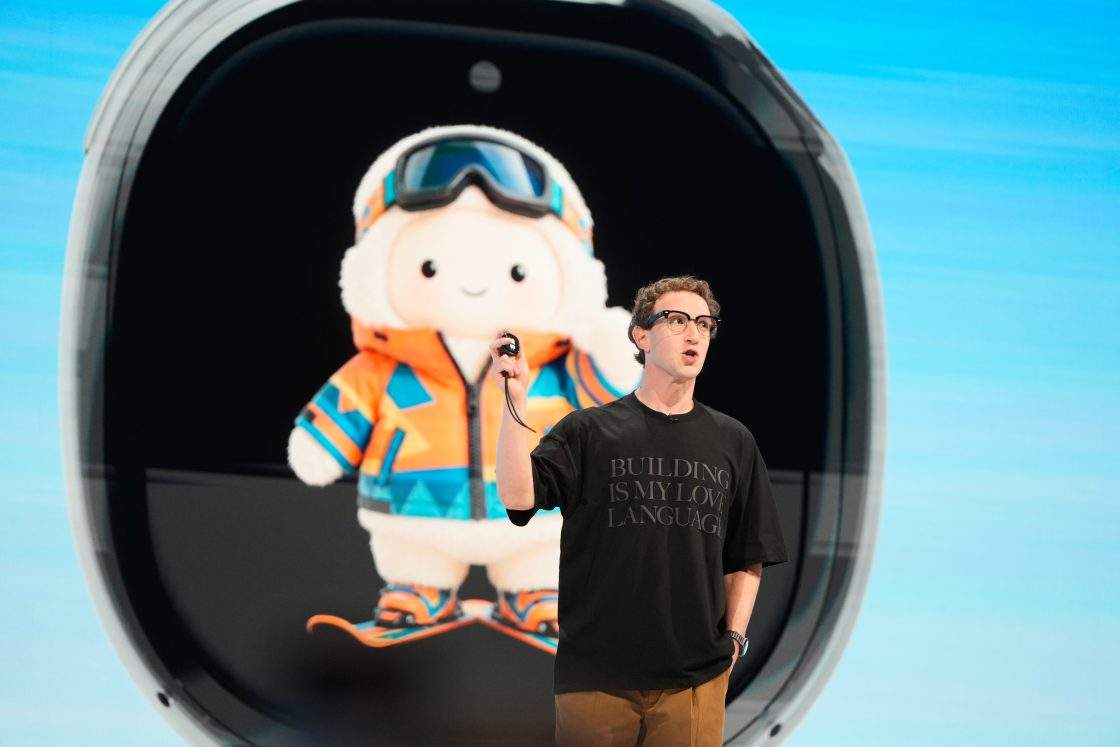
Meta Platforms plans to expand its Muse personal agent and charge businesses for transactions it handles, CEO Mark Zuckerberg (pictured) stated on the company’s Q3 earnings call.
He said more than 10 million people in the US and Canada have set up Muse in a month and a half, and about 25% use it on any given day
Zuckerberg stated Muse had a “clear product-market fit” and that Meta will focus on attracting more users, increasing revenue and optimising compute costs.
“We expect to grow Muse to serve billions of people,” he said, calling the goal as “both our mission and our strategy”.
The Muse line began in April with Muse Spark, the first model from Meta’s Superintelligence Labs. This month Meta followed with Muse Wonder and Muse Wonder Full.
Shopping is Muse’s most common use, with more than a quarter of users shopping through the agent.
Zuckerberg said Muse “should be free” for most people, with Meta taking a fee on transactions it facilitates for businesses. Subscriptions would cover access to the most advanced models or extra tokens, and business owners could also subscribe directly.
“We have been discussing our vision for personal superintelligence for more than a year now,” he said. “We want every person [to] have an extremely capable personal agent that understands your goals and can help you achieve them,” he said.
Meta Q3 metrics Meta’s quarterly revenue rose 26% year over year to $64.6 billion.
Costs climbed 68% to $51.6 billion, including a $9.89 billion charge from an August agreement with 52 attorneys general over teen mental health claims.
Operating income fell 37% to $13 billion and the operating margin halved to 20%. Net income rose to $9.9 billion from $2.7 billion a year earlier, when a one-time $15.9 billion tax charge reduced profit.
Capital spending totalled $34.9 billion, with Meta forecasting $135 billion to $145 billion for 2026.
Its apps reach 3.64 billion people a day, up 3% from a year ago but just below the 3.65 billion analysts expected, according to StreetAccount. Zuckerberg said Threads has overtaken X in monthly users.
Reality Labs, which makes the Quest headsets and the Ray-Ban and Oakley AI glasses, lost $4.1 billion on $443 million of revenue, compared to a $4.4 billion loss a year ago.
Meta CFO Susan Li said the company expects Reality Labs to lose $18 billion to $19 billion in 2026, down slightly from $19.2 billion in 2025.
Also yesterday, Reuters reported a New Mexico judge ordered Meta to pay the state $25 billion after a jury found it misled consumers in a case tied to the Cambridge Analytica scandal. The tech giant said it will appeal.
Poland has paused the delivery of a large military aid package to Ukraine after a Lviv regional council honored the Ukrainian Insurgent Army (UPA), a WWII nationalist force, a source in the Ukrainian government told European Pravda on 21 October. A Polish Defense Ministry spokesperson told Fakt the report was untrue, though he told WP he knew nothing about a possible delay in shipment.
If confirmed, the freeze would carry a history dispute into Poland’s military aid. The row flared in May, when Kyiv named a special forces unit after the UPA, and in June Poland’s president stripped Zelenskyy of Poland’s highest honor. Even so, Ukraine’s ambassador said in August that Polish military aid was still flowing.
A vote and a disputed freeze
The Lviv Oblast Council voted on 20 October to name 2027 the year of the UPA, its commander Roman Shukhevych, and nationalist activist Oleh Olzhych. The UPA fought Nazi Germany and the Soviet Union, but Poland holds it responsible for mass killings of Poles in Volhynia and Eastern Galicia in 1943–1944. The resolution disappeared from the council’s website late that evening, RMF24 reported.
The source blamed what it called the councilors’ irresponsible actions, saying the vote came as Poland prepared the shipment and that work through closed channels is underway. The ministry spokesperson, Janusz Sejmej, called the report untrue. Asked whether it could reflect a delay in shipment, he said he knew nothing about that.
Explore further
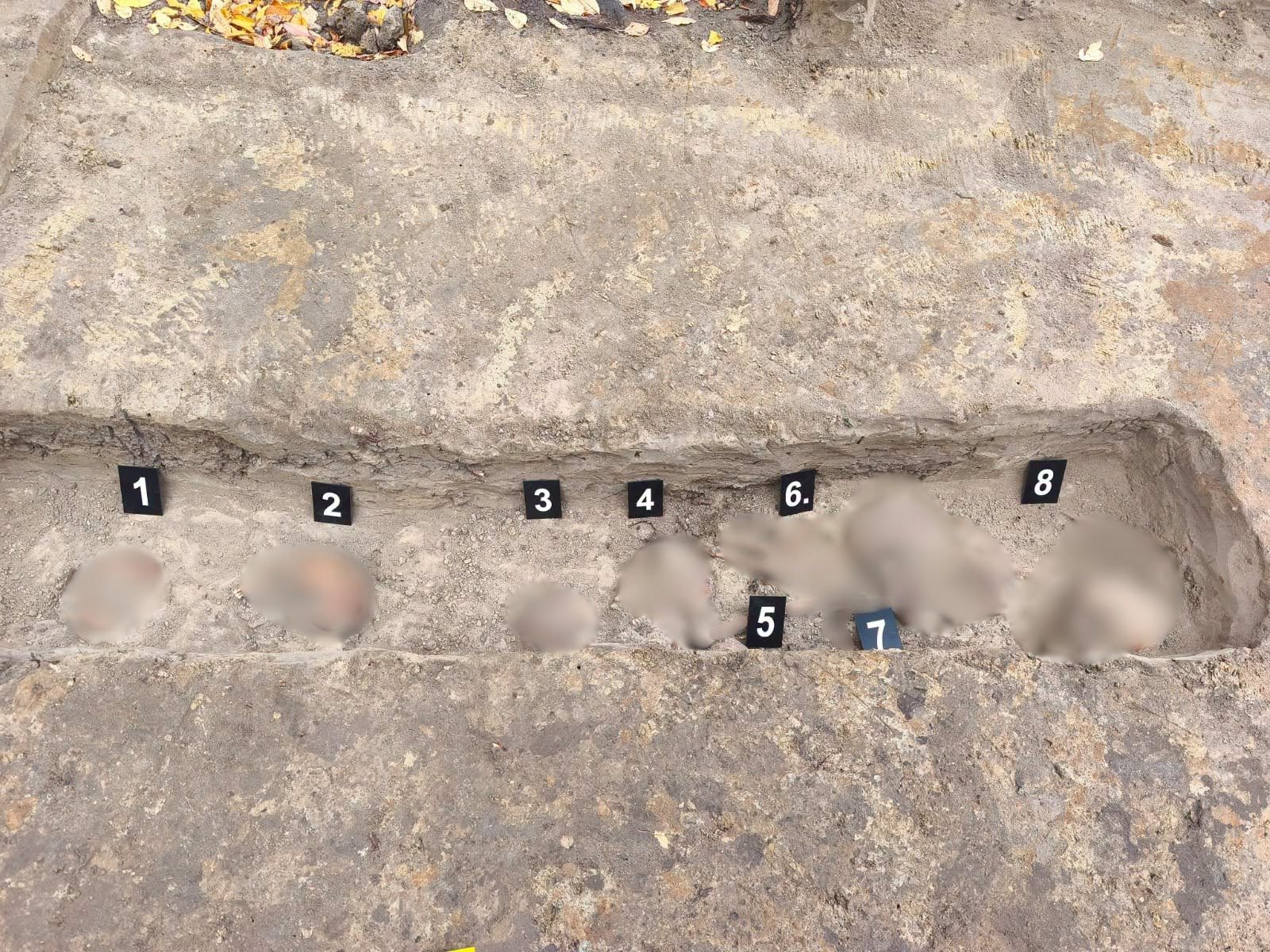
Progress on a sore point for Ukraine and Poland: remains of over 40 Ukrainians killed by Polish WWII units found in Łasków
Polish officials push back
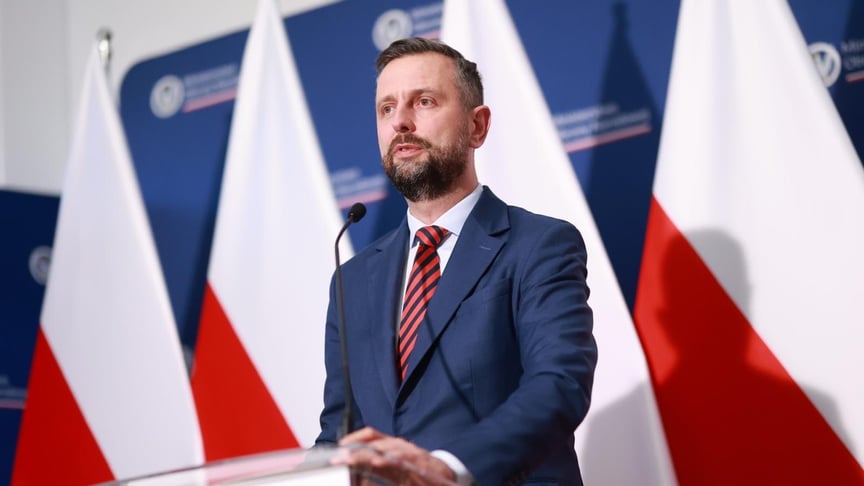
On 20 October, Defense Minister Władysław Kosiniak-Kamysz wrote that Ukraine’s authorities must distance themselves from the council’s position.
The next morning, Prime Minister Donald Tusk called the vote unwise and harmful above all to Ukraine. He said he had warned Zelenskyy earlier that such gestures hinder Ukraine’s friends, though the president was not responsible for this vote. At such moments, Tusk said, Russians always rub their hands.
Foreign Minister Radosław Sikorski then requested that councilor Sviatoslav Sheremeta, who proposed the resolution, be added to Poland’s list of unwanted persons. That afternoon, Interior Minister Marcin Kierwiński said the decision had been made. Sheremeta is barred from the Schengen zone until 2031, RMF24 reported. Poland had already barred him once, in 2017, the outlet said.
Kyiv asks for restraint
Earlier on 21 October, before the ban, Ukraine’s Foreign Ministry called the vote counterproductive in a reply to journalists and urged Warsaw to avoid abrupt steps. Zelenskyy’s closest aides had also promised the resolution would not take effect, Deputy Foreign Minister Marcin Bosacki told TVN24.
A U.S. court ordered Meta, the owner of Facebook, Instagram and WhatsApp, to pay $25 billion for deceiving the public about how it protects personal data, in a case tied to the Cambridge Analytica scandal.
Judge Francis Mathew set the fine on Wednesday after a jury determined that Facebook made misleading promises about who could access user data and how that information was protected, according to the ruling. The jury found 26 statements by Meta made between 2010 and 2021 to be misleading, including some by CEO Mark Zuckerberg and then-chief operating officer Sheryl Sandberg.
In his ruling, Mathew wrote that Facebook’s misconduct, developed over years and systematically disseminated to the public, went to the core of its business practices. According to the ruling, the company maintained those promises despite internal warnings that it could not fulfill them, and allowed certain business partners to retain access to data it had announced it would stop sharing in order to avoid losing revenue. The judge concluded that the messages sought to build trust and attract users, whose data are essential to the company’s personalized advertising business.
The case is deeply tied to Cambridge Analytica, a British consulting firm that worked for Donald Trump’s 2016 presidential campaign and obtained data from millions of Facebook users without consent to promote political advertising, according to a statement from the New Mexico Department of Justice. Revelations about the firm, made public in 2018, affected up to 87 million profiles and sparked an international scandal over the use of personal information by social networks and their role in electoral campaigns. The trial also examined what Facebook said publicly about its efforts to combat disinformation and hate speech.
Although the judge initially calculated a fine of more than $219 billion, he ultimately reduced the amount to $25 billion, which will accrue annual interest of 15% until effective payment. The money will go to New Mexico’s education system, although the attorney general warned that an appeal by Meta could delay the availability of the funds.
New Mexico Attorney General Raúl Torrez presented the decision as one of the largest financial penalties against a company in U.S. history.
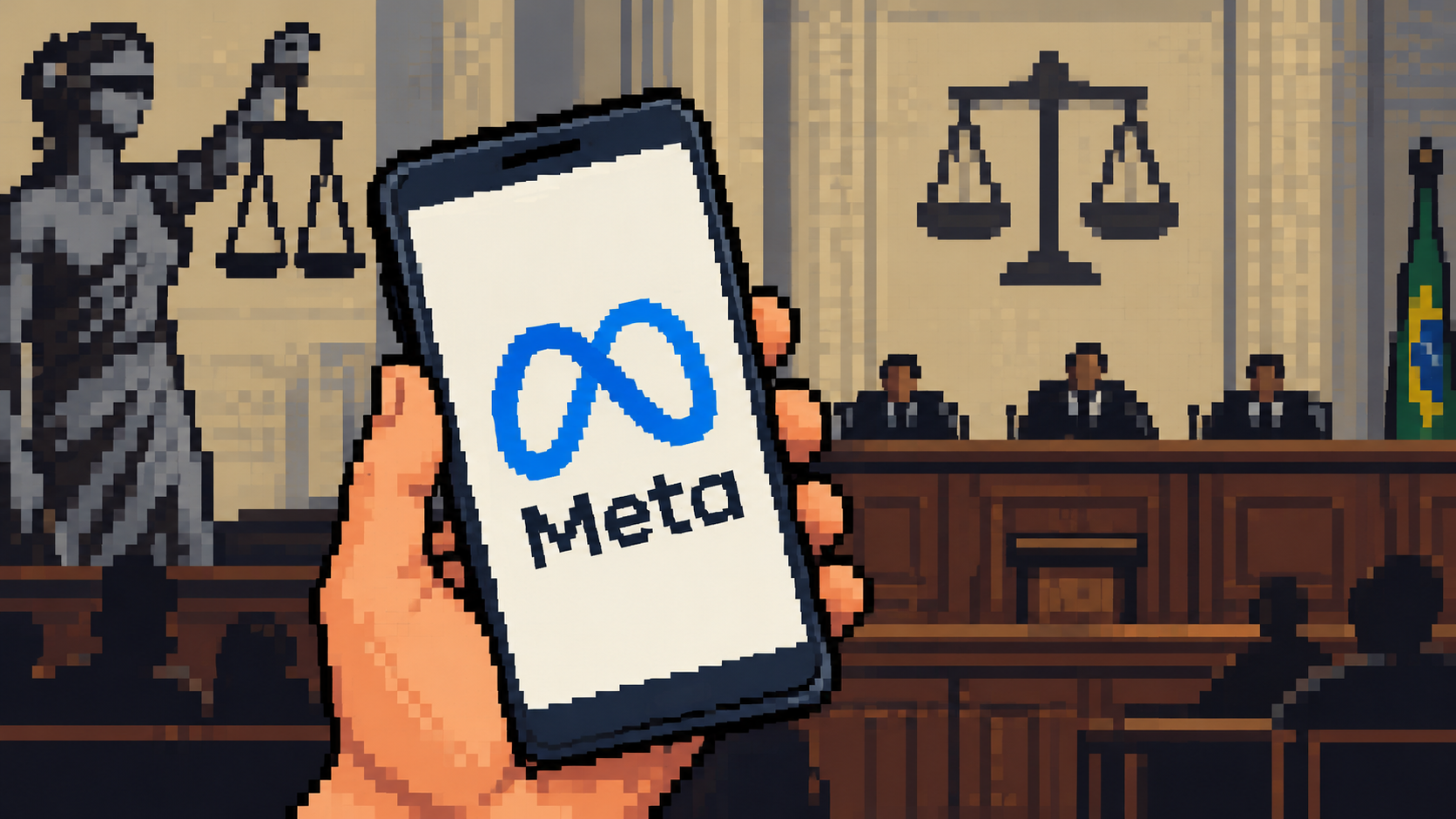
Em dois movimentos distintos, um judicial e outro extrajudicial, o Ministério Público Federal (MPF) quer barrar bloqueios, suspensões de contas e restrições de alcance promovidos pela Meta no Instagram, Facebook, WhatsApp e Threads.
Na Justiça Federal do Rio Grande do Sul, o MPF ajuizou nesta quarta-feira, 21 de outubro, uma ação civil pública, com pedido de urgência. Em outra frente, a Procuradoria Federal dos Direitos do Cidadão (PFDC) enviou recomendação à Meta, cobrando providências imediatas.
A ação lida especificamente com as denúncias que fazem parte da representação feita pelas organizações Ctrl+Z, Artigo 19, Conectas e Sleeping Giants Brasil, que mostram que a Meta bloqueou conteúdos políticos pró-Lula e contra Flávio. A Agência Públicamostrou que além dos bloqueios, a plataforma derrubou perfis com acusação de terrorismo e nudez, mesmo não havendo conteúdos nesse sentido. A Procuradoria pede o restabelecimento imediato de contas, páginas e conteúdos afetados pelas restrições apontadas na representação.
A ação pede ainda que a Justiça Federal proíba o uso exclusivo de algoritmos para decisões de bloqueio de conteúdo e que as futuras reavaliações e análises de recursos sejam conduzidas obrigatoriamente por equipes humanas especializadas, com a fixação de multa diária de R$ 500 mil por conta afetada, em caso de descumprimento.
O MPF apurou que as restrições arbitrárias impostas pela companhia foram operadas por meio de algoritmos automatizados, sem notificação clara sobre as supostas violações ou oportunidade de contestação por canal efetivo com revisão humana. Essa prática provocou o enfraquecimento do engajamento de conteúdos cívicos e o cerceamento do debate democrático.
Ao público, no dia 16, a Meta reconheceu que “a conta de anúncios da campanha de Lula foi desativada por engano por pouco mais de 1 hora”, mas afirmou que não se tratou de “razões políticas”.
Após pedir para ‘Flávio abrir o sigilo’, dona de comunidade é bloqueada pela Meta
Uma das vítimas das restrições foi a arquiteta Carolina Martins, 43, de Brasília. Ela criou um grupo e uma comunidade visando angariar apoio para a candidatura de Lula no segundo turno. O grupo chegou a ser derrubado, acusado de “terrorismo” sem fundamentação pela empresa. Ela teve a conta de WhatsApp derrubada e ainda está sofrendo outras restrições da Meta.
Ao divulgar esta semana a proposta do presidente Lula para que ambos os candidatos abram seu sigilo bancário, feita após o debate da rede Bandeirantes, Martins postou uma imagem que dizia “Flavio Abra o Sigilo”. Na segunda-feira, dia 19, ela foi suspensa pela Meta de postar links em suas publicações no Instagram até 16 de novembro sob a acusação de “práticas comerciais proibidas”.
Recomendação quer resposta da Meta em 48 horas
Já a recomendação, que é uma medida extrajudicial para uma empresa ou ente público realizar medidas para corrigir uma ilegalidade, foi expedida pela Procuradoria Federal dos Direitos do Cidadão, em Brasília, e direcionada diretamente à Meta para que a companhia adote medidas urgentes de transparência e proteção à liberdade de expressão nas redes Facebook, Instagram, Threads e WhatsApp durante o período eleitoral.
À empresa foi dado prazo de 48 horas para responder se acatará as recomendações do MPF e para detalhar as providências que serão adotadas durante o segundo turno das eleições, além de 30 dias para apresentar um relatório conclusivo.
A medida da PFDC vem depois da instauração de investigação no último dia 13 na qual o MPF pediu à Meta uma série de informações. A companhia enviou uma resposta ao MPF no dia 19 de outubro, complementada ontem, 20.
Nas respostas, segundo a PFDC, a Meta teria alegado, em síntese, que a sua moderação se basearia nos Padrões da Comunidade e na legislação local, que não levaria em conta a orientação política ou ideológica dos usuários.
As respostas foram consideradas genéricas pelo MPF e não abordaram as moderações indevidas e não esclareceram caso a caso no que se baseou cada restrição, conforme demandado no ofício da semana passada.
A manifestação da Meta não mencionou as suspensões fundadas em enquadramentos graves (como terrorismo e abuso sexual), nem das remoções que teriam ocorrido após denúncias em massa. A recomendação à Meta é assinada pelo Procurador Federal dos Direitos do Cidadão, Paulo Thadeu Gomes da Silva, e mais cinco procuradores do MPF que atuam na área de direitos humanos.
Meta has been fined $25 billion over allegations that it lied to users about how it handled their personal data. BBC Business describes the penalty as the largest yet imposed on Facebook's parent company, surpassing an earlier $18 billion privacy settlement Meta reached with the state of California. Meta has not yet issued a public response.
Digital models modified Flávio Bolsonaro’s event photography to artificially expand audiences and simulate support from female voters.
The Brazilian presidential election has become an arena for modern, dirty digital tactics. Senator Flávio Bolsonaro, representing the Liberal Party (PL), has centered his campaign strategy around coordinated digital reach and automated content production.
Rather than working as a traditional political campaign of physical rallies, the operation relies heavily on digital distribution infrastructure across social media platforms.
Flávio’s strategy operates through two main mechanisms. First, the campaign uses synthetic consensus tools, automated social media accounts, AI image generation, and digital avatars to simulate organic public backing.
Second, the campaign benefits from algorithmic distribution asymmetries on digital platforms, which amplify far-right material while placing system restrictions on competing political content.
Collected evidence by independent researchers, journalism networks, and electoral authorities indicates that systemic digital manipulation and platform-level infrastructure played a decisive role in shaping voter perception and electoral engagement in Brazil.
Industrial Bot Networks
A core component of Flávio Bolsonaro’s digital strategy involves the commercial purchase of automated networks designed to manufacture artificial public support.
An investigation by The Intercept Brazil revealed that Flávio Bolsonaro paid Elytron, a cybersecurity firm, to carry out data collection and voter identification to spread rumors and create fake accounts.
These automated tools operate primarily across WhatsApp, Instagram, and X, generating synchronized posts and artificial engagement to bypass standard organic distribution patterns.
This infrastructure uses astroturfing techniques to alter online public discourse. By deploying thousands of automated accounts programmed to post identical messaging scripts, the campaign artificially inflates engagement metrics, pushes specific political hashtags into regional trending lists, and floods comment sections on public news pages.
This creates a false impression of widespread popular momentum, designed to sway undecided voters through perceived consensus.
Technical evaluations submitted during electoral court proceedings reveal the scope of these automated operations. Data presented to electoral monitors shows coordinated account clusters posting at frequencies humanly impossible without software automation.
🚨 BREAKING: Flávio Bolsonaro paid R$600,000 to a company that offered AI to manipulate elections, according to Intercept Brasil. pic.twitter.com/eFcRp74vNw
Various social organizations and media outlets have denounced the deployment of AI image and video generation tools as another facet of Flávio Bolsonaro’s digital strategy.
A prominent example occurred during campaign launch events, where the campaign broadcast an AI-generated digital avatar of former president Jair Bolsonaro endorsing his son’s candidacy. This technique allowed the campaign to maintain the political presence of the former president Bolsonaro in public events despite judicial rulings restricting his direct participation in political activities.
In addition, the campaign used AI tools to manipulate visual documentation of campaign gatherings. Documented instances show event photography processed through image generation models to alter crowd compositions.
These AI modifications included scaling up crowd sizes to exaggerate physical attendance and digitally swapping male attendees with female faces. The primary objective of this demographic engineering was to simulate broader support among female voters, a demographic group where polling data consistently showed lower support for the candidate.
An investigation by a Brazilian media outlet identified more than 50 TikTok videos altered using AI, specifically on-the-street interviews in which subjects claimed they would vote for Flávio Bolsonaro. These videos garnered over 7 million views, yet in only 18% of them did the platform indicate that the individuals featured were AI-generated.
While Brazilian law prohibits the use of AI-generated videos in political campaigns, it is difficult to determine when such content is created by third parties with no direct affiliation to the campaigns.
Due to a lack of female supporters, Brazilian presidential candidate Flávio Bolsonaro has resorted to using AI to transform middle-aged men into attractive young women.
Flávio Bolsonaro’s public communications strategy relies heavily on coordinated attack campaigns directed against President Luiz Inácio Lula da Silva and the Workers’ Party (PT).
The Flávio campaign’s public messaging routinely utilizes sensationalist allegations and targeted attacks. Online networks affiliated with the campaign circulate manufactured claims regarding public safety, economic stability, and social values, framing the current administration in terms of moral crisis.
On Sunday the 18th, the public debate between the two candidates took place, and Flávio Bolsonaro spent most of his time attacking Lula during his turns to speak.
Throughout the debate, Flávio was sarcastic and mocking toward President Lula; he attempted to intimidate him physically, to which Lula responded by moving away, stating that he did not want to be near either Flávio or the Bolsonaro family.
Furthermore, when the discussion turned to public safety, Flávio claimed that Lula is the preferred candidate of organized crime, pointing out that Lula received a large number of votes from within the country’s prisons. Lula replied, “I want 100% of them to vote for me -even your father,” a reference to the fact that Jair Bolsonaro is currently incarcerated.
This aggressive messaging strategy directly impacts the broader political environment. By flooding public discourse with inflammatory claims, the campaign creates heightened polarization, distracts from substantive legislative evaluations, and systematically delegitimizes established democratic processes and electoral monitoring bodies.
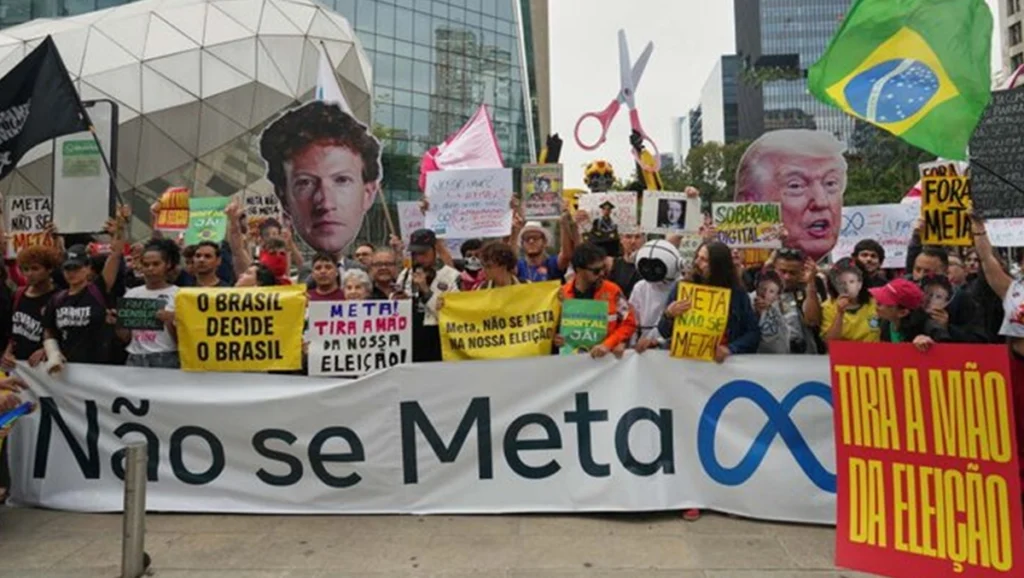
Hundreds of Brazilians protested outside Meta’s São Paulo offices, accusing the technology giant of limiting President Luiz Inácio Lula da Silva’s campaign reach while boosting far-right candidate Flávio Bolsonaro, just six days before the presidential runoff. The demonstration… pic.twitter.com/KRAxExFjMO
The Brazilian presidential race was shaped by asymmetries within Meta’s platforms, including Instagram, WhatsApp, and Facebook.
Filings submitted to the Superior Electoral Court (TSE, in Spanish) by President Luiz Inácio Lula da Silva’s legal team documented clear disparities in how content from both campaigns was handled by the different platforms.
A primary issue involved Meta’s generative AI features. When users requested campaign materials incorporating Lula’s official ballot number, 13, the system repeatedly rejected the prompts, citing political content restrictions. Conversely, identical requests containing Flávio Bolsonaro’s candidate number, 22, were routinely processed, generating promotional material for the far-right campaign.
In other instances, the AI tool inserted Bolsonaro’s electoral number into completely unrelated image requests. Following formal complaints, the Superior Electoral Court ordered Meta to ensure equal treatment. Meta attributed these outcomes to technical errors and implemented broad restrictions on political image generation.
Internal Meta communications revealed that technical errors caused Lula’s official Instagram profile to be excluded from platform search results and recommendation engines, while Flávio Bolsonaro’s profile remained fully discoverable and actively recommended to users. Furthermore, internal technical escalations confirmed that temporary account restrictions had hindered the reach of Lula’s messaging assets.
WHO'S THE REAL THIEF? LULA CHALLENGES BOLSONARO TO SHOW RECORDS
Ahead of Brazil’s presidential election, Brazilian President Lula da Silva publicly challenged rival Flávio Bolsonaro to open his bank accounts, release his phone records, and let the Brazilian people decide who… pic.twitter.com/U6Ge0yOV6A
The execution of Flávio Bolsonaro’s digital presidential campaign illustrates the evolving mechanics of far-right electoral operations.
By combining commercial bot procurement, generative AI deepfakes, coordinated public attacks, and platform-level algorithmic advantages, the campaign constructed a heavily synthetic media environment designed to influence voter perception.
These developments underscore the limitations of existing legal and regulatory frameworks in addressing digital campaign manipulation. While judicial interventions by the Superior Electoral Court forced technical corrections, reactive oversight remains insufficient to counteract real-time automated suppression and algorithmic imbalance.
Protecting democratic processes requires structural regulatory reform, including mandatory algorithmic transparency, strict auditing of generative AI systems, and clear accountability standards for global technology corporations operating within national borders.
Exposing the mechanics of digital manipulation through independent research and data-driven journalism remains essential to safeguarding electoral integrity against automated distortion and platform bias.
Sources: Brasil de Fato – Agência Brasil – Gov.br – O Globo – Folha de S.Paulo – O Estado de S.Paulo – El País – CNN Brasil – EFE – Instituto Tricontinental – La Base América Latina – Diario Red – The Intercept – El Salto
The verdict should be seen as a warning for tech companies that New Mexico will hold them accountable, state Attorney General Raúl Torrez said at a news conference.
They warn of disproportionate restrictions on campaign accounts and urge Meta to ensure fair treatment of candidates.
On Wednesday, United Nations human rights experts expressed concern about restrictions on political freedom of expression occurring in Brazil as a result of the way the technology company Meta is handling its social media platforms during Brazil’s presidential elections.
“Reports of restrictions on legitimate political expression on Meta platforms during Brazil’s elections raise concerns for freedom of expression, association, political participation and equal treatment of political viewpoints, UN experts said.
“Online platforms are key actors in democratic debate. Preventing people from speaking or reaching audiences without explanation affects who is heard,” they added.
This assessment is based on findings by international election observers who have reported incidents of political discrimination through electronic media.
🇧🇷 | META ATACA DE NUEVO A LULA
Empleados de Meta admitieron afecciones voluntarias a las cuentas de Lula, mientras favorecían la visibilidad de Flavio Bolsonaro.
The text reads, “META TARGETS LULA AGAIN. Meta employees admitted to intentionally interfering with Lula’s accounts, while boosting the visibility of Flavio Bolsonaro.”
Among those incidents, they highlighted the temporary interruptions of the campaign account of President Lula da Silva, the candidate of the Workers’ Party who is competing against U.S.-backed far-right Senator Flavio Bolsonaro in the runoff scheduled for Sunday, Oct. 25.
Observers have also recorded differences in audience engagement, user feeds, view counts and reach; restrictions on that campaign’s Instagram posts; and differences between the main political parties in AI image generation, WhatsApp channel search results, candidates’ stories and the distribution of political content potentially benefiting Bolsonaro’s campaign.
“Monitoring reports show thousands of accounts and posts have faced suspensions, reduced visibility and sharing limits, including journalists, human rights defenders, civil society actors and content creators,” the UN experts said.
“Information, including from Meta employees, suggests that accounts linked to one side of the presidential race were disproportionately curtailed.”
3 days after Meta was ordered to stop manipulating algorithms to favor Flavio Bolsonaro in the presidential election, two orgs have submitted evidence to Brazil's Superior Electoral Court that the corporation is still violating national election laws. https://t.co/GzJIA8gSjL
Last week, due to this discriminatory treatment, the Brazilian Superior Electoral Court ordered Meta to apply the same rules to both candidates until the runoff, prohibiting unequal restrictions on campaign reach, recommendations, and search results.
“Losing reach can mean losing a voice in public debate and the ability to mobilise communities. Algorithms, AI systems and content-moderation decisions must not become invisible arbiters of political discussion. Where political expression appears disproportionately restricted, platforms must explain why, address unequal impacts and ensure effective remedies,” the UN experts warned.
“The responsibility to respect human rights requires technology companies to identify, prevent and address adverse impacts, in line with the UN Guiding Principles on Business and Human Rights, including in platform governance and content moderation,” they added.
A Meta AI chatbot tells grad student Laura Morgado why Meta is backing Bolsonaro. “Trump & the Bolsonaros are the global political shield for big tech companies against the advance of European regulation & the Latin American left." Another technical glitch?https://t.co/NyVrTkP07d
“During elections, delayed remedies may have irreversible consequences. Freedom of expression and information integrity must therefore go hand in hand. Measures against disinformation must not arbitrarily restrict legitimate political expression,” the UN experts stressed, and urged Meta to assess whether its moderation, recommendation, and AI systems disproportionately restricted one side of Brazil’s electoral debate.
“Digital platforms must not become unaccountable gatekeepers of political debate, nor should their systems be susceptible to undue influence by political actors. Democracy and free and fair elections depend on independent and consistent platforms and an open, pluralistic environment where people can access information, scrutinise those seeking power, exchange views and organise without arbitrary interference,” the experts said.
The statement was signed by figures including Leopoldo Maldonado, Special Rapporteur on the promotion and protection of the right to freedom of opinion and expression; Margaret Satterthwaite, Special Rapporteur on the independence of judges and lawyers; and Gina Romero, Special Rapporteur on the rights to freedom of peaceful assembly and of association.
A Solverde Casinos & Hotéis, a principal marca a atuar nas áreas da hospitalidade, entretenimento e jogo em Portugal, anuncia a programação de novembro como uma ode à alma lusitana. A 14 de novembro, Ana Moura, Cuca Roseta e Raquel Tavares vão levar alma e tradição aos Casinos de Norte a Sul. Silêncio, que se […]
The upcoming U.S. midterms are not just another vote. They are on track to become a new testing ground for autonomous AI agents that first emerged in the Hugging Face attack. Experts are already warning of the potential for these “rogue agents,” seen in action this summer, to carry out more refined, dangerous and harder-to-trace disinformation campaigns and electoral interference than those observed in previous election cycles.
O encontro realiza-se em Estômbar, no dia 23 de outubro, e integra o circuito nacional. A associação pretende sensibilizar para a inclusão, o envelhecimento ativo e a saúde mental.
A AHETA realizou na quinta-feira, dia 15 de outubro, no Castelo Suites Hotel, em Albufeira, mais um jantar-debate que juntou mais de uma centena de empresários, autarcas e líderes regionais.
O encontro, subordinado ao tema ‘Análise da situação económica e perspetivas para 2027’, contou com a participação do Ministro da Economia e da Coesão Territorial, Castro Almeida, e promoveu uma reflexão sobre a realidade do turismo e os rumos da economia regional.
Coube ao presidente da direção da AHETA – Associação dos Hotéis e Empreendimentos Turísticos do Algarve, Hélder Martins, a abertura dos trabalhos tendo o dirigente aproveitado boa parte do tempo do seu discurso para expor as distorções nos dados oficiais do setor.
Hélder Martins, presidente da AHETA
O dirigente denunciou que a amostragem do INE peca por deixar de fora a esmagadora maioria do Alojamento Local com menos de nove camas, um cenário que oculta o verdadeiro volume do turismo regional e faz com que, na prática, “falte contar milhões de dormidas” em relação aos registos europeus do Eurostat.
Martins criticou também o facto de o Algarve continuar a ser preterido na resolução deste problema, lamentando a forma como a região fica “sempre em último” no arranque de projetos-piloto de medição estatística.
Ao aprofundar os estrangulamentos estruturais da região, Hélder Martins dirigiu-se ao Governo para reclamar investimentos urgentes nas vias de comunicação, nomeadamente na requalificação da A22 e da EN125 no troço Olhão-Tavira, bem como na modernização da frota da CP e no avanço das ligações ferroviárias ao Aeroporto Internacional de Faro e a Huelva.
Apontou igualmente a perda de expressão da TAP na região, que é a oitava companhia em oferta no aeroporto algarvio.
Hélder Martins não perdeu a oportunidade de pedir a colaboração dos autarcas para defender a qualidade paisagística, com o alerta de que a proliferação de construções clandestinas e sinalética ilegal, que desvaloriza a imagem do destino.
Se no capítulo ambiental reconheceu os progressos do Governo na resposta à crise da água, o presidente da AHETA colocou no topo das prioridades a urgência de erguer “habitação social para os nossos quadros“, indispensável para captar e fixar trabalhadores na região.
Na sua resposta, o Ministro da Economia e da Coesão Territorial, Castro Almeida, começou por elogiar a trajetória de sucesso do Algarve. O governante lembrou que a região passou de uma imagem negativa do passado para se afirmar hoje como o destino turístico dominante no país e uma referência internacional consolidada, mérito que atribuiu ao profissionalismo do setor privado e ao impulso dos órgãos locais.
Para o titular da pasta da Economia, a riqueza do país gera-se no seio das empresas, pelo que, deve o Estado apoiar a iniciativa privada em vez de a condicionar, nomeadamente através da redução progressiva da carga fiscal sobre os trabalhadores e o tecido empresarial.
Num dos momentos centrais da sua intervenção, Castro Almeida anunciou uma verdadeira “guerra à burocracia“, materializada no futuro Código do Licenciamento. Esta reforma irá codificar e revogar 37 diplomas legalmente dispersos, com a regra essencial de dispensa do licenciamento prévio, o que permite às empresas de hotelaria e restauração comunicar a abertura e iniciar a atividade sem o travão das vistorias anteriores.
O ministro da Economia, ao analisar os indicadores do turismo, salientou que o setor cresce de forma saudável e acentuada em valor. Apontou que a subida de 6,8% nas receitas turísticas, muito acima do aumento residual de 0,2% nas dormidas, mostra que os visitantes “valorizam mais o Algarve e deixam mais dinheiro“, o que permite remunerar melhor o investimento e valorizar os salários.
[the_ad id="555438"]
O governante congratulou, ainda, a região pela redução progressiva da sazonalidade, com destaque para o facto de 60% da faturação se realizar fora dos meses de verão, e confirmou a aposta no reforço de grandes eventos mundiais como o MotoGP e o regresso da Fórmula 1 para colocar Portugal no “Top 10 dos destinos mais competitivos do mundo“.
Refira-se por fim, que após as intervenções, teve lugar um debate entre os participantes e os oradores. Em cima da mesa, estiveram matérias críticas para a competitividade do Algarve, tais como o acesso a financiamentos, a escassez de habitação para os trabalhadores do setor, a diversificação de produtos complementares e a evolução do perfil do turista.
A AHETA, na nota enviado ao nossos jornal, afirma que vai dar continuidade a estas iniciativas, tendo já agendado o próximo fórum para o dia 20 de novembro, que terá como convidado o Ministro da Administração Interna, Luís Neves.
A AHETA – Associação dos Hotéis e Empreendimentos Turísticos do Algarve congratula publicamente todas as entidades e empreendimentos da região distinguidos nos prestigiados World Travel Awards (WTA) 2026 e nos World Luxury Travel Awards (WLTA).
Estas distinções de nível internacional, segundo menciona a AHETA num comunicado enviado à imprensa, vêm consolidar o posicionamento do Algarve como um dos destinos turísticos de referência em Portugal e na Europa. Mais, a conquista destes prémios espelha o empenho, o profissionalismo e a dedicação dos empresários e trabalhadores do setor, num esforço contínuo para posicionar a região no patamar mais elevado da oferta turística global.
Praia da Marinha, most famous beautiful Marinha beach in Algarve, Atlantic coast, Portugal.
Também merece Especial Destaque a eleição do Algarve como Europe’s Leading Beach Destination, um galardão de grande relevância que distingue e premeia a região como um todo.
Para a AHETA, a procura da excelência é um caminho que não se esgota. Se, por um lado, estes reconhecimentos consagram a qualidade do serviço, do património natural e das infraestruturas algarvias, por outro, devem servir de estímulo e motivação para continuar a fazer mais e melhor.
O grande objetivo de toda a região Algarve deve assentar na elevação dos padrões de sustentabilidade, inovação e hospitalidade, de modo a consolidar o papel decisivo da região algarvia na projeção contínua de Portugal no mundo.
Aerial drone view of Algarve costline, Portugal
Importa referir que a AHETA saúda publicamente e de forma individual, cada um dos seguintes premiados:
World Luxury Travel Awards
Amendoeira Golf Resort – Distinguido, pelo segundo ano consecutivo, como “Melhor Campo de Golfe do Sul da Europa” e “Destino de Golfe Mais Sustentável do Sul da Europa”.
World Travel Awards 2026 – Vencedores da Europa
Europe’s Leading Beach Destination: O Algarve, Portugal
Europe’s Leading Hotel Residences: Pine Cliffs Residence, a Luxury Collection Resort
Europe’s Leading Lifestyle Hotel: Hyatt Regency Vilamoura Algarve
[the_ad id="555438"]
Europe’s Leading Resort Villas: Dunas Douradas Beach Club
Europe’s Leading Sports Resort: Cascade Wellness Resort
Europe’s Leading Water Park: Aquashow Water Park
World Travel Awards 2026 – Vencedores de Portugal
Portugal’s Leading All-Inclusive Resort: AP Adriana Beach Resort
Portugal’s Leading Beach Resort: Hotel Quinta do Lago
Portugal’s Leading Family & Wellness Resort: Cascade Wellness Resort
Portugal’s Leading Family Resort: Hilton Vilamoura As Cascatas Golf Resort & Spa
Portugal’s Leading Luxury Resort: Domes Lake Algarve, Autograph Collection
Portugal’s Leading Resort: Quinta do Lago
Portugal’s Leading Villa Resort: Dunas Douradas Beach Club
O Tribunal Superior Eleitoral (TSE) deu prazo de 24 horas para que a Meta comprove que suas plataformas digitais oferecem tratamento igualitário às campanhas do presidente Luiz Inácio Lula da Silva (PT) e do senador Flávio Bolsonaro (PL), candidatos que disputam o segundo turno da eleição presidencial. A determinação foi feita pelo ministro Marco Aurélio Bellizze nesta segunda-feira (19), após o magistrado considerar insuficientes as explicações apresentadas pela empresa.
A Meta, responsável pelo Instagram, Facebook e WhatsApp, poderá ter a multa diária elevada de R$ 500 mil para R$ 1 milhão caso não cumpra o novo prazo. Segundo Bellizze, a empresa não demonstrou satisfatoriamente que adotou as medidas exigidas pela Justiça Eleitoral para impedir favorecimento ou prejuízo artificial a qualquer uma das candidaturas.
Na decisão, o ministro criticou a tentativa da companhia de estabelecer prazos próprios para responder às determinações judiciais, além da apresentação de relatórios em inglês e documentos que, segundo ele, não esclareciam adequadamente as providências adotadas.
“Incumbe às partes cumprir com exatidão as decisões judiciais, e não criar embaraços à sua efetivação”, escreveu Bellizze.
A cobrança ocorre depois que o plenário do TSE confirmou, na sexta-feira (16), a decisão que obriga a Meta a assegurar condições equivalentes às duas campanhas em seus sistemas de distribuição de conteúdo, recomendação e inteligência artificial.
Denúncia partiu da campanha de Lula
O caso chegou ao tribunal após a campanha de Lula denunciar supostas restrições à circulação de publicações relacionadas ao presidente nas plataformas da Meta. Os advogados do petista alegaram que os conteúdos da candidatura alcançavam menos usuários, enquanto o perfil de Flávio Bolsonaro aparecia em recomendações automáticas.
Outro ponto questionado foi o comportamento da Meta AI, ferramenta de inteligência artificial disponível no WhatsApp. Segundo a representação apresentada pela campanha de Lula, o sistema se recusava a produzir materiais eleitorais favoráveis ao presidente, mas atendia a solicitações semelhantes envolvendo o senador.
Mensagens internas da empresa obtidas pela Folha de S.Paulo também apontaram problemas que teriam prejudicado contas ligadas a Lula. Os registros mencionam restrições ao impulsionamento de publicações e a recomendação algorítmica do perfil de Flávio.
A Meta atribuiu os episódios a falhas técnicas e negou que tenha favorecido deliberadamente um dos candidatos. Em manifestação divulgada anteriormente, a empresa afirmou que os problemas não se restringiam ao Brasil e faziam parte de dificuldades técnicas de alcance global.
O que a decisão proíbe
A determinação do TSE impede que a Meta reduza artificialmente o alcance de conteúdos político-eleitorais relacionados a Lula ou Flávio. A proibição inclui alterações na distribuição das publicações, retirada de recomendações, restrições aos resultados de busca e mudanças de métricas que possam prejudicar uma das candidaturas.
A empresa também deverá aplicar critérios equivalentes às duas campanhas em suas ferramentas de inteligência artificial. A ordem busca impedir que os sistemas ofereçam respostas diferentes a solicitações semelhantes em razão do candidato envolvido.
O ministro ressaltou que a apresentação de informações sobre a ausência de comportamento inautêntico coordenado não substitui a obrigação de demonstrar quais medidas foram efetivamente adotadas para cumprir a decisão judicial.
Estudos apontam anúncios eleitorais irregulares
A discussão sobre a atuação das plataformas digitais ocorre em meio a outras denúncias envolvendo publicidade política na internet.
Um estudo da organização britânica Eko, divulgado em setembro, apontou que a Meta aceitou anúncios políticos direcionados ao público brasileiro, pagos por uma conta sediada nos Estados Unidos. Segundo a pesquisa, as peças utilizavam inteligência artificial sem a identificação exigida e apresentavam informações eleitorais falsas.
Outro levantamento, realizado pelo NetLab, laboratório de estudos de internet e redes sociais da Universidade Federal do Rio de Janeiro (UFRJ), identificou anúncios políticos considerados irregulares no país e financiados a partir do exterior.
A decisão do TSE não representa, por si só, uma conclusão definitiva de que a Meta tenha interferido deliberadamente na eleição em favor de Flávio Bolsonaro. A empresa nega favorecimento, e o tribunal exige que ela demonstre o cumprimento das regras de igualdade entre as candidaturas.

 Login